

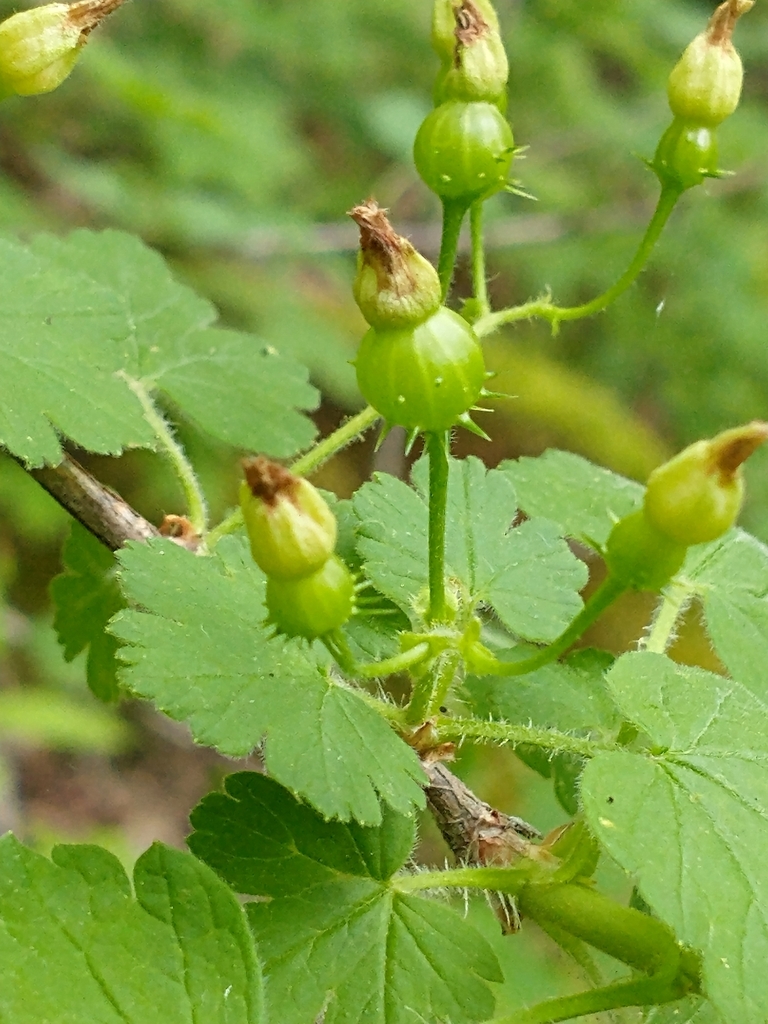
Prickly Gooseberry
Ribes cynosbati
Found in moist slopes, periglacial boulderfields, talus, grassy balds, especially at medium to high elevations. Weakley, Flora of the Southeastern United States (2025), Northern Tier edition What its natural habitat tells you
Native to West Virginia. How scores work Is it native here?
Profile 100%
- Height
- 2–4 feet
- Light
- Partial shade, Full shade, Full sun
- Soil moisture
- Dry to moist
At a glance
- Life cycle
- Woody perennial
- Leaves
- Deciduous
- Bloom
- April to June
- Fruiting season
- July to September
Not yet recorded · Spread
Recorded in 13 West Virginia counties.
Natural habitats
Places it grows wild. Not a planting requirement. Each habitat page lists the plants and wildlife also found there.
Forests on moist but not wet ground, such as rich slopes and ravines.
Cliffs, ledges and rocky summits
Cliffs, ledges, rock outcrops, talus and rocky summits where the source does not name the rock. A named rock files the place under its own glade or outcrop type instead.
Treeless grassy or shrubby summits and ridges in the high mountains.
Also found with this plant
Wildlife whose habitat models include habitats this plant grows in, in West Virginia. Shared habitat, not food. 106 animals.
- Acadian FlycatcherEmpidonax virescens
- Alder FlycatcherEmpidonax alnorum
- American CrowCorvus brachyrhynchos
- American GoldfinchCarduelis tristis
- American KestrelFalco sparverius
- American RedstartSetophaga ruticilla
- American RobinTurdus migratorius
- American WoodcockScolopax minor
- Bald EagleHaliaeetus leucocephalus
- Baltimore OrioleIcterus galbula
- Barred OwlStrix varia
- Belted KingfisherMegaceryle alcyon
- Black VultureCoragyps atratus
- Black-and-White WarblerMniotilta varia
- Black-billed CuckooCoccyzus erythropthalmus
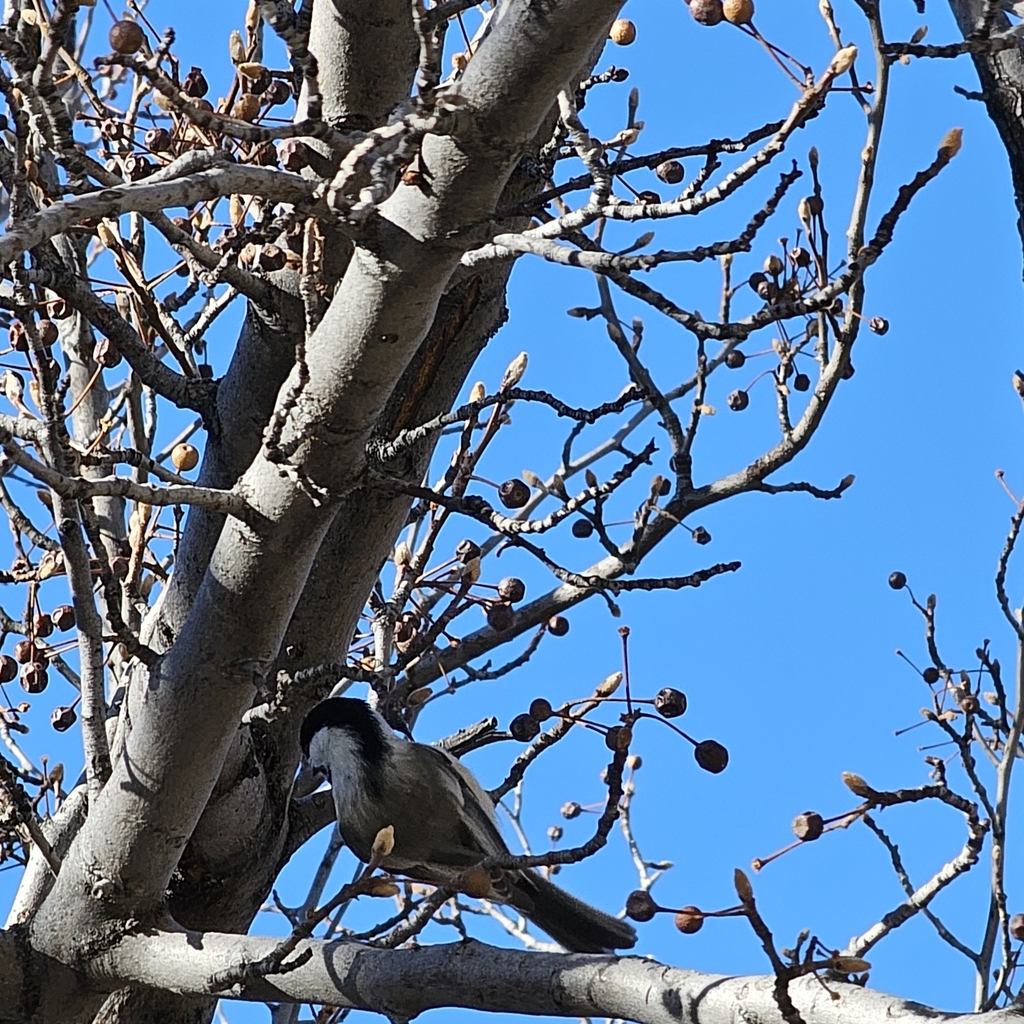
- Black-capped ChickadeePoecile atricapillus
- Black-throated Blue WarblerDendroica caerulescens
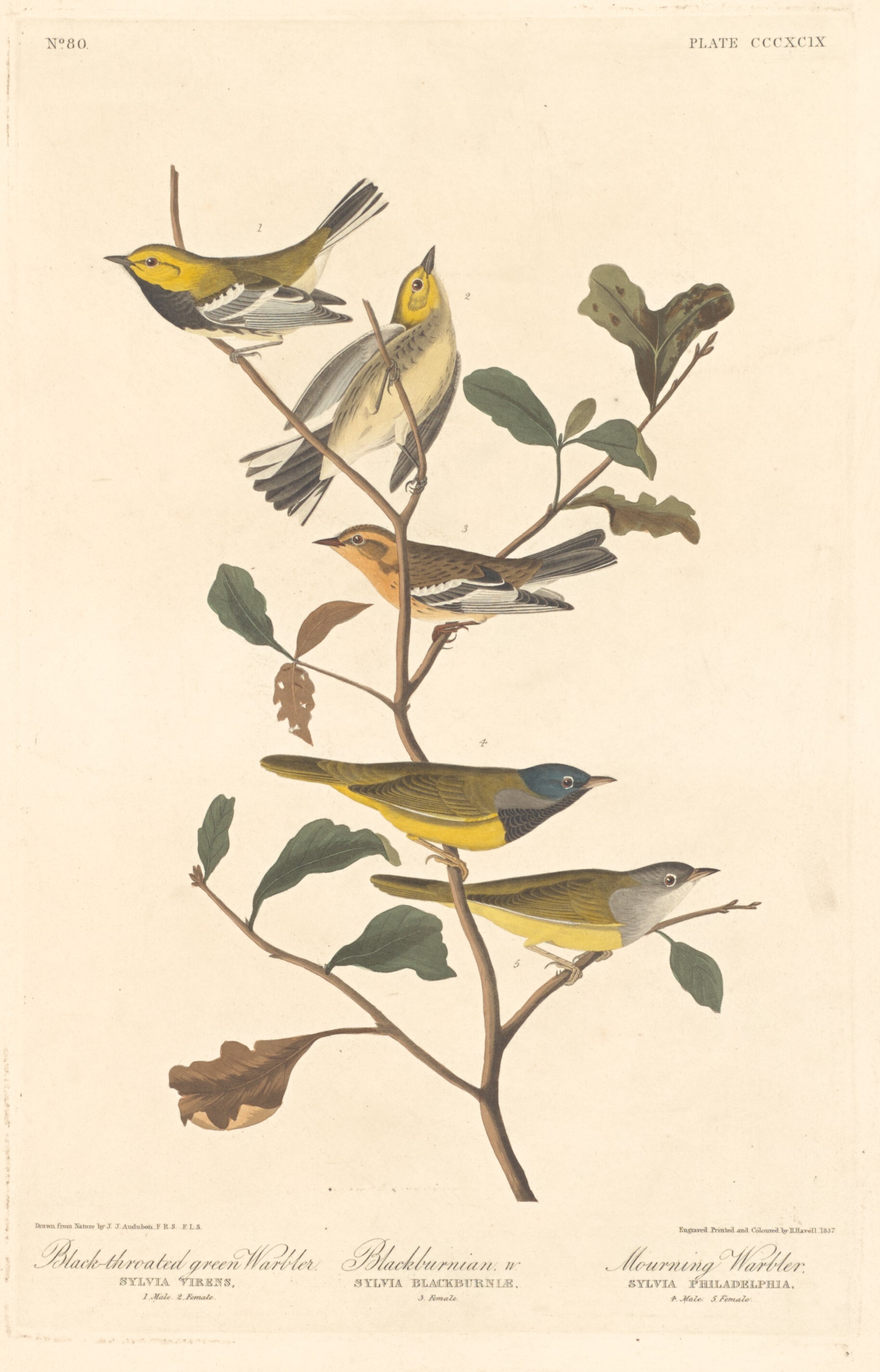
- Black-throated Green WarblerDendroica virens
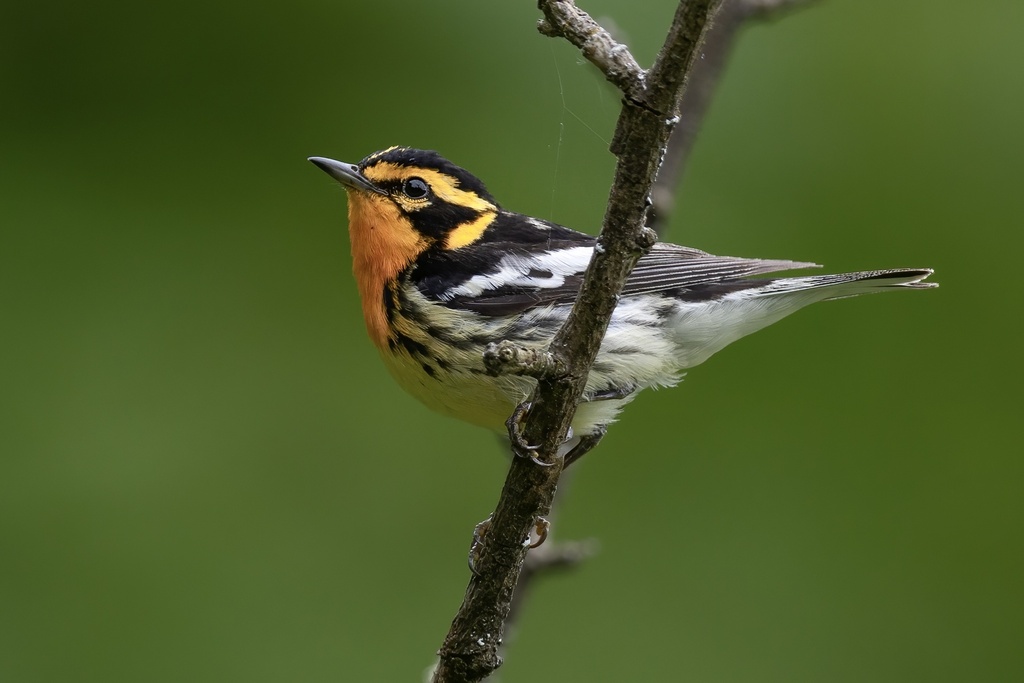
- Blackburnian WarblerDendroica fusca
- Blue GrosbeakPasserina caerulea
- Blue JayCyanocitta cristata
- Blue-gray GnatcatcherPolioptila caerulea
- Blue-headed VireoVireo solitarius
- Broad-winged HawkButeo platypterus





















Who uses this plant?
 76CaterpillarsGenus host records with ranges including WV
Genus host records with ranges including WV · Ribes
- Achatia distinctaDistinct Quaker
- Acronicta impressaImpressive Dagger, Printed Dagger
- Alcathoe caudataClematis Borer, Clematis Clearwing Moth
- Amphipyra pyramidoidesMiranda Underwing, Copper Underwing, Copper Amphipyra
- Antheraea polyphemusPolyphemus Moth
- Apamea amputatrixYellow-Headed Cutworm Moth
- Archips argyrospilaFruit-Tree Leafroller Moth
- Archips purpuranaOmnivorous Leafroller Moth
- Automeris ioIo Moth
- Biston betulariaSalt-and-Pepper Geometer, Cleft-Headed Looper
Show all 76
- Campaea perlataPale Beauty, Fringed Looper
- Carposina fernaldanaCurrant Fruitworm Moth
- Cepphis armatariaScallop Moth
- Chloridea virescensTobacco Budworm Moth
- Choristoneura rosaceanaOblique-Banded Leafroller Moth, Rosaceous Leaf Roller
- Clepsis persicanaWhite Triangle Tortrix
- Crocigrapha normaniNorman's Quaker
- Dichorda iridariaShowy Emerald
- Dysstroma citrataDark Marbled Carpet
- Dysstroma hersiliataOrange-Barred Carpet
- Dysstroma truncataMarbled Carpet
- Ectropis crepusculariaThe Small Engrailed, Saddleback Looper
- Erannis tiliariaLinden Looper Moth, Western Winter Moth, Lime Looper
- Eulithis propulsataCurrant Eulithis
- Eupithecia miserulataCommon Eupithacia, Common Pug
- Eupsilia tristigmataThree-Spotted Sallow, Brown Fruitworm
- Eutrapela clematariaCurved-Tooth Geometer, Purplish Brown Looper
- Euxoa messoriaReaper Dart, Darksided Cutworm, Dark-Sided Cutworm
- Hesperumia sulphurariaSulphur Moth
- Hyalophora cecropiaCecropia Silkmoth, Cecropia Moth
- Hyles lineataWhite-Lined Sphinx
- Hyphantria cuneaFall Webworm
- Hyppa xylinoidesCommon Hyppa
- Iridopsis ephyrariaPale-Winged Gray
- Iridopsis humariaSmall Purplish Gray
- Iridopsis larvariaBent-Line Gray
- Lambdina fiscellariaHemlock Looper, Western Oak Looper
- Limenitis arthemisBanded Purple, Red-Spotted Admiral
- Lithacodes fasciolaYellow-Shouldered Slug
- Lithophane baileyiBailey's Pinion
- Lophocampa maculataSpotted Tussock Moth, Yellow-Spotted Tiger Moth
- Macaria evagariaDrab Angle
- Macaria ribeariaCurrant Spanworm Moth, Currant-Worm Moth
- Macaria subcessariaBarred Angle, Barred Granite
- Malacosoma americanaEastern Tent Caterpillar
- Melanchra adjunctaHitched Arches
- Melanchra pictaPainted Arches, Zebra Caterpillar Moth
- Nematocampa resistariaFilament Bearer, Horned Spanworm Moth
- Nymphalis milbertiMilbert's Tortoise Shell, Fire-Rim Tortoise Shell
- Olethreutes appendiceumServiceberry Leafroller
- Orgyia leucostigmaWhite-Marked Tussock Moth
- Orthosia hibisciSpeckled Green Fruitworm Moth, Speckled Green Quaker
- Orthosia rubescensRuby Quaker
- Orthotaenia undulanaDusky Leafroller
- Papaipema cataphractaBurdock Border, Potato-Stalk Borer
- Papaipema nebrisStalk Borer
- Polia nimbosaStormy Arches
- Polygonia progneGray Comma
- Prochoerodes lineolaLarge Maple Spanworm Moth
- Protoboarmia porcelariaPorcelain Gray, Dashedlined Looper
- Pseudopostega quadristrigellaGooseberry Barkminer
- Pyrrharctia isabellaIsabella Tiger Moth, Banded Woolybear
- Selenia alcipheariaNorthern Selenia, Northern Thorn
- Sicya maculariaSharp-Lined Yellow
- Sideridis roseaThe Rosewing
- Spaelotis clandestinaClandestine Dart, W-Marked Cutworm
- Spilosoma virginicaVirginian Tiger Moth, Yellow Woolybear Moth, Yellow Bear
- Spiramater lutraDarling Mamestra, Splashed Arches, Otter Spiramater, Otter Arches
- Synchlora aerataWavy-Lined Emerald, Camouflaged Looper
- Xanthotype sospetaCrocus Geometer
- Xanthotype urticariaFalse Crocus Geometer
- Xestia c-nigrumSpotted Cut-Worm, Setaceous Hebrew Character, Lesser Black-letter Dart
- Xestia dolosaGreater Black-Letter Dart, Greater Spotted Cutworm
- Xylena nuperaRed Swordgrass Moth, American Swordgrass Moth, False Armyworm
- Carposina ottawana
- Herpetogramma aquilonalis
 11BeesSoutheastern regional records
Southeastern regional records · Ribes
Individual names are not available yet.
Noori, Seltmann & Orr 2026, A curated and integrated dataset for exploring global bee-plant interactions (GloBI), Zenodo, CC BY 4.0 0Specialist beesPollen specialists
 12BirdsRecorded genus food-resource interactions; not a state feeding claim
Recorded genus food-resource interactions; not a state feeding claim · Ribes
- Alectoris chukarChukar
- Aphelocoma californicaCalifornia Scrub-Jay
- Catharus guttatusHermit Thrush
- Dendragapus obscurusDusky Grouse
- Pinicola enucleatorPine Grosbeak
- Sialia currucoidesMountain Bluebird
- Sialia sialisEastern Bluebird
- Turdus migratoriusAmerican Robin
- Tympanuchus phasianellusSharp-tailed Grouse
- Tyrannus tyrannusEastern Kingbird
Show all 12
- Vireo griseusWhite-eyed Vireo
- Vireo olivaceusRed-eyed Vireo
Direct food only: birds recorded eating this genus across North America. Caterpillars on host plants also feed nesting birds. NC Native Plant Society: butterfly gardening
No records yet · Ants · Beetles · Flies · Adult butterflies / moths · Other wasps · Other insects
Plant details
- Family
- Grossulariaceae
- Soil pH
- Acidic
- Flower color
- White, yellow, green or brown
- Fruit begins
- July
- Fruit ends
- September
Safety has not been reviewed for this plant; check toxicity and thorns before planting.
Growing sources and scope
- Bloom · “April to June” · Weakley, Flora of the Southeastern United States (2025), Carolinas & Georgia edition · Carolinas and Georgia
- Flower color · “White, yellow, green or brown” · Lady Bird Johnson Wildflower Center
- Fruit begins · “July” · Weakley, Flora of the Southeastern United States (2025), Carolinas & Georgia edition · Carolinas and Georgia
- Fruit ends · “September” · Weakley, Flora of the Southeastern United States (2025), Carolinas & Georgia edition · Carolinas and Georgia
- Height · “2–4 feet” · Minnesota Wildflowers
- Leaves · “Deciduous” · Lady Bird Johnson Wildflower Center
- Life cycle · “Woody perennial” · Minnesota Wildflowers
- Light · “Partial shade; Full shade; Full sun (documented habitat)” · Weakley, Flora of the Southeastern United States (2025), Carolinas & Georgia edition · Carolinas and Georgia
- Soil · “Dry; Moist (documented habitat)” · Weakley, Flora of the Southeastern United States (2025), Carolinas & Georgia edition · Carolinas and Georgia
- Soil pH · “Acidic” · Lady Bird Johnson Wildflower Center
Also known as
Dogberry; Eastern Prickly Gooseberry
Conservation status
| West Virginia rank | S4 |
|---|---|
| Global rank | G5 |
| WV status | Not verified |
| Federal status | Not verified |
Will it fit your yard?
Check this plant against your county, sun and soil moisture. Conditions are checked in your browser.
Sources
- NatureServe Explorer
- USDA PLANTS
- Vascular Plants of North Carolina (NC Natural Heritage Program)
- Weakley, Flora of the Southeastern United States (2025), Carolinas & Georgia edition
- West Virginia occurrence source
- Shropshire & Tallamy 2025, Lepidoptera of North America north of Mexico, ZooKeys 1261 (ODbL)
- Noori, Seltmann & Orr 2026, A curated and integrated dataset for exploring global bee-plant interactions (GloBI), Zenodo, CC BY 4.0
- Smith, Bachelder, Russell, Morales, Mosher & Seltmann 2024, Bee-Specialization-Modeling v0.6.1 (specialist host table compiled from J. Fowler's pollen specialist bee lists), Zenodo, CC BY 4.0
- Hurlbert, Olsen, Sawyer & Winner 2021, Avian Diet Database, Scientific Data 8: 260 (CC0)
- Narango, Tallamy & Shropshire 2020, Few keystone plant genera support the majority of Lepidoptera species, Nature Communications