

Sourwood
Oxydendrum arboreum
Found in moist to dry deciduous forests, especially moderately dry to dry oak-hickory and oak-pine forests, and also often in sandhill/pocosin ecotones. Weakley, Flora of the Southeastern United States (2025), Northern Tier edition What its natural habitat tells you
Native to West Virginia. How scores work Is it native here?
Profile 100%
- Height
- 20–30 feet
- Spread
- 10–15 feet
- Light
- Dappled sunlight, Deep shade, Full sun, Partial shade
- Soil moisture
- Somewhat dry to moist
Space about 12.5 ft apart from its recorded spread. Enter your bed size for a count
Will it fit your yard?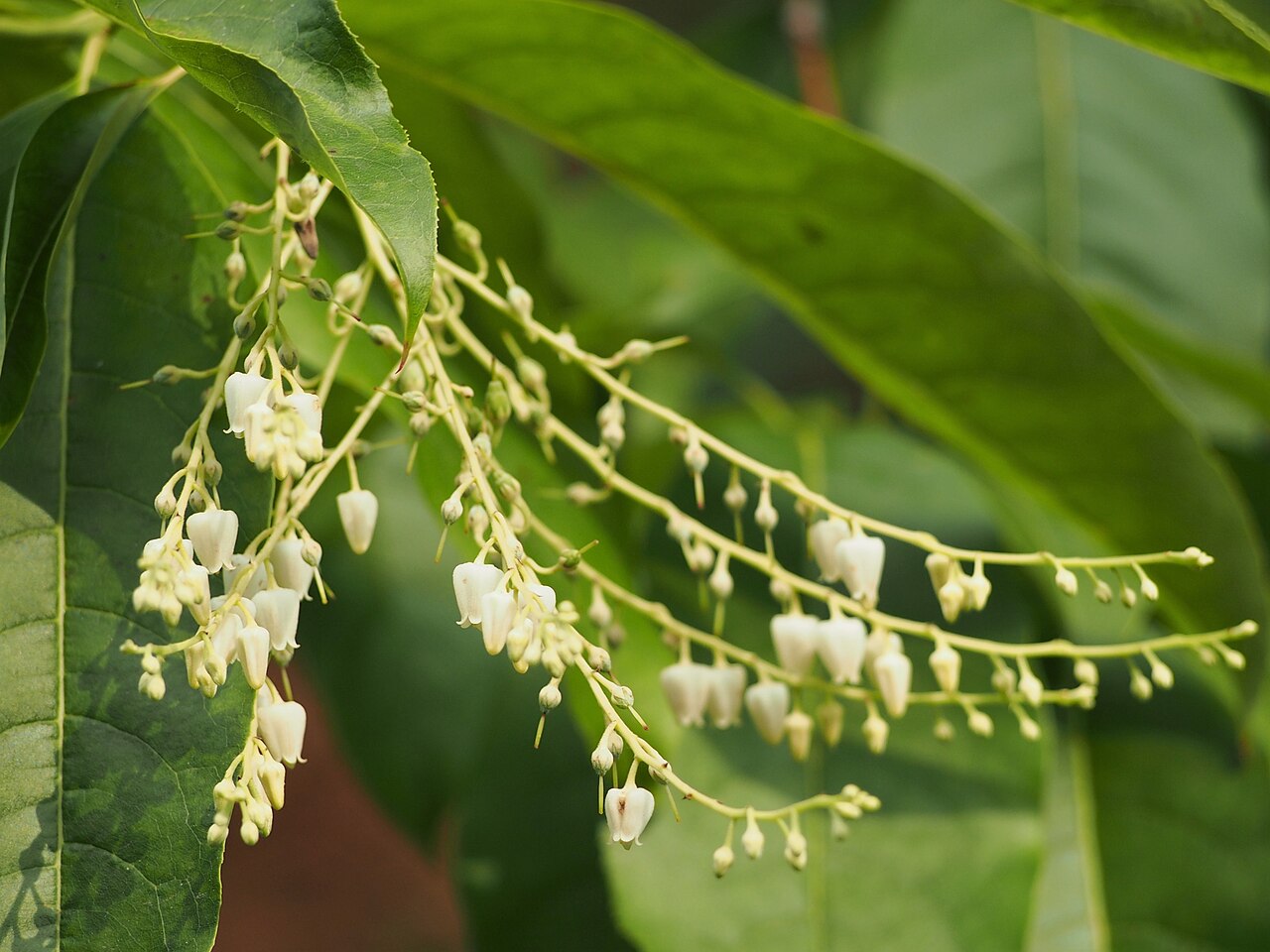
At a glance
- Life cycle
- Woody perennial
- Leaves
- Deciduous
- Bloom
- Summer
- Fruiting season
- September to October
Recorded in 38 West Virginia counties.
Natural habitats
Places it grows wild. Not a planting requirement. Each habitat page lists the plants and wildlife also found there.
Forest or woodland where the source does not say how moist or dry.
Also found with this plant
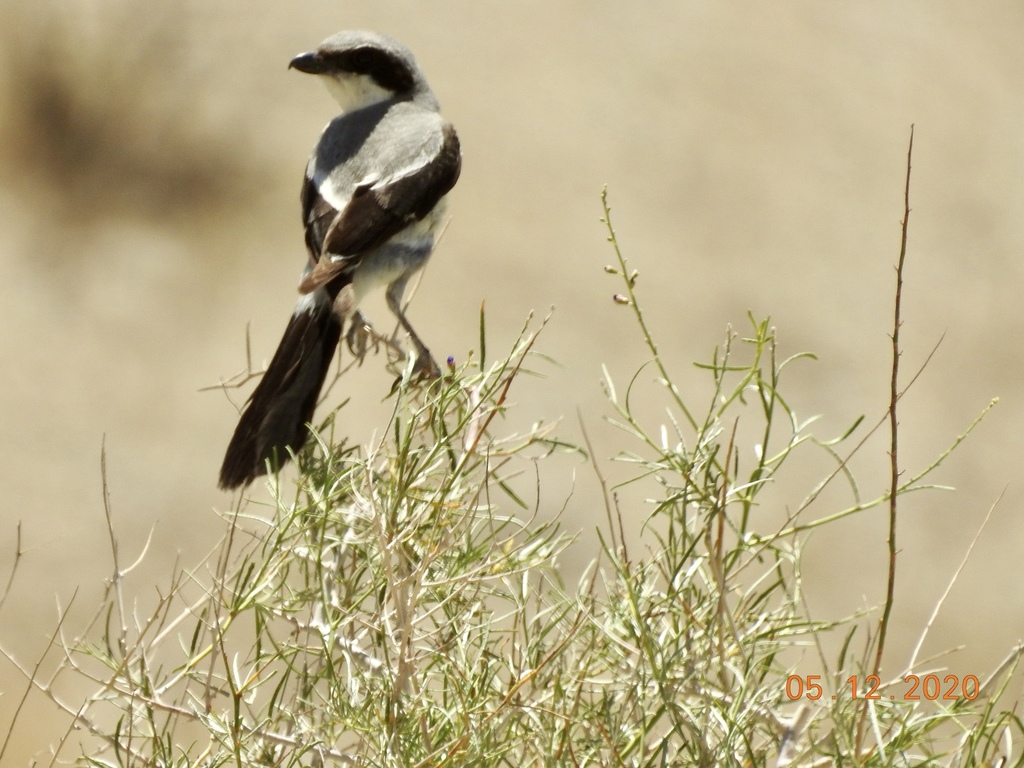
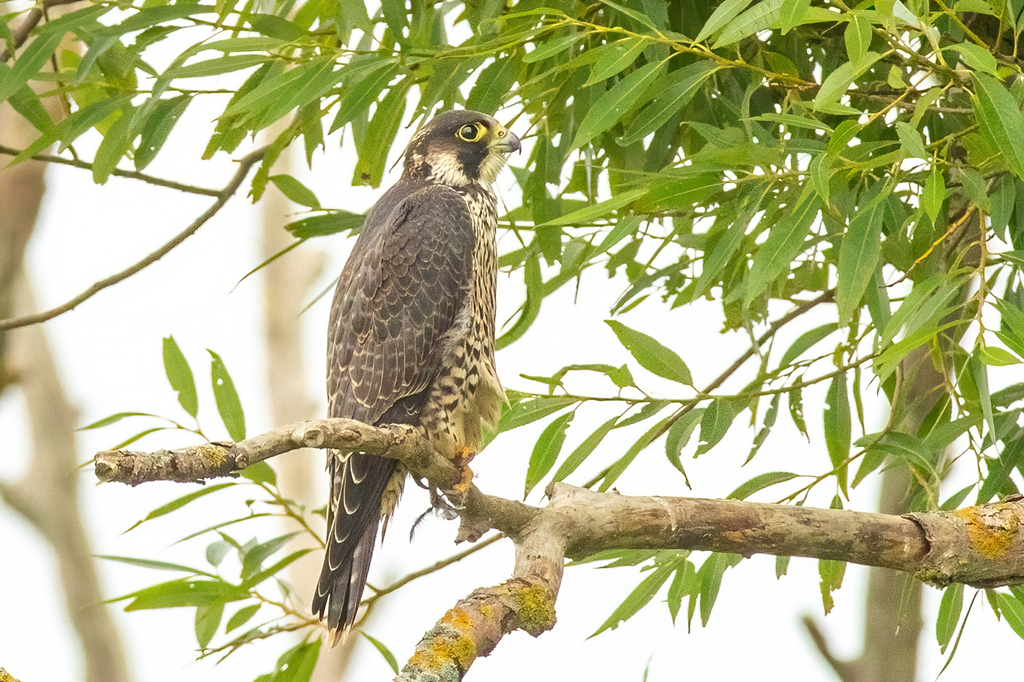
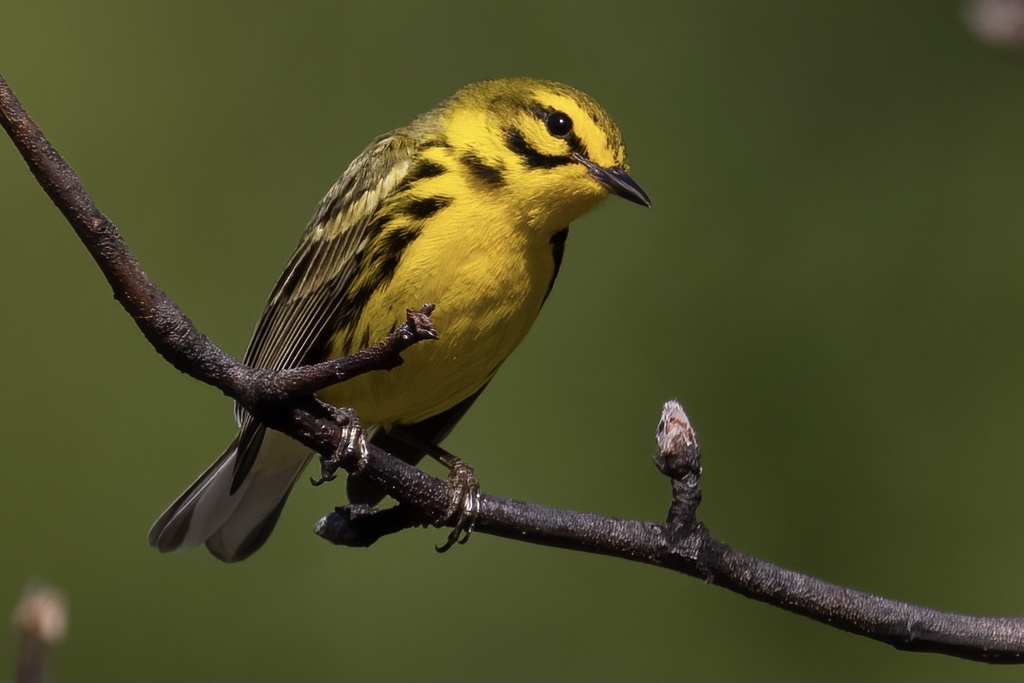
Wildlife whose habitat models include habitats this plant grows in, in West Virginia. Shared habitat, not food. 96 animals.
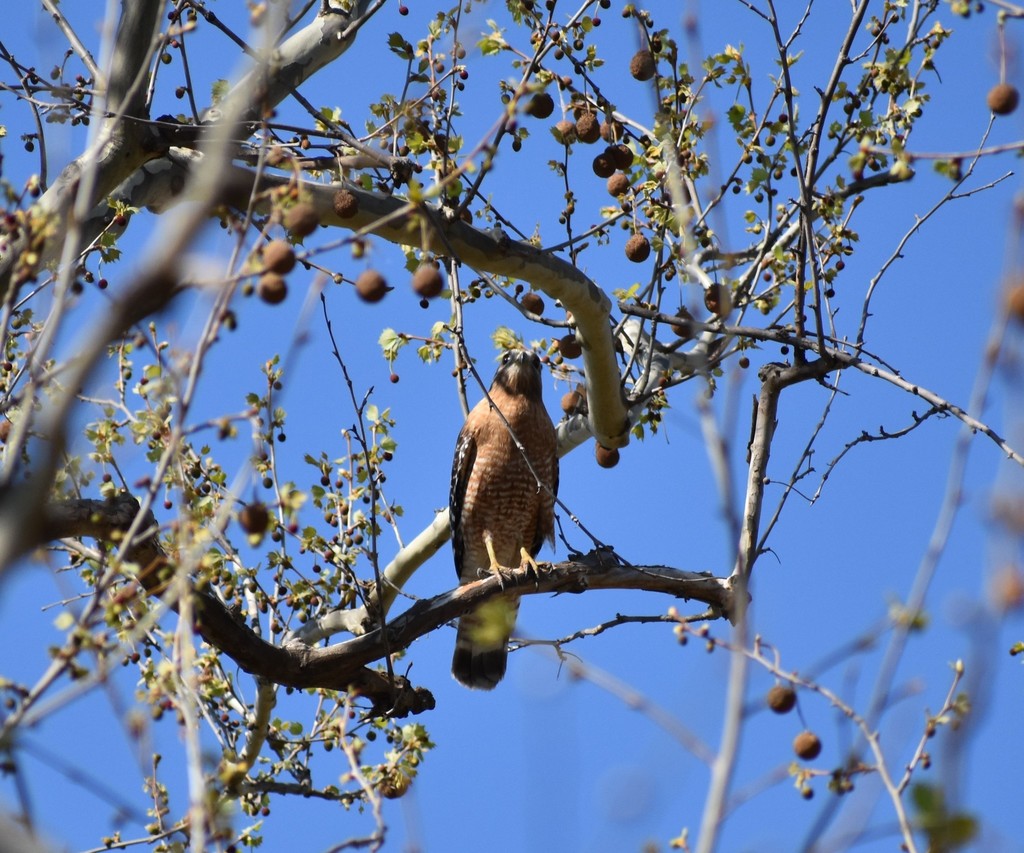
- Red-shouldered HawkButeo lineatus
- White-eyed VireoVireo griseus
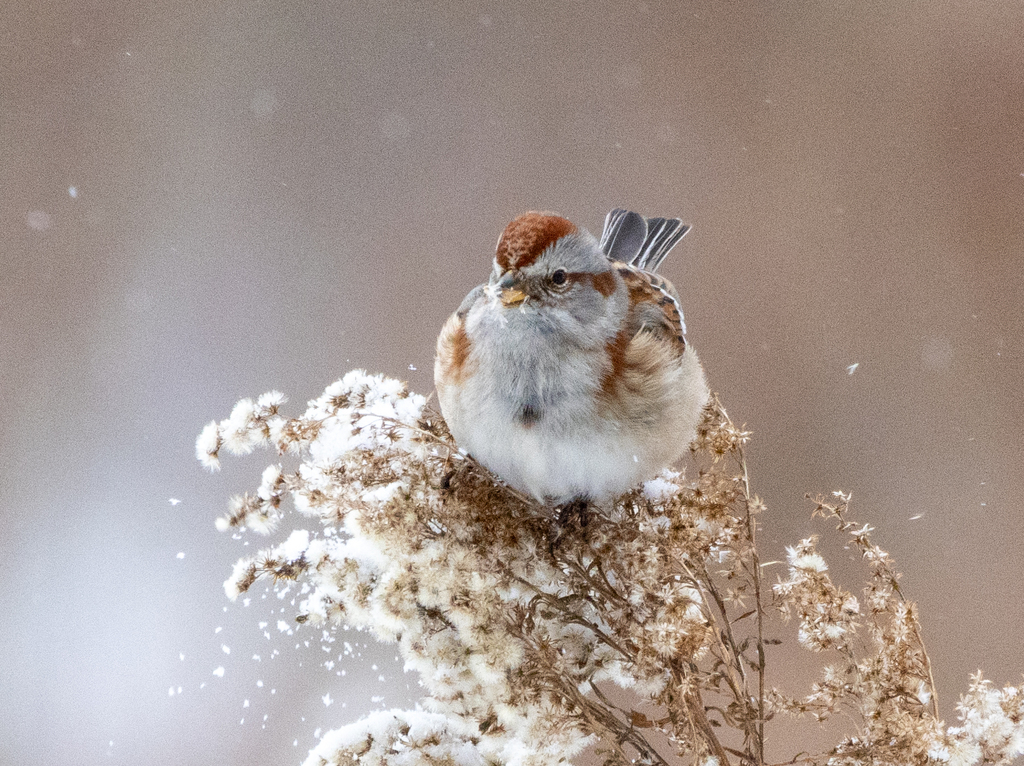
- American Tree SparrowSpizella arborea
- Bank SwallowRiparia riparia
- Eurasian Collared-doveStreptopelia decaocto
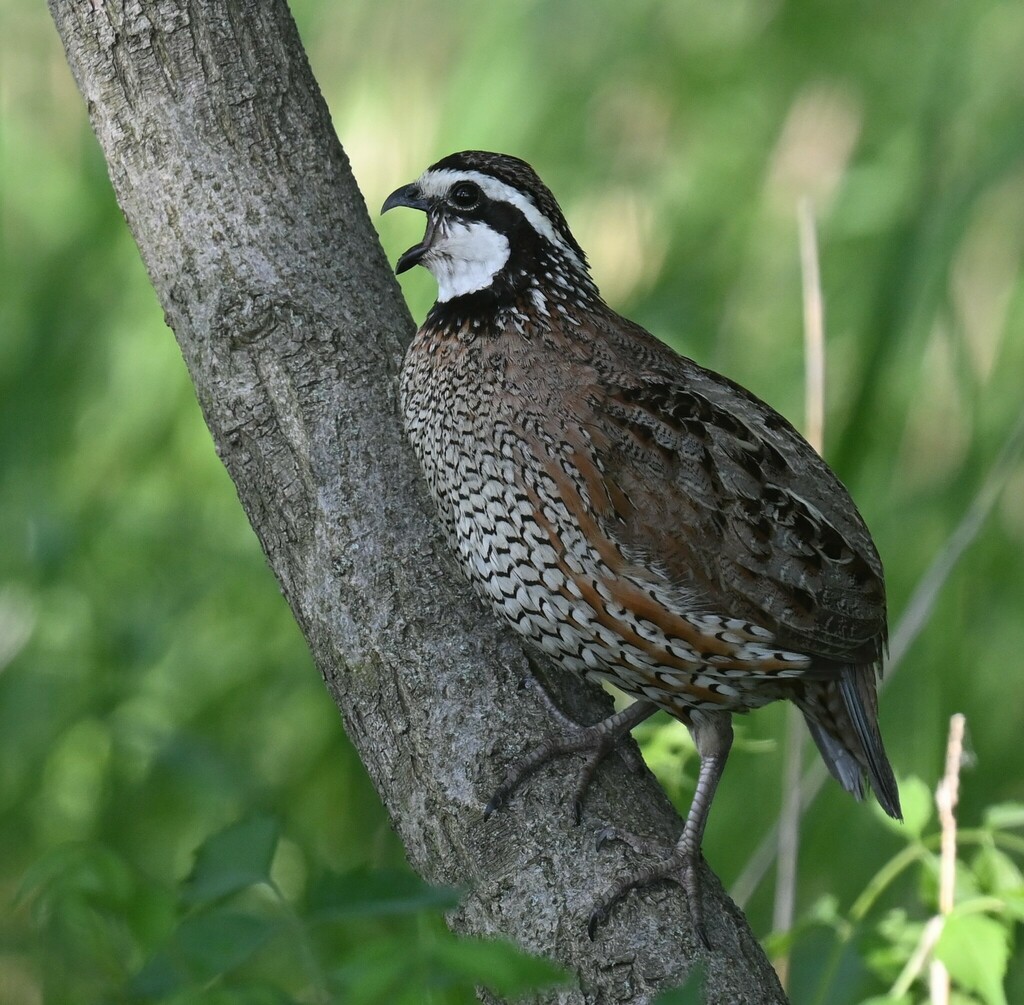
- Northern BobwhiteColinus virginianus
- Northern Rough-winged SwallowStelgidopteryx serripennis
- Orchard OrioleIcterus spurius
- Rusty BlackbirdEuphagus carolinus
- White-crowned SparrowZonotrichia leucophrys
- Yellow-throated WarblerDendroica dominica
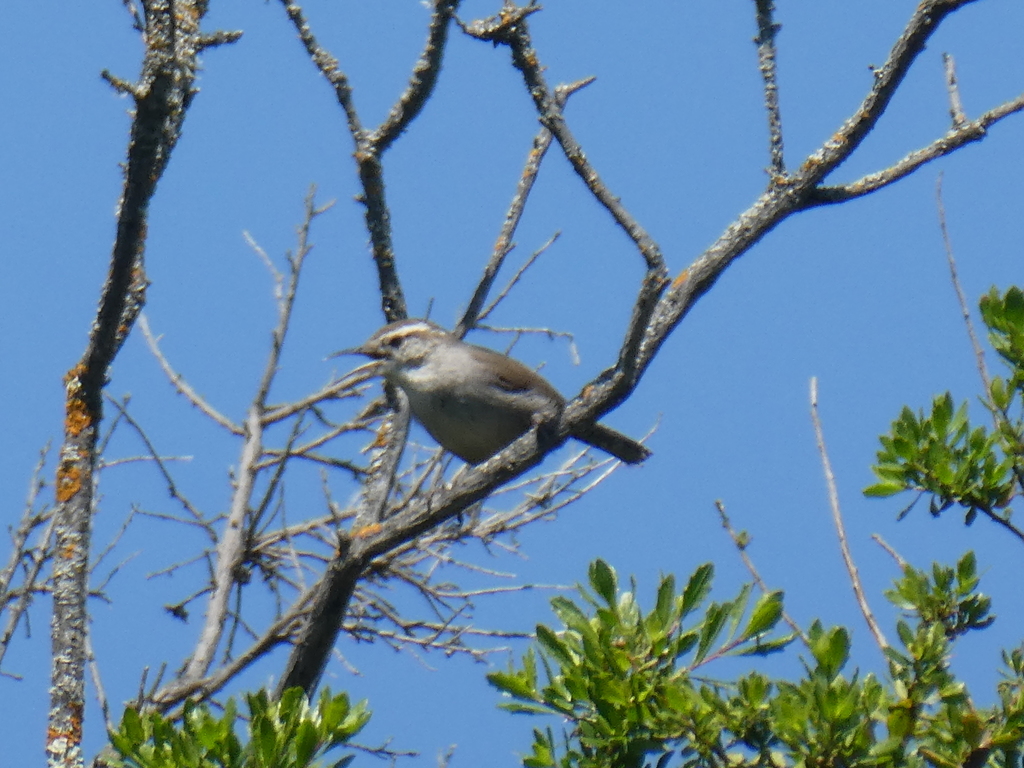
- Bewick's WrenThryomanes bewickii
- Black-crowned Night-heronNycticorax nycticorax
- Brown-headed CowbirdMolothrus ater
- Cliff SwallowPetrochelidon pyrrhonota
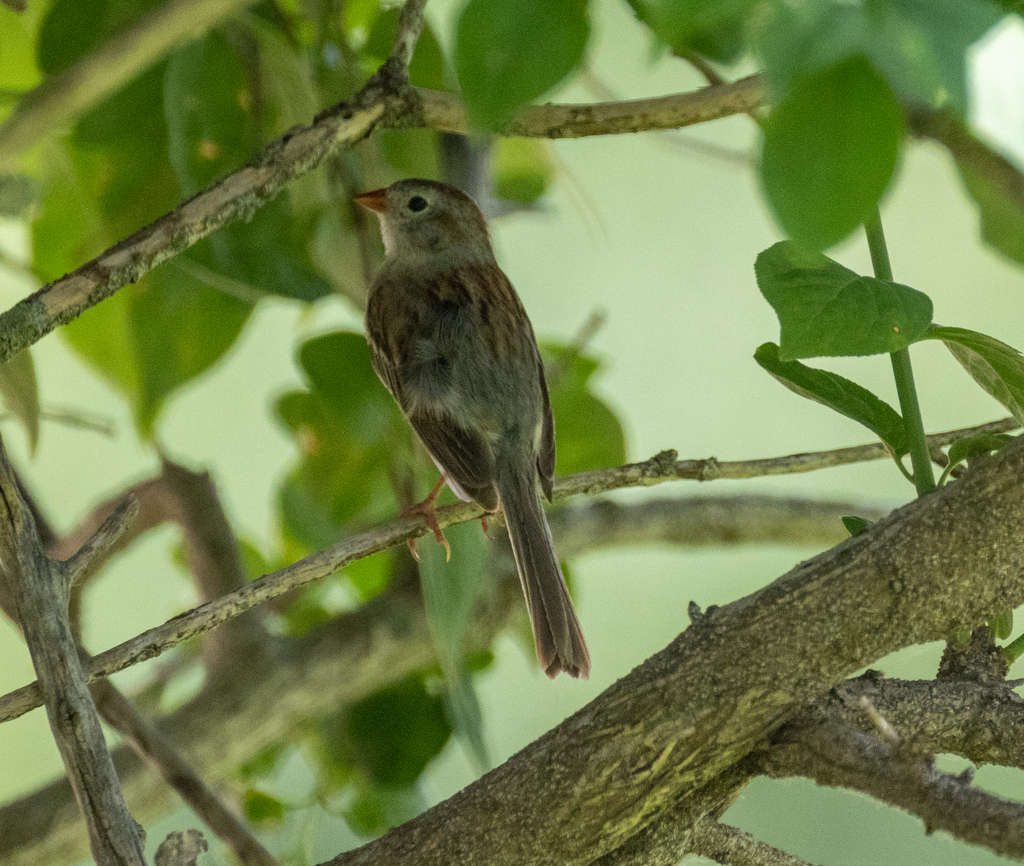
- Field SparrowSpizella pusilla
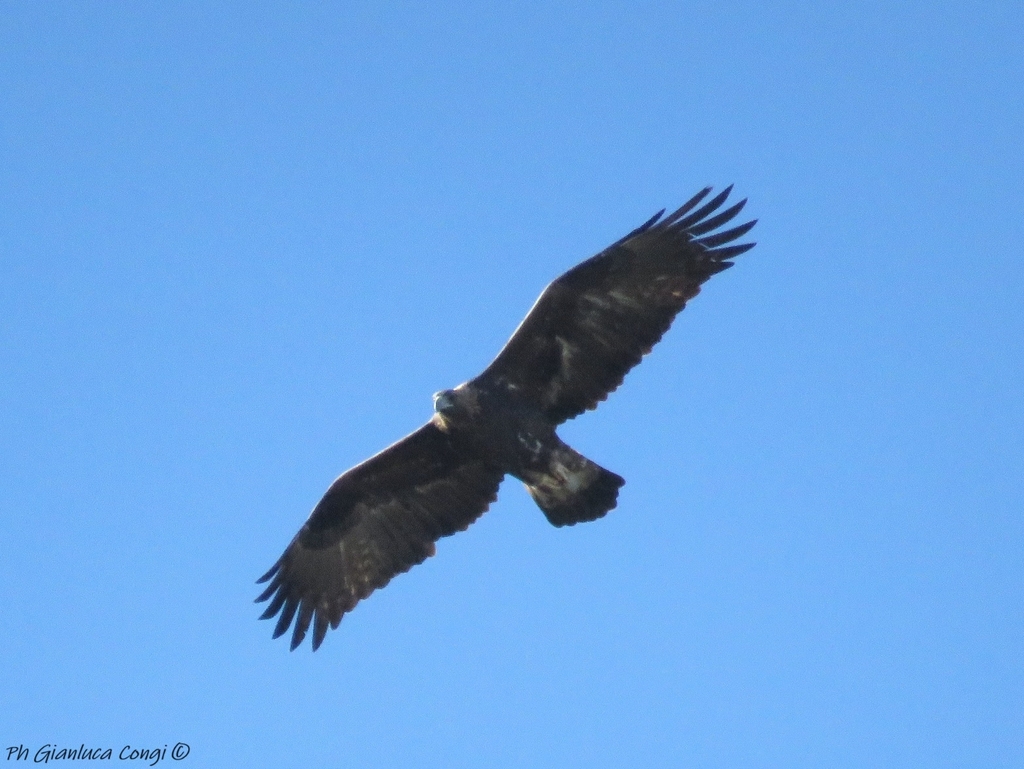
- Golden EagleAquila chrysaetos
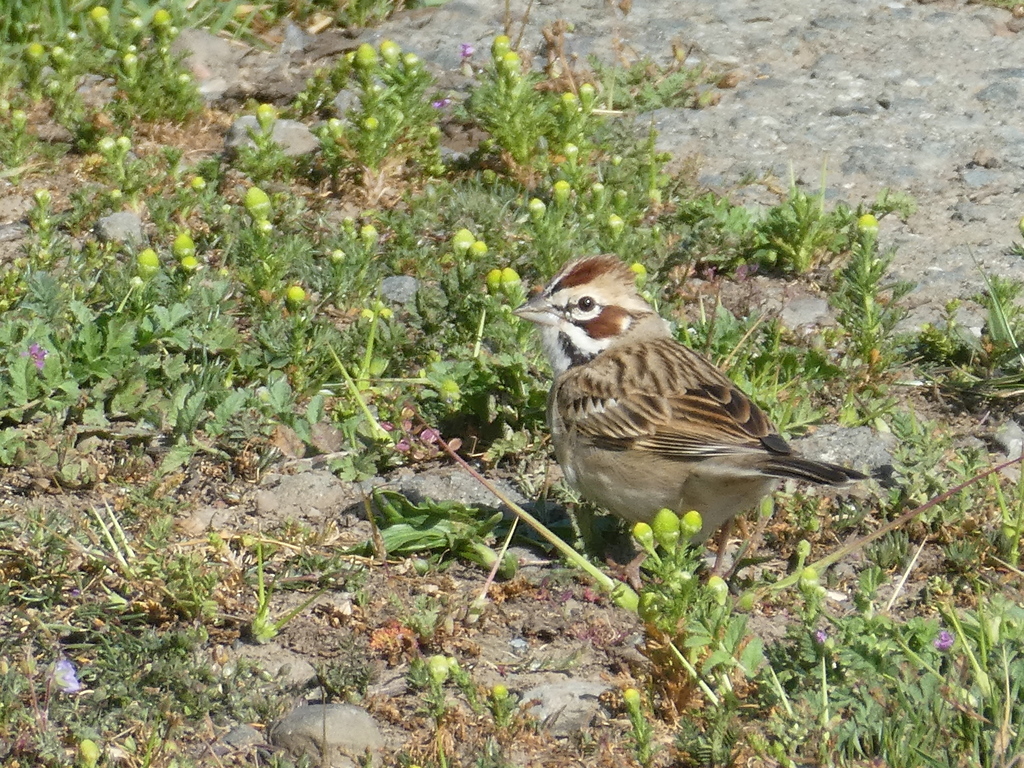
- Lark SparrowChondestes grammacus
- Loggerhead ShrikeLanius ludovicianus
- Peregrine FalconFalco peregrinus
- Prairie WarblerDendroica discolor
- Rock PigeonColumba livia
- Song SparrowMelospiza melodia
- Tree SwallowTachycineta bicolor



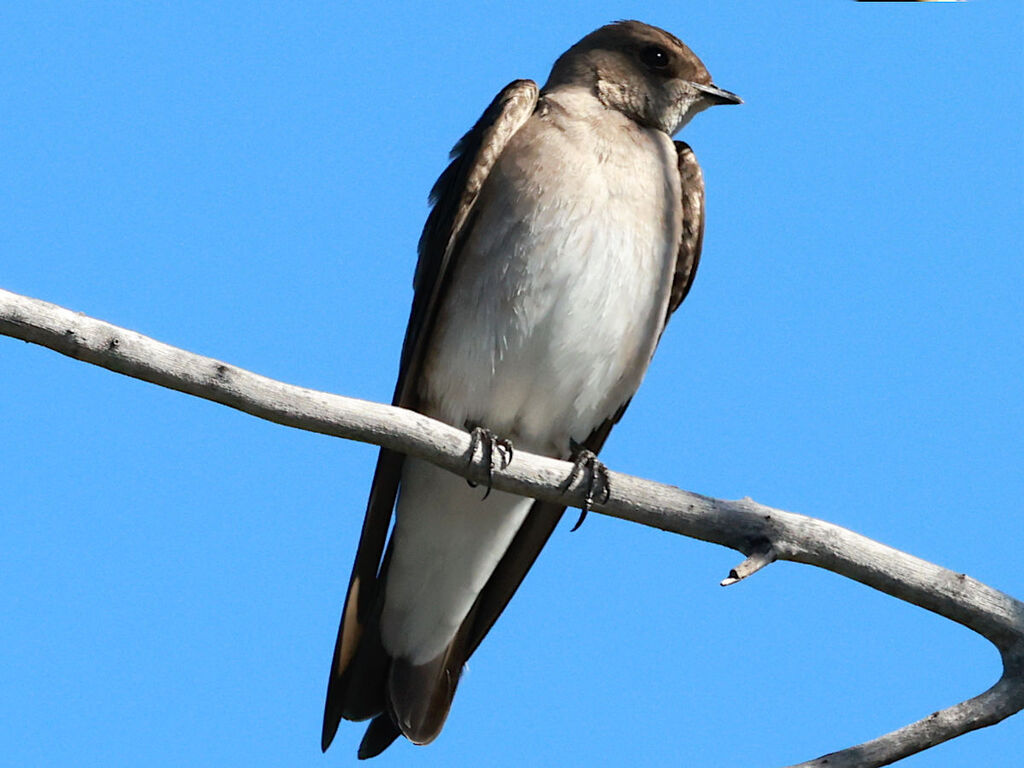
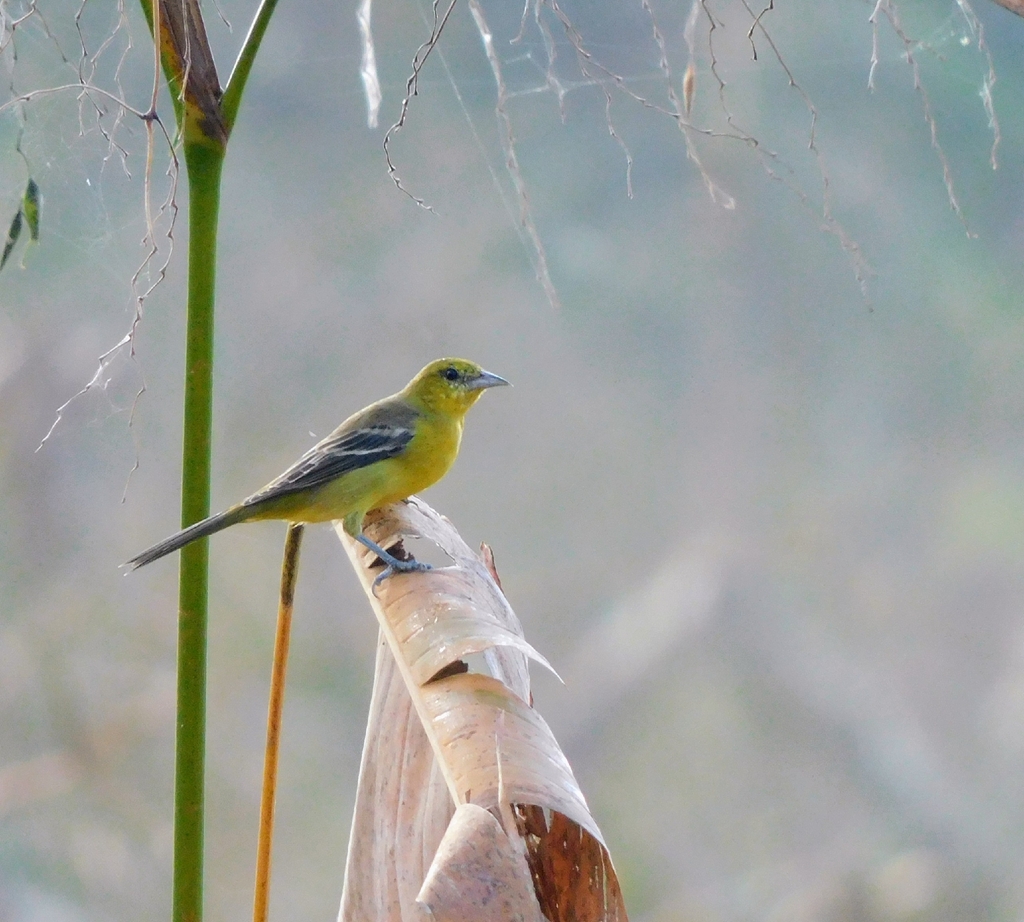
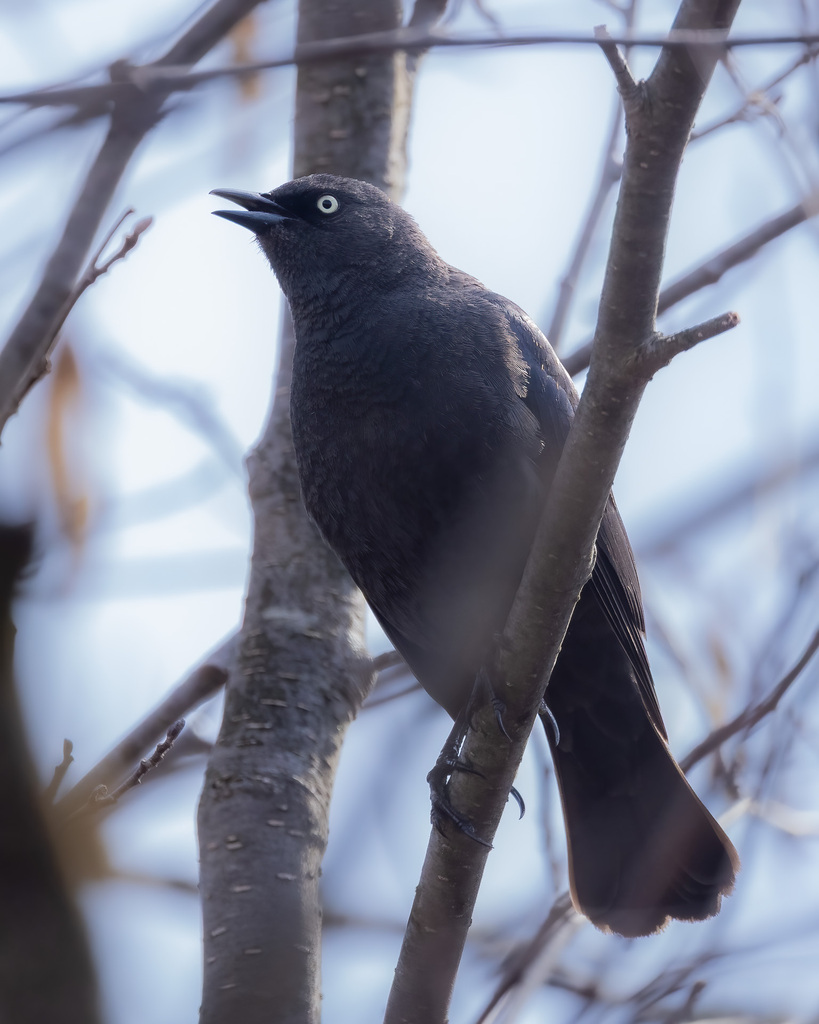
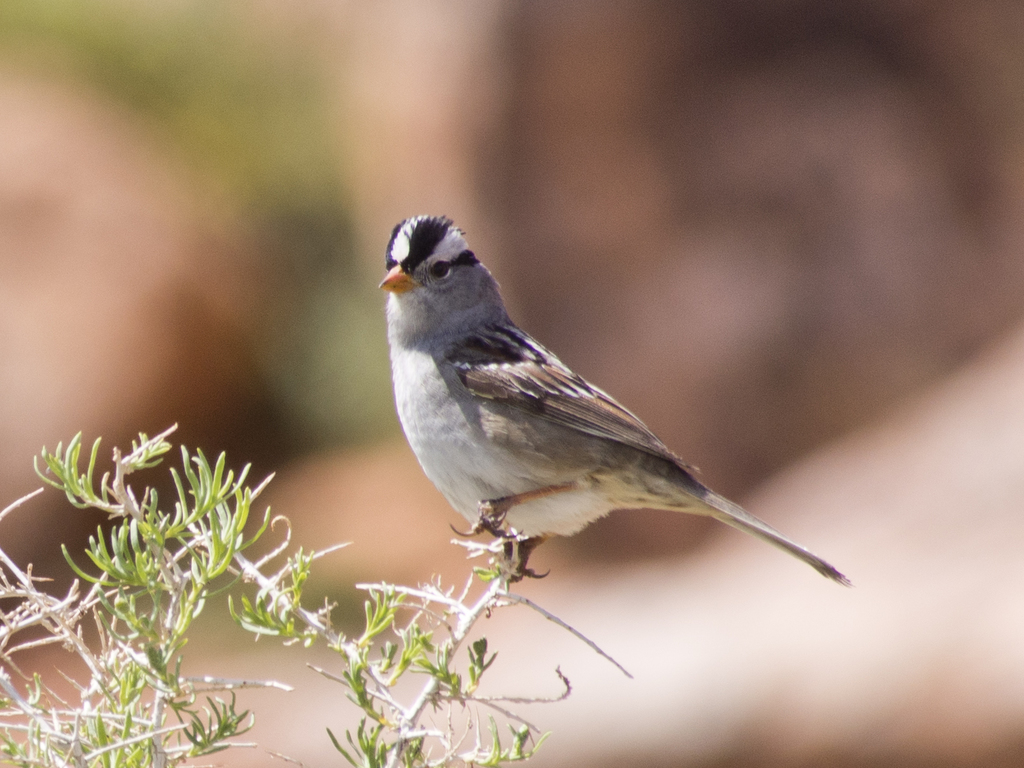








Widespread birds also seen here (38)
Found in many habitats here, so not listed above.
- Alder Flycatcher
- American Crow
- American Goldfinch
- American Kestrel
- American Robin
- Belted Kingfisher
- Blue Grosbeak
- Blue Jay
- Blue-gray Gnatcatcher
- Cedar Waxwing
- Chimney Swift
- Chipping Sparrow
- Common Nighthawk
- Common Raven
- Cooper's Hawk
- Dark-eyed Junco
- Eastern Kingbird
- Eastern Towhee
- European Starling
- Fox Sparrow
- Great Crested Flycatcher
- Great Horned Owl
- Least Flycatcher
- Mourning Dove
- Northern Cardinal
- Northern Flicker
- Northern Mockingbird
- Osprey
- Purple Finch
- Red-tailed Hawk
- Ruby-crowned Kinglet
- Sharp-shinned Hawk
- Spotted Sandpiper
- Tufted Titmouse
- Turkey Vulture
- Wild Turkey
- Yellow-breasted Chat
- Yellow-rumped Warbler
Care
- Move plants only while young.
Who uses this plant?
 15CaterpillarsGenus host records with ranges including WV
Genus host records with ranges including WV · Oxydendrum
- Acronicta impletaYellow-Haired Dagger
- Amorbia humerosanaWhite-Lined Leafroller Moth
- Cecrita biundataWavy-Lined Heterocampa
- Citheronia regalisRoyal Walnut Moth, Hickory Horned Devil
- Datana drexeliiDrexel's Datana
- Datana ministraYellow-Necked Caterpillar Moth
- Deidamia inscriptumLettered Sphinx
- Dichomeris ligulellaPalmerworm
- Egira alternansAlternate Woodling
- Hyphantria cuneaFall Webworm
Show all 15
- Lithophane unimodaDowdy Pinion
- Lophocampa maculataSpotted Tussock Moth, Yellow-Spotted Tiger Moth
- Orgyia leucostigmaWhite-Marked Tussock Moth
- Pangrapta decoralisDecorated Owlet
- Xystopeplus rufagoRed-Winged Sallow
 7BeesSoutheastern regional records
Southeastern regional records · Oxydendrum
Individual names are not available yet.
Noori, Seltmann & Orr 2026, A curated and integrated dataset for exploring global bee-plant interactions (GloBI), Zenodo, CC BY 4.0 0Specialist beesPollen specialists
 —BirdsRecorded genus food-resource interactions; not a state feeding claim
No records yet · Ants · Beetles · Flies · Adult butterflies / moths · Other wasps · Other insects
Plant details
- Family
- Ericaceae
- Hardiness
- Zones 5a–9b
- Soil pH
- Acidic
- Flower color
- Cream or white
- Growth rate
- Slow
- Growth habit
- Single stem
- Foliage color
- Green
- Fruit begins
- September
- Fruit ends
- October
Safety has not been reviewed for this plant; check toxicity and thorns before planting.
Growing sources and scope
- Bloom · “Summer” · NC Extension Plant Toolbox (ranked first; Weakley, Flora of the Southeastern United States (2025), Carolinas & Georgia edition, USDA PLANTS differ)
- Flower color · “Cream or white” · NC Extension Plant Toolbox (ranked first; USDA PLANTS differs)
- Foliage color · “Green” · USDA PLANTS · Nationwide species characteristics; local growing conditions may vary
- Fruit begins · “September” · Weakley, Flora of the Southeastern United States (2025), Carolinas & Georgia edition (ranked first; NC Extension Plant Toolbox, USDA PLANTS differ) · Carolinas and Georgia
- Fruit ends · “October” · Weakley, Flora of the Southeastern United States (2025), Carolinas & Georgia edition (ranked first; NC Extension Plant Toolbox, USDA PLANTS differ) · Carolinas and Georgia
- Growth habit · “Single stem” · USDA PLANTS · Nationwide species characteristics; local growing conditions may vary
- Growth rate · “Slow” · USDA PLANTS · Nationwide species characteristics; local growing conditions may vary
- Hardiness · “Zones 5a–9b” · NC Extension Plant Toolbox
- Height · “20–30 feet” · NC Extension Plant Toolbox (ranked first; USDA PLANTS differs)
- Leaves · “Deciduous” · NC Extension Plant Toolbox
- Life cycle · “Woody perennial” · NC Extension Plant Toolbox
- Light · “Dappled sunlight (shade through upper canopy all day); Deep shade (less than 2 hours to no direct sunlight); Full sun (6 or more hours of direct sunlight a day); Partial shade (direct sunlight only part of the day, 2-6 hours)” · NC Extension Plant Toolbox (ranked first; Tennessee Smart Yards, Virginia DCR Piedmont, Virginia DCR Coastal Plain differ)
- primary_flower_color · “white” · USDA PLANTS
- Soil · “Good drainage; Moist; Occasionally dry” · NC Extension Plant Toolbox (ranked first; Tennessee Smart Yards, Virginia DCR Piedmont, Virginia DCR Coastal Plain differ)
- Soil pH · “Acidic” · NC Extension Plant Toolbox
- Spread · “10–15 feet” · NC Extension Plant Toolbox
Conservation status
| West Virginia rank | S5 |
|---|---|
| Global rank | G5 |
| WV status | Not verified |
| Federal status | Not verified |
Will it fit your yard?
Check this plant against your county, sun and soil moisture. Conditions are checked in your browser.
Sources
- NatureServe Explorer
- USDA PLANTS
- Vascular Plants of North Carolina (NC Natural Heritage Program)
- Weakley, Flora of the Southeastern United States (2025), Northern Tier edition
- West Virginia occurrence source
- Shropshire & Tallamy 2025, Lepidoptera of North America north of Mexico, ZooKeys 1261 (ODbL)
- Noori, Seltmann & Orr 2026, A curated and integrated dataset for exploring global bee-plant interactions (GloBI), Zenodo, CC BY 4.0
- Smith, Bachelder, Russell, Morales, Mosher & Seltmann 2024, Bee-Specialization-Modeling v0.6.1 (specialist host table compiled from J. Fowler's pollen specialist bee lists), Zenodo, CC BY 4.0
- Hurlbert, Olsen, Sawyer & Winner 2021, Avian Diet Database, Scientific Data 8: 260 (CC0)
- Narango, Tallamy & Shropshire 2020, Few keystone plant genera support the majority of Lepidoptera species, Nature Communications