

Deer-tongue Witchgrass
Dichanthelium clandestinum
Found in shaded to filtered woodlands, ditches and low areas, and often in moist sandy soil. Weakley, Flora of the Southeastern United States (2025), Northern Tier edition What its natural habitat tells you
Native to West Virginia. How scores work Is it native here?
Profile 94%
- Height
- About 2 feet
- Light
- Dappled sunlight, Deep shade, Full sun, Partial shade
- Soil moisture
- Somewhat dry to moist
No photograph yet. Looking for an old drawing…
At a glance
- Life cycle
- Perennial
- Leaves
- Evergreen
- Bloom
- May to October
- Fruiting season
- Summer to fall
Not yet recorded · Spread
Recorded in 19 West Virginia counties.
Natural habitats
Places it grows wild. Not a planting requirement. Each habitat page lists the plants and wildlife also found there.
Forest or woodland where the source does not say how moist or dry.
Roadsides, fields and disturbed ground
Ground opened by people: roadsides, old fields, pastures, fencerows and lots.
Also found with this plant
Wildlife whose habitat models include habitats this plant grows in, in West Virginia. Shared habitat, not food. 99 animals.
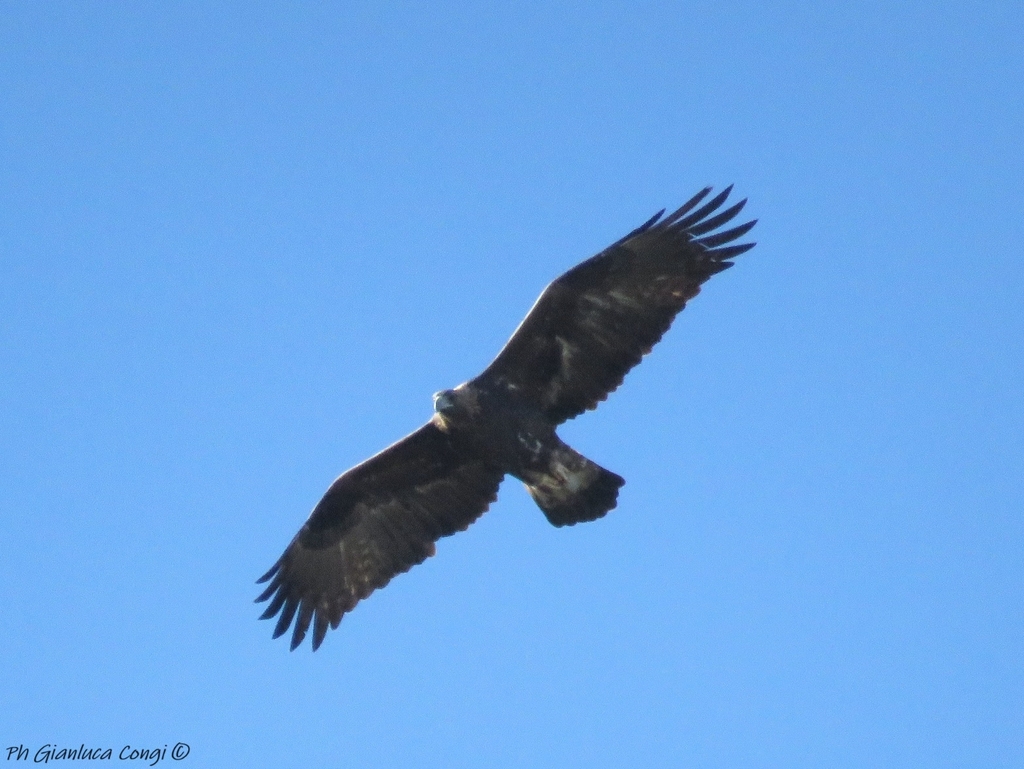
- Golden EagleAquila chrysaetos
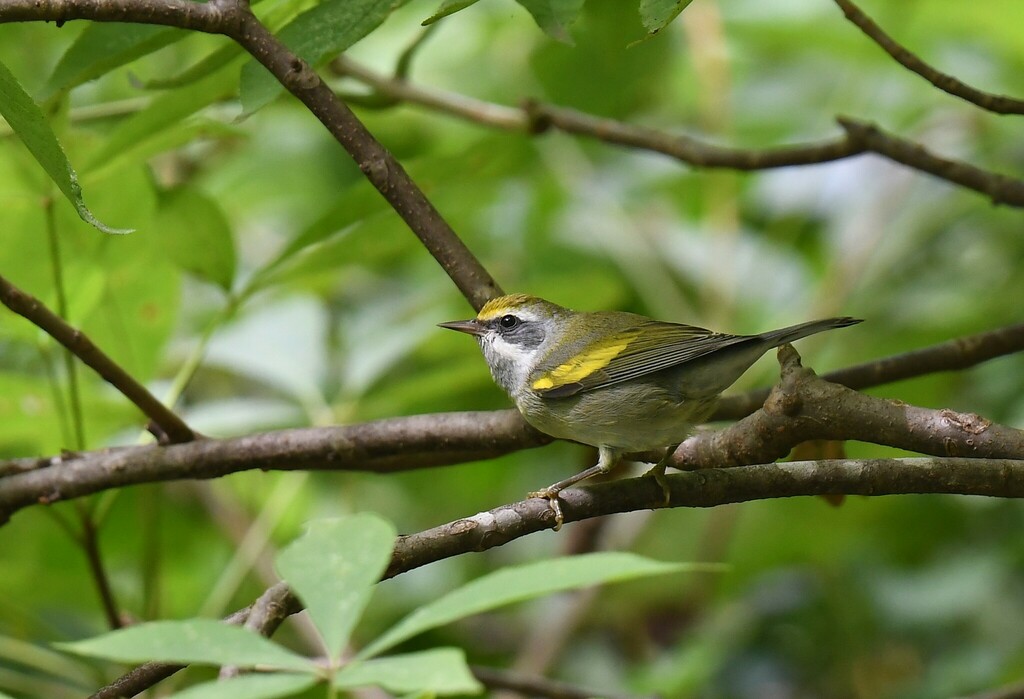
- Golden-winged WarblerVermivora chrysoptera
- Hermit ThrushCatharus guttatus
- Hooded WarblerWilsonia citrina
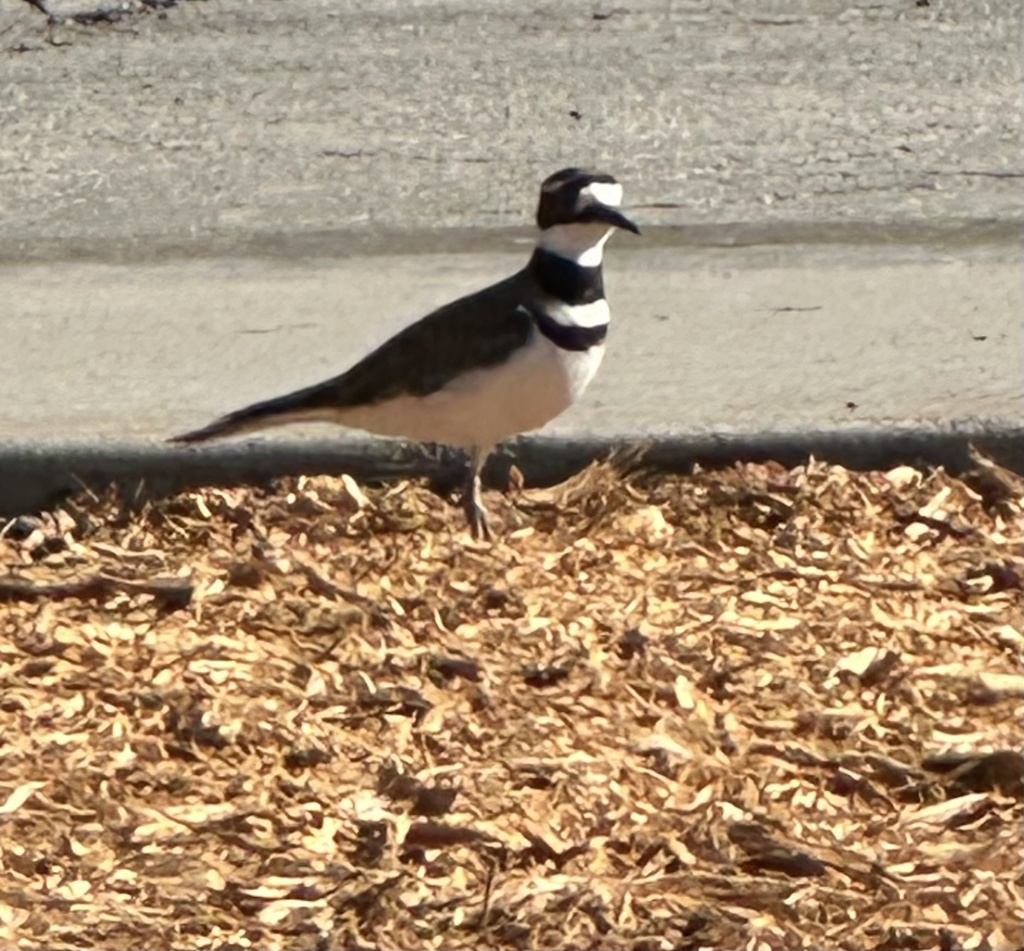
- KilldeerCharadrius vociferus
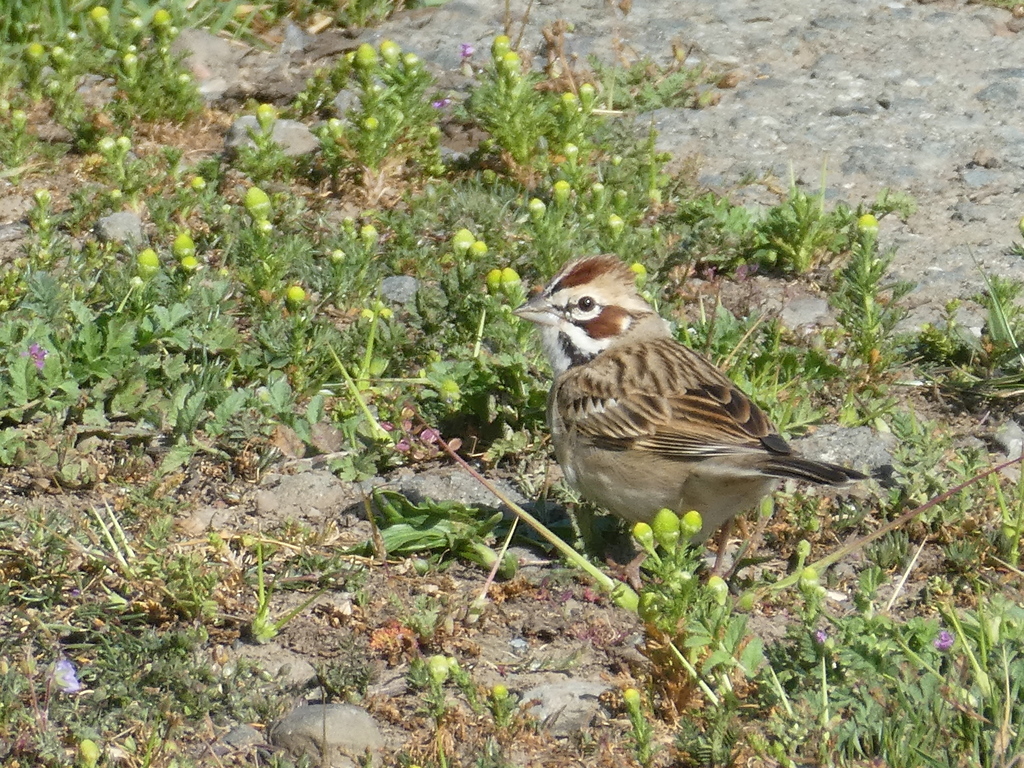
- Lark SparrowChondestes grammacus
- Least BitternIxobrychus exilis
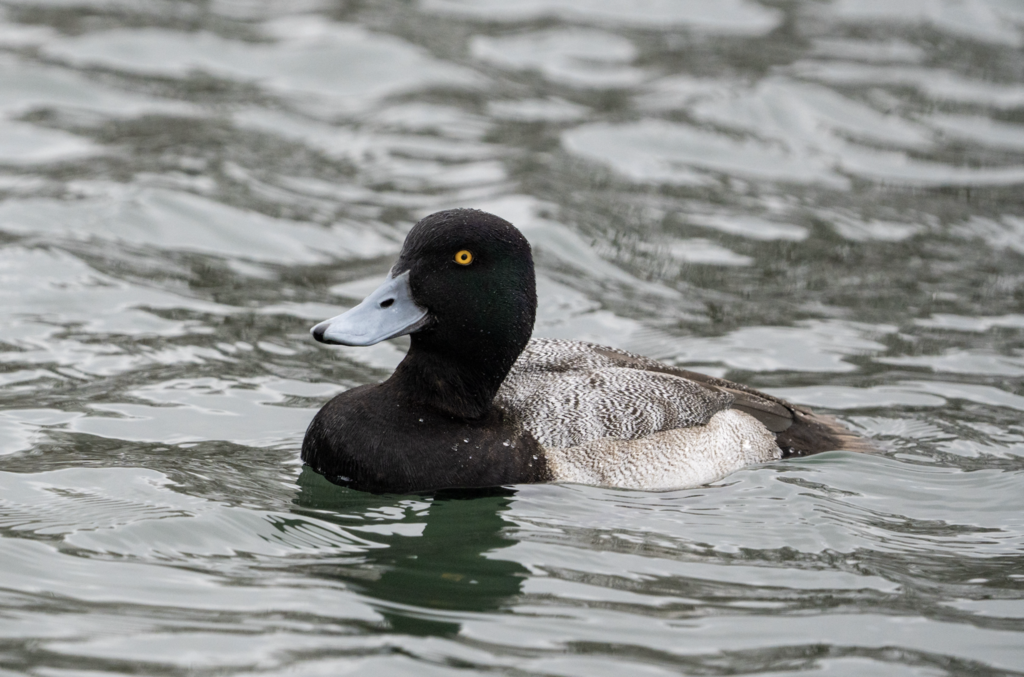
- Lesser ScaupAythya affinis
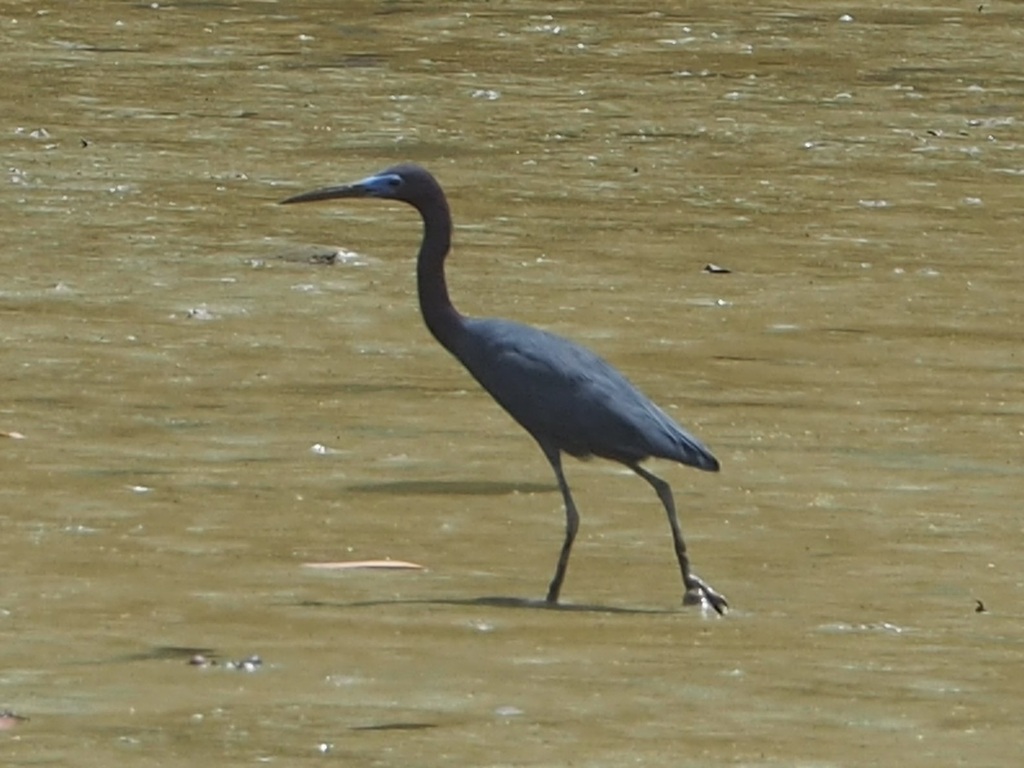
- Little Blue HeronEgretta caerulea
- Northern Rough-winged SwallowStelgidopteryx serripennis
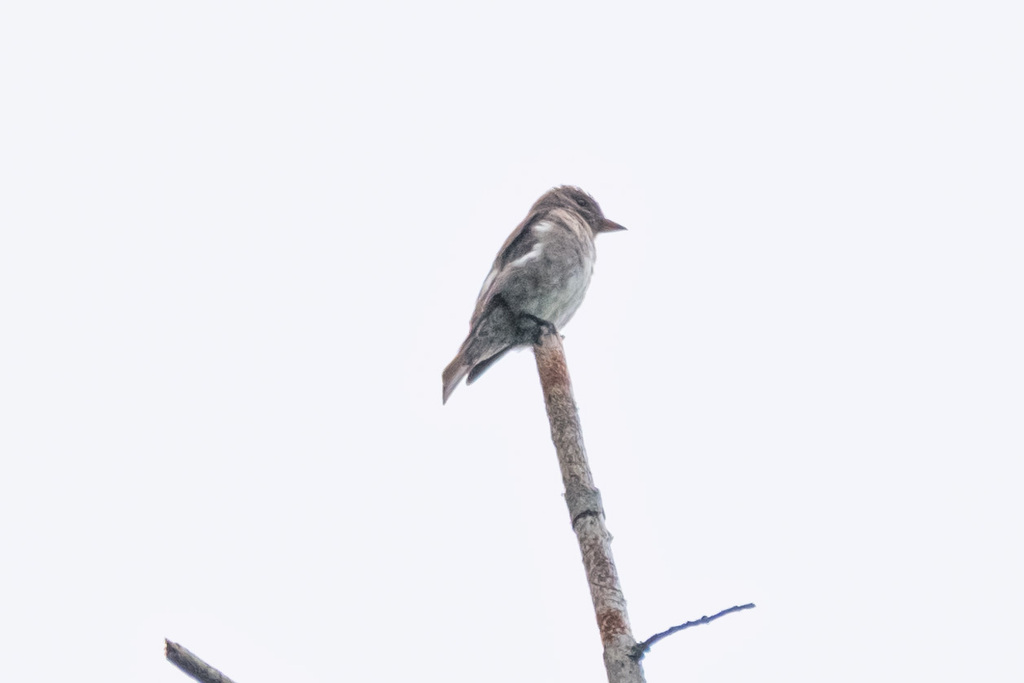
- Olive-sided FlycatcherContopus cooperi
- OvenbirdSeiurus aurocapilla
- Pileated WoodpeckerDryocopus pileatus
- Red-bellied WoodpeckerMelanerpes carolinus
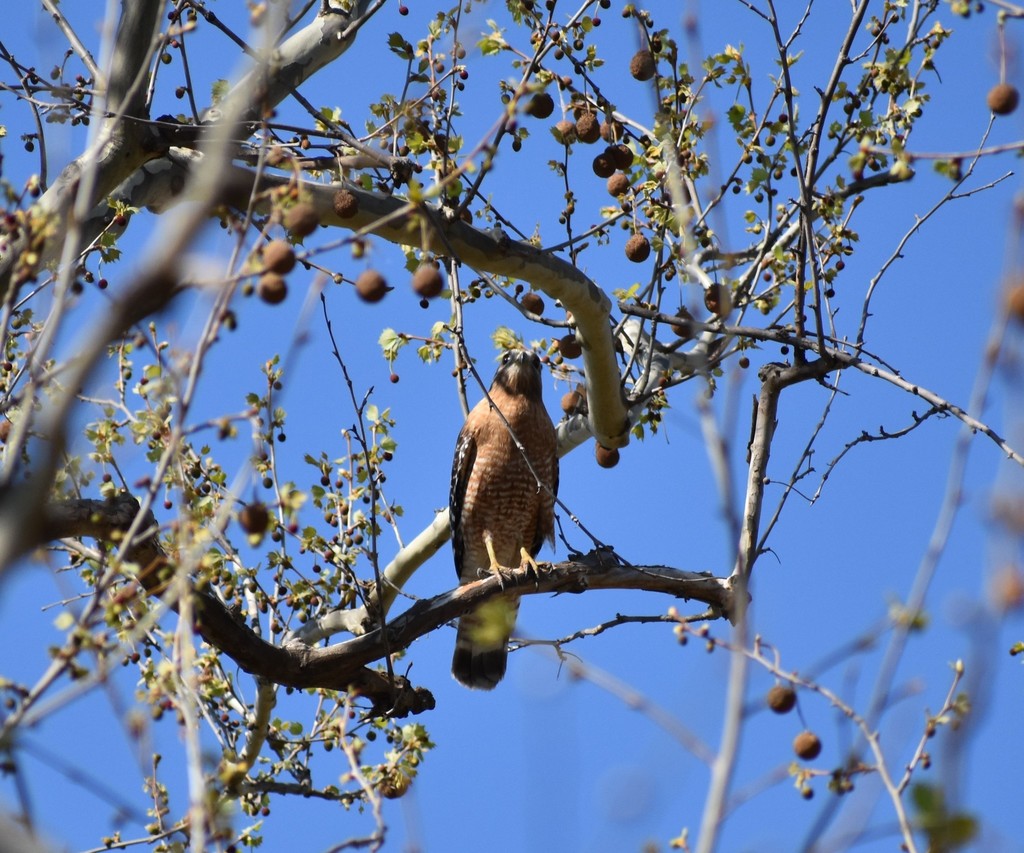
- Red-shouldered HawkButeo lineatus
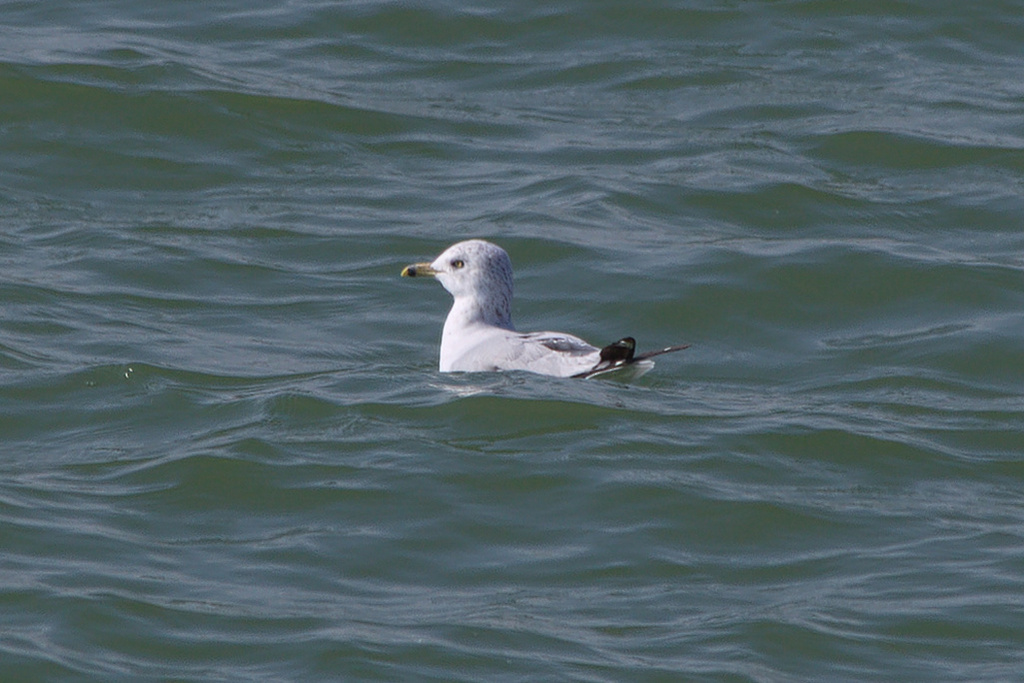
- Ring-billed GullLarus delawarensis
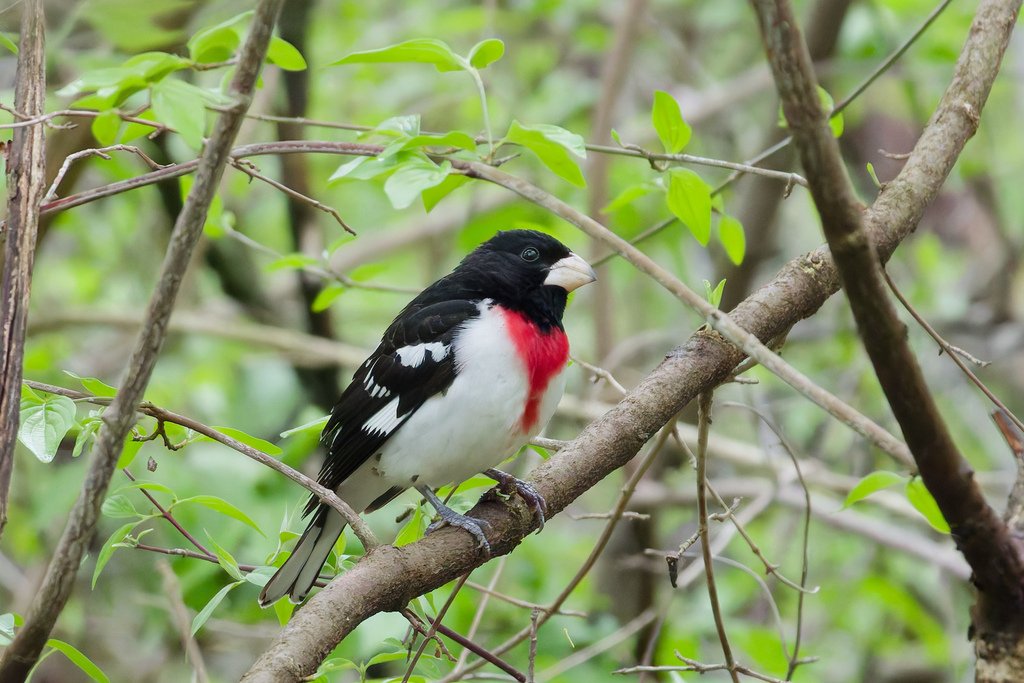
- Rose-breasted GrosbeakPheucticus ludovicianus
- Ruby-throated HummingbirdArchilochus colubris
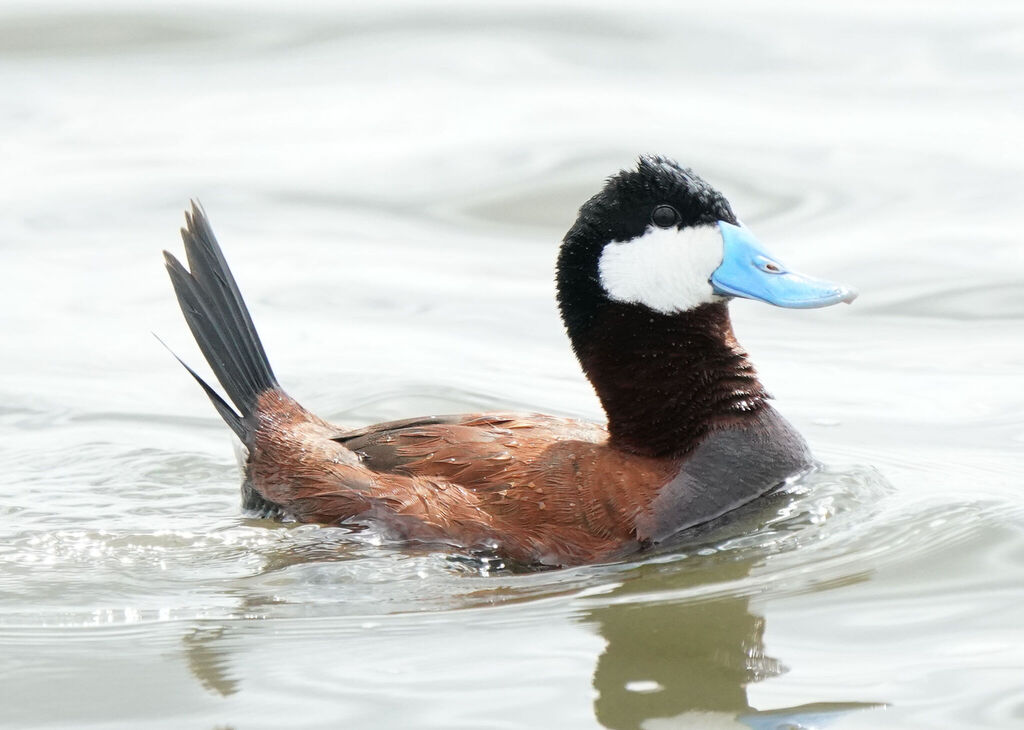
- Ruddy DuckOxyura jamaicensis
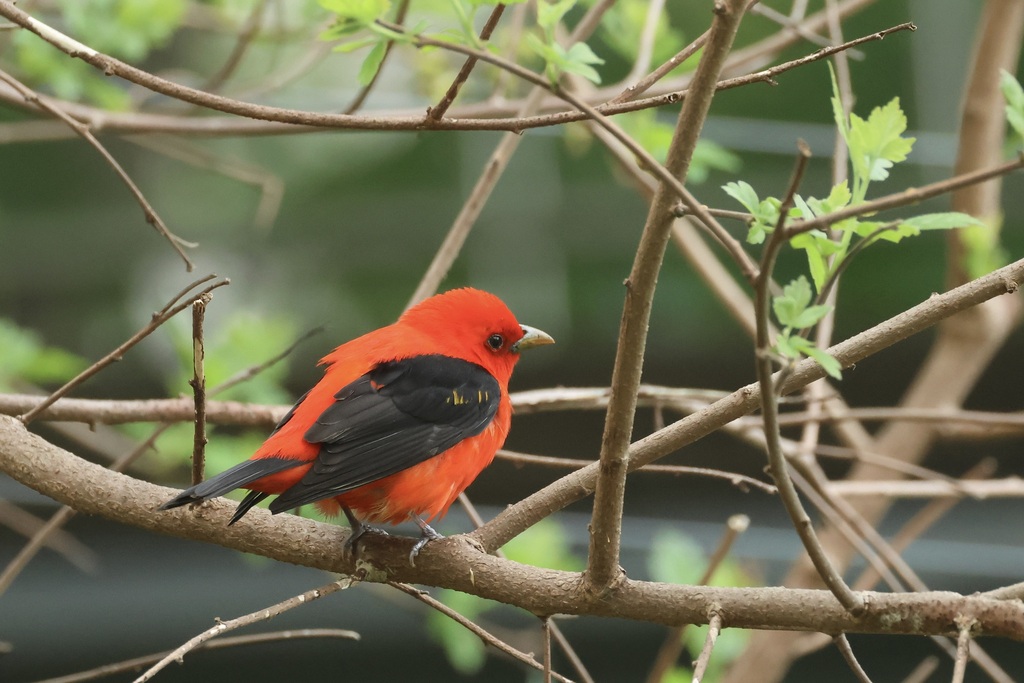
- Scarlet TanagerPiranga olivacea
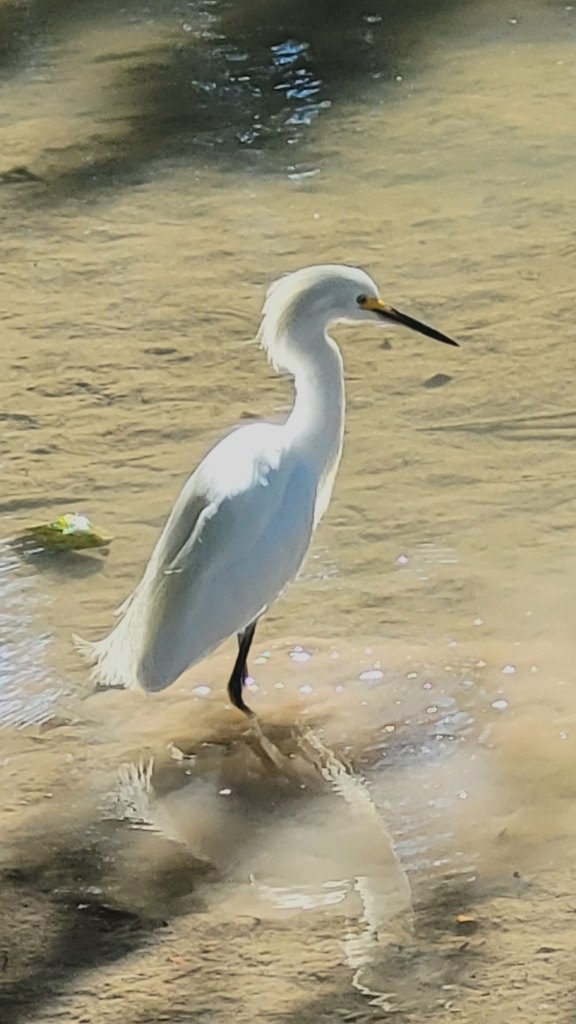
- Snowy EgretEgretta thula
- Snowy OwlBubo scandiacus
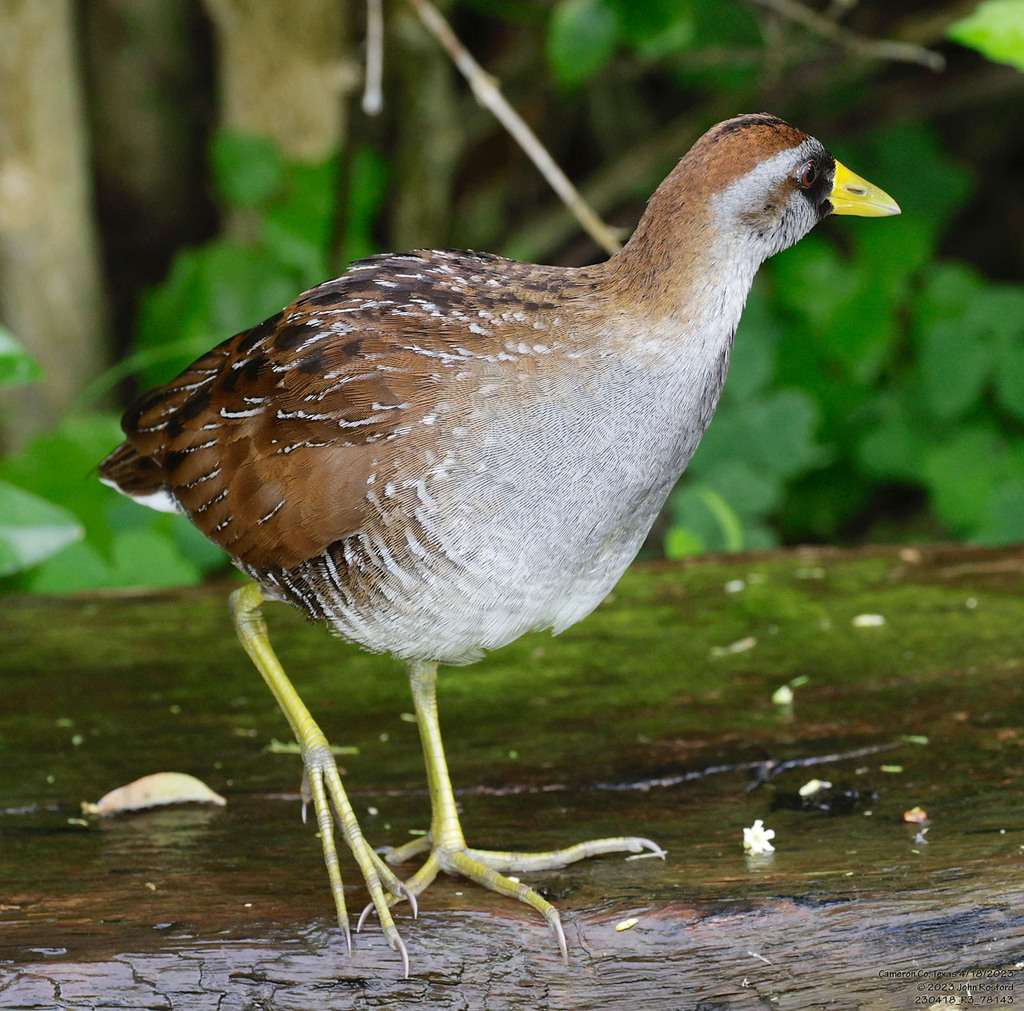
- SoraPorzana carolina
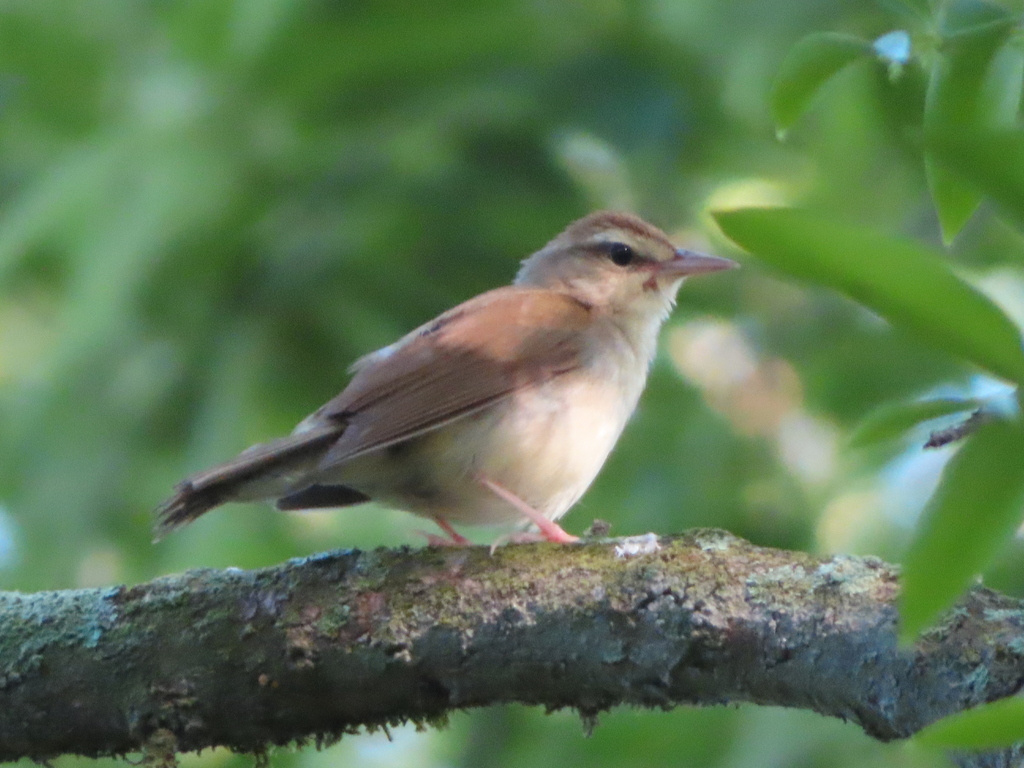
- Swainson's WarblerLimnothlypis swainsonii









Widespread birds also seen here (37)
Found in many habitats here, so not listed above.
- Alder Flycatcher
- American Crow
- American Goldfinch
- American Kestrel
- American Robin
- Belted Kingfisher
- Blue Grosbeak
- Blue Jay
- Blue-gray Gnatcatcher
- Cedar Waxwing
- Chimney Swift
- Chipping Sparrow
- Common Nighthawk
- Common Raven
- Cooper's Hawk
- Dark-eyed Junco
- Eastern Kingbird
- Eastern Towhee
- European Starling
- Great Crested Flycatcher
- Great Horned Owl
- Least Flycatcher
- Mourning Dove
- Northern Cardinal
- Northern Flicker
- Northern Mockingbird
- Osprey
- Purple Finch
- Red-tailed Hawk
- Ruby-crowned Kinglet
- Sharp-shinned Hawk
- Spotted Sandpiper
- Tufted Titmouse
- Turkey Vulture
- Wild Turkey
- Yellow-breasted Chat
- Yellow-rumped Warbler
Who uses this plant?
 22CaterpillarsGenus host records with ranges including WV
Genus host records with ranges including WV · Panicum
- Anatrytone loganDelaware Skipper, Logan Skipper, Black-Vein Skipper
- Ancyloxypha numitorLeast Skipper
- Ctenucha virginicaVirginia Ctenucha
- Dargida diffusaWheat Head Armywotm Moth
- Dargida rubripennisThe Pink-Streak
- Dichagyris acclivisSwitchgrass Dart, Inclined Dart
- Hesperia leonardusLeonard's Skipper, Blazing Star Skipper, Pawnee Prairie Skipper, Pawnee Montane Skipper
- Hesperia sassacusIndian Skipper
- Hylephila phyleusFiery Skipper
- Hypena scabraGreen Cloverworm Bomolocha, Black Snout
Show all 22
- Lethe anthedonNorthern Pearly Eye
- Leucania linitaReed Wainscot, Linen Wainscot
- Lon hobomokHobomok Skipper
- Marimatha nigrofimbriaBlack-Bordered Lemon
- Mocis latipesSmall Mocis, Striped Grass Looper
- Mocis texanaTexas Mocis
- Mythimna unipunctaArmyworm Moth, White Speck
- Papaipema nebrisStalk Borer
- Polites egeremetNorthern Broken-Dash
- Polites themistoclesTawny-Edged Skipper
- Spodoptera frugiperdaFall Armyworm Moth
- Idioglossa miraculosa
 0BeesSoutheastern regional records
 0Specialist beesPollen specialists
 1BirdsRecorded eating Dichanthelium in West Virginia
Diet records by plant genus, from studies across North America. Not a record from this state. Birds whose range includes West Virginia, most records first.
- Northern Bobwhite2 diet records
Direct food only. Caterpillars on host plants also feed nesting birds. NC Native Plant Society: butterfly gardening
No records yet · Ants · Beetles · Flies · Adult butterflies / moths · Other wasps · Other insects
Birds that eat Dichanthelium 1
Diet records by plant genus, from studies across North America. Not a record from this state. Avian Diet Database (Hurlbert Lab), CC0 1.0.
- Northern BobwhiteColinus virginianus

Plant details
- Family
- Poaceae
- Soil pH
- Acidic to neutral
- Flower color
- Green
- Growth rate
- Slow
- Growth habit
- Grows in clumps
- Foliage color
- Green
- Fruit begins
- Summer
- Fruit ends
- Fall
Safety has not been reviewed for this plant; check toxicity and thorns before planting.
Growing sources and scope
- Bloom · “May to October” · Weakley, Flora of the Southeastern United States (2025), Carolinas & Georgia edition (ranked first; USDA PLANTS differs) · Carolinas and Georgia
- Flower color · “Green” · NC Extension Plant Toolbox
- Foliage color · “Green” · USDA PLANTS · Nationwide species characteristics; local growing conditions may vary
- Fruit begins · “Summer” · USDA PLANTS · Nationwide species characteristics; local growing conditions may vary
- Fruit ends · “Fall” · USDA PLANTS · Nationwide species characteristics; local growing conditions may vary
- Growth habit · “Grows in clumps” · USDA PLANTS · Nationwide species characteristics; local growing conditions may vary
- Growth rate · “Slow” · USDA PLANTS · Nationwide species characteristics; local growing conditions may vary
- Height · “About 2 feet” · USDA PLANTS · Nationwide species characteristics; local growing conditions may vary
- Leaves · “Evergreen” · NC Extension Plant Toolbox
- Life cycle · “Perennial” · NC Extension Plant Toolbox
- Light · “Dappled sunlight (shade through upper canopy all day); Deep shade (less than 2 hours to no direct sunlight); Full sun (6 or more hours of direct sunlight a day); Partial shade (direct sunlight only part of the day, 2-6 hours)” · NC Extension Plant Toolbox (ranked first; Virginia DCR Piedmont, Virginia DCR Coastal Plain differ)
- Soil · “Moist; Occasionally dry” · NC Extension Plant Toolbox (ranked first; Virginia DCR Piedmont, Virginia DCR Coastal Plain differ)
- Soil pH · “Acidic to neutral” · NC Extension Plant Toolbox
Also known as
Deer tongue Witchgrass; Deertongue Witch Grass; Panicum clandestinum; panicgrass
Conservation status
| West Virginia rank | S5 |
|---|---|
| Global rank | G5? [G5] |
| WV status | Not verified |
| Federal status | Not verified |
Will it fit your yard?
Check this plant against your county, sun and soil moisture. Conditions are checked in your browser.
Sources
- NatureServe Explorer
- USDA PLANTS
- Vascular Plants of North Carolina (NC Natural Heritage Program)
- Weakley, Flora of the Southeastern United States (2025)
- West Virginia occurrence source
- Shropshire & Tallamy 2025, Lepidoptera of North America north of Mexico, ZooKeys 1261 (ODbL)
- Noori, Seltmann & Orr 2026, A curated and integrated dataset for exploring global bee-plant interactions (GloBI), Zenodo, CC BY 4.0
- Smith, Bachelder, Russell, Morales, Mosher & Seltmann 2024, Bee-Specialization-Modeling v0.6.1 (specialist host table compiled from J. Fowler's pollen specialist bee lists), Zenodo, CC BY 4.0
- Hurlbert, Olsen, Sawyer & Winner 2021, Avian Diet Database, Scientific Data 8: 260 (CC0)
- Narango, Tallamy & Shropshire 2020, Few keystone plant genera support the majority of Lepidoptera species, Nature Communications