

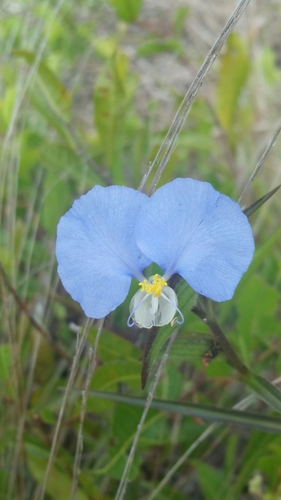
Commelina erecta var. angustifolia
Commelina erecta var. angustifolia
Found in dunes and dry sand flats on barrier islands, longleaf pine sandhills, other dry sandy sites, shale barrens, other dry rocky sites. Weakley, Flora of the Southeastern United States (2025), Northern Tier edition What its natural habitat tells you
Native to West Virginia (estimated). How scores work Is it native here?
Profile 53%
- Light
- Up to 6 hours of direct sun
At a glance
Not yet recorded · Height · Spread · Soil · Life cycle · Leaves · Bloom
This plant is missing most of its facts, so Quercus is looking them up in old botany books.
Recorded in 1 West Virginia county.
Natural habitats
Places it grows wild. Not a planting requirement. Each habitat page lists the plants and wildlife also found there.
Steep, sun-baked slopes of loose shale with sparse oaks and Virginia pine and their own endemic wildflowers. Linked only where the source names shale barrens; calcareous shale stays with the limestone glades.
Also found with this plant
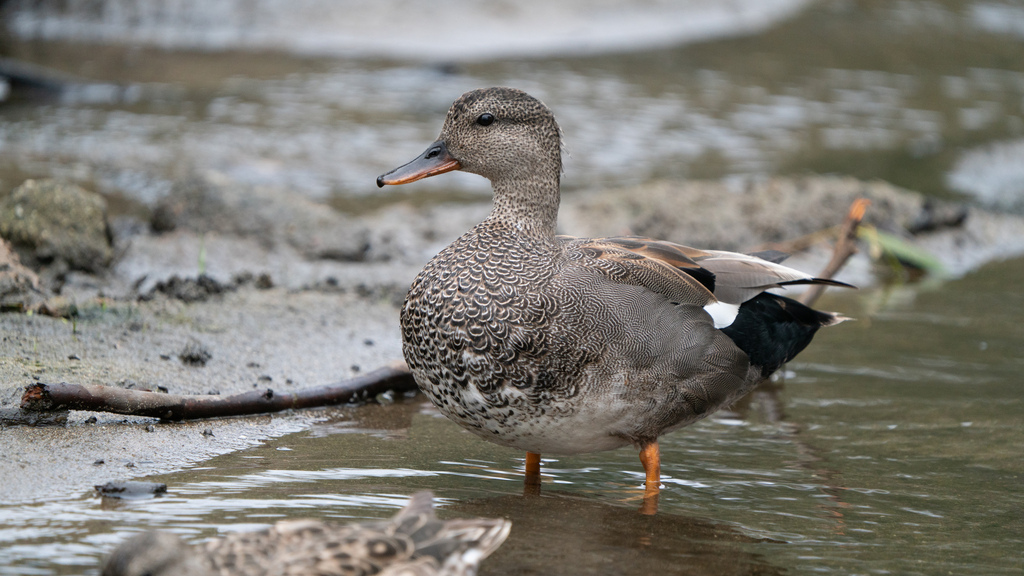
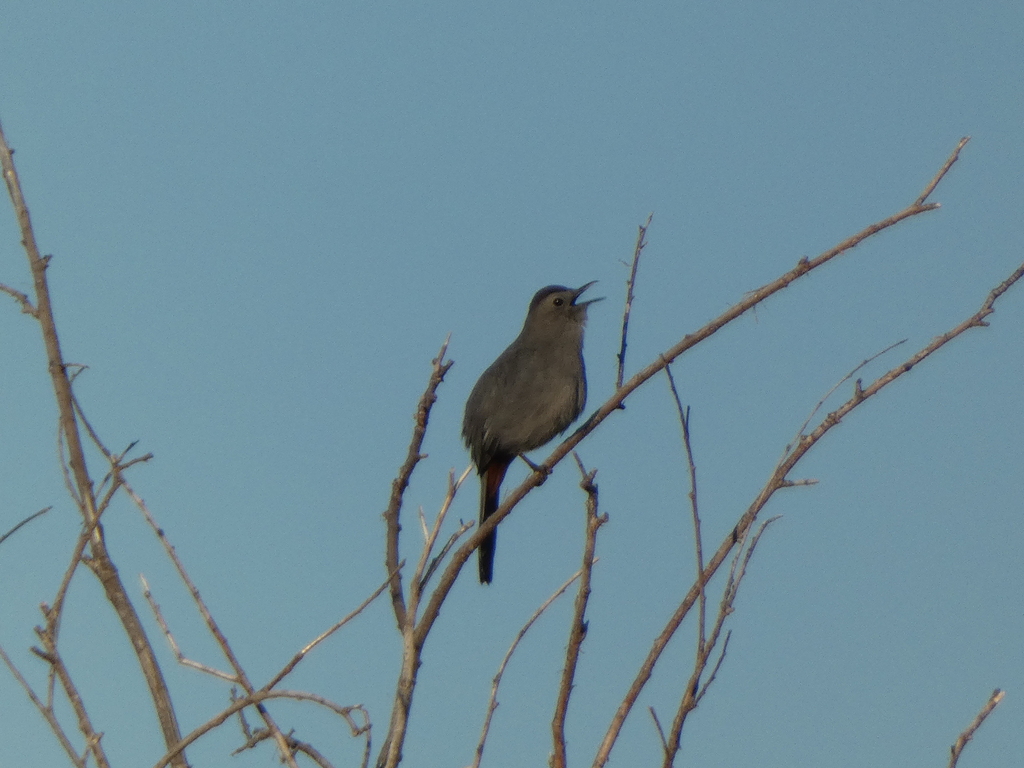
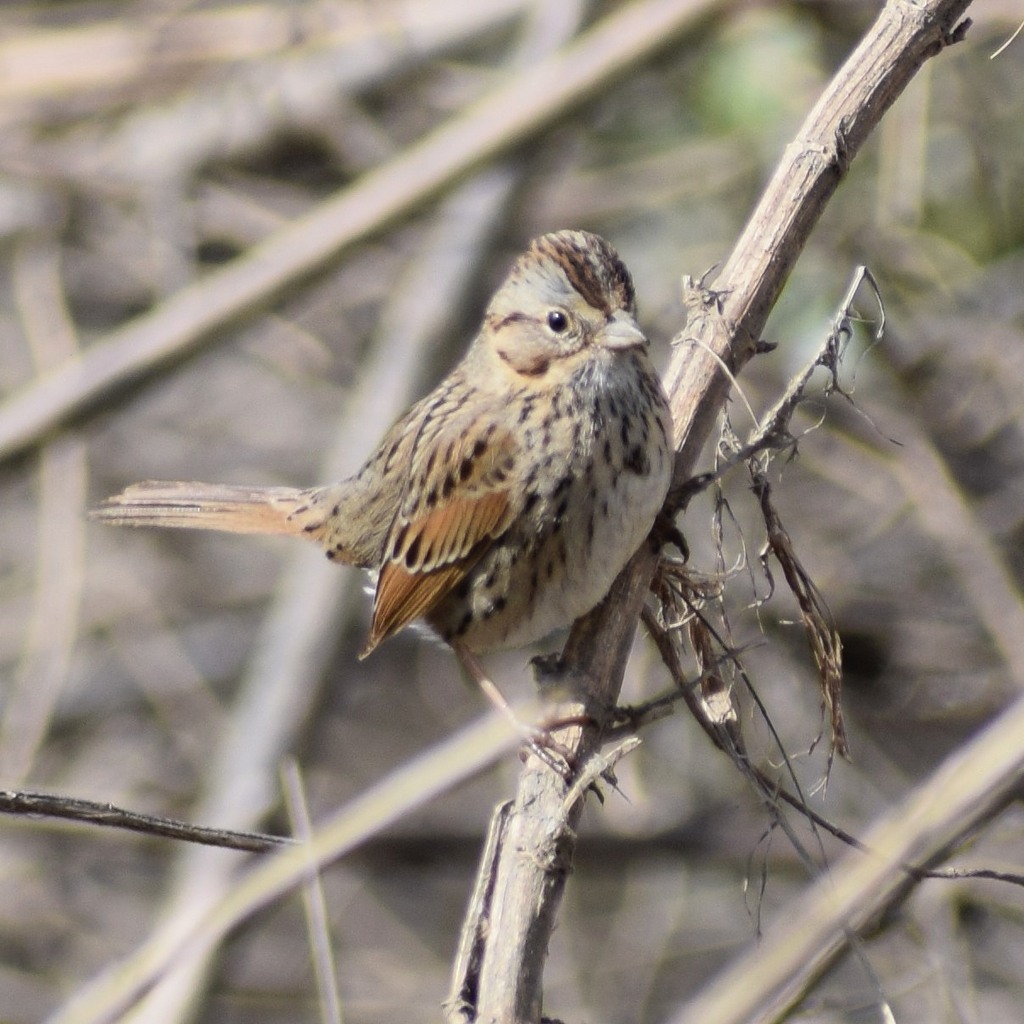
Wildlife whose habitat models include habitats this plant grows in, in West Virginia. Shared habitat, not food. 87 animals.
- Common YellowthroatGeothlypis trichas
- Cooper's HawkAccipiter cooperii
- Double-crested CormorantPhalacrocorax auritus
- Downy WoodpeckerPicoides pubescens
- Eastern KingbirdTyrannus tyrannus
- Eastern PhoebeSayornis phoebe
- Eastern Screech-owlMegascops asio
- Eurasian Collared-doveStreptopelia decaocto
- European StarlingSturnus vulgaris
- GadwallAnas strepera
- Golden-crowned KingletRegulus satrapa
- Gray CatbirdDumetella carolinensis
- Great Blue HeronArdea herodias
- Great EgretArdea alba
- Great Horned OwlBubo virginianus
- Green HeronButorides virescens
- Hairy WoodpeckerPicoides villosus
- Hooded MerganserLophodytes cucullatus
- Kentucky WarblerOporornis formosus
- Least BitternIxobrychus exilis
- Lincoln's SparrowMelospiza lincolnii
- Louisiana WaterthrushSeiurus motacilla
- MallardAnas platyrhynchos
- Mourning DoveZenaida macroura





















Who uses this plant?
 2CaterpillarsGenus host records with ranges including WV
Genus host records with ranges including WV · Commelina
- Chrysodeixis includensSoybean Looper Moth
- Spodoptera frugiperdaFall Armyworm Moth
 12BeesSoutheastern regional records
Southeastern regional records · Commelina
Individual names are not available yet.
Noori, Seltmann & Orr 2026, A curated and integrated dataset for exploring global bee-plant interactions (GloBI), Zenodo, CC BY 4.0 0Specialist beesPollen specialists
 6BirdsRecorded genus food-resource interactions; not a state feeding claim
Recorded genus food-resource interactions; not a state feeding claim · Commelina
- Colinus virginianusNorthern Bobwhite
- Columbina passerinaCommon Ground Dove
- Cyrtonyx montezumaeMontezuma Quail
- Tympanuchus pallidicinctusLesser Prairie-Chicken
- Zenaida asiaticaWhite-winged Dove
- Zenaida macrouraMourning Dove
Direct food only: birds recorded eating this genus across North America. Caterpillars on host plants also feed nesting birds. NC Native Plant Society: butterfly gardening
No records yet · Ants · Beetles · Flies · Adult butterflies / moths · Other wasps · Other insects
Plant details
- Family
- COMMELINACEAE
Safety has not been reviewed for this plant; check toxicity and thorns before planting.
Conservation status
| West Virginia rank | SNR |
|---|---|
| Global rank | G5T5 |
| WV status | Not verified |
| Federal status | Not verified |
Will it fit your yard?
Check this plant against your county, sun and soil moisture. Conditions are checked in your browser.
Sources
- Weakley, Flora of the Southeastern United States (2025), Northern Tier edition
- USDA PLANTS
- Vascular Plants of North Carolina (NC Natural Heritage Program)
- West Virginia occurrence source
- Shropshire & Tallamy 2025, Lepidoptera of North America north of Mexico, ZooKeys 1261 (ODbL)
- Noori, Seltmann & Orr 2026, A curated and integrated dataset for exploring global bee-plant interactions (GloBI), Zenodo, CC BY 4.0
- Smith, Bachelder, Russell, Morales, Mosher & Seltmann 2024, Bee-Specialization-Modeling v0.6.1 (specialist host table compiled from J. Fowler's pollen specialist bee lists), Zenodo, CC BY 4.0
- Hurlbert, Olsen, Sawyer & Winner 2021, Avian Diet Database, Scientific Data 8: 260 (CC0)
- Narango, Tallamy & Shropshire 2020, Few keystone plant genera support the majority of Lepidoptera species, Nature Communications