

Appalachian Snakeroot
Ageratina altissima var. roanensis
Also listed as Ageratina roanensis
Found in moist forests, often abundant at high elevations. Weakley, Flora of the Southeastern United States (2025), Northern Tier edition What its natural habitat tells you
Native status unresolved in West Virginia. How scores work Is it native here?
Profile 41%
- Light
- Partial shade, Full shade, Full sun
- Soil moisture
- Dry to moist
No photograph yet. Looking for an old drawing…
At a glance
- Bloom
- August to October
Not yet recorded · Height · Spread · Life cycle · Leaves
Height: NC species account not read yet.
Spread, life cycle and leaves: no source found yet.
Searched in old botany books; not found yet.
County records are not available.
Natural habitats
Places it grows wild. Not a planting requirement. Each habitat page lists the plants and wildlife also found there.
Forests on moist but not wet ground, such as rich slopes and ravines.
Also found with this plant
Wildlife whose habitat models include habitats this plant grows in, in West Virginia. Shared habitat, not food. 125 animals.
- American GoldfinchCarduelis tristis
- American KestrelFalco sparverius
- American RobinTurdus migratorius
- Chipping SparrowSpizella passerina
- Common NighthawkChordeiles minor
- Common RavenCorvus corax
- Cooper's HawkAccipiter cooperii
- Dark-eyed JuncoJunco hyemalis
- European StarlingSturnus vulgaris
- Great Horned OwlBubo virginianus
- Northern CardinalCardinalis cardinalis
- Purple FinchCarpodacus purpureus
- Red-tailed HawkButeo jamaicensis
- Sharp-shinned HawkAccipiter striatus
- Turkey VultureCathartes aura
- American CrowCorvus brachyrhynchos
- Baltimore OrioleIcterus galbula
- Black-and-White WarblerMniotilta varia
- Black-capped ChickadeePoecile atricapillus
- Black-throated Blue WarblerDendroica caerulescens
- Black-throated Green WarblerDendroica virens
- Blackburnian WarblerDendroica fusca
- Blue GrosbeakPasserina caerulea
- Blue JayCyanocitta cristata





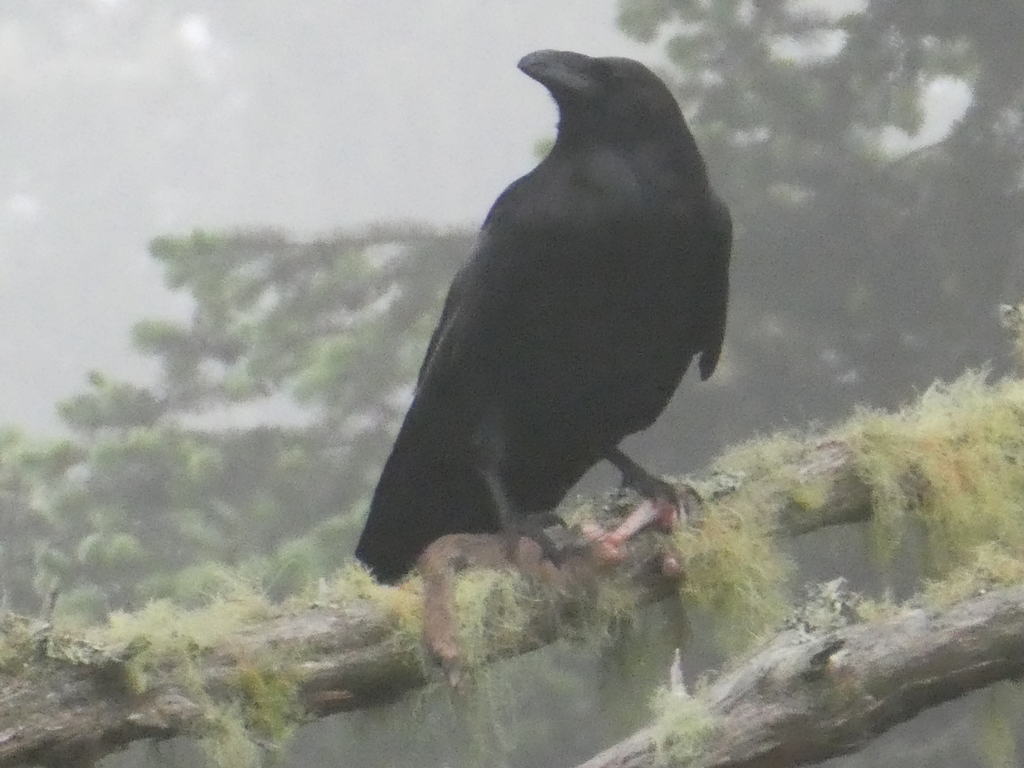












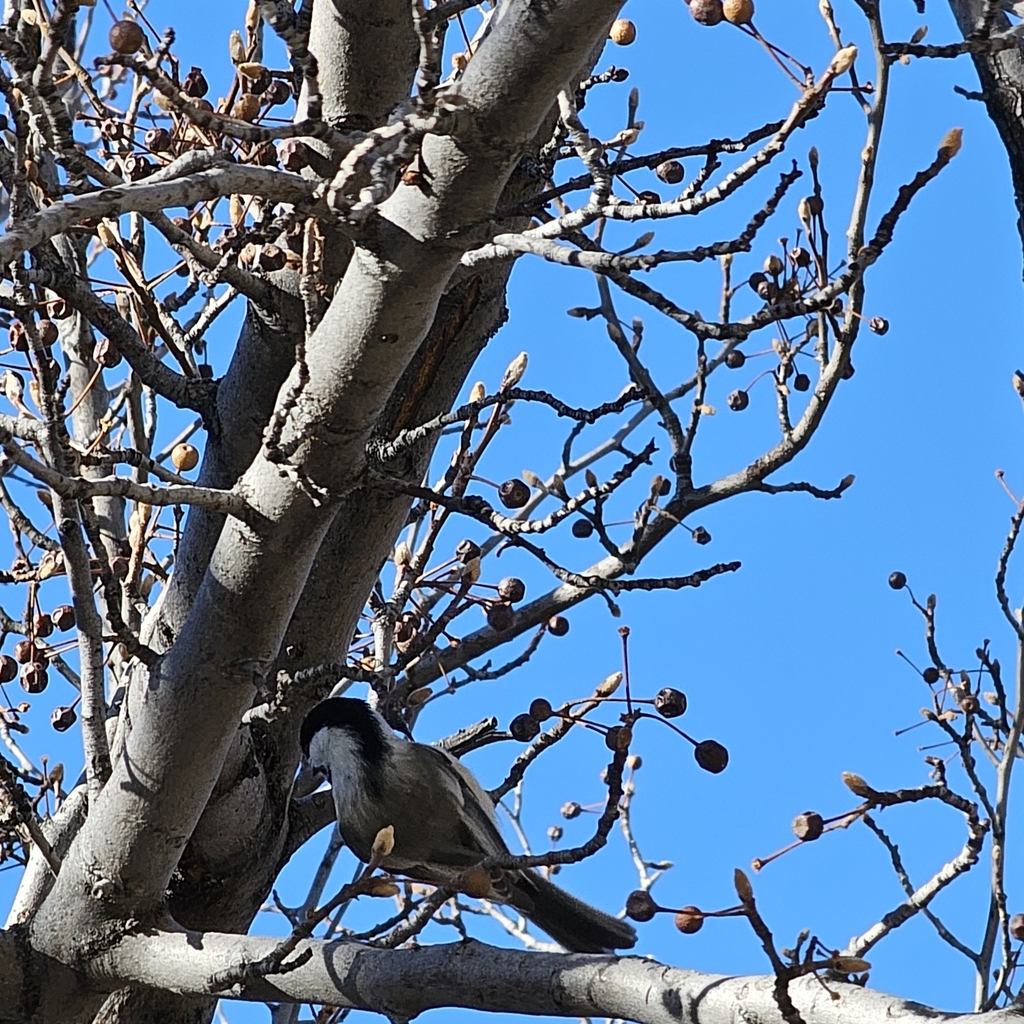

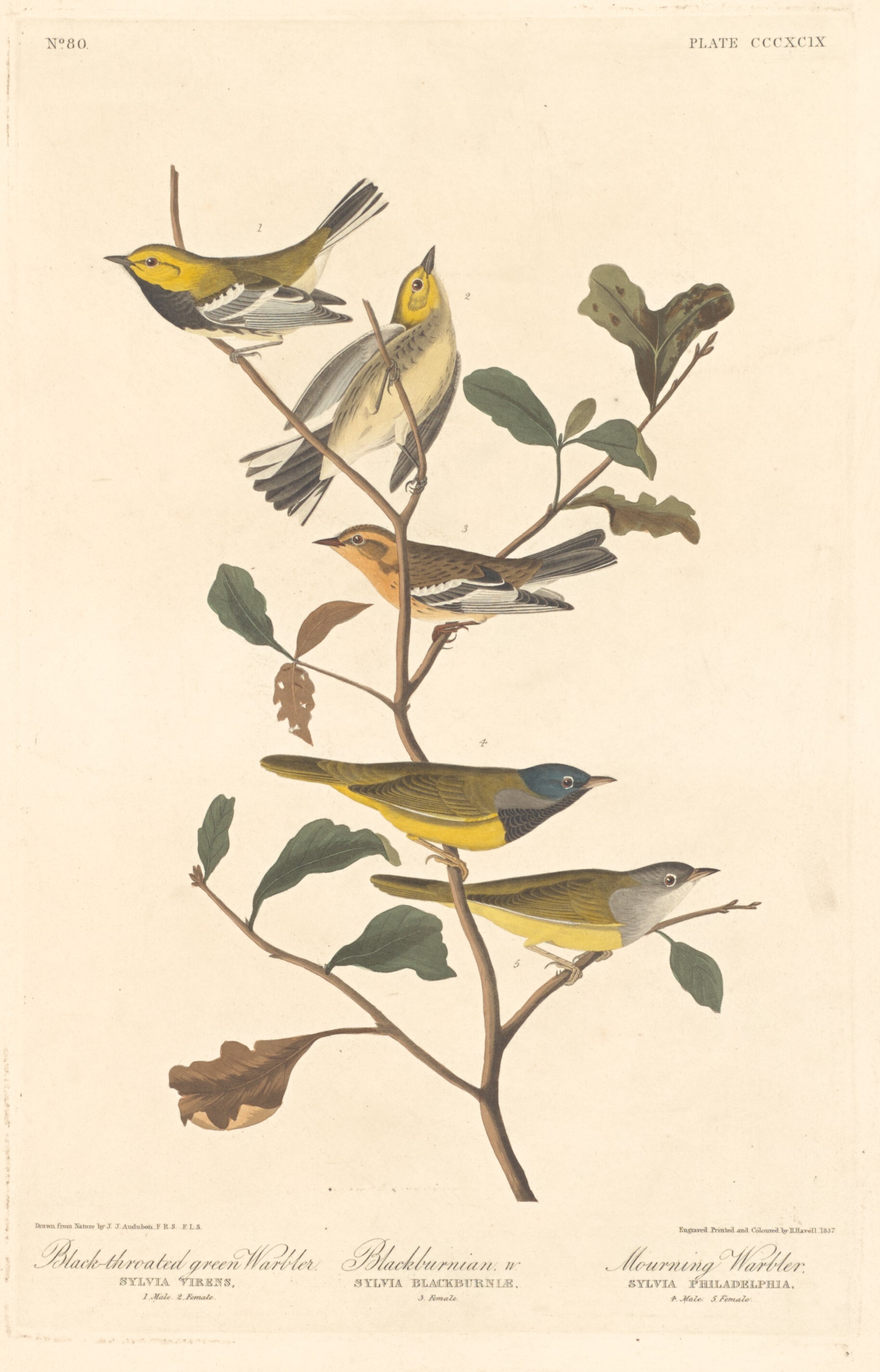
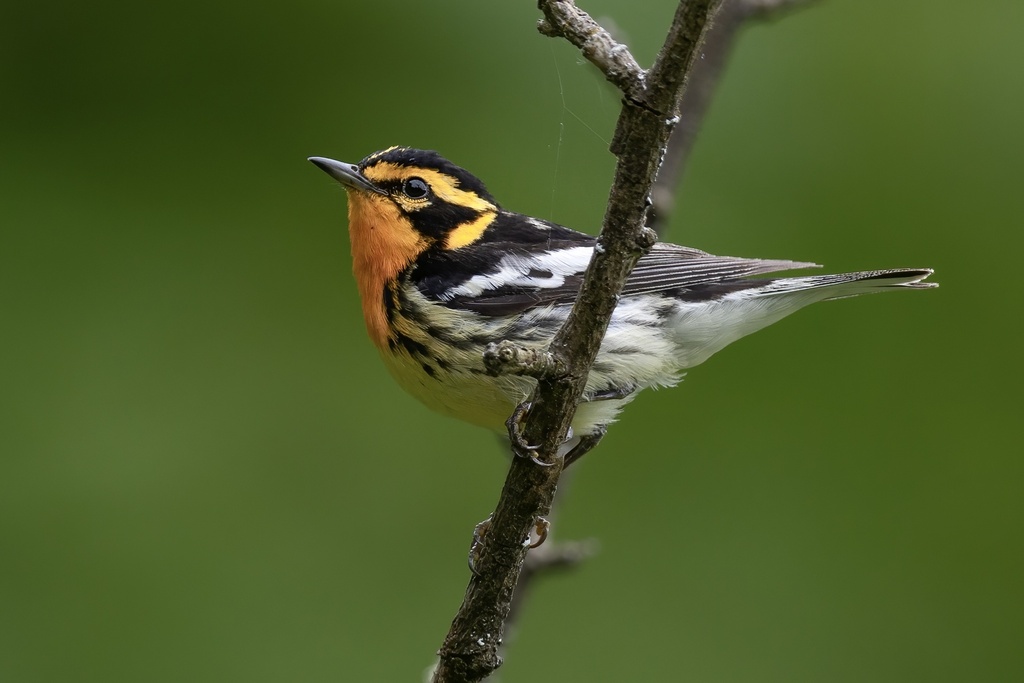


Who uses this plant?
 36CaterpillarsGenus host records with ranges including WV
Genus host records with ranges including WV · Eupatorium
- Agonopterix pulvipennellaGoldenrod Leaffolder, Featherduster Agonopterix
- Anavitrinella pampinariaCommon Gray, Cranberry Spanworm
- Carmenta bassiformisEupatorium Borer Moth, Ironweed Clearwing Moth
- Carmenta pyralidiformisBoneset Borer Moth
- Chlorochlamys chloroleucariaBlackberry Looper Moth
- Chrysodeixis includensSoybean Looper Moth
- Cisseps fulvicollisYellow-Collared Scape Moth
- Condica vecorsDusky Groundling
- Dichomeris setosellaHairy Dichomeris
- Digrammia continuataCurve-Lined Angle
Show all 36
- Dysodia oculatanaEyed Thyris
- Estigmene acreaSalt Marsh Moth, Acrea Moth
- Eupithecia miserulataCommon Eupithacia, Common Pug
- Feltia subgothicaSubgothic Dart
- Feltia tricosaConfused Dart, Tricose Dart
- Haploa clymeneClymene Moth
- Oedemasia concinnaRed-Humped Caterpillar, Red-Humped Appleworm
- Oidaematophorus eupatoriiEupatorium Plume Moth
- Orthodes majusculaRustic Quaker, Rustic Groundcat
- Ostrinia obumbratalisSmartweed Borer
- Papaipema cataphractaBurdock Border, Potato-Stalk Borer
- Papaipema eupatoriiJoe-Pye Weed Borer, Eupatorium Borer Moth
- Papaipema harrisiiHeracleum Stem Borer Moth, Cow Parsnip Borer
- Perigea xanthioidesRed Groundling
- Phragmatobia fuliginosaRuby Tiger Moth
- Phragmatobia lineataLined Ruby Tiger Moth
- Platynota flavedanaBlack-Shaded Platynota
- Pleuroprucha insulsariaCommon Tan Wave
- Schinia trifasciaThree-Lined Flower Moth
- Spoladea recurvalisHawaiian Beet Webworm
- Synchlora aerataWavy-Lined Emerald, Camouflaged Looper
- Tornos scolopacinariaDimorphic Gray
- Agonopterix atrodorsella
- Agonopterix eupatoriiella
- Chionodes pseudofondella
- Dichomeris washingtoniella
 —BeesSoutheastern regional records
 4Specialist beesPollen specialists
Pollen specialists · Ageratina
- Andrena asteris
- Andrena hirticincta
- Andrena nubecula
- Colletes thysanellae
 1BirdsRecorded genus food-resource interactions; not a state feeding claim
Recorded genus food-resource interactions; not a state feeding claim · Eupatorium
- Ortalis vetulaPlain Chachalaca
Direct food only: birds recorded eating this genus across North America. Caterpillars on host plants also feed nesting birds. NC Native Plant Society: butterfly gardening
Plant details
- Family
- Asteraceae
Safety has not been reviewed for this plant; check toxicity and thorns before planting.
Growing sources and scope
- Bloom · “August to October” · Weakley, Flora of the Southeastern United States (2025), Carolinas & Georgia edition · Carolinas and Georgia
- Light · “Partial shade; Full shade; Full sun (documented habitat)” · Weakley, Flora of the Southeastern United States (2025), Carolinas & Georgia edition · Carolinas and Georgia
- Soil · “Dry; Moist (documented habitat)” · Weakley, Flora of the Southeastern United States (2025), Carolinas & Georgia edition · Carolinas and Georgia
Also known as
Ageratina altissima var. roanensis; thoroughwort
Conservation status
| West Virginia rank | SNR |
|---|---|
| Global rank | G5T3T4 [G3G4] |
| WV status | Not verified |
| Federal status | Not verified |
Will it fit your yard?
Check this plant against your county, sun and soil moisture. Conditions are checked in your browser.
Sources
- West Virginia occurrence source
- Shropshire & Tallamy 2025, Lepidoptera of North America north of Mexico, ZooKeys 1261 (ODbL)
- Noori, Seltmann & Orr 2026, A curated and integrated dataset for exploring global bee-plant interactions (GloBI), Zenodo, CC BY 4.0
- Smith, Bachelder, Russell, Morales, Mosher & Seltmann 2024, Bee-Specialization-Modeling v0.6.1 (specialist host table compiled from J. Fowler's pollen specialist bee lists), Zenodo, CC BY 4.0
- Hurlbert, Olsen, Sawyer & Winner 2021, Avian Diet Database, Scientific Data 8: 260 (CC0)
- Narango, Tallamy & Shropshire 2020, Few keystone plant genera support the majority of Lepidoptera species, Nature Communications