

Bird
Tree Swallow
Tachycineta bicolor
Lives in North Carolina all year and nests here. Found in all 100 counties, across 16 habitats.
- Here
- All year
- Nesting
- Nests here
- Range
- All 100 counties
- Habitats
- 16

At a glance
- Group
- Birds
- Here
- All year
- Nesting
- Nests here
- Range
- All 100 counties
- Habitats
- 16
- Habitat models
- Summer, Winter
Where it lives
The places its habitat model includes. It is not found everywhere a habitat occurs.
Habitats in North Carolina 16
Each habitat page lists the plants and wildlife also found there.
Floodplain and bottomland forests
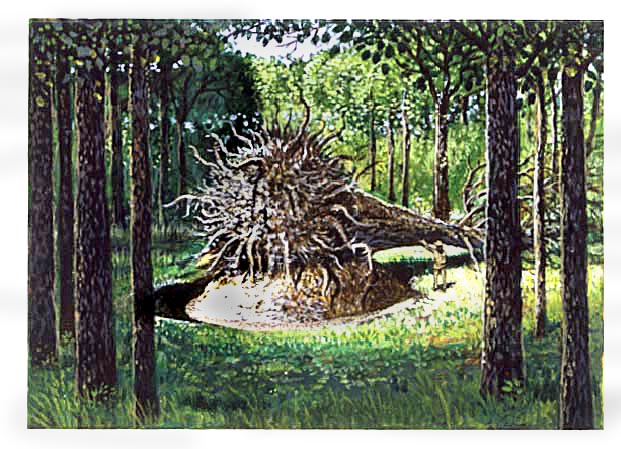

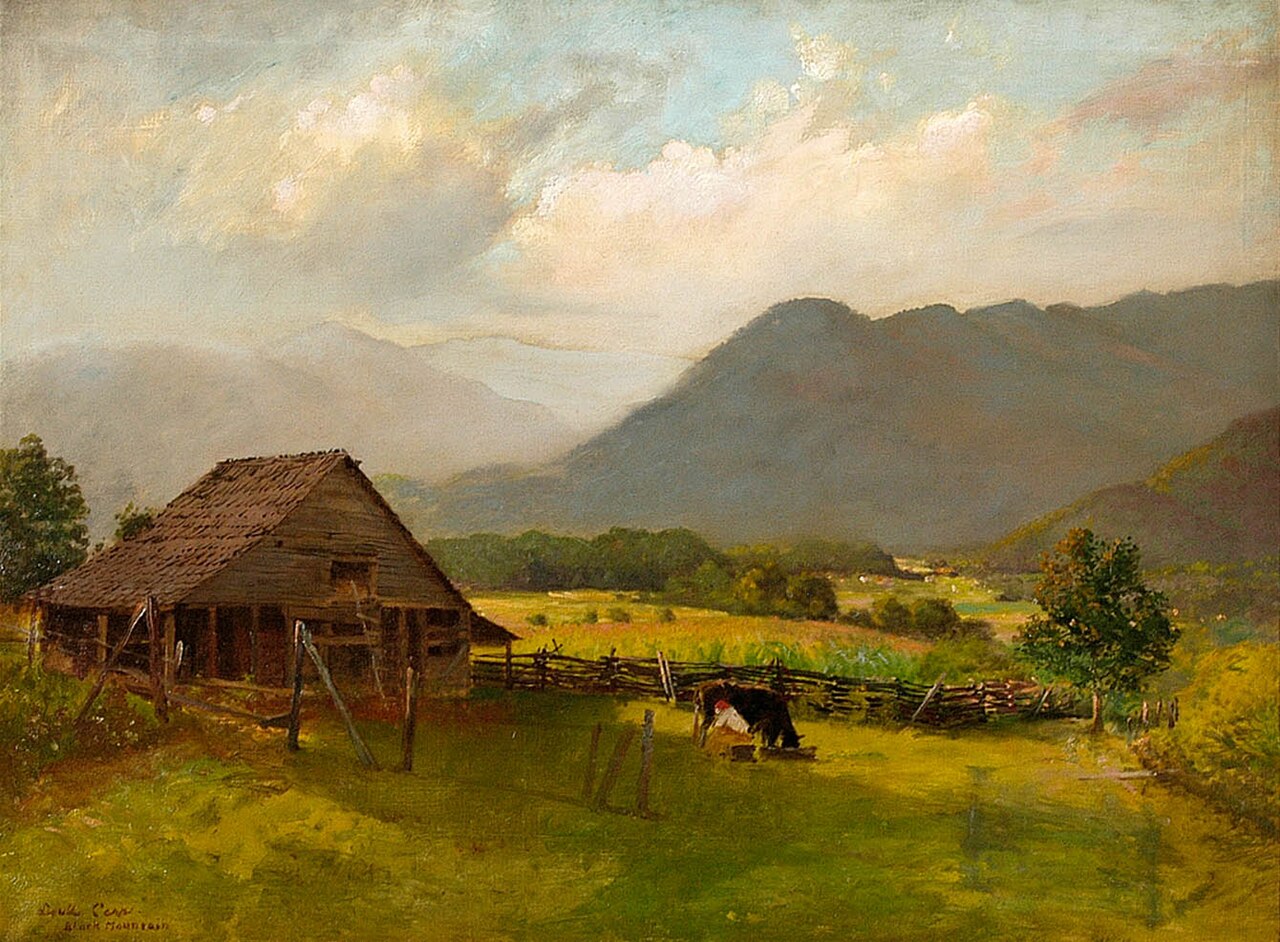
Roadsides, fields and disturbed ground
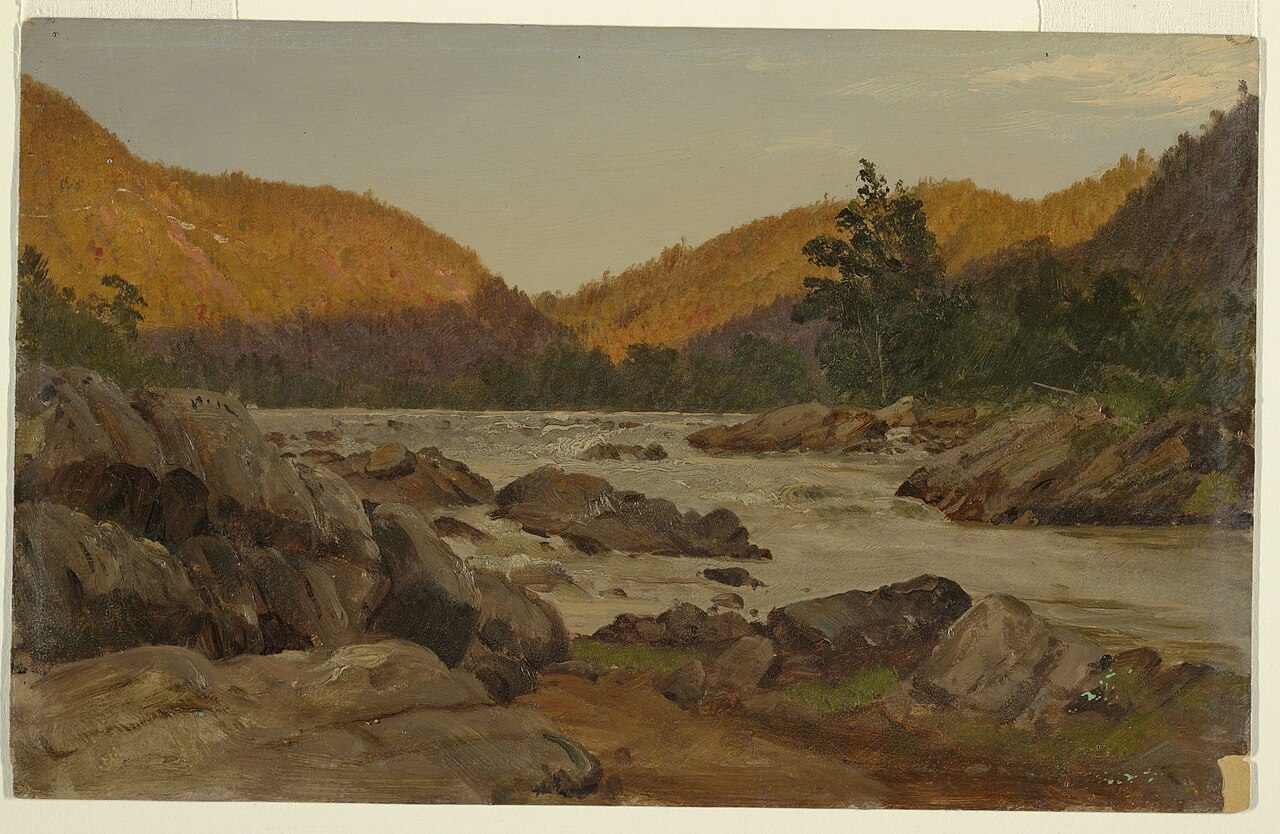
Streams, rivers and their banks
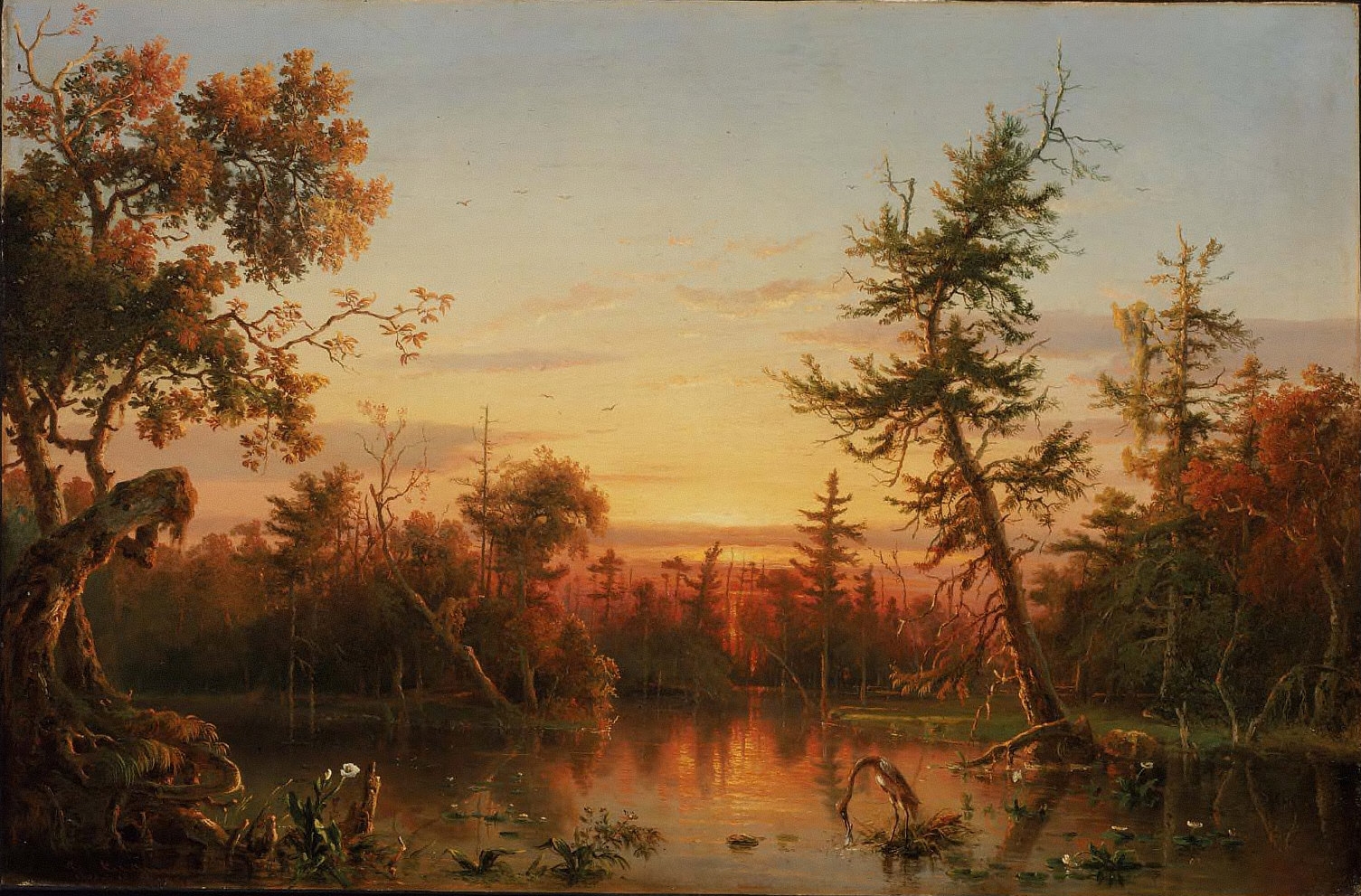
Open sand of beaches, dunes and the hollows between them.
Coastal tidal marshes (salinity not stated)
Tidal marshes of the Atlantic and Gulf coasts where the source does not say whether the water is fresh, brackish or salt. A stated salinity files the marsh under freshwater tidal marshes or salt and brackish marshes instead.
Depression ponds and limesinks
Shallow ponds in Coastal Plain depressions, such as limesinks and the ponds in some Carolina bays, that rise and fall with the seasons.
Disturbed and introduced wetlands
Wet ground taken over by weedy or introduced plants after disturbance, such as common reed, Chinese tallow or tamarisk stands; the upland counterpart is roadsides, fields and disturbed ground.
Marshes along tidal rivers where the water is fresh but rises and falls with the tide.
Dense evergreen shrub wetlands and bay forests on wet, acid peat of the Coastal Plain.
Coastal marshes flooded by salty or brackish tides.
Places where groundwater keeps the soil or rock wet, such as seepage slopes and spring runs.
Salt and brackish open water of sounds, bays and estuaries, with the mud and sand flats and seagrass beds that tides cover and uncover; the vegetated marsh is salt and brackish marshes.
Open, wet, grassy or sedgy ground that is not a bog.
Other habitats in its models (105)
Land cover, or classes with no habitat page in North Carolina. Those recorded in North Carolina first, the rest by region.
In North Carolina 1
- Southern Piedmont Glade and Barrens Summer and winter.
Elsewhere in the South (53)
- Appalachian Shale Barrens Summer, only within 250 m of water.
- Atlantic Coastal Plain Indian River Lagoon Tidal Marsh Winter.
- Atlantic Coastal Plain Southern Wet Pine Savanna and Flatwoods Winter.
- Atlantic Coastal Plain Xeric River Dune Winter.
- Central and Upper Texas Coast Dune and Coastal Grassland Winter.
- Central Florida Herbaceous Pondshore Winter.
- Central Florida Herbaceous Seep Winter.
- Central Interior Highlands Calcareous Glade and Barrens Summer, only within 250 m of water.
- Central Interior Highlands Dry Acidic Glade and Barrens Summer, only within 250 m of water.
- Crosstimbers Oak Forest and Woodland Summer, only within 250 m of water.
- Cumberland Sandstone Glade and Barrens Summer, only within 250 m of water.
- East Gulf Coastal Plain Dune and Coastal Grassland Winter.
- East Gulf Coastal Plain Savanna and Wet Prairie Winter.
- East Gulf Coastal Plain Small Stream and River Floodplain Forest Summer and winter.
- East Gulf Coastal Plain Tidal Wooded Swamp Winter.
- East-Central Texas Plains Floodplain Forest Winter.
- East-Central Texas Plains Pine Forest and Woodland Winter.
- East-Central Texas Plains Post Oak Savanna and Woodland Winter.
- East-Central Texas Plains Riparian Forest Winter.
- Florida Big Bend Fresh-Oligohaline Tidal Marsh Winter.
- Florida Big Bend Salt-Brackish Tidal Marsh Winter.
- Florida Dry Prairie Winter.
- Florida Panhandle Beach Vegetation Winter.
- Floridian Highlands Freshwater Marsh Winter.
- Lower Mississippi River Dune Woodland and Forest Winter.
- Lower Mississippi River Flatwoods Winter.
- Mississippi River Low Floodplain (Bottomland) Forest Winter.
- Mississippi River Riparian Forest Summer and winter.
- Mississippi Sound Salt and Brackish Tidal Marsh Winter.
- Nashville Basin Limestone Glade Summer, only within 250 m of water.
- Red River Large Floodplain Forest Summer and winter.
- Ridge and Valley Calcareous Valley Bottom Glade and Woodland Summer, only within 250 m of water.
- South Florida Bayhead Swamp Winter.
- South Florida Cypress Dome Winter.
- South Florida Dwarf Cypress Savanna Winter.
- South Florida Everglades Sawgrass Marsh Winter.
- South Florida Wet Marl Prairie Winter.
- South-Central Interior / Upper Coastal Plain Wet Flatwoods Summer.
- Southern Coastal Plain Blackwater River Floodplain Forest Winter.
- Southern Coastal Plain Herbaceous Seepage Bog Winter.
- Southern Coastal Plain Nonriverine Basin Swamp Winter.
- Southwest Florida Dune and Coastal Grassland Winter.
- Texas Saline Coastal Prairie Winter.
- Texas-Louisiana Coastal Prairie Winter.
- West Gulf Coastal Plain Catahoula Barrens Winter.
- West Gulf Coastal Plain Large River Floodplain Forest Winter.
- West Gulf Coastal Plain Near-Coast Large River Swamp Winter.
- West Gulf Coastal Plain Nepheline Syenite Glade Winter.
- West Gulf Coastal Plain Northern Calcareous Prairie Winter.
- West Gulf Coastal Plain Seepage Swamp and Baygall Winter.
- West Gulf Coastal Plain Southern Calcareous Prairie Winter.
- West Gulf Coastal Plain Wet Longleaf Pine Savanna and Flatwoods Winter.
- Western Great Plains Floodplain Winter.
Northeast (6)
- Atlantic Coastal Plain Northern Fresh and Oligohaline Tidal Marsh Summer and winter.
- Atlantic Coastal Plain Northern Tidal Salt Marsh Summer and winter.
- Central Appalachian Alkaline Glade and Woodland Summer, only within 250 m of water.
- Central Appalachian Pine-Oak Rocky Woodland Summer, only within 250 m of water.
- North-Central Interior Wet Flatwoods Summer.
- Northern Atlantic Coastal Plain Basin Swamp and Wet Hardwood Forest Summer and winter.
Midwest (8)
- Central Mixedgrass Prairie Summer, only within 250 m of water.
- Central Tallgrass Prairie Summer, only within 250 m of water.
- North-Central Interior Dry Oak Forest and Woodland Summer, only within 250 m of water.
- North-Central Interior Dry-Mesic Oak Forest and Woodland Summer, only within 250 m of water.
- North-Central Interior Oak Savanna Summer, only within 250 m of water.
- North-Central Interior Sand and Gravel Tallgrass Prairie Summer, only within 250 m of water.
- North-Central Oak Barrens Summer, only within 250 m of water.
- Western Great Plains Wooded Draw and Ravine Summer and winter.
Land cover and other classes (37)
- Allegheny-Cumberland Dry Oak Forest and Woodland - Hardwood Summer, only within 250 m of water.
- Allegheny-Cumberland Dry Oak Forest and Woodland - Pine Modifier Summer, only within 250 m of water.
- Arkansas Valley Prairie and Woodland Summer, only within 250 m of water.
- Central Appalachian Floodplain - Forest Modifier Summer.
- Central Appalachian Riparian - Forest Modifier Summer.
- Developed, Low Intensity Summer and winter.
- East Gulf Coastal Plain Black Belt Calcareous Prairie and Woodland - Herbaceous Modifier Summer and winter.
- East Gulf Coastal Plain Black Belt Calcareous Prairie and Woodland - Woodland Modifier Summer and winter.
- East Gulf Coastal Plain Jackson Prairie and Woodland Summer and winter.
- East Gulf Coastal Plain Large River Floodplain Forest - Forest Modifier Summer and winter.
- East Gulf Coastal Plain Large River Floodplain Forest - Herbaceous Modifier Summer and winter.
- East Gulf Coastal Plain Southern Depression Pondshore Summer and winter.
- Eastern Great Plains Floodplain Systems Winter.
- Eastern Great Plains Wet Meadow, Prairie, and Marsh Winter.
- Eastern Highland Rim Prairie and Barrens - Dry Modifier Summer and winter.
- Florida Longleaf Pine Sandhill - Open Understory Modifier Winter.
- Harvested Forest - Grass/Forb Regeneration Summer and winter.
- Introduced Upland Vegetation - Annual Grassland Summer and winter.
- Introduced Upland Vegetation - Forbland Summer and winter.
- Introduced Upland Vegetation - Perennial Grassland Summer and winter.
- Mississippi River Floodplain and Riparian Forest Summer and winter.
- Open Water (Aquaculture) Summer and winter.
- Recently Burned Summer and winter.
- Recently Burned Forest Summer and winter.
- Recently Burned Grassland Summer and winter.
- Recently Logged Areas Summer, only within 250 m of water.
- South-Central Interior Large Floodplain - Herbaceous Modifier Summer.
- Southern Coastal Plain Nonriverine Basin Swamp - Okefenokee Bay/Gum Modifier Winter.
- Southern Coastal Plain Nonriverine Basin Swamp - Okefenokee Clethra Modifier Winter.
- Southern Coastal Plain Nonriverine Basin Swamp - Okefenokee Nupea Modifier Winter.
- Southern Coastal Plain Nonriverine Basin Swamp - Okefenokee Pine Modifier Winter.
- Southern Coastal Plain Nonriverine Basin Swamp - Okefenokee Taxodium Modifier Winter.
- Texas-Louisiana Coastal Prairie Slough Winter.
- Unconsolidated Shore Winter.
- Unconsolidated Shore (Lake/River/Pond) Summer and winter.
- Western Great Plains Depressional Wetland Systems Winter.
- Western Great Plains Floodplain Systems Winter.
Seasons in North Carolina
- Year-round: nests here, in 17 of 100 counties.
- Migratory: does not nest here, in 50 of 100 counties.
- Winter: does not nest here, in 22 of 100 counties.
- Summer: nests here, in 46 of 100 counties.
Food plants
Diet records by plant genus, from studies across North America. Not a record from this state. Plants matched by genus.
Native plants in these genera 8
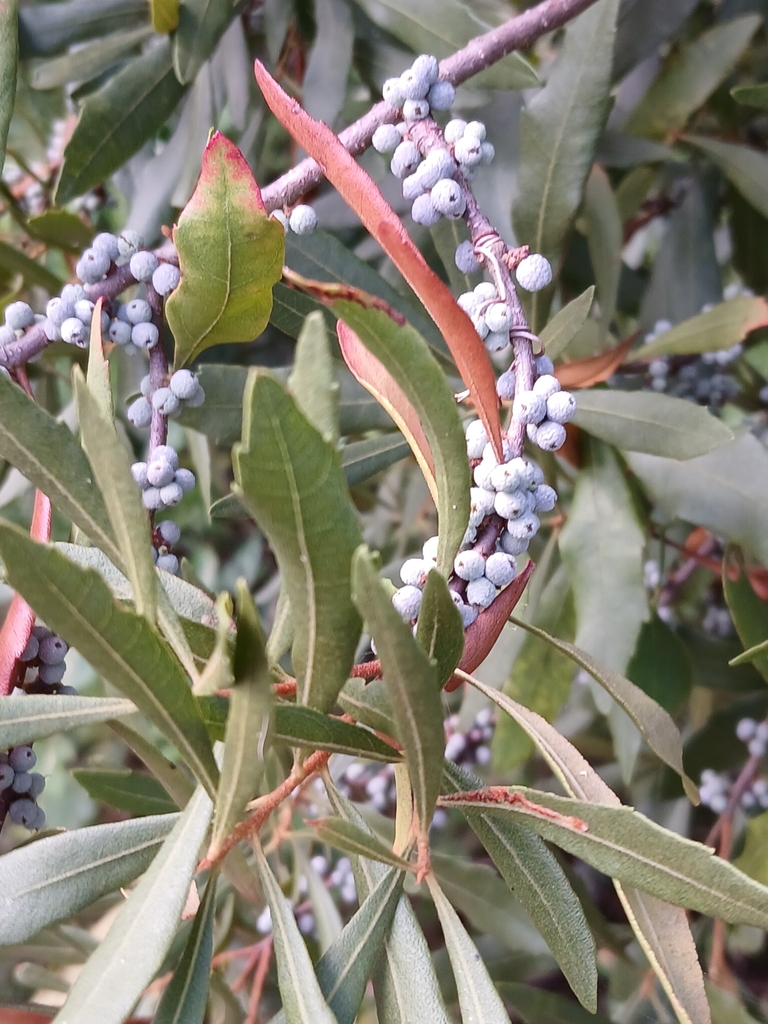
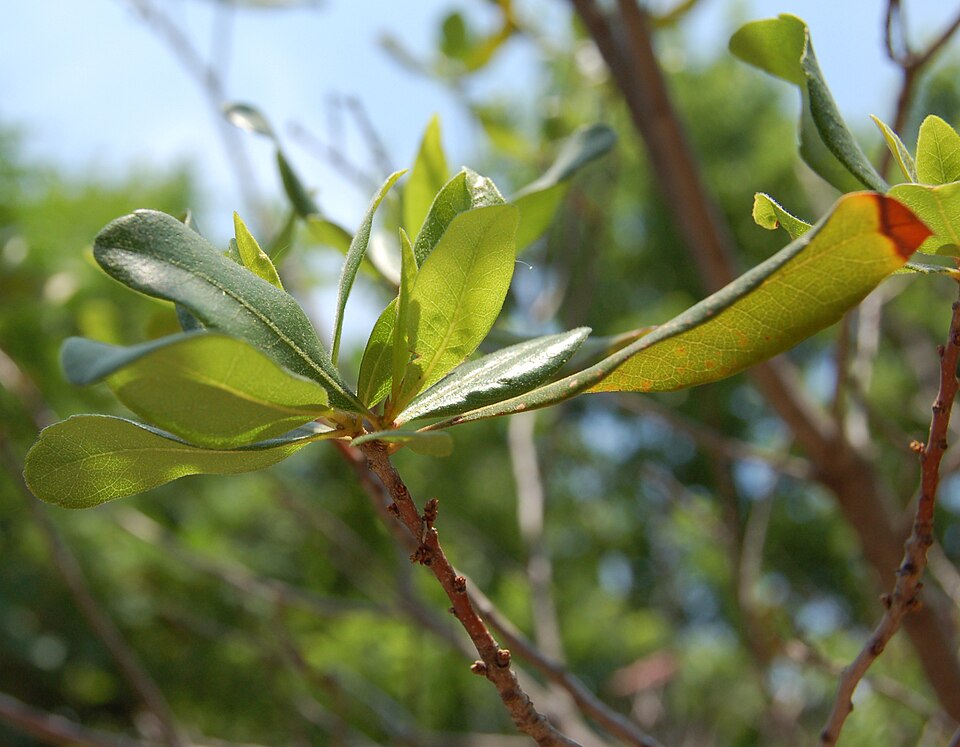
- Common WaxmyrtleMorella cerifera
- Northern BayberryMorella pensylvanica
- Southern BayberryMorella caroliniensis
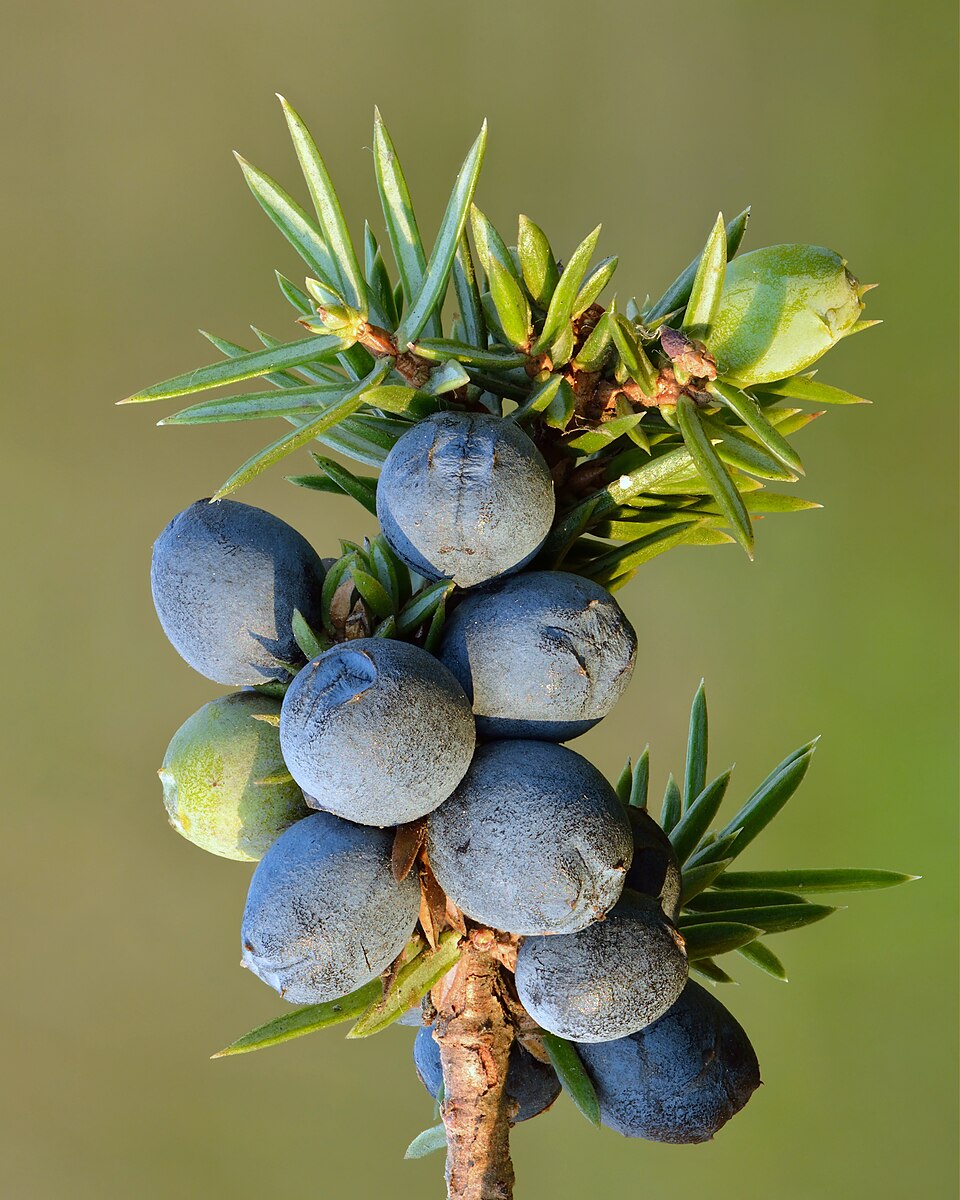
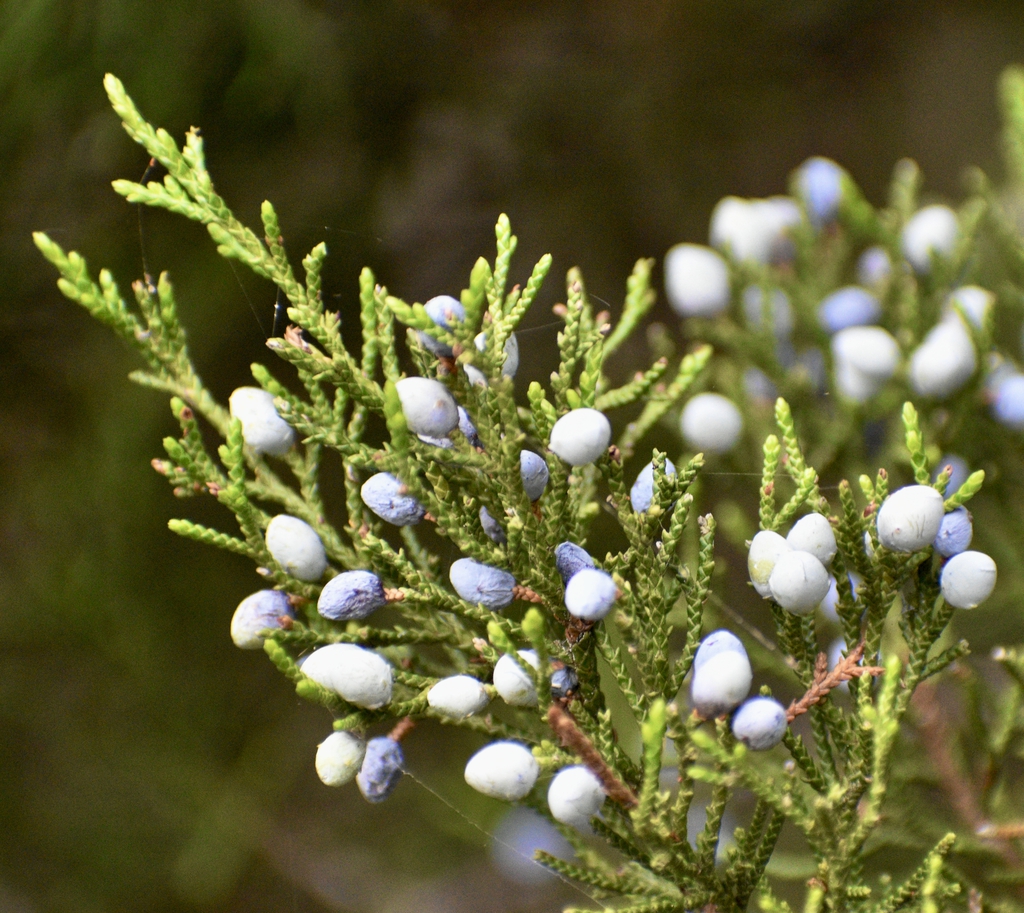
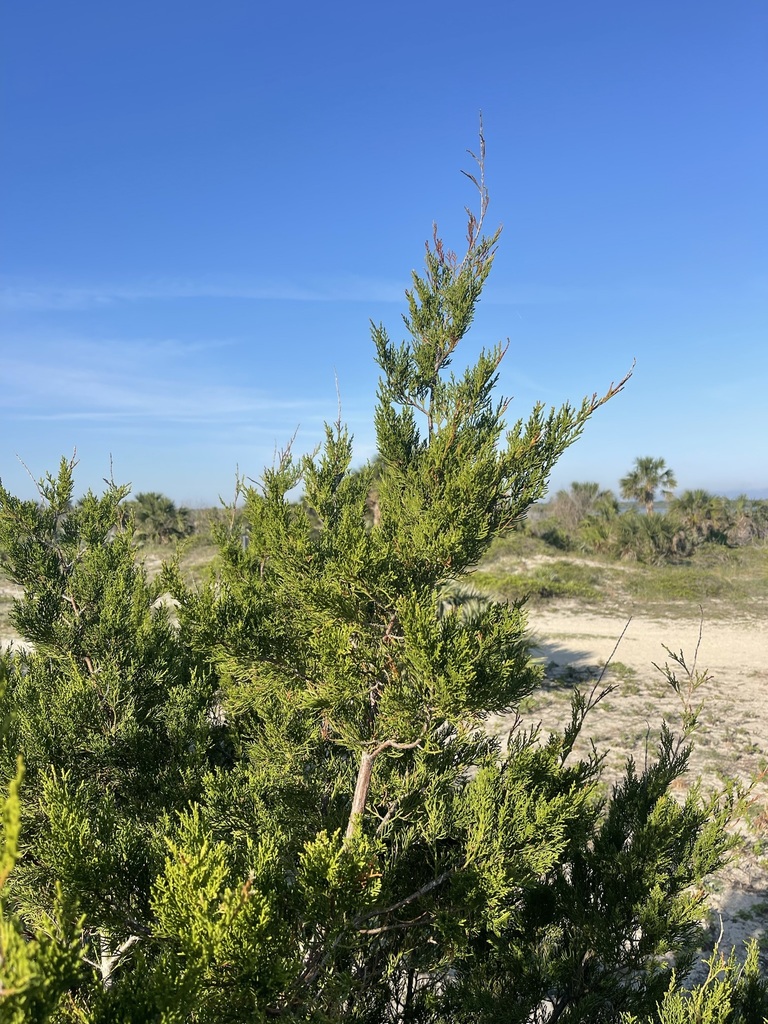
- Common JuniperJuniperus communis
- Eastern Red CedarJuniperus virginiana
- Southern Red CedarJuniperus silicicola
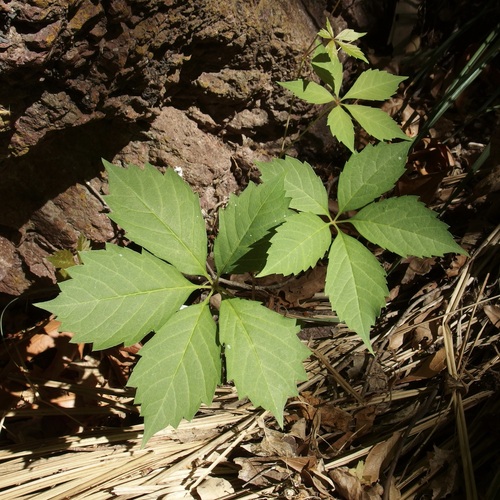
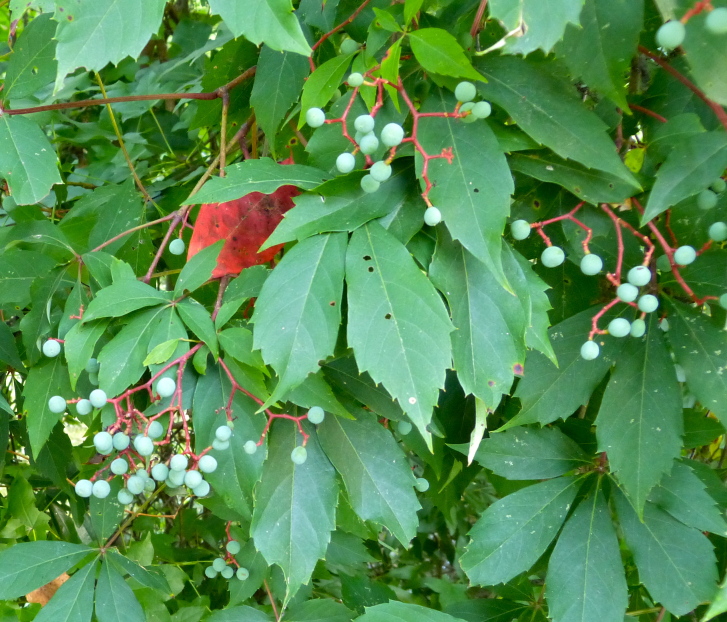
- Thicket CreeperParthenocissus inserta
- Virginia CreeperParthenocissus quinquefolia
Plant genera in its diet records (4)
- Morella Fruit. 3 diet records. 3 native plants in North Carolina
- Cornus Fruit. 1 diet record. 0 native plants in North Carolina
- Juniperus Fruit. 1 diet record. 3 native plants in North Carolina
- Parthenocissus Fruit. 1 diet record. 2 native plants in North Carolina
Also found in its main habitats
Its main habitats in North Carolina, by how much of its habitat model each one is, with the birds most characteristic of each and the plants that grow wild there. Shared habitat, not food.
Floodplain and bottomland forests
Birds 70
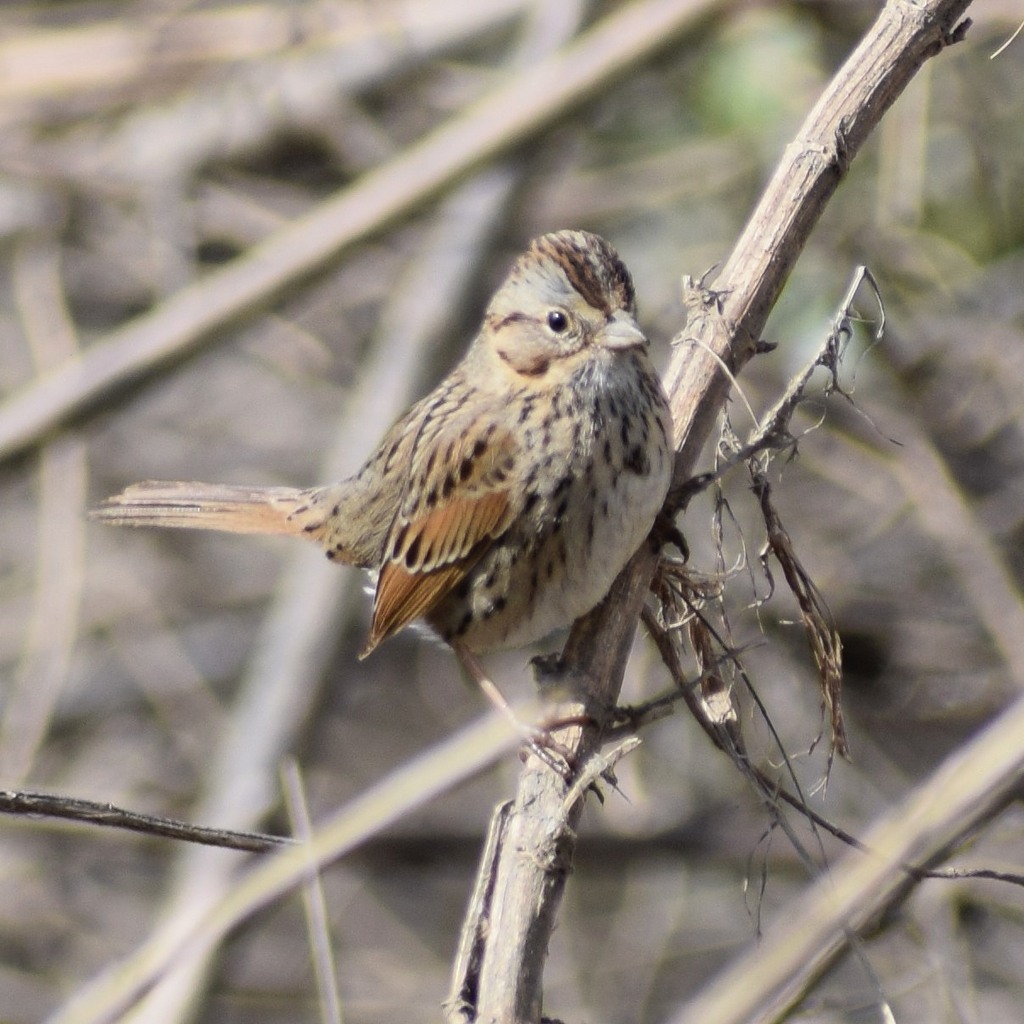
- Lincoln's SparrowMelospiza lincolnii
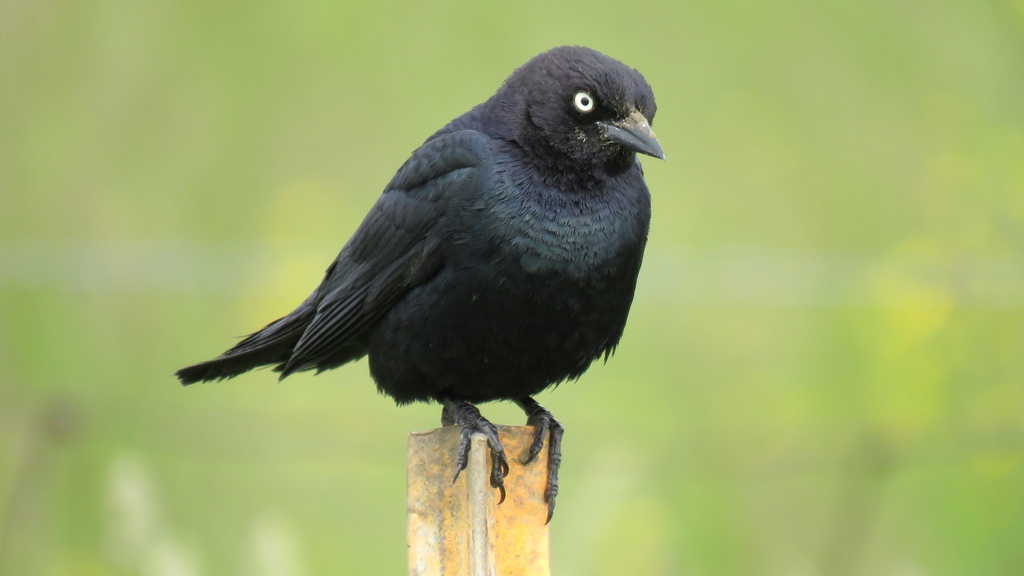
- Brewer's BlackbirdEuphagus cyanocephalus
- Willow FlycatcherEmpidonax traillii
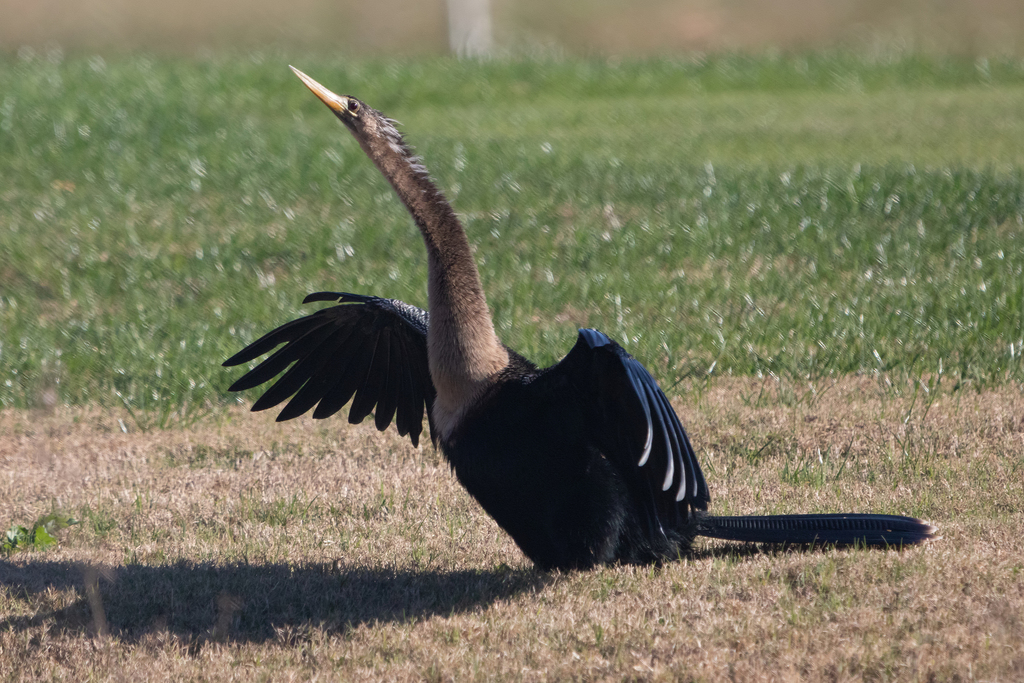
- AnhingaAnhinga anhinga
- Brown-headed CowbirdMolothrus ater
- Louisiana WaterthrushSeiurus motacilla
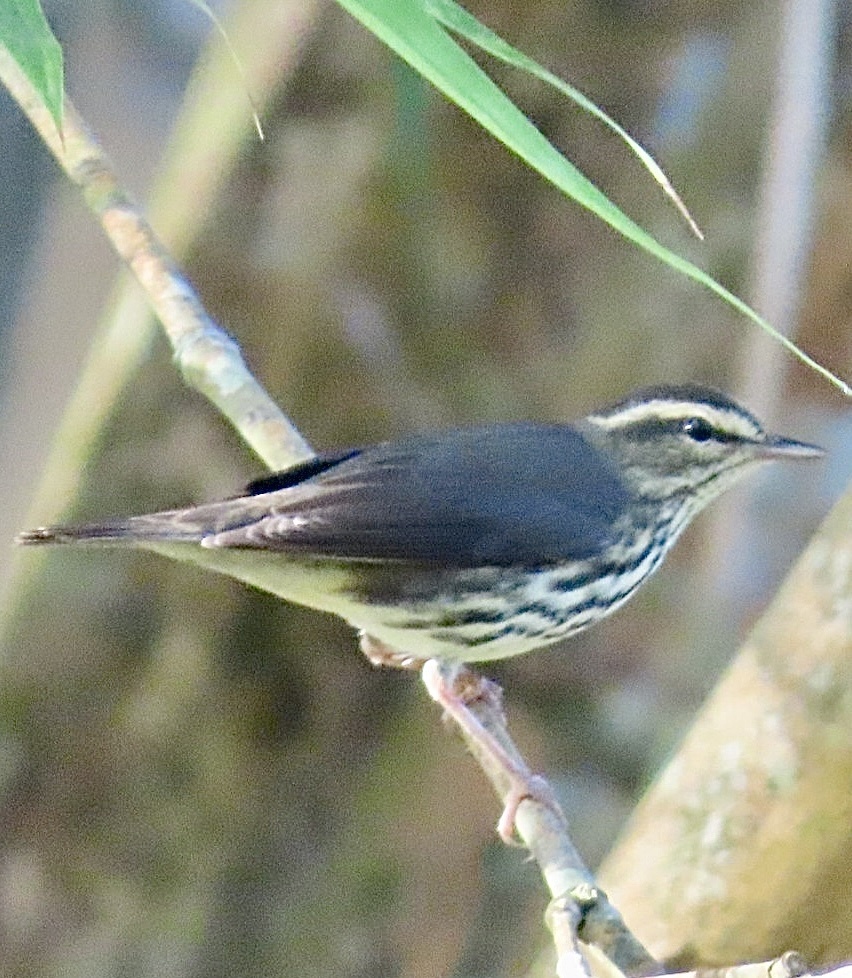
- Northern WaterthrushSeiurus noveboracensis
- Yellow-throated WarblerDendroica dominica
- Black-throated Blue WarblerDendroica caerulescens
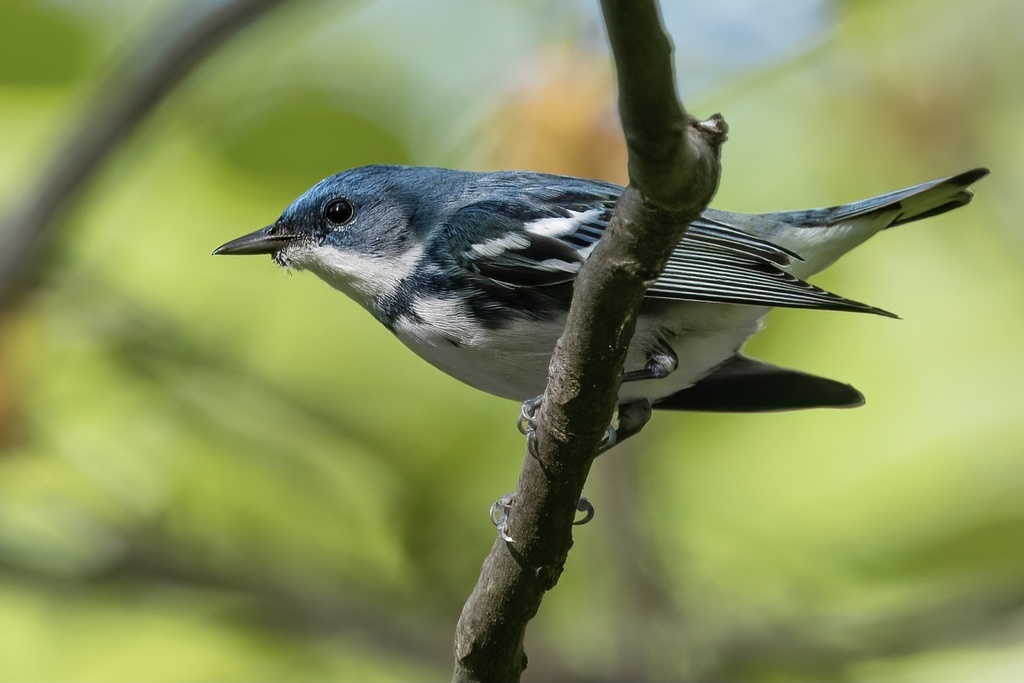
- Cerulean WarblerDendroica cerulea
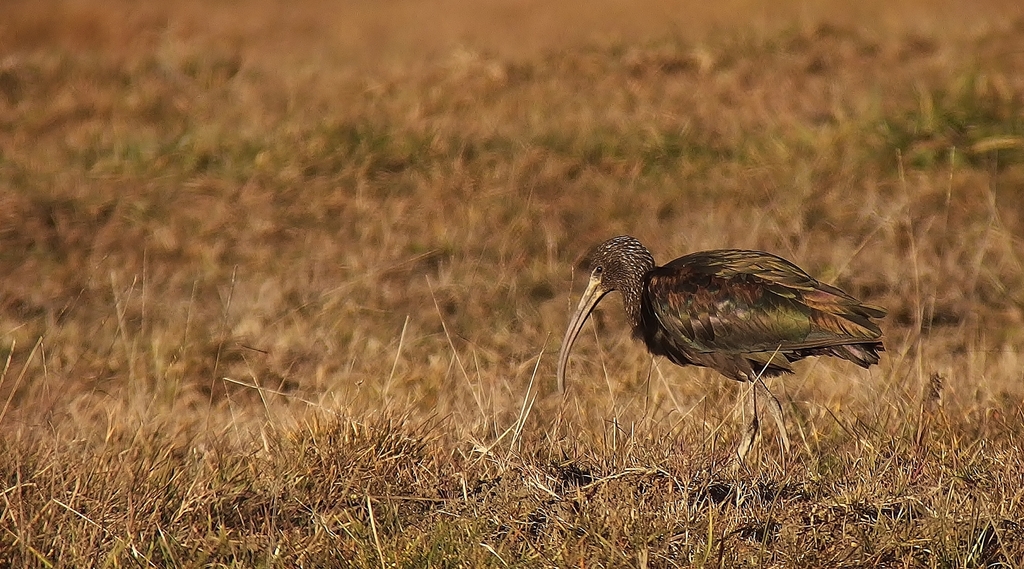
- Glossy IbisPlegadis falcinellus
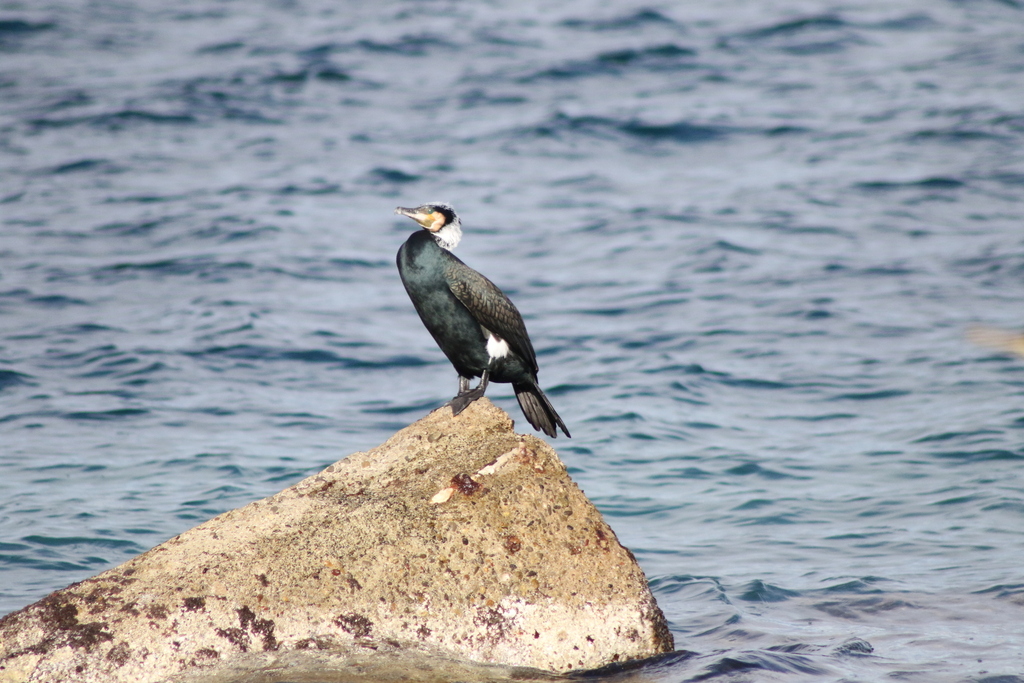
- Great CormorantPhalacrocorax carbo




Plants 367
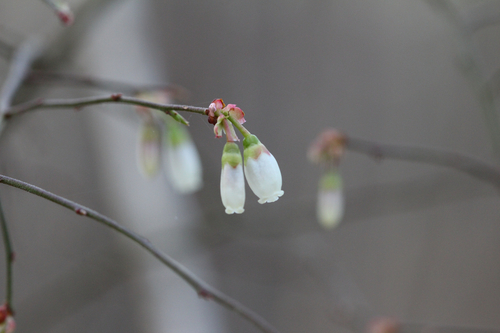
- Elliott's BlueberryVaccinium elliottii
- Possumhaw HollyIlex decidua
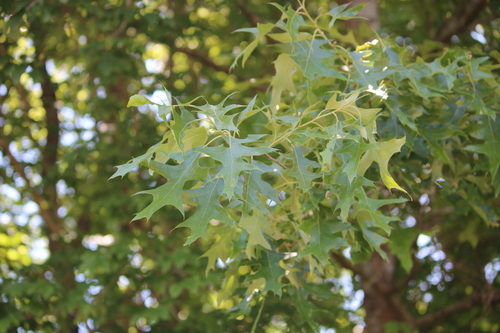
- Cherrybark OakQuercus pagoda
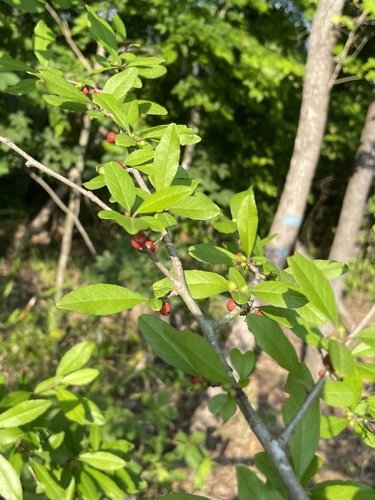
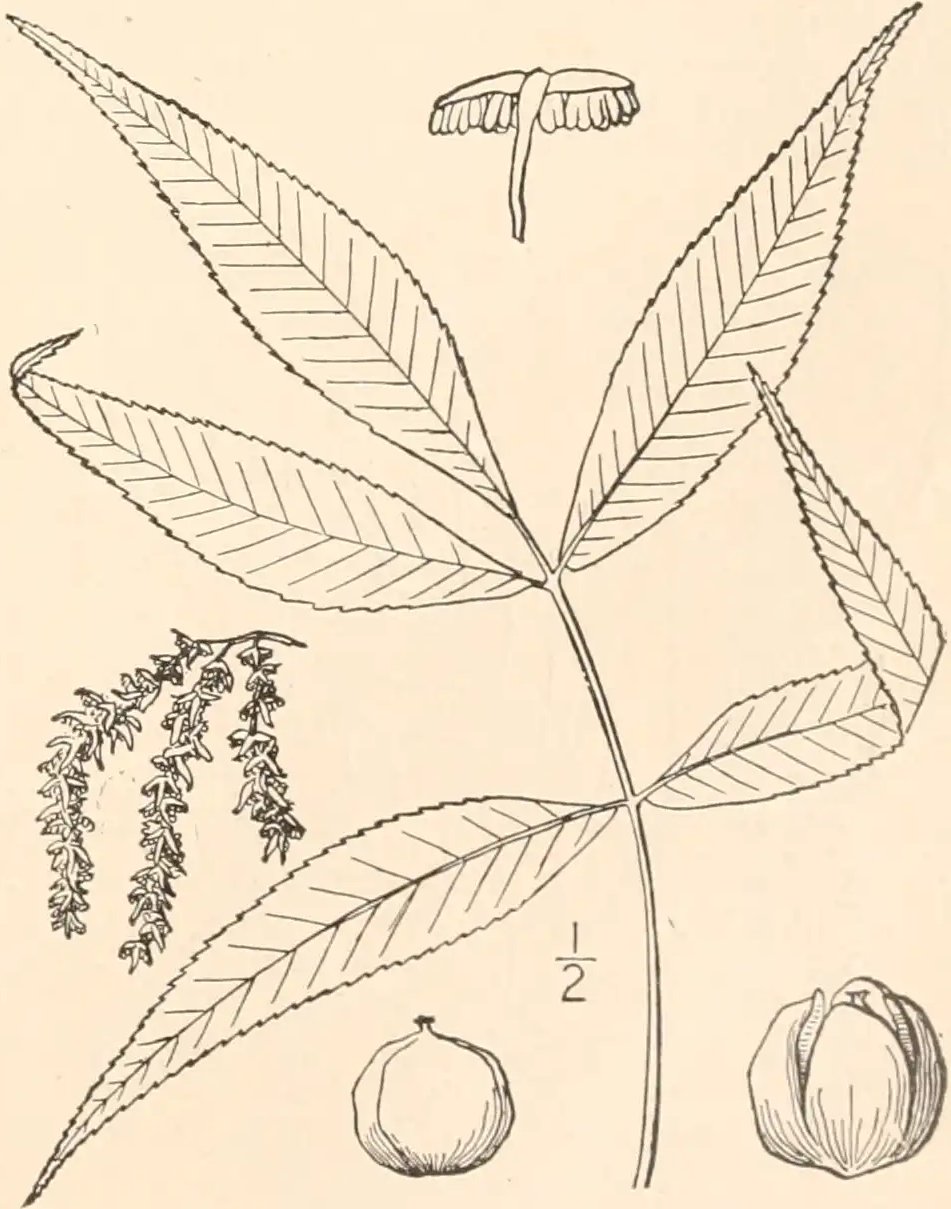
- Shagbark HickoryCarya ovata
- Southern Shagbark HickoryCarya carolinae-septentrionalis
- Wolf's BluegrassPoa wolfii
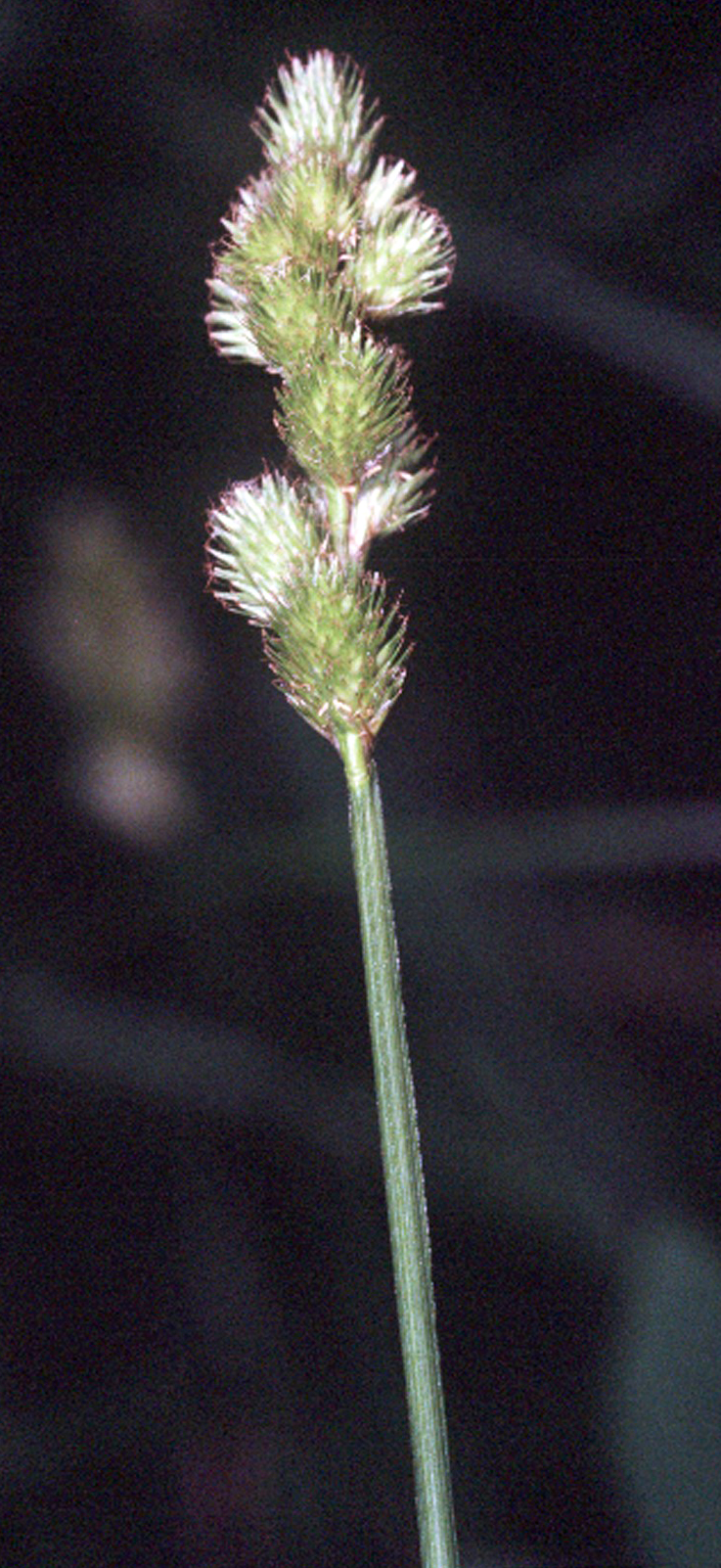
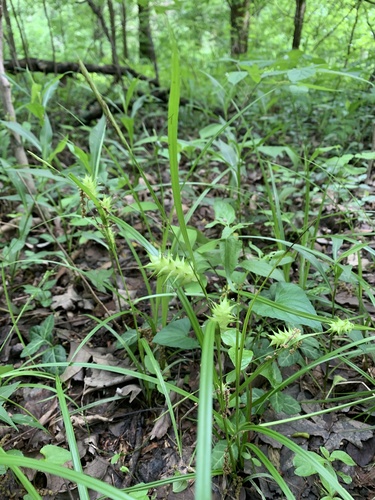
- Spreading SedgeCarex laxiculmis
- Blunt Broom SedgeCarex tribuloides
- Louisiana SedgeCarex louisianica
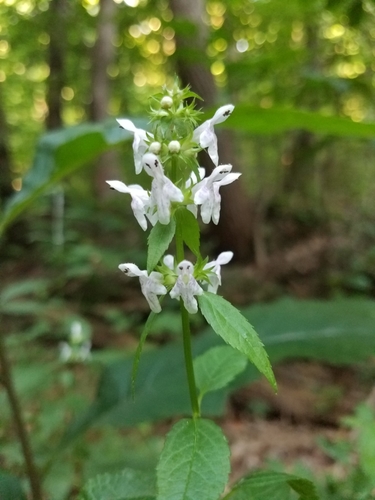
- Smooth Hedge-nettleStachys tenuifolia
- Woodland SpurgeEuphorbia obtusata
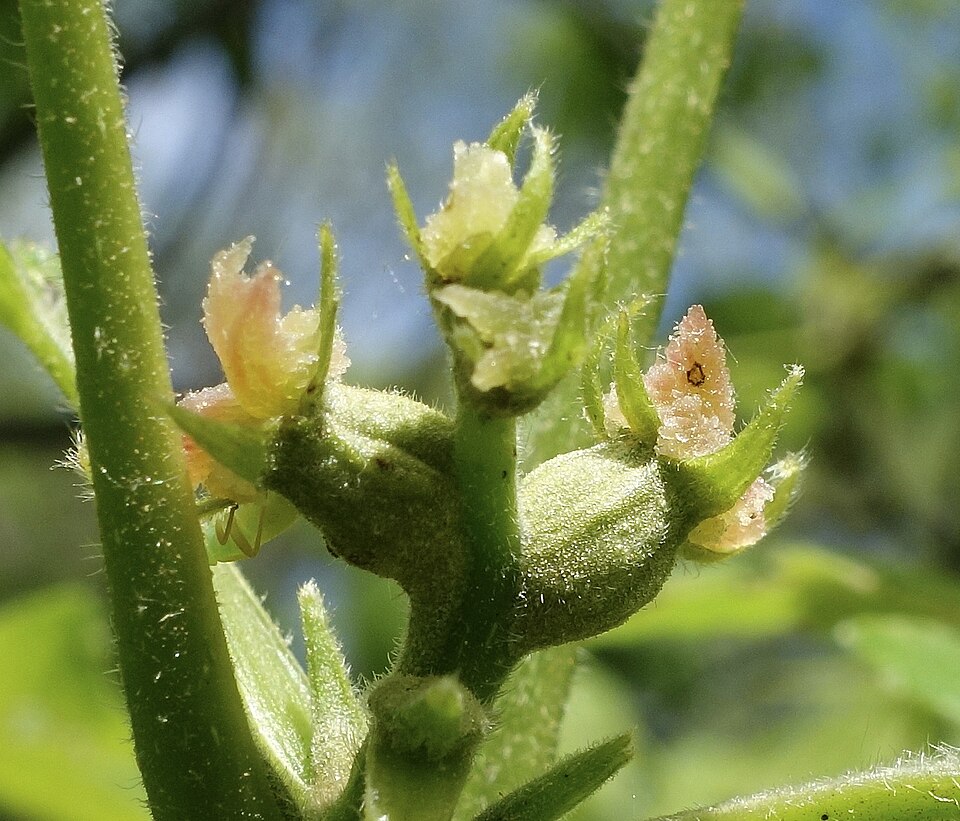
- Common Cup-plantSilphium perfoliatum
Roadsides, fields and disturbed ground
Birds 89
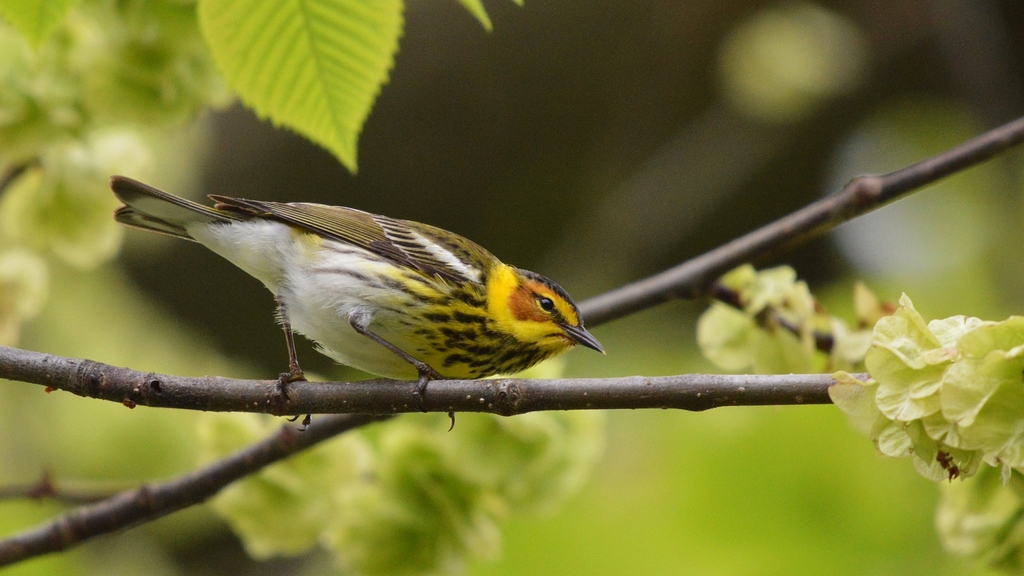
- Cape May WarblerDendroica tigrina
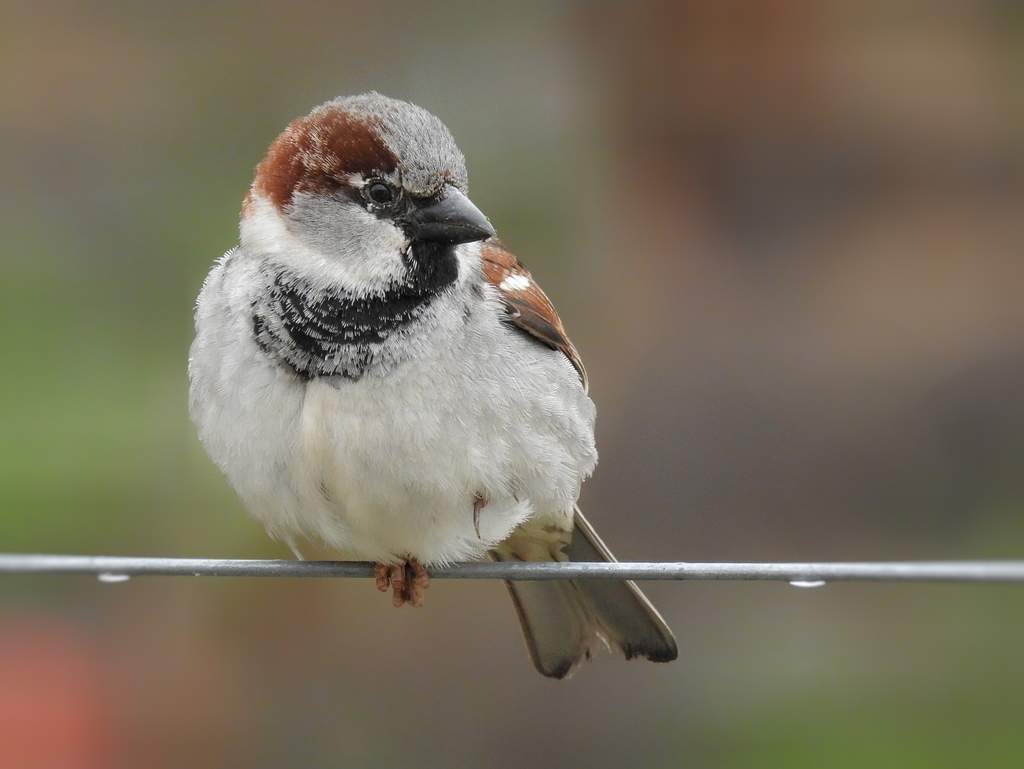
- House SparrowPasser domesticus
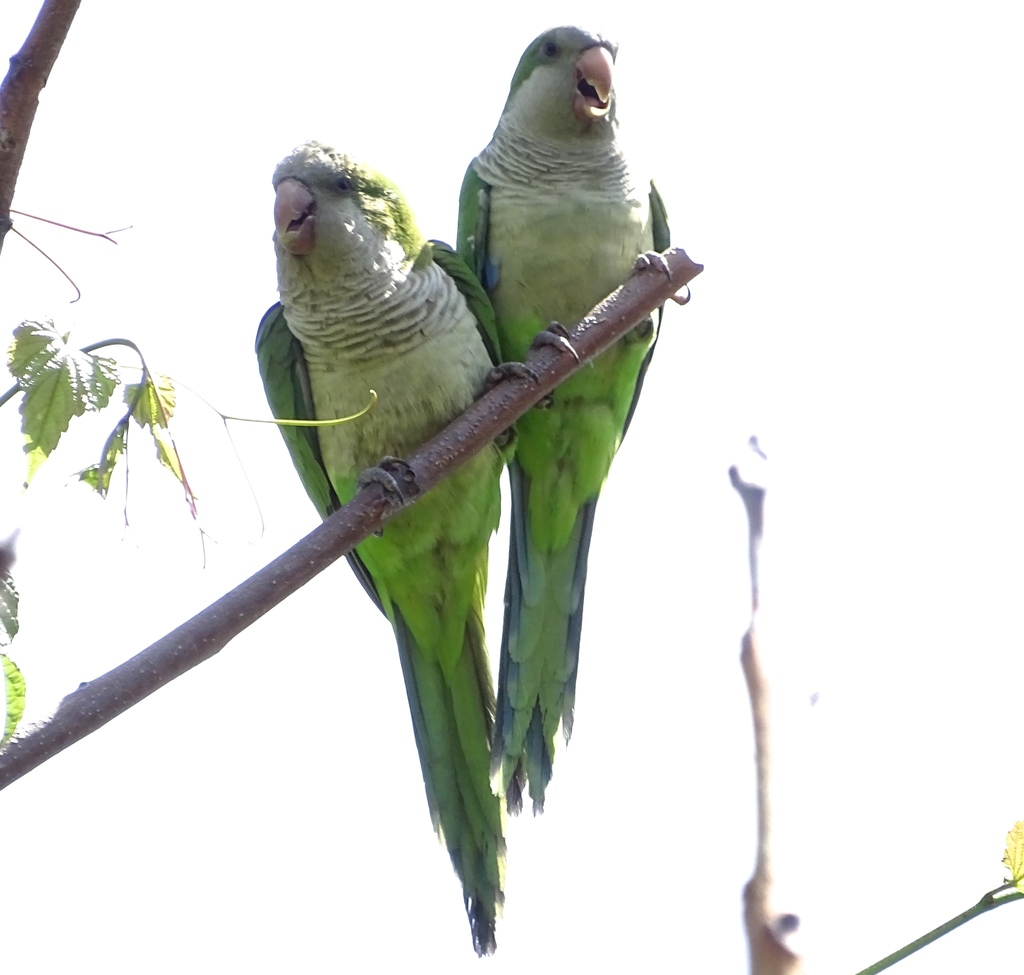
- Monk ParakeetMyiopsitta monachus
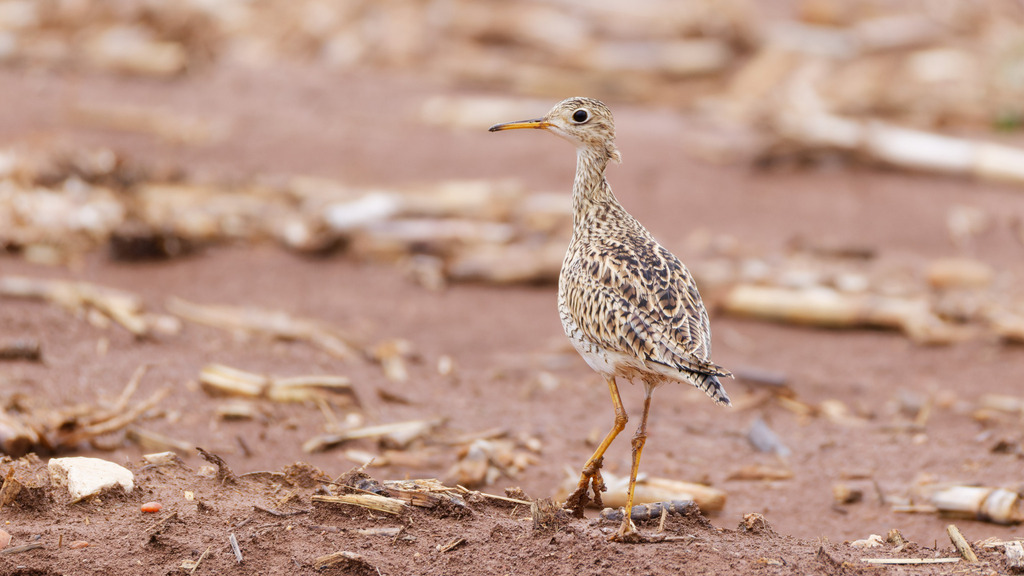
- Upland SandpiperBartramia longicauda
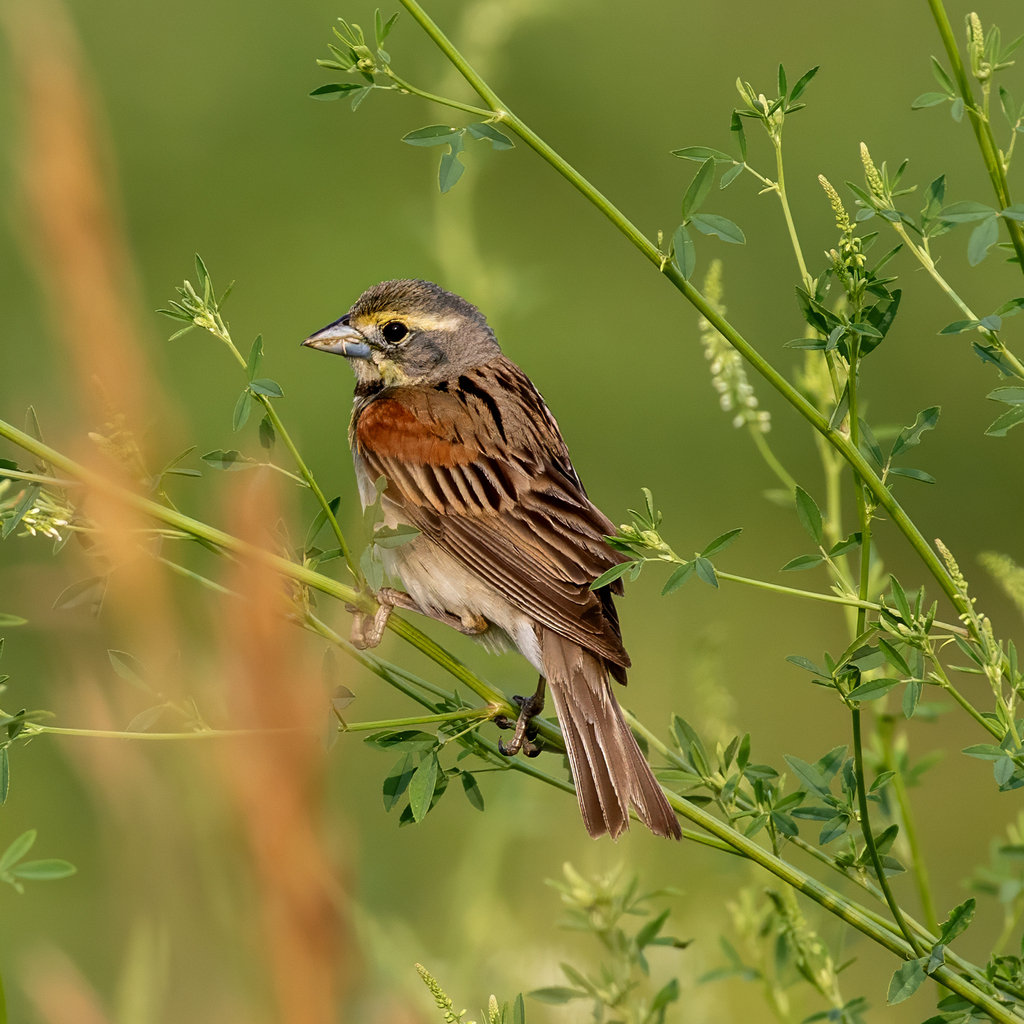
- DickcisselSpiza americana
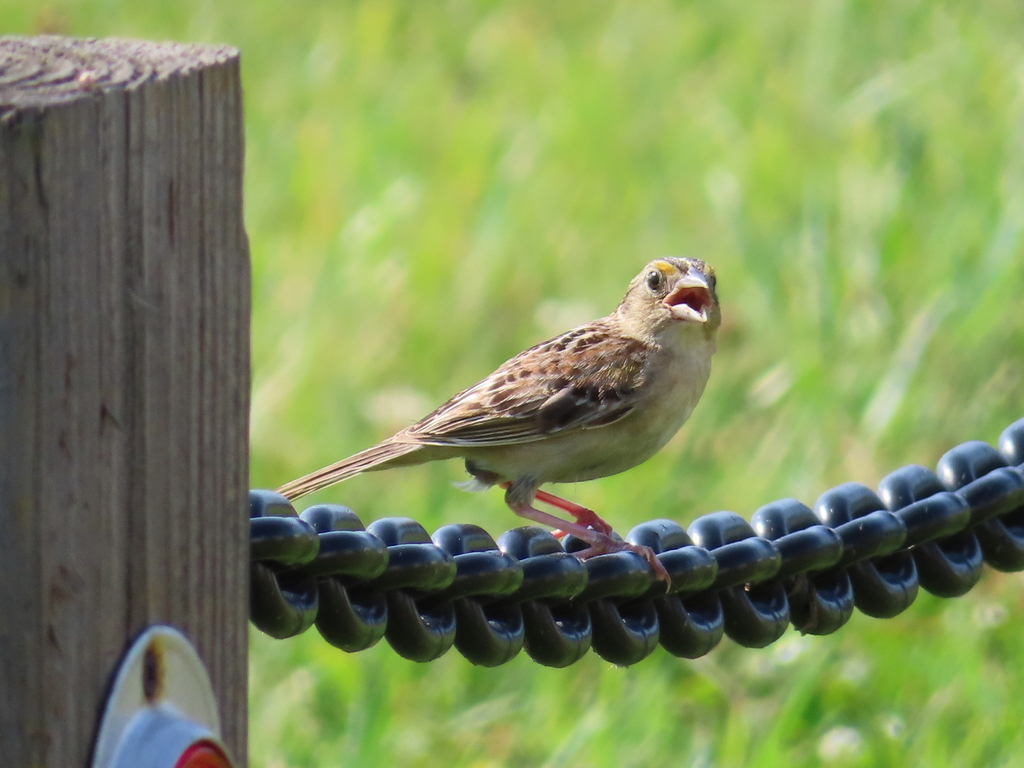
- Grasshopper SparrowAmmodramus savannarum
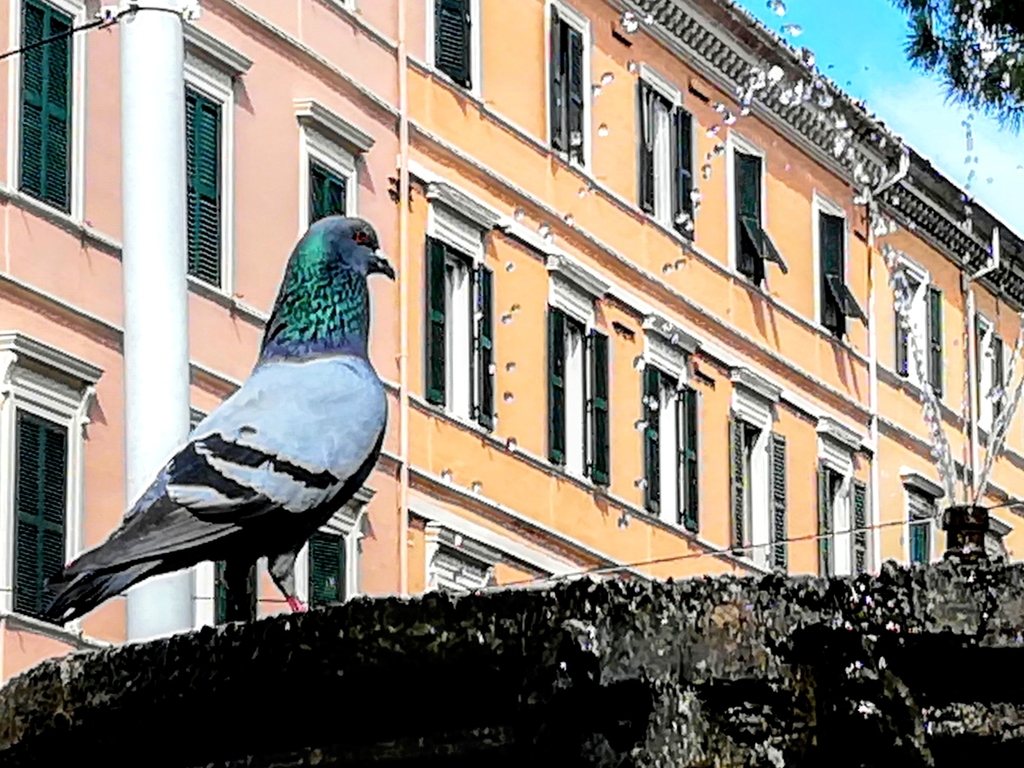
- Rock PigeonColumba livia
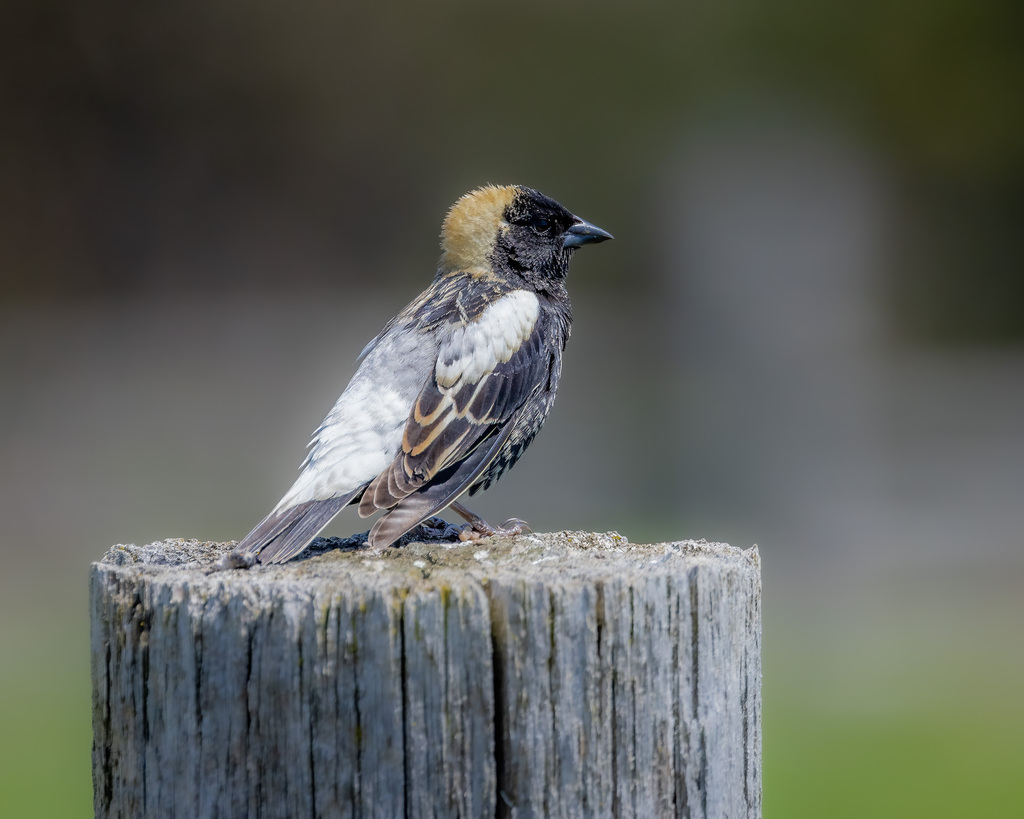
- BobolinkDolichonyx oryzivorus
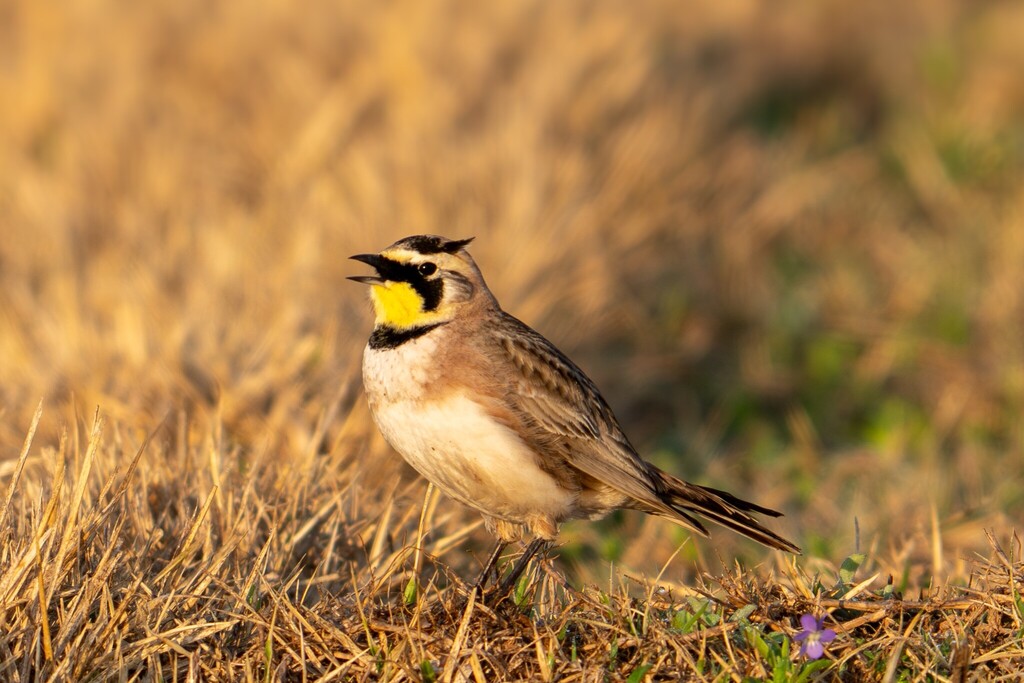
- Horned LarkEremophila alpestris
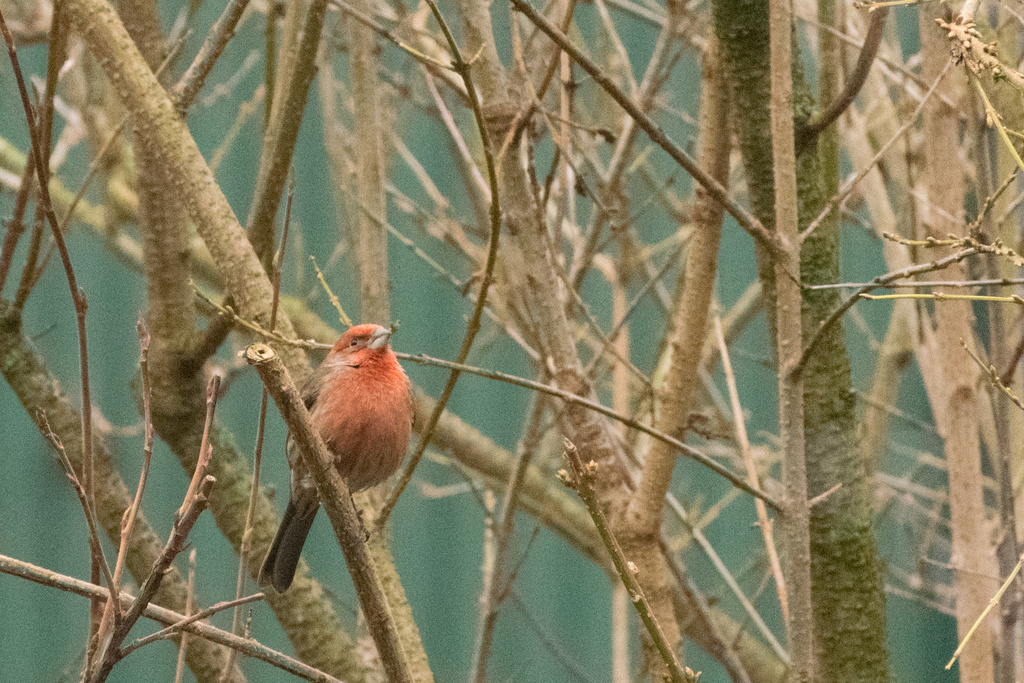
- House FinchCarpodacus mexicanus
- Vesper SparrowPooecetes gramineus
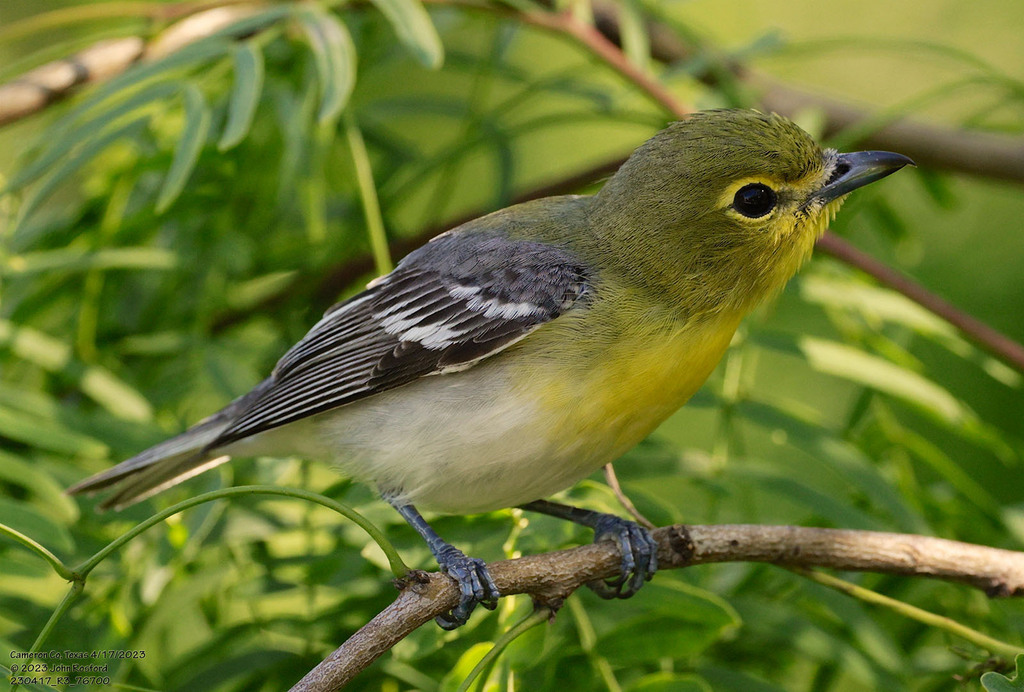
- Yellow-throated VireoVireo flavifrons
Plants 1314
- Crooked-stem AsterSymphyotrichum prenanthoides
- Canada LettuceLactuca canadensis
- Common HorseweedErigeron canadensis
- Annual FleabaneErigeron annuus
- Oakleaf FleabaneErigeron quercifolius
- Dog-fennelEupatorium capillifolium
- Ivyleaf Morning-gloryIpomoea hederacea
- Carolina Crane's-billGeranium carolinianum
- Common Evening-primroseOenothera biennis
- Cutleaf Evening-primroseOenothera laciniata
- Northern Evening-primroseOenothera parviflora
- Downy Ground-cherryPhysalis pubescens
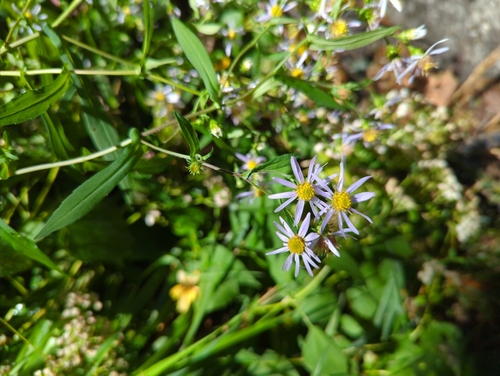
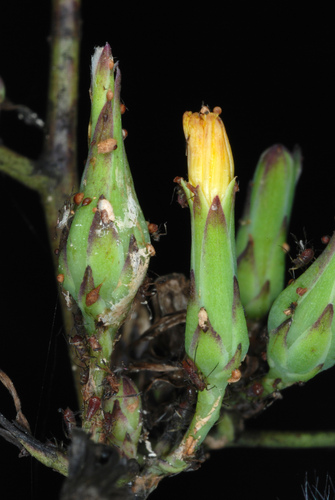
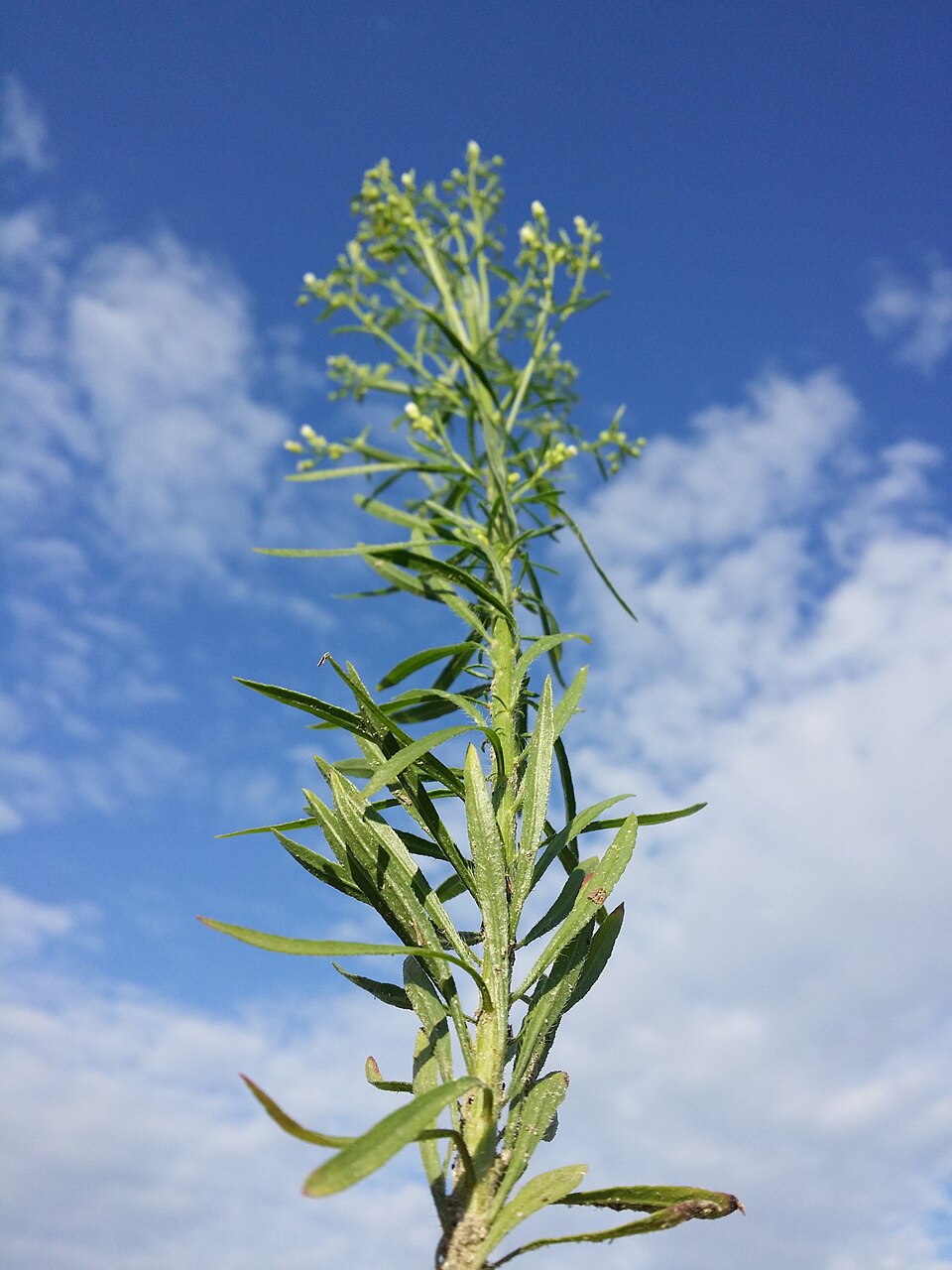
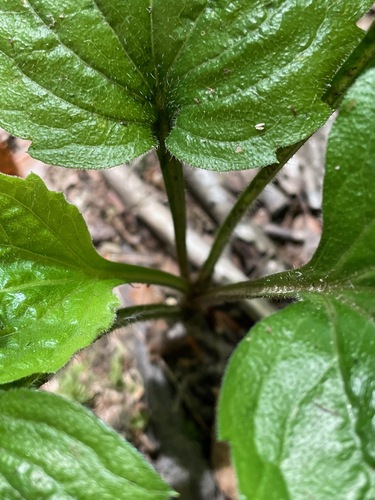
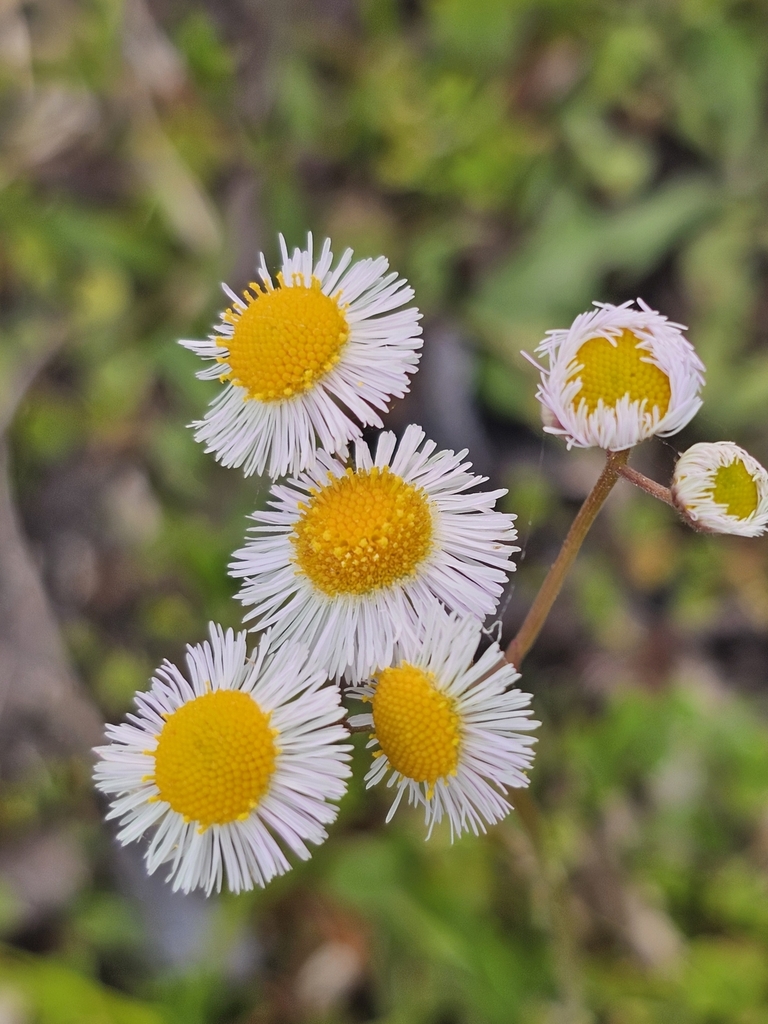
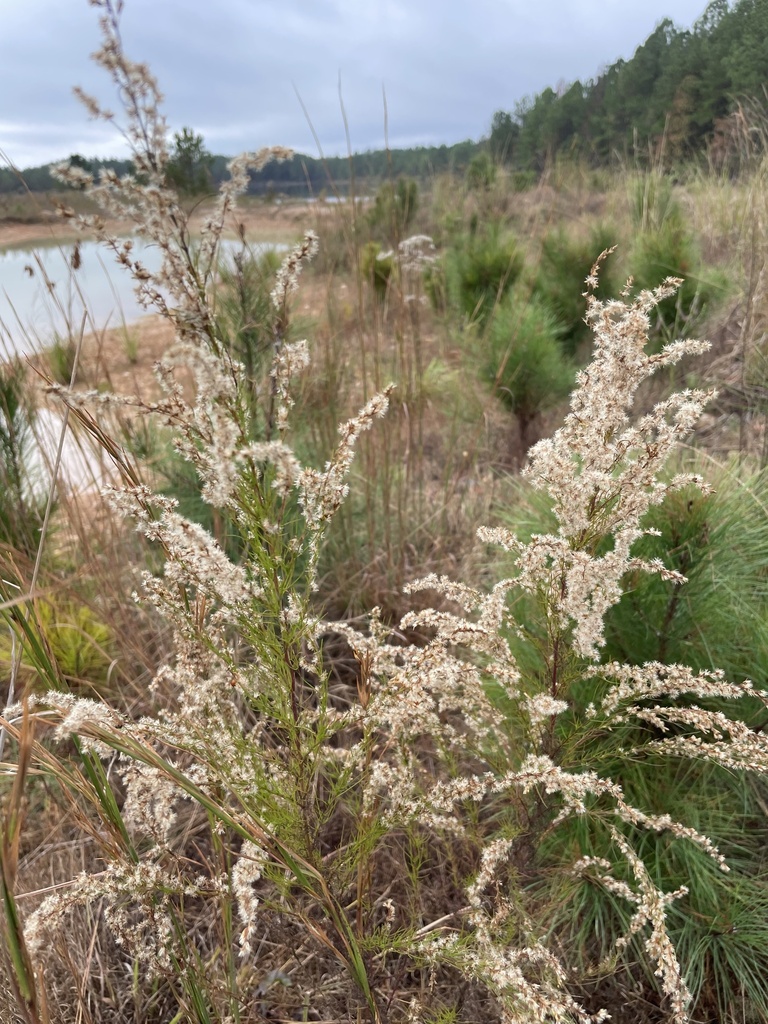
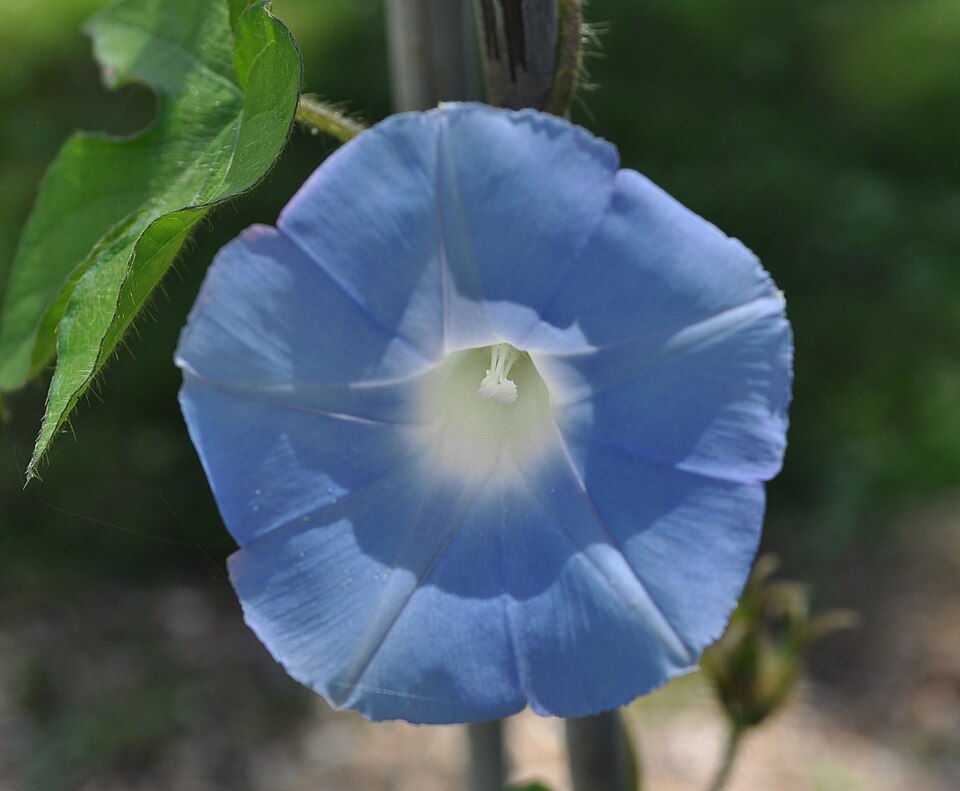
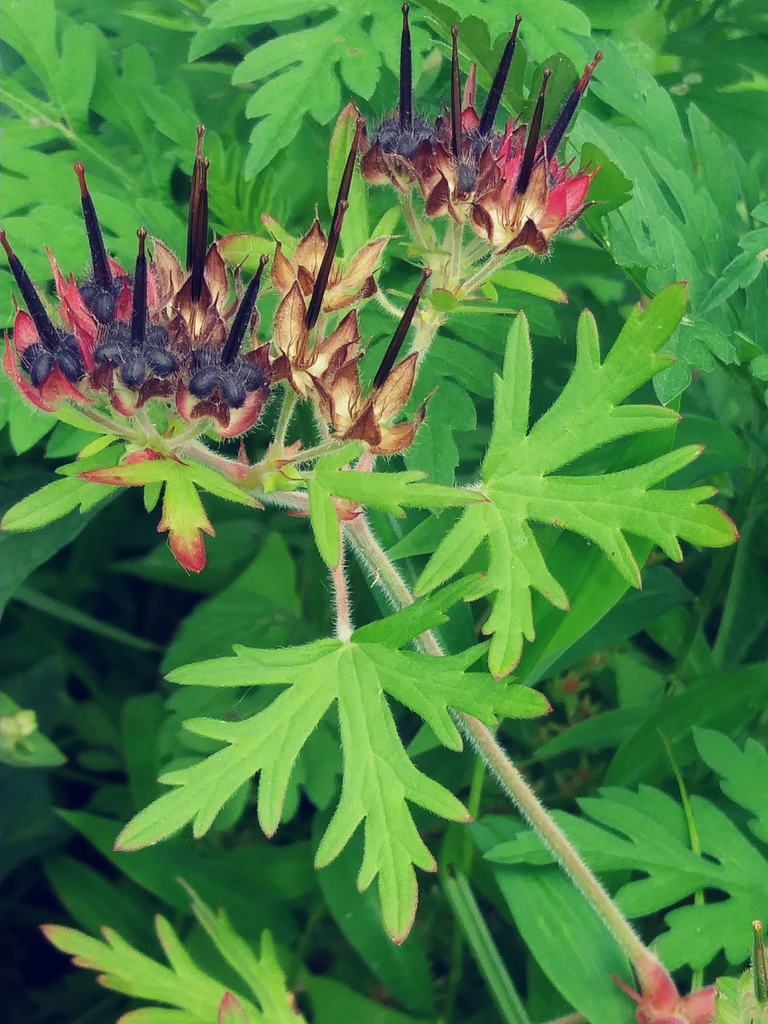
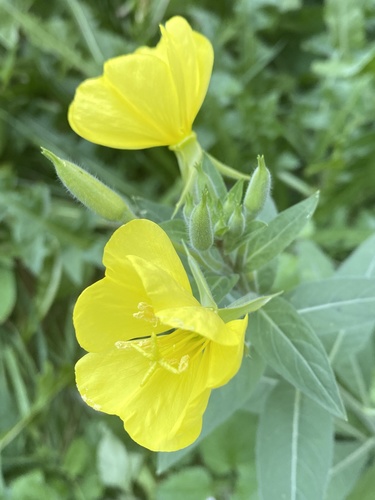
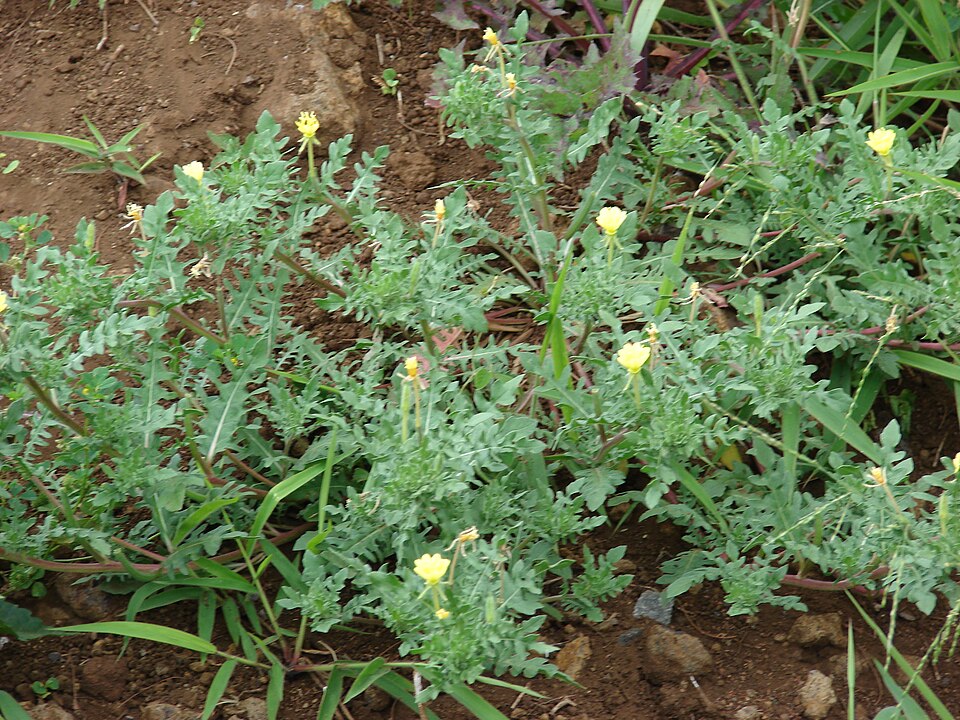
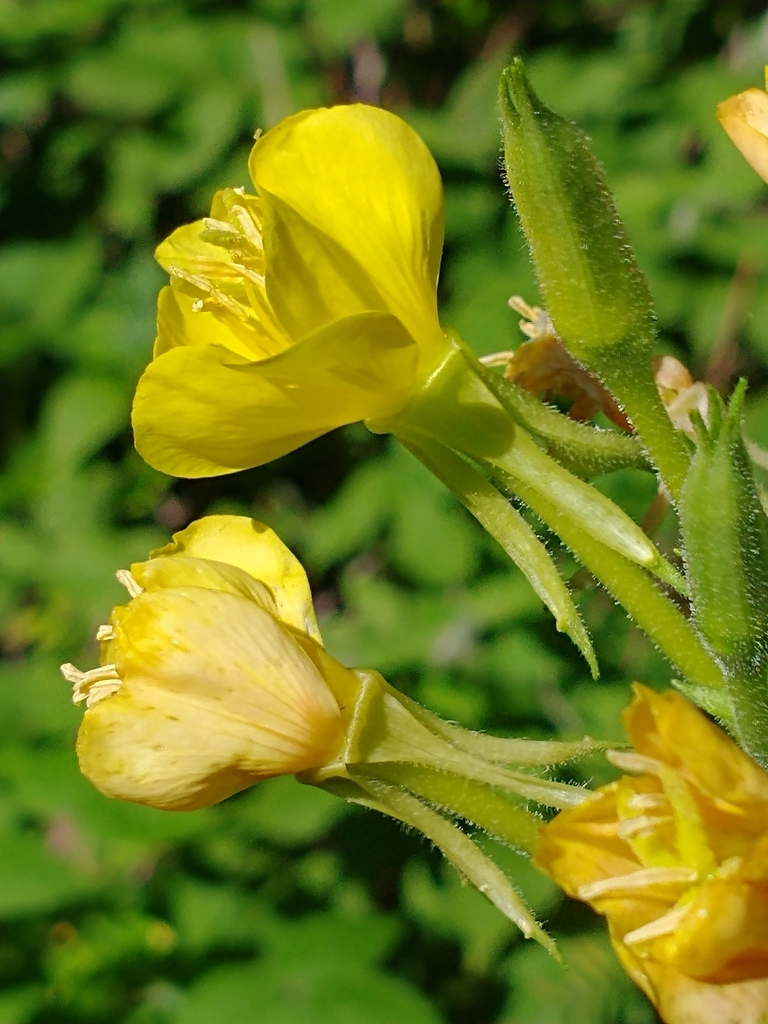
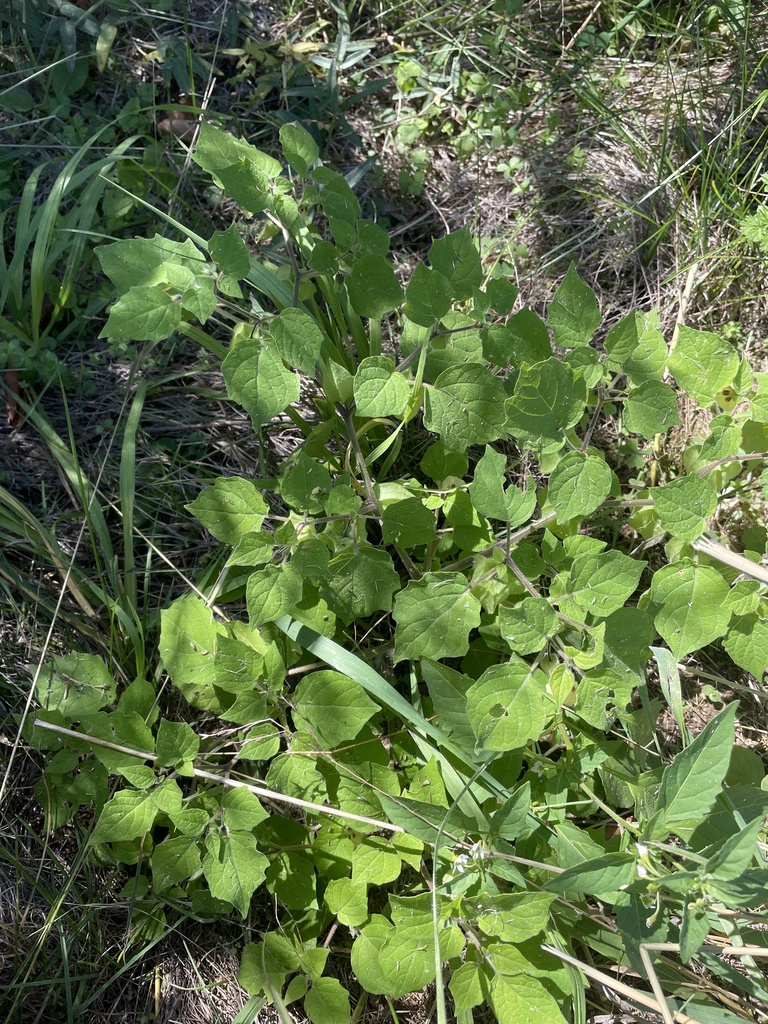
All of roadsides, fields and disturbed ground in North Carolina
Swamps
Birds 69
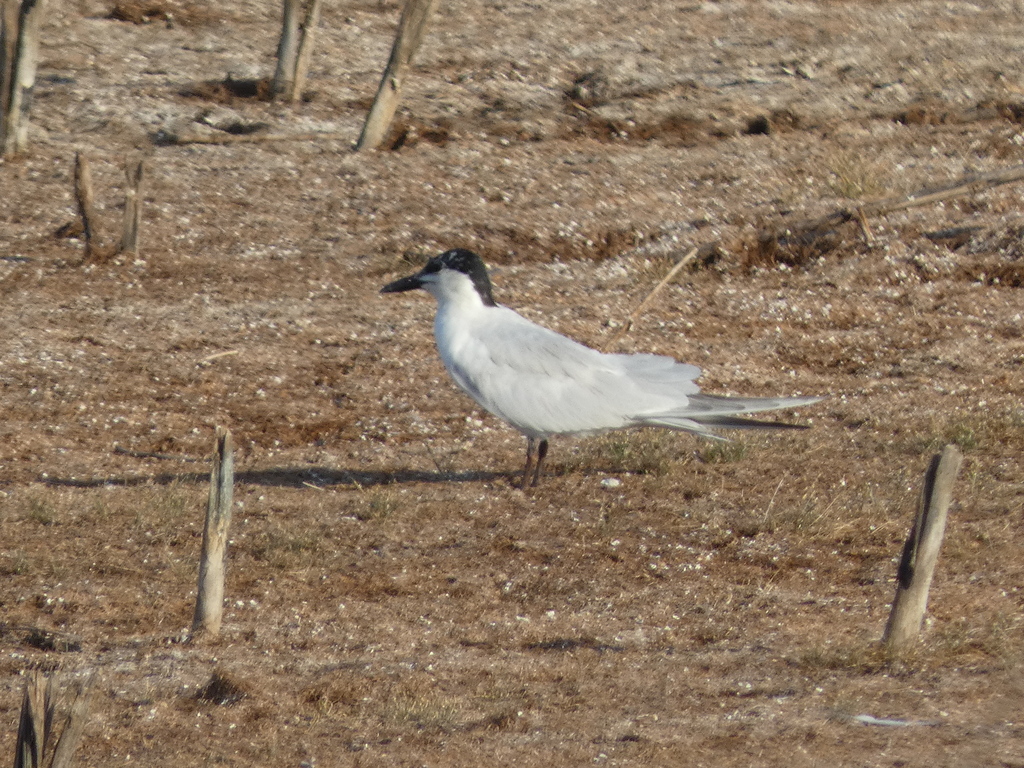
- Gull-billed TernGelochelidon nilotica
- Red-breasted NuthatchSitta canadensis
- Brewer's BlackbirdEuphagus cyanocephalus
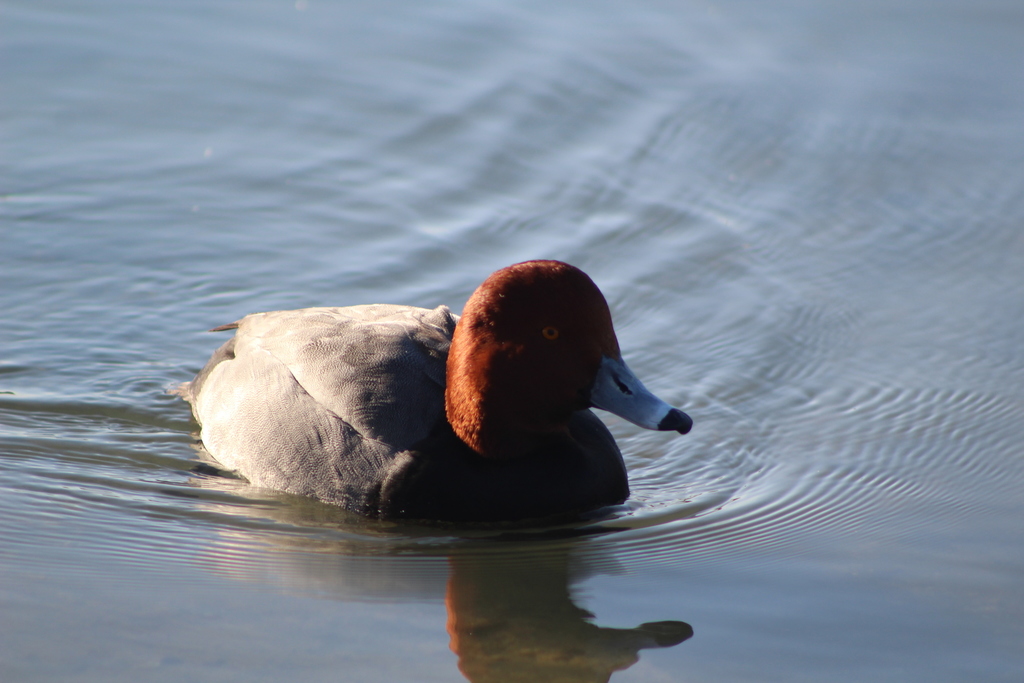
- RedheadAythya americana
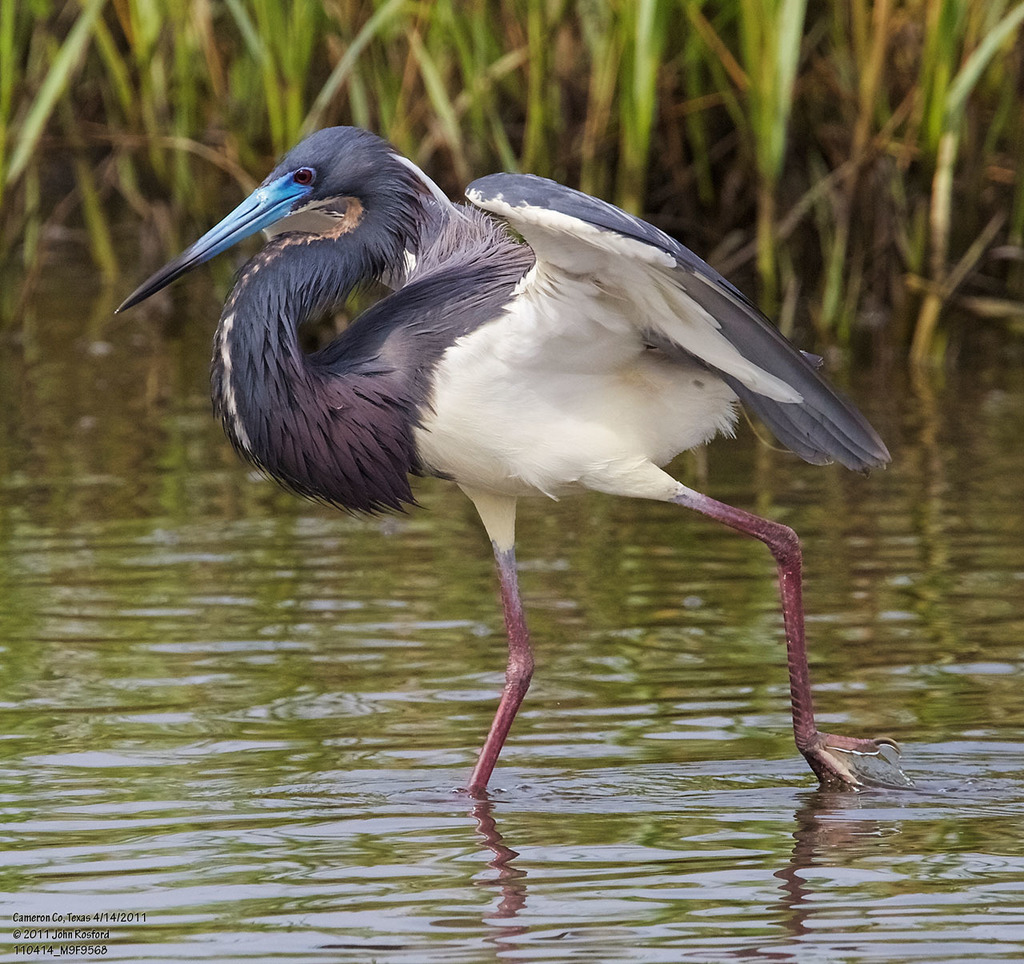
- Tricolored HeronEgretta tricolor
- AnhingaAnhinga anhinga
- Louisiana WaterthrushSeiurus motacilla
- Northern WaterthrushSeiurus noveboracensis
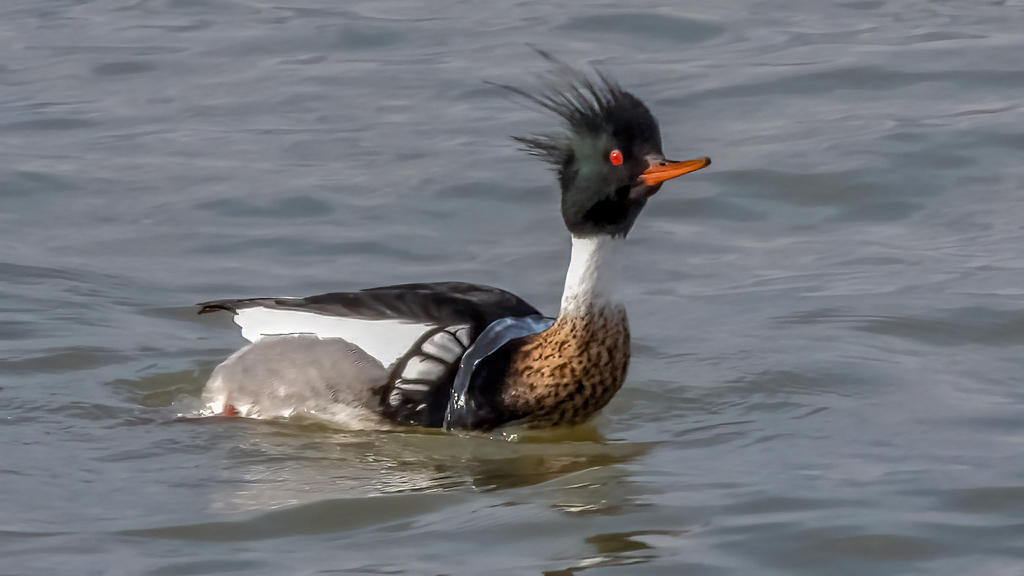
- Red-breasted MerganserMergus serrator
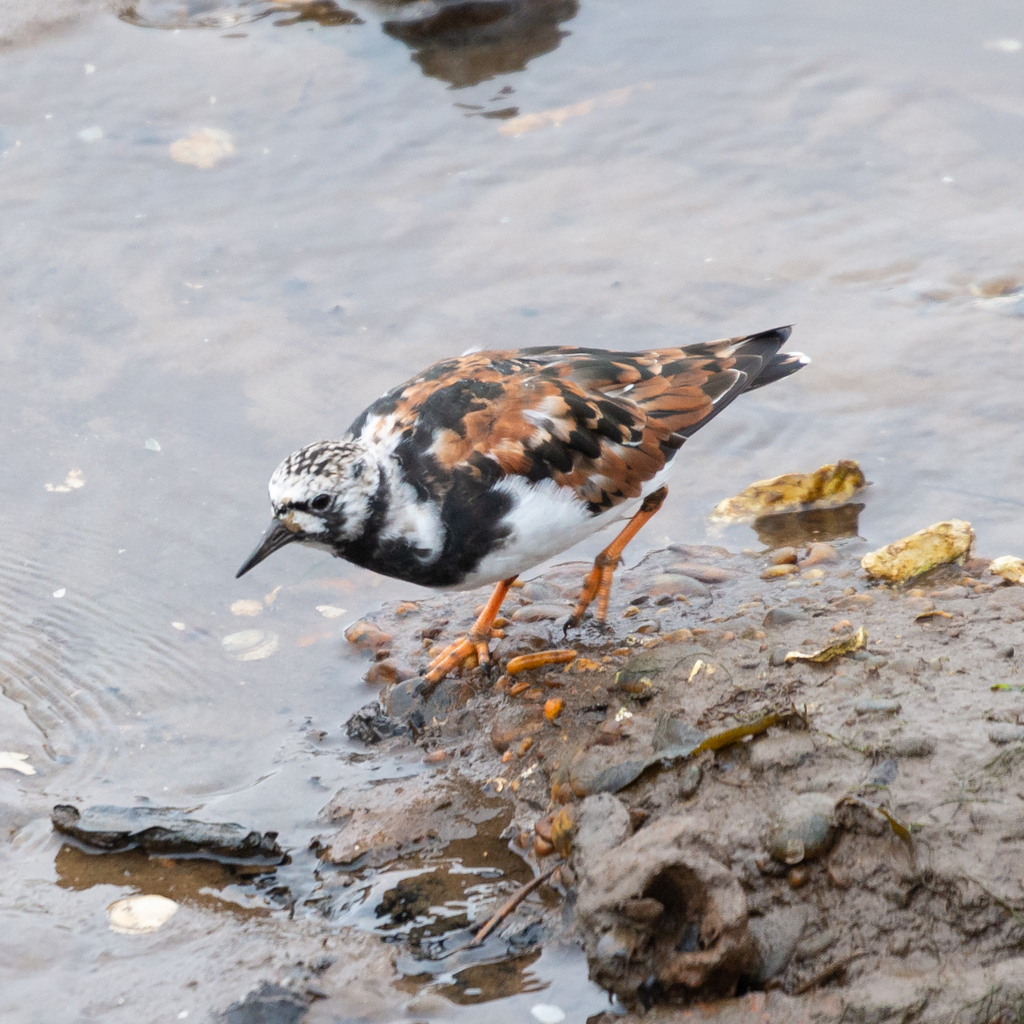
- Ruddy TurnstoneArenaria interpres
- Yellow-throated WarblerDendroica dominica
- Cerulean WarblerDendroica cerulea

Plants 329
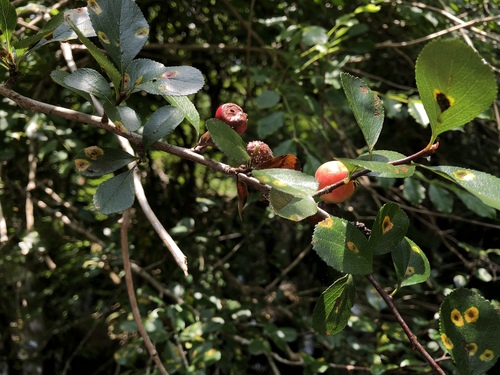
- May HawthornCrataegus aestivalis
- Dense-flower SmartweedPersicaria densiflora
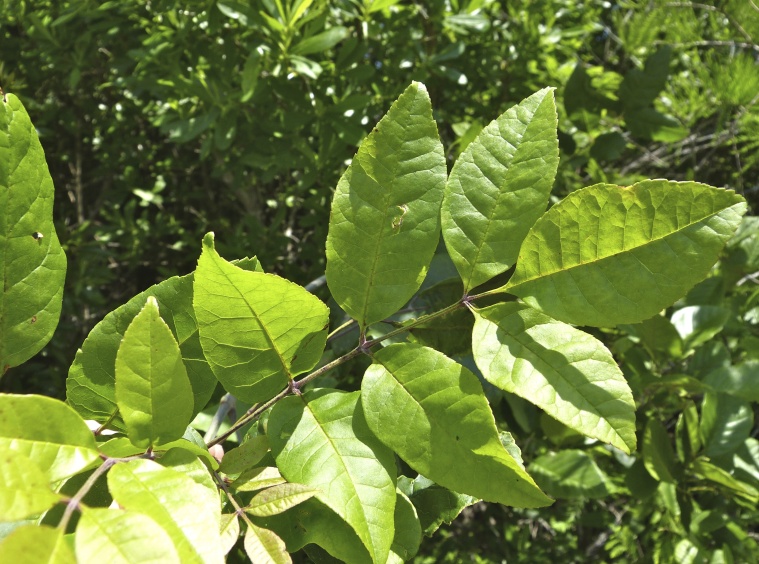
- Carolina AshFraxinus caroliniana
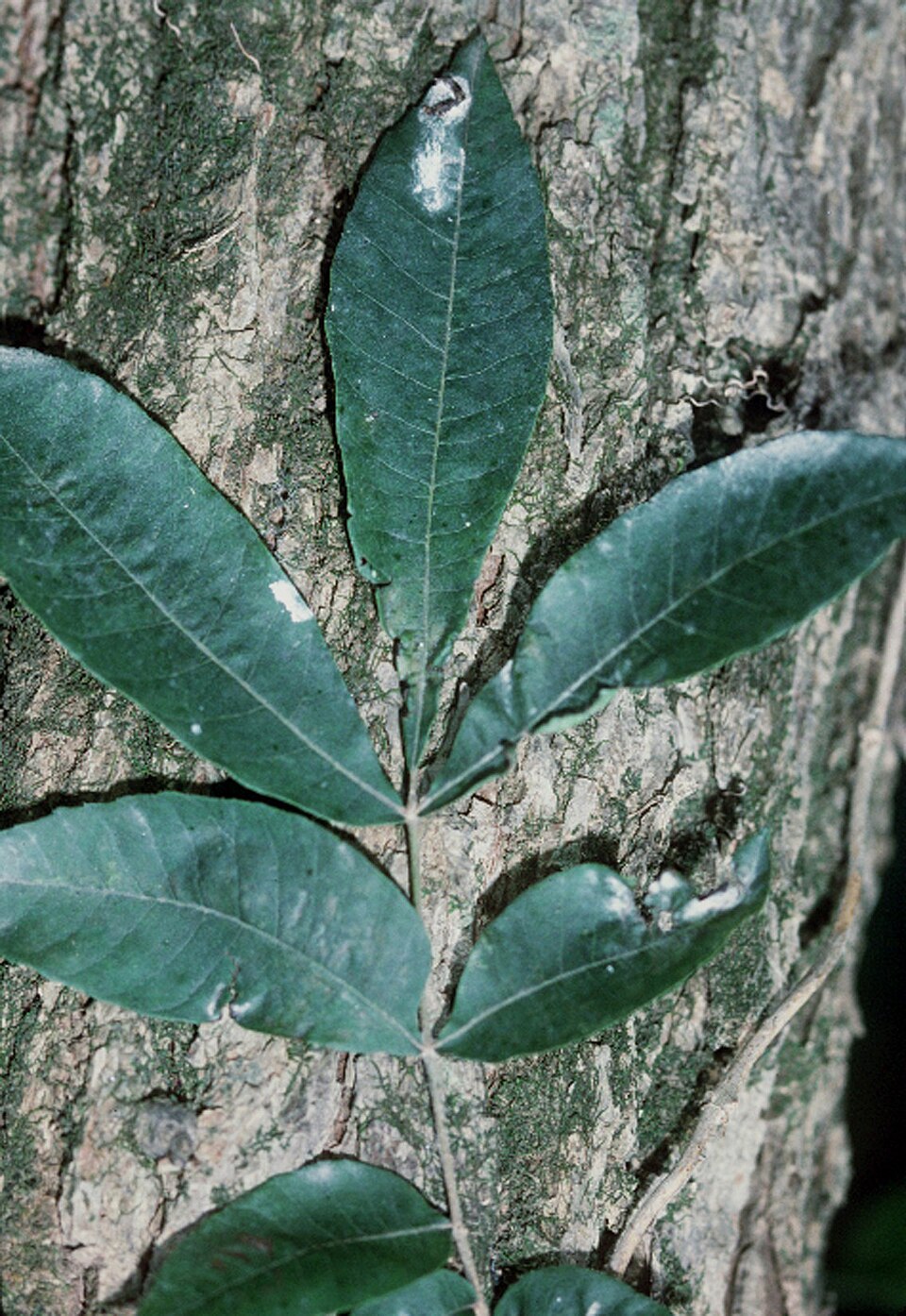
- Water HickoryCarya aquatica
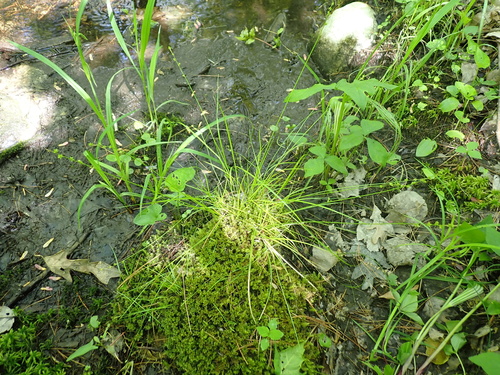
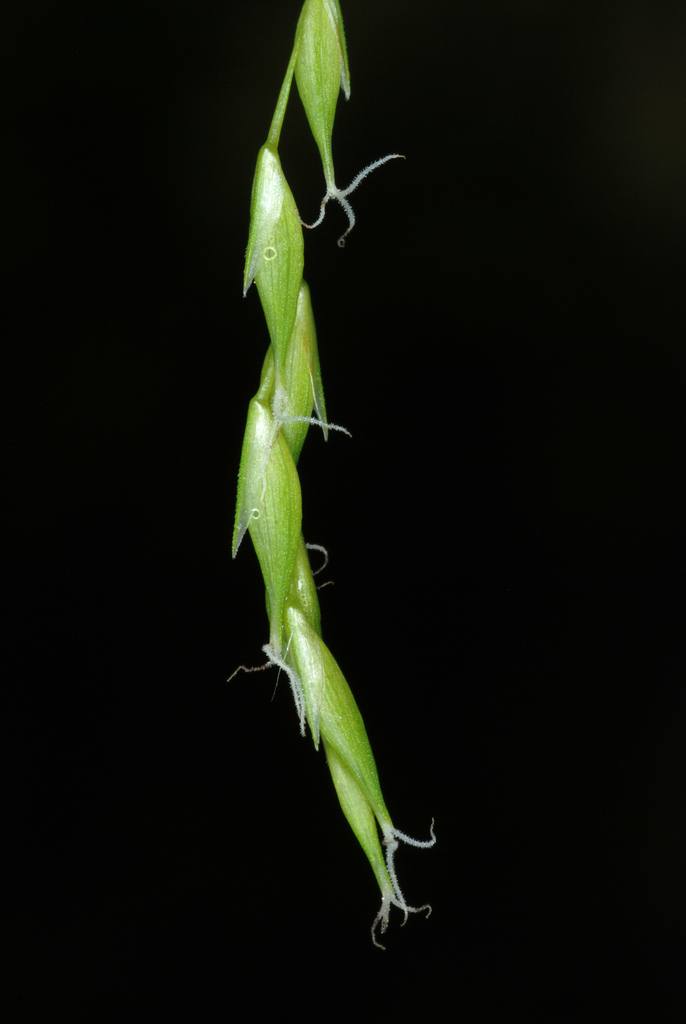
- Bent SedgeCarex styloflexa
- Cypress-swamp SedgeCarex joorii
- Dark-green SedgeCarex venusta
- Fringed SedgeCarex crinita
- Ravenfoot SedgeCarex crus-corvi
- Weak Stellate SedgeCarex seorsa
- White-edge SedgeCarex debilis
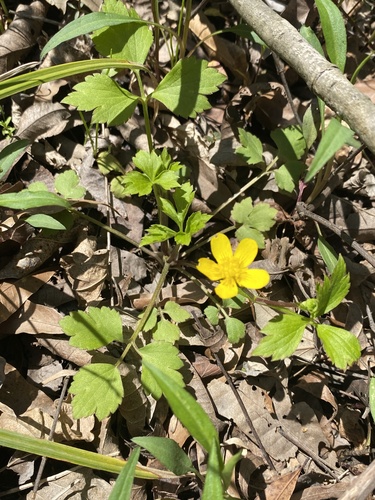
- Swamp ButtercupRanunculus septentrionalis


Sources
- USGS Gap Analysis Project habitat models (2001)
- USGS GAP winter habitat model for Tree Swallow Avoids forest interior
- USGS Gap Analysis Project range maps (2001), modeled by watershed; migratory gives no dates
- NatureServe Explorer (CC BY 4.0), habitat names
- US Census TIGER/Line counties
- Names follow the USGS Gap Analysis Project (2001)
- Avian Diet Database (Hurlbert Lab) (CC0 1.0), diet records by plant genus