

American Lotus
Nelumbo lutea
Found in ponds, natural lakes, sluggish streams, freshwater tidal marshes. Weakley, Flora of the Southeastern United States (2025), South Central edition What its natural habitat tells you
Native to Mississippi (estimated). How scores work Is it native here?
Profile 100%
- Height
- 3 feet
- Spread
- 3–4 feet
- Light
- Full sun
- Soil moisture
- Moist to standing water
Space about 3.5 ft apart from its recorded spread, about 8 per 100 sq ft. Enter your bed size for a count
Will it fit your yard?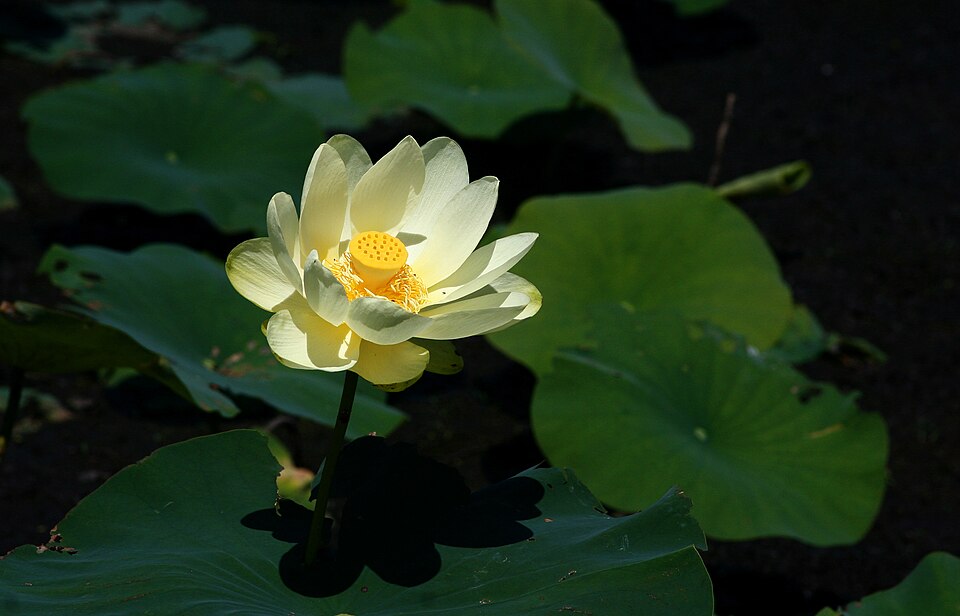
At a glance
- Life cycle
- Perennial
- Leaves
- Deciduous
- Bloom
- June to September
- Fruiting season
- Summer to fall
Recorded in 7 Mississippi counties.
Natural habitats
Places it grows wild. Not a planting requirement. Each habitat page lists the plants and wildlife also found there.
Still water and its edges: ponds, lakes, millponds and reservoirs.
Depression ponds and limesinks
Shallow ponds in Coastal Plain depressions, such as limesinks and the ponds in some Carolina bays, that rise and fall with the seasons.
Streams, rivers and their banks
Flowing water and its banks, bars and rocky shoals.
Marshes along tidal rivers where the water is fresh but rises and falls with the tide.
Also found with this plant
Wildlife whose habitat models include habitats this plant grows in, in Mississippi. Shared habitat, not food. 111 animals.
- Acadian FlycatcherEmpidonax virescens
- American Black DuckAnas rubripes
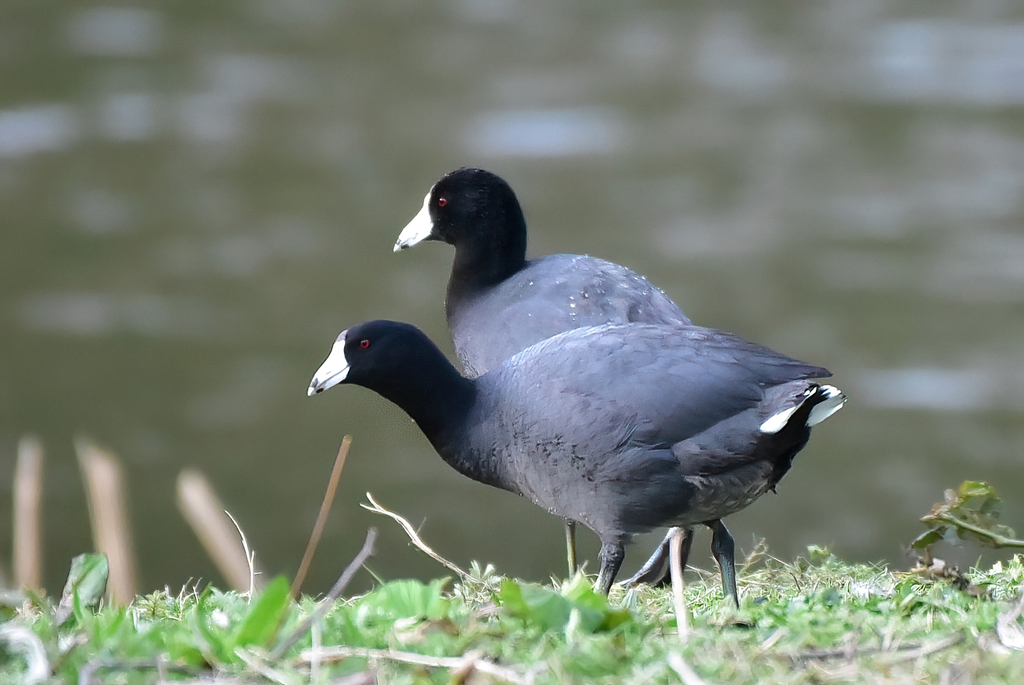
- American CootFulica americana
- American CrowCorvus brachyrhynchos
- American GoldfinchCarduelis tristis
- American KestrelFalco sparverius
- American RedstartSetophaga ruticilla
- American RobinTurdus migratorius
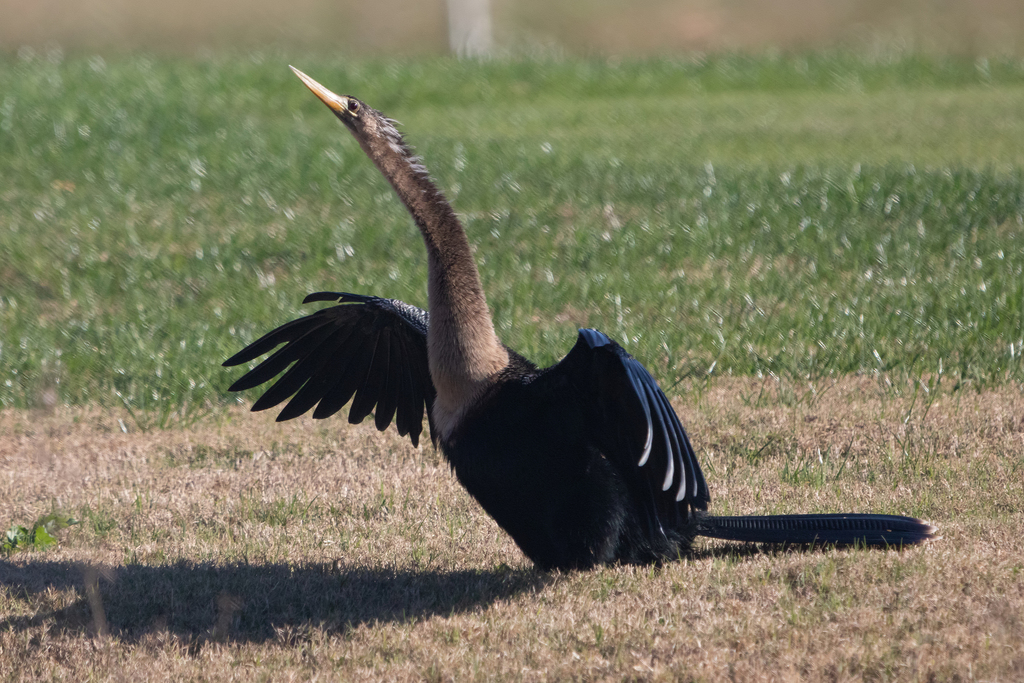
- AnhingaAnhinga anhinga
- Baltimore OrioleIcterus galbula
- Barred OwlStrix varia
- Belted KingfisherMegaceryle alcyon
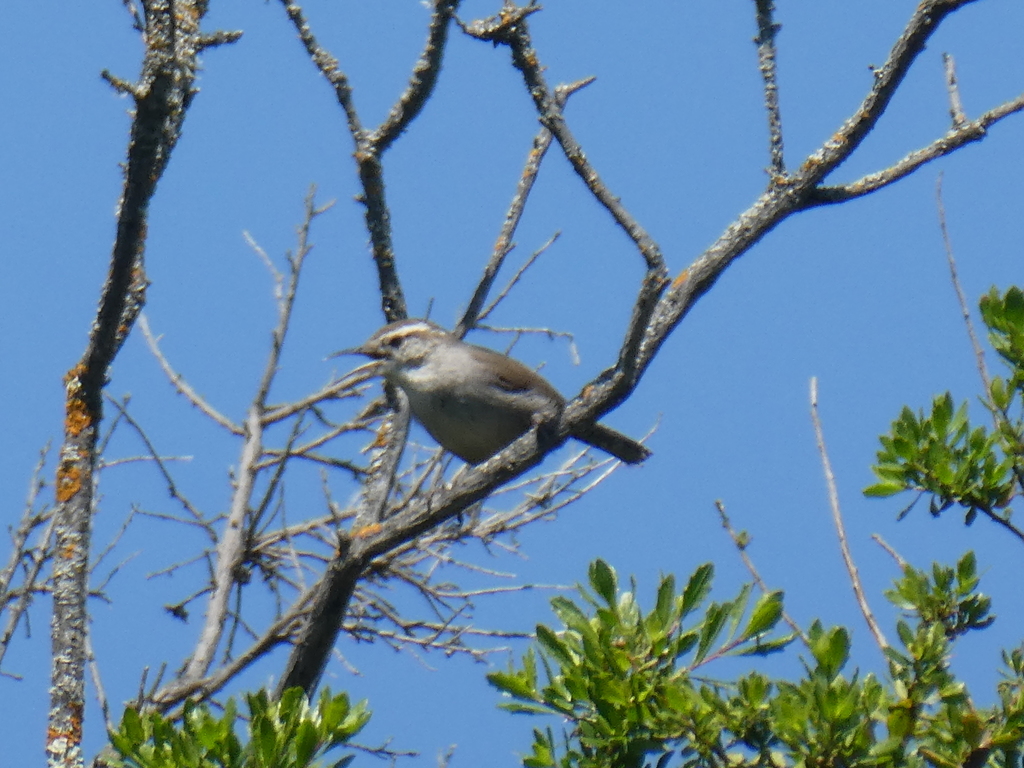
- Bewick's WrenThryomanes bewickii
- Black VultureCoragyps atratus
- Black-and-White WarblerMniotilta varia
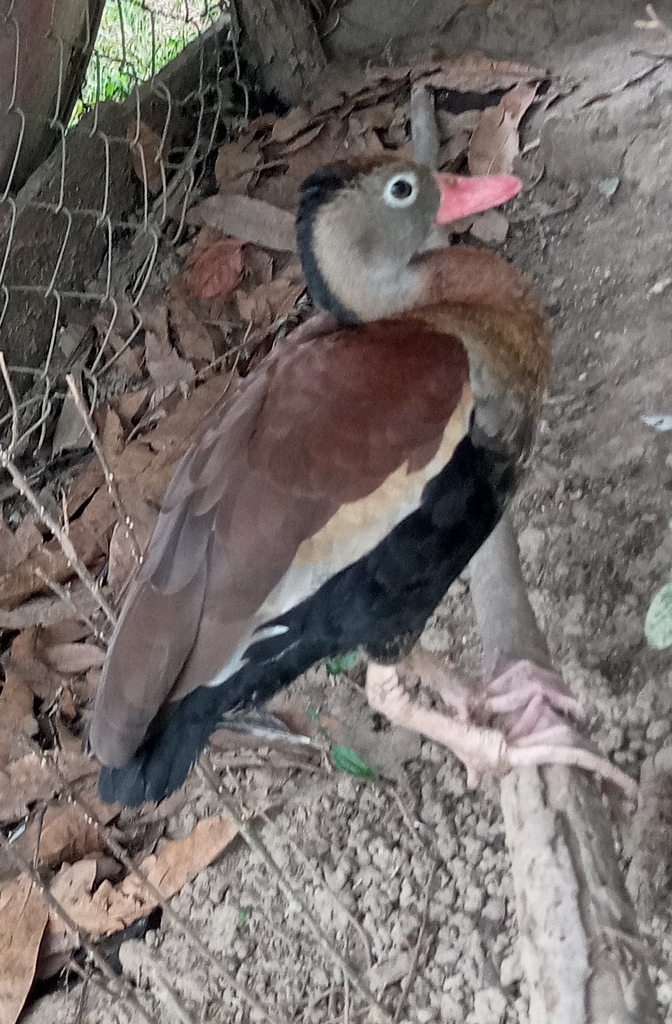
- Black-bellied Whistling-DuckDendrocygna autumnalis
- Black-crowned Night-heronNycticorax nycticorax
- Blue GrosbeakPasserina caerulea
- Blue JayCyanocitta cristata
- Blue-gray GnatcatcherPolioptila caerulea
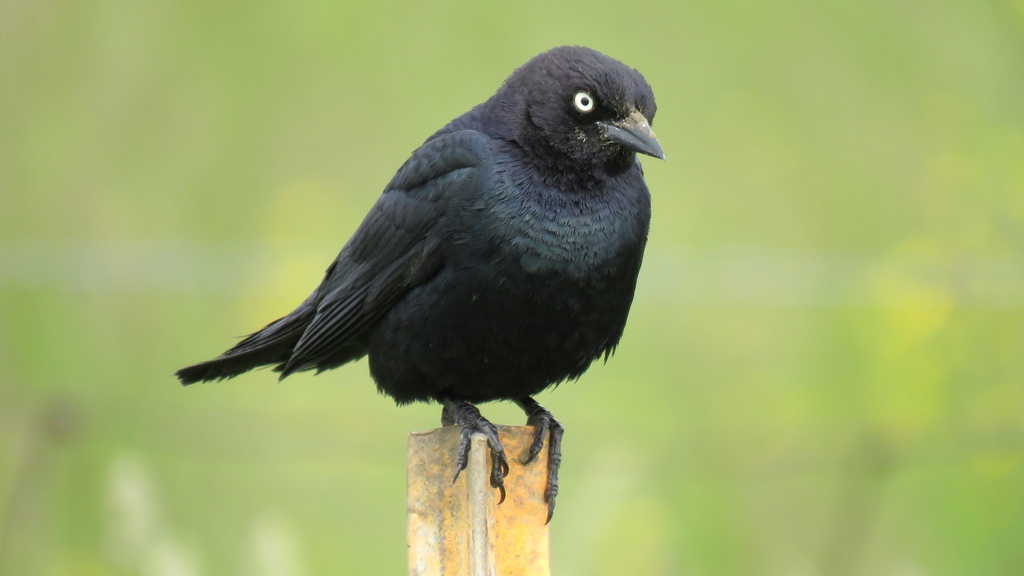
- Brewer's BlackbirdEuphagus cyanocephalus
- Broad-winged HawkButeo platypterus
- Brown CreeperCerthia americana
- Brown-headed CowbirdMolothrus ater




















Who uses this plant?
 6CaterpillarsGenus host records with ranges including MS
Genus host records with ranges including MS · Nelumbo
- Bellura obliquaCattail Border Moth, Cattail Diver
- Elophila gyralisWaterlily Borer Moth
- Elophila obliteralisWaterlily Leafcutter Moth
- Ostrinia penitalisAmerican Lotus Borer, Lily Moth
- Parapoynx maculalisPolymorphic Pondweed Moth
- Psara obscuralisObscure Psara Moth
 3BeesSoutheastern regional records
Southeastern regional records · Nelumbo
Individual names are not available yet.
Noori, Seltmann & Orr 2026, A curated and integrated dataset for exploring global bee-plant interactions (GloBI), Zenodo, CC BY 4.0 0Specialist beesPollen specialists
 —BirdsRecorded genus food-resource interactions; not a state feeding claim
Beetles 2
- Diabrotica 12-punctata
- Typocerus badius
Flower visits · Carlinville, Illinois, USA
Flies 5
- Notiphila unicolor
- Orthoneura nitida
- Pipiza pulchella
- Sphaerophoria cylindrica
- Syrphus ribesii
Flower visits · Carlinville, Illinois, USA
No records yet · Ants · Adult butterflies / moths · Other wasps · Other insects
Plant details
- Family
- Nelumbonaceae
- Hardiness
- Zones 4a–10b
- Flower color
- Cream or yellow
- Growth rate
- Moderate
- Growth habit
- Spreads by rhizomes
- Foliage color
- Green
- Fruit begins
- Summer
- Fruit ends
- Fall
Safety has not been reviewed for this plant; check toxicity and thorns before planting.
Growing sources and scope
- Bloom · “June to September” · Weakley, Flora of the Southeastern United States (2025), Carolinas & Georgia edition (ranked first; USDA PLANTS differs) · Carolinas and Georgia
- Flower color · “Cream or yellow” · NC Extension Plant Toolbox (ranked first; USDA PLANTS differs)
- Foliage color · “Green” · USDA PLANTS · Nationwide species characteristics; local growing conditions may vary
- Fruit begins · “Summer” · USDA PLANTS · Nationwide species characteristics; local growing conditions may vary
- Fruit ends · “Fall” · USDA PLANTS · Nationwide species characteristics; local growing conditions may vary
- Growth habit · “Spreads by rhizomes” · USDA PLANTS · Nationwide species characteristics; local growing conditions may vary
- Growth rate · “Moderate” · USDA PLANTS · Nationwide species characteristics; local growing conditions may vary
- Hardiness · “Zones 4a–10b” · NC Extension Plant Toolbox (ranked first; Missouri Botanical Garden Plant Finder differs)
- Height · “3 feet” · Tennessee Smart Yards (ranked first; USDA PLANTS, Missouri Botanical Garden Plant Finder differ) · Published Tennessee growing guidance; exact cached scientific heading
- Leaves · “Deciduous” · NC Extension Plant Toolbox
- Life cycle · “Perennial” · NC Extension Plant Toolbox
- Light · “Full sun (6 or more hours of direct sunlight a day)” · NC Extension Plant Toolbox (ranked first; Tennessee Smart Yards, Missouri Botanical Garden Plant Finder differ)
- primary_flower_color · “yellow” · USDA PLANTS
- Soil · “Frequent standing water; Moist” · NC Extension Plant Toolbox (ranked first; Tennessee Smart Yards, Missouri Botanical Garden Plant Finder differ)
- Spread · “3–4 feet” · Missouri Botanical Garden Plant Finder
Also known as
American Lotus Lily
Conservation status
| Mississippi rank | SNR |
|---|---|
| Global rank | G4 |
| MS status | Not verified |
| Federal status | Not verified |
Will it fit your yard?
Check this plant against your county, sun and soil moisture. Conditions are checked in your browser.
Growing cautions
- Spreads aggressively. Spreads rapidly by rhizomes. Tennessee Smart Yards
For planning only; these do not change the score or Fit.
Sources
- Weakley, Flora of the Southeastern United States (2025), South Central edition
- USDA PLANTS
- Vascular Plants of North Carolina (NC Natural Heritage Program)
- Mississippi occurrence source
- Shropshire & Tallamy 2025, Lepidoptera of North America north of Mexico, ZooKeys 1261 (ODbL)
- Noori, Seltmann & Orr 2026, A curated and integrated dataset for exploring global bee-plant interactions (GloBI), Zenodo, CC BY 4.0
- Smith, Bachelder, Russell, Morales, Mosher & Seltmann 2024, Bee-Specialization-Modeling v0.6.1 (specialist host table compiled from J. Fowler's pollen specialist bee lists), Zenodo, CC BY 4.0
- Hurlbert, Olsen, Sawyer & Winner 2021, Avian Diet Database, Scientific Data 8: 260 (CC0)
- Narango, Tallamy & Shropshire 2020, Few keystone plant genera support the majority of Lepidoptera species, Nature Communications