

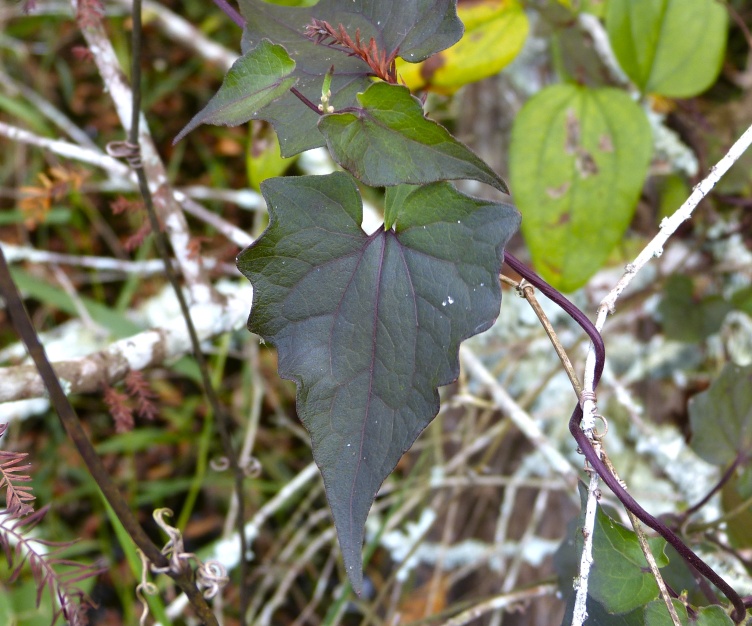
Climbing Hempweed
Mikania scandens
Found in marshes, swamp forests, wet thickets, streambanks, seepages. Weakley, Flora of the Southeastern United States (2025), South Central edition What its natural habitat tells you
Native to Mississippi (estimated). How scores work Is it native here?
Profile 100%
- Height
- About 1 foot
- Light
- Partial shade, Full shade, Full sun
- Soil moisture
- Moist to standing water
At a glance
- Leaves
- Deciduous
- Bloom
- June to October
- Fruiting season
- Summer to fall
Not yet recorded · Spread · Life cycle
Recorded in 78 Mississippi counties.
Natural habitats
Places it grows wild. Not a planting requirement. Each habitat page lists the plants and wildlife also found there.
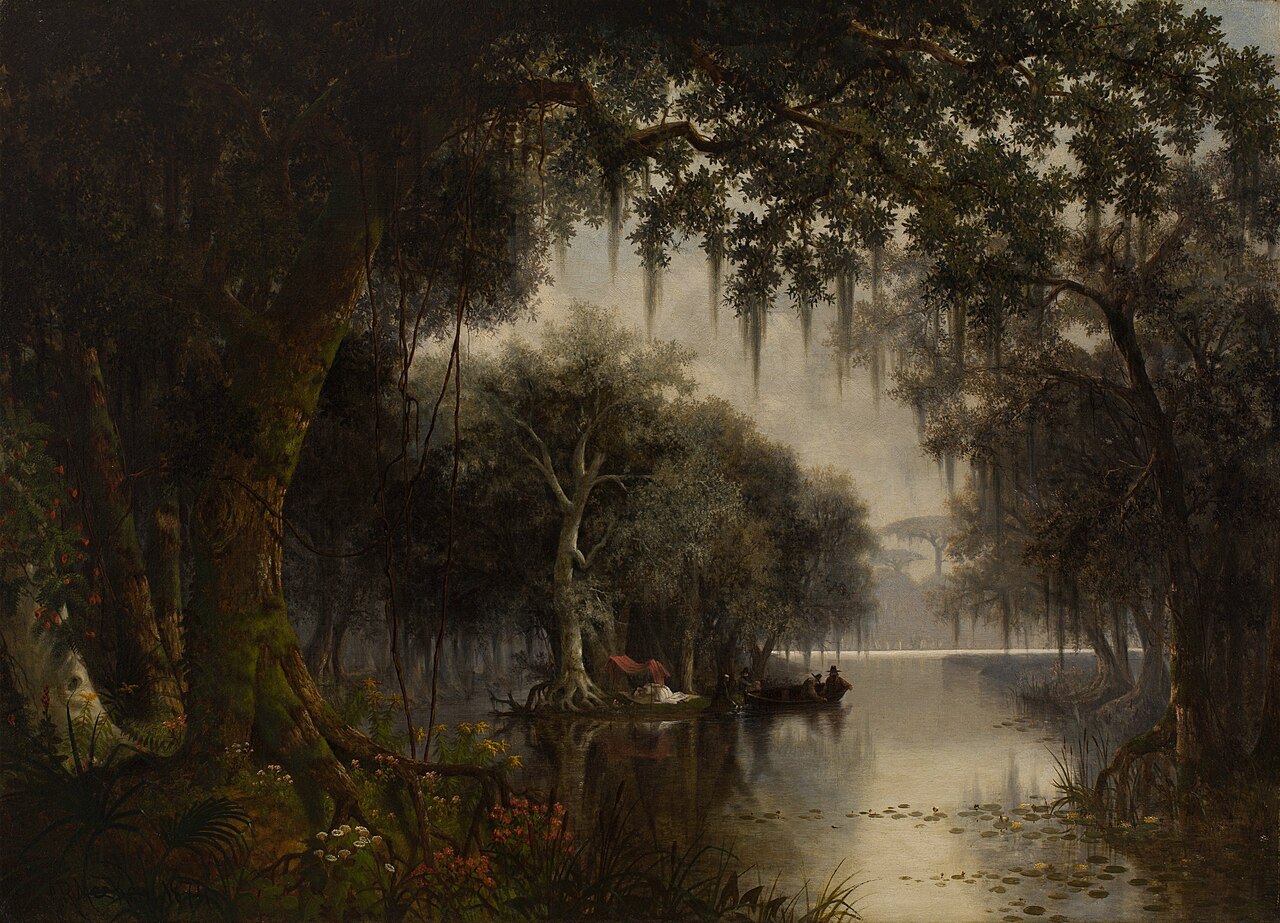
Open, herb-covered wetlands with fresh, non-tidal water.
Borders of forests, clearings and shrubby thickets.
Streams, rivers and their banks
Flowing water and its banks, bars and rocky shoals.
Places where groundwater keeps the soil or rock wet, such as seepage slopes and spring runs.
Also found with this plant
Wildlife whose habitat models include habitats this plant grows in, in Mississippi. Shared habitat, not food. 111 animals.
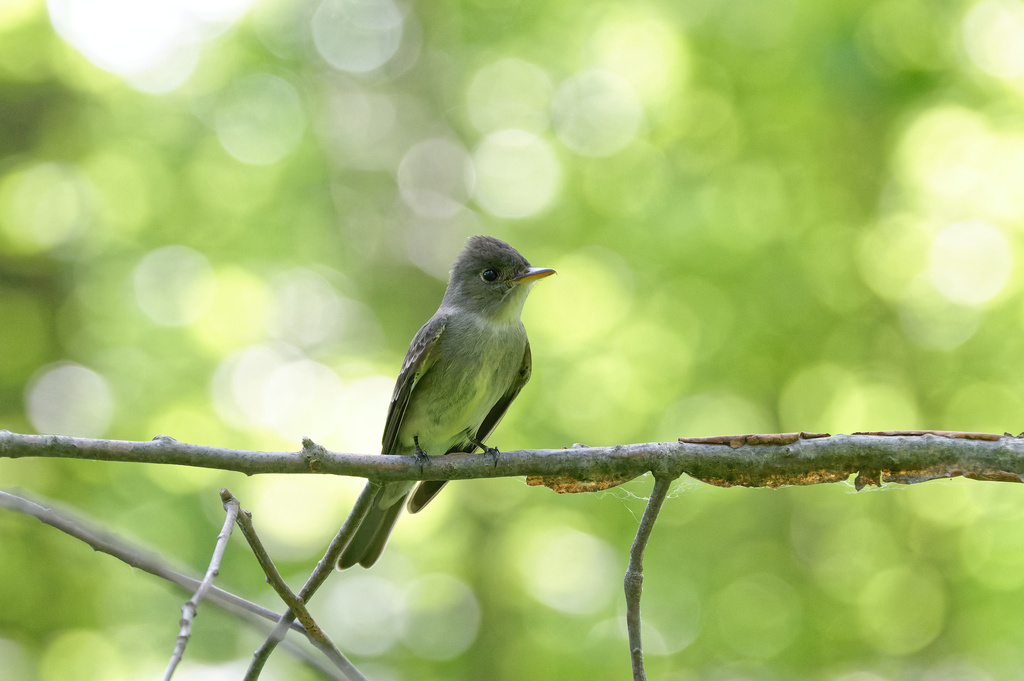
- Acadian FlycatcherEmpidonax virescens
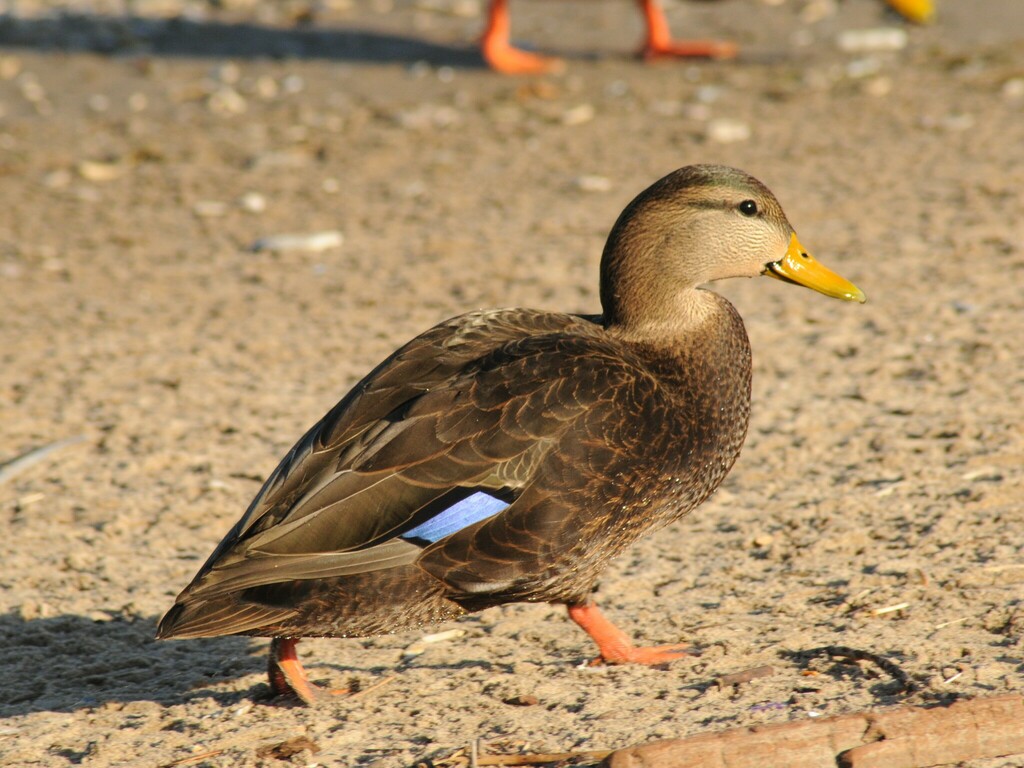
- American Black DuckAnas rubripes
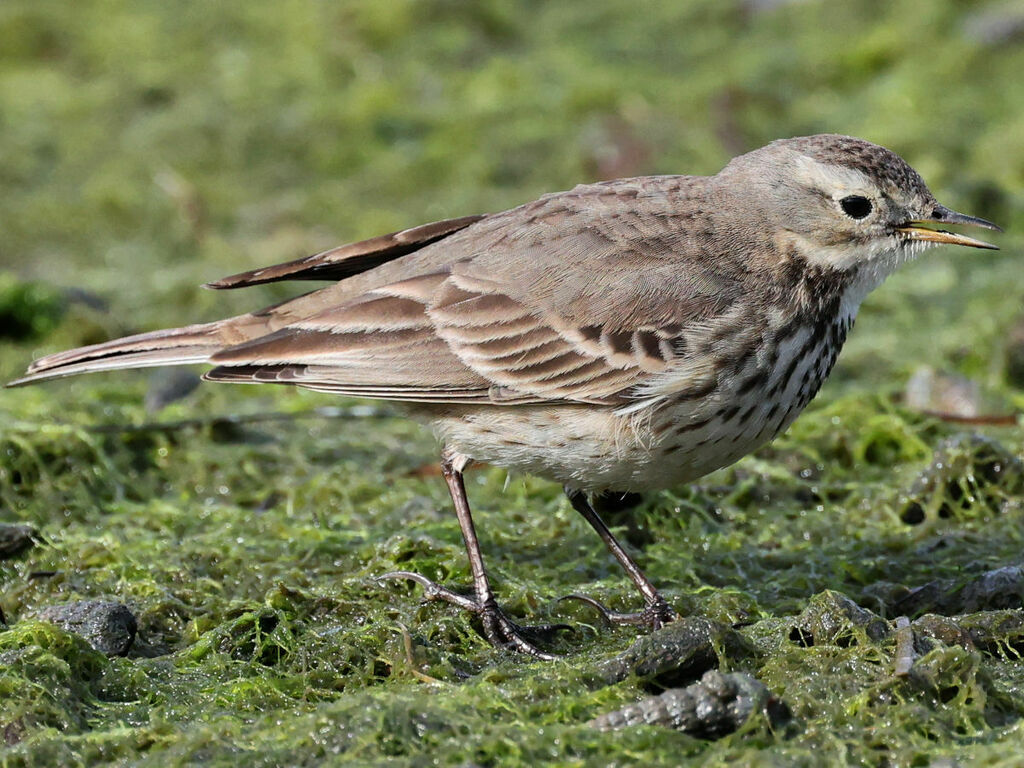
- American PipitAnthus rubescens
- Baltimore OrioleIcterus galbula
- Barred OwlStrix varia
- Black VultureCoragyps atratus
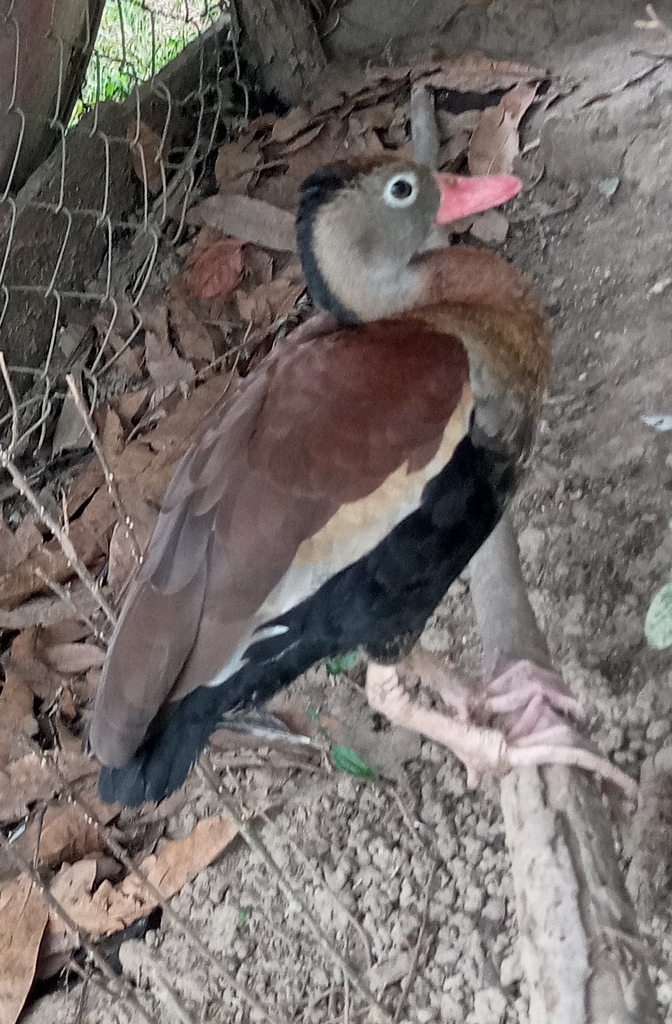
- Black-bellied Whistling-DuckDendrocygna autumnalis
- Blue GrosbeakPasserina caerulea
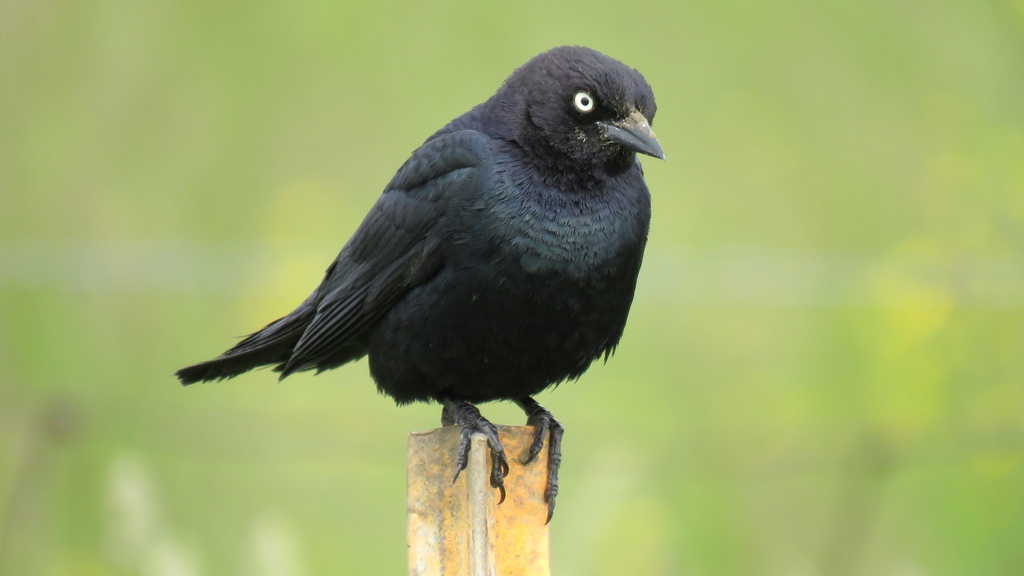
- Brewer's BlackbirdEuphagus cyanocephalus
- Canada GooseBranta canadensis
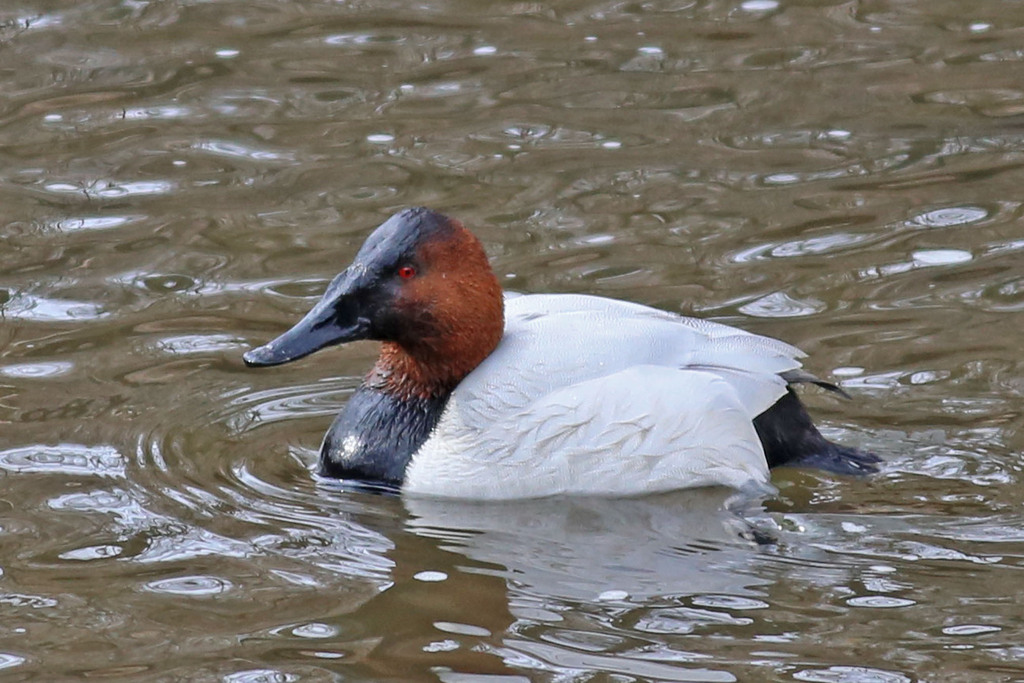
- CanvasbackAythya valisineria
- Carolina ChickadeePoecile carolinensis
- Carolina WrenThryothorus ludovicianus
- Eastern Wood-peweeContopus virens
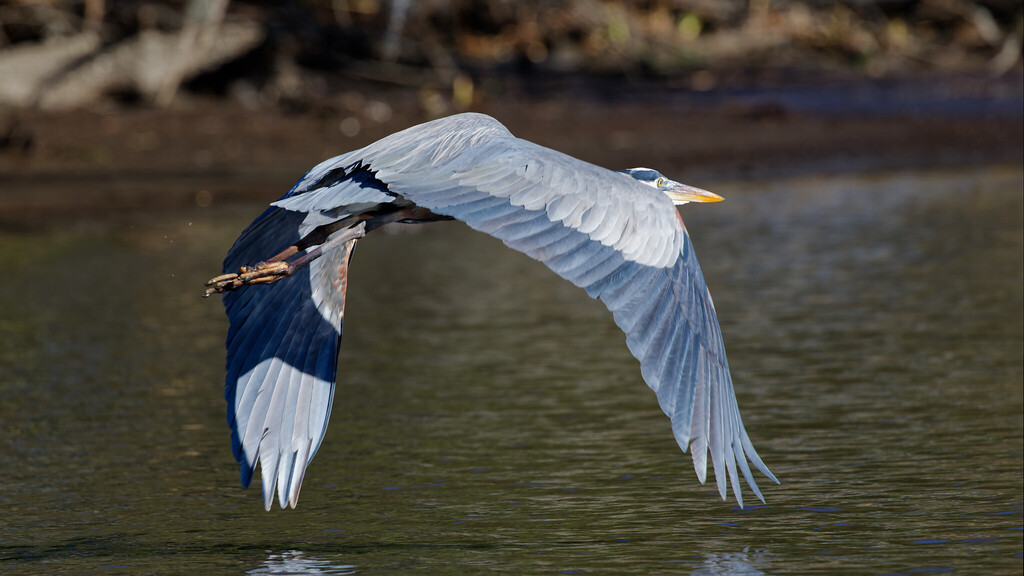
- Great Blue HeronArdea herodias
- Great EgretArdea alba
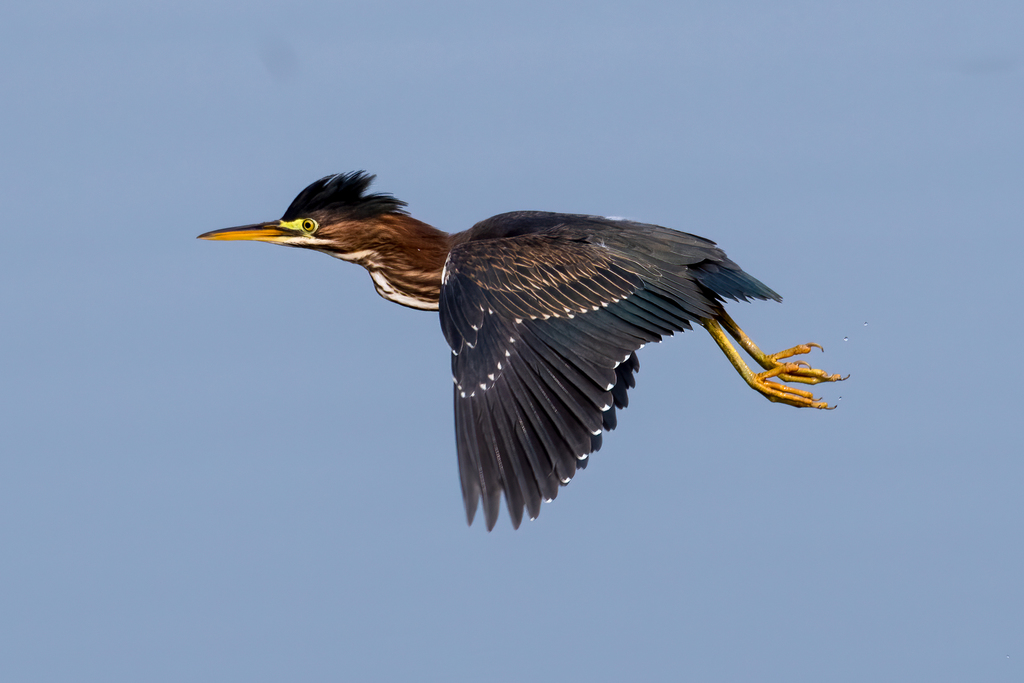
- Green HeronButorides virescens
- Hooded WarblerWilsonia citrina
- Lincoln's SparrowMelospiza lincolnii
- MallardAnas platyrhynchos
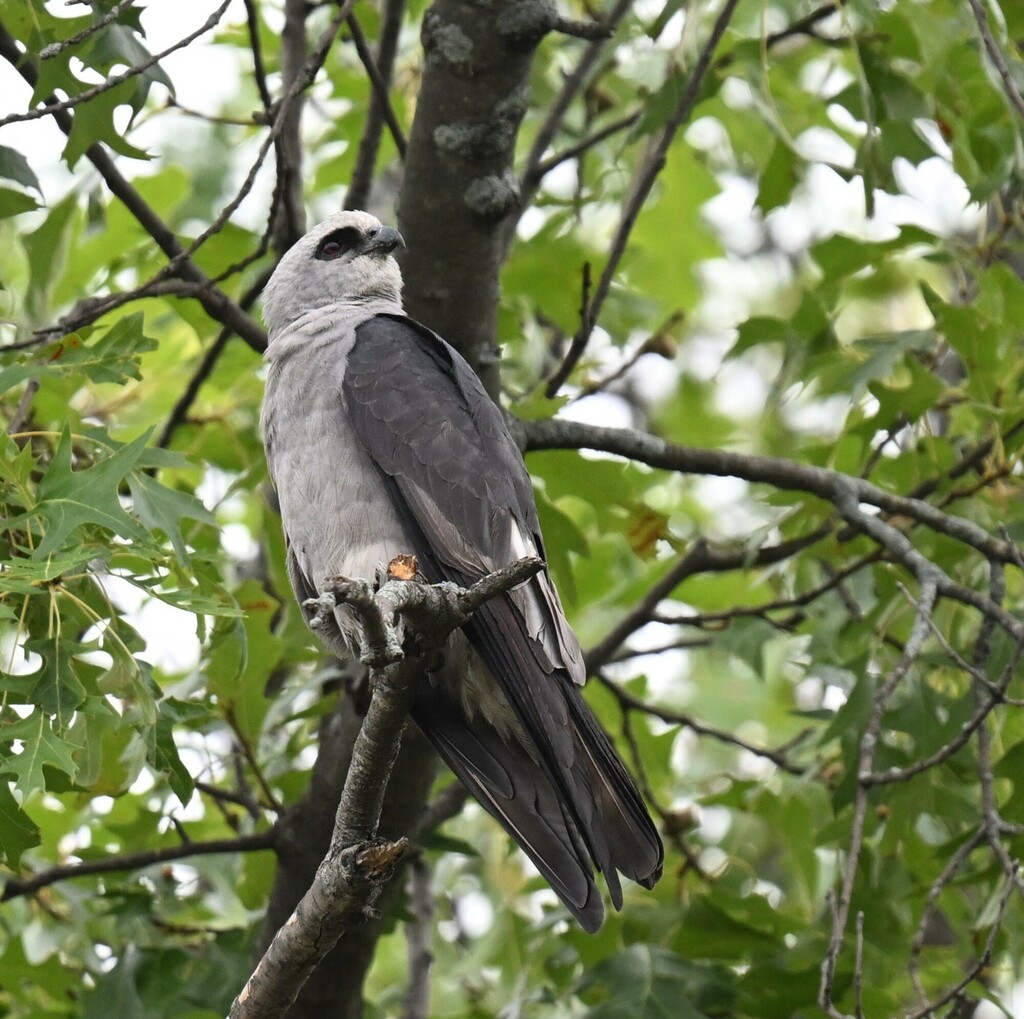
- Mississippi KiteIctinia mississippiensis
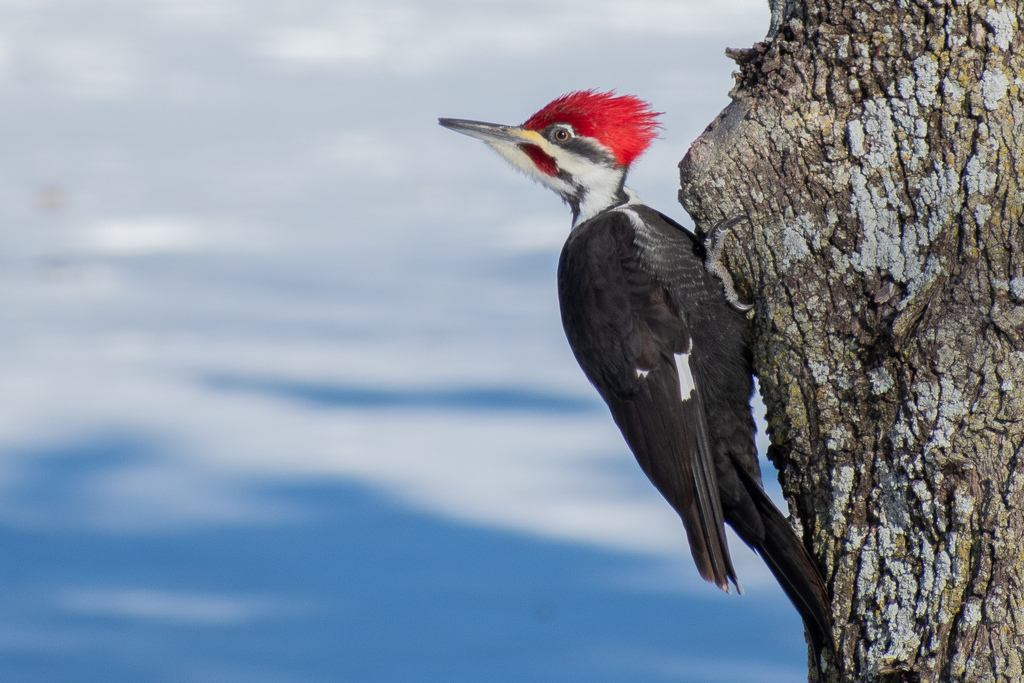
- Pileated WoodpeckerDryocopus pileatus
- Prothonotary WarblerProtonotaria citrea
- Red-bellied WoodpeckerMelanerpes carolinus















Widespread birds also seen here (33)
Found in many habitats here, so not listed above.
- American Crow
- American Goldfinch
- American Kestrel
- American Robin
- Bald Eagle
- Belted Kingfisher
- Black-crowned Night-heron
- Chimney Swift
- Common Grackle
- Common Nighthawk
- Common Yellowthroat
- Cooper's Hawk
- Eastern Kingbird
- Eastern Screech-owl
- Eastern Towhee
- Eurasian Collared-dove
- European Starling
- Fish Crow
- Great Crested Flycatcher
- Great Horned Owl
- Hooded Merganser
- Mourning Dove
- Northern Cardinal
- Northern Flicker
- Northern Mockingbird
- Osprey
- Red-tailed Hawk
- Red-winged Blackbird
- Sharp-shinned Hawk
- Turkey Vulture
- Yellow-breasted Chat
- Yellow-crowned Night-heron
- Yellow-rumped Warbler
Who uses this plant?
 12CaterpillarsGenus host records with ranges including MS
Genus host records with ranges including MS · Mikania
- Calephelis virginiensisNorthern Metalmark
- Condica confederataThe Confederate
- Condica cupentiaSplotched Groundling
- Cosmosoma myrodoraScarlet-Bodied Wasp Moth
- Digrammia continuataCurve-Lined Angle
- Estigmene acreaSalt Marsh Moth, Acrea Moth
- Glaphyria basiflavalisBasal-Dash Glaphyria Moth
- Herpetogramma bipunctalisSouthern Beet Webworm, Two-Spotted Herpetogramma
- Omiodes indicataBean-Leaf Webworm Moth
- Platynota stultanaOmnivorous Leafroller
Show all 12
- Synchlora frondariaSouthern Emerald
- Adaina bipunctatus
 28BeesSoutheastern regional records
Southeastern regional records · Mikania
Individual names are not available yet.
Noori, Seltmann & Orr 2026, A curated and integrated dataset for exploring global bee-plant interactions (GloBI), Zenodo, CC BY 4.0 0Specialist beesPollen specialists
 —BirdsRecorded genus food-resource interactions; not a state feeding claim
No records yet · Ants · Beetles · Flies · Adult butterflies / moths · Other wasps · Other insects
Plant details
- Family
- Asteraceae
- Flower color
- White
- Growth rate
- Rapid
- Growth habit
- Single crown
- Foliage color
- Green
- Fruit begins
- Summer
- Fruit ends
- Fall
Safety has not been reviewed for this plant; check toxicity and thorns before planting.
Growing sources and scope
- Bloom · “June to October” · Weakley, Flora of the Southeastern United States (2025), Carolinas & Georgia edition (ranked first; USDA PLANTS differs) · Carolinas and Georgia
- Flower color · “White” · USDA PLANTS · Nationwide species characteristics; local growing conditions may vary
- Foliage color · “Green” · USDA PLANTS · Nationwide species characteristics; local growing conditions may vary
- Fruit begins · “Summer” · USDA PLANTS · Nationwide species characteristics; local growing conditions may vary
- Fruit ends · “Fall” · USDA PLANTS · Nationwide species characteristics; local growing conditions may vary
- Growth habit · “Single crown” · USDA PLANTS · Nationwide species characteristics; local growing conditions may vary
- Growth rate · “Rapid” · USDA PLANTS · Nationwide species characteristics; local growing conditions may vary
- Height · “About 1 foot” · USDA PLANTS · Nationwide species characteristics; local growing conditions may vary
- Leaf retention · “Deciduous” · USDA PLANTS · Nationwide species characteristics; local growing conditions may vary
- Light · “Partial shade; Full shade; Full sun (documented habitat)” · Weakley, Flora of the Southeastern United States (2025), Carolinas & Georgia edition · Carolinas and Georgia
- primary_flower_color · “white” · USDA PLANTS
- Soil · “Moist; Water; Wet (documented habitat)” · Weakley, Flora of the Southeastern United States (2025), Carolinas & Georgia edition · Carolinas and Georgia
Also known as
Climbing Hempvine; Slimbing Hempweed
Conservation status
| Mississippi rank | SNR |
|---|---|
| Global rank | G5 |
| MS status | Not verified |
| Federal status | Not verified |
Will it fit your yard?
Check this plant against your county, sun and soil moisture. Conditions are checked in your browser.
Sources
- Weakley, Flora of the Southeastern United States (2025), South Central edition
- USDA PLANTS
- Vascular Plants of North Carolina (NC Natural Heritage Program)
- Mississippi occurrence source
- Shropshire & Tallamy 2025, Lepidoptera of North America north of Mexico, ZooKeys 1261 (ODbL)
- Noori, Seltmann & Orr 2026, A curated and integrated dataset for exploring global bee-plant interactions (GloBI), Zenodo, CC BY 4.0
- Smith, Bachelder, Russell, Morales, Mosher & Seltmann 2024, Bee-Specialization-Modeling v0.6.1 (specialist host table compiled from J. Fowler's pollen specialist bee lists), Zenodo, CC BY 4.0
- Hurlbert, Olsen, Sawyer & Winner 2021, Avian Diet Database, Scientific Data 8: 260 (CC0)
- Narango, Tallamy & Shropshire 2020, Few keystone plant genera support the majority of Lepidoptera species, Nature Communications