

Bird
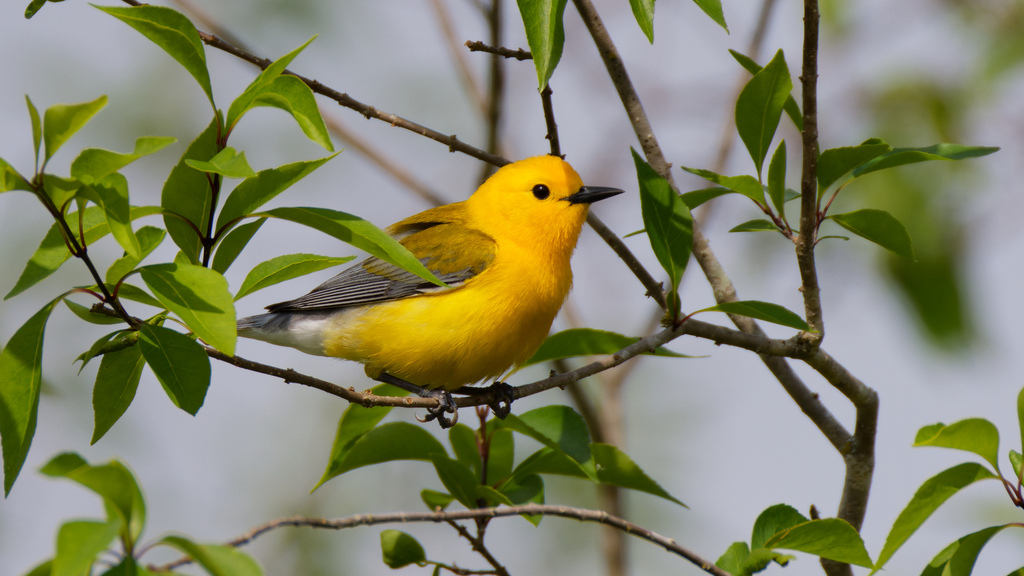
Prothonotary Warbler
Protonotaria citrea
A summer resident that nests in Mississippi. Found in all 82 counties, across 5 habitats.
- Here
- Summer
- Nesting
- Nests here
- Range
- All 82 counties
- Habitats
- 5
At a glance
- Group
- Birds
- Here
- Summer
- Nesting
- Nests here
- Range
- All 82 counties
- Habitats
- 5
- Habitat models
- Summer, Winter
Where it lives
The places its habitat model includes. It is not found everywhere a habitat occurs.
Habitats in Mississippi 5
Each habitat page lists the plants and wildlife also found there.
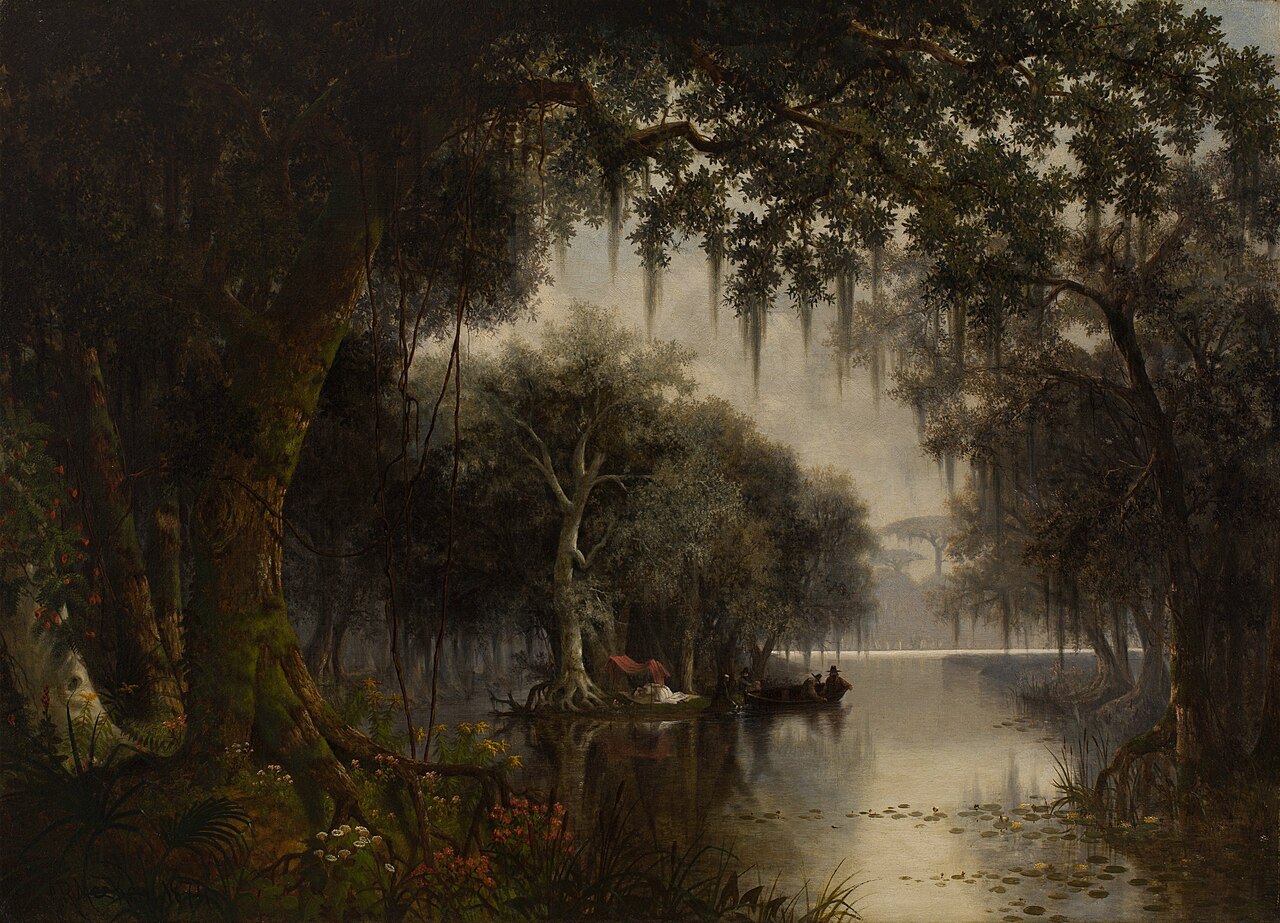
Disturbed and introduced wetlands
Wet ground taken over by weedy or introduced plants after disturbance, such as common reed, Chinese tallow or tamarisk stands; the upland counterpart is roadsides, fields and disturbed ground.
Floodplain and bottomland forests
Forests on low ground beside rivers and streams that flood from time to time.
Places where groundwater keeps the soil or rock wet, such as seepage slopes and spring runs.
Flat, poorly drained uplands and terraces with oaks, sweetgum and sometimes loblolly pine, wet in winter and dry in summer, but neither a floodplain nor a swamp.
Other habitats in its models (49)
Land cover, or classes with no habitat page in Mississippi. Those recorded in Mississippi first, the rest by region.
Elsewhere in the South (24)
- Atlantic Coastal Plain Brownwater Stream Floodplain Forest Summer.
- Atlantic Coastal Plain Large Natural Lakeshore Summer.
- Atlantic Coastal Plain Small Blackwater River Floodplain Forest Summer.
- Atlantic Coastal Plain Small Brownwater River Floodplain Forest Summer.
- Atlantic Coastal Plain Southern Tidal Wooded Swamp Summer.
- Central Florida Herbaceous Pondshore Summer.
- East-Central Texas Plains Floodplain Forest Winter.
- East-Central Texas Plains Riparian Forest Winter.
- Lower Mississippi River Flatwoods Summer, only within 120 m of water, for banks and other nest sites.
- Ozark-Ouachita Riparian Summer.
- South-Central Interior / Upper Coastal Plain Flatwoods Summer, only within 120 m of water, for banks and other nest sites.
- South-Central Interior / Upper Coastal Plain Wet Flatwoods Summer and winter.
- South-Central Interior Large Floodplain Summer.
- South-Central Interior Mesophytic Forest Summer, only within 120 m of water, for banks and other nest sites.
- South-Central Interior Small Stream and Riparian Summer.
- Southern Coastal Plain Hydric Hammock Summer and winter.
- Southern Piedmont Small Floodplain and Riparian Forest Summer.
- Southern Ridge and Valley Dry Calcareous Forest Summer, only within 120 m of water, for banks and other nest sites.
- West Gulf Coastal Plain Large River Floodplain Forest Summer and winter.
- West Gulf Coastal Plain Near-Coast Large River Swamp Summer and winter.
- West Gulf Coastal Plain Nonriverine Wet Hardwood Flatwoods Summer.
- West Gulf Coastal Plain Seepage Swamp and Baygall Summer and winter.
- West Gulf Coastal Plain Small Stream and River Forest Summer and winter.
- Western Great Plains Floodplain Summer.
Northeast (2)
- North-Central Interior Wet Flatwoods Summer.
- Northern Atlantic Coastal Plain Basin Swamp and Wet Hardwood Forest Summer.
Midwest (1)
- North-Central Interior Beech-Maple Forest Summer, only within 120 m of water, for banks and other nest sites.
West (1)
- Western Great Plains Riparian Woodland and Shrubland Summer.
Land cover and other classes (21)
- Atlantic Coastal Plain Blackwater Stream Floodplain Forest - Forest Modifier Summer.
- Atlantic Coastal Plain Clay-Based Carolina Bay Forested Wetland Summer.
- Atlantic Coastal Plain Depression Pondshore Summer.
- Atlantic Coastal Plain Nonriverine Swamp and Wet Hardwood Forest - Oak Dominated Modifier Summer.
- Atlantic Coastal Plain Nonriverine Swamp and Wet Hardwood Forest - Taxodium/Nyssa Modifier Summer.
- Atlantic Coastal Plain Streamhead Seepage Swamp - Pocosin - and Baygall Summer.
- Central Appalachian Floodplain - Forest Modifier Summer.
- Central Appalachian Riparian - Forest Modifier Summer.
- Central Interior and Appalachian Floodplain Systems Summer.
- Central Interior and Appalachian Riparian Systems Summer.
- Central Interior and Appalachian Swamp Systems Summer.
- East Gulf Coastal Plain Large River Floodplain Forest - Herbaceous Modifier Summer and winter.
- East Gulf Coastal Plain Near-Coast Pine Flatwoods - Offsite Hardwood Modifier Summer and winter, only within 120 m of water, for banks and other nest sites.
- East Gulf Coastal Plain Southern Depression Pondshore Summer and winter.
- Eastern Great Plains Floodplain Systems Summer and winter.
- South-Central Interior Large Floodplain - Forest Modifier Summer.
- South-Central Interior Large Floodplain - Herbaceous Modifier Summer.
- Southern Piedmont Large Floodplain Forest - Forest Modifier Summer.
- Southern Piedmont/Ridge and Valley Upland Depression Swamp Summer.
- Tamaulipan Riparian Systems Winter.
- Western Great Plains Floodplain Systems Summer.
Seasons in Mississippi
- Summer: nests here, in all 82 counties.
Also found in its main habitats
Its main habitats in Mississippi, by how much of its habitat model each one is, with the birds most characteristic of each and the plants that grow wild there. Shared habitat, not food.
Swamps
Birds 99
- Louisiana WaterthrushSeiurus motacilla
- Kentucky WarblerOporornis formosus
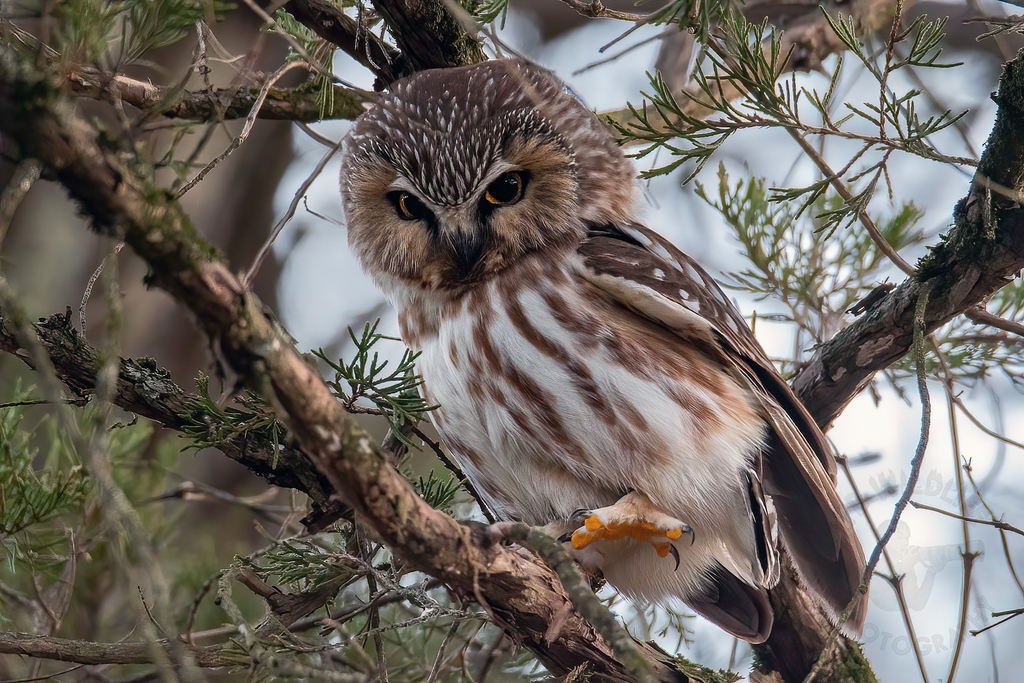
- Northern Saw-whet OwlAegolius acadicus
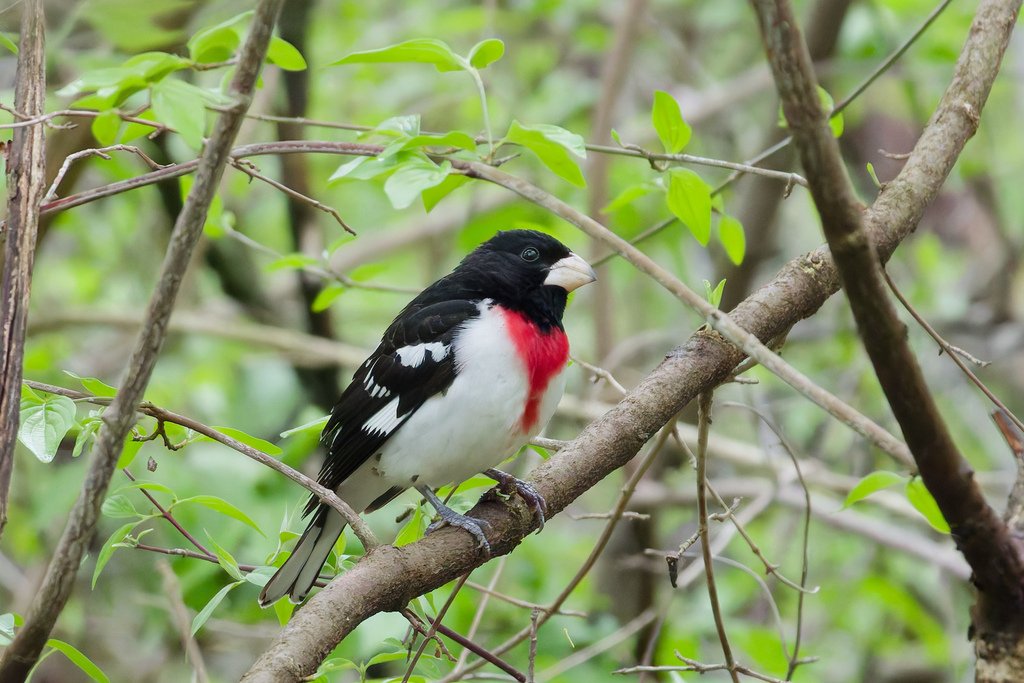
- Rose-breasted GrosbeakPheucticus ludovicianus
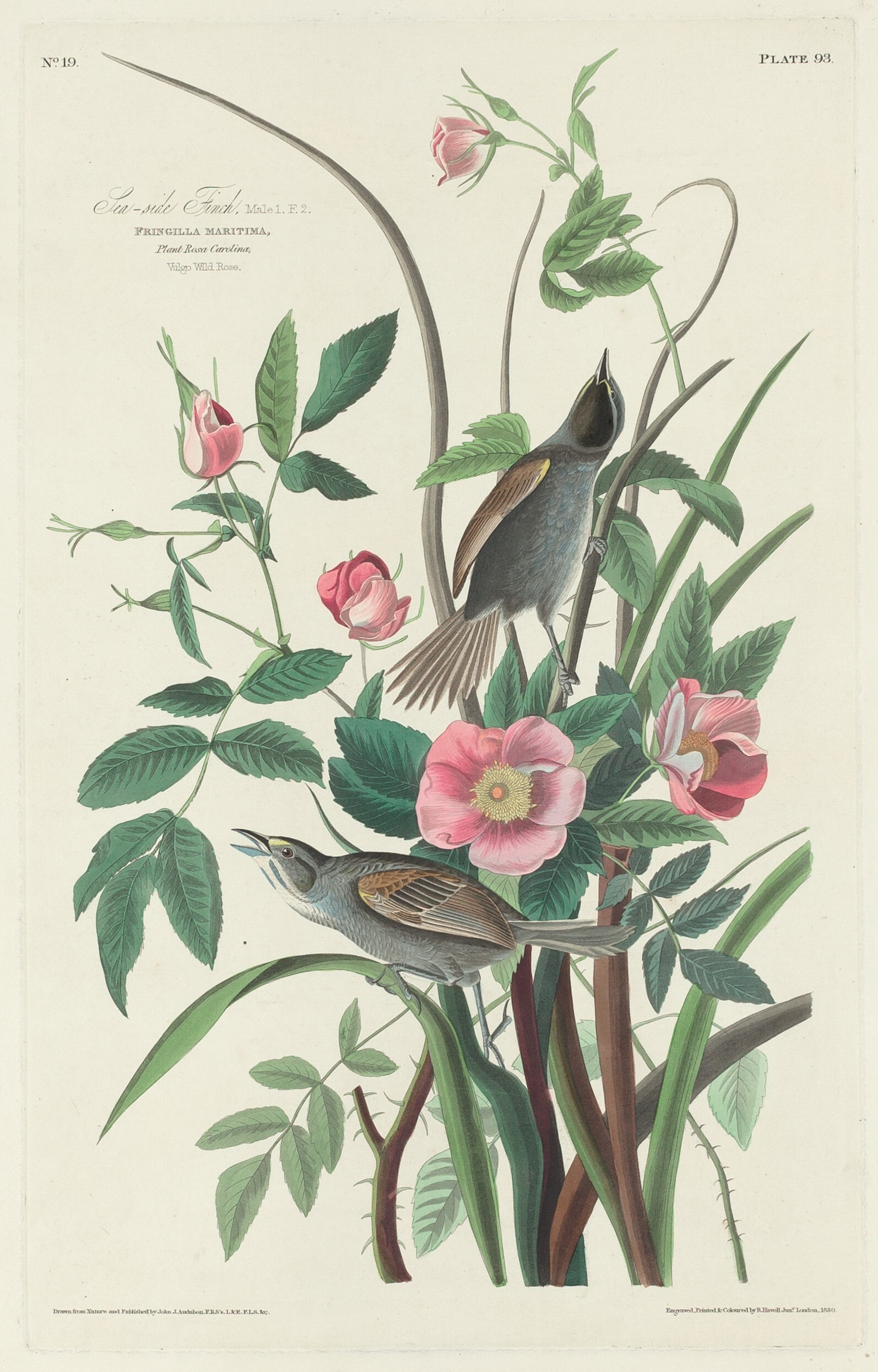
- Seaside SparrowAmmodramus maritimus
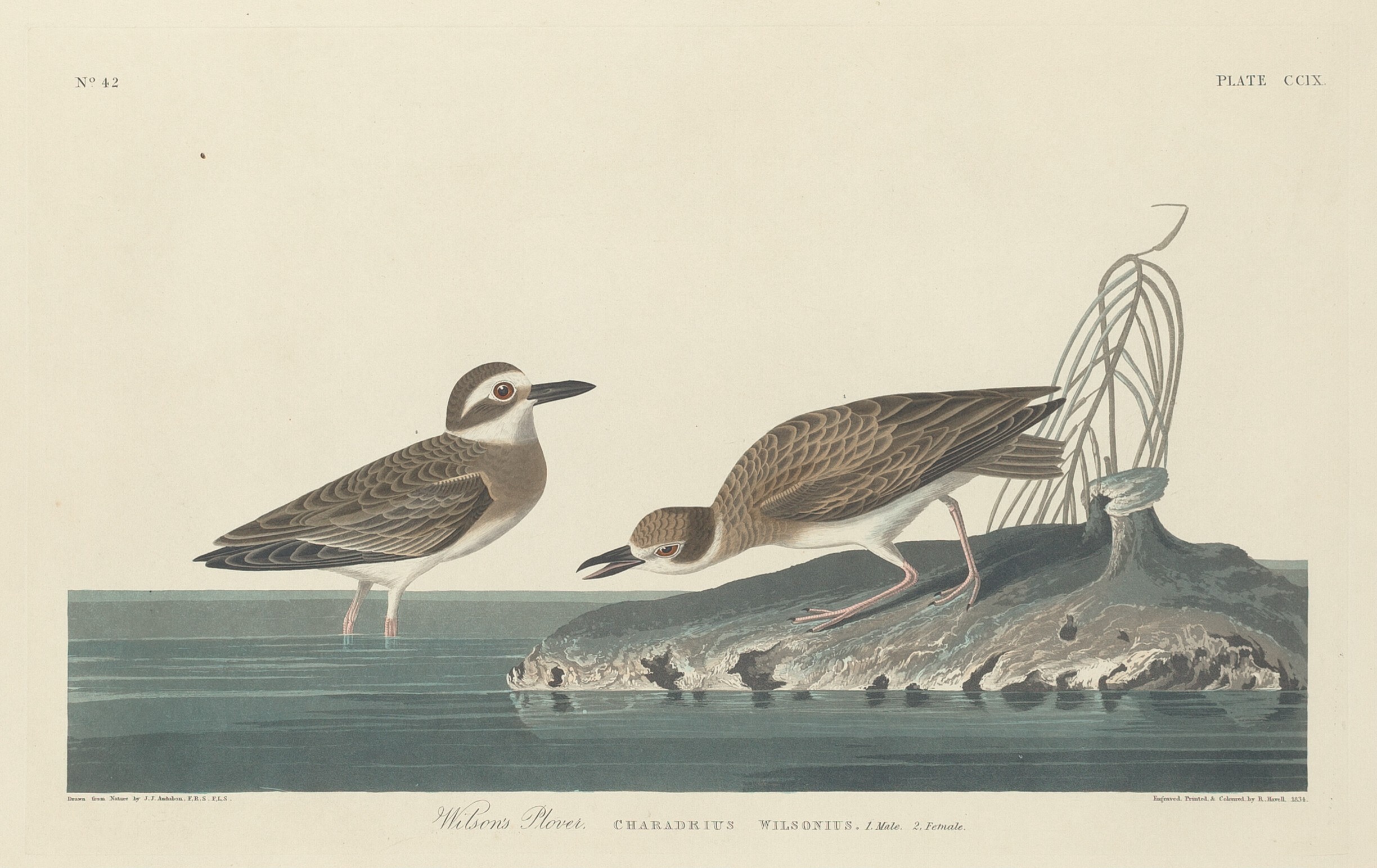
- Wilson's PloverCharadrius wilsonia
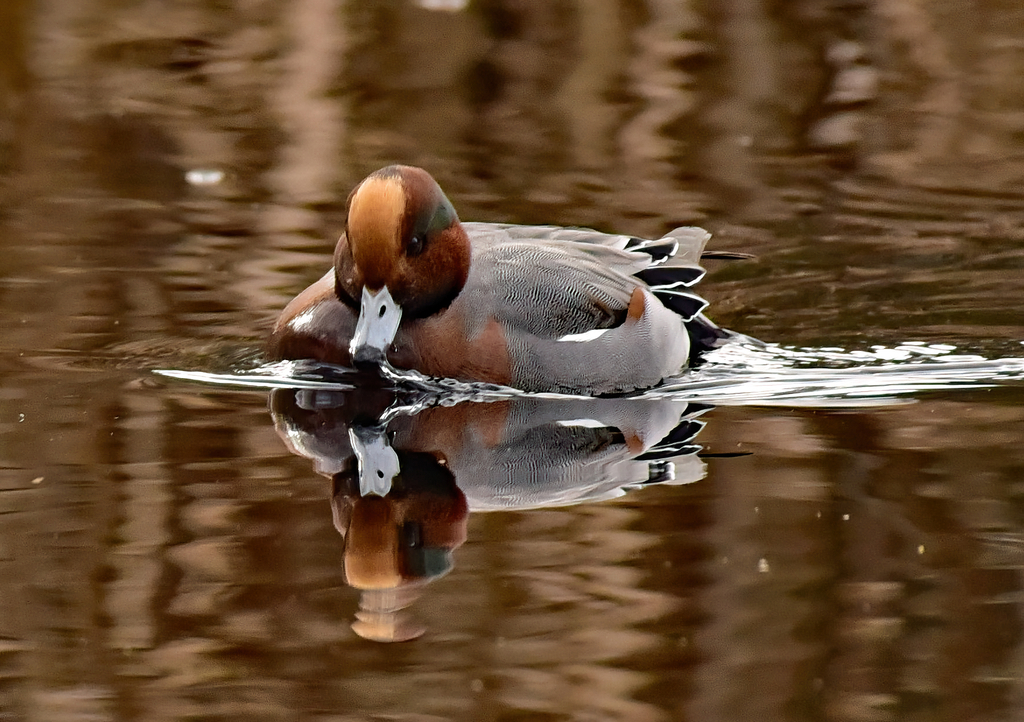
- Eurasian WigeonAnas penelope
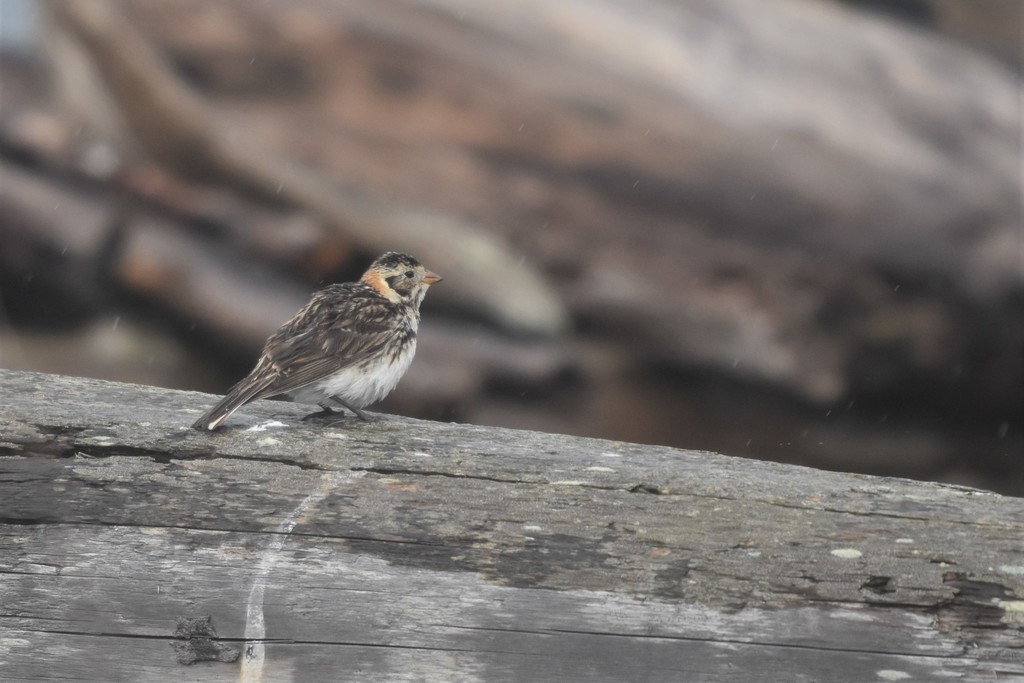
- Lapland LongspurCalcarius lapponicus
- Ruddy TurnstoneArenaria interpres
- Swainson's WarblerLimnothlypis swainsonii
- Great-tailed GrackleQuiscalus mexicanus
- Northern ParulaParula americana


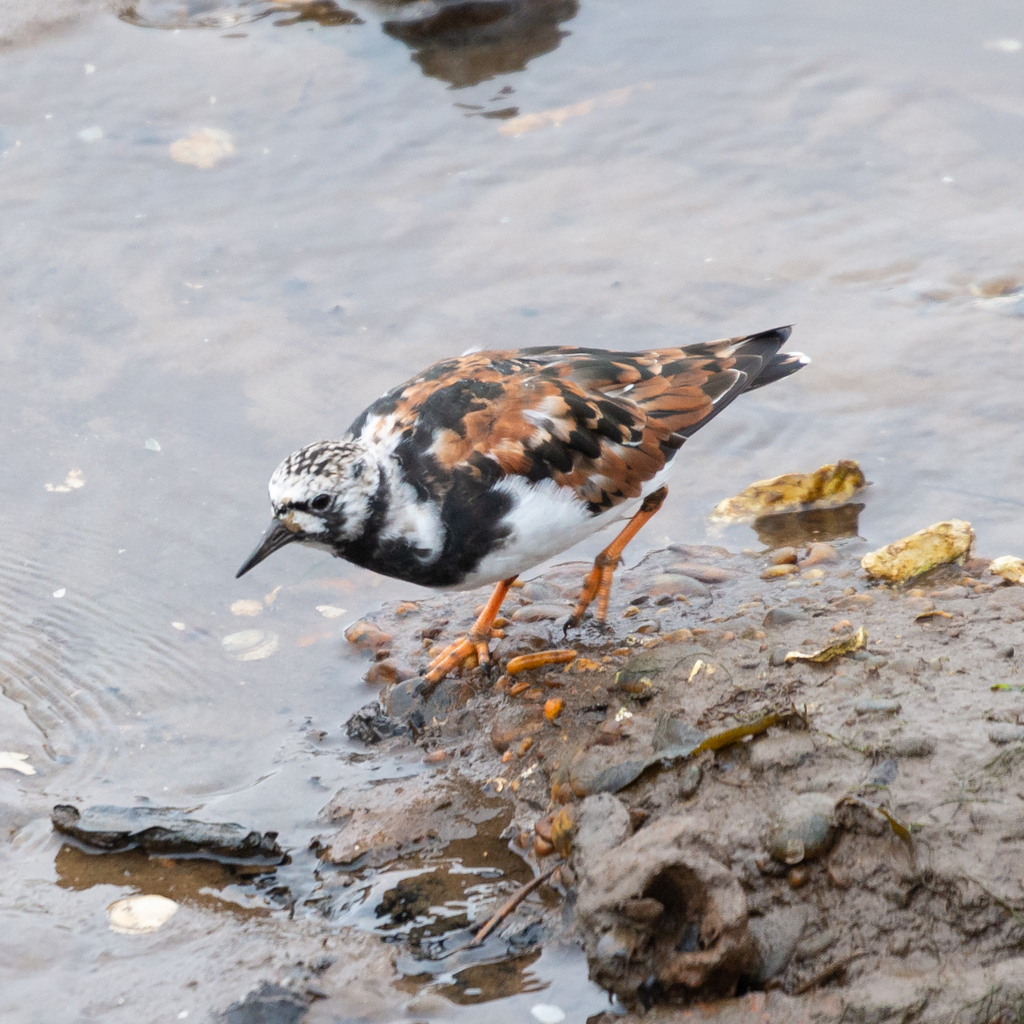
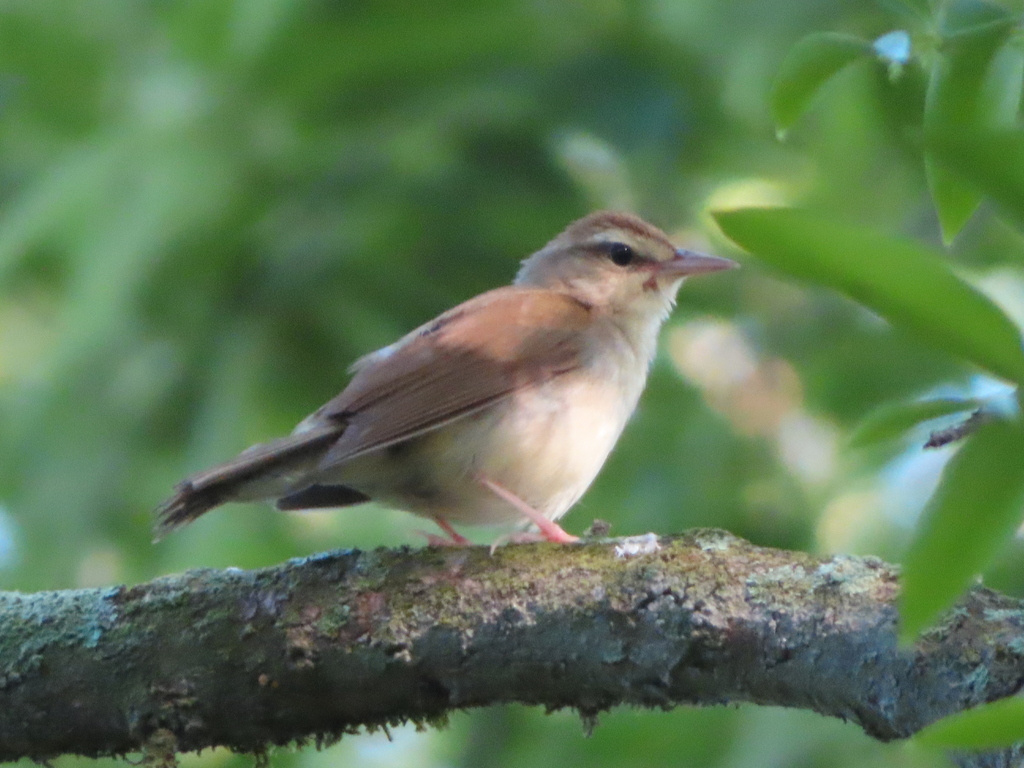
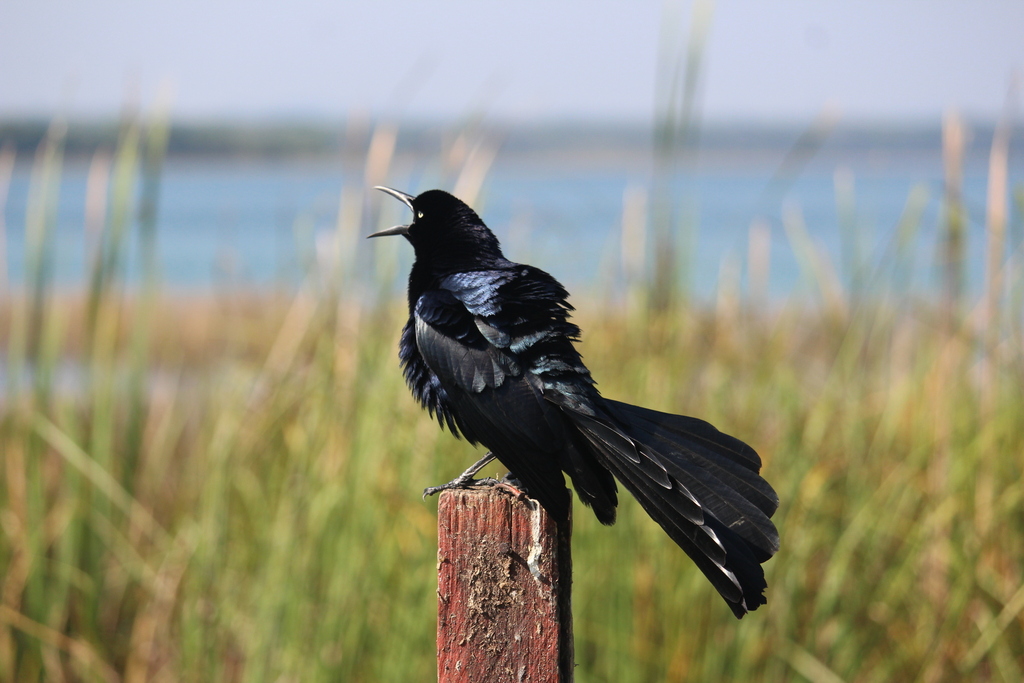

Plants 291
- Black Highbush BlueberryVaccinium fuscatum
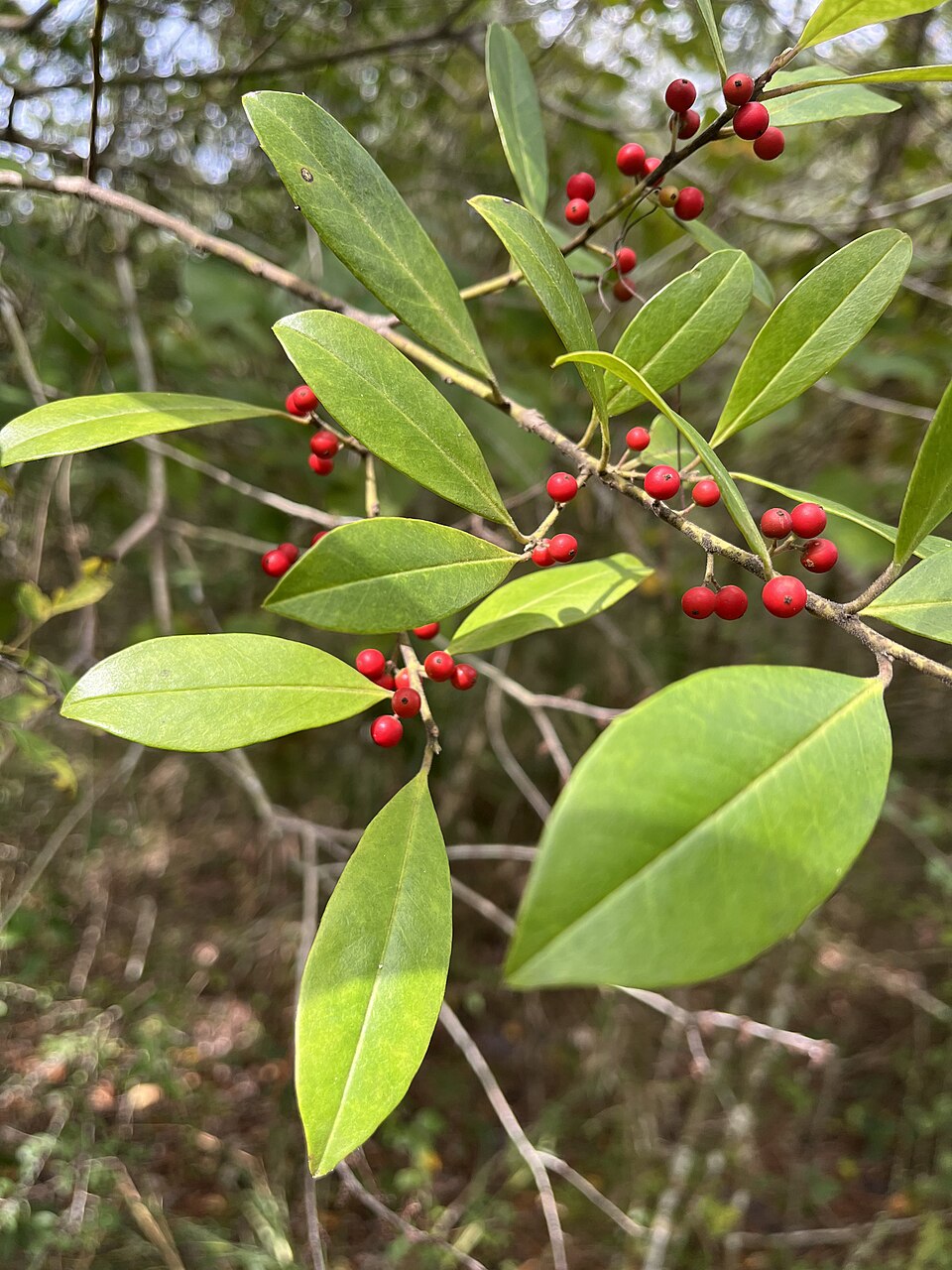
- Dahoon HollyIlex cassine
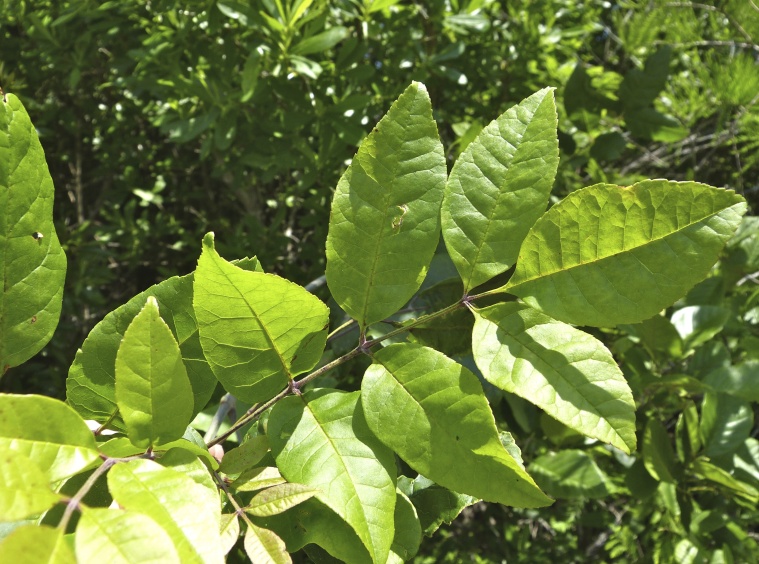
- Carolina AshFraxinus caroliniana
- Dense-flower SmartweedPersicaria densiflora
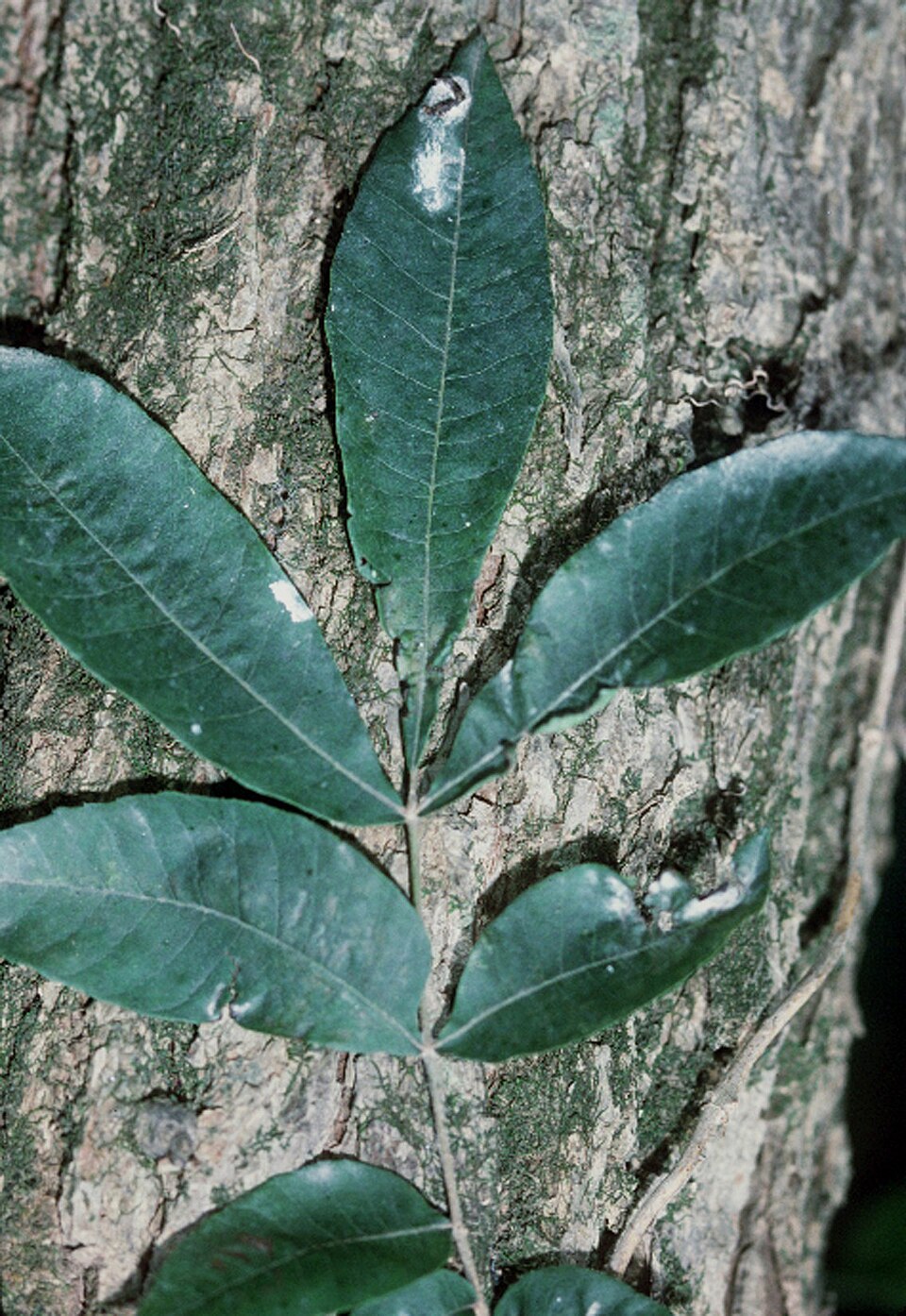
- Water HickoryCarya aquatica
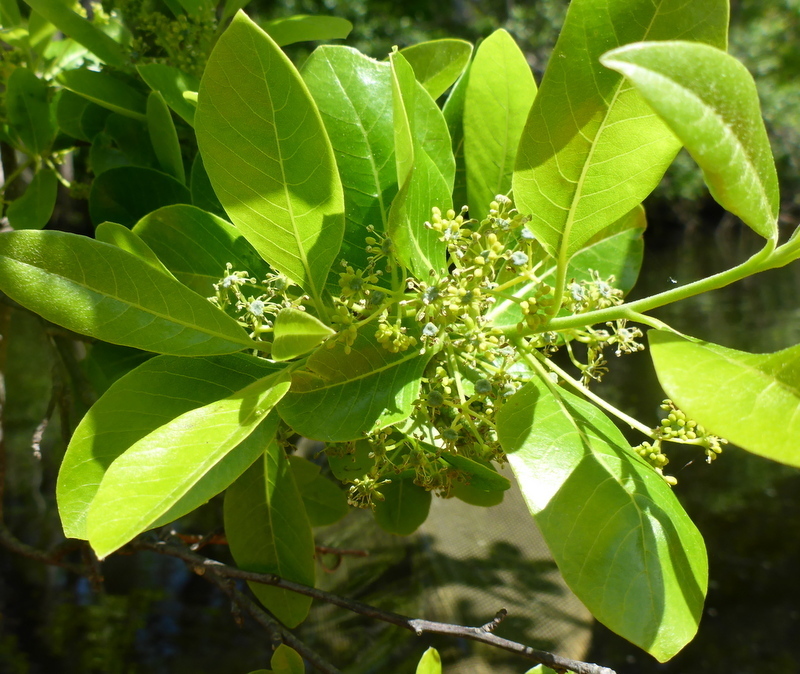
- Swamp TupeloNyssa biflora
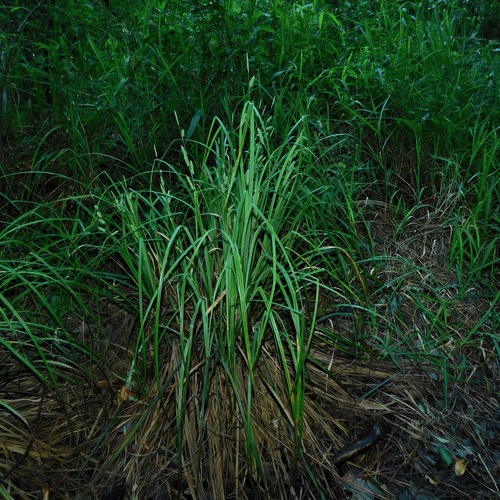
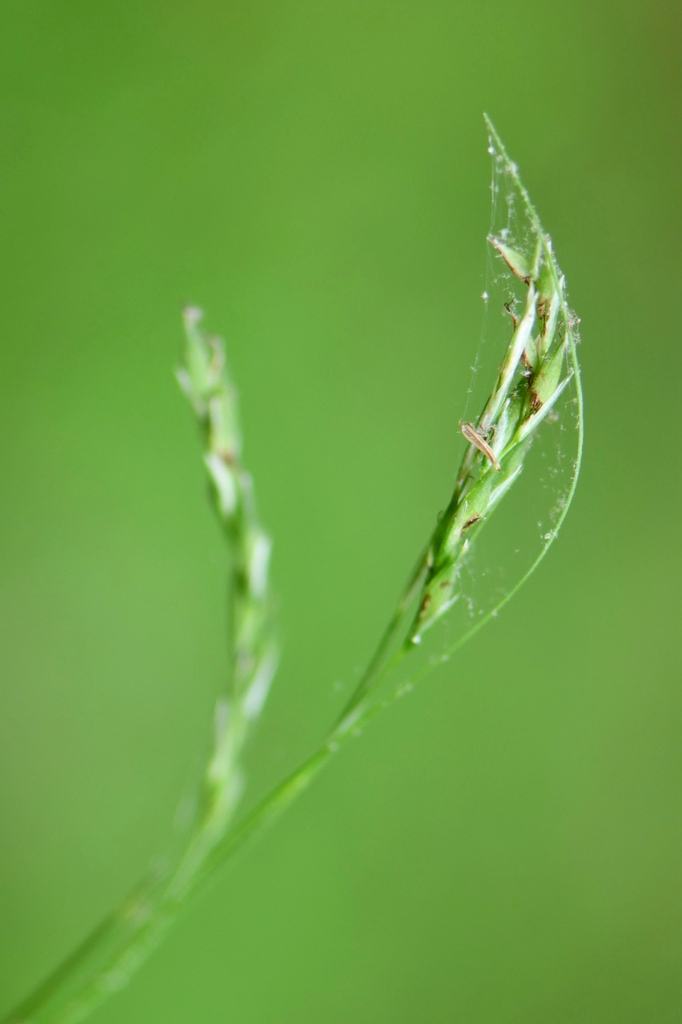
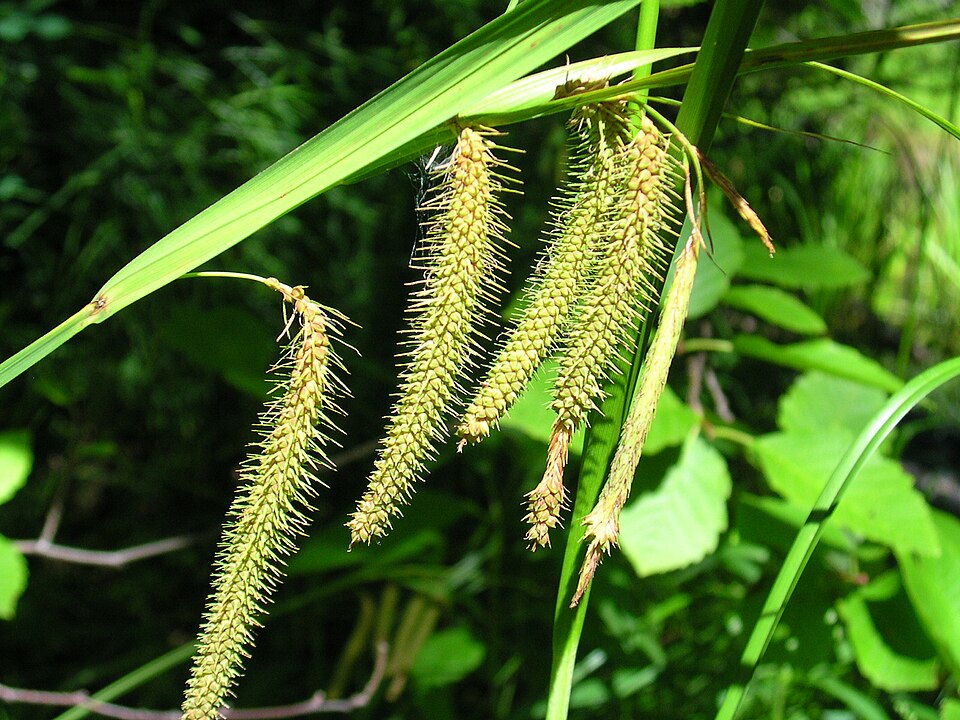
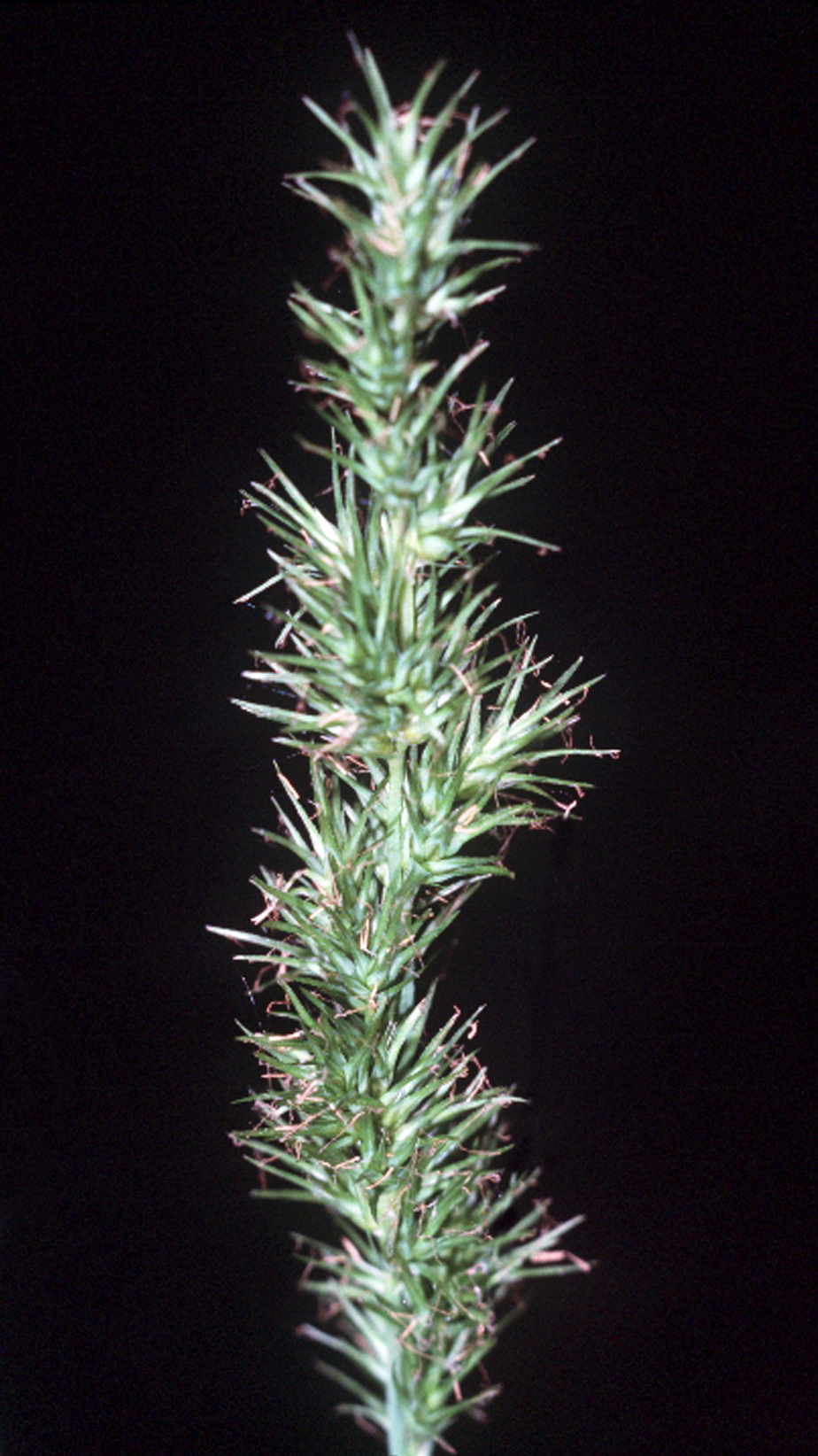
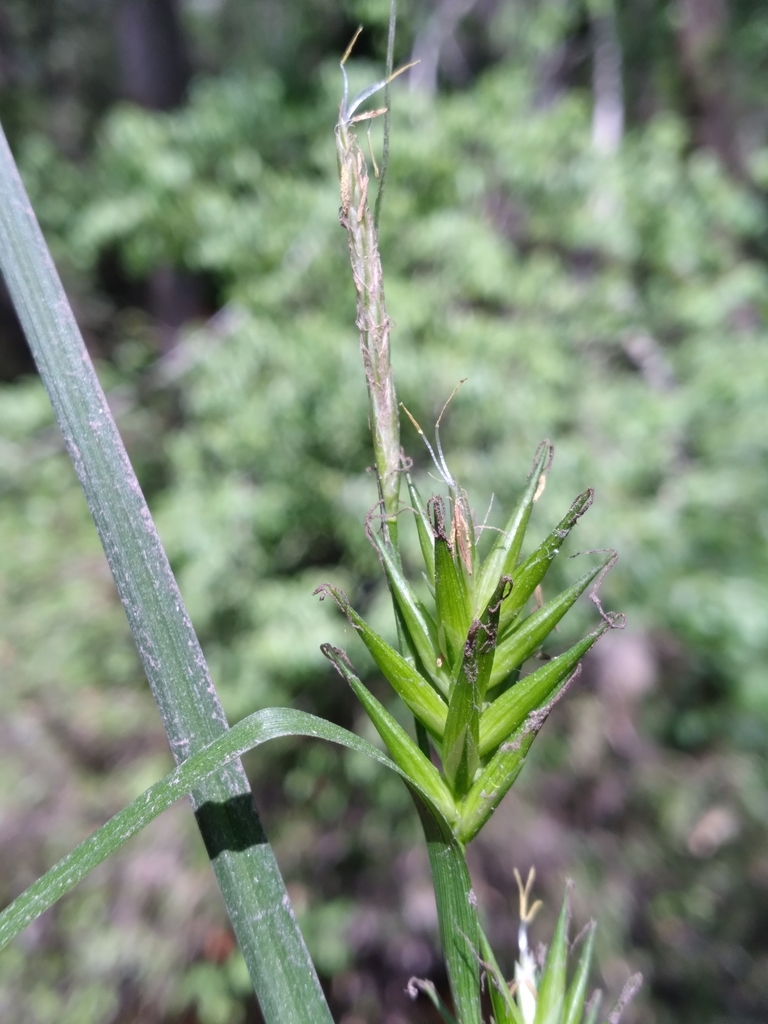
- Bent SedgeCarex styloflexa
- Cypress-swamp SedgeCarex joorii
- Dark-green SedgeCarex venusta
- Fringed SedgeCarex crinita
- Ravenfoot SedgeCarex crus-corvi
- Southern Long SedgeCarex lonchocarpa
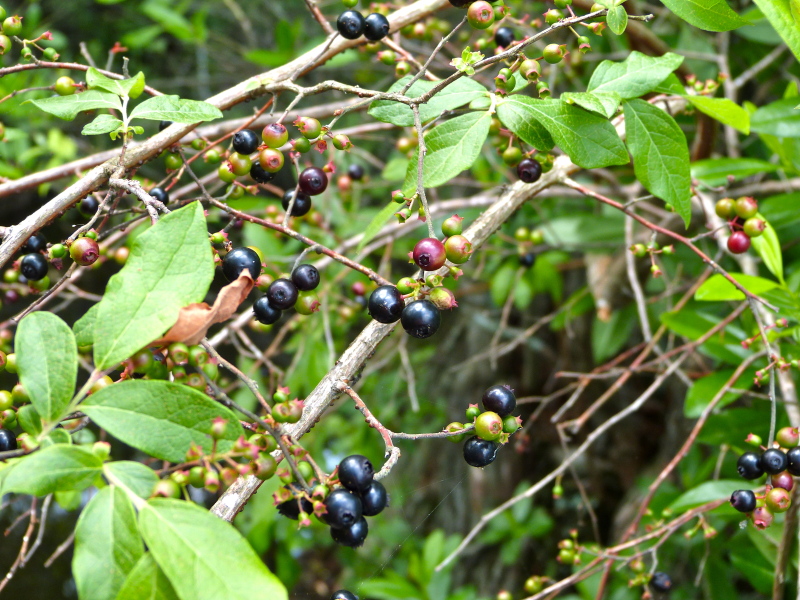
Floodplain and bottomland forests
Birds 87
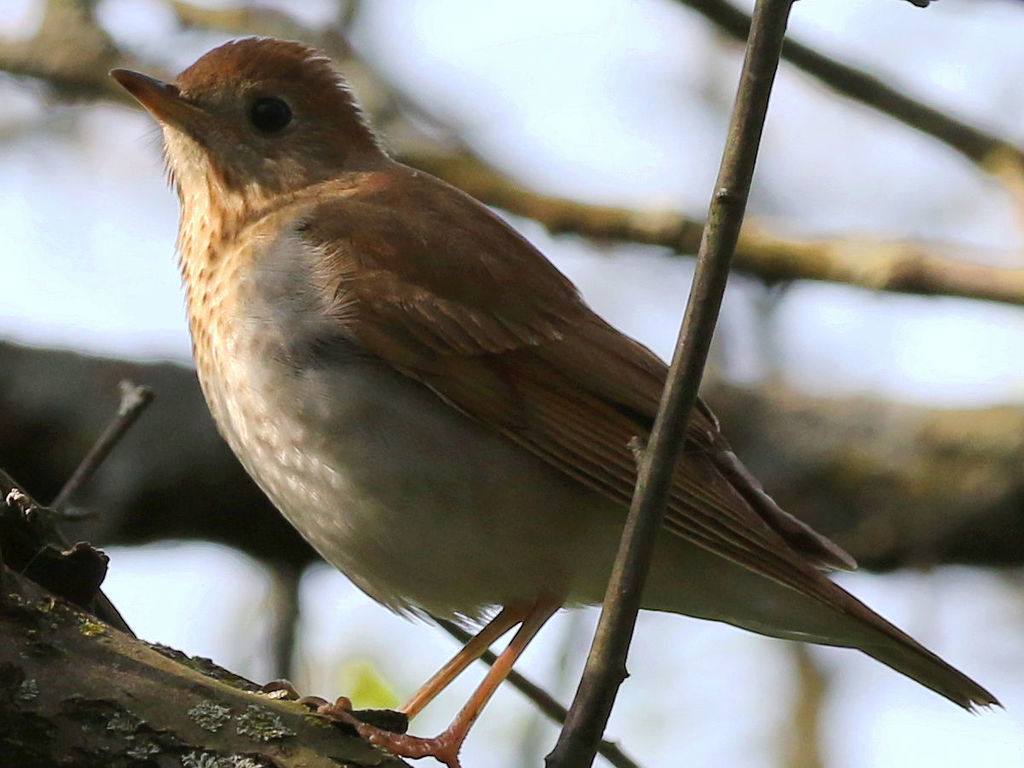
- VeeryCatharus fuscescens
- Louisiana WaterthrushSeiurus motacilla
- Red-breasted NuthatchSitta canadensis
- Willow FlycatcherEmpidonax traillii
- Kentucky WarblerOporornis formosus
- Northern Saw-whet OwlAegolius acadicus
- Broad-winged HawkButeo platypterus
- OvenbirdSeiurus aurocapilla
- Swainson's WarblerLimnothlypis swainsonii
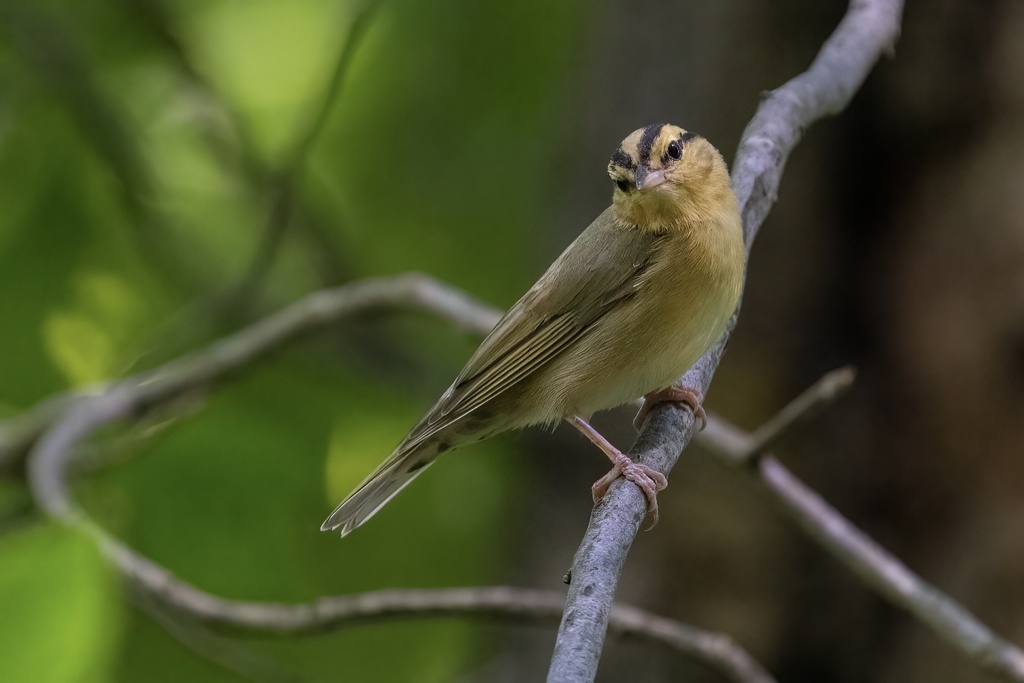
- Worm-eating WarblerHelmitheros vermivorum
- Northern ParulaParula americana
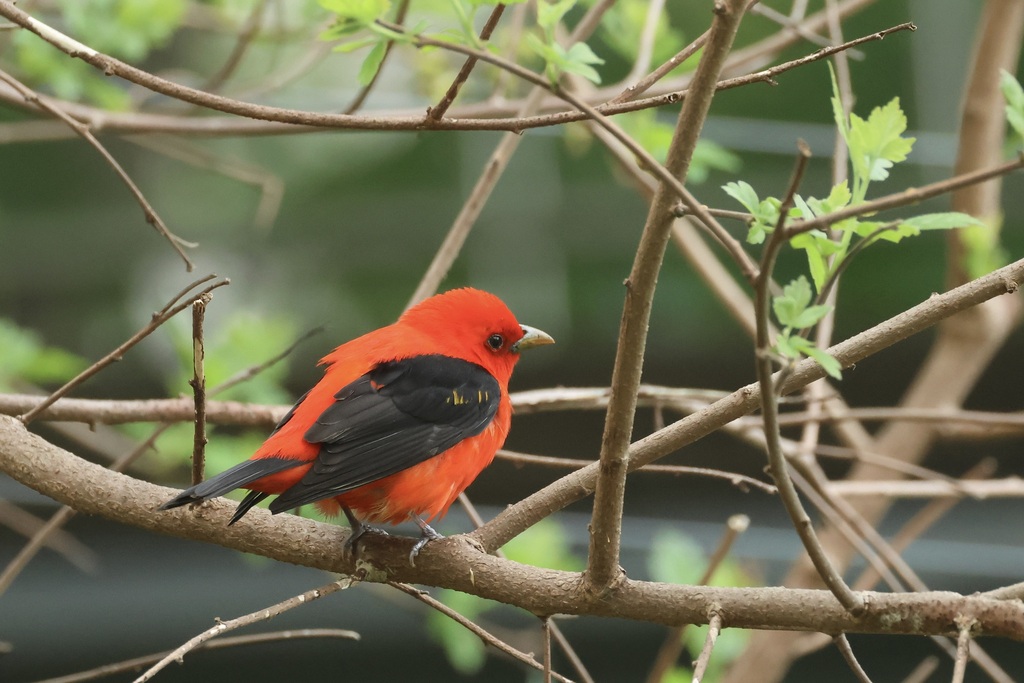
- Scarlet TanagerPiranga olivacea



Plants 346
- Elliott's BlueberryVaccinium elliottii
- White Panicled Aster; Eastern Lined AsterSymphyotrichum lanceolatum var. latifolium
- Possumhaw HollyIlex decidua
- Cherrybark OakQuercus pagoda
- Appalachian Orange ConeflowerRudbeckia fulgida var. umbrosa
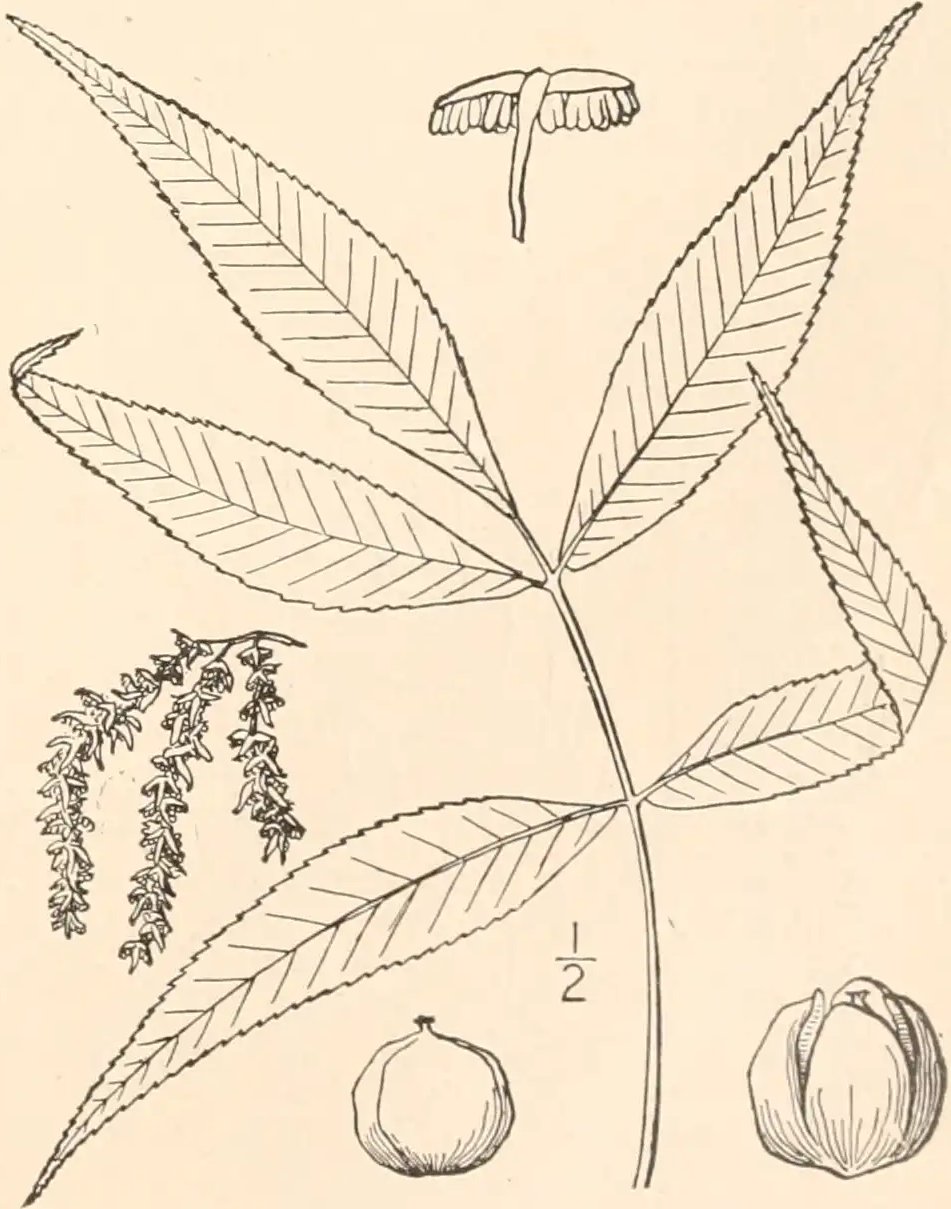
- Shagbark HickoryCarya ovata
- Southern Shagbark HickoryCarya carolinae-septentrionalis
- Spruce Pine; Walters Pine; Cedar PinePinus glabra
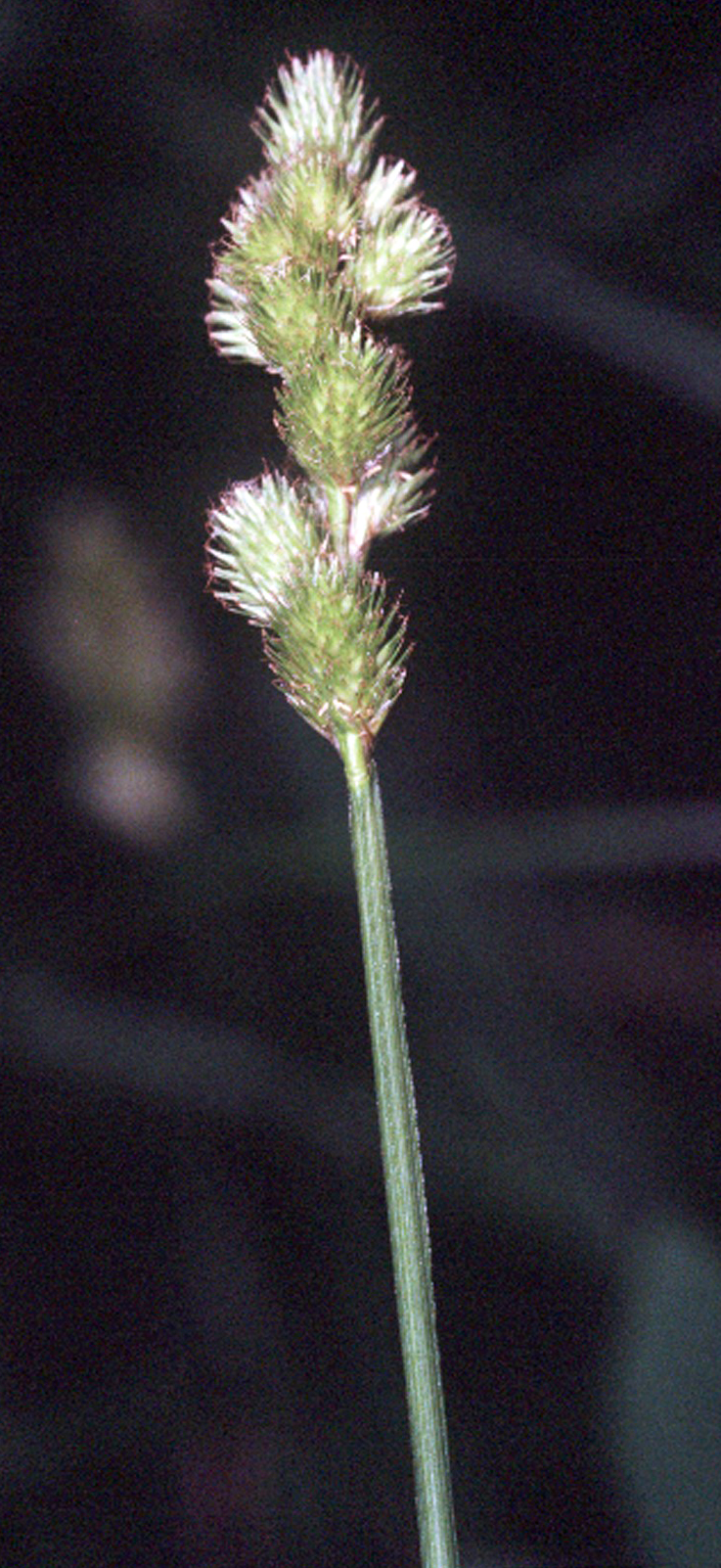
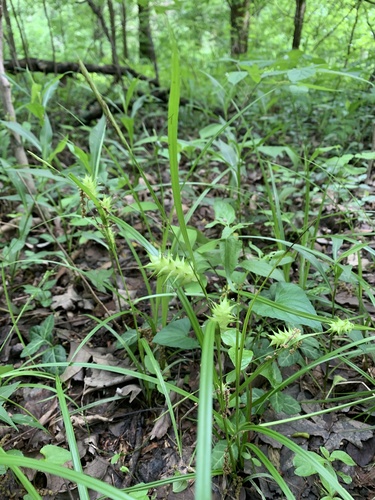
- Blunt Broom SedgeCarex tribuloides
- Louisiana SedgeCarex louisianica
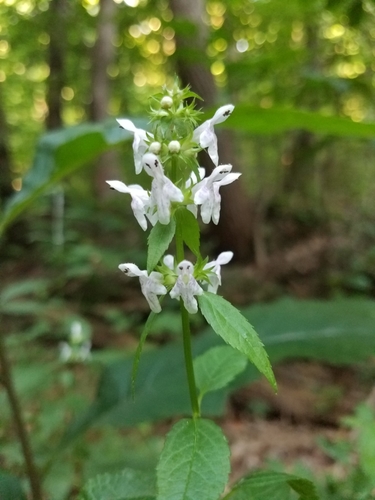
- Smooth Hedge-nettleStachys tenuifolia
- Common Cup-plantSilphium perfoliatum
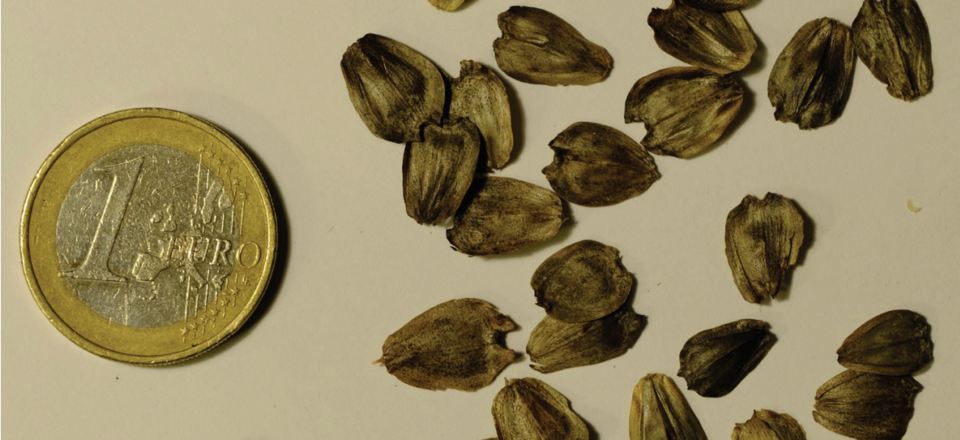
Disturbed and introduced wetlands
Birds 152
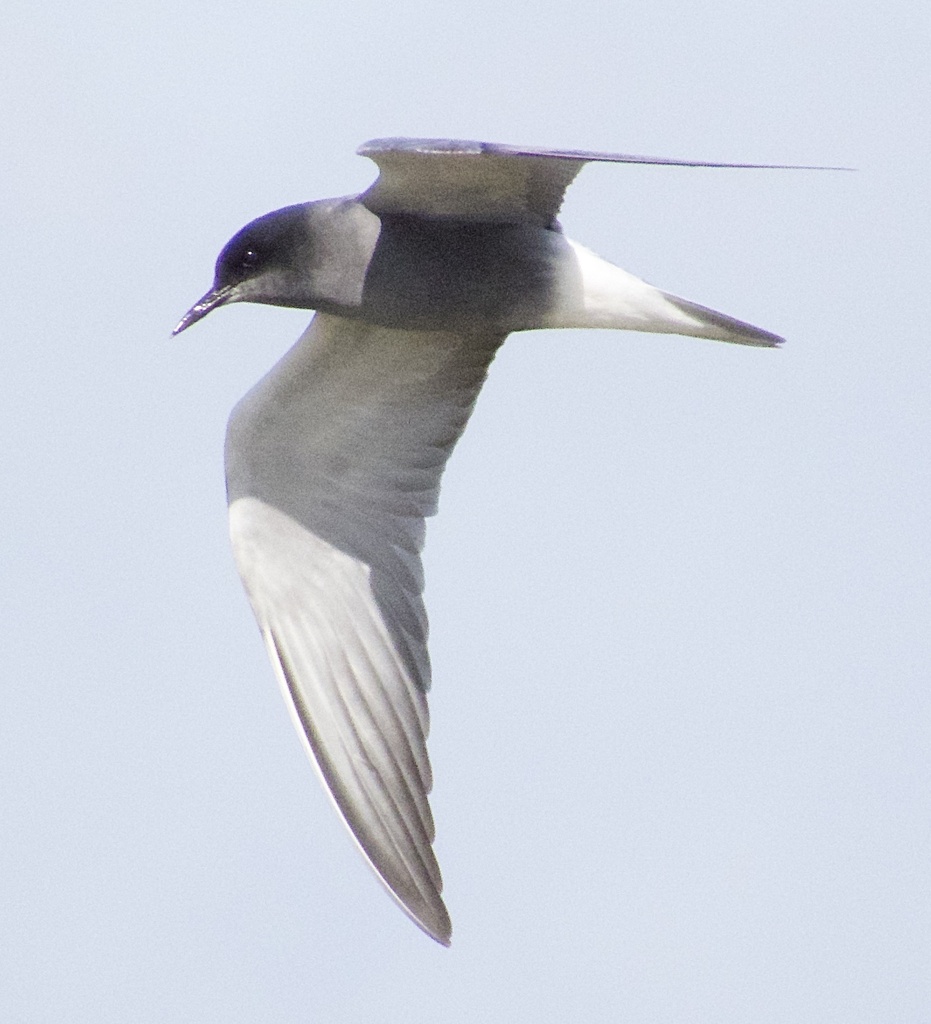
- Black TernChlidonias niger
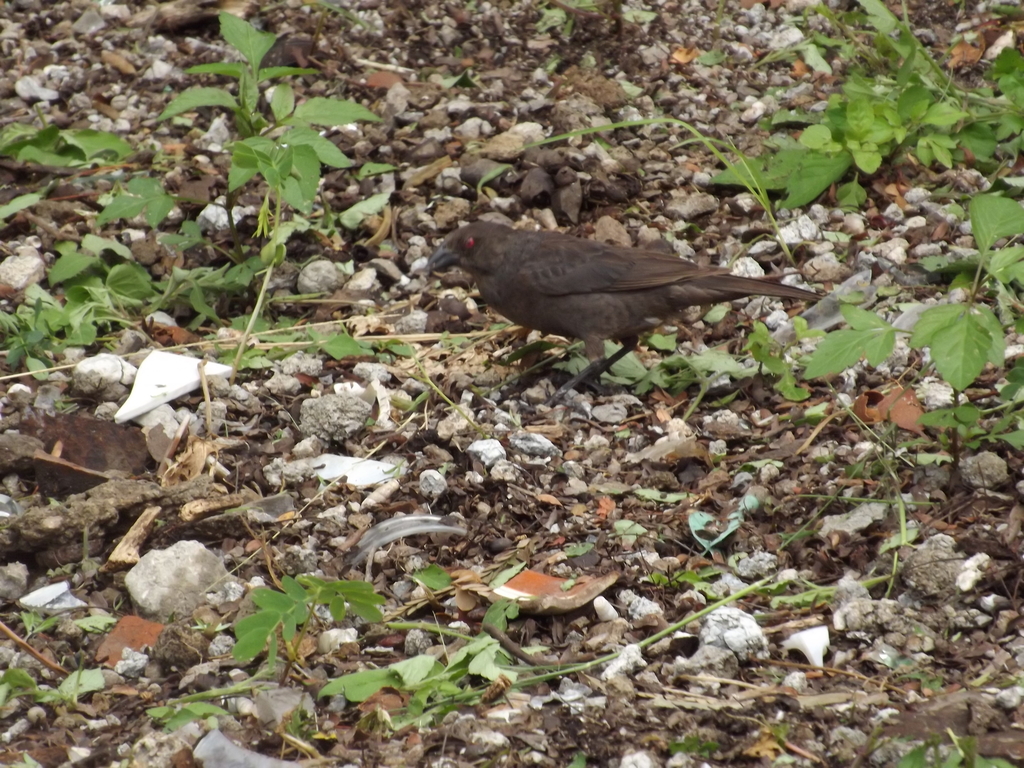
- Bronzed CowbirdMolothrus aeneus
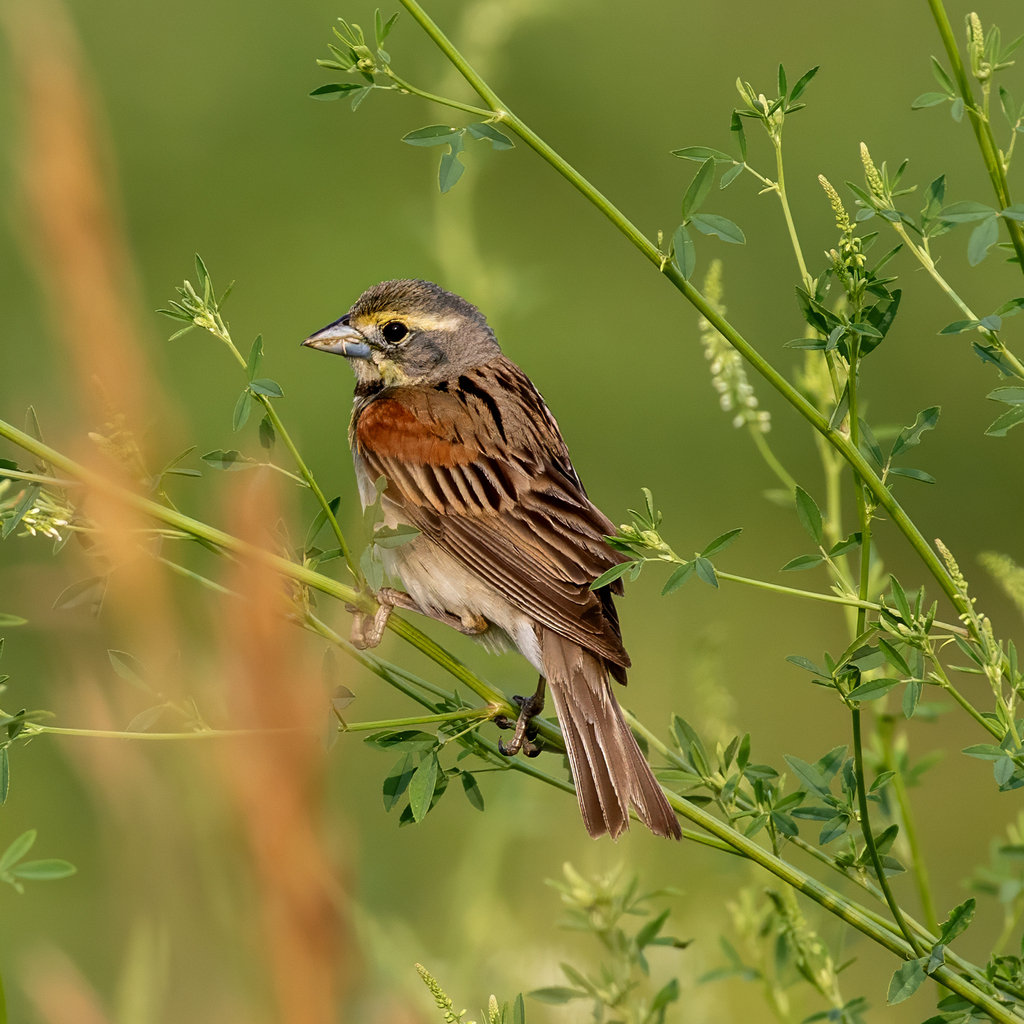
- DickcisselSpiza americana
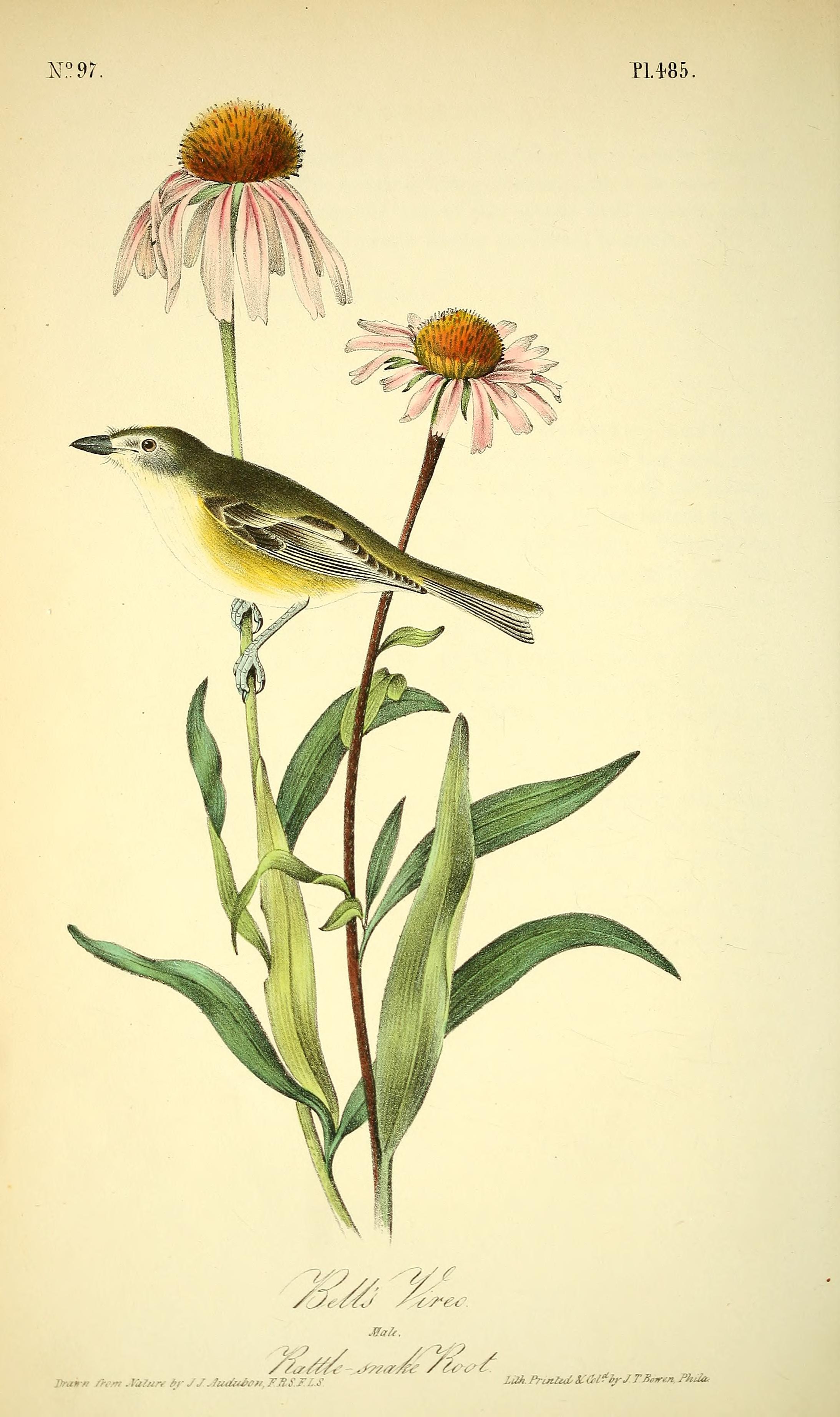
- Bell's VireoVireo bellii
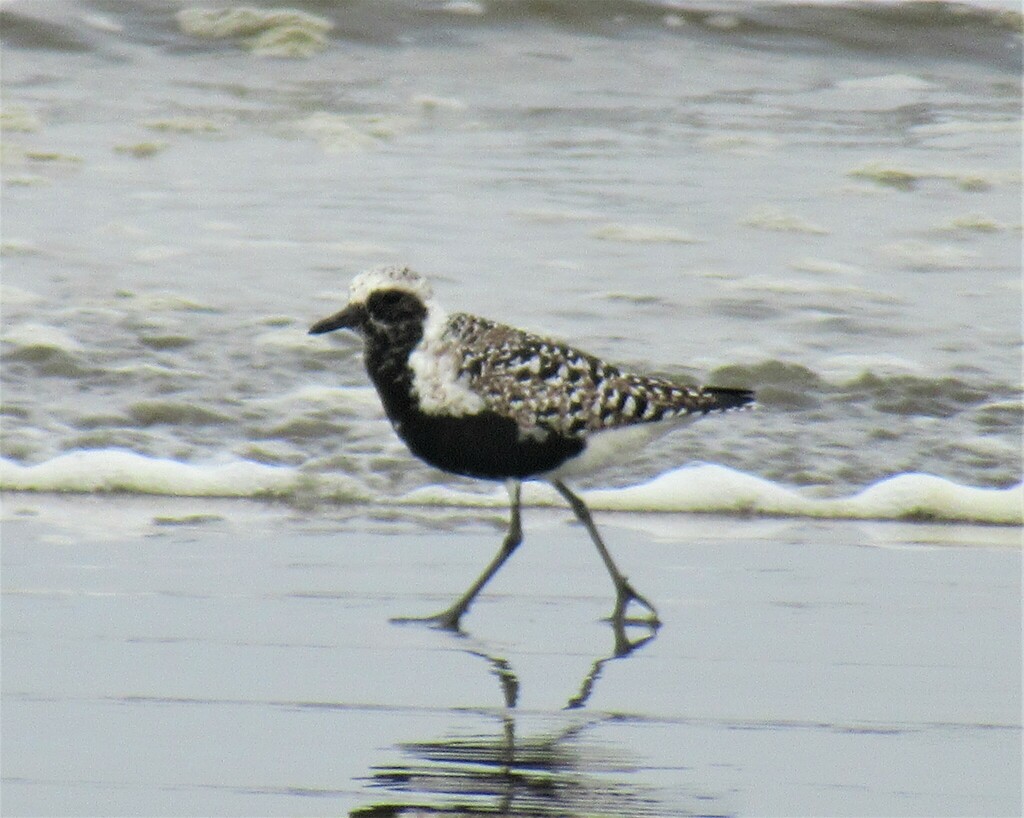
- Black-bellied PloverPluvialis squatarola
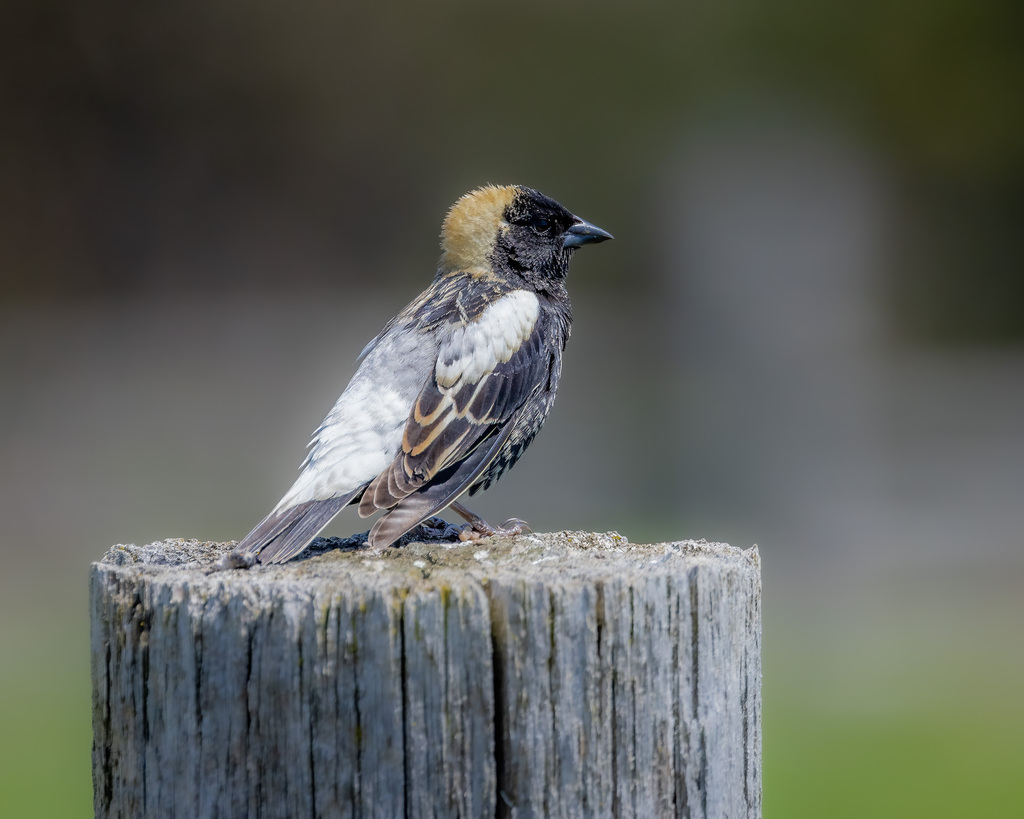
- BobolinkDolichonyx oryzivorus
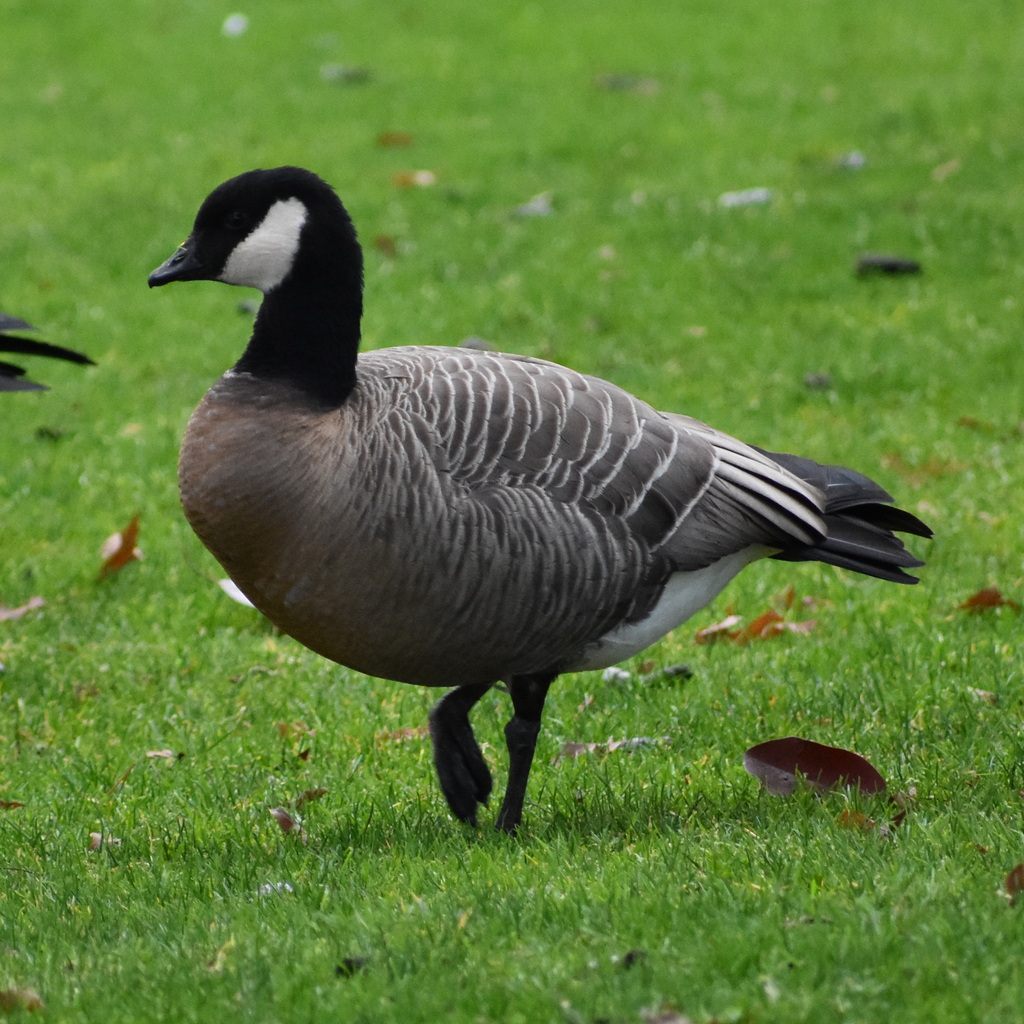
- Cackling GooseBranta hutchinsii
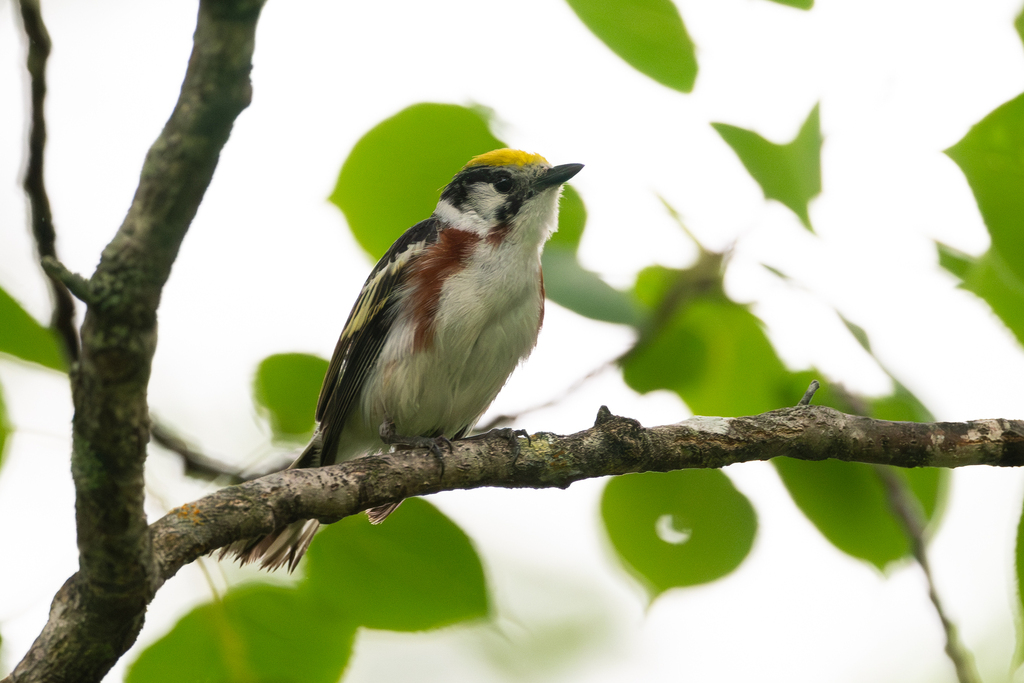
- Chestnut-sided WarblerDendroica pensylvanica
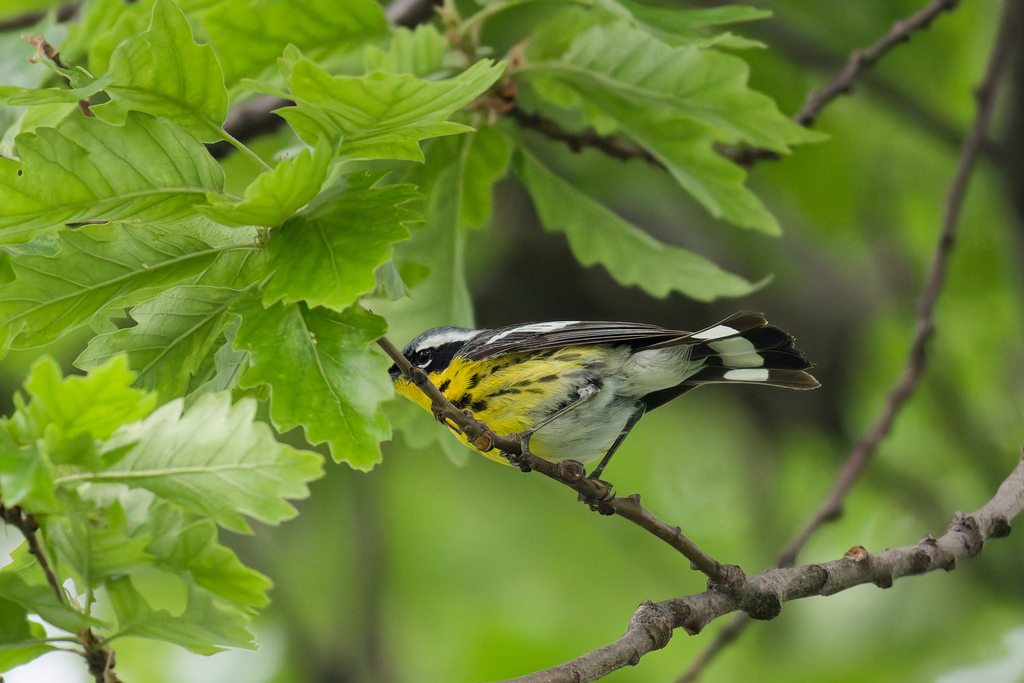
- Magnolia WarblerDendroica magnolia
- Red-breasted NuthatchSitta canadensis
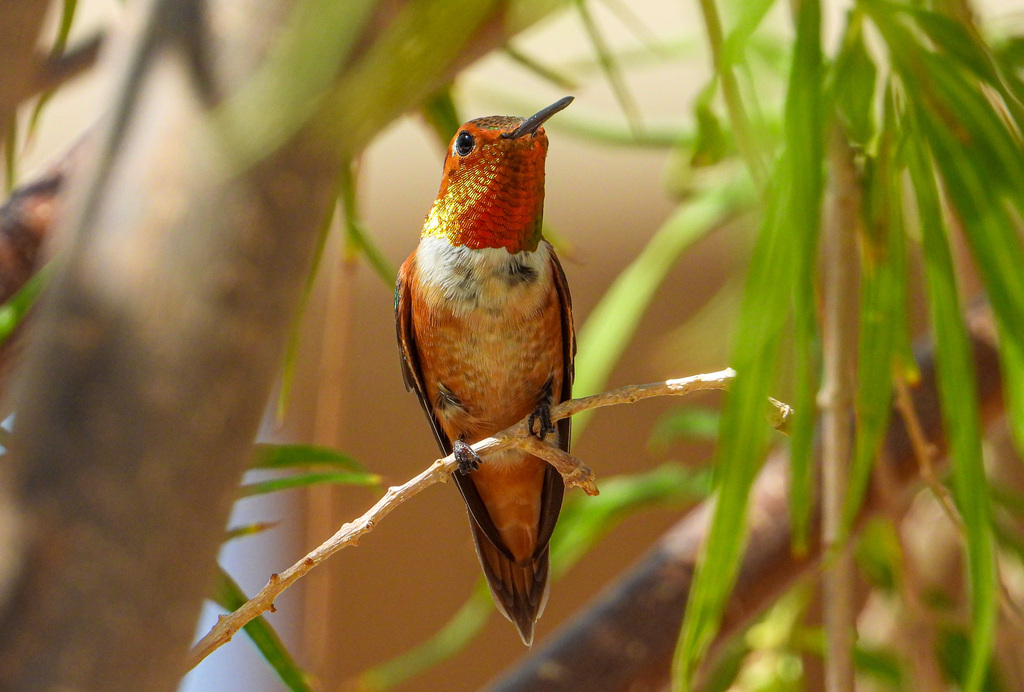
- Rufous HummingbirdSelasphorus rufus
- Willow FlycatcherEmpidonax traillii
Plants 26
- Slender FimbryFimbristylis autumnalis
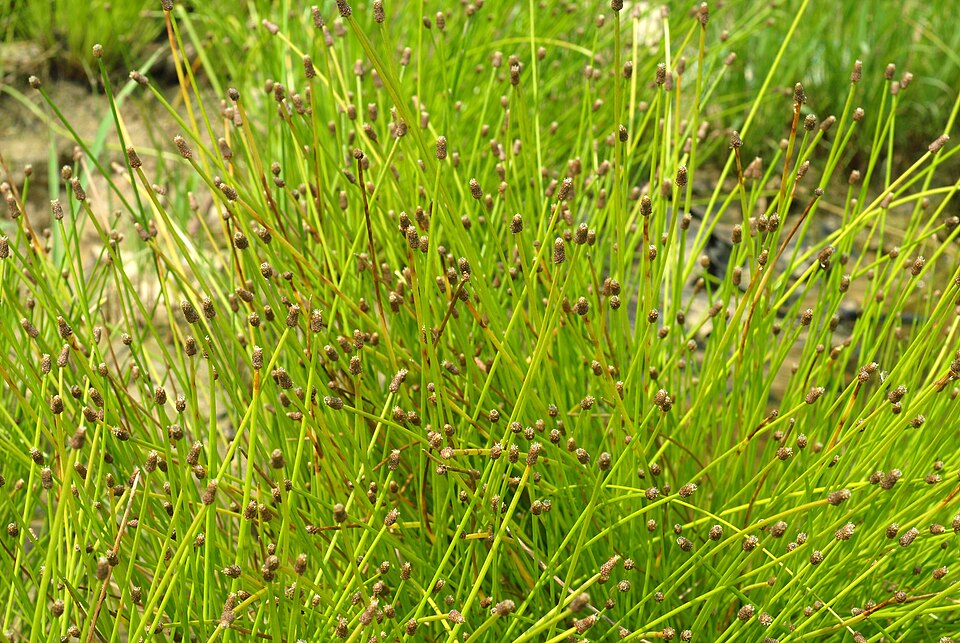
- Intermediate Spike RushEleocharis intermedia
- Purple SpikerushEleocharis atropurpurea
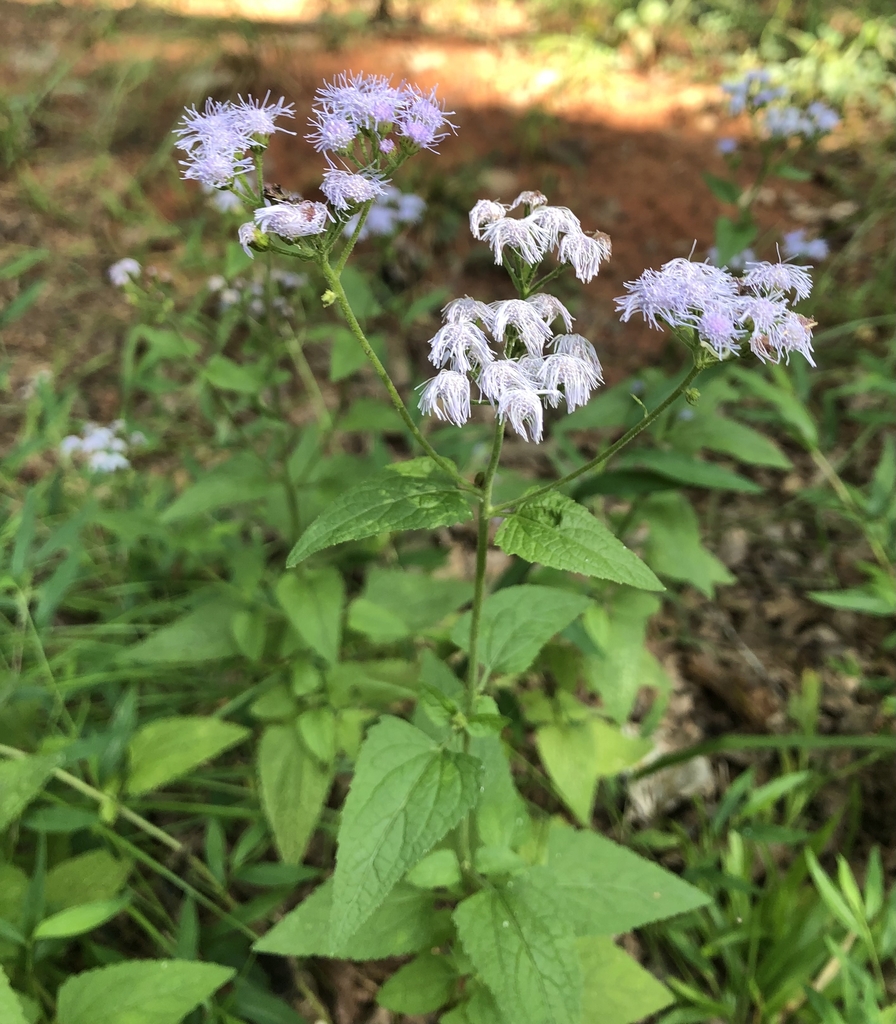
- Blue MistflowerConoclinium coelestinum
- BagpodGlottidium vesicarium
- Cyperus ochraceusCyperus ochraceus
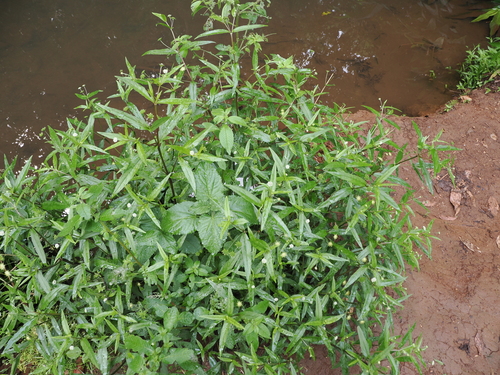
- False DaisyEclipta prostrata
- Blunt Spike RushEleocharis obtusa
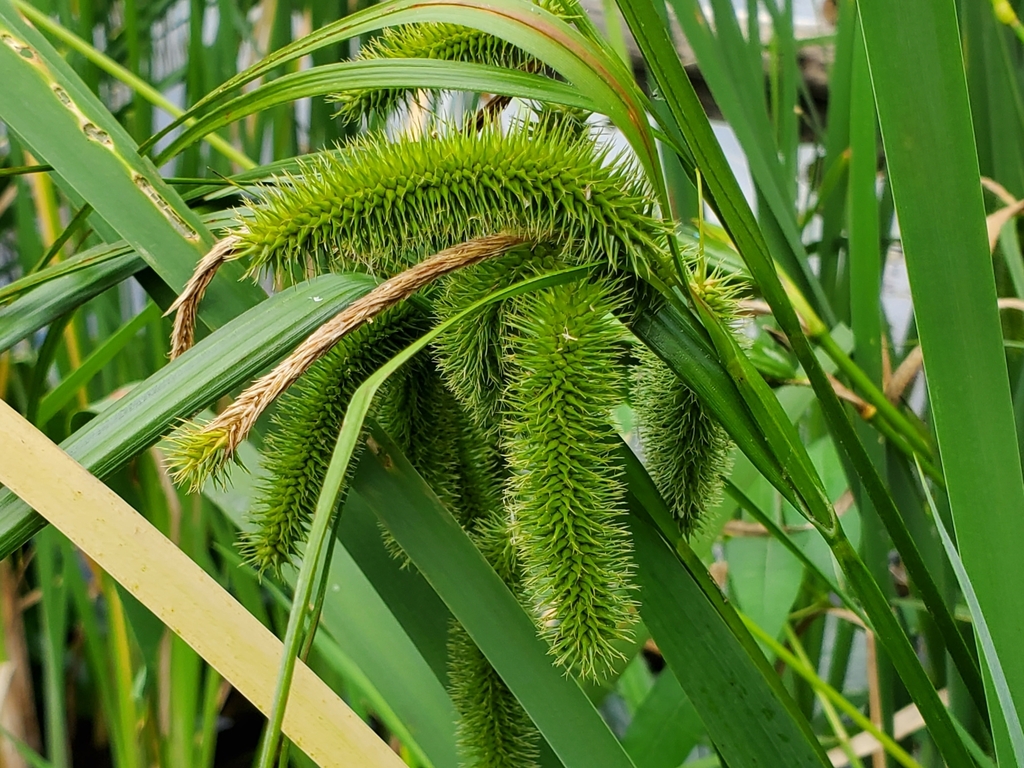
- Bristly SedgeCarex comosa
- Shortbeak BeaksedgeRhynchospora nitens
- Southern Marsh YellowcressRorippa teres
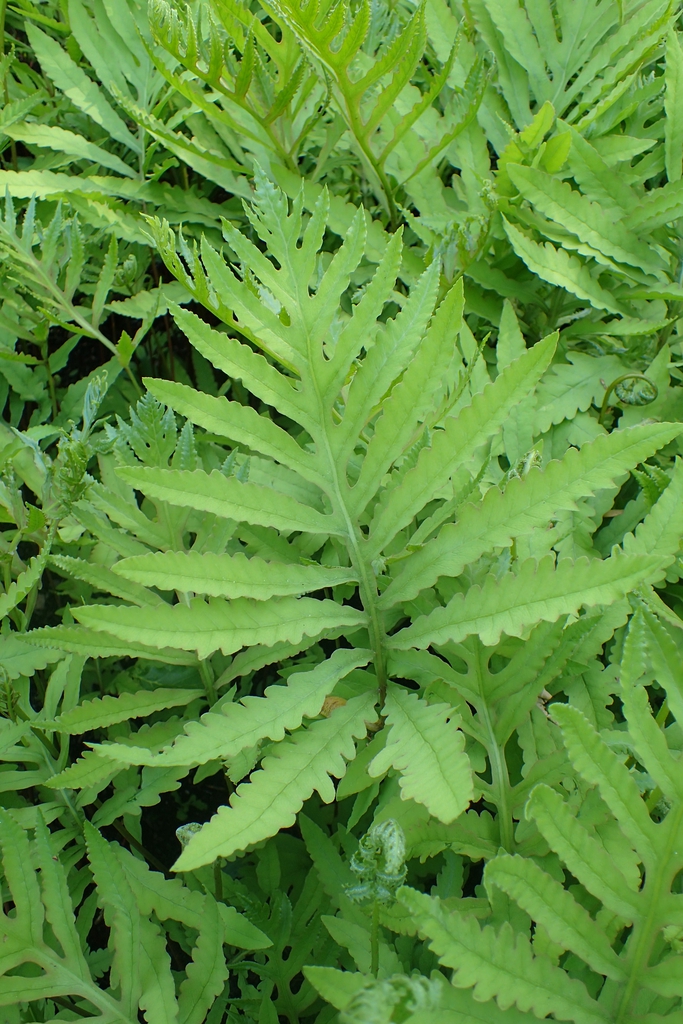
- Sensitive FernOnoclea sensibilis

Sources
- USGS Gap Analysis Project habitat models (2001)
- USGS GAP winter habitat model for Prothonotary Warbler Slow streams only
- USGS Gap Analysis Project range maps (2001), modeled by watershed; migratory gives no dates
- NatureServe Explorer (CC BY 4.0), habitat names
- US Census TIGER/Line counties
- Names follow the USGS Gap Analysis Project (2001)