

Bird
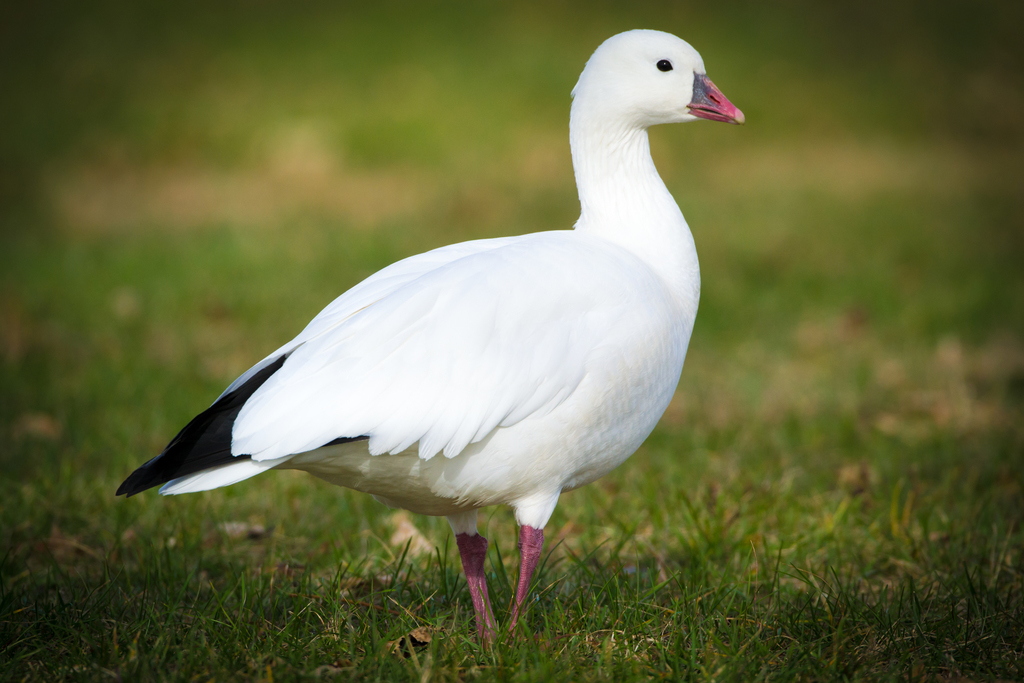
Ross's Goose
Chen rossii
Passes through Arkansas on migration. Found in 17 of 75 counties, across 4 habitats.
- Here
- On migration
- Nesting
- Not known to nest here
- Range
- 17 of 75 counties
- Habitats
- 4
At a glance
- Group
- Birds
- Here
- On migration
- Nesting
- Not known to nest here
- Range
- 17 of 75 counties
- Habitats
- 4
- Habitat models
- Winter
Where it lives
The places its habitat model includes. It is not found everywhere a habitat occurs.
Habitats in Arkansas 4
Each habitat page lists the plants and wildlife also found there.
Disturbed and introduced wetlands
Wet ground taken over by weedy or introduced plants after disturbance, such as common reed, Chinese tallow or tamarisk stands; the upland counterpart is roadsides, fields and disturbed ground.
Still water and its edges: ponds, lakes, millponds and reservoirs.
Open, grass-dominated places kept open by fire, grazing or thin soil, from tallgrass prairie to Piedmont prairies.
Roadsides, fields and disturbed ground
Ground opened by people: roadsides, old fields, pastures, fencerows and lots.
Other habitats in its models (30)
Land cover, or classes with no habitat page in Arkansas. Those recorded in Arkansas first, the rest by region.
Elsewhere in the South (7)
- Central and Upper Texas Coast Dune and Coastal Grassland Winter.
- East Gulf Coastal Plain Dune and Coastal Grassland Winter.
- East Gulf Coastal Plain Savanna and Wet Prairie Winter.
- Tamaulipan Floodplain Winter.
- Texas Saline Coastal Prairie Winter.
- Texas-Louisiana Coastal Prairie Winter, only within 500 m of water.
- Western Great Plains Floodplain Winter.
Midwest (4)
- Central Mixedgrass Prairie Winter, only within 500 m of water.
- Western Great Plains Open Freshwater Depression Wetland Winter.
- Western Great Plains Saline Depression Wetland Winter.
- Western Great Plains Sand Prairie Winter, only within 500 m of water.
West (4)
- North American Arid West Emergent Marsh Winter.
- Western Great Plains Closed Depression Wetland Winter.
- Western Great Plains Foothill and Piedmont Grassland Winter, only within 500 m of water.
- Western Great Plains Shortgrass Prairie Winter, only within 500 m of water.
Land cover and other classes (15)
- Eastern Great Plains Floodplain Systems Winter.
- Harvested Forest - Grass/Forb Regeneration Winter, only within 500 m of water.
- Introduced Upland Vegetation - Annual Grassland Winter, only within 500 m of water.
- Introduced Upland Vegetation - Forbland Winter, only within 500 m of water.
- Introduced Upland Vegetation - Perennial Grassland Winter, only within 500 m of water.
- Introduced Upland Vegetation - Perennial Grassland and Forbland Winter, only within 500 m of water.
- Open Water (Aquaculture) Winter.
- Recently Burned Winter, only within 500 m of water.
- Recently Burned Forest Winter, only within 500 m of water.
- Recently Burned Grassland Winter, only within 500 m of water.
- Recently Logged Areas Winter, only within 500 m of water.
- South Texas Dune and Coastal Grassland Winter.
- Texas-Louisiana Coastal Prairie Slough Winter.
- Western Great Plains Depressional Wetland Systems Winter.
- Western Great Plains Floodplain Systems Winter.
Seasons in Arkansas
- Migratory: does not nest here, in 17 of 75 counties.
Food plants
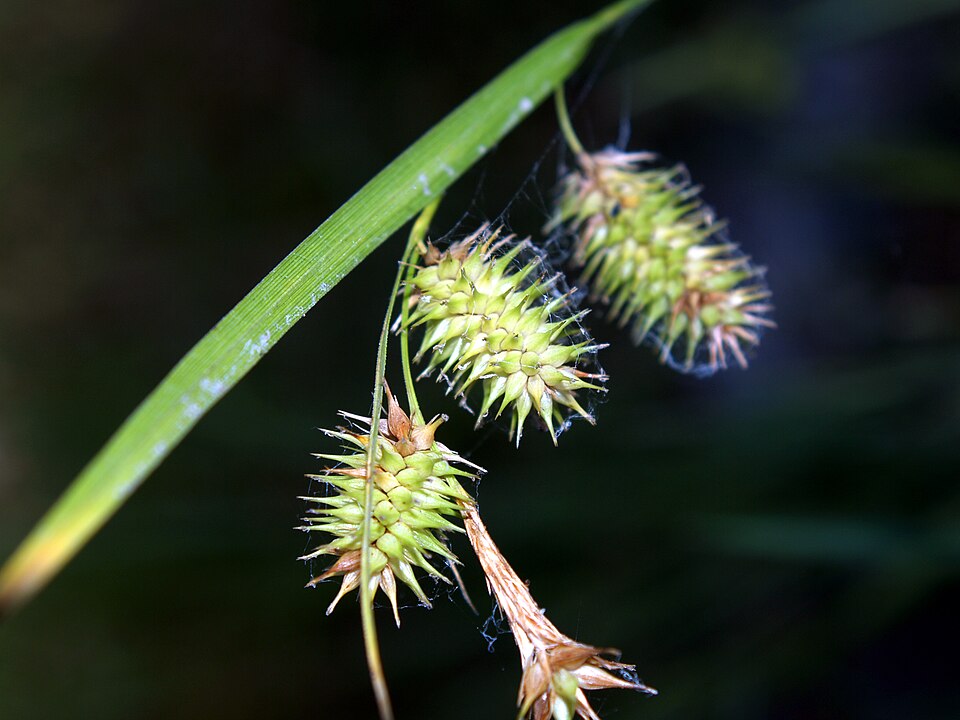
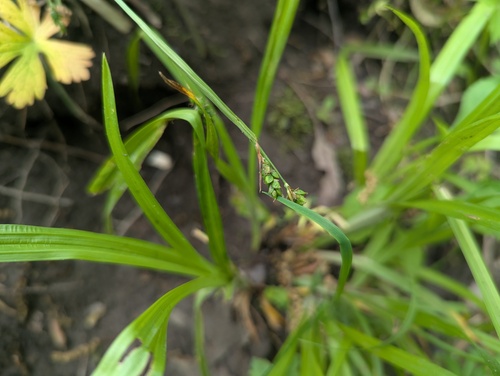
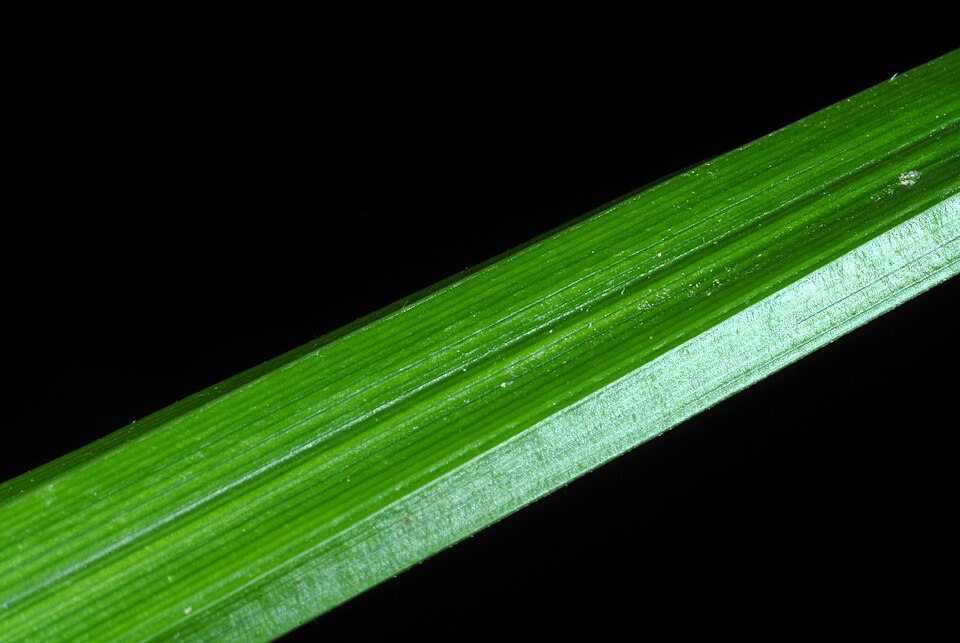
Diet records by plant genus, from studies across North America. Not a record from this state. Plants matched by genus.
Native plants in these genera 144
- Arkansas sedgeCarex arkansana
- Bicknell's SedgeCarex bicknellii
- Bottlebrush SedgeCarex hystericina
- Carex atlantica subsp. atlanticaCarex atlantica subsp. atlantica
- Carex atlantica subsp. capillaceaCarex atlantica subsp. capillacea
- Carex bromoides subsp. bromoidesCarex bromoides subsp. bromoides
- Carex communis var. communisCarex communis var. communis
- Carex scoparia var. scopariaCarex scoparia var. scoparia
- Cedar SedgeCarex planostachys
- Coupled SedgeCarex laxiculmis var. copulata
- Crawes SedgeCarex crawei
- Davis SedgeCarex davisii
- Eastern Fox SedgeCarex triangularis
- False Hair SedgeCarex bulbostylis
- Hammock SedgeCarex fissa
- Inland SedgeCarex interior
- Little Tooth SedgeCarex microdonta
- Muskingum River SedgeCarex muskingumensis
- Ouachita Mountain SedgeCarex ouachitana
- Ozark SedgeCarex ozarkana
- Prairie Straw SedgeCarex suberecta
- Pubescent SedgeCarex hirtifolia
- Shinner's SedgeCarex shinnersii
- Shorts SedgeCarex shortiana
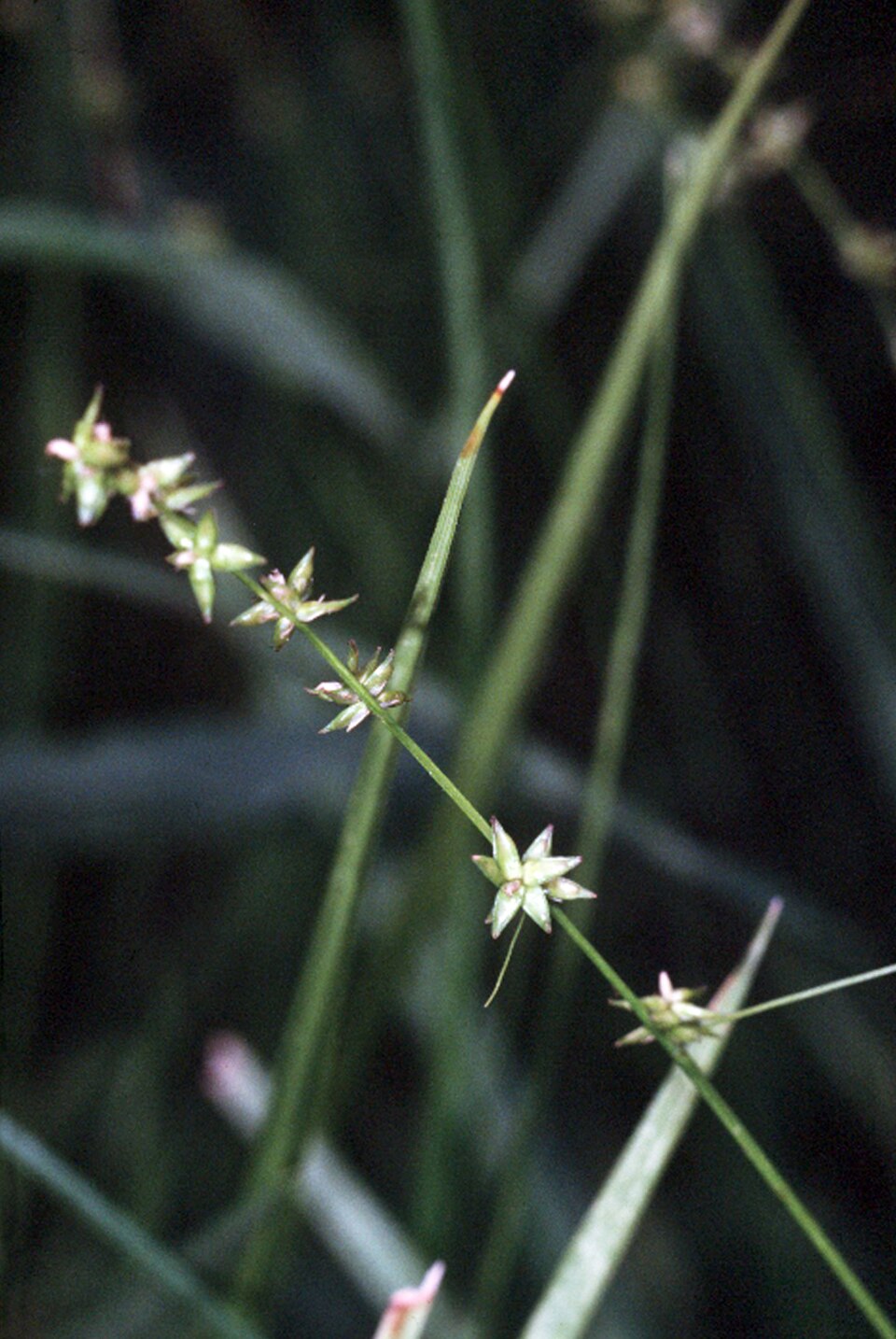
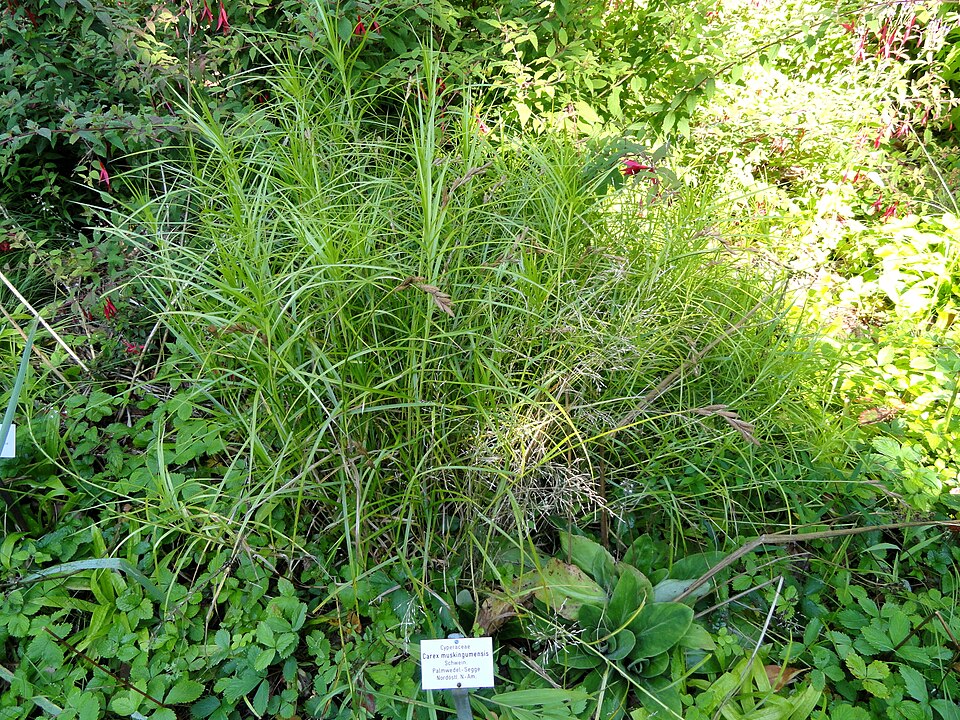
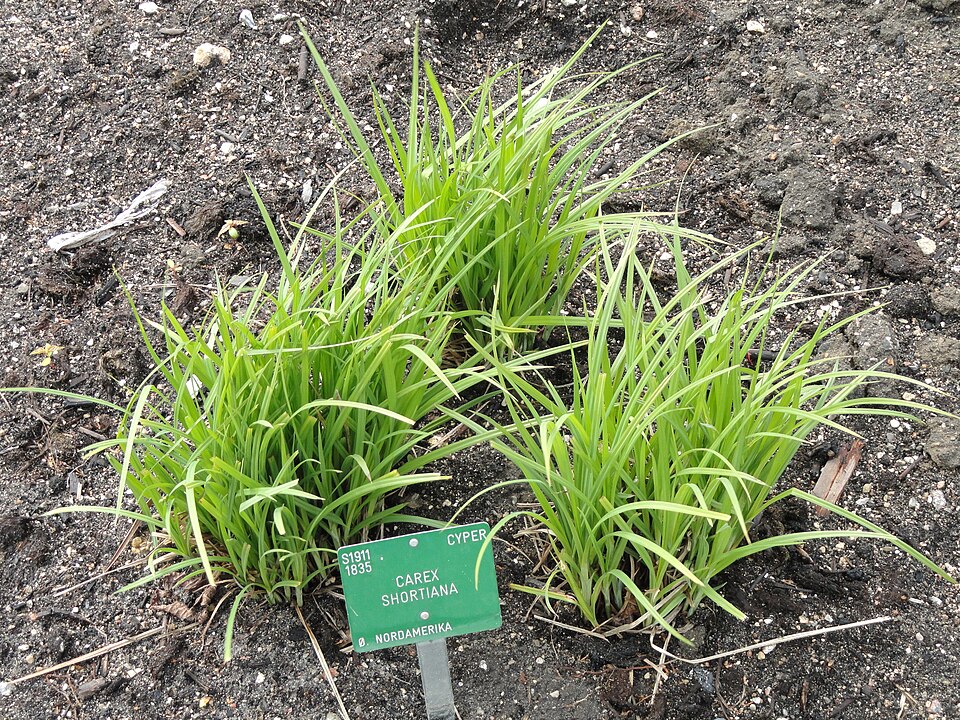
Plant genera in its diet records (2)
Also found in its main habitats
Its main habitats in Arkansas, by how much of its habitat model each one is, with the birds most characteristic of each and the plants that grow wild there. Shared habitat, not food.
Roadsides, fields and disturbed ground
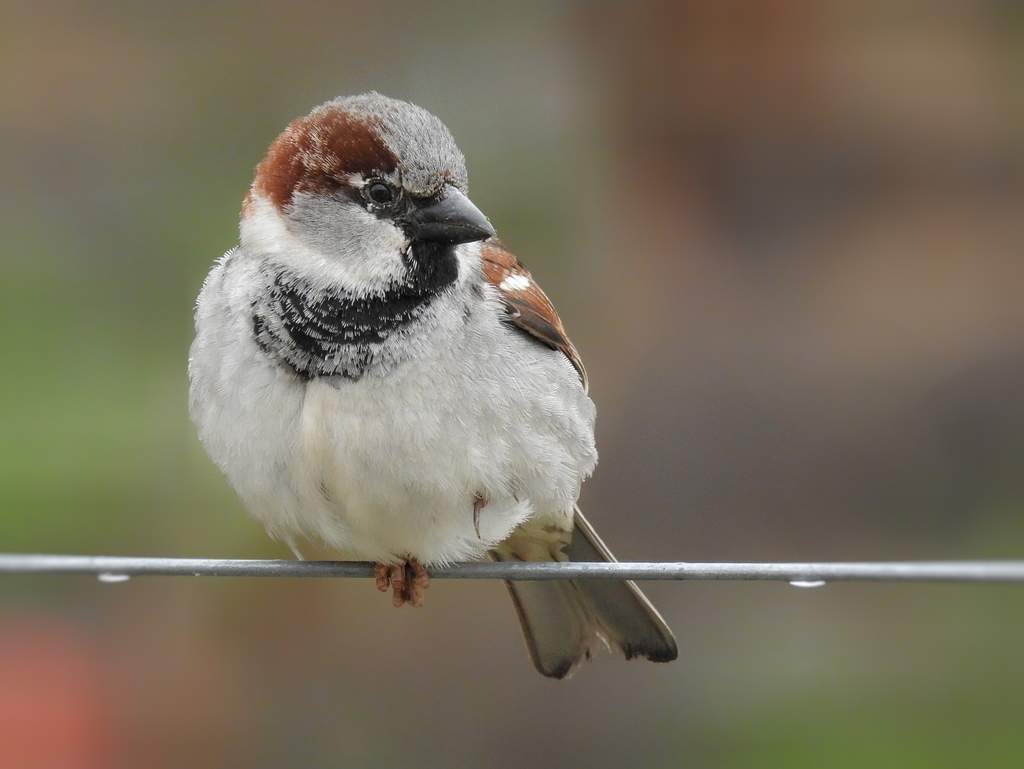
Birds 100
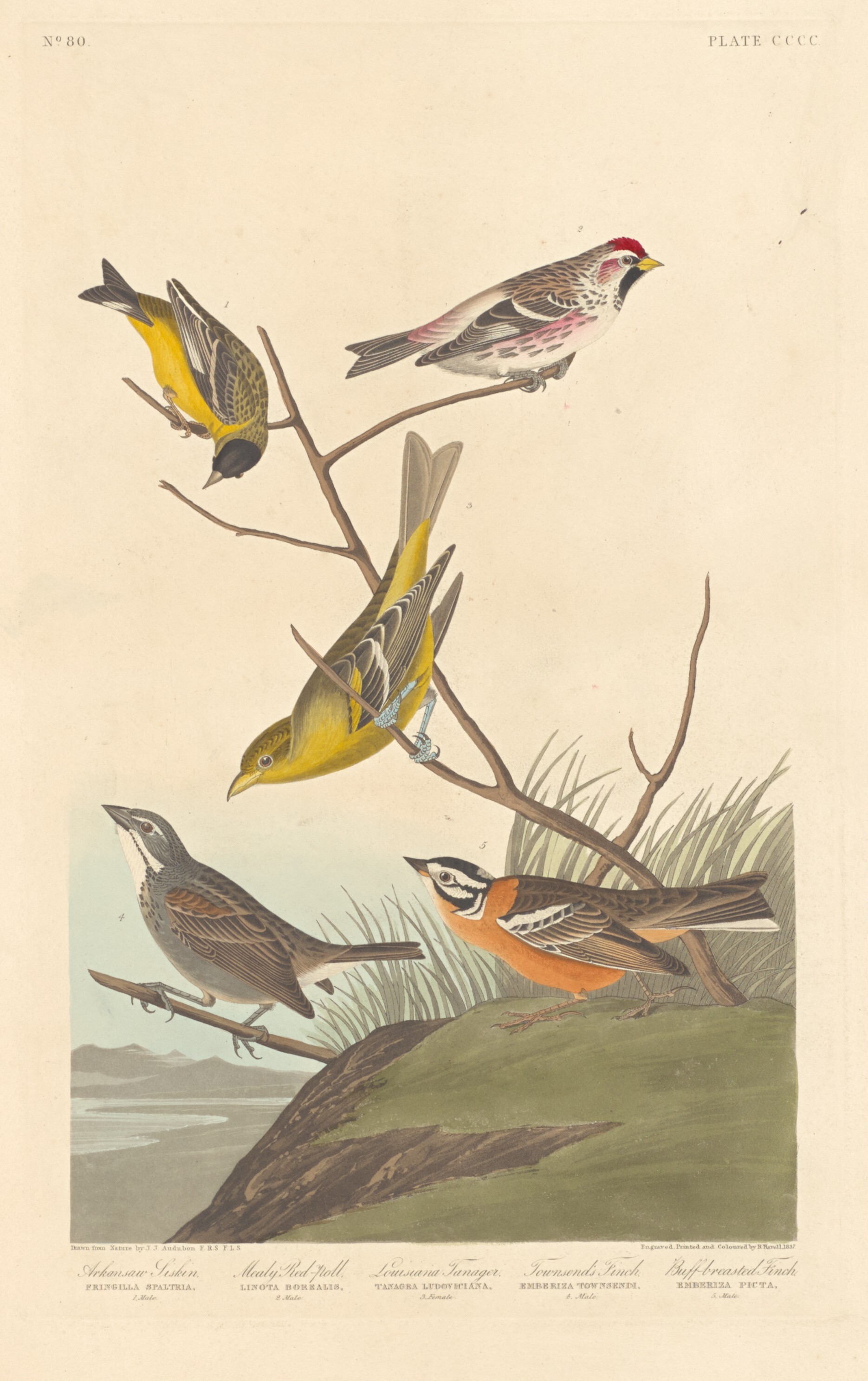
- House SparrowPasser domesticus
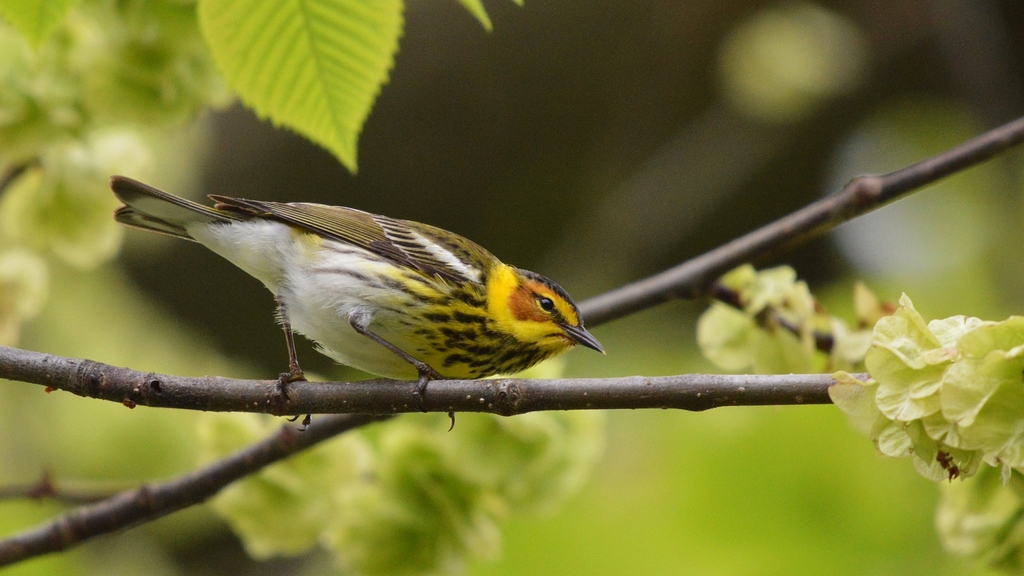
- Cape May WarblerDendroica tigrina
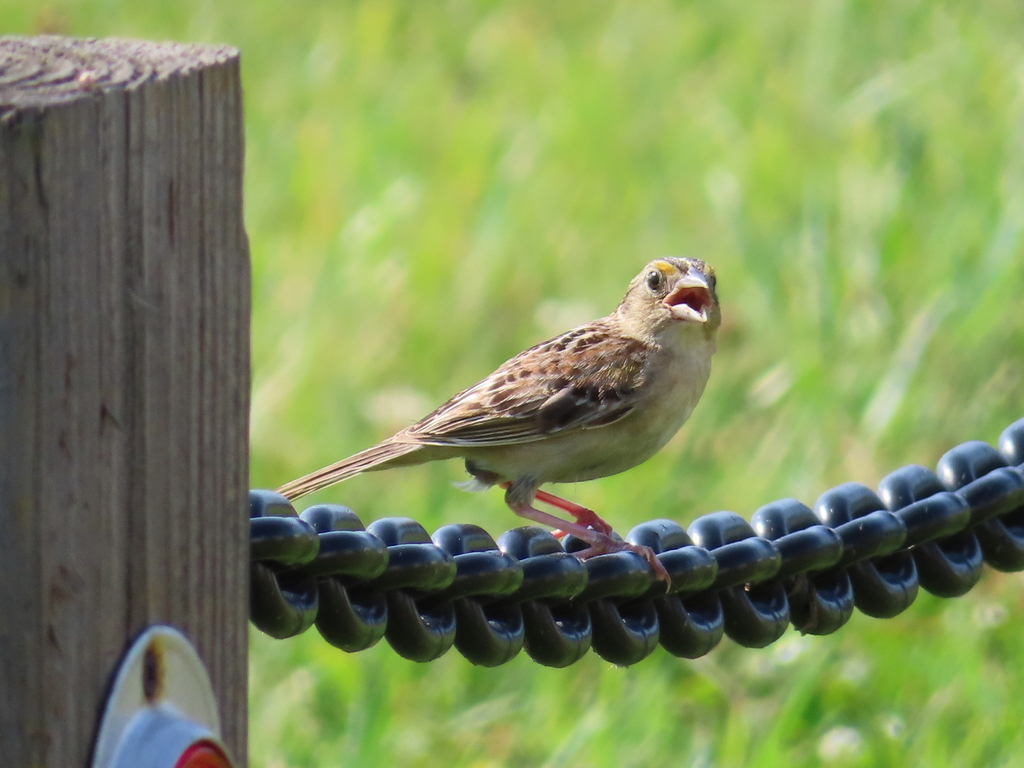
- Grasshopper SparrowAmmodramus savannarum
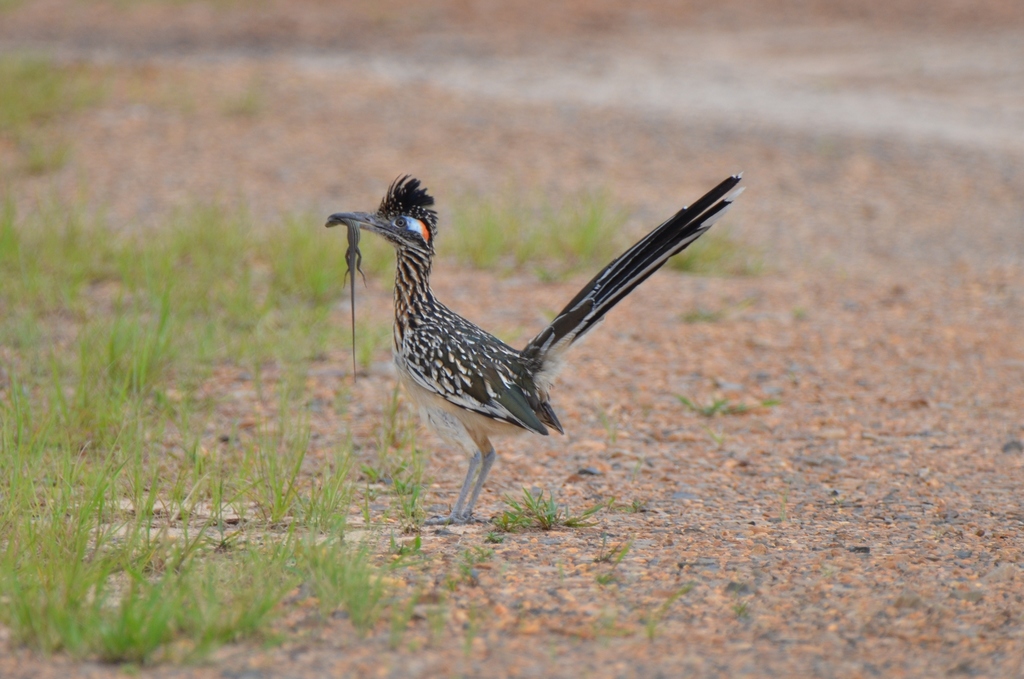
- Greater RoadrunnerGeococcyx californianus
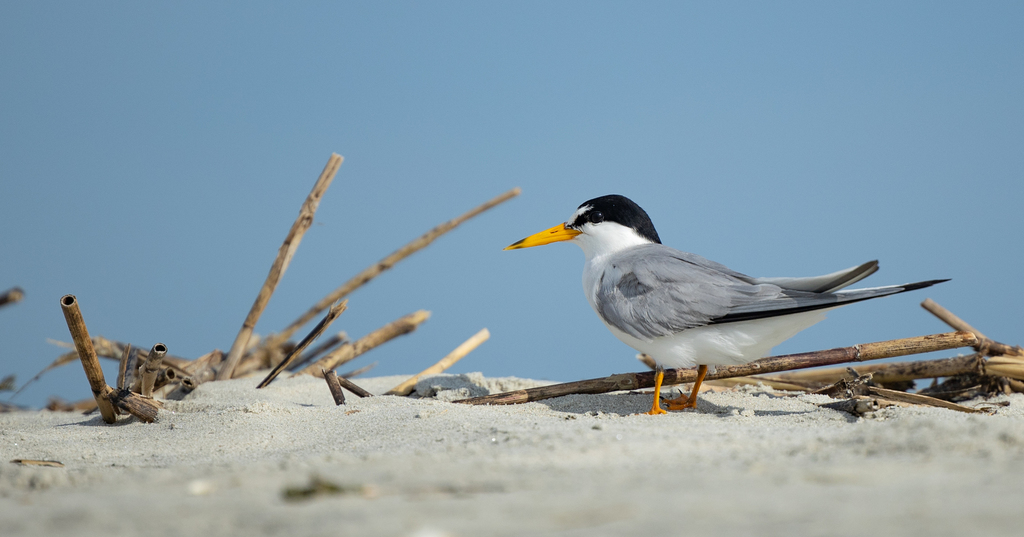
- Interior Least TernSternula antillarum athalassos
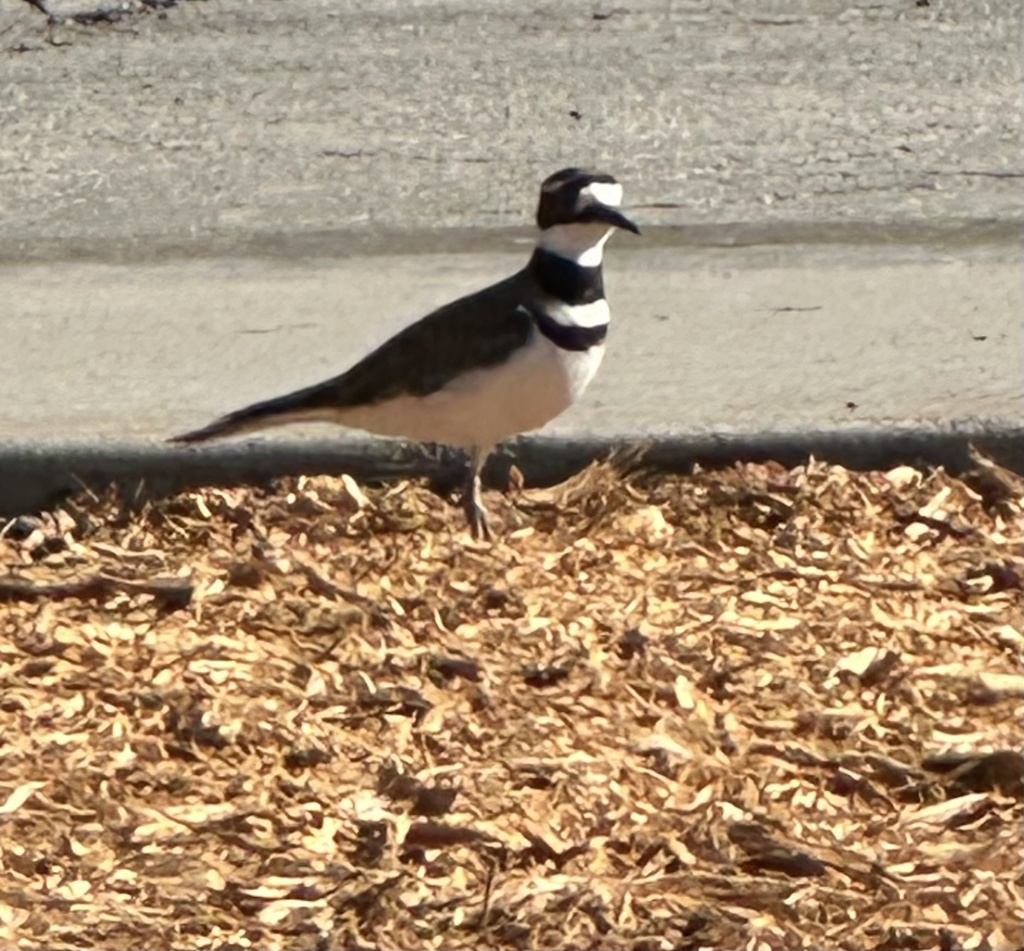
- KilldeerCharadrius vociferus
- Least TernSternula antillarum
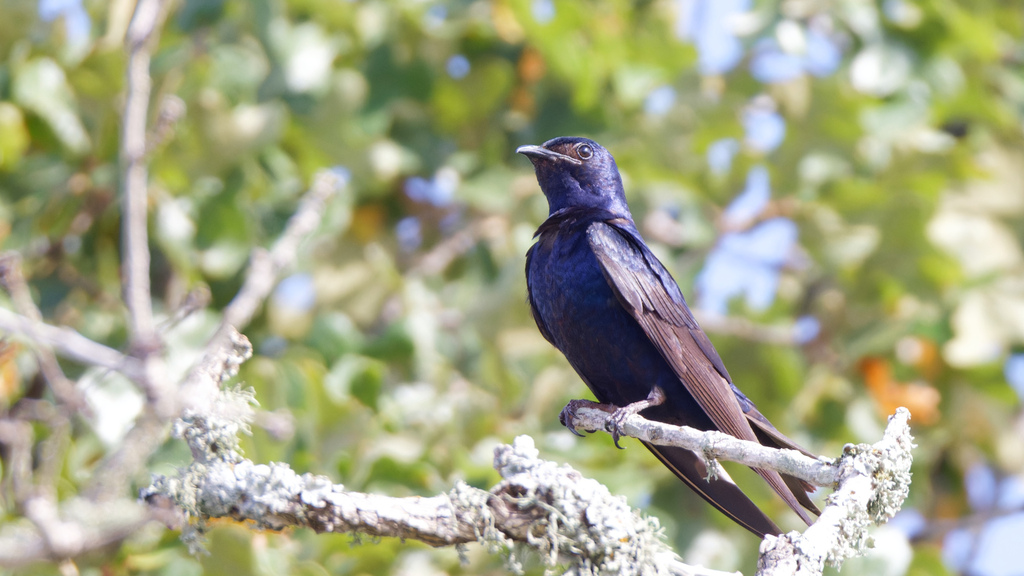
- Purple MartinProgne subis
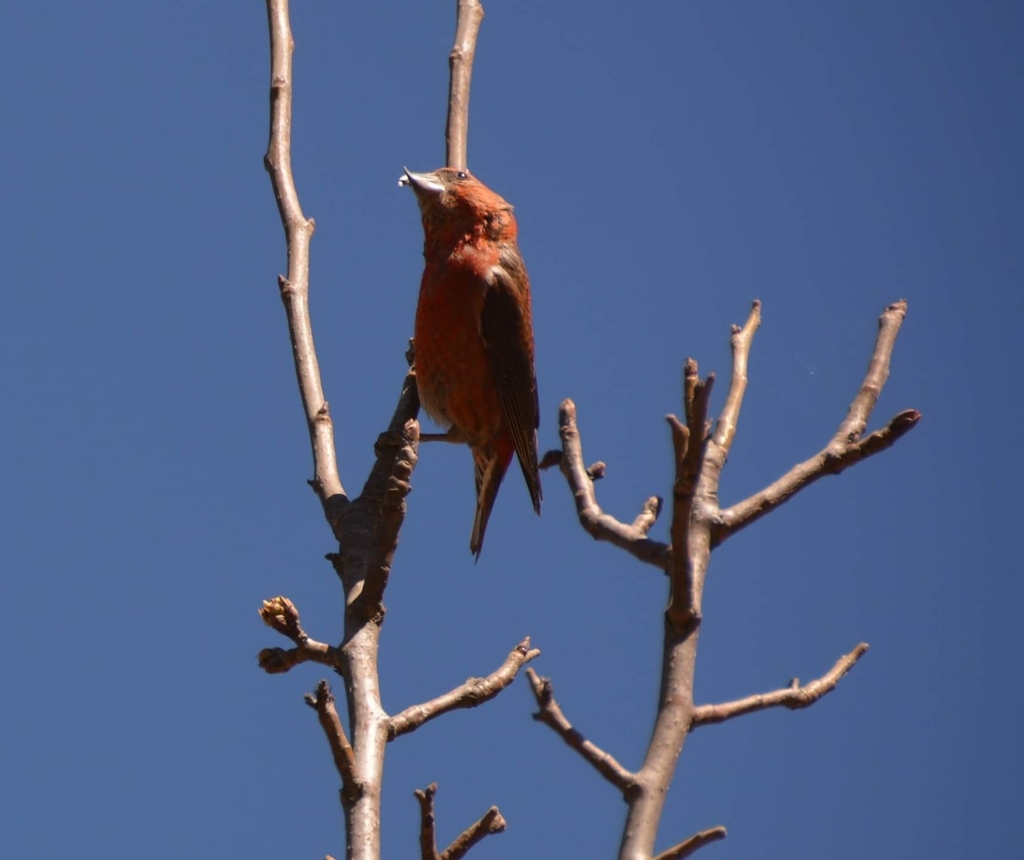
- Red CrossbillLoxia curvirostra
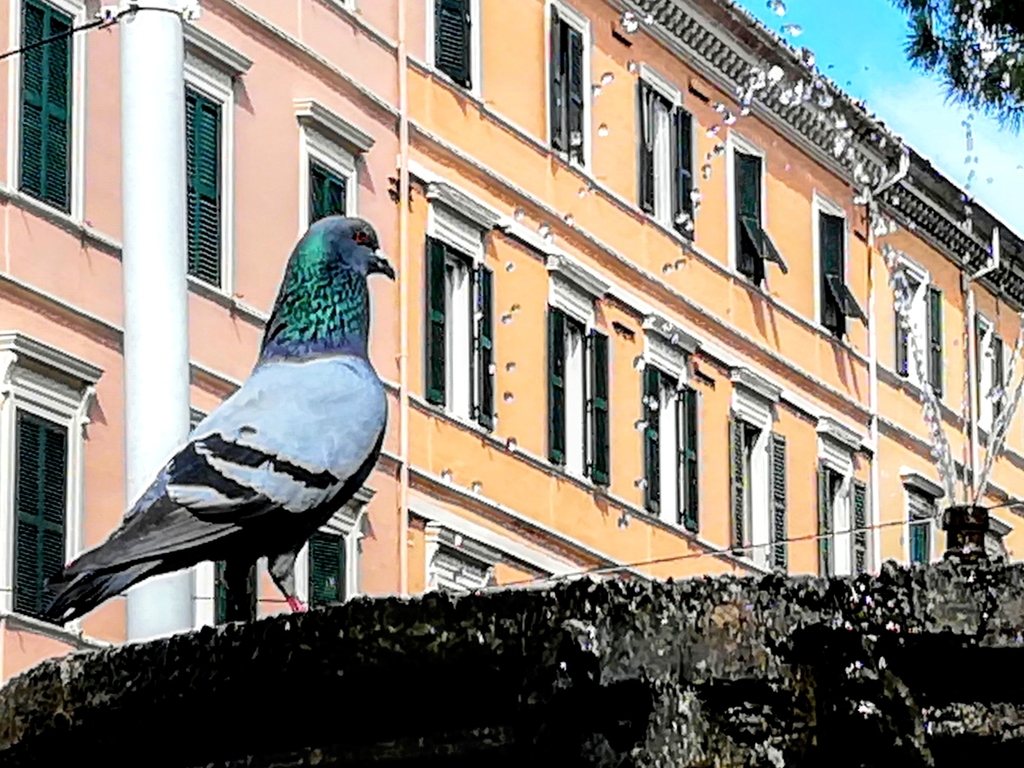
- Rock PigeonColumba livia
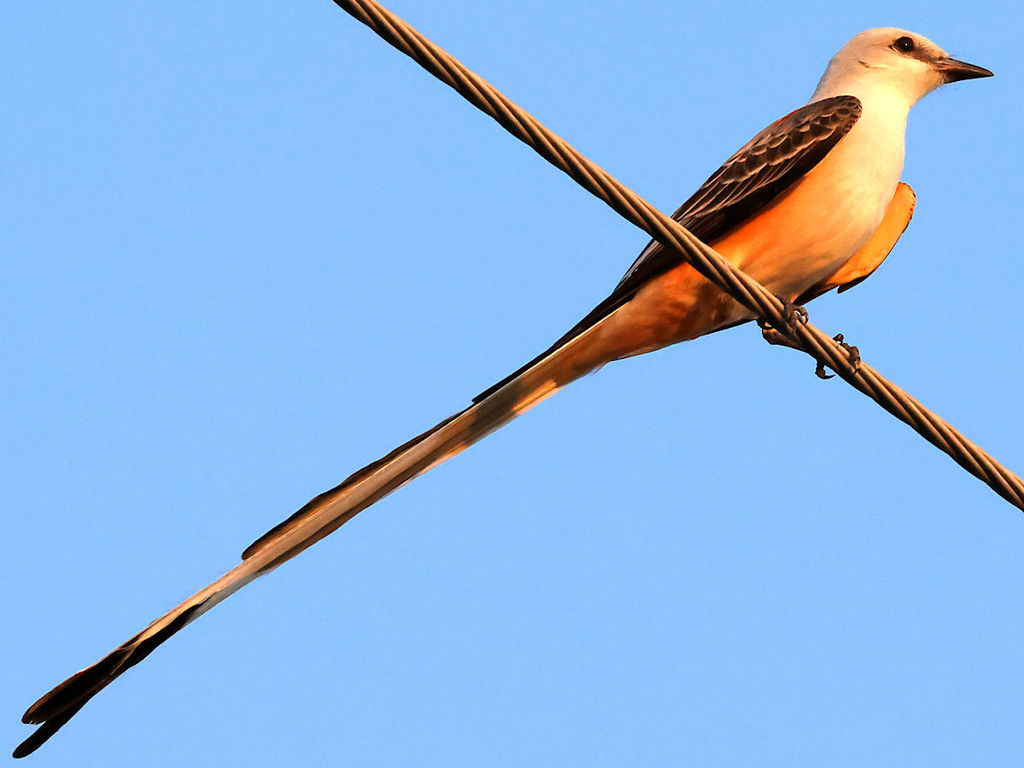
- Scissor-tailed FlycatcherTyrannus forficatus
- Smith's LongspurCalcarius pictus
Plants 888
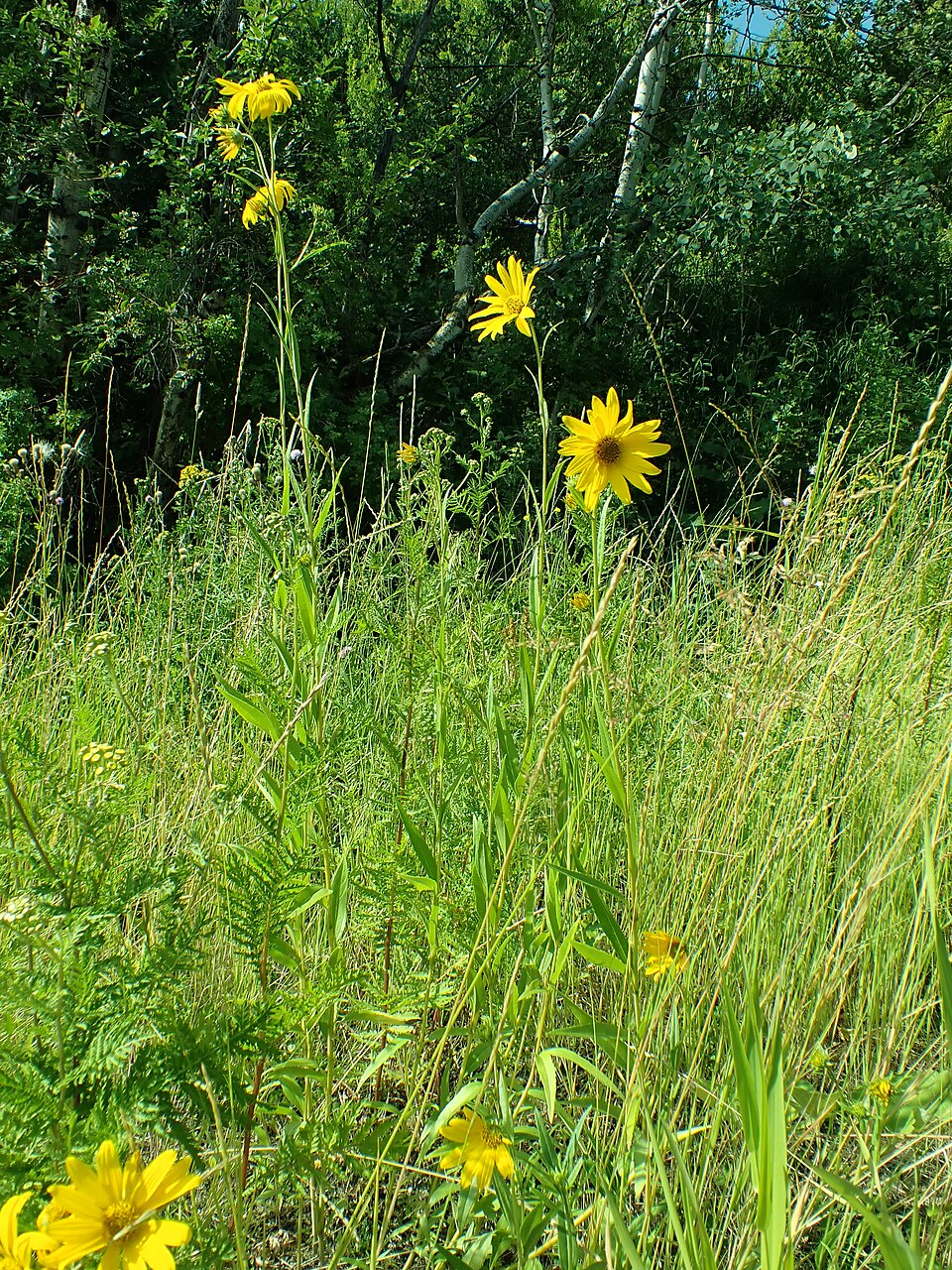
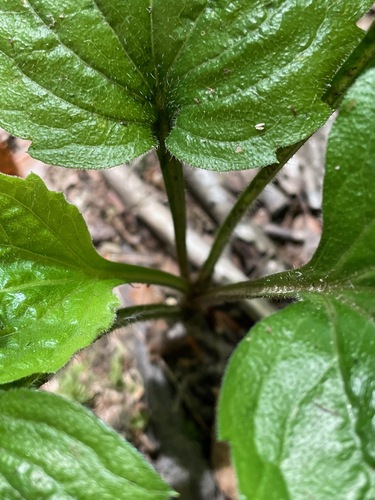
- Maximilian SunflowerHelianthus maximiliani
- Muck SunflowerHelianthus simulans
- Annual FleabaneErigeron annuus
- Canada LettuceLactuca canadensis
- Common Evening-primroseOenothera biennis
- Cutleaf Evening-primroseOenothera laciniata
- Dog-fennelEupatorium capillifolium
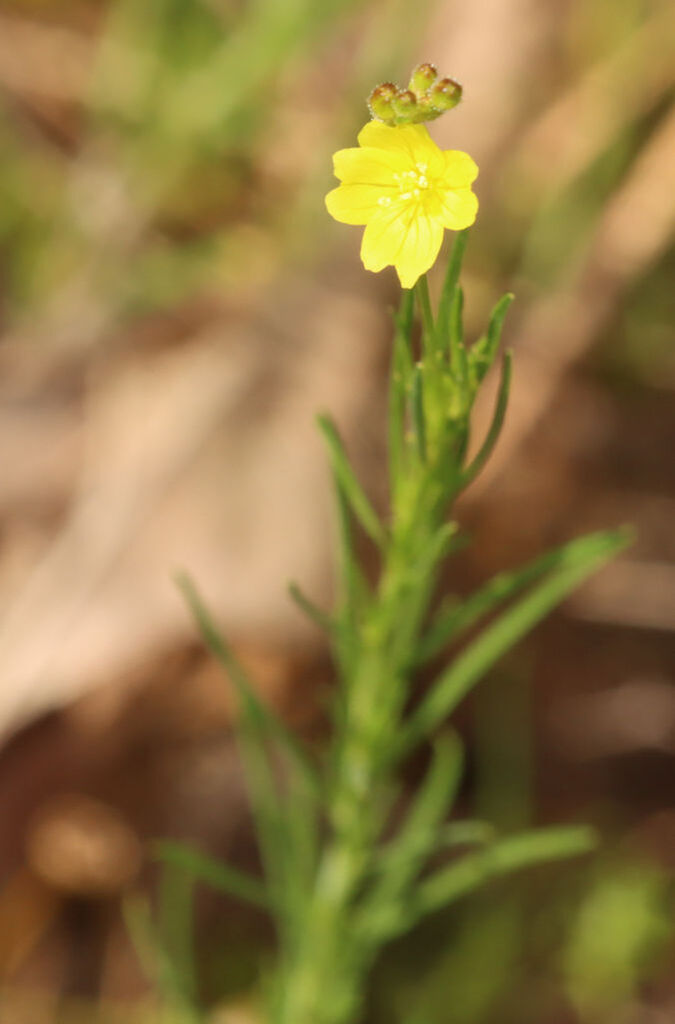
- Threadleaf SundropsOenothera linifolia
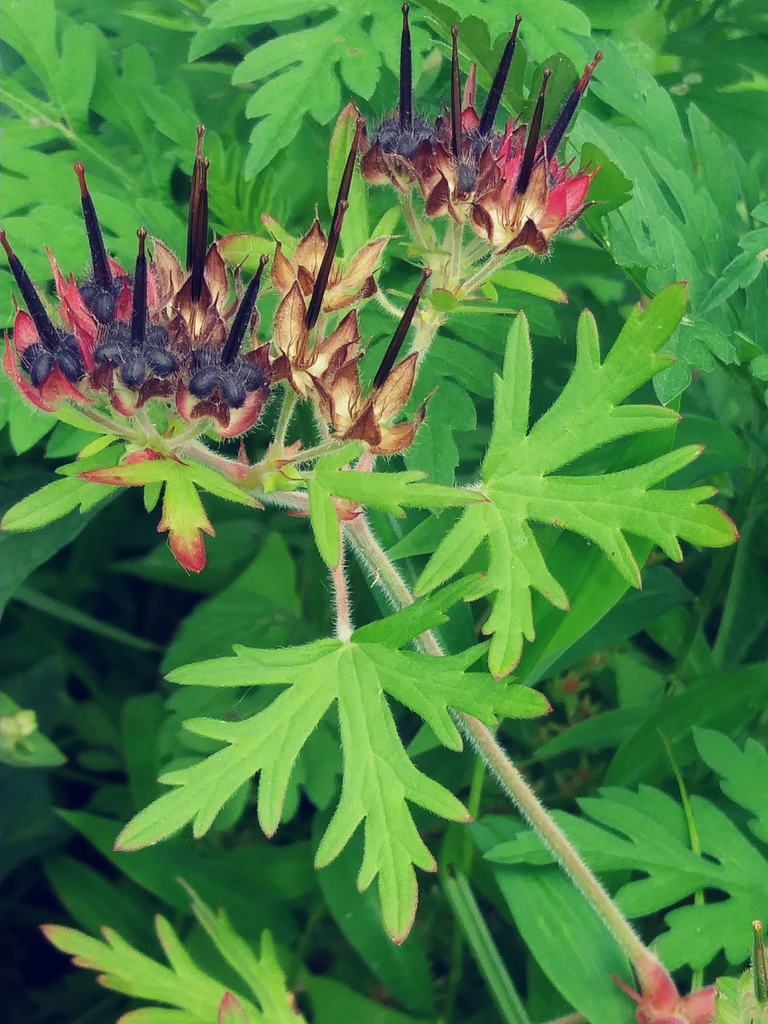
- Carolina Crane's-billGeranium carolinianum
- Bushy KnotweedPolygonum ramosissimum subsp. prolificum
- Blackeyed SusanRudbeckia hirta var. pulcherrima
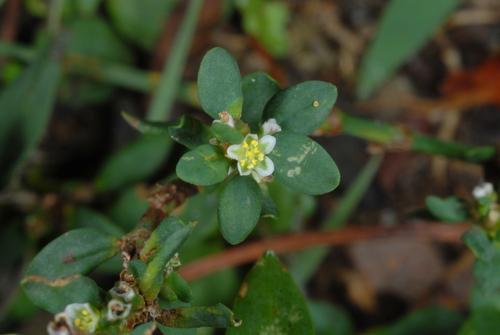
- Prostrate KnotweedPolygonum aviculare
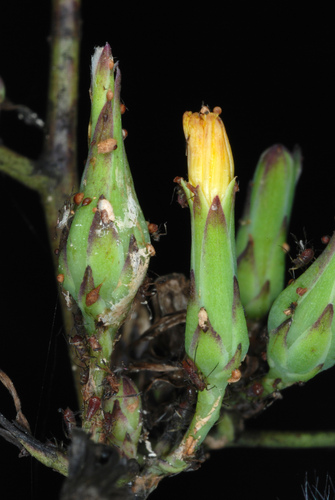
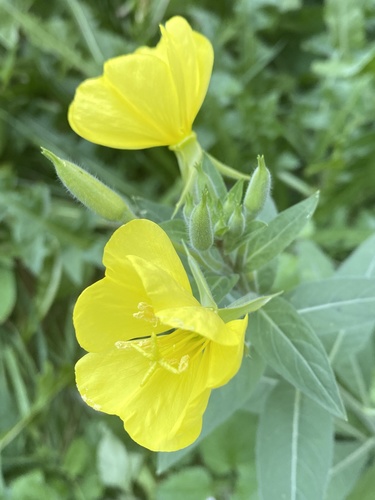
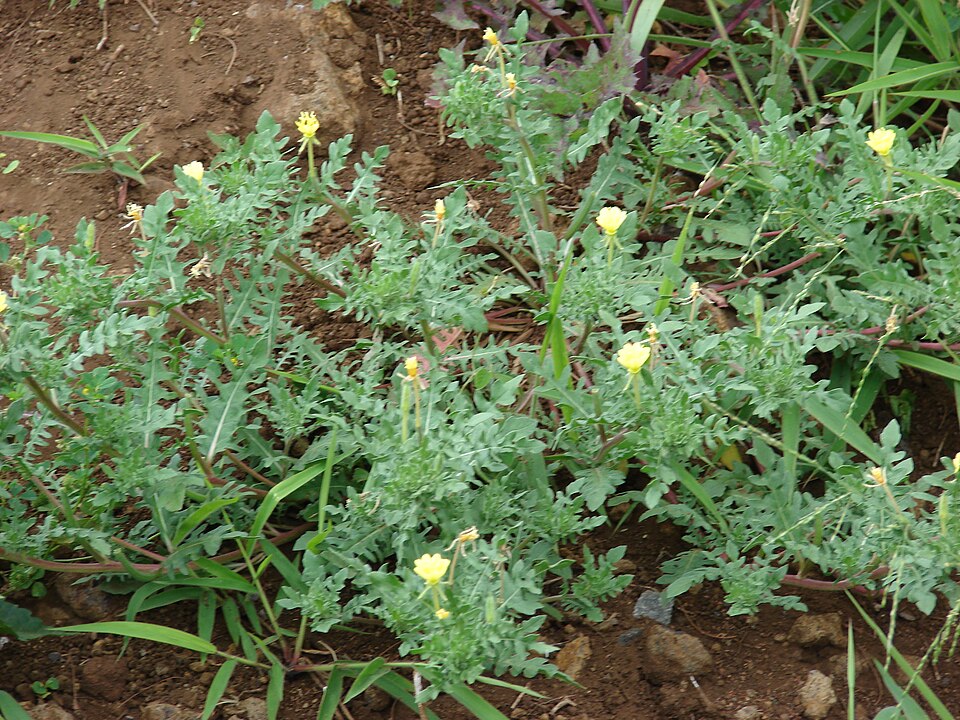
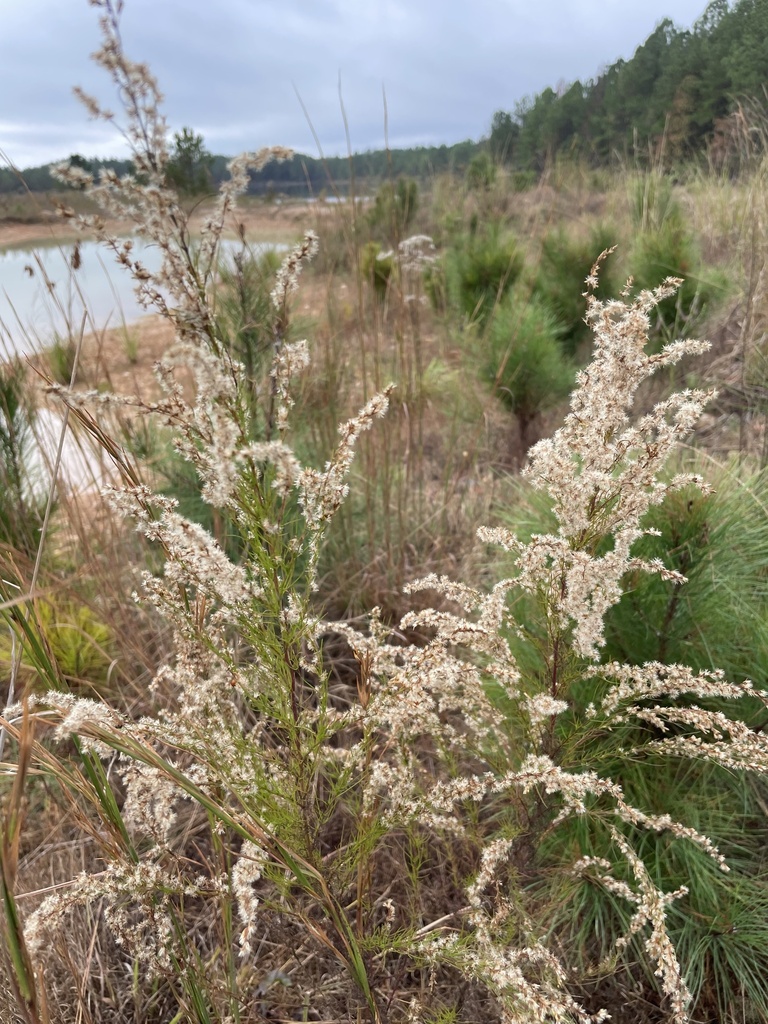
Disturbed and introduced wetlands
Birds 121
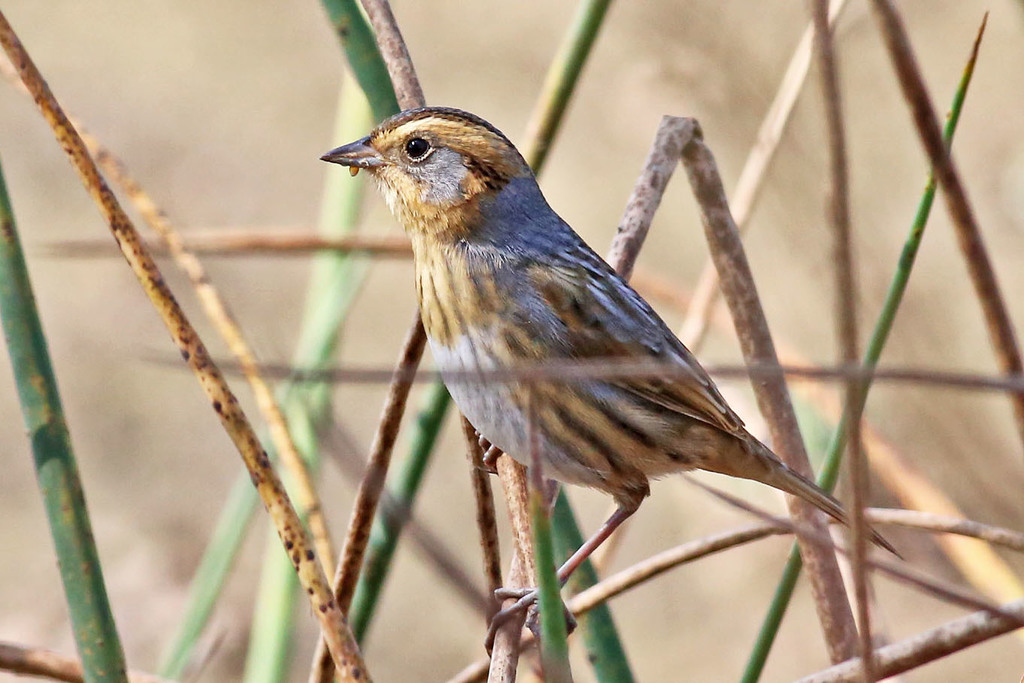
- Nelson's Sharp-tailed SparrowAmmodramus nelsoni
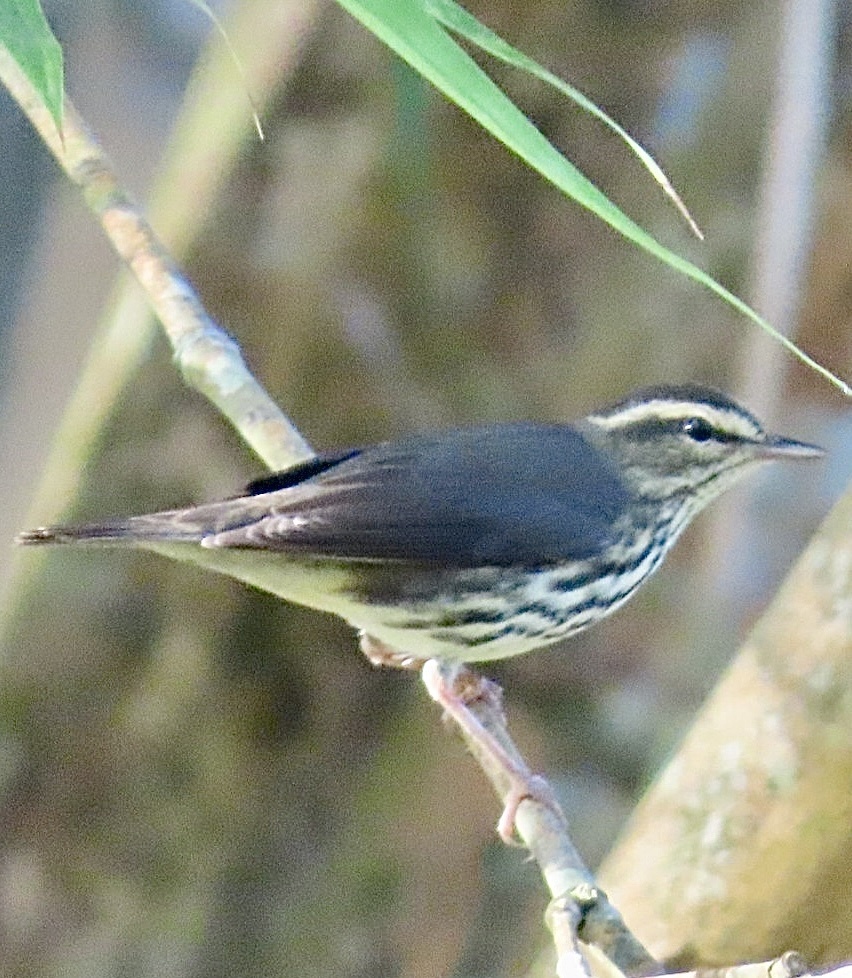
- Northern WaterthrushSeiurus noveboracensis
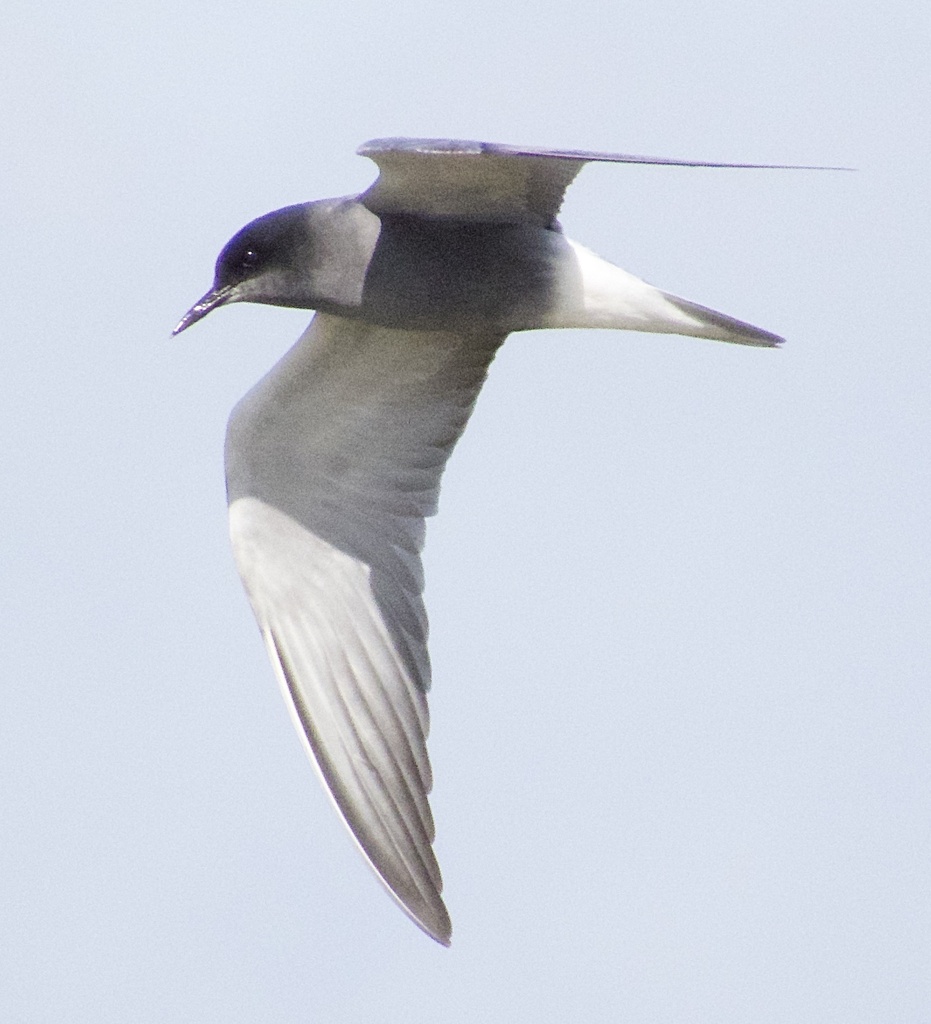
- Black TernChlidonias niger
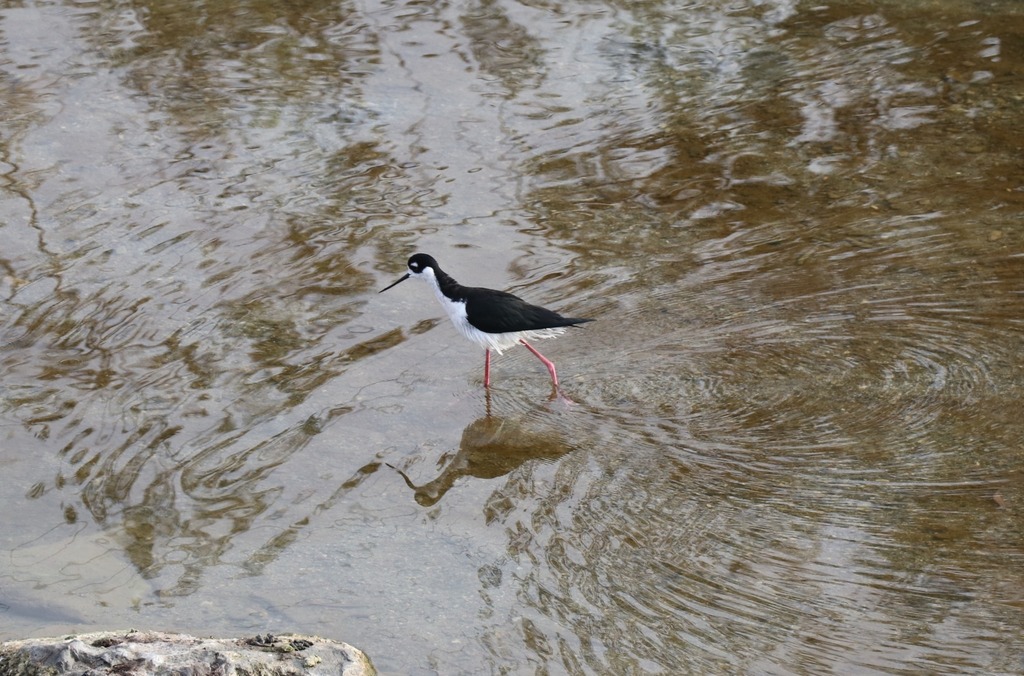
- Black-necked StiltHimantopus mexicanus
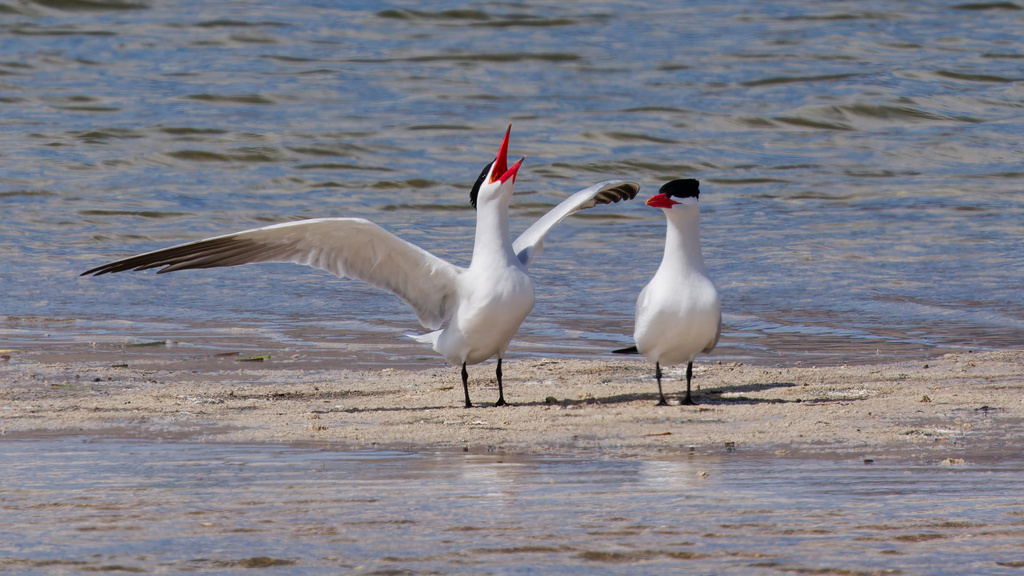
- Caspian TernHydroprogne caspia
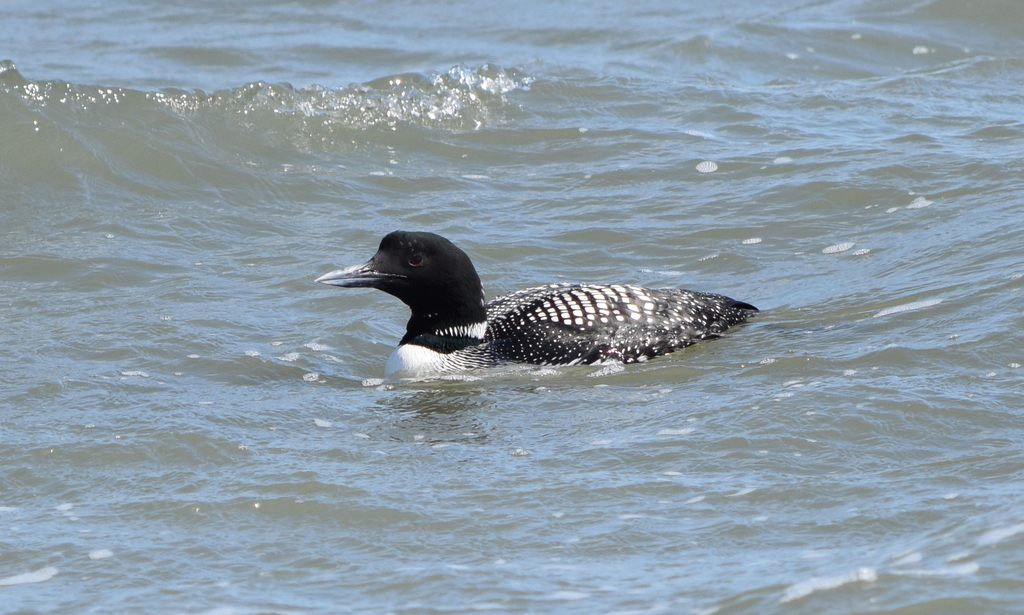
- Common LoonGavia immer
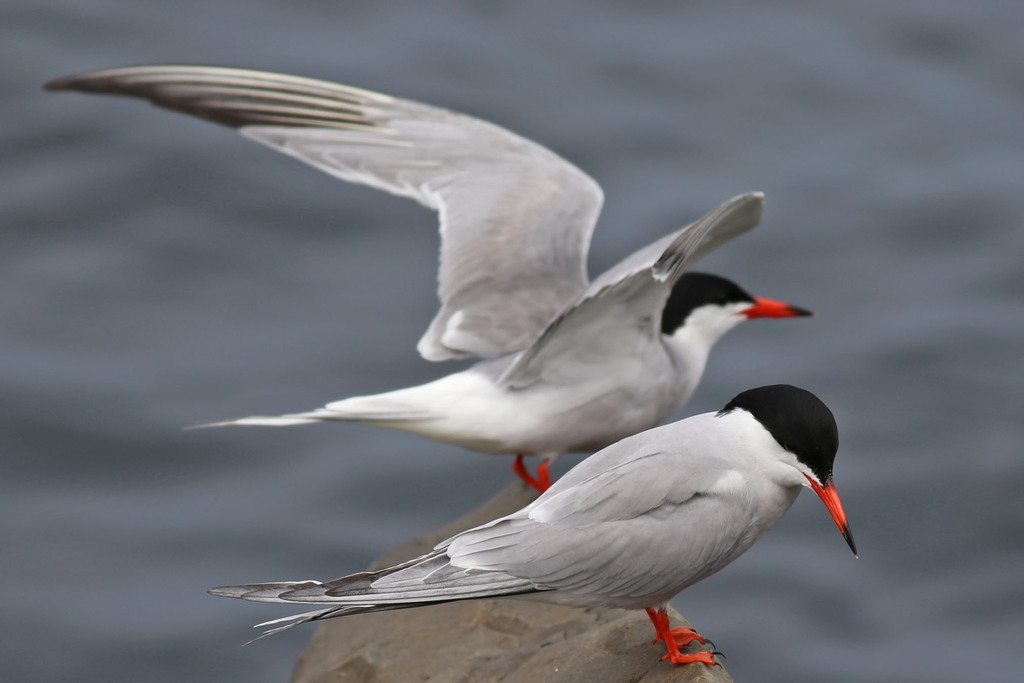
- Common TernSterna hirundo
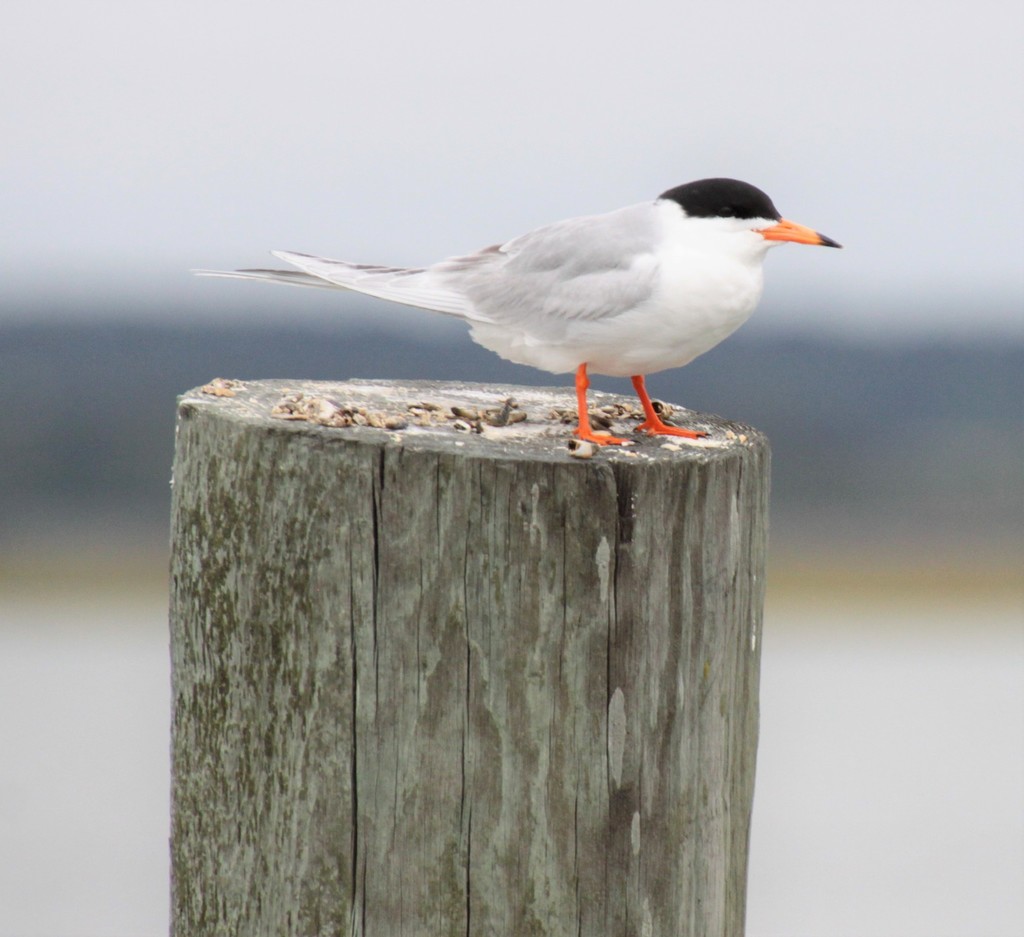
- Forster's TernSterna forsteri
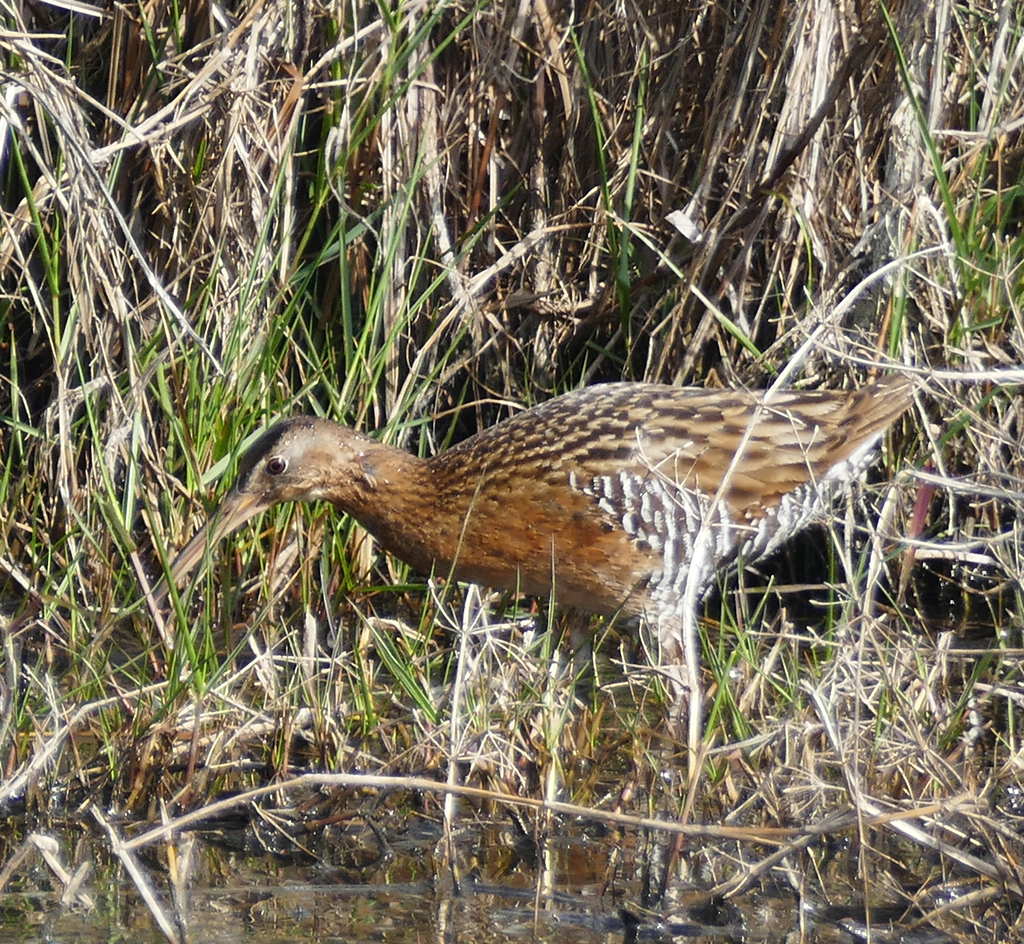
- King RailRallus elegans
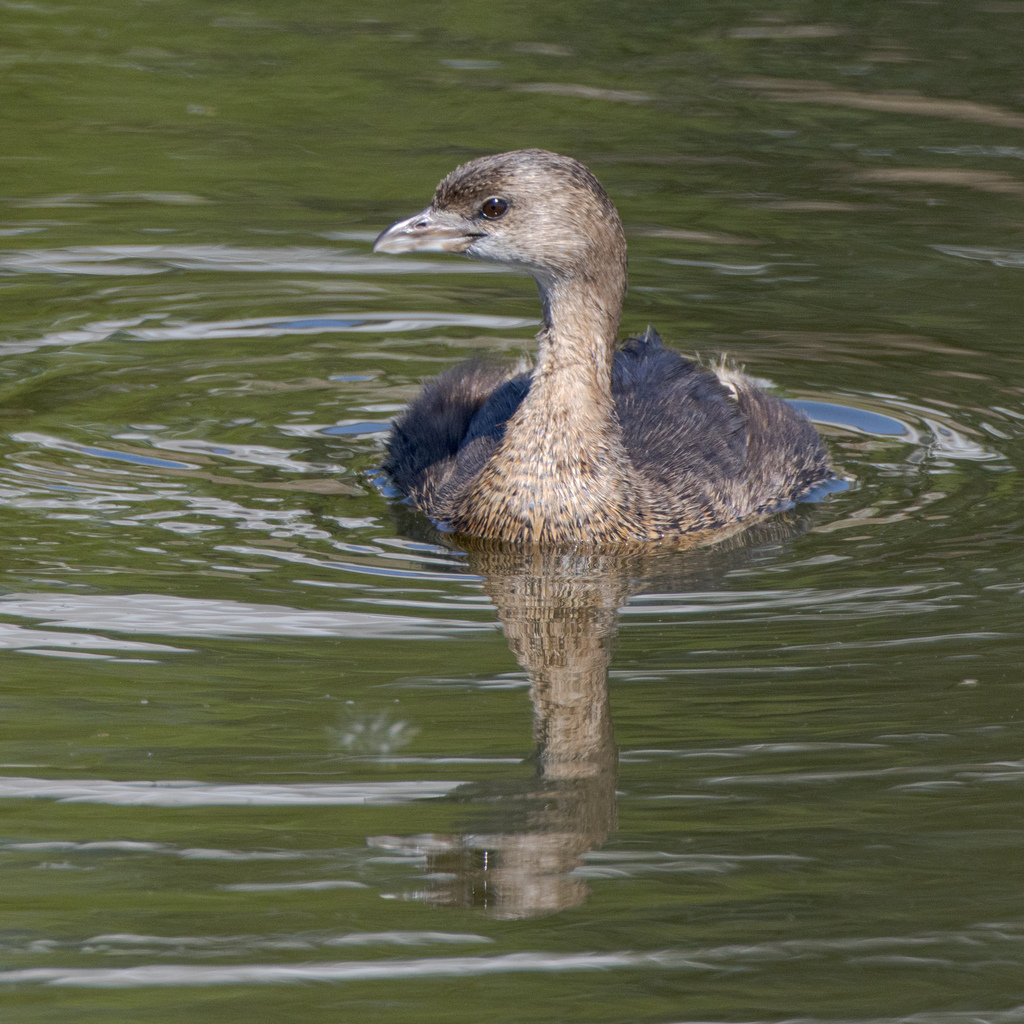
- Pied-billed GrebePodilymbus podiceps
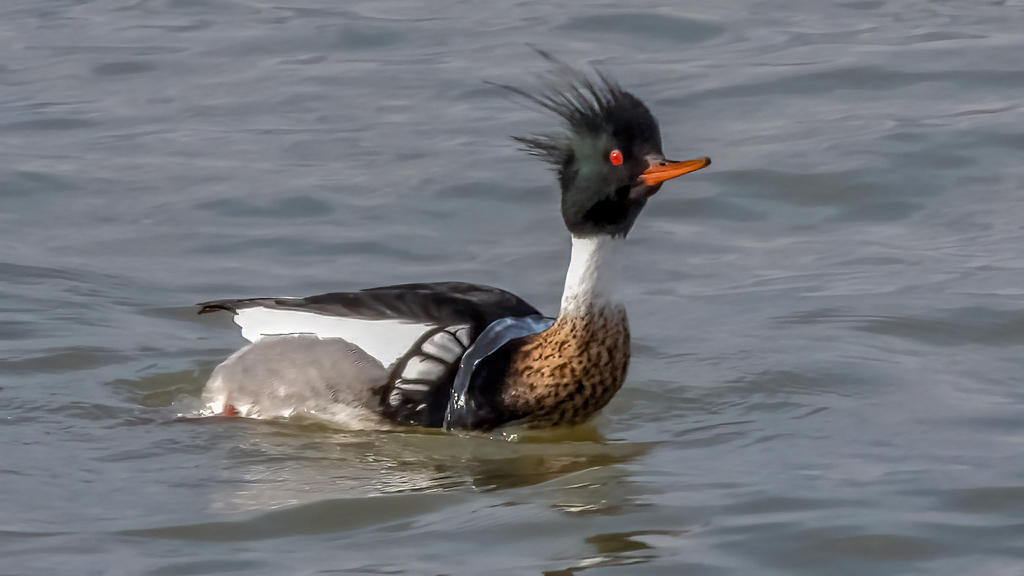
- Red-breasted MerganserMergus serrator
- Western SandpiperCalidris mauri
Plants 17
- Slender FimbryFimbristylis autumnalis
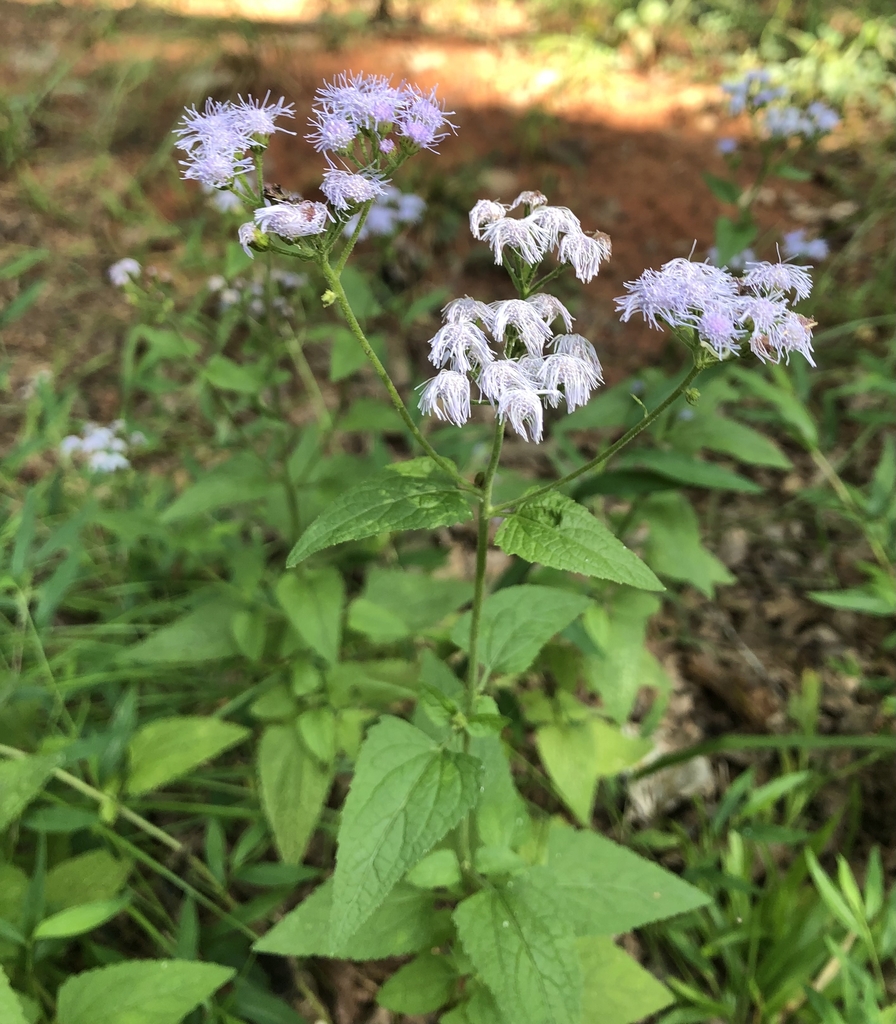
- Blue MistflowerConoclinium coelestinum
- BagpodGlottidium vesicarium
- Oklahoma SedgeCarex oklahomensis
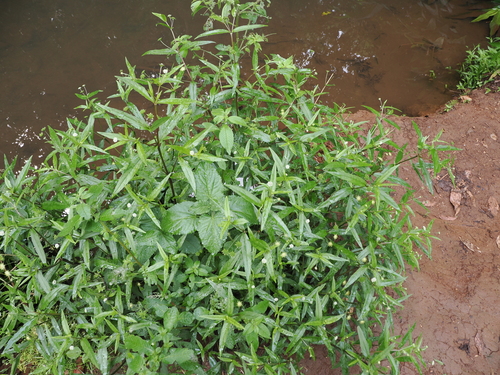
- False DaisyEclipta prostrata
- Blunt Spike RushEleocharis obtusa
- Bristly SedgeCarex comosa
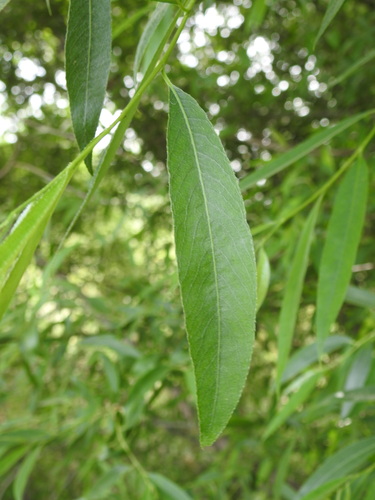
- Heart Leaf WillowSalix eriocephala
- Southern Marsh YellowcressRorippa teres
- Sensitive FernOnoclea sensibilis
- White WillowSalix alba
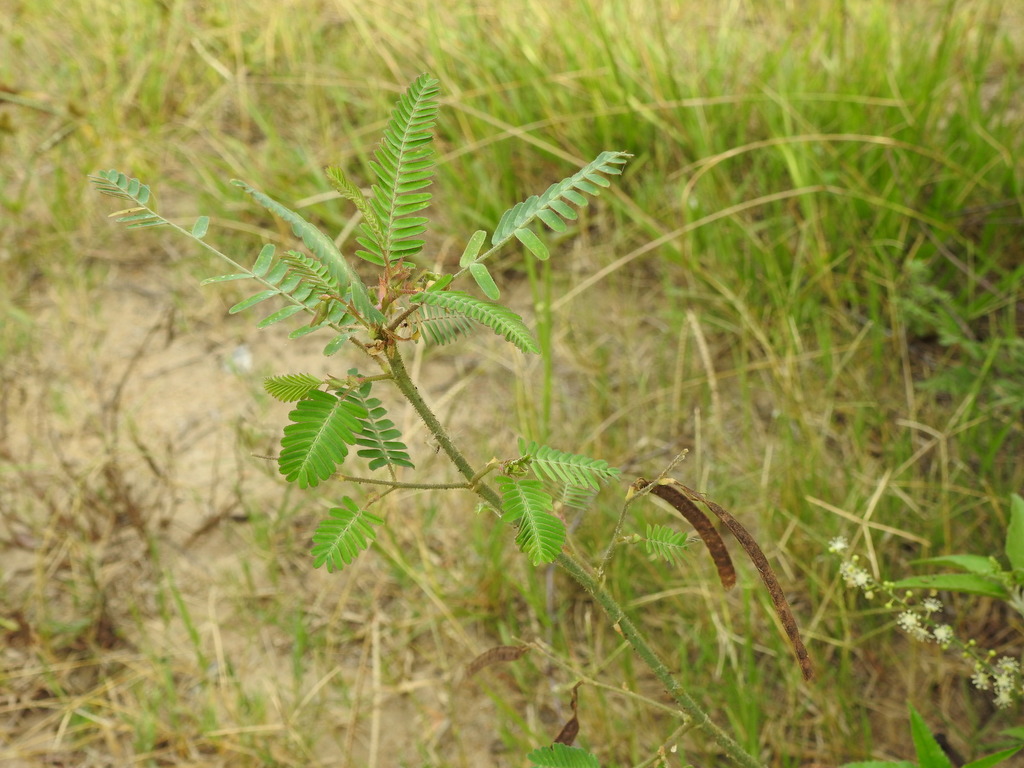
- Zigzag JointvetchAeschynomene rudis
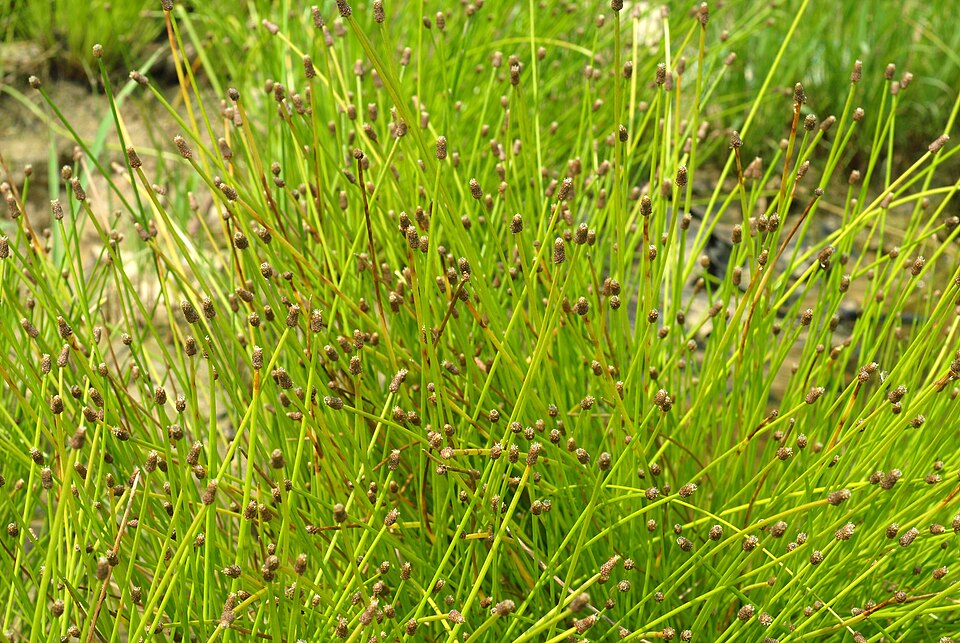
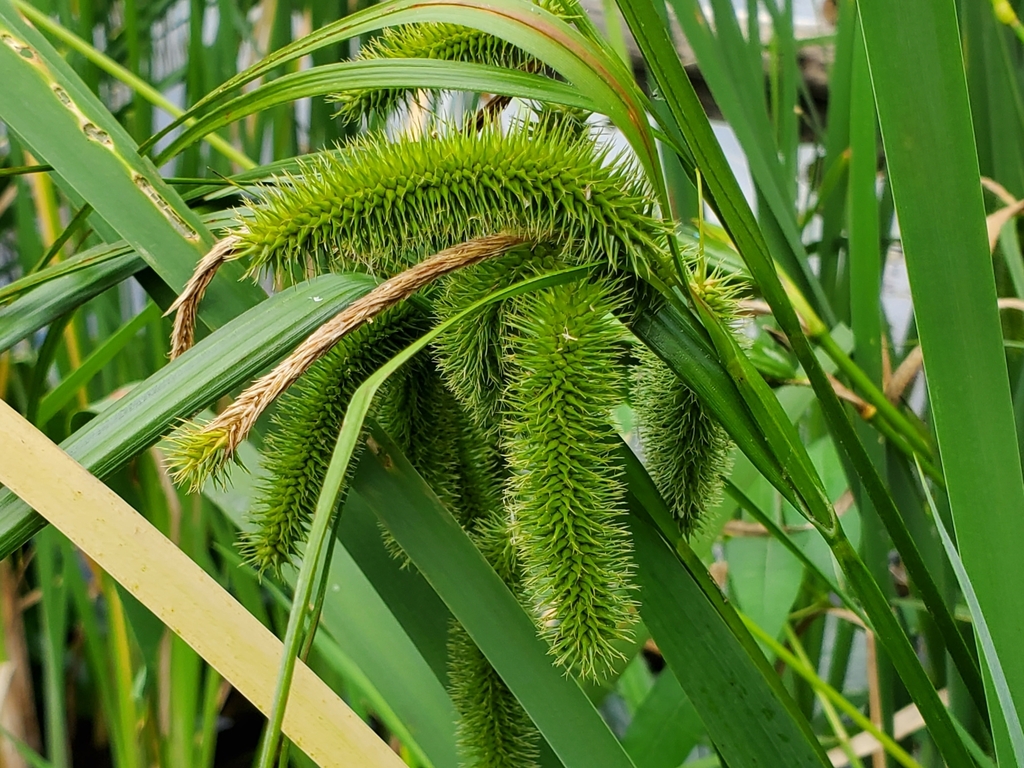
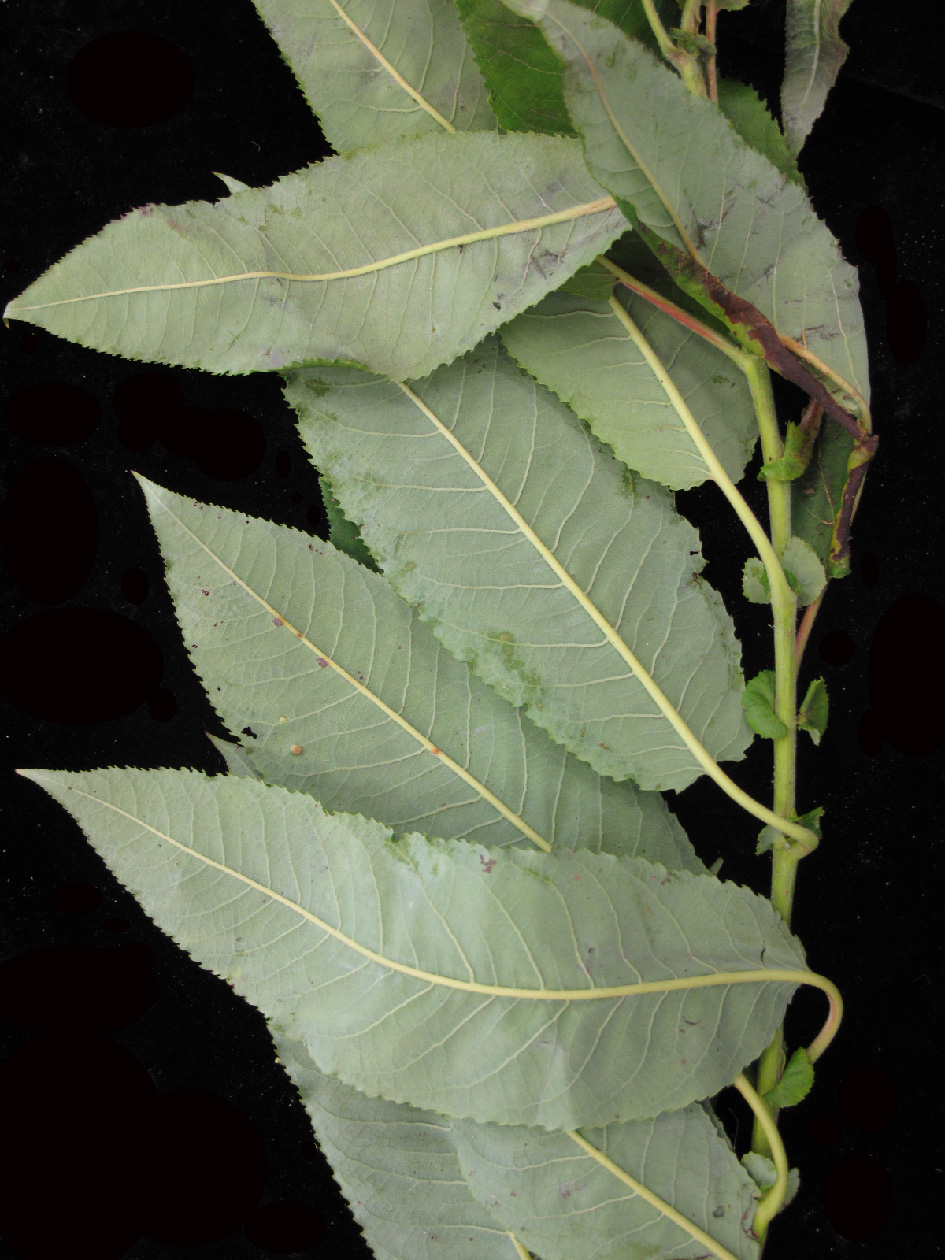
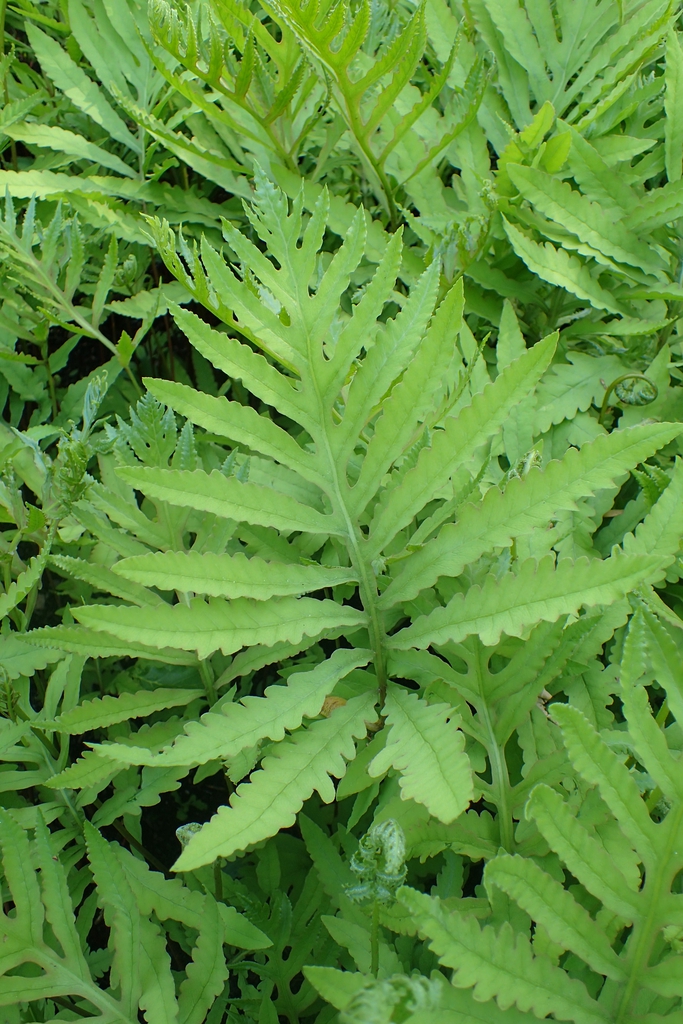
Prairies and grasslands
Birds 48
- Grasshopper SparrowAmmodramus savannarum
- KilldeerCharadrius vociferus
- Scissor-tailed FlycatcherTyrannus forficatus
- Smith's LongspurCalcarius pictus
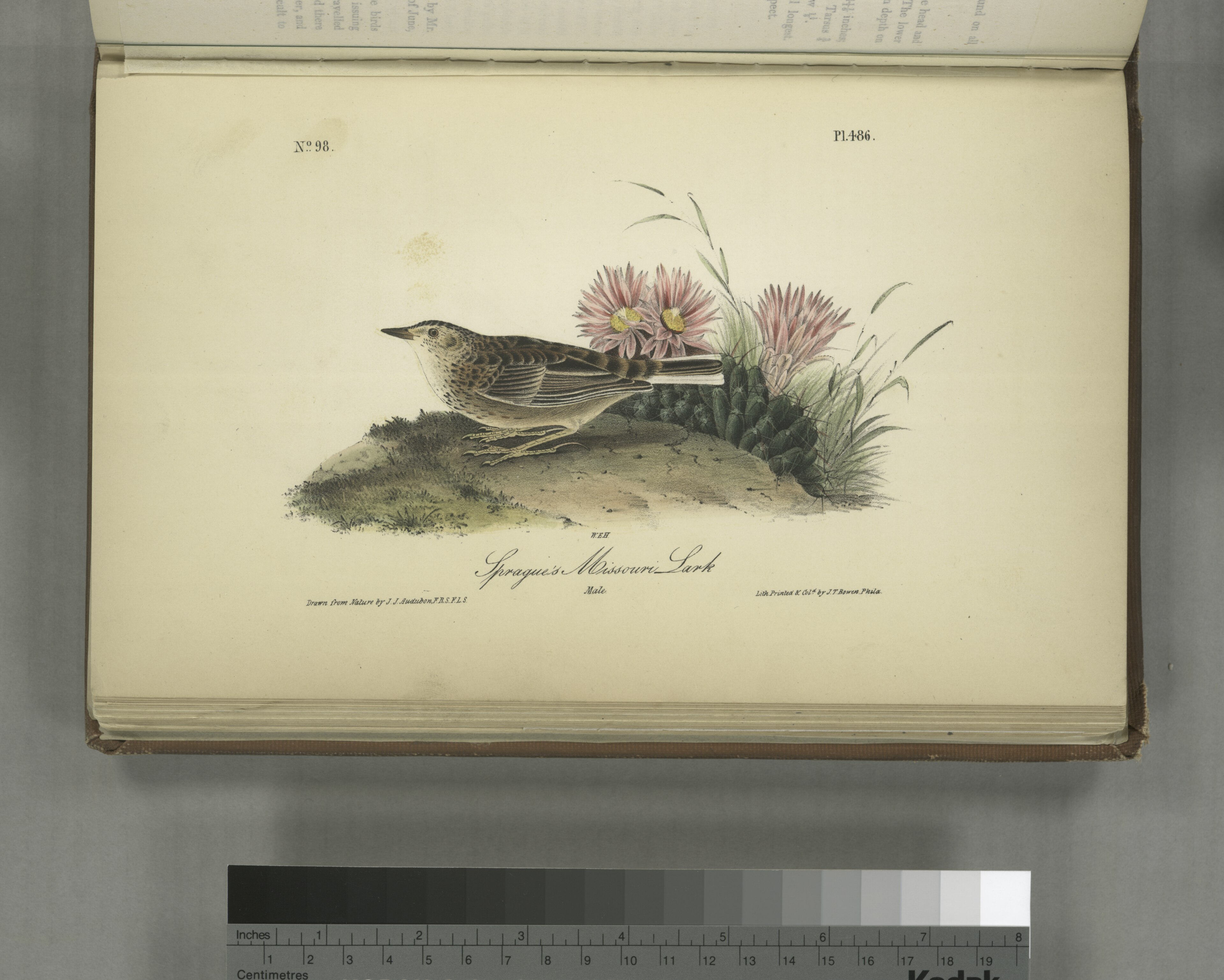
- Sprague's PipitAnthus spragueii
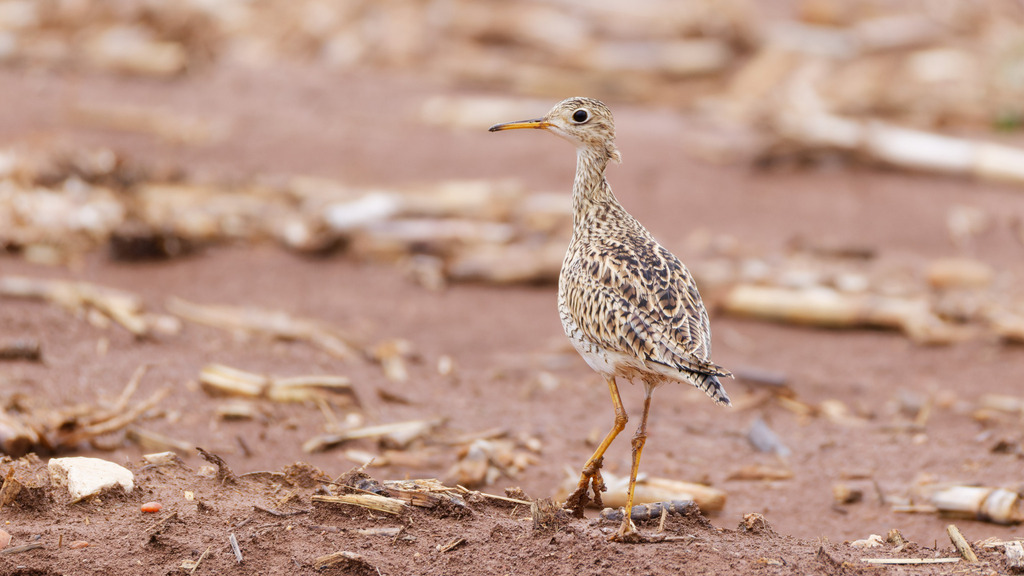
- Upland SandpiperBartramia longicauda
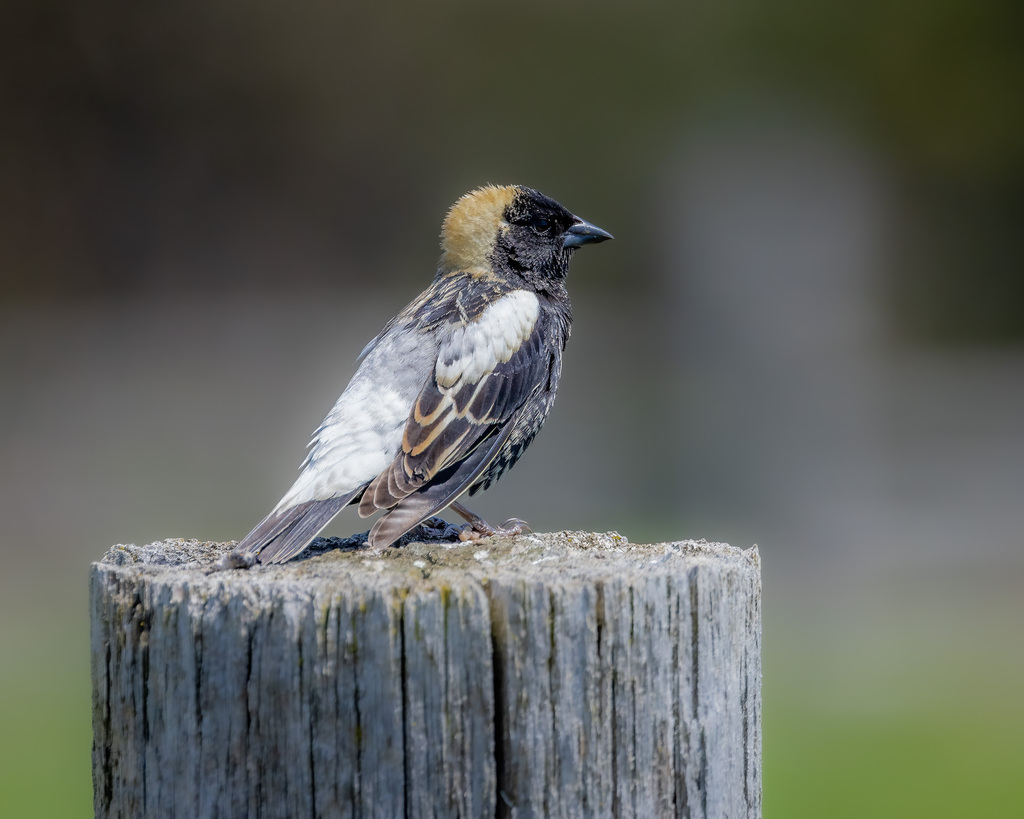
- BobolinkDolichonyx oryzivorus
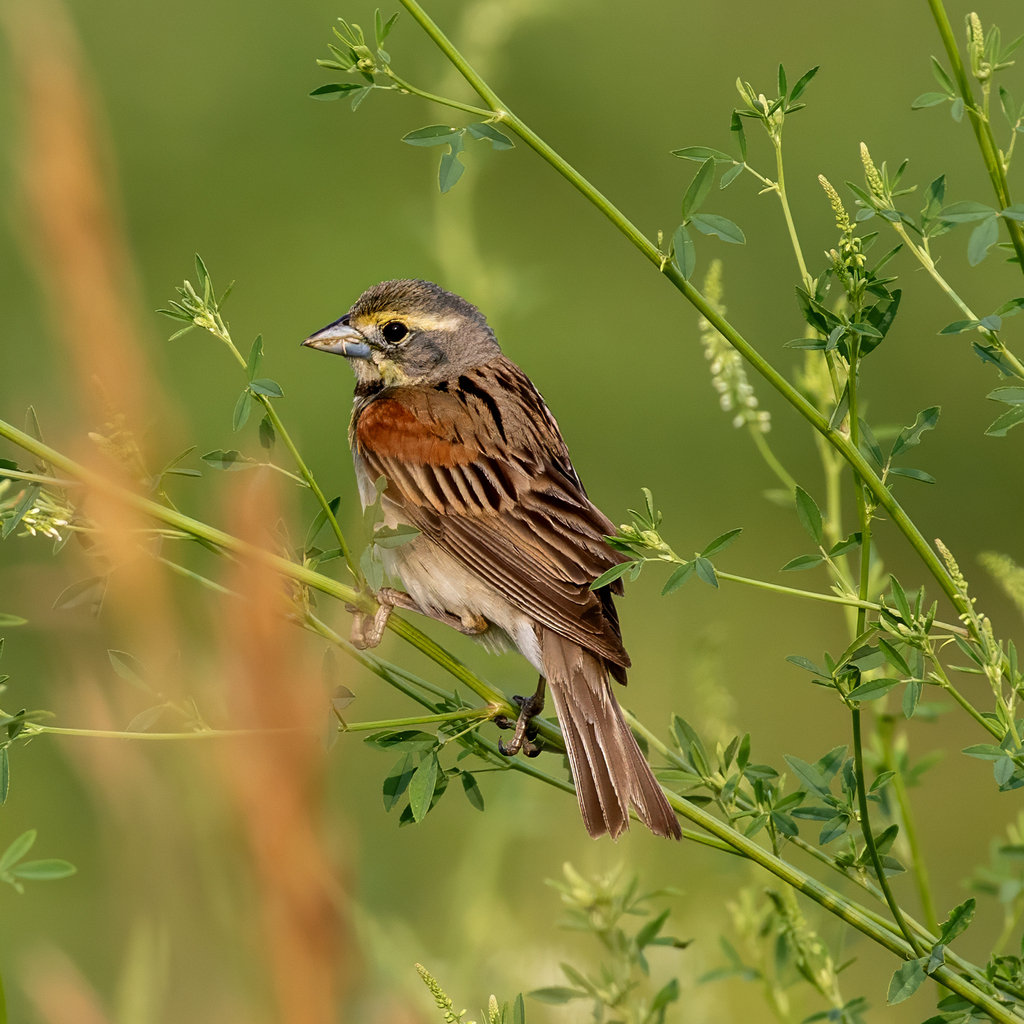
- DickcisselSpiza americana
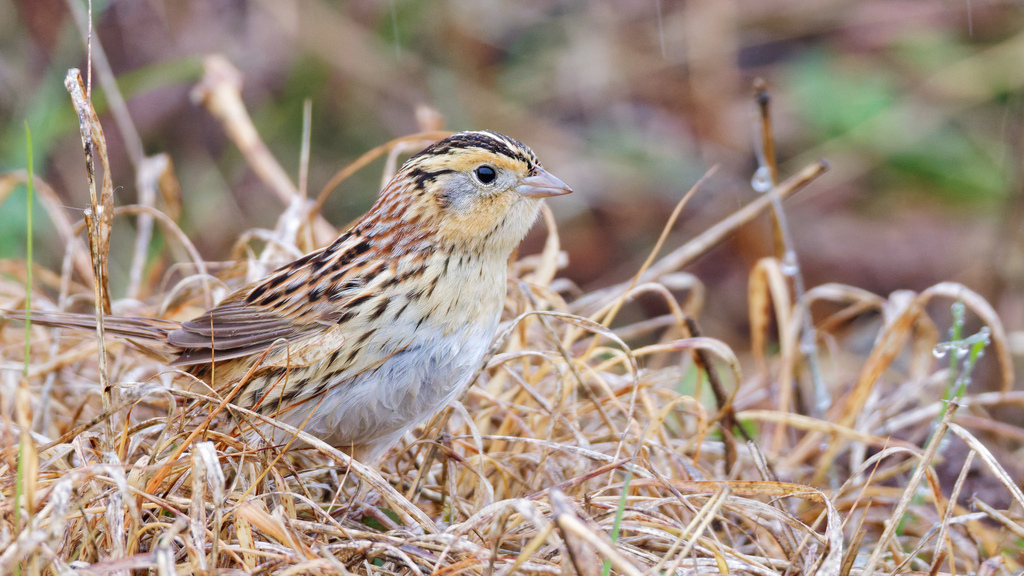
- Le Conte's SparrowAmmodramus leconteii
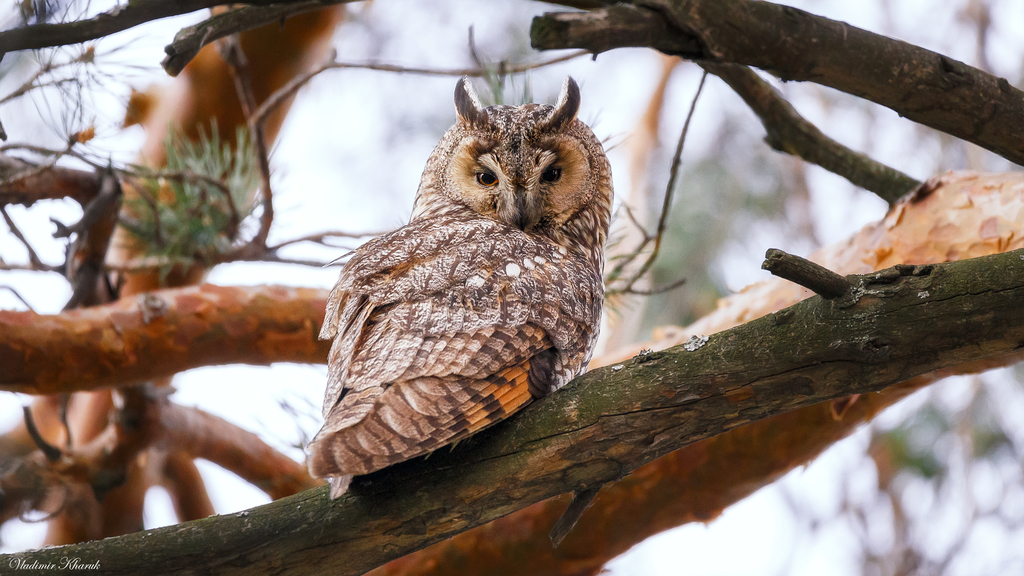
- Long-eared OwlAsio otus
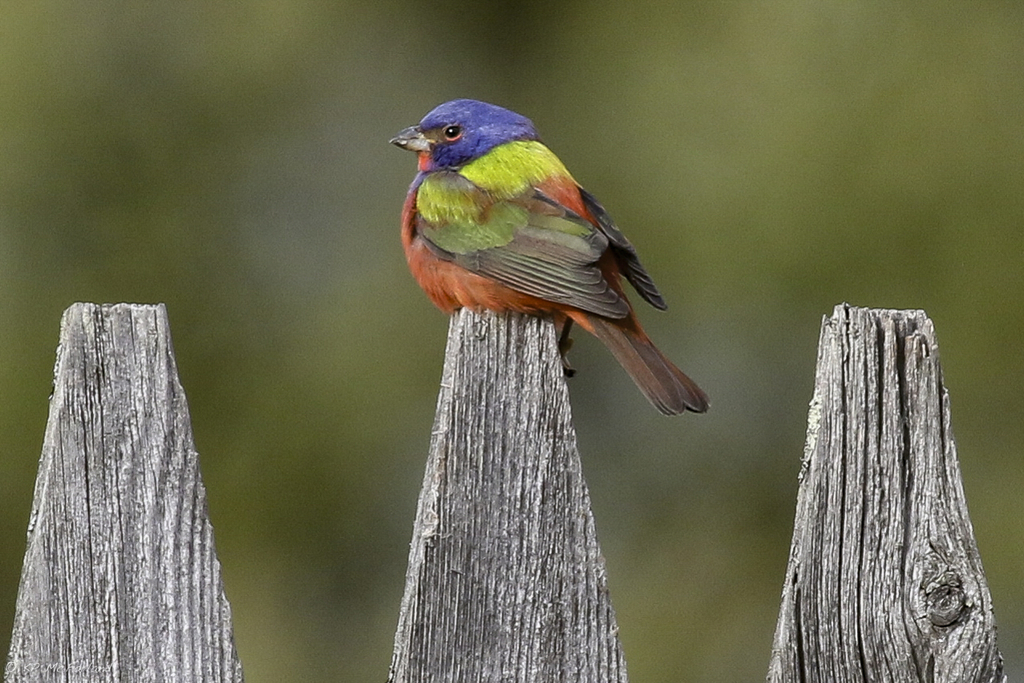
- Painted BuntingPasserina ciris
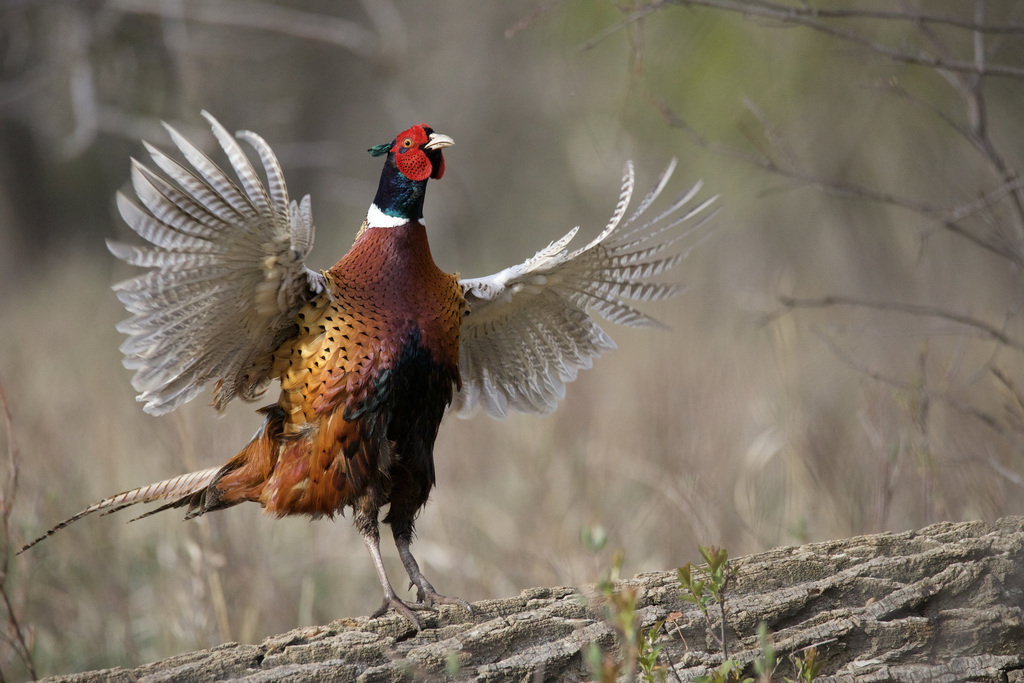
- Ring-necked PheasantPhasianus colchicus
Plants 187
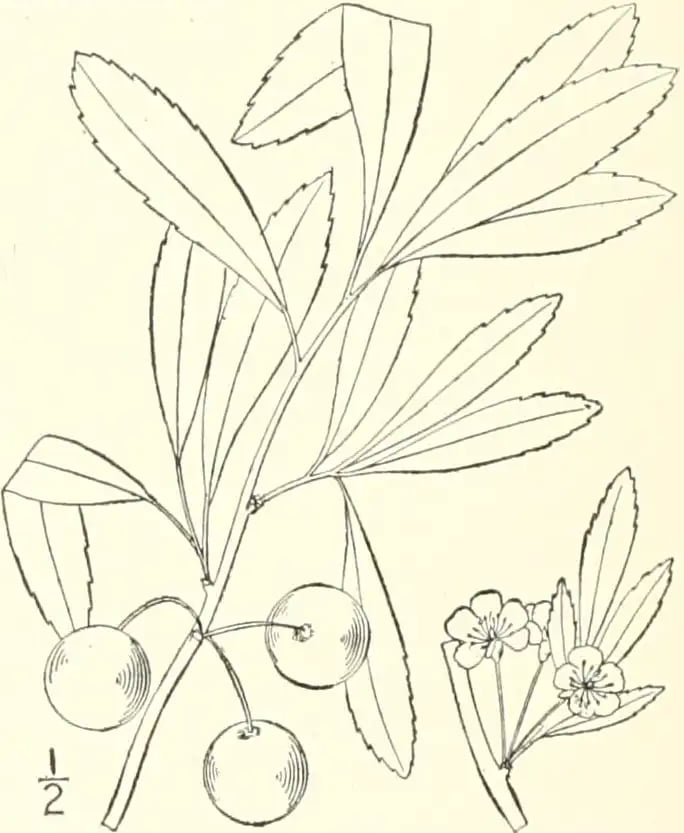
- Susquehanna CherryPrunus pumila var. susquehanae
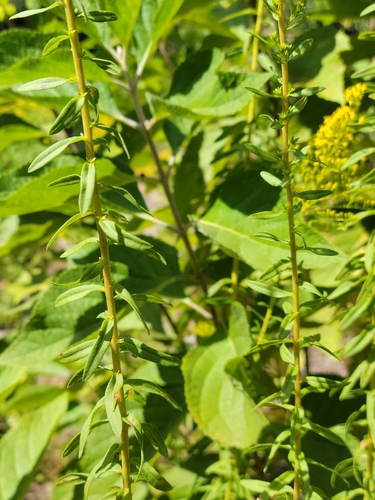
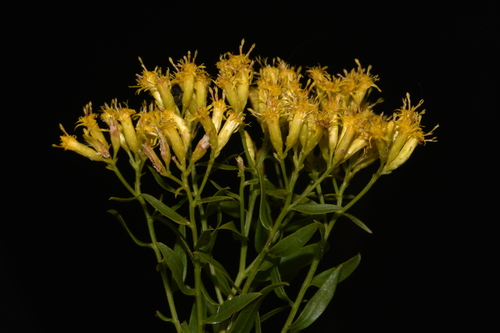
- Twistleaf GoldenrodSolidago tortifolia
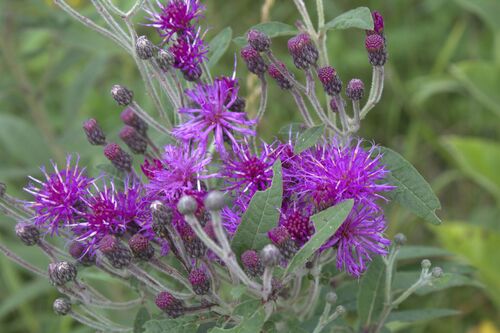
- Missouri IronweedVernonia missurica
- Rydbergs Blazing StarLiatris hirsuta
- Rough Blazing-starLiatris aspera
- Manyflower Marsh-pennywortHydrocotyle umbellata
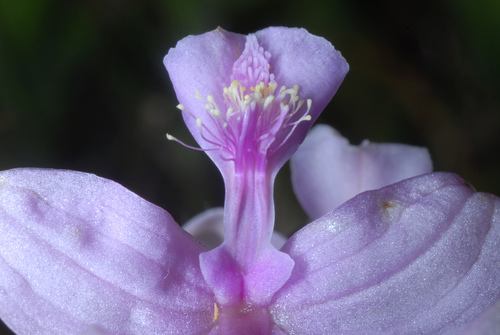
- Oklahoma Grass PinkCalopogon oklahomensis
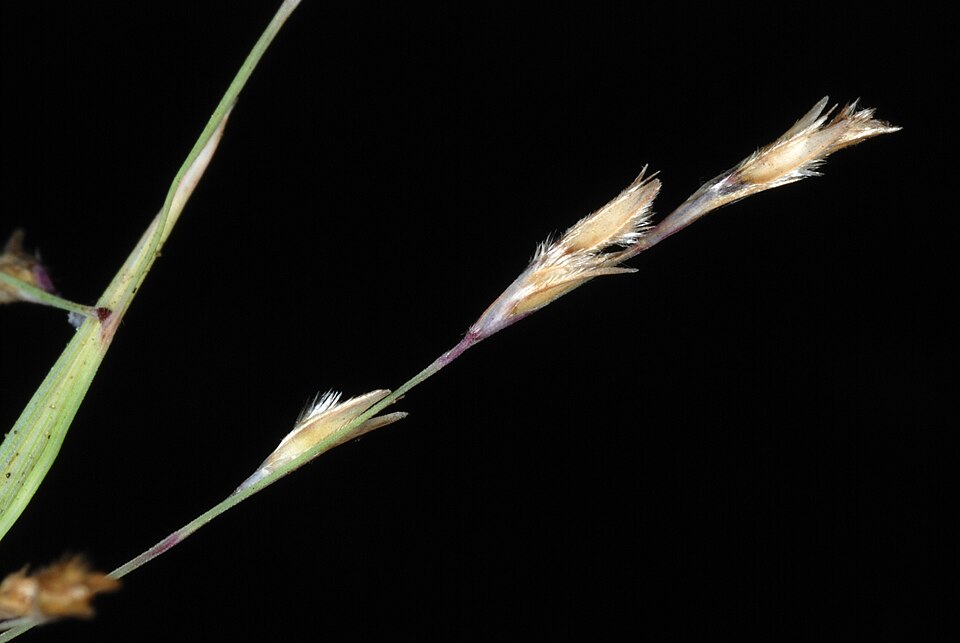
- Purple SandgrassTriplasis purpurea
- Bushy GoldentopEuthamia leptocephala
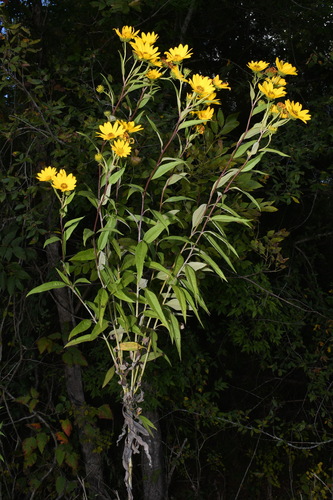
- Sawtooth SunflowerHelianthus grosseserratus
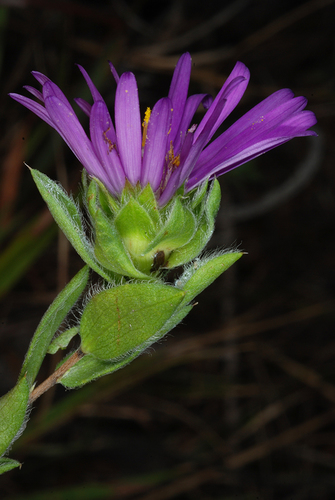
- Barrens Silky AsterSymphyotrichum pratense
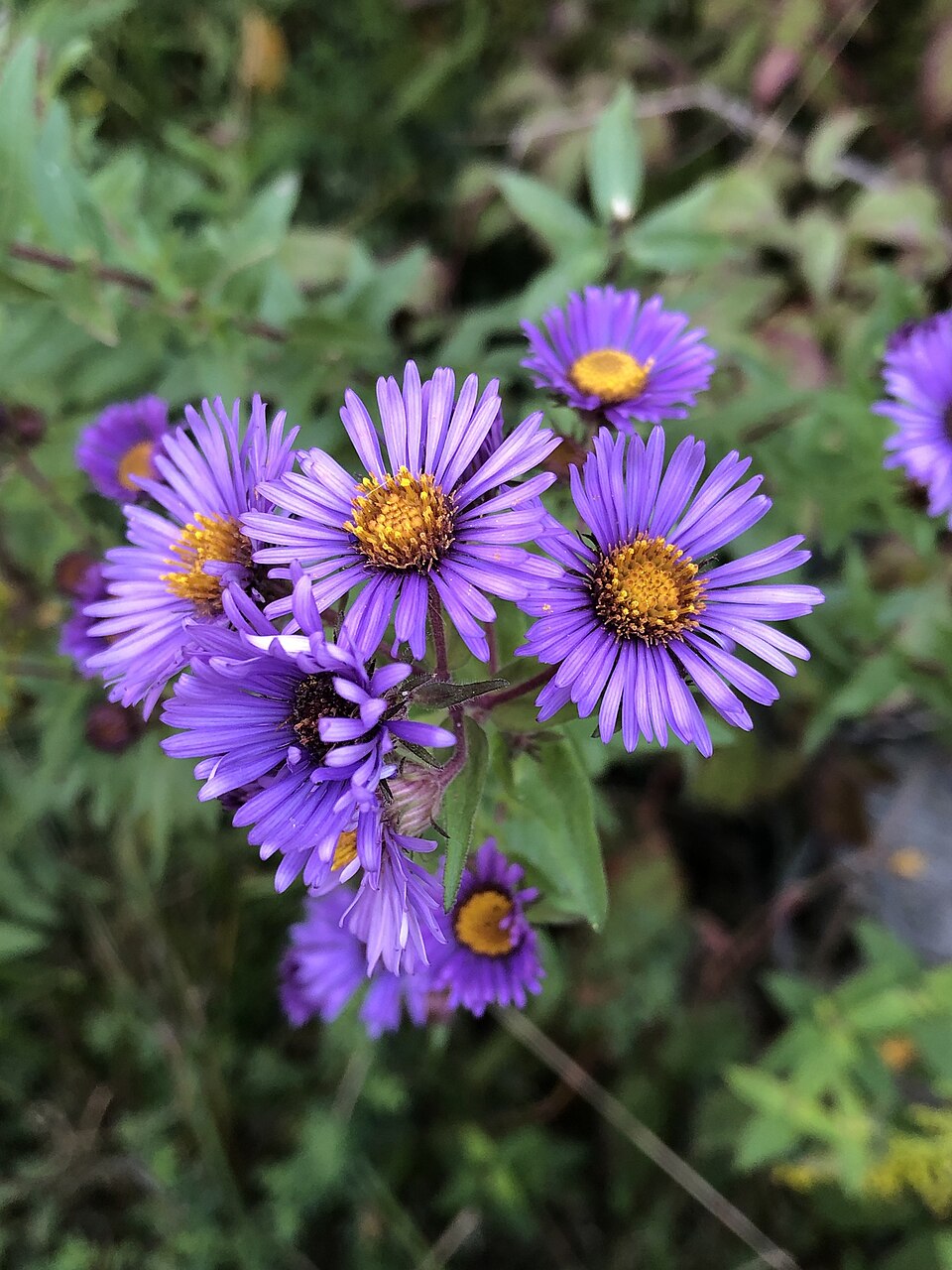
- New England AsterSymphyotrichum novae-angliae
Sources
- USGS Gap Analysis Project habitat models (2001)
- USGS GAP winter habitat model for Ross's Goose Slow streams only
- USGS Gap Analysis Project range maps (2001), modeled by watershed; migratory gives no dates
- NatureServe Explorer (CC BY 4.0), habitat names
- US Census TIGER/Line counties
- Names follow the USGS Gap Analysis Project (2001)
- Avian Diet Database (Hurlbert Lab) (CC0 1.0), diet records by plant genus