

Japanese Honeysuckle
Lonicera japonica
In the Carolinas and Georgia, found in nearly ubiquitous, especially common in the Piedmont and Coastal Plain and in moist habitats. Weakley, Flora of the Southeastern United States (2025), Carolinas & Georgia edition What its natural habitat tells you
Not native to Arkansas. How scores work Is it native here?
Profile 82%
- Height
- 16–29.5 feet
- Spread
- 3–6 feet
- Light
- Full sun, Partial shade
- Soil moisture
- Somewhat dry to moist
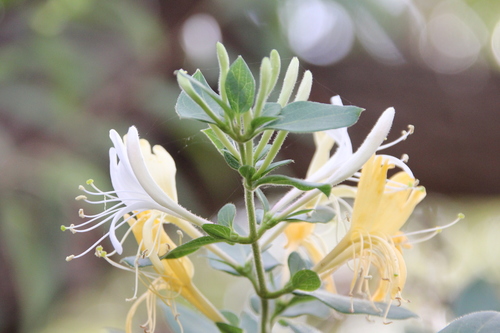
Do not plant. Listed invasive in Arkansas.
Plant this instead
Choose your county to list local plants first.
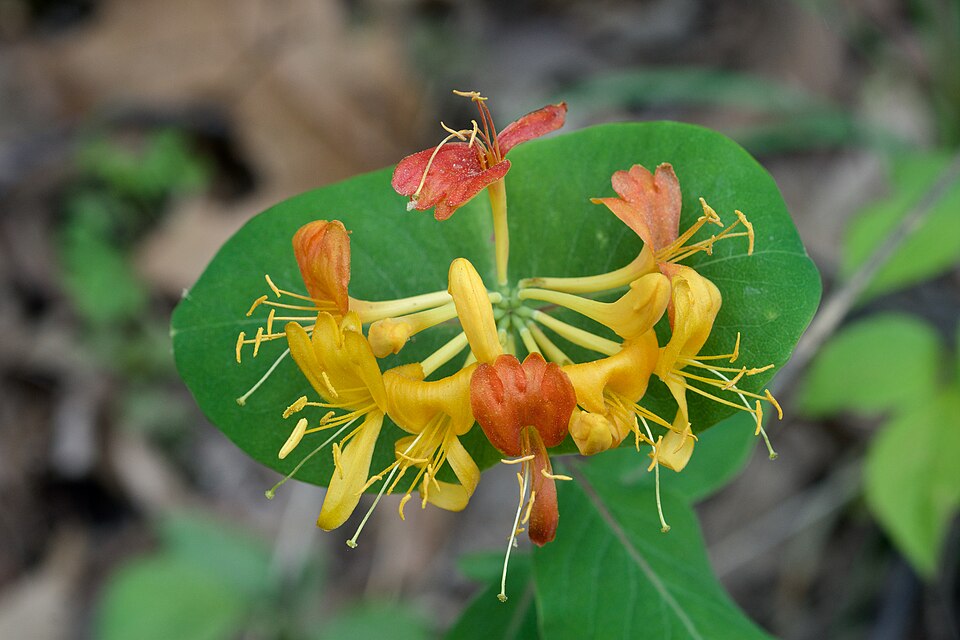
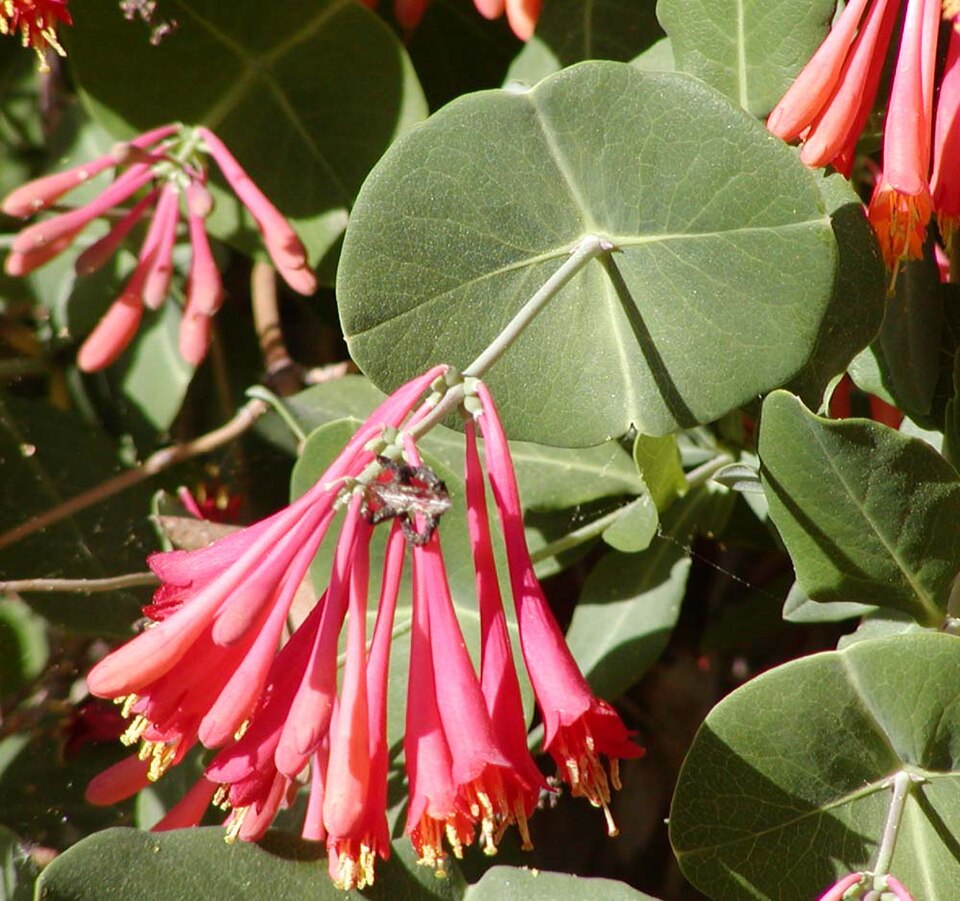
- Coral HoneysuckleLonicera sempervirens
Published recommendation: Tennessee Invasive Plant Council (TN-IPC)
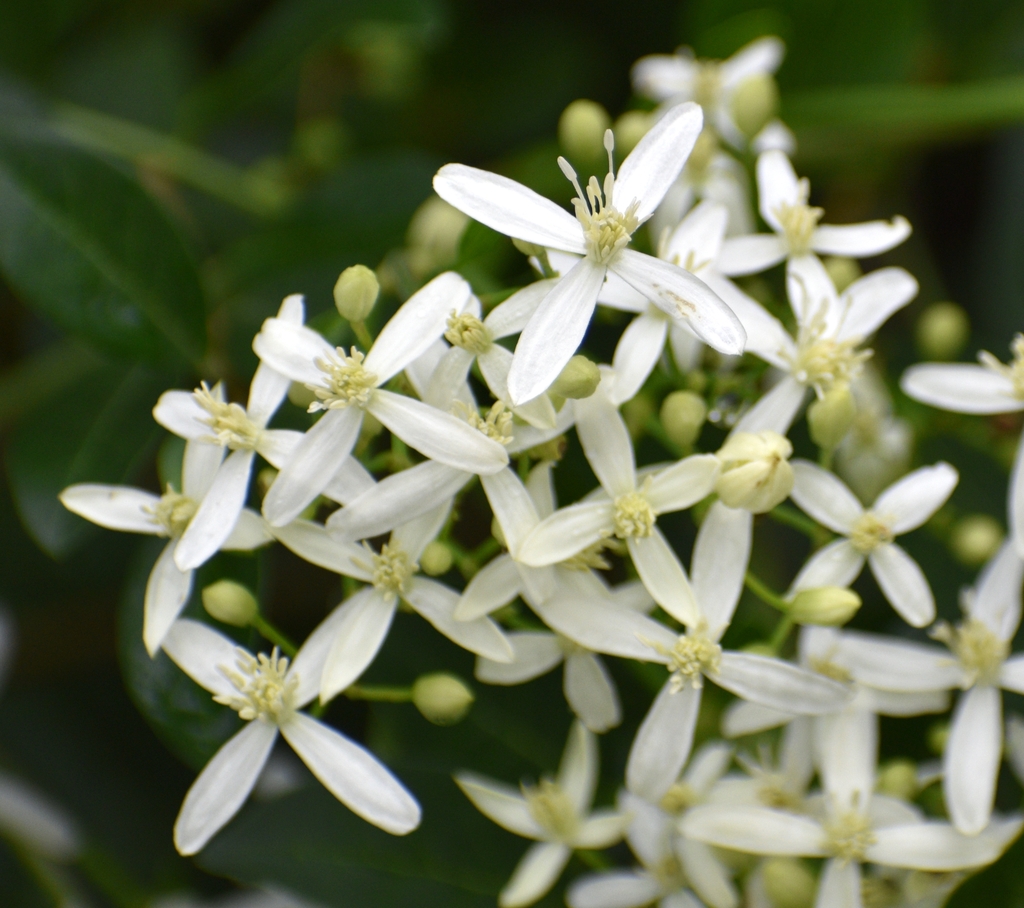
- Virginia Virgin's-bowerClematis virginiana
Published recommendation: South Carolina Native Plant Society, Lowcountry Chapter
No recorded swaps for this county. Try the garden finder.
At a glance
- Life cycle
- Woody perennial
- Leaves
- Deciduous, semi-evergreen or evergreen
- Bloom
- Late spring
- Fruiting season
- August to October
Recorded in 63 Arkansas counties.
Also found with this plant
Wildlife whose habitat models include habitats this plant grows in, in Arkansas. Shared habitat, not food. 127 animals.
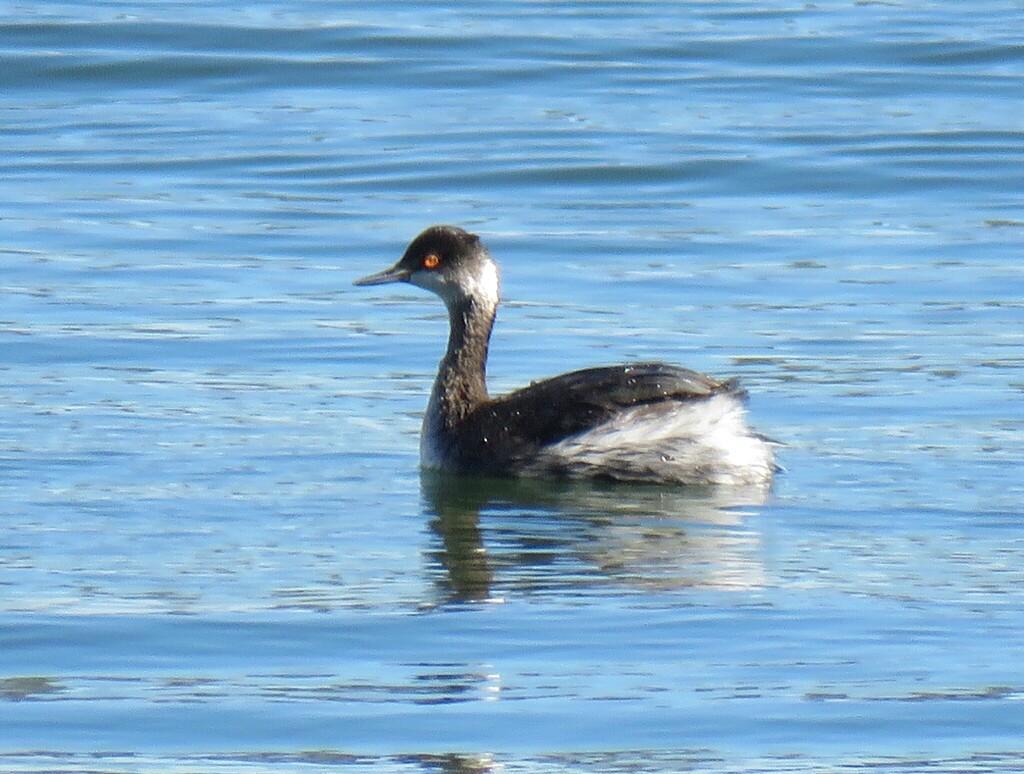
- Eared GrebePodiceps nigricollis
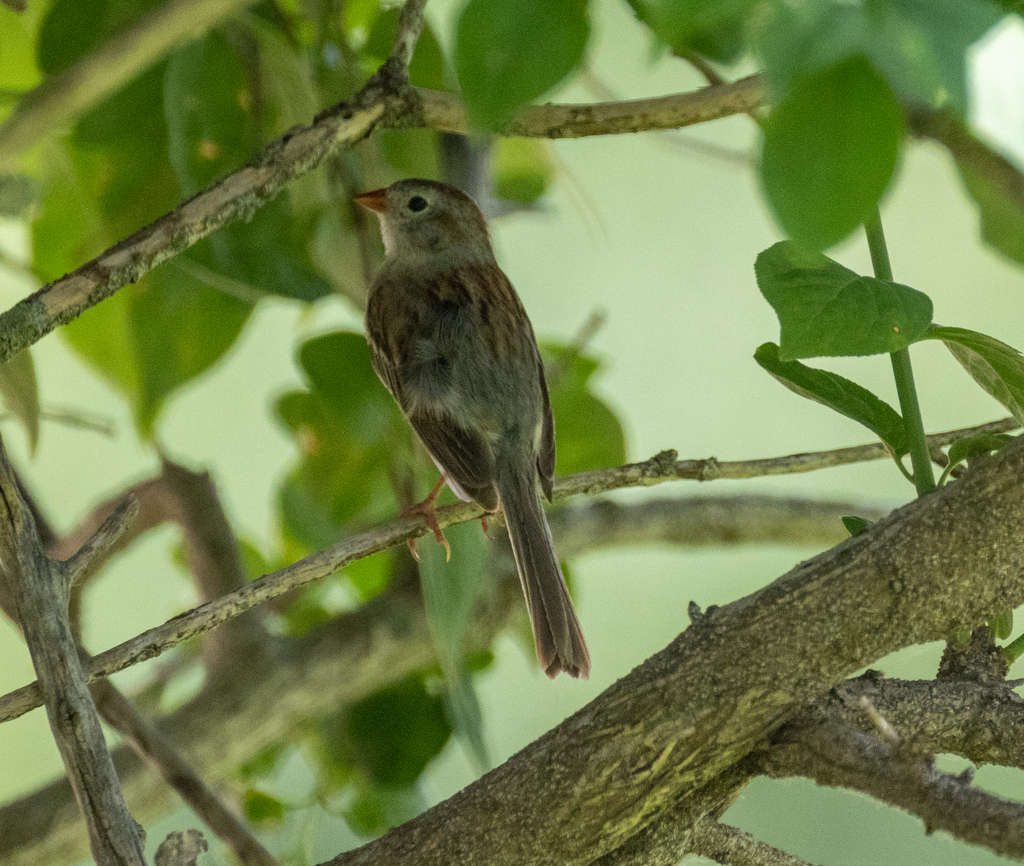
- Field SparrowSpizella pusilla
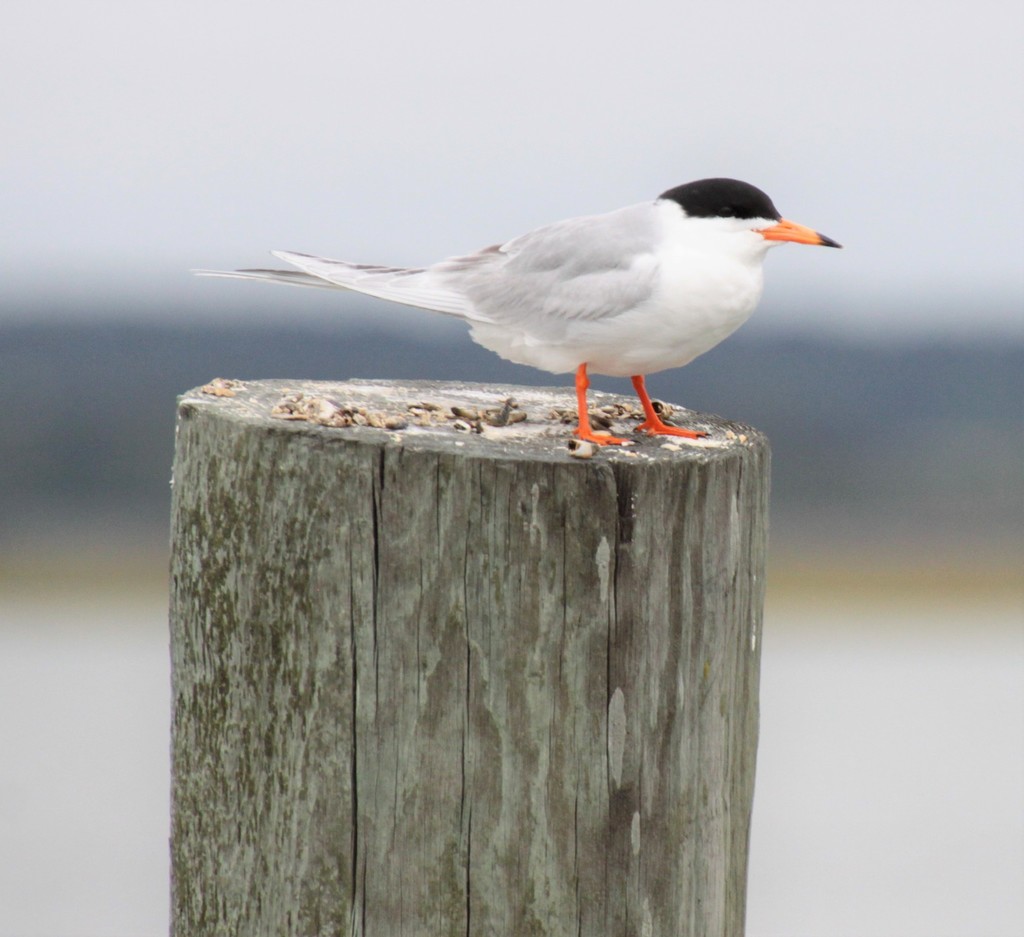
- Forster's TernSterna forsteri
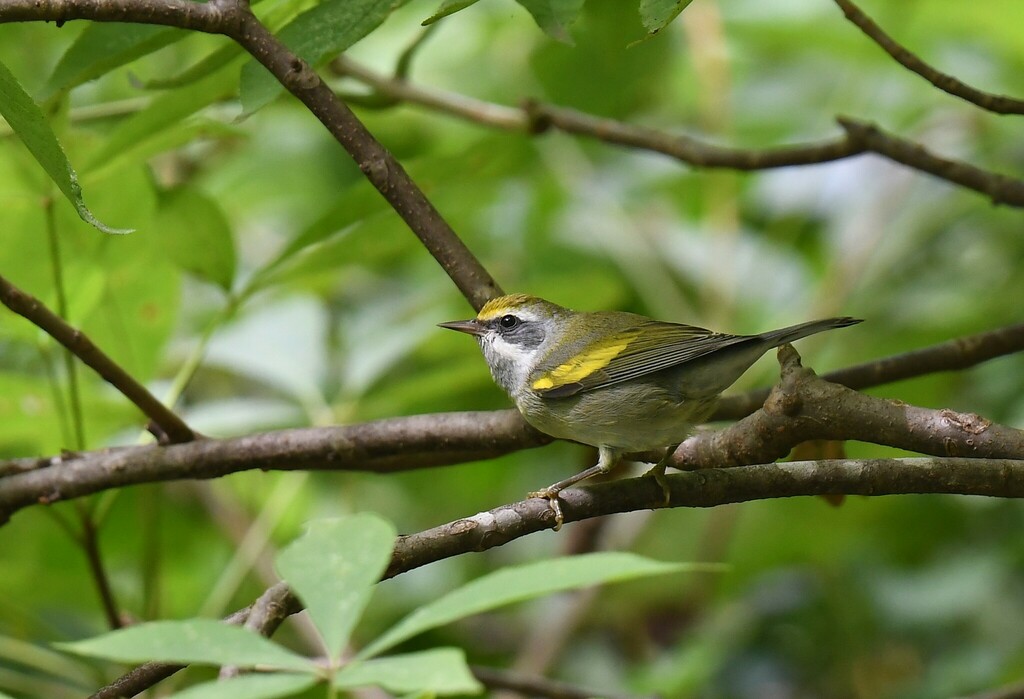
- Golden-winged WarblerVermivora chrysoptera
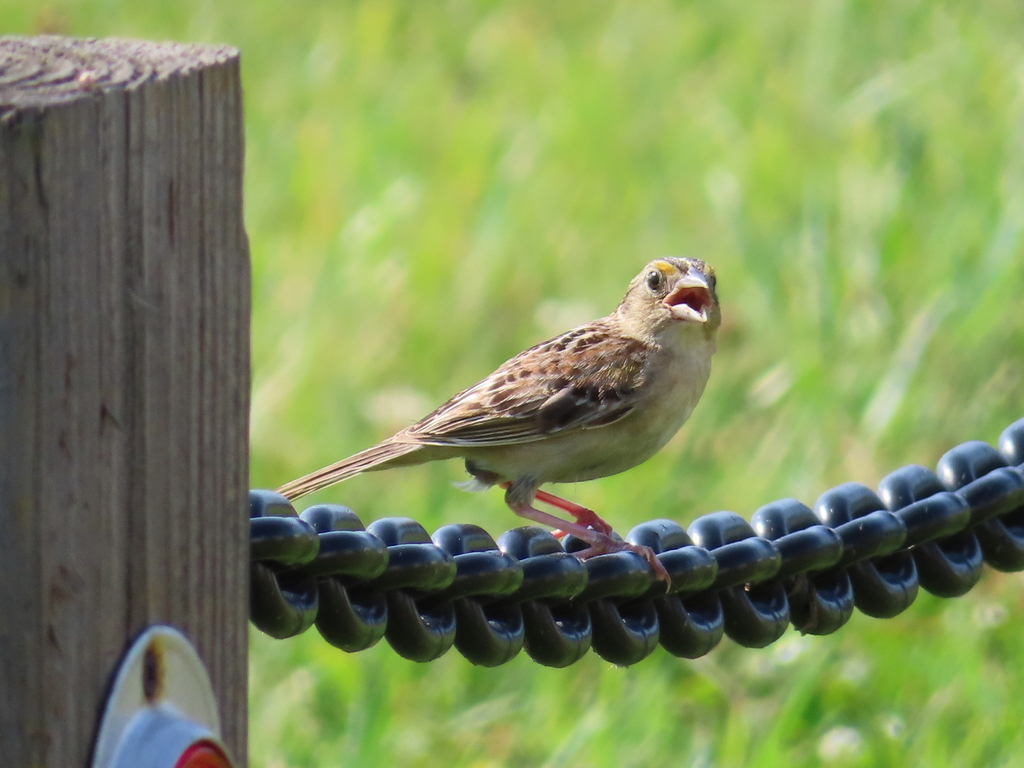
- Grasshopper SparrowAmmodramus savannarum
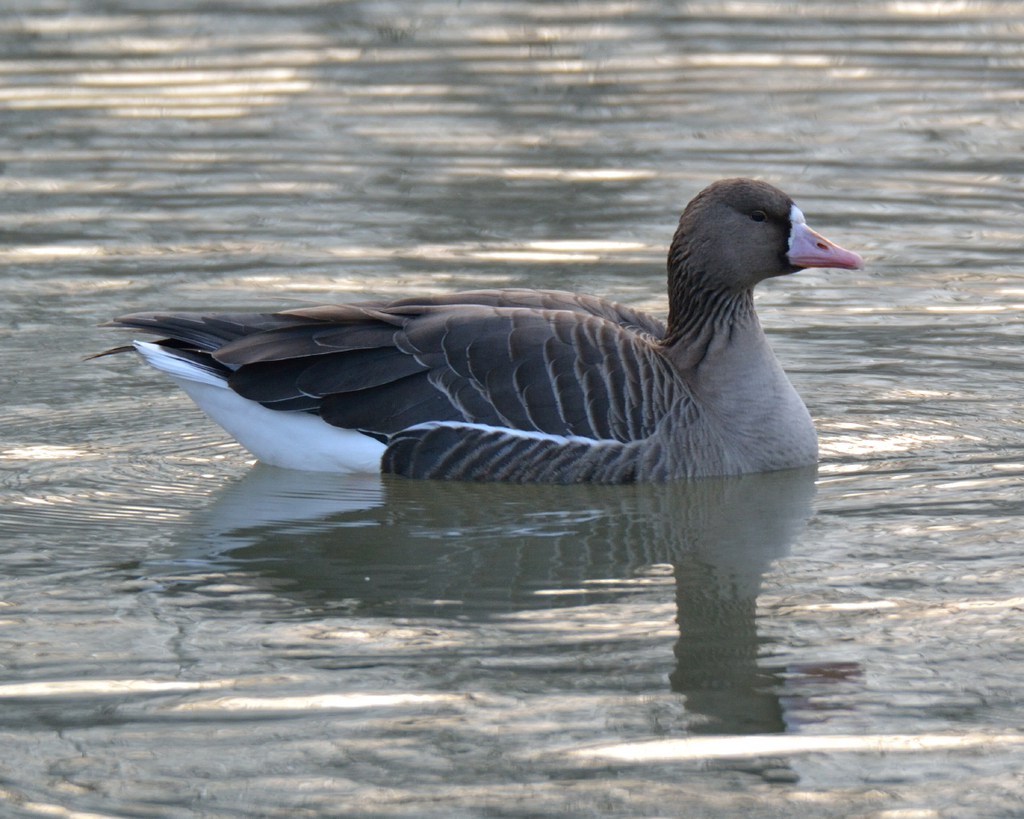
- Greater White-fronted GooseAnser albifrons
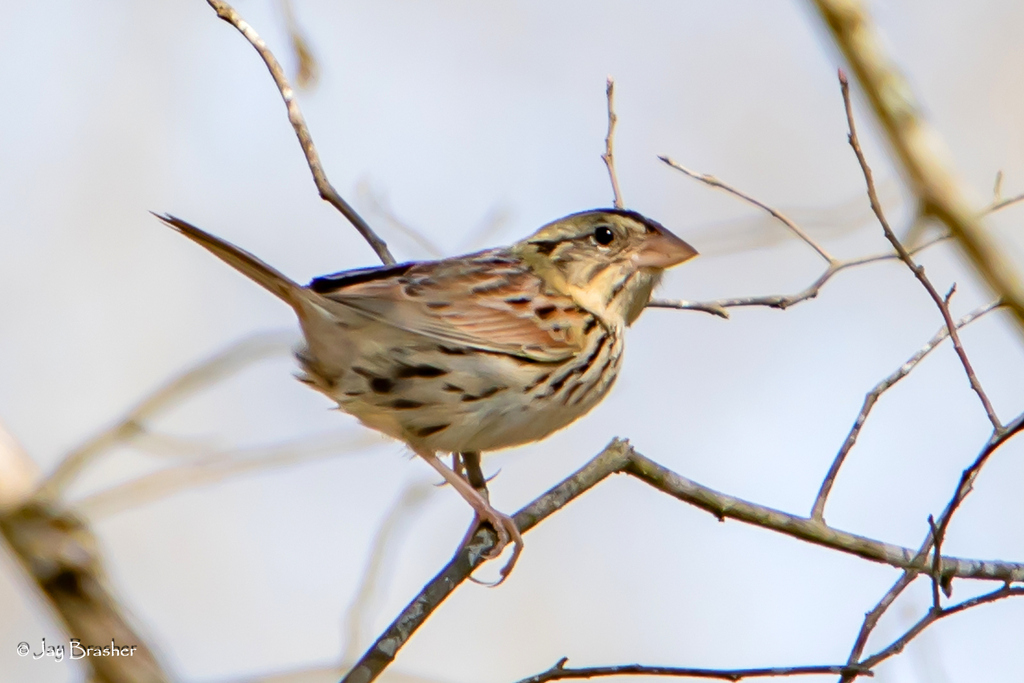
- Henslow's SparrowAmmodramus henslowii
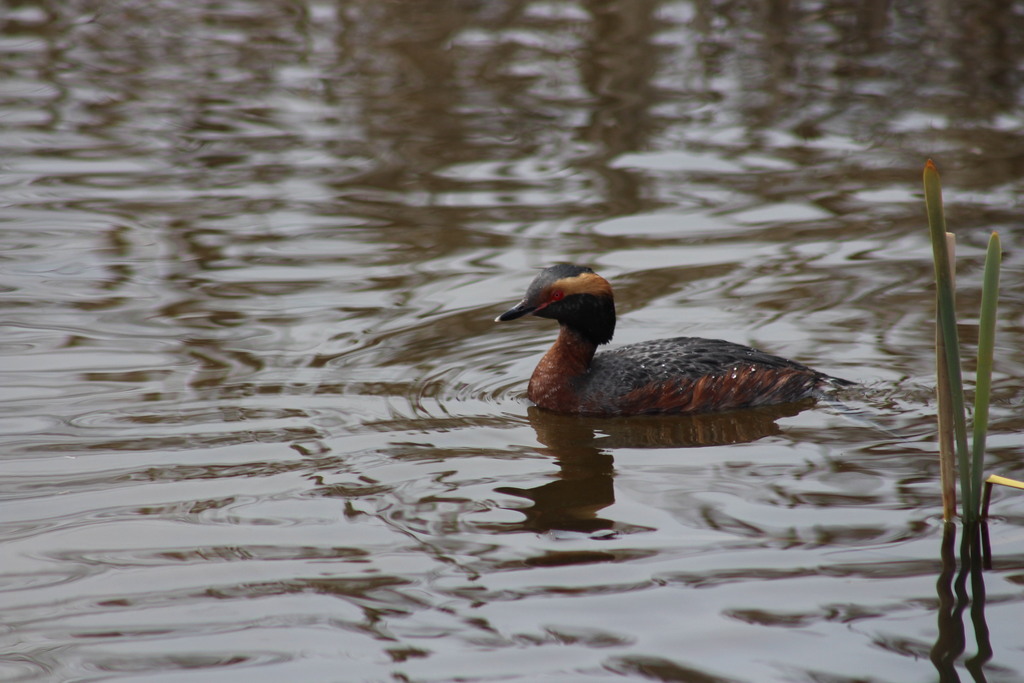
- Horned GrebePodiceps auritus
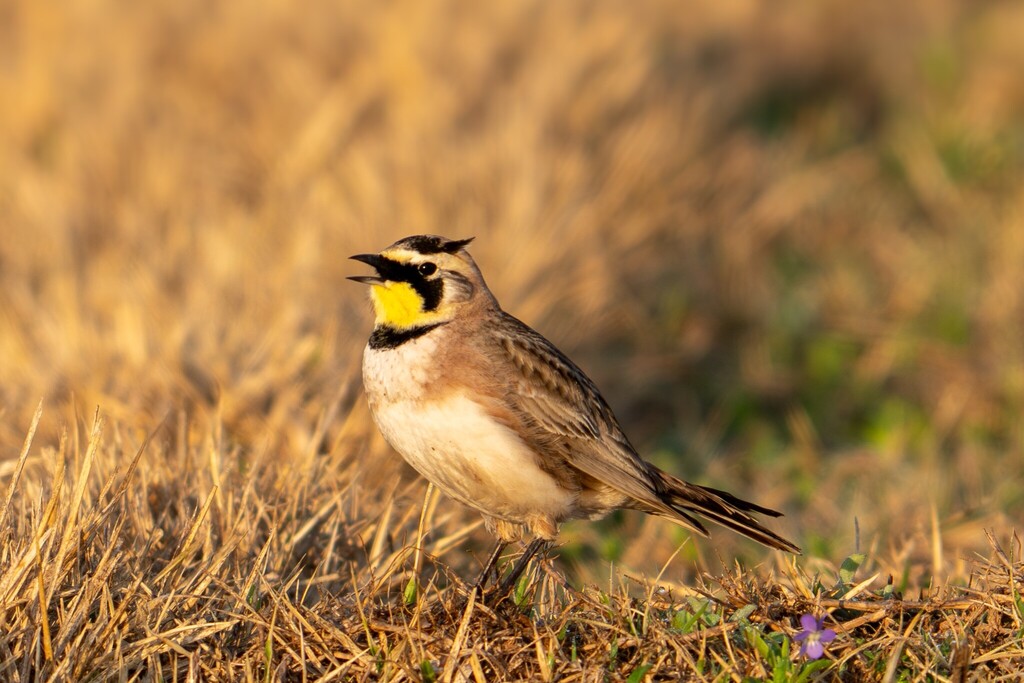
- Horned LarkEremophila alpestris
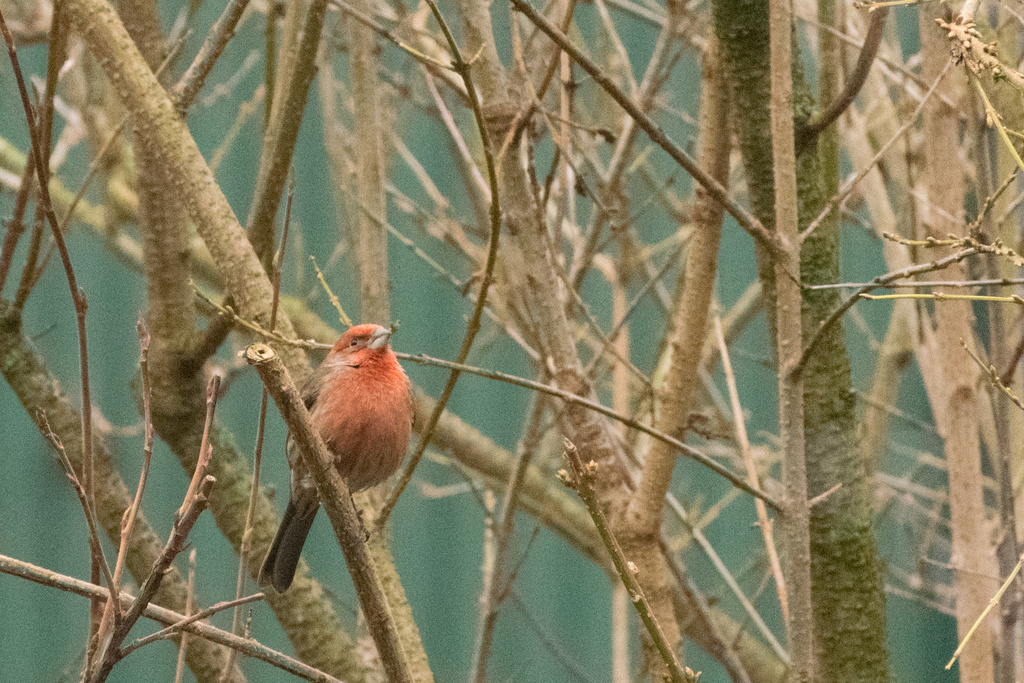
- House FinchCarpodacus mexicanus
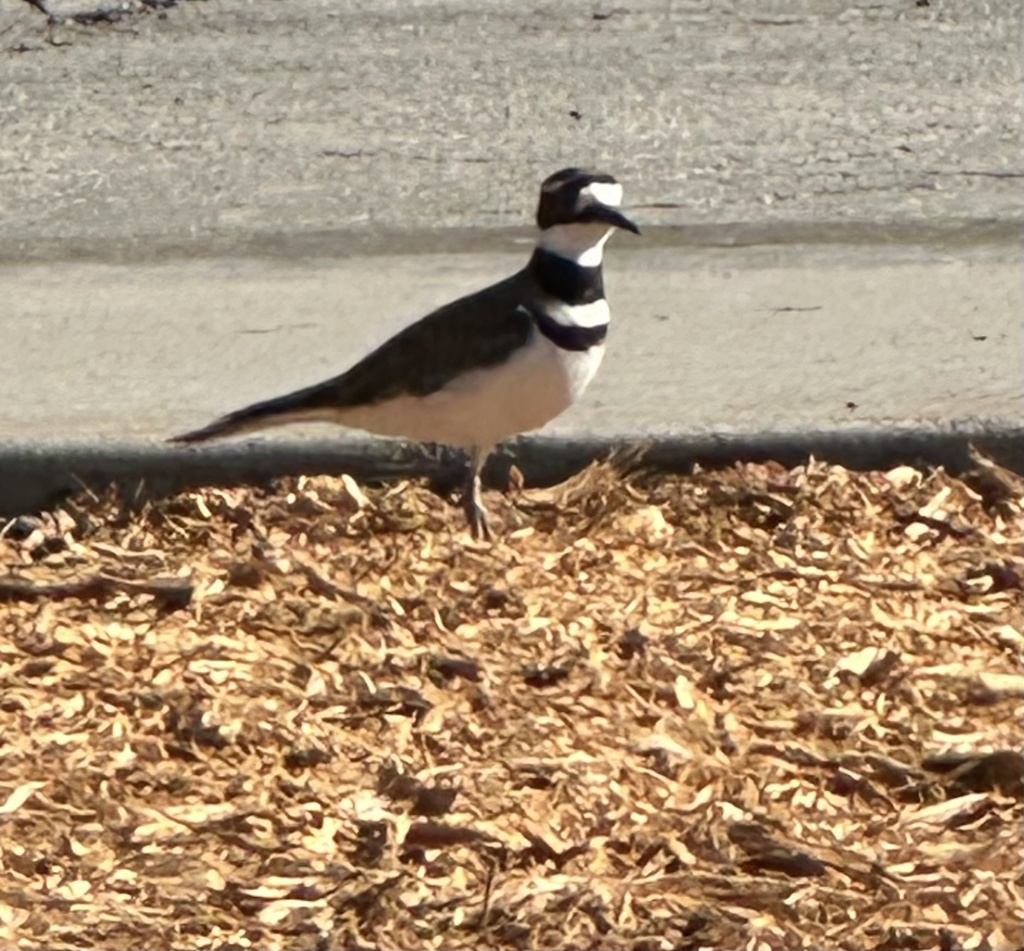
- KilldeerCharadrius vociferus
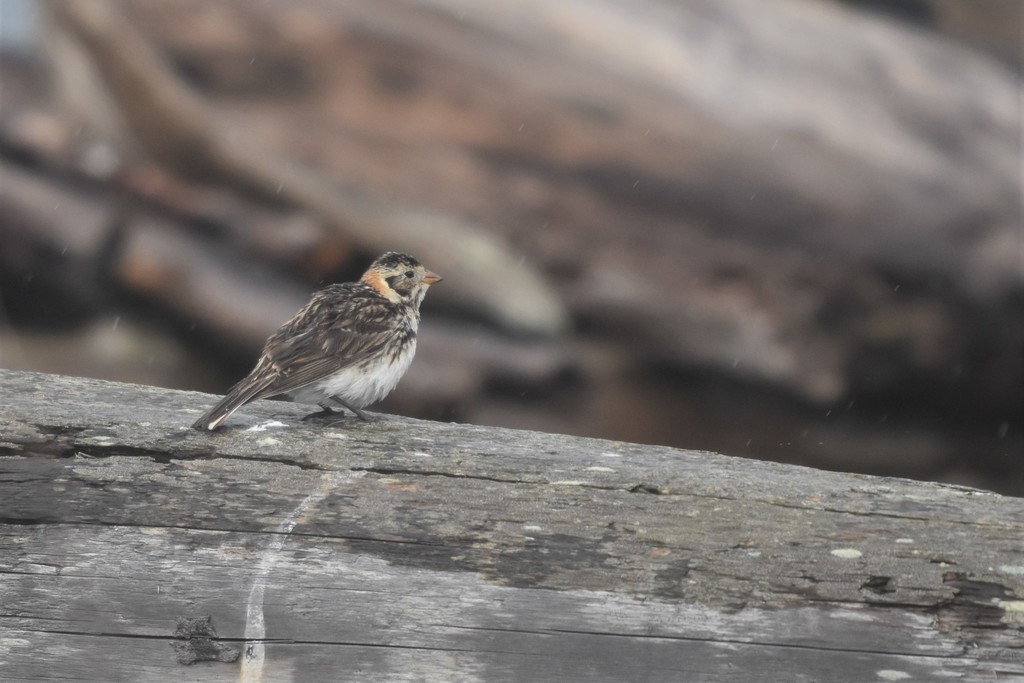
- Lapland LongspurCalcarius lapponicus
- Lark SparrowChondestes grammacus
- Le Conte's SparrowAmmodramus leconteii
- Least BitternIxobrychus exilis
- Least FlycatcherEmpidonax minimus
- Lesser ScaupAythya affinis
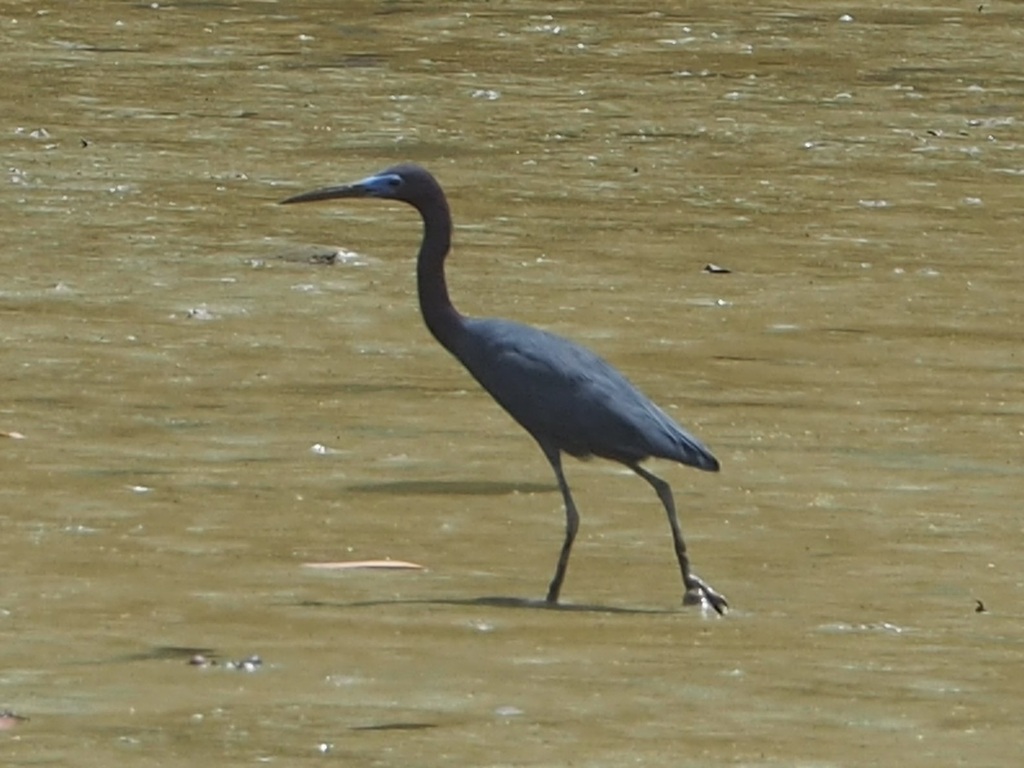
- Little Blue HeronEgretta caerulea
- Northern Rough-winged SwallowStelgidopteryx serripennis
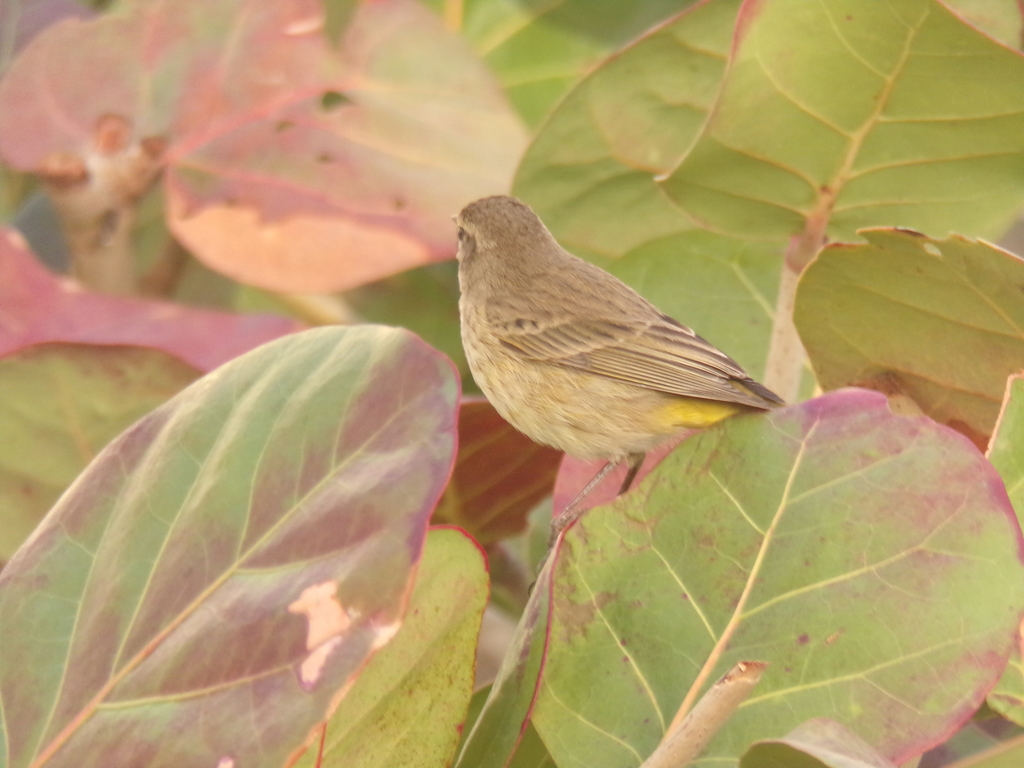
- Palm WarblerDendroica palmarum
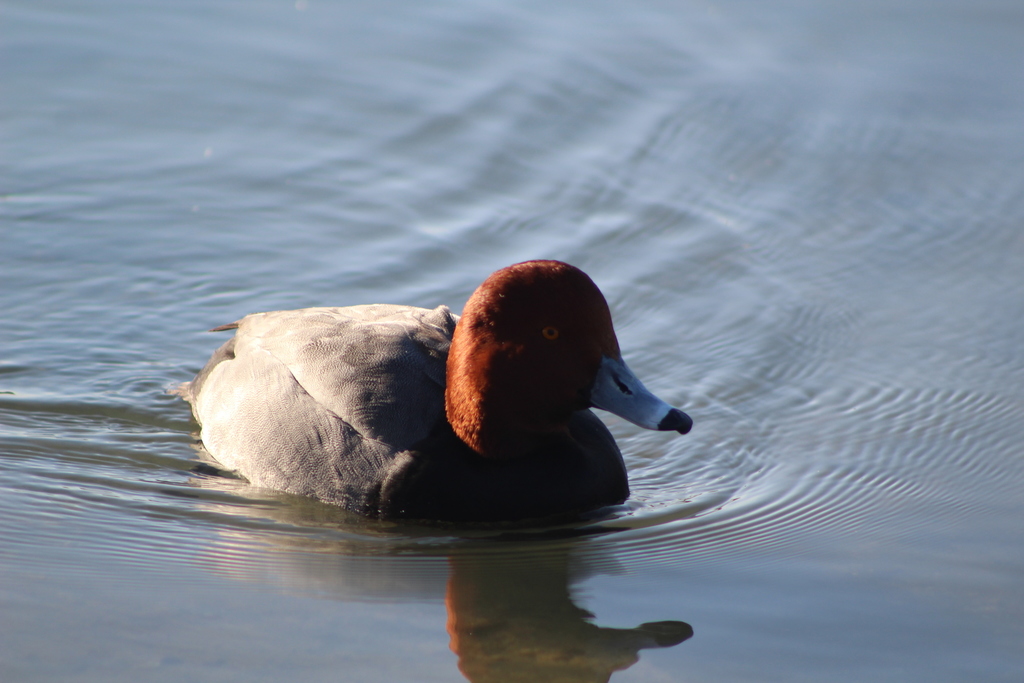
- RedheadAythya americana
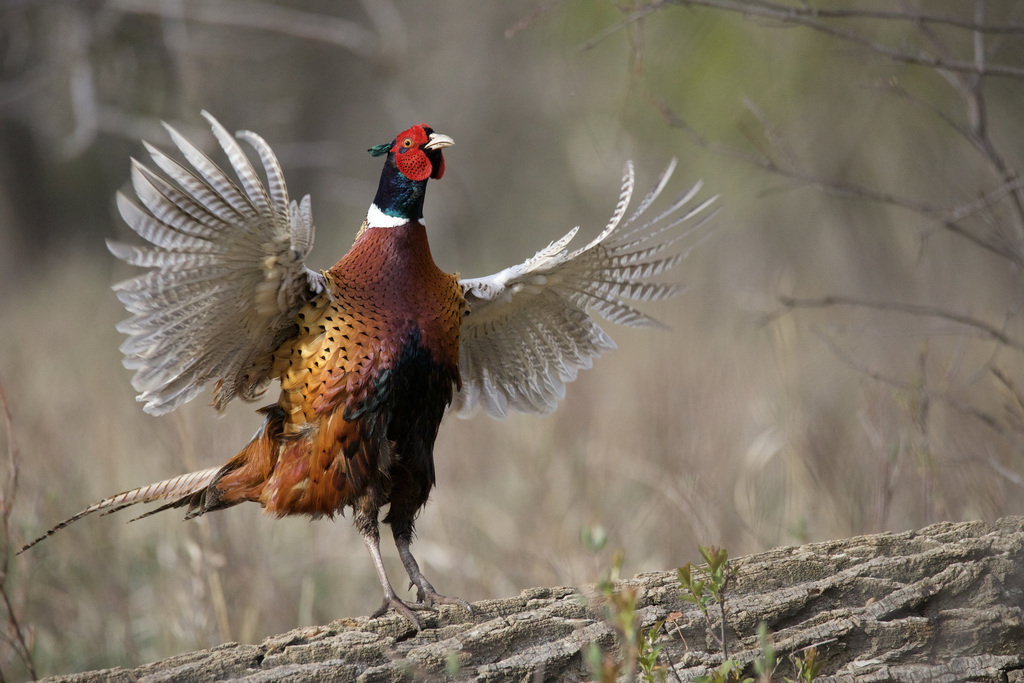
- Ring-necked PheasantPhasianus colchicus
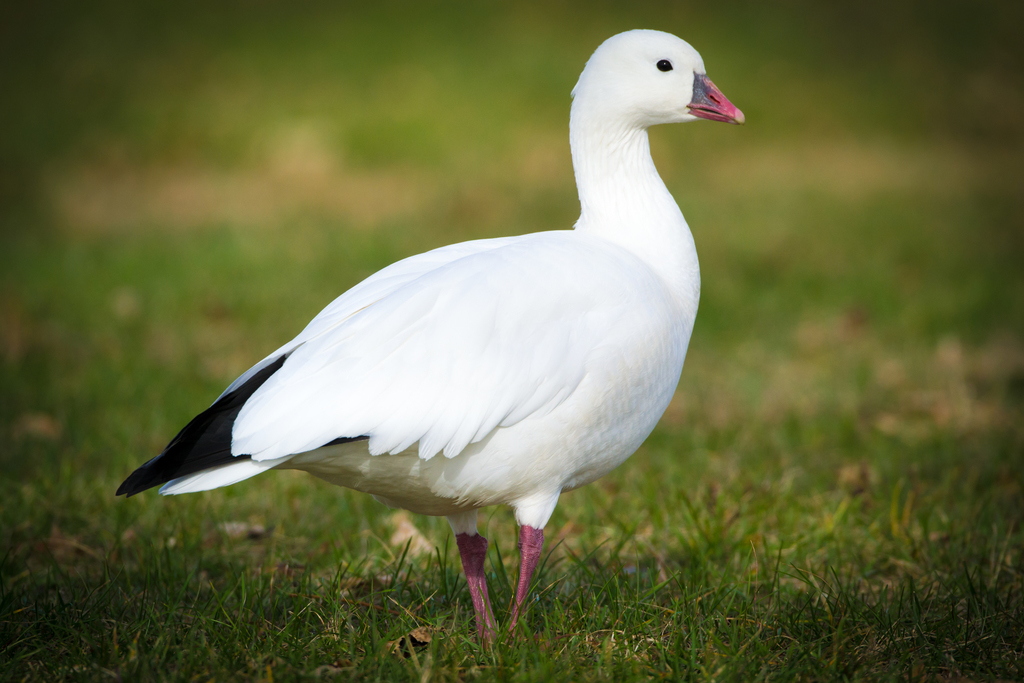
- Ross's GooseChen rossii
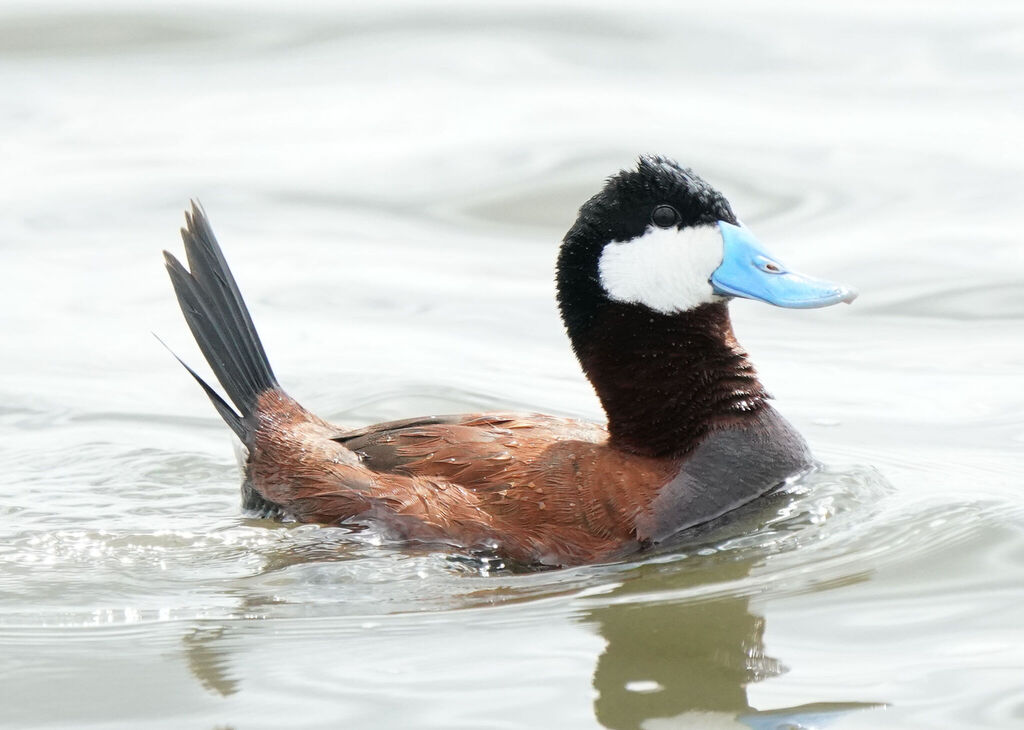
- Ruddy DuckOxyura jamaicensis
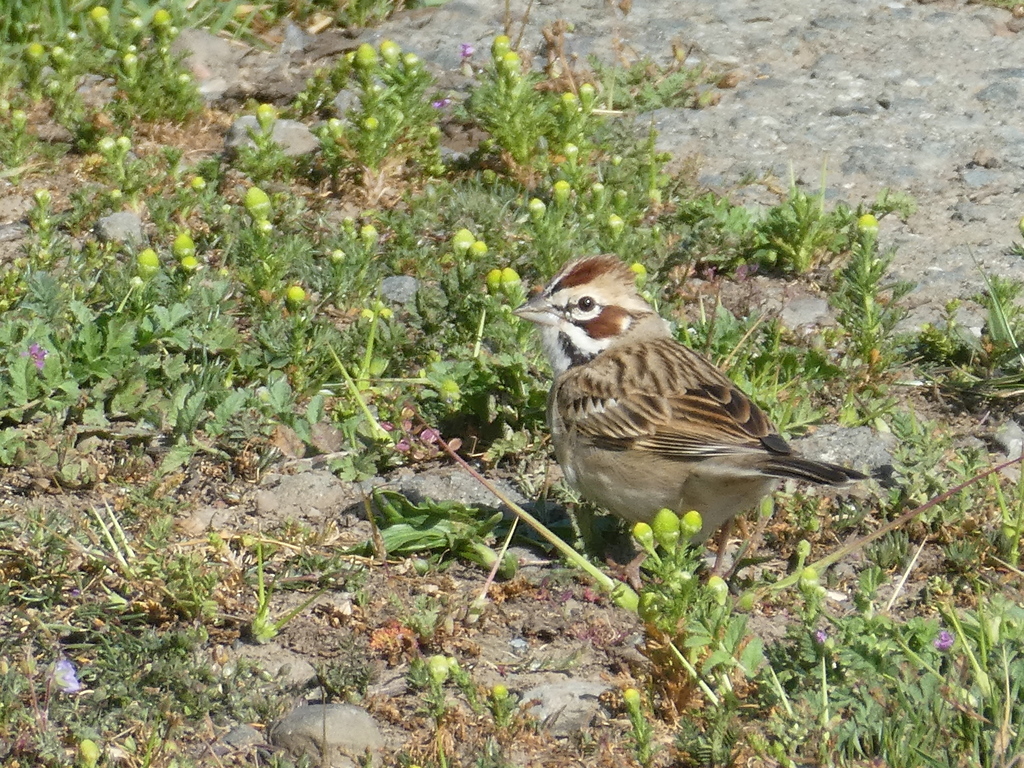
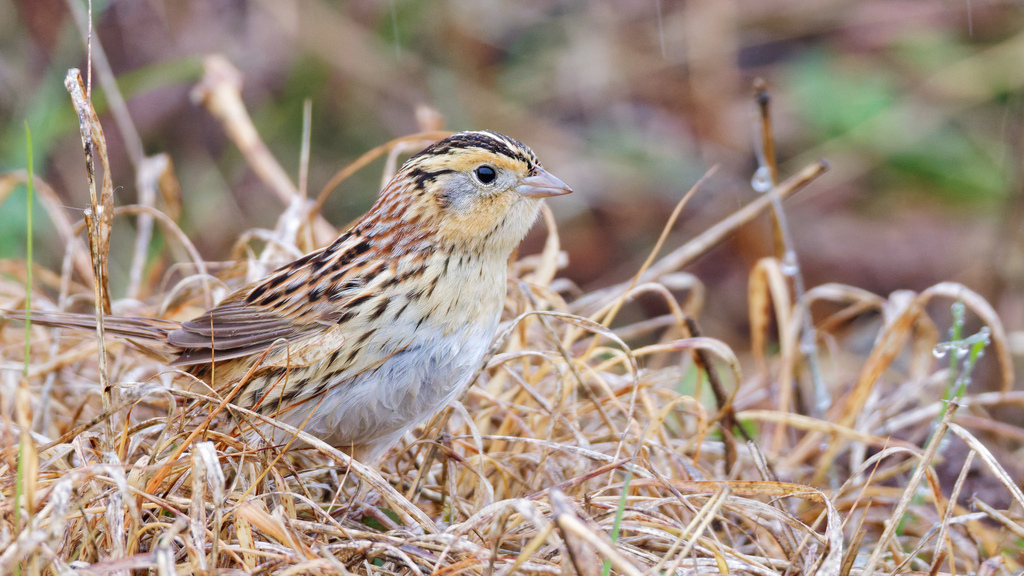

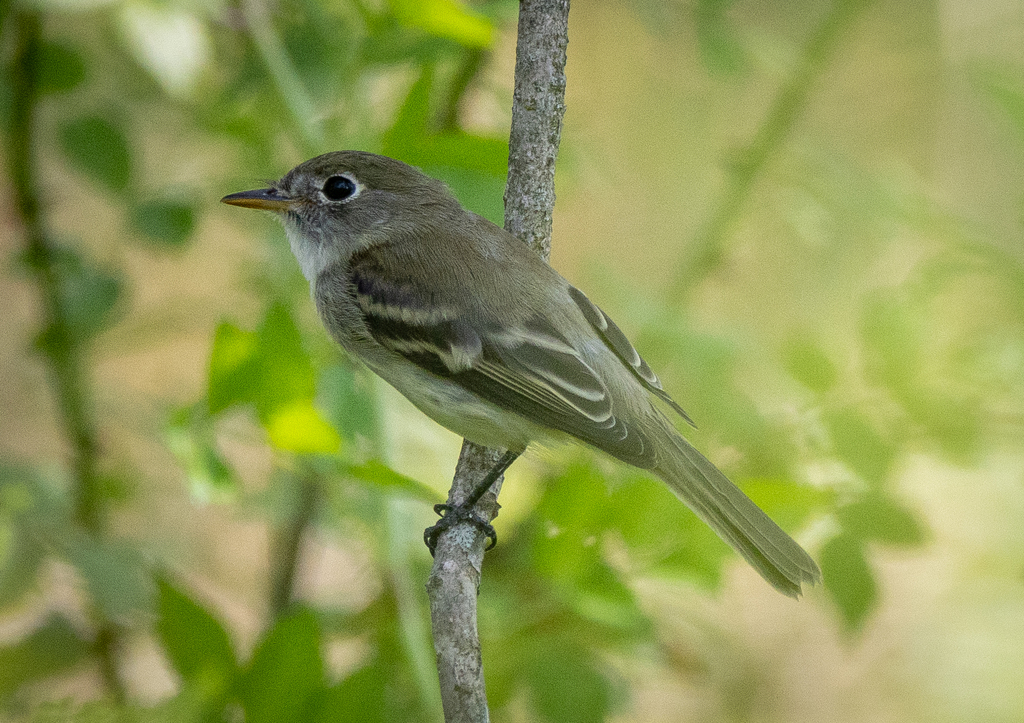
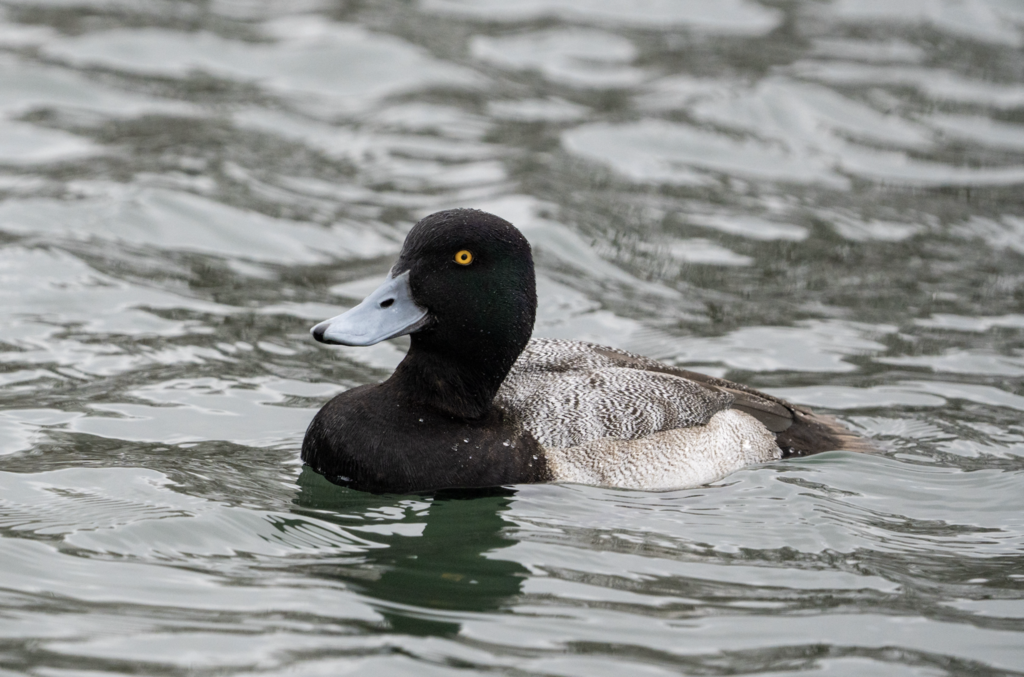

Widespread birds also seen here (60)
Found in many habitats here, so not listed above.
- American Goldfinch
- American Kestrel
- American Robin
- Bald Eagle
- Baltimore Oriole
- Belted Kingfisher
- Black-crowned Night-heron
- Blue Grosbeak
- Blue Jay
- Blue-gray Gnatcatcher
- Brown Creeper
- Brown Thrasher
- Cedar Waxwing
- Chimney Swift
- Chipping Sparrow
- Cliff Swallow
- Common Nighthawk
- Common Yellowthroat
- Cooper's Hawk
- Double-crested Cormorant
- Downy Woodpecker
- Eastern Bluebird
- Eastern Kingbird
- Eastern Screech-owl
- Eurasian Collared-dove
- European Starling
- Golden-crowned Kinglet
- Great Horned Owl
- Hairy Woodpecker
- Harris's Sparrow
- Hooded Merganser
- Indigo Bunting
- Mourning Dove
- Northern Cardinal
- Northern Flicker
- Northern Mockingbird
- Orange-crowned Warbler
- Orchard Oriole
- Osprey
- Pileated Woodpecker
- Pine Siskin
- Purple Finch
- Red-bellied Woodpecker
- Red-headed Woodpecker
- Red-tailed Hawk
- Red-winged Blackbird
- Ruby-crowned Kinglet
- Ruby-throated Hummingbird
- Sharp-shinned Hawk
- Spotted Sandpiper
- Tufted Titmouse
- Turkey Vulture
- White-crowned Sparrow
- White-throated Sparrow
- Wild Turkey
- Wood Thrush
- Yellow-bellied Sapsucker
- Yellow-billed Cuckoo
- Yellow-breasted Chat
- Yellow-rumped Warbler
Who uses this plant?
 28CaterpillarsGenus host records with ranges including AR
Genus host records with ranges including AR · Lonicera
- Hemaris diffinisSnowberry Clearwing
- Hemaris thysbeHummingbird Clearwing
- Acronicta oblinitaSmeared Dagger
- Amblyptilia picaGeranium Plume Moth
- Amorbia humerosanaWhite-Lined Leafroller Moth
- Argyrotaenia velutinanaRed-Banded Leafroller Moth, Jack Pine Tube Moth
- Callizzia amorataGray Scoopwing
- Choristoneura rosaceanaOblique-Banded Leafroller Moth, Rosaceous Leaf Roller
- Ectropis crepusculariaThe Small Engrailed, Saddleback Looper
- Egira alternansAlternate Woodling
Show all 28
- Euphydryas phaetonThe Baltimore, The Black Checker
- Harrisimemna trisignataHarris's Three-Spot
- Helicoverpa zeaCorn Earworm Moth
- Herpetogramma thestealisZigzag Herpetogramma, Subtle-Feathered Grass Moth
- Hyalophora cecropiaCecropia Silkmoth, Cecropia Moth
- Hyles lineataWhite-Lined Sphinx
- Hypercompe scriboniaGiant Leopard Moth, Great Leopard Moth
- Hyphantria cuneaFall Webworm
- Leucania ursulaUrsula Wainscot
- Megalopyge opercularisSouthern Flannel Moth, Puss Caterpillar
- Melanchra pictaPainted Arches, Zebra Caterpillar Moth
- Oiketicus abbotiiAbbot's Bagworm Moth
- Orgyia leucostigmaWhite-Marked Tussock Moth
- Orthosia hibisciSpeckled Green Fruitworm Moth, Speckled Green Quaker
- Palthis angulalisDark-Spotted Palthis
- Spilosoma virginicaVirginian Tiger Moth, Yellow Woolybear Moth, Yellow Bear
- Sympistis badistrigaBrown-Lined Sallow
- Uresiphita reversalisGenista Caterpillar, Genista Cbroom Moth
 —BeesSoutheastern regional records
 —Specialist beesPollen specialists
 6BirdsRecorded eating Lonicera in Arkansas
Diet records by plant genus, from studies across North America. Not a record from this state. Birds whose range includes Arkansas, most records first.
- Ruffed GrouseLeaves and fruit. 5 diet records
- Swainson's ThrushFruit and seeds. 3 diet records
- American RobinFruit. 2 diet records
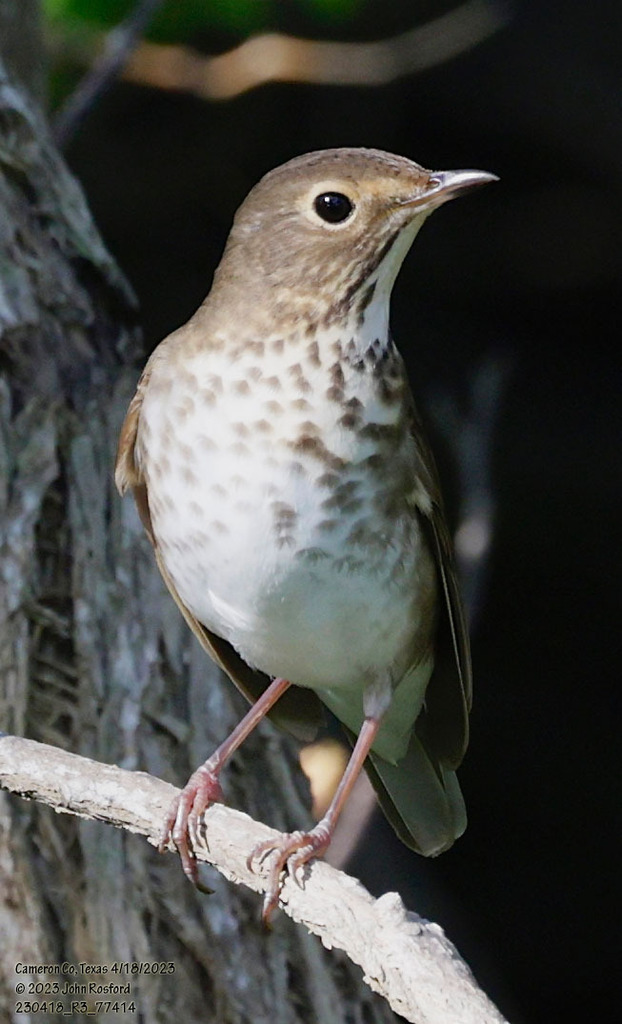
- Hermit ThrushFruit and seeds. 1 diet record
- Northern Mockingbird1 diet record
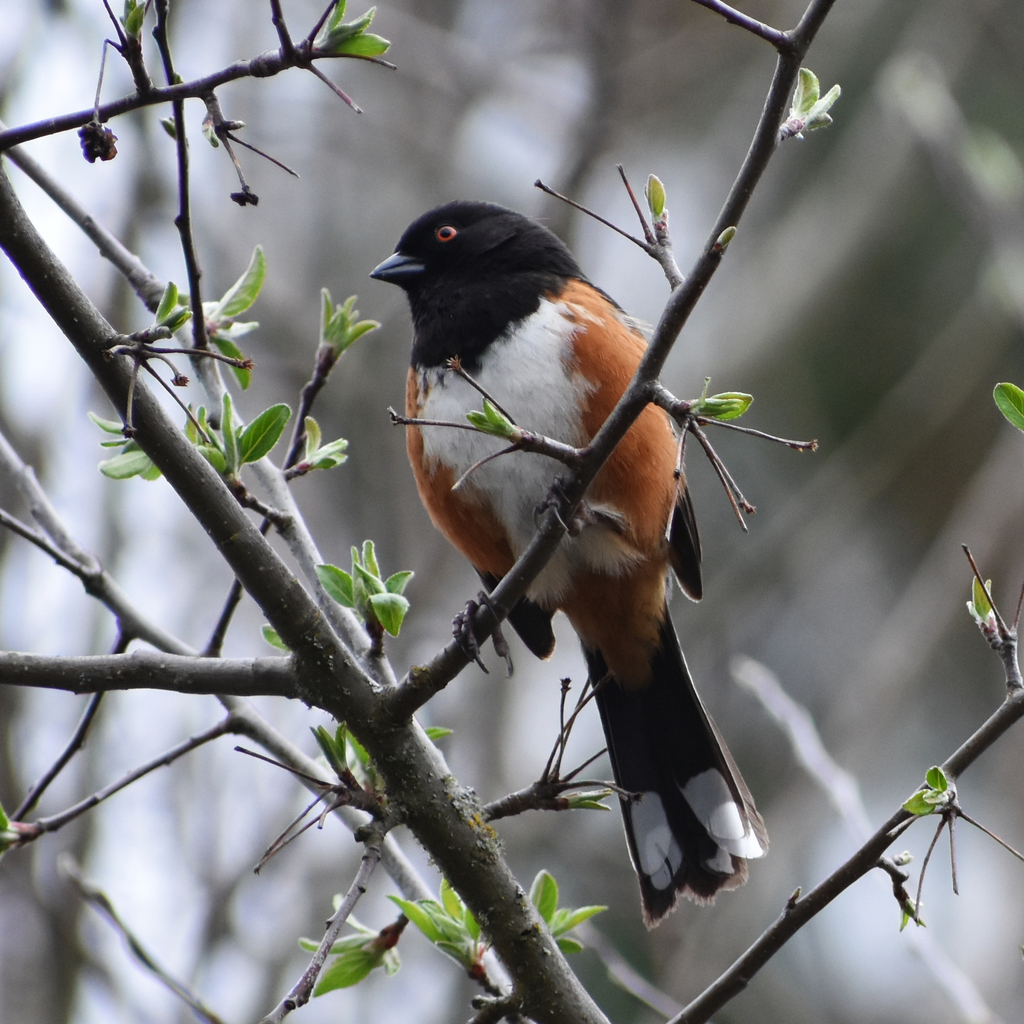
- Spotted TowheeFruit. 1 diet record
Direct food only. Caterpillars on host plants also feed nesting birds. NC Native Plant Society: butterfly gardening
Birds that eat Lonicera 6
Diet records by plant genus, from studies across North America. Not a record from this state. Avian Diet Database (Hurlbert Lab), CC0 1.0.
- Ruffed GrouseBonasa umbellus
- Swainson's ThrushCatharus ustulatus
- American RobinTurdus migratorius
- Hermit ThrushCatharus guttatus
- Northern MockingbirdMimus polyglottos
- Spotted TowheePipilo maculatus




Plant details
- Family
- Caprifoliaceae
- Hardiness
- Zones 5a–8b
- Soil pH
- Acidic to alkaline
- Flower color
- Yellow or white
- Growth rate
- Rapid
- Growth habit
- Spreads by runners
- Foliage color
- Green
- Fruit begins
- August
- Fruit ends
- October
Safety has not been reviewed for this plant; check toxicity and thorns before planting.
Growing sources and scope
- Bloom · “Late spring” · USDA PLANTS · Nationwide species characteristics; local growing conditions may vary
- Flower color · “Yellow or white” · NC Extension Plant Toolbox (ranked first; USDA PLANTS differs)
- Foliage color · “Green” · USDA PLANTS · Nationwide species characteristics; local growing conditions may vary
- Fruit begins · “August” · Weakley, Flora of the Southeastern United States (2025), Carolinas & Georgia edition (ranked first; USDA PLANTS differs) · Carolinas and Georgia
- Fruit ends · “October” · Weakley, Flora of the Southeastern United States (2025), Carolinas & Georgia edition (ranked first; USDA PLANTS differs) · Carolinas and Georgia
- Growth habit · “Spreads by runners” · USDA PLANTS · Nationwide species characteristics; local growing conditions may vary
- Growth rate · “Rapid” · USDA PLANTS · Nationwide species characteristics; local growing conditions may vary
- Hardiness · “Zones 5a–8b” · NC Extension Plant Toolbox
- Height · “16–29.5 feet” · NC Extension Plant Toolbox (ranked first; USDA PLANTS differs)
- Leaves · “Deciduous, semi-evergreen or evergreen” · NC Extension Plant Toolbox
- Life cycle · “Woody perennial” · NC Extension Plant Toolbox
- Light · “Full sun (6 or more hours of direct sunlight a day); Partial shade (direct sunlight only part of the day, 2-6 hours)” · NC Extension Plant Toolbox
- Soil · “Occasionally dry; Occasionally wet” · NC Extension Plant Toolbox
- Soil pH · “Acidic to alkaline” · NC Extension Plant Toolbox
- Spread · “3–6 feet” · NC Extension Plant Toolbox
Also known as
Japanese Honey Suckle
Conservation status
| Arkansas rank | SNA |
|---|---|
| Global rank | GNR |
| AR status | Not verified |
| Federal status | Not verified |
Sources
- Atlas of the Vascular Plants of Arkansas (2013)
- USDA PLANTS
- Weakley, Flora of the Southeastern United States (2025), Carolinas & Georgia edition
- NatureServe Explorer
- Arkansas occurrence source
- Shropshire & Tallamy 2025, Lepidoptera of North America north of Mexico, ZooKeys 1261 (ODbL)
- Noori, Seltmann & Orr 2026, A curated and integrated dataset for exploring global bee-plant interactions (GloBI), Zenodo, CC BY 4.0
- Smith, Bachelder, Russell, Morales, Mosher & Seltmann 2024, Bee-Specialization-Modeling v0.6.1 (specialist host table compiled from J. Fowler's pollen specialist bee lists), Zenodo, CC BY 4.0
- Hurlbert, Olsen, Sawyer & Winner 2021, Avian Diet Database, Scientific Data 8: 260 (CC0)
- Narango, Tallamy & Shropshire 2020, Few keystone plant genera support the majority of Lepidoptera species, Nature Communications