

Bird
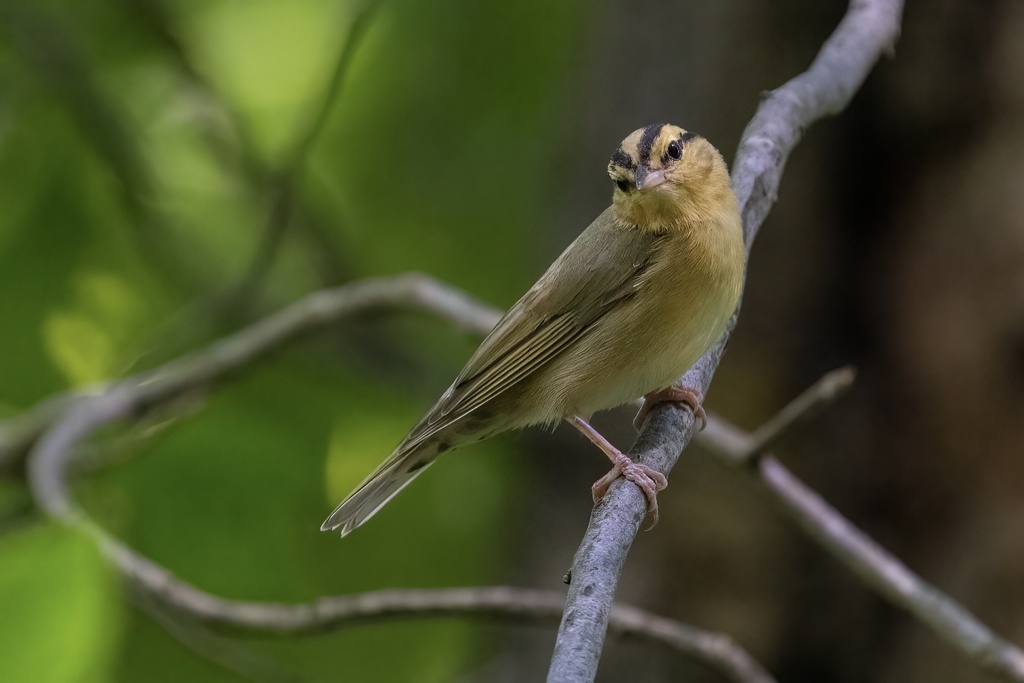
Worm-eating Warbler
Helmitheros vermivorum
A summer resident that nests in West Virginia. Found in all 55 counties, across 8 habitats.
- Here
- Summer
- Nesting
- Nests here
- Range
- All 55 counties
- Habitats
- 8
At a glance
- Group
- Birds
- Here
- Summer
- Nesting
- Nests here
- Range
- All 55 counties
- Habitats
- 8
- Habitat models
- Summer
Where it lives
The places its habitat model includes. It is not found everywhere a habitat occurs.
Habitats in West Virginia 8
Each habitat page lists the plants and wildlife also found there.
Disturbed and introduced wetlands
Wet ground taken over by weedy or introduced plants after disturbance, such as common reed, Chinese tallow or tamarisk stands; the upland counterpart is roadsides, fields and disturbed ground.
Forests and open woodlands on dry ridges and slopes, often oak or pine.
Floodplain and bottomland forests
Forests on low ground beside rivers and streams that flood from time to time.
Shady, evergreen forests of eastern or Carolina hemlock, often along rocky mountain streams and in gorges.
Forests between dry and moist, often oak-hickory on slopes.
Forests on moist but not wet ground, such as rich slopes and ravines.
Sheltered, moist mountain hollows and lower slopes with deep, fertile soil.
Streams, rivers and their banks
Flowing water and its banks, bars and rocky shoals.
Other habitats in its models (35)
Land cover, or classes with no habitat page in West Virginia.
- Central and Southern Appalachian Northern Hardwood Forest Summer.
- East Gulf Coastal Plain Limestone Forest Summer.
- East Gulf Coastal Plain Northern Loess Plain Oak-Hickory Upland - Hardwood Modifier Summer.
- Northeastern Interior Dry Oak Forest-Hardwood Modifier Summer.
- Northeastern Interior Dry Oak Forest - Mixed Modifier Summer.
- Southern Interior Low Plateau Dry-Mesic Oak Forest Summer.
- East Gulf Coastal Plain Northern Dry Upland Hardwood Forest Summer.
- East Gulf Coastal Plain Northern Loess Bluff Forest Summer.
- East Gulf Coastal Plain Southern Loess Bluff Forest Summer.
- Southern Coastal Plain Dry Upland Hardwood Forest Summer.
- Atlantic Coastal Plain Dry and Dry-Mesic Oak Forest Summer.
- Southern Piedmont Mesic Forest Summer.
- East Gulf Coastal Plain Northern Mesic Hardwood Forest Summer.
- Ozark-Ouachita Mesic Hardwood Forest Summer.
- East Gulf Coastal Plain Southern Mesic Slope Forest Summer.
- East Gulf Coastal Plain Interior Shortleaf Pine-Oak Forest - Hardwood Modifier Summer.
- Southern Piedmont Dry Oak-(Pine) Forest - Hardwood Modifier Summer.
- East Gulf Coastal Plain Interior Shortleaf Pine-Oak Forest - Mixed Modifier Summer.
- Southern Piedmont Dry Oak-(Pine) Forest - Mixed Modifier Summer.
- Southern Piedmont Dry Oak-Heath Forest - Mixed Modifier Summer.
- Northern Atlantic Coastal Plain Dry Hardwood Forest Summer.
- Southern Ridge and Valley Dry Calcareous Forest Summer.
- Atlantic Coastal Plain Mesic Hardwood and Mixed Forest Summer.
- Northern Atlantic Coastal Plain Basin Swamp and Wet Hardwood Forest Summer.
- Atlantic Coastal Plain Nonriverine Swamp and Wet Hardwood Forest - Taxodium/Nyssa Modifier Summer.
- Atlantic Coastal Plain Nonriverine Swamp and Wet Hardwood Forest - Oak Dominated Modifier Summer.
- Atlantic Coastal Plain Blackwater Stream Floodplain Forest - Forest Modifier Summer.
- East Gulf Coastal Plain Large River Floodplain Forest - Forest Modifier Summer.
- Southern Piedmont Small Floodplain and Riparian Forest Summer.
- Atlantic Coastal Plain Small Brownwater River Floodplain Forest Summer.
- Atlantic Coastal Plain Small Blackwater River Floodplain Forest Summer.
- Atlantic Coastal Plain Brownwater Stream Floodplain Forest Summer.
- East Gulf Coastal Plain Small Stream and River Floodplain Forest Summer.
- Mississippi River Floodplain and Riparian Forest Summer.
- Ozark-Ouachita Riparian Summer.
Seasons in West Virginia
- Summer: nests here, in all 55 counties.
Also found in this habitat
Plants 691
Plants named in NatureServe descriptions of these habitats that grow in West Virginia. Shared habitat, not food.
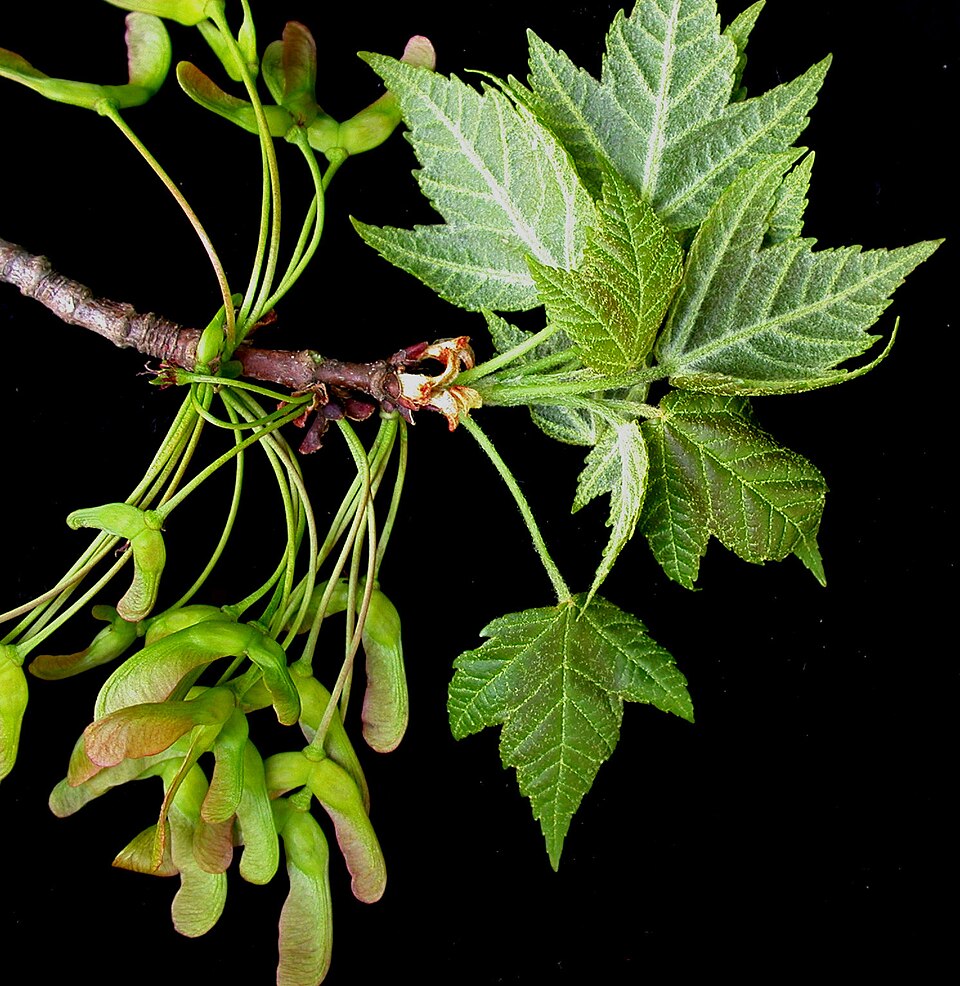
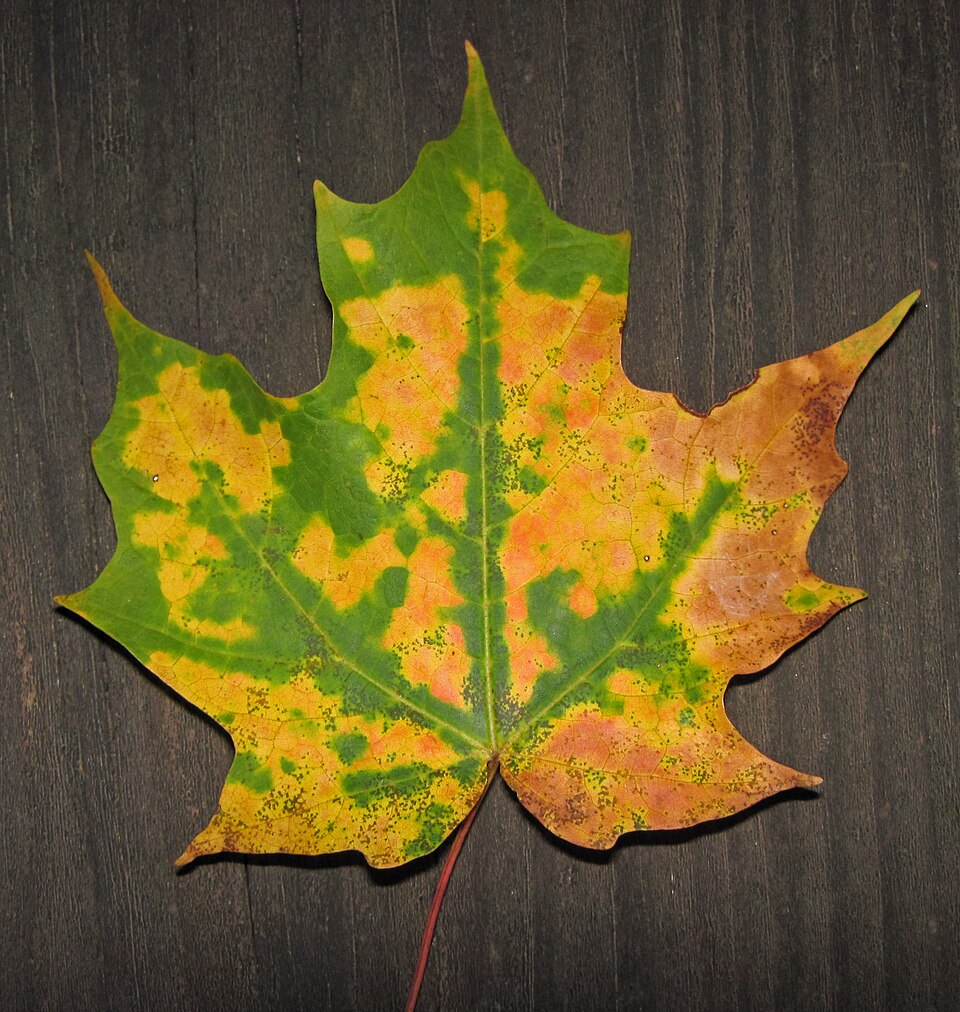
- Red MapleAcer rubrum
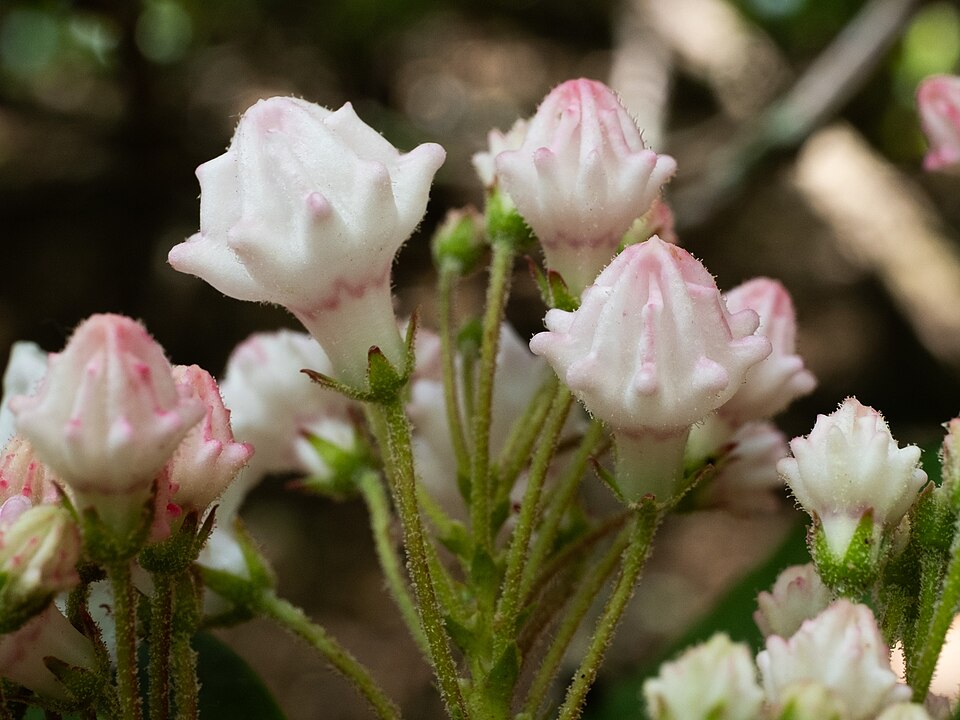
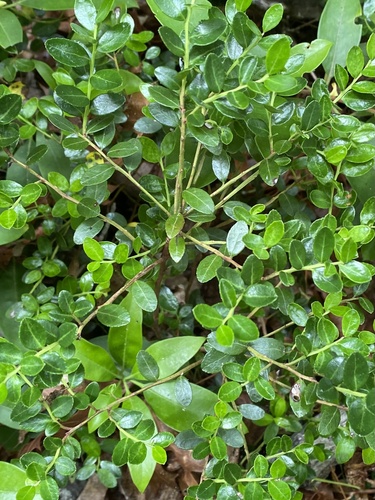
- Mountain LaurelKalmia latifolia
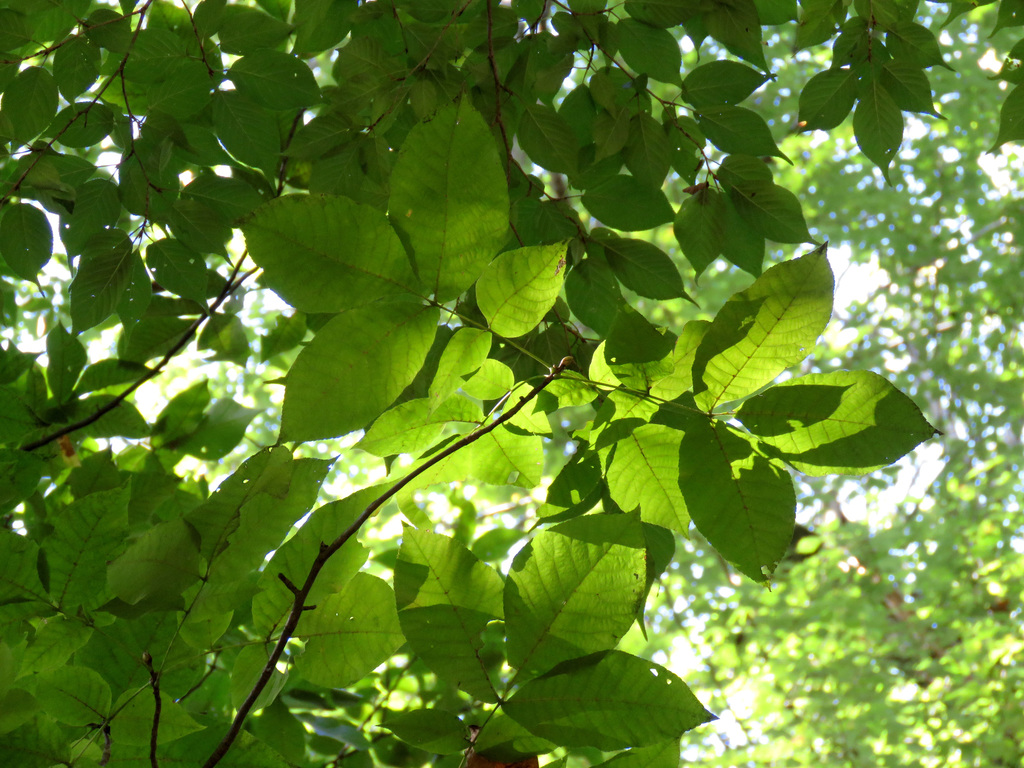
- White AshFraxinus americana
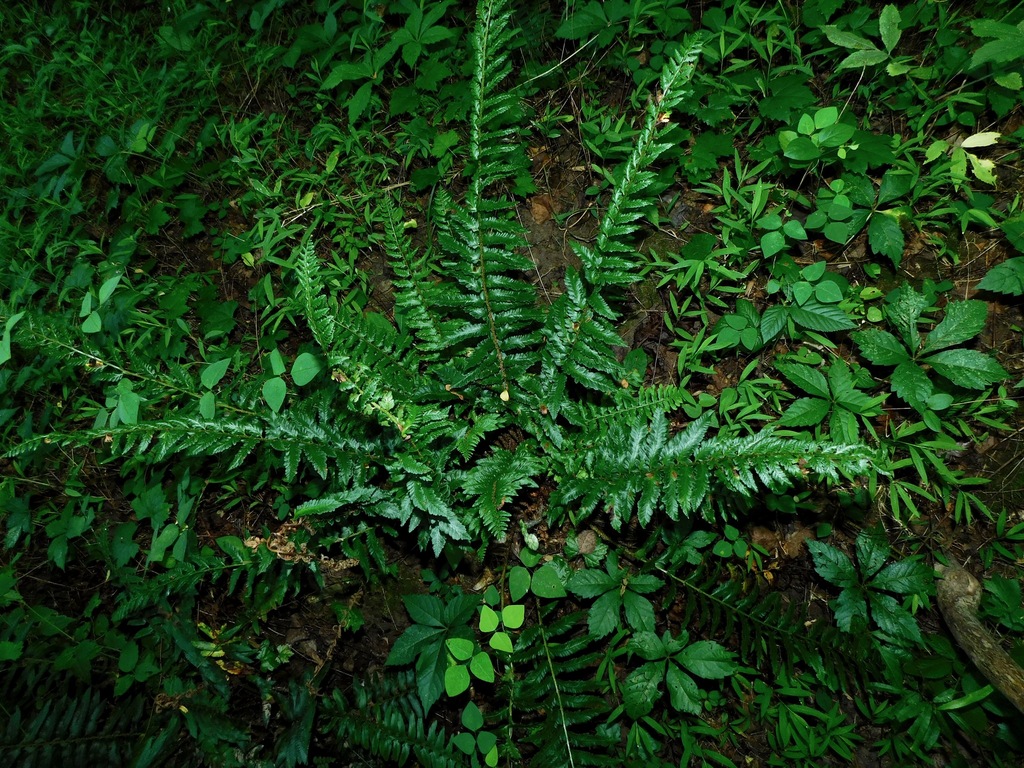
- Christmas FernPolystichum acrostichoides
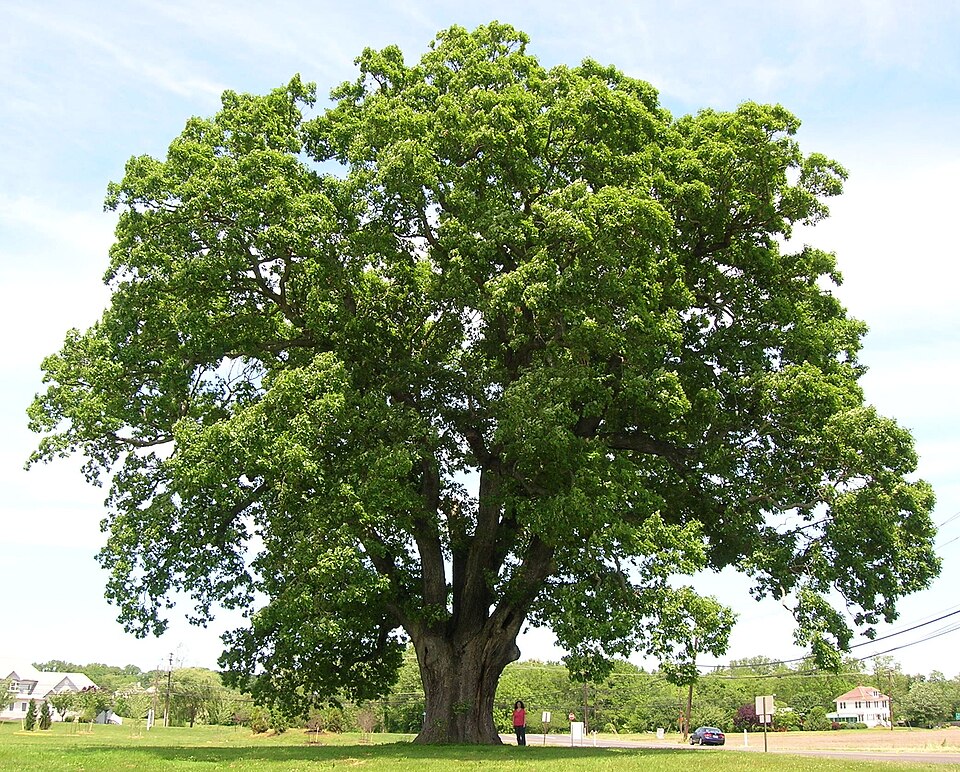
- White OakQuercus alba
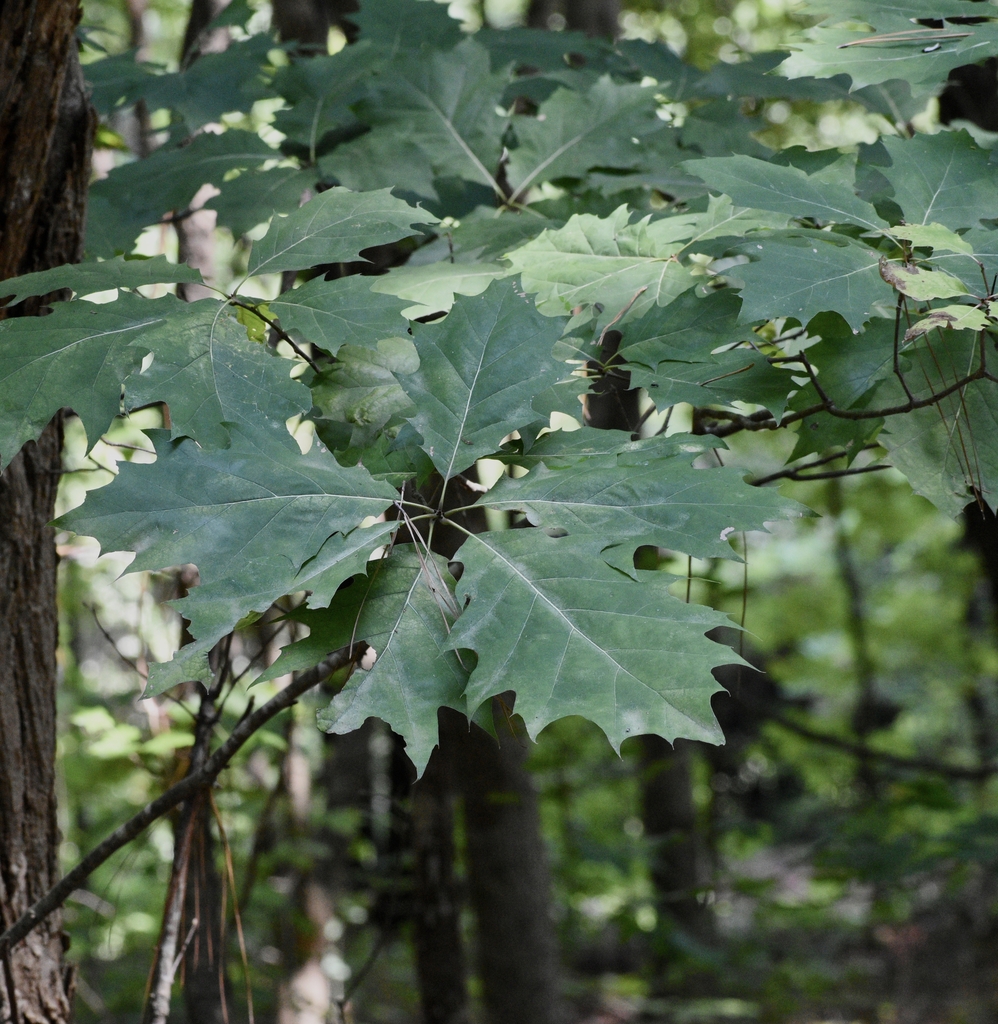
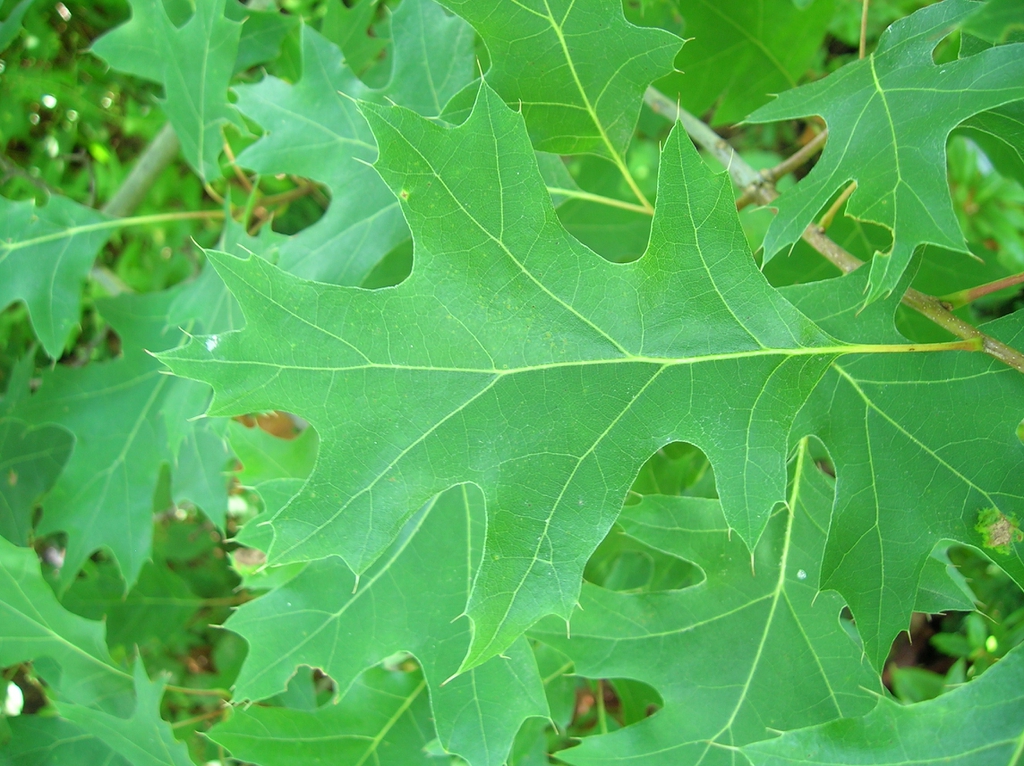
- Northern Red OakQuercus rubra
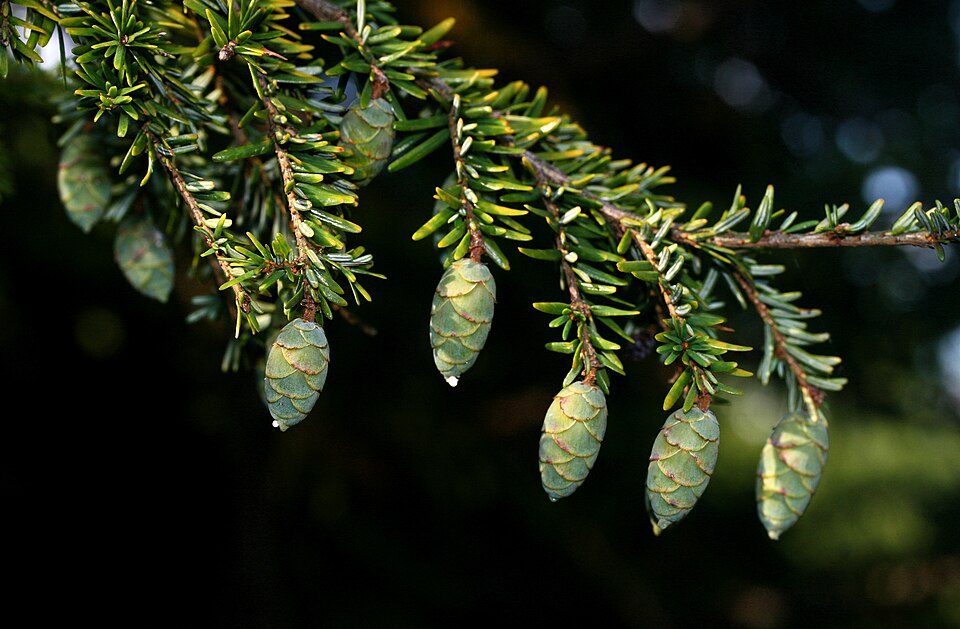
- Eastern HemlockTsuga canadensis
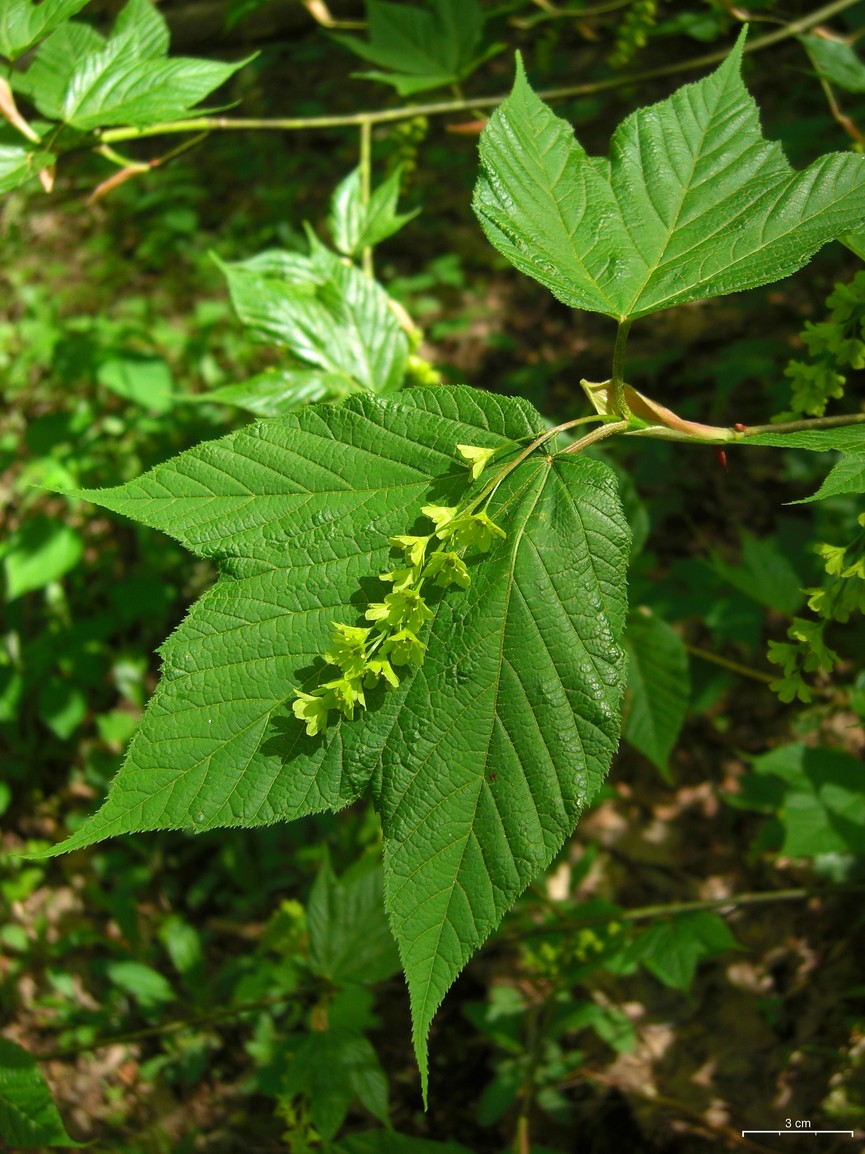
- Sugar MapleAcer saccharum
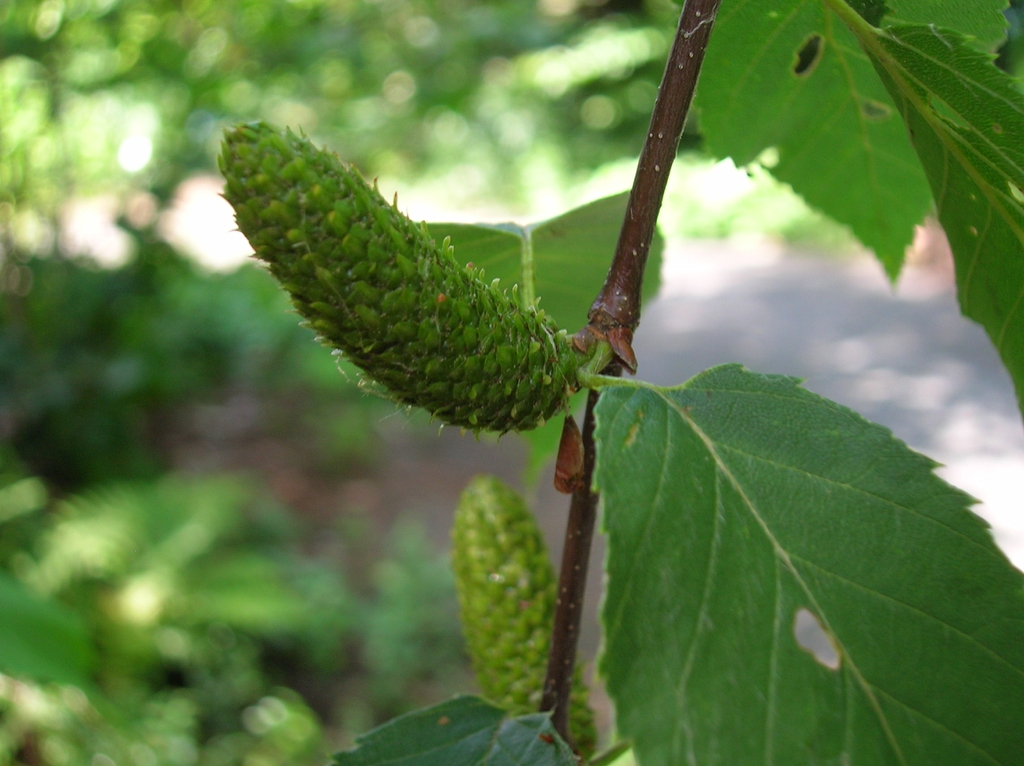
- Sweet BirchBetula lenta
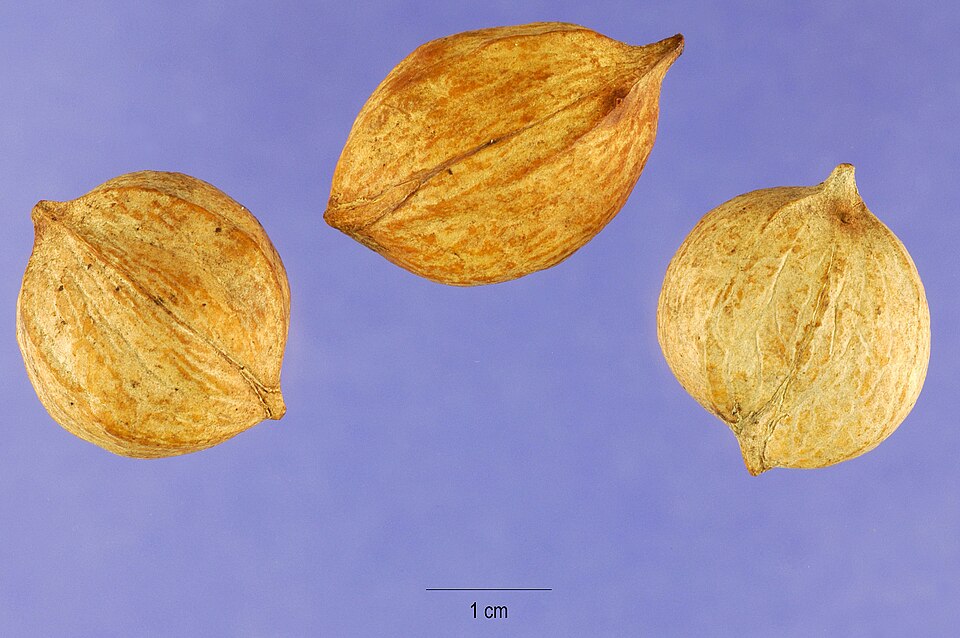
- Mockernut HickoryCarya tomentosa
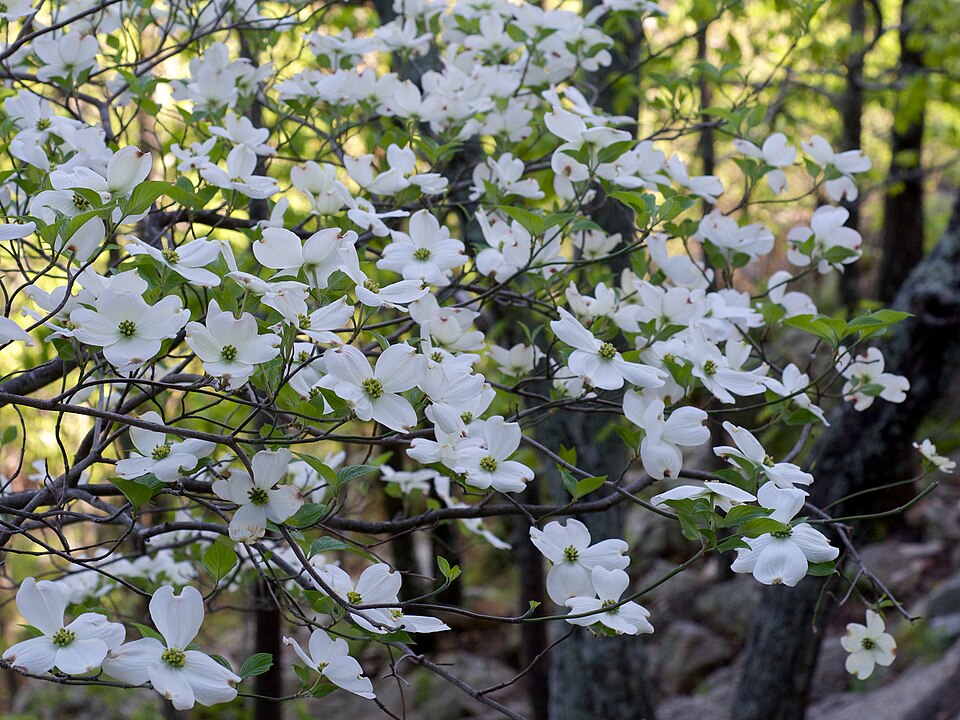
- Flowering DogwoodCornus florida
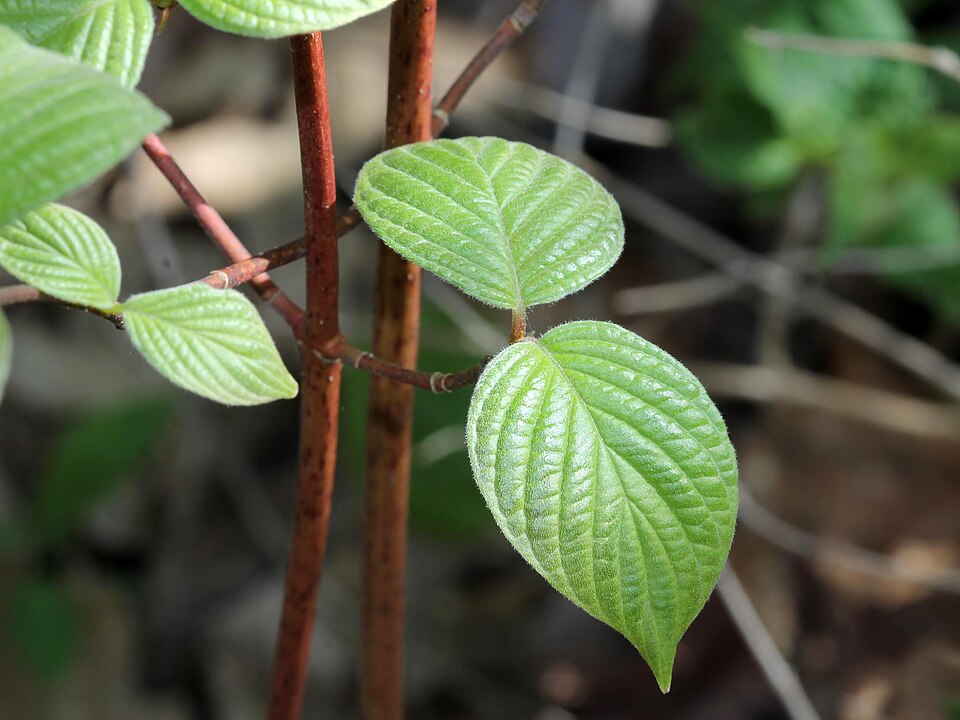
- Round Leaf DogwoodCornus rugosa
- Box HuckleberryGaylussacia brachycera
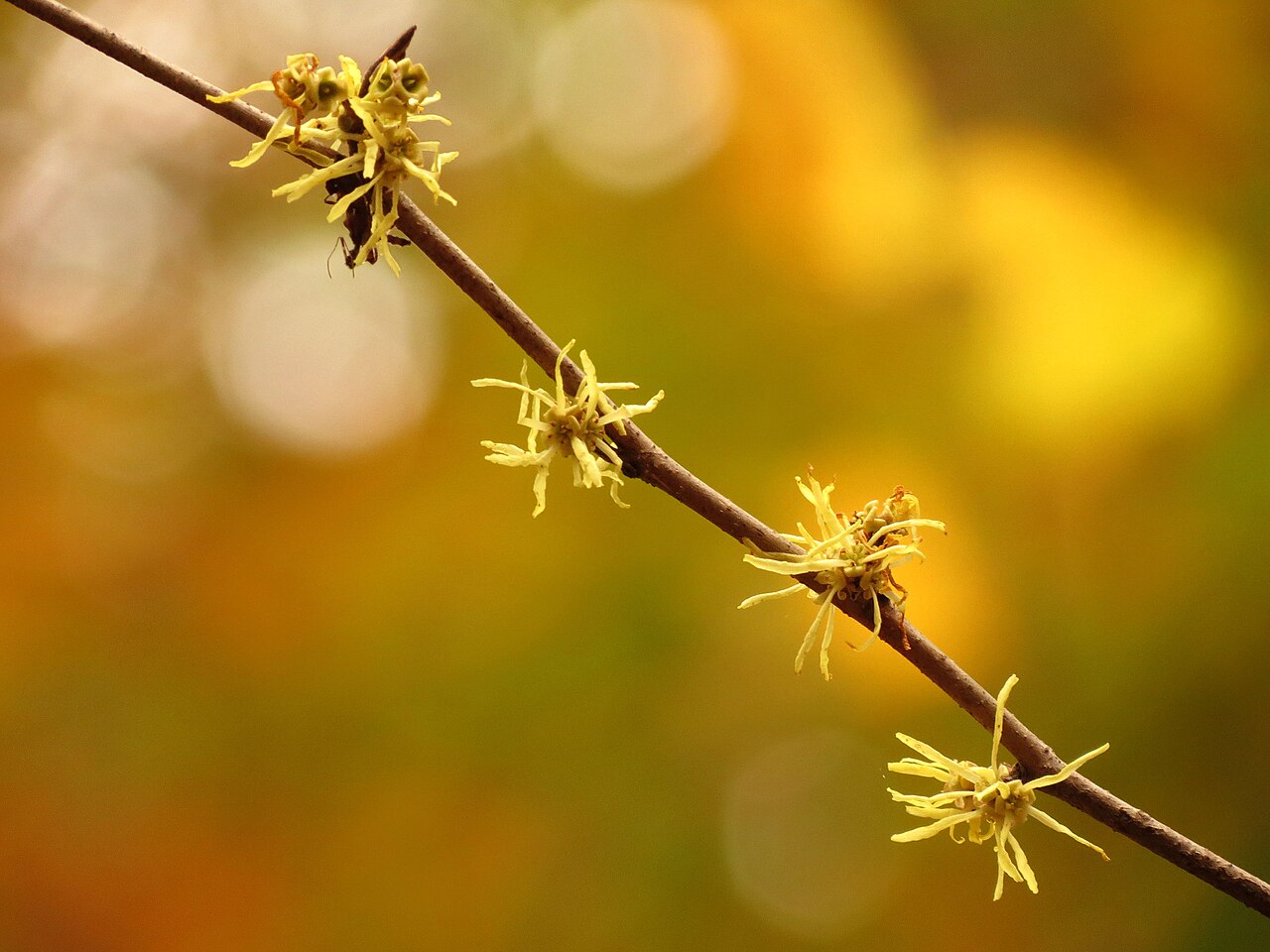
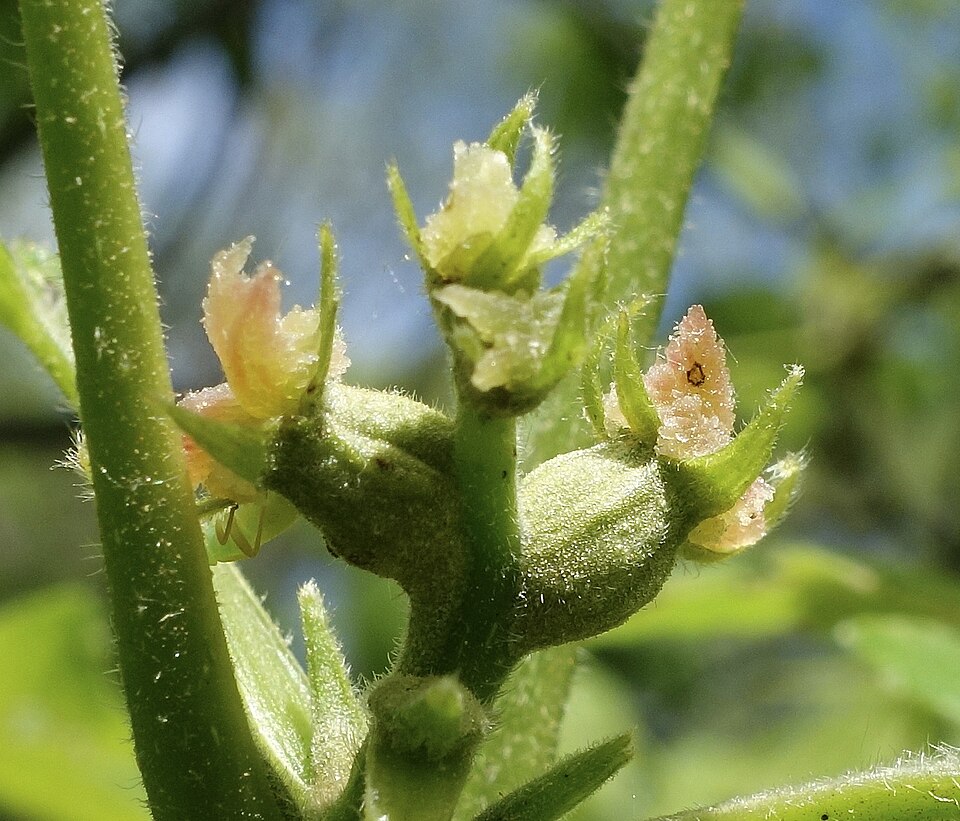
- American Witch-hazelHamamelis virginiana
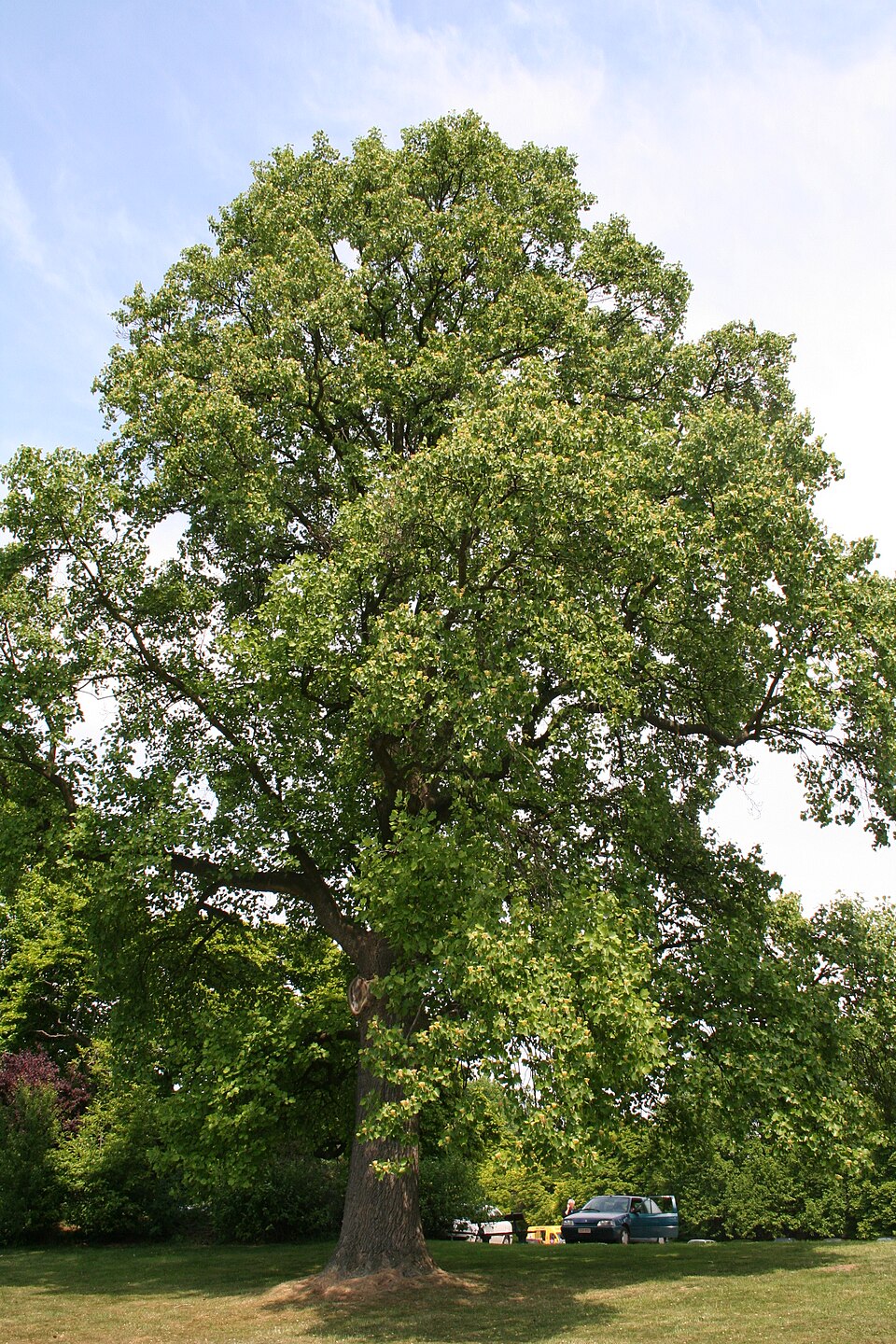
- TuliptreeLiriodendron tulipifera
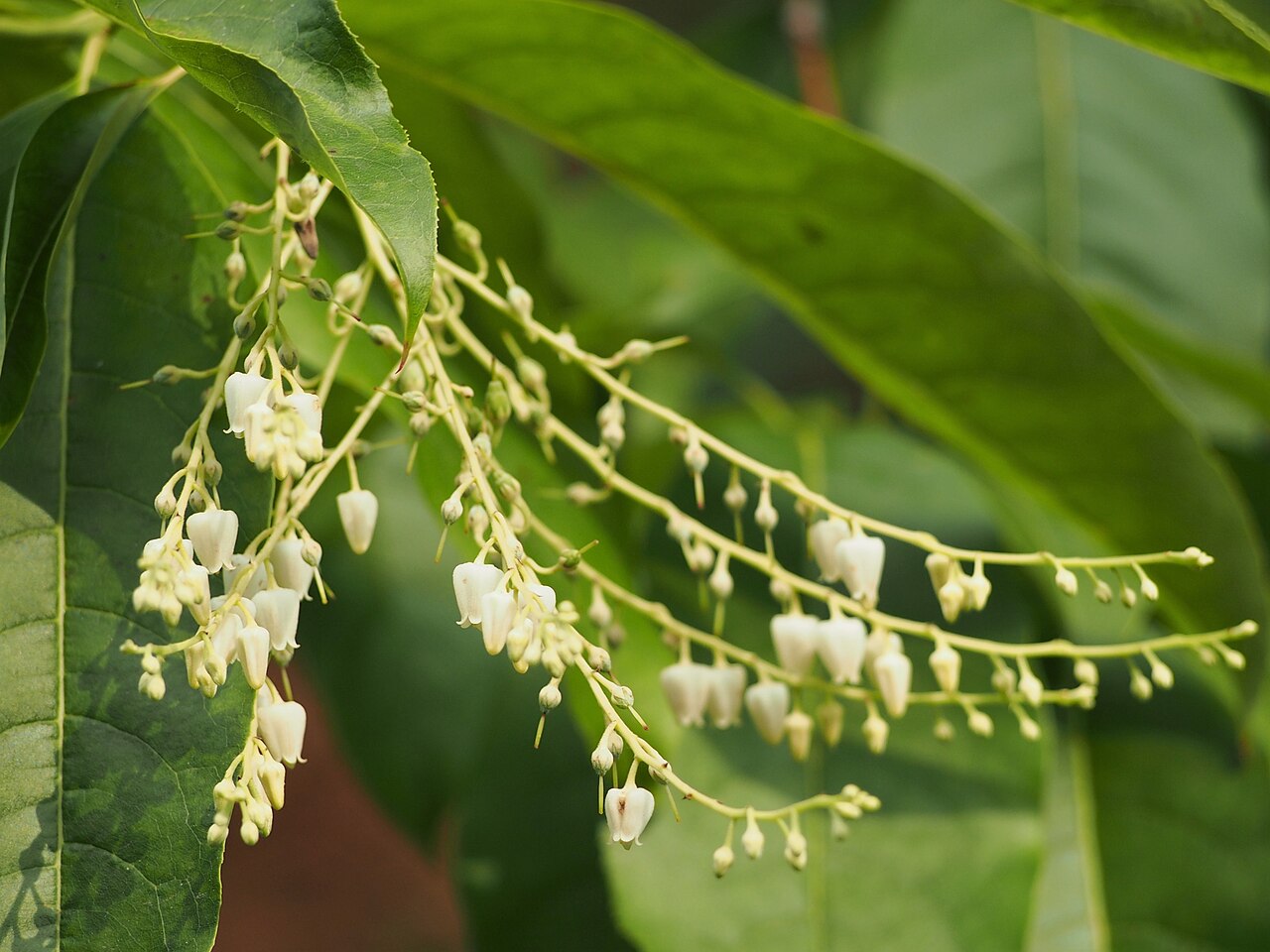
- SourwoodOxydendrum arboreum
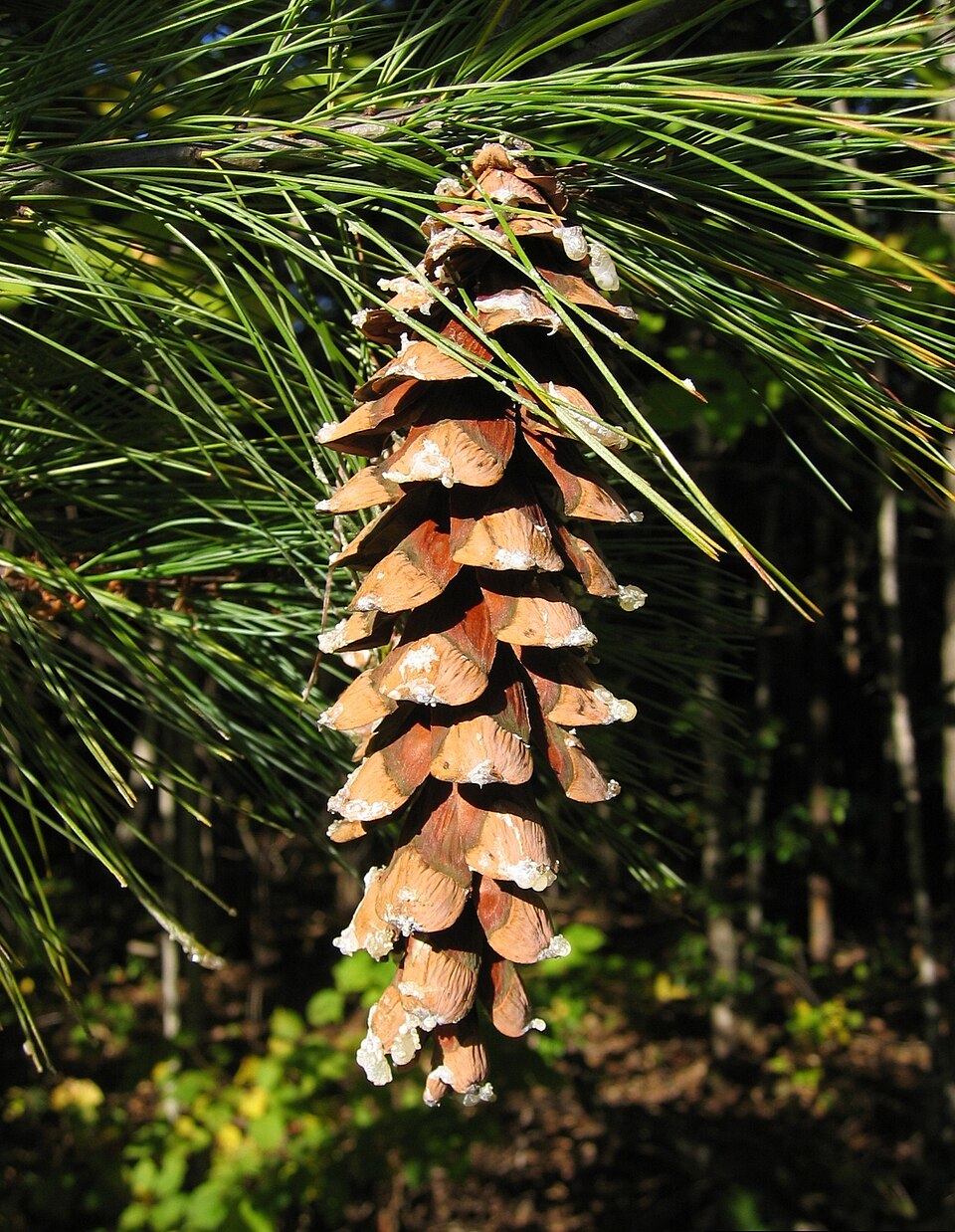
- Eastern White PinePinus strobus
- Scarlet OakQuercus coccinea
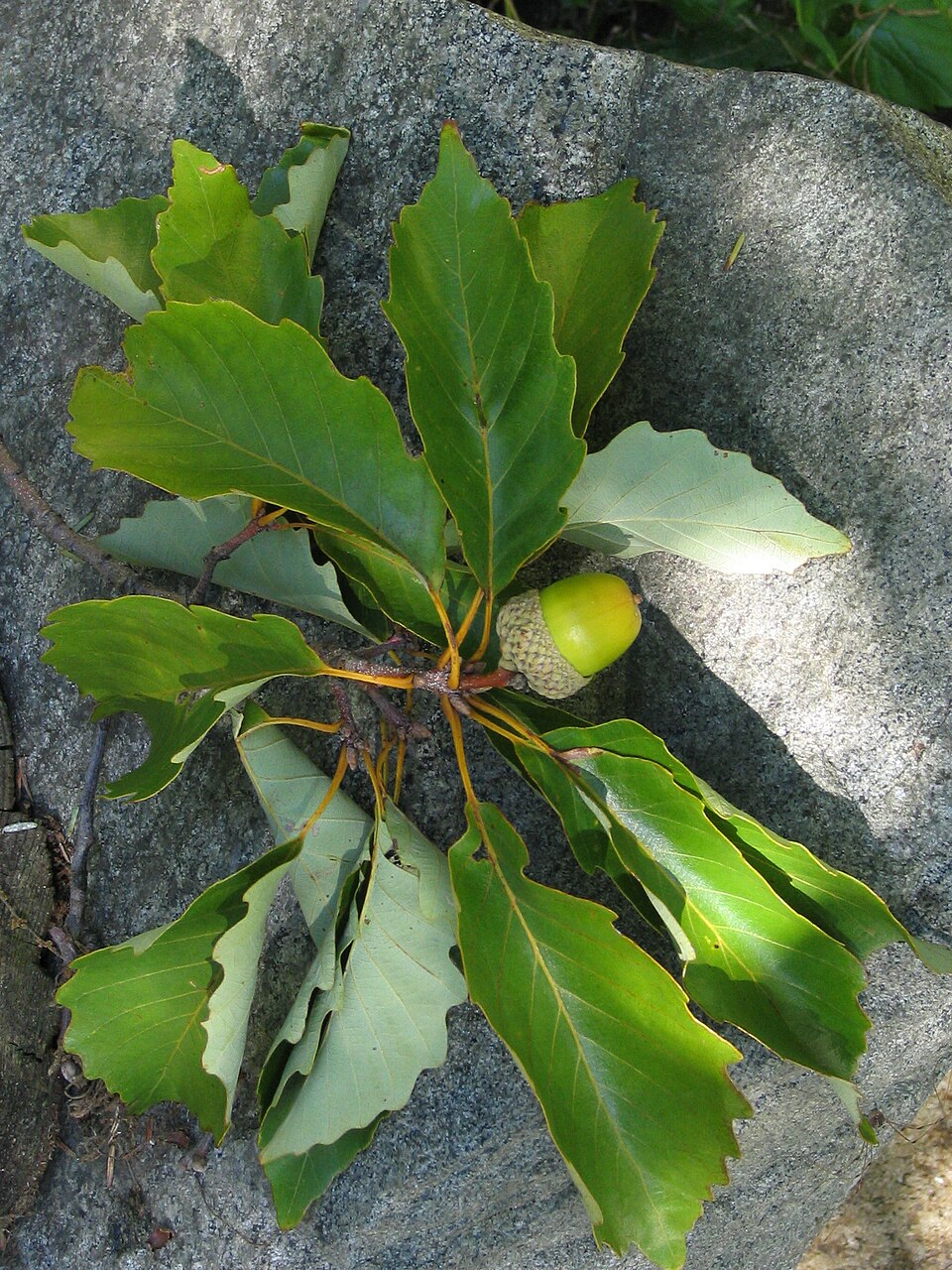
- Chestnut OakQuercus prinus
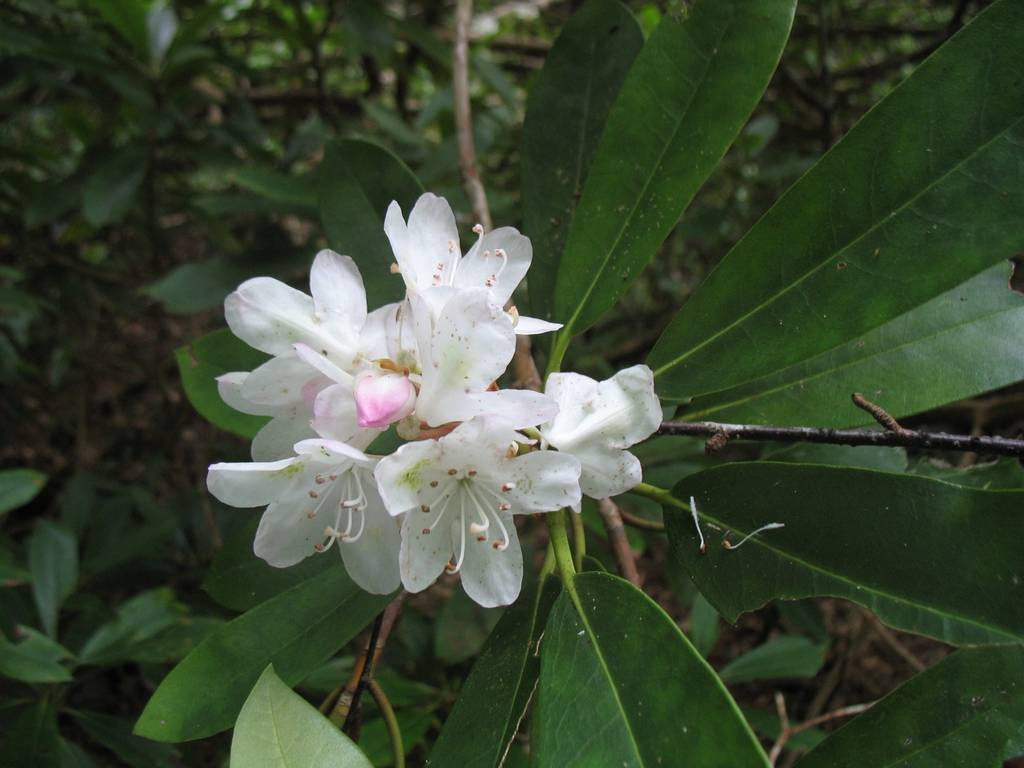
- Rosebay RhododendronRhododendron maximum
- Striped MapleAcer pensylvanicum
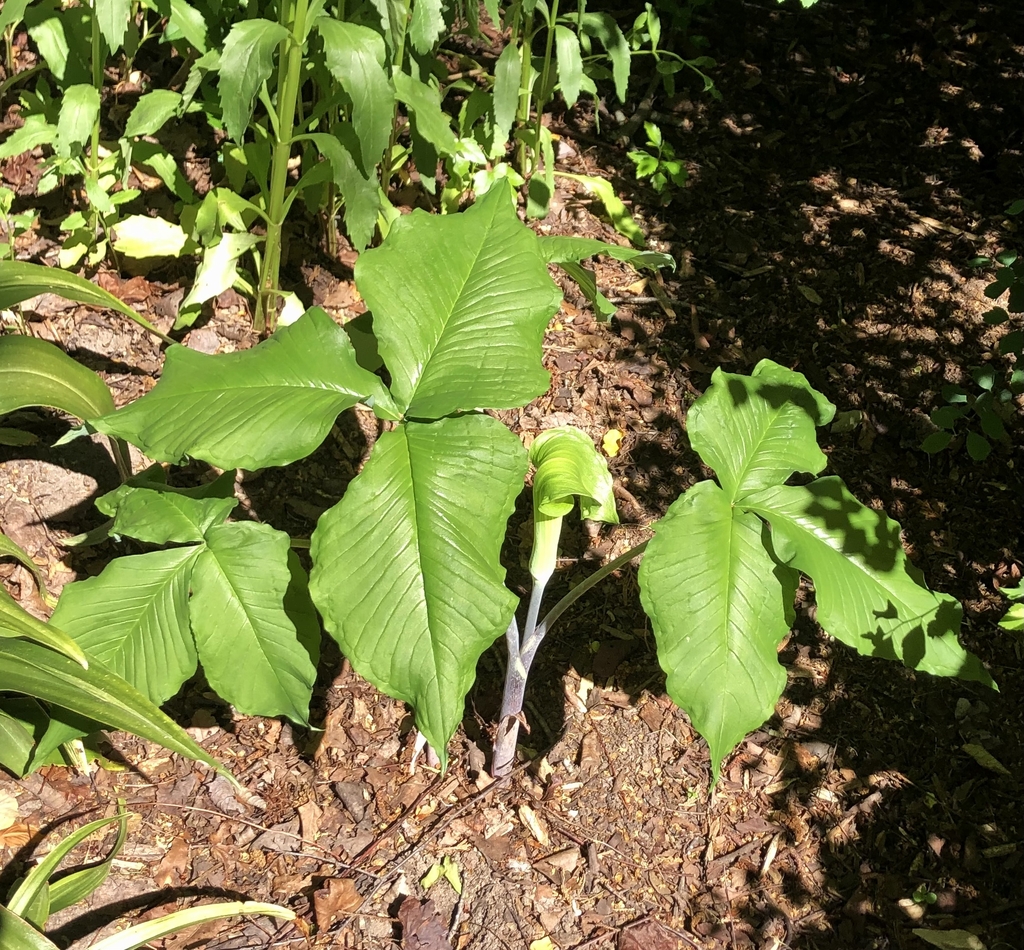
- Common Jack-in-the-pulpitArisaema triphyllum
- Pignut HickoryCarya glabra
- Shagbark HickoryCarya ovata

Wildlife 203
Other animals whose habitat models include the same habitats in West Virginia. Not sighting records.
- Dark-eyed JuncoJunco hyemalis
- Eastern KingbirdTyrannus tyrannus
- Eastern Screech-owlMegascops asio
- Eastern TowheePipilo erythrophthalmus
- Eastern Wood-peweeContopus virens
- European StarlingSturnus vulgaris
- Fox SparrowPasserella iliaca
- Gray CatbirdDumetella carolinensis
- Great Crested FlycatcherMyiarchus crinitus
- Great Horned OwlBubo virginianus
- Hairy WoodpeckerPicoides villosus
- Hermit ThrushCatharus guttatus
- Hooded MerganserLophodytes cucullatus
- Kentucky WarblerOporornis formosus
- Least FlycatcherEmpidonax minimus
- Northern CardinalCardinalis cardinalis
- Northern Saw-whet OwlAegolius acadicus
- OspreyPandion haliaetus
- OvenbirdSeiurus aurocapilla
- Red-bellied WoodpeckerMelanerpes carolinus
- Red-tailed HawkButeo jamaicensis
- Rose-breasted GrosbeakPheucticus ludovicianus
- Ruby-throated HummingbirdArchilochus colubris
- Scarlet TanagerPiranga olivacea






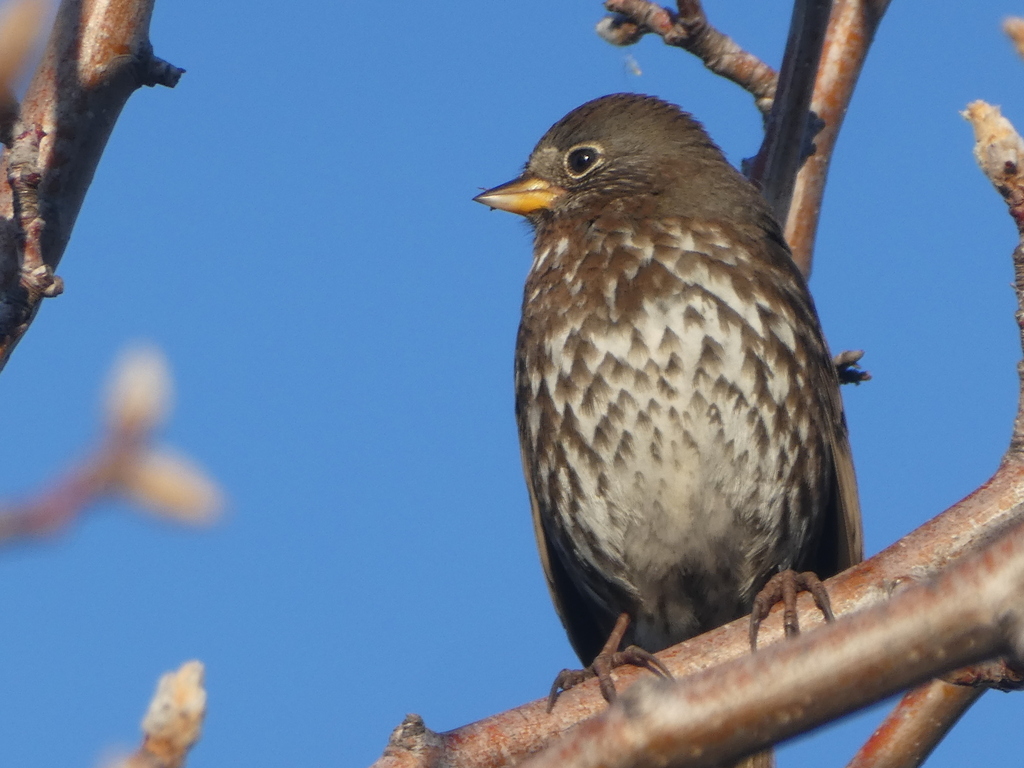






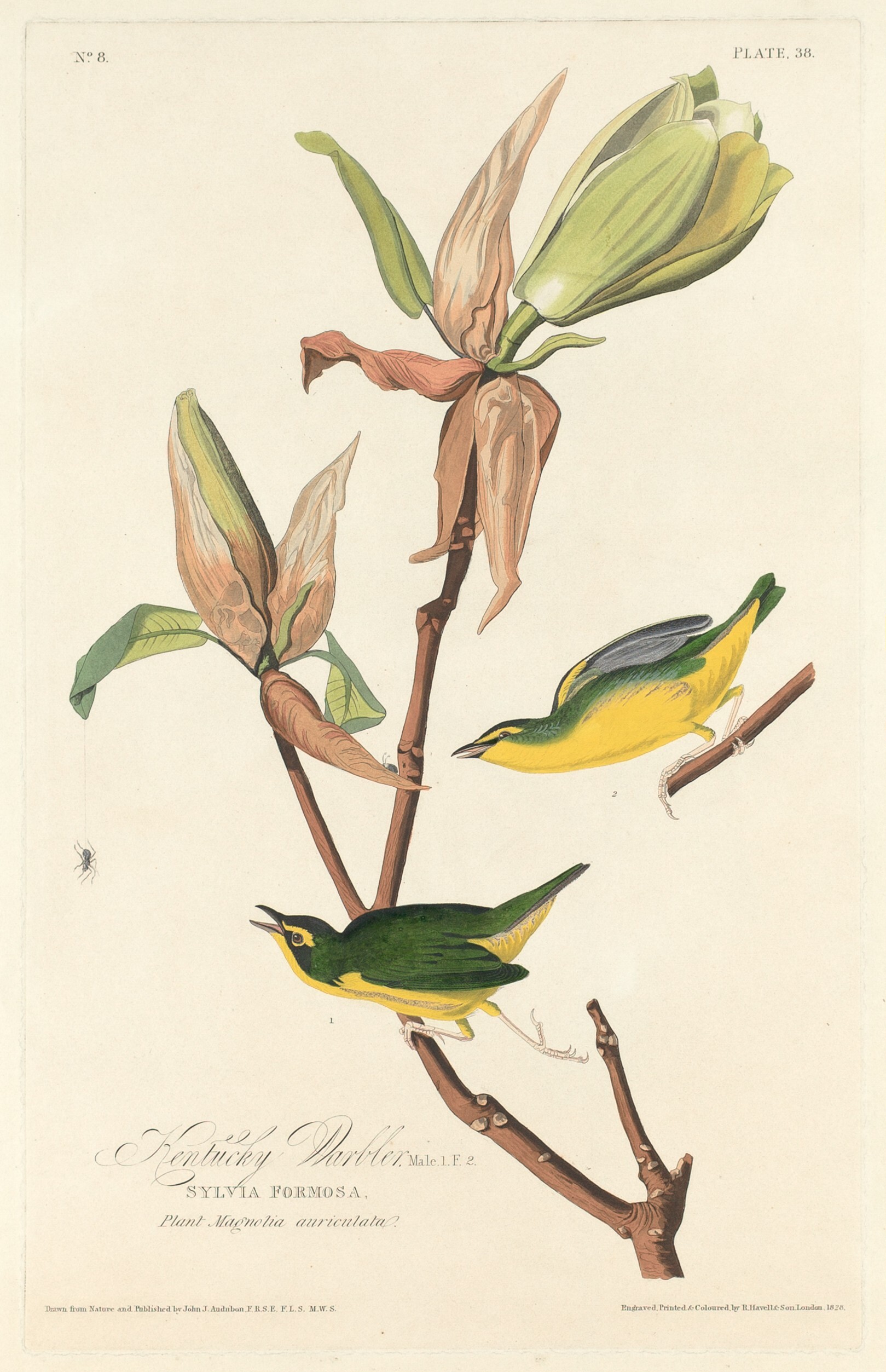







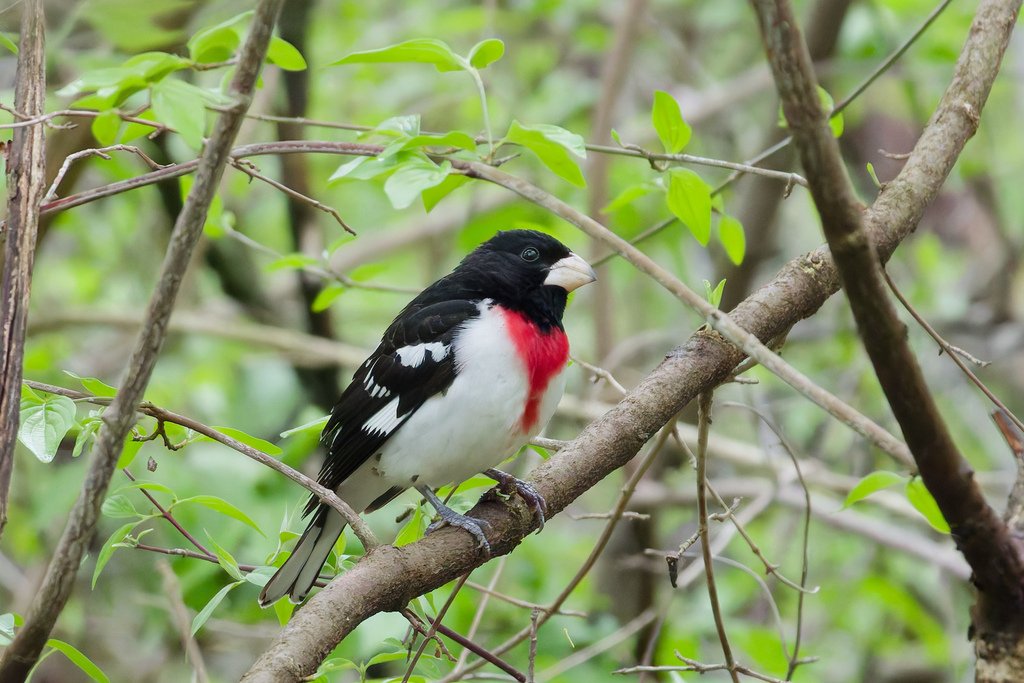


NatureServe Explorer, CC BY 4.0. USGS Gap Analysis Project habitat models.
Sources
- USGS Gap Analysis Project habitat models (2001)
- USGS GAP summer habitat model for Worm-eating Warbler
- USGS Gap Analysis Project range maps (2001), modeled by watershed; migratory gives no dates
- NatureServe Explorer (CC BY 4.0), habitat names
- US Census TIGER/Line counties
- Names follow the USGS Gap Analysis Project (2001)