

Bird
Ruffed Grouse
Bonasa umbellus
Lives in West Virginia all year and nests here. Found in all 55 counties, across 10 habitats.
- Here
- All year
- Nesting
- Nests here
- Range
- All 55 counties
- Habitats
- 10

At a glance
- Group
- Birds
- Here
- All year
- Nesting
- Nests here
- Range
- All 55 counties
- Habitats
- 10
- Habitat models
- Year-round
Where it lives
The places its habitat model includes. It is not found everywhere a habitat occurs.
Habitats in West Virginia 10
Each habitat page lists the plants and wildlife also found there.
Forests and open woodlands on dry ridges and slopes, often oak or pine.
Floodplain and bottomland forests
Forests on low ground beside rivers and streams that flood from time to time.
Shady, evergreen forests of eastern or Carolina hemlock, often along rocky mountain streams and in gorges.
Forests between dry and moist, often oak-hickory on slopes.
Forests on moist but not wet ground, such as rich slopes and ravines.
Sheltered, moist mountain hollows and lower slopes with deep, fertile soil.
Cool, evergreen forests of red spruce and Fraser fir on the highest mountains.
Streams, rivers and their banks
Flowing water and its banks, bars and rocky shoals.
Tree plantations and managed pine
Planted or intensively managed stands of pine or hardwoods grown for timber; a land use rather than a natural community.
Roadsides, fields and disturbed ground
Ground opened by people: roadsides, old fields, pastures, fencerows and lots.
Other habitats in its models (41)
Land cover, or classes with no habitat page in West Virginia.
- Central and Southern Appalachian Northern Hardwood Forest Year-round.
- Northeastern Interior Dry Oak Forest-Hardwood Modifier Year-round.
- Northeastern Interior Dry Oak Forest - Mixed Modifier Year-round.
- Ridge and Valley Calcareous Valley Bottom Glade and Woodland Year-round.
- Ozark-Ouachita Dry-Mesic Oak Forest Year-round.
- Southern Interior Low Plateau Dry-Mesic Oak Forest Year-round.
- North-Central Interior Dry-Mesic Oak Forest and Woodland Year-round.
- North-Central Interior Dry Oak Forest and Woodland Year-round.
- Ouachita Montane Oak Forest Year-round.
- North-Central Interior Beech-Maple Forest Year-round.
- North-Central Interior Maple-Basswood Forest Year-round.
- Ozark-Ouachita Dry Oak Woodland Year-round.
- Southern Piedmont Mesic Forest Year-round.
- Ozark-Ouachita Mesic Hardwood Forest Year-round.
- Southern Piedmont Dry Oak-(Pine) Forest - Hardwood Modifier Year-round.
- Northeastern Interior Dry Oak Forest - Virginia/Pitch Pine Modifier Year-round.
- Southern Piedmont Dry Oak-(Pine) Forest - Loblolly Pine Modifier Year-round.
- Southern Ridge and Valley Dry Calcareous Forest - Pine modifier Year-round.
- Southern Piedmont Dry Oak-(Pine) Forest - Mixed Modifier Year-round.
- Southern Piedmont Dry Oak-Heath Forest - Mixed Modifier Year-round.
- Northern Atlantic Coastal Plain Dry Hardwood Forest Year-round.
- Southeastern Interior Longleaf Pine Woodland Year-round.
- Central Interior Highlands Dry Acidic Glade and Barrens Year-round.
- Ozark-Ouachita Shortleaf Pine-Oak Forest and Woodland Year-round.
- Southern Piedmont Dry Oak-(Pine) Forest Year-round.
- Acadian Low-Elevation Spruce-Fir-Hardwood Forest Year-round.
- Southern Ridge and Valley Dry Calcareous Forest Year-round.
- Southern Appalachian Low Mountain Pine Forest Year-round.
- Ozark-Ouachita Shortleaf Pine-Bluestem Woodland Year-round.
- Southern Piedmont Glade and Barrens Year-round.
- Nashville Basin Limestone Glade Year-round.
- Central Appalachian Alkaline Glade and Woodland Year-round.
- Central Interior Highlands Calcareous Glade and Barrens Year-round.
- Harvested Forest - Grass/Forb Regeneration Year-round, beside its main habitat.
- Introduced Upland Vegetation - Treed Year-round.
- Northern Atlantic Coastal Plain Basin Swamp and Wet Hardwood Forest Year-round.
- Southern and Central Appalachian Bog and Fen Year-round.
- Southern Piedmont Large Floodplain Forest - Forest Modifier Year-round.
- Eastern Great Plains Floodplain Systems Year-round.
- Southern Piedmont Small Floodplain and Riparian Forest Year-round.
- Ozark-Ouachita Riparian Year-round.
Seasons in West Virginia
- Year-round: nests here, in all 55 counties.
Also found in this habitat
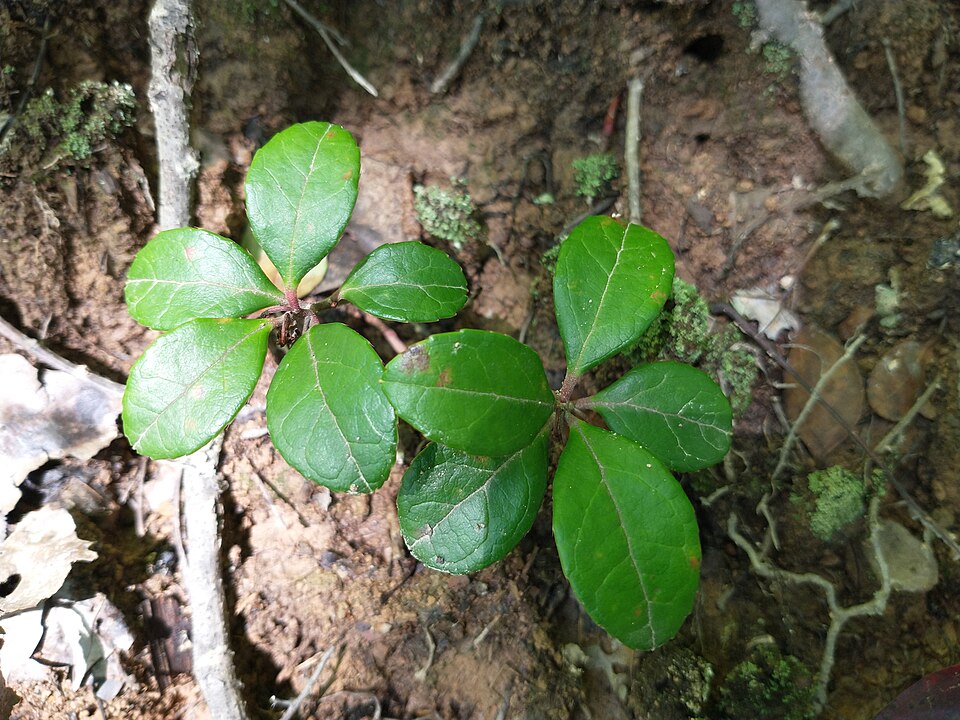
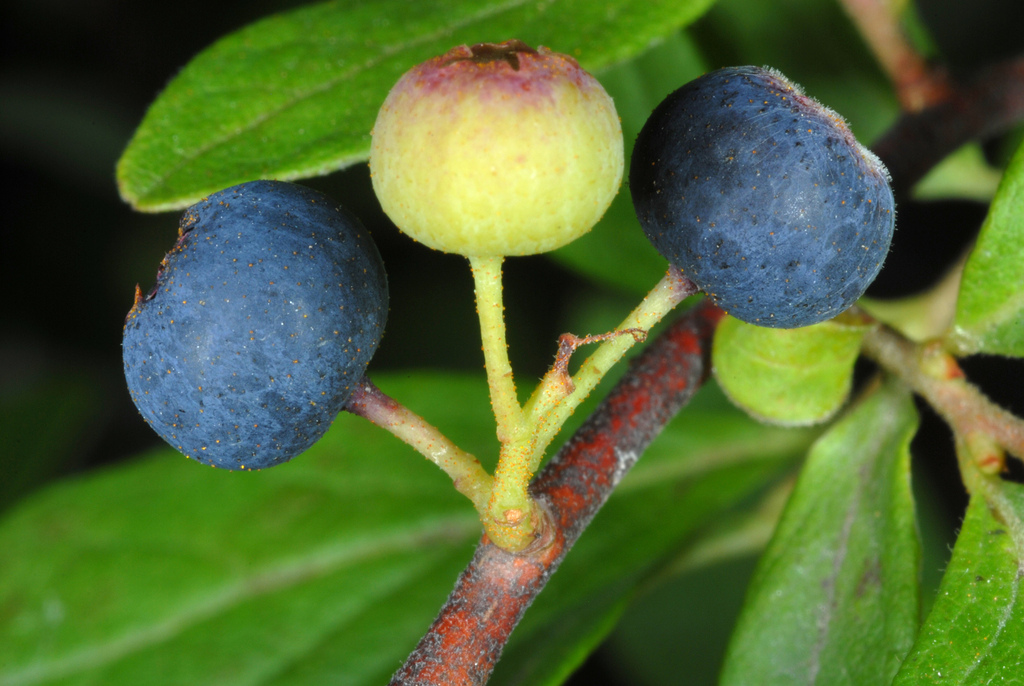
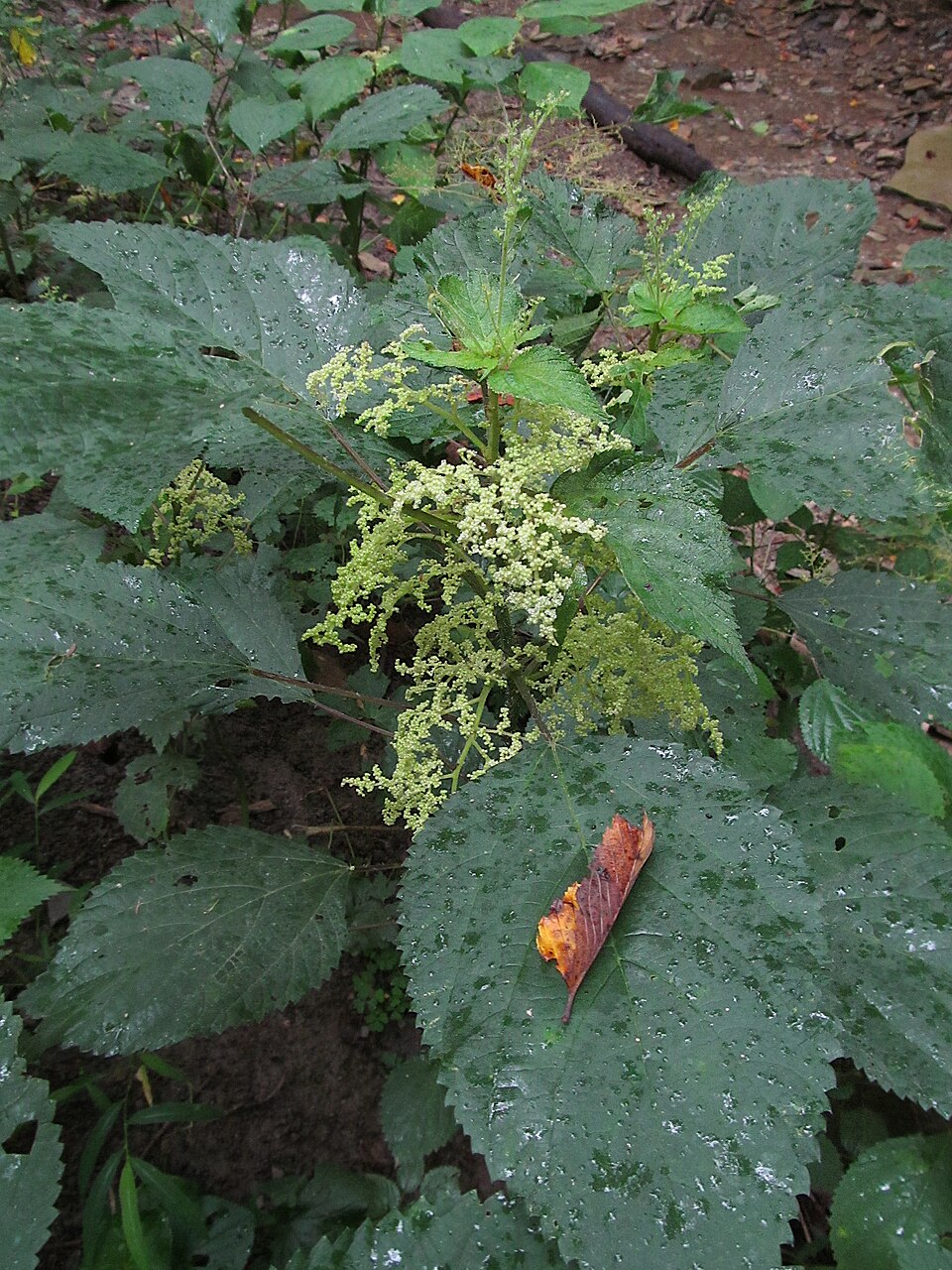
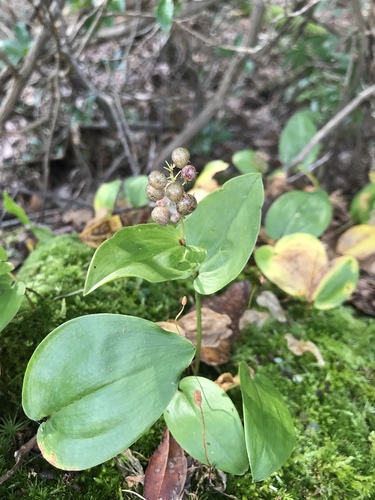
Plants 814
Plants named in NatureServe descriptions of these habitats that grow in West Virginia. Shared habitat, not food.
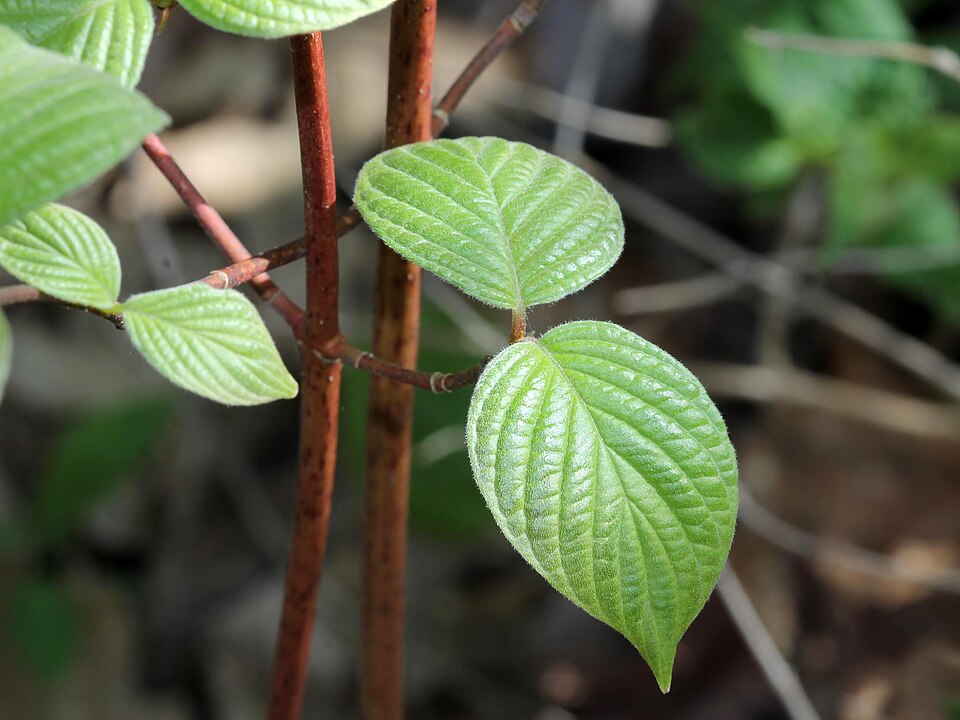
- Round Leaf DogwoodCornus rugosa
- Poverty OatgrassDanthonia spicata
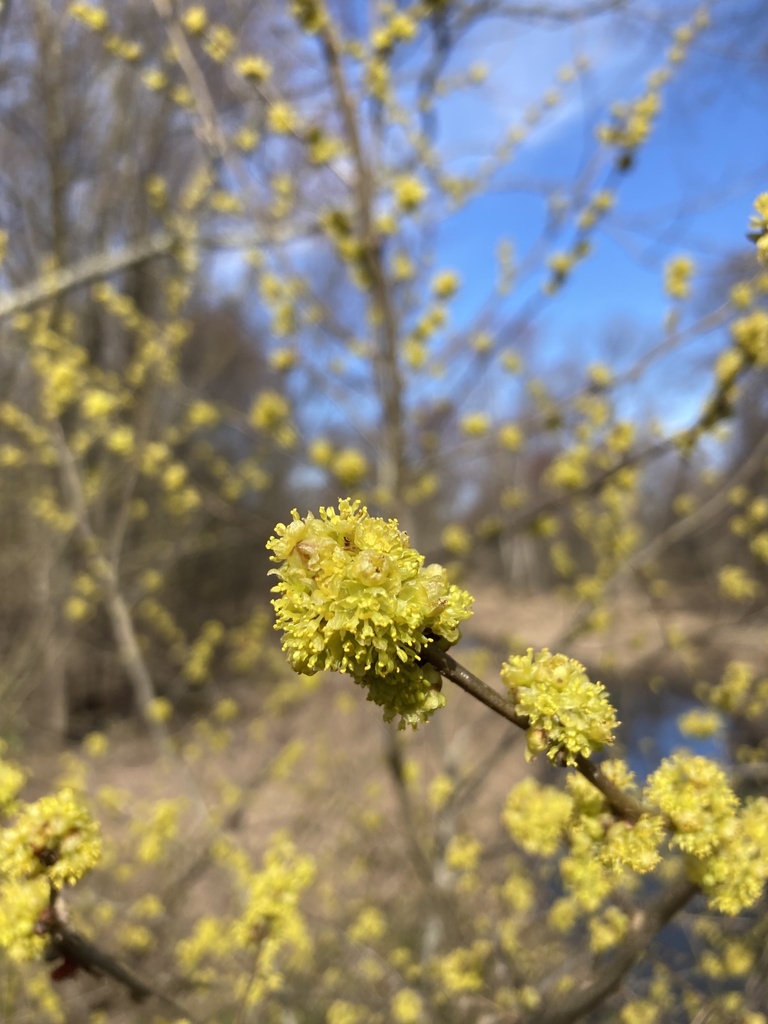
- Northern SpicebushLindera benzoin
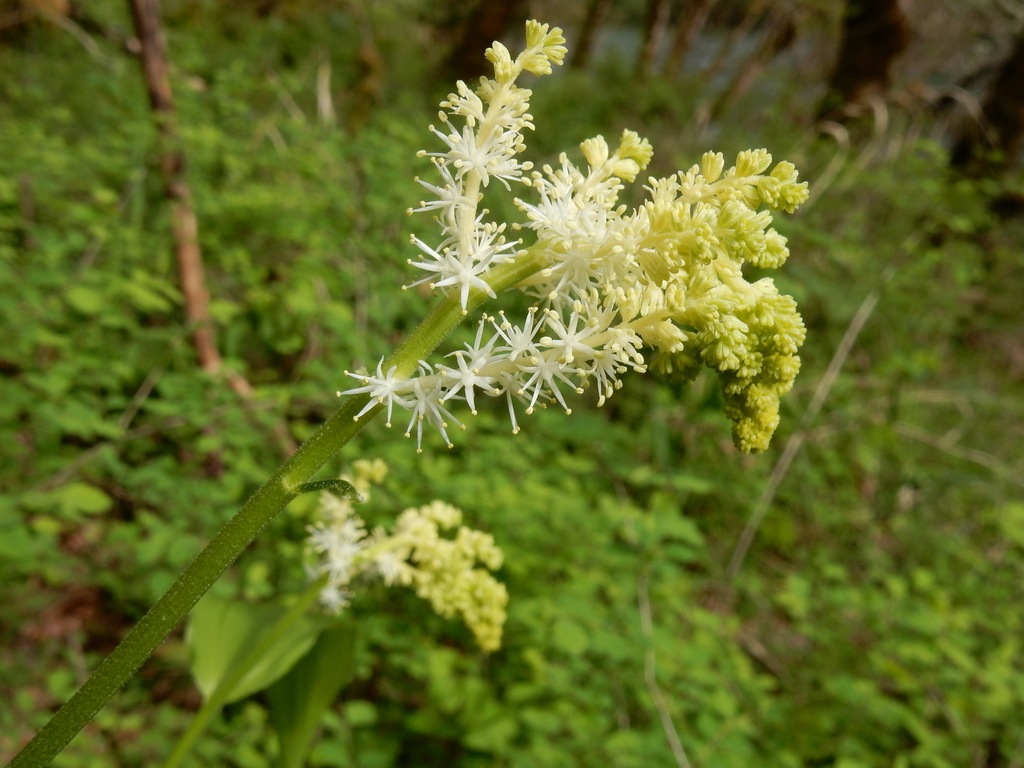
- False Solomon's-sealMaianthemum racemosum
- BlackgumNyssa sylvatica
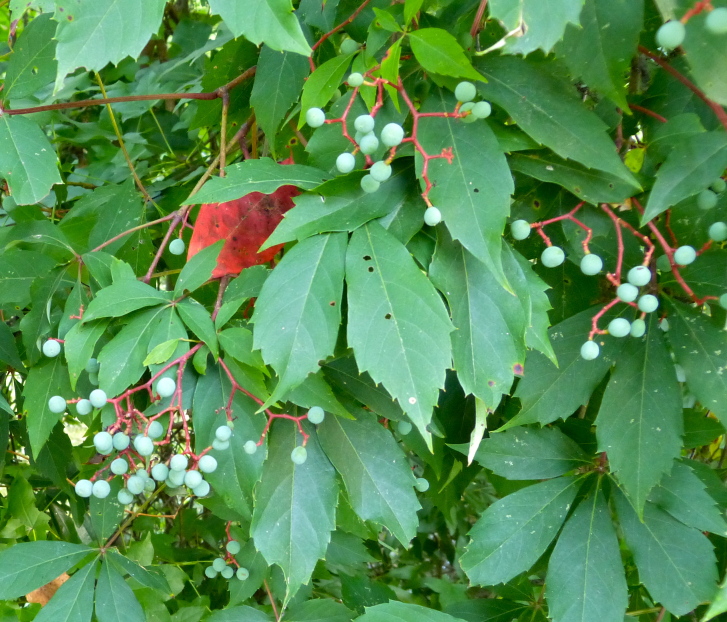
- Virginia CreeperParthenocissus quinquefolia
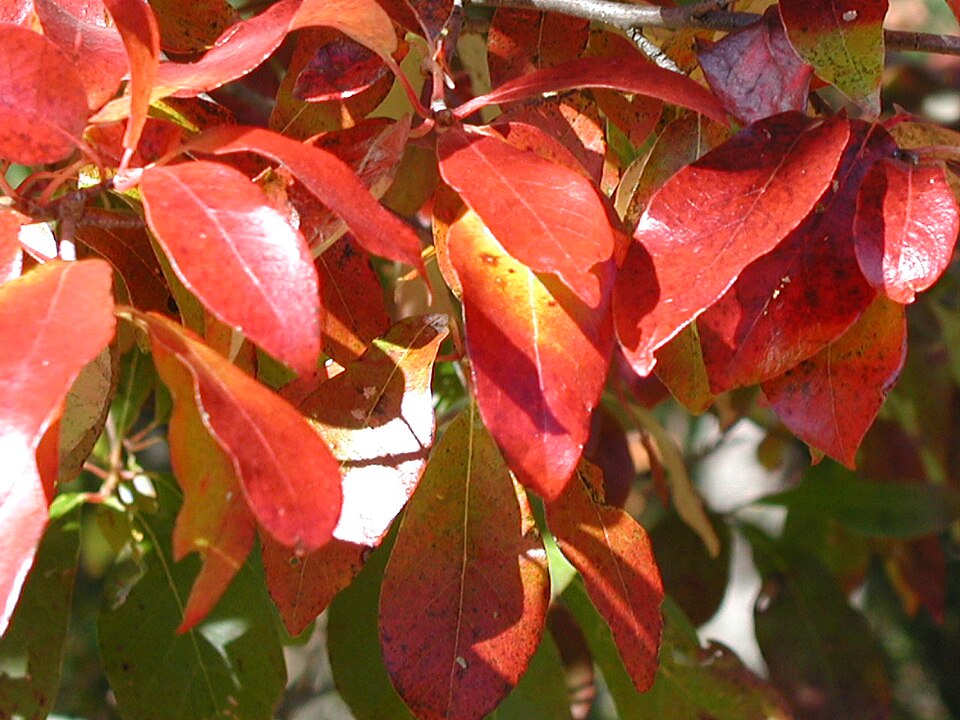
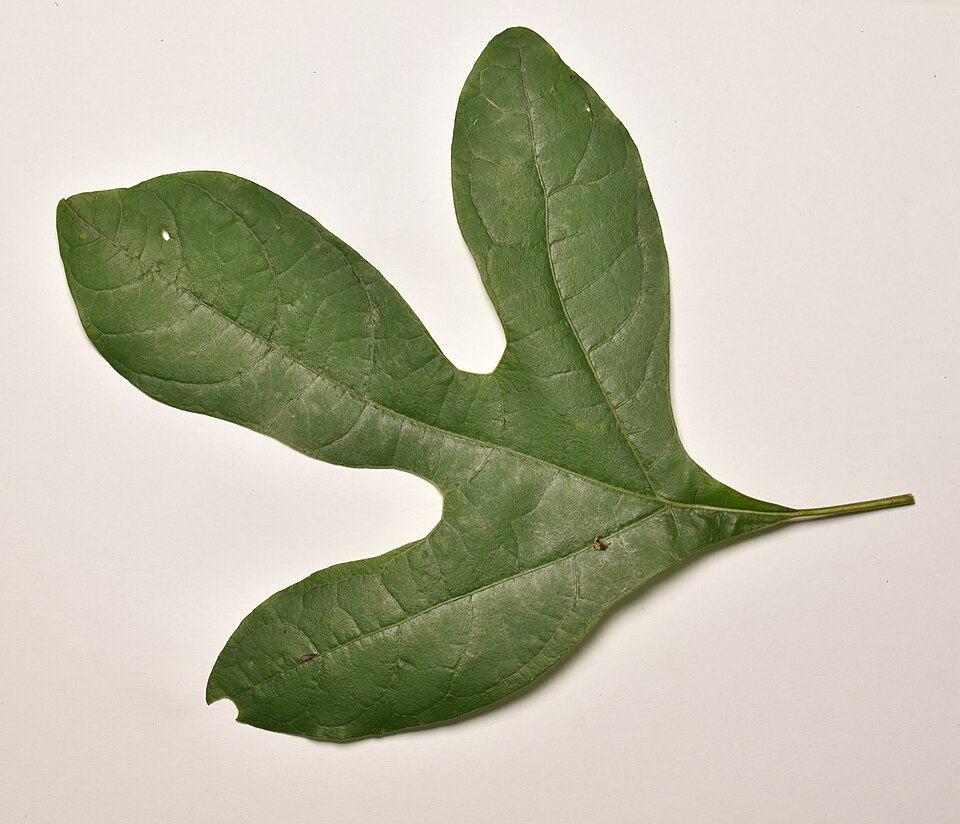
- SassafrasSassafras albidum
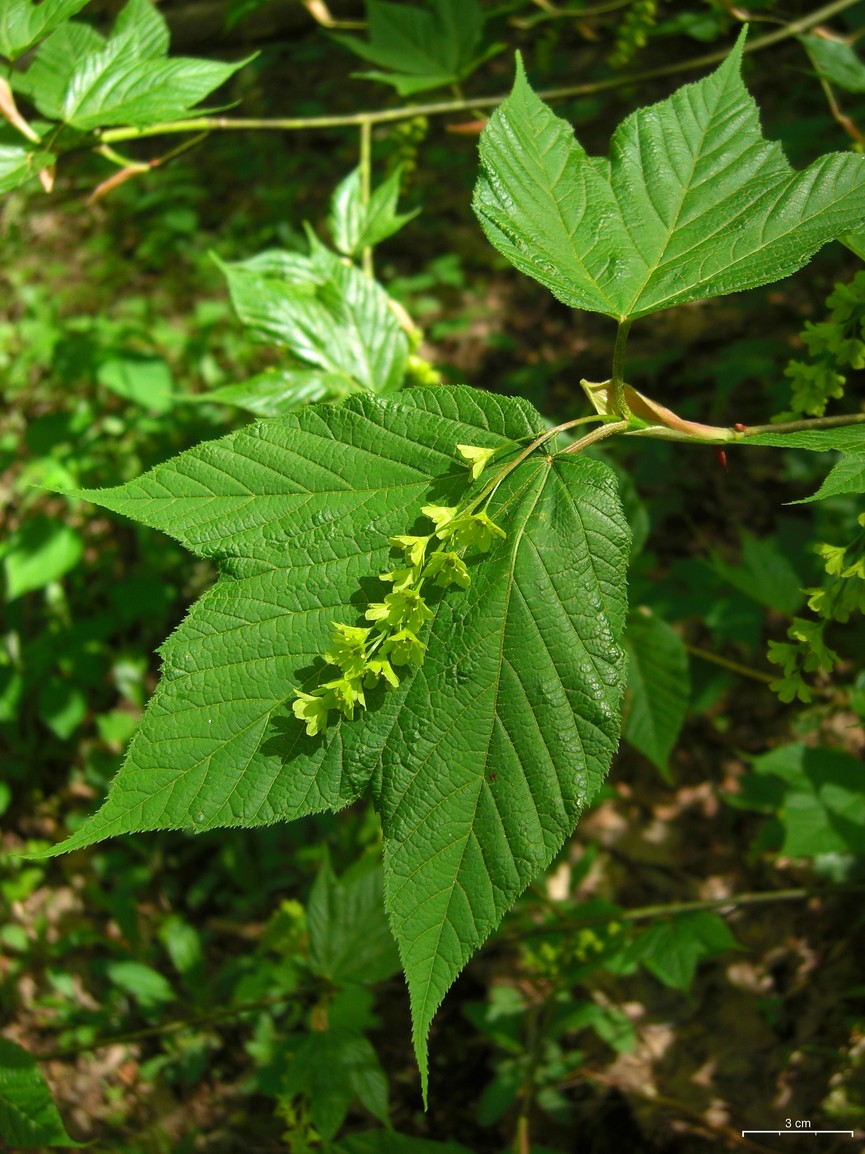
- Striped MapleAcer pensylvanicum
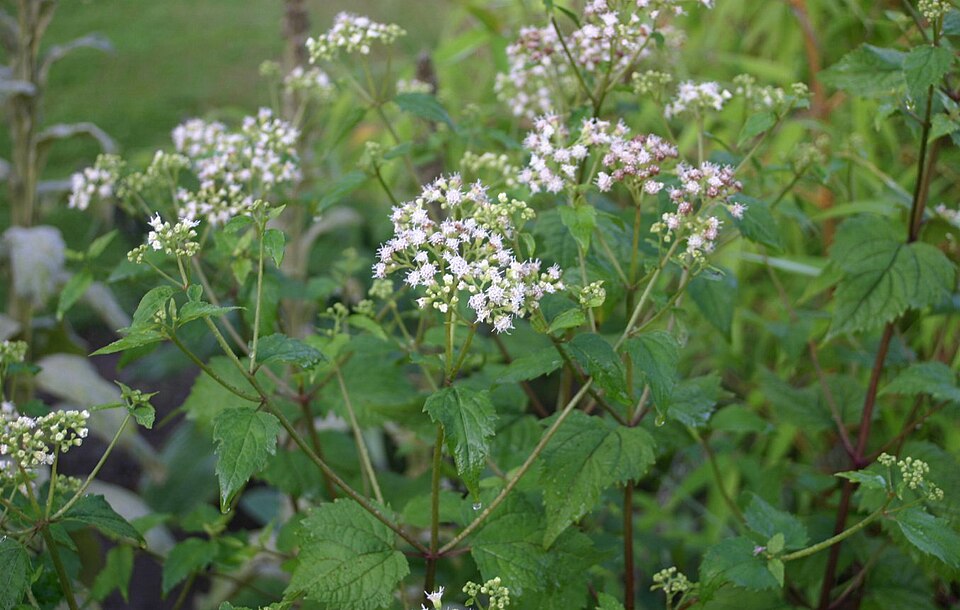
- White SnakerootAgeratina altissima
- American Hog-peanutAmphicarpaea bracteata
- Great Indian-plantainArnoglossum reniforme
- Wavy HairgrassAvenella flexuosa
- Summer SedgeCarex aestivalis
- Red HickoryCarya ovalis
- American ChestnutCastanea dentata
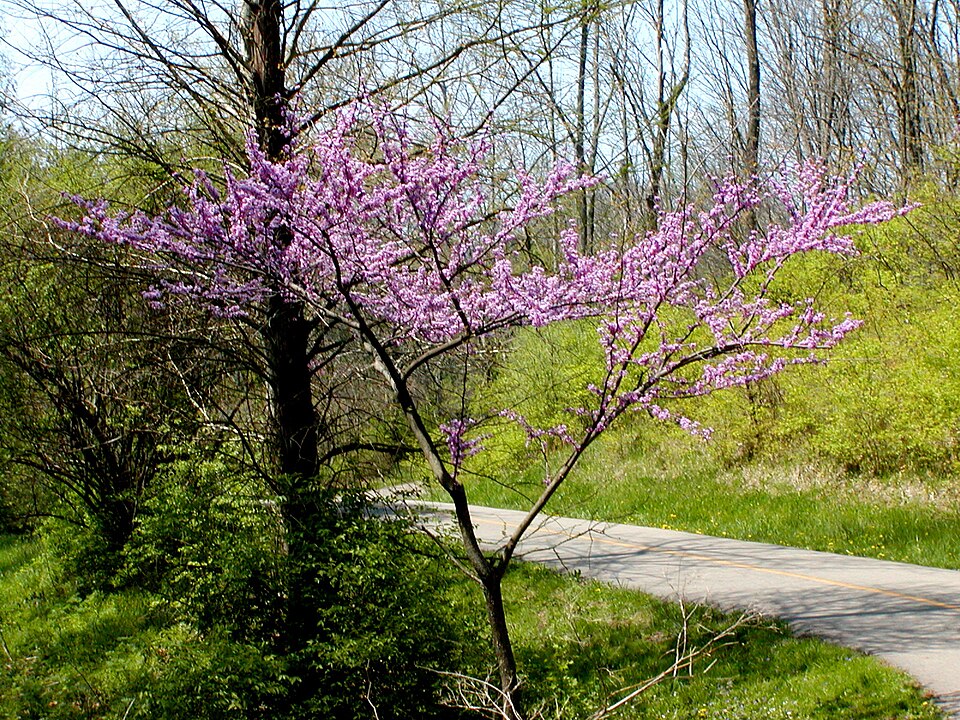
- Eastern RedbudCercis canadensis
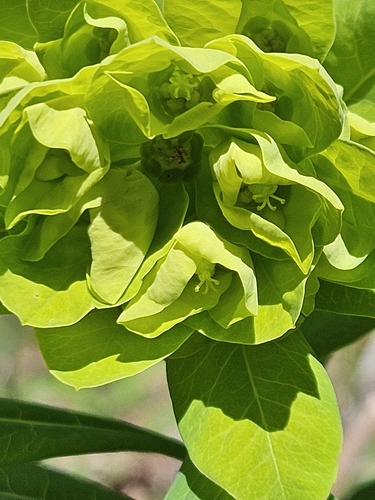
- Glade SpurgeEuphorbia purpurea
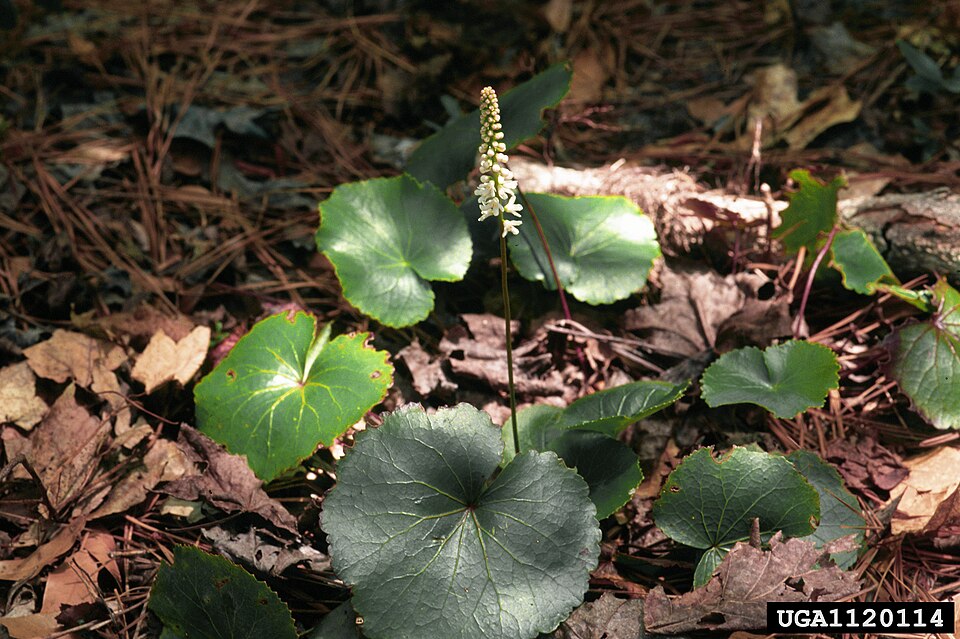
- GalaxGalax urceolata
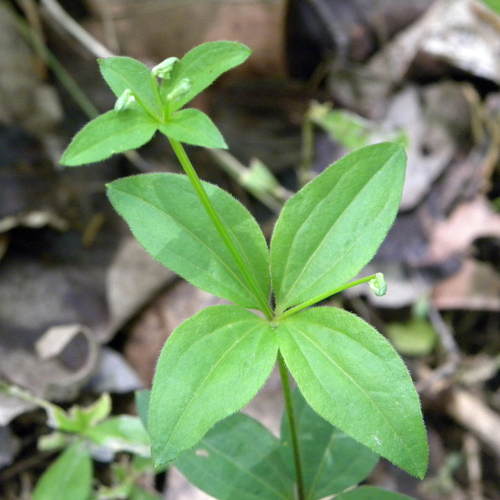
- Licorice BedstrawGalium circaezans
- Eastern TeaberryGaultheria procumbens
- Black HuckleberryGaylussacia baccata
- Canada Wood-nettleLaportea canadensis
- Canada MayflowerMaianthemum canadense
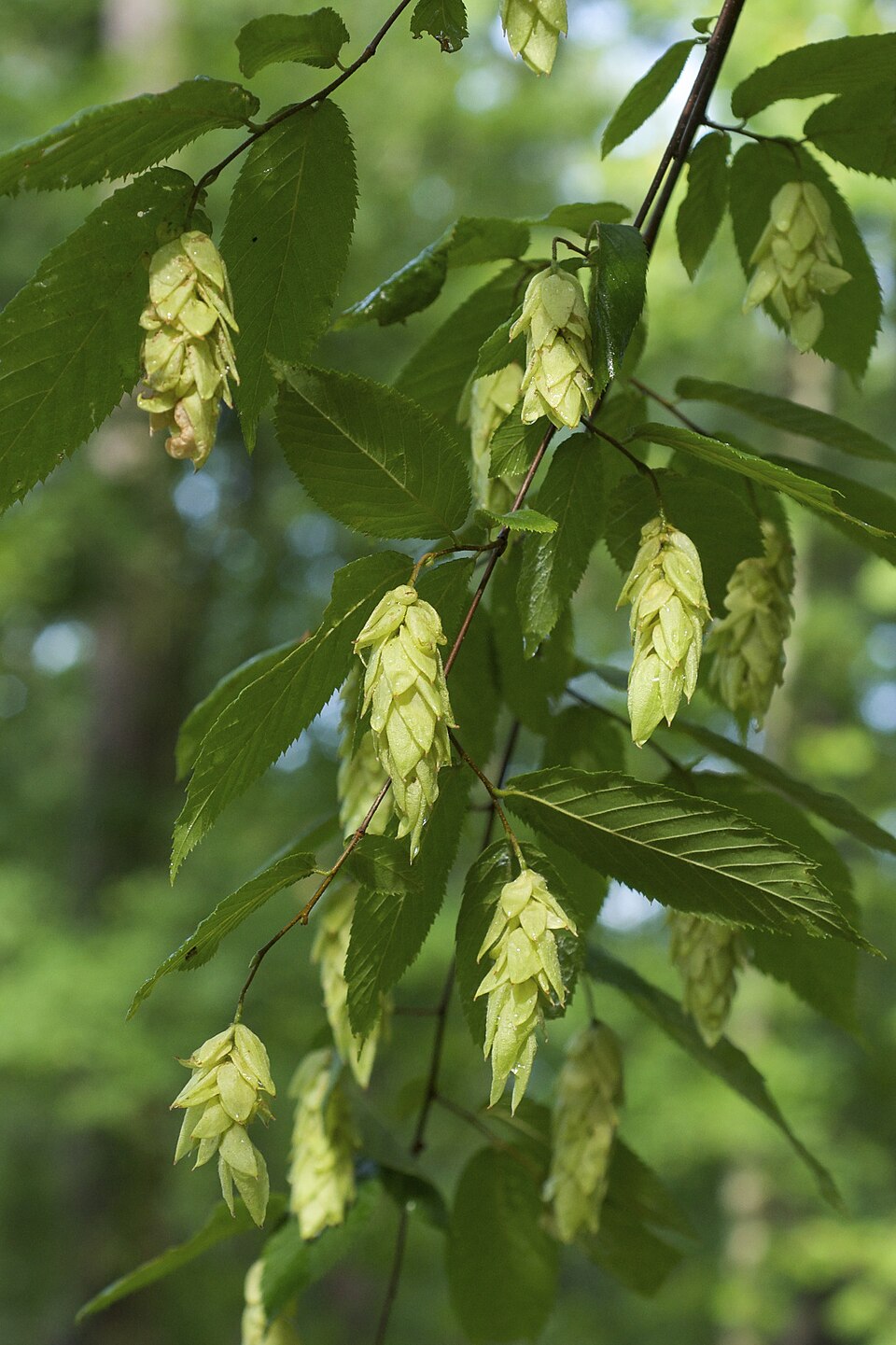
- American Hop-hornbeamOstrya virginiana
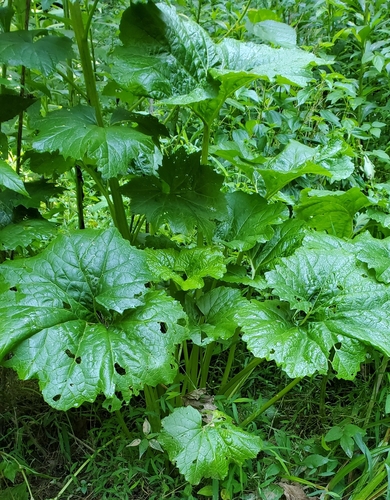
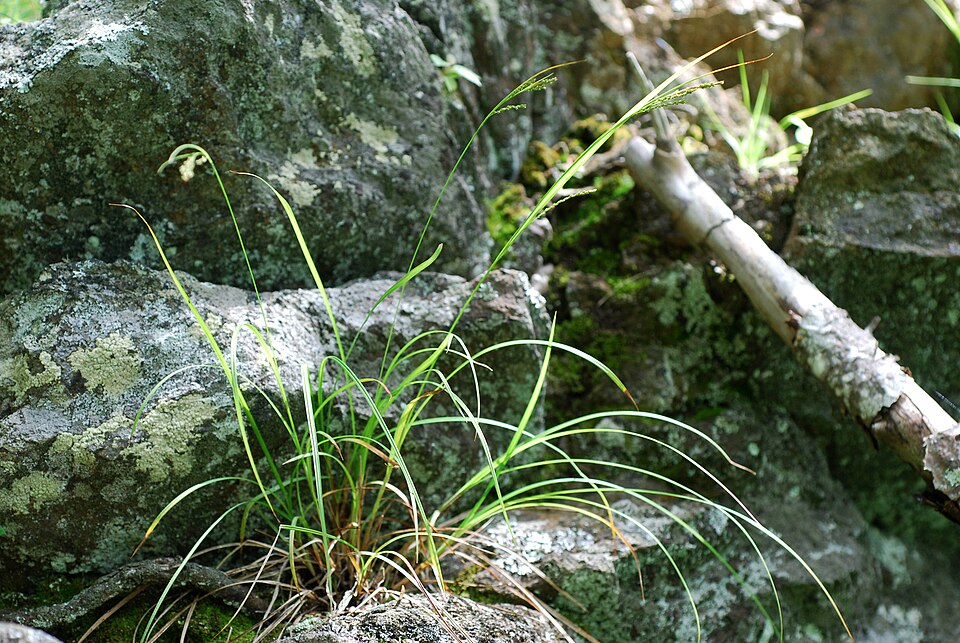
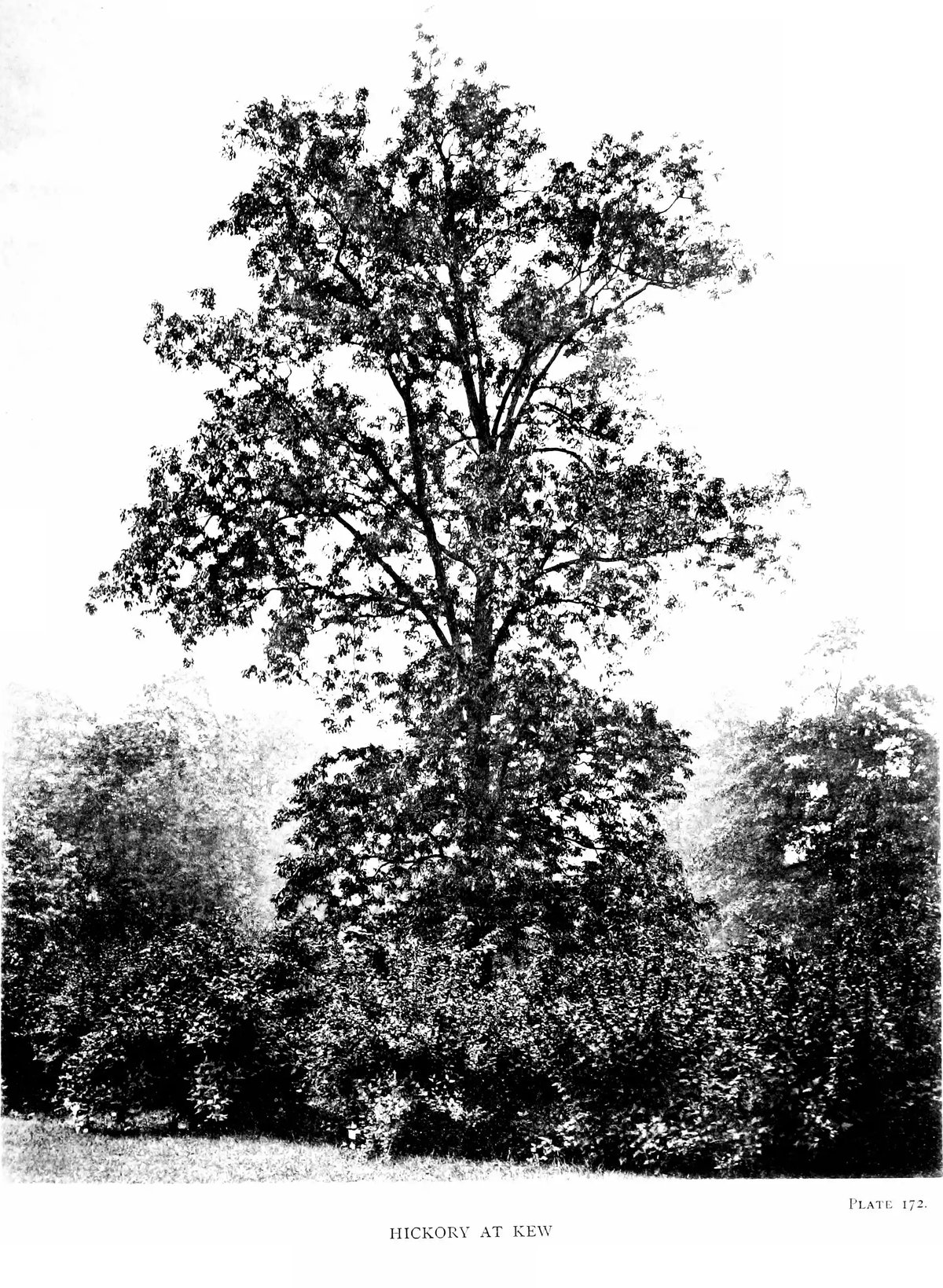
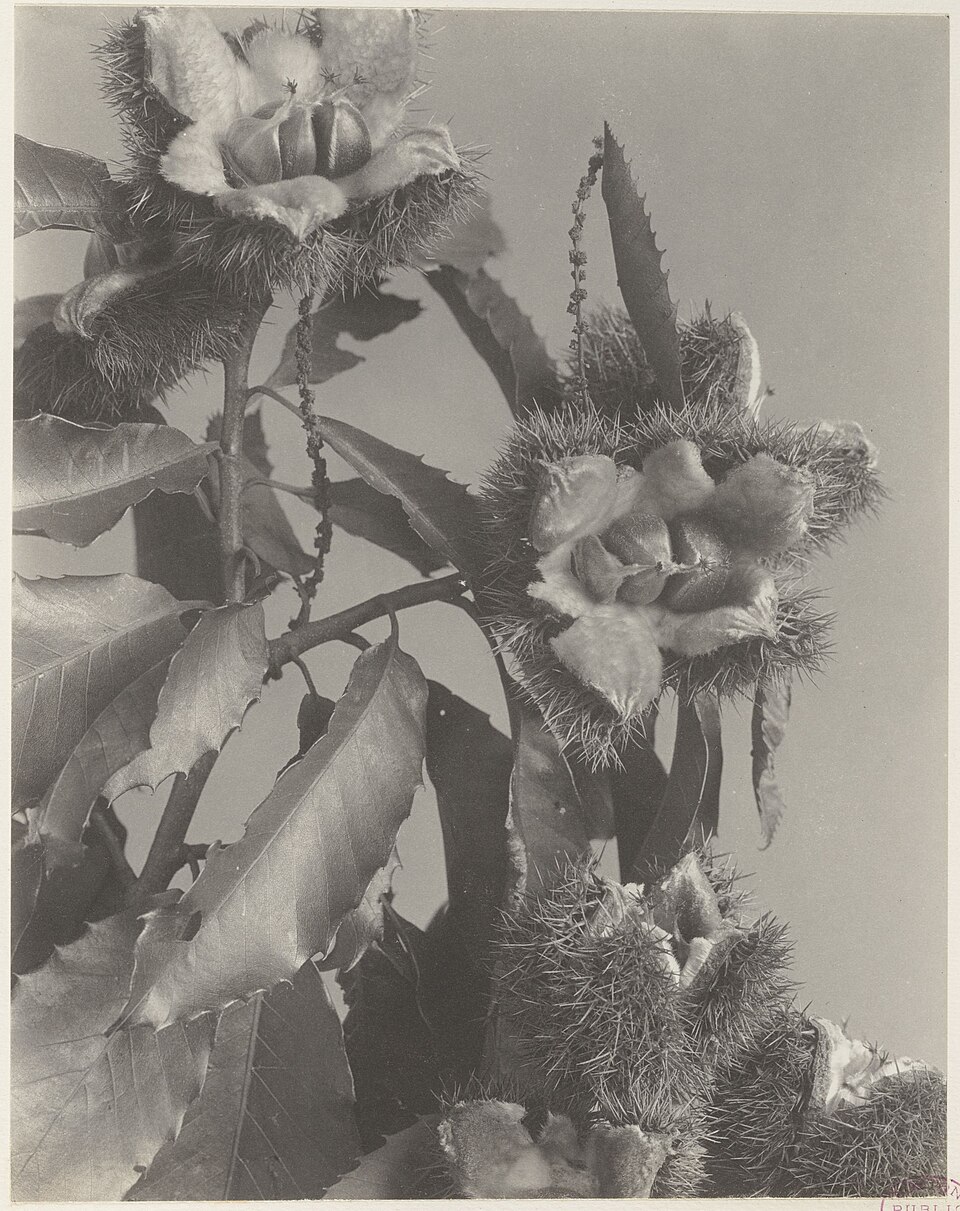
Wildlife 197
Other animals whose habitat models include the same habitats in West Virginia. Not sighting records.
- American CrowCorvus brachyrhynchos
- American GoldfinchCarduelis tristis
- American RobinTurdus migratorius
- Baltimore OrioleIcterus galbula
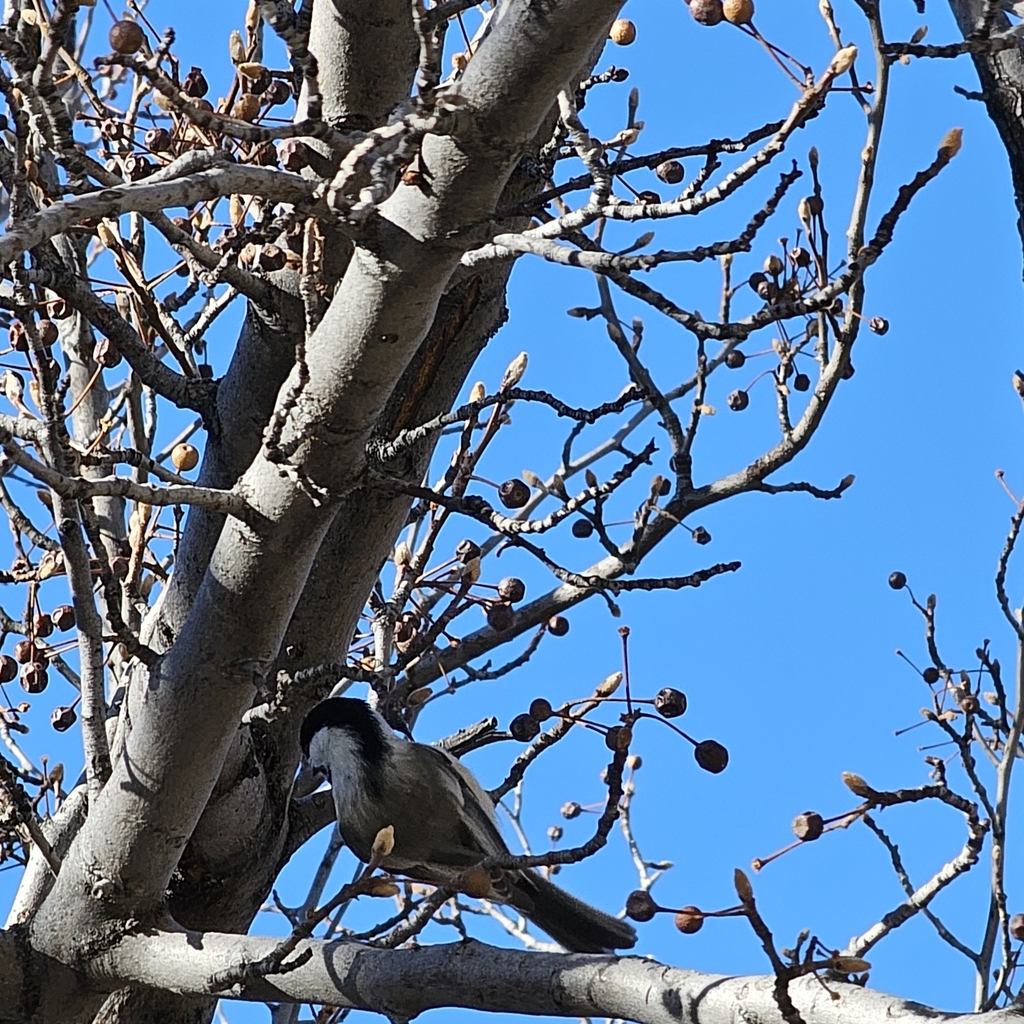
- Black-capped ChickadeePoecile atricapillus
- Cedar WaxwingBombycilla cedrorum
- Chipping SparrowSpizella passerina
- Common GrackleQuiscalus quiscula
- Common NighthawkChordeiles minor
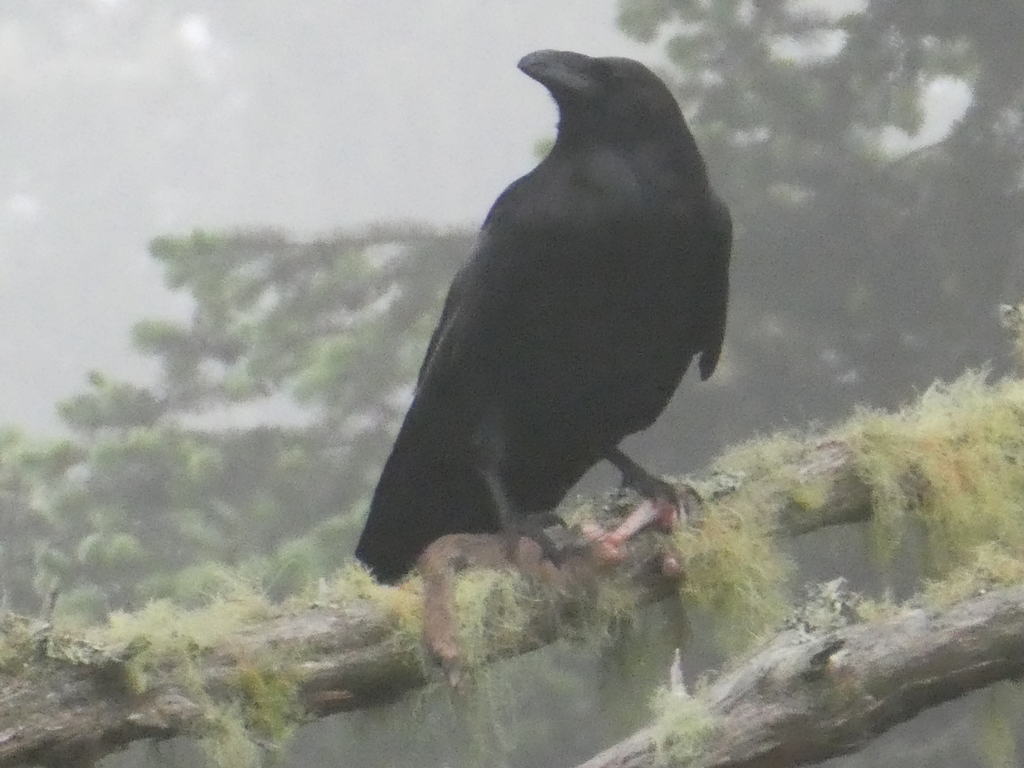
- Common RavenCorvus corax
- Cooper's HawkAccipiter cooperii
- Dark-eyed JuncoJunco hyemalis
- Eastern TowheePipilo erythrophthalmus
- European StarlingSturnus vulgaris
- Great Crested FlycatcherMyiarchus crinitus
- Great Horned OwlBubo virginianus
- Northern CardinalCardinalis cardinalis
- Pileated WoodpeckerDryocopus pileatus
- Purple FinchCarpodacus purpureus
- Red-tailed HawkButeo jamaicensis
- Ruby-crowned KingletRegulus calendula
- Sharp-shinned HawkAccipiter striatus
- Tufted TitmouseBaeolophus bicolor
- Turkey VultureCathartes aura






















NatureServe Explorer, CC BY 4.0. USGS Gap Analysis Project habitat models.
Sources
- USGS Gap Analysis Project habitat models (2001)
- USGS GAP year-round habitat model for Ruffed Grouse Elevation up to 2,500 m
- USGS Gap Analysis Project range maps (2001), modeled by watershed; migratory gives no dates
- NatureServe Explorer (CC BY 4.0), habitat names
- US Census TIGER/Line counties
- Names follow the USGS Gap Analysis Project (2001)