

Bird
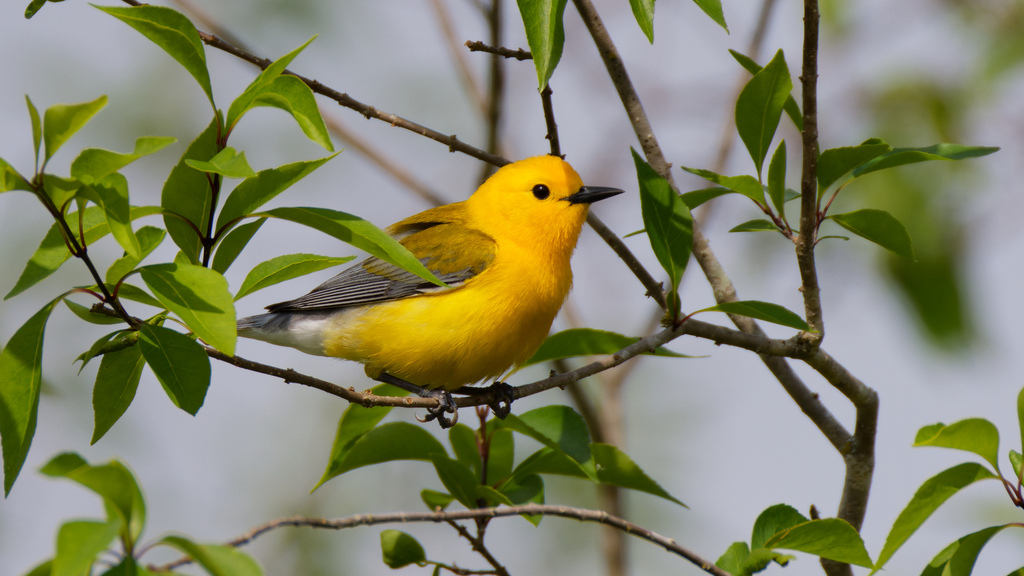
Prothonotary Warbler
Protonotaria citrea
A summer resident that nests in West Virginia. Found in all 55 counties, across 5 habitats.
- Here
- Summer and on migration
- Nesting
- Nests here
- Range
- All 55 counties
- Habitats
- 5
At a glance
- Group
- Birds
- Here
- Summer and on migration
- Nesting
- Nests here
- Range
- All 55 counties
- Habitats
- 5
- Habitat models
- Summer, Winter
Where it lives
The places its habitat model includes. It is not found everywhere a habitat occurs.
Habitats in West Virginia 5
Each habitat page lists the plants and wildlife also found there.
Disturbed and introduced wetlands
Wet ground taken over by weedy or introduced plants after disturbance, such as common reed, Chinese tallow or tamarisk stands; the upland counterpart is roadsides, fields and disturbed ground.
Floodplain and bottomland forests
Forests on low ground beside rivers and streams that flood from time to time.
Streams, rivers and their banks
Flowing water and its banks, bars and rocky shoals.
Forested wetlands with standing water much of the year, such as cypress and gum swamps.
Forests on moist but not wet ground, such as rich slopes and ravines.
Other habitats in its models (56)
Land cover, or classes with no habitat page in West Virginia.
- North-Central Interior Beech-Maple Forest Summer, only within 120 m of water, for banks and other nest sites.
- East-Central Texas Plains Riparian Forest Winter.
- East-Central Texas Plains Floodplain Forest Winter.
- South-Central Interior / Upper Coastal Plain Flatwoods Summer, only within 120 m of water, for banks and other nest sites.
- Southern Ridge and Valley Dry Calcareous Forest Summer, only within 120 m of water, for banks and other nest sites.
- Southern Coastal Plain Nonriverine Basin Swamp - Okefenokee Taxodium Modifier Summer and winter.
- Southern Coastal Plain Nonriverine Basin Swamp - Okefenokee Bay/Gum Modifier Summer and winter.
- Southern Coastal Plain Seepage Swamp and Baygall Summer and winter.
- West Gulf Coastal Plain Seepage Swamp and Baygall Summer and winter.
- East Gulf Coastal Plain Tidal Wooded Swamp Summer and winter.
- Atlantic Coastal Plain Streamhead Seepage Swamp - Pocosin - and Baygall Summer.
- Gulf and Atlantic Coastal Plain Swamp Systems Summer.
- Atlantic Coastal Plain Large Natural Lakeshore Summer.
- Atlantic Coastal Plain Southern Tidal Wooded Swamp Summer.
- West Gulf Coastal Plain Near-Coast Large River Swamp Summer and winter.
- Southern Coastal Plain Nonriverine Basin Swamp Summer and winter.
- Northern Atlantic Coastal Plain Basin Swamp and Wet Hardwood Forest Summer.
- Atlantic Coastal Plain Nonriverine Swamp and Wet Hardwood Forest - Taxodium/Nyssa Modifier Summer.
- Atlantic Coastal Plain Nonriverine Swamp and Wet Hardwood Forest - Oak Dominated Modifier Summer.
- Atlantic Coastal Plain Clay-Based Carolina Bay Forested Wetland Summer.
- Lower Mississippi River Bottomland Depressions - Forest Modifier Summer and winter.
- Southern Coastal Plain Nonriverine Cypress Dome Summer and winter.
- Central Florida Herbaceous Pondshore Summer.
- East Gulf Coastal Plain Southern Depression Pondshore Summer and winter.
- Southern Piedmont/Ridge and Valley Upland Depression Swamp Summer.
- Atlantic Coastal Plain Depression Pondshore Summer.
- Mississippi River Bottomland Depression Summer and winter.
- Atlantic Coastal Plain Blackwater Stream Floodplain Forest - Forest Modifier Summer.
- East Gulf Coastal Plain Large River Floodplain Forest - Forest Modifier Summer and winter.
- Southern Piedmont Large Floodplain Forest - Forest Modifier Summer.
- East Gulf Coastal Plain Large River Floodplain Forest - Herbaceous Modifier Summer and winter.
- South-Central Interior Large Floodplain - Herbaceous Modifier Summer.
- Western Great Plains Floodplain Systems Summer.
- Eastern Great Plains Floodplain Systems Summer and winter.
- Tamaulipan Riparian Systems Winter.
- Western Great Plains Floodplain Summer.
- Mississippi River Riparian Forest Summer and winter.
- Mississippi River Low Floodplain (Bottomland) Forest Summer and winter.
- Southern Coastal Plain Hydric Hammock Summer and winter.
- West Gulf Coastal Plain Small Stream and River Forest Summer and winter.
- West Gulf Coastal Plain Large River Floodplain Forest Summer and winter.
- Southern Piedmont Small Floodplain and Riparian Forest Summer.
- Atlantic Coastal Plain Small Brownwater River Floodplain Forest Summer.
- Atlantic Coastal Plain Small Blackwater River Floodplain Forest Summer.
- Atlantic Coastal Plain Brownwater Stream Floodplain Forest Summer.
- Western Great Plains Riparian Woodland and Shrubland Summer.
- East Gulf Coastal Plain Small Stream and River Floodplain Forest Summer and winter.
- Southern Coastal Plain Blackwater River Floodplain Forest Summer and winter.
- Mississippi River Floodplain and Riparian Forest Summer and winter.
- Ozark-Ouachita Riparian Summer.
- East Gulf Coastal Plain Near-Coast Pine Flatwoods - Offsite Hardwood Modifier Summer and winter, only within 120 m of water, for banks and other nest sites.
- East Gulf Coastal Plain Southern Loblolly-Hardwood Flatwoods Summer and winter, only within 120 m of water, for banks and other nest sites.
- South-Central Interior / Upper Coastal Plain Wet Flatwoods Summer and winter.
- North-Central Interior Wet Flatwoods Summer.
- Lower Mississippi River Flatwoods Summer, only within 120 m of water, for banks and other nest sites.
- West Gulf Coastal Plain Nonriverine Wet Hardwood Flatwoods Summer.
Seasons in West Virginia
- Migratory: does not nest here, in 53 of 55 counties.
- Summer: nests here, in 18 of 55 counties.
Also found in this habitat
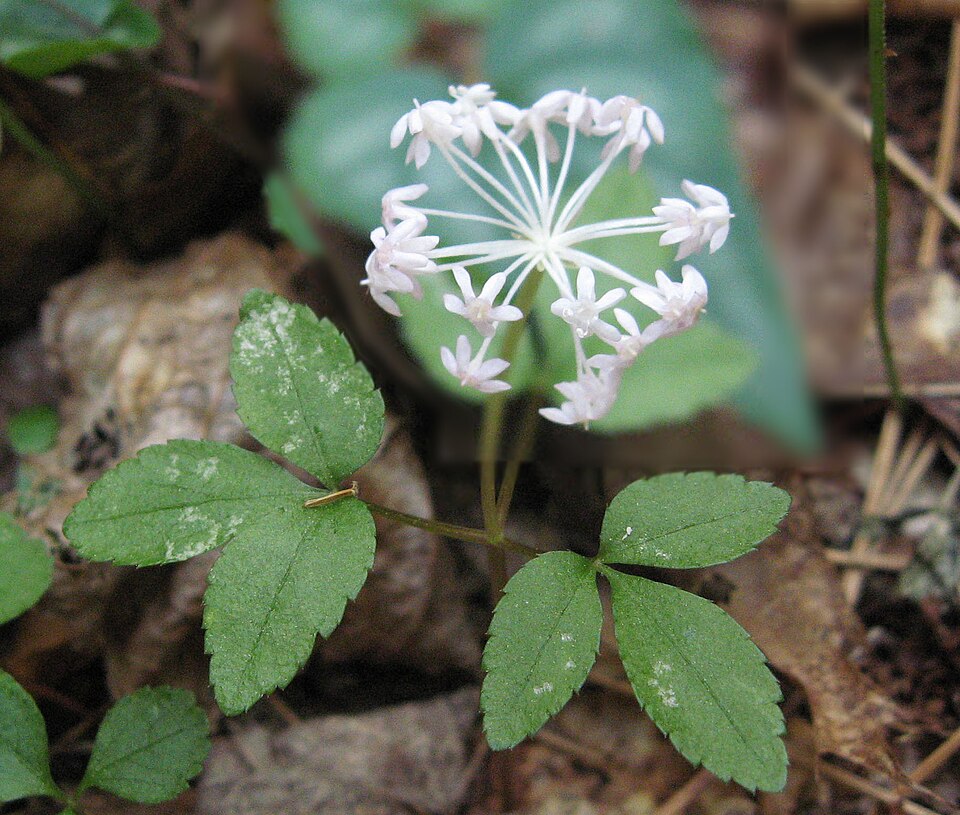
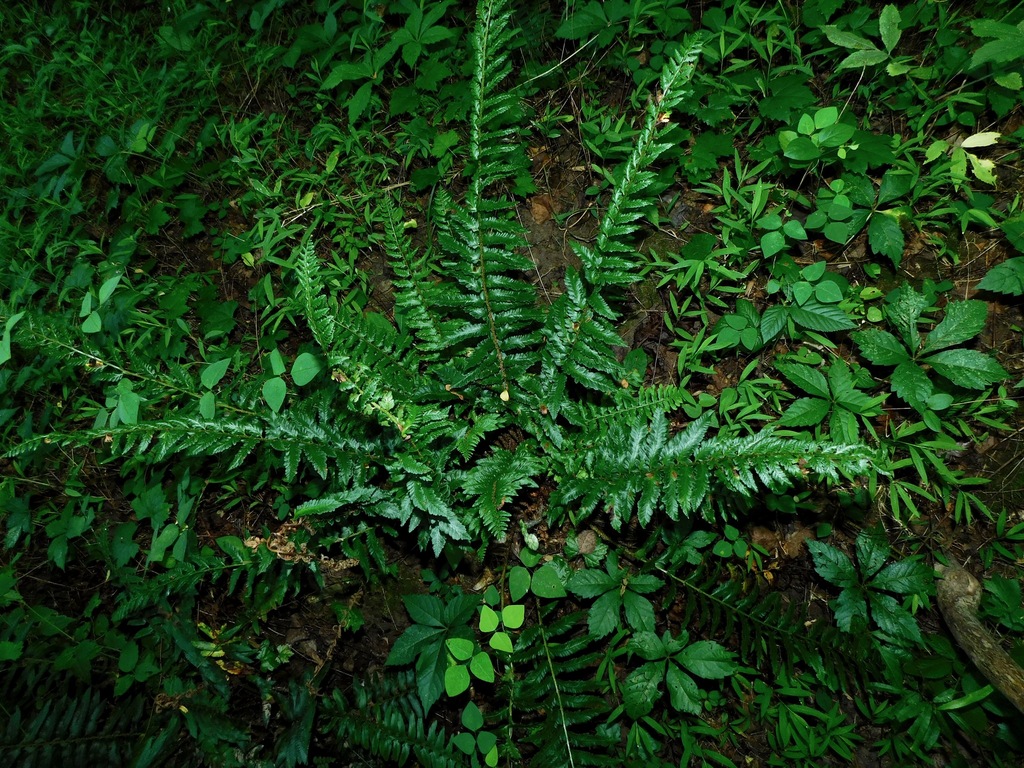
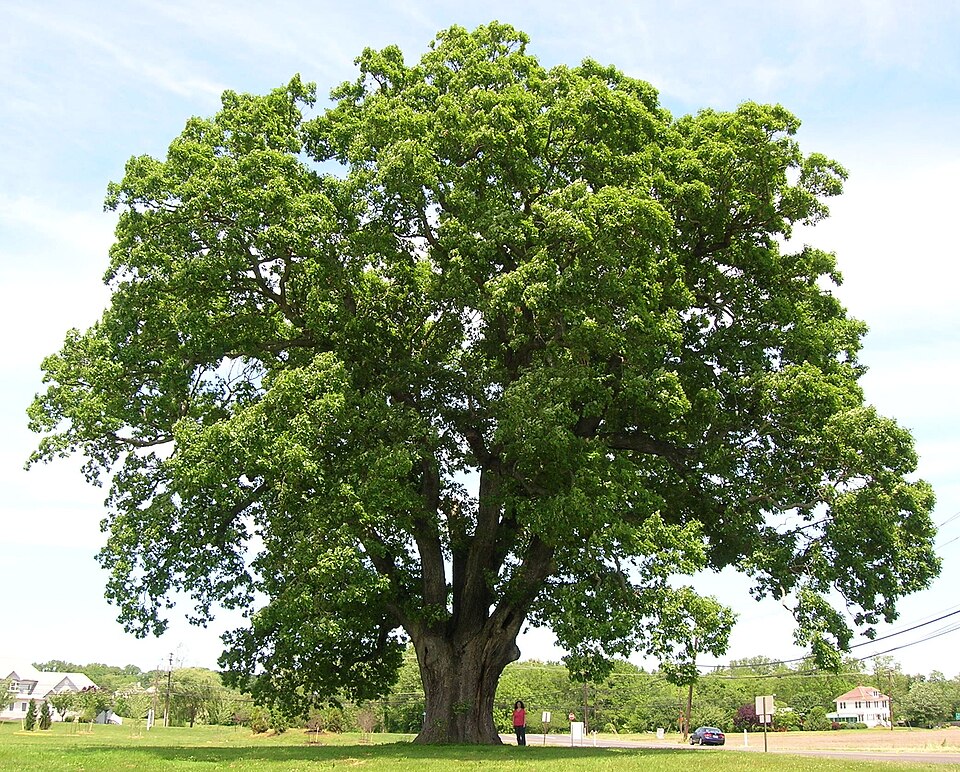
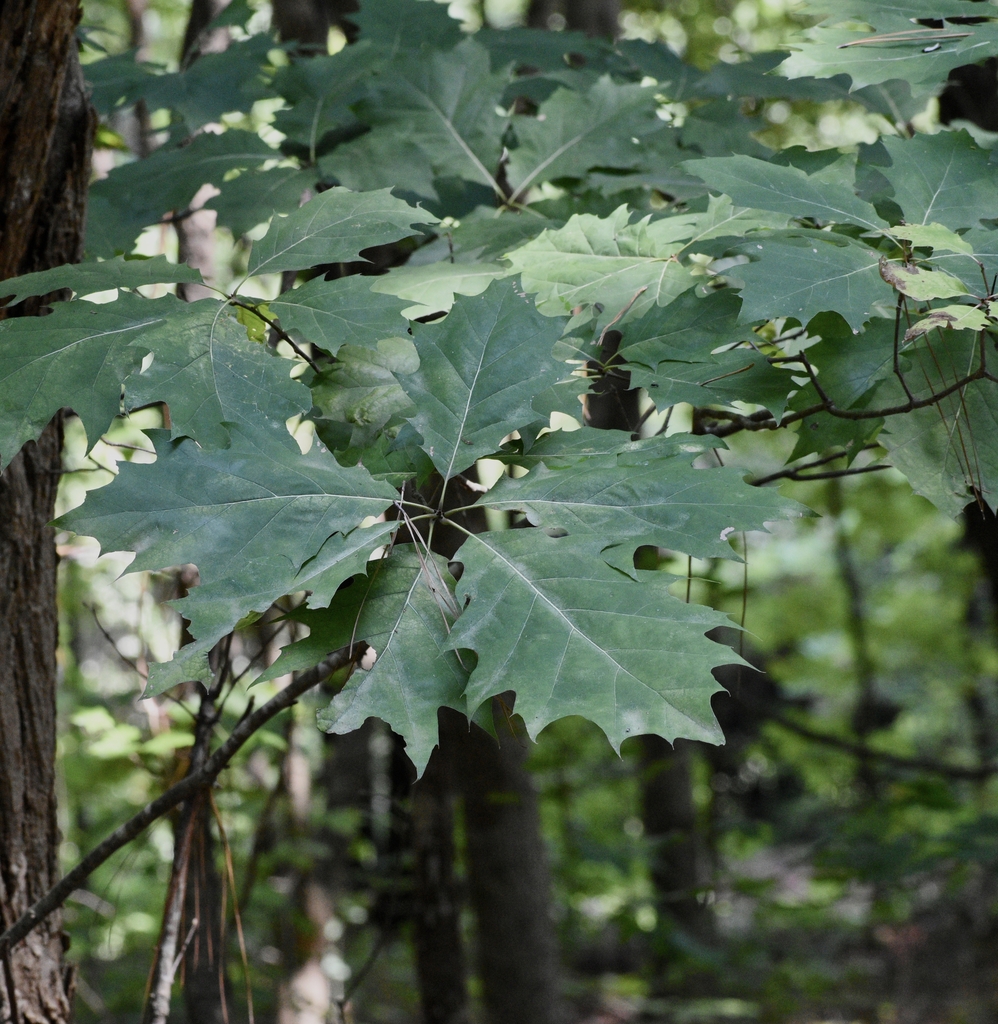
Plants 513
Plants named in NatureServe descriptions of these habitats that grow in West Virginia. Shared habitat, not food.
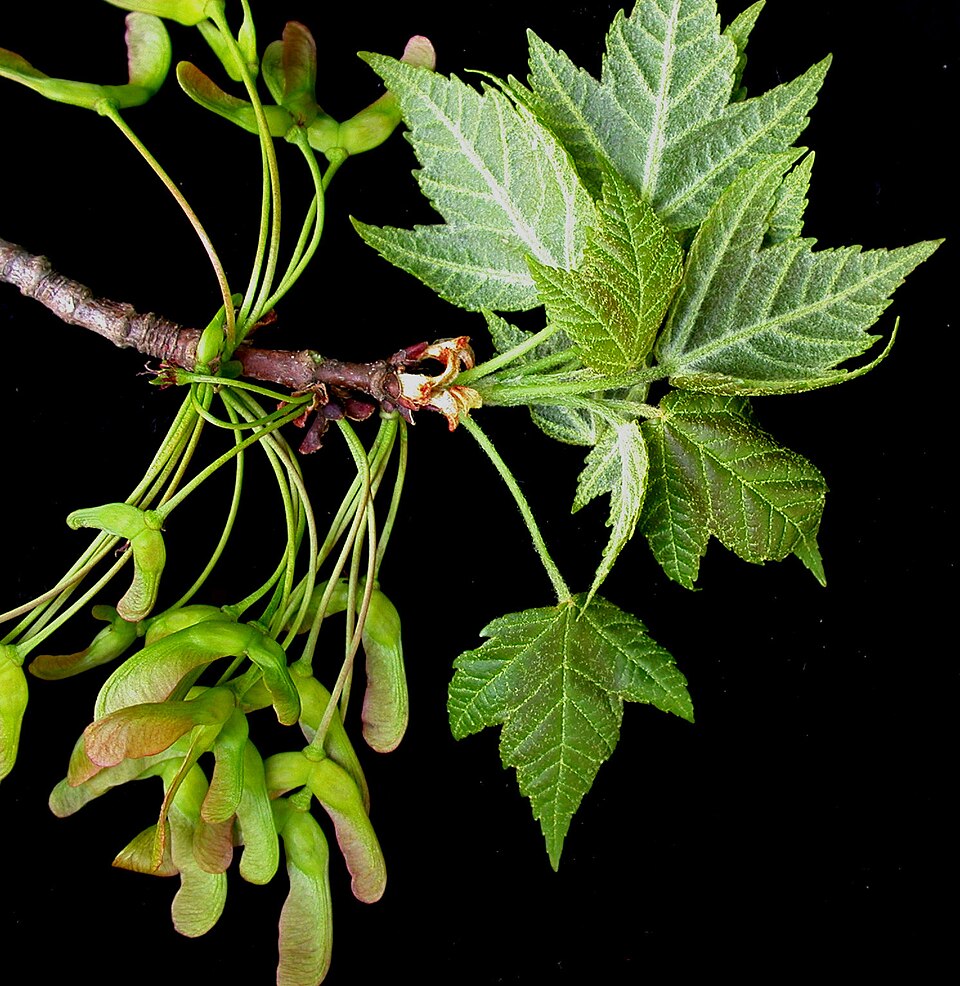
- Red MapleAcer rubrum
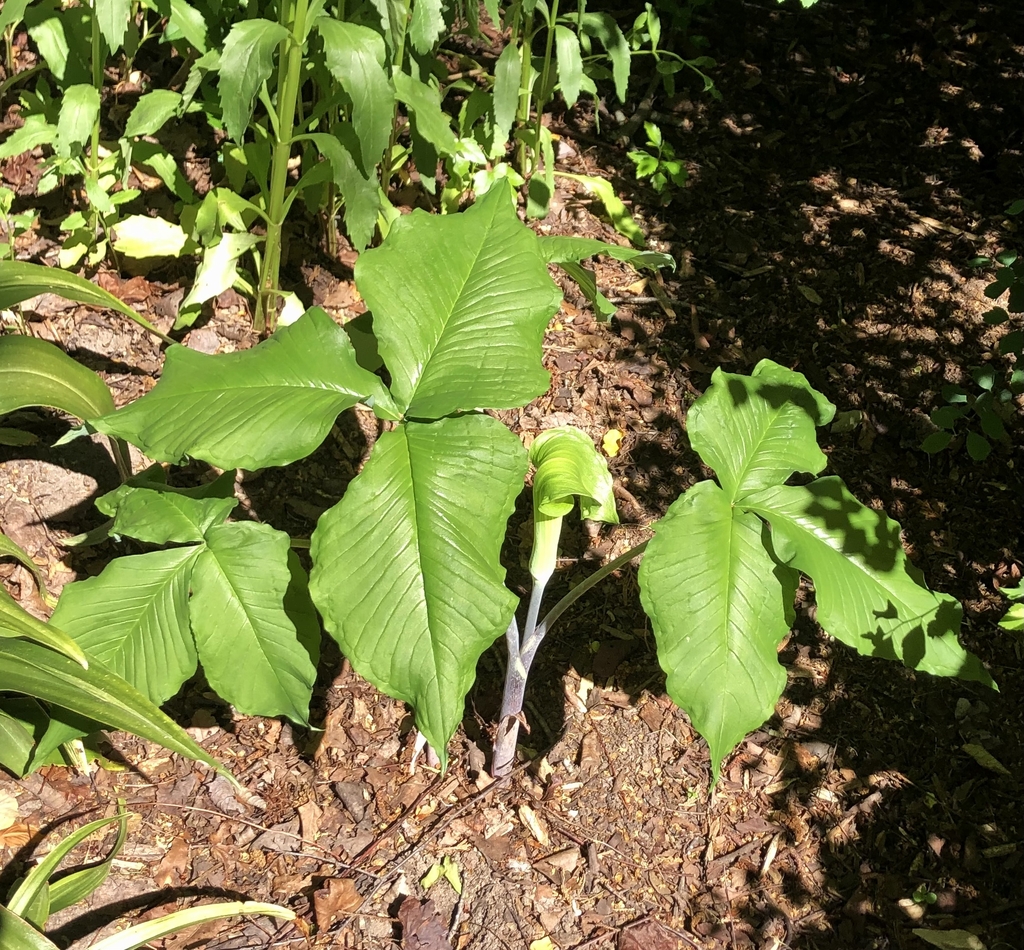
- Common Jack-in-the-pulpitArisaema triphyllum
- Giant CaneArundinaria gigantea
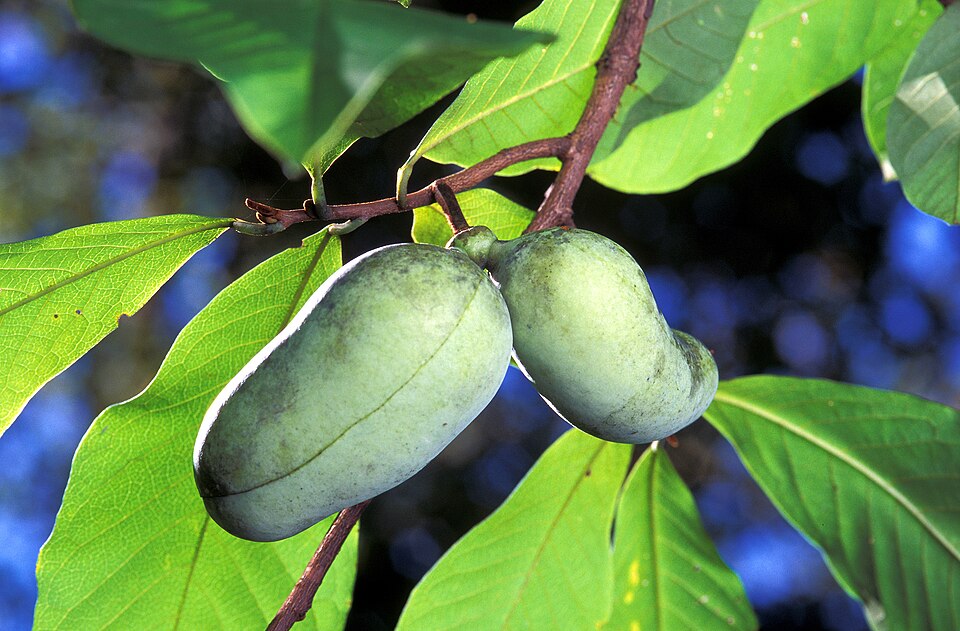
- Common PawpawAsimina triloba
- Shagbark HickoryCarya ovata
- Eastern RedbudCercis canadensis
- Eastern LeatherwoodDirca palustris
- American BeechFagus grandifolia
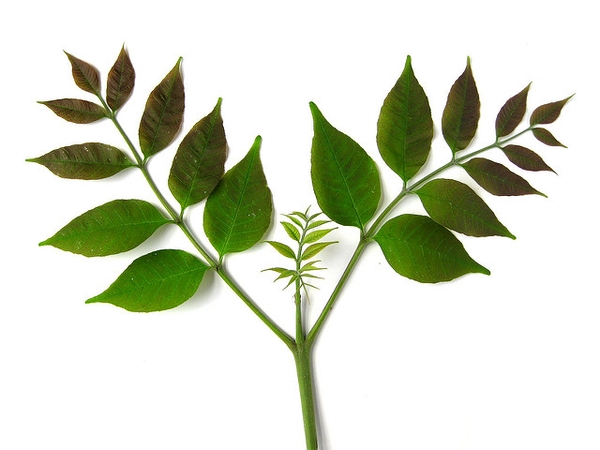
- White AshFraxinus americana
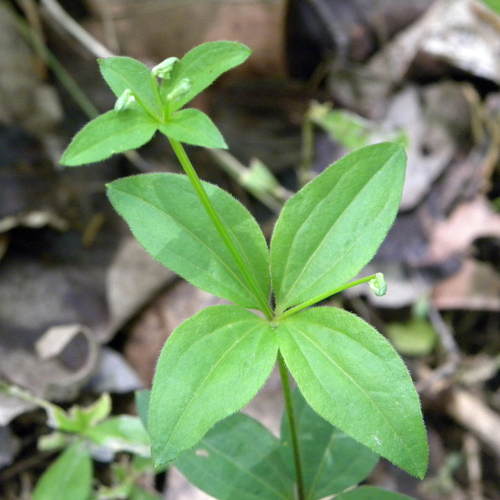
- Licorice BedstrawGalium circaezans
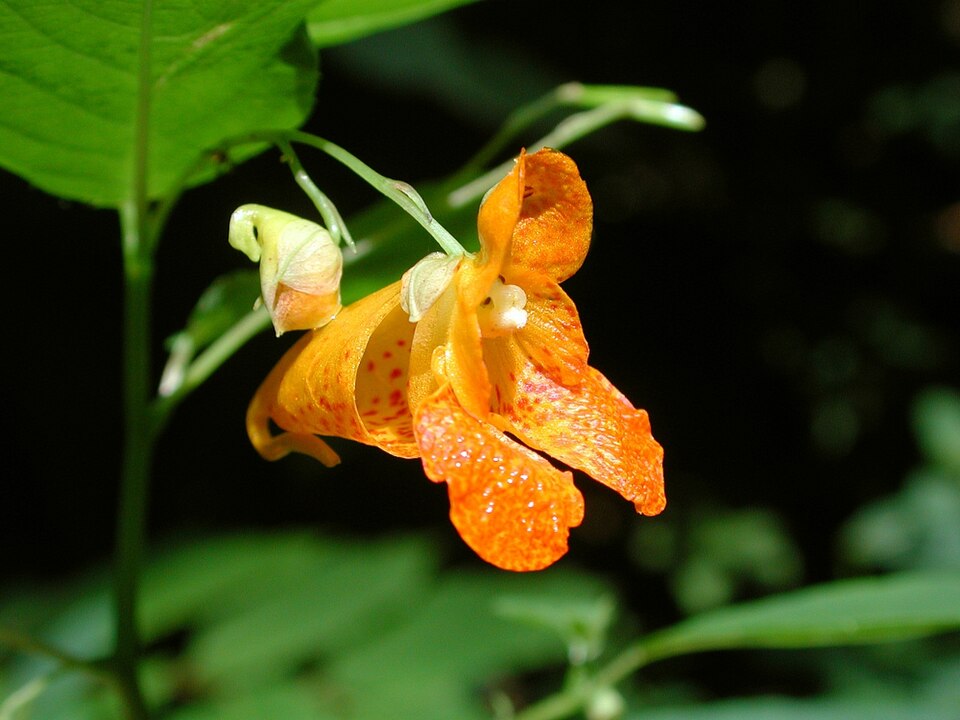
- Spotted JewelweedImpatiens capensis
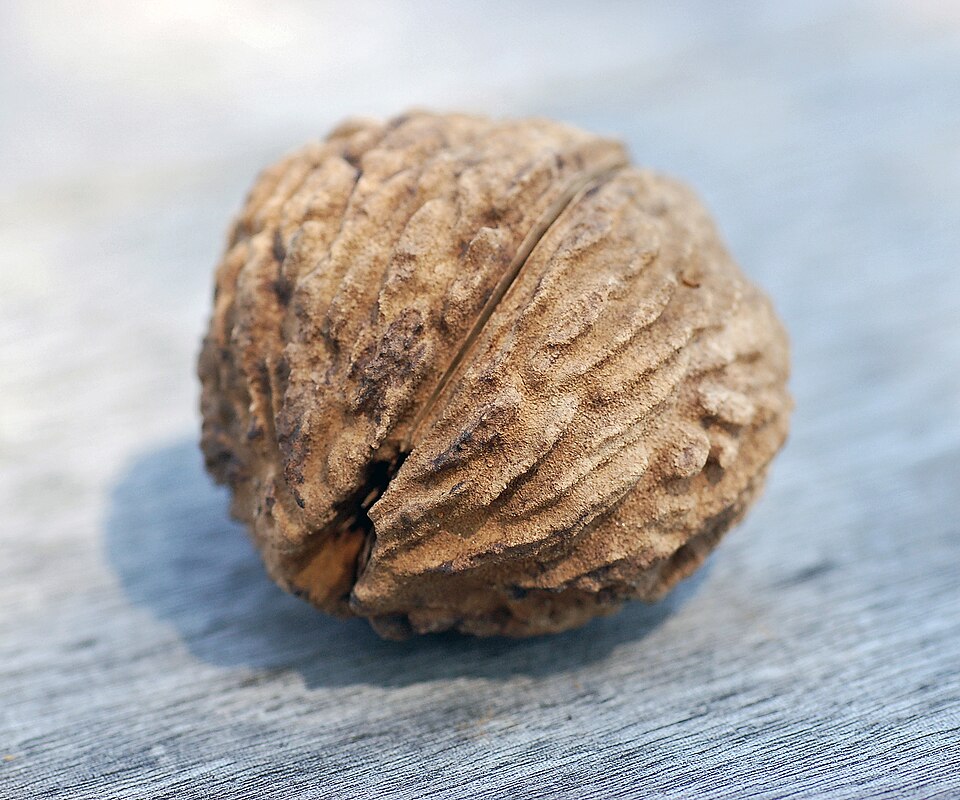
- Black WalnutJuglans nigra
- Canada Wood-nettleLaportea canadensis
- Northern SpicebushLindera benzoin
- SweetgumLiquidambar styraciflua
- TuliptreeLiriodendron tulipifera
- Dwarf GinsengPanax trifolius
- Christmas FernPolystichum acrostichoides
- Nodding Rattlesnake-rootPrenanthes crepidinea
- White OakQuercus alba
- Northern Red OakQuercus rubra
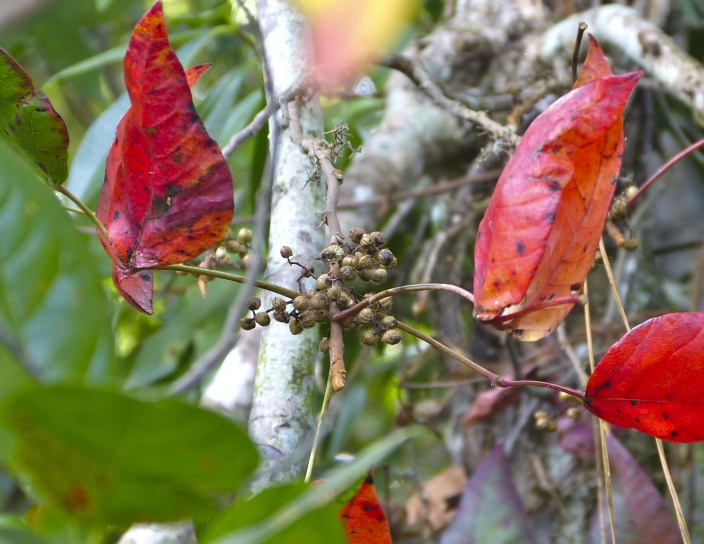
- Poison-ivyToxicodendron radicans
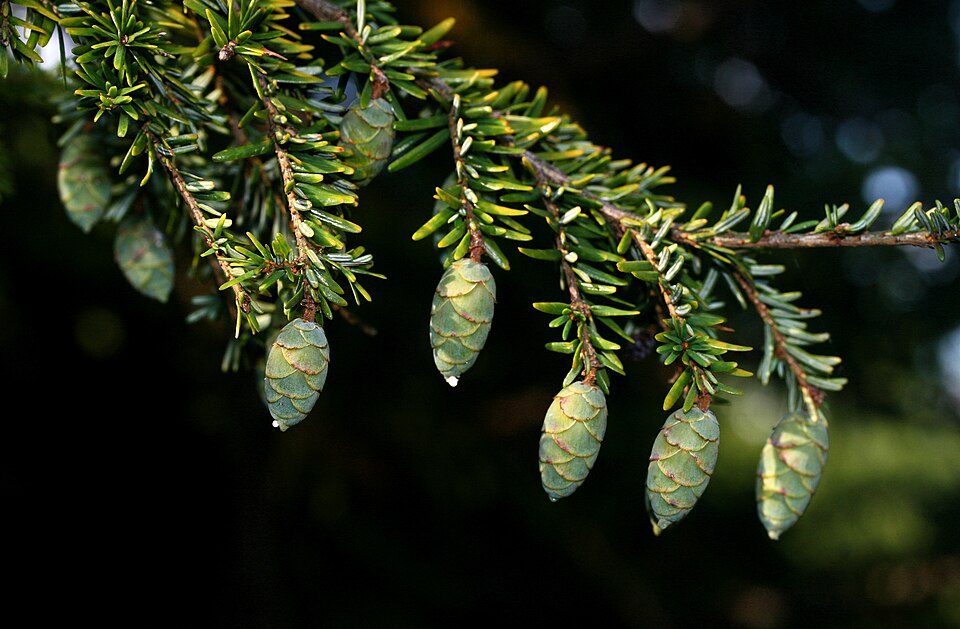
- Eastern HemlockTsuga canadensis
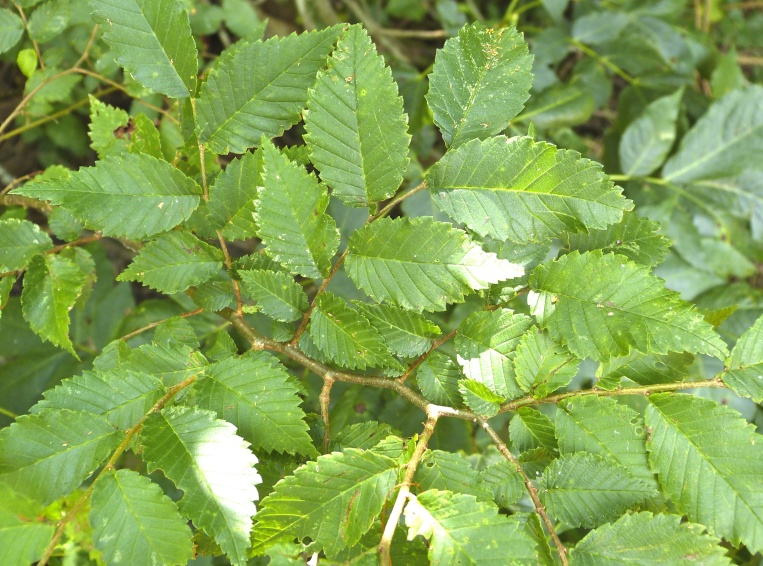
- American ElmUlmus americana
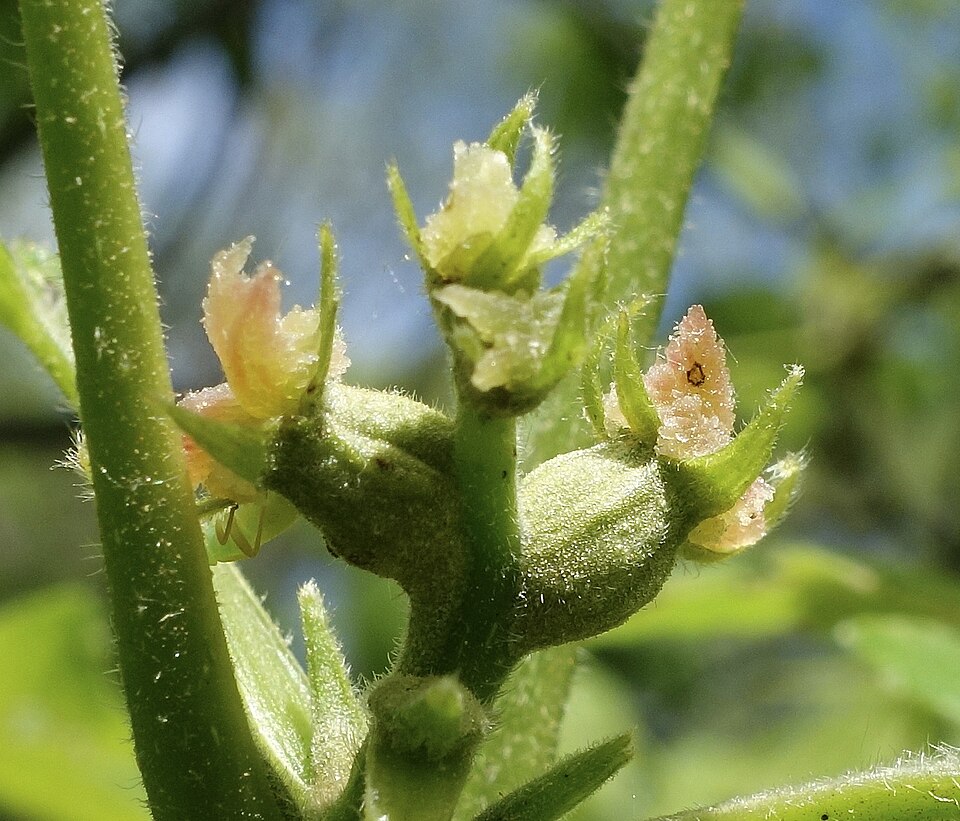
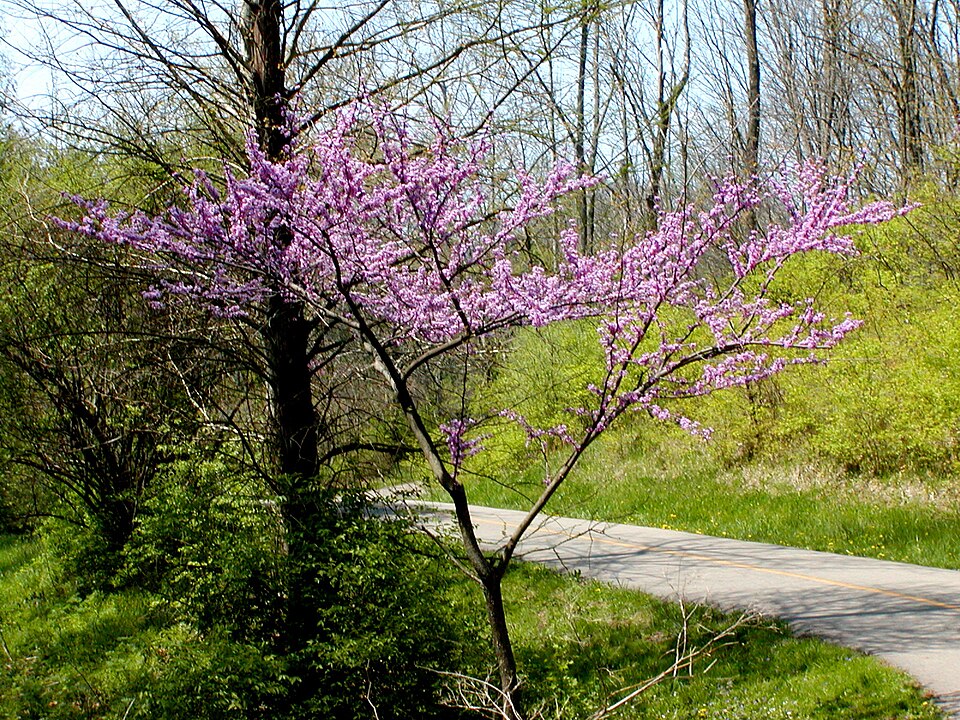
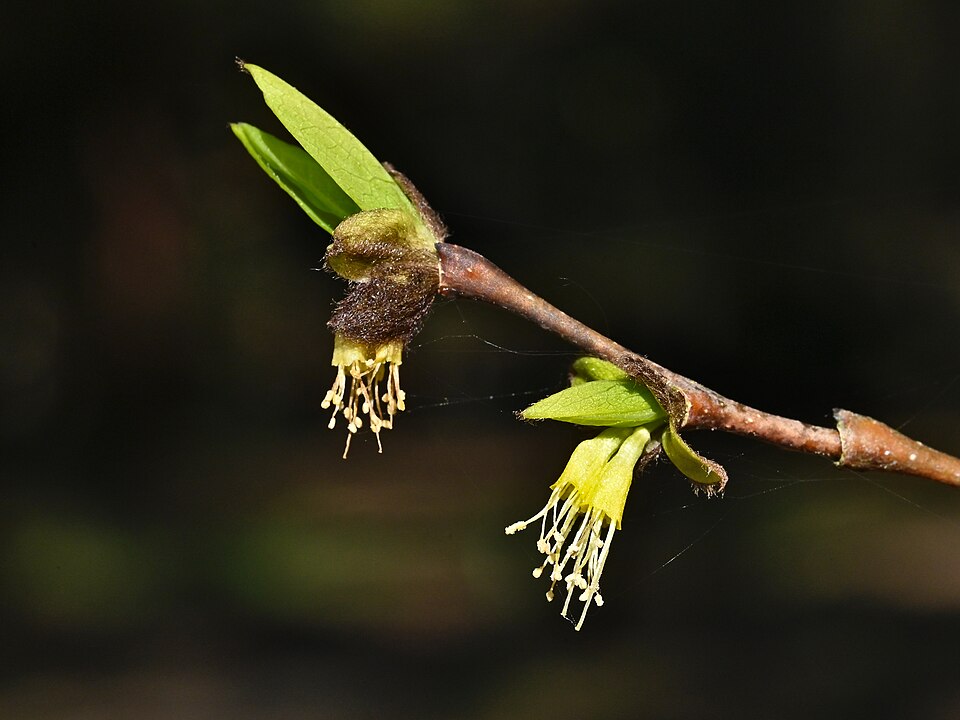
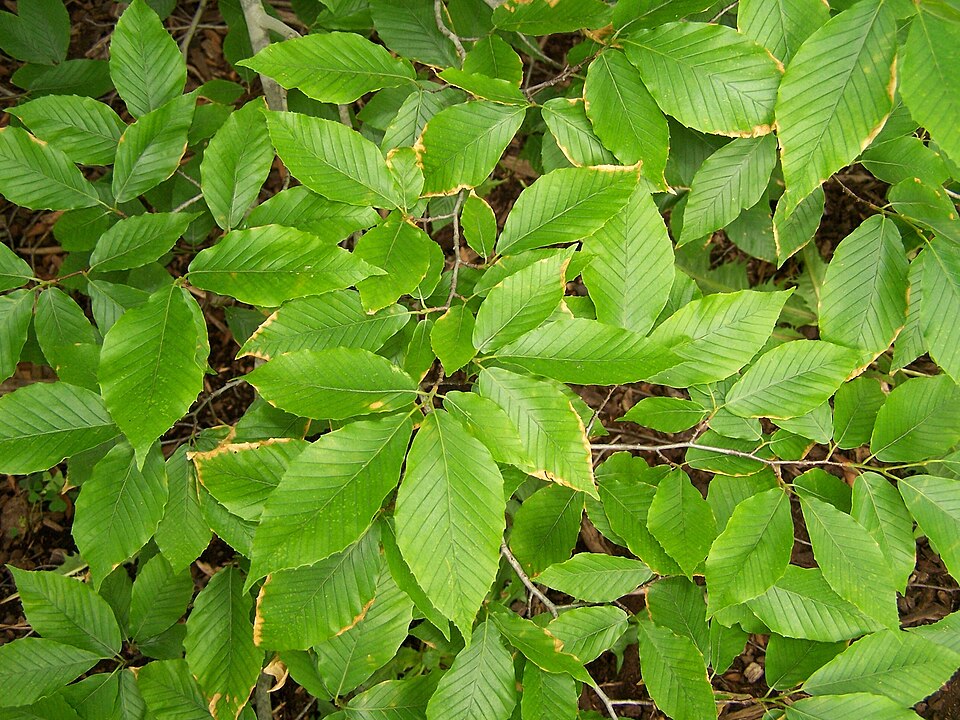
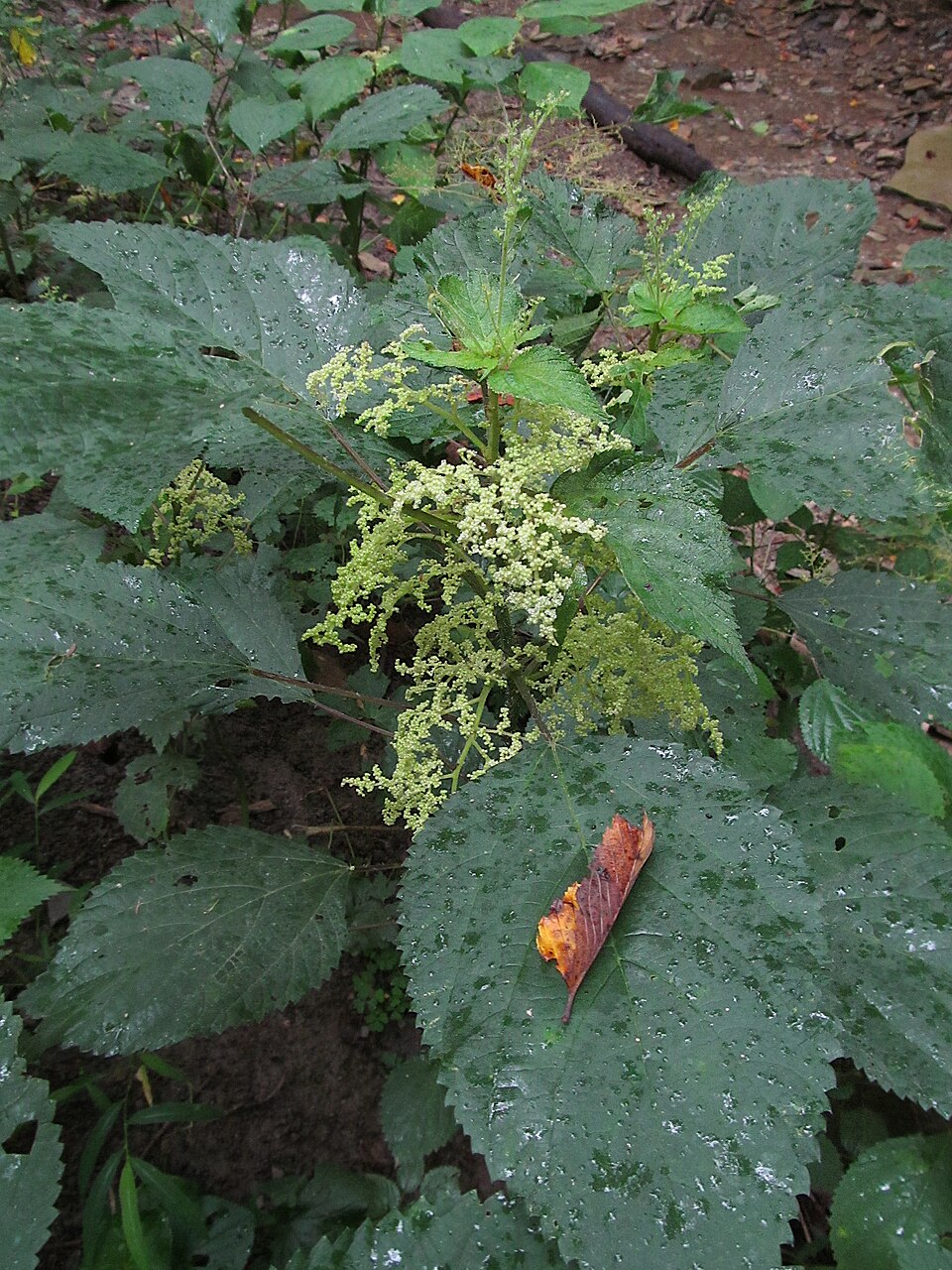
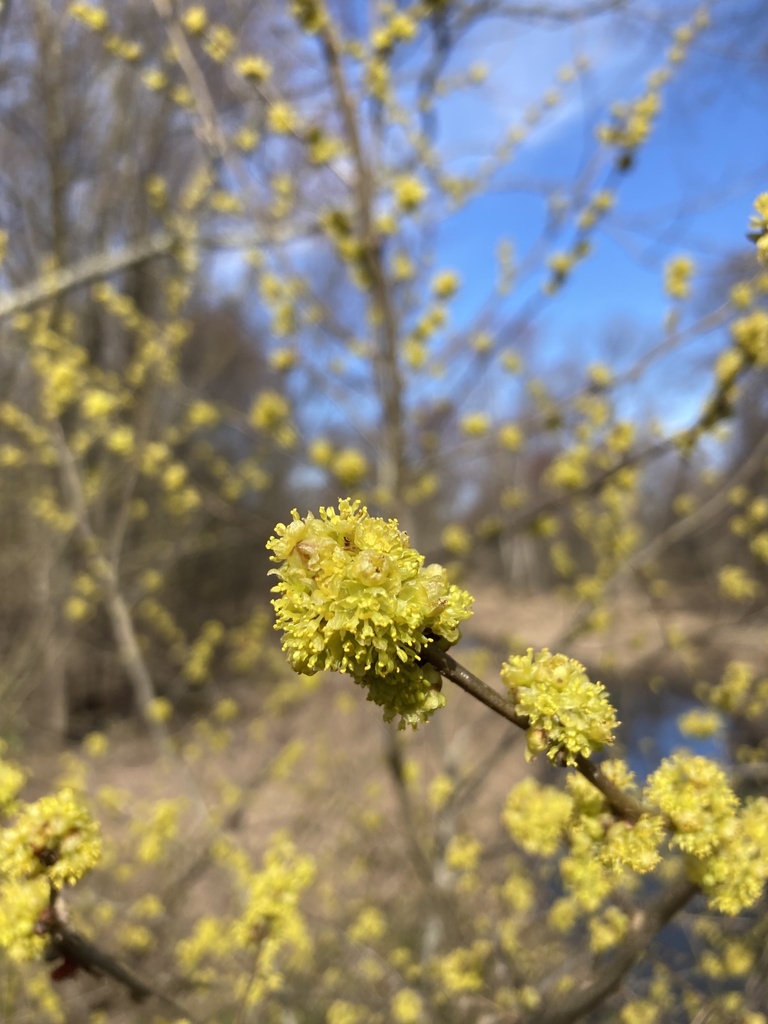
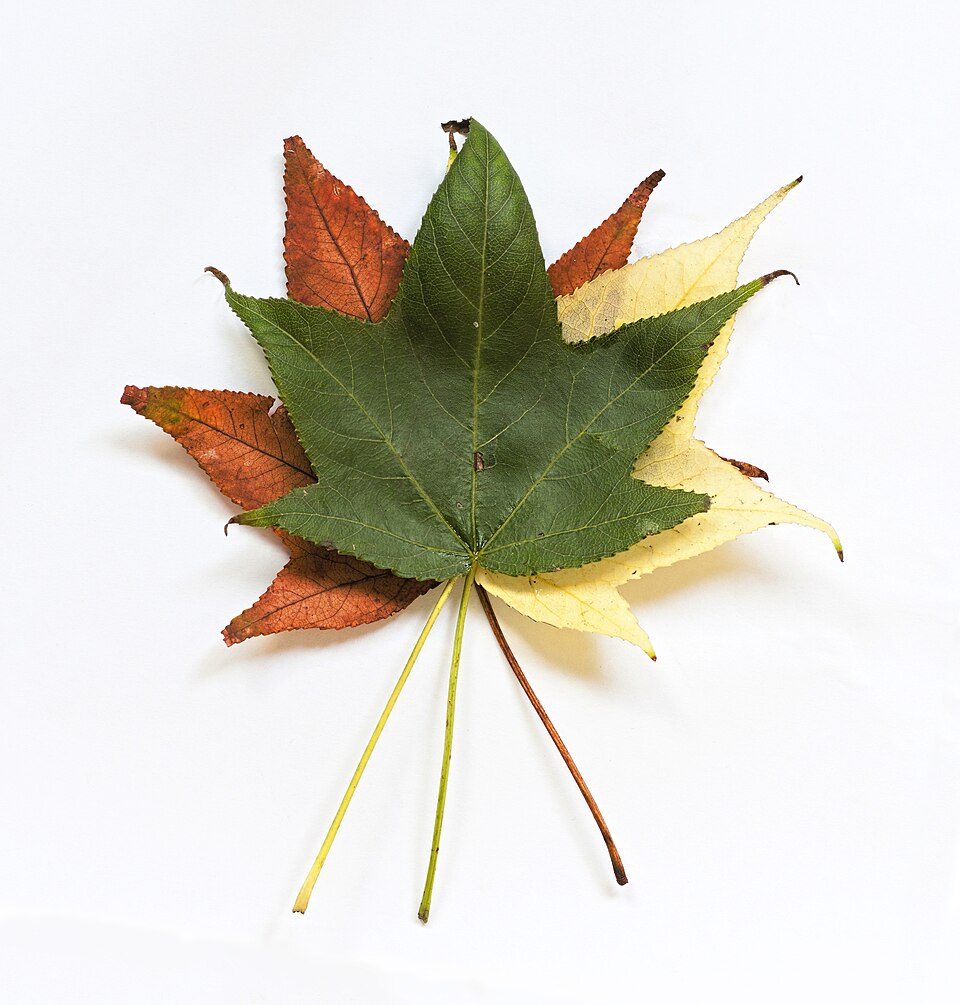
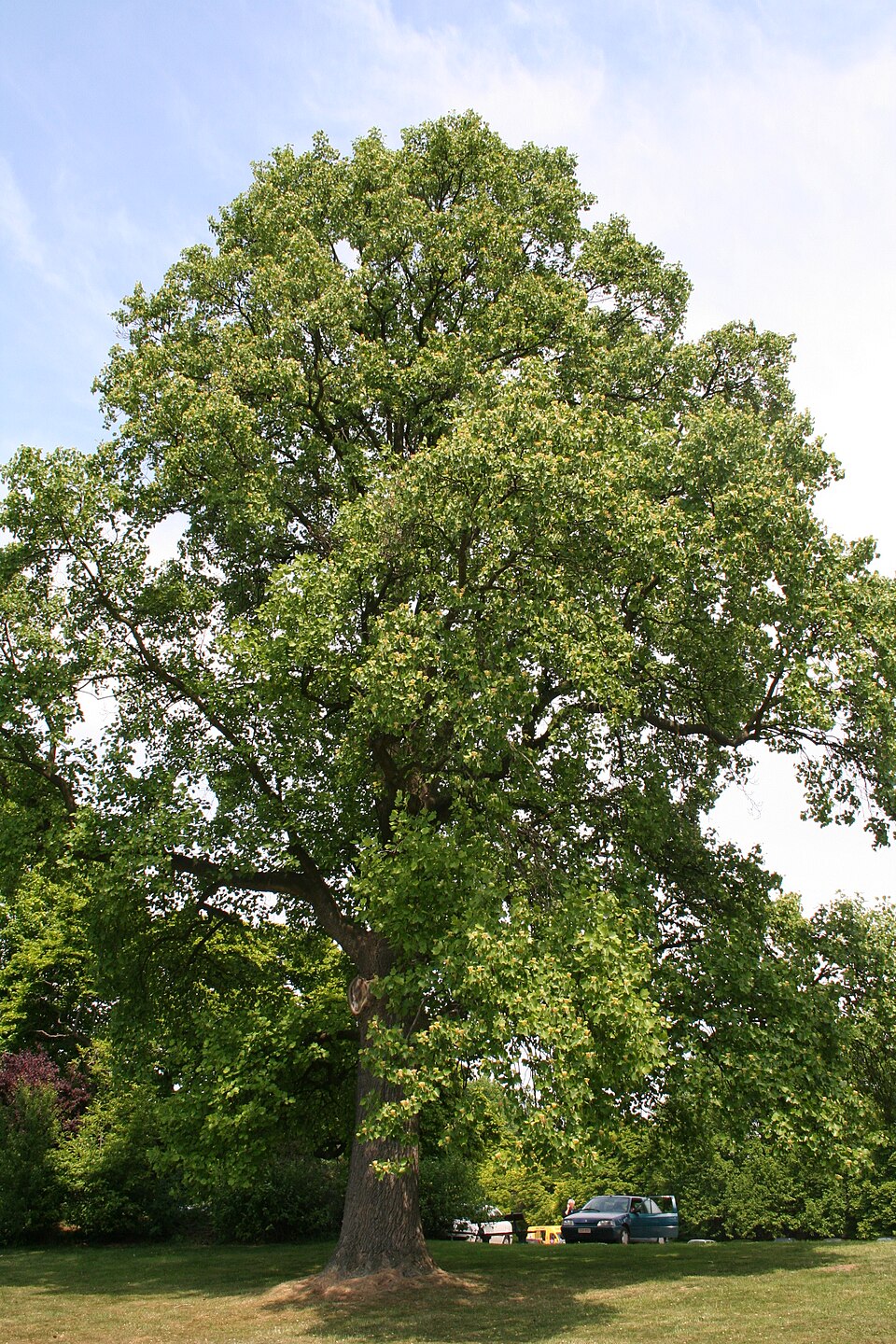
Wildlife 200
Other animals whose habitat models include the same habitats in West Virginia. Not sighting records.
- Great EgretArdea alba
- Green HeronButorides virescens
- Indigo BuntingPasserina cyanea
- Louisiana WaterthrushSeiurus motacilla
- MallardAnas platyrhynchos
- Mourning DoveZenaida macroura
- Northern FlickerColaptes auratus
- Northern MockingbirdMimus polyglottos
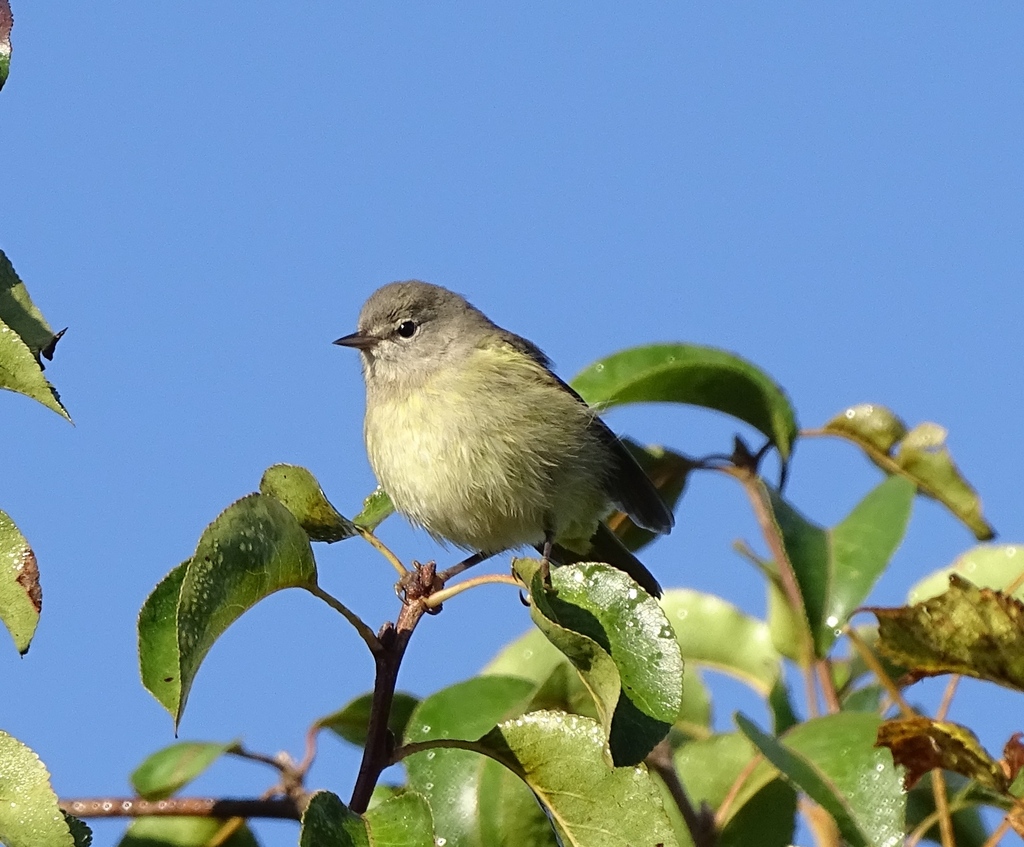
- Orange-crowned WarblerVermivora celata
- OvenbirdSeiurus aurocapilla
- Purple FinchCarpodacus purpureus
- Red-breasted NuthatchSitta canadensis
- Red-headed WoodpeckerMelanerpes erythrocephalus
- Ring-necked DuckAythya collaris
- Ruby-crowned KingletRegulus calendula
- Ruby-throated HummingbirdArchilochus colubris
- Scarlet TanagerPiranga olivacea
- Song SparrowMelospiza melodia
- Swamp SparrowMelospiza georgiana
- Tree SwallowTachycineta bicolor
- Tufted TitmouseBaeolophus bicolor
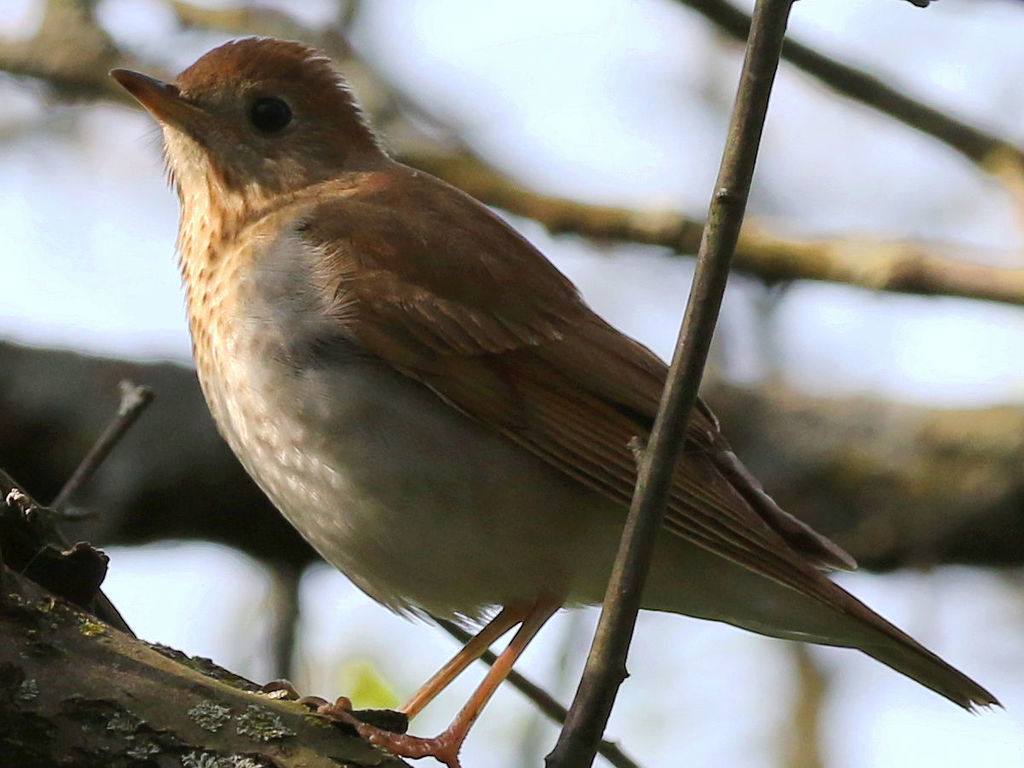
- VeeryCatharus fuscescens
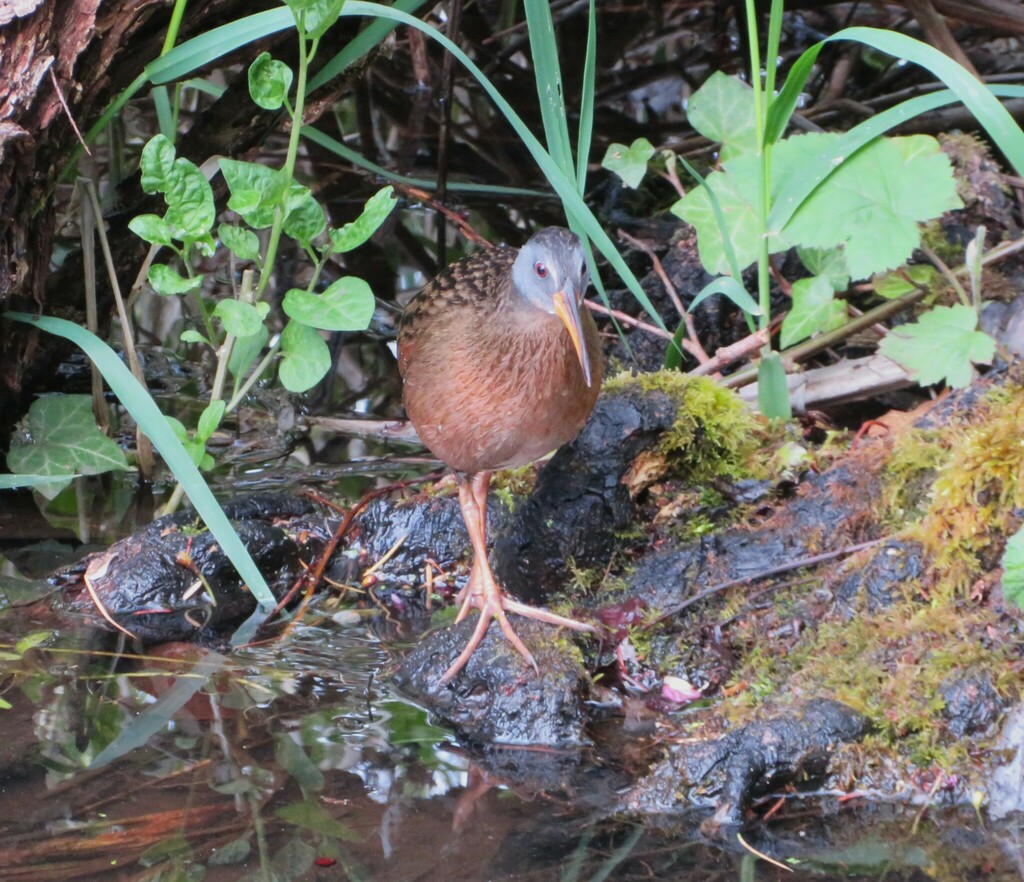
- Virginia RailRallus limicola
- White-breasted NuthatchSitta carolinensis












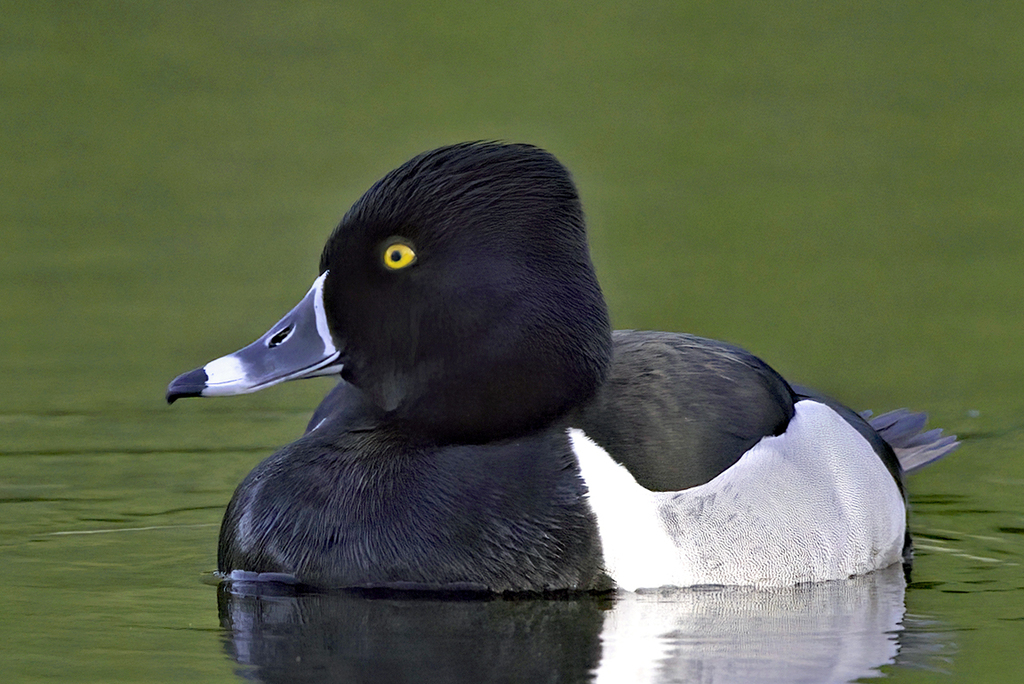


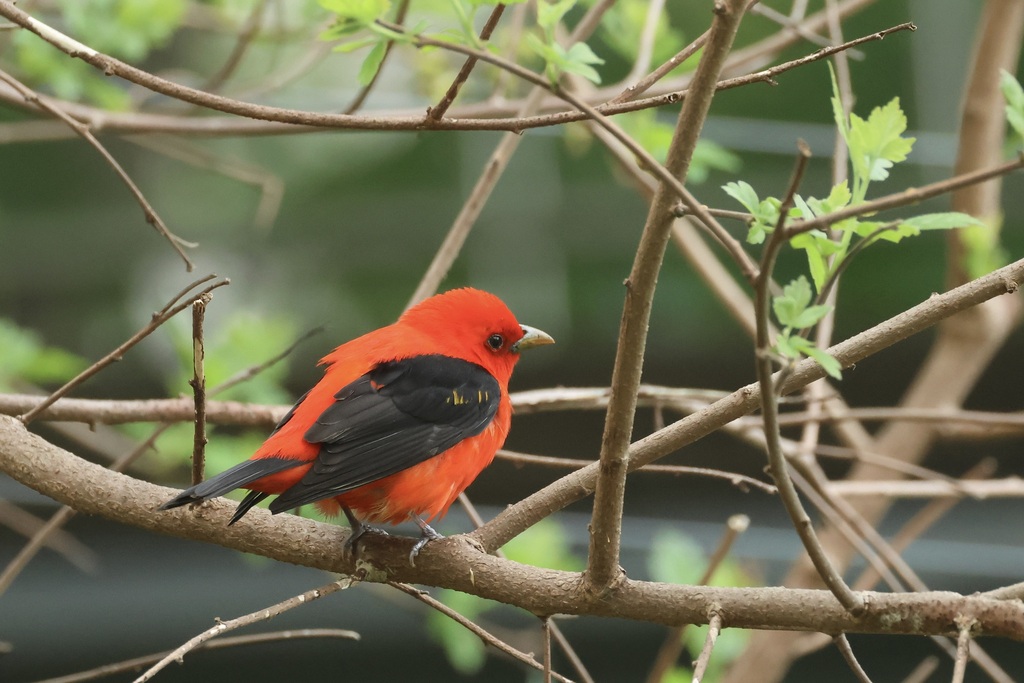
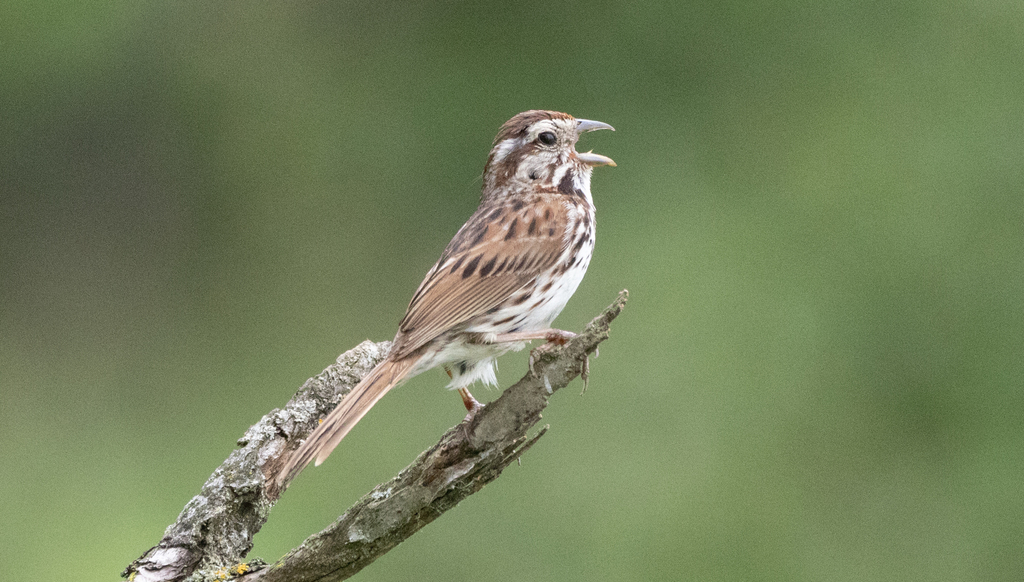
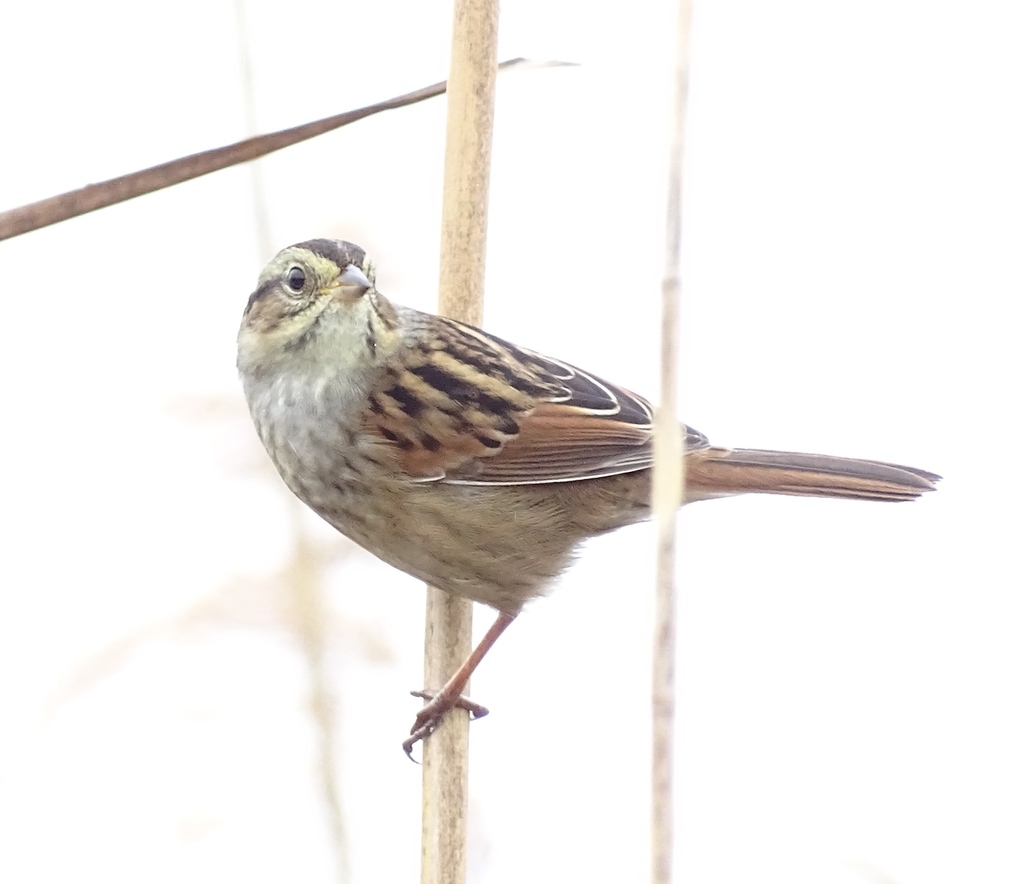



NatureServe Explorer, CC BY 4.0. USGS Gap Analysis Project habitat models.
Sources
- USGS Gap Analysis Project habitat models (2001)
- USGS GAP winter habitat model for Prothonotary Warbler Slow streams only
- USGS Gap Analysis Project range maps (2001), modeled by watershed; migratory gives no dates
- NatureServe Explorer (CC BY 4.0), habitat names
- US Census TIGER/Line counties
- Names follow the USGS Gap Analysis Project (2001)