

Bird
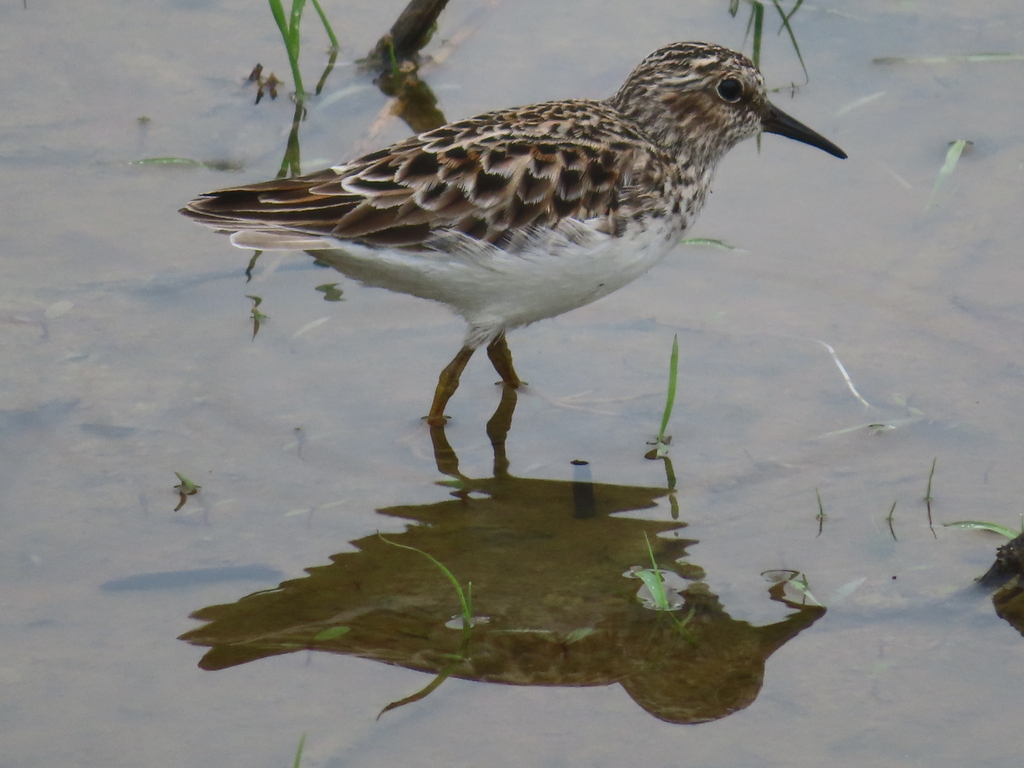
Long-billed Dowitcher
Limnodromus scolopaceus
Passes through West Virginia on migration. Found in all 55 counties, across 3 habitats.
- Here
- On migration
- Nesting
- Not known to nest here
- Range
- All 55 counties
- Habitats
- 3
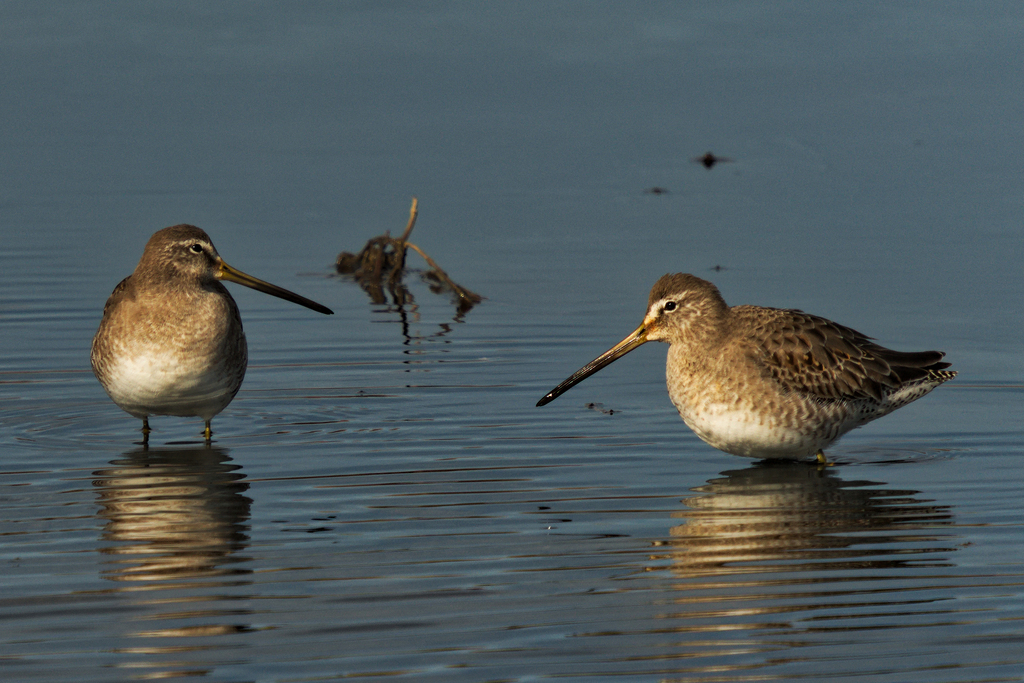
At a glance
- Group
- Birds
- Here
- On migration
- Nesting
- Not known to nest here
- Range
- All 55 counties
- Habitats
- 3
- Habitat models
- Winter
Where it lives
The places its habitat model includes. It is not found everywhere a habitat occurs.
Habitats in West Virginia 3
Each habitat page lists the plants and wildlife also found there.
Disturbed and introduced wetlands
Wet ground taken over by weedy or introduced plants after disturbance, such as common reed, Chinese tallow or tamarisk stands; the upland counterpart is roadsides, fields and disturbed ground.
Still water and its edges: ponds, lakes, millponds and reservoirs.
Roadsides, fields and disturbed ground
Ground opened by people: roadsides, old fields, pastures, fencerows and lots.
Other habitats in its models (49)
Land cover, or classes with no habitat page in West Virginia. Those recorded in West Virginia first, the rest by region.
Elsewhere in the South (35)
- Central Florida Herbaceous Pondshore Winter.
- Central Florida Herbaceous Seep Winter.
- East Gulf Coastal Plain Dune and Coastal Grassland Winter.
- East Gulf Coastal Plain Savanna and Wet Prairie Winter.
- East Gulf Coastal Plain Tidal Wooded Swamp Winter.
- Florida Big Bend Fresh-Oligohaline Tidal Marsh Winter.
- Florida Big Bend Salt-Brackish Tidal Marsh Winter.
- Florida Dry Prairie Winter, only within 120 m of water.
- Florida Panhandle Beach Vegetation Winter.
- Lower Mississippi River Dune Woodland and Forest Winter.
- Mississippi River Bottomland Depression Winter.
- Mississippi Sound Salt and Brackish Tidal Marsh Winter.
- South Florida Bayhead Swamp Winter.
- South Florida Everglades Sawgrass Marsh Winter.
- South Florida Freshwater Slough and Gator Hole Winter.
- South Florida Mangrove Swamp Winter.
- South Florida Shell Hash Beach Winter.
- South Florida Wet Marl Prairie Winter.
- Southeast Florida Beach Winter.
- Southern Coastal Plain Herbaceous Seepage Bog Winter.
- Southern Coastal Plain Hydric Hammock Winter.
- Southern Coastal Plain Nonriverine Basin Swamp Winter.
- Southern Coastal Plain Seepage Swamp and Baygall Winter.
- Southwest Florida Beach Winter.
- Southwest Florida Dune and Coastal Grassland Winter.
- Texas Coastal Bend Beach Winter.
- Texas Saline Coastal Prairie Winter.
- Texas-Louisiana Coastal Prairie Winter, only within 120 m of water.
- Upper Texas Coast Beach Winter.
- West Gulf Coastal Plain Catahoula Barrens Winter, only within 120 m of water.
- West Gulf Coastal Plain Near-Coast Large River Swamp Winter.
- West Gulf Coastal Plain Nepheline Syenite Glade Winter, only within 120 m of water.
- West Gulf Coastal Plain Northern Calcareous Prairie Winter, only within 120 m of water.
- West Gulf Coastal Plain Seepage Swamp and Baygall Winter.
- West Gulf Coastal Plain Southern Calcareous Prairie Winter, only within 120 m of water.
Land cover and other classes (14)
- East Gulf Coastal Plain Black Belt Calcareous Prairie and Woodland - Herbaceous Modifier Winter, only within 120 m of water.
- East Gulf Coastal Plain Interior Upland Longleaf Pine Woodland - Loblolly Modifier Winter, only within 120 m of water.
- East Gulf Coastal Plain Interior Upland Longleaf Pine Woodland - Open Understory Modifier Winter, only within 120 m of water.
- East Gulf Coastal Plain Jackson Prairie and Woodland Winter, only within 120 m of water.
- East Gulf Coastal Plain Near-Coast Pine Flatwoods - Open Understory Modifier Winter, only within 120 m of water.
- East Gulf Coastal Plain Southern Depression Pondshore Winter.
- Open Water (Aquaculture) Winter.
- Open Water (Brackish/Salt) Winter.
- South Texas Dune and Coastal Grassland Winter.
- South Texas Sand Sheet Grassland Winter, only within 120 m of water.
- Texas-Louisiana Coastal Prairie Slough Winter.
- Unconsolidated Shore Winter.
- Unconsolidated Shore (Beach/Dune) Winter.
- Unconsolidated Shore (Lake/River/Pond) Winter.
Seasons in West Virginia
- Migratory: does not nest here, in all 55 counties.
Also found in its main habitats
Its main habitats in West Virginia, by how much of its habitat model each one is, with the birds most characteristic of each and the plants that grow wild there. Shared habitat, not food.
Disturbed and introduced wetlands
Birds 112
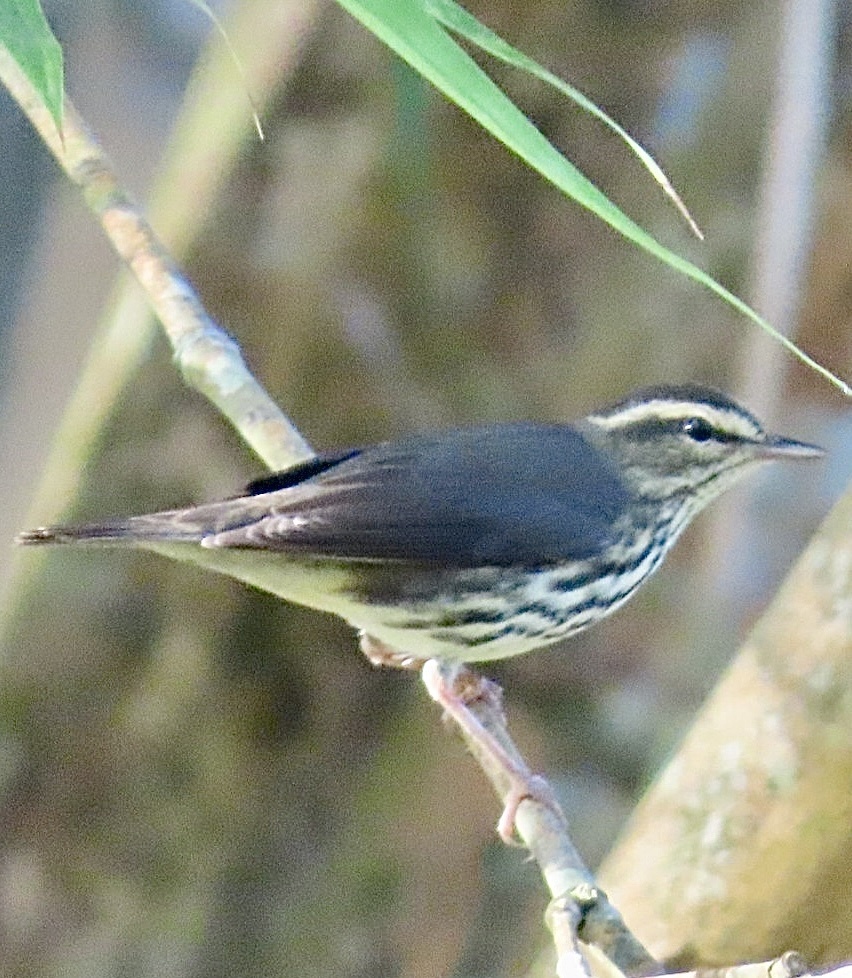
- Northern WaterthrushSeiurus noveboracensis
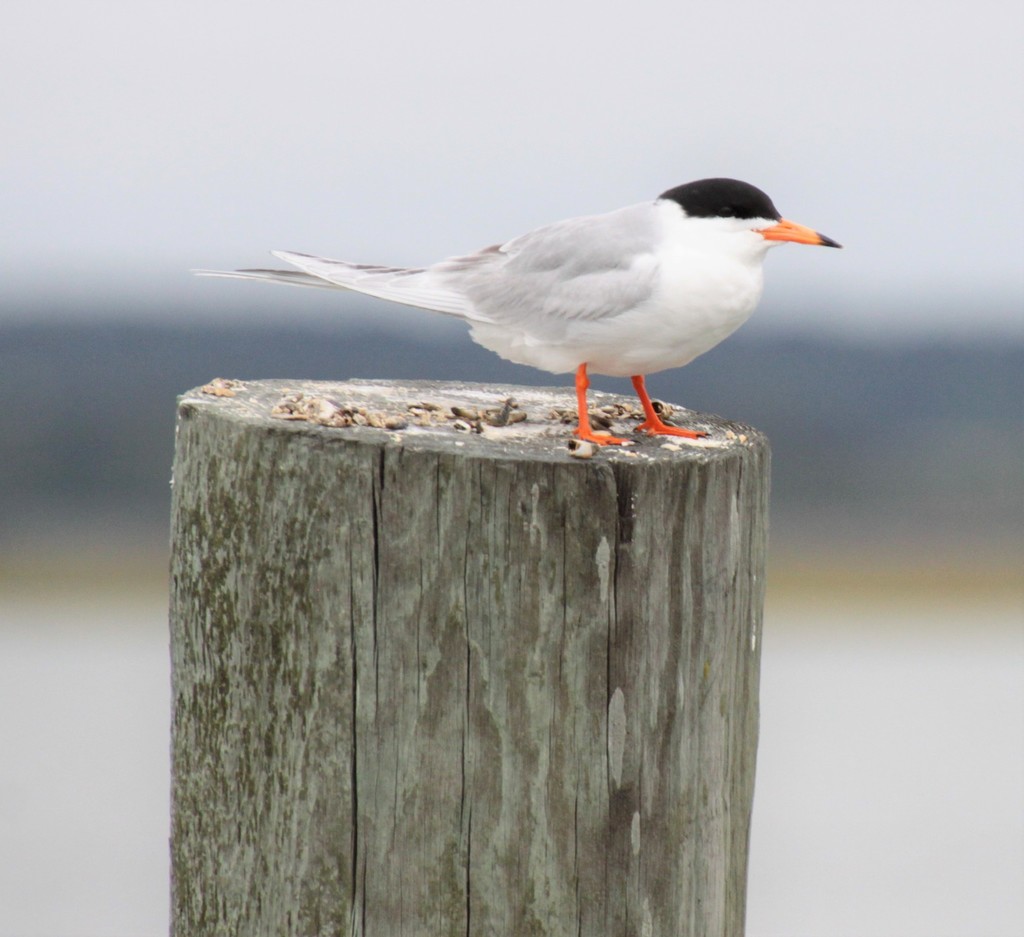
- Forster's TernSterna forsteri
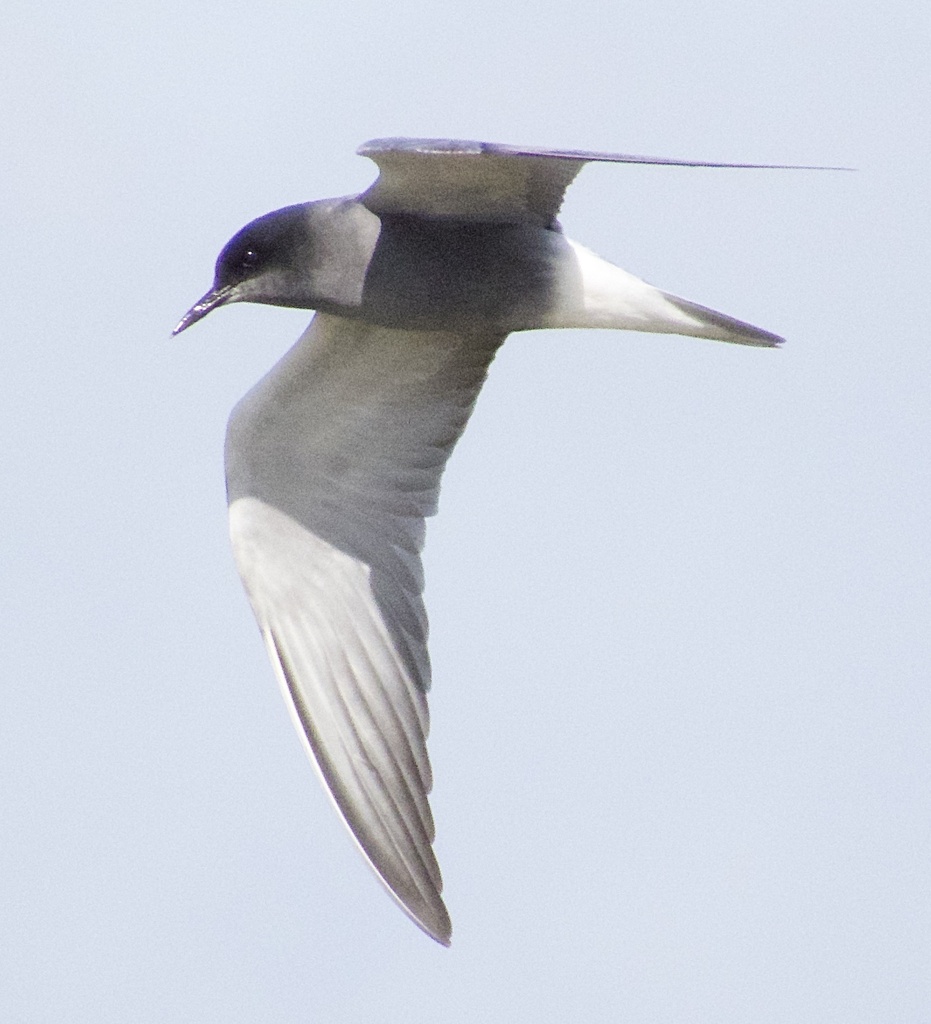
- Black TernChlidonias niger
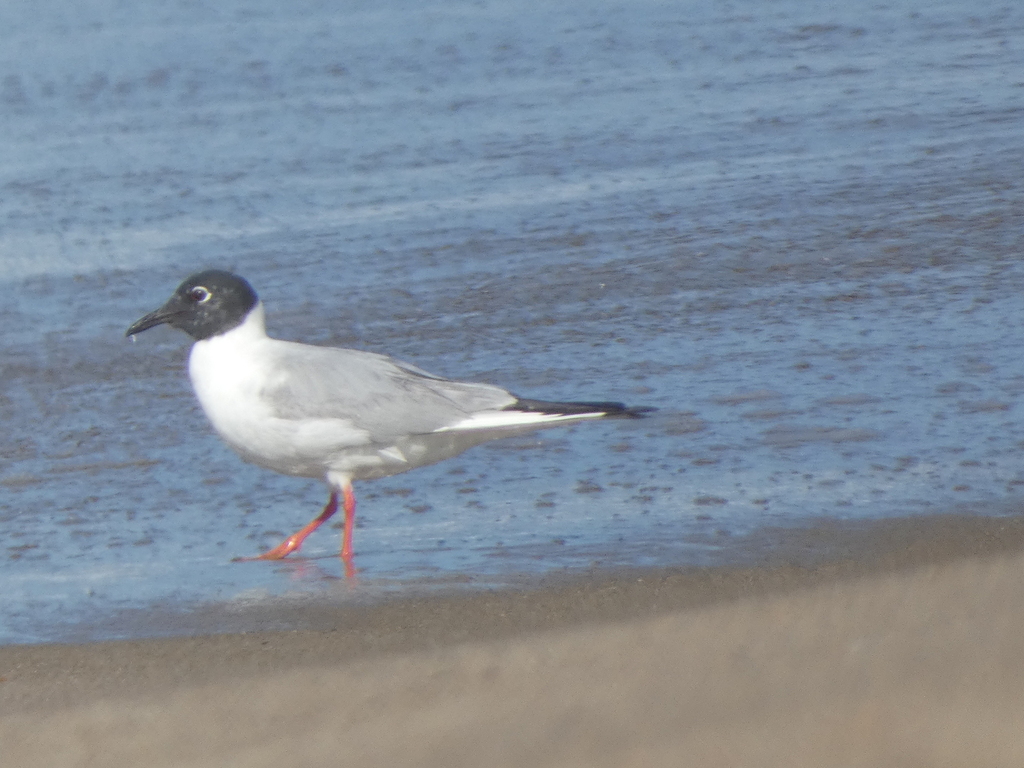
- Bonaparte's GullChroicocephalus philadelphia
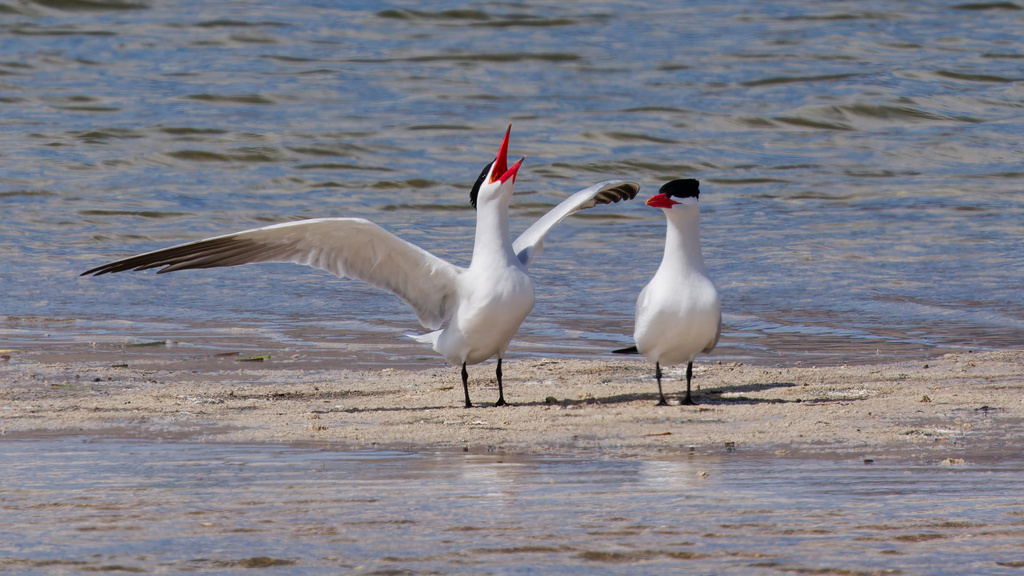
- Caspian TernHydroprogne caspia
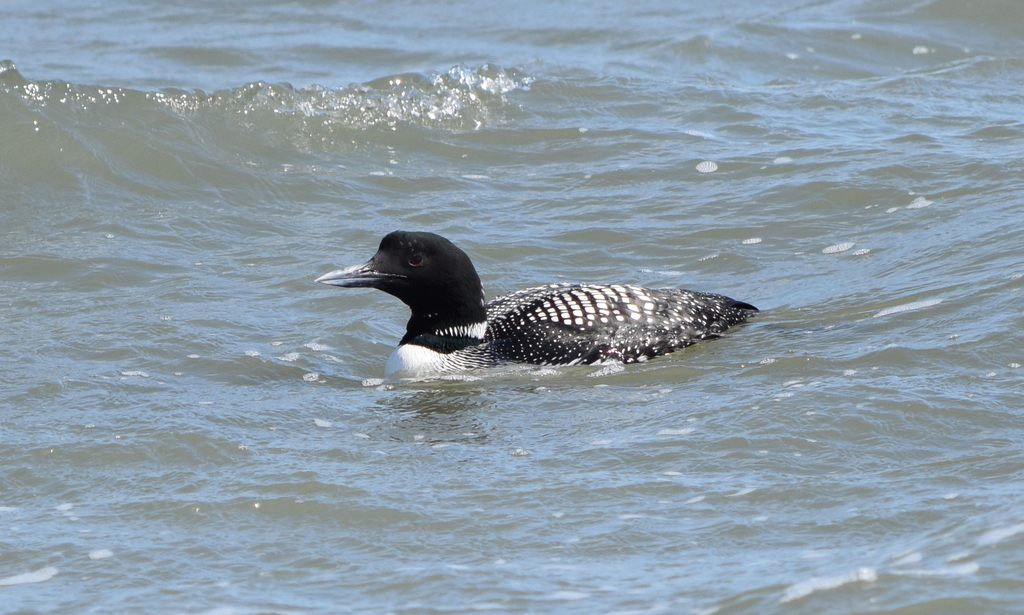
- Common LoonGavia immer
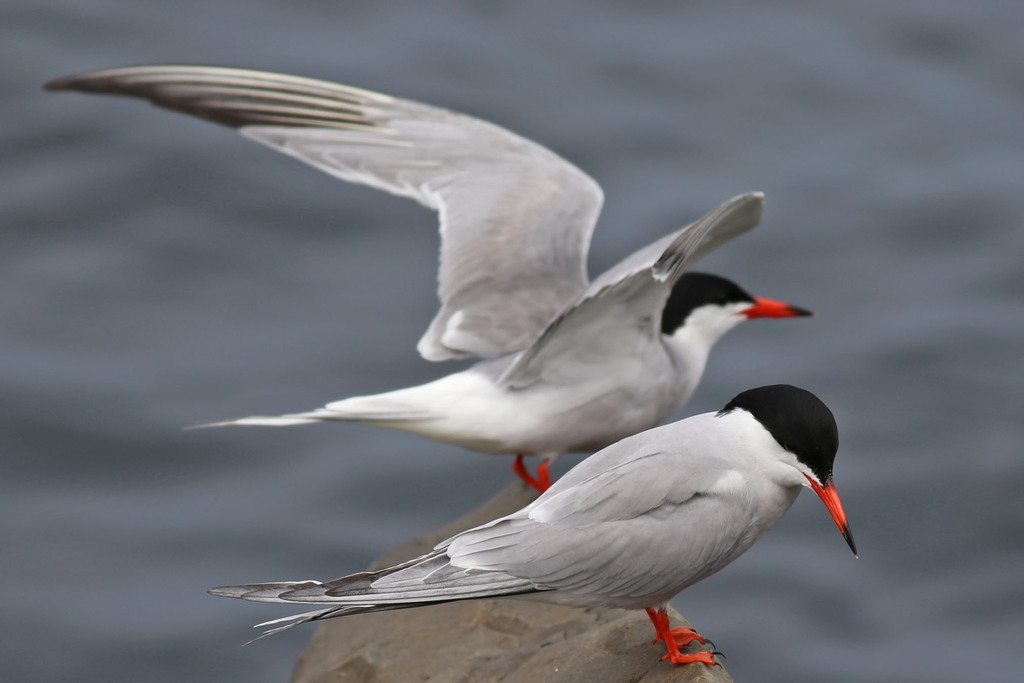
- Common TernSterna hirundo
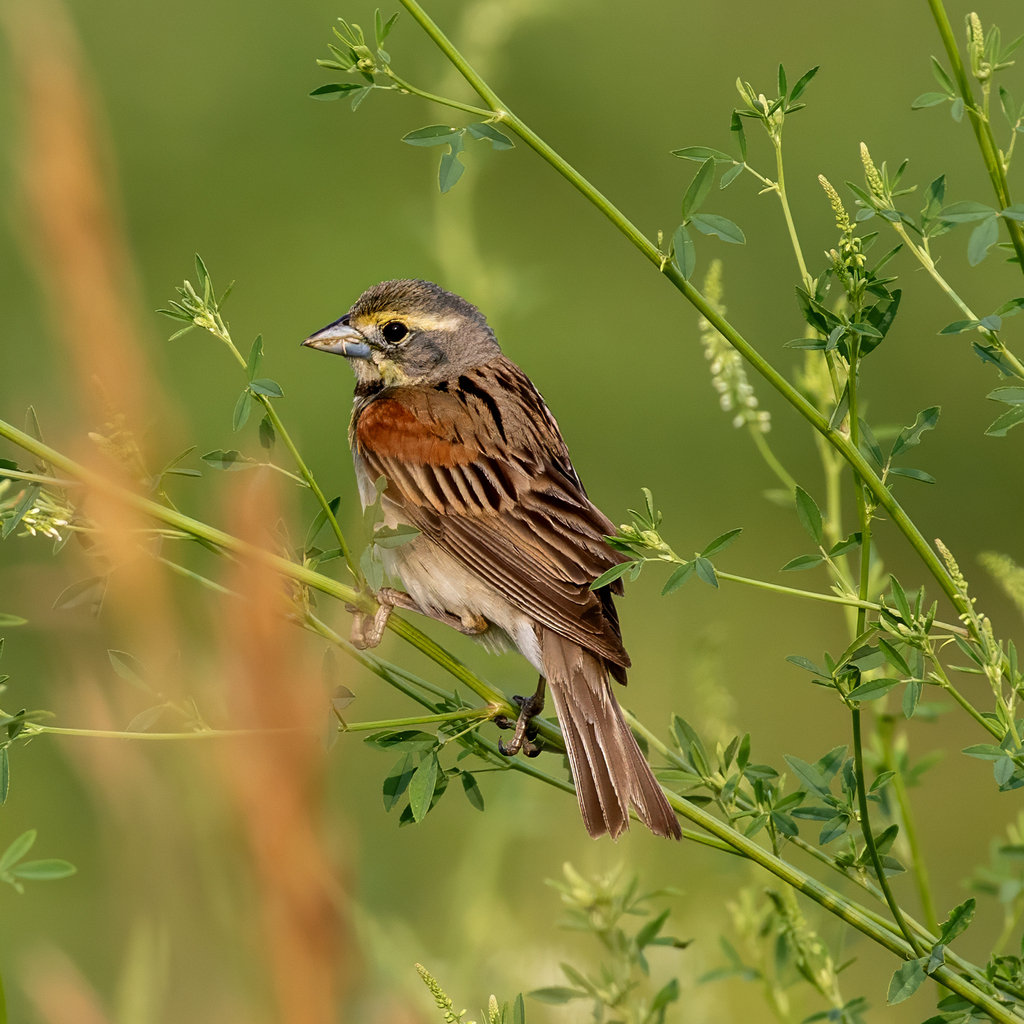
- DickcisselSpiza americana
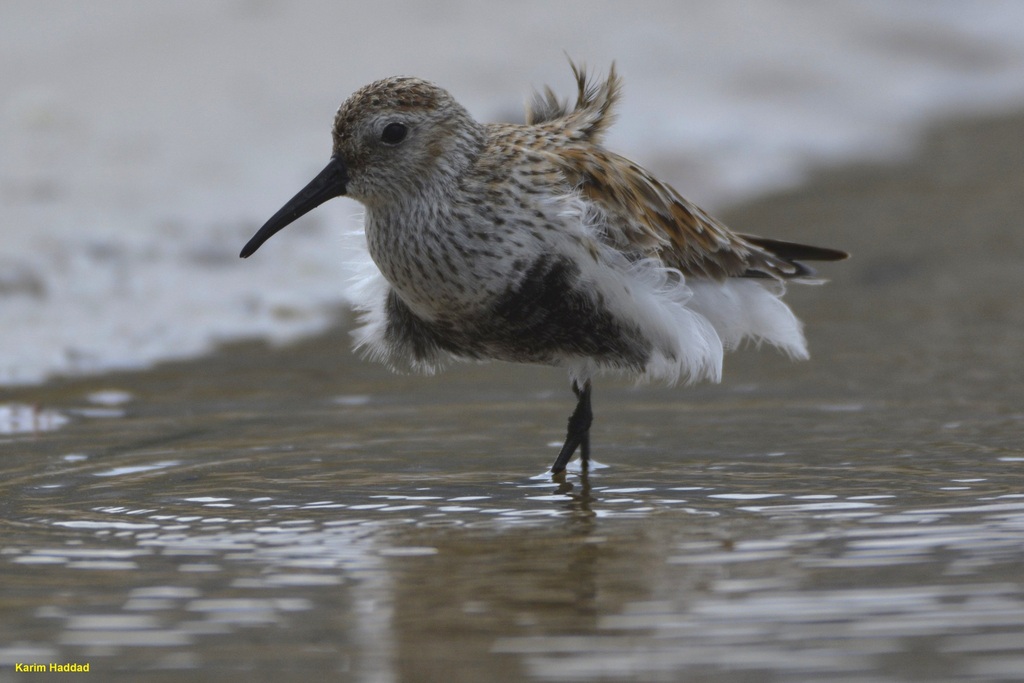
- DunlinCalidris alpina
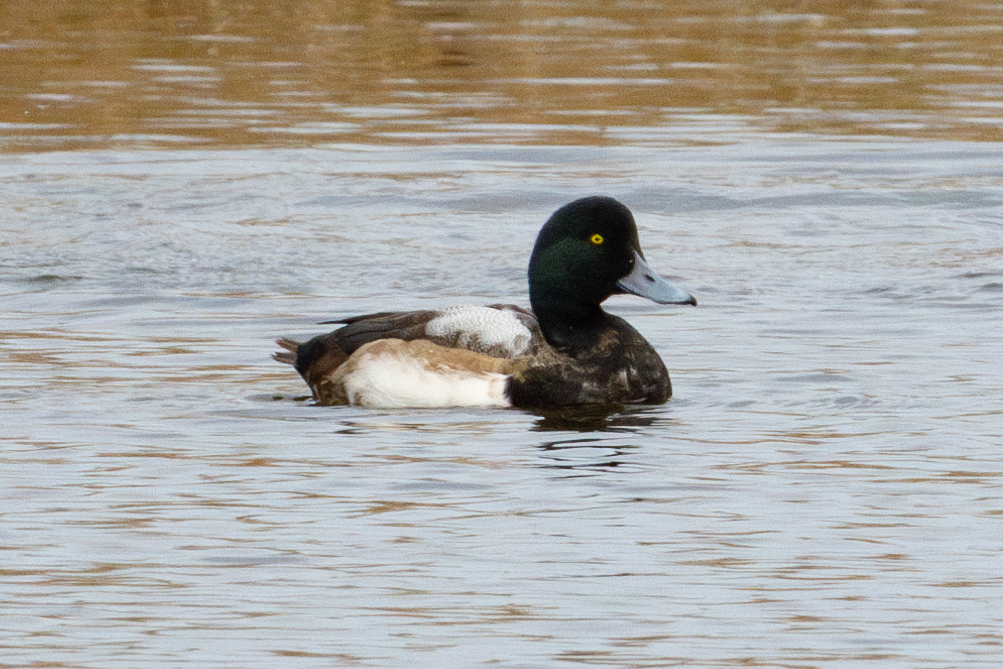
- Greater ScaupAythya marila
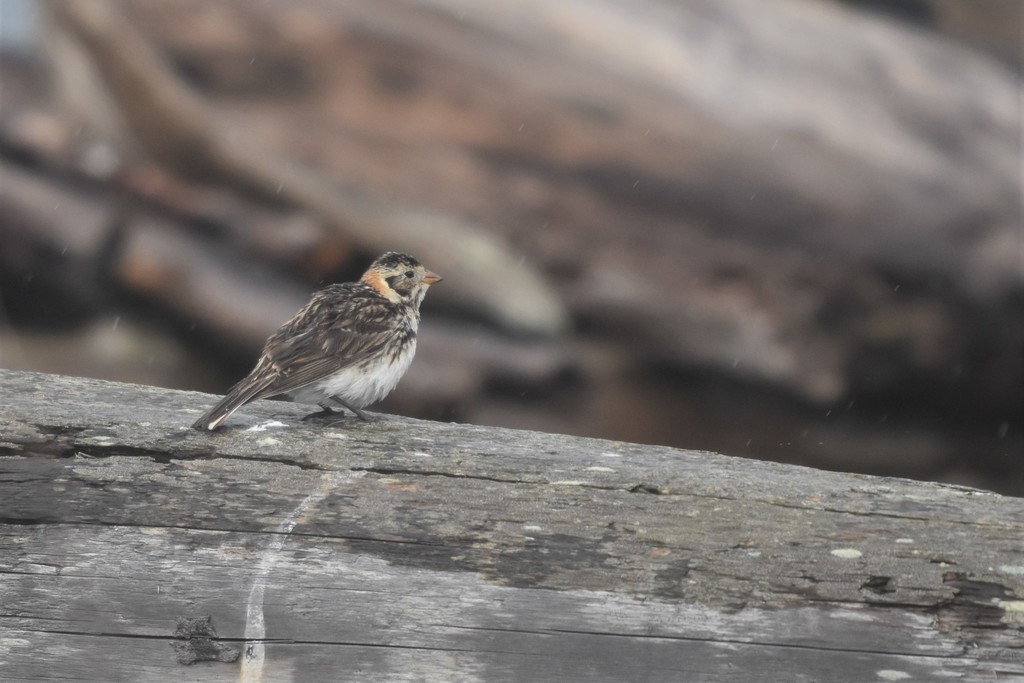
- Lapland LongspurCalcarius lapponicus
- Least SandpiperCalidris minutilla
Plants 12
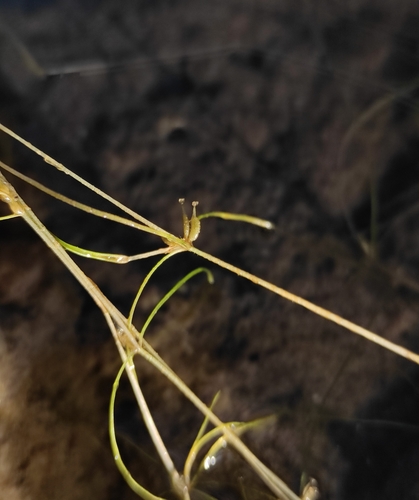
- Slender FimbryFimbristylis autumnalis
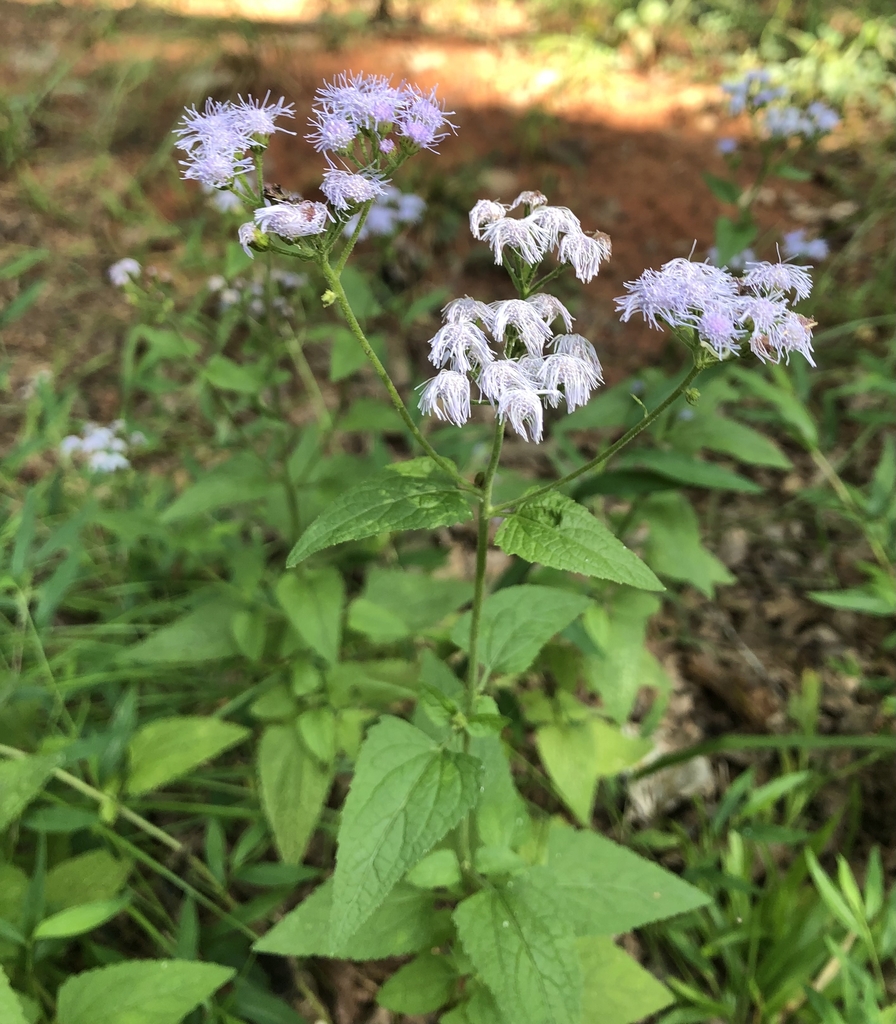
- Blue MistflowerConoclinium coelestinum
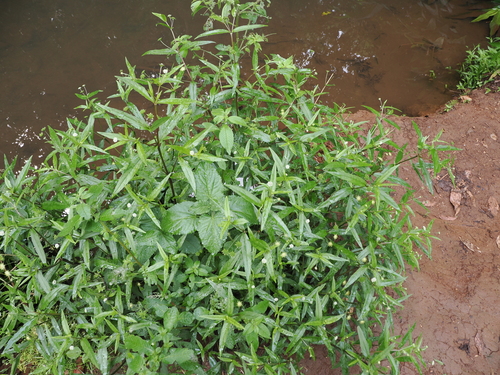
- False DaisyEclipta prostrata
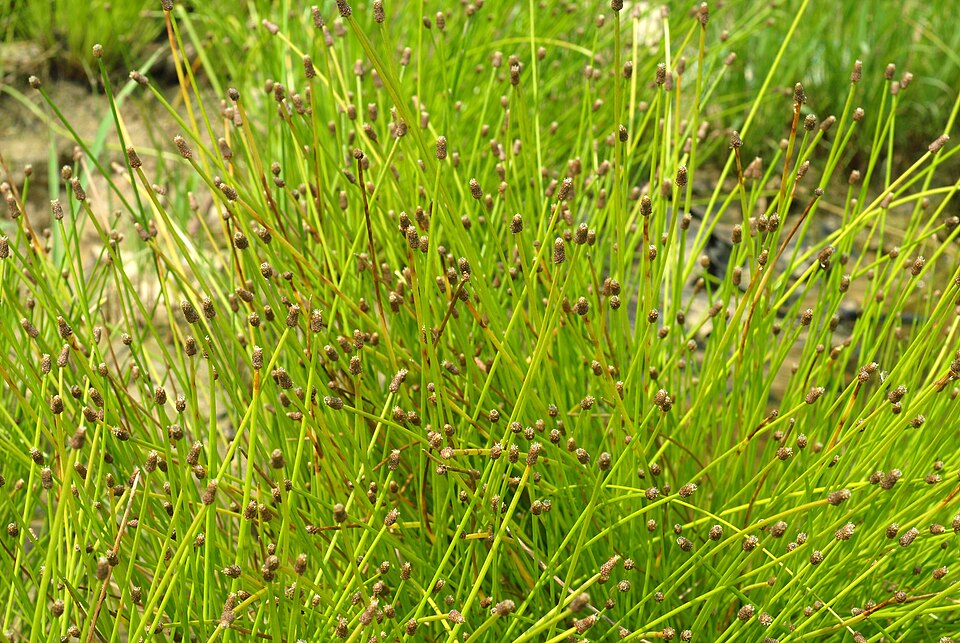
- Intermediate Spike RushEleocharis intermedia
- Blunt Spike RushEleocharis obtusa
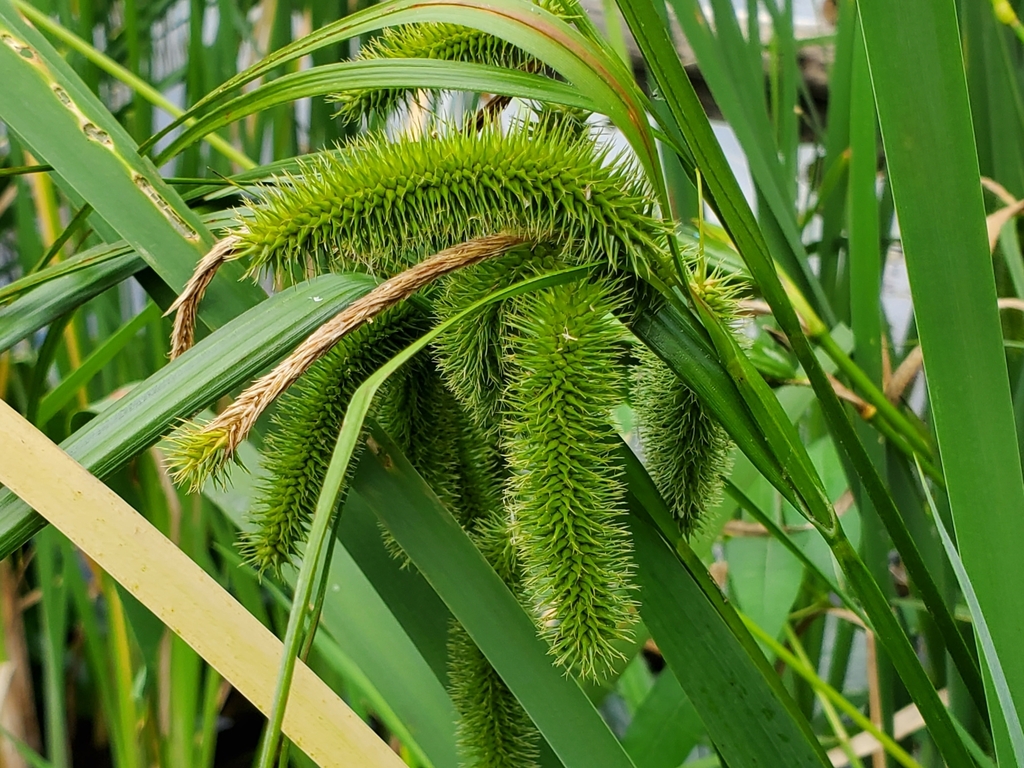
- Bristly SedgeCarex comosa
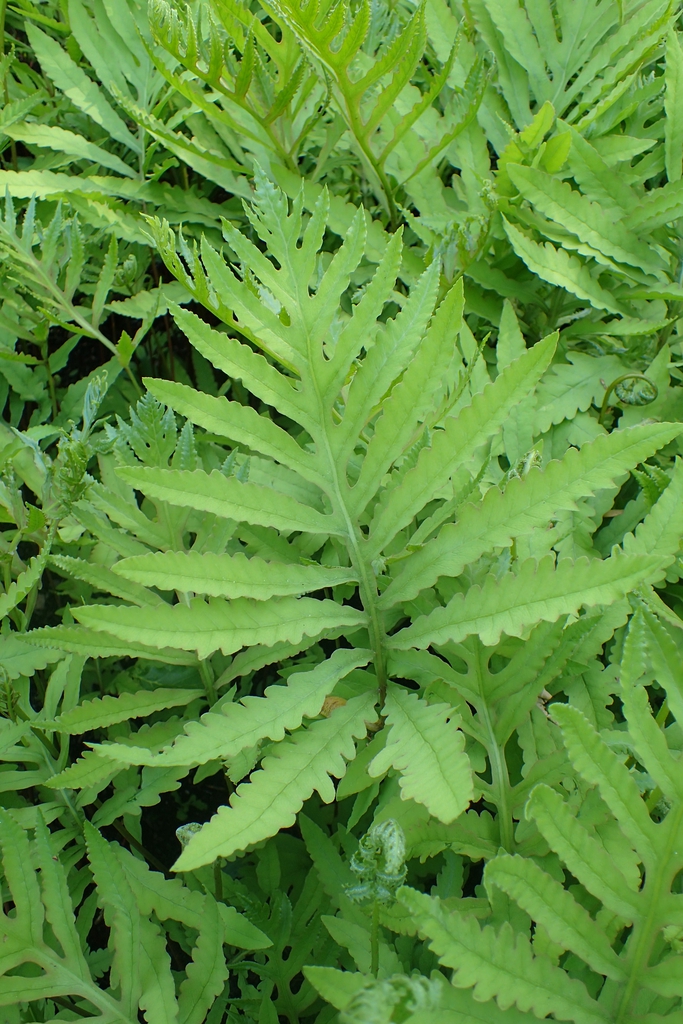
- Sensitive FernOnoclea sensibilis
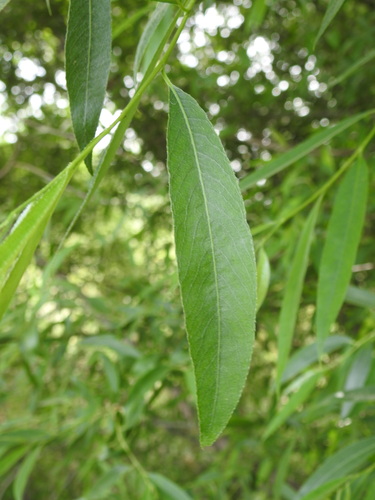
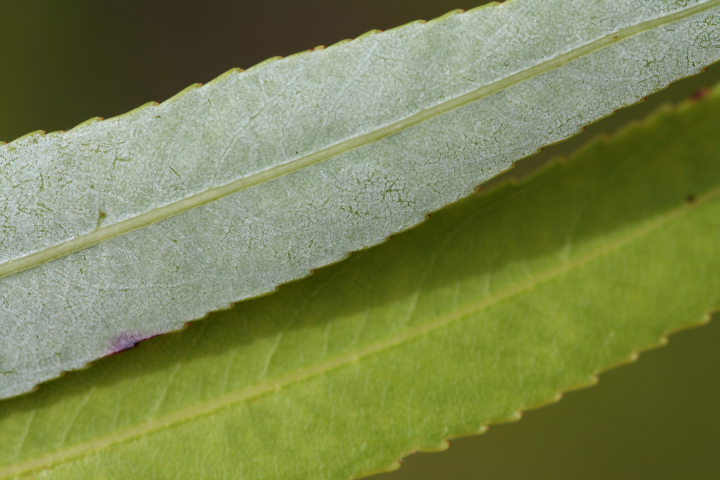
- Heart Leaf WillowSalix eriocephala
- Cuscuta gronovii var. gronoviiCuscuta gronovii var. gronovii
- European Gray WillowSalix cinerea
- Ricefield FlatsedgeCyperus iria
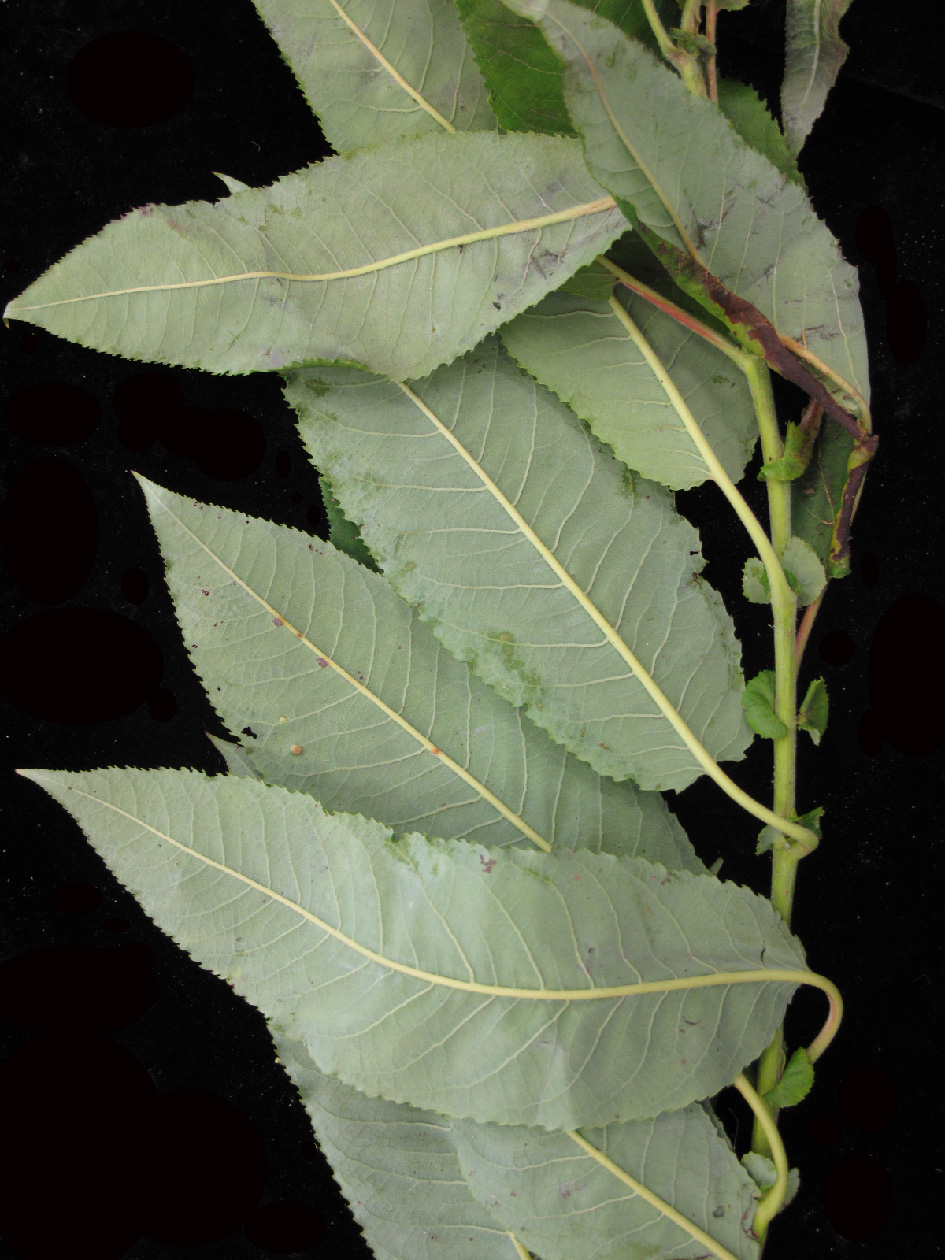
- White WillowSalix alba
Roadsides, fields and disturbed ground
Birds 89
- Cape May WarblerDendroica tigrina
- House SparrowPasser domesticus
- Upland SandpiperBartramia longicauda
- Rock PigeonColumba livia
- DickcisselSpiza americana
- DunlinCalidris alpina
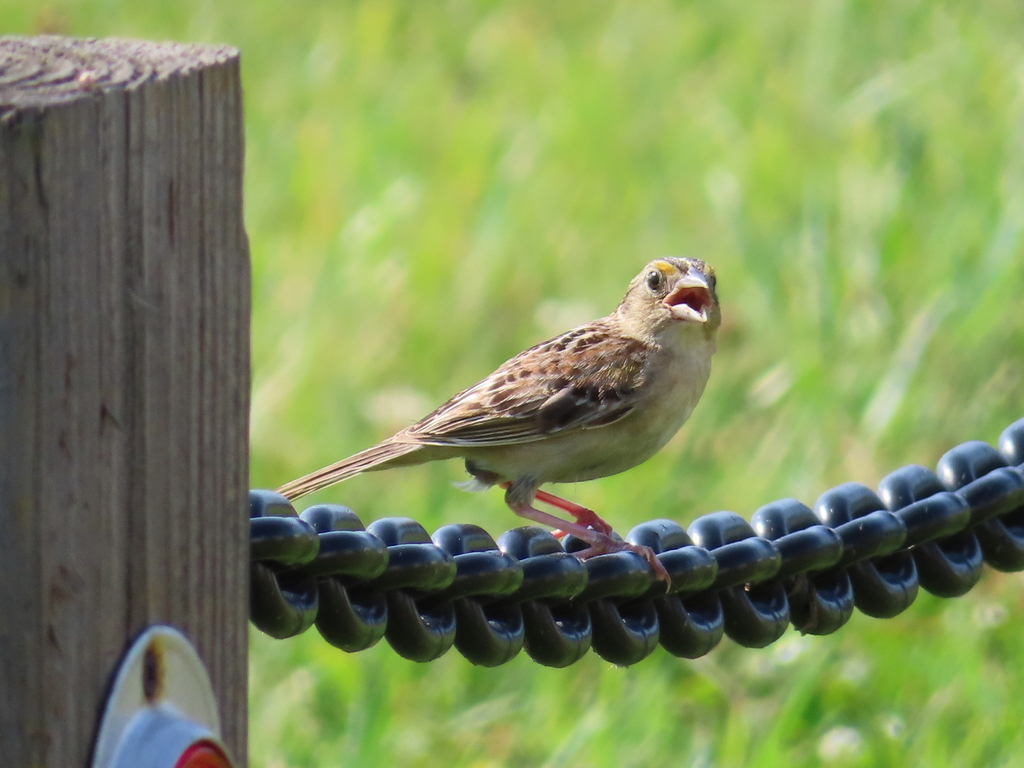
- Grasshopper SparrowAmmodramus savannarum
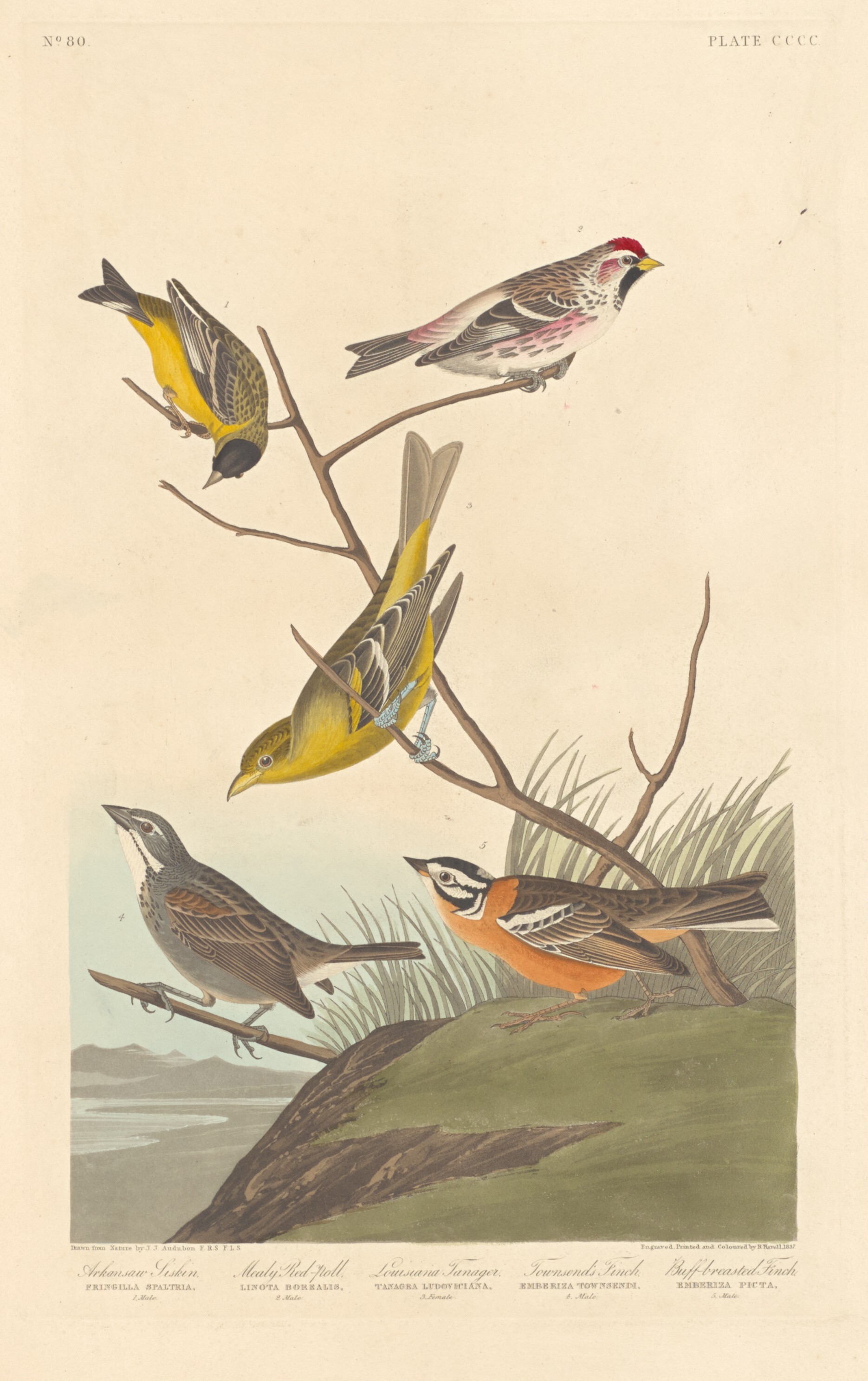
- Hoary RedpollCarduelis hornemanni
- Lapland LongspurCalcarius lapponicus
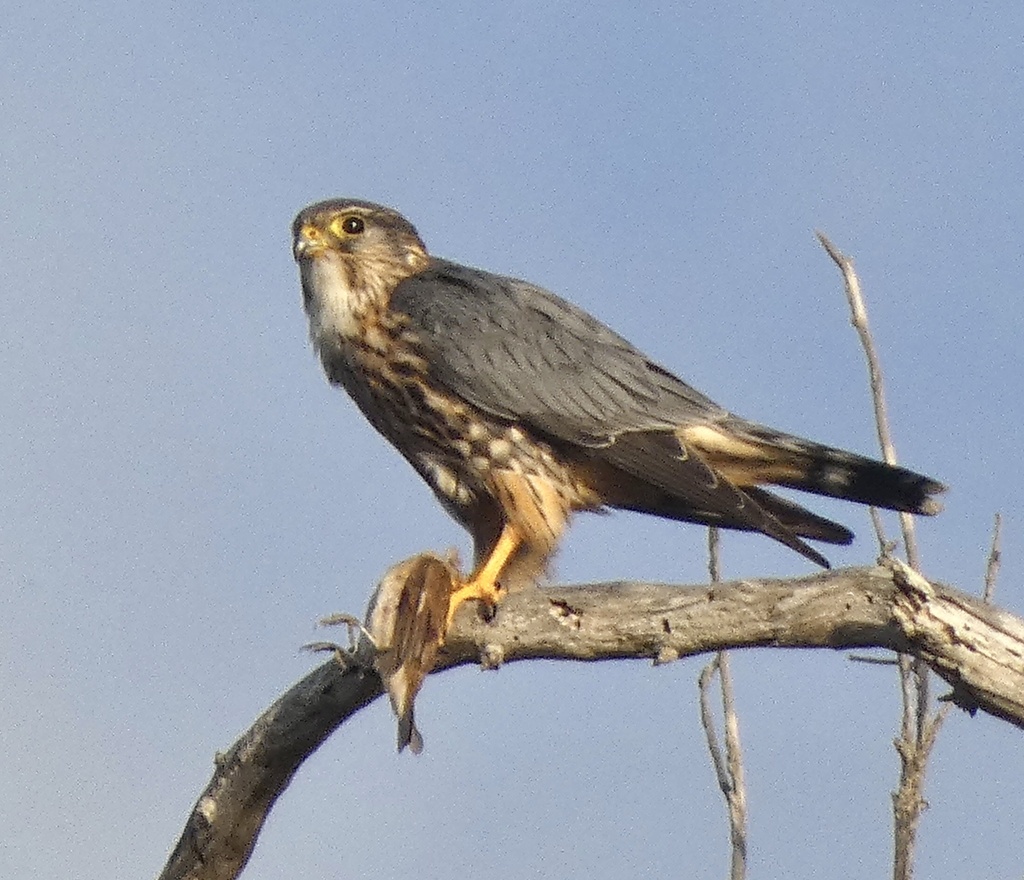
- MerlinFalco columbarius
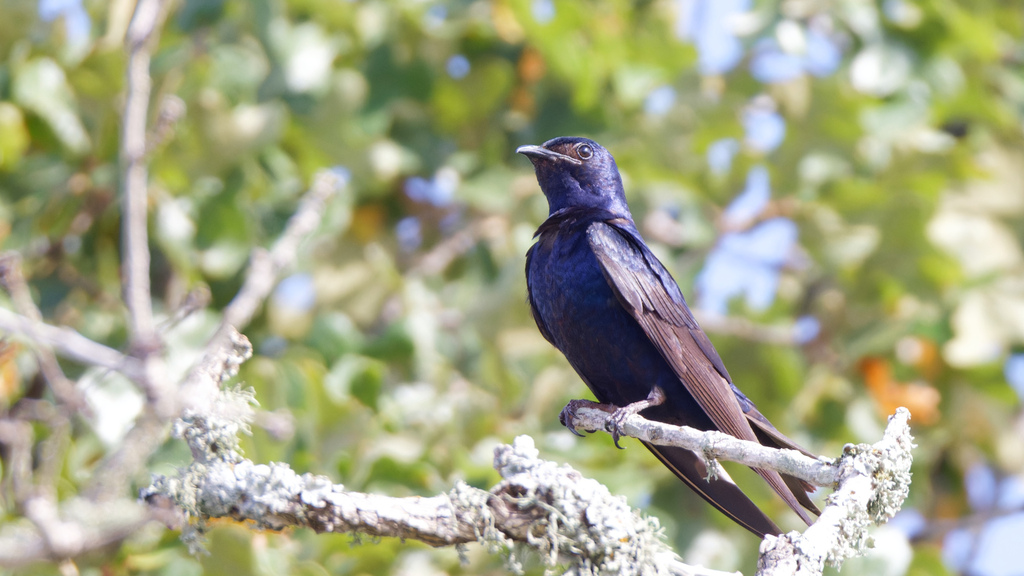
- Purple MartinProgne subis
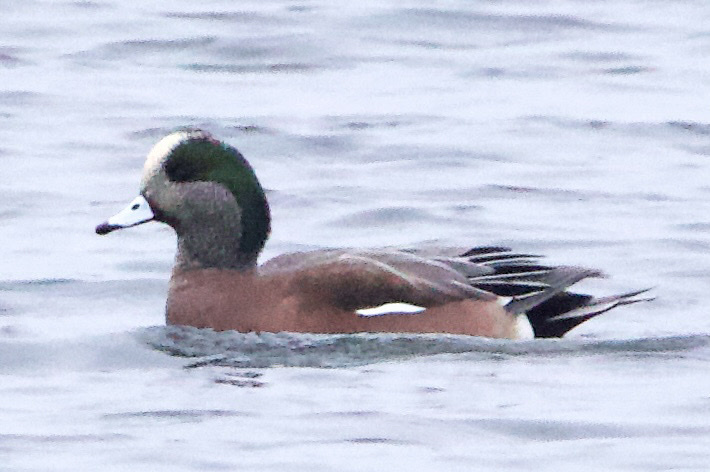
- American WigeonAnas americana
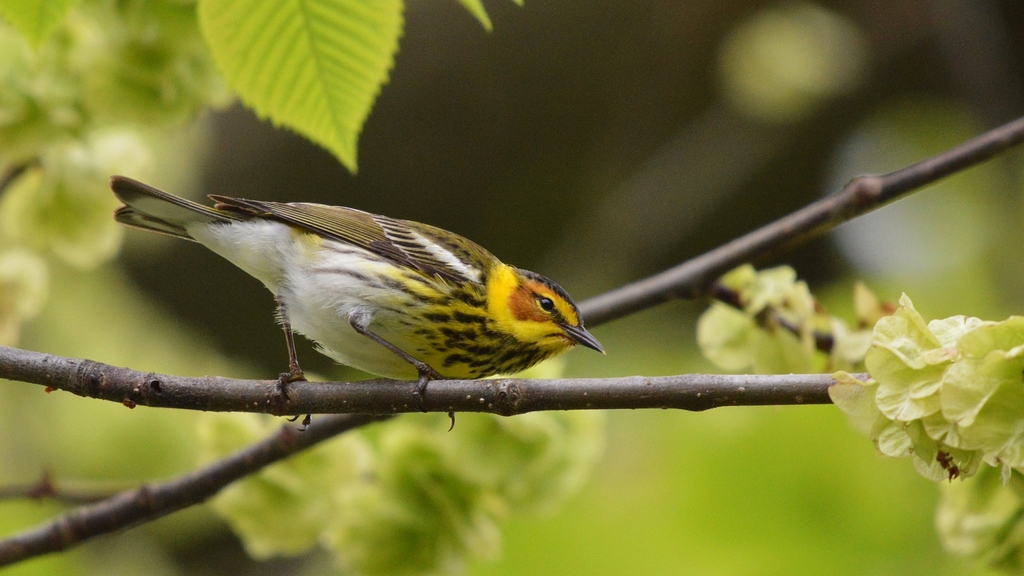
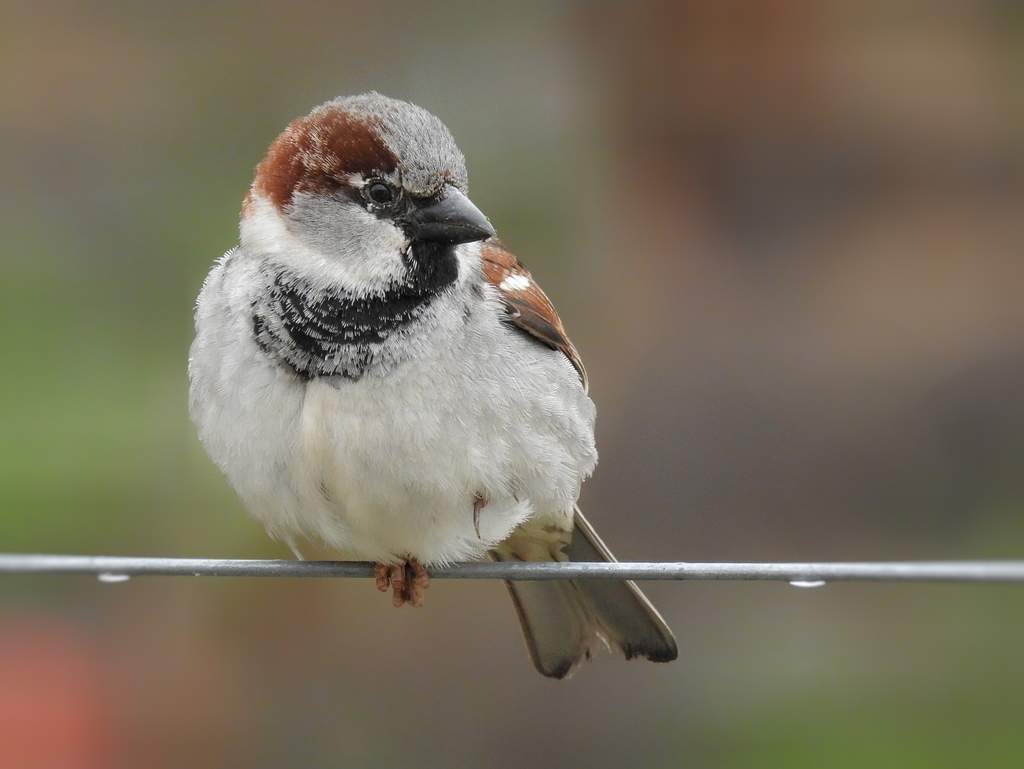
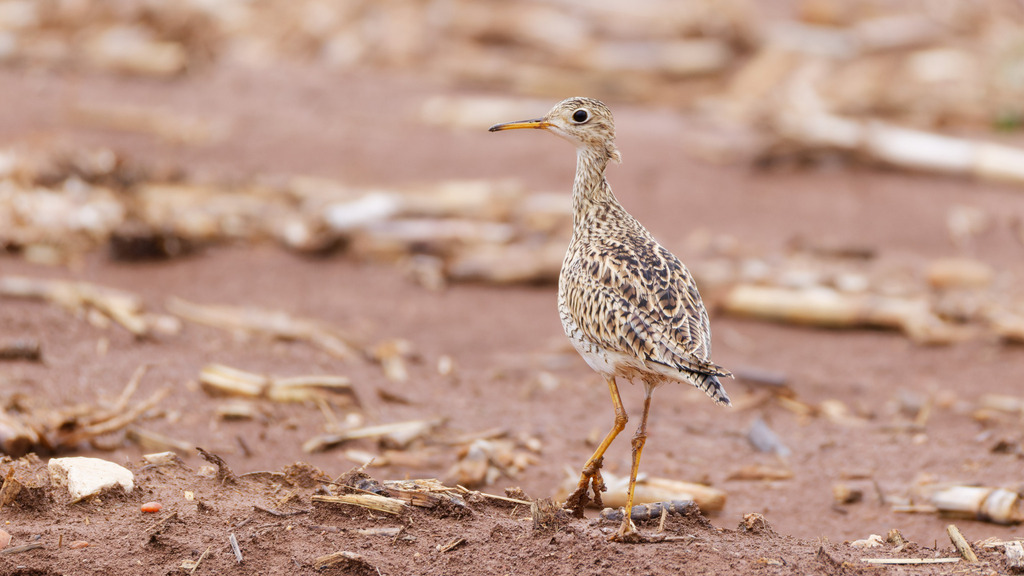
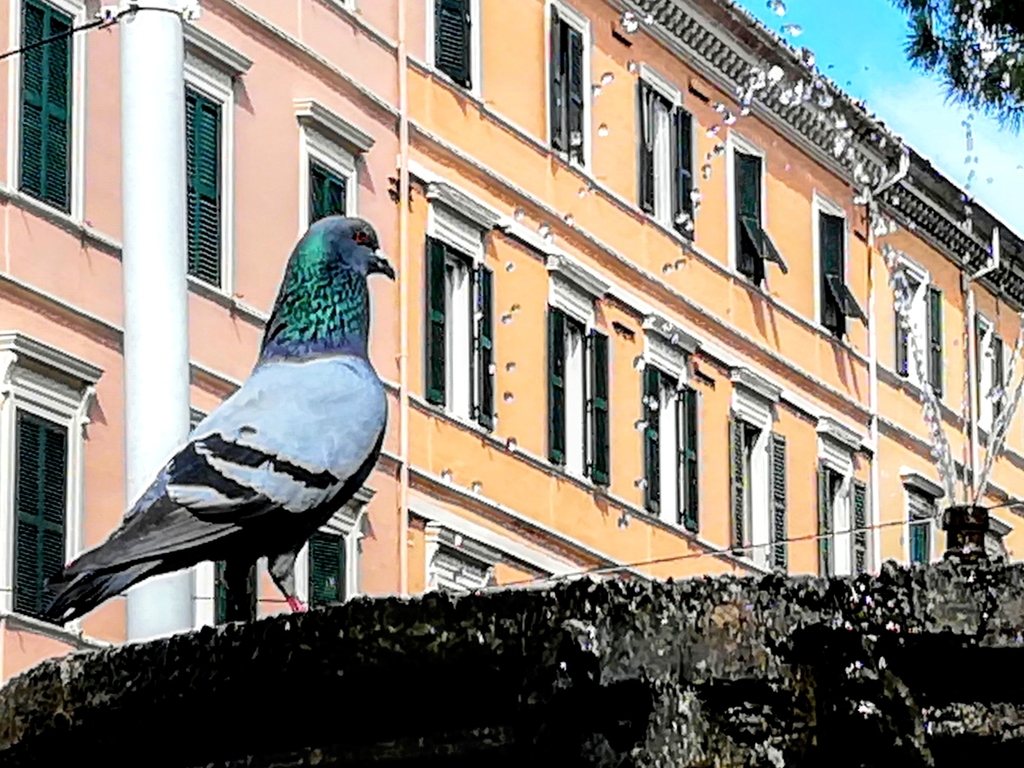
Plants 905
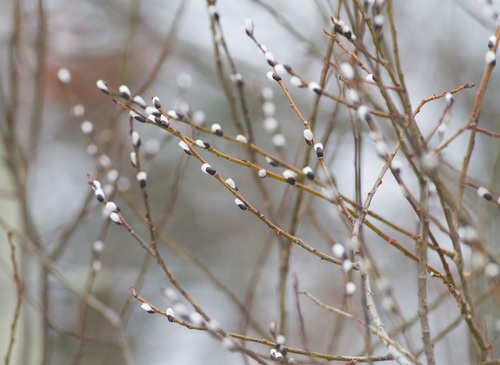
- Pussy WillowSalix discolor
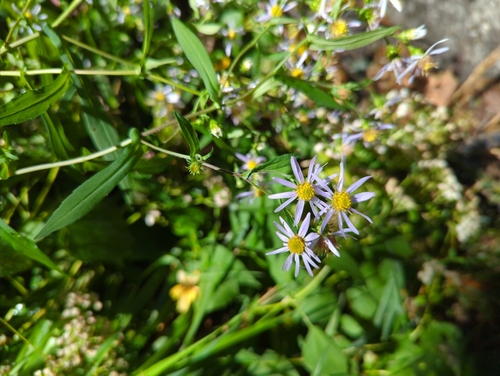
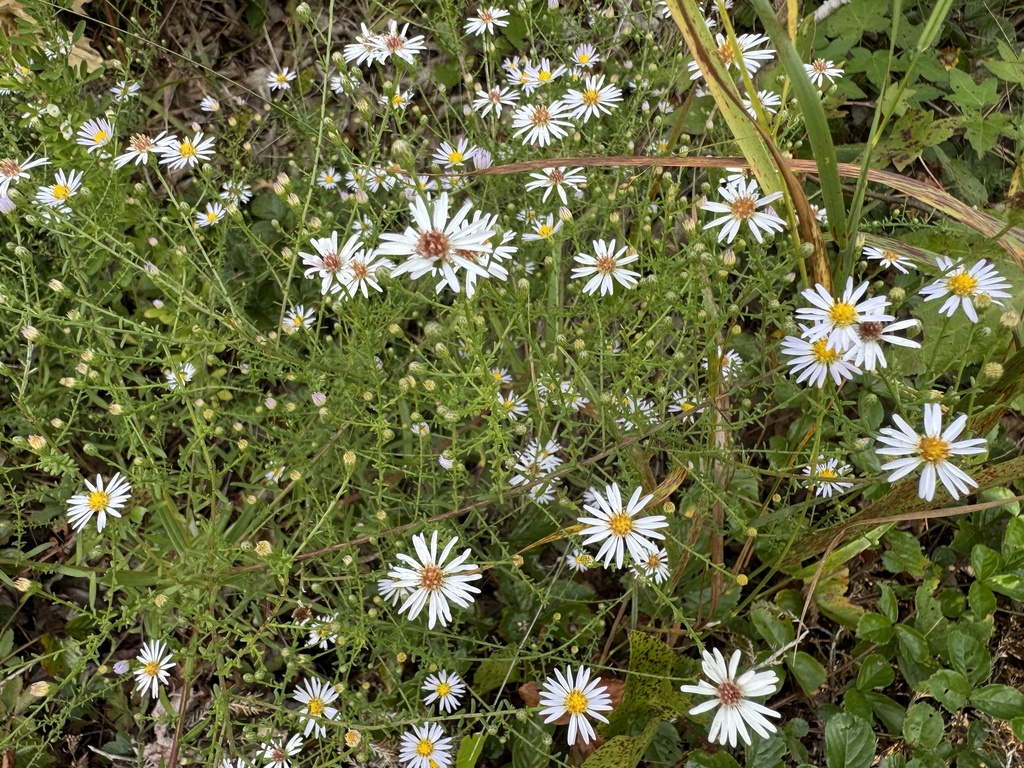
- Crooked-stem AsterSymphyotrichum prenanthoides
- Long Stalk AsterSymphyotrichum dumosum var. dumosum
- Canada LettuceLactuca canadensis
- Annual FleabaneErigeron annuus
- Bushy KnotweedPolygonum ramosissimum subsp. prolificum
- Carey's KnotweedPersicaria careyi
- Carolina Crane's-billGeranium carolinianum
- Common Evening-primroseOenothera biennis
- Cutleaf Evening-primroseOenothera laciniata
- Northern Evening-primroseOenothera parviflora
- Oakes Evening PrimroseOenothera oakesiana
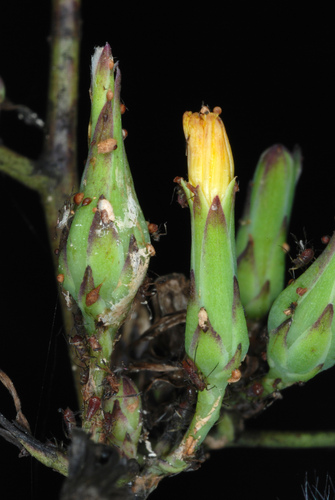
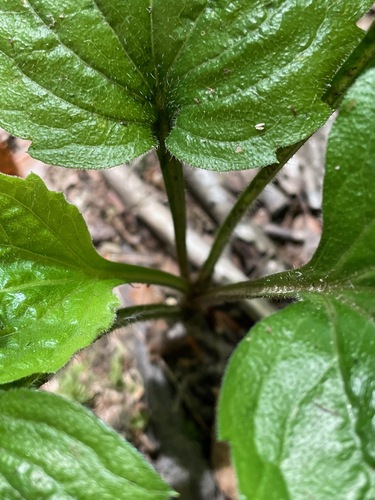
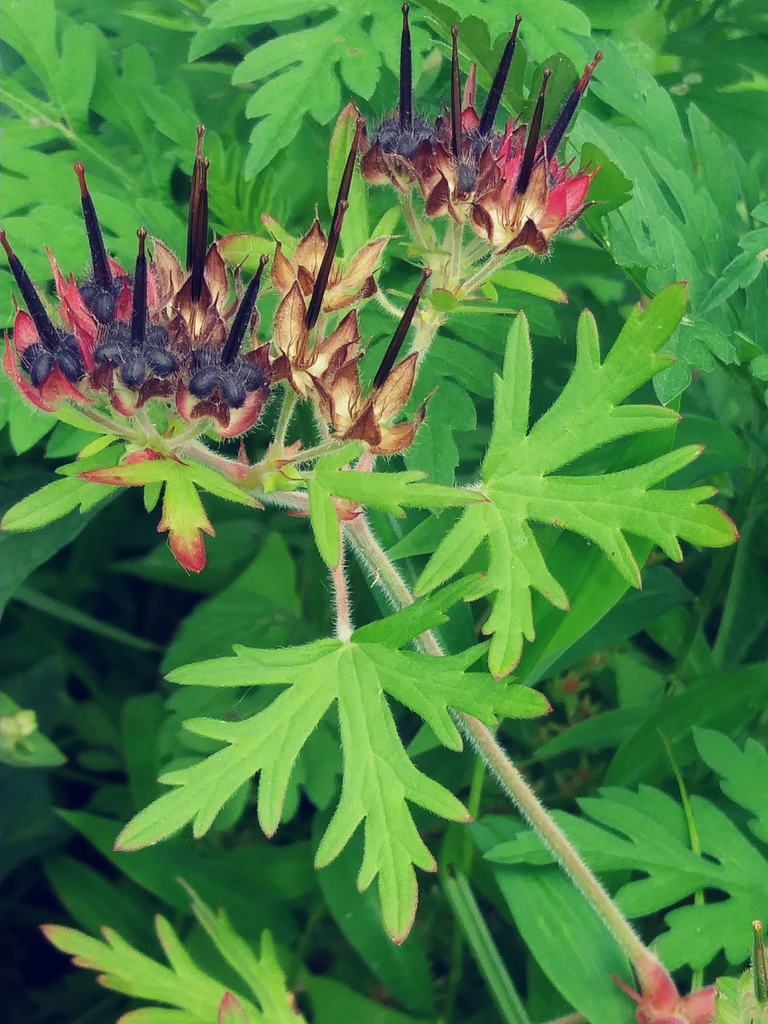
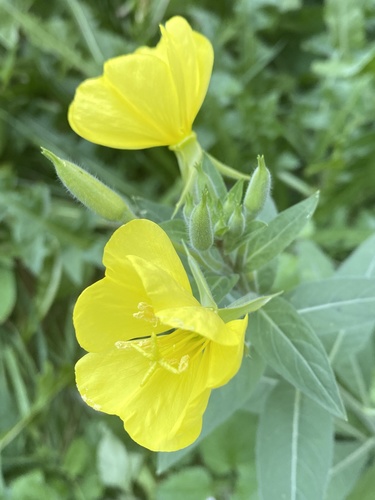
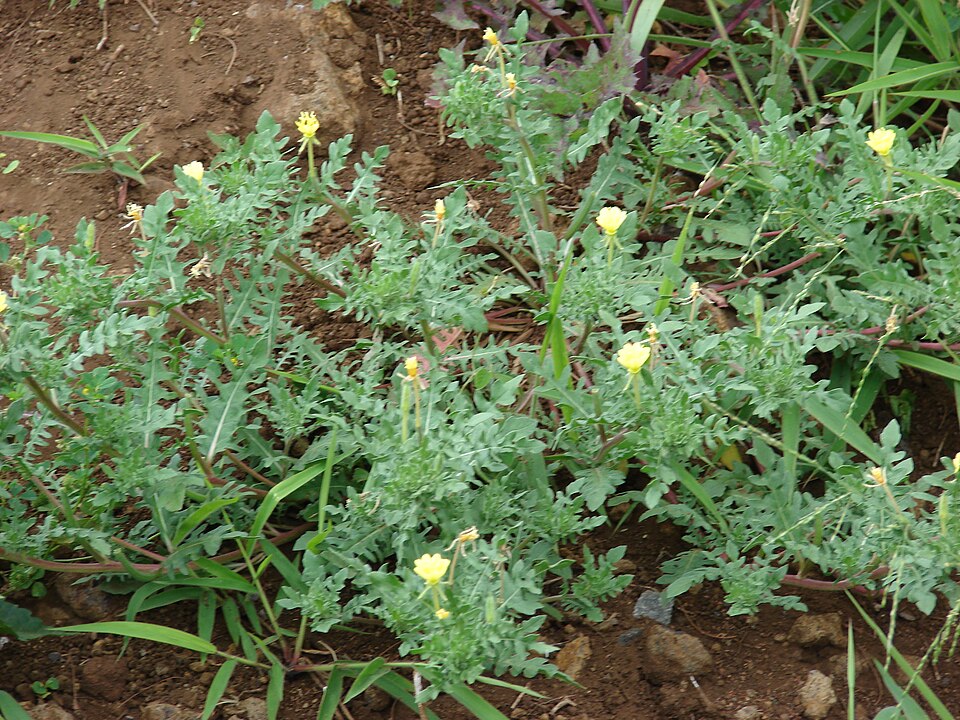
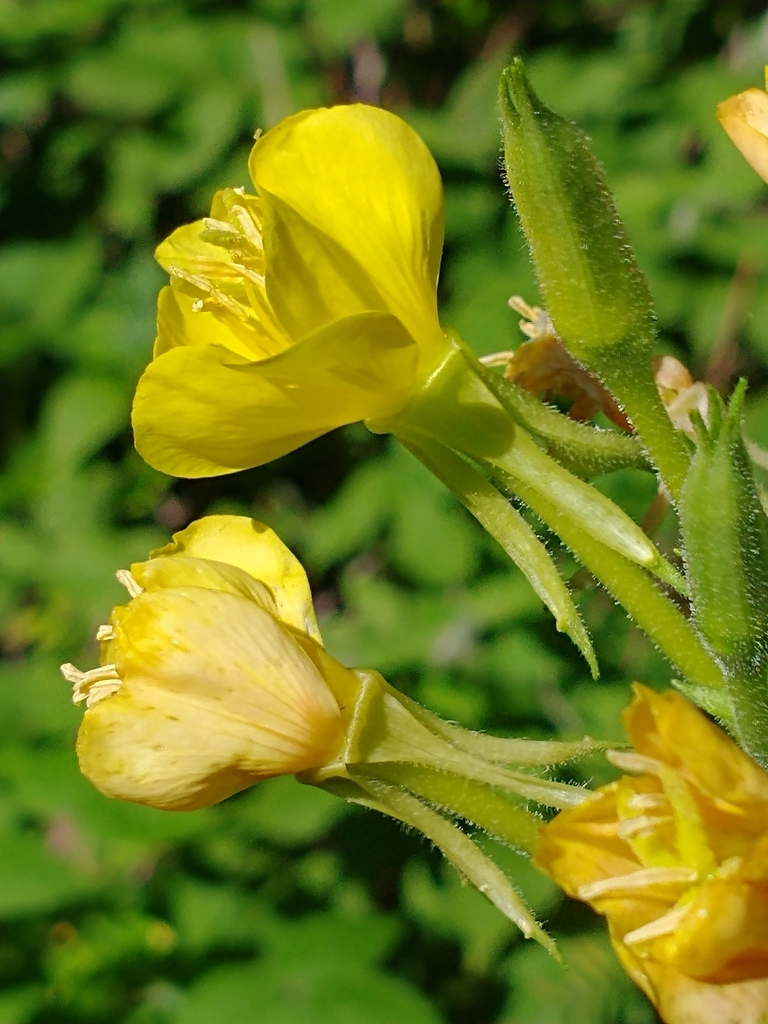
All of roadsides, fields and disturbed ground in West Virginia
Ponds, lakes and their shores
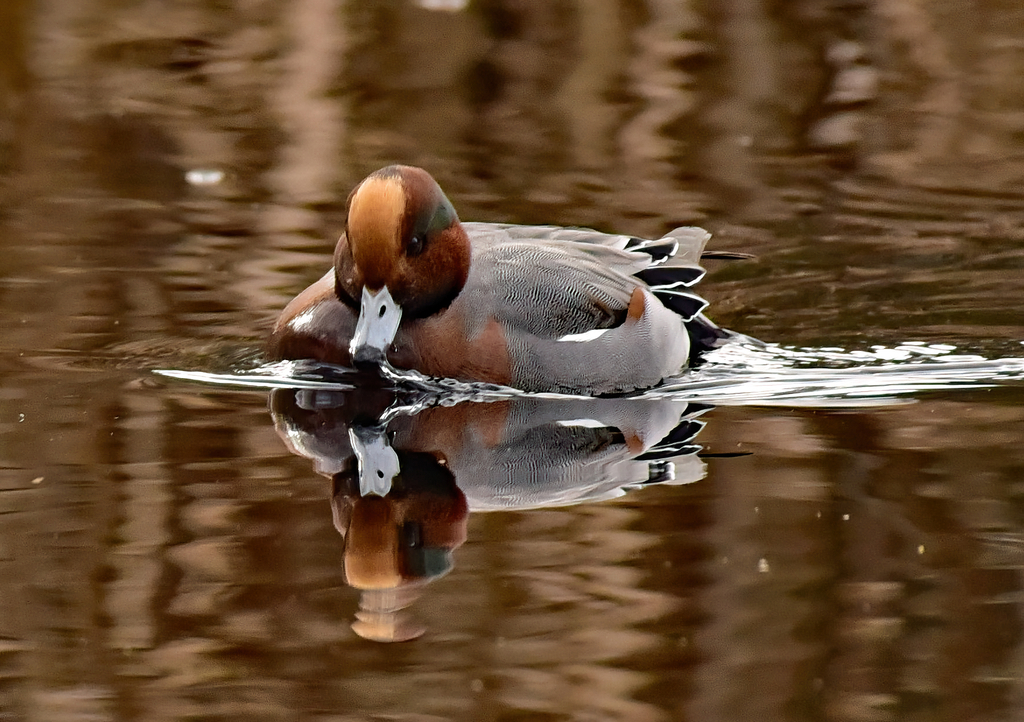
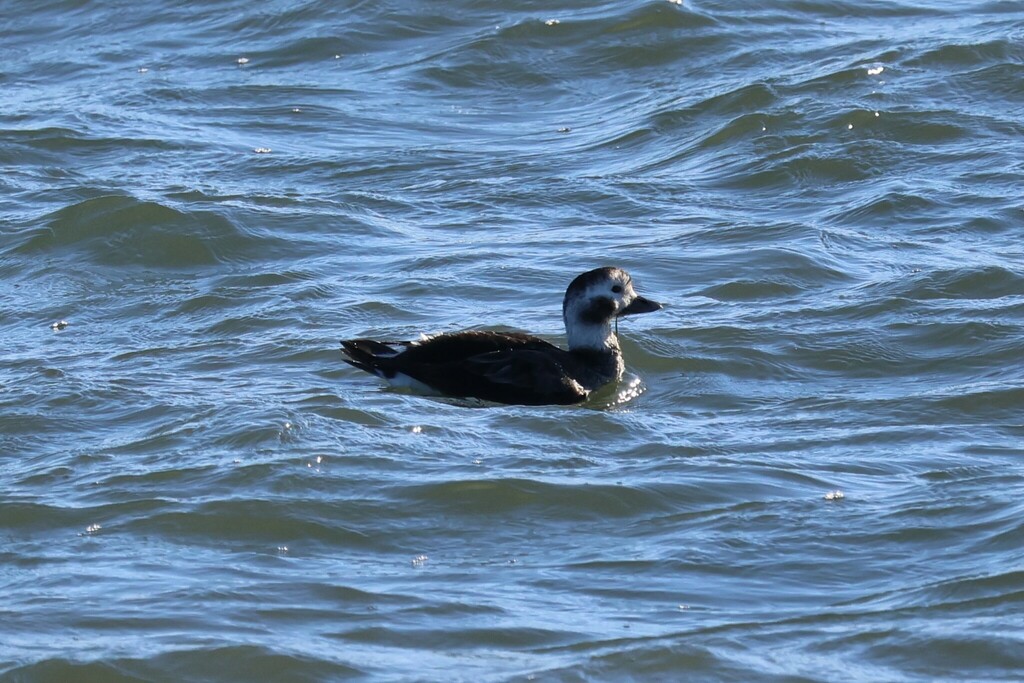
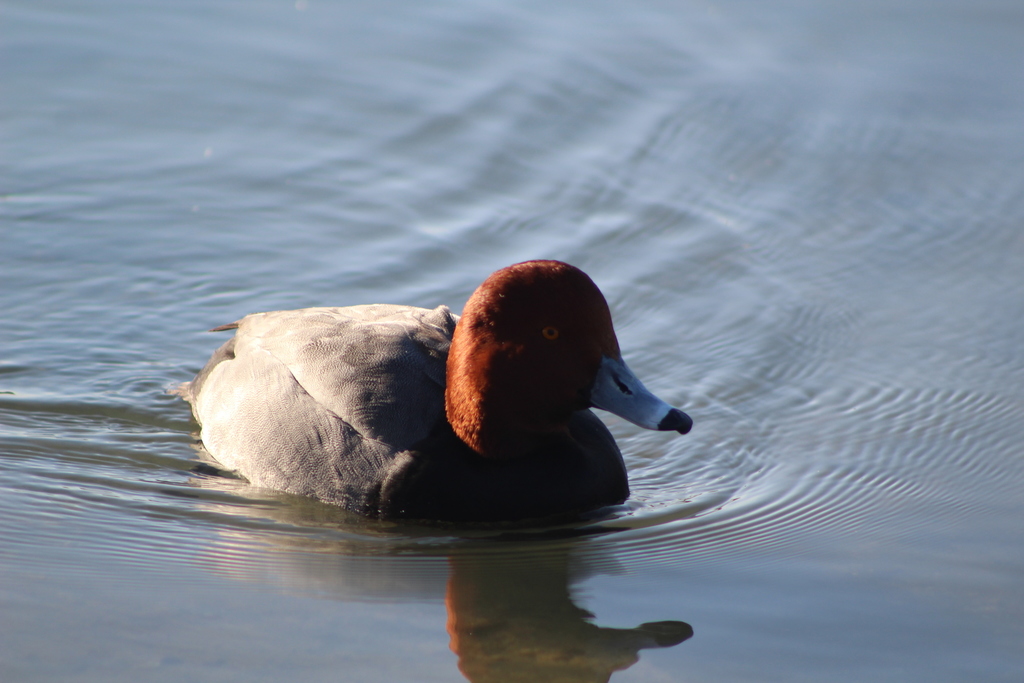
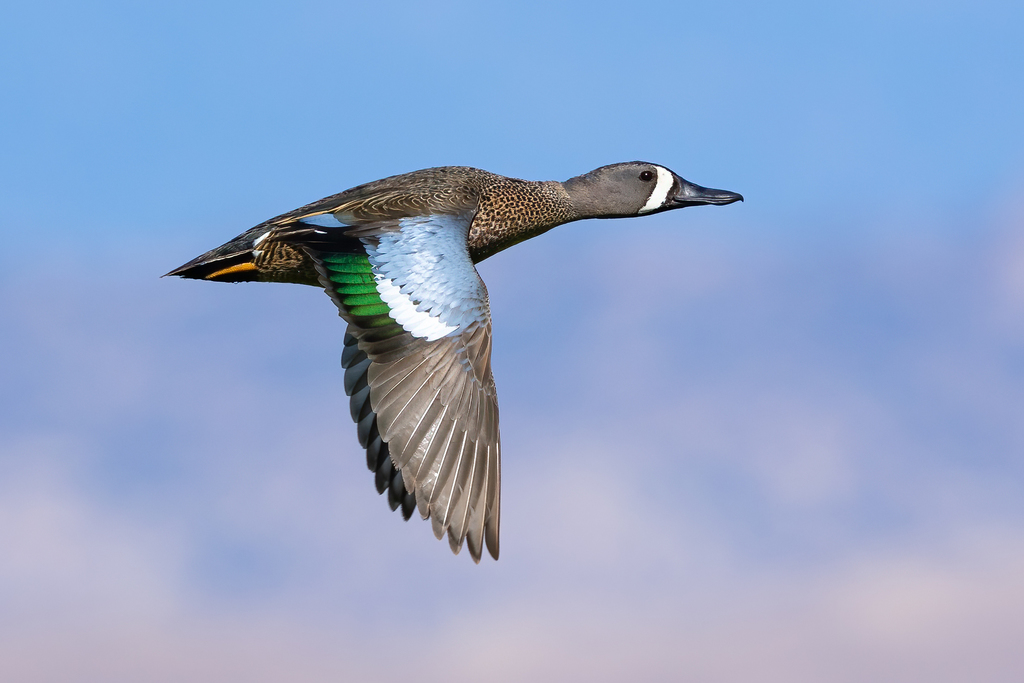
Birds 58
- BuffleheadBucephala albeola
- Common GoldeneyeBucephala clangula
- Eurasian WigeonAnas penelope
- Long-tailed DuckClangula hyemalis
- RedheadAythya americana
- Black TernChlidonias niger
- Blue-winged TealAnas discors
- Bonaparte's GullChroicocephalus philadelphia
- Caspian TernHydroprogne caspia
- Common LoonGavia immer
- Common TernSterna hirundo
- Greater ScaupAythya marila
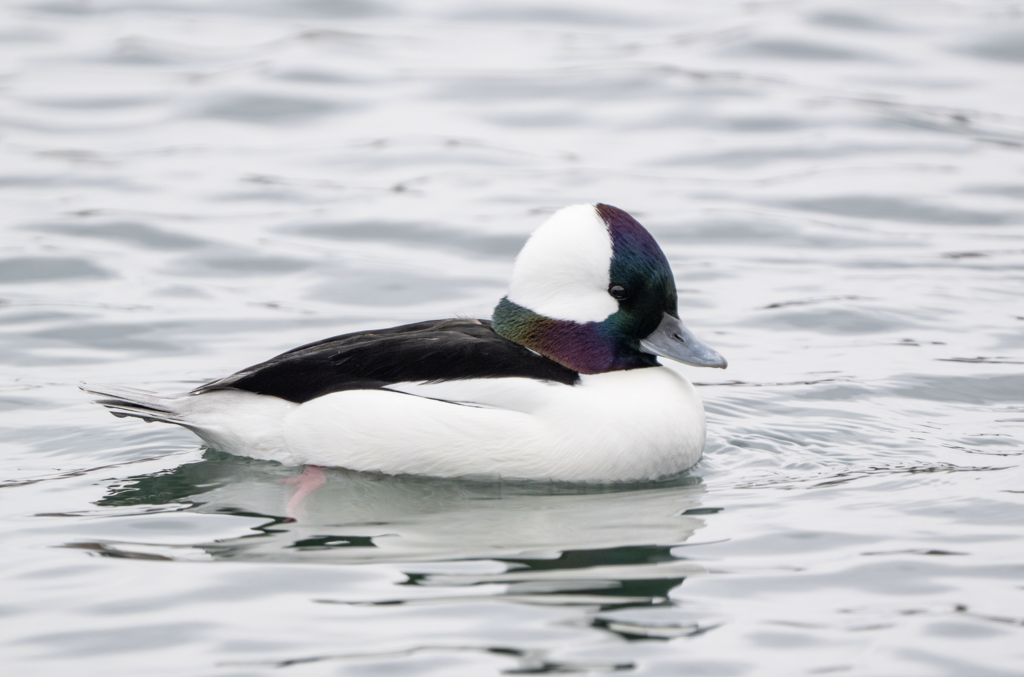
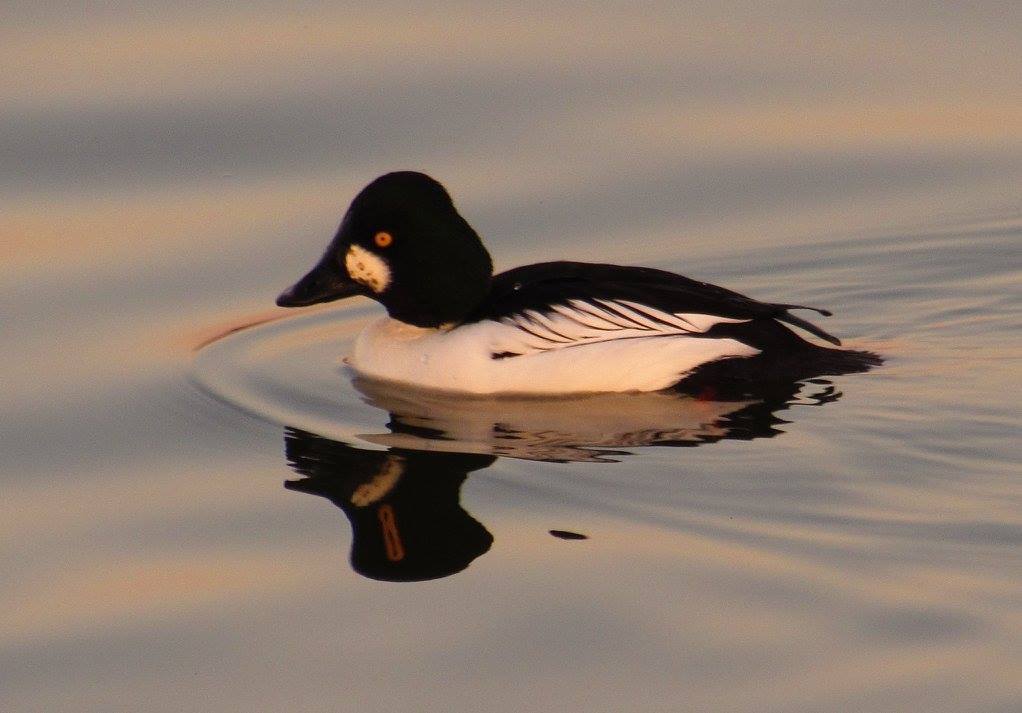
Plants 109
- Stiff Yellow FlaxLinum medium
- Northeastern BulrushScirpus ancistrochaetus
- Sago PondweedStuckenia pectinata
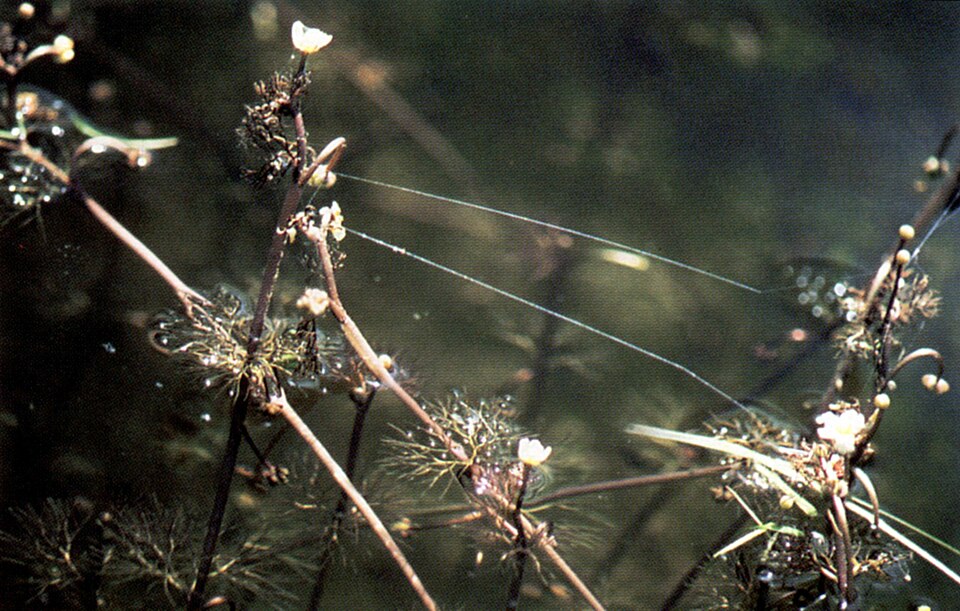
- Common BladderwortUtricularia macrorhiza
- Horned PondweedZannichellia palustris
- Coastal Plain WillowSalix caroliniana
- Northern St. John's-wortHypericum boreale
- Southern Marsh St. John's-wortTriadenum tubulosum
- White Water CrowfootRanunculus longirostris
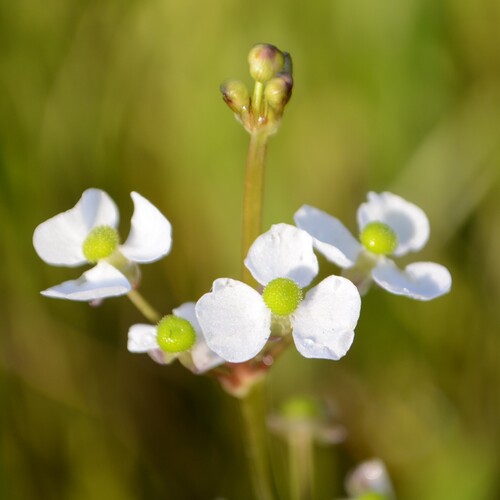
- Engelmann's ArrowheadSagittaria engelmanniana
- Grassy ArrowheadSagittaria graminea
- Whiteroot RushJuncus brachycarpus
Sources
- USGS Gap Analysis Project habitat models (2001)
- USGS GAP winter habitat model for Long-billed Dowitcher
- USGS Gap Analysis Project range maps (2001), modeled by watershed; migratory gives no dates
- NatureServe Explorer (CC BY 4.0), habitat names
- US Census TIGER/Line counties
- Names follow the USGS Gap Analysis Project (2001)