

Bird
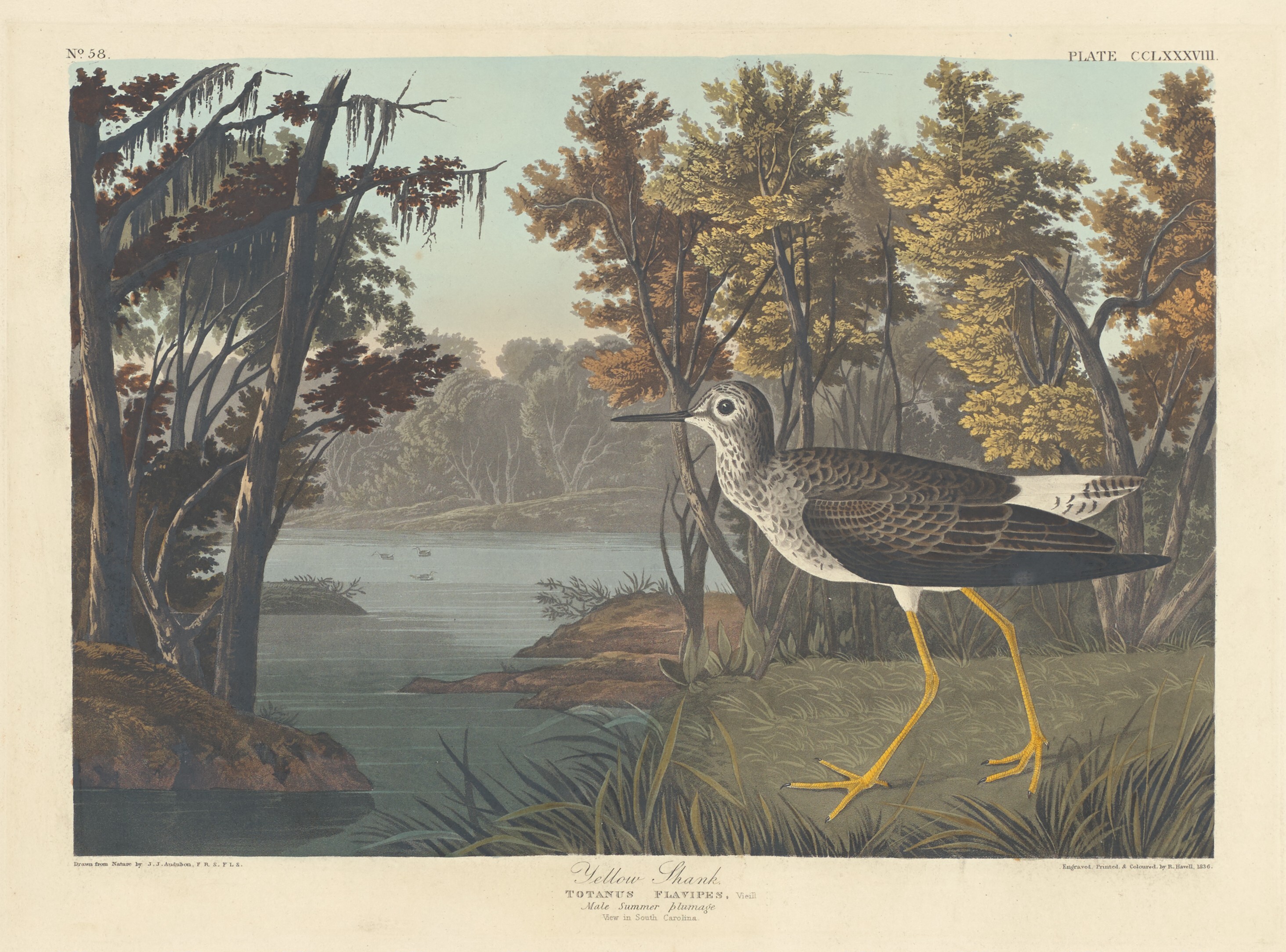
Lesser Yellowlegs
Tringa flavipes
Passes through West Virginia on migration. Found in all 55 counties, across 2 habitats.
- Here
- On migration
- Nesting
- Not known to nest here
- Range
- All 55 counties
- Habitats
- 2
At a glance
- Group
- Birds
- Here
- On migration
- Nesting
- Not known to nest here
- Range
- All 55 counties
- Habitats
- 2
- Habitat models
- Winter
Where it lives
The places its habitat model includes. It is not found everywhere a habitat occurs.
Habitats in West Virginia 2
Each habitat page lists the plants and wildlife also found there.
Disturbed and introduced wetlands
Wet ground taken over by weedy or introduced plants after disturbance, such as common reed, Chinese tallow or tamarisk stands; the upland counterpart is roadsides, fields and disturbed ground.
Still water and its edges: ponds, lakes, millponds and reservoirs.
Other habitats in its models (36)
Land cover, or classes with no habitat page in West Virginia. Those recorded in West Virginia first, the rest by region.
Elsewhere in the South (23)
- Atlantic and Gulf Coastal Plain Interdunal Wetland Winter.
- Atlantic Coastal Plain Central Fresh-Oligohaline Tidal Marsh Winter.
- Atlantic Coastal Plain Central Salt and Brackish Tidal Marsh Winter.
- Atlantic Coastal Plain Indian River Lagoon Tidal Marsh Winter.
- Atlantic Coastal Plain Large Natural Lakeshore Winter.
- Atlantic Coastal Plain Xeric River Dune Winter.
- Central Florida Herbaceous Pondshore Winter.
- Central Florida Herbaceous Seep Winter.
- East Gulf Coastal Plain Savanna and Wet Prairie Winter.
- East-Central Texas Plains Floodplain Forest Winter.
- East-Central Texas Plains Riparian Forest Winter.
- Florida Big Bend Fresh-Oligohaline Tidal Marsh Winter.
- Florida Big Bend Salt-Brackish Tidal Marsh Winter.
- Floridian Highlands Freshwater Marsh Winter.
- Mississippi Sound Salt and Brackish Tidal Marsh Winter.
- South Florida Everglades Sawgrass Marsh Winter.
- South Florida Freshwater Slough and Gator Hole Winter.
- South Florida Wet Marl Prairie Winter.
- Southern Coastal Plain Herbaceous Seepage Bog Winter.
- Texas Coastal Bend Beach Winter.
- Upper Texas Coast Beach Winter.
- West Gulf Coastal Plain Large River Floodplain Forest Winter.
- West Gulf Coastal Plain Small Stream and River Forest Winter.
Northeast (1)
- Atlantic Coastal Plain Northern Tidal Salt Marsh Winter.
Land cover and other classes (12)
- Atlantic Coastal Plain Clay-Based Carolina Bay Herbaceous Wetland Winter.
- Atlantic Coastal Plain Depression Pondshore Winter.
- East Gulf Coastal Plain Large River Floodplain Forest - Herbaceous Modifier Winter.
- East Gulf Coastal Plain Southern Depression Pondshore Winter.
- Gulf and Atlantic Coastal Plain Tidal Marsh Systems Winter.
- Open Water (Aquaculture) Winter.
- Open Water (Brackish/Salt) Winter.
- South-Central Interior Large Floodplain - Herbaceous Modifier Winter.
- Texas-Louisiana Coastal Prairie Slough Winter.
- Unconsolidated Shore Winter.
- Unconsolidated Shore (Beach/Dune) Winter.
- Unconsolidated Shore (Lake/River/Pond) Winter.
Seasons in West Virginia
- Migratory: does not nest here, in all 55 counties.
Also found in its main habitats
Its main habitats in West Virginia, by how much of its habitat model each one is, with the birds most characteristic of each and the plants that grow wild there. Shared habitat, not food.
Disturbed and introduced wetlands
Birds 120
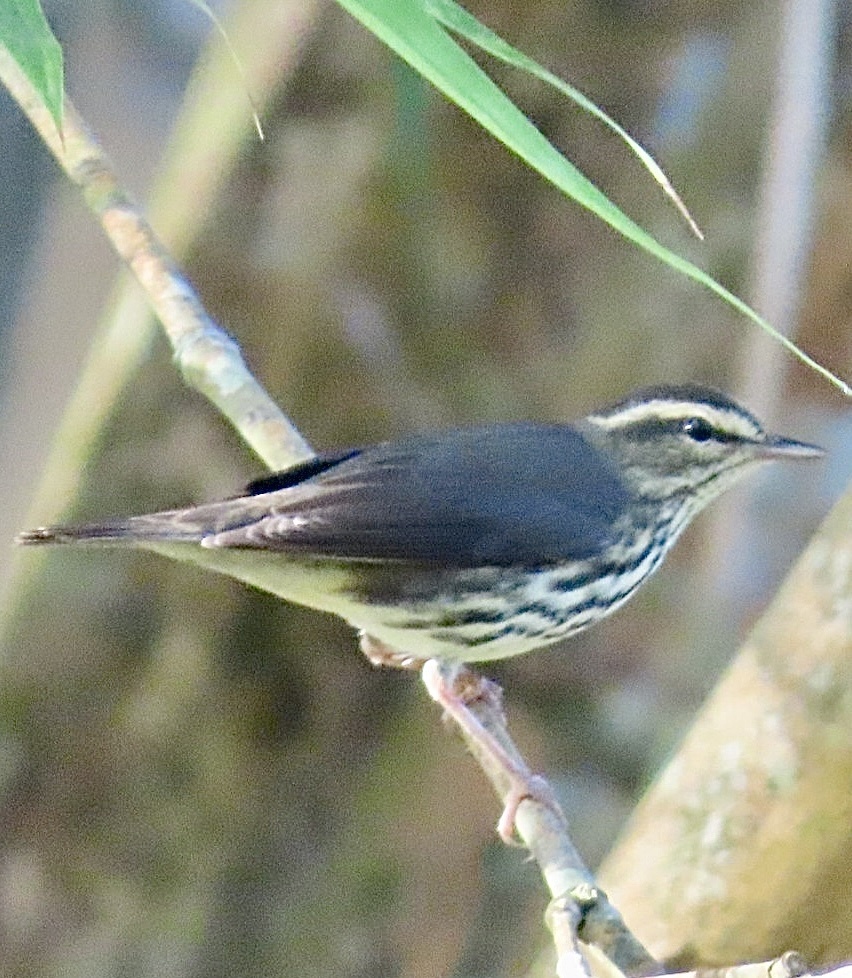
- Northern WaterthrushSeiurus noveboracensis
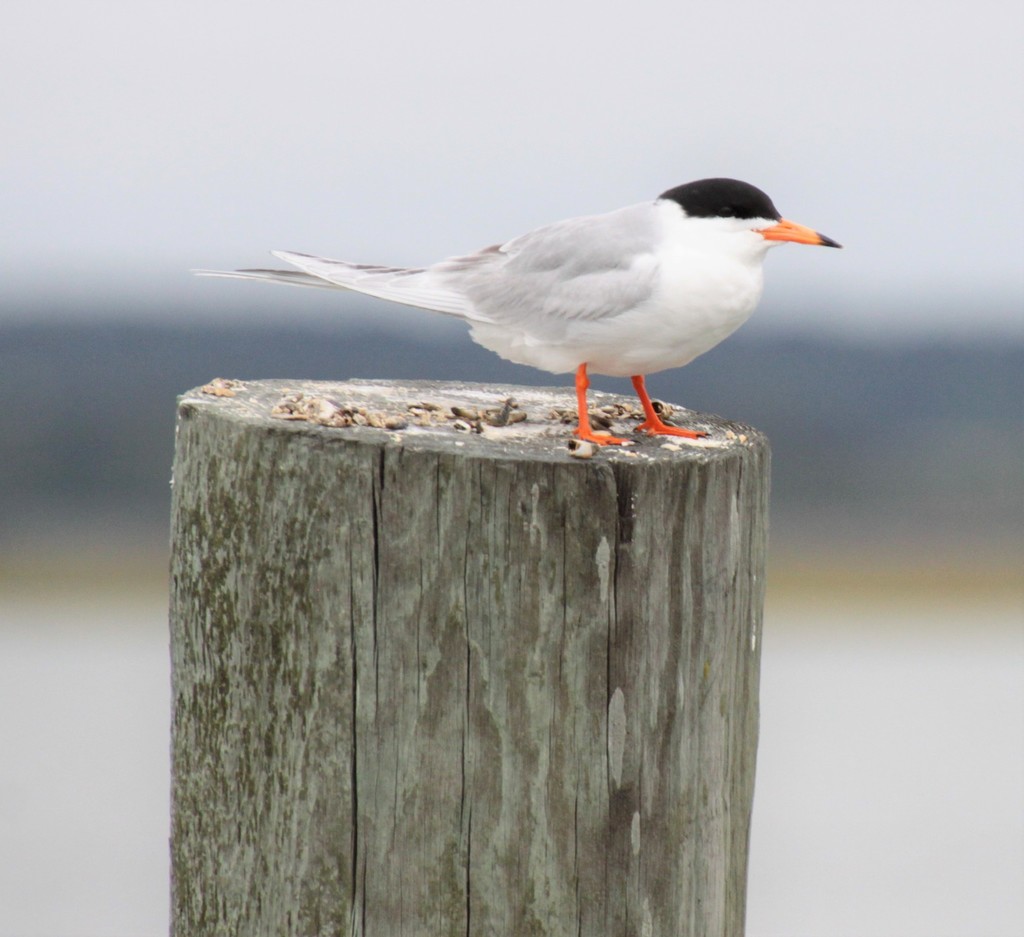
- Forster's TernSterna forsteri
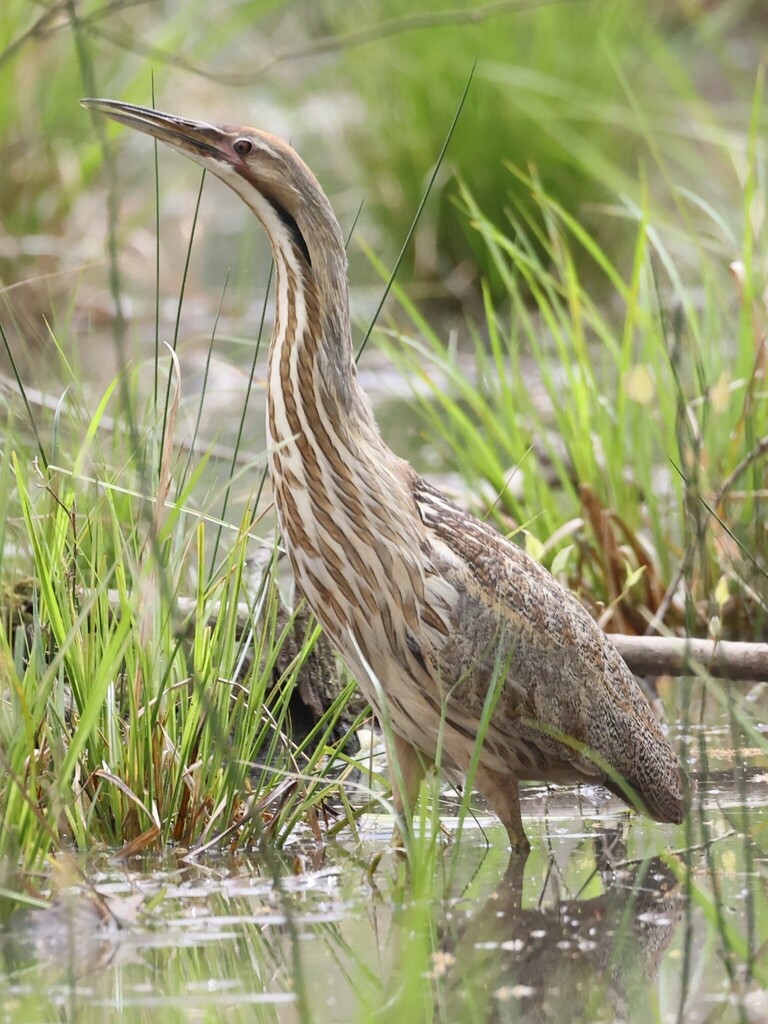
- American BitternBotaurus lentiginosus
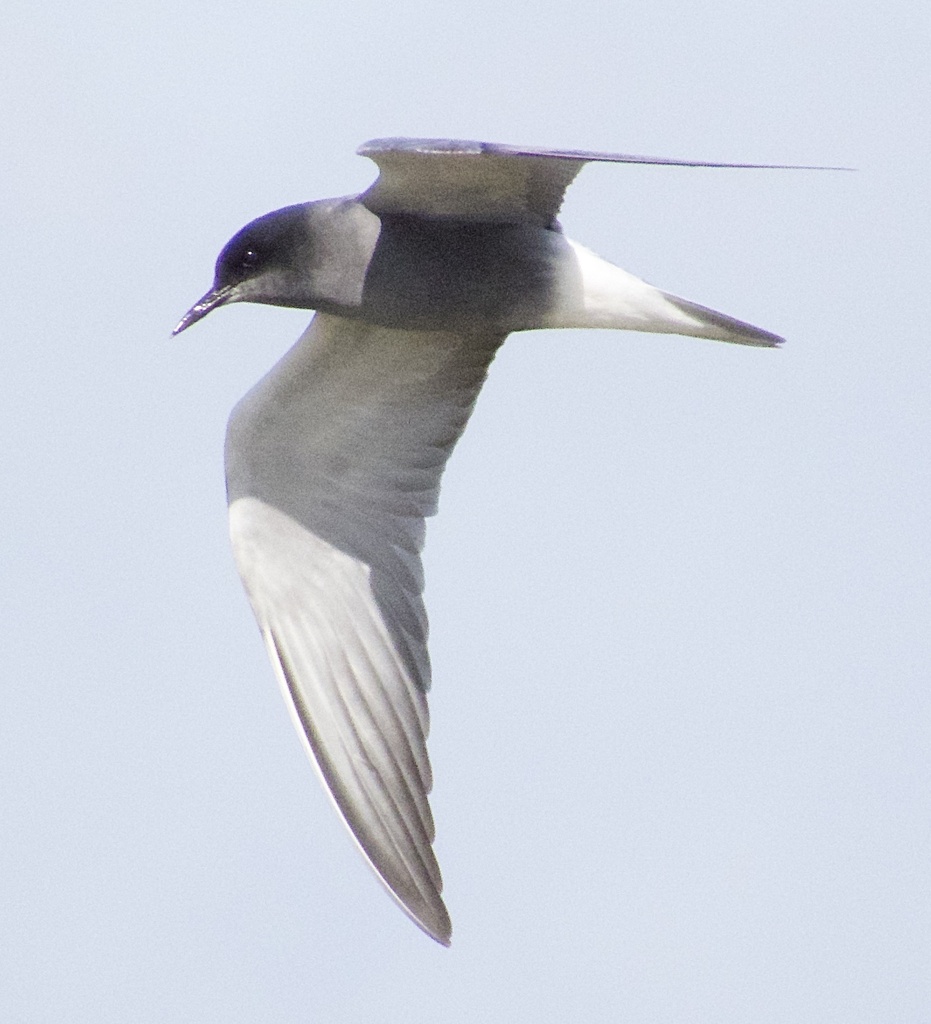
- Black TernChlidonias niger
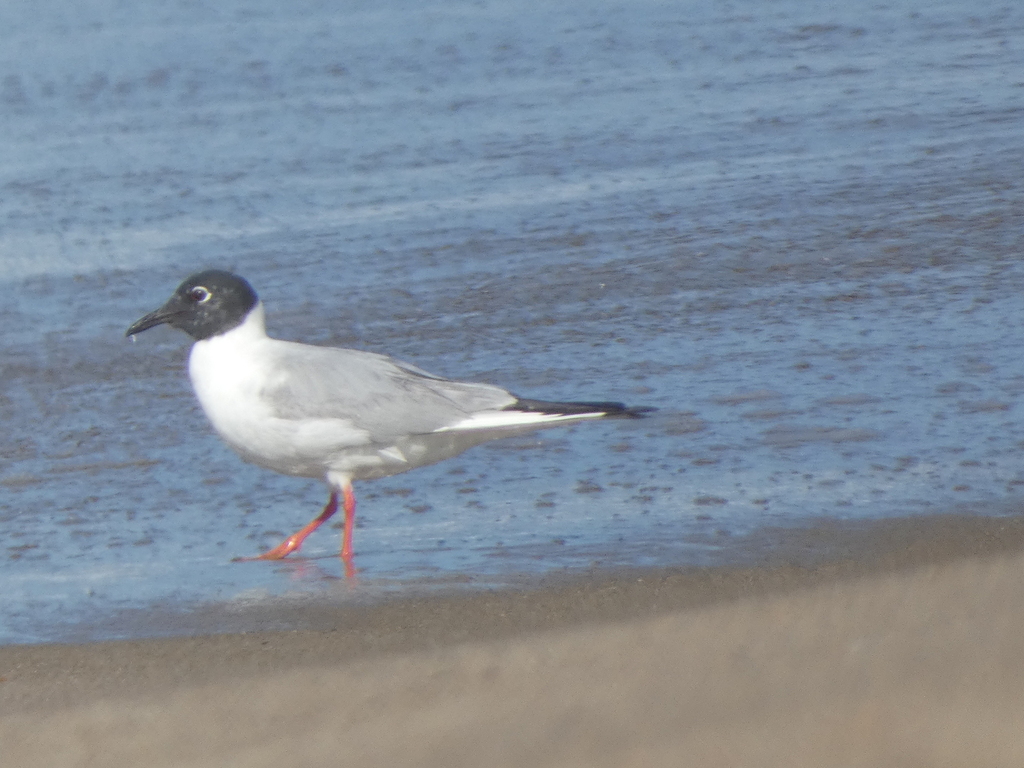
- Bonaparte's GullChroicocephalus philadelphia
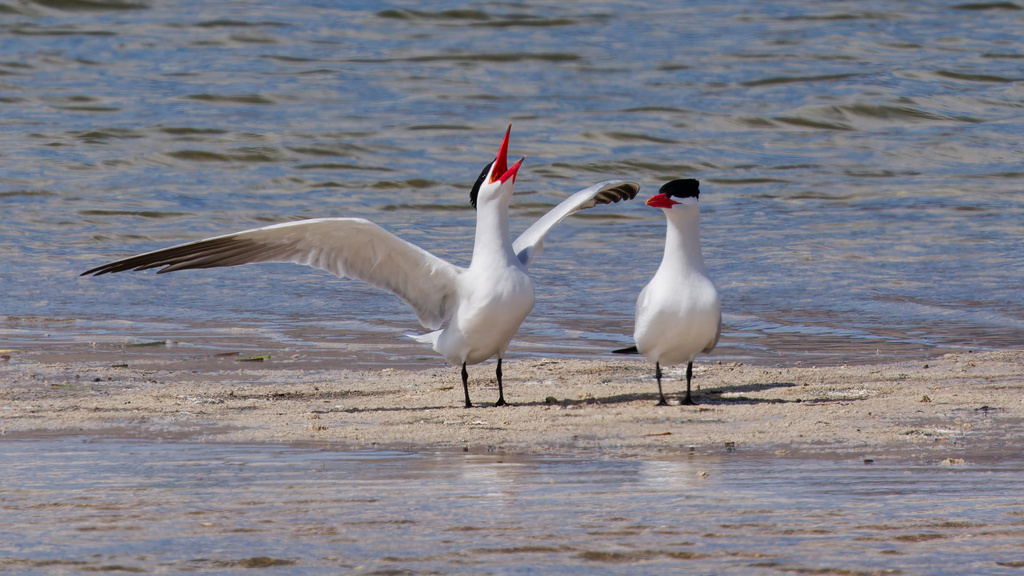
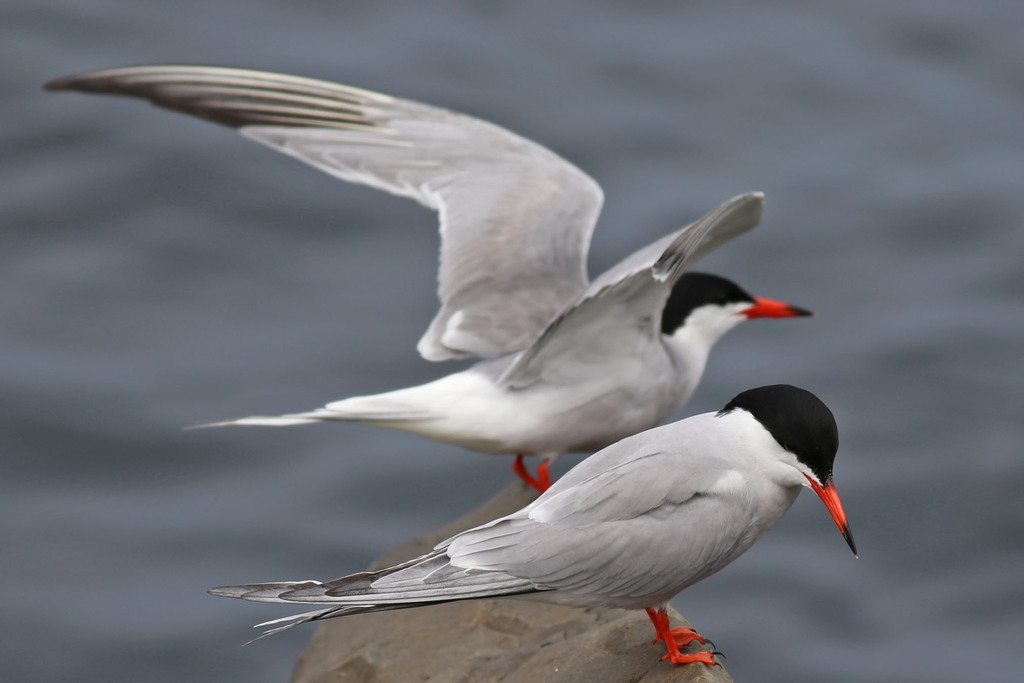
- Caspian TernHydroprogne caspia
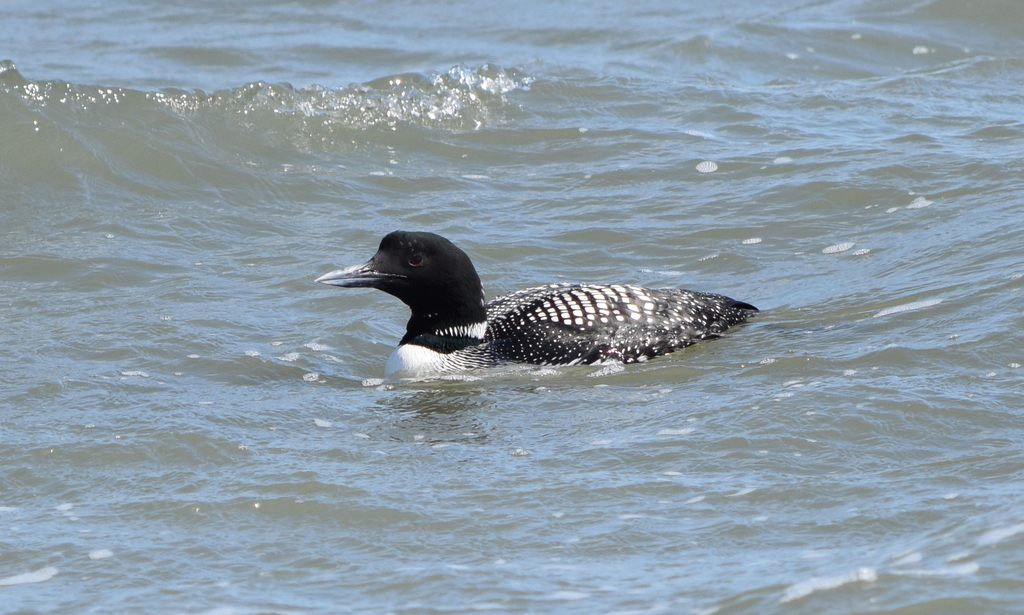
- Common LoonGavia immer
- Common TernSterna hirundo
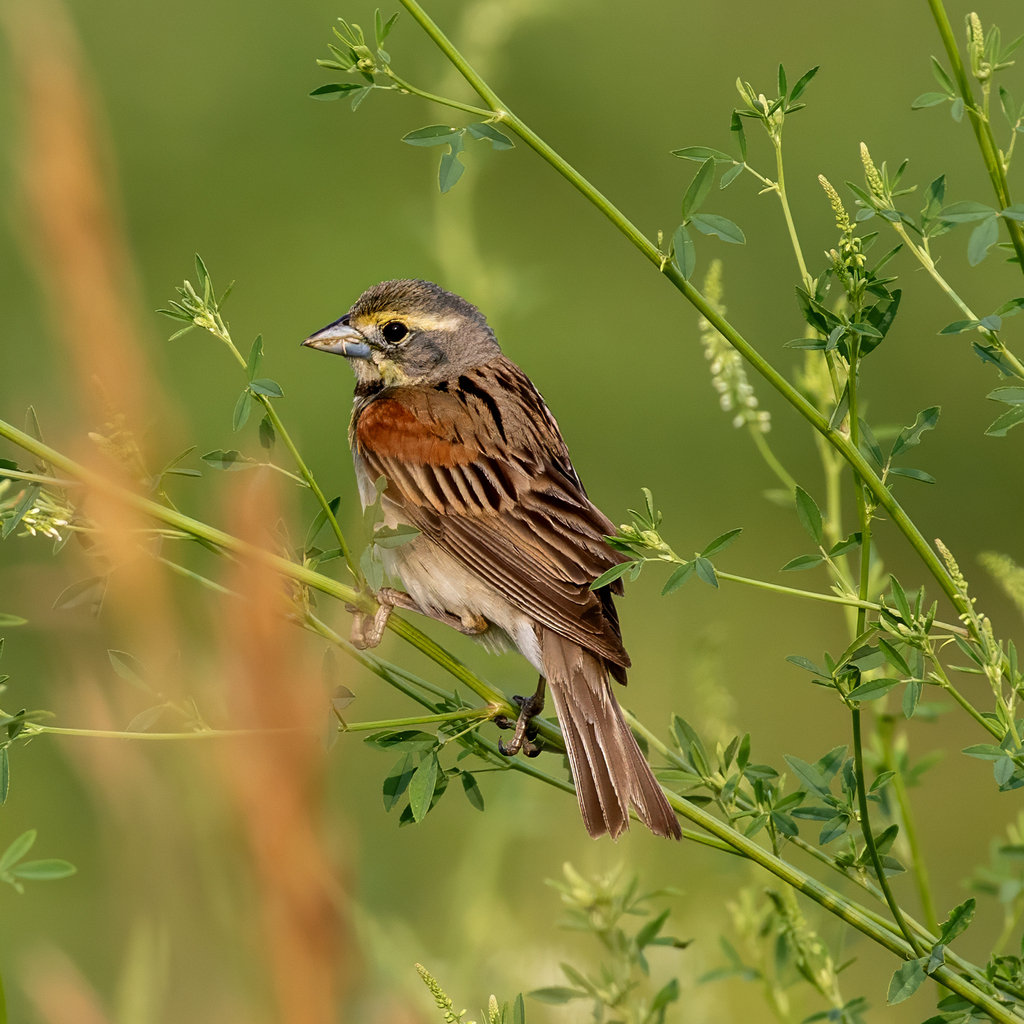
- DickcisselSpiza americana
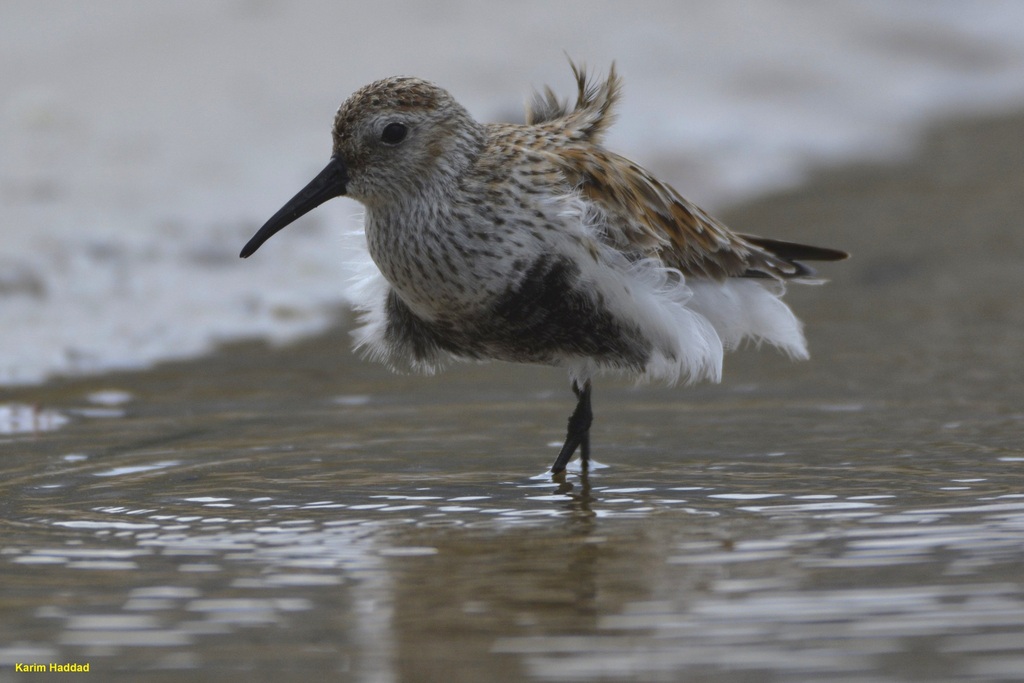
- DunlinCalidris alpina
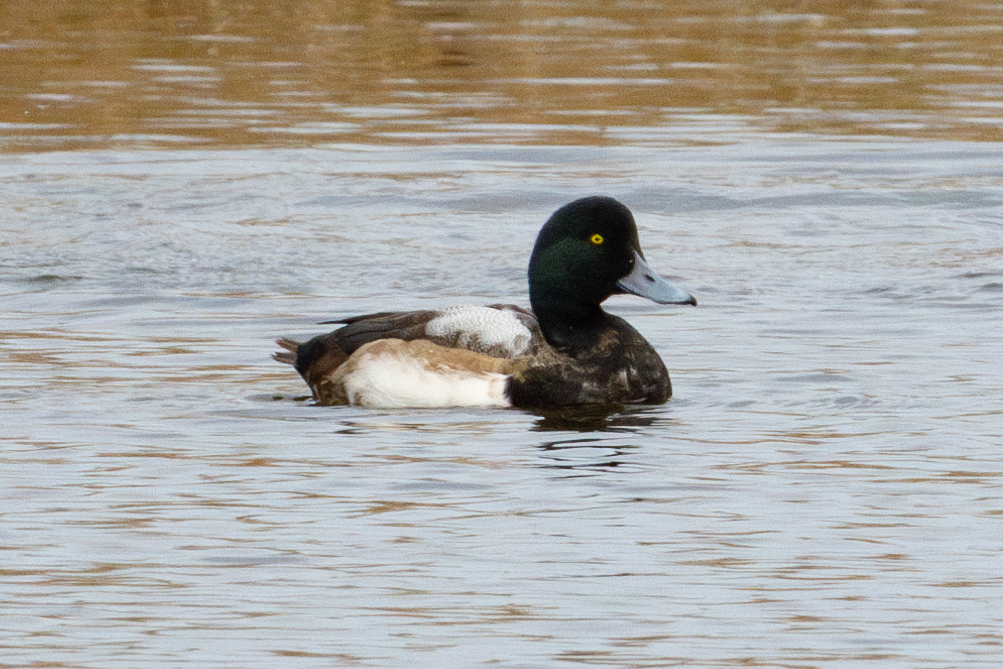
- Greater ScaupAythya marila
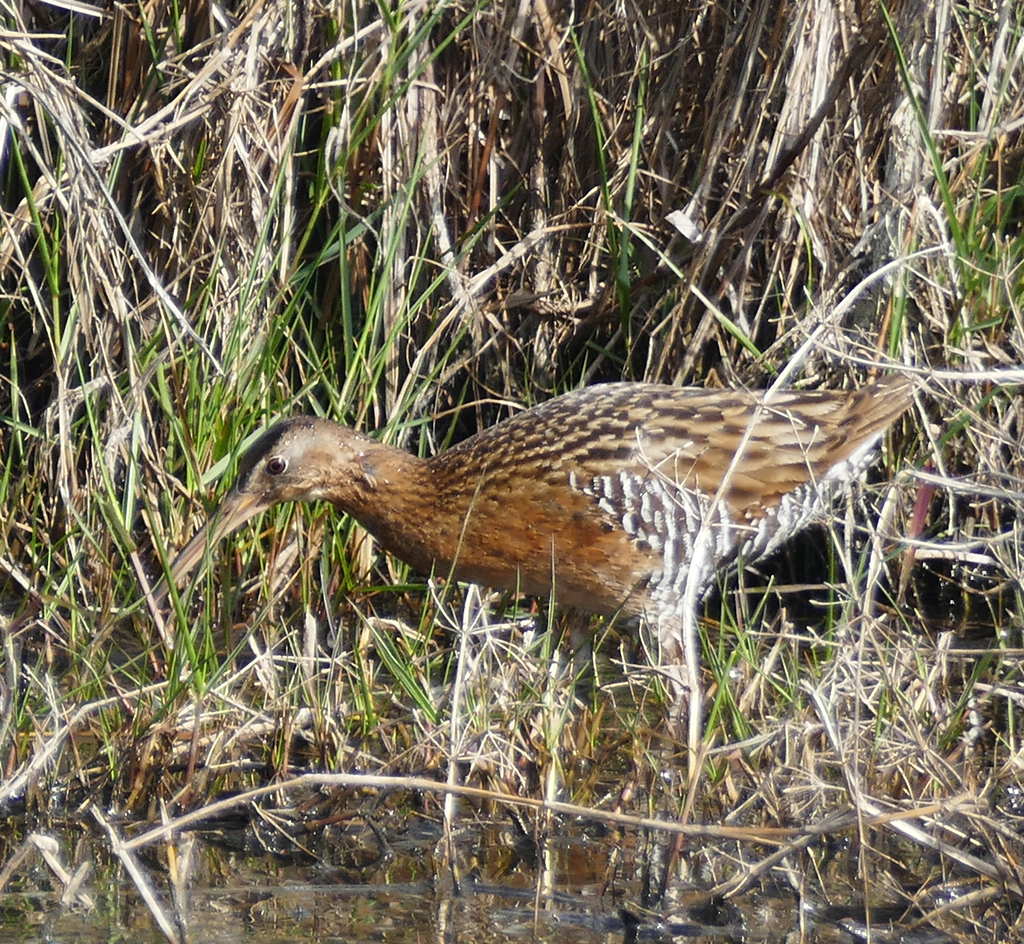
- King RailRallus elegans
Plants 12
- Slender FimbryFimbristylis autumnalis
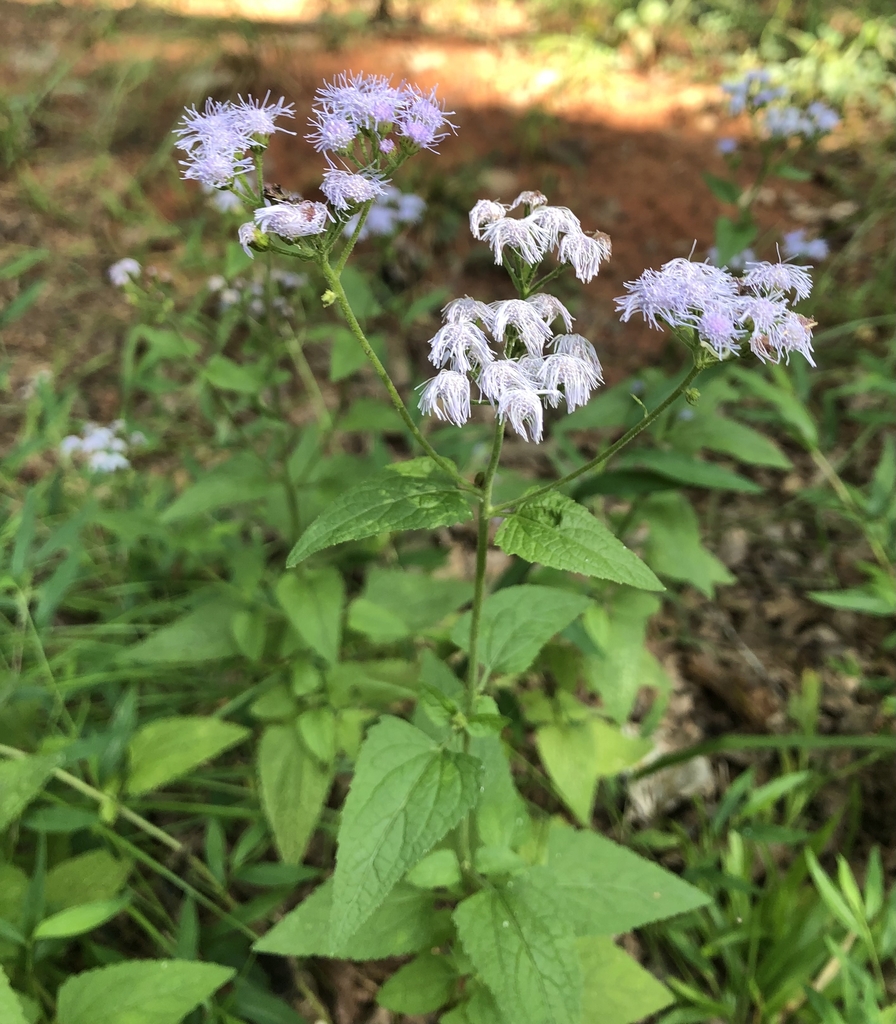
- Blue MistflowerConoclinium coelestinum
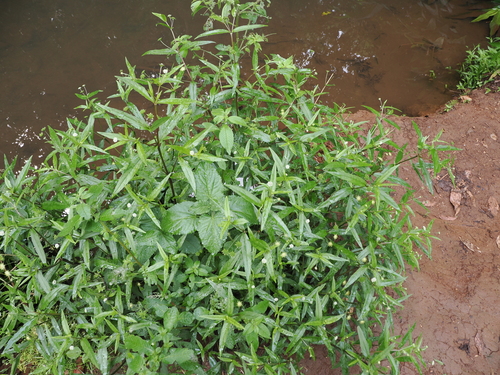
- False DaisyEclipta prostrata
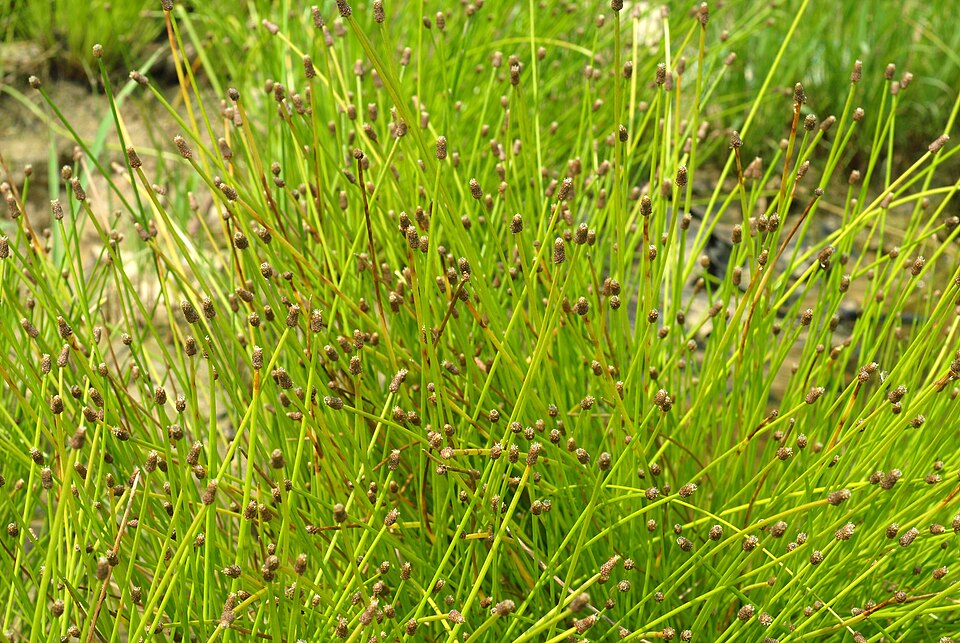
- Intermediate Spike RushEleocharis intermedia
- Blunt Spike RushEleocharis obtusa
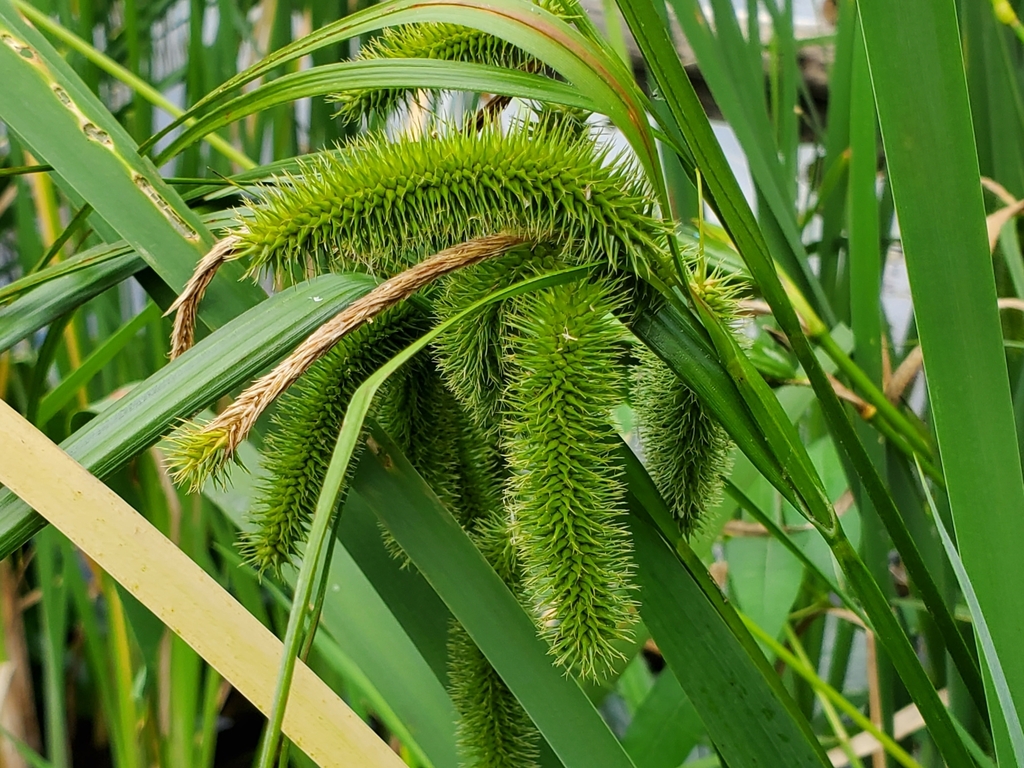
- Bristly SedgeCarex comosa
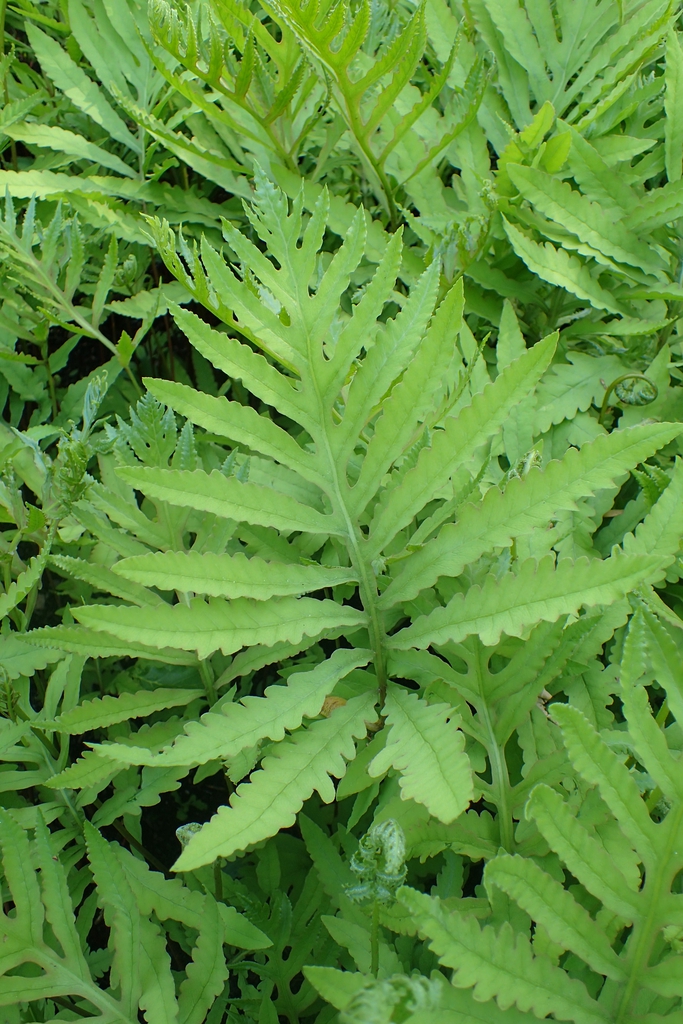
- Sensitive FernOnoclea sensibilis
- Heart Leaf WillowSalix eriocephala
- Cuscuta gronovii var. gronoviiCuscuta gronovii var. gronovii
- European Gray WillowSalix cinerea
- Ricefield FlatsedgeCyperus iria
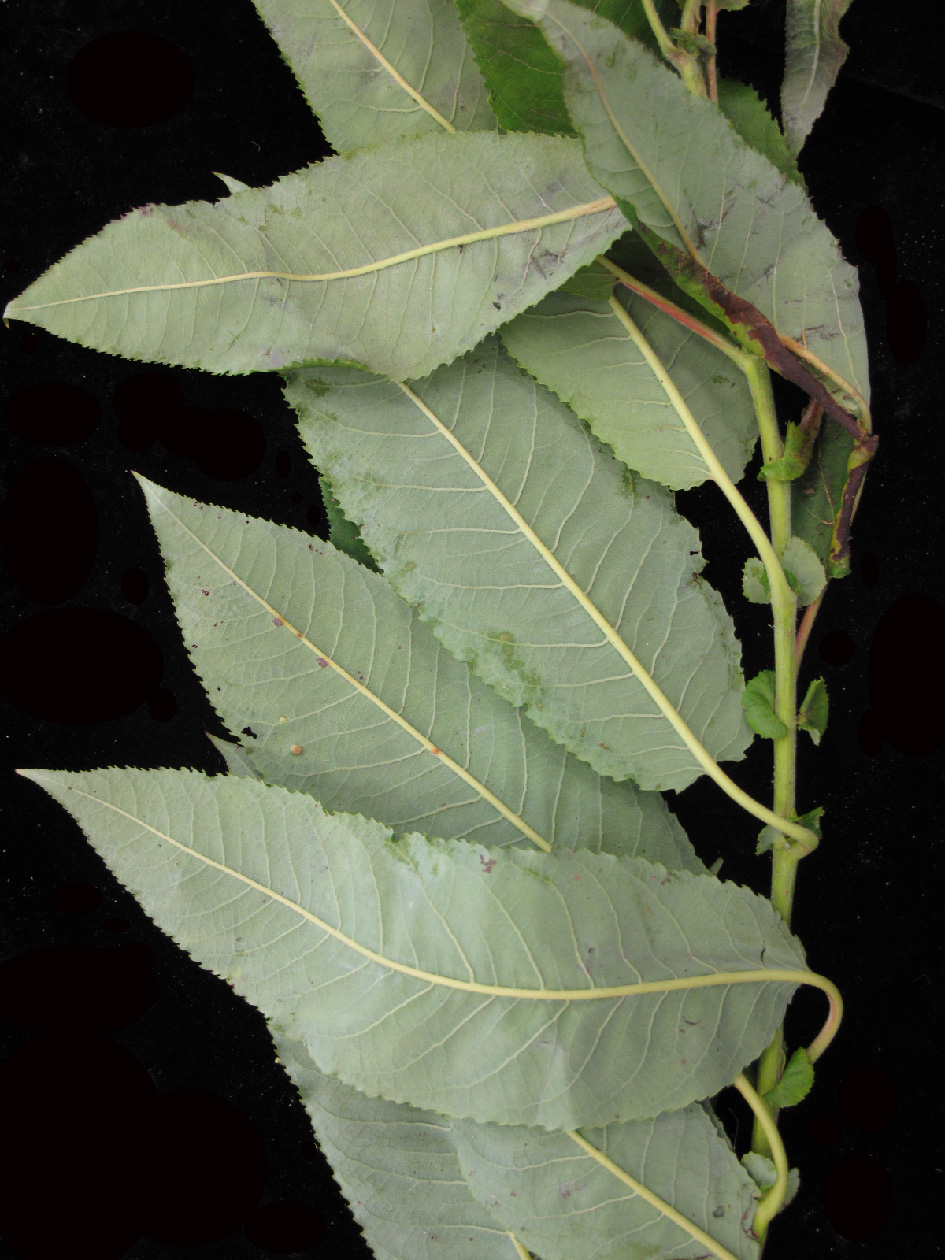
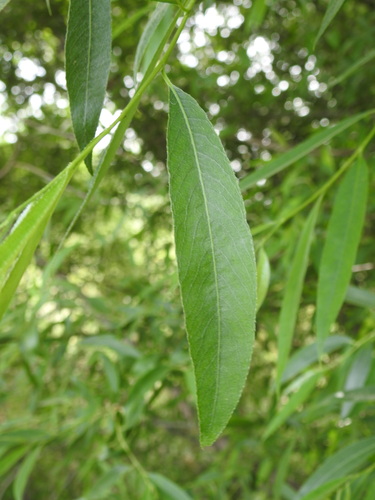
- White WillowSalix alba
Ponds, lakes and their shores
Birds 58
- BuffleheadBucephala albeola
- Common GoldeneyeBucephala clangula
- Eurasian WigeonAnas penelope
- Long-tailed DuckClangula hyemalis
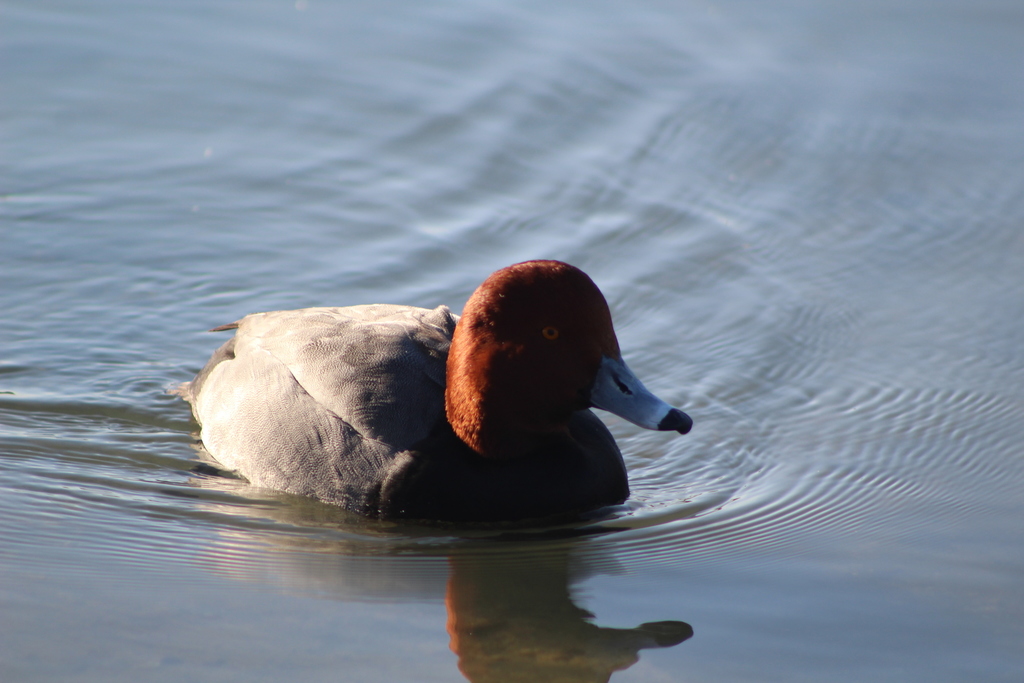
- RedheadAythya americana
- American BitternBotaurus lentiginosus
- Black TernChlidonias niger
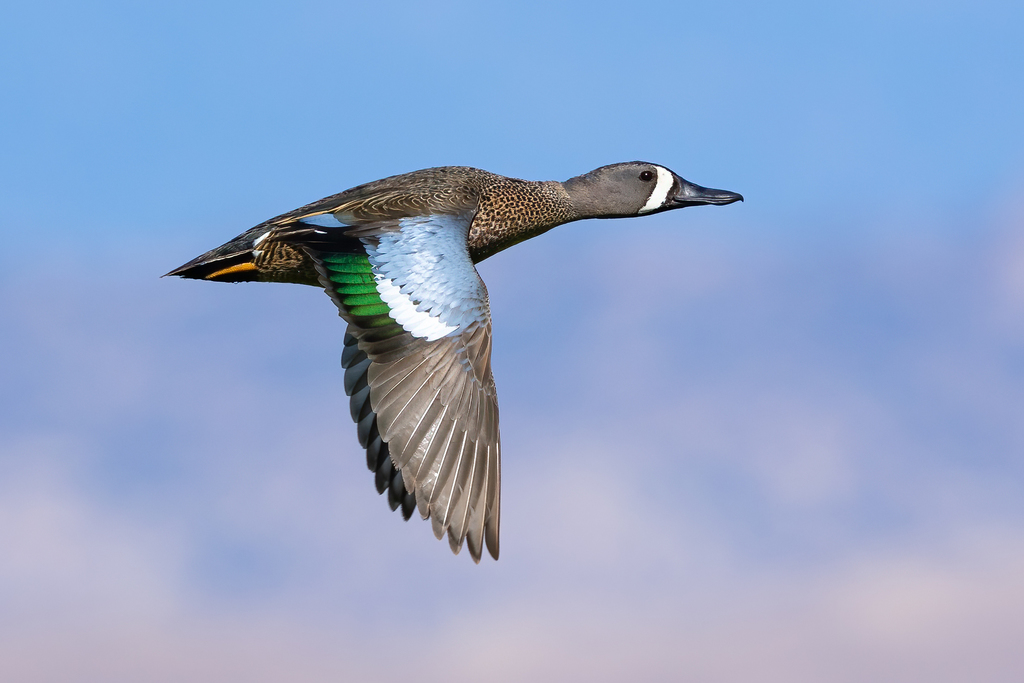
- Blue-winged TealAnas discors
- Bonaparte's GullChroicocephalus philadelphia
- Caspian TernHydroprogne caspia
- Common LoonGavia immer
- Common TernSterna hirundo
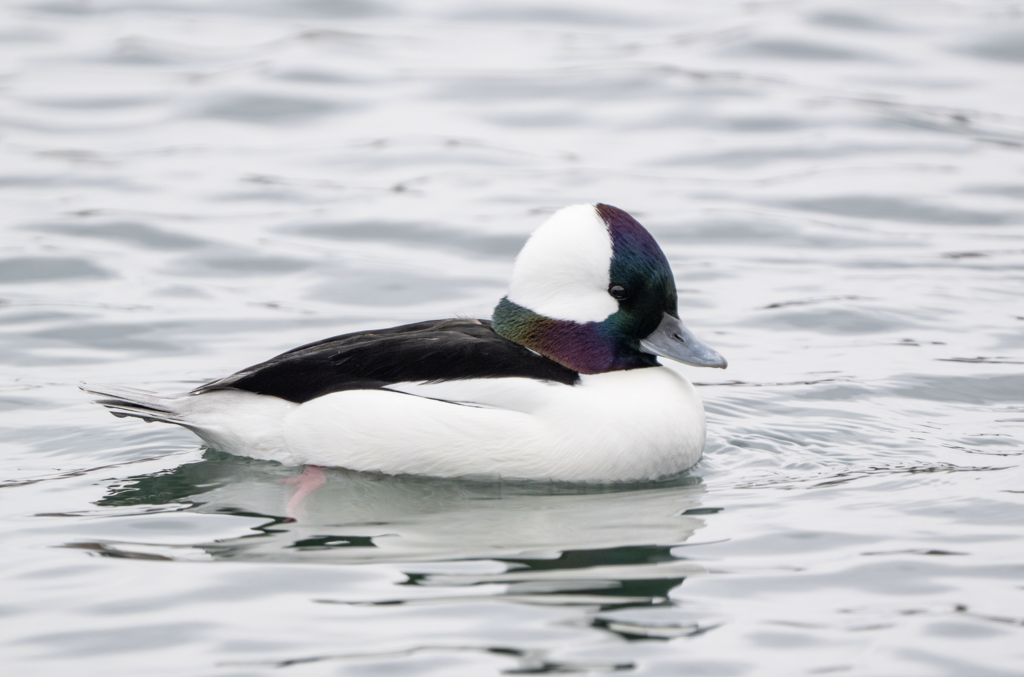
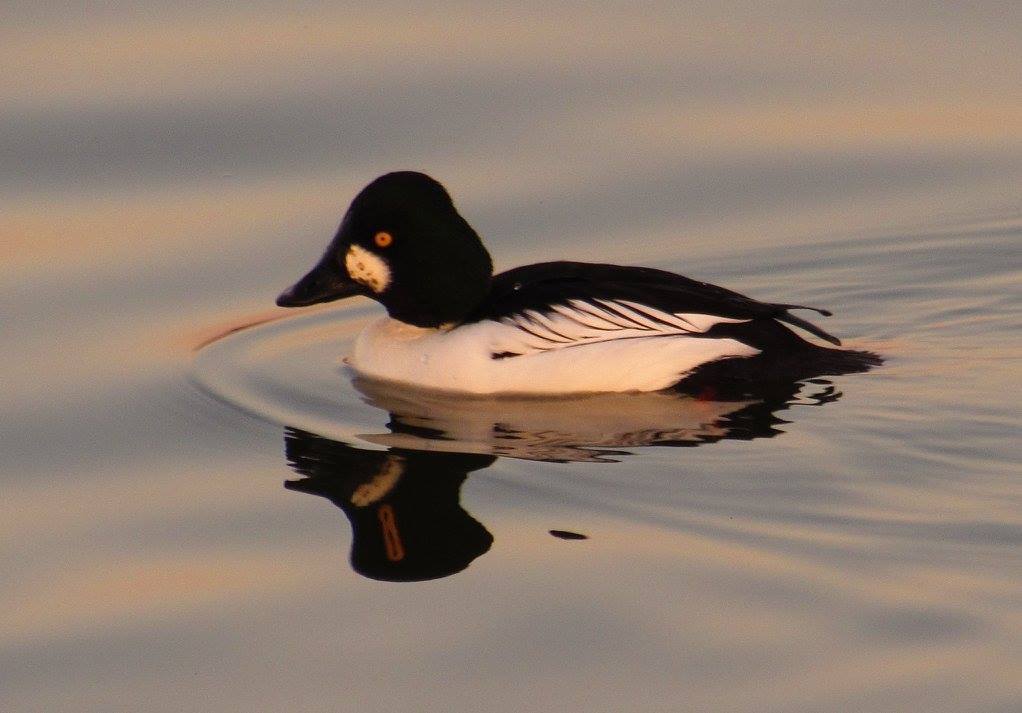
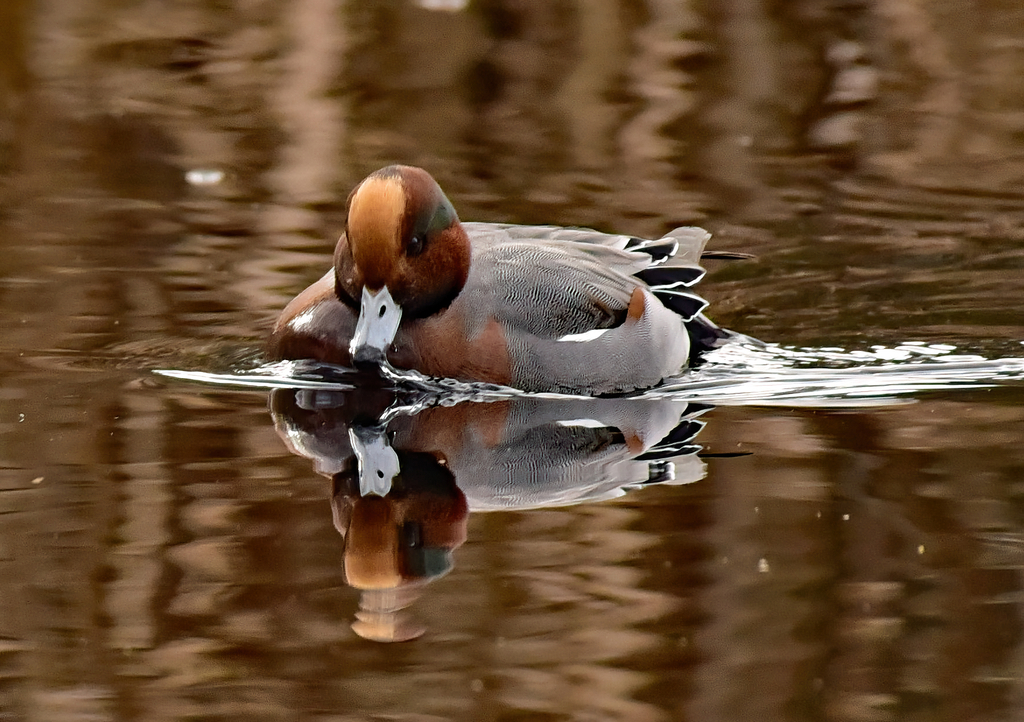
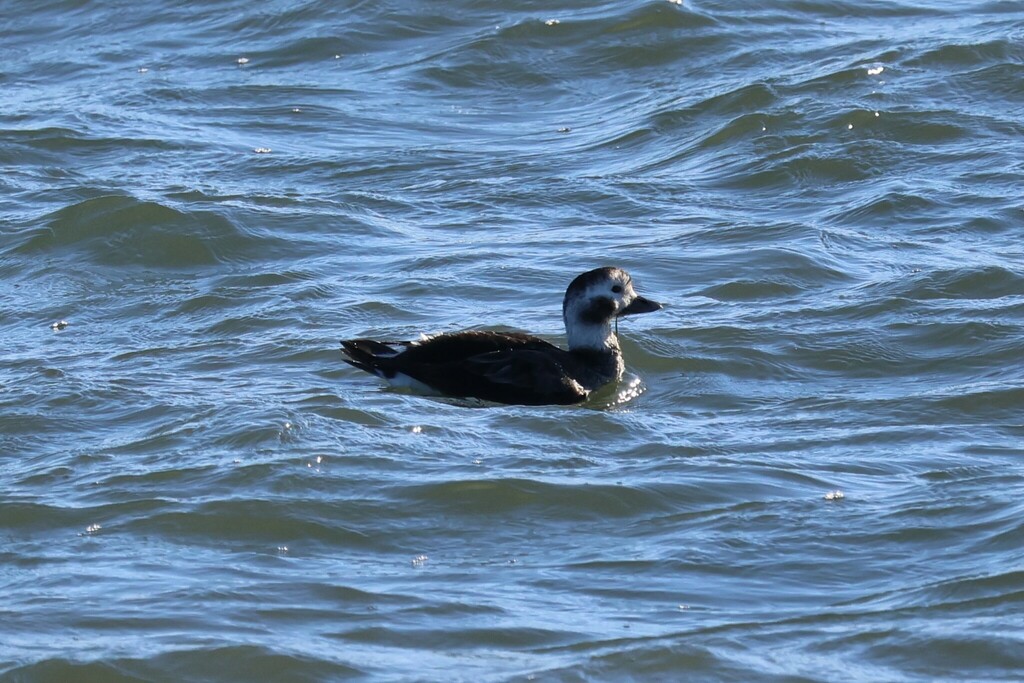
Plants 109
- Stiff Yellow FlaxLinum medium
- Northeastern BulrushScirpus ancistrochaetus
- Sago PondweedStuckenia pectinata
- Common BladderwortUtricularia macrorhiza
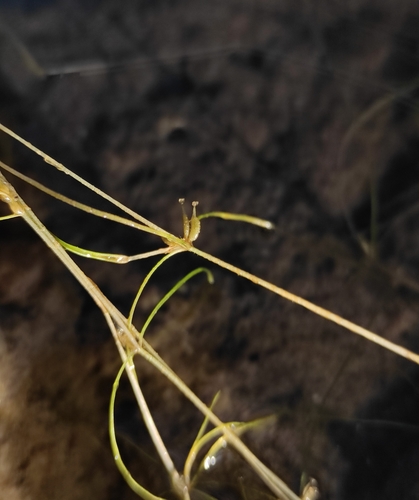
- Horned PondweedZannichellia palustris
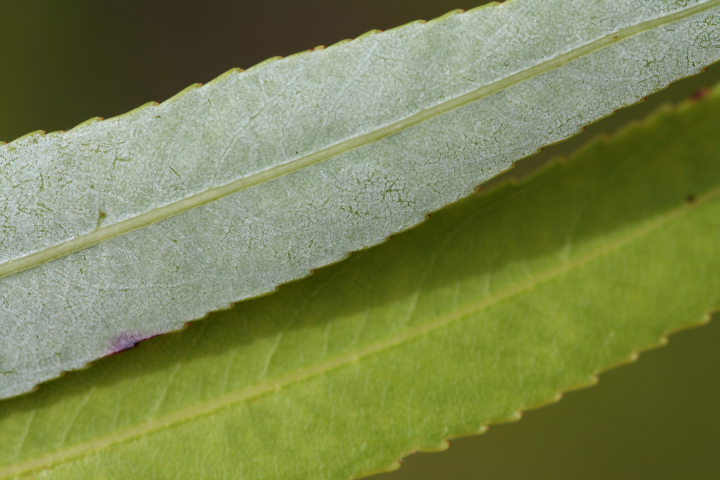
- Coastal Plain WillowSalix caroliniana
- Northern St. John's-wortHypericum boreale
- Southern Marsh St. John's-wortTriadenum tubulosum
- White Water CrowfootRanunculus longirostris
- Engelmann's ArrowheadSagittaria engelmanniana
- Grassy ArrowheadSagittaria graminea
- Whiteroot RushJuncus brachycarpus
Sources
- USGS Gap Analysis Project habitat models (2001)
- USGS GAP winter habitat model for Lesser Yellowlegs Elevation sea level to 3,800 m
- USGS Gap Analysis Project range maps (2001), modeled by watershed; migratory gives no dates
- NatureServe Explorer (CC BY 4.0), habitat names
- US Census TIGER/Line counties
- Names follow the USGS Gap Analysis Project (2001)