

Bird
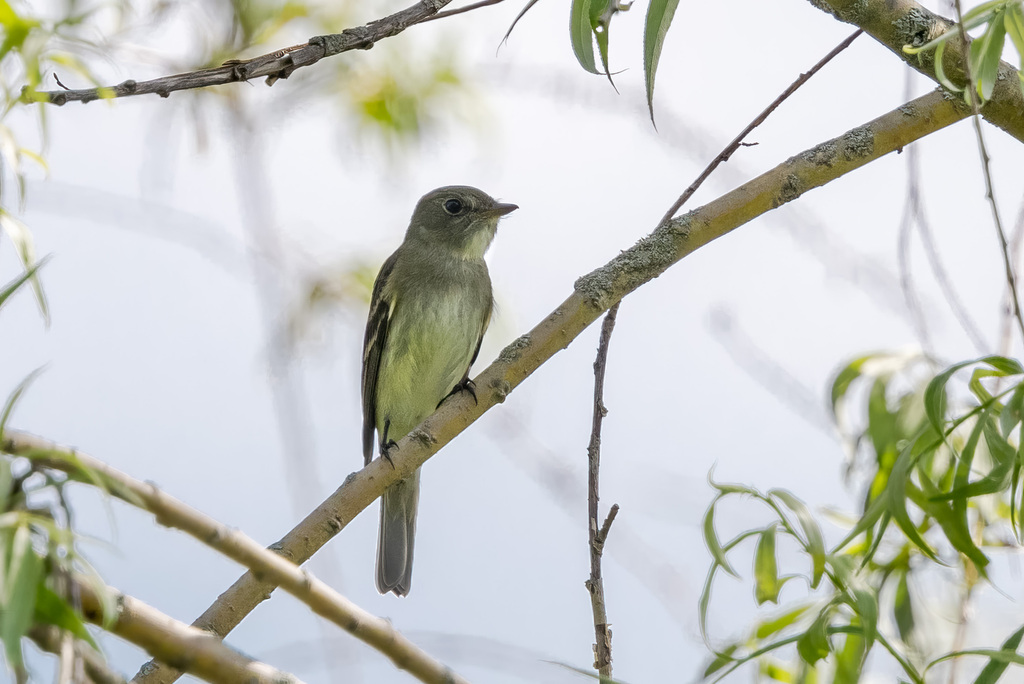
Least Flycatcher
Empidonax minimus
A summer resident that nests in West Virginia. Found in all 55 counties, across 13 habitats.
- Here
- Summer and on migration
- Nesting
- Nests here
- Range
- All 55 counties
- Habitats
- 13

At a glance
- Group
- Birds
- Here
- Summer and on migration
- Nesting
- Nests here
- Range
- All 55 counties
- Habitats
- 13
- Habitat models
- Summer, Winter
Where it lives
The places its habitat model includes. It is not found everywhere a habitat occurs.
Habitats in West Virginia 13
Each habitat page lists the plants and wildlife also found there.
Disturbed and introduced wetlands
Wet ground taken over by weedy or introduced plants after disturbance, such as common reed, Chinese tallow or tamarisk stands; the upland counterpart is roadsides, fields and disturbed ground.
Forests and open woodlands on dry ridges and slopes, often oak or pine.
Floodplain and bottomland forests
Forests on low ground beside rivers and streams that flood from time to time.
Shady, evergreen forests of eastern or Carolina hemlock, often along rocky mountain streams and in gorges.
Forests between dry and moist, often oak-hickory on slopes.
Forests on moist but not wet ground, such as rich slopes and ravines.
Sheltered, moist mountain hollows and lower slopes with deep, fertile soil.
Streams, rivers and their banks
Flowing water and its banks, bars and rocky shoals.
Tree plantations and managed pine
Planted or intensively managed stands of pine or hardwoods grown for timber; a land use rather than a natural community.
Borders of forests, clearings and shrubby thickets.
Treeless grassy or shrubby summits and ridges in the high mountains.
Roadsides, fields and disturbed ground
Ground opened by people: roadsides, old fields, pastures, fencerows and lots.
Forested wetlands with standing water much of the year, such as cypress and gum swamps.
Other habitats in its models (51)
Land cover, or classes with no habitat page in West Virginia.
- Developed, Low Intensity Summer and winter, beside its main habitat.
- Orchards Vineyards and Other High Structure Agriculture Summer, beside its main habitat.
- Central and Southern Appalachian Northern Hardwood Forest Summer.
- Southern Interior Low Plateau Dry-Mesic Oak Forest Summer.
- Southern Appalachian Northern Hardwood Forest Summer.
- South Florida Hardwood Hammock Winter.
- Southwest Florida Coastal Strand and Maritime Hammock Winter.
- Southeast Florida Coastal Strand and Maritime Hammock Winter.
- Southern Coastal Plain Oak Dome and Hammock Winter.
- East Gulf Coastal Plain Maritime Forest Winter.
- Southern Piedmont Mesic Forest Summer.
- Southern Piedmont Dry Oak-(Pine) Forest - Hardwood Modifier Summer.
- Southern Piedmont Dry Oak-(Pine) Forest - Loblolly Pine Modifier Summer.
- Southern Piedmont Dry Oak-(Pine) Forest - Mixed Modifier Summer.
- Southern Piedmont Dry Oak-Heath Forest - Mixed Modifier Summer.
- Southern Piedmont Dry Oak-(Pine) Forest Summer.
- Southern Ridge and Valley Dry Calcareous Forest Summer.
- Florida Peninsula Inland Scrub Winter.
- Recently Logged Areas Summer, beside its main habitat.
- Recently Burned Summer, beside its main habitat.
- Recently Burned Forest Summer, beside its main habitat.
- Recently Burned Shrubland Summer, beside its main habitat.
- Introduced Upland Vegetation - Shrub Summer, beside its main habitat.
- Southern Coastal Plain Nonriverine Basin Swamp - Okefenokee Taxodium Modifier Winter.
- Southern Coastal Plain Nonriverine Basin Swamp - Okefenokee Bay/Gum Modifier Winter.
- Southern Coastal Plain Nonriverine Basin Swamp - Okefenokee Pine Modifier Winter.
- Southern Coastal Plain Nonriverine Basin Swamp - Okefenokee Nupea Modifier Winter.
- Southern Coastal Plain Nonriverine Basin Swamp - Okefenokee Clethra Modifier Winter.
- Southern Coastal Plain Seepage Swamp and Baygall Winter.
- East Gulf Coastal Plain Tidal Wooded Swamp Winter.
- South Florida Mangrove Swamp Winter.
- South Florida Bayhead Swamp Winter.
- Southern and Central Appalachian Bog and Fen Summer.
- South Florida Cypress Dome Winter.
- Southern Coastal Plain Nonriverine Cypress Dome Winter.
- Southern Piedmont/Ridge and Valley Upland Depression Swamp Summer, beside its main habitat.
- East Gulf Coastal Plain Large River Floodplain Forest - Forest Modifier Winter.
- Southern Piedmont Large Floodplain Forest - Forest Modifier Summer.
- East Gulf Coastal Plain Large River Floodplain Forest - Herbaceous Modifier Winter.
- South-Central Interior Large Floodplain - Herbaceous Modifier Summer.
- Southern Coastal Plain Hydric Hammock Winter.
- Southern Piedmont Small Floodplain and Riparian Forest Summer.
- East Gulf Coastal Plain Small Stream and River Floodplain Forest Winter.
- Southern Coastal Plain Blackwater River Floodplain Forest Winter.
- East Gulf Coastal Plain Near-Coast Pine Flatwoods - Open Understory Modifier Winter.
- East Gulf Coastal Plain Near-Coast Pine Flatwoods - Scrub/Shrub Understory Modifier Winter.
- South Florida Pine Flatwoods Winter.
- Central Florida Pine Flatwoods Winter.
- East Gulf Coastal Plain Near-Coast Pine Flatwoods Winter.
- East Gulf Coastal Plain Southern Loblolly-Hardwood Flatwoods Winter.
- South-Central Interior / Upper Coastal Plain Wet Flatwoods Summer, beside its main habitat.
Seasons in West Virginia
- Migratory: does not nest here, in 52 of 55 counties.
- Summer: nests here, in 14 of 55 counties.
Also found in this habitat
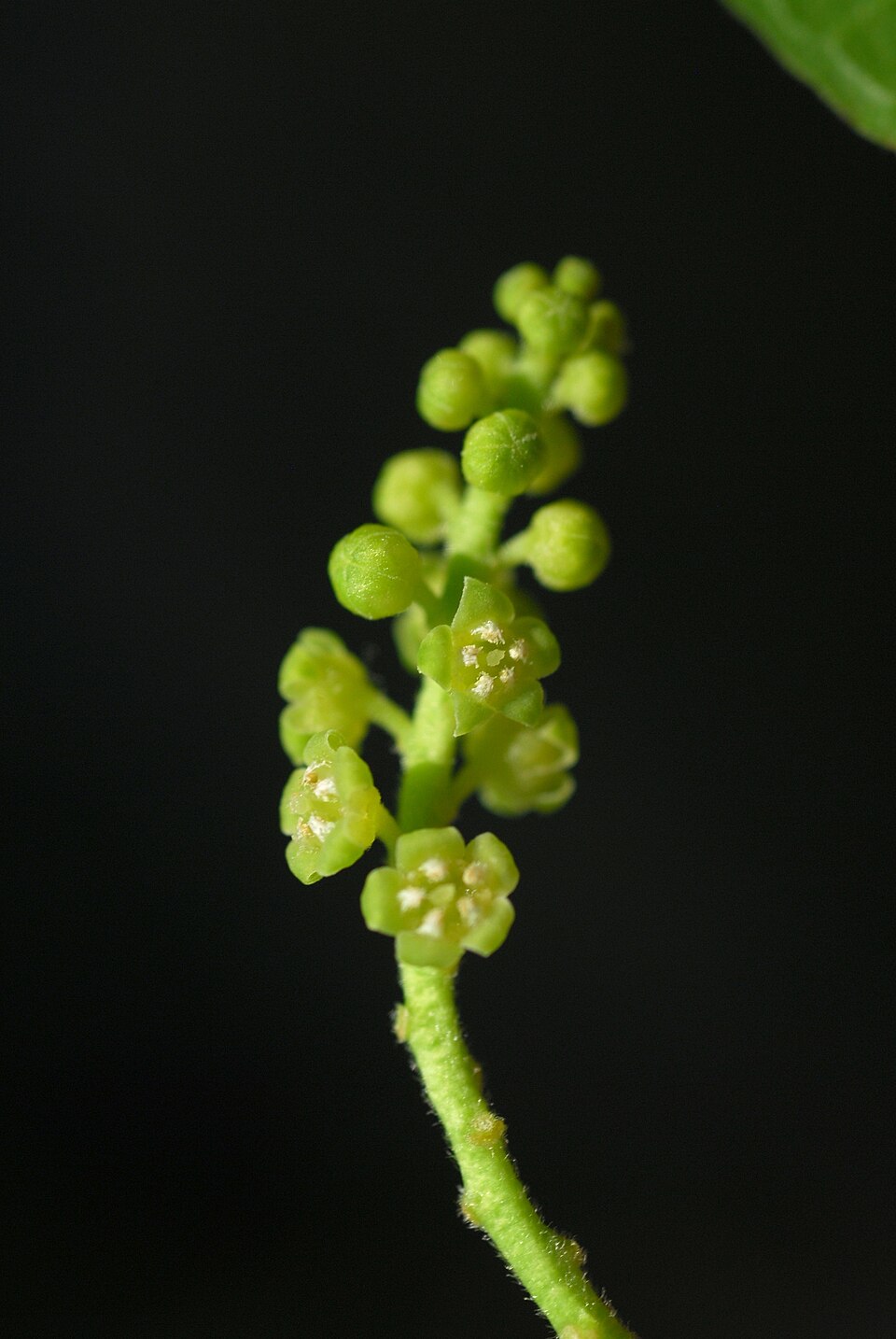
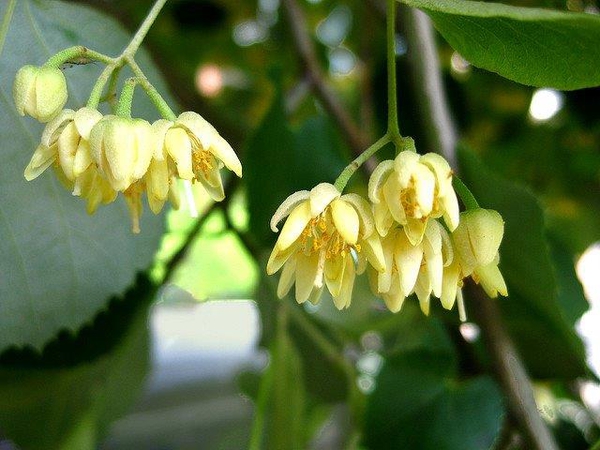
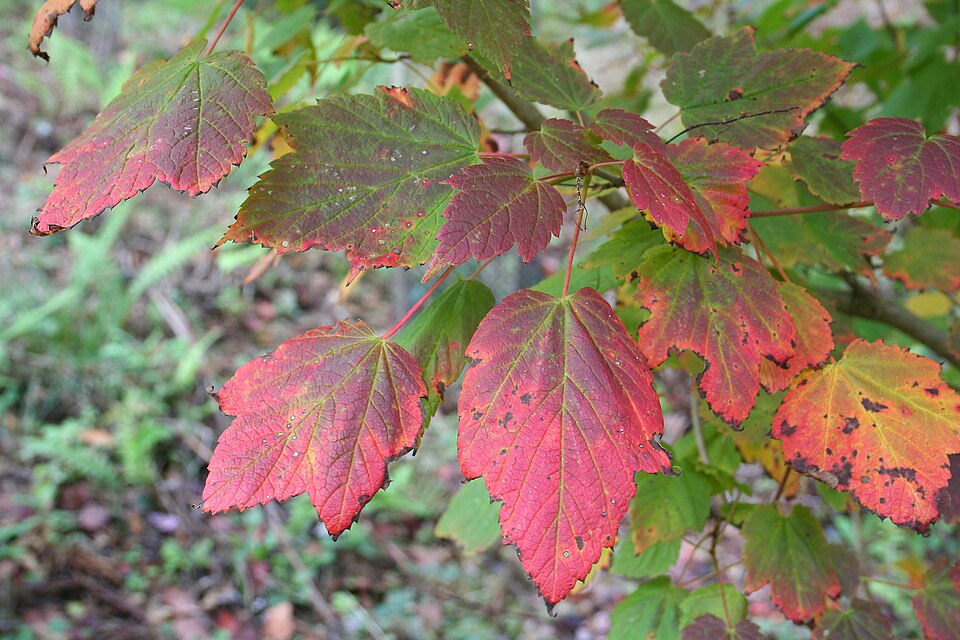
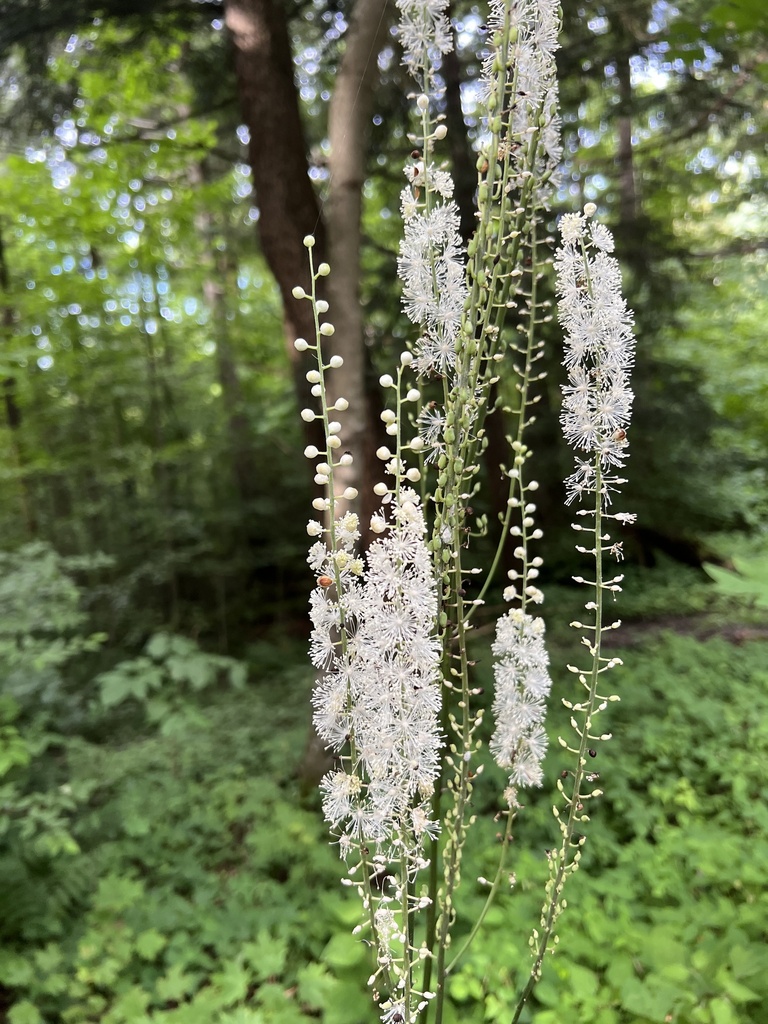
Plants 702
Plants named in NatureServe descriptions of these habitats that grow in West Virginia. Shared habitat, not food.
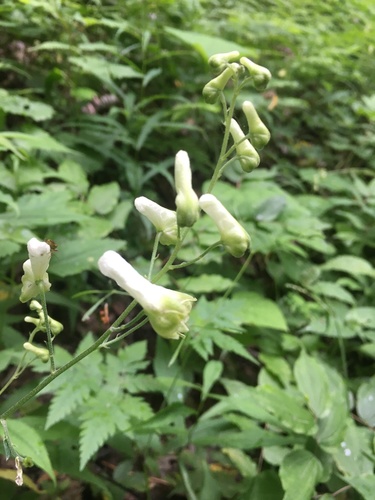
- White MonkshoodAconitum reclinatum
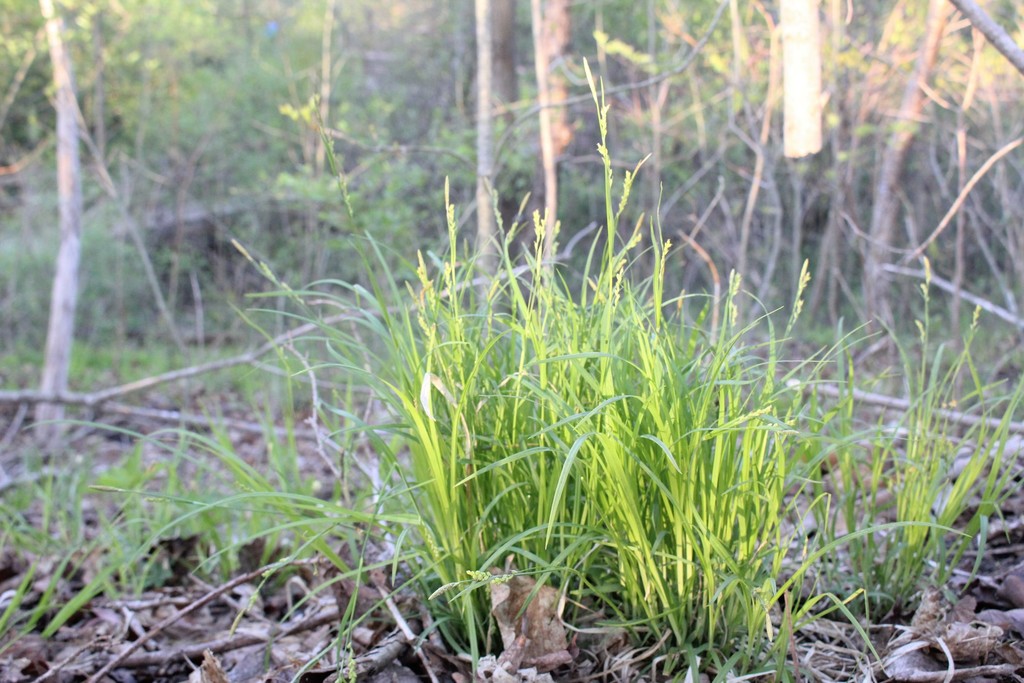
- Pretty SedgeCarex woodii
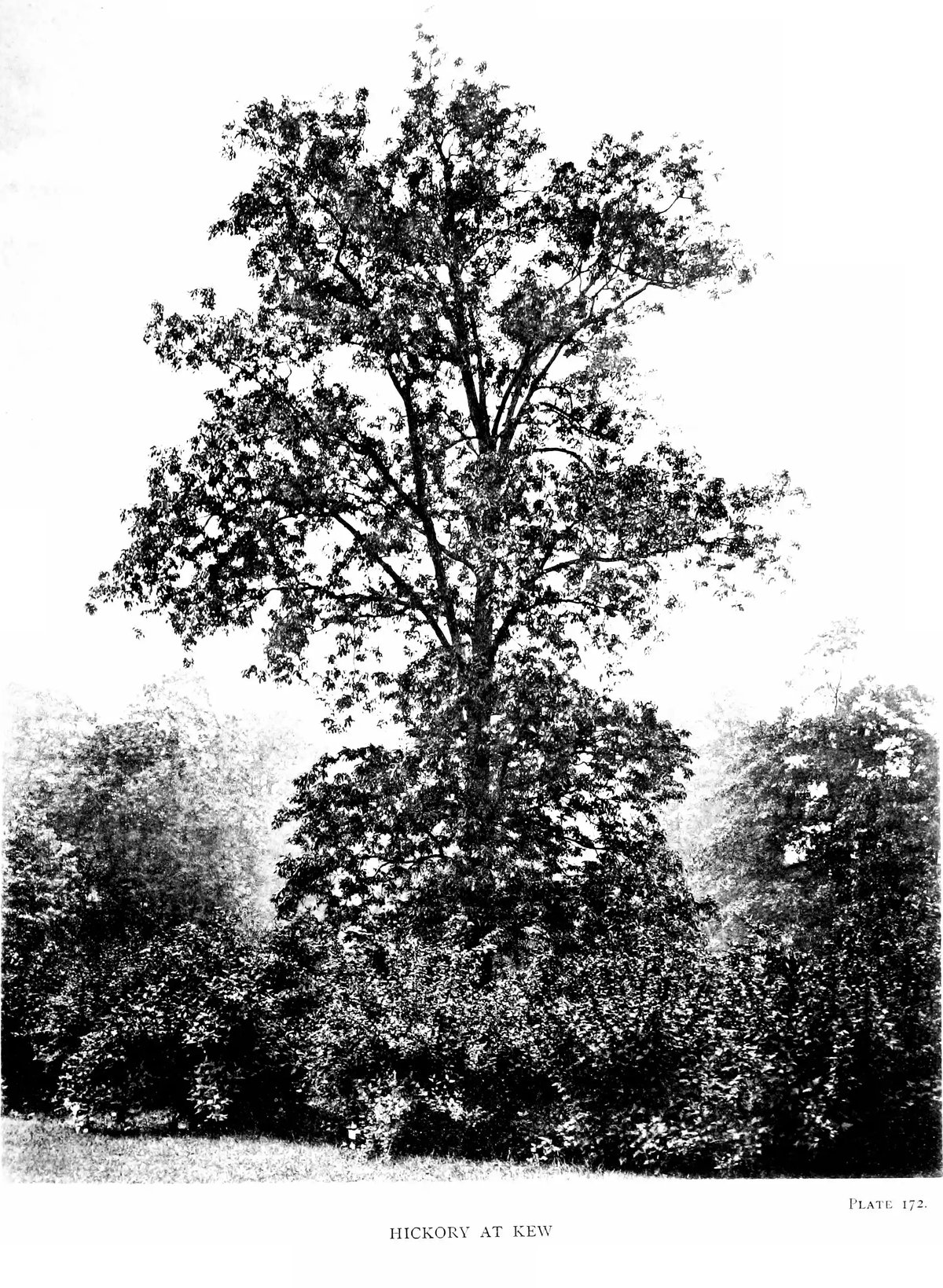
- Red HickoryCarya ovalis
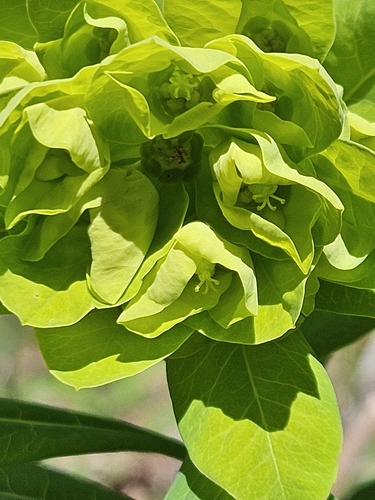
- Glade SpurgeEuphorbia purpurea
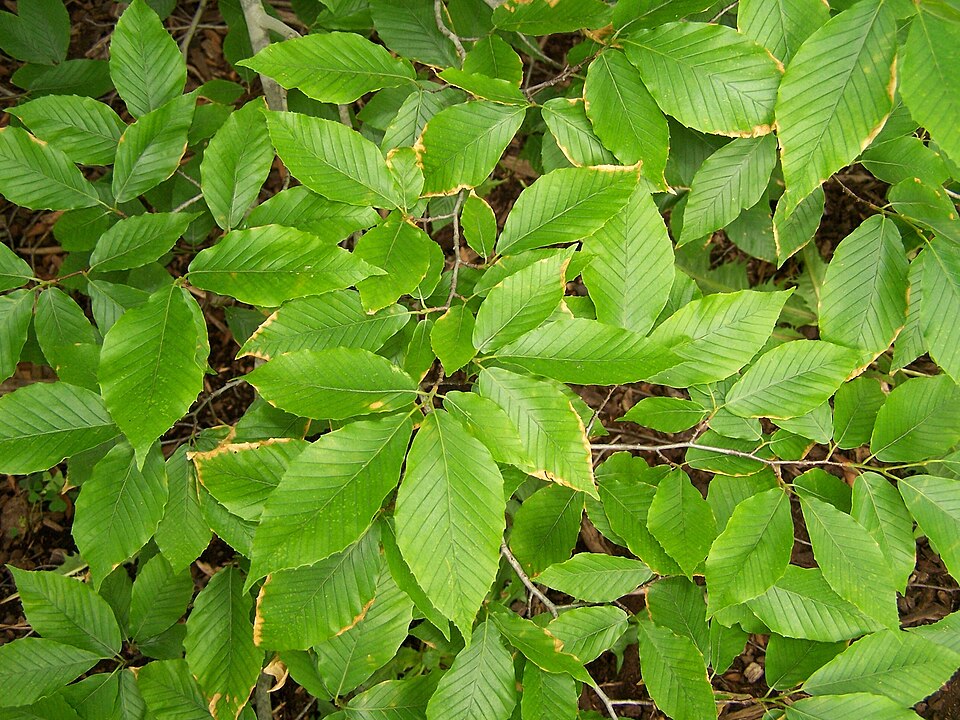
- American BeechFagus grandifolia
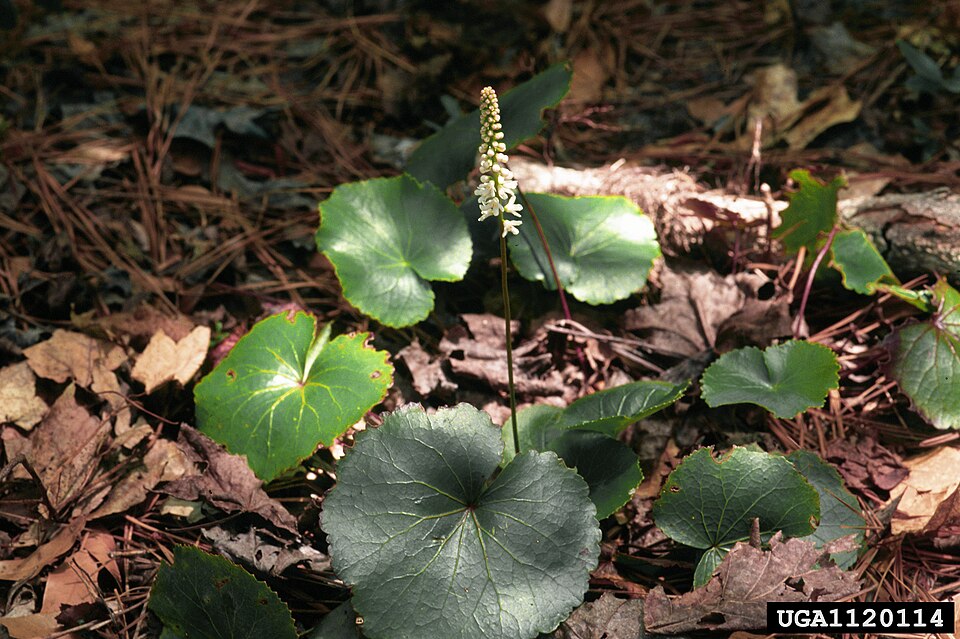
- GalaxGalax urceolata
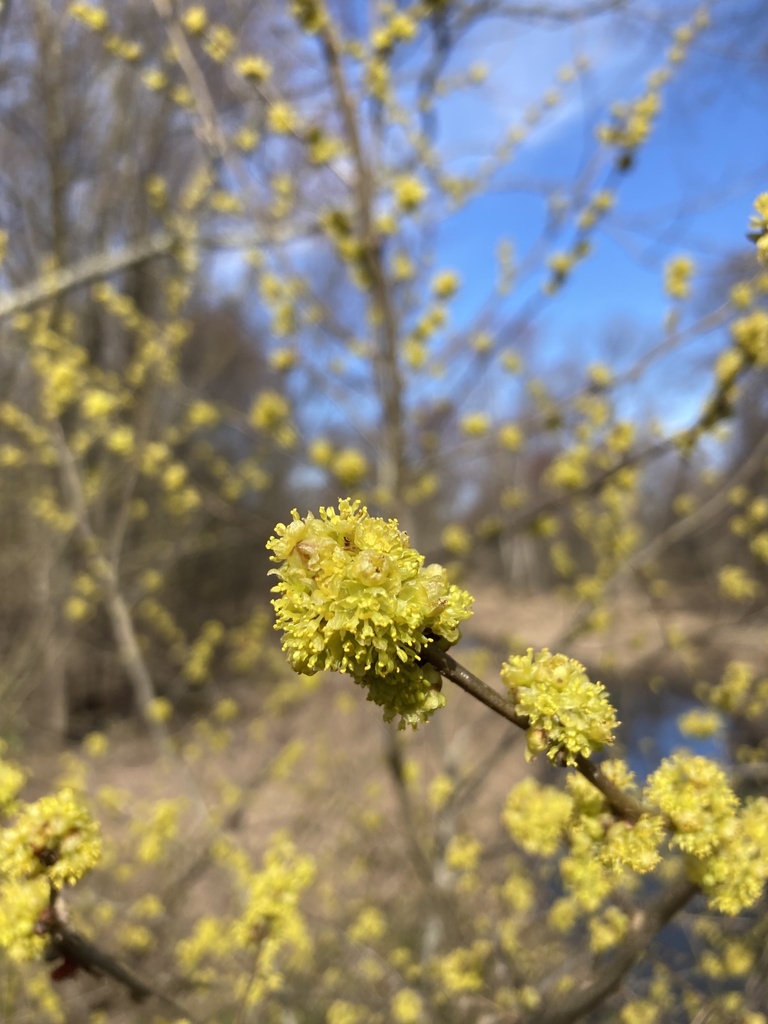
- Northern SpicebushLindera benzoin
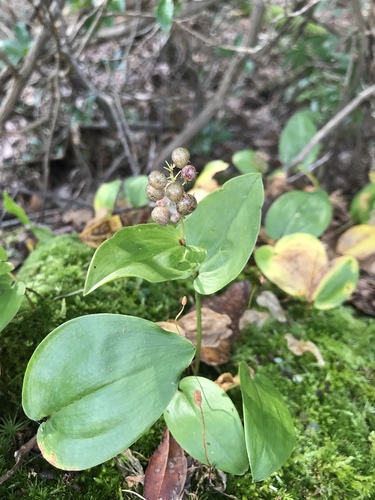
- Canada MayflowerMaianthemum canadense
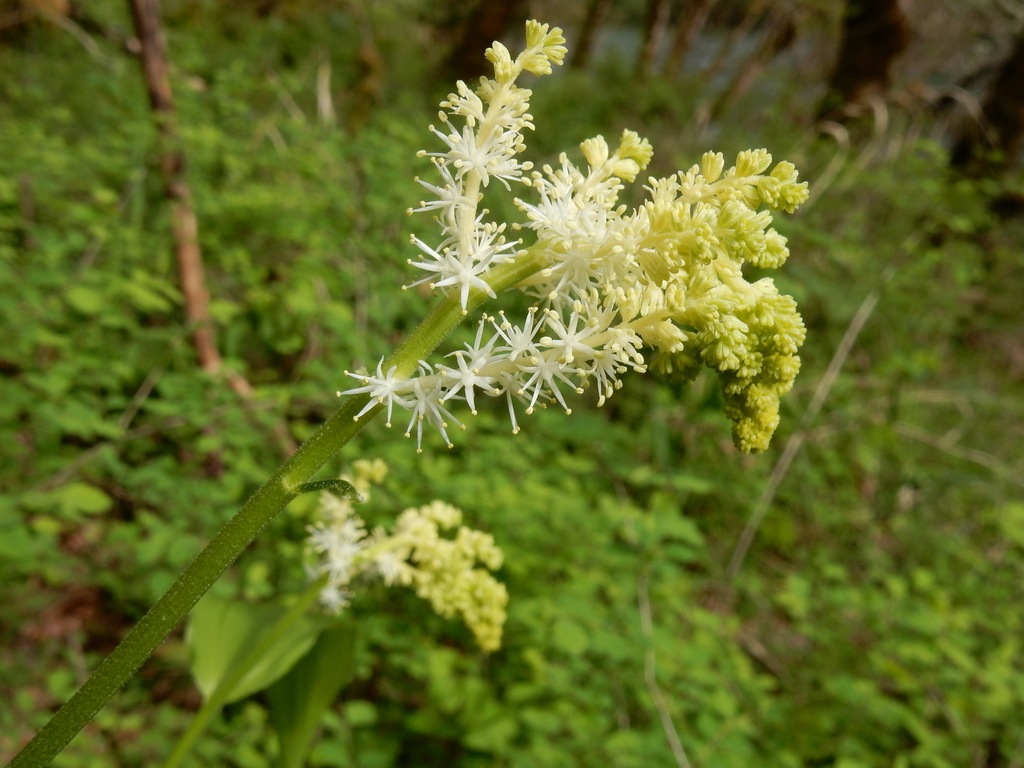
- False Solomon's-sealMaianthemum racemosum
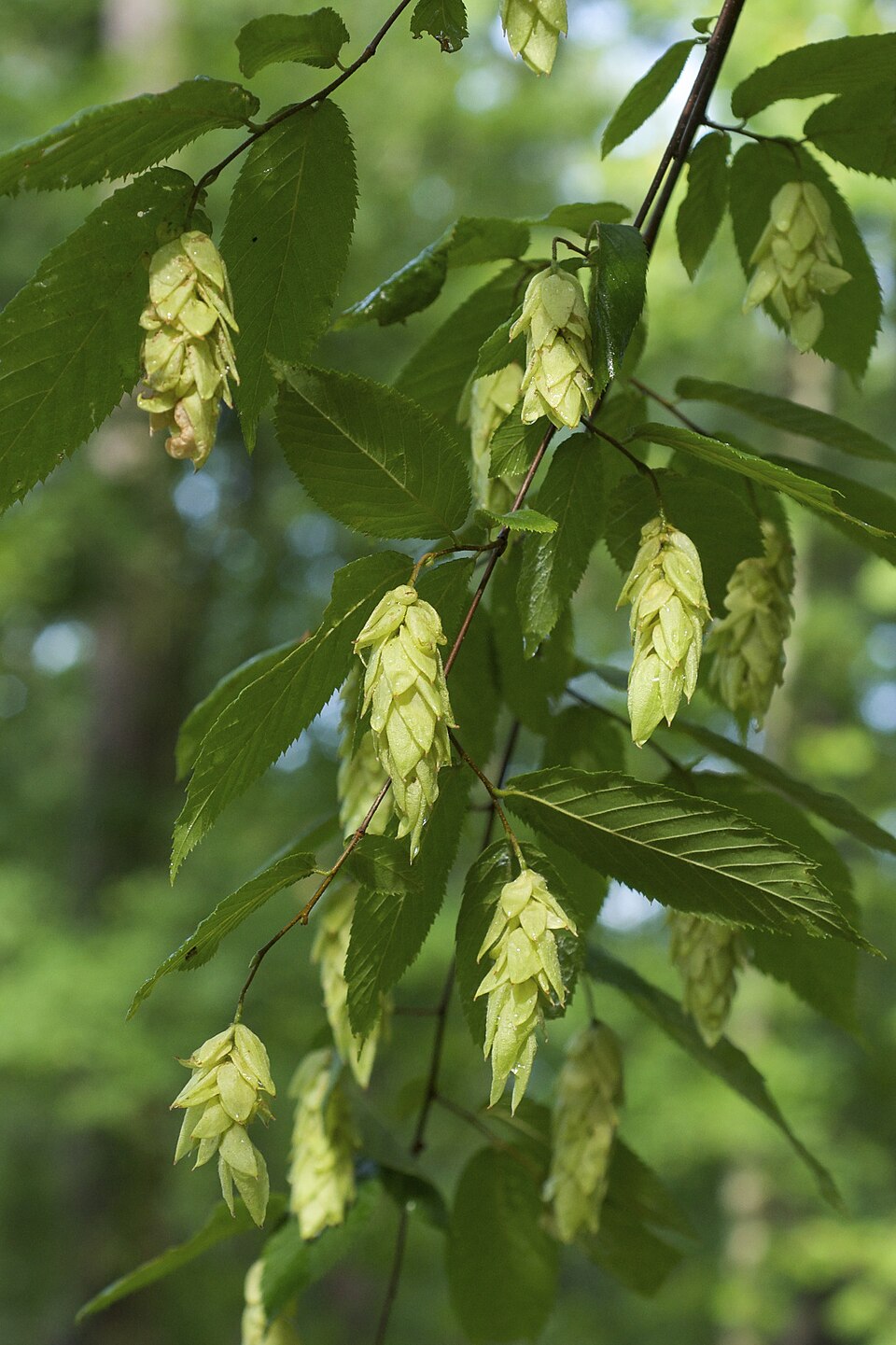
- American Hop-hornbeamOstrya virginiana
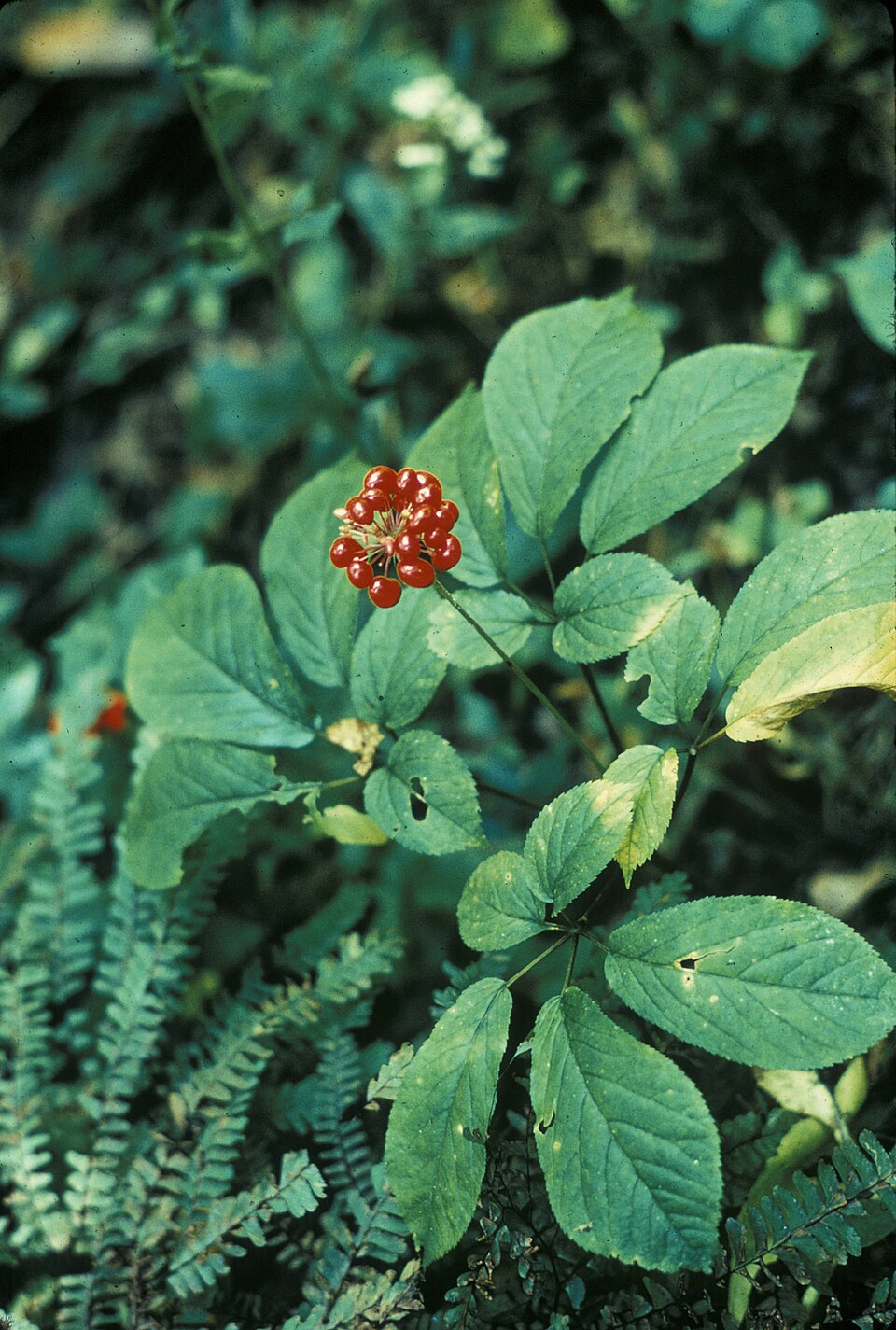
- American GinsengPanax quinquefolius
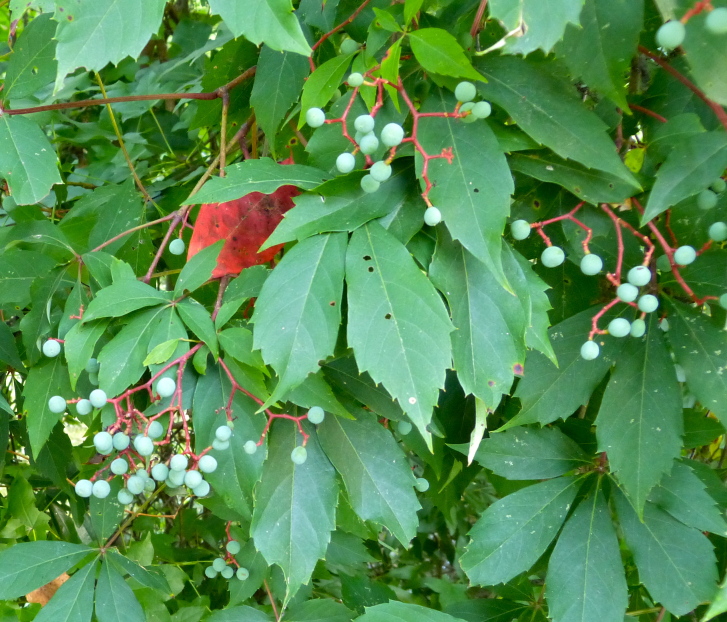
- Virginia CreeperParthenocissus quinquefolia
- Buffalo-nutPyrularia pubera
- American BasswoodTilia americana
- Mountain MapleAcer spicatum
- Black CohoshActaea racemosa
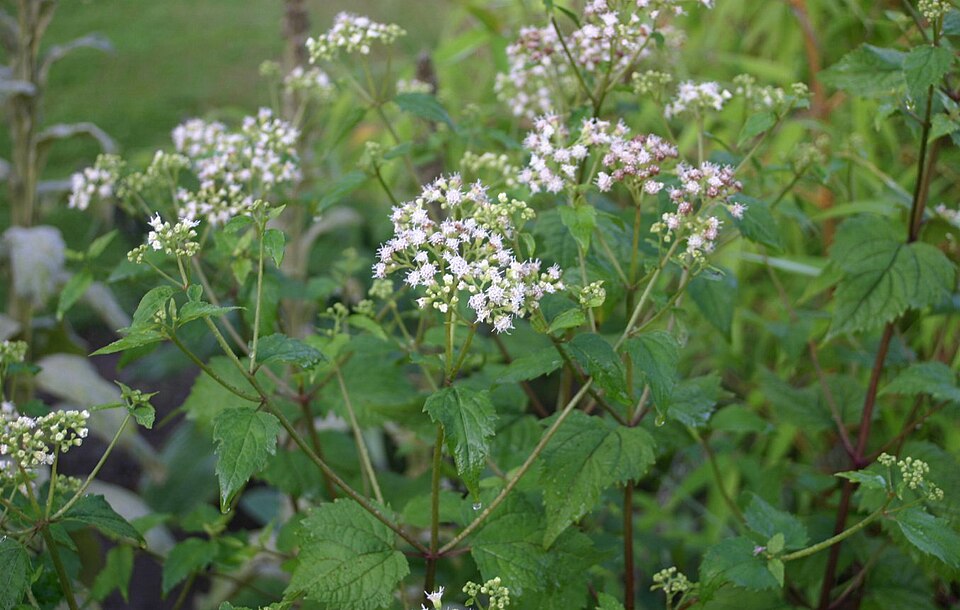
- White SnakerootAgeratina altissima
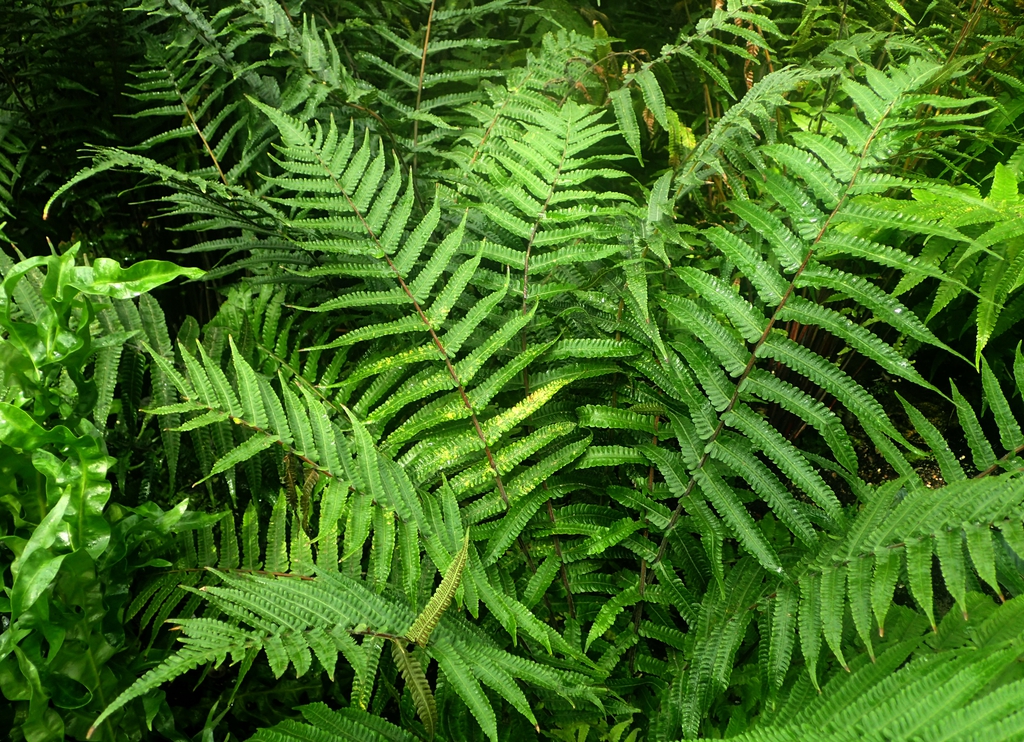
- New York FernAmauropelta noveboracensis
- American Hog-peanutAmphicarpaea bracteata
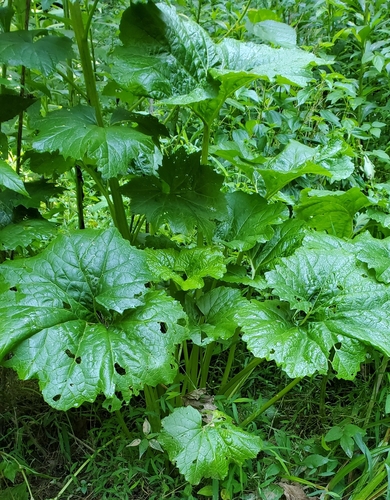
- Great Indian-plantainArnoglossum reniforme
- Wavy HairgrassAvenella flexuosa
- Yellow BirchBetula alleghaniensis
- Catesby's BindweedCalystegia catesbeiana
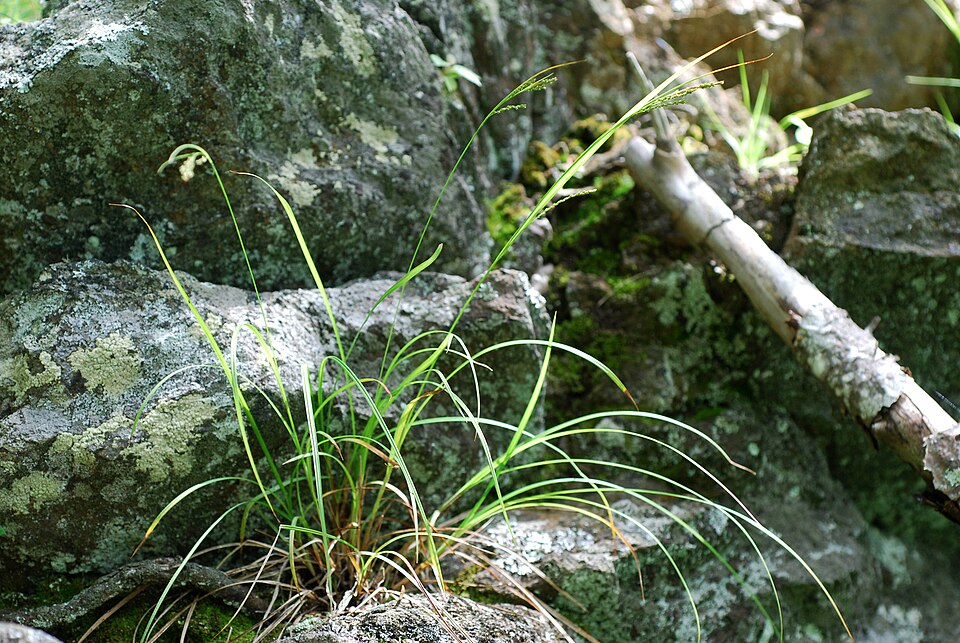
- Summer SedgeCarex aestivalis
Wildlife 212
Other animals whose habitat models include the same habitats in West Virginia. Not sighting records.
- Alder FlycatcherEmpidonax alnorum
- American GoldfinchCarduelis tristis
- American RobinTurdus migratorius
- Chimney SwiftChaetura pelagica
- Common NighthawkChordeiles minor
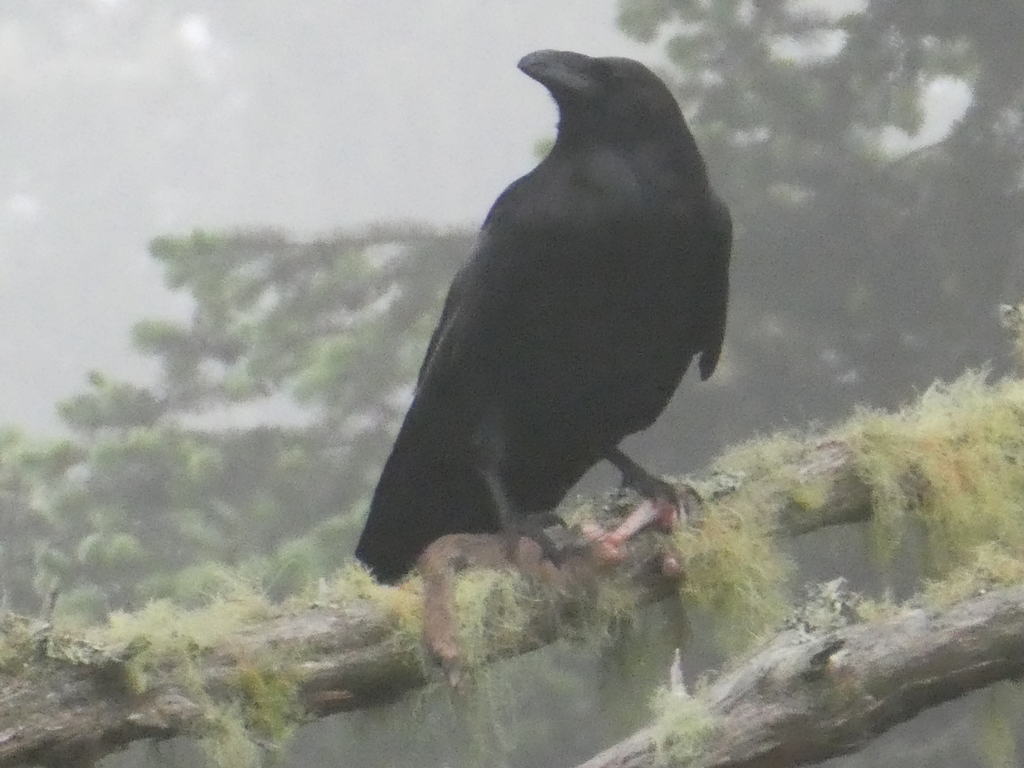
- Common RavenCorvus corax
- Cooper's HawkAccipiter cooperii
- Eastern KingbirdTyrannus tyrannus
- European StarlingSturnus vulgaris
- Great Horned OwlBubo virginianus
- Northern CardinalCardinalis cardinalis
- Red-tailed HawkButeo jamaicensis
- Sharp-shinned HawkAccipiter striatus
- Turkey VultureCathartes aura
- Yellow-breasted ChatIcteria virens
- American CrowCorvus brachyrhynchos
- Blue GrosbeakPasserina caerulea
- Blue-gray GnatcatcherPolioptila caerulea
- Carolina WrenThryothorus ludovicianus
- Cedar WaxwingBombycilla cedrorum
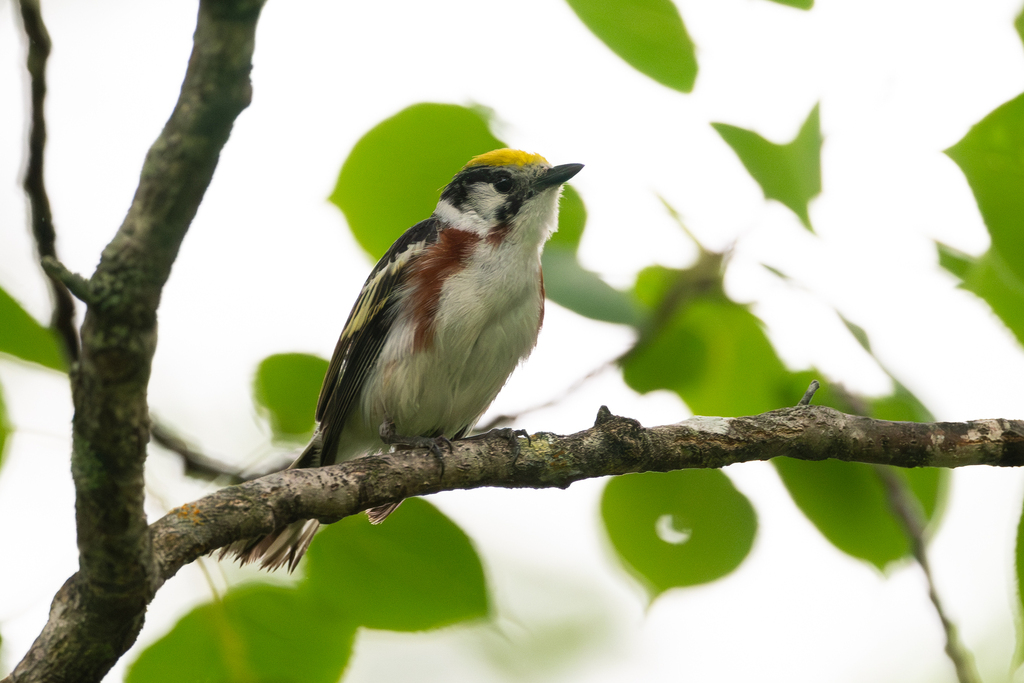
- Chestnut-sided WarblerDendroica pensylvanica
- Chipping SparrowSpizella passerina
- Dark-eyed JuncoJunco hyemalis
- Eastern TowheePipilo erythrophthalmus





















NatureServe Explorer, CC BY 4.0. USGS Gap Analysis Project habitat models.
Sources
- USGS Gap Analysis Project habitat models (2001)
- USGS GAP winter habitat model for Least Flycatcher
- USGS Gap Analysis Project range maps (2001), modeled by watershed; migratory gives no dates
- NatureServe Explorer (CC BY 4.0), habitat names
- US Census TIGER/Line counties
- Names follow the USGS Gap Analysis Project (2001)