

Bird
Common Tern
Sterna hirundo
Passes through West Virginia on migration. Found in all 55 counties, across 2 habitats.
- Here
- On migration
- Nesting
- Not known to nest here
- Range
- All 55 counties
- Habitats
- 2

At a glance
- Group
- Birds
- Here
- On migration
- Nesting
- Not known to nest here
- Range
- All 55 counties
- Habitats
- 2
- Habitat models
- Summer, Winter
Where it lives
The places its habitat model includes. It is not found everywhere a habitat occurs.
Habitats in West Virginia 2
Each habitat page lists the plants and wildlife also found there.
Disturbed and introduced wetlands
Wet ground taken over by weedy or introduced plants after disturbance, such as common reed, Chinese tallow or tamarisk stands; the upland counterpart is roadsides, fields and disturbed ground.
Still water and its edges: ponds, lakes, millponds and reservoirs.
Other habitats in its models (27)
Land cover, or classes with no habitat page in West Virginia.
- Open Water (Brackish/Salt) Summer and winter.
- Atlantic Coastal Plain Southern Beach Summer.
- Unconsolidated Shore (Lake/River/Pond) Summer and winter.
- Unconsolidated Shore (Beach/Dune) Summer and winter.
- Unconsolidated Shore Summer and winter.
- Upper Texas Coast Beach Winter.
- Louisiana Beach Summer and winter.
- Southeast Florida Beach Winter.
- South Florida Shell Hash Beach Winter.
- Florida Panhandle Beach Vegetation Winter.
- Atlantic Coastal Plain Sea Island Beach Summer.
- Southwest Florida Beach Winter.
- Texas Coastal Bend Beach Winter.
- Atlantic Coastal Plain Xeric River Dune Summer.
- Atlantic Coastal Plain Southern Dune and Maritime Grassland Summer.
- Northern Atlantic Coastal Plain Dune and Swale Summer.
- Atlantic Coastal Plain Central Salt and Brackish Tidal Marsh Summer.
- Atlantic Coastal Plain Embayed Region Tidal Salt and Brackish Marsh Summer.
- Mississippi Sound Salt and Brackish Tidal Marsh Winter.
- Atlantic Coastal Plain Northern Tidal Salt Marsh Summer.
- Florida Big Bend Salt-Brackish Tidal Marsh Winter.
- Atlantic Coastal Plain Large Natural Lakeshore Summer.
- Gulf and Atlantic Coastal Plain Tidal Marsh Systems Summer and winter.
- Atlantic Coastal Plain Embayed Region Tidal Freshwater Marsh Summer.
- Atlantic Coastal Plain Northern Fresh and Oligohaline Tidal Marsh Summer.
- Atlantic Coastal Plain Central Fresh-Oligohaline Tidal Marsh Summer.
- Atlantic and Gulf Coastal Plain Interdunal Wetland Summer.
Seasons in West Virginia
- Migratory: does not nest here, in all 55 counties.
Also found in this habitat
Wildlife 159
Other animals whose habitat models include the same habitats in West Virginia. Not sighting records.
- Blue-winged TealAnas discors
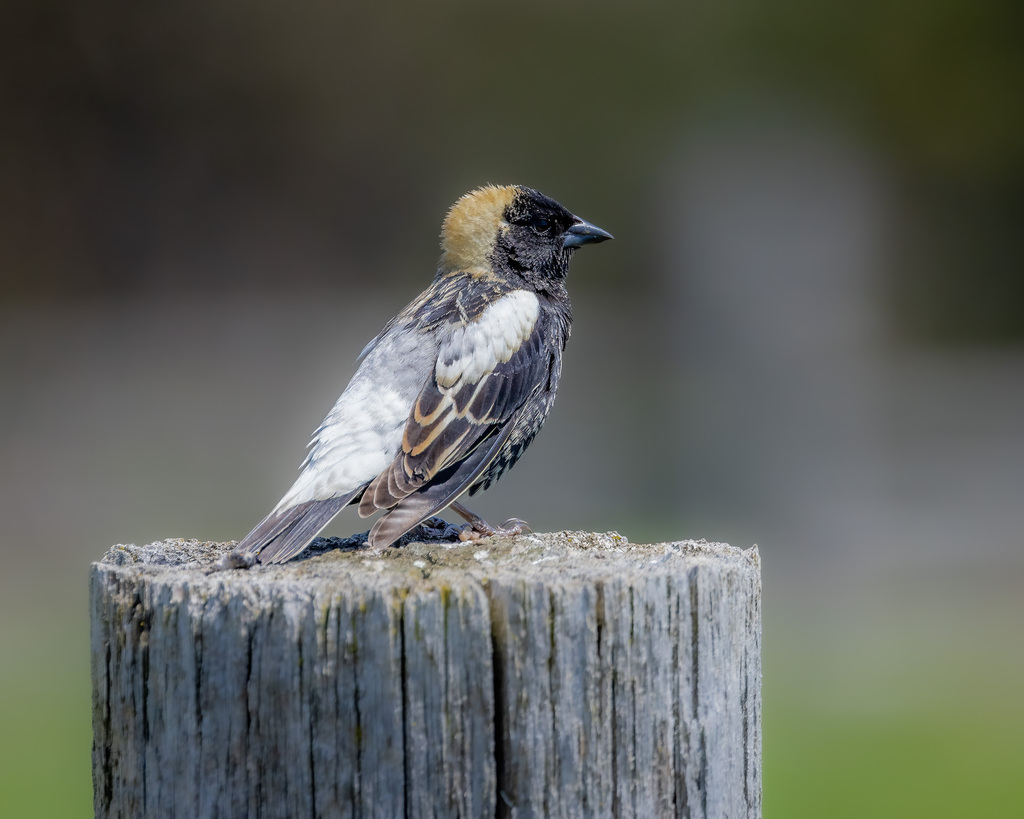
- BobolinkDolichonyx oryzivorus
- Brown-headed CowbirdMolothrus ater
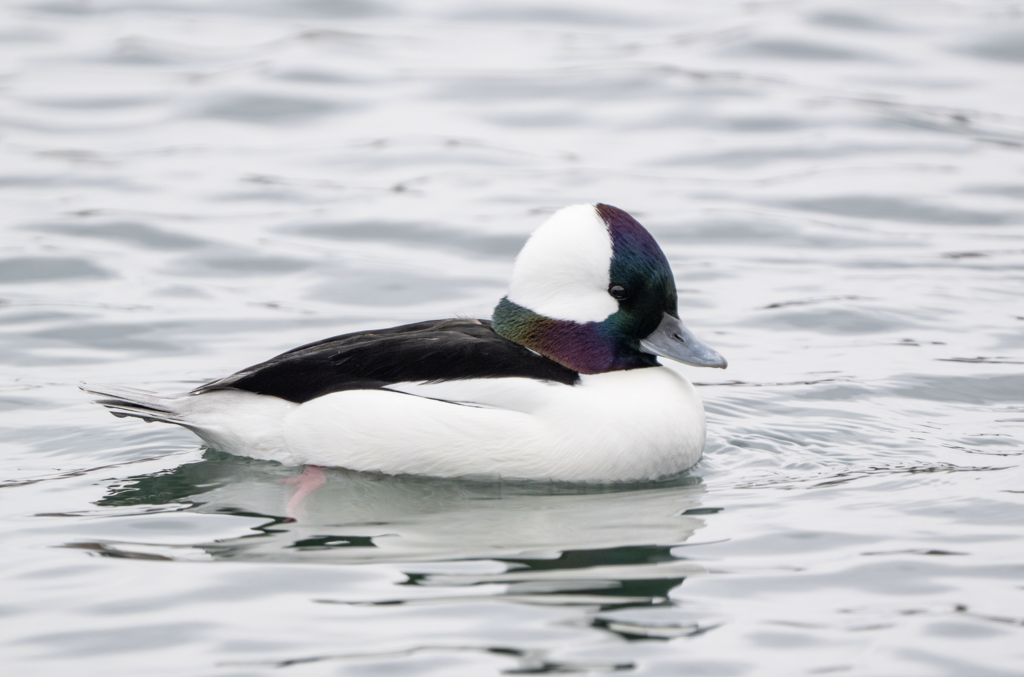
- BuffleheadBucephala albeola
- Carolina ChickadeePoecile carolinensis
- Carolina WrenThryothorus ludovicianus
- Cedar WaxwingBombycilla cedrorum
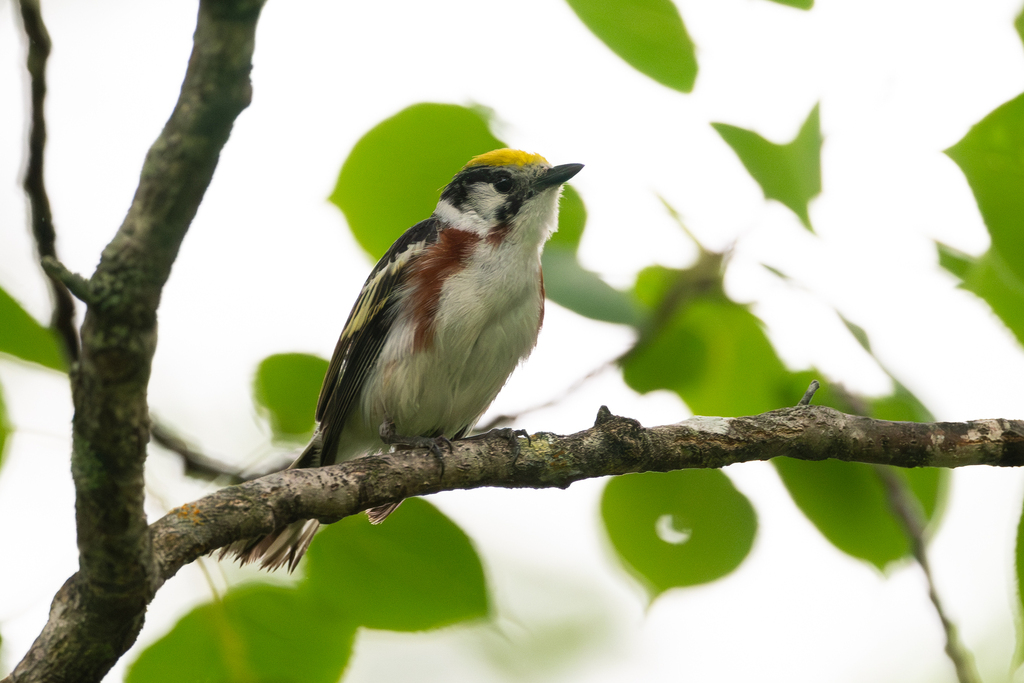
- Chestnut-sided WarblerDendroica pensylvanica
- Chipping SparrowSpizella passerina
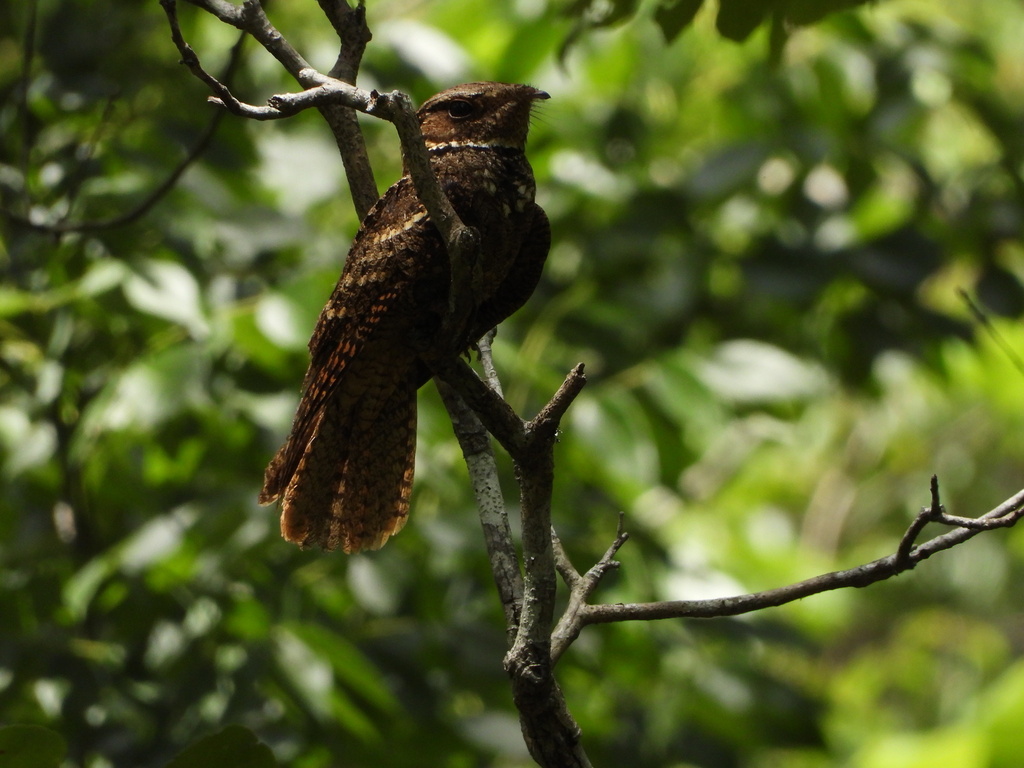
- Chuck-will's-widowCaprimulgus carolinensis
- Common GoldeneyeBucephala clangula
- Common GrackleQuiscalus quiscula
- Common RavenCorvus corax
- Common YellowthroatGeothlypis trichas
- Cooper's HawkAccipiter cooperii
- Dark-eyed JuncoJunco hyemalis
- DickcisselSpiza americana
- DunlinCalidris alpina
- Eastern PhoebeSayornis phoebe
- Eastern Screech-owlMegascops asio
- Eastern TowheePipilo erythrophthalmus
- Eastern Wood-peweeContopus virens
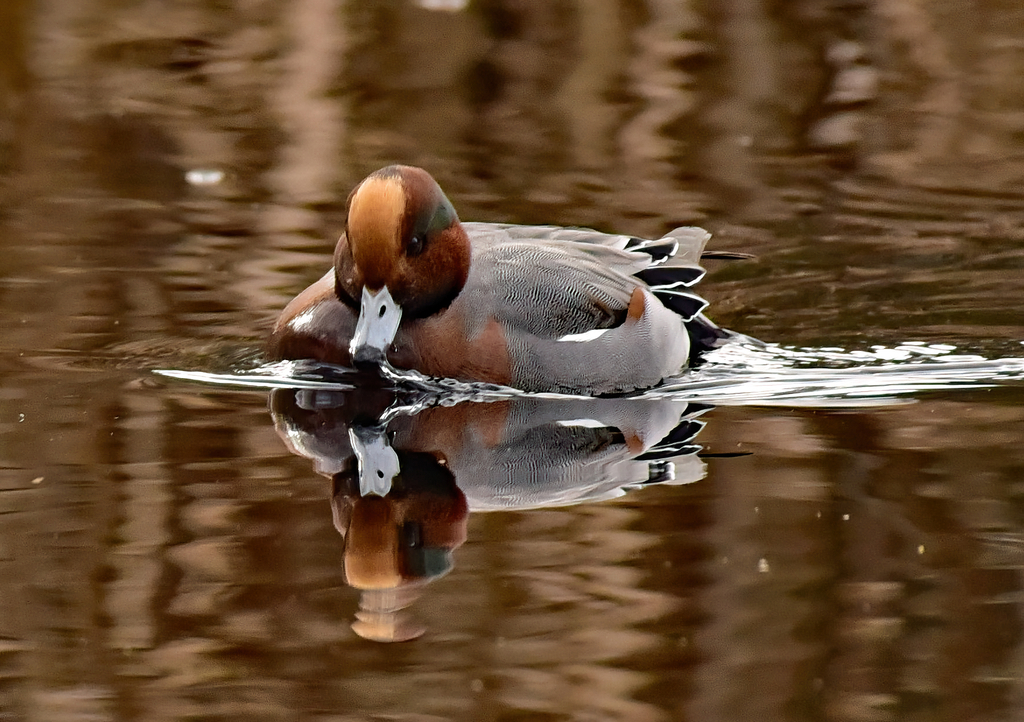
- Eurasian WigeonAnas penelope
- European StarlingSturnus vulgaris






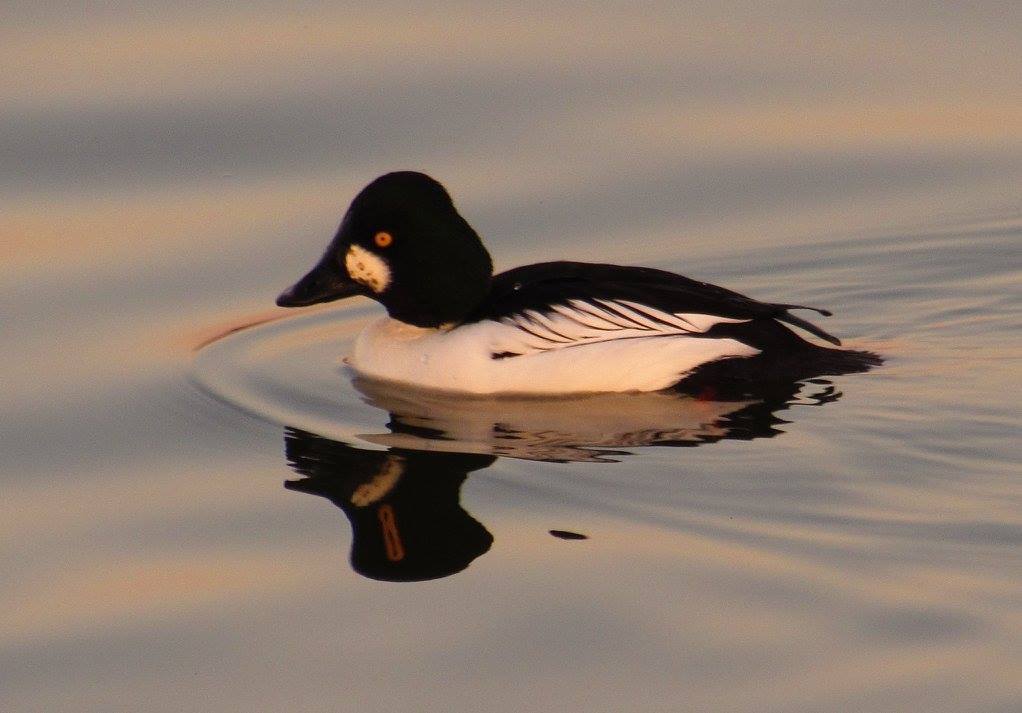

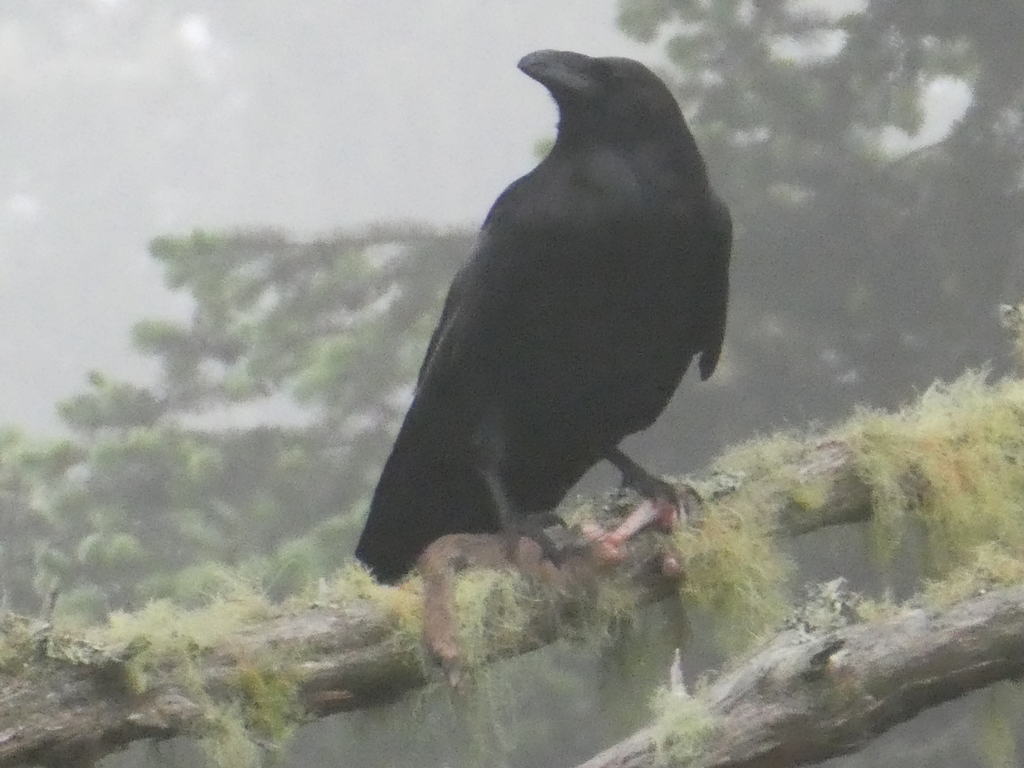



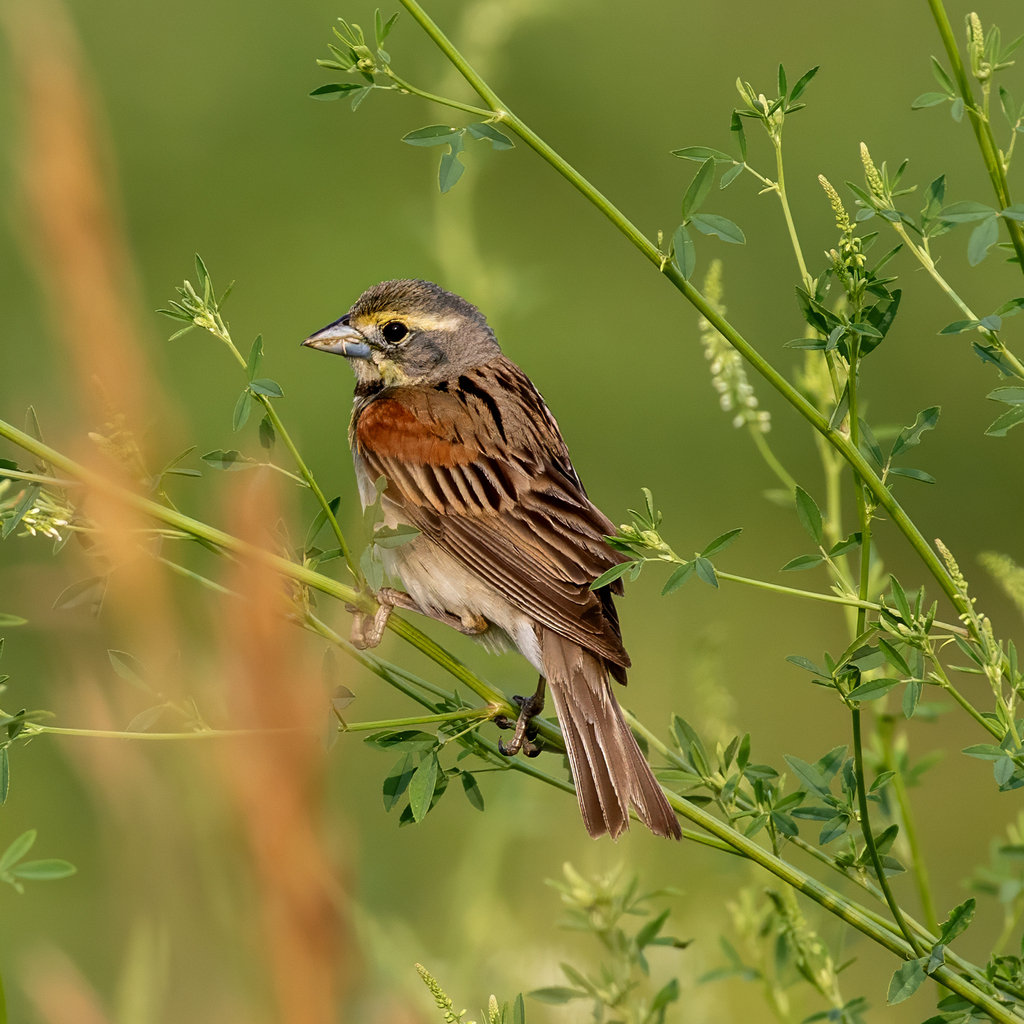
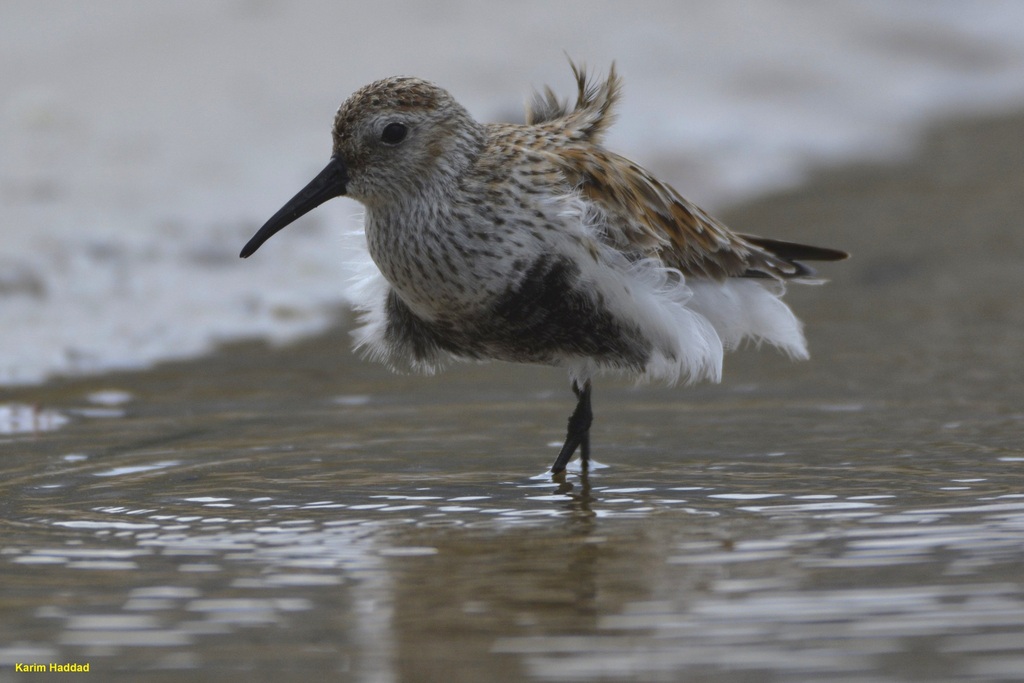





NatureServe Explorer, CC BY 4.0. USGS Gap Analysis Project habitat models.
Sources
- USGS Gap Analysis Project habitat models (2001)
- USGS GAP winter habitat model for Common Tern Brackish or salt water only
- USGS Gap Analysis Project range maps (2001), modeled by watershed; migratory gives no dates
- NatureServe Explorer (CC BY 4.0), habitat names
- US Census TIGER/Line counties
- Names follow the USGS Gap Analysis Project (2001)