

Bird
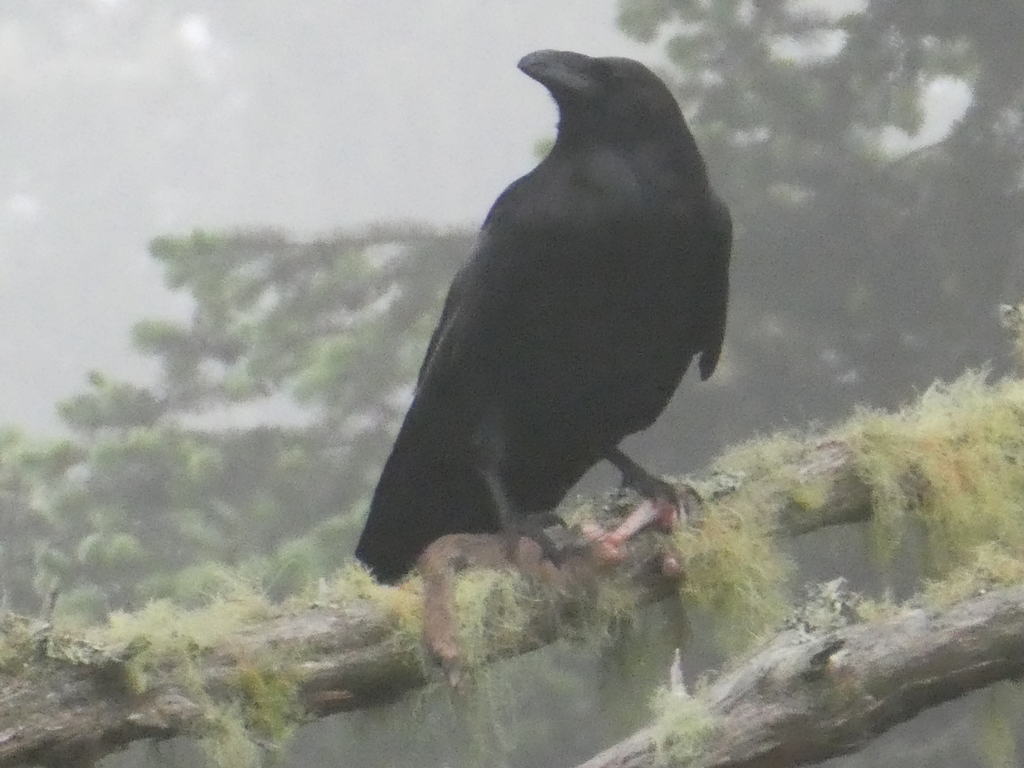
Common Raven
Corvus corax
Lives in West Virginia all year and nests here. Found in 29 of 55 counties, across 16 habitats.
- Here
- All year
- Nesting
- Nests here
- Range
- 29 of 55 counties
- Habitats
- 16
At a glance
- Group
- Birds
- Here
- All year
- Nesting
- Nests here
- Range
- 29 of 55 counties
- Habitats
- 16
- Habitat models
- Year-round
Where it lives
The places its habitat model includes. It is not found everywhere a habitat occurs.
Habitats in West Virginia 16
Each habitat page lists the plants and wildlife also found there.
Disturbed and introduced wetlands
Wet ground taken over by weedy or introduced plants after disturbance, such as common reed, Chinese tallow or tamarisk stands; the upland counterpart is roadsides, fields and disturbed ground.
Forests and open woodlands on dry ridges and slopes, often oak or pine.
Floodplain and bottomland forests
Forests on low ground beside rivers and streams that flood from time to time.
Borders of forests, clearings and shrubby thickets.
Granite and other acidic rock outcrops
Bare or thin-soil rock on granite, gneiss, sandstone, quartzite and similar acidic rock, including granite flatrocks and domes.
Shady, evergreen forests of eastern or Carolina hemlock, often along rocky mountain streams and in gorges.
Forests between dry and moist, often oak-hickory on slopes.
Forests on moist but not wet ground, such as rich slopes and ravines.
Treeless grassy or shrubby summits and ridges in the high mountains.
Sheltered, moist mountain hollows and lower slopes with deep, fertile soil.
Roadsides, fields and disturbed ground
Ground opened by people: roadsides, old fields, pastures, fencerows and lots.
Steep, sun-baked slopes of loose shale with sparse oaks and Virginia pine and their own endemic wildflowers. Linked only where the source names shale barrens; calcareous shale stays with the limestone glades.
Cool, evergreen forests of red spruce and Fraser fir on the highest mountains.
Streams, rivers and their banks
Flowing water and its banks, bars and rocky shoals.
Forested wetlands with standing water much of the year, such as cypress and gum swamps.
Tree plantations and managed pine
Planted or intensively managed stands of pine or hardwoods grown for timber; a land use rather than a natural community.
Other habitats in its models (84)
Land cover, or classes with no habitat page in West Virginia.
- Developed, Low Intensity Year-round.
- Developed, Medium Intensity Year-round.
- Developed, High Intensity Year-round.
- Quarries, Mines, Gravel Pits and Oil Wells Year-round.
- Barren Land Year-round.
- Unconsolidated Shore (Lake/River/Pond) Year-round.
- Unconsolidated Shore (Beach/Dune) Year-round.
- Unconsolidated Shore Year-round.
- Central Interior Calcareous Cliff and Talus Year-round.
- Central Interior Acidic Cliff and Talus Year-round.
- North-Central Appalachian Circumneutral Cliff and Talus Year-round.
- Southern Piedmont Cliff Year-round.
- Southern Appalachian Montane Cliff Year-round.
- Southern Interior Calcareous Cliff Year-round.
- Southern Appalachian Rocky Summit Year-round.
- Southern Appalachian Granitic Dome Year-round.
- Southern Piedmont Granite Flatrock Year-round.
- Central and Southern Appalachian Northern Hardwood Forest Year-round.
- Northeastern Interior Dry Oak Forest-Hardwood Modifier Year-round.
- Northeastern Interior Dry Oak Forest - Mixed Modifier Year-round.
- Ridge and Valley Calcareous Valley Bottom Glade and Woodland Year-round.
- Southern Interior Low Plateau Dry-Mesic Oak Forest Year-round.
- Crosstimbers Oak Forest and Woodland Year-round.
- North-Central Interior Dry-Mesic Oak Forest and Woodland Year-round.
- North-Central Interior Dry Oak Forest and Woodland Year-round.
- North-Central Interior Beech-Maple Forest Year-round.
- North-Central Interior Maple-Basswood Forest Year-round.
- Southern Coastal Plain Dry Upland Hardwood Forest Year-round.
- East-Central Texas Plains Post Oak Savanna and Woodland Year-round.
- East-Central Texas Plains Riparian Forest Year-round.
- Southern Coastal Plain Oak Dome and Hammock Year-round.
- Edwards Plateau Limestone Savanna and Woodland Year-round.
- Southern Piedmont Mesic Forest Year-round.
- Southern Piedmont Dry Oak-(Pine) Forest - Hardwood Modifier Year-round.
- Northeastern Interior Dry Oak Forest - Virginia/Pitch Pine Modifier Year-round.
- Southern Piedmont Dry Oak-(Pine) Forest - Loblolly Pine Modifier Year-round.
- Allegheny-Cumberland Dry Oak Forest and Woodland - Pine Modifier Year-round.
- Southern Ridge and Valley Dry Calcareous Forest - Pine modifier Year-round.
- Southern Piedmont Dry Oak-(Pine) Forest - Mixed Modifier Year-round.
- Southern Piedmont Dry Oak-Heath Forest - Mixed Modifier Year-round.
- Northern Atlantic Coastal Plain Dry Hardwood Forest Year-round.
- Southeastern Interior Longleaf Pine Woodland Year-round.
- Central Interior Highlands Dry Acidic Glade and Barrens Year-round.
- Southern Piedmont Dry Oak-(Pine) Forest Year-round.
- Acadian Low-Elevation Spruce-Fir-Hardwood Forest Year-round.
- Southern Ridge and Valley Dry Calcareous Forest Year-round.
- Southern Appalachian Low Mountain Pine Forest Year-round.
- Northeastern Interior Pine Barrens Year-round.
- East-Central Texas Plains Pine Forest and Woodland Year-round.
- Tamaulipan Mixed Deciduous Thornscrub Year-round.
- Tamaulipan Mesquite Upland Scrub Year-round.
- Tamaulipan Calcareous Thornscrub Year-round.
- North-Central Interior Oak Savanna Year-round.
- North-Central Oak Barrens Year-round.
- Southern Piedmont Glade and Barrens Year-round.
- Nashville Basin Limestone Glade Year-round.
- Cumberland Sandstone Glade and Barrens Year-round.
- Central Appalachian Alkaline Glade and Woodland Year-round.
- Central Interior Highlands Calcareous Glade and Barrens Year-round.
- Central Mixedgrass Prairie Year-round.
- North-Central Interior Sand and Gravel Tallgrass Prairie Year-round.
- Arkansas Valley Prairie and Woodland Year-round.
- Central Tallgrass Prairie Year-round.
- Southern Blackland Tallgrass Prairie Year-round.
- Southeastern Great Plains Tallgrass Prairie Year-round.
- Harvested Forest - Grass/Forb Regeneration Year-round.
- Recently Burned Grassland Year-round.
- Recently Burned Shrubland Year-round.
- Introduced Upland Vegetation - Treed Year-round.
- Introduced Upland Vegetation - Forbland Year-round.
- Introduced Upland Vegetation - Annual Grassland Year-round.
- Introduced Upland Vegetation - Perennial Grassland Year-round.
- Modified/Managed Southern Tall Grassland Year-round.
- Central Interior and Appalachian Shrub-Herbaceous Wetland Systems Year-round.
- Northern Atlantic Coastal Plain Basin Swamp and Wet Hardwood Forest Year-round.
- Southern Coastal Plain Herbaceous Seepage Bog Year-round.
- Southern and Central Appalachian Bog and Fen Year-round.
- Eastern Great Plains Wet Meadow, Prairie, and Marsh Year-round.
- Southern Piedmont/Ridge and Valley Upland Depression Swamp Year-round.
- Eastern Great Plains Floodplain Systems Year-round.
- Tamaulipan Riparian Systems Year-round.
- Red River Large Floodplain Forest Year-round.
- South-Central Interior / Upper Coastal Plain Wet Flatwoods Year-round.
- North-Central Interior Wet Flatwoods Year-round.
Seasons in West Virginia
- Year-round: nests here, in 29 of 55 counties.
Also found in this habitat
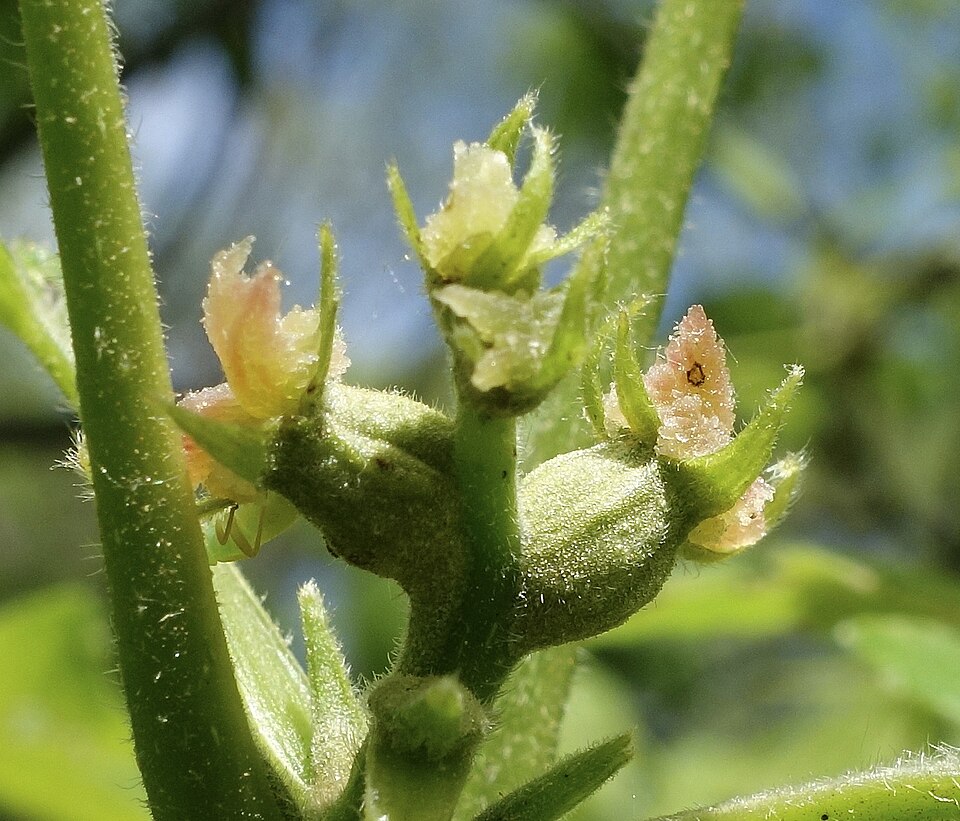
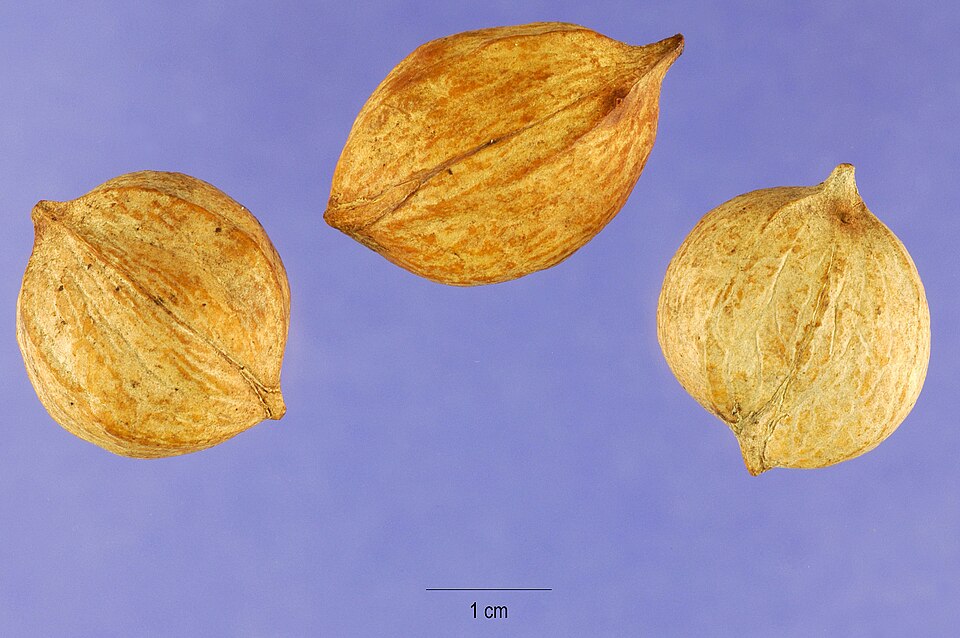
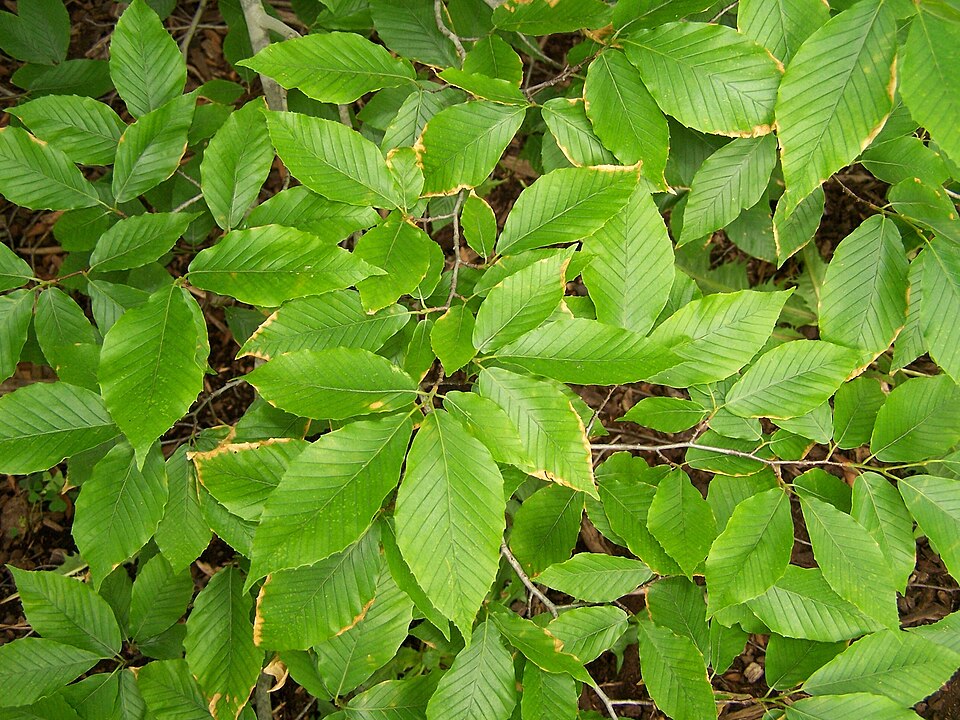
Plants 926
Plants named in NatureServe descriptions of these habitats that grow in West Virginia. Shared habitat, not food.
- Shagbark HickoryCarya ovata
- Mockernut HickoryCarya tomentosa
- American BeechFagus grandifolia
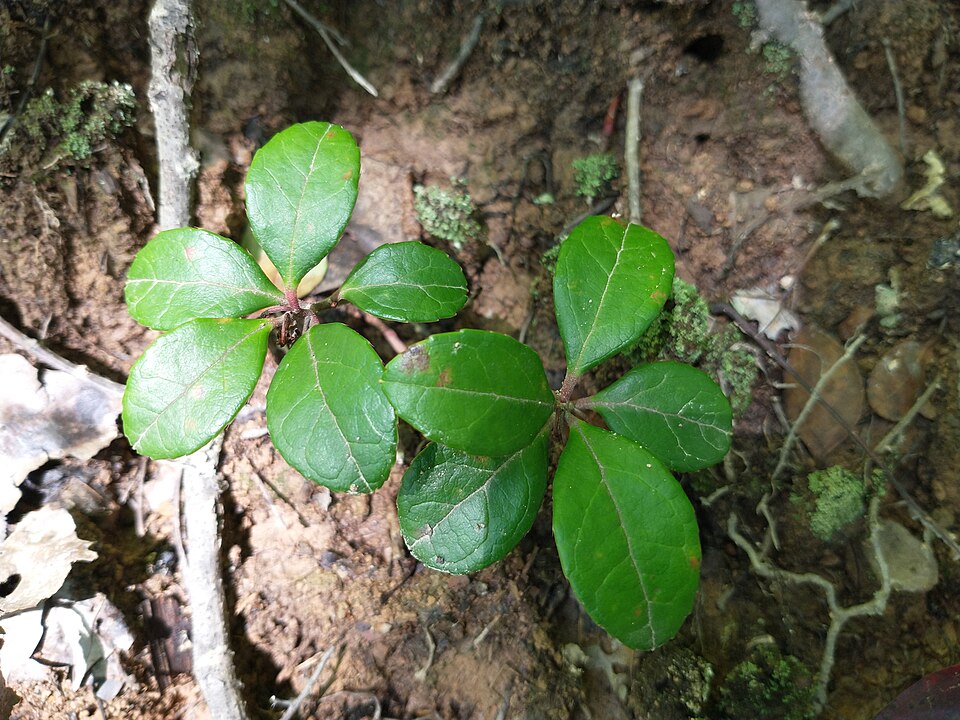
- Eastern TeaberryGaultheria procumbens
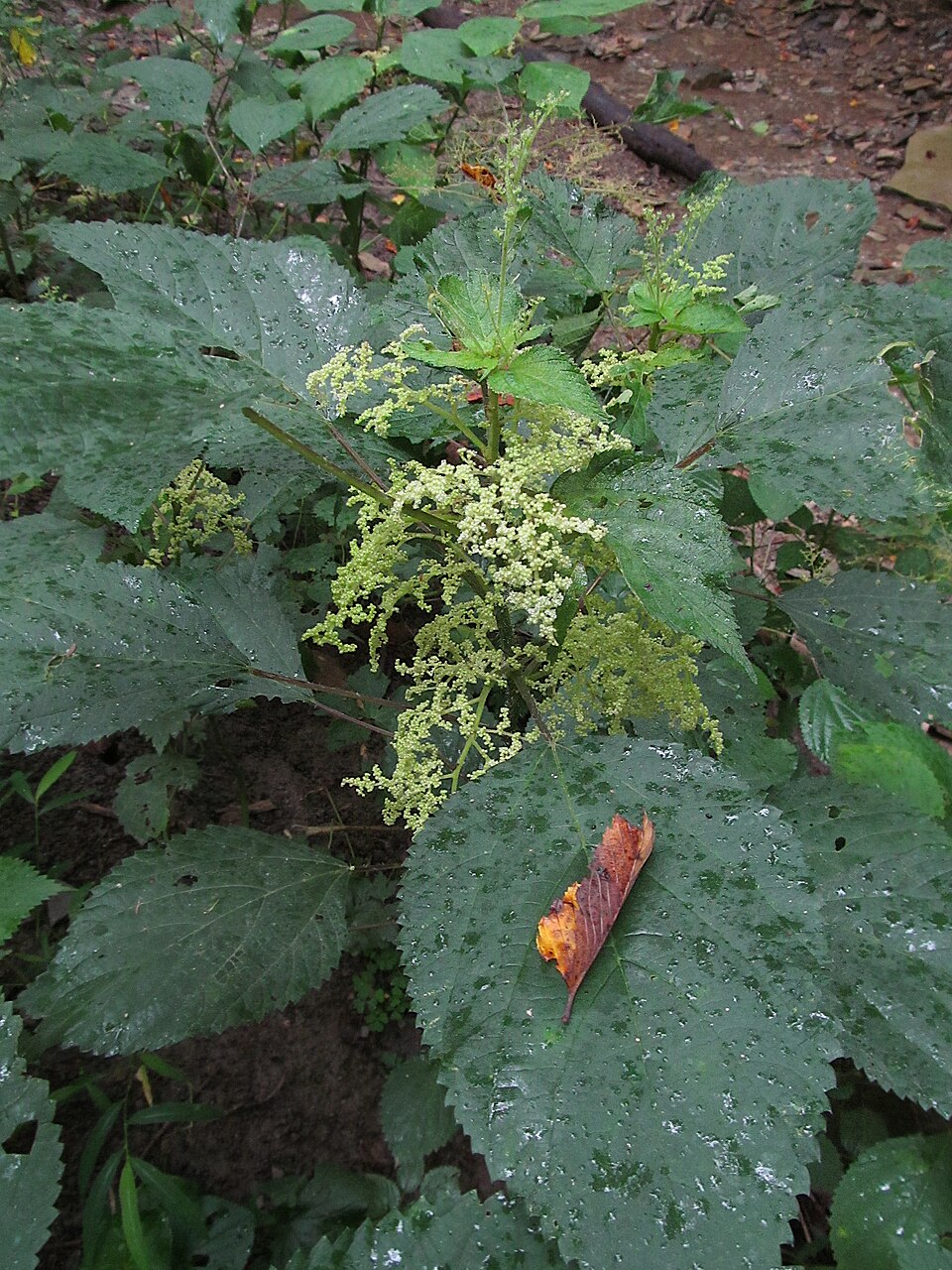
- Canada Wood-nettleLaportea canadensis
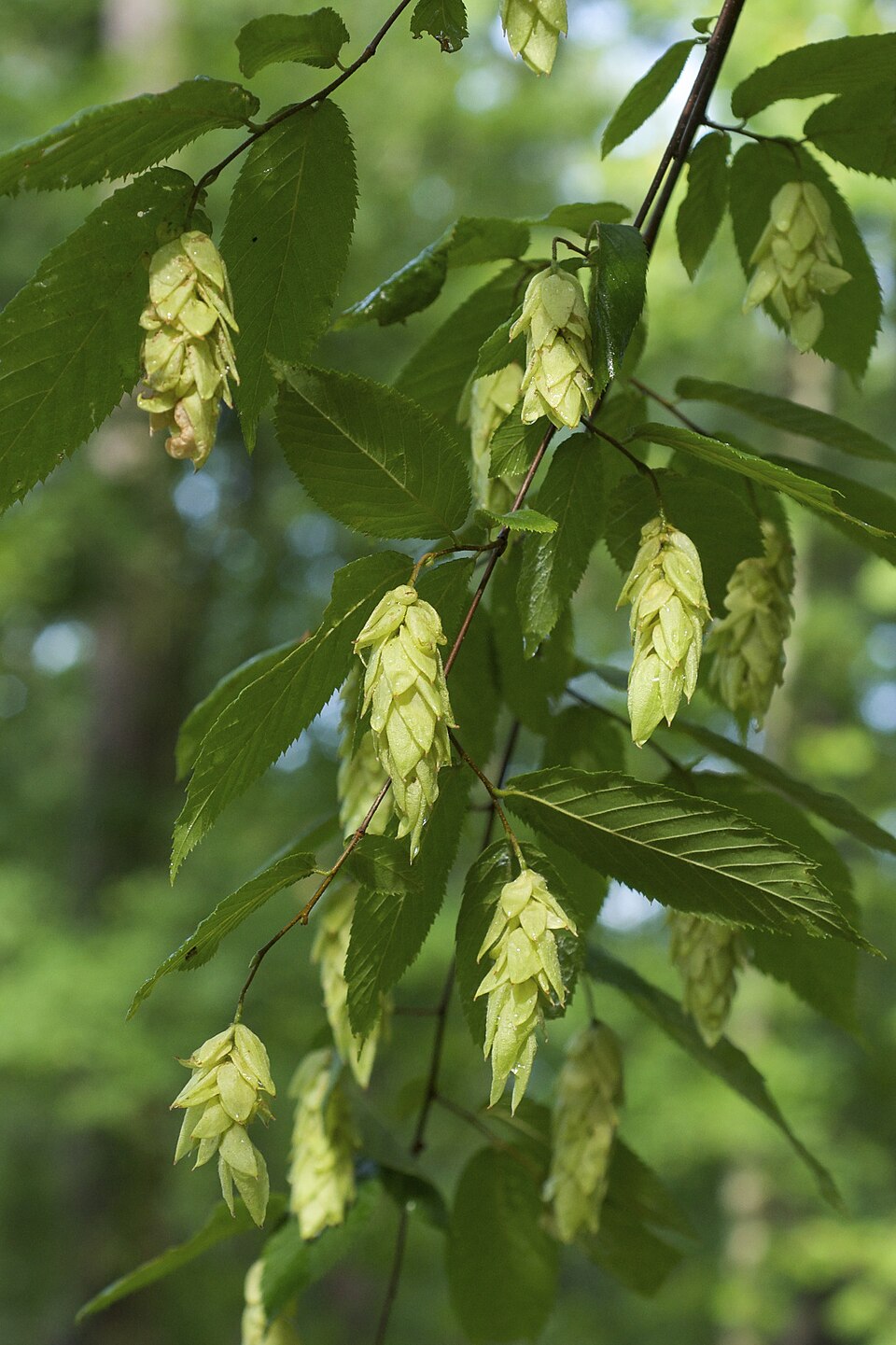
- American Hop-hornbeamOstrya virginiana
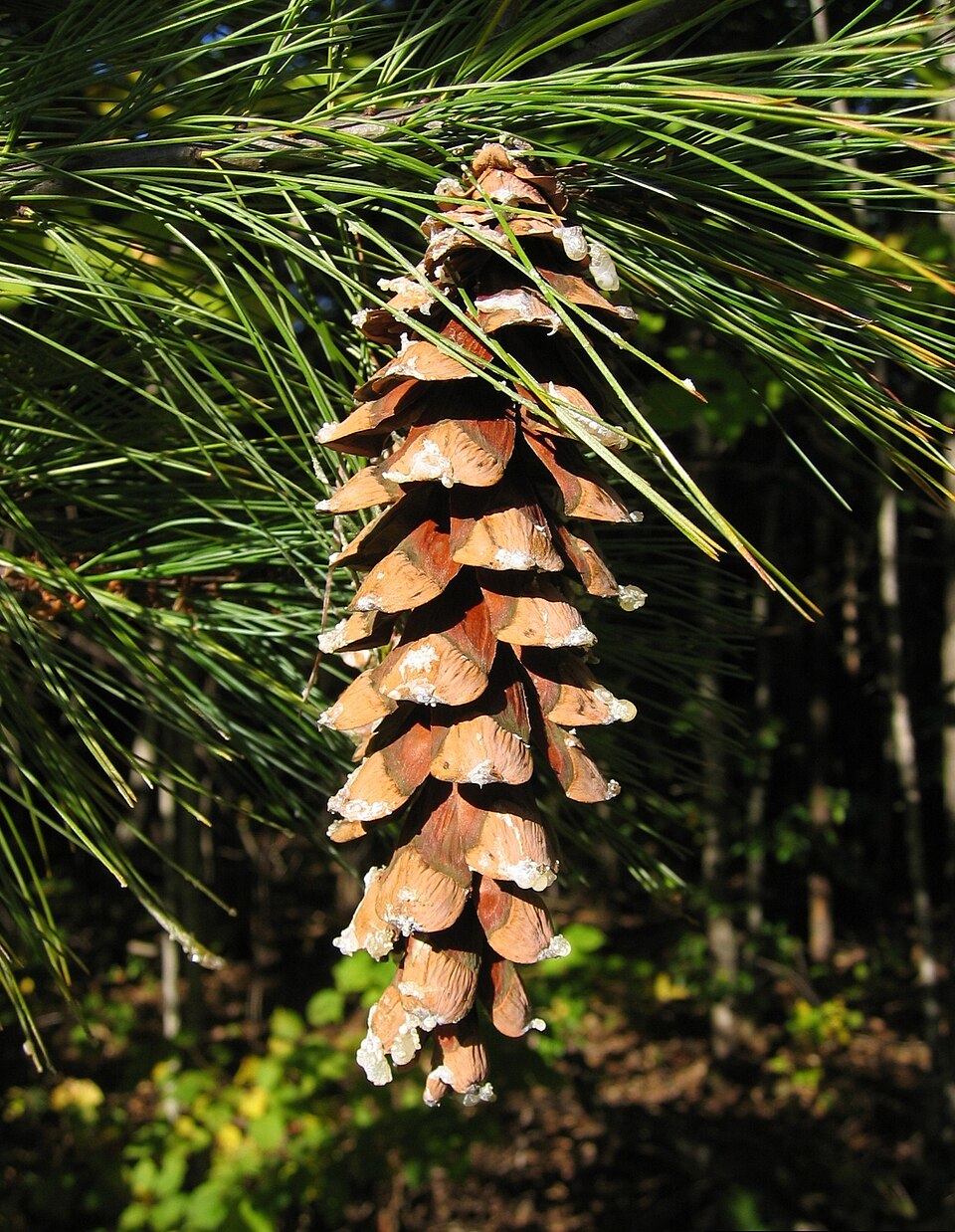
- Eastern White PinePinus strobus
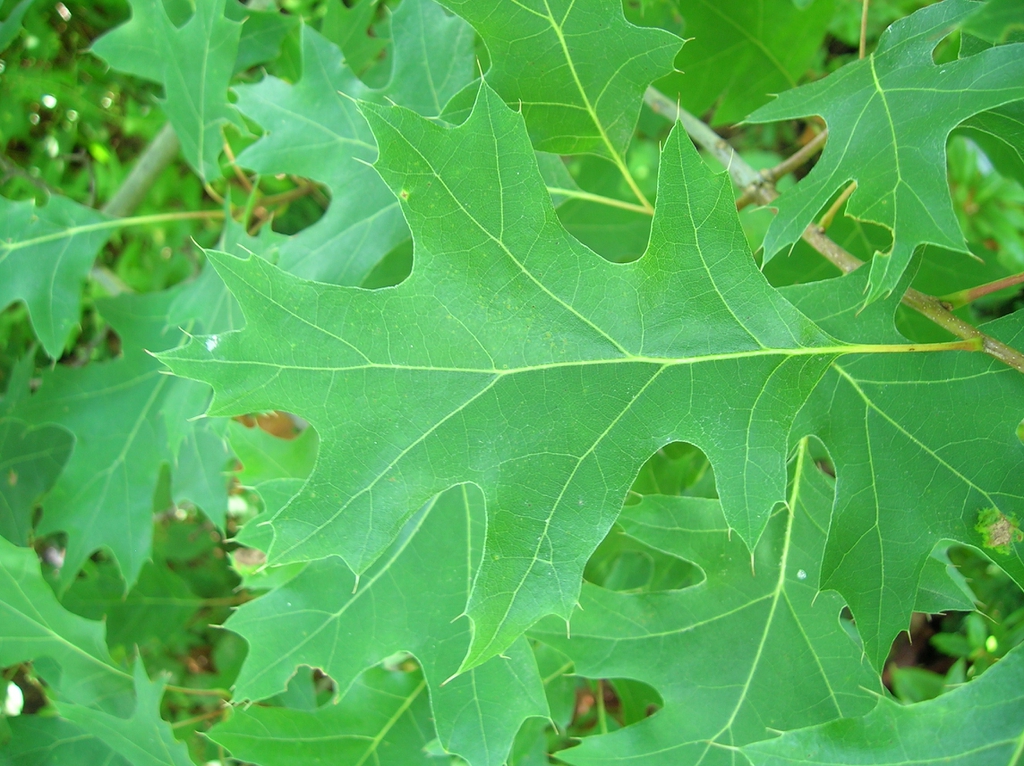
- Scarlet OakQuercus coccinea
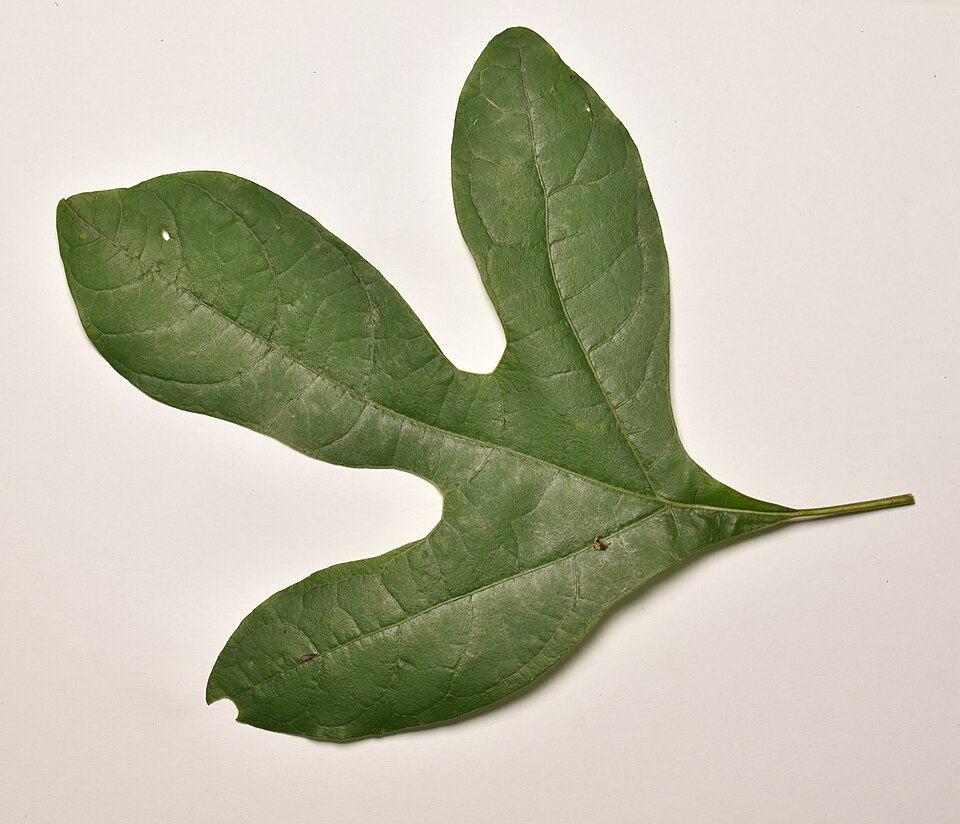
- SassafrasSassafras albidum
- Poison-ivyToxicodendron radicans
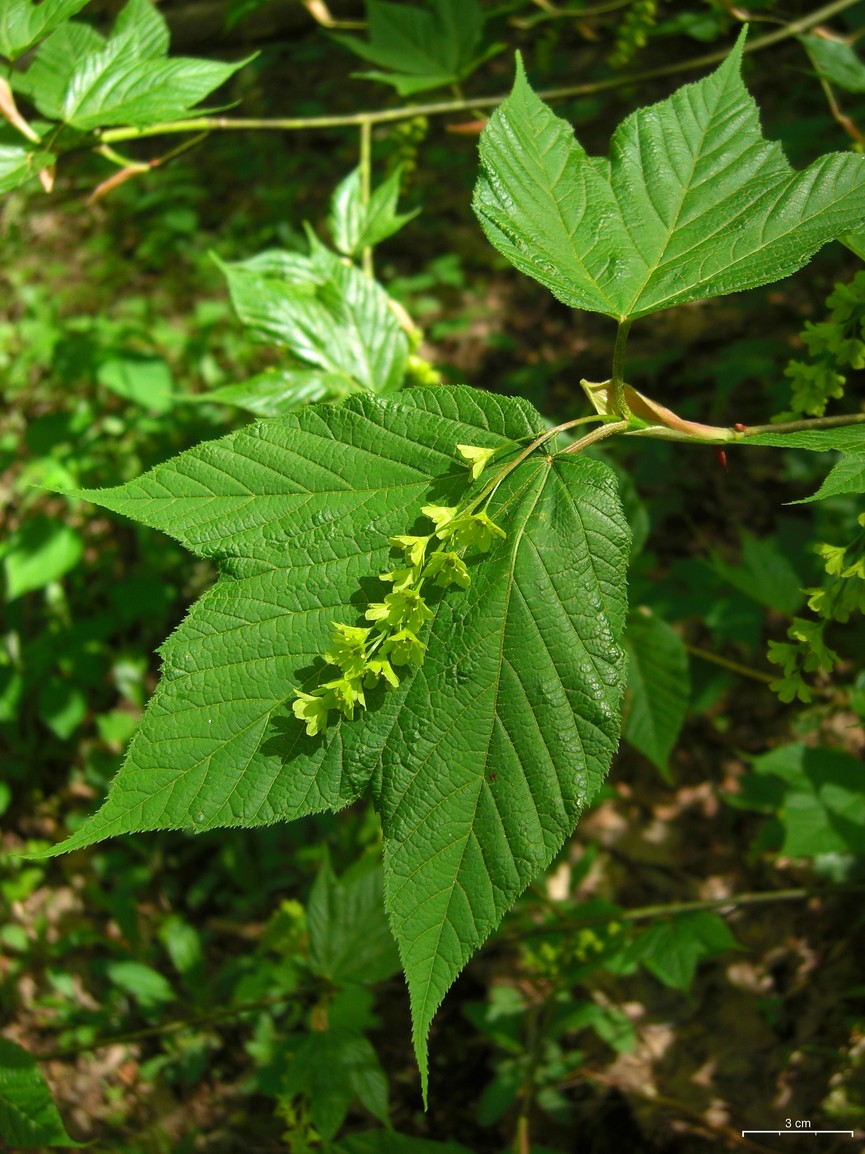
- Striped MapleAcer pensylvanicum
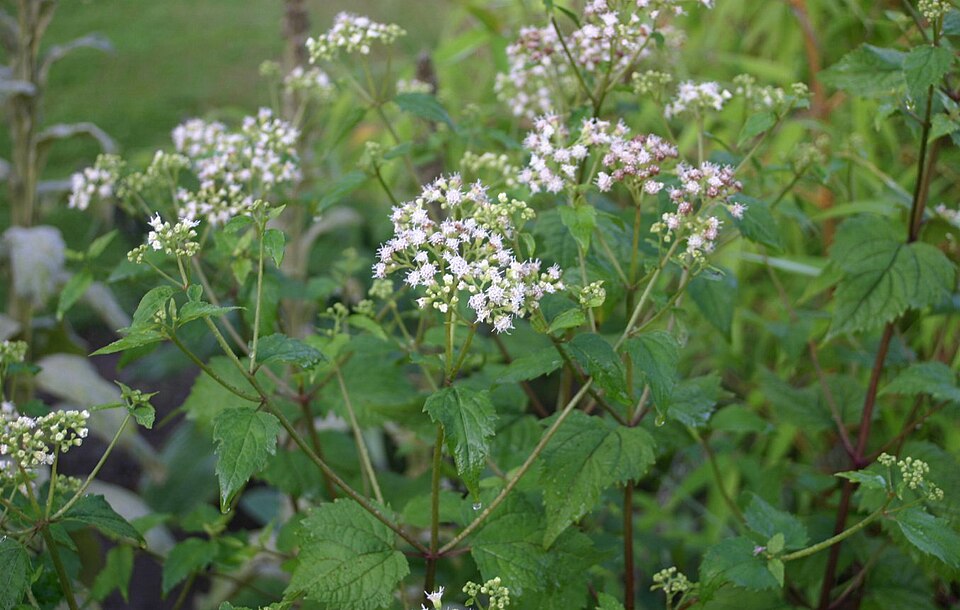
- White SnakerootAgeratina altissima
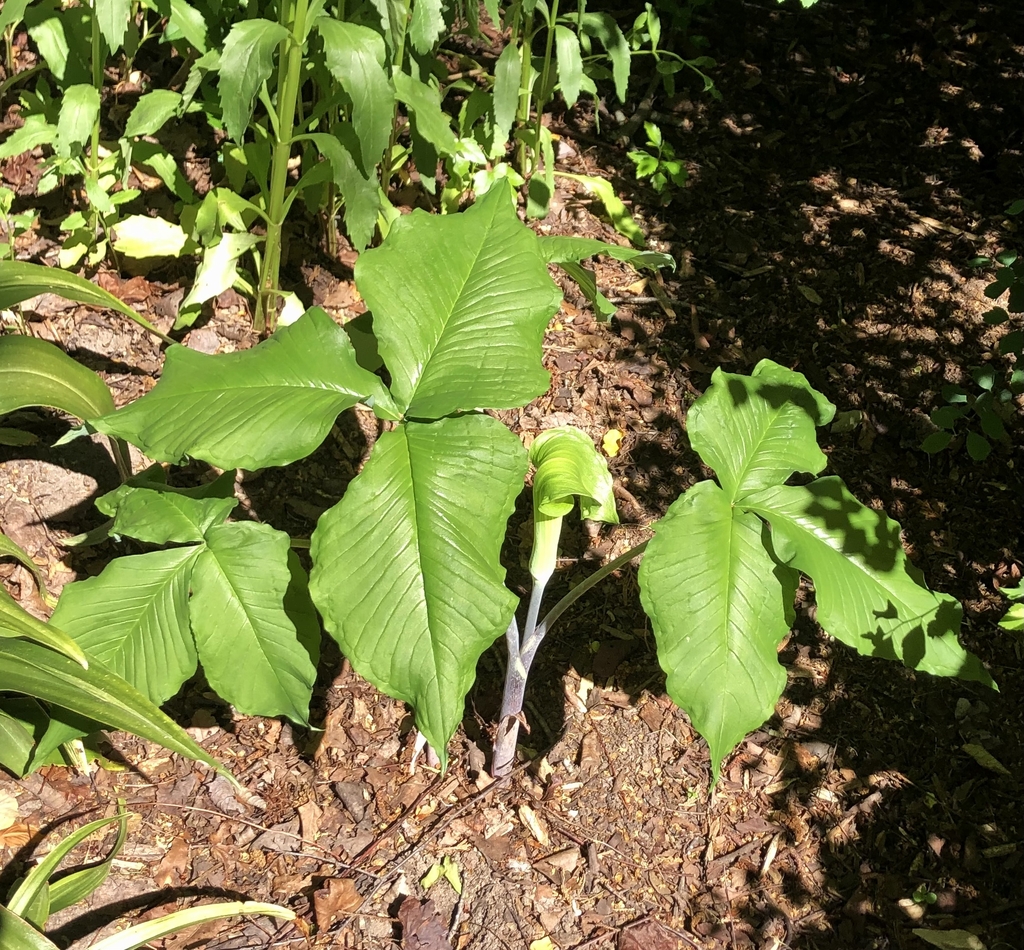
- Common Jack-in-the-pulpitArisaema triphyllum
- Summer SedgeCarex aestivalis
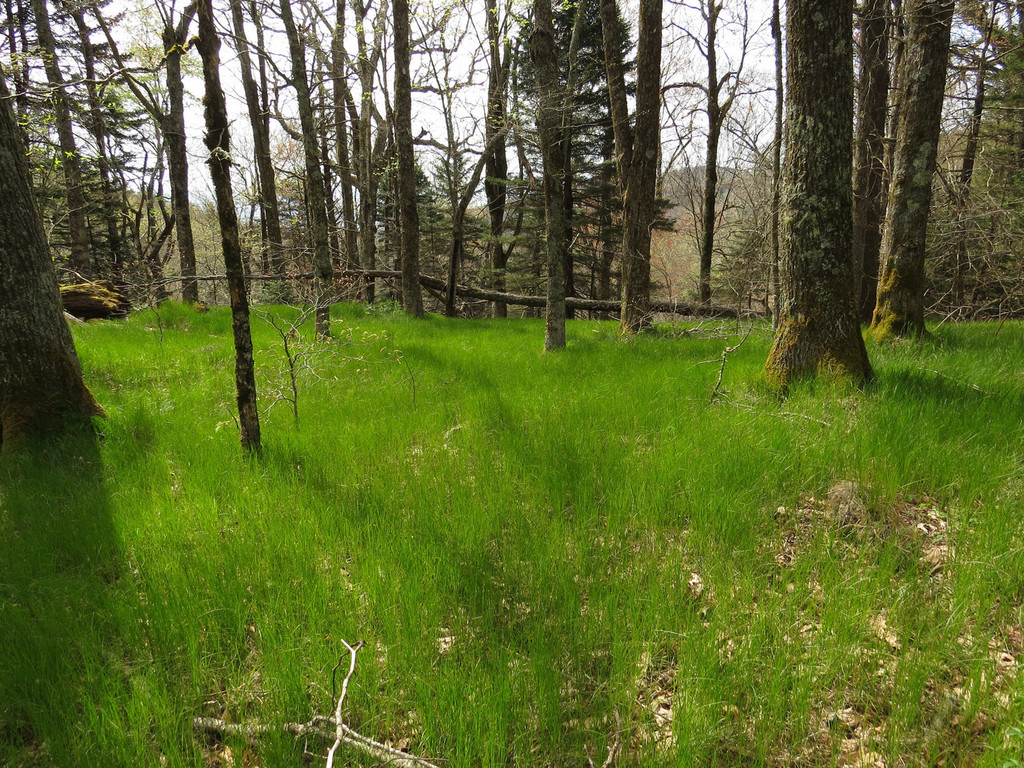
- Pennsylvania SedgeCarex pensylvanica
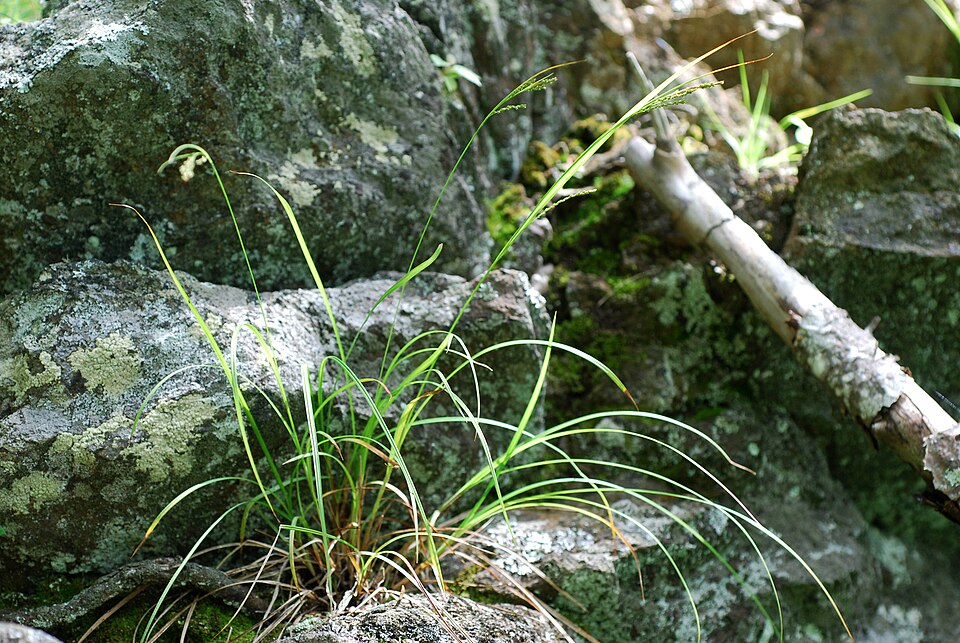
- Variable SedgeCarex polymorpha
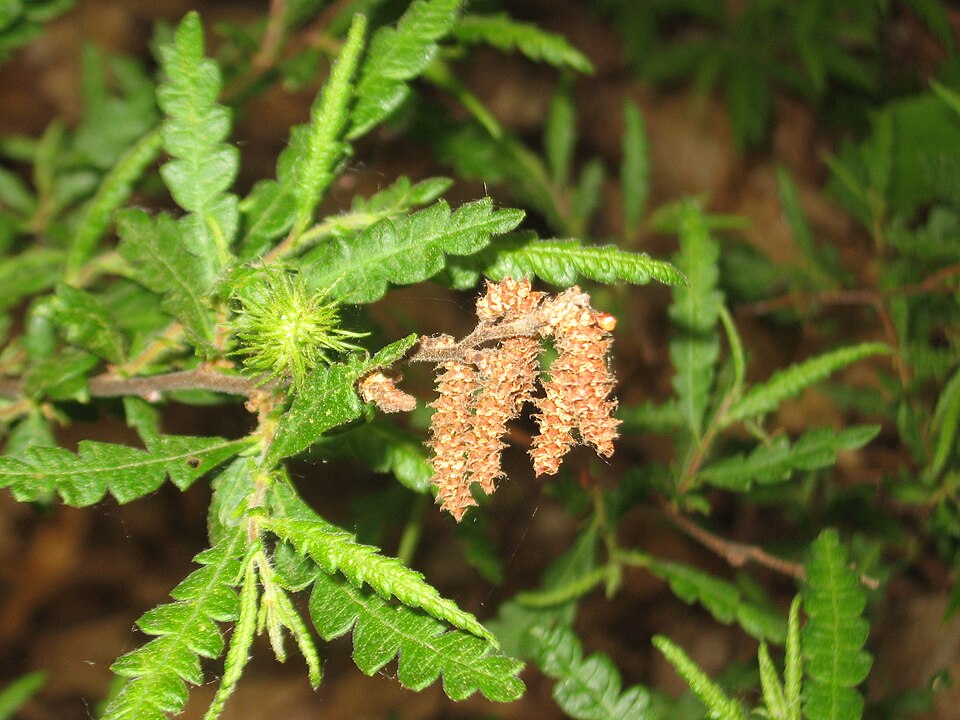
- Sweet-fernComptonia peregrina
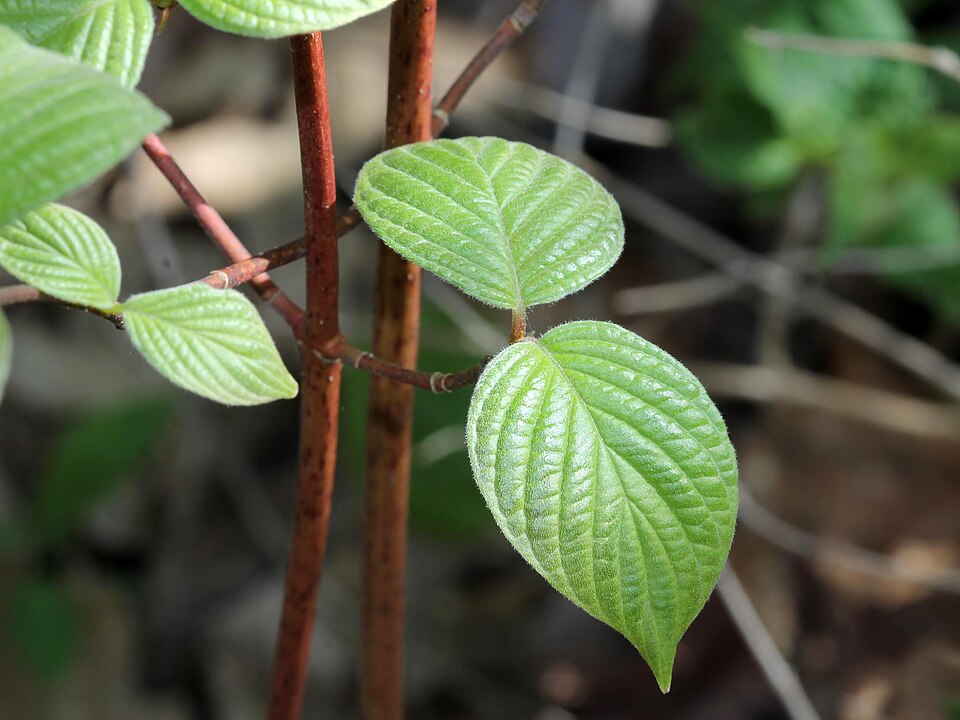
- Round Leaf DogwoodCornus rugosa
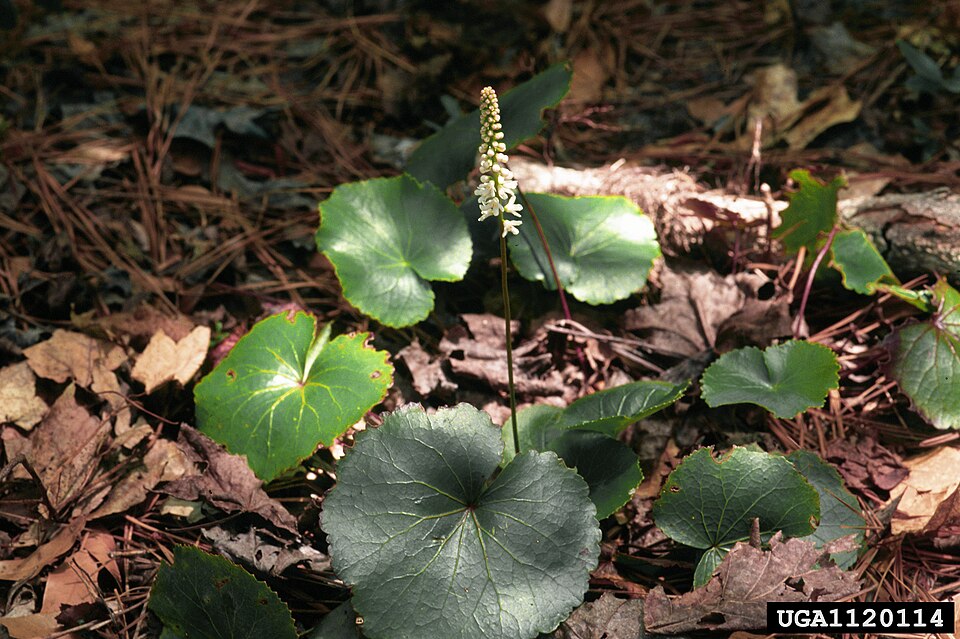
- GalaxGalax urceolata
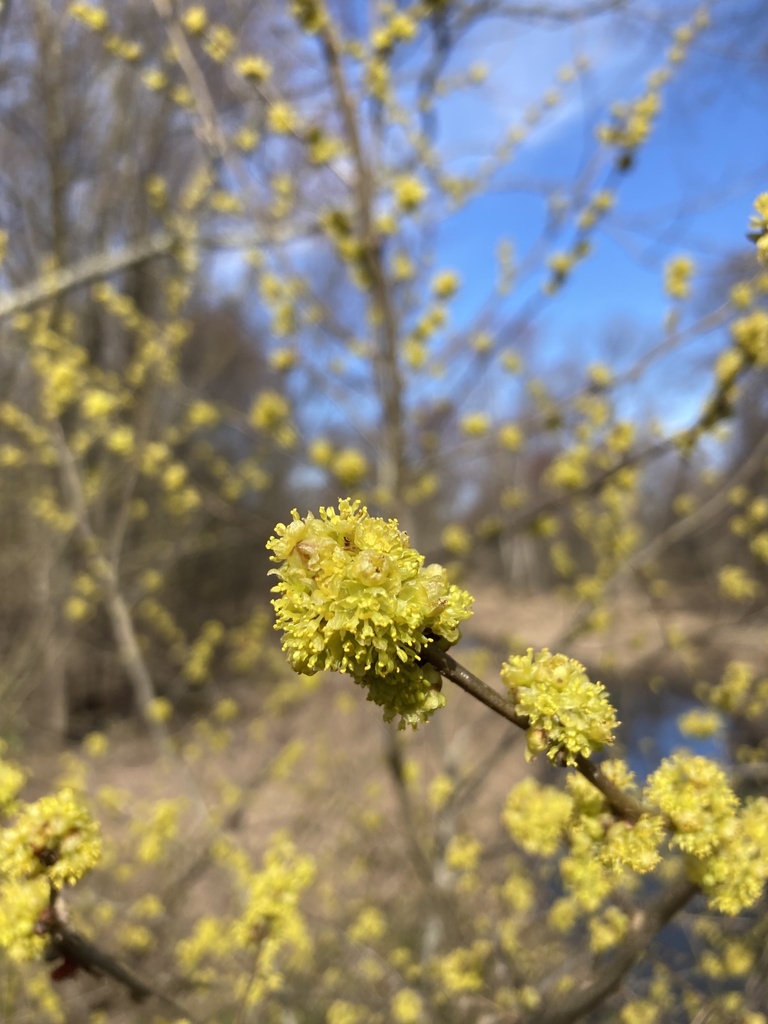
- Northern SpicebushLindera benzoin
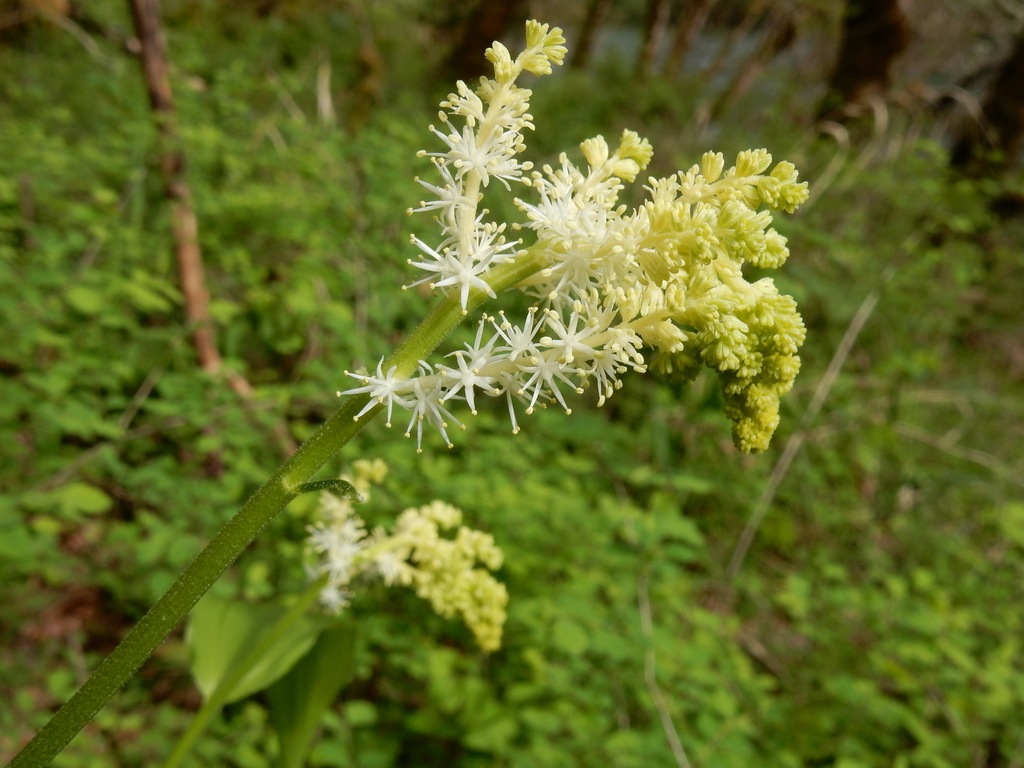
- False Solomon's-sealMaianthemum racemosum
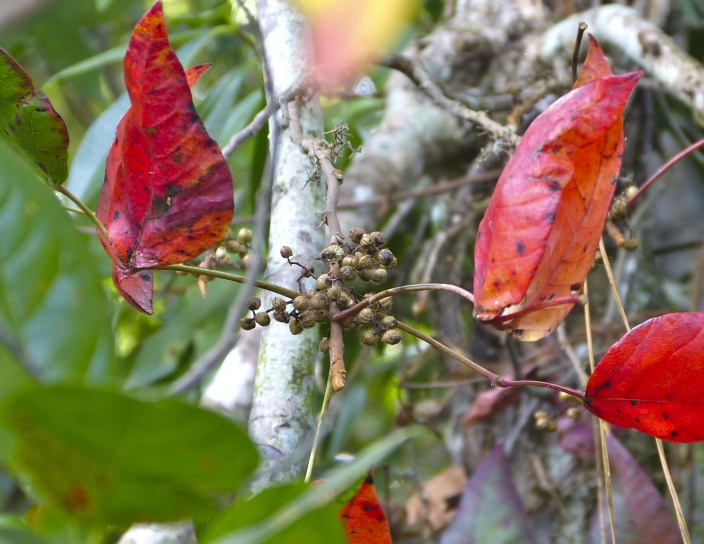
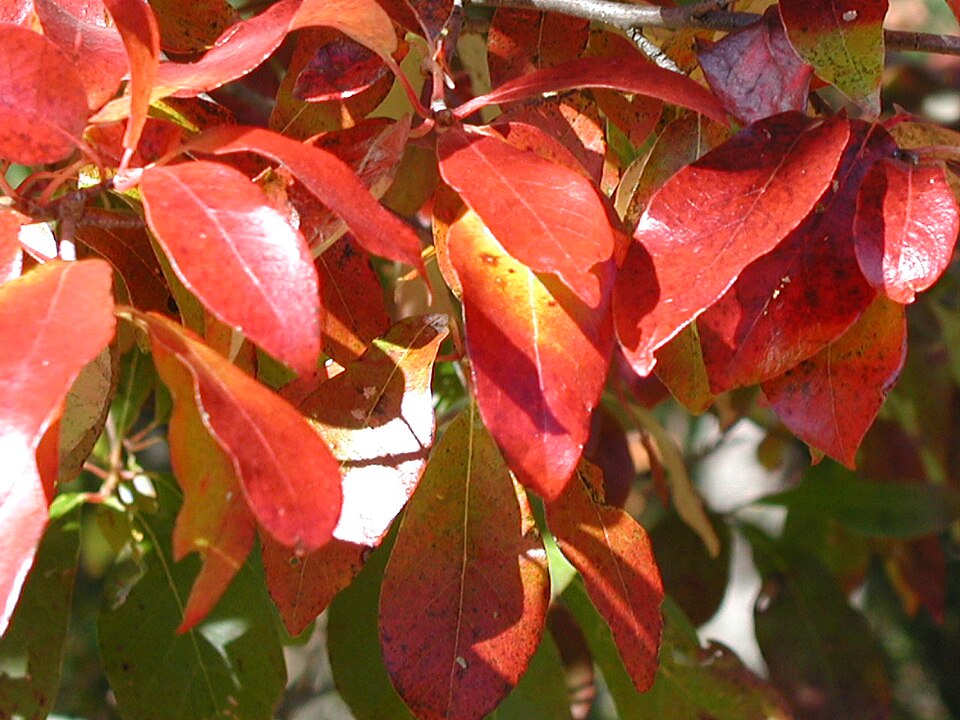
- BlackgumNyssa sylvatica
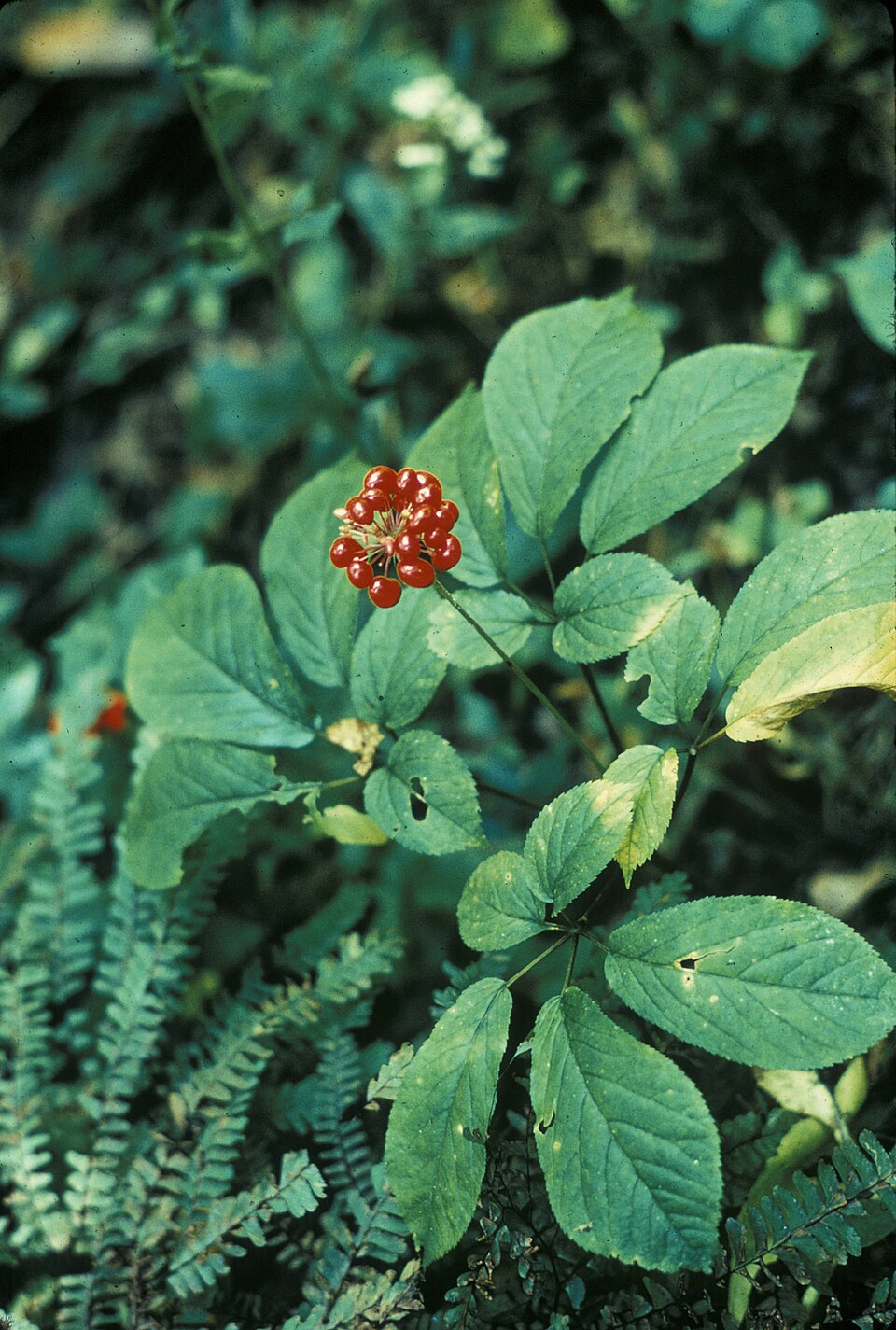
- American GinsengPanax quinquefolius
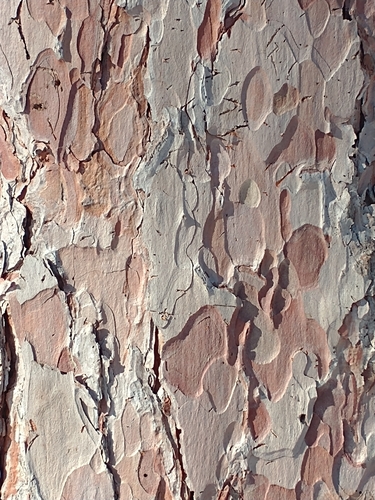
- Red PinePinus resinosa
Wildlife 212
Other animals whose habitat models include the same habitats in West Virginia. Not sighting records.
- Common NighthawkChordeiles minor
- European StarlingSturnus vulgaris
- Great Horned OwlBubo virginianus
- Red-tailed HawkButeo jamaicensis
- Sharp-shinned HawkAccipiter striatus
- Turkey VultureCathartes aura
- American GoldfinchCarduelis tristis
- American RobinTurdus migratorius
- Cooper's HawkAccipiter cooperii
- Dark-eyed JuncoJunco hyemalis
- Eastern KingbirdTyrannus tyrannus
- American CrowCorvus brachyrhynchos
- Cedar WaxwingBombycilla cedrorum
- Chimney SwiftChaetura pelagica
- Chipping SparrowSpizella passerina
- Northern CardinalCardinalis cardinalis
- Purple FinchCarpodacus purpureus
- Ruby-crowned KingletRegulus calendula
- Yellow-breasted ChatIcteria virens
- Yellow-rumped WarblerDendroica coronata
- Alder FlycatcherEmpidonax alnorum
- American KestrelFalco sparverius
- Belted KingfisherMegaceryle alcyon
- Blue GrosbeakPasserina caerulea























NatureServe Explorer, CC BY 4.0. USGS Gap Analysis Project habitat models.
Sources
- USGS Gap Analysis Project habitat models (2001)
- USGS GAP year-round habitat model for Common Raven Elevation 457 to 2,500 m
- USGS Gap Analysis Project range maps (2001), modeled by watershed; migratory gives no dates
- NatureServe Explorer (CC BY 4.0), habitat names
- US Census TIGER/Line counties
- Names follow the USGS Gap Analysis Project (2001)