

Bird
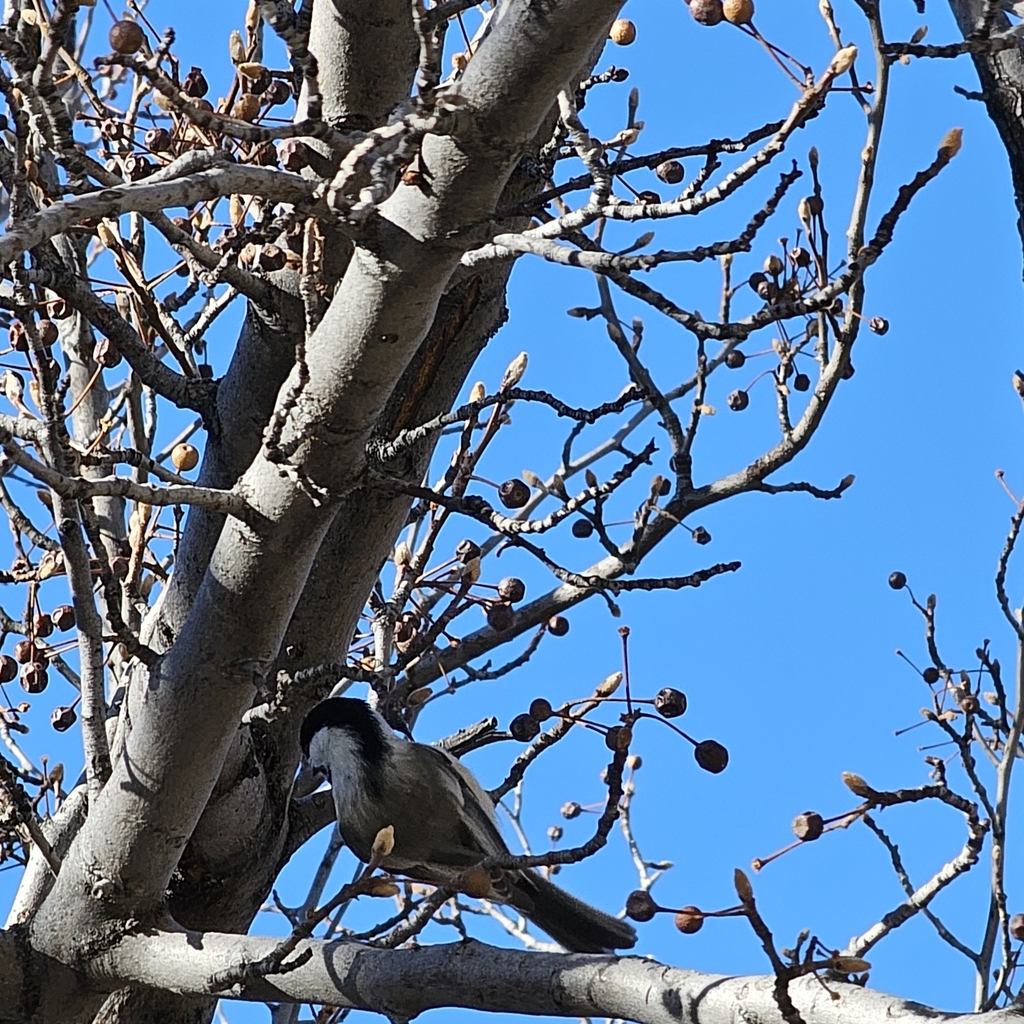
Black-capped Chickadee
Poecile atricapillus
Lives in West Virginia all year and nests here. Found in 49 of 55 counties, across 12 habitats.
- Here
- All year
- Nesting
- Nests here
- Range
- 49 of 55 counties
- Habitats
- 12
At a glance
- Group
- Birds
- Here
- All year
- Nesting
- Nests here
- Range
- 49 of 55 counties
- Habitats
- 12
- Habitat models
- Year-round
Where it lives
The places its habitat model includes. It is not found everywhere a habitat occurs.
Habitats in West Virginia 12
Each habitat page lists the plants and wildlife also found there.
Disturbed and introduced wetlands
Wet ground taken over by weedy or introduced plants after disturbance, such as common reed, Chinese tallow or tamarisk stands; the upland counterpart is roadsides, fields and disturbed ground.
Forests and open woodlands on dry ridges and slopes, often oak or pine.
Floodplain and bottomland forests
Forests on low ground beside rivers and streams that flood from time to time.
Shady, evergreen forests of eastern or Carolina hemlock, often along rocky mountain streams and in gorges.
Forests between dry and moist, often oak-hickory on slopes.
Forests on moist but not wet ground, such as rich slopes and ravines.
Sheltered, moist mountain hollows and lower slopes with deep, fertile soil.
Cool, evergreen forests of red spruce and Fraser fir on the highest mountains.
Streams, rivers and their banks
Flowing water and its banks, bars and rocky shoals.
Forested wetlands with standing water much of the year, such as cypress and gum swamps.
Roadsides, fields and disturbed ground
Ground opened by people: roadsides, old fields, pastures, fencerows and lots.
Tree plantations and managed pine
Planted or intensively managed stands of pine or hardwoods grown for timber; a land use rather than a natural community.
Other habitats in its models (20)
Land cover, or classes with no habitat page in West Virginia.
- Developed, Low Intensity Year-round, beside its main habitat.
- Central and Southern Appalachian Northern Hardwood Forest Year-round.
- Northeastern Interior Dry Oak Forest-Hardwood Modifier Year-round.
- Northeastern Interior Dry Oak Forest - Mixed Modifier Year-round.
- North-Central Interior Dry-Mesic Oak Forest and Woodland Year-round.
- North-Central Interior Dry Oak Forest and Woodland Year-round.
- North-Central Interior Beech-Maple Forest Year-round.
- North-Central Interior Maple-Basswood Forest Year-round.
- Southern Piedmont Dry Oak-(Pine) Forest - Hardwood Modifier Year-round.
- Northeastern Interior Dry Oak Forest - Virginia/Pitch Pine Modifier Year-round, beside its main habitat.
- Southern Piedmont Dry Oak-(Pine) Forest - Loblolly Pine Modifier Year-round, beside its main habitat.
- Allegheny-Cumberland Dry Oak Forest and Woodland - Pine Modifier Year-round, beside its main habitat.
- Southern Ridge and Valley Dry Calcareous Forest - Pine modifier Year-round, beside its main habitat.
- Southern Piedmont Dry Oak-(Pine) Forest - Mixed Modifier Year-round.
- Southern Piedmont Dry Oak-Heath Forest - Mixed Modifier Year-round.
- Southern Piedmont Dry Oak-(Pine) Forest Year-round.
- Southern Ridge and Valley Dry Calcareous Forest Year-round.
- Southern Appalachian Low Mountain Pine Forest Year-round, beside its main habitat.
- North-Central Interior Oak Savanna Year-round.
- Western Great Plains Floodplain Systems Year-round.
Seasons in West Virginia
- Year-round: nests here, in 49 of 55 counties.
Also found in this habitat
Plants 835
Plants named in NatureServe descriptions of these habitats that grow in West Virginia. Shared habitat, not food.
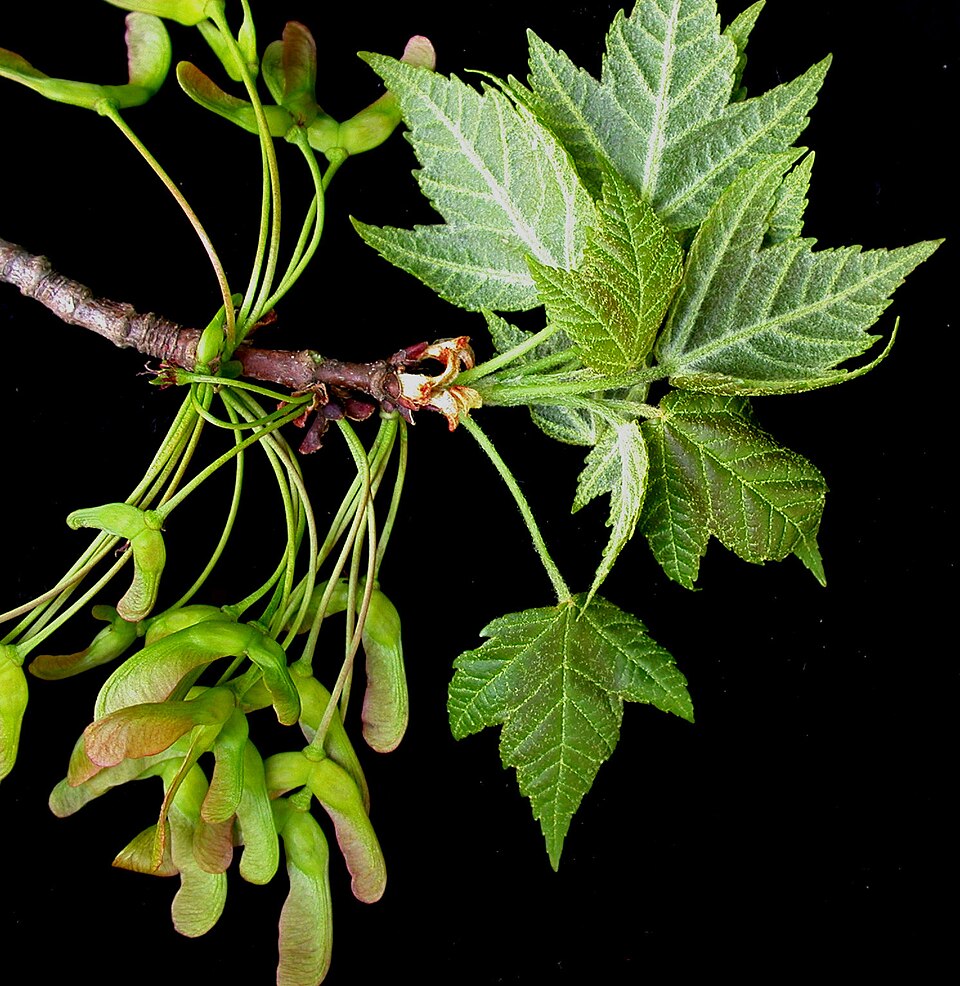
- Red MapleAcer rubrum
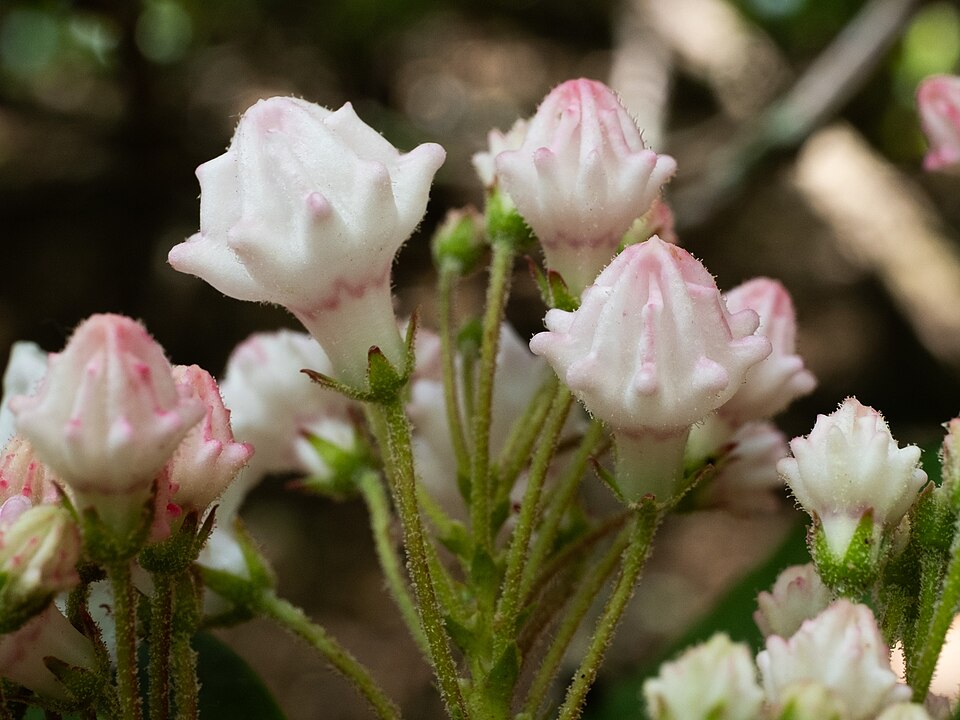
- Mountain LaurelKalmia latifolia
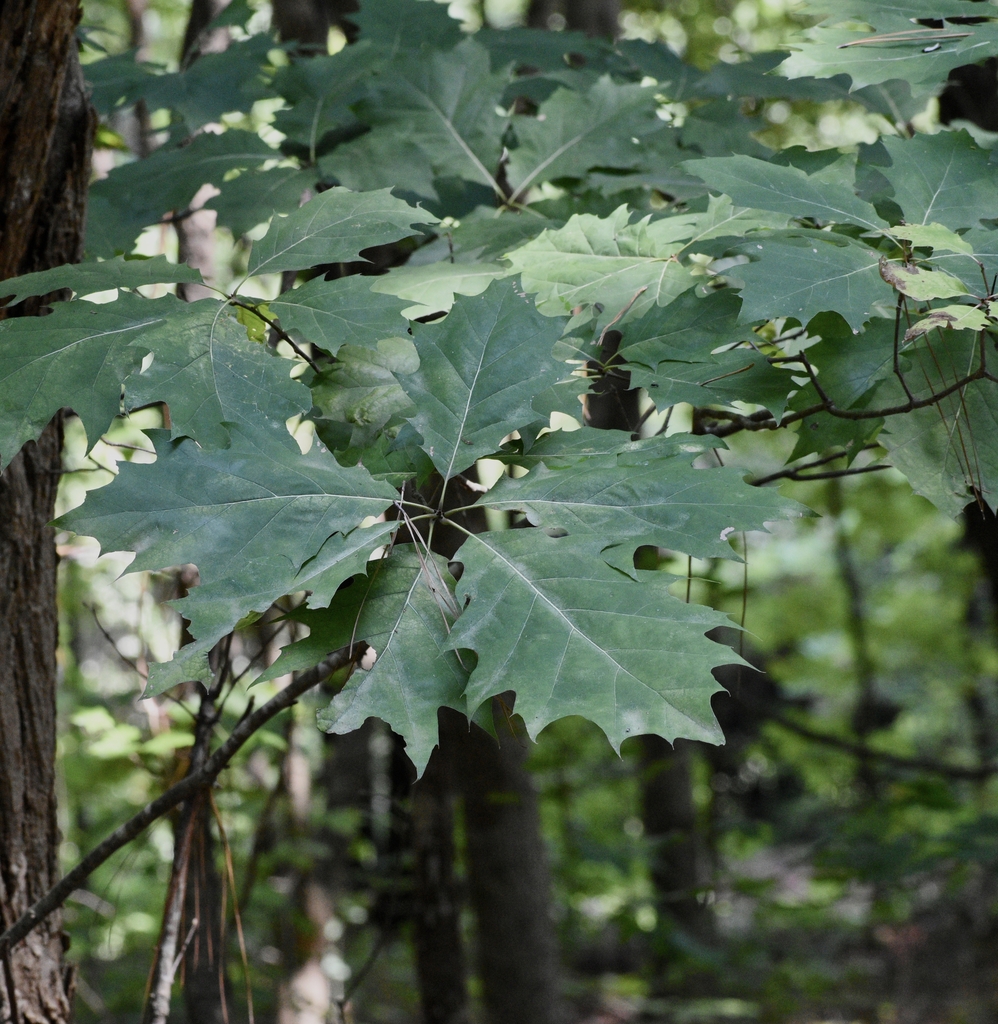
- Northern Red OakQuercus rubra
- Eastern HemlockTsuga canadensis
- Sweet BirchBetula lenta
- White OakQuercus alba
- White AshFraxinus americana
- TuliptreeLiriodendron tulipifera
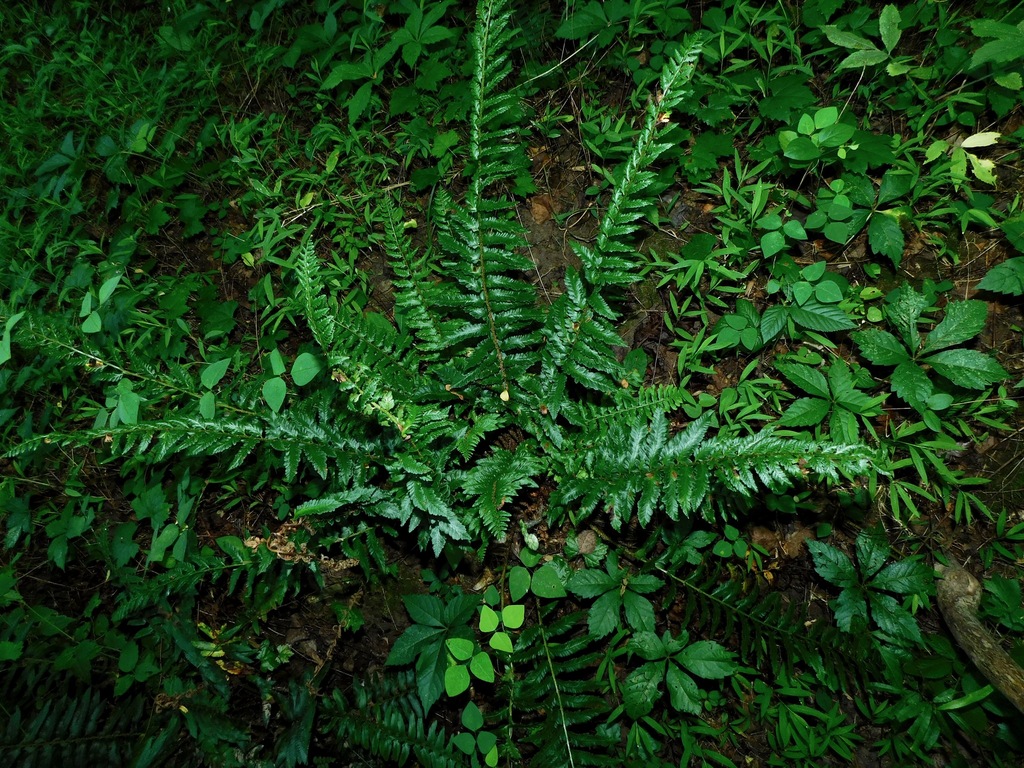
- Christmas FernPolystichum acrostichoides
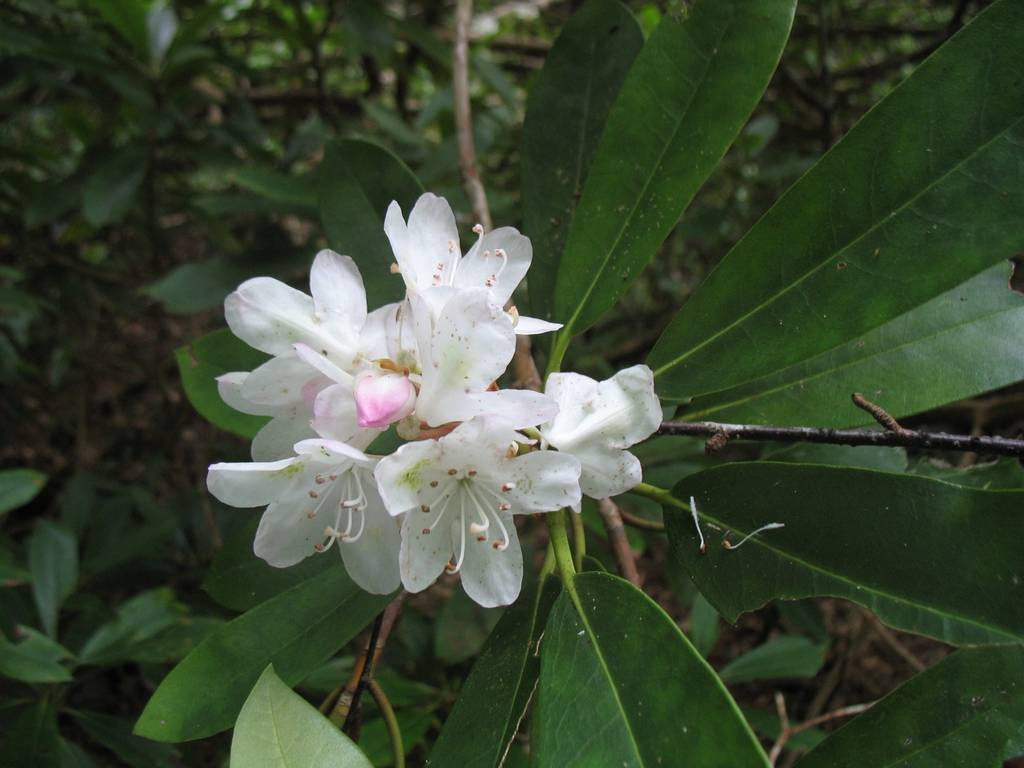
- Rosebay RhododendronRhododendron maximum
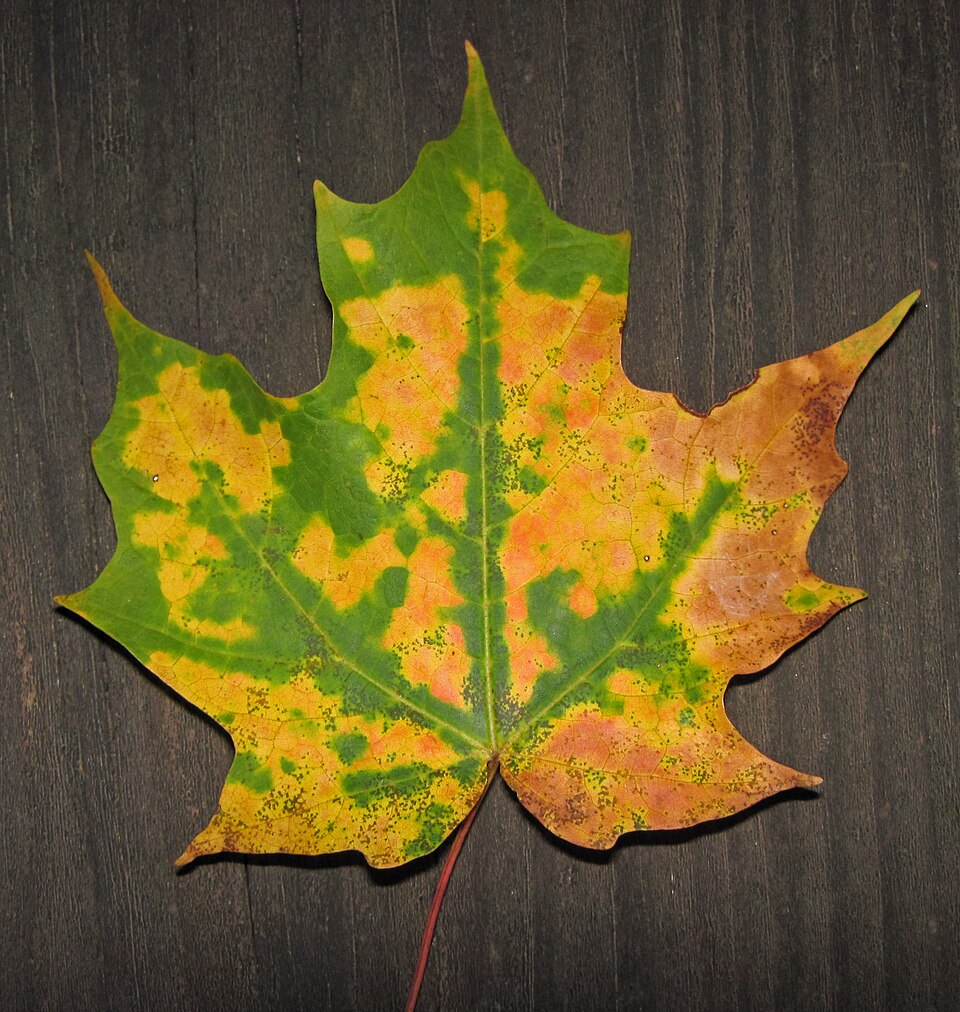
- Sugar MapleAcer saccharum
- Shagbark HickoryCarya ovata
- Flowering DogwoodCornus florida
- American BeechFagus grandifolia
- Box HuckleberryGaylussacia brachycera
- American Witch-hazelHamamelis virginiana
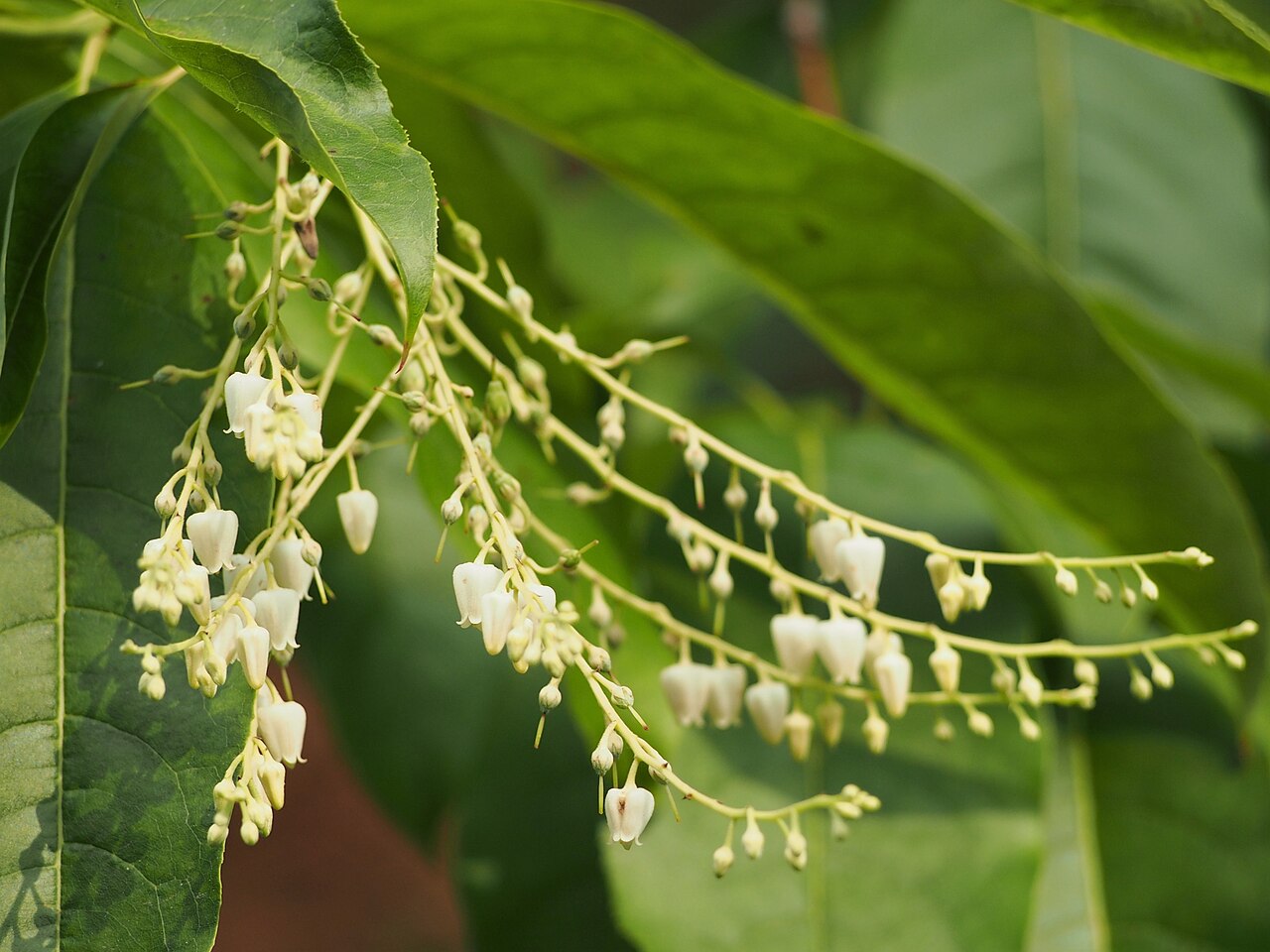
- SourwoodOxydendrum arboreum
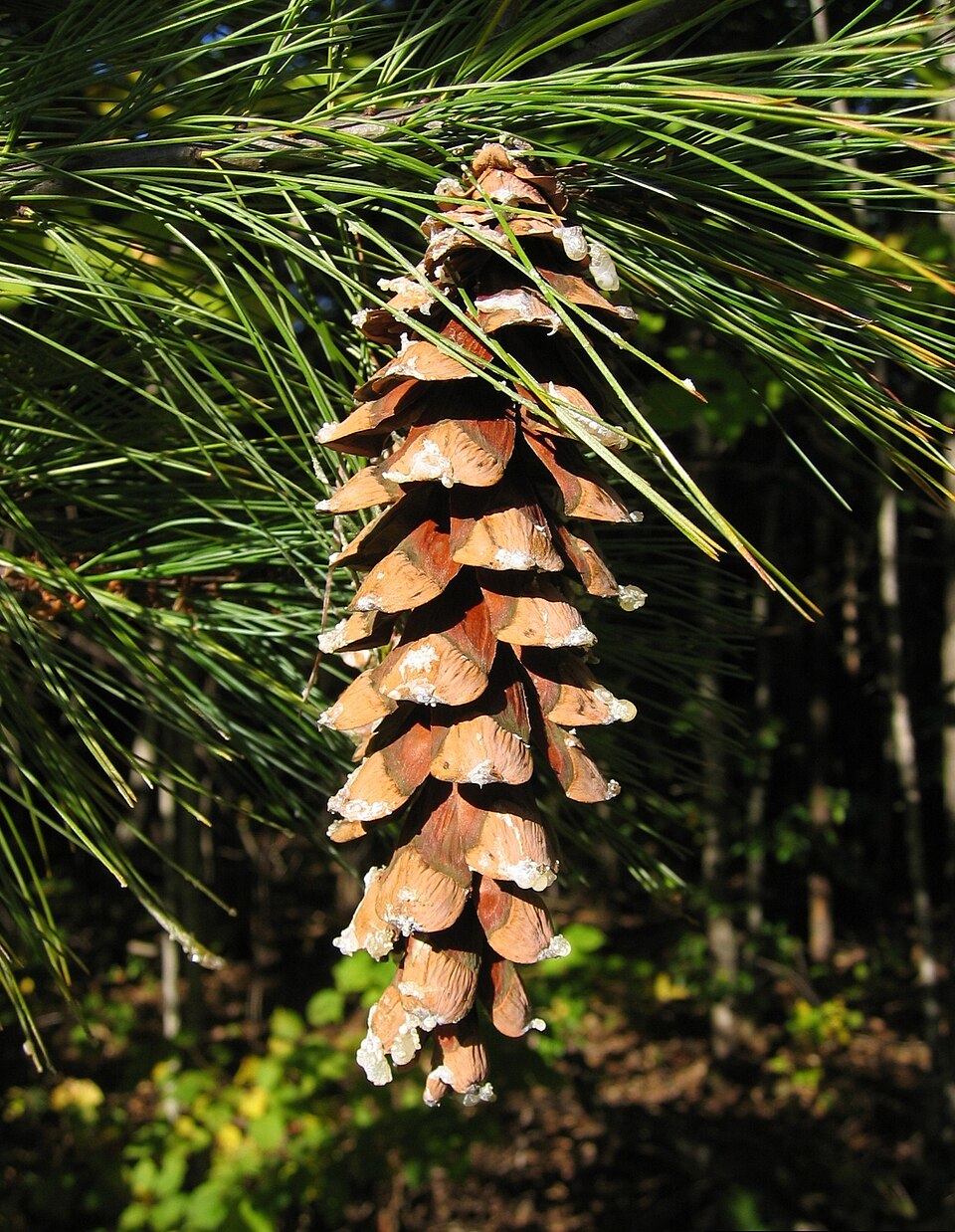
- Eastern White PinePinus strobus
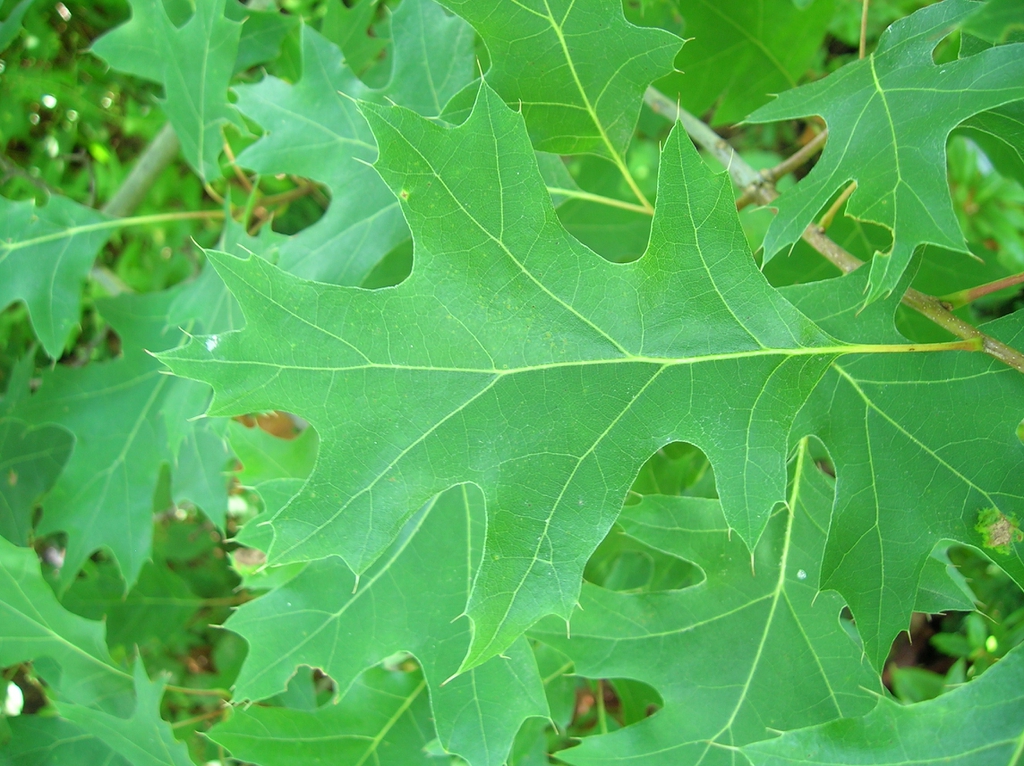
- Scarlet OakQuercus coccinea
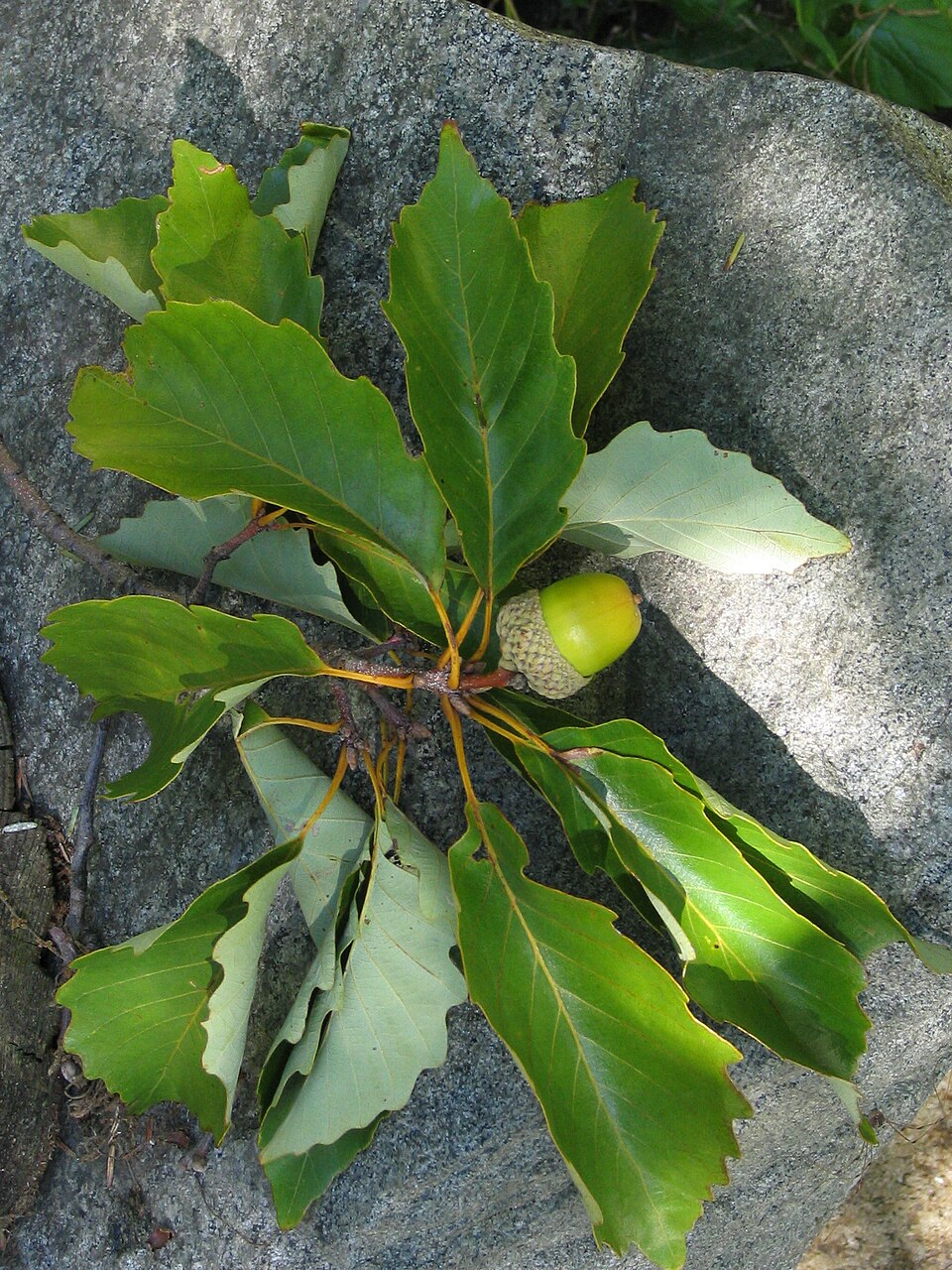
- Chestnut OakQuercus prinus
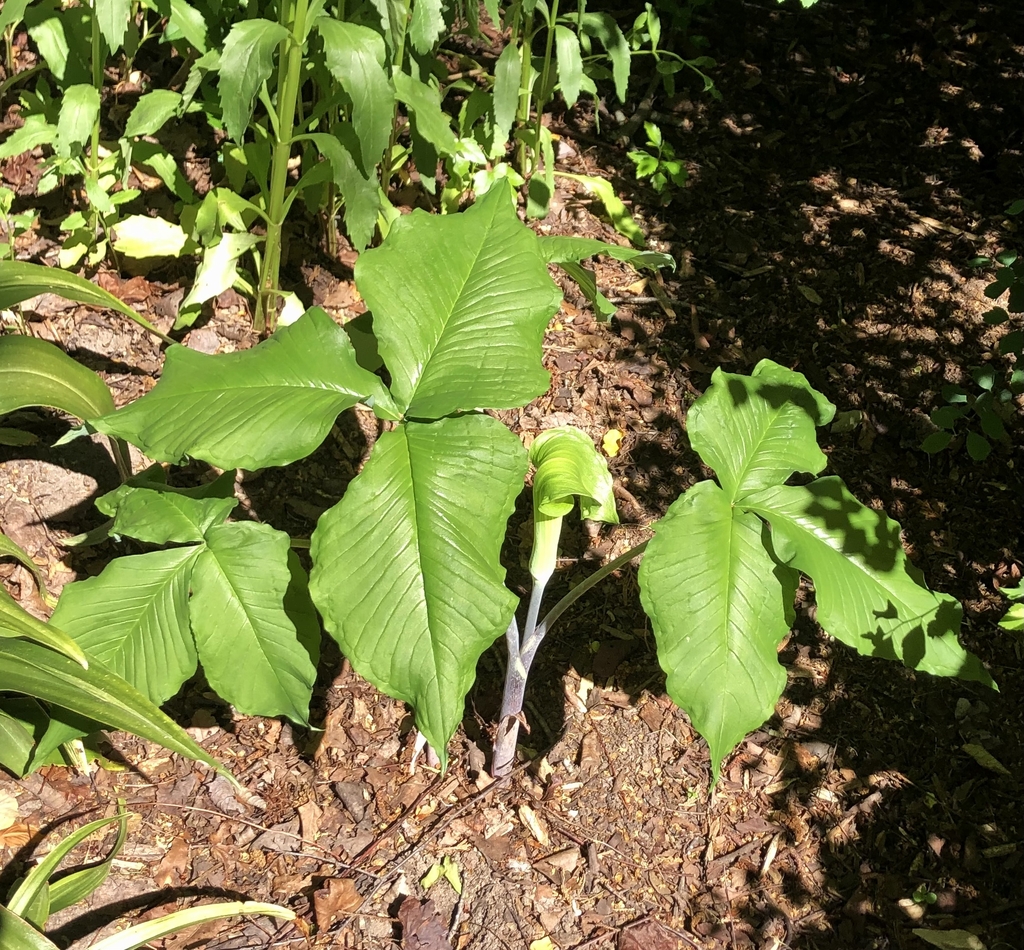
- Common Jack-in-the-pulpitArisaema triphyllum
- Yellow BirchBetula alleghaniensis
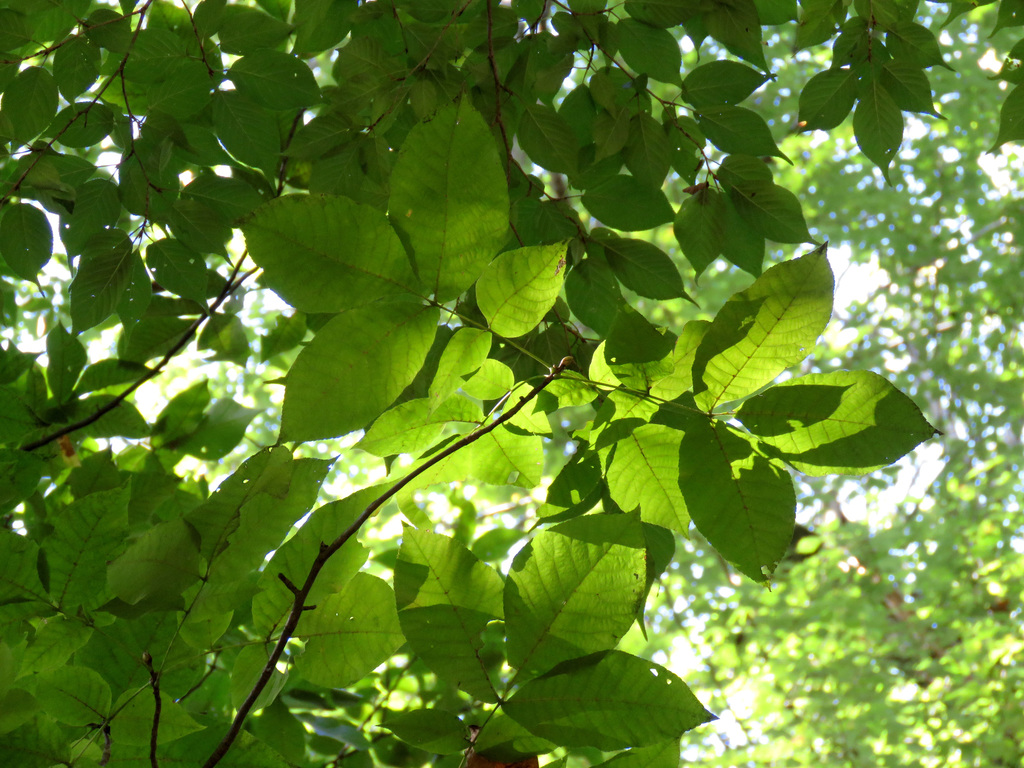
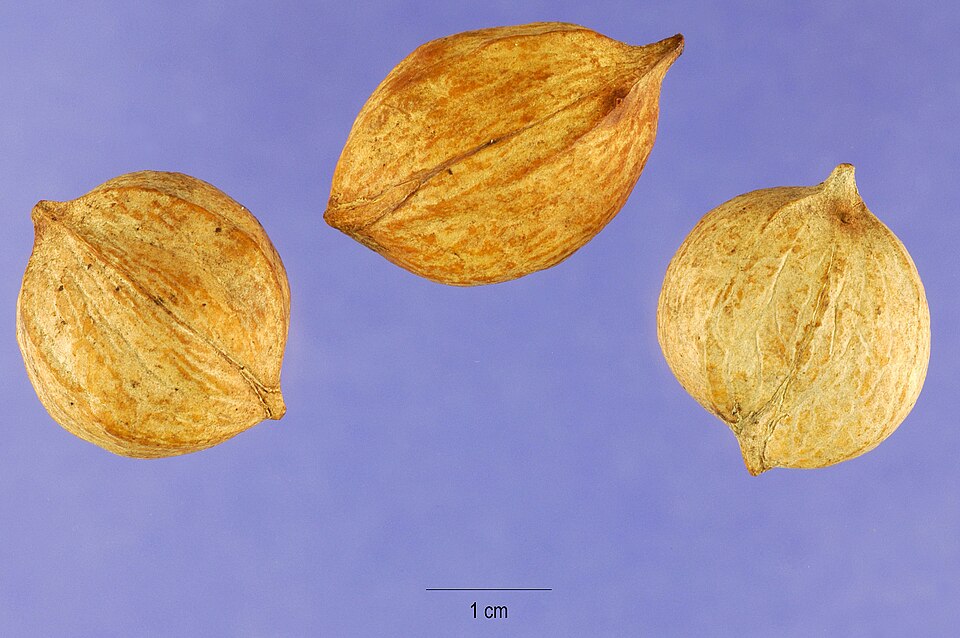
- Pignut HickoryCarya glabra
- Mockernut HickoryCarya tomentosa
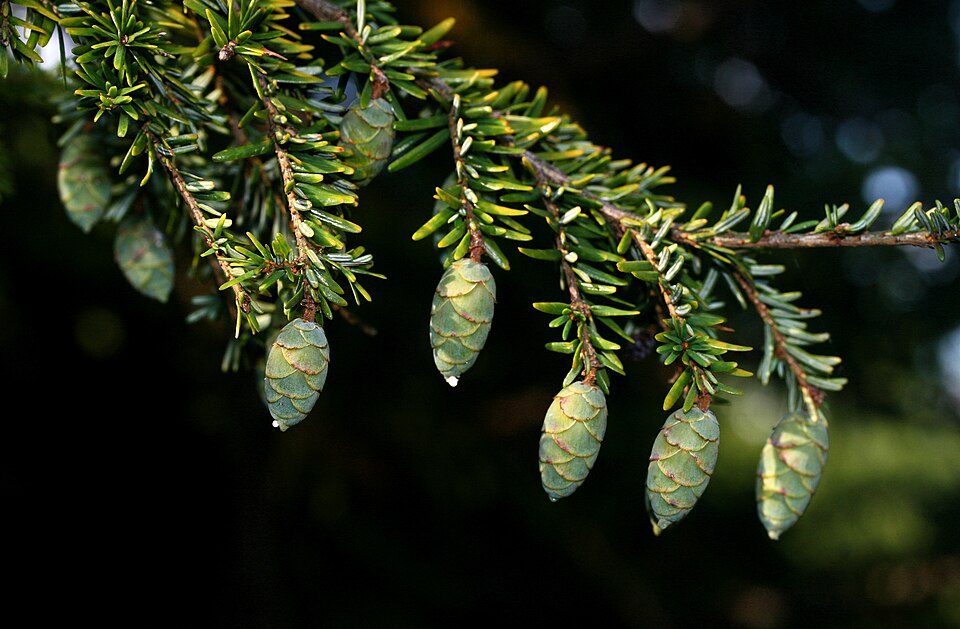
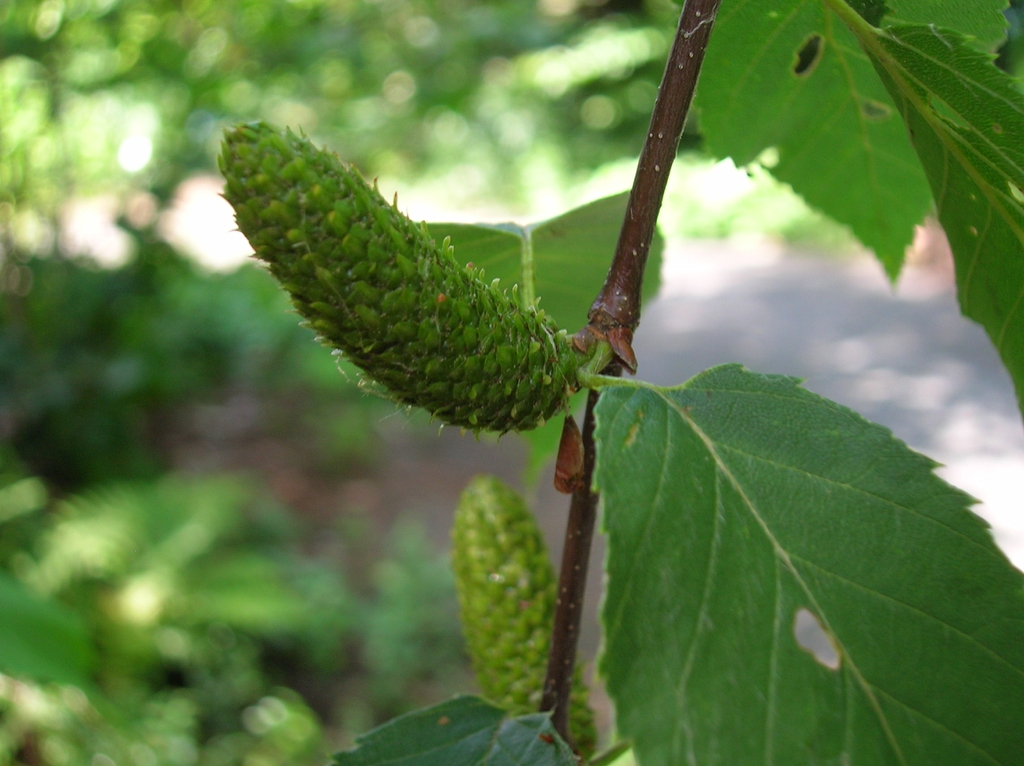
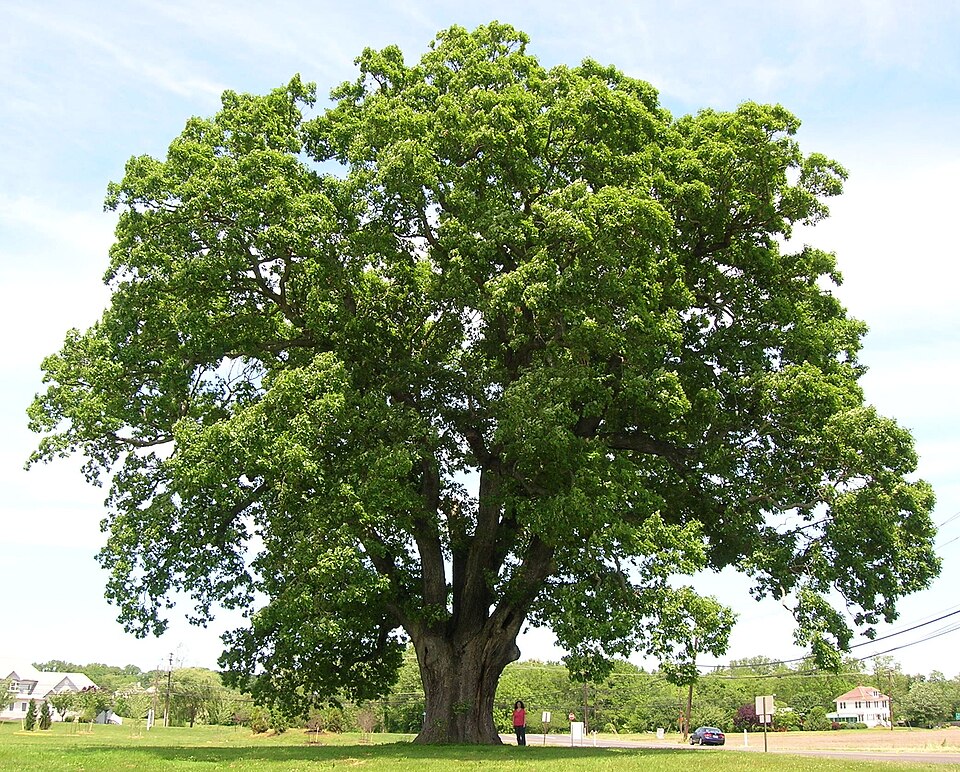

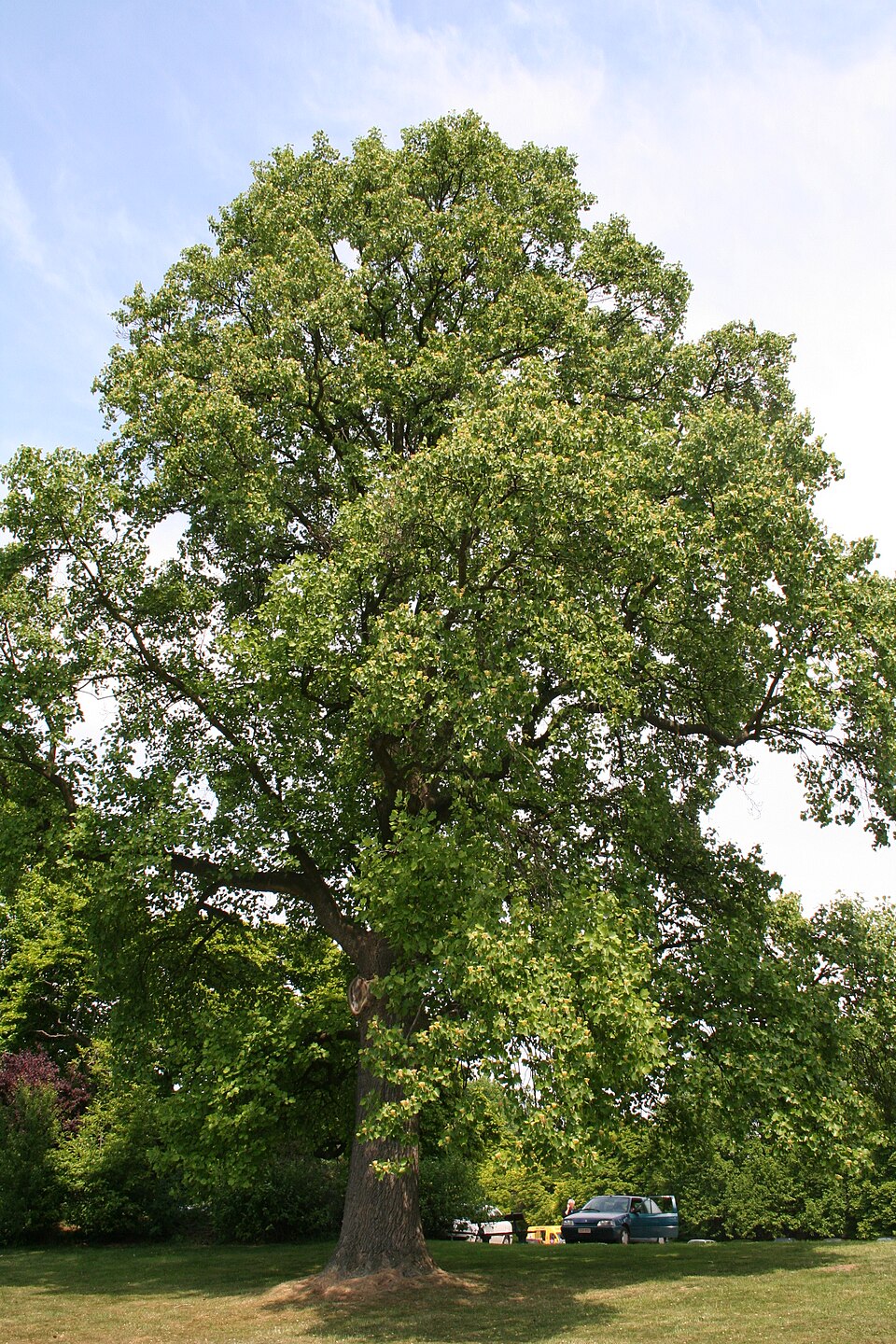
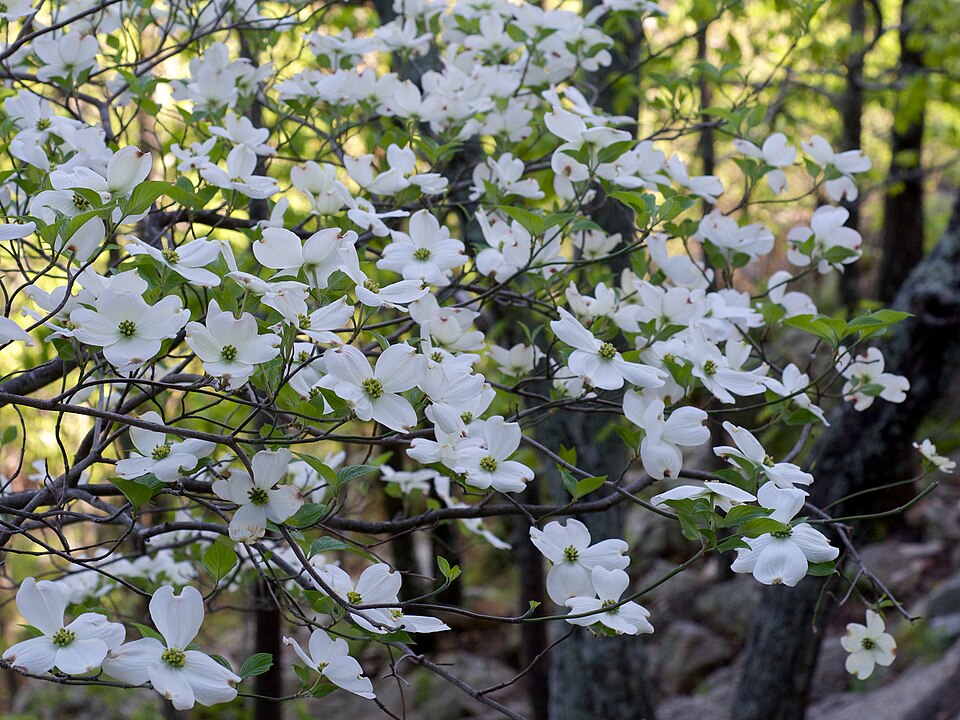
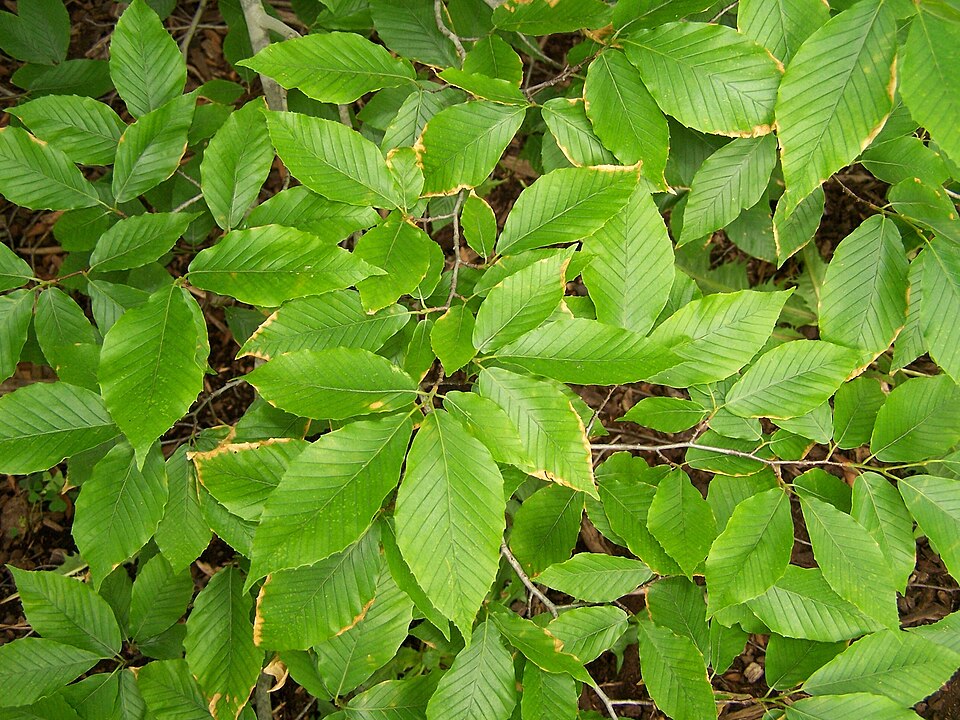
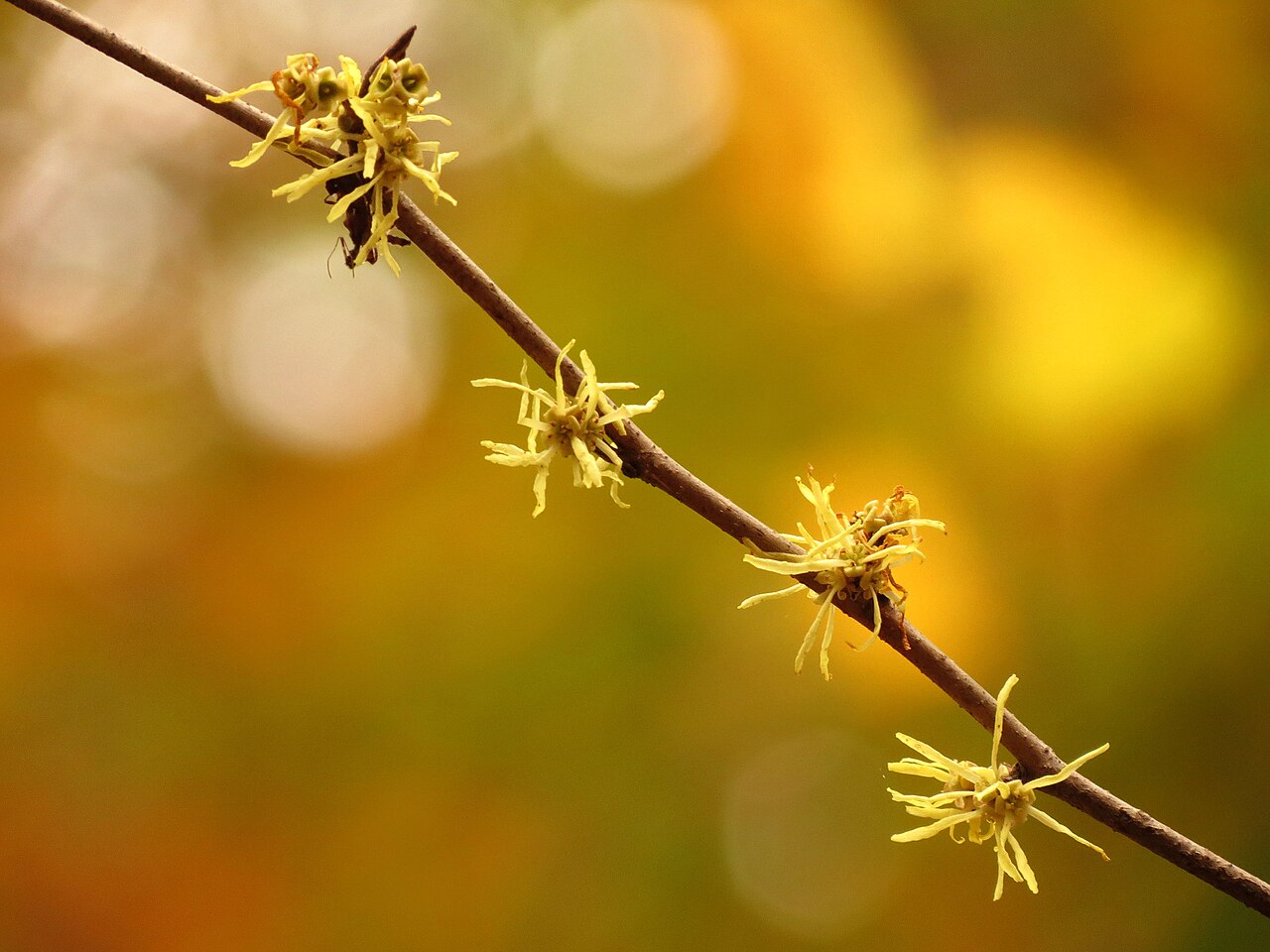
Wildlife 212
Other animals whose habitat models include the same habitats in West Virginia. Not sighting records.
- Dark-eyed JuncoJunco hyemalis
- Eastern KingbirdTyrannus tyrannus
- Eastern TowheePipilo erythrophthalmus
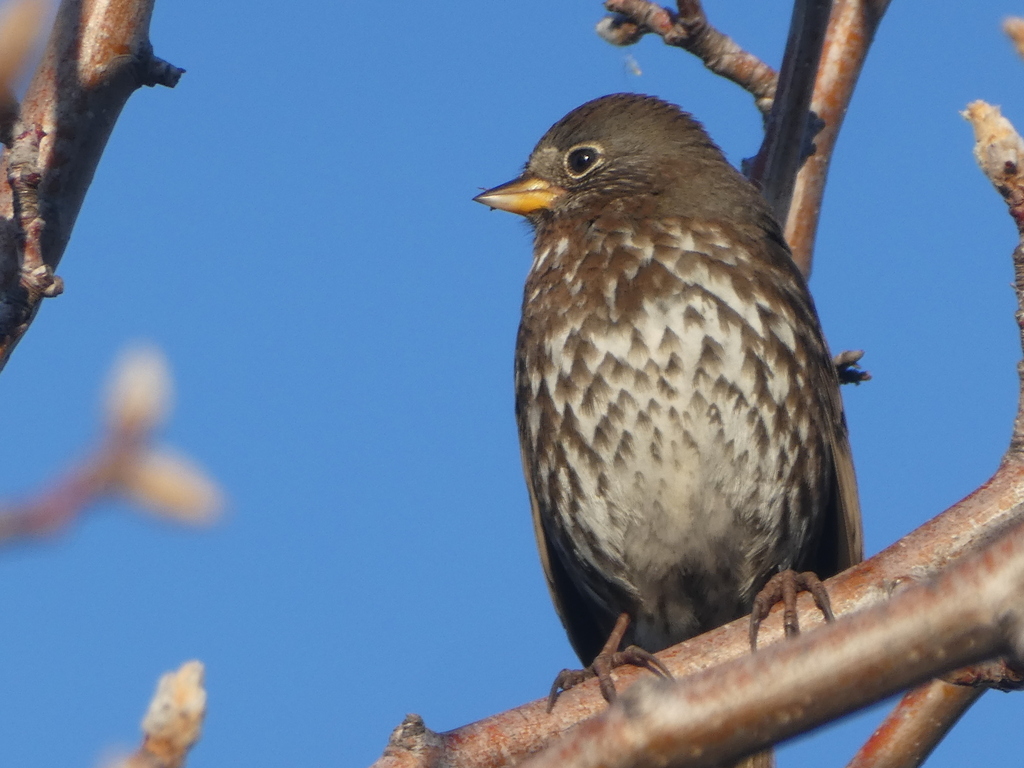
- Fox SparrowPasserella iliaca
- Great Crested FlycatcherMyiarchus crinitus
- Hairy WoodpeckerPicoides villosus
- Hermit ThrushCatharus guttatus
- Least FlycatcherEmpidonax minimus
- OspreyPandion haliaetus
- Purple FinchCarpodacus purpureus
- Ruby-crowned KingletRegulus calendula
- Spotted SandpiperActitis macularius
- Tufted TitmouseBaeolophus bicolor
- Yellow-breasted ChatIcteria virens
- Yellow-rumped WarblerDendroica coronata
- Acadian FlycatcherEmpidonax virescens
- American RedstartSetophaga ruticilla
- Black-billed CuckooCoccyzus erythropthalmus
- Blue GrosbeakPasserina caerulea
- Blue JayCyanocitta cristata
- Broad-winged HawkButeo platypterus
- Brown CreeperCerthia americana
- Carolina ChickadeePoecile carolinensis
- Chestnut-sided WarblerDendroica pensylvanica






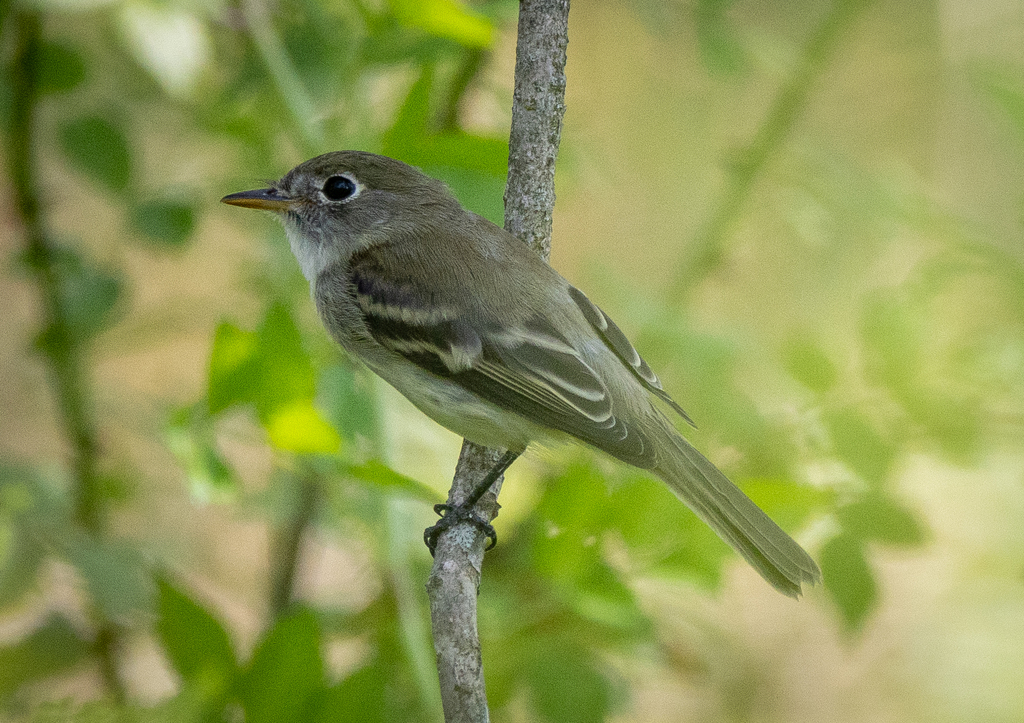















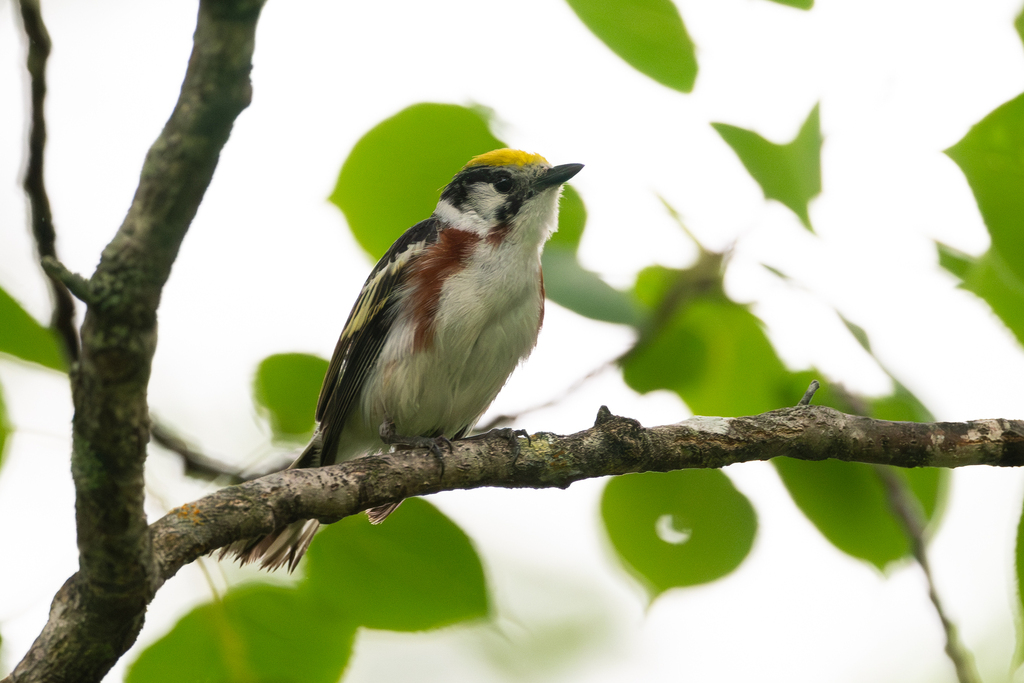
NatureServe Explorer, CC BY 4.0. USGS Gap Analysis Project habitat models.
Sources
- USGS Gap Analysis Project habitat models (2001)
- USGS GAP year-round habitat model for Black-capped Chickadee Elevation up to 2,500 m
- USGS Gap Analysis Project range maps (2001), modeled by watershed; migratory gives no dates
- NatureServe Explorer (CC BY 4.0), habitat names
- US Census TIGER/Line counties
- Names follow the USGS Gap Analysis Project (2001)