

Bird
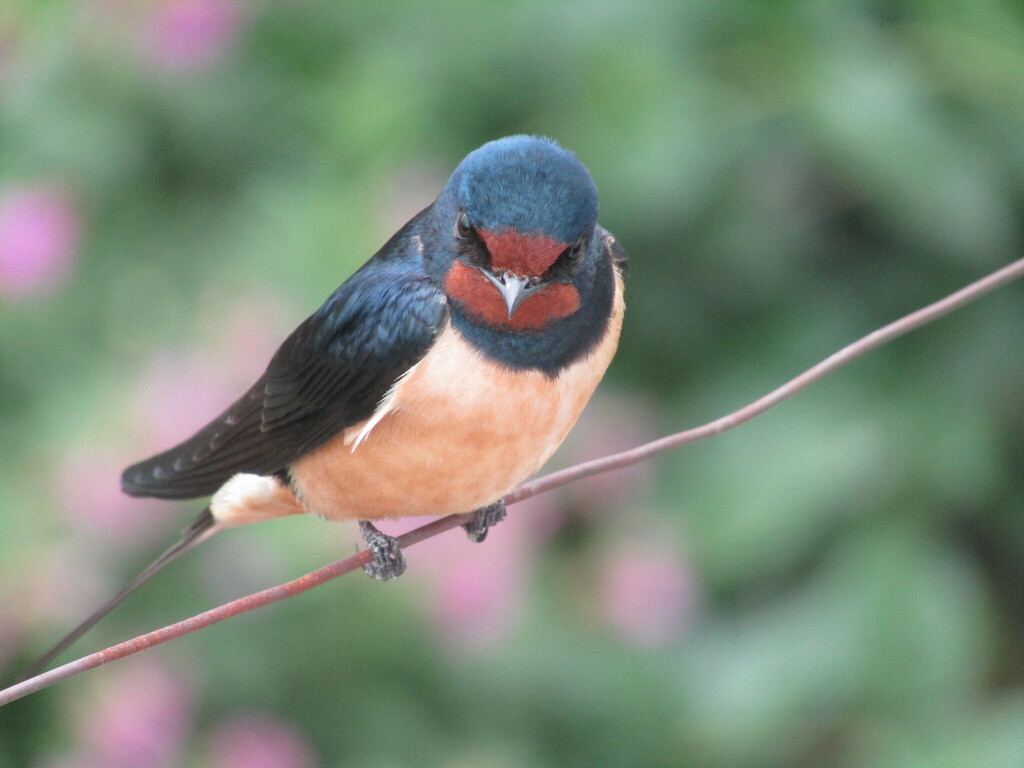
Barn Swallow
Hirundo rustica
A summer resident that nests in West Virginia. Found in all 55 counties, across 4 habitats.
- Here
- Summer
- Nesting
- Nests here
- Range
- All 55 counties
- Habitats
- 4
At a glance
- Group
- Birds
- Here
- Summer
- Nesting
- Nests here
- Range
- All 55 counties
- Habitats
- 4
- Habitat models
- Summer
Where it lives
The places its habitat model includes. It is not found everywhere a habitat occurs.
Habitats in West Virginia 4
Each habitat page lists the plants and wildlife also found there.
Disturbed and introduced wetlands
Wet ground taken over by weedy or introduced plants after disturbance, such as common reed, Chinese tallow or tamarisk stands; the upland counterpart is roadsides, fields and disturbed ground.
Still water and its edges: ponds, lakes, millponds and reservoirs.
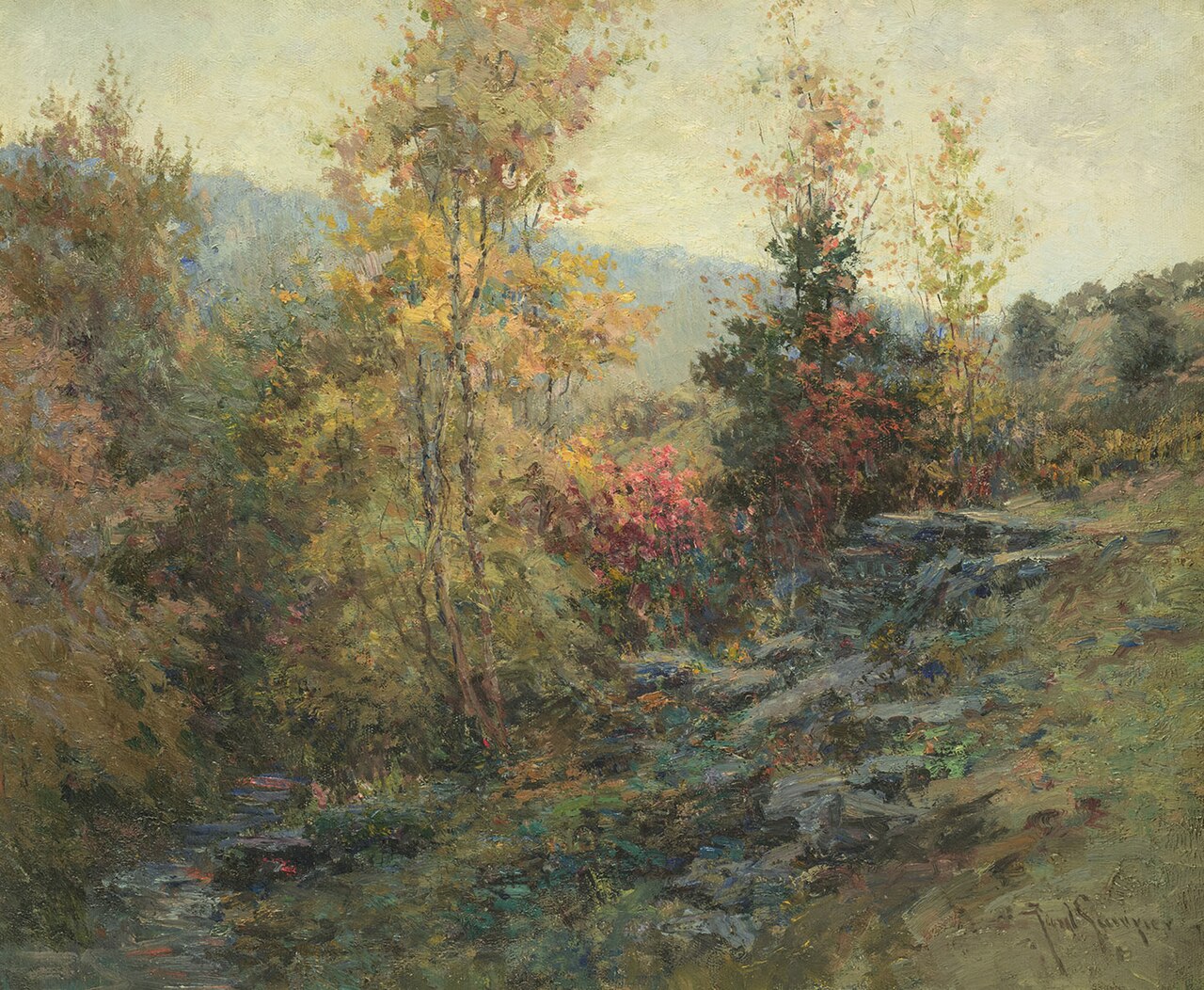
Roadsides, fields and disturbed ground
Ground opened by people: roadsides, old fields, pastures, fencerows and lots.
Other habitats in its models (31)
Land cover, or classes with no habitat page in West Virginia. Those recorded in West Virginia first, the rest by region.
Elsewhere in the South (10)
- Atlantic and Gulf Coastal Plain Interdunal Wetland Summer.
- Atlantic Coastal Plain Central Salt and Brackish Tidal Marsh Summer.
- Atlantic Coastal Plain Embayed Region Tidal Salt and Brackish Marsh Summer.
- Atlantic Coastal Plain Indian River Lagoon Tidal Marsh Summer.
- Atlantic Coastal Plain Southern Dune and Maritime Grassland Summer.
- East Gulf Coastal Plain Dune and Coastal Grassland Summer.
- Florida Big Bend Salt-Brackish Tidal Marsh Summer.
- Mississippi Sound Salt and Brackish Tidal Marsh Summer.
- South Florida Everglades Sawgrass Marsh Summer.
- Southwest Florida Dune and Coastal Grassland Summer.
Northeast (1)
- Atlantic Coastal Plain Northern Tidal Salt Marsh Summer.
Land cover and other classes (20)
- Barren Land Summer, only within 500 m of water.
- Developed, High Intensity Summer, only within 500 m of water.
- Developed, Low Intensity Summer, only within 500 m of water.
- Developed, Medium Intensity Summer, only within 500 m of water.
- Harvested Forest - Grass/Forb Regeneration Summer, only within 500 m of water.
- Introduced Upland Vegetation - Annual Grassland Summer, only within 500 m of water.
- Introduced Upland Vegetation - Forbland Summer, only within 500 m of water.
- Introduced Upland Vegetation - Perennial Grassland Summer, only within 500 m of water.
- Introduced Upland Vegetation - Perennial Grassland and Forbland Summer, only within 500 m of water.
- Open Water (Aquaculture) Summer.
- Open Water (Brackish/Salt) Summer.
- Quarries, Mines, Gravel Pits and Oil Wells Summer, only within 500 m of water.
- Recently Burned Summer, only within 500 m of water.
- Recently Burned Forest Summer, only within 500 m of water.
- Recently Burned Grassland Summer, only within 500 m of water.
- Recently Burned Shrubland Summer, only within 500 m of water.
- Recently Logged Areas Summer, only within 500 m of water.
- Unconsolidated Shore Summer.
- Unconsolidated Shore (Beach/Dune) Summer.
- Unconsolidated Shore (Lake/River/Pond) Summer.
Seasons in West Virginia
- Summer: nests here, in all 55 counties.
Also found in its main habitats
Its main habitats in West Virginia, by how much of its habitat model each one is, with the birds most characteristic of each and the plants that grow wild there. Shared habitat, not food.
Roadsides, fields and disturbed ground
Birds 96
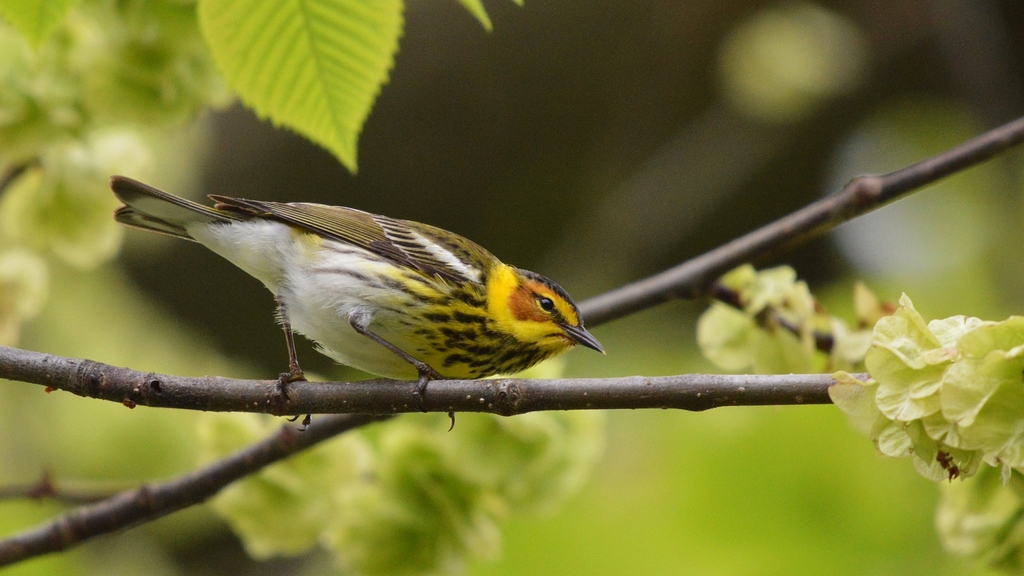
- Cape May WarblerDendroica tigrina
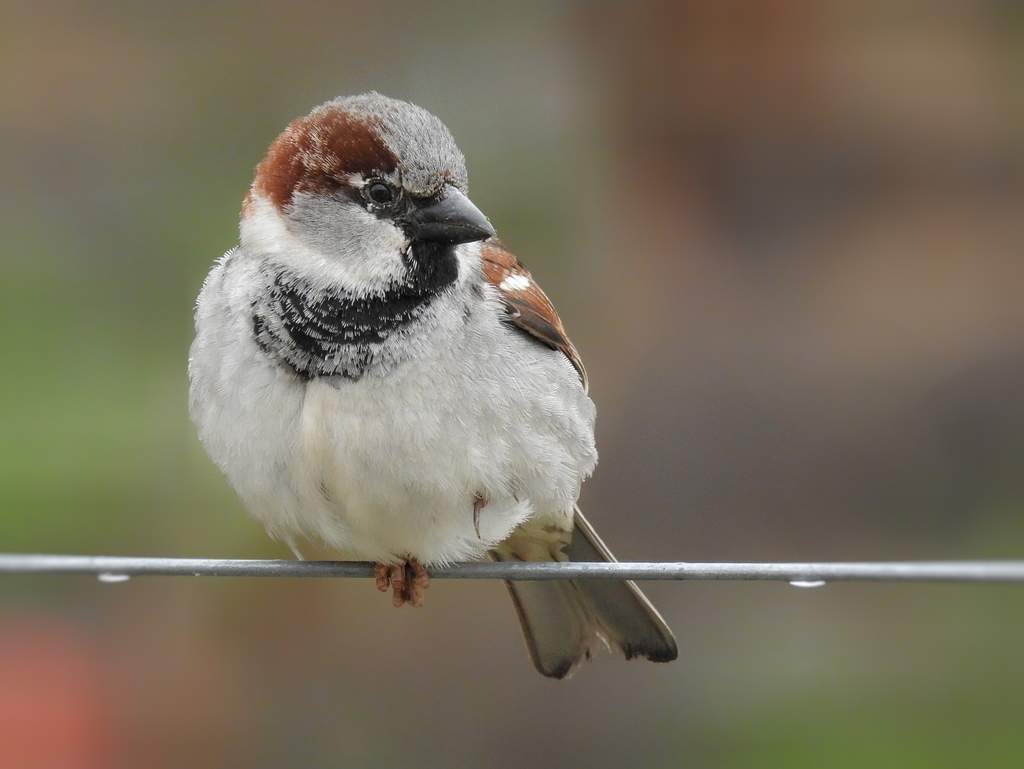
- House SparrowPasser domesticus
- Upland SandpiperBartramia longicauda
- Rock PigeonColumba livia
- DickcisselSpiza americana
- DunlinCalidris alpina
- Grasshopper SparrowAmmodramus savannarum
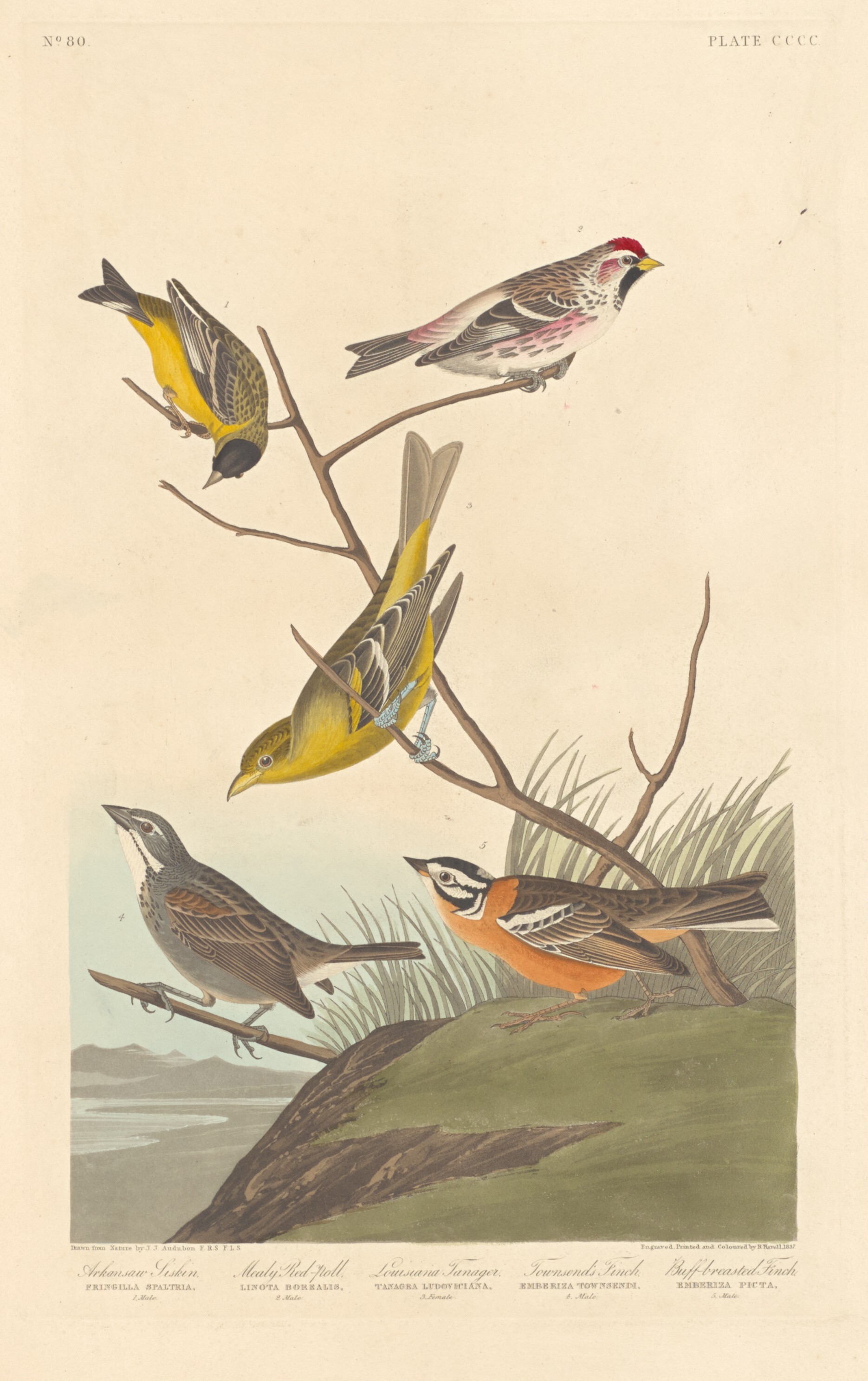
- Hoary RedpollCarduelis hornemanni
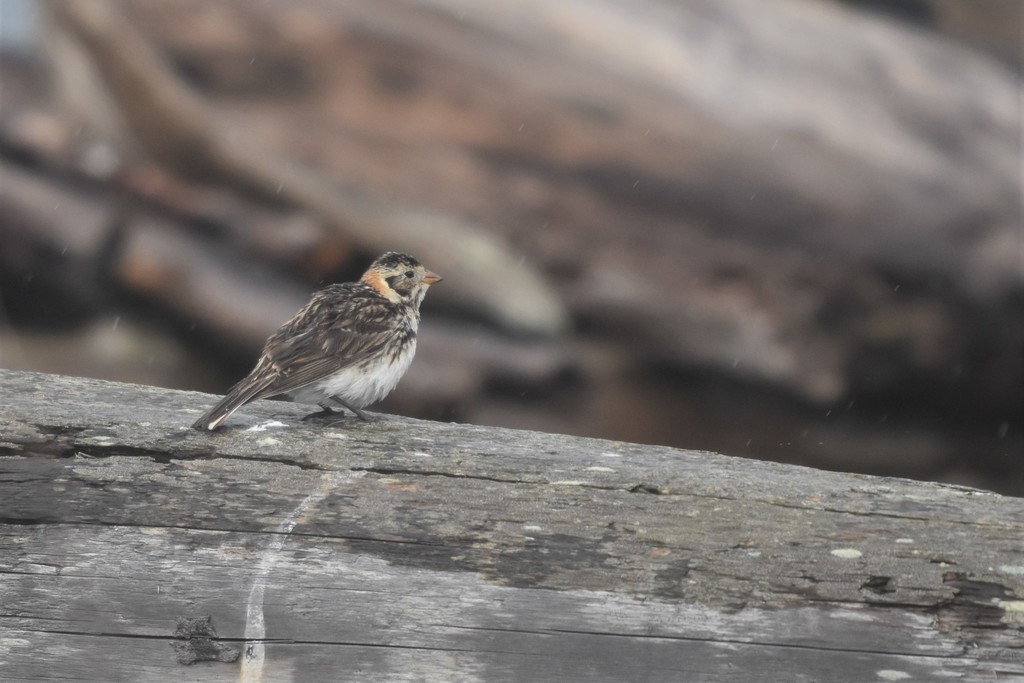
- Lapland LongspurCalcarius lapponicus
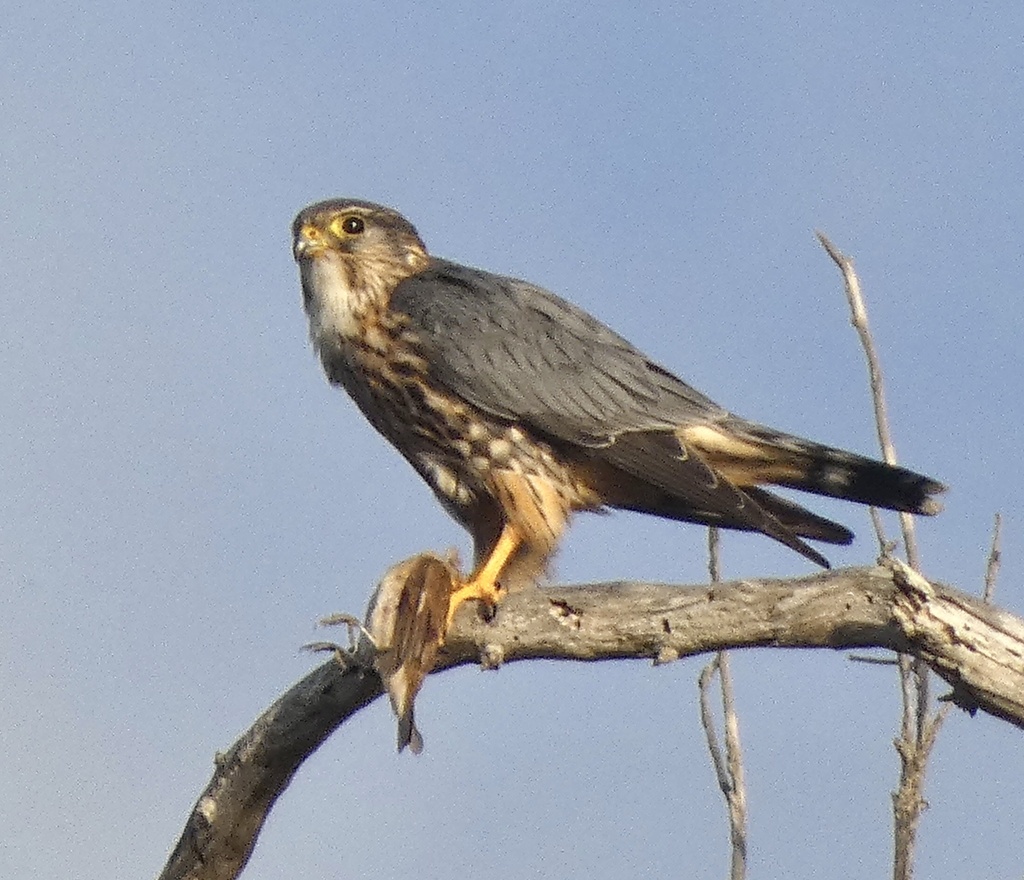
- MerlinFalco columbarius
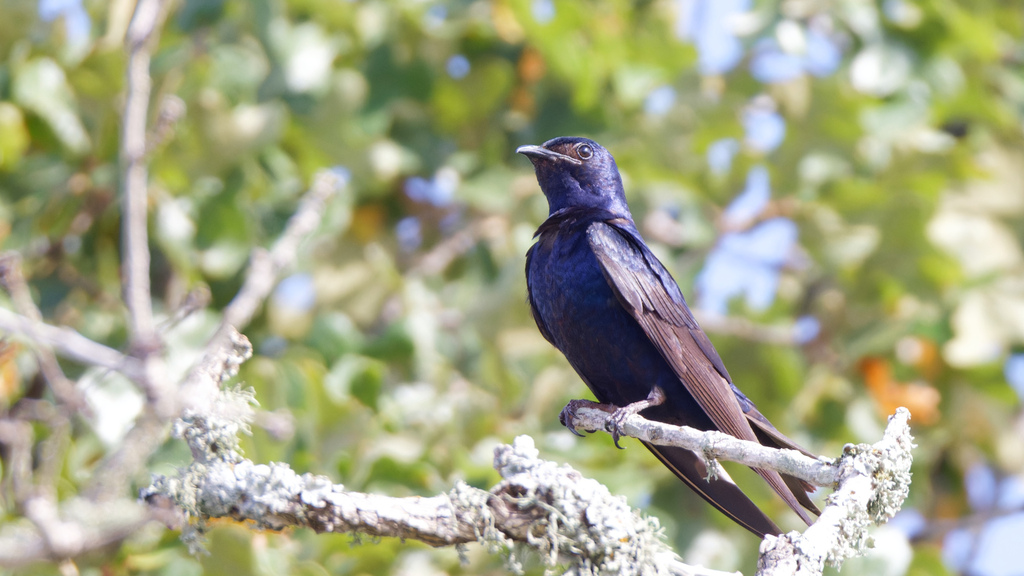
- Purple MartinProgne subis
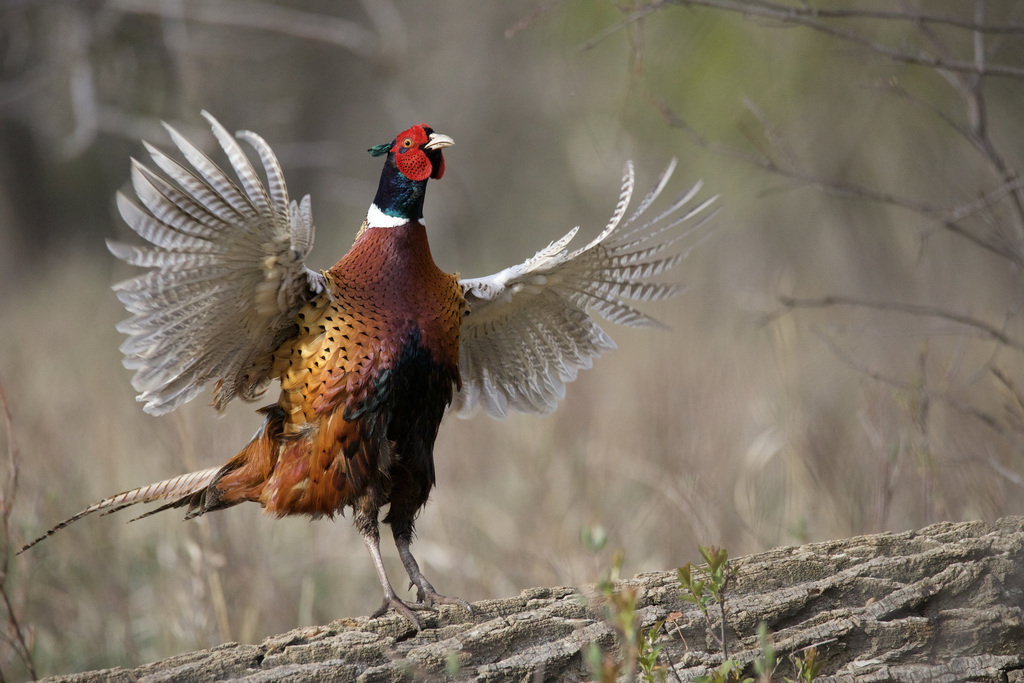
- Ring-necked PheasantPhasianus colchicus
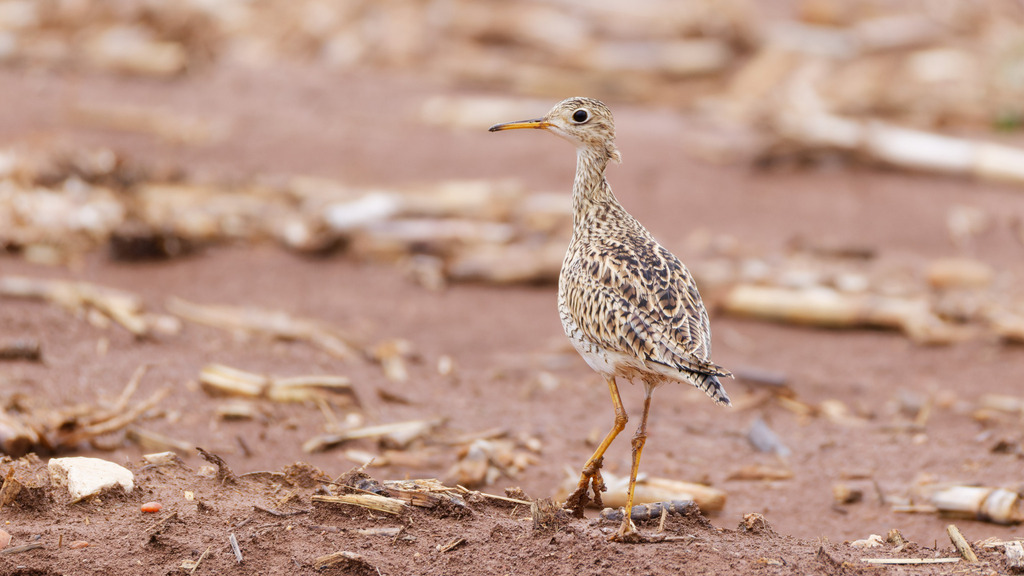

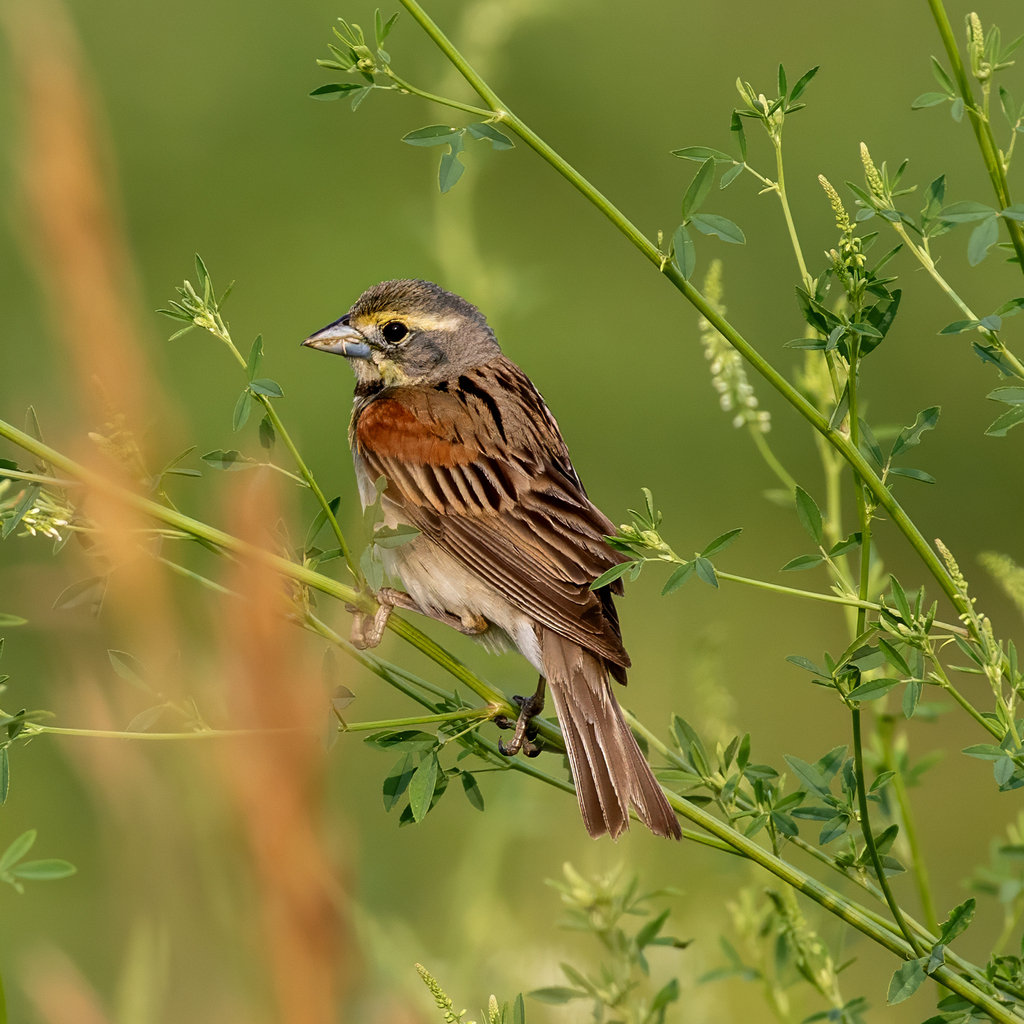
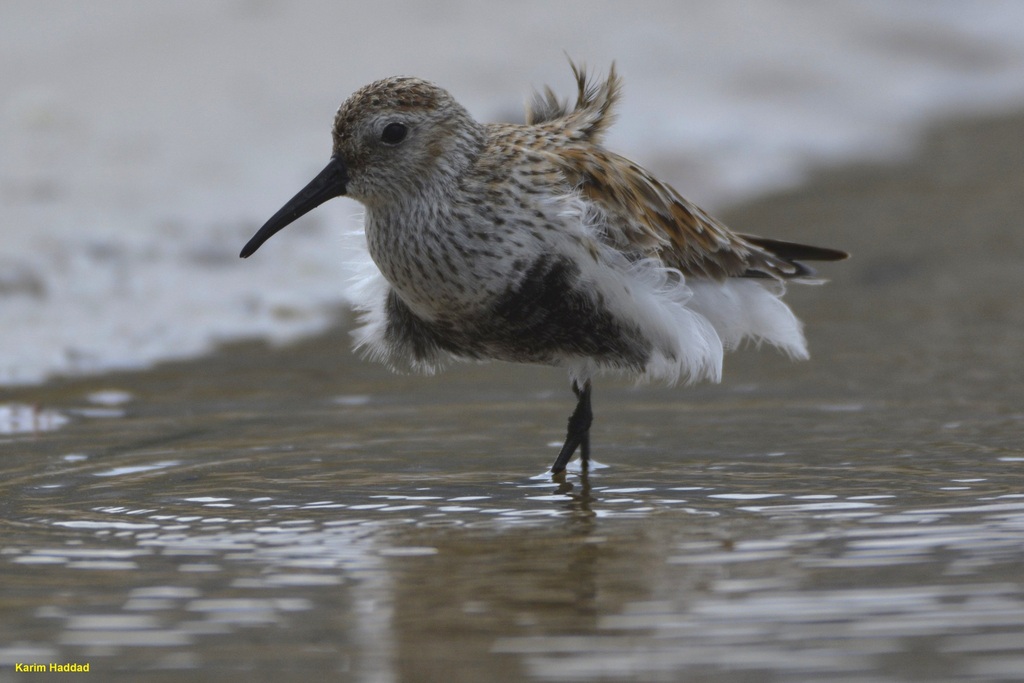
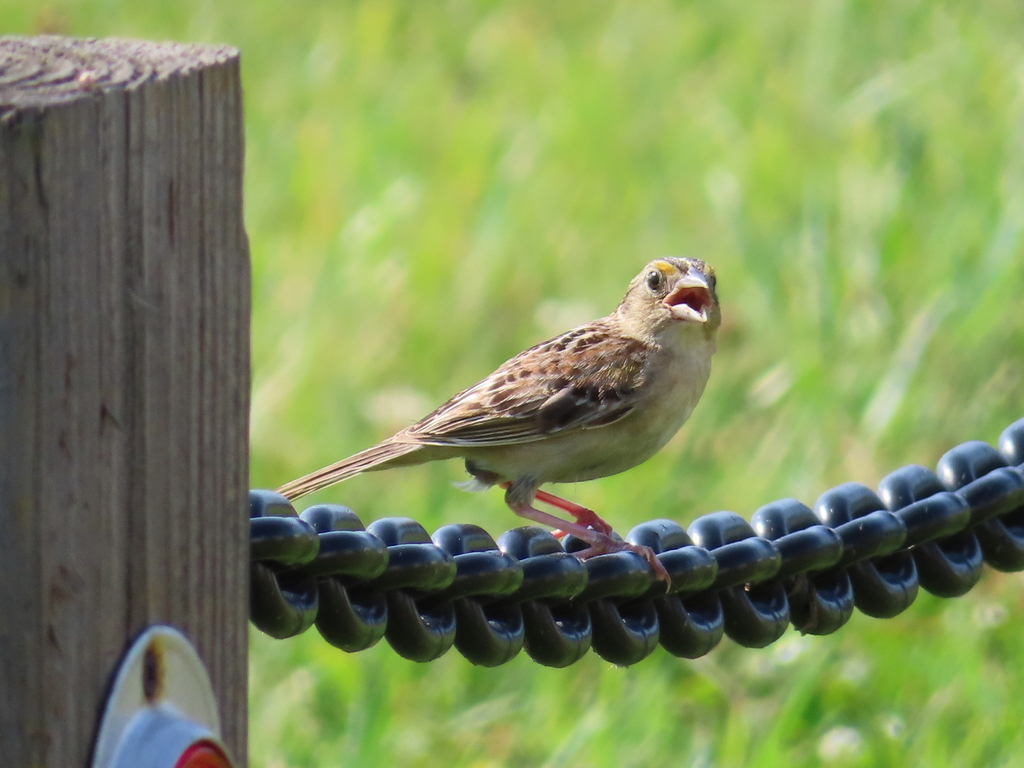
Plants 905
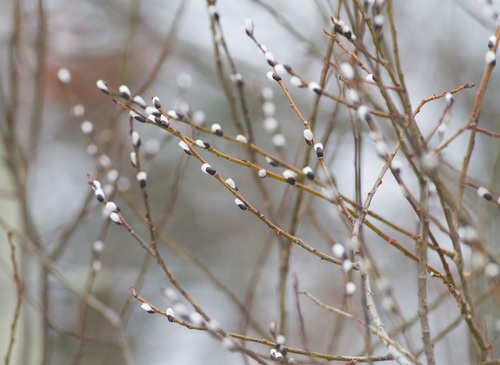
- Pussy WillowSalix discolor
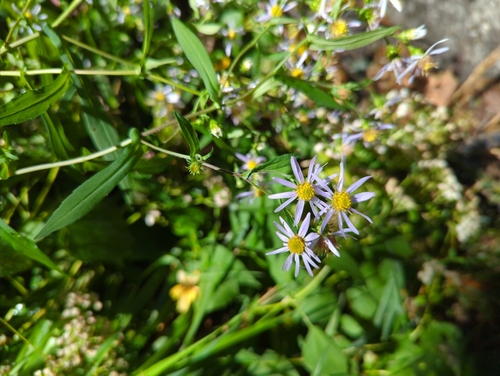
- Crooked-stem AsterSymphyotrichum prenanthoides
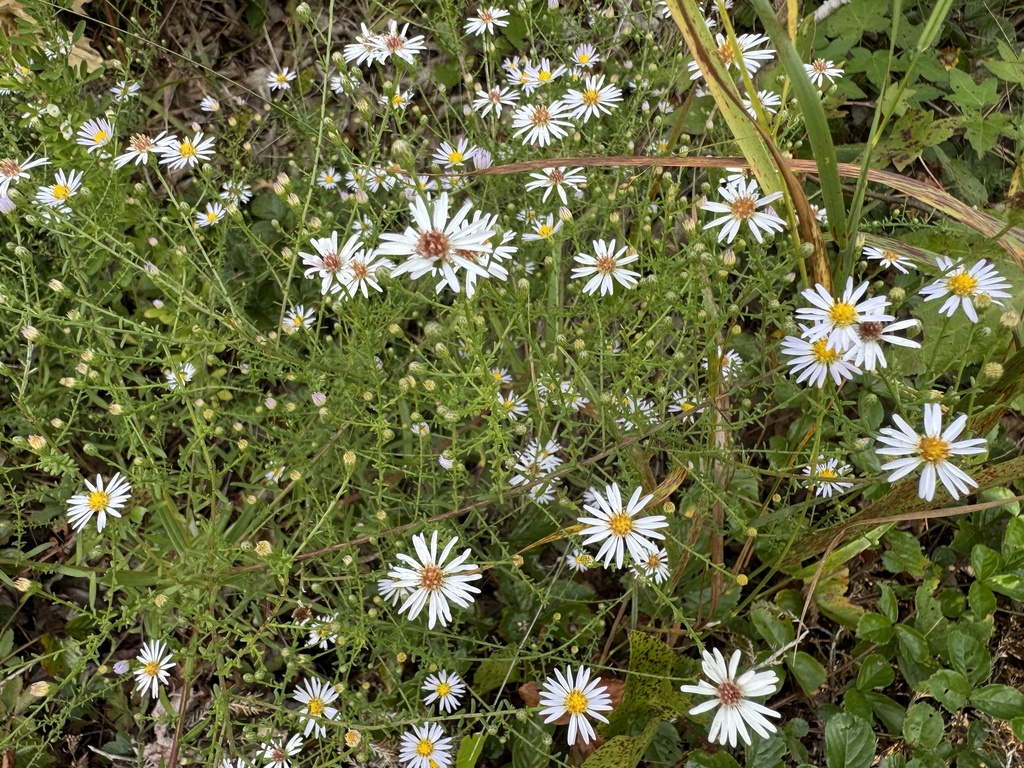
- Long Stalk AsterSymphyotrichum dumosum var. dumosum
- Canada LettuceLactuca canadensis
- Annual FleabaneErigeron annuus
- Bushy KnotweedPolygonum ramosissimum subsp. prolificum
- Carey's KnotweedPersicaria careyi
- Carolina Crane's-billGeranium carolinianum
- Common Evening-primroseOenothera biennis
- Cutleaf Evening-primroseOenothera laciniata
- Northern Evening-primroseOenothera parviflora
- Oakes Evening PrimroseOenothera oakesiana
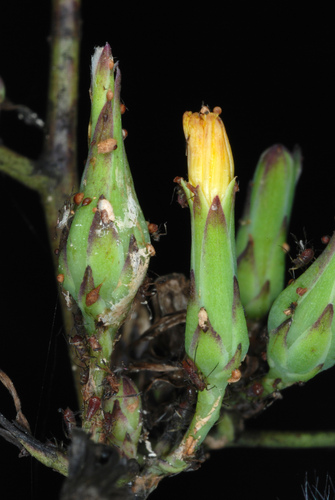
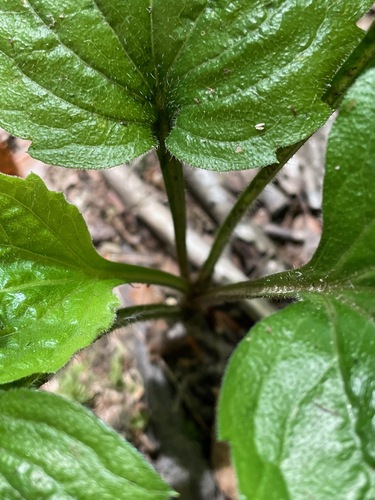
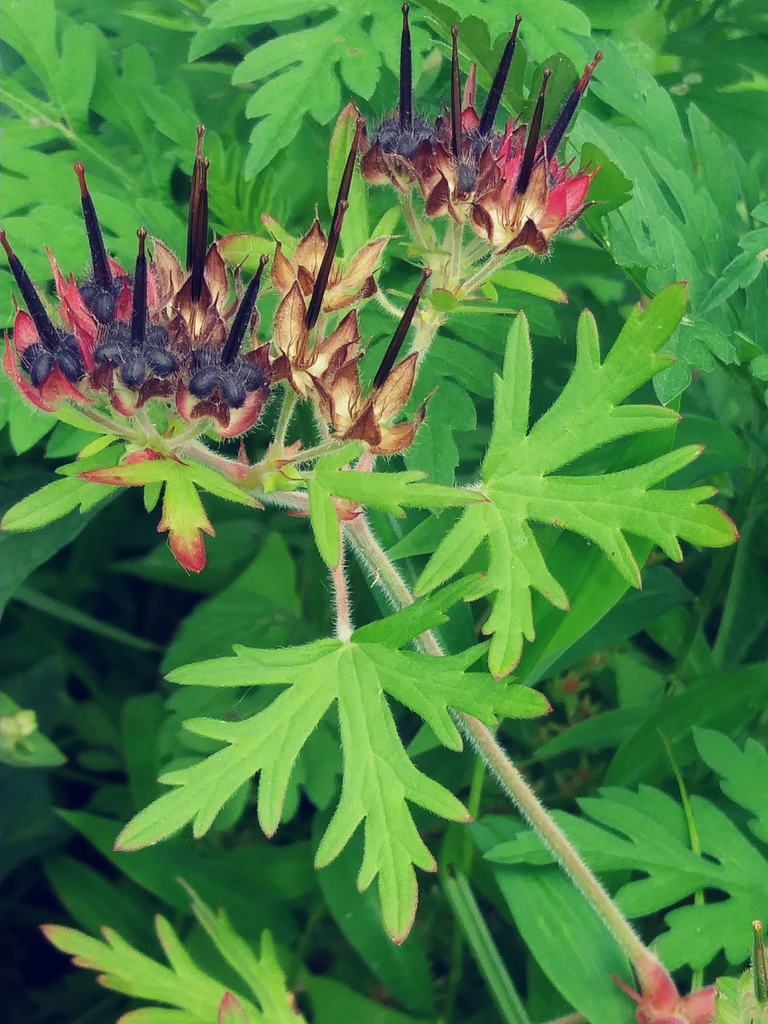
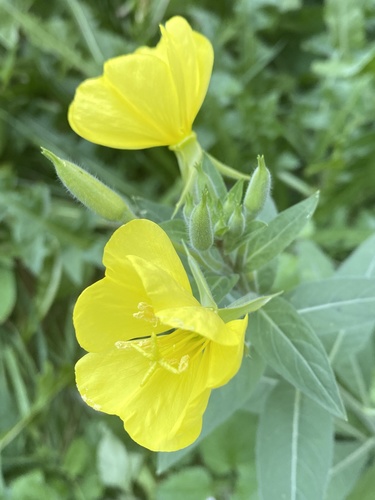
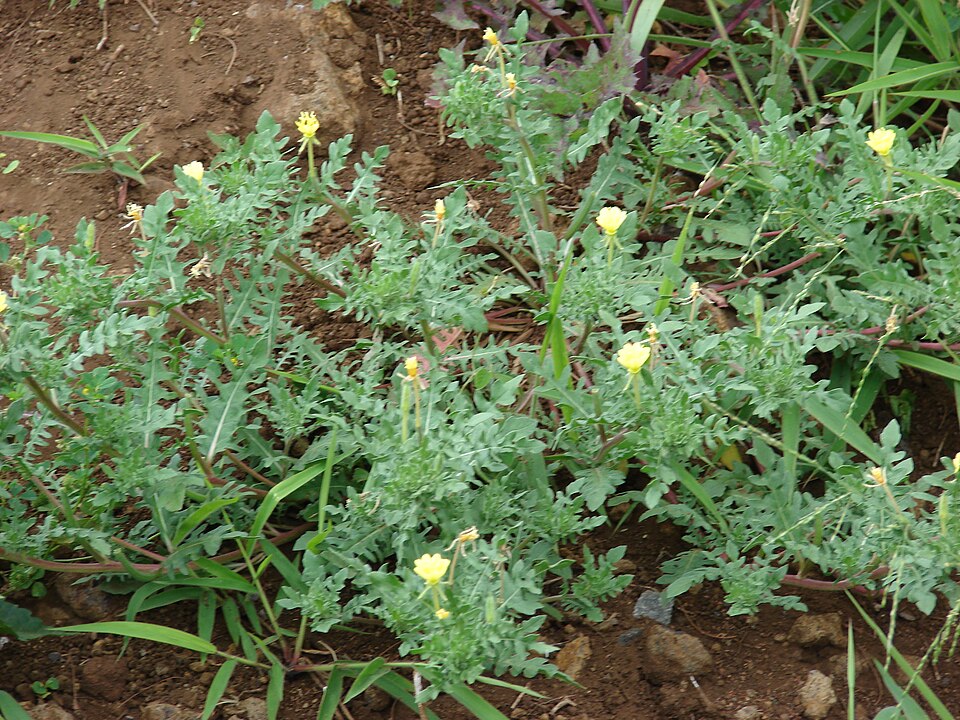
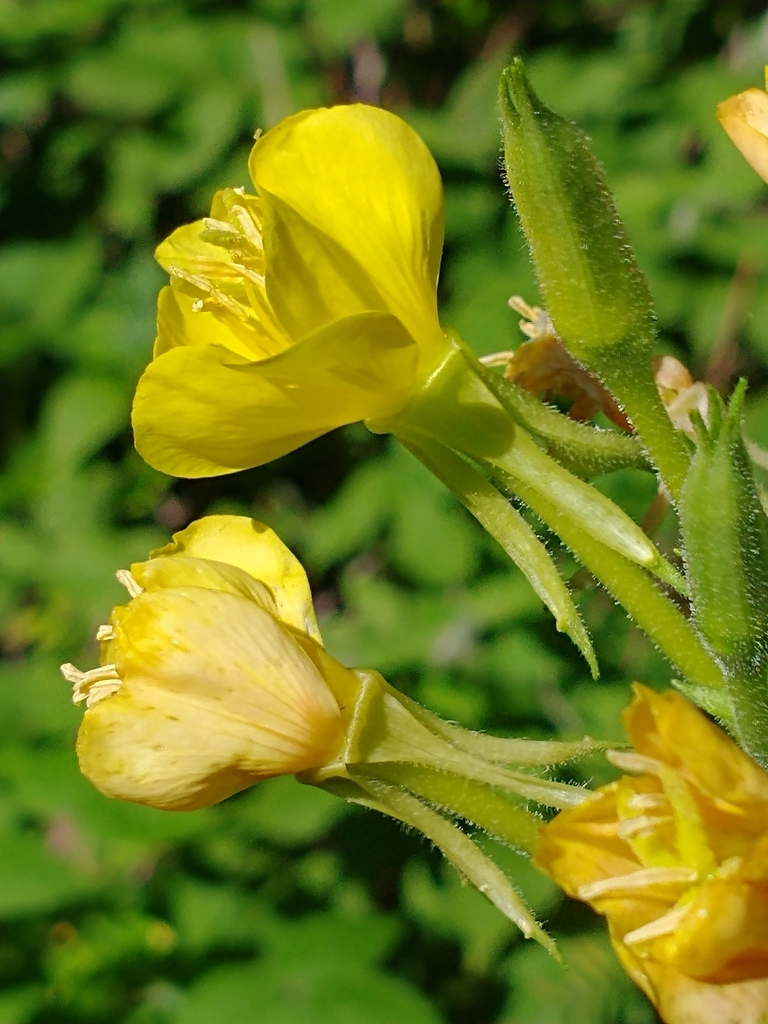
All of roadsides, fields and disturbed ground in West Virginia
Disturbed and introduced wetlands
Birds 120
- Northern WaterthrushSeiurus noveboracensis
- Forster's TernSterna forsteri
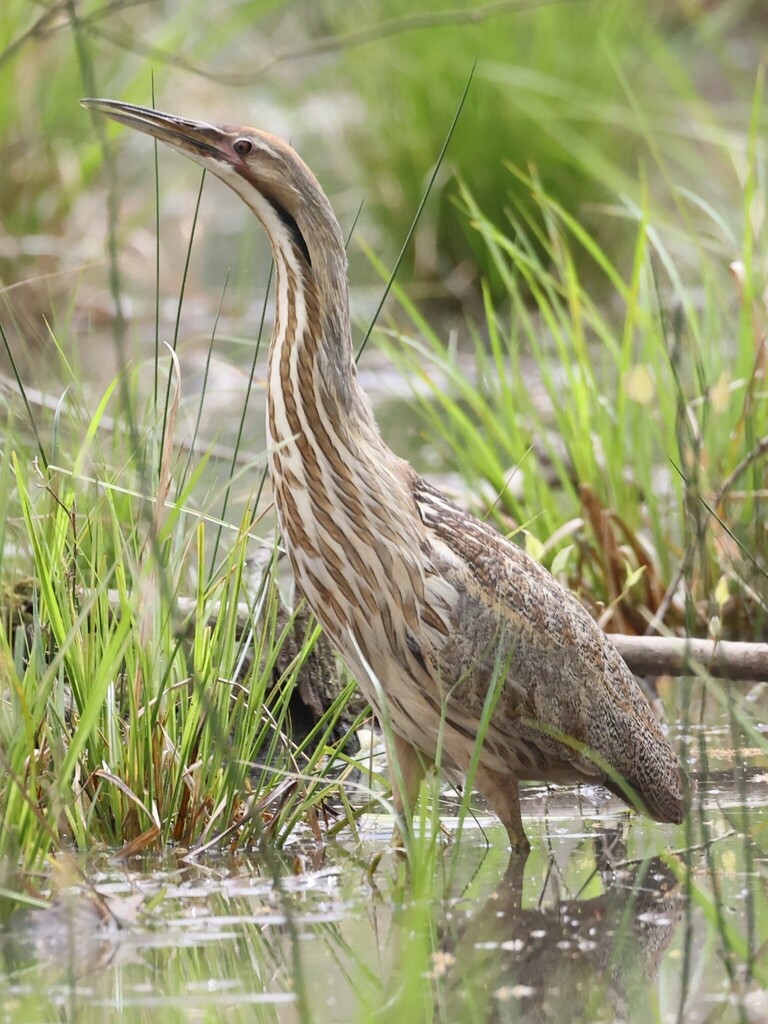
- American BitternBotaurus lentiginosus
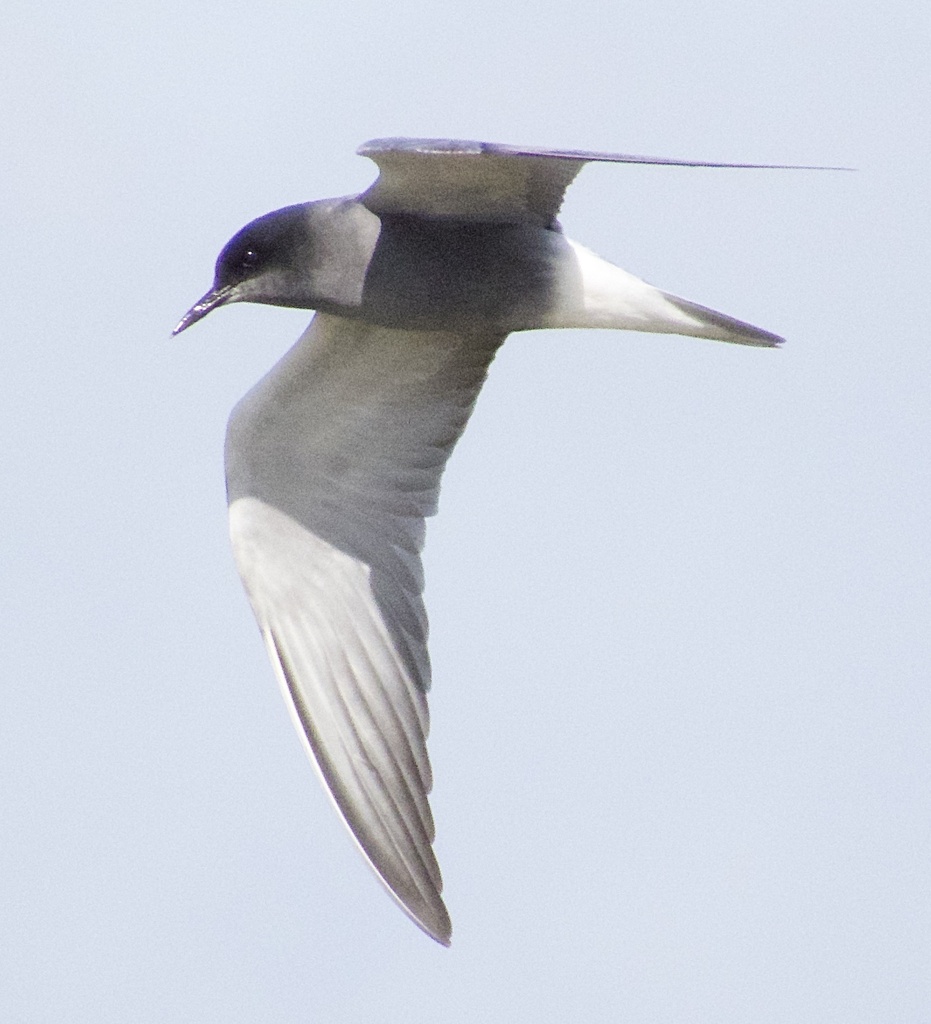
- Black TernChlidonias niger
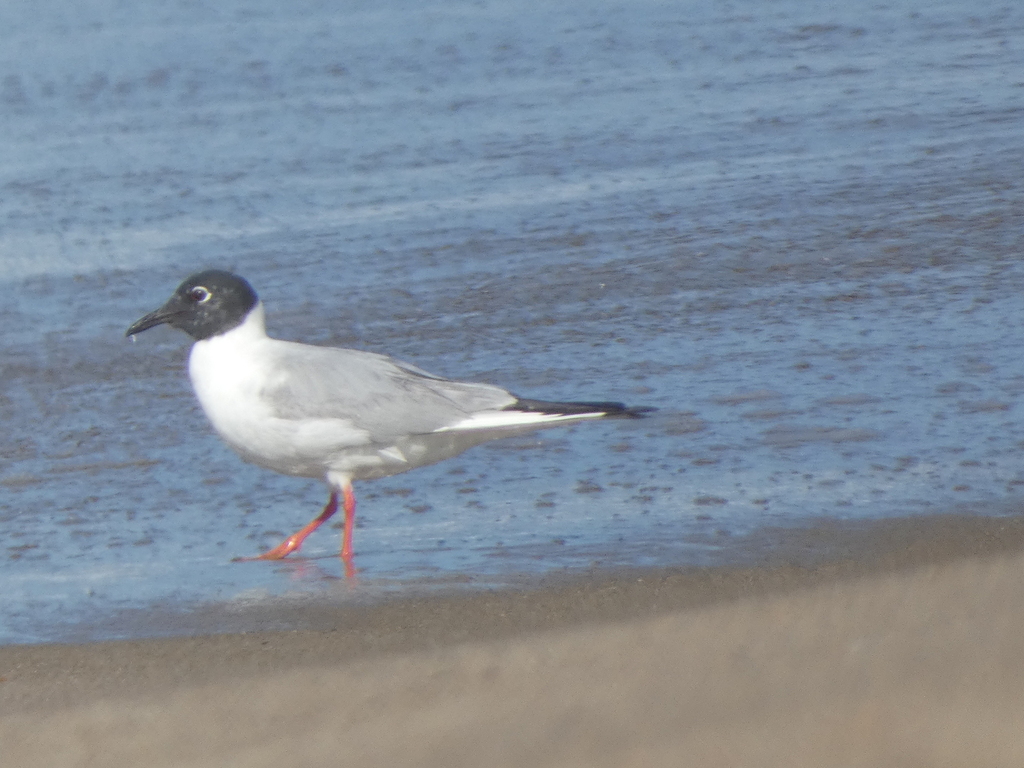
- Bonaparte's GullChroicocephalus philadelphia
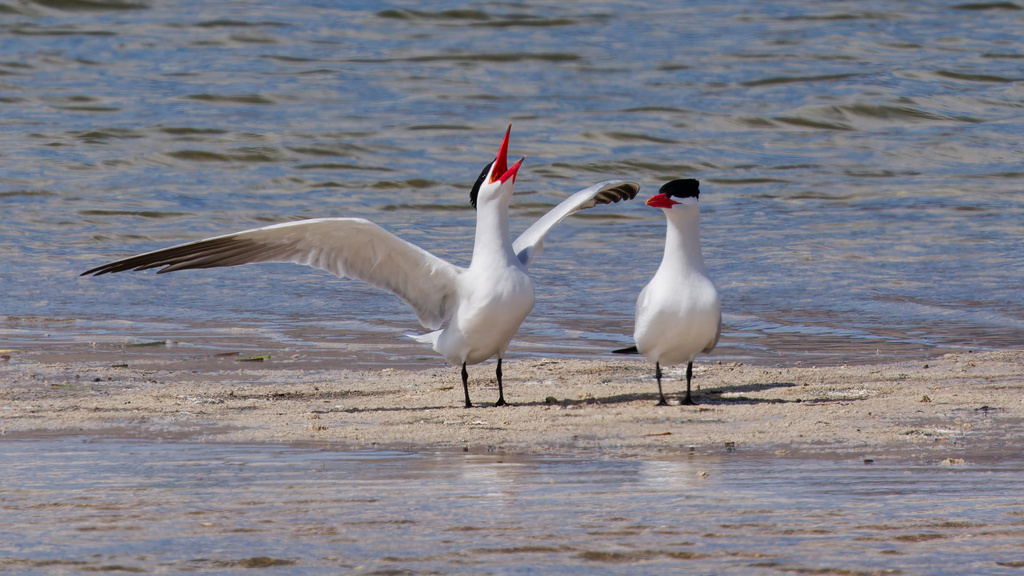
- Caspian TernHydroprogne caspia
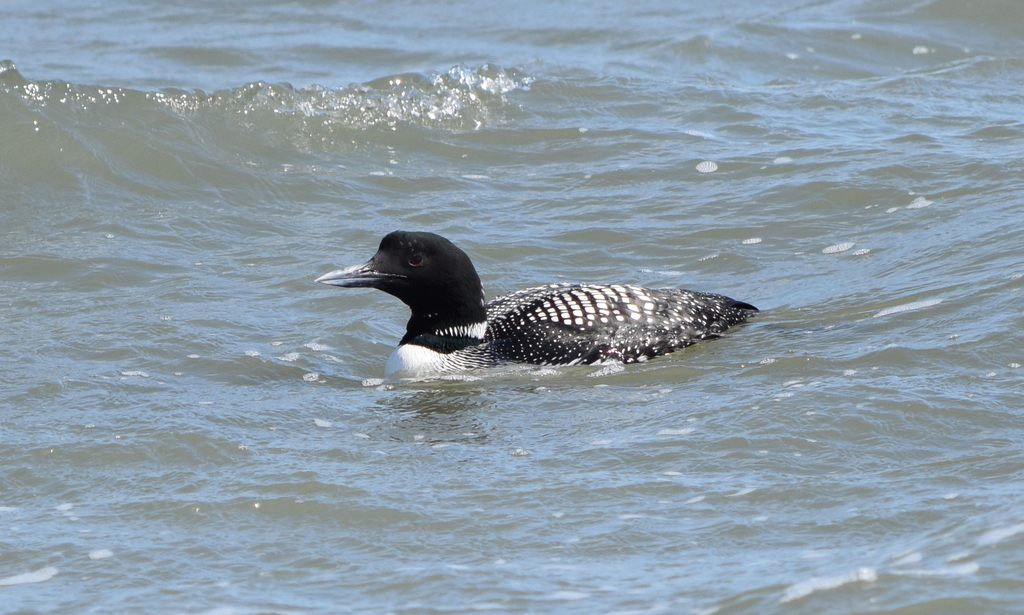
- Common LoonGavia immer
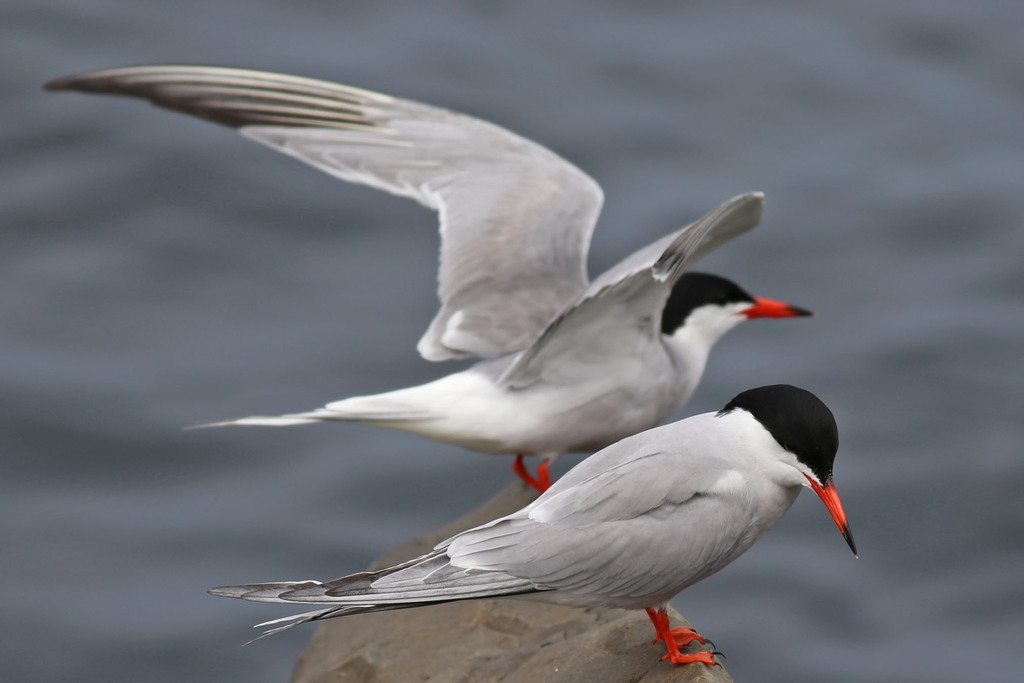
- Common TernSterna hirundo
- DickcisselSpiza americana
- DunlinCalidris alpina
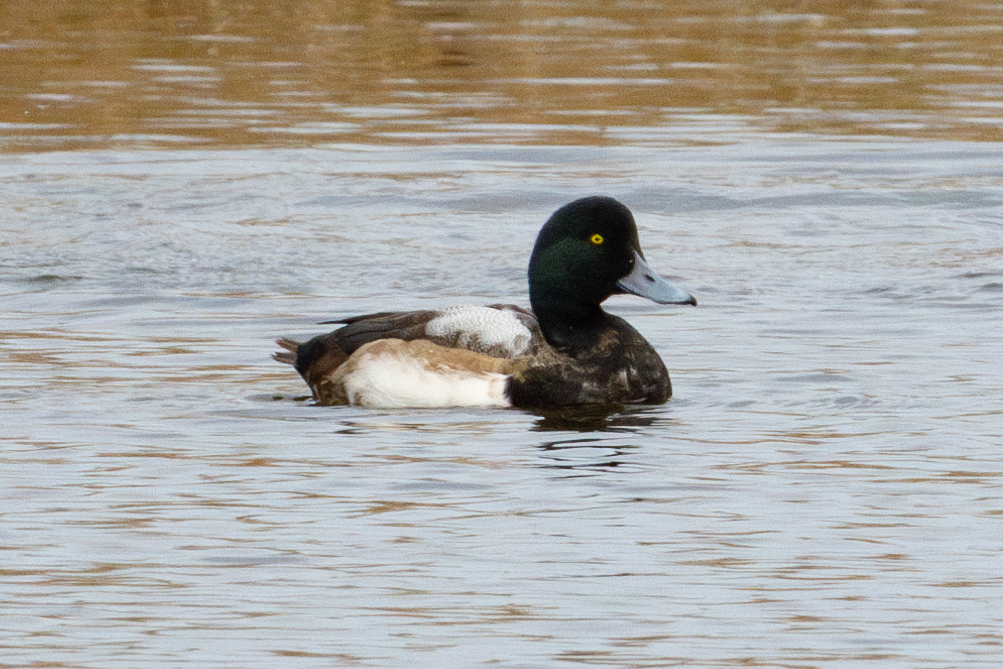
- Greater ScaupAythya marila
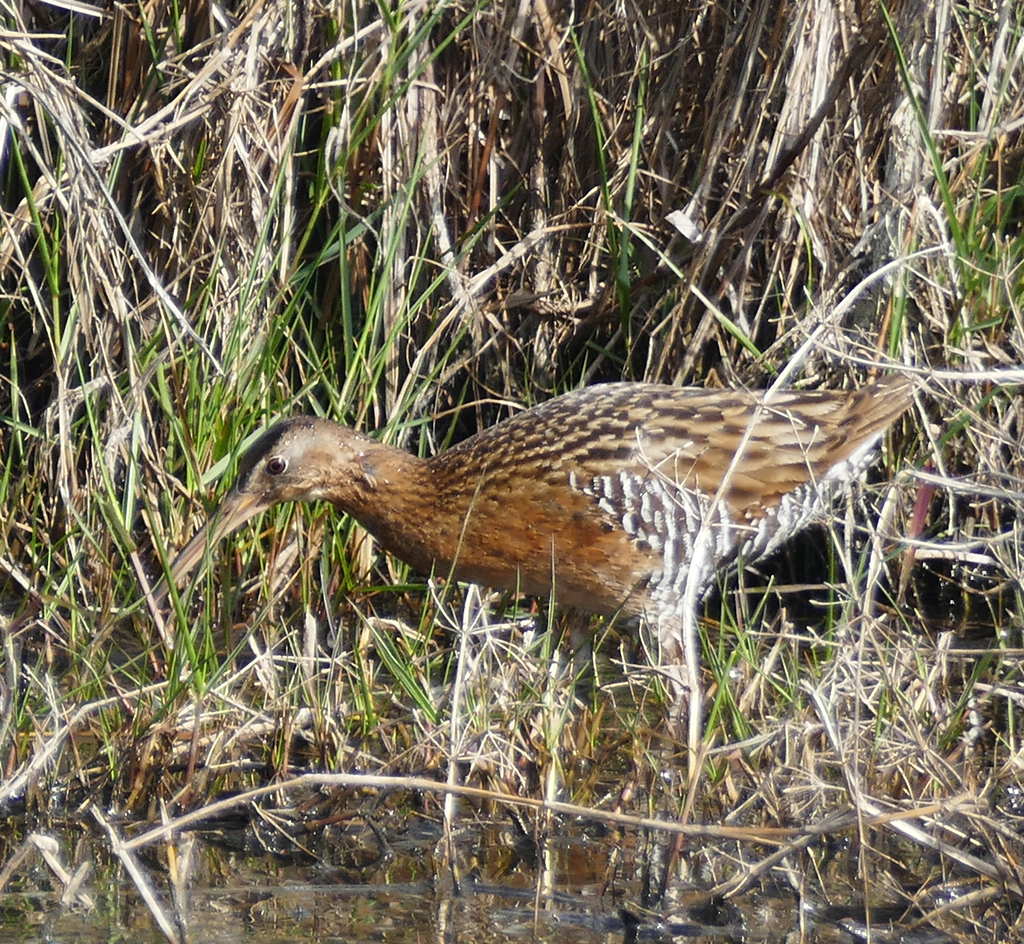
- King RailRallus elegans
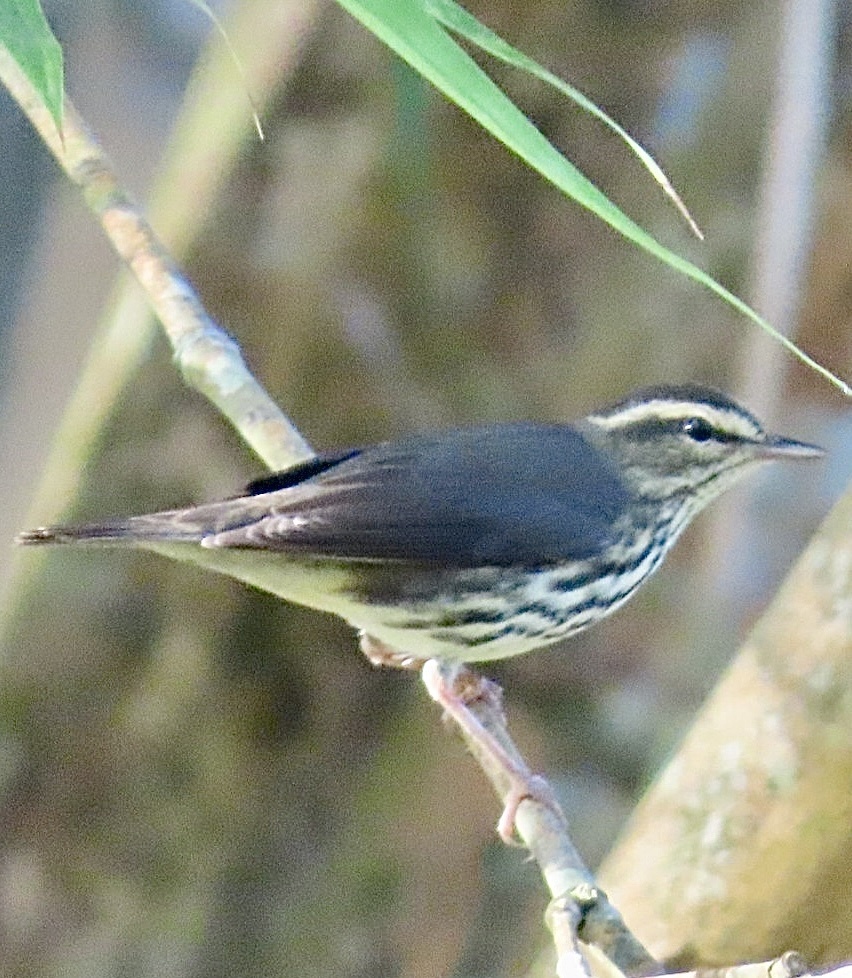
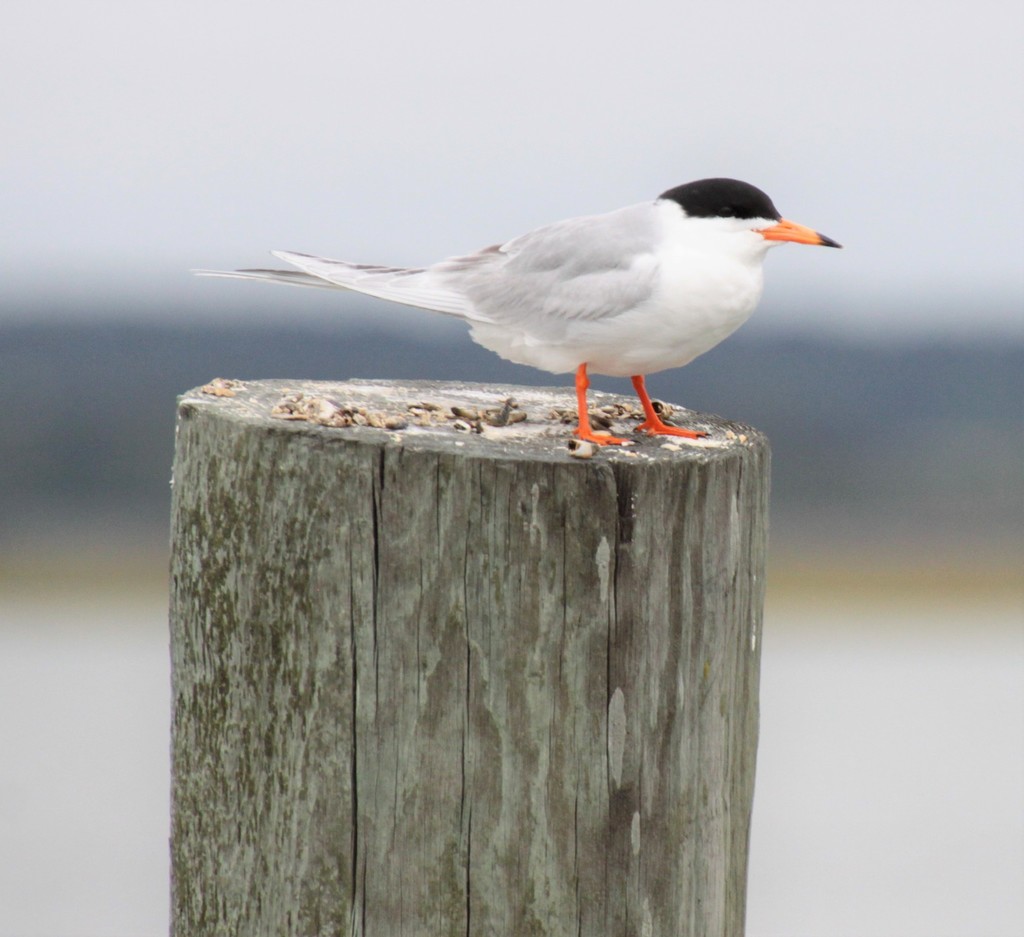
Plants 12
- Slender FimbryFimbristylis autumnalis
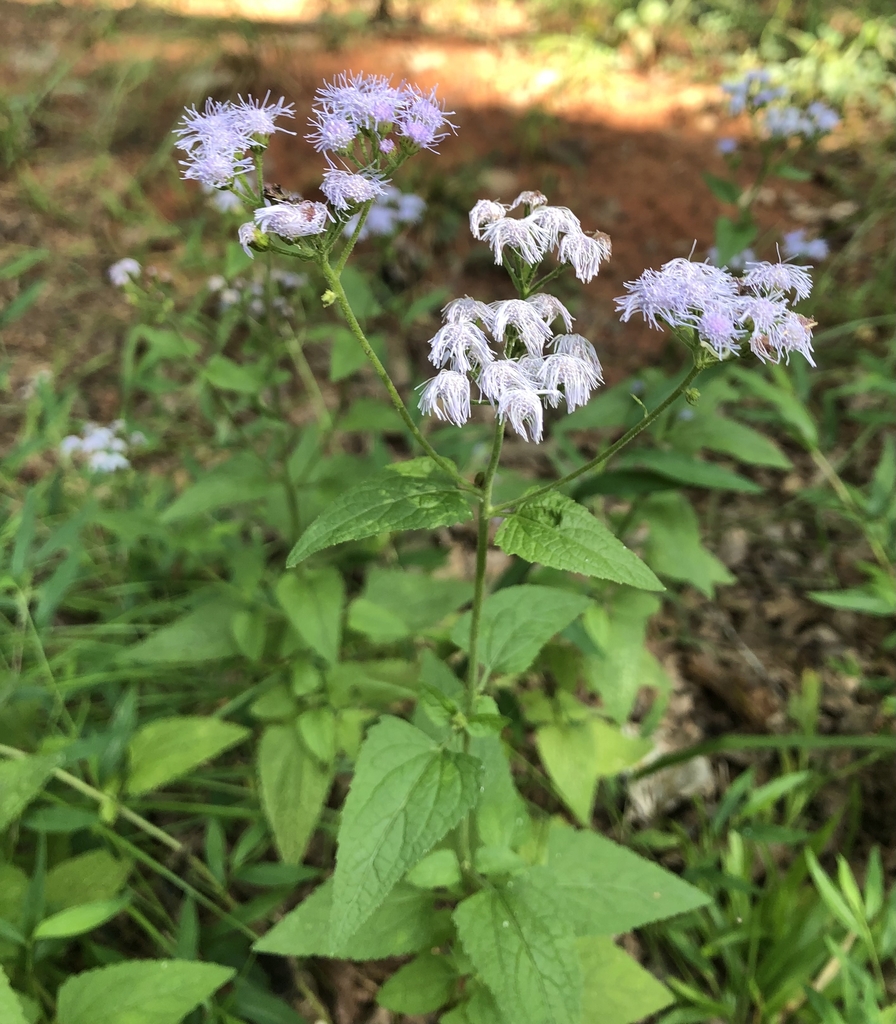
- Blue MistflowerConoclinium coelestinum
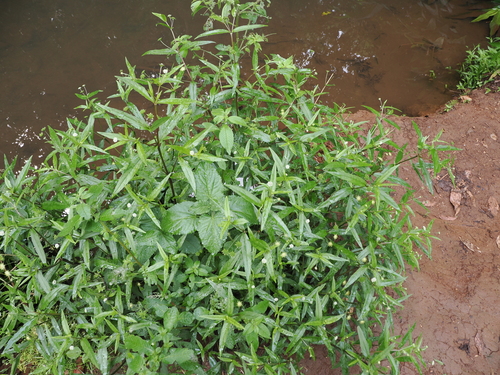
- False DaisyEclipta prostrata
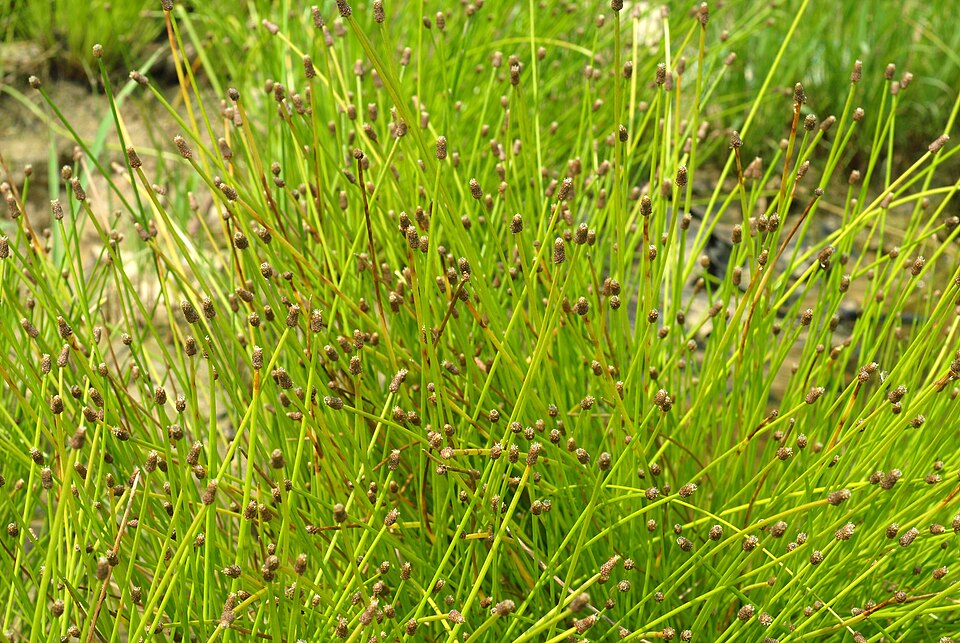
- Intermediate Spike RushEleocharis intermedia
- Blunt Spike RushEleocharis obtusa
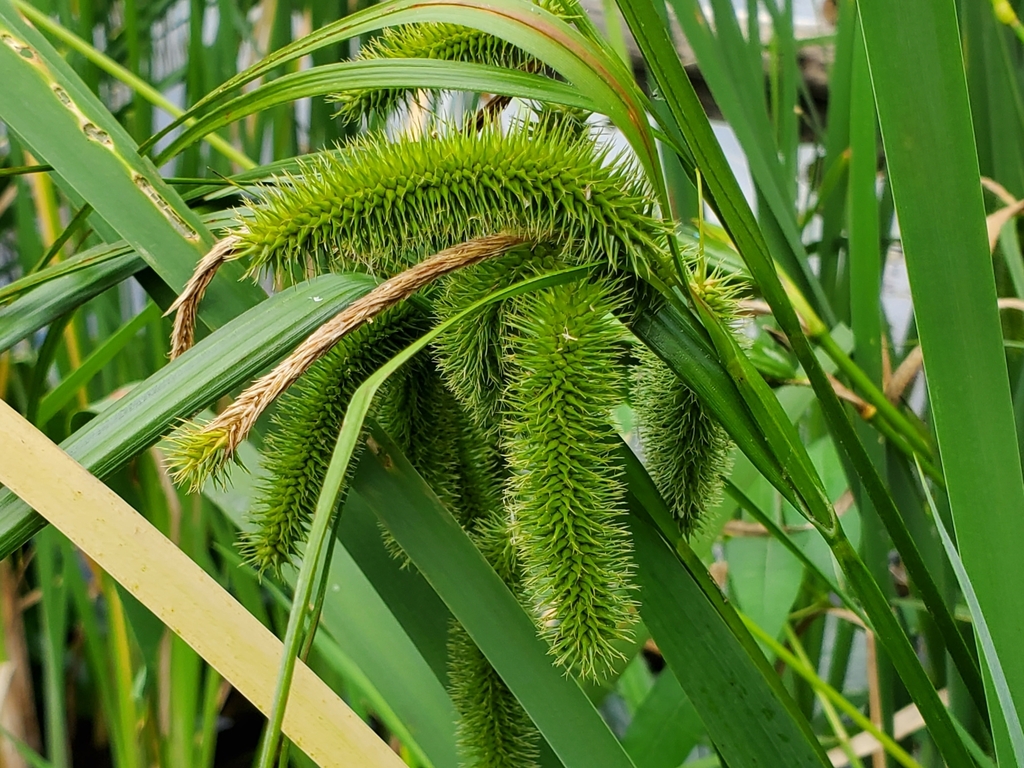
- Bristly SedgeCarex comosa
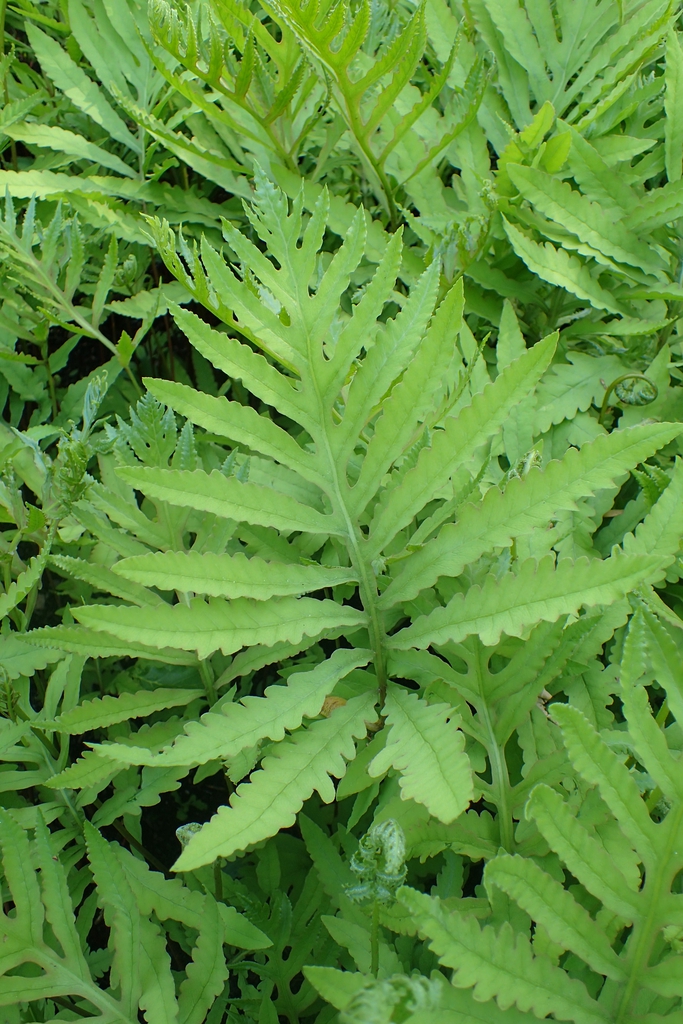
- Sensitive FernOnoclea sensibilis
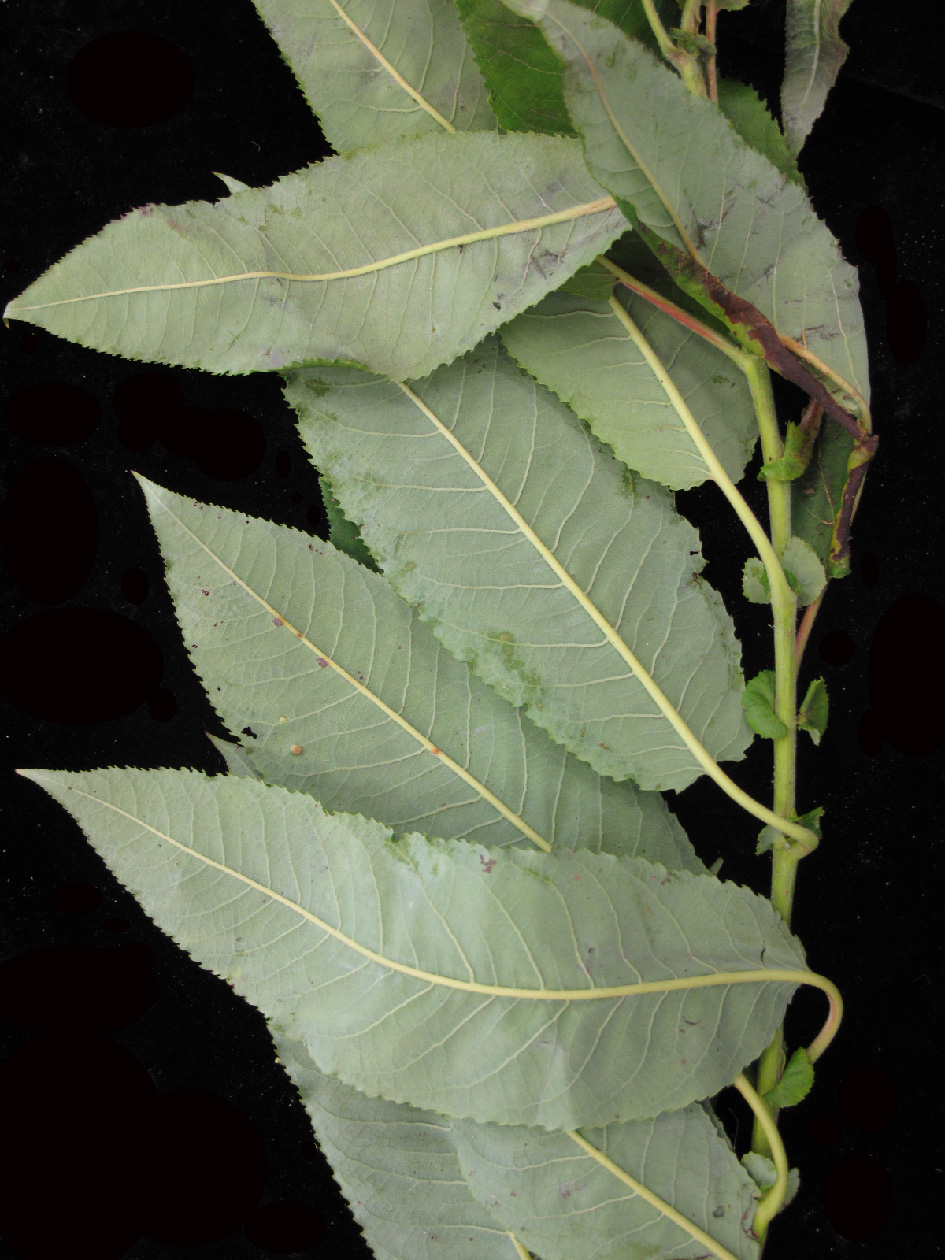
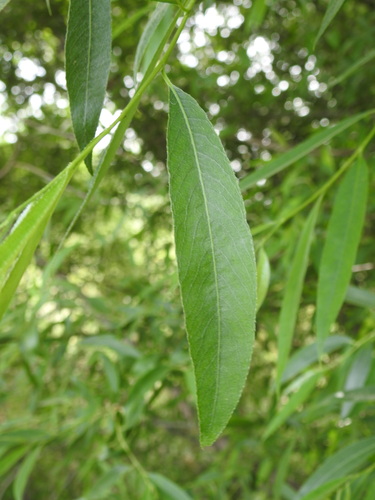
- Heart Leaf WillowSalix eriocephala
- Cuscuta gronovii var. gronoviiCuscuta gronovii var. gronovii
- European Gray WillowSalix cinerea
- Ricefield FlatsedgeCyperus iria
- White WillowSalix alba
Forest edges and thickets
Birds 63
- Hoary RedpollCarduelis hornemanni
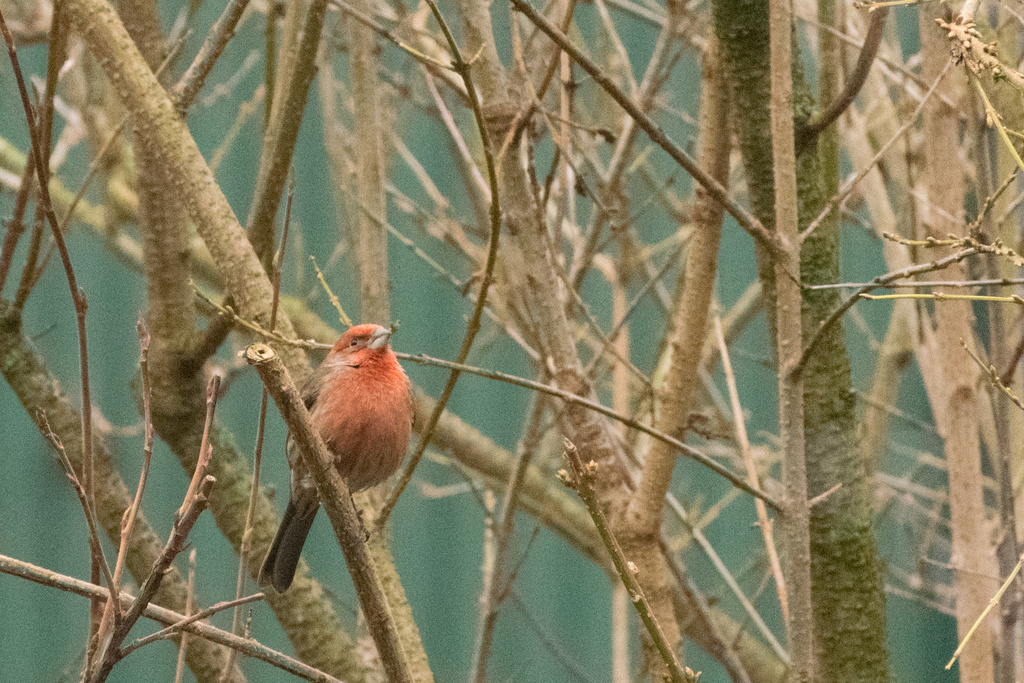
- House FinchCarpodacus mexicanus
- Vesper SparrowPooecetes gramineus
- Wilson's WarblerWilsonia pusilla
- Field SparrowSpizella pusilla
- Henslow's SparrowAmmodramus henslowii
- Lark SparrowChondestes grammacus
- Palm WarblerDendroica palmarum
- Ring-necked PheasantPhasianus colchicus
- Savannah SparrowPasserculus sandwichensis
- Willow FlycatcherEmpidonax traillii
- Northern BobwhiteColinus virginianus
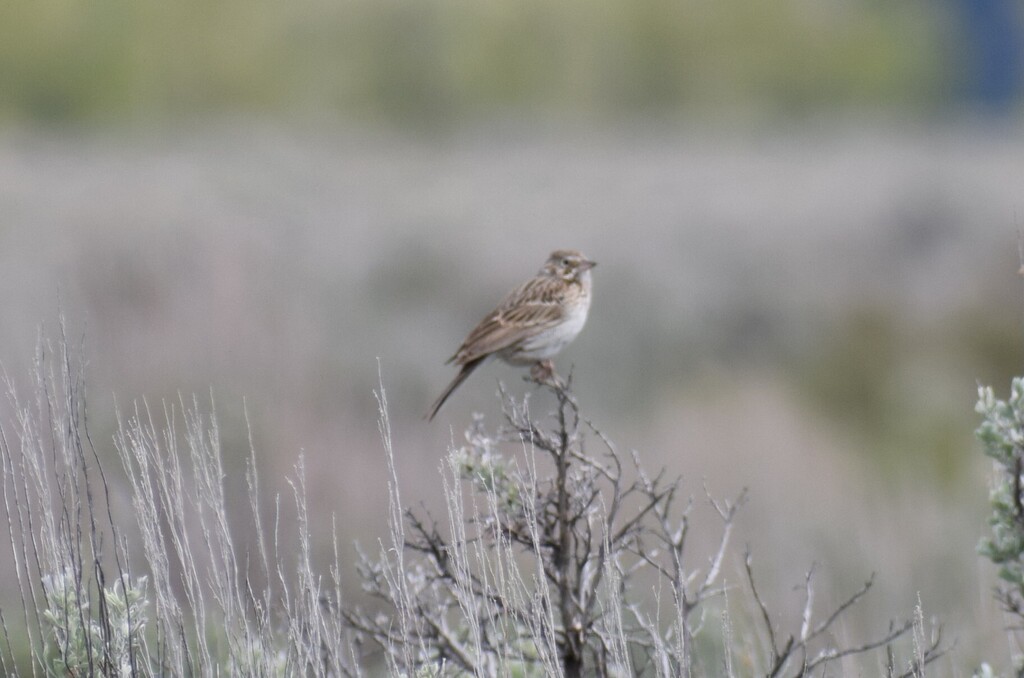
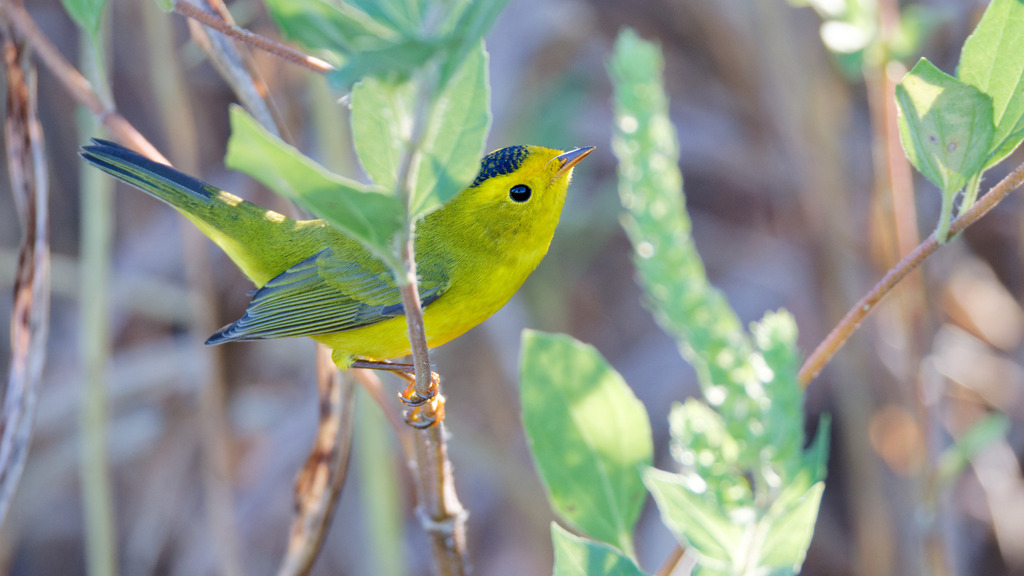
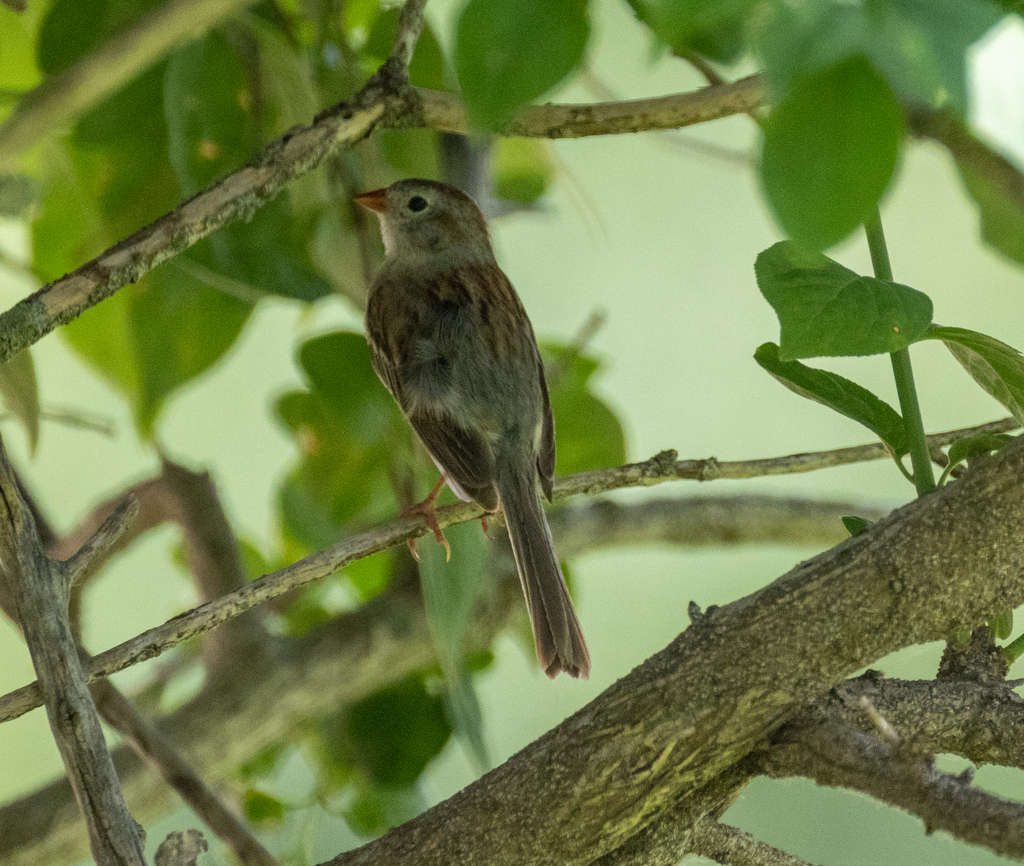
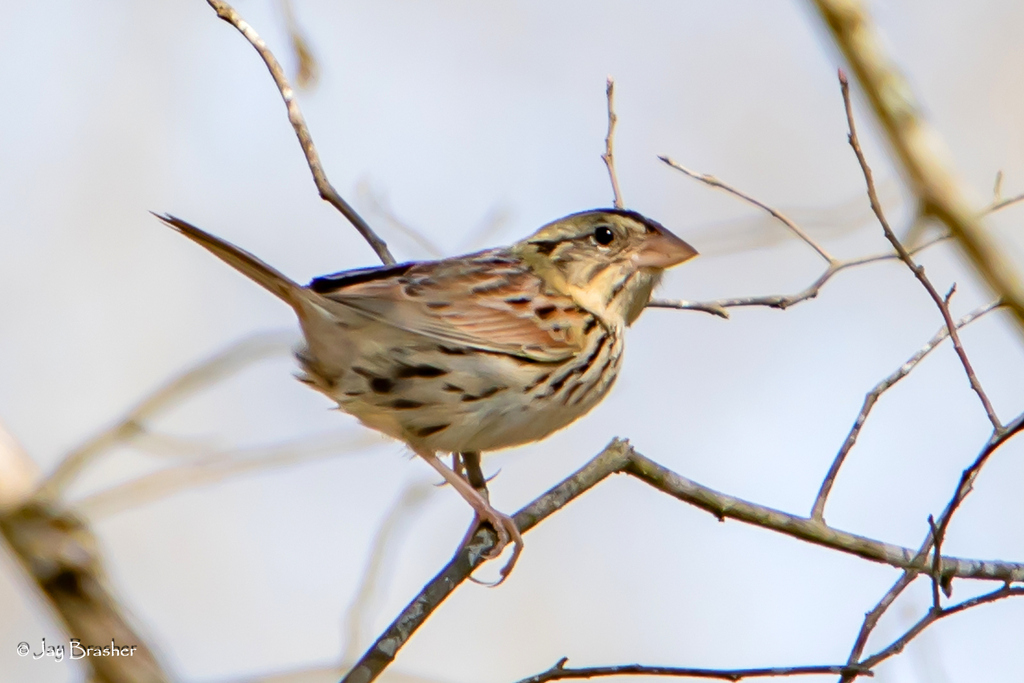
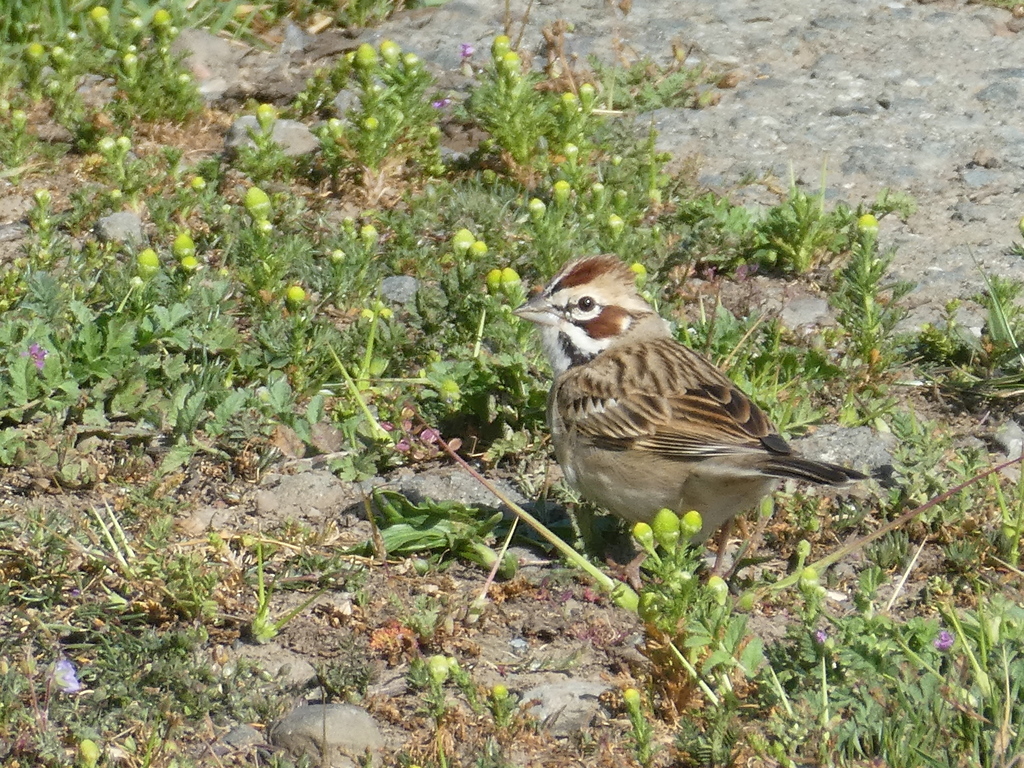
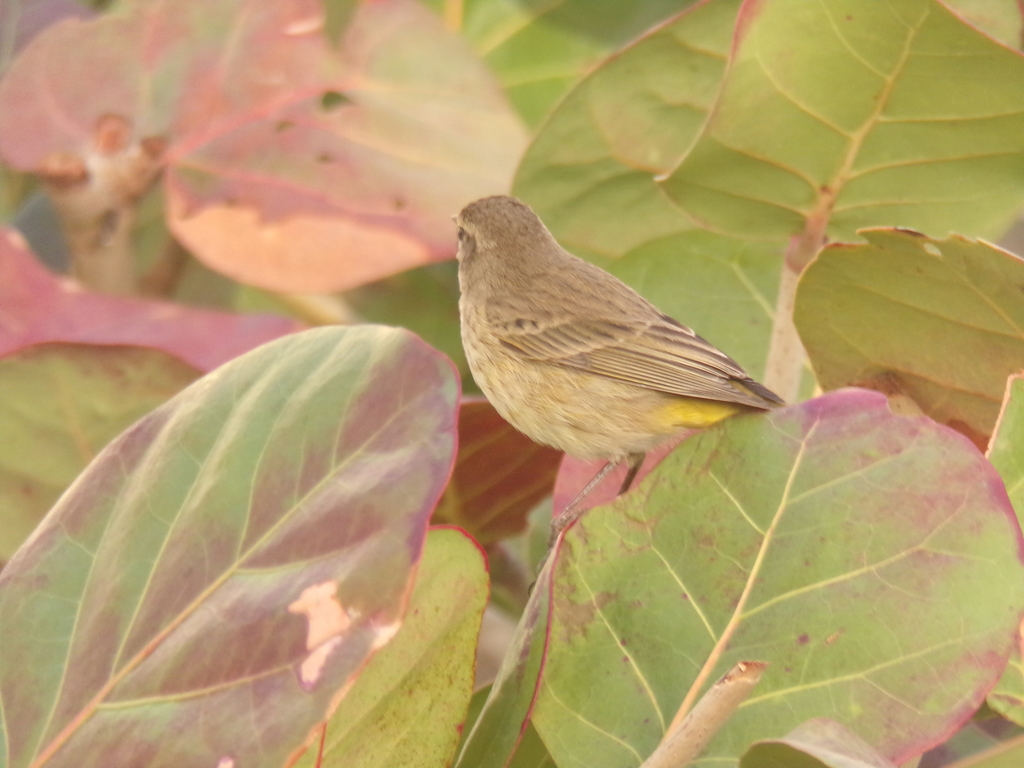
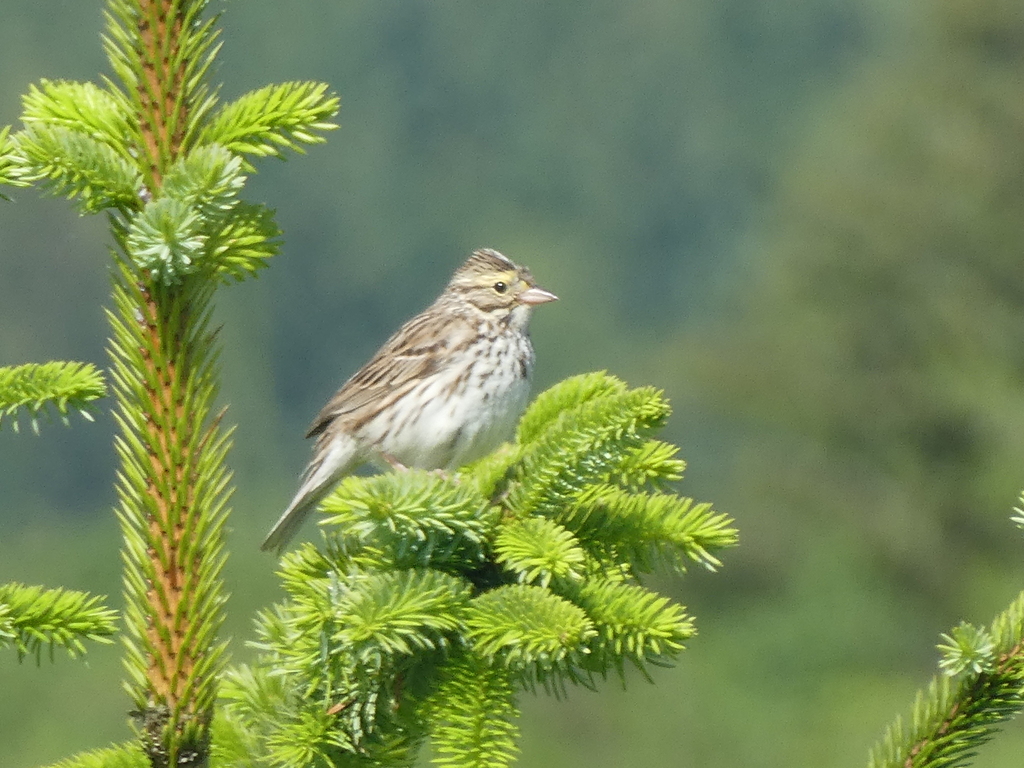

Plants 204
- Bristly BlackberryRubus setosus
- Rubus invisusRubus invisus
- Tall LarkspurDelphinium exaltatum
- Northeastern BindweedCalystegia sepium subsp. americana
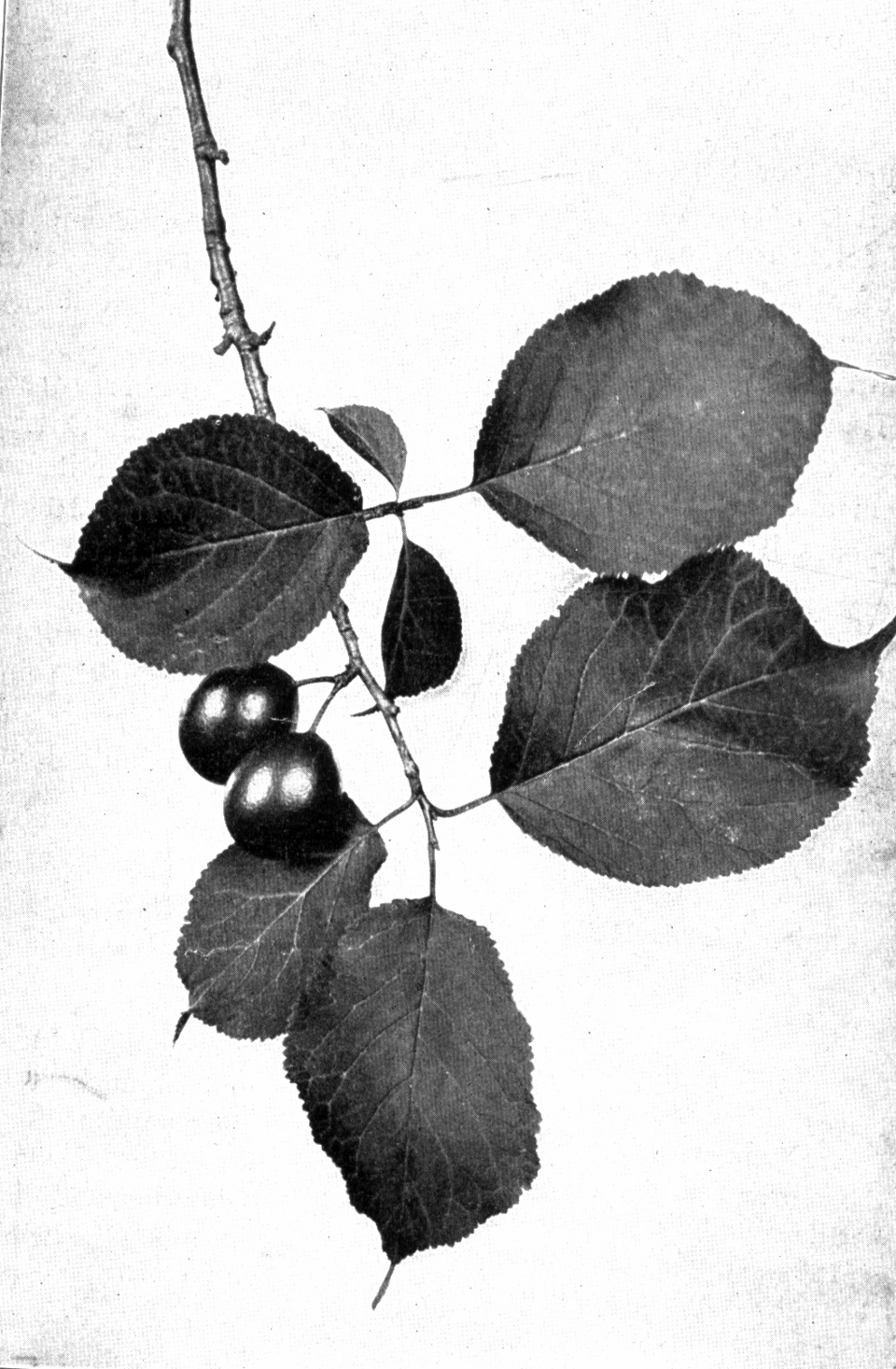
- Canada PlumPrunus nigra
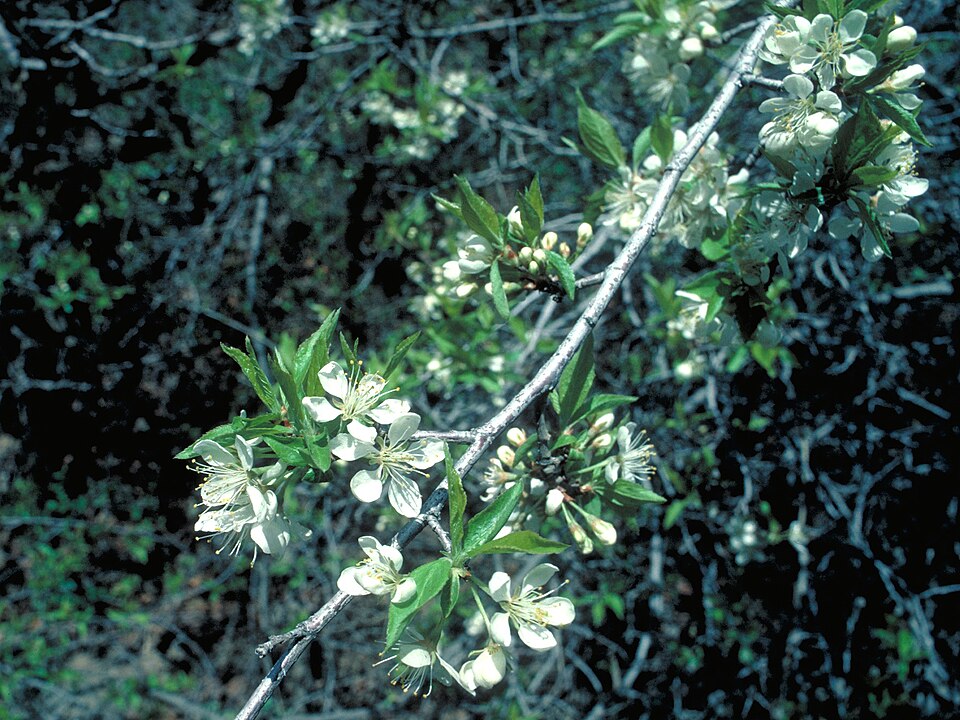
- ChokecherryPrunus virginiana var. virginiana
- Fire CherryPrunus pensylvanica
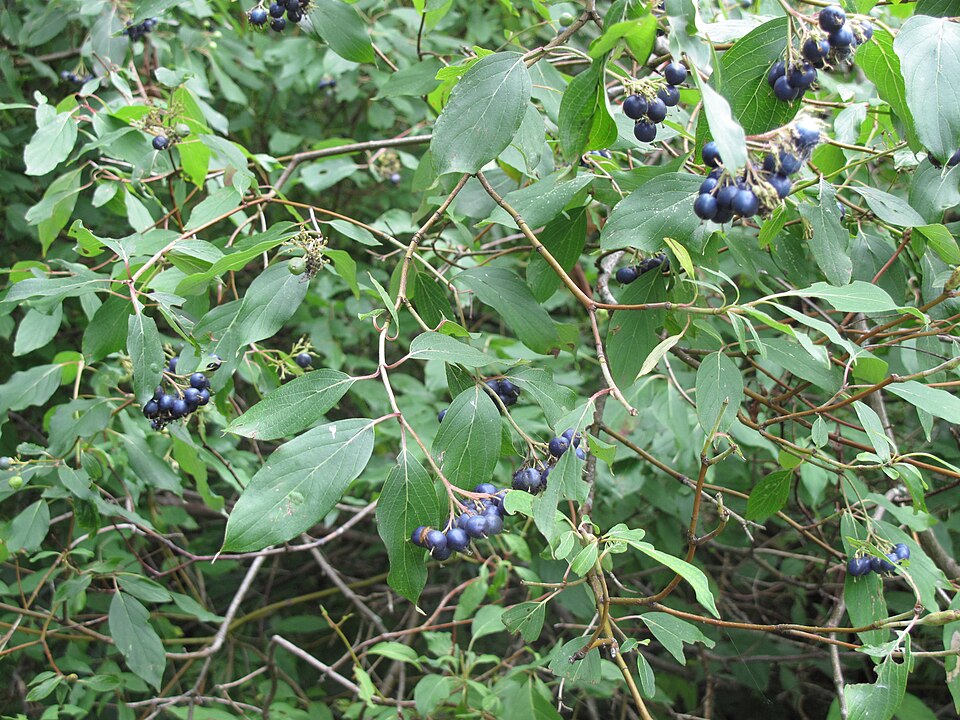
- Silky DogwoodCornus obliqua
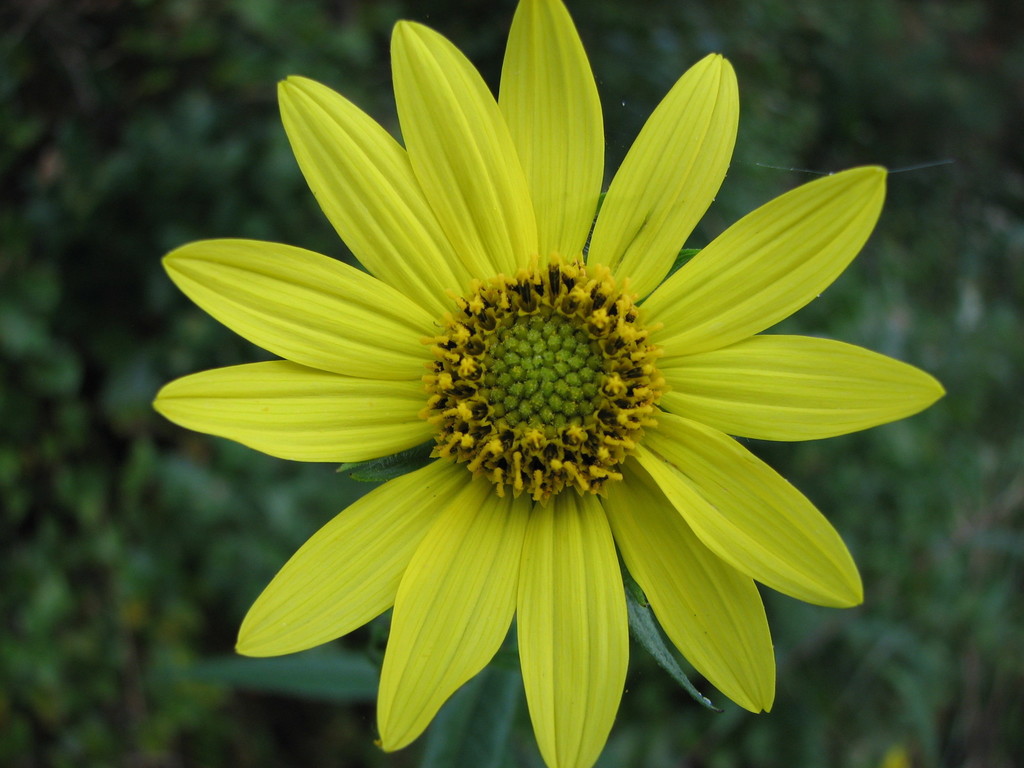
- Giant SunflowerHelianthus giganteus
- Gray DogwoodCornus racemosa
- Buffalo CloverTrifolium reflexum
- Cutleaf GoldenrodSolidago arguta
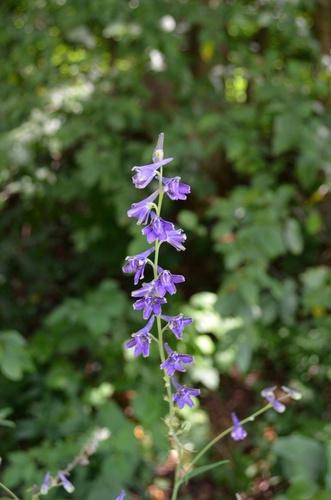

Sources
- USGS Gap Analysis Project habitat models (2001)
- USGS GAP summer habitat model for Barn Swallow
- USGS Gap Analysis Project range maps (2001), modeled by watershed; migratory gives no dates
- NatureServe Explorer (CC BY 4.0), habitat names
- US Census TIGER/Line counties
- Names follow the USGS Gap Analysis Project (2001)