

American Vetch, Purple Vetch
Vicia americana
Also listed as Vicia americana var. americana
Found in dry rocky or shaly woodlands, forest edges, riverside scours and prairies. Weakley, Flora of the Southeastern United States (2025), Northern Tier edition What its natural habitat tells you
Native to West Virginia. How scores work Is it native here?
Profile 65%
- Height
- About 1.3 feet
No photograph yet. Looking for an old drawing…
At a glance
- Leaves
- Deciduous
- Bloom
- Late spring
- Fruiting season
- Summer to fall
Not yet recorded · Spread · Light · Soil · Life cycle
Recorded in 2 West Virginia counties.
Natural habitats
Places it grows wild. Not a planting requirement. Each habitat page lists the plants and wildlife also found there.
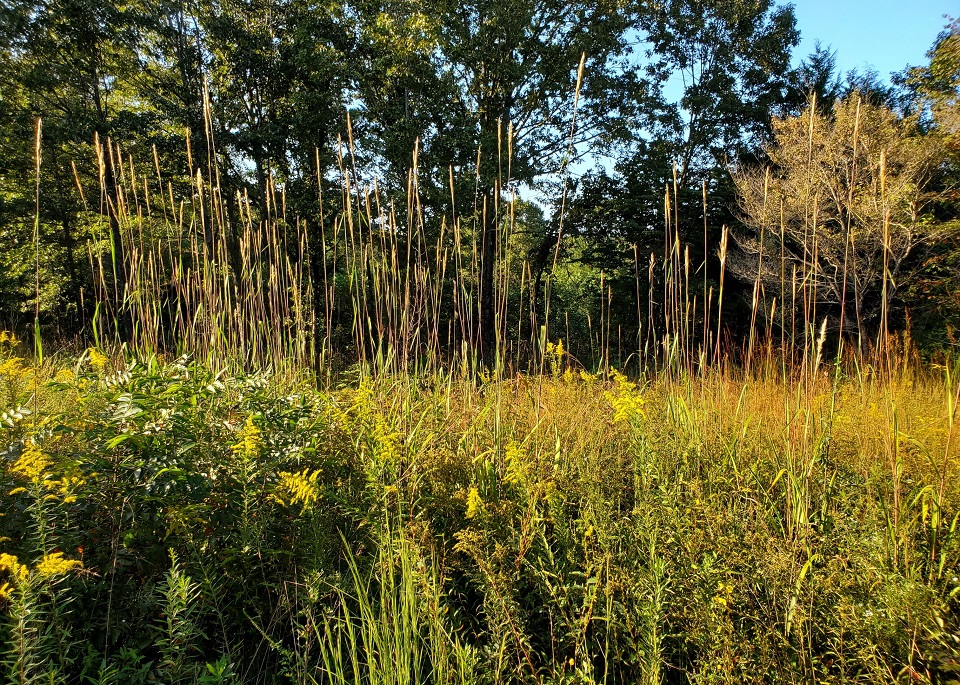
Forest or woodland where the source does not say how moist or dry.
Borders of forests, clearings and shrubby thickets.
Also found with this plant
Wildlife whose habitat models include habitats this plant grows in, in West Virginia. Shared habitat, not food. 129 animals.
- Eastern TowheePipilo erythrophthalmus
- Gray CatbirdDumetella carolinensis
- Great Blue HeronArdea herodias
- Great EgretArdea alba
- Great Horned OwlBubo virginianus
- Green HeronButorides virescens
- Hooded MerganserLophodytes cucullatus
- Indigo BuntingPasserina cyanea
- Mourning DoveZenaida macroura
- Northern CardinalCardinalis cardinalis
- Northern FlickerColaptes auratus
- Northern MockingbirdMimus polyglottos
- Orchard OrioleIcterus spurius
- Purple FinchCarpodacus purpureus
- Red-tailed HawkButeo jamaicensis
- Red-winged BlackbirdAgelaius phoeniceus
- Sharp-shinned HawkAccipiter striatus
- Spotted SandpiperActitis macularius
- Tufted TitmouseBaeolophus bicolor
- Turkey VultureCathartes aura
- VeeryCatharus fuscescens
- White-breasted NuthatchSitta carolinensis
- Willow FlycatcherEmpidonax traillii
- Wood DuckAix sponsa

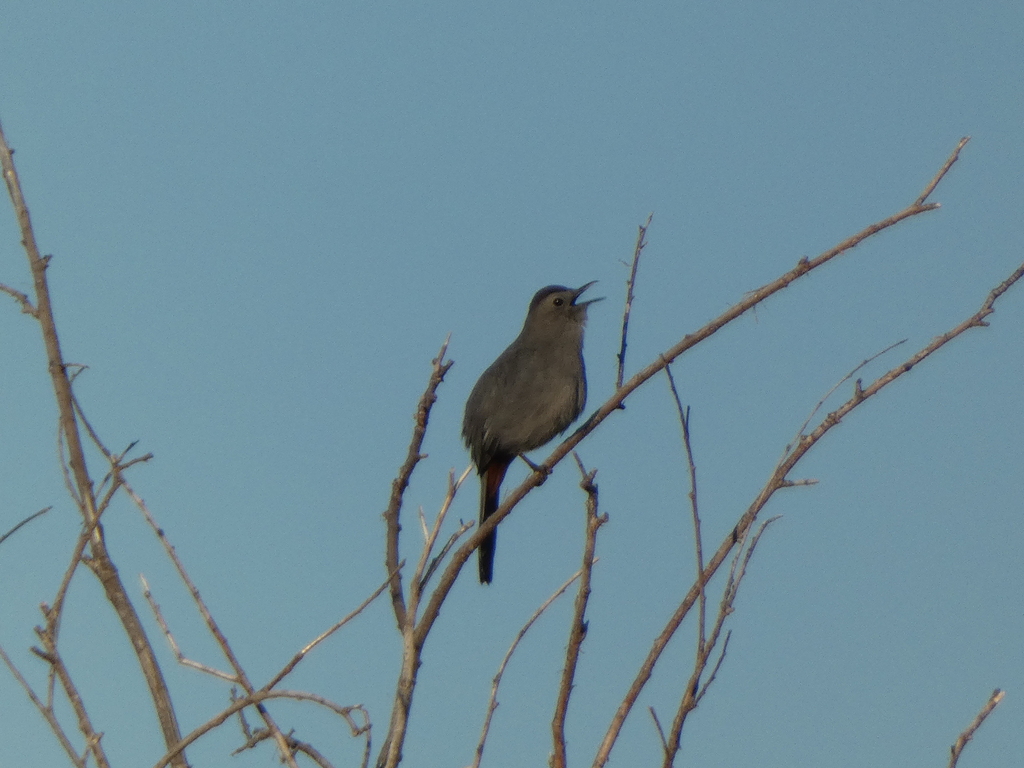










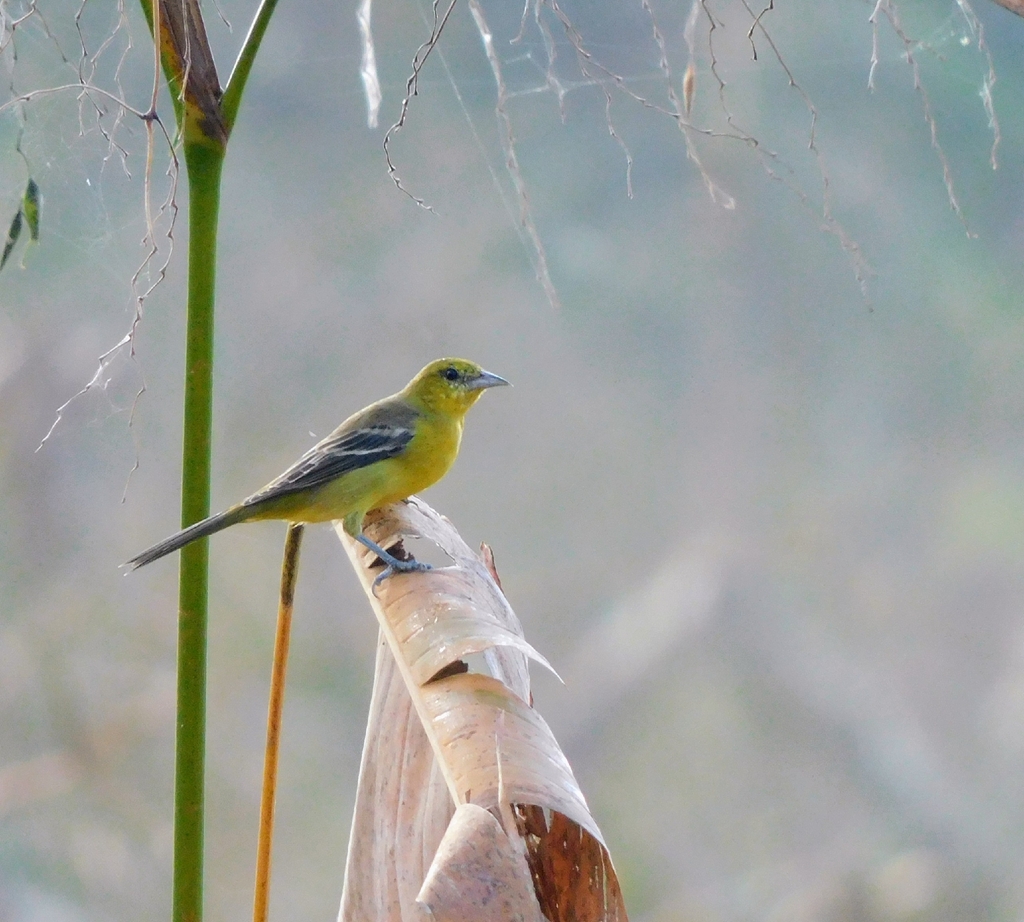







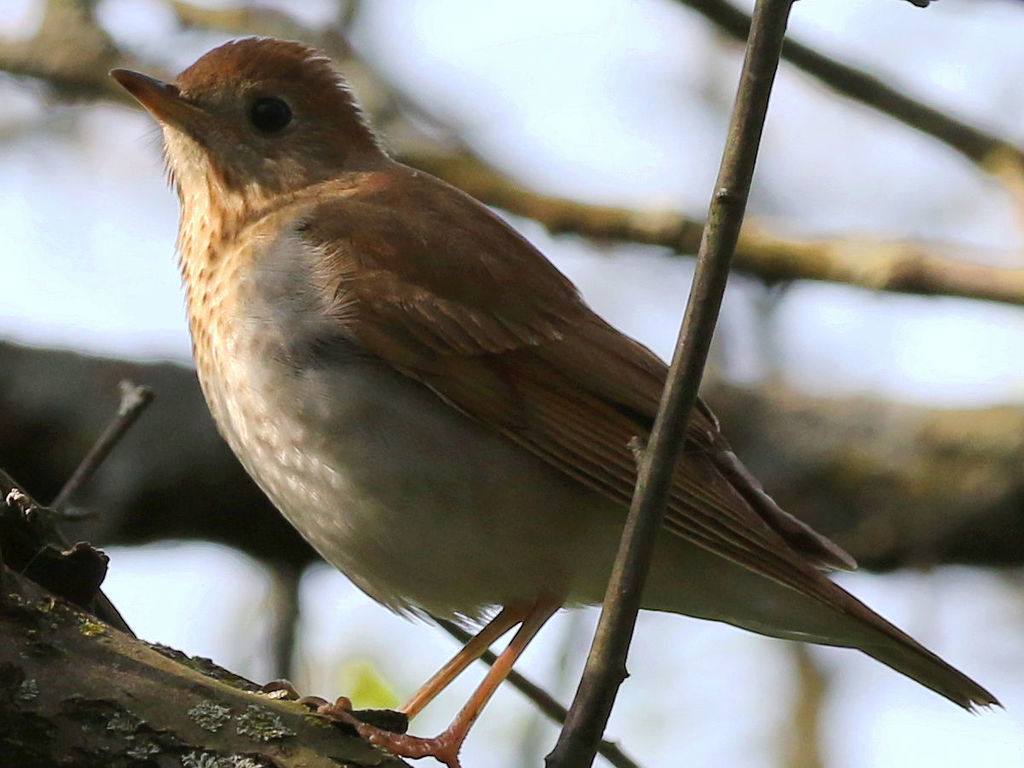


Who uses this plant?
 15CaterpillarsGenus host records with ranges including WV
Genus host records with ranges including WV · Vicia
- Anicla illapsaSnowy Dart
- Archips argyrospilaFruit-Tree Leafroller Moth
- Caenurgia chlorophaVetch Looper Moth
- Cecropterus pyladesNorthern Cloudywing
- Colias eurythemeOrange Sulphur, Alfalfa Butterfly
- Colias philodiceClouded Sulphur, Clover Butterfly
- Cupido comyntasEastern Tailed-Blue
- Gesta baptisiaeWild Indigo Duskywing, Baptisia Duskywing
- Glaucopsyche lygdamusSilvery Blue
- Helicoverpa zeaCorn Earworm Moth
Show all 15
- Hypena scabraGreen Cloverworm Bomolocha, Black Snout
- Mocis latipesSmall Mocis, Striped Grass Looper
- Spodoptera frugiperdaFall Armyworm Moth
- Strymon melinusGray Hairstreak
- Urbanus proteusLong-Tailed Skipper, Bean Leaf Roller
 21BeesSoutheastern regional records
Southeastern regional records · Vicia
Individual names are not available yet.
Noori, Seltmann & Orr 2026, A curated and integrated dataset for exploring global bee-plant interactions (GloBI), Zenodo, CC BY 4.0 1Specialist beesPollen specialists
 10BirdsRecorded genus food-resource interactions; not a state feeding claim
Recorded genus food-resource interactions; not a state feeding claim · Vicia
- Bonasa umbellusRuffed Grouse
- Callipepla californicaCalifornia Quail
- Colinus virginianusNorthern Bobwhite
- Columbina passerinaCommon Ground Dove
- Cyrtonyx montezumaeMontezuma Quail
- Francolinus francolinusBlack Francolin
- Meleagris gallopavoWild Turkey
- Oreortyx pictusMountain Quail
- Perdix perdixGray Partridge
- Zenaida macrouraMourning Dove
Direct food only: birds recorded eating this genus across North America. Caterpillars on host plants also feed nesting birds. NC Native Plant Society: butterfly gardening
No records yet · Ants · Beetles · Flies · Adult butterflies / moths · Other wasps · Other insects
Plant details
- Family
- Family not recorded
- Flower color
- Purple
- Growth rate
- Moderate
- Growth habit
- Spreads by rhizomes
- Foliage color
- Green
- Fruit begins
- Summer
- Fruit ends
- Fall
Safety has not been reviewed for this plant; check toxicity and thorns before planting.
Growing sources and scope
- Bloom · “Late spring” · USDA PLANTS · Nationwide species characteristics; local growing conditions may vary
- Flower color · “Purple” · USDA PLANTS · Nationwide species characteristics; local growing conditions may vary
- Foliage color · “Green” · USDA PLANTS · Nationwide species characteristics; local growing conditions may vary
- Fruit begins · “Summer” · USDA PLANTS · Nationwide species characteristics; local growing conditions may vary
- Fruit ends · “Fall” · USDA PLANTS · Nationwide species characteristics; local growing conditions may vary
- Growth habit · “Spreads by rhizomes” · USDA PLANTS · Nationwide species characteristics; local growing conditions may vary
- Growth rate · “Moderate” · USDA PLANTS · Nationwide species characteristics; local growing conditions may vary
- Height · “About 1.3 feet” · USDA PLANTS · Nationwide species characteristics; local growing conditions may vary
- Leaf retention · “Deciduous” · USDA PLANTS · Nationwide species characteristics; local growing conditions may vary
Also known as
American Purple Vetch; Vicia americana
Conservation status
| West Virginia rank | S4 |
|---|---|
| Global rank | G5 |
| WV status | Not verified |
| Federal status | Not verified |
Will it fit your yard?
Check this plant against your county, sun and soil moisture. Conditions are checked in your browser.
Growing cautions
- Spreads by rhizomes. USDA PLANTS lists its growth form as rhizomatous. USDA PLANTS
For planning only; these do not change the score or Fit.
Sources
- NatureServe Explorer
- USDA PLANTS
- West Virginia occurrence source
- Shropshire & Tallamy 2025, Lepidoptera of North America north of Mexico, ZooKeys 1261 (ODbL)
- Noori, Seltmann & Orr 2026, A curated and integrated dataset for exploring global bee-plant interactions (GloBI), Zenodo, CC BY 4.0
- Smith, Bachelder, Russell, Morales, Mosher & Seltmann 2024, Bee-Specialization-Modeling v0.6.1 (specialist host table compiled from J. Fowler's pollen specialist bee lists), Zenodo, CC BY 4.0
- Hurlbert, Olsen, Sawyer & Winner 2021, Avian Diet Database, Scientific Data 8: 260 (CC0)
- Narango, Tallamy & Shropshire 2020, Few keystone plant genera support the majority of Lepidoptera species, Nature Communications