

Poison-ivy
Toxicodendron radicans
Native to West Virginia (estimated). Not suggested for planting. How scores work Is it native here?
Profile 88%
- Height
- Groundcover, shrub or climbing vine, climbing stems can reach 150 feet
- Spread
- 1–10 feet
- Light
- Dappled sunlight, Full sun, Partial shade
- Soil moisture
- Somewhat dry to moist
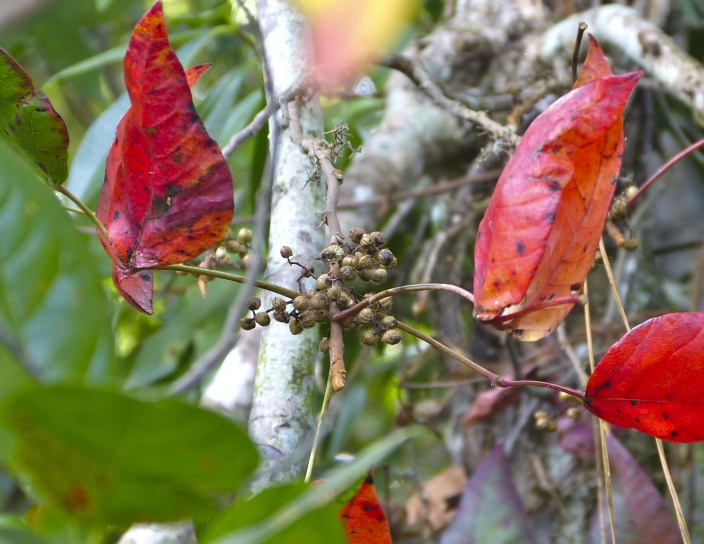
Contact hazard. Remove from paths and play areas; avoid contact and never burn. Follow Extension removal guidance and wear protective clothing. Plant caution source
Hidden from default planting suggestions. Wildlife value and native status remain unchanged.
At a glance
- Life cycle
- Woody perennial
- Leaves
- Deciduous
- Bloom
- Spring
Recorded in 10 West Virginia counties.
Also found with this plant
Wildlife whose habitat models include habitats this plant grows in, in West Virginia. Shared habitat, not food. 103 animals.
- Red-breasted NuthatchSitta canadensis
- Ruby-throated HummingbirdArchilochus colubris
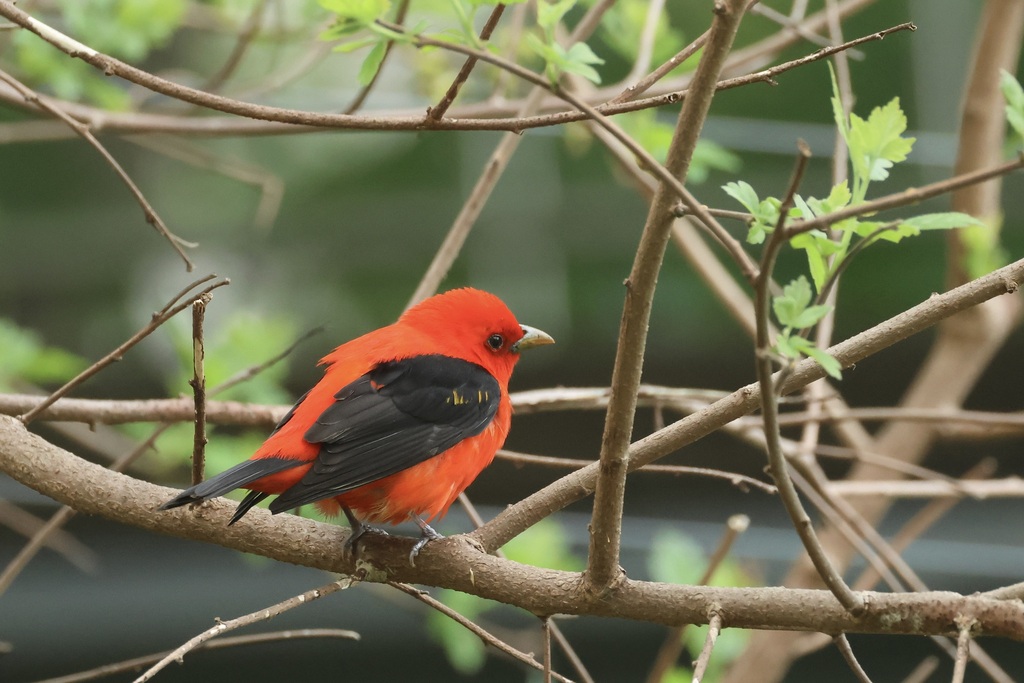
- Scarlet TanagerPiranga olivacea
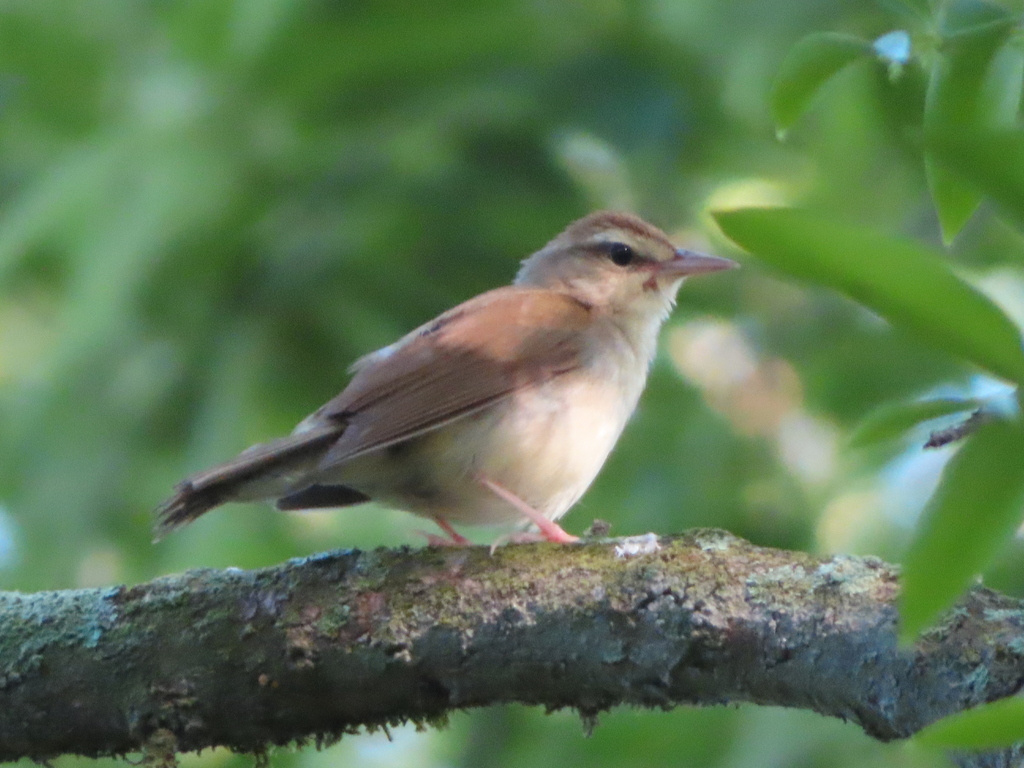
- Swainson's WarblerLimnothlypis swainsonii
- Bank SwallowRiparia riparia
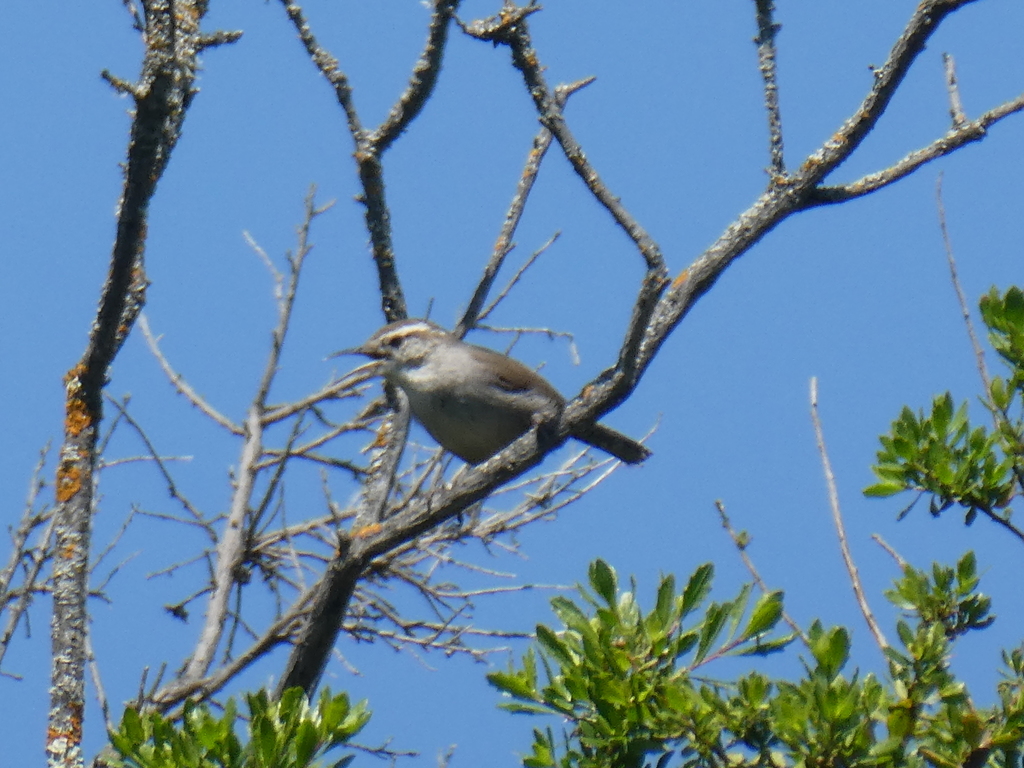
- Bewick's WrenThryomanes bewickii
- Black-throated Green WarblerDendroica virens
- Blue-headed VireoVireo solitarius
- Blue-winged WarblerVermivora pinus
- Brown-headed CowbirdMolothrus ater
- Canada GooseBranta canadensis
- Chuck-will's-widowCaprimulgus carolinensis
- Great Blue HeronArdea herodias
- Great EgretArdea alba
- Green HeronButorides virescens
- Prothonotary WarblerProtonotaria citrea
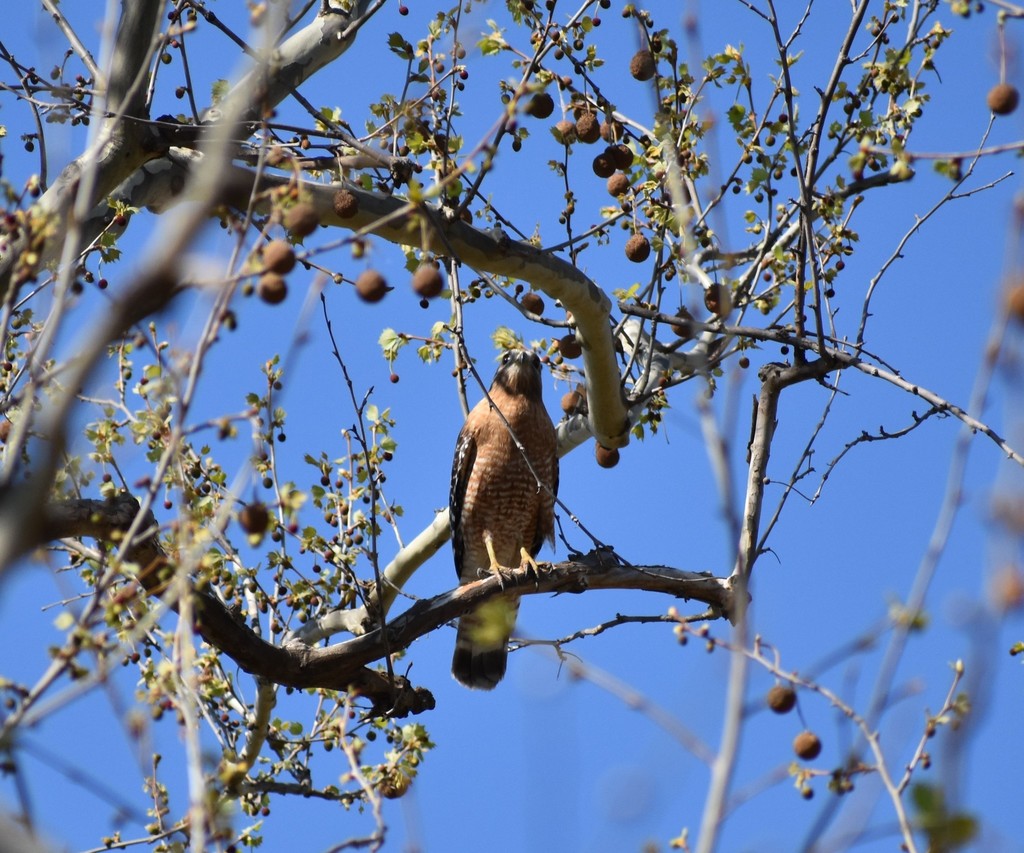
- Red-shouldered HawkButeo lineatus
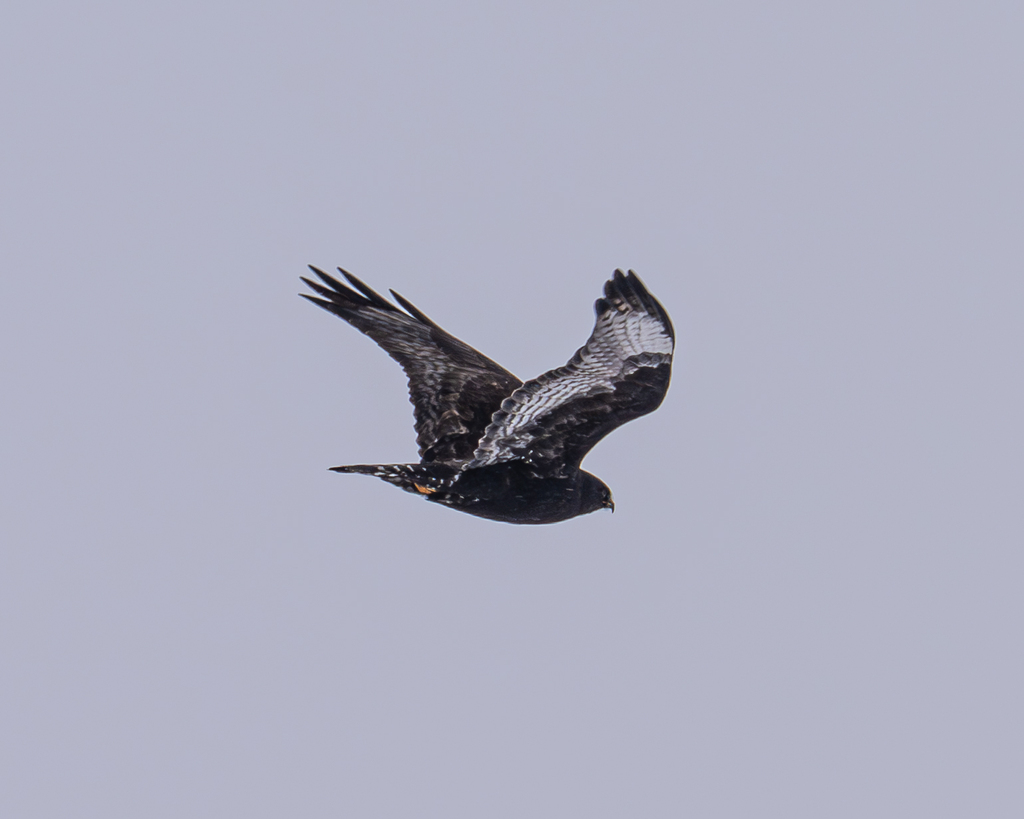
- Rough-legged HawkButeo lagopus
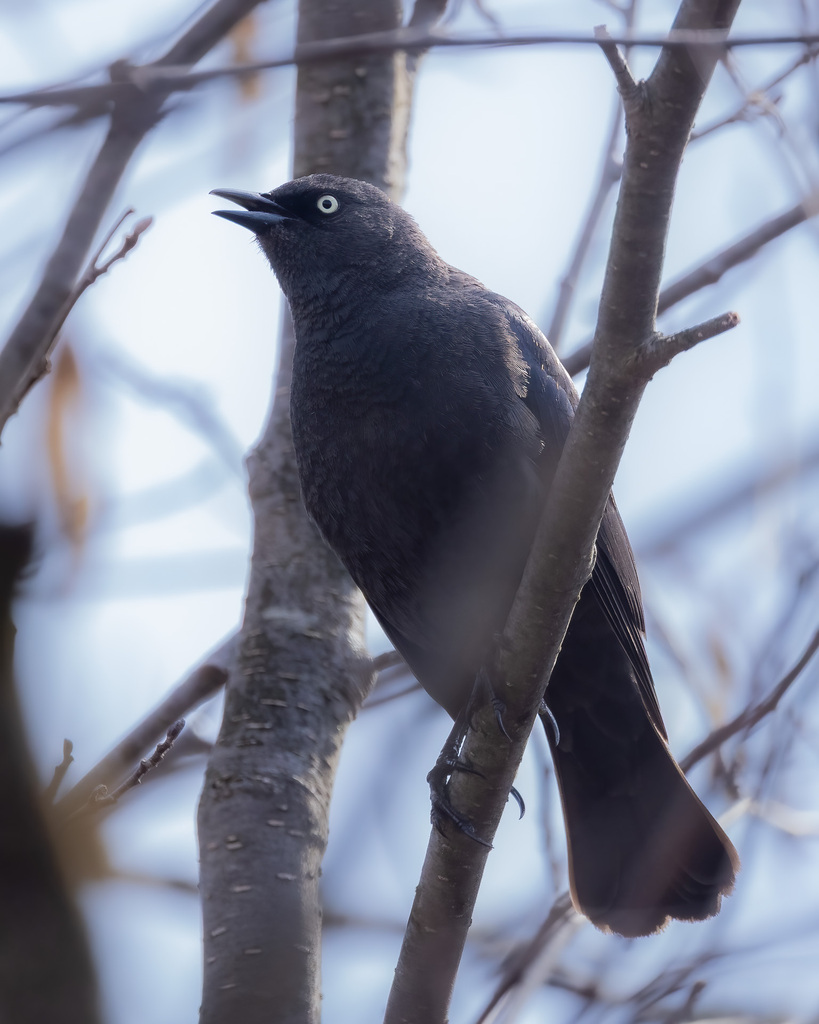
- Rusty BlackbirdEuphagus carolinus
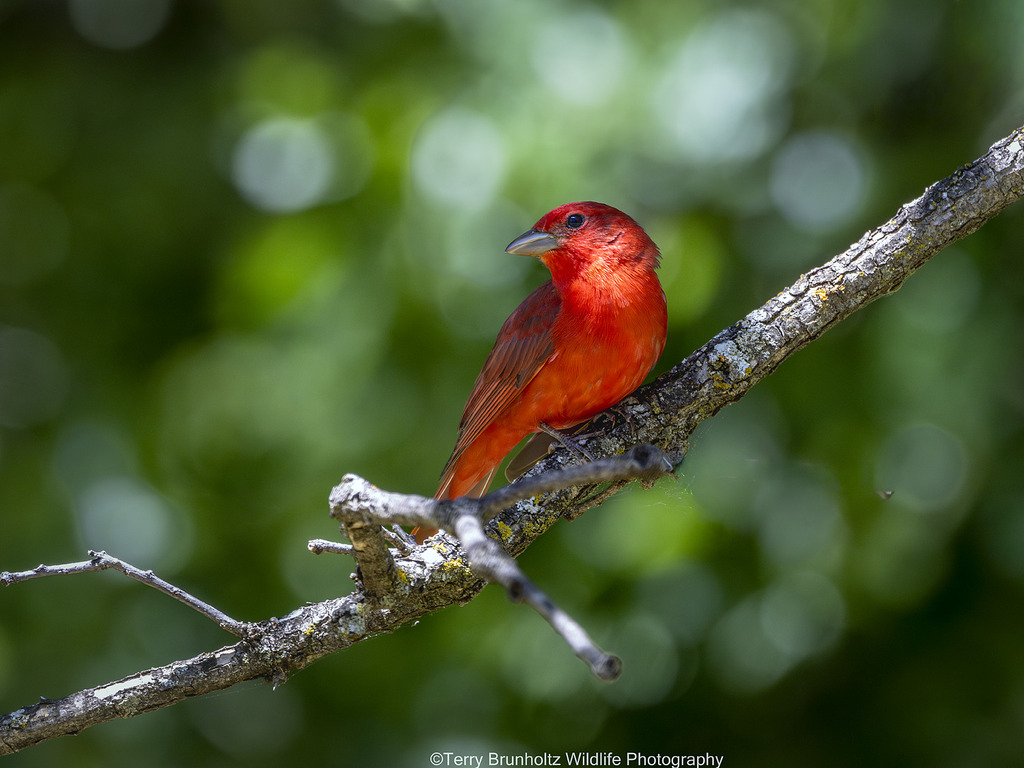
- Summer TanagerPiranga rubra
- White-eyed VireoVireo griseus
- Willow FlycatcherEmpidonax traillii
- Wood DuckAix sponsa
- American Black DuckAnas rubripes



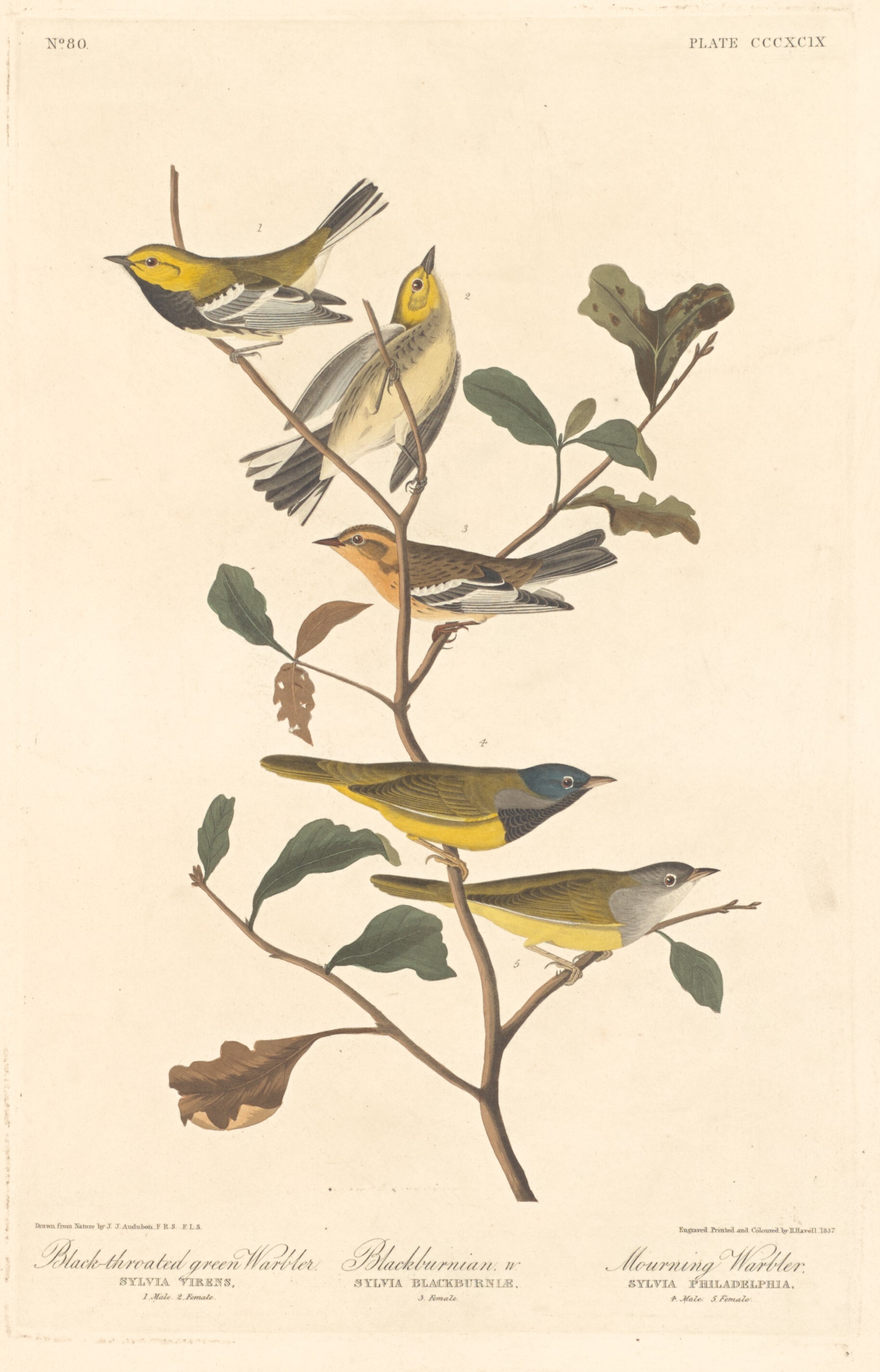

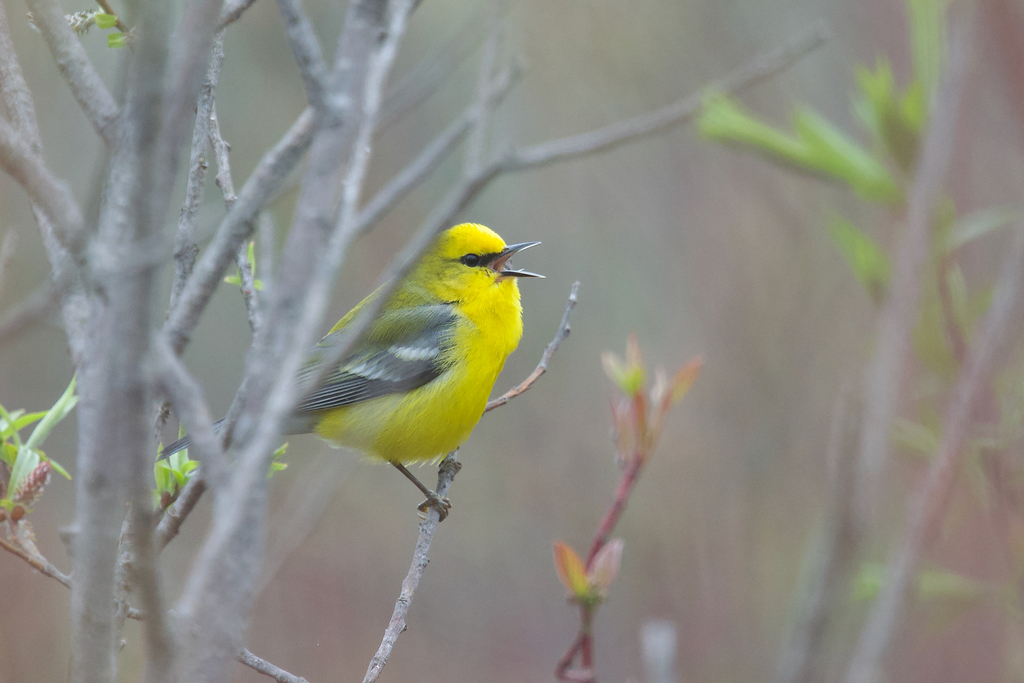


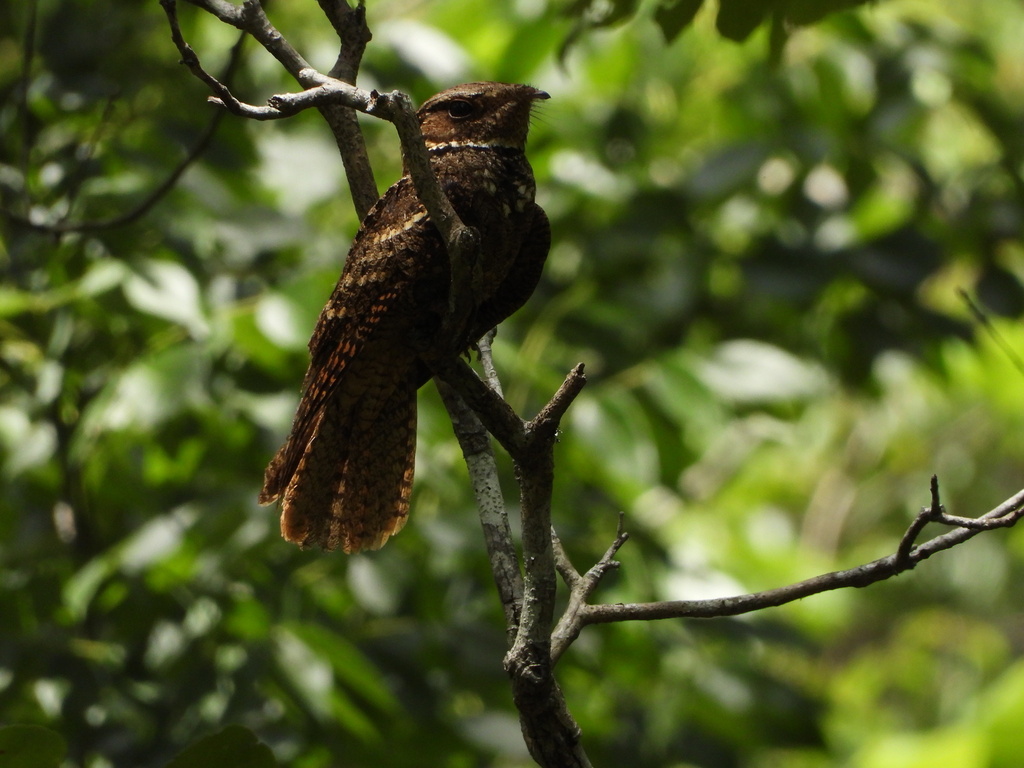



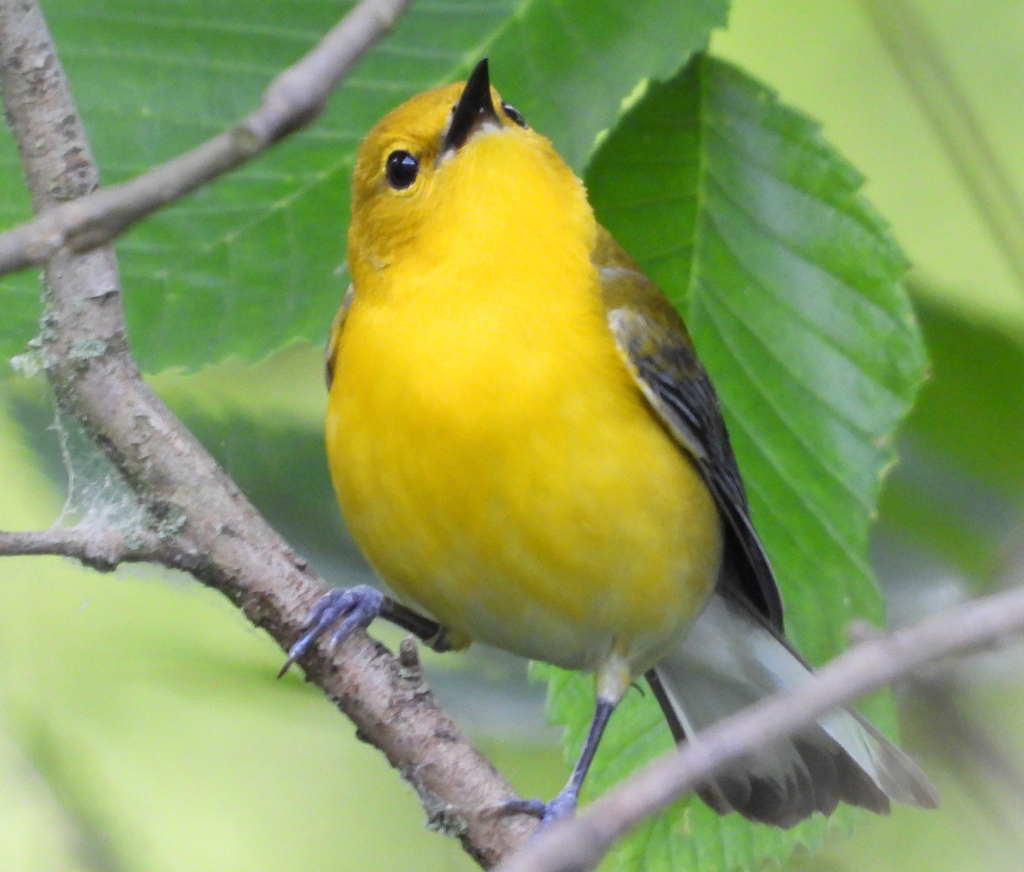



Widespread birds also seen here (49)
Found in many habitats here, so not listed above.
- Alder Flycatcher
- American Crow
- American Goldfinch
- American Kestrel
- American Redstart
- American Robin
- Belted Kingfisher
- Black-billed Cuckoo
- Blue Grosbeak
- Blue Jay
- Blue-gray Gnatcatcher
- Cedar Waxwing
- Chestnut-sided Warbler
- Chimney Swift
- Chipping Sparrow
- Common Nighthawk
- Common Raven
- Common Yellowthroat
- Cooper's Hawk
- Dark-eyed Junco
- Eastern Kingbird
- Eastern Towhee
- European Starling
- Fox Sparrow
- Gray Catbird
- Great Crested Flycatcher
- Great Horned Owl
- Least Flycatcher
- Mourning Dove
- Northern Cardinal
- Northern Flicker
- Northern Mockingbird
- Olive-sided Flycatcher
- Orange-crowned Warbler
- Osprey
- Purple Finch
- Red-tailed Hawk
- Red-winged Blackbird
- Rose-breasted Grosbeak
- Ruby-crowned Kinglet
- Sharp-shinned Hawk
- Spotted Sandpiper
- Tufted Titmouse
- Turkey Vulture
- Veery
- White-throated Sparrow
- Wild Turkey
- Yellow-breasted Chat
- Yellow-rumped Warbler
Who uses this plant?
 49CaterpillarsGenus host records with ranges including WV
Genus host records with ranges including WV · Rhus
- Achatia distinctaDistinct Quaker
- Acronicta longaLong-Winged Dagger, Darkish Dagger
- Actias lunaLuna Moth
- Amorbia humerosanaWhite-Lined Leafroller Moth
- Antepione thisoariaVariable Antepione
- Archips argyrospilaFruit-Tree Leafroller Moth
- Archips purpuranaOmnivorous Leafroller Moth
- Argyrotaenia quercifolianaYellow-Winged Oak Leafroller Moth, Lined Oak Leafroller
- Biston betulariaSalt-and-Pepper Geometer, Cleft-Headed Looper
- Caloptilia belfragellaDogwood Caloptilia
Show all 49
- Caloptilia rhoifoliellaSumac Leafblotch Miner Moth, Sumac Caloptilia
- Calycopis cecropsRed-Banded Hairstreak, Cecrops Hairstreak
- Cecrita guttivittaMaple Prominent, Saddled Prominent
- Choristoneura rosaceanaOblique-Banded Leafroller Moth, Rosaceous Leaf Roller
- Citheronia regalisRoyal Walnut Moth, Hickory Horned Devil
- Cleora sublunariaDouble-Lined Gray
- Datana ministraYellow-Necked Caterpillar Moth
- Datana perspicuaSpotted Dantana
- Derrima stellataPink Star
- Dichorda iridariaShowy Emerald
- Eacles imperialisImperial Moth, Imperial Spiny Caterpillar
- Episimus argutanaSumac Leaftier
- Eupithecia miserulataCommon Eupithacia, Common Pug
- Holcocera chalcofrontellaSumac Holcocera
- Hyalophora cecropiaCecropia Silkmoth, Cecropia Moth
- Iridopsis defectariaBrown-Shaded Gray, Willow Looper
- Lophocampa caryaeHickory Tussock Moth, Hickory Tiger Moth
- Marathyssa basalisLight Marathyssa
- Marathyssa inficitaDark Marathyssa
- Marathyssa pulcherrimusBeautiful Eutelia
- Melanolophia canadariaCanadian Melanolphia, Variable Redmarked Looper
- Moodna ostrinellaDarker Moodna
- Morrisonia confusaConfused Woodgrain
- Nemoria rubrifrontariaRed-Fronted Emerald
- Olethreutes appendiceumServiceberry Leafroller
- Olethreutes permundanaRaspberry Leafroller
- Paectes oculatrixEyed Paectes
- Papaipema nebrisStalk Borer
- Pleuroprucha insulsariaCommon Tan Wave
- Pococera asperatellaMaple Webworm
- Pseudochelaria walsinghamiWalsingham's Moth
- Pyrrhia ciliscaAmerican Bordered Sallow, Noble Sun Moth
- Sciota subfuscellaStriped Sumac Leafroller
- Spilosoma virginicaVirginian Tiger Moth, Yellow Woolybear Moth, Yellow Bear
- Spiramater lutraDarling Mamestra, Splashed Arches, Otter Spiramater, Otter Arches
- Telphusa longifasciellaY-Backed Telphusa
- Tetracis crocallataYellow Slant-Line
- Thyridopteryx ephemeraeformisEvergreen Bagworm Moth
- Paralobesia rhoifructana
 52BeesSoutheastern regional records
Southeastern regional records · Rhus
Individual names are not available yet.
Noori, Seltmann & Orr 2026, A curated and integrated dataset for exploring global bee-plant interactions (GloBI), Zenodo, CC BY 4.0 0Specialist beesPollen specialists
 19BirdsRecorded eating Toxicodendron in West Virginia
Diet records by plant genus, from studies across North America. Not a record from this state. Birds whose range includes West Virginia, most records first.
- Ruffed Grouse15 diet records
- Red-headed WoodpeckerSeeds. 3 diet records
- Swainson's ThrushSeeds and fruit. 2 diet records
- Brown Thrasher2 diet records
- Eastern BluebirdFruit. 2 diet records
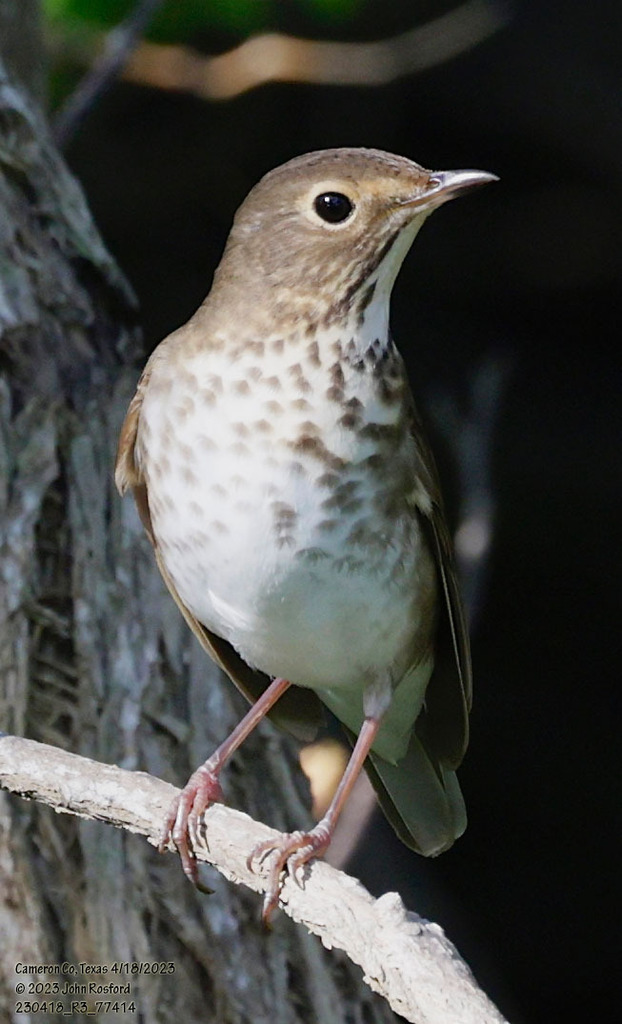
- Hermit ThrushFruit and seeds. 2 diet records
- American RobinFruit. 1 diet record
- Common GrackleFruit. 1 diet record
- Dark-eyed JuncoSeeds. 1 diet record
- Downy WoodpeckerSeeds. 1 diet record
Show all 19
- Eastern Wood-peweeSeeds. 1 diet record
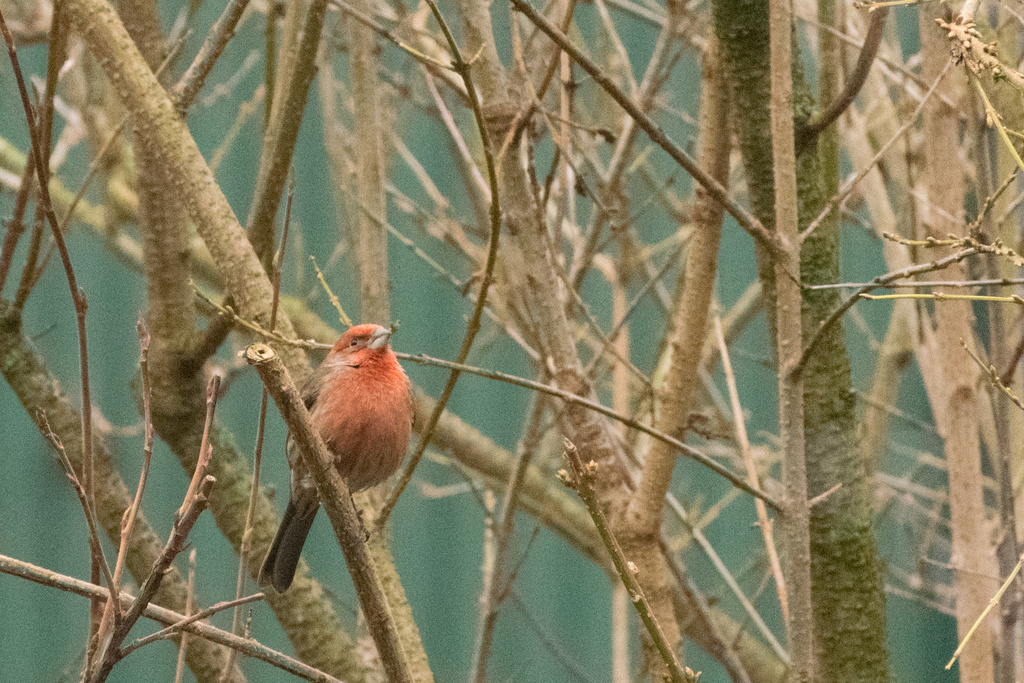
- House FinchSeeds. 1 diet record
- Northern CardinalFruit. 1 diet record
- Red-bellied WoodpeckerSeeds. 1 diet record
- Rock Pigeon1 diet record
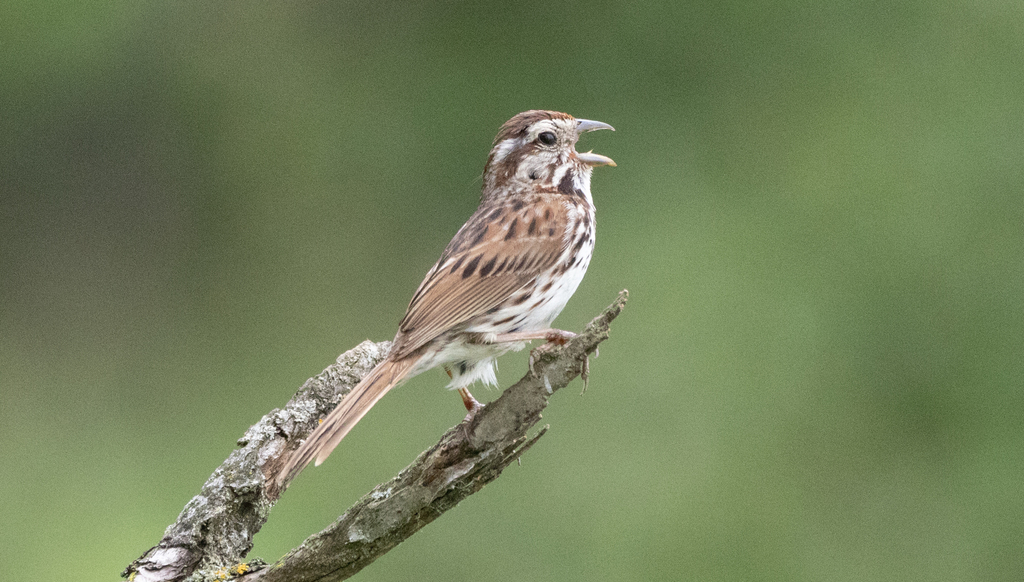
- Song SparrowSeeds. 1 diet record
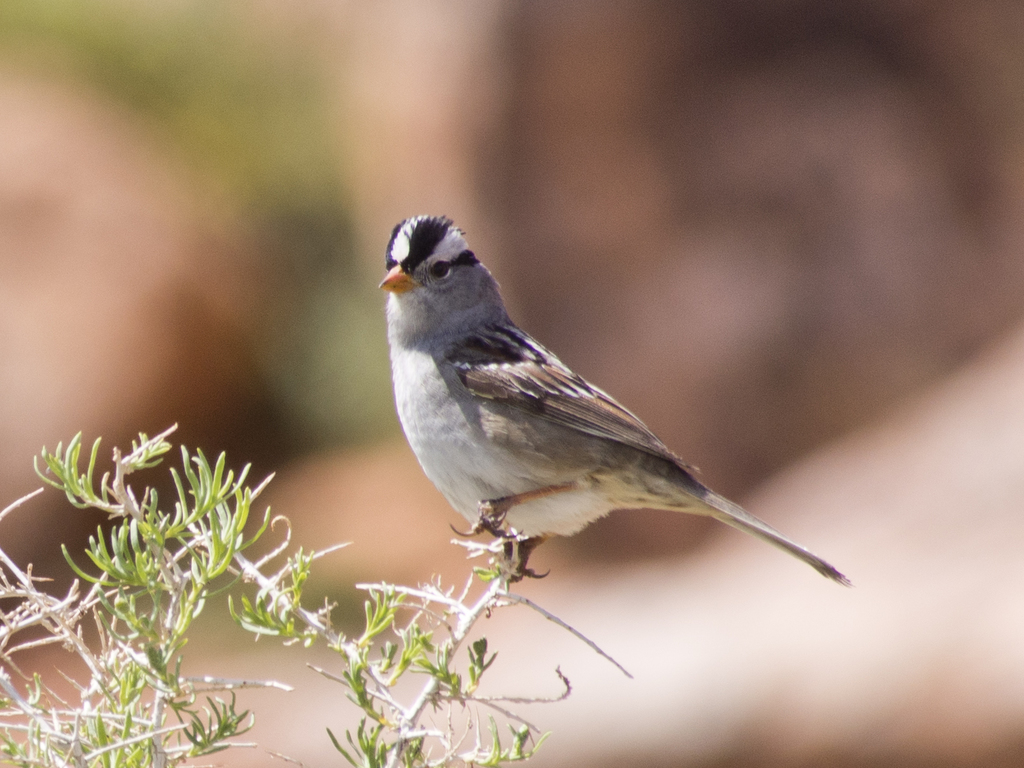
- White-crowned SparrowSeeds. 1 diet record
- White-eyed Vireo1 diet record
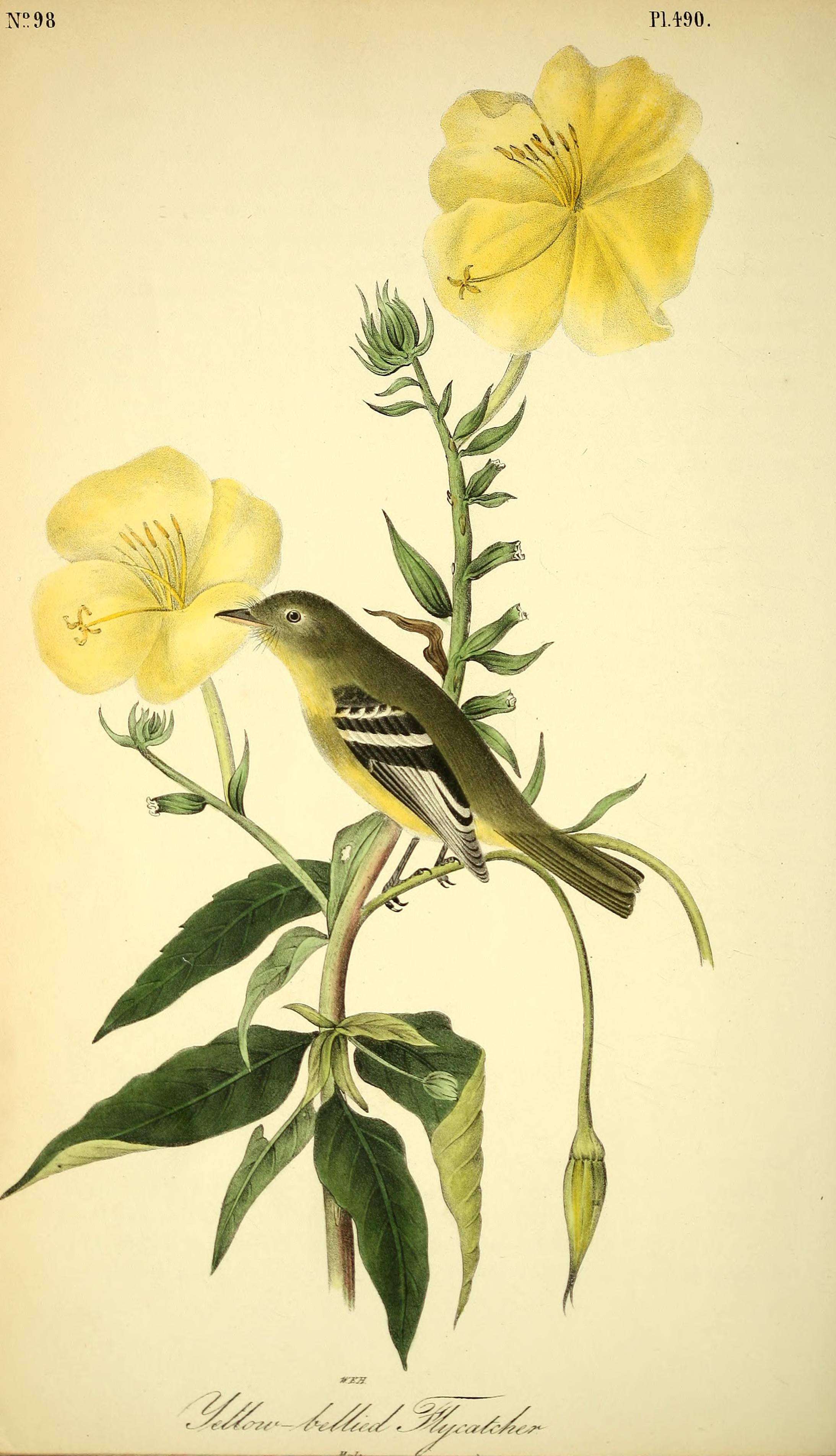
- Yellow-bellied FlycatcherSeeds. 1 diet record
Direct food only. Caterpillars on host plants also feed nesting birds. NC Native Plant Society: butterfly gardening
No records yet · Ants · Beetles · Flies · Adult butterflies / moths · Other wasps · Other insects
Birds that eat Toxicodendron 19
Diet records by plant genus, from studies across North America. Not a record from this state. Avian Diet Database (Hurlbert Lab), CC0 1.0.
- Ruffed GrouseBonasa umbellus
- Red-headed WoodpeckerMelanerpes erythrocephalus
- Swainson's ThrushCatharus ustulatus
- Brown ThrasherToxostoma rufum
- Eastern BluebirdSialia sialis
- Hermit ThrushCatharus guttatus
- American RobinTurdus migratorius
- Common GrackleQuiscalus quiscula
- Dark-eyed JuncoJunco hyemalis
- Downy WoodpeckerPicoides pubescens
- Eastern Wood-peweeContopus virens
- House FinchCarpodacus mexicanus
- Northern CardinalCardinalis cardinalis
- Red-bellied WoodpeckerMelanerpes carolinus
- Rock PigeonColumba livia
- Song SparrowMelospiza melodia
- White-crowned SparrowZonotrichia leucophrys
- White-eyed VireoVireo griseus
- Yellow-bellied FlycatcherEmpidonax flaviventris













Plant details
- Family
- Anacardiaceae
- Hardiness
- Zones 4a–10b
- Soil pH
- Acidic to alkaline
- Flower color
- Green or white
What its natural habitat tells you
Size. Height depends on growth form and support. This is not a single mature garden height and is not converted to a planner midpoint. Source
Growing sources and scope
- Bloom · “Spring” · NC Extension Plant Toolbox
- Flower color · “Green or white” · NC Extension Plant Toolbox
- Hardiness · “Zones 4a–10b” · NC Extension Plant Toolbox
- Height · “Groundcover, shrub or climbing vine; climbing stems can reach 150 feet” · NC State Extension · reviewed species facts
- Leaves · “Deciduous” · NC Extension Plant Toolbox
- Life cycle · “Woody perennial” · NC Extension Plant Toolbox
- Light · “Dappled sunlight (shade through upper canopy all day); Full sun (6 or more hours of direct sunlight a day); Partial shade (direct sunlight only part of the day, 2-6 hours)” · NC Extension Plant Toolbox
- Soil · “Moist; Occasionally dry” · NC Extension Plant Toolbox
- Soil pH · “Acidic to alkaline” · NC Extension Plant Toolbox
- Spread · “1–10 feet” · NC Extension Plant Toolbox
Also known as
Poison Ivy; Rhus radicans; sumac
Conservation status
| West Virginia rank | Not available |
|---|---|
| Global rank | G5 |
| WV status | Not verified |
| Federal status | Not verified |
Will it fit your yard?
Check this plant against your county, sun and soil moisture. Conditions are checked in your browser.
Sources
- USDA PLANTS
- Vascular Plants of North Carolina (NC Natural Heritage Program)
- West Virginia occurrence source
- Shropshire & Tallamy 2025, Lepidoptera of North America north of Mexico, ZooKeys 1261 (ODbL)
- Noori, Seltmann & Orr 2026, A curated and integrated dataset for exploring global bee-plant interactions (GloBI), Zenodo, CC BY 4.0
- Smith, Bachelder, Russell, Morales, Mosher & Seltmann 2024, Bee-Specialization-Modeling v0.6.1 (specialist host table compiled from J. Fowler's pollen specialist bee lists), Zenodo, CC BY 4.0
- Hurlbert, Olsen, Sawyer & Winner 2021, Avian Diet Database, Scientific Data 8: 260 (CC0)
- Narango, Tallamy & Shropshire 2020, Few keystone plant genera support the majority of Lepidoptera species, Nature Communications