

Northern White Cedar
Thuja occidentalis
Found in glades, barrens and outcrops on limestone; cliffs, ledges and rocky summits; swamps; ponds, lakes and their shores; mountain bogs and fens. Weakley, Flora of the Southeastern United States (2025), Northern Tier edition What its natural habitat tells you
Native to West Virginia. How scores work Is it native here?
Profile 94%
- Height
- 40–60 feet
- Spread
- 10–15 feet
- Light
- Full sun, Partial shade
- Soil moisture
- Somewhat dry to moist
Space about 12.5 ft apart from its recorded spread. Enter your bed size for a count
Will it fit your yard?No photograph yet. Looking for an old drawing…
Rare or protected plant. Specialist conservation planting; excluded from routine garden suggestions. Plant caution source
Hidden from default planting suggestions. Wildlife value and native status remain unchanged.
At a glance
- Life cycle
- Woody perennial
- Leaves
- Evergreen
- Bloom
- March to April
- Fruiting season
- Summer to fall
Recorded in 7 West Virginia counties.
Natural habitats
Places it grows wild. Not a planting requirement. Each habitat page lists the plants and wildlife also found there.
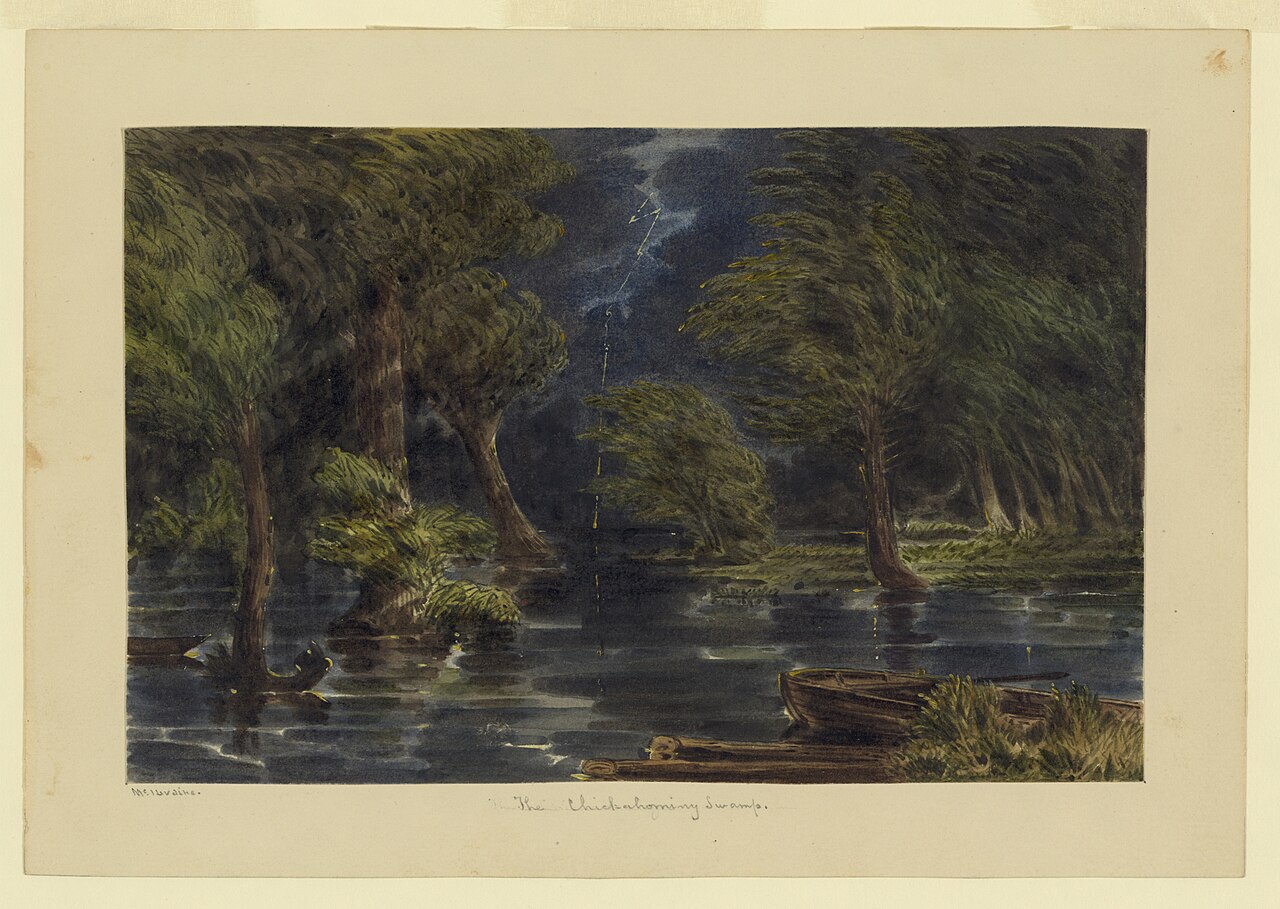
Glades, barrens and outcrops on limestone
Open, thin-soil openings and rock on limestone, dolomite or other lime-rich rock, including cedar glades.
Cliffs, ledges and rocky summits
Cliffs, ledges, rock outcrops, talus and rocky summits where the source does not name the rock. A named rock files the place under its own glade or outcrop type instead.
Still water and its edges: ponds, lakes, millponds and reservoirs.
Wet, open, peaty mountain wetlands fed by seepage, often with sphagnum moss.
Also found with this plant
Wildlife whose habitat models include habitats this plant grows in, in West Virginia. Shared habitat, not food. 73 animals.
Widespread birds also seen here (49)
Found in many habitats here, so not listed above.
- Alder Flycatcher
- American Crow
- American Goldfinch
- American Kestrel
- American Redstart
- American Robin
- Belted Kingfisher
- Black-billed Cuckoo
- Blue Grosbeak
- Blue Jay
- Blue-gray Gnatcatcher
- Cedar Waxwing
- Chestnut-sided Warbler
- Chimney Swift
- Chipping Sparrow
- Common Nighthawk
- Common Raven
- Common Yellowthroat
- Cooper's Hawk
- Dark-eyed Junco
- Eastern Kingbird
- Eastern Towhee
- European Starling
- Fox Sparrow
- Gray Catbird
- Great Crested Flycatcher
- Great Horned Owl
- Least Flycatcher
- Mourning Dove
- Northern Cardinal
- Northern Flicker
- Northern Mockingbird
- Olive-sided Flycatcher
- Orange-crowned Warbler
- Osprey
- Purple Finch
- Red-tailed Hawk
- Red-winged Blackbird
- Rose-breasted Grosbeak
- Ruby-crowned Kinglet
- Sharp-shinned Hawk
- Spotted Sandpiper
- Tufted Titmouse
- Turkey Vulture
- Veery
- White-throated Sparrow
- Wild Turkey
- Yellow-breasted Chat
- Yellow-rumped Warbler
Who uses this plant?
 36CaterpillarsGenus host records with ranges including WV
Genus host records with ranges including WV · Thuja
- Amorbia humerosanaWhite-Lined Leafroller Moth
- Anavitrinella pampinariaCommon Gray, Cranberry Spanworm
- Argyresthia thuiellaArborvitae Leafminer
- Argyrotaenia pinatubanaPine Tube Moth
- Automeris ioIo Moth
- Callophrys gryneusOlive Hairstreak, Juniper Hairstreak, Nelson's Hairstreak
- Campaea perlataPale Beauty, Fringed Looper
- Caripeta divisataGray Spruce Looper Moth
- Choristoneura fumiferanaSpruce Budworm Moth
- Cladara limitariaMottled Gray Carpet, Yellow-Lined Conifer Looper, Yellow-Lined Forest Looper, Black-Angled Wave
Show all 36
- Dichomeris setosellaHairy Dichomeris
- Digrammia continuataCurve-Lined Angle
- Ectropis crepusculariaThe Small Engrailed, Saddleback Looper
- Elaphria versicolorVariegated Midget
- Eupithecia palpataSmall Pine Looper, Palpata Pug
- Feralia jocosaJocose Sallow, The Joker
- Hydriomena renunciataRenounced Hydriomena
- Idia aemulaCommon Idia
- Lambdina fiscellariaHemlock Looper, Western Oak Looper
- Lithophane lemmeriLemmer's Pinion
- Nematocampa resistariaFilament Bearer, Horned Spanworm Moth
- Nepytia canosariaFalse Hemlock Looper Moth, Evergreen Span Worm
- Orthosia hibisciSpeckled Green Fruitworm Moth, Speckled Green Quaker
- Palthis angulalisDark-Spotted Palthis
- Patalene olyzonariaJuniper Geometer
- Pero morrisonariaMorrison's Pero
- Phlogophora periculosaBrown Angle Shades
- Prochoerodes lineolaLarge Maple Spanworm Moth
- Protoboarmia porcelariaPorcelain Gray, Dashedlined Looper
- Sparganothis sulfureanaSparganothis Fruitworm Moth, Sulfur Leafroller, False Yellow-Head
- Spiramater lutraDarling Mamestra, Splashed Arches, Otter Spiramater, Otter Arches
- Syngrapha aliasSpruce Looper, Hooked Silver Y
- Tetracis cachexiataWhite Slant-Line
- Thyridopteryx ephemeraeformisEvergreen Bagworm Moth
- Xestia elimataSouthern Variable Dart, Southern Pine Dart
- Zanclognatha cruralisEarly Zanclognatha, Early Fan-Foot
 0BeesSoutheastern regional records
 0Specialist beesPollen specialists
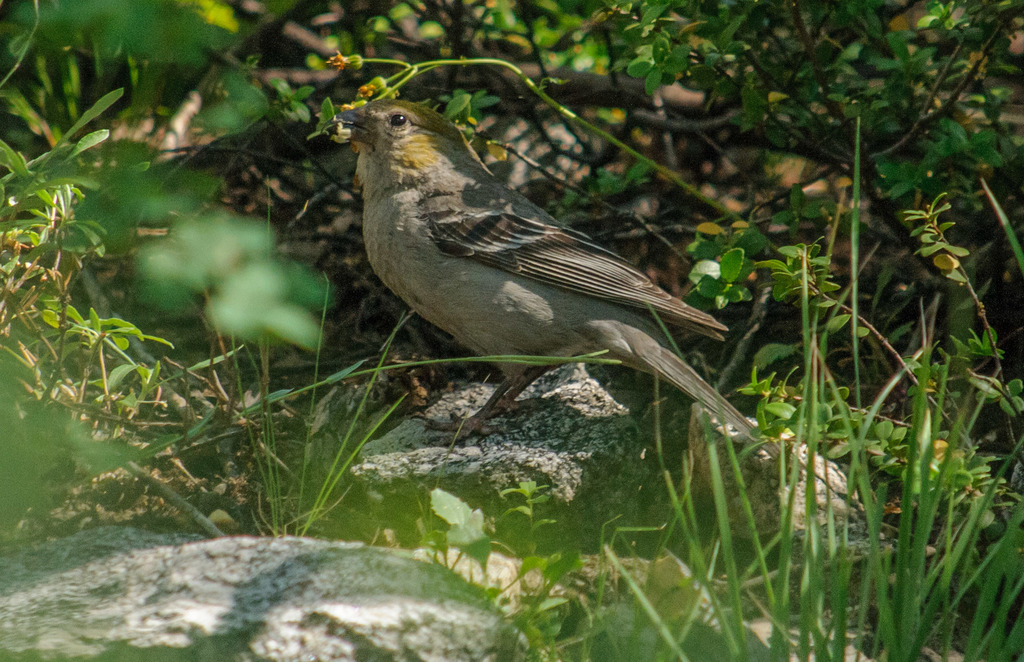
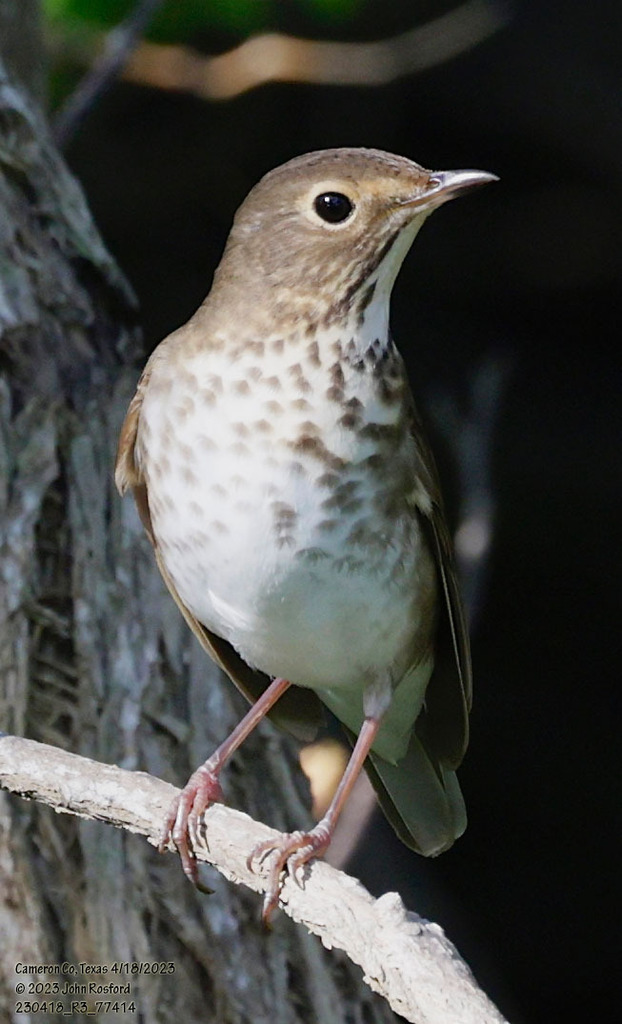
 2BirdsRecorded eating Thuja in West Virginia
Diet records by plant genus, from studies across North America. Not a record from this state. Birds whose range includes West Virginia, most records first.
- Pine Grosbeak1 diet record
- Swainson's ThrushSeeds. 1 diet record
Direct food only. Caterpillars on host plants also feed nesting birds. NC Native Plant Society: butterfly gardening
No records yet · Ants · Beetles · Flies · Adult butterflies / moths · Other wasps · Other insects
Birds that eat Thuja 2
Diet records by plant genus, from studies across North America. Not a record from this state. Avian Diet Database (Hurlbert Lab), CC0 1.0.
- Pine GrosbeakPinicola enucleator
- Swainson's ThrushCatharus ustulatus

Plant details
- Family
- Cupressaceae
- Hardiness
- Zones 3a–7b
- Soil pH
- Neutral to alkaline
- Growth rate
- Slow
- Growth habit
- Single stem
- Foliage color
- Green
- Fruit begins
- Summer
- Fruit ends
- Fall
Growing sources and scope
- Bloom · “March to April” · Weakley, Flora of the Southeastern United States (2025), Carolinas & Georgia edition (ranked first; USDA PLANTS differs) · Carolinas and Georgia
- Foliage color · “Green” · USDA PLANTS · Nationwide species characteristics; local growing conditions may vary
- Fruit begins · “Summer” · USDA PLANTS · Nationwide species characteristics; local growing conditions may vary
- Fruit ends · “Fall” · USDA PLANTS · Nationwide species characteristics; local growing conditions may vary
- Growth habit · “Single stem” · USDA PLANTS · Nationwide species characteristics; local growing conditions may vary
- Growth rate · “Slow” · USDA PLANTS · Nationwide species characteristics; local growing conditions may vary
- Hardiness · “Zones 3a–7b” · NC Extension Plant Toolbox
- Height · “40–60 feet” · NC Extension Plant Toolbox (ranked first; USDA PLANTS, Minnesota Wildflowers differ)
- Leaves · “Evergreen” · NC Extension Plant Toolbox
- Life cycle · “Woody perennial” · NC Extension Plant Toolbox
- Light · “Full sun (6 or more hours of direct sunlight a day); Partial shade (direct sunlight only part of the day, 2-6 hours)” · NC Extension Plant Toolbox
- Soil · “Moist; Occasionally dry” · NC Extension Plant Toolbox
- Soil pH · “Neutral to alkaline” · NC Extension Plant Toolbox
- Spread · “10–15 feet” · NC Extension Plant Toolbox
Also known as
American Arbor Vitae; White Cedar
Conservation status
| West Virginia rank | S2 |
|---|---|
| Global rank | G5 |
| WV status | Not verified |
| Federal status | Not verified |
Will it fit your yard?
Check this plant against your county, sun and soil moisture. Conditions are checked in your browser.
Sources
- NatureServe Explorer
- USDA PLANTS
- Weakley, Flora of the Southeastern United States (2025)
- West Virginia occurrence source
- Shropshire & Tallamy 2025, Lepidoptera of North America north of Mexico, ZooKeys 1261 (ODbL)
- Noori, Seltmann & Orr 2026, A curated and integrated dataset for exploring global bee-plant interactions (GloBI), Zenodo, CC BY 4.0
- Smith, Bachelder, Russell, Morales, Mosher & Seltmann 2024, Bee-Specialization-Modeling v0.6.1 (specialist host table compiled from J. Fowler's pollen specialist bee lists), Zenodo, CC BY 4.0
- Hurlbert, Olsen, Sawyer & Winner 2021, Avian Diet Database, Scientific Data 8: 260 (CC0)
- Narango, Tallamy & Shropshire 2020, Few keystone plant genera support the majority of Lepidoptera species, Nature Communications