

Red Elderberry
Sambucus racemosa
Native to West Virginia. How scores work Is it native here?
Profile 94%
- Height
- 8–12 feet
- Spread
- 8–15 feet
- Light
- Full sun to part shade
- Soil moisture
- Average to wet
Space about 11.5 ft apart from its recorded spread. Enter your bed size for a count
Will it fit your yard?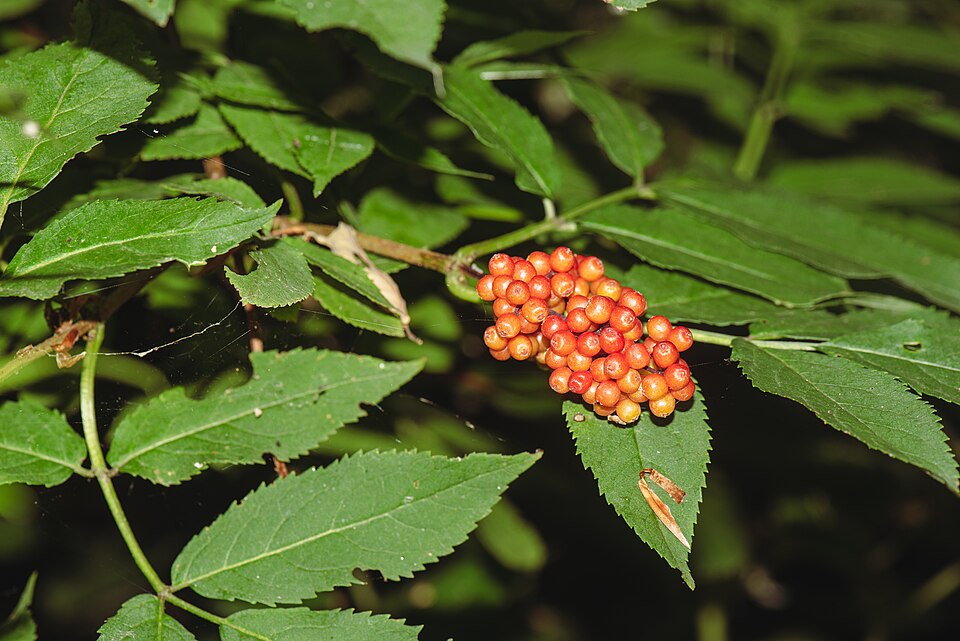
At a glance
- Life cycle
- Woody perennial
- Bloom
- April to May
Not yet recorded · Leaves
Recorded in 6 West Virginia counties.
Also found with this plant
Wildlife whose habitat models include habitats this plant grows in, in West Virginia. Shared habitat, not food. 82 animals.
- Northern ParulaParula americana
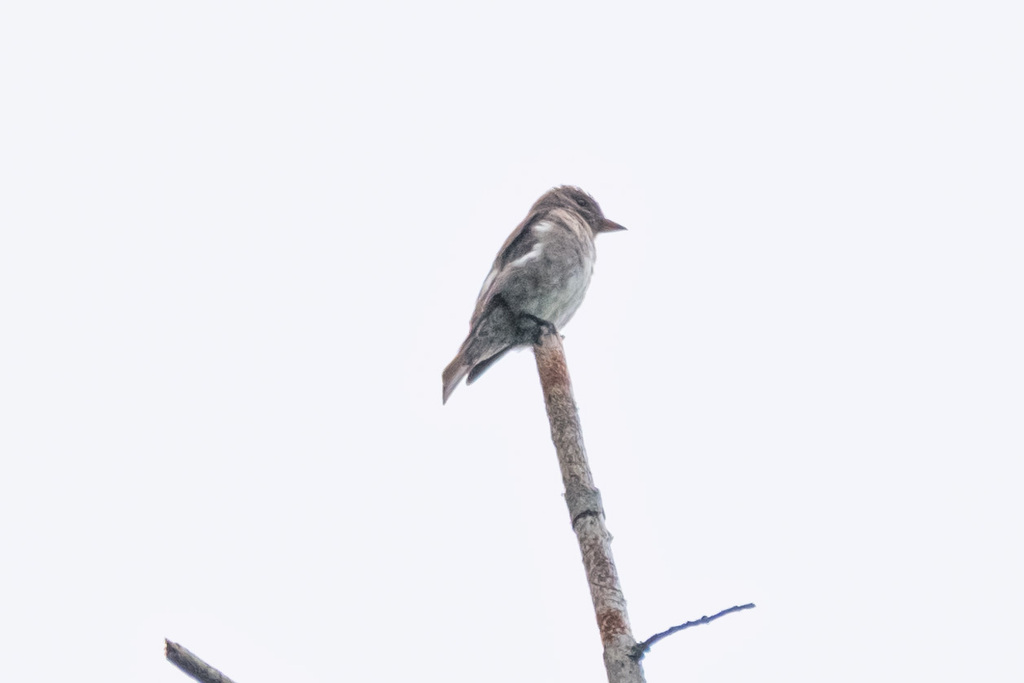
- Olive-sided FlycatcherContopus cooperi
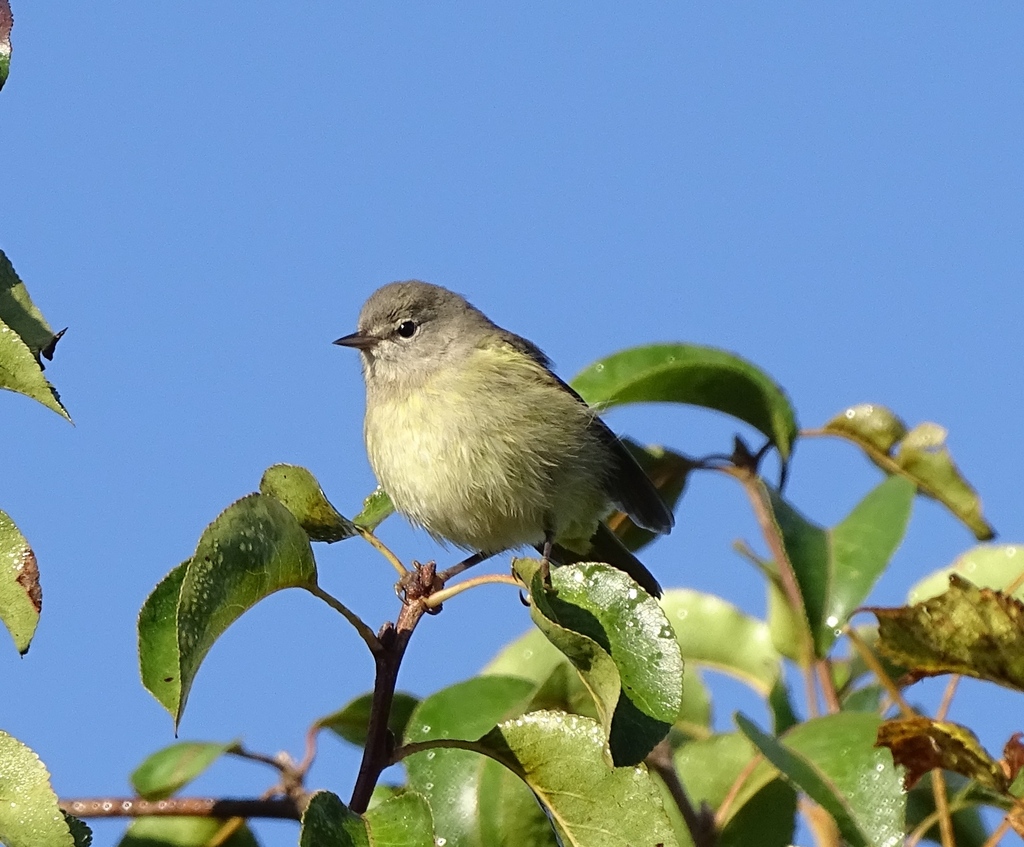
- Orange-crowned WarblerVermivora celata
- Pine SiskinCarduelis pinus
- Red-bellied WoodpeckerMelanerpes carolinus
- Ruby-throated HummingbirdArchilochus colubris
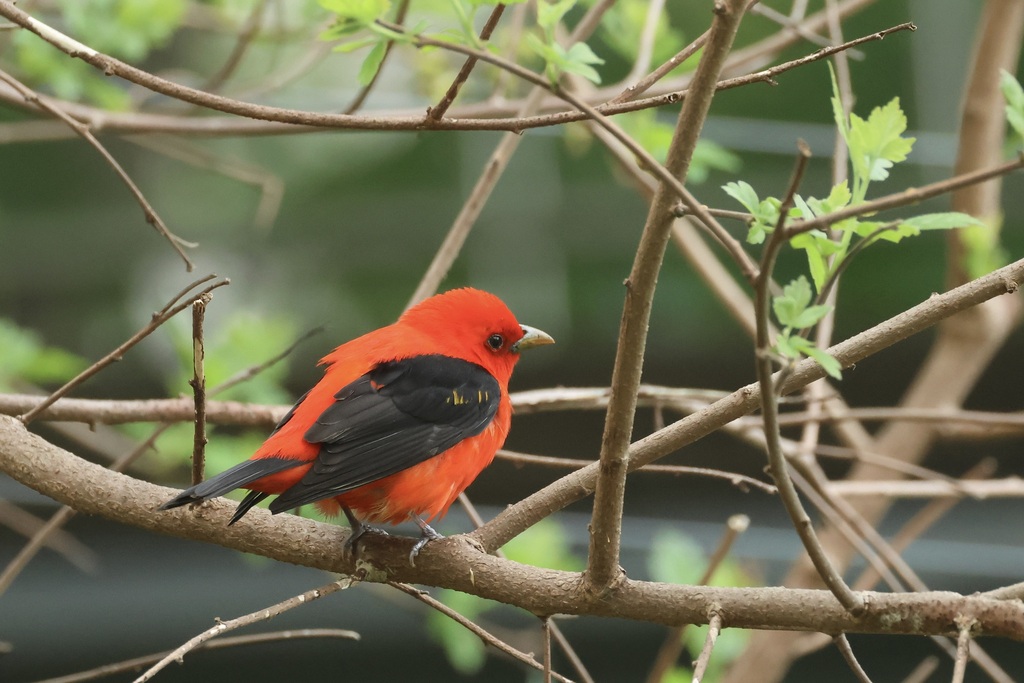
- Scarlet TanagerPiranga olivacea
- White-throated SparrowZonotrichia albicollis
- Wood ThrushHylocichla mustelina
- Acadian FlycatcherEmpidonax virescens
- Bank SwallowRiparia riparia
- Black VultureCoragyps atratus
- Black-crowned Night-heronNycticorax nycticorax
- Blue-winged WarblerVermivora pinus
- Carolina WrenThryothorus ludovicianus
- Chestnut-sided WarblerDendroica pensylvanica
- Chuck-will's-widowCaprimulgus carolinensis
- Cliff SwallowPetrochelidon pyrrhonota
- Common YellowthroatGeothlypis trichas
- Eastern PhoebeSayornis phoebe
- Eurasian Collared-doveStreptopelia decaocto
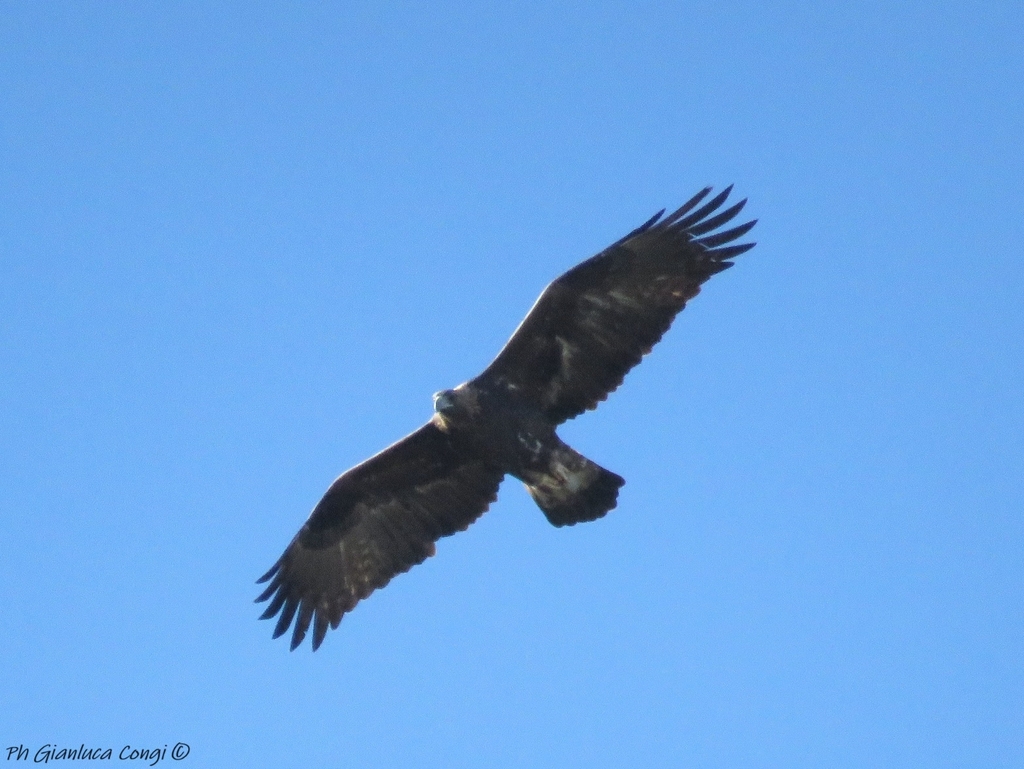
- Golden EagleAquila chrysaetos
- Indigo BuntingPasserina cyanea
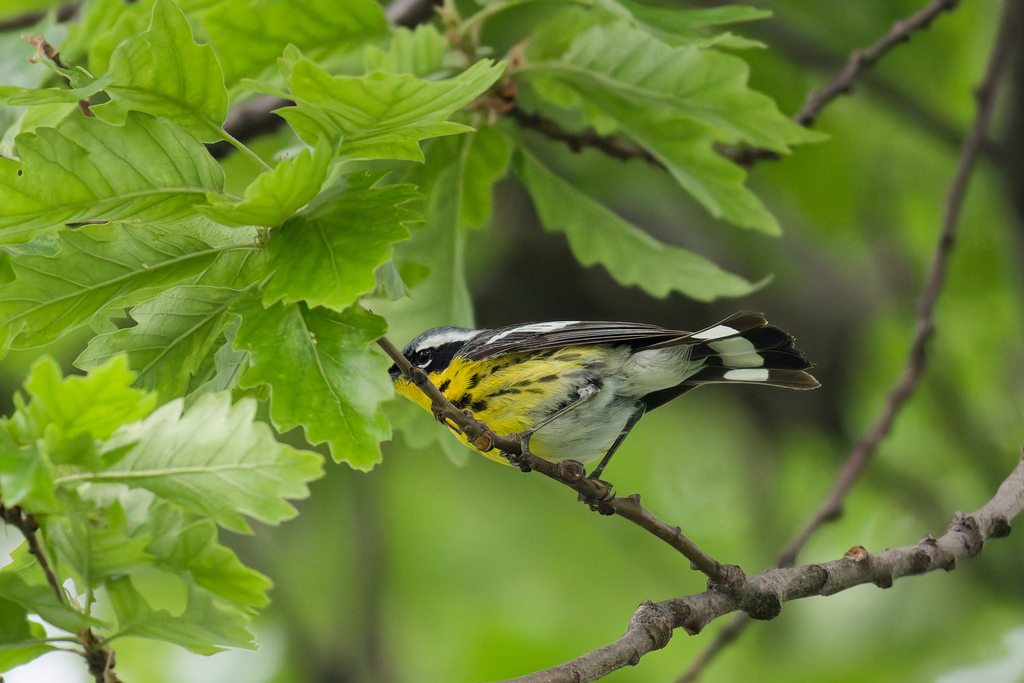
- Magnolia WarblerDendroica magnolia





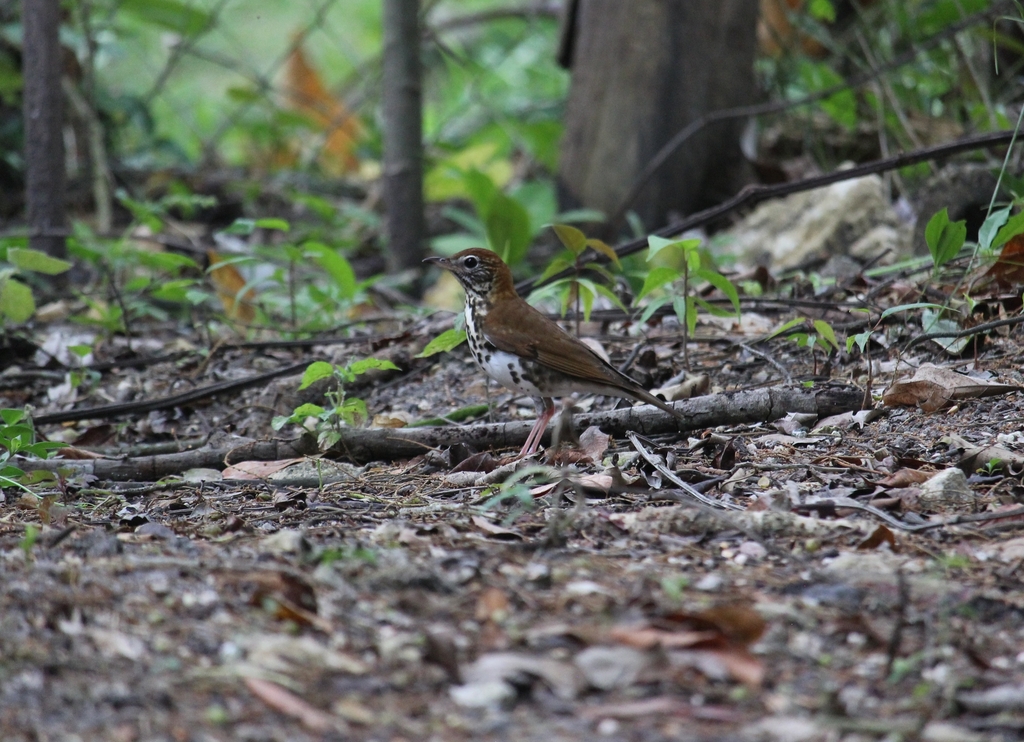




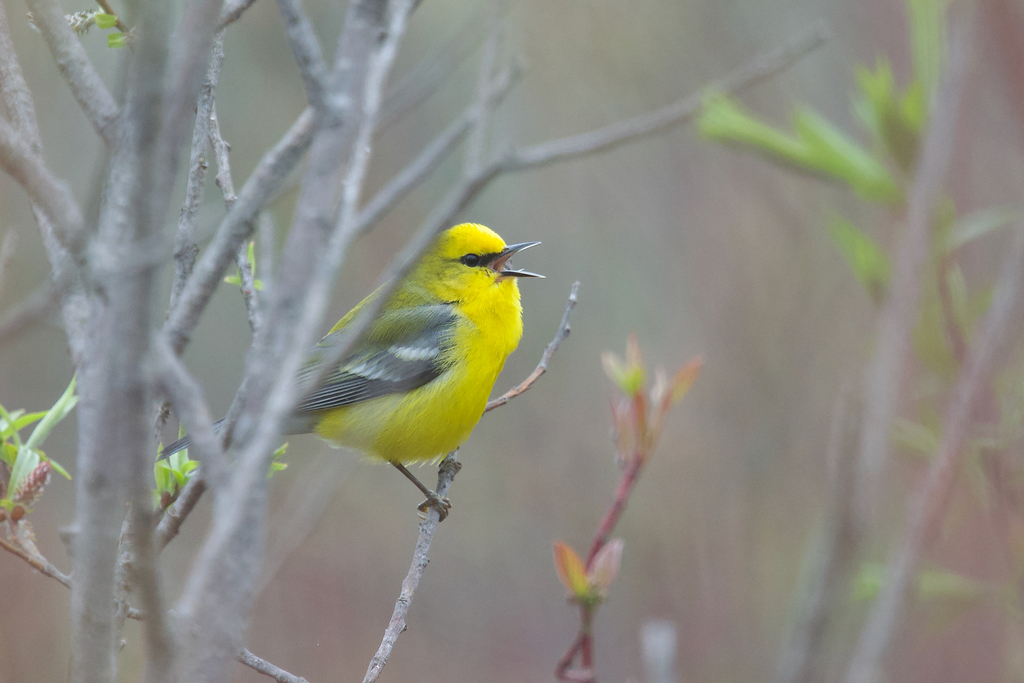

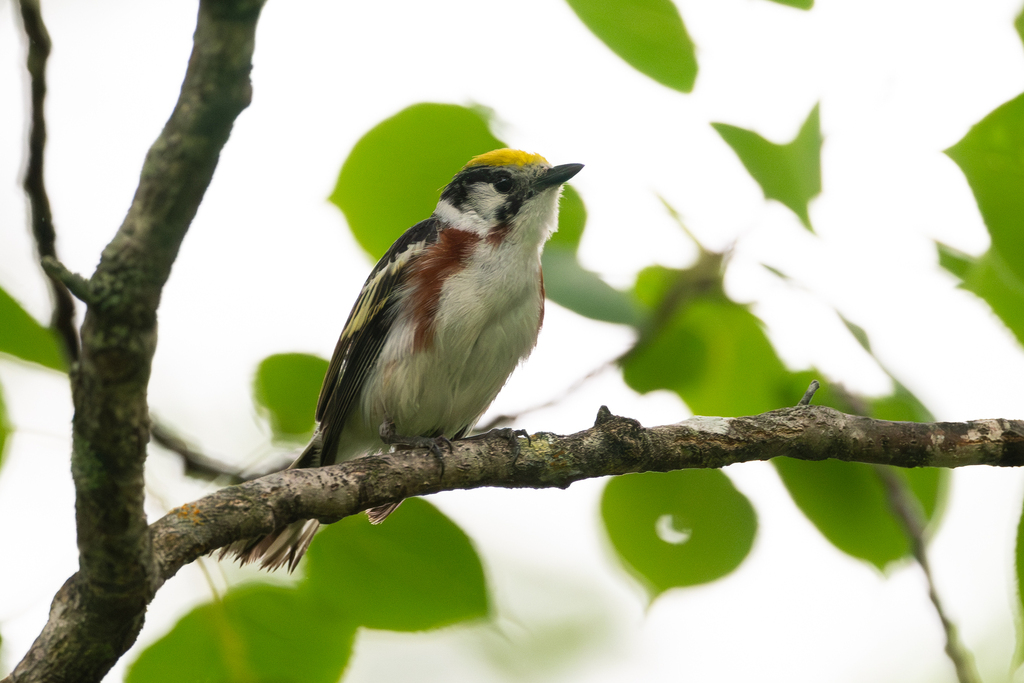
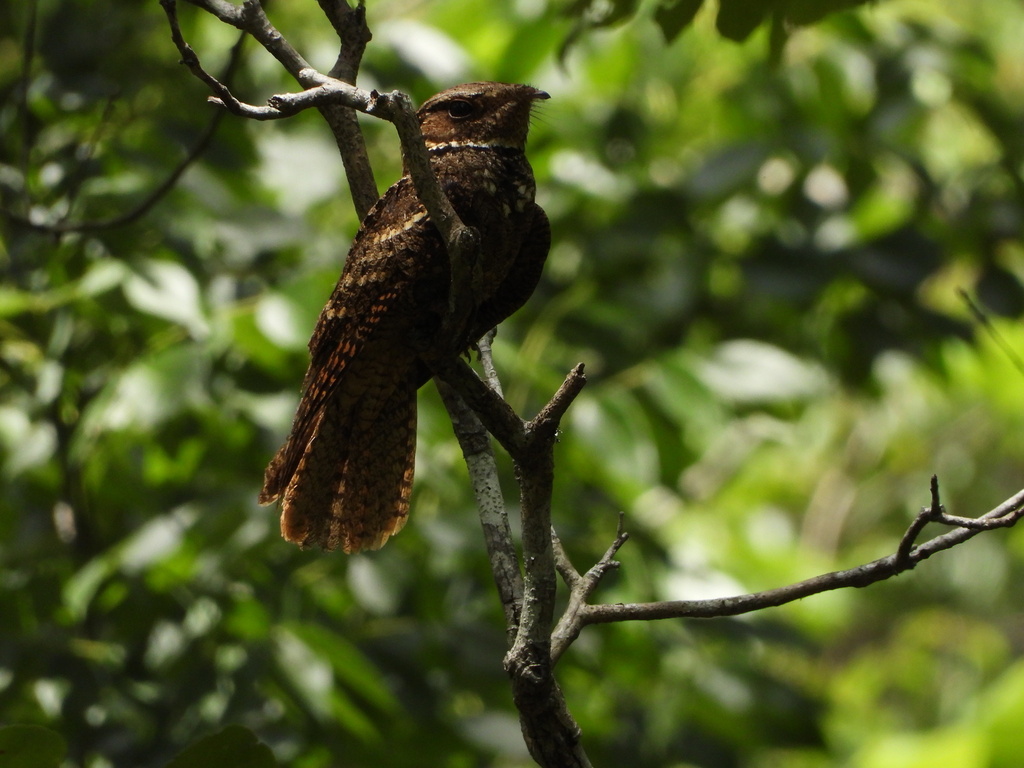





Widespread birds also seen here (38)
Found in many habitats here, so not listed above.
- Alder Flycatcher
- American Crow
- American Goldfinch
- American Kestrel
- American Robin
- Belted Kingfisher
- Blue Grosbeak
- Blue Jay
- Blue-gray Gnatcatcher
- Cedar Waxwing
- Chimney Swift
- Chipping Sparrow
- Common Nighthawk
- Common Raven
- Cooper's Hawk
- Dark-eyed Junco
- Eastern Kingbird
- Eastern Towhee
- European Starling
- Fox Sparrow
- Great Crested Flycatcher
- Great Horned Owl
- Least Flycatcher
- Mourning Dove
- Northern Cardinal
- Northern Flicker
- Northern Mockingbird
- Osprey
- Purple Finch
- Red-tailed Hawk
- Ruby-crowned Kinglet
- Sharp-shinned Hawk
- Spotted Sandpiper
- Tufted Titmouse
- Turkey Vulture
- Wild Turkey
- Yellow-breasted Chat
- Yellow-rumped Warbler
Who uses this plant?
 34CaterpillarsGenus host records with ranges including WV
Genus host records with ranges including WV · Sambucus
- Achatodes zeaeElder Shoot Border Moth, Spindele Worm, Cornstalk Borer
- Aethalura intertextaFour-Barred Gray
- Anavitrinella pampinariaCommon Gray, Cranberry Spanworm
- Antheraea polyphemusPolyphemus Moth
- Callima argenticinctellaOrange-Headed Epicallima
- Campaea perlataPale Beauty, Fringed Looper
- Coelodasys unicornisUnicorn Caterpillar Moth
- Eacles imperialisImperial Moth, Imperial Spiny Caterpillar
- Ectropis crepusculariaThe Small Engrailed, Saddleback Looper
- Episimus argutanaSumac Leaftier
Show all 34
- Estigmene acreaSalt Marsh Moth, Acrea Moth
- Eueretagrotis attentusAttentive Dart
- Euplexia benesimilisAmerican Angle Shades
- Eutrapela clematariaCurved-Tooth Geometer, Purplish Brown Looper
- Hyalophora cecropiaCecropia Silkmoth, Cecropia Moth
- Hyles lineataWhite-Lined Sphinx
- Hyphantria cuneaFall Webworm
- Iridopsis larvariaBent-Line Gray
- Lacanobia grandisGrand Arches
- Melanchra adjunctaHitched Arches
- Melanchra pictaPainted Arches, Zebra Caterpillar Moth
- Orgyia leucostigmaWhite-Marked Tussock Moth
- Orthosia hibisciSpeckled Green Fruitworm Moth, Speckled Green Quaker
- Orthosia rubescensRuby Quaker
- Papaipema cataphractaBurdock Border, Potato-Stalk Borer
- Papaipema nebrisStalk Borer
- Paralobesia viteanaAmerican Vine Moth, Grape Berry Moth
- Proteoteras moffatianaMaple Bud Borer, Maple Shoot Borer
- Spilosoma virginicaVirginian Tiger Moth, Yellow Woolybear Moth, Yellow Bear
- Tetracis crocallataYellow Slant-Line
- Thyridopteryx ephemeraeformisEvergreen Bagworm Moth
- Xestia smithiiSmith's Dart
- Paralobesia rhoifructana
- Paralobesia sambuci
 3BeesSoutheastern regional records
Southeastern regional records · Sambucus
Individual names are not available yet.
Noori, Seltmann & Orr 2026, A curated and integrated dataset for exploring global bee-plant interactions (GloBI), Zenodo, CC BY 4.0 0Specialist beesPollen specialists
 21BirdsRecorded eating Sambucus in West Virginia
Diet records by plant genus, from studies across North America. Not a record from this state. Birds whose range includes West Virginia, most records first.
- Ruffed Grouse3 diet records
- American RobinFruit. 3 diet records
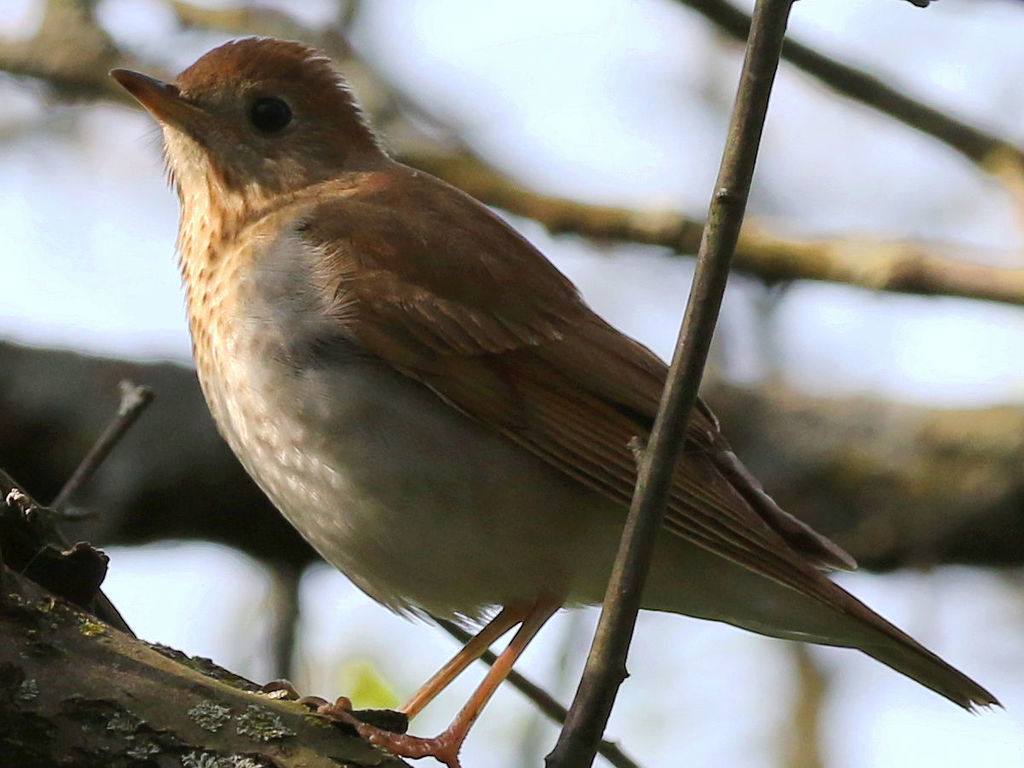
- VeeryFruit and seeds. 3 diet records
- Eastern KingbirdFruit. 2 diet records
- Hermit ThrushFruit and seeds. 2 diet records
- Swainson's ThrushFruit and seeds. 2 diet records
- White-eyed Vireo2 diet records
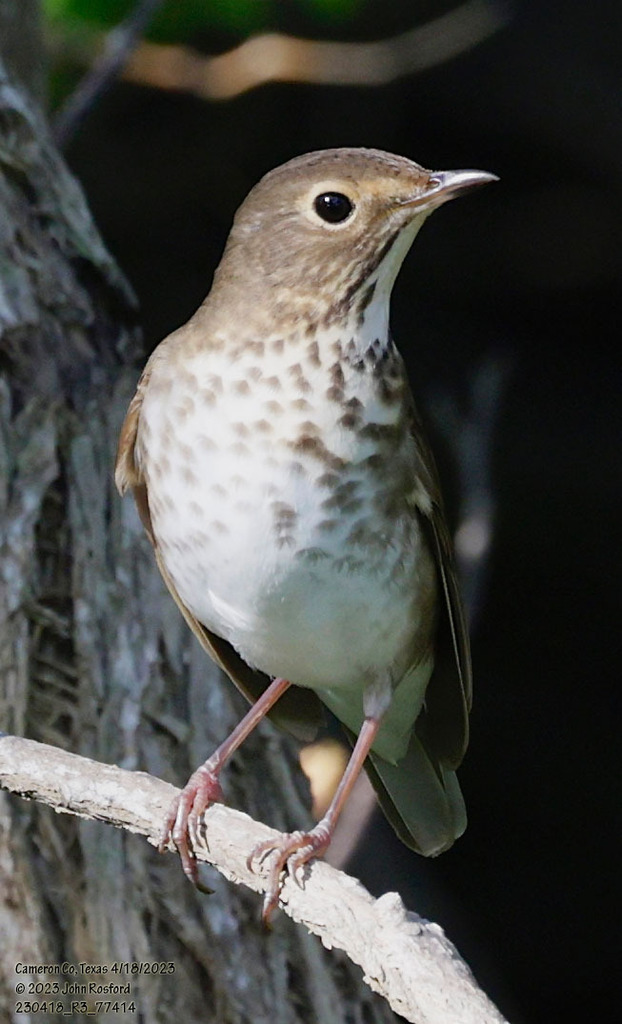
- Wood ThrushFruit and seeds. 2 diet records
- Yellow-bellied SapsuckerLeaves. 2 diet records
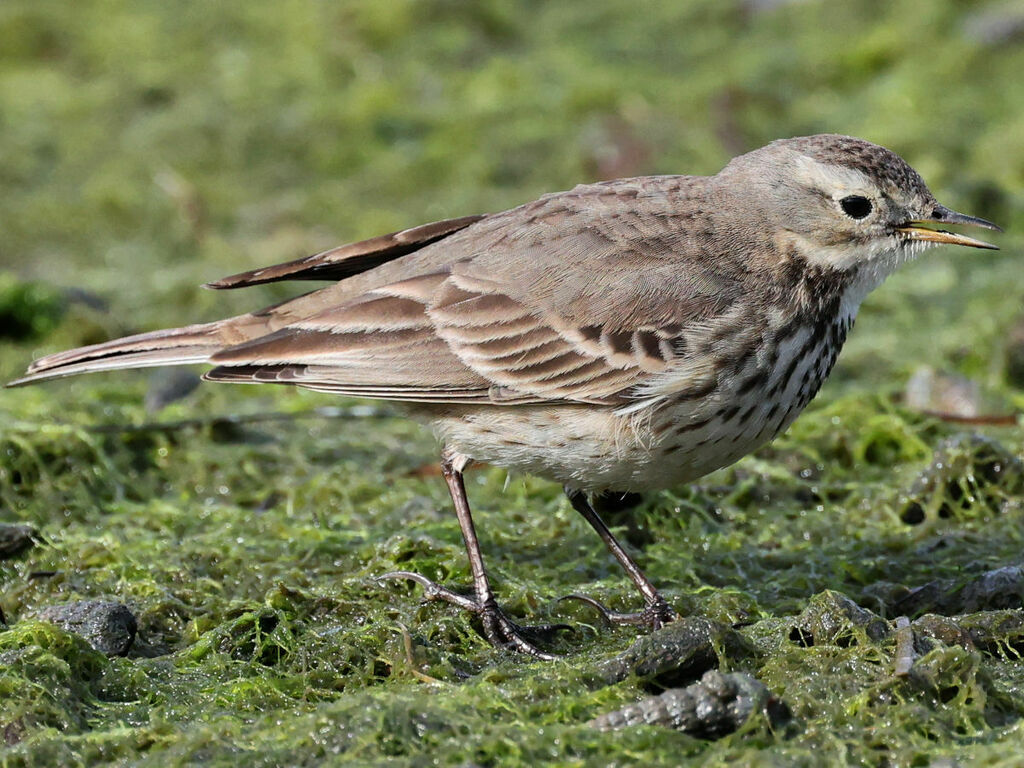
- American Pipit1 diet record
Show all 21
- Blue-headed Vireo1 diet record
- Downy WoodpeckerFruit. 1 diet record
- Eastern BluebirdFruit. 1 diet record
- Eastern Wood-peweeFruit. 1 diet record
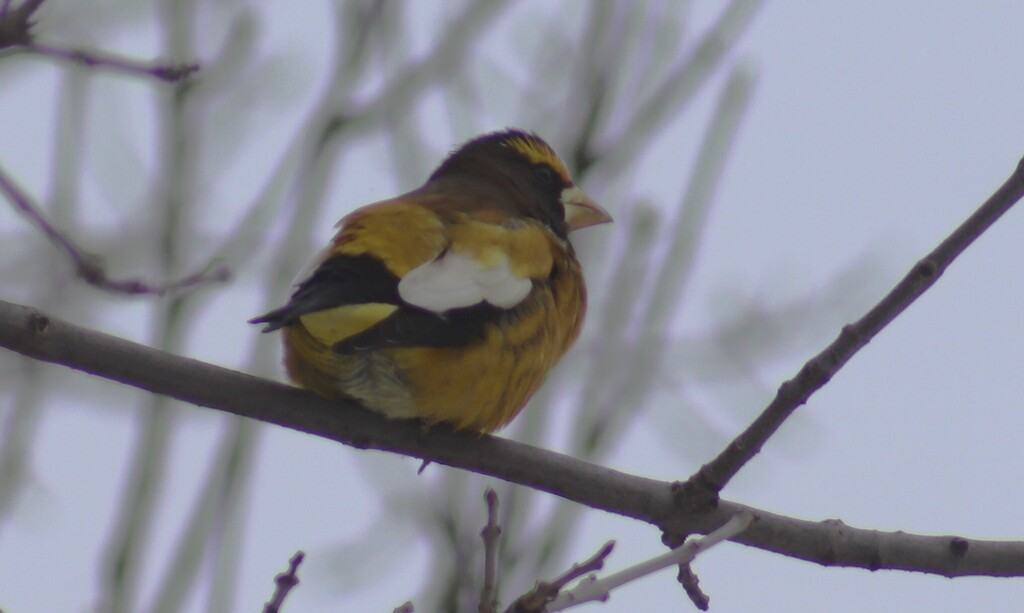
- Evening Grosbeak1 diet record
- Hairy Woodpecker1 diet record
- Indigo Bunting1 diet record
- Northern CardinalFruit. 1 diet record
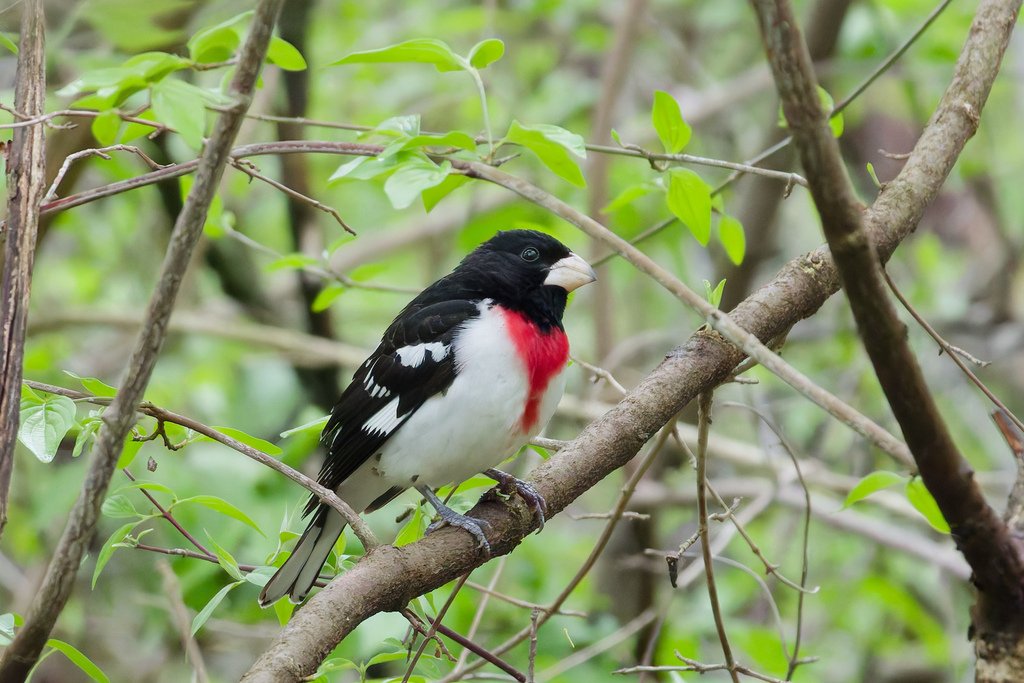
- Rose-breasted GrosbeakFlowers. 1 diet record
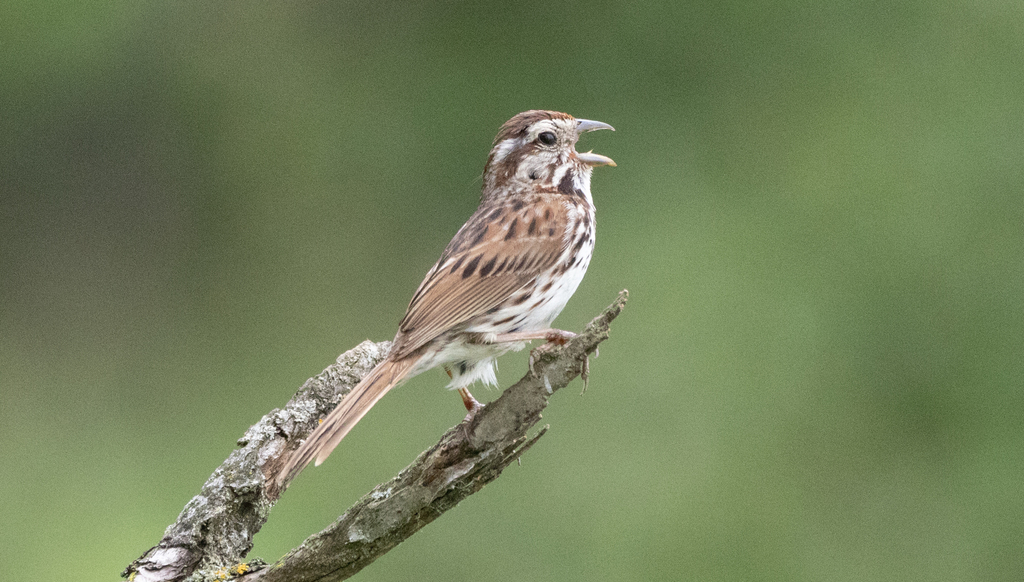
- Song SparrowFruit. 1 diet record
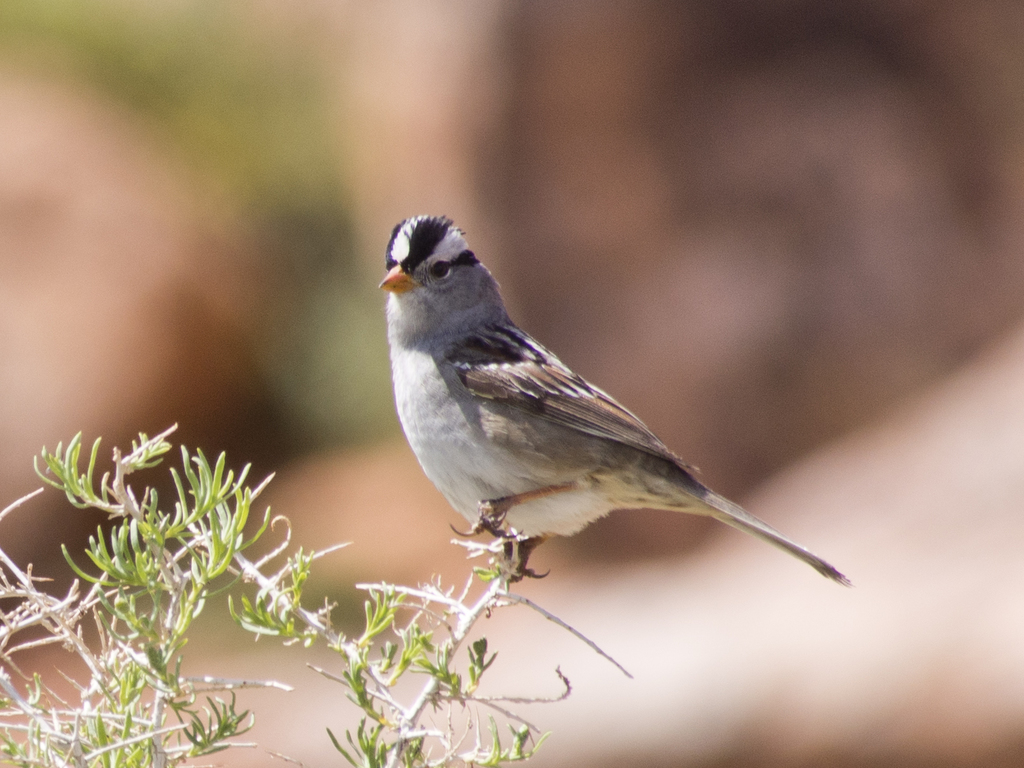
- White-crowned SparrowFruit. 1 diet record
Direct food only. Caterpillars on host plants also feed nesting birds. NC Native Plant Society: butterfly gardening
No records yet · Ants · Beetles · Flies · Adult butterflies / moths · Other wasps · Other insects
Birds that eat Sambucus 21
Diet records by plant genus, from studies across North America. Not a record from this state. Avian Diet Database (Hurlbert Lab), CC0 1.0.
- Ruffed GrouseBonasa umbellus
- American RobinTurdus migratorius
- VeeryCatharus fuscescens
- Eastern KingbirdTyrannus tyrannus
- Hermit ThrushCatharus guttatus
- Swainson's ThrushCatharus ustulatus
- White-eyed VireoVireo griseus
- Wood ThrushHylocichla mustelina
- Yellow-bellied SapsuckerSphyrapicus varius
- American PipitAnthus rubescens
- Blue-headed VireoVireo solitarius
- Downy WoodpeckerPicoides pubescens
- Eastern BluebirdSialia sialis
- Eastern Wood-peweeContopus virens
- Evening GrosbeakCoccothraustes vespertinus
- Hairy WoodpeckerPicoides villosus
- Indigo BuntingPasserina cyanea
- Northern CardinalCardinalis cardinalis
- Rose-breasted GrosbeakPheucticus ludovicianus
- Song SparrowMelospiza melodia
- White-crowned SparrowZonotrichia leucophrys













Plant details
- Family
- Viburnaceae
- Hardiness
- Zones 3–7
- Flower color
- Cream
What its natural habitat tells you
Safety has not been reviewed for this plant; check toxicity and thorns before planting.
Growing sources and scope
- Bloom · “April to May” · Prairie Moon 2026 Cultural Guide · Nursery cultural guide; height in flower; moisture categories retained as printed
- Flower color · “Cream” · Prairie Moon 2026 Cultural Guide · Nursery cultural guide; height in flower; moisture categories retained as printed
- Hardiness · “Zones 3–7” · Missouri Botanical Garden Plant Finder
- Height · “8–12 feet” · Missouri Botanical Garden Plant Finder (ranked first; Minnesota Wildflowers, Prairie Moon 2026 Cultural Guide differ)
- Life cycle · “Woody perennial” · Minnesota Wildflowers
- Light · “Full sun to part shade” · Missouri Botanical Garden Plant Finder (ranked first; Prairie Moon 2026 Cultural Guide differs)
- Soil · “Medium to wet” · Missouri Botanical Garden Plant Finder (ranked first; Prairie Moon 2026 Cultural Guide differs)
- Spread · “8–15 feet” · Missouri Botanical Garden Plant Finder
Also known as
Sambucus pubens
Conservation status
| West Virginia rank | S4 |
|---|---|
| Global rank | G5 |
| WV status | Not verified |
| Federal status | Not verified |
Will it fit your yard?
Check this plant against your county, sun and soil moisture. Conditions are checked in your browser.
Sources
- NatureServe Explorer
- USDA PLANTS
- Vascular Plants of North Carolina (NC Natural Heritage Program)
- West Virginia occurrence source
- Shropshire & Tallamy 2025, Lepidoptera of North America north of Mexico, ZooKeys 1261 (ODbL)
- Noori, Seltmann & Orr 2026, A curated and integrated dataset for exploring global bee-plant interactions (GloBI), Zenodo, CC BY 4.0
- Smith, Bachelder, Russell, Morales, Mosher & Seltmann 2024, Bee-Specialization-Modeling v0.6.1 (specialist host table compiled from J. Fowler's pollen specialist bee lists), Zenodo, CC BY 4.0
- Hurlbert, Olsen, Sawyer & Winner 2021, Avian Diet Database, Scientific Data 8: 260 (CC0)
- Narango, Tallamy & Shropshire 2020, Few keystone plant genera support the majority of Lepidoptera species, Nature Communications