

Winged Sumac
Rhus copallinum
Native to West Virginia. How scores work Is it native here?
Profile 88%
- Height
- About 8 feet
- Spread
- 10–20 feet
- Light
- Shade, Partial sun
- Soil moisture
- Low
Space about 15 ft apart from its recorded spread. Enter your bed size for a count
Will it fit your yard?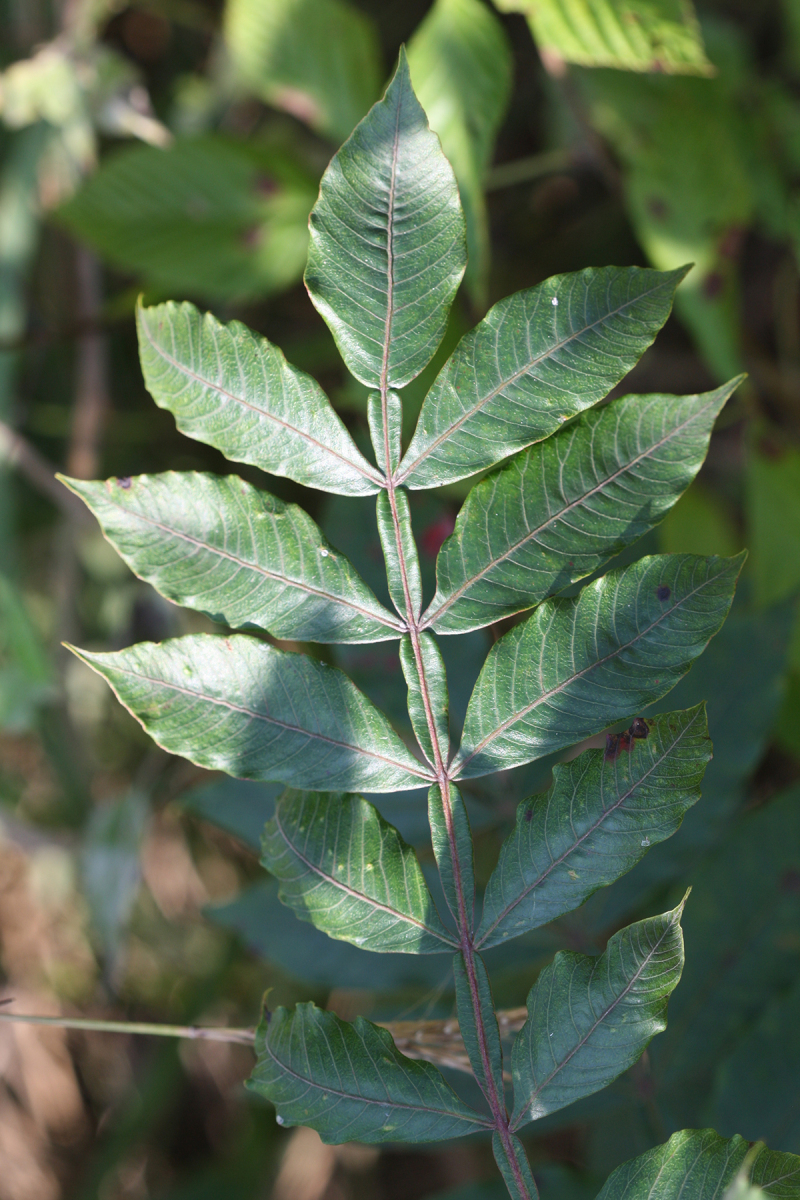
At a glance
- Life cycle
- Perennial
- Leaves
- Deciduous
- Bloom
- Mid spring
- Fruiting season
- Summer to fall
Recorded in 6 West Virginia counties.
Also found with this plant
Wildlife whose habitat models include habitats this plant grows in, in West Virginia. Shared habitat, not food. 104 animals.
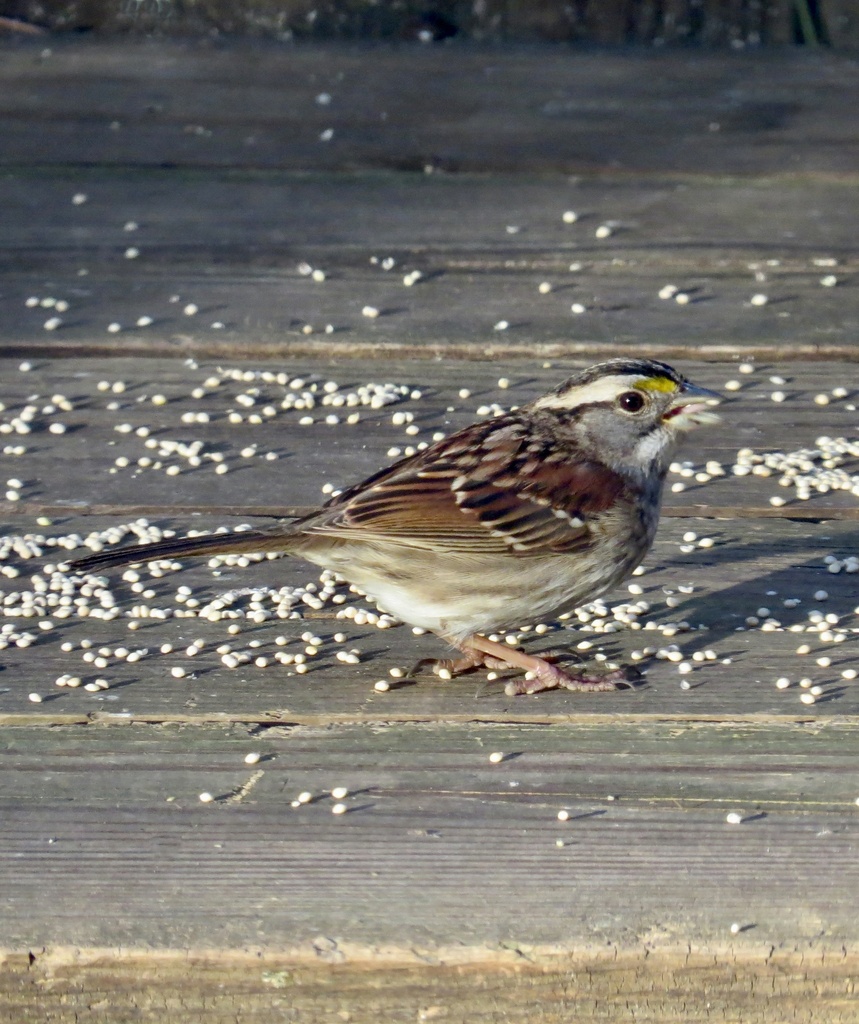
- White-throated SparrowZonotrichia albicollis
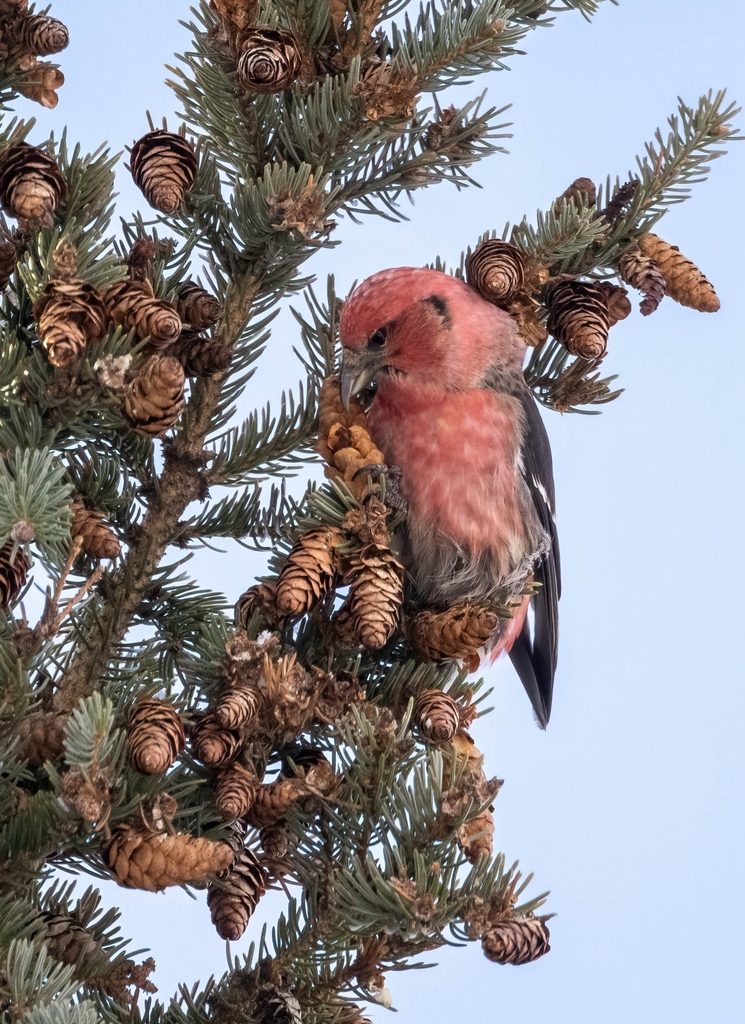
- White-winged CrossbillLoxia leucoptera
- Willow FlycatcherEmpidonax traillii
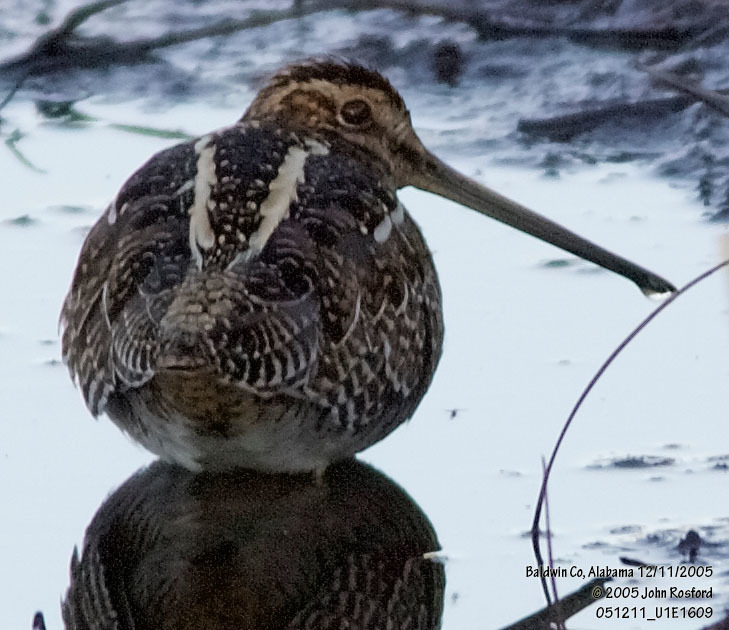
- Wilson's SnipeGallinago delicata
- Wood DuckAix sponsa
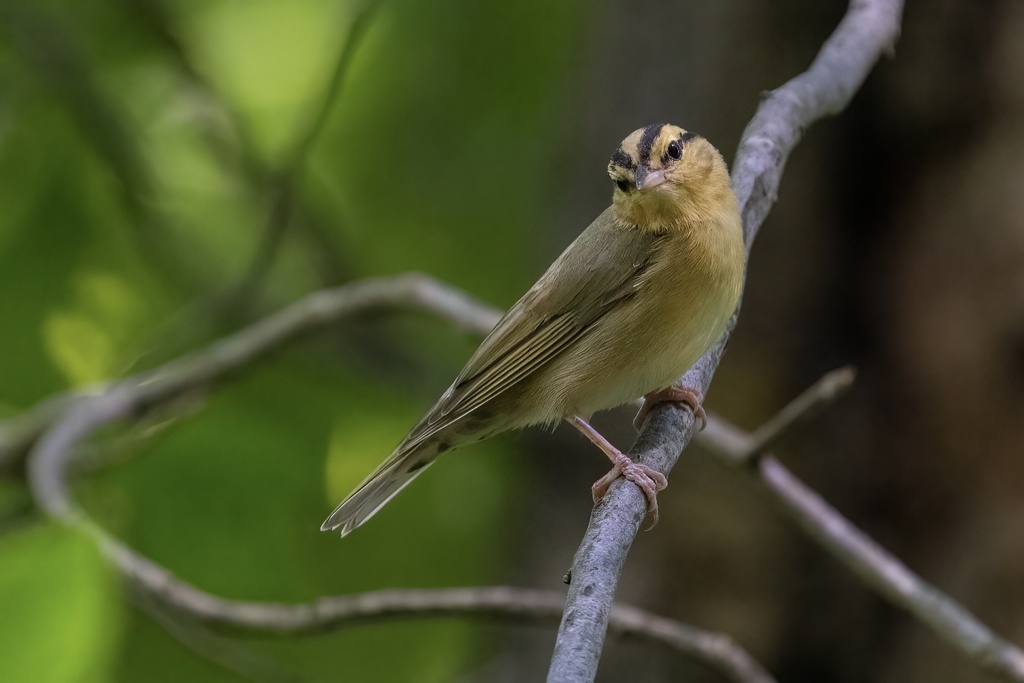
- Worm-eating WarblerHelmitheros vermivorum
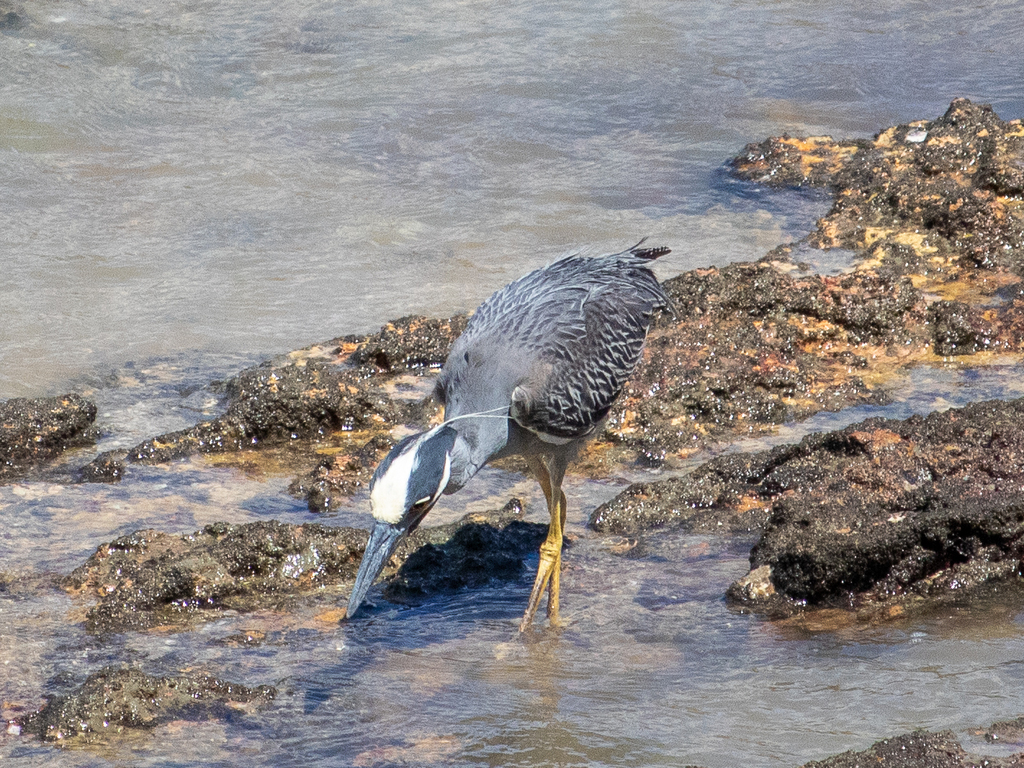
- Yellow-crowned Night-heronNyctanassa violacea
- Yellow-throated WarblerDendroica dominica


Widespread birds also seen here (38)
Found in many habitats here, so not listed above.
- Alder Flycatcher
- American Crow
- American Goldfinch
- American Kestrel
- American Robin
- Belted Kingfisher
- Blue Grosbeak
- Blue Jay
- Blue-gray Gnatcatcher
- Cedar Waxwing
- Chimney Swift
- Chipping Sparrow
- Common Nighthawk
- Common Raven
- Cooper's Hawk
- Dark-eyed Junco
- Eastern Kingbird
- Eastern Towhee
- European Starling
- Fox Sparrow
- Great Crested Flycatcher
- Great Horned Owl
- Least Flycatcher
- Mourning Dove
- Northern Cardinal
- Northern Flicker
- Northern Mockingbird
- Osprey
- Purple Finch
- Red-tailed Hawk
- Ruby-crowned Kinglet
- Sharp-shinned Hawk
- Spotted Sandpiper
- Tufted Titmouse
- Turkey Vulture
- Wild Turkey
- Yellow-breasted Chat
- Yellow-rumped Warbler
Who uses this plant?
 49CaterpillarsGenus host records with ranges including WV
Genus host records with ranges including WV · Rhus
- Actias lunaLuna Moth
- Citheronia regalisRegal Moth
- Achatia distinctaDistinct Quaker
- Acronicta longaLong-Winged Dagger, Darkish Dagger
- Amorbia humerosanaWhite-Lined Leafroller Moth
- Antepione thisoariaVariable Antepione
- Archips argyrospilaFruit-Tree Leafroller Moth
- Archips purpuranaOmnivorous Leafroller Moth
- Argyrotaenia quercifolianaYellow-Winged Oak Leafroller Moth, Lined Oak Leafroller
- Biston betulariaSalt-and-Pepper Geometer, Cleft-Headed Looper
Show all 49
- Caloptilia belfragellaDogwood Caloptilia
- Caloptilia rhoifoliellaSumac Leafblotch Miner Moth, Sumac Caloptilia
- Calycopis cecropsRed-Banded Hairstreak, Cecrops Hairstreak
- Cecrita guttivittaMaple Prominent, Saddled Prominent
- Choristoneura rosaceanaOblique-Banded Leafroller Moth, Rosaceous Leaf Roller
- Cleora sublunariaDouble-Lined Gray
- Datana ministraYellow-Necked Caterpillar Moth
- Datana perspicuaSpotted Dantana
- Derrima stellataPink Star
- Dichorda iridariaShowy Emerald
- Eacles imperialisImperial Moth, Imperial Spiny Caterpillar
- Episimus argutanaSumac Leaftier
- Eupithecia miserulataCommon Eupithacia, Common Pug
- Holcocera chalcofrontellaSumac Holcocera
- Hyalophora cecropiaCecropia Silkmoth, Cecropia Moth
- Iridopsis defectariaBrown-Shaded Gray, Willow Looper
- Lophocampa caryaeHickory Tussock Moth, Hickory Tiger Moth
- Marathyssa basalisLight Marathyssa
- Marathyssa inficitaDark Marathyssa
- Marathyssa pulcherrimusBeautiful Eutelia
- Melanolophia canadariaCanadian Melanolphia, Variable Redmarked Looper
- Moodna ostrinellaDarker Moodna
- Morrisonia confusaConfused Woodgrain
- Nemoria rubrifrontariaRed-Fronted Emerald
- Olethreutes appendiceumServiceberry Leafroller
- Olethreutes permundanaRaspberry Leafroller
- Paectes oculatrixEyed Paectes
- Papaipema nebrisStalk Borer
- Pleuroprucha insulsariaCommon Tan Wave
- Pococera asperatellaMaple Webworm
- Pseudochelaria walsinghamiWalsingham's Moth
- Pyrrhia ciliscaAmerican Bordered Sallow, Noble Sun Moth
- Sciota subfuscellaStriped Sumac Leafroller
- Spilosoma virginicaVirginian Tiger Moth, Yellow Woolybear Moth, Yellow Bear
- Spiramater lutraDarling Mamestra, Splashed Arches, Otter Spiramater, Otter Arches
- Telphusa longifasciellaY-Backed Telphusa
- Tetracis crocallataYellow Slant-Line
- Thyridopteryx ephemeraeformisEvergreen Bagworm Moth
- Paralobesia rhoifructana
 52BeesSoutheastern regional records
Southeastern regional records · Rhus
Individual names are not available yet.
Noori, Seltmann & Orr 2026, A curated and integrated dataset for exploring global bee-plant interactions (GloBI), Zenodo, CC BY 4.0 0Specialist beesPollen specialists
 17BirdsRecorded eating Rhus in West Virginia
Diet records by plant genus, from studies across North America. Not a record from this state. Birds whose range includes West Virginia, most records first.
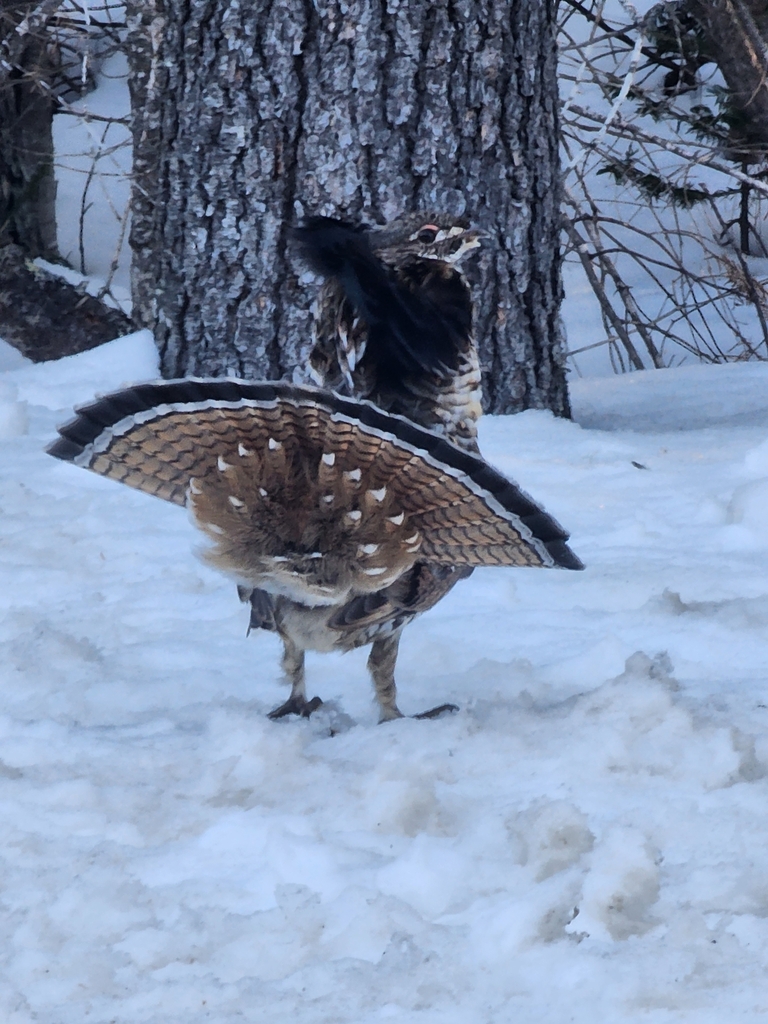
- Ruffed GrouseFruit. 46 diet records
- Wild TurkeyFruit. 10 diet records
- American RobinFruit. 6 diet records
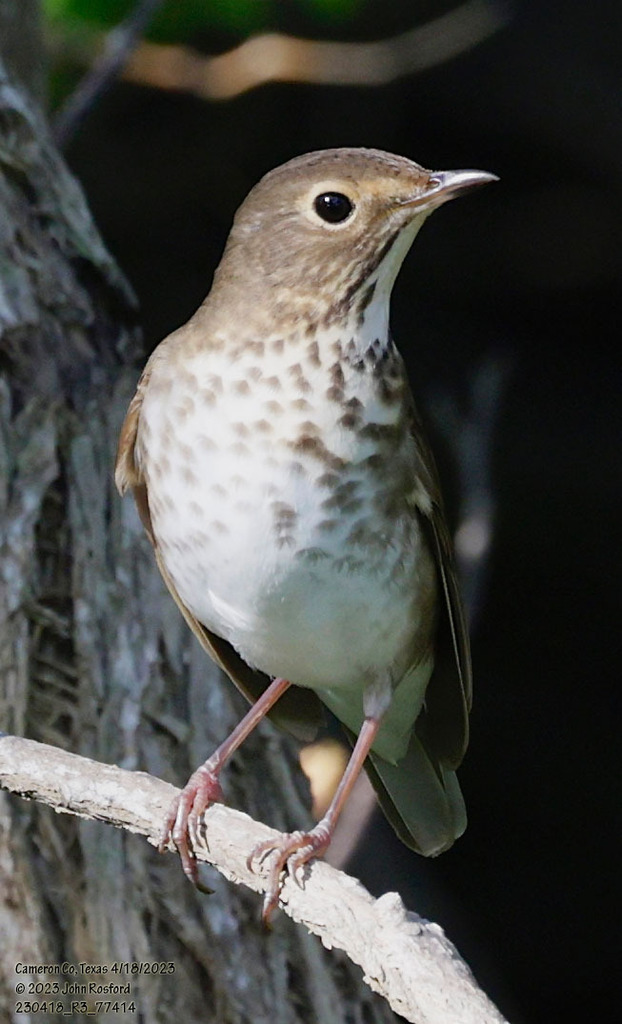
- Hermit ThrushFruit and seeds. 4 diet records
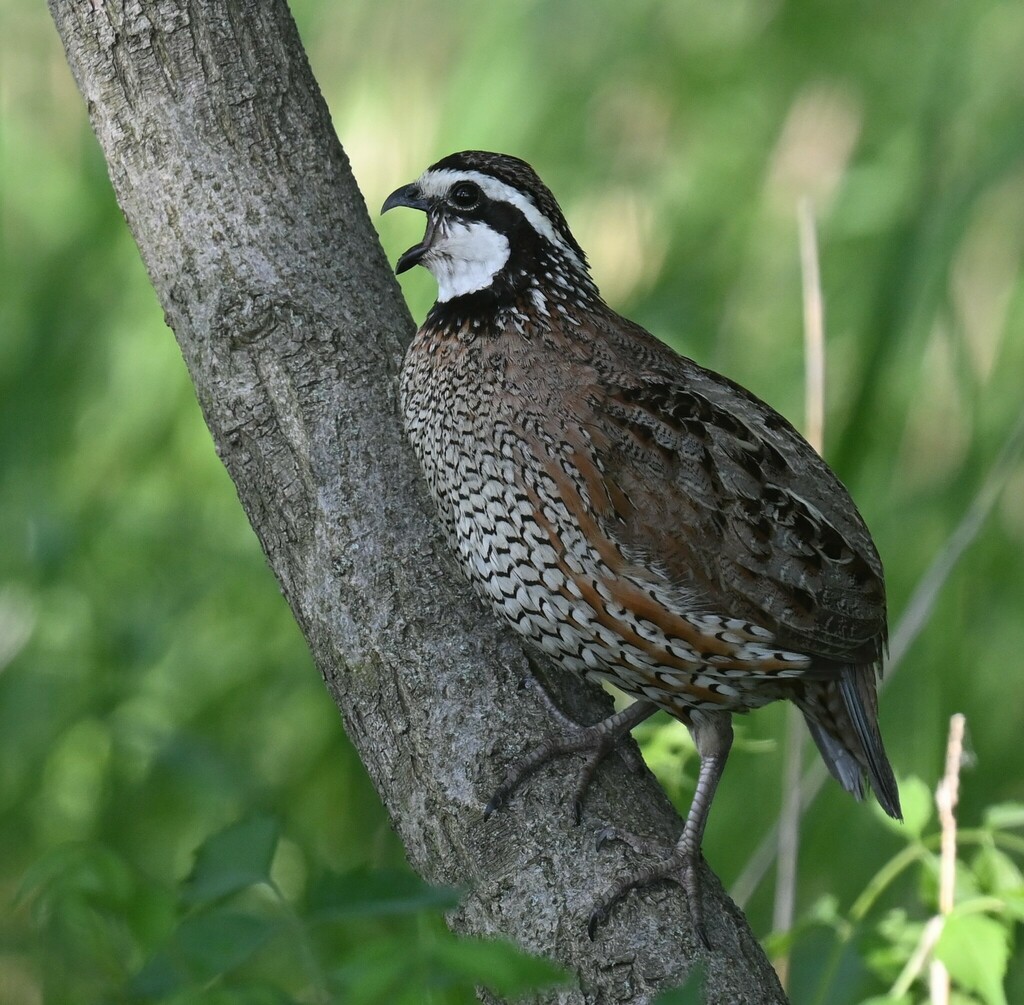
- Northern Bobwhite4 diet records
- VeeryFruit and seeds. 4 diet records
- Eastern BluebirdFruit. 3 diet records
- Swainson's ThrushFruit and seeds. 3 diet records
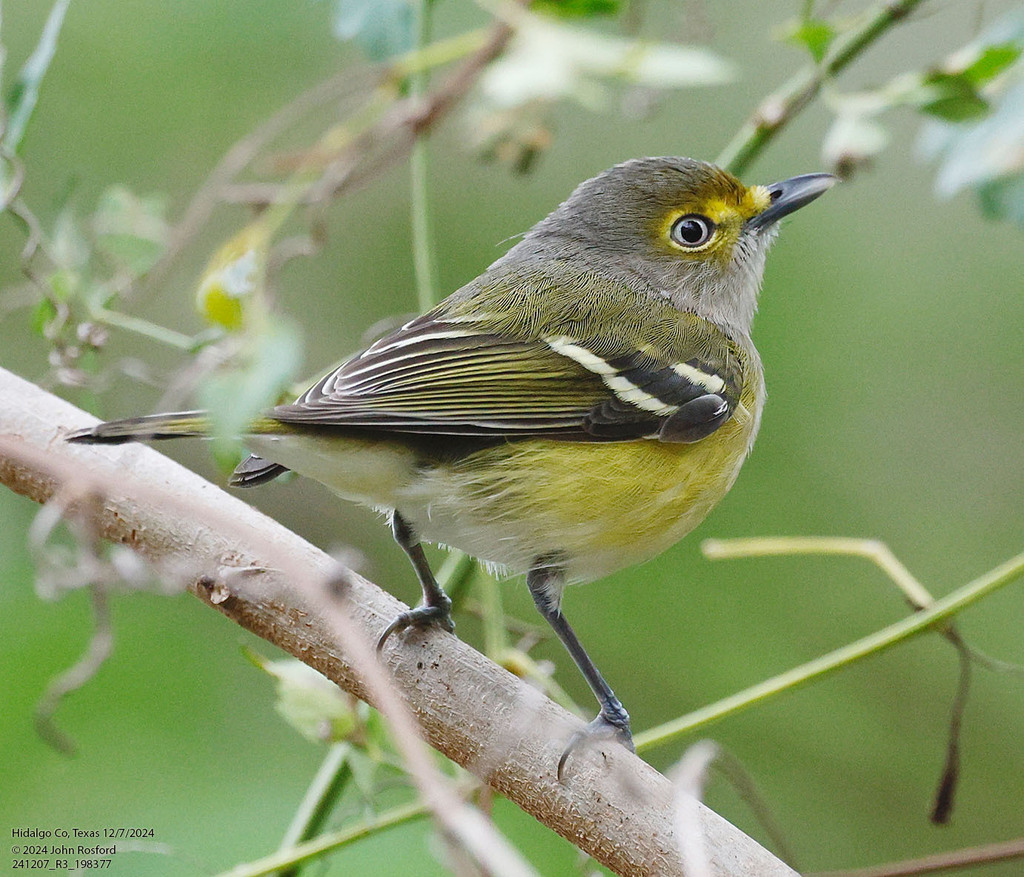
- White-eyed Vireo2 diet records
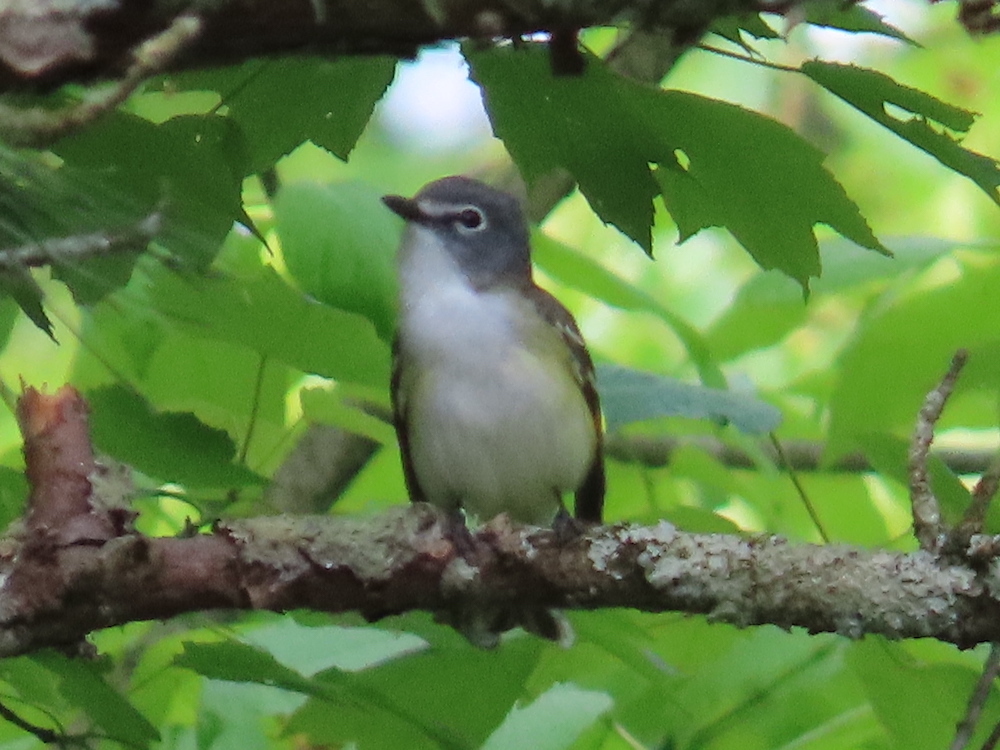
- Blue-headed Vireo1 diet record
Show all 17
- Eastern KingbirdFruit. 1 diet record
- European Starling1 diet record
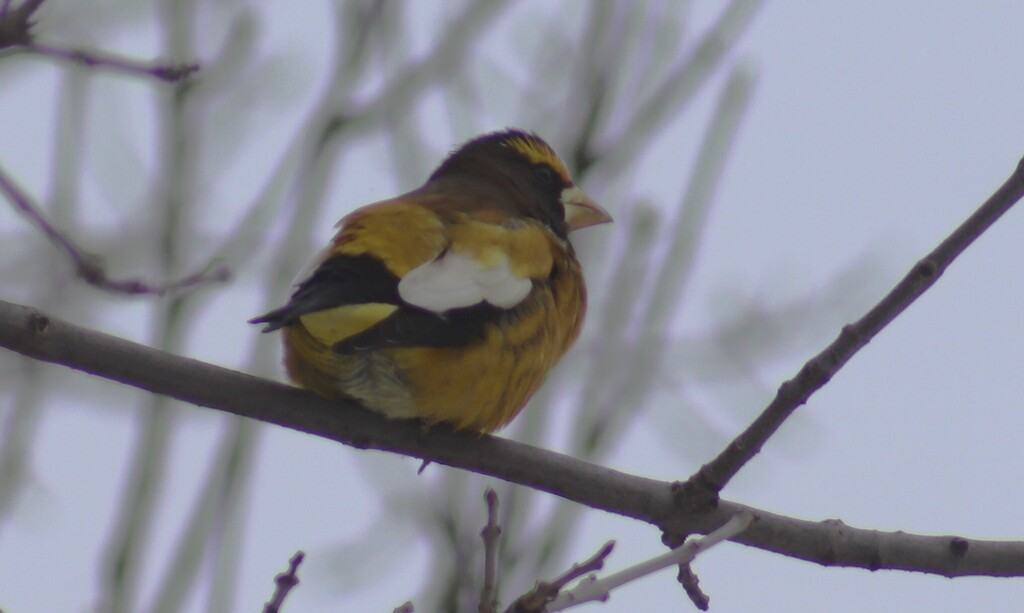
- Evening Grosbeak1 diet record
- Northern CardinalFruit. 1 diet record
- Northern Mockingbird1 diet record
- Pine Grosbeak1 diet record
- Red-winged Blackbird1 diet record
Direct food only. Caterpillars on host plants also feed nesting birds. NC Native Plant Society: butterfly gardening
 1AntsRecorded seed interactions
- Pogonomyrmex badius
Pogonomyrmex badius: Seed predation.
Flies 11
- Archytas analis
- Calythea albicincta
- Lucilia sylvarum
- Musca domestica
- Phorantha purpurascens
- Physocephala tibialis
- Senotainia trilineata
- Stratiomyia meigenii
- Trichophora ruficauda
- Trichopoda pennipes
Show all 11
- Zodion nanellum
Flower visits · Carlinville, Illinois, USA
Other wasps 18
- Ammobia ichneumonea
- Ammobia pennsylvanica
- Anacrabro ocellatus
- Cerceris fumipennis
- Eucerceris zonatus
- Isodontia apicalis
- Leionotus arvensis
- Leionotus dorsalis
- Lindenius errans
- Philanthus punctatus
Show all 18
- Philanthus ventilabris
- Poecilopompilus navus
- Polistes rubiginosus
- Polistes variatus
- Sphex gracilis
- Sphex nigricans
- Sphex vulgaris
- Tachytes distinctus
Flower visits · Carlinville, Illinois, USA
No records yet · Beetles · Adult butterflies / moths · Other insects
Birds that eat Rhus 17
Diet records by plant genus, from studies across North America. Not a record from this state. Avian Diet Database (Hurlbert Lab), CC0 1.0.
- Ruffed GrouseBonasa umbellus
- Wild TurkeyMeleagris gallopavo
- American RobinTurdus migratorius
- Hermit ThrushCatharus guttatus
- Northern BobwhiteColinus virginianus
- VeeryCatharus fuscescens
- Eastern BluebirdSialia sialis
- Swainson's ThrushCatharus ustulatus
- White-eyed VireoVireo griseus
- Blue-headed VireoVireo solitarius
- Eastern KingbirdTyrannus tyrannus
- European StarlingSturnus vulgaris
- Evening GrosbeakCoccothraustes vespertinus
- Northern CardinalCardinalis cardinalis
- Northern MockingbirdMimus polyglottos
- Pine GrosbeakPinicola enucleator
- Red-winged BlackbirdAgelaius phoeniceus










Plant details
- Family
- Anacardiaceae
- Hardiness
- Zones 4–9
- Flower color
- Yellow
- Growth rate
- Moderate
- Growth habit
- Spreads by rhizomes
- Foliage color
- Green
- Fruit begins
- Summer
- Fruit ends
- Fall
What its natural habitat tells you
Safety has not been reviewed for this plant; check toxicity and thorns before planting.
Growing sources and scope
- Bloom · “Mid spring” · USDA PLANTS · Nationwide species characteristics; local growing conditions may vary
- Flower color · “Yellow” · USDA PLANTS (ranked first; Lady Bird Johnson Wildflower Center differs) · Nationwide species characteristics; local growing conditions may vary
- Foliage color · “Green” · USDA PLANTS · Nationwide species characteristics; local growing conditions may vary
- Fruit begins · “Summer” · USDA PLANTS · Nationwide species characteristics; local growing conditions may vary
- Fruit ends · “Fall” · USDA PLANTS · Nationwide species characteristics; local growing conditions may vary
- Growth habit · “Spreads by rhizomes” · USDA PLANTS · Nationwide species characteristics; local growing conditions may vary
- Growth rate · “Moderate” · USDA PLANTS · Nationwide species characteristics; local growing conditions may vary
- Hardiness · “Zones 4–9” · Missouri Botanical Garden Plant Finder
- Height · “About 8 feet” · USDA PLANTS (ranked first; Lady Bird Johnson Wildflower Center, Missouri Botanical Garden Plant Finder differ) · Nationwide species characteristics; local growing conditions may vary
- Leaves · “Deciduous” · Lady Bird Johnson Wildflower Center
- Leaf retention · “Deciduous” · USDA PLANTS · Nationwide species characteristics; local growing conditions may vary
- Life cycle · “Perennial” · Lady Bird Johnson Wildflower Center
- Light · “Shade (minimum requirement); Partial sun (minimum requirement)” · Virginia DCR Piedmont (ranked first; Lady Bird Johnson Wildflower Center, Missouri Botanical Garden Plant Finder differ) · Virginia regional planting chart; sunlight is a minimum requirement, moisture is low/moderate/high
- Soil · “Low” · Virginia DCR Piedmont (ranked first; Lady Bird Johnson Wildflower Center, Missouri Botanical Garden Plant Finder differ) · Virginia regional planting chart; sunlight is a minimum requirement, moisture is low/moderate/high
- Spread · “10–20 feet” · Missouri Botanical Garden Plant Finder
Also known as
Rhus copallina
Conservation status
| West Virginia rank | S5 |
|---|---|
| Global rank | G5 |
| WV status | Not verified |
| Federal status | Not verified |
Will it fit your yard?
Check this plant against your county, sun and soil moisture. Conditions are checked in your browser.
Growing cautions
- Spreads by rhizomes. USDA PLANTS lists its growth form as rhizomatous. USDA PLANTS
For planning only; these do not change the score or Fit.
Sources
- NatureServe Explorer
- USDA PLANTS
- Vascular Plants of North Carolina (NC Natural Heritage Program)
- West Virginia occurrence source
- Shropshire & Tallamy 2025, Lepidoptera of North America north of Mexico, ZooKeys 1261 (ODbL)
- Noori, Seltmann & Orr 2026, A curated and integrated dataset for exploring global bee-plant interactions (GloBI), Zenodo, CC BY 4.0
- Smith, Bachelder, Russell, Morales, Mosher & Seltmann 2024, Bee-Specialization-Modeling v0.6.1 (specialist host table compiled from J. Fowler's pollen specialist bee lists), Zenodo, CC BY 4.0
- Hurlbert, Olsen, Sawyer & Winner 2021, Avian Diet Database, Scientific Data 8: 260 (CC0)
- Narango, Tallamy & Shropshire 2020, Few keystone plant genera support the majority of Lepidoptera species, Nature Communications