

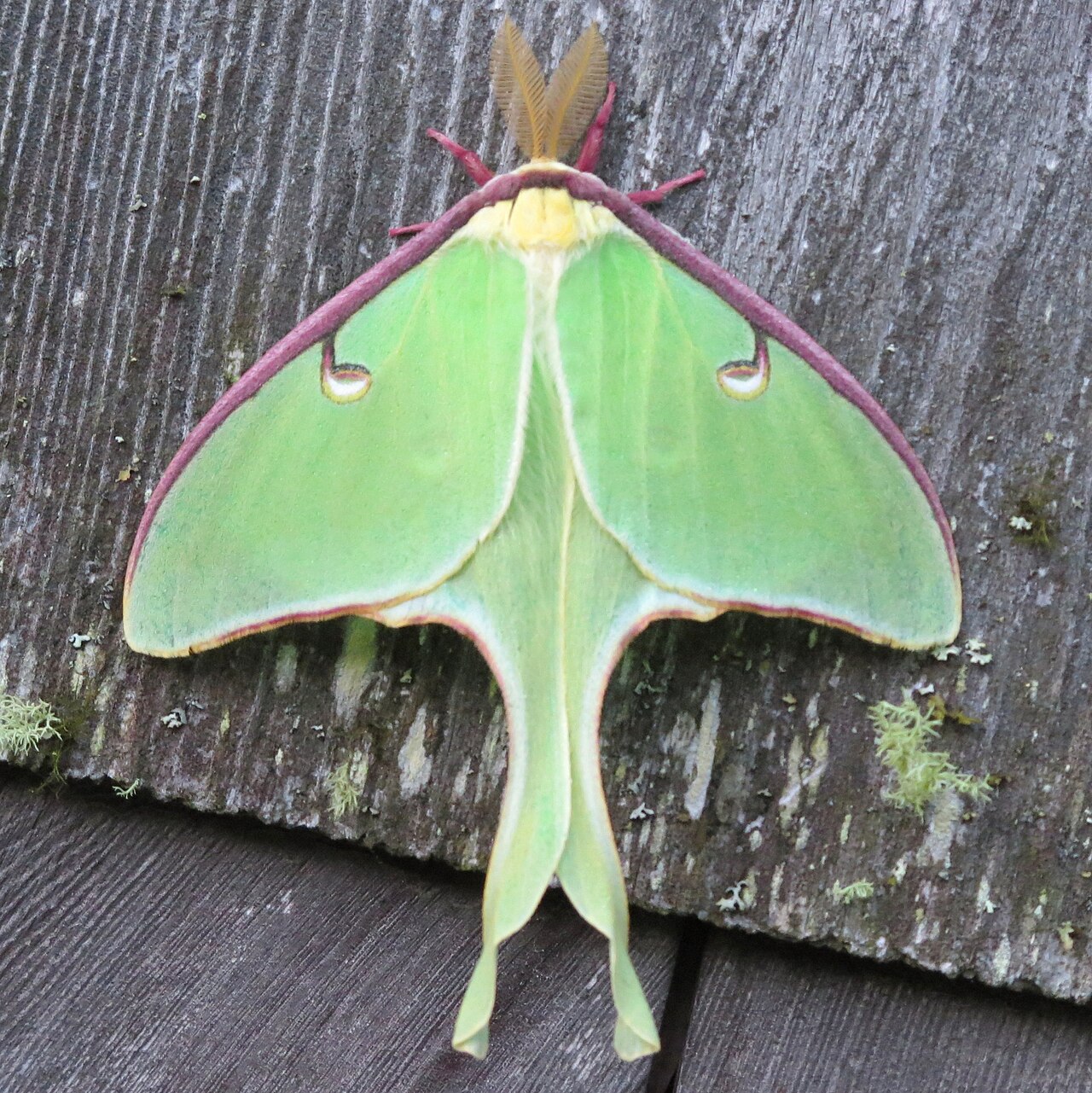
Caterpillar host plants
Caterpillars eat the leaves of host plants; adults drink nectar from many flowers. Caterpillars also feed nesting birds. NC Native Plant Society: butterfly gardening
23 native plants in West Virginia. 3 not suggested for gardens
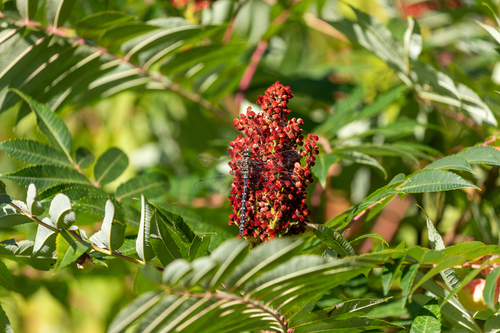
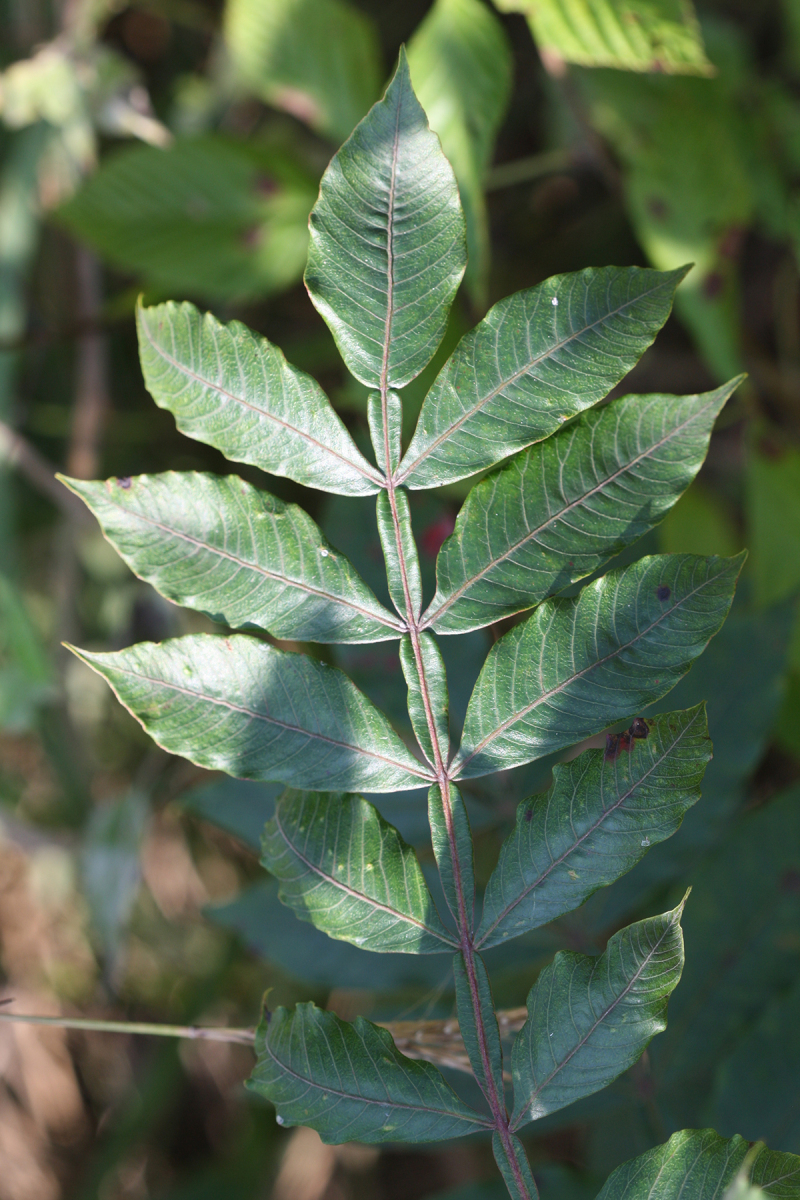
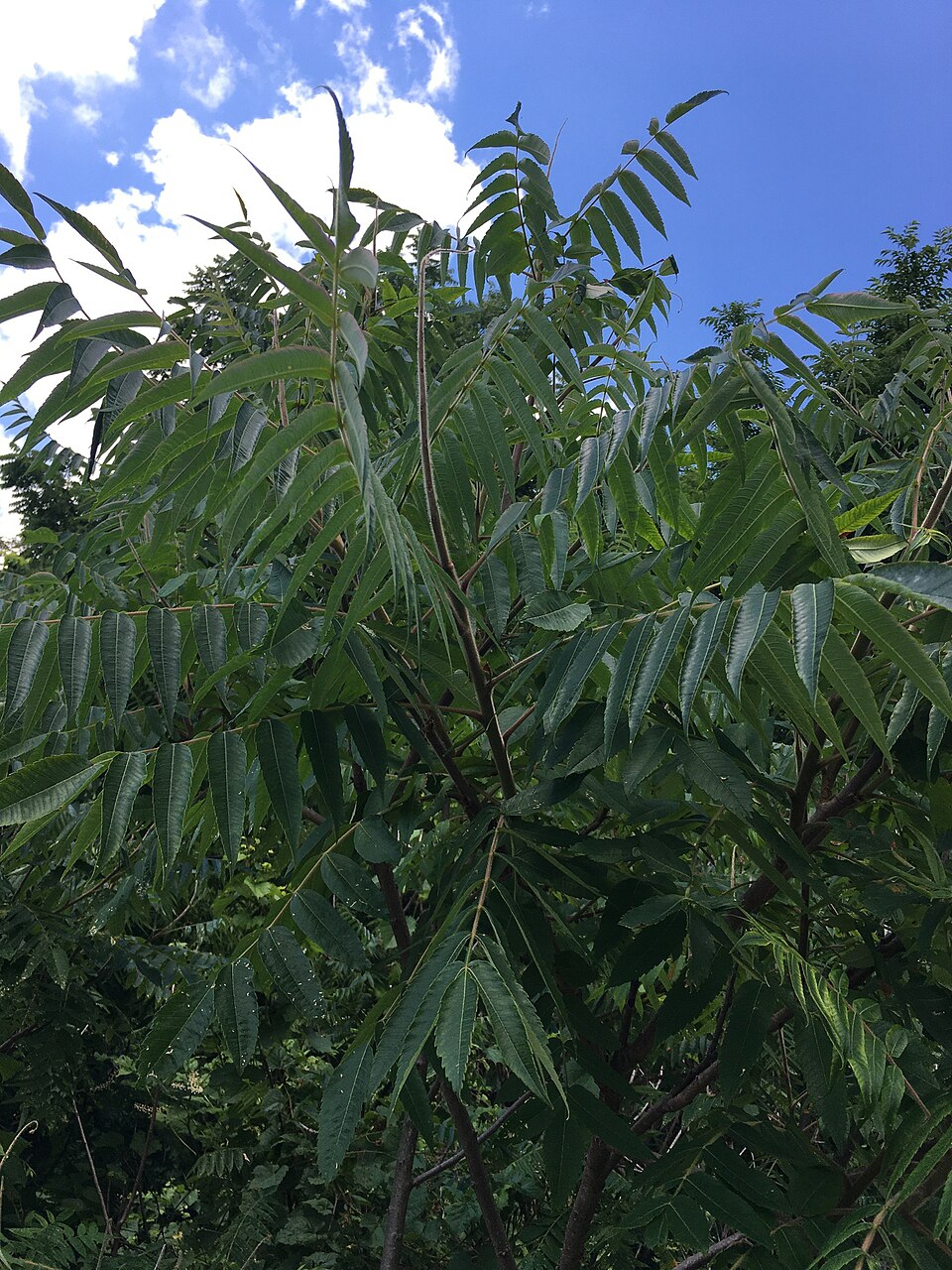
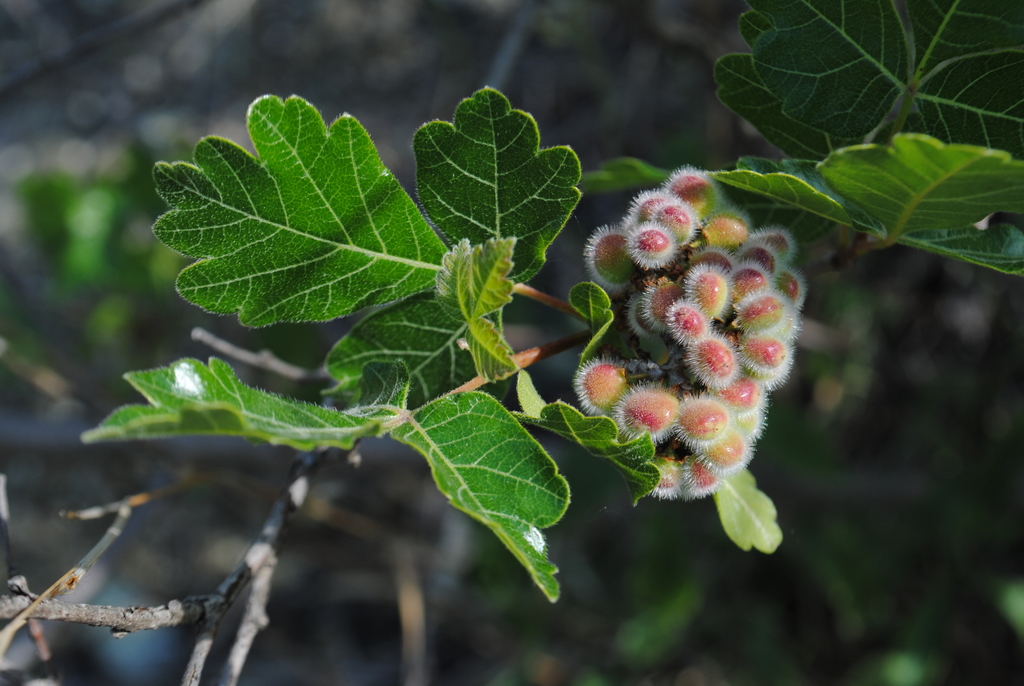
- Smooth SumacRhus glabra
- Winged SumacRhus copallinum
- Eastern Winged SumacRhus copallinum var. latifolia
- Staghorn SumacRhus typhina
- Fragrant SumacRhus aromatica
- Fragrant Sumac; Squawbush; Squaw BushRhus aromatica var. aromatica
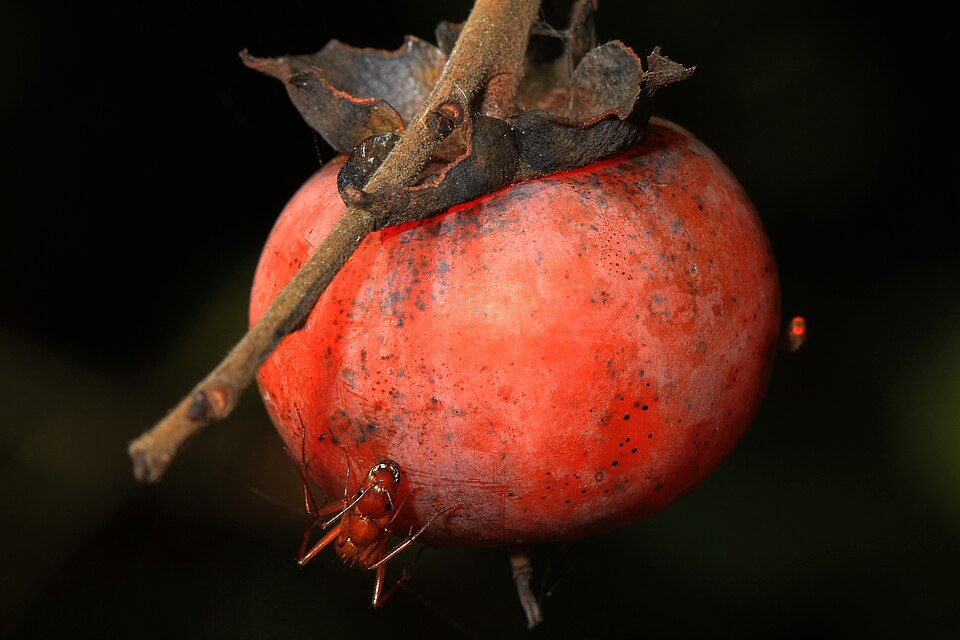
- American PersimmonDiospyros virginiana
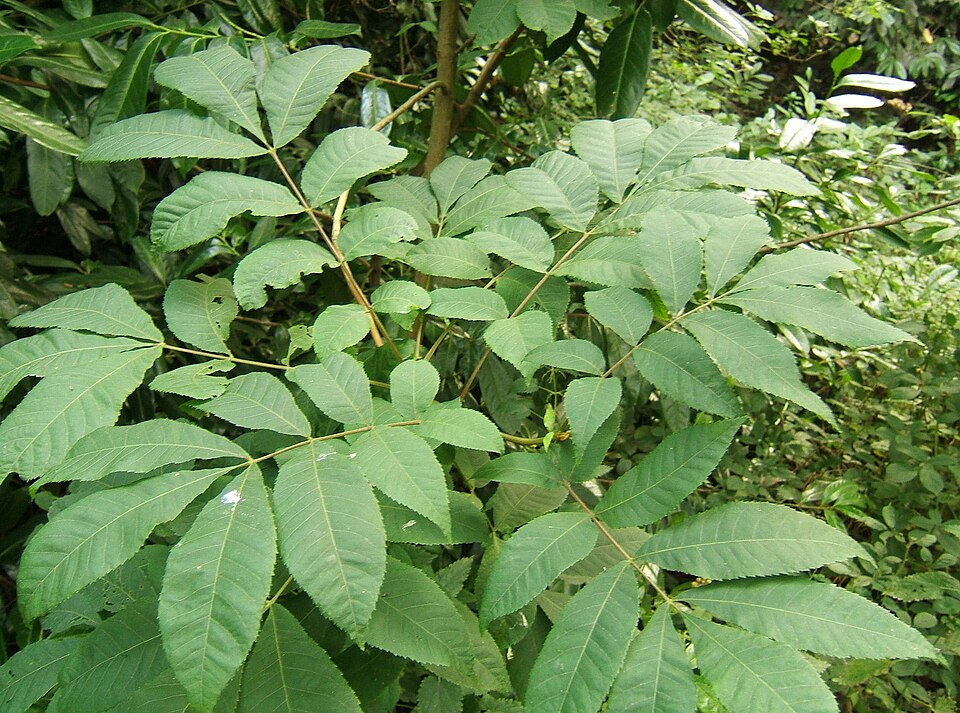
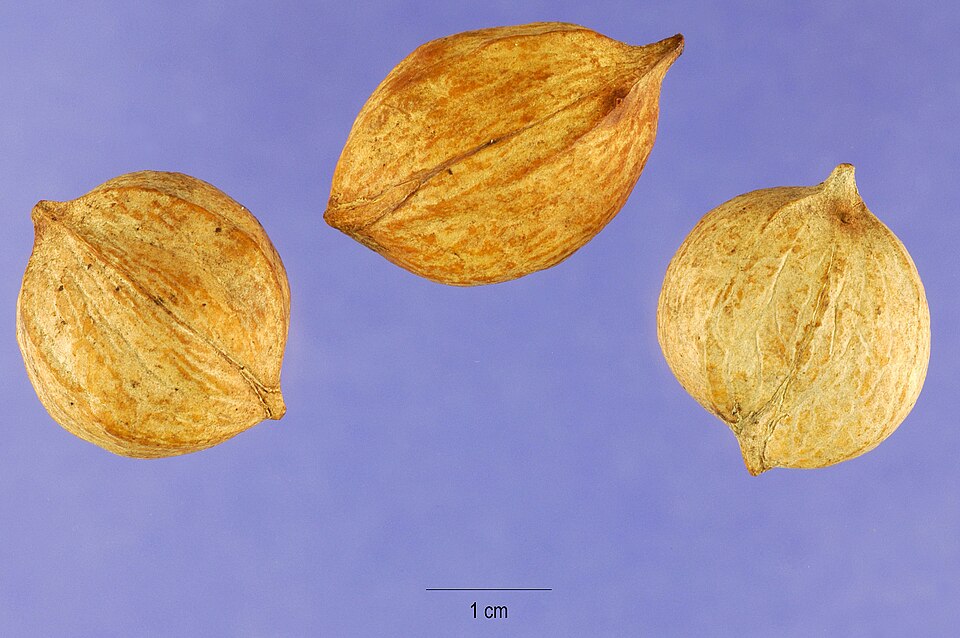
- Bitternut HickoryCarya cordiformis
- Mockernut HickoryCarya tomentosa
- Pignut HickoryCarya glabra
- Red HickoryCarya ovalis
- River BirchBetula nigra
- Shagbark HickoryCarya ovata
- Shellbark HickoryCarya laciniosa
- Sweet BirchBetula lenta
- Yellow BirchBetula alleghaniensis
- Black HickoryCarya texana
- SweetgumLiquidambar styraciflua
- Black WalnutJuglans nigra
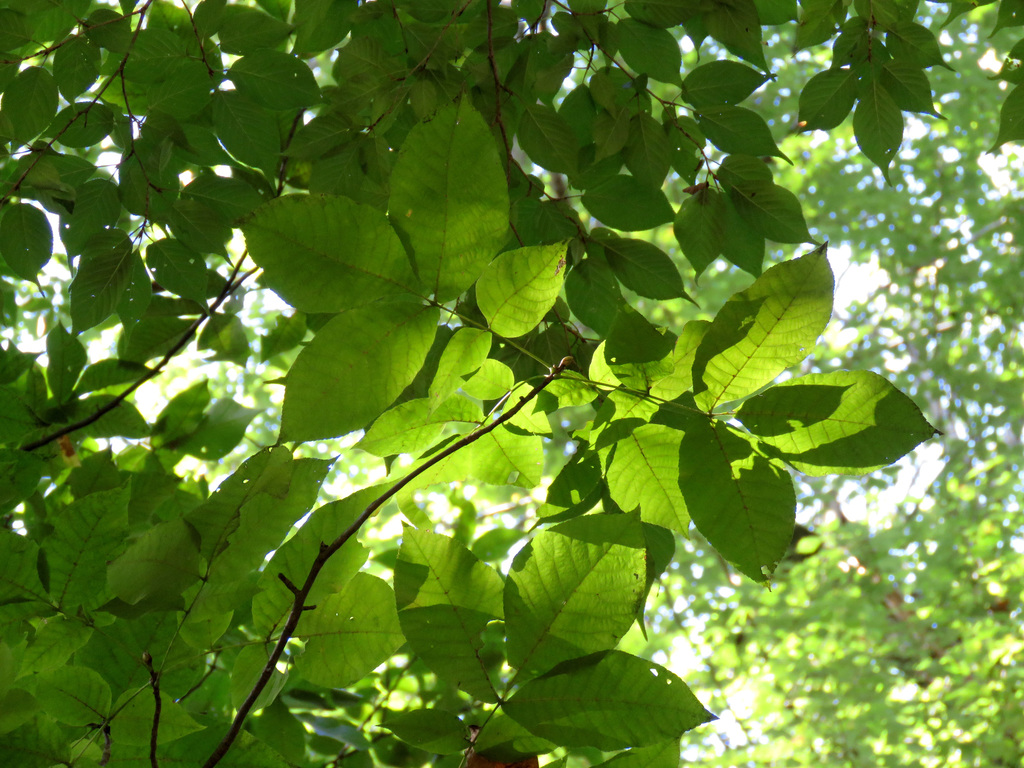
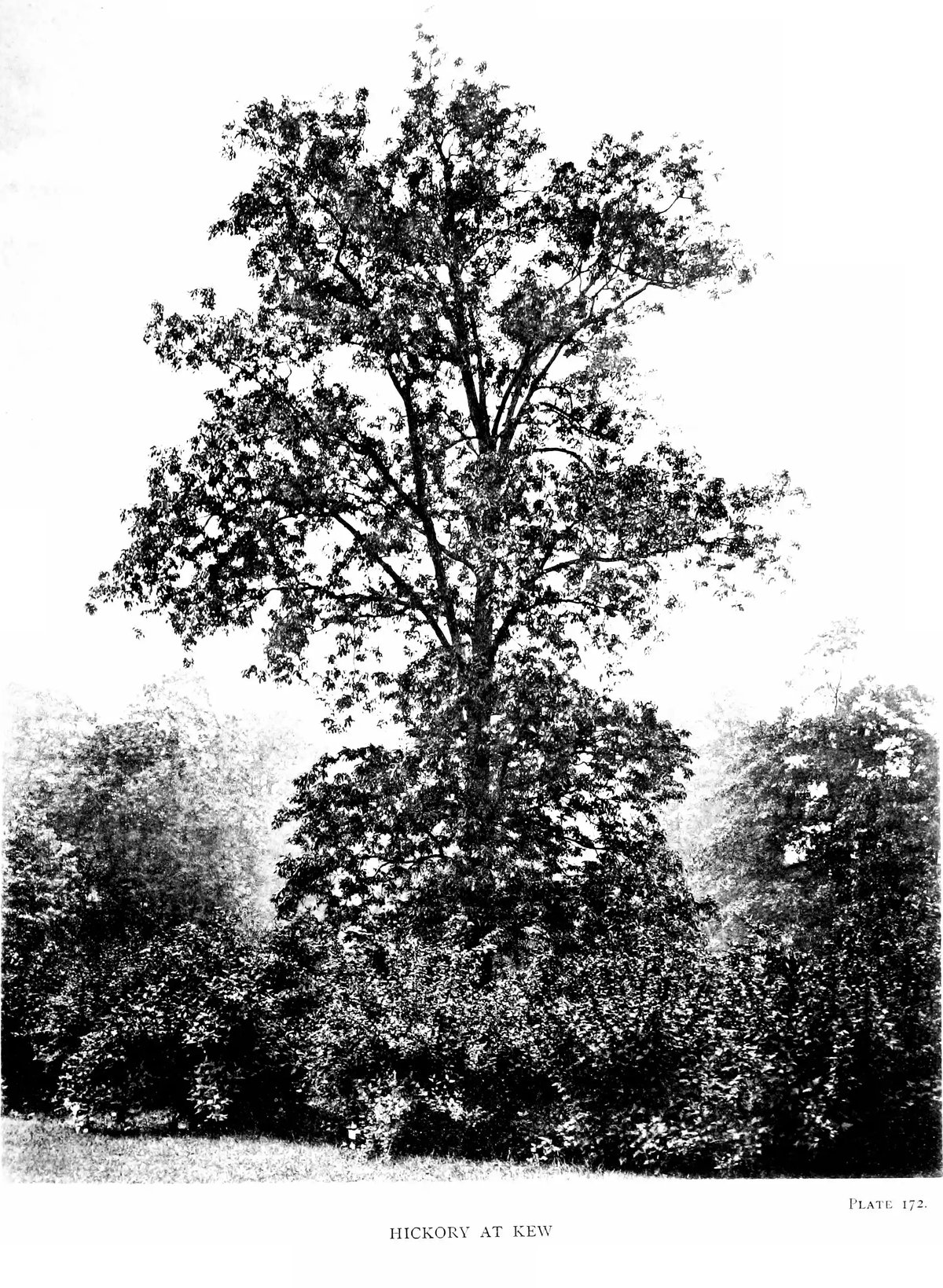
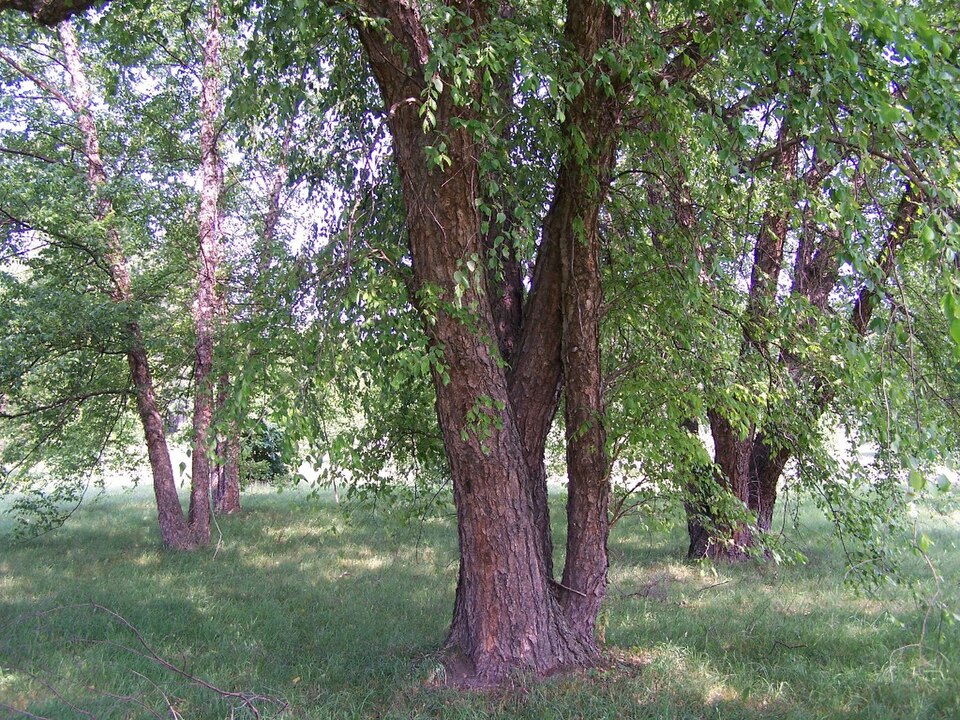
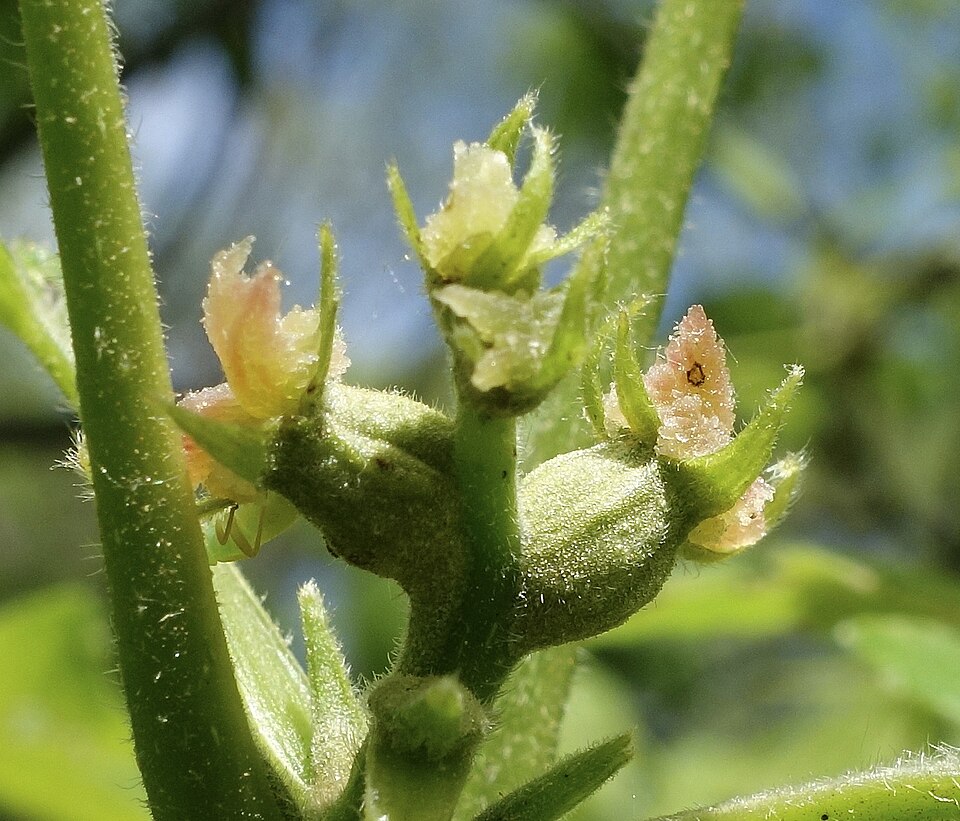
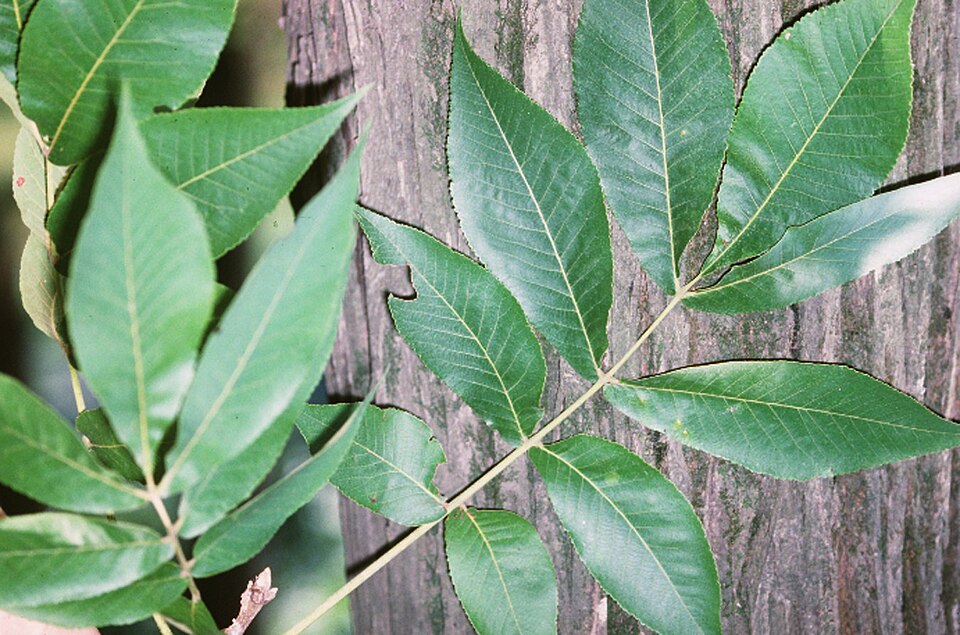
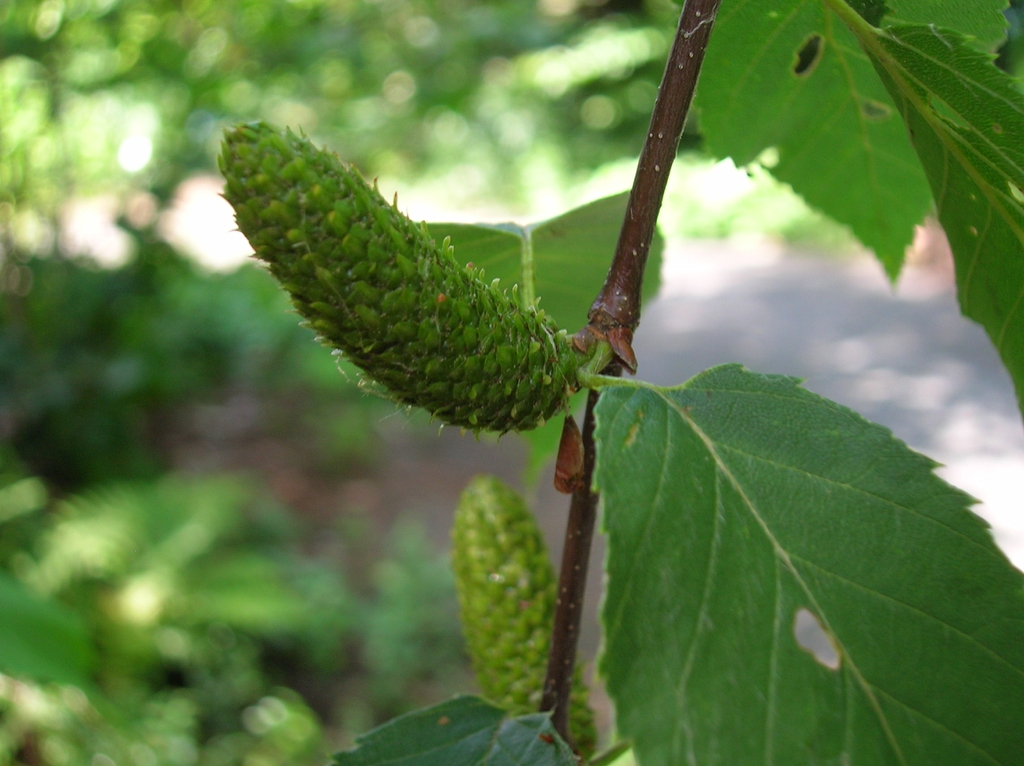
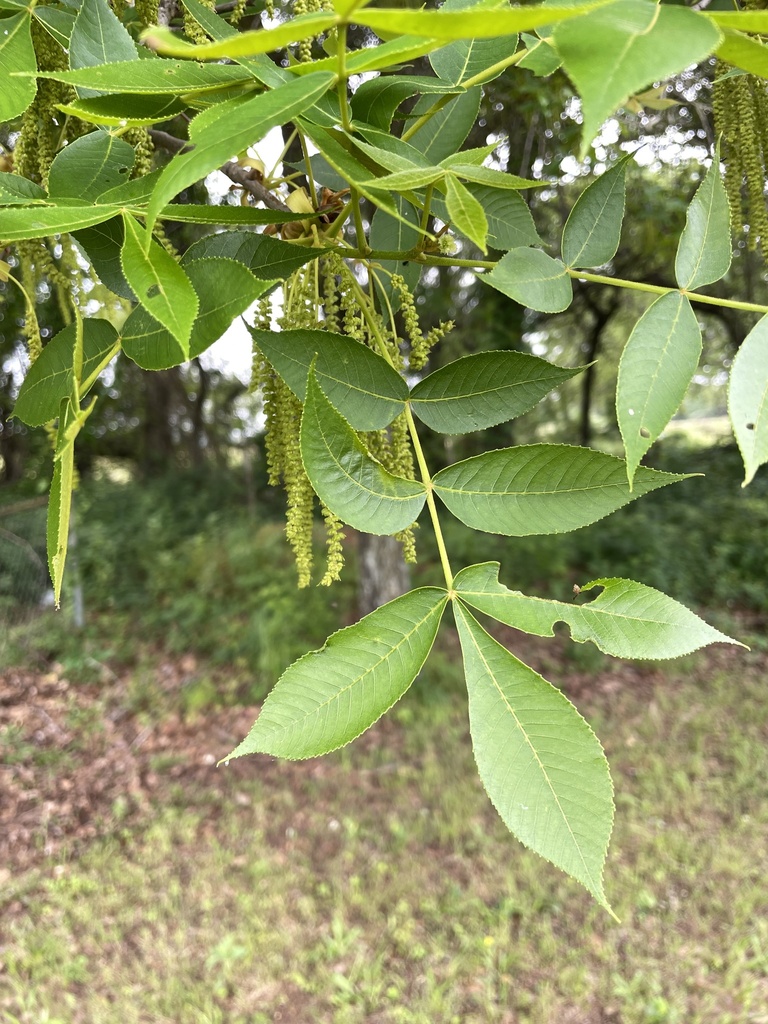
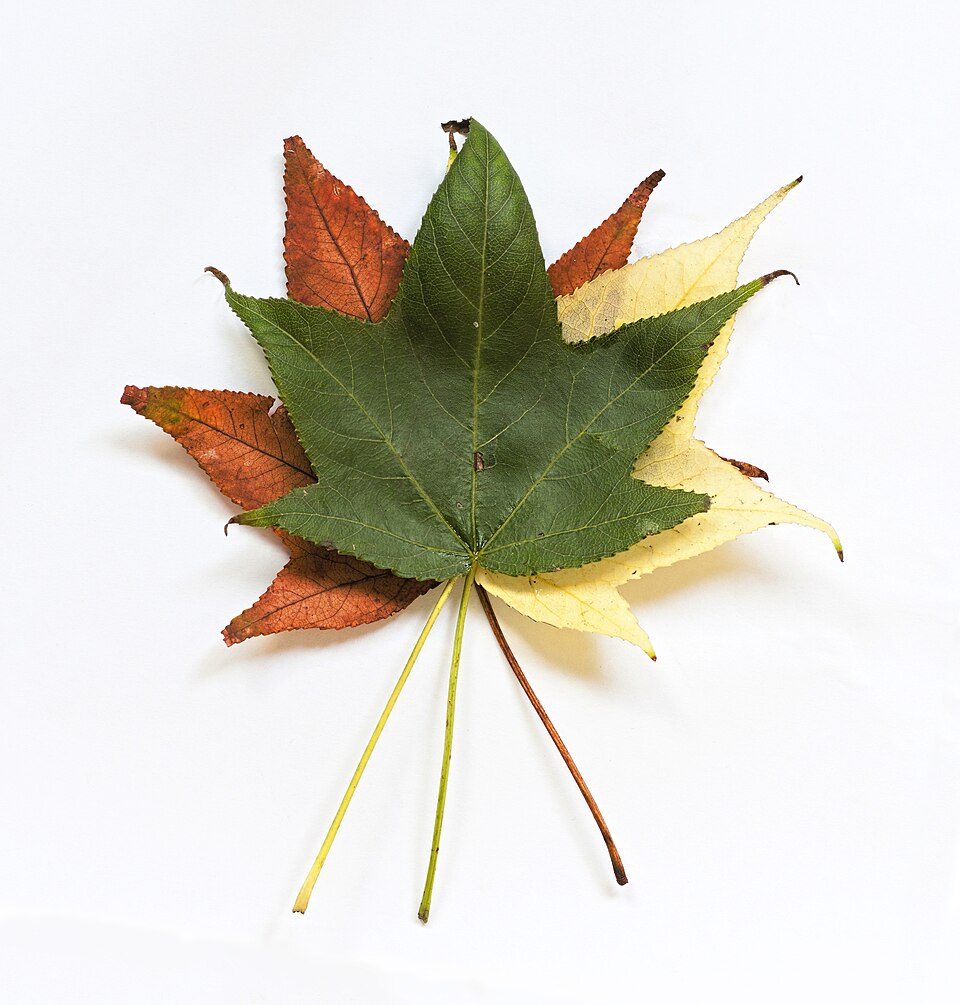
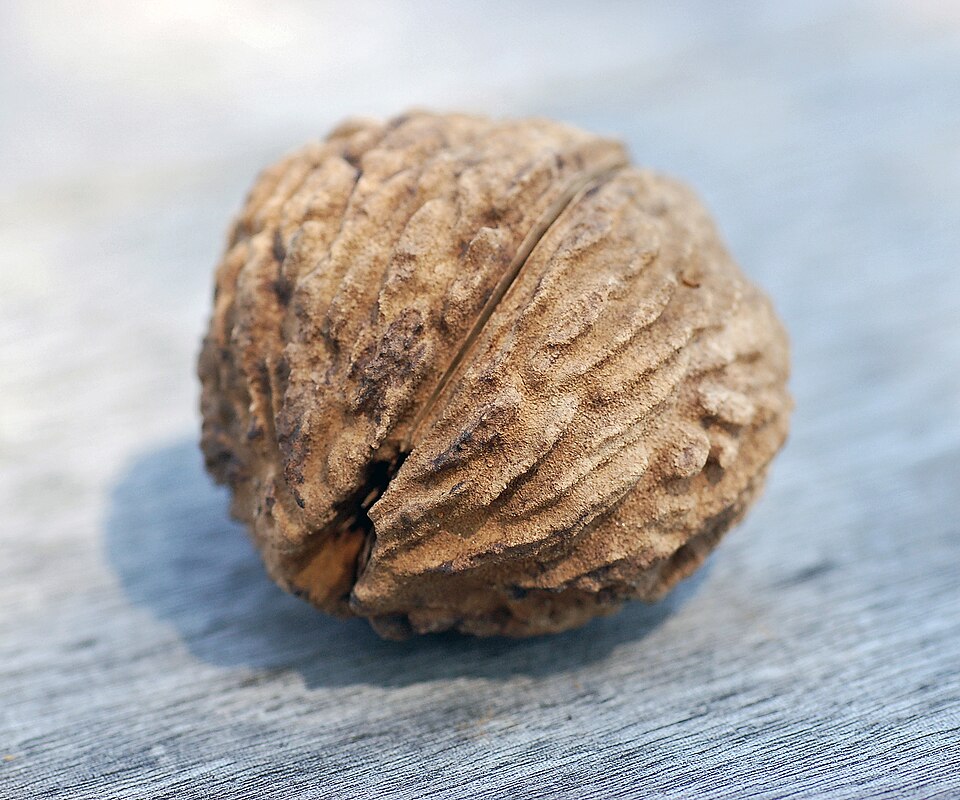

Native here, not suggested for gardens
- Mountain Paper Birch Betula cordifolia Rare or protected plant
- Paper Birch; Canoe Birch Betula papyrifera Rare or protected plant
- Butternut Juglans cinerea Rare or protected plant
Matched by plant genus. Shropshire & Tallamy 2025, ZooKeys 1261
Also on these plants
- Regal Moth 17 of these plants
- Polyphemus Moth 10 of these plants
- Banded Hairstreak 8 of these plants
- Eastern Bluebird 8 of these plants
- American Robin 7 of these plants
- Cecropia Moth 3 of these plants
- Eastern Tiger Swallowtail 3 of these plants
- Mourning Cloak 3 of these plants
- Imperial Moth 1 of these plants
- Promethea Moth 1 of these plants
None of the other listed species.