

Common Buckthorn
Rhamnus cathartica
Found in disturbed areas. Weakley, Flora of the Southeastern United States (2025), Northern Tier edition What its natural habitat tells you
Not native to West Virginia. How scores work Is it native here?
Profile 76%
- Height
- 18–30 feet
- Spread
- 15–20 feet
- Light
- Full sun, Partial shade
- Soil moisture
- Somewhat dry to moist
No photograph yet. Looking for an old drawing…
Do not plant. Listed invasive in West Virginia.
Plant this instead
Choose your county to list local plants first.
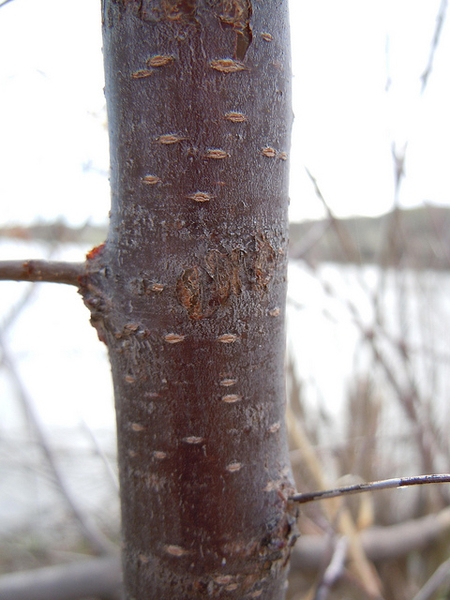
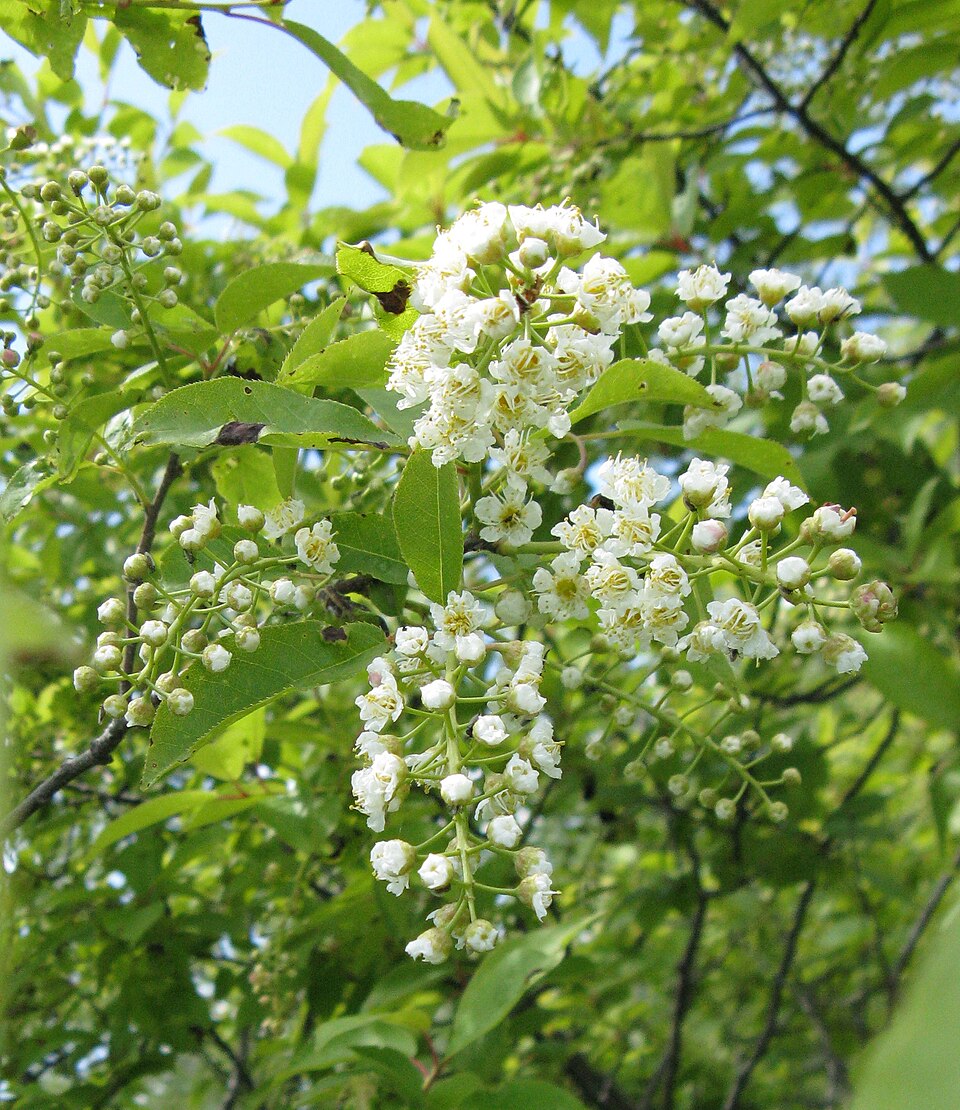
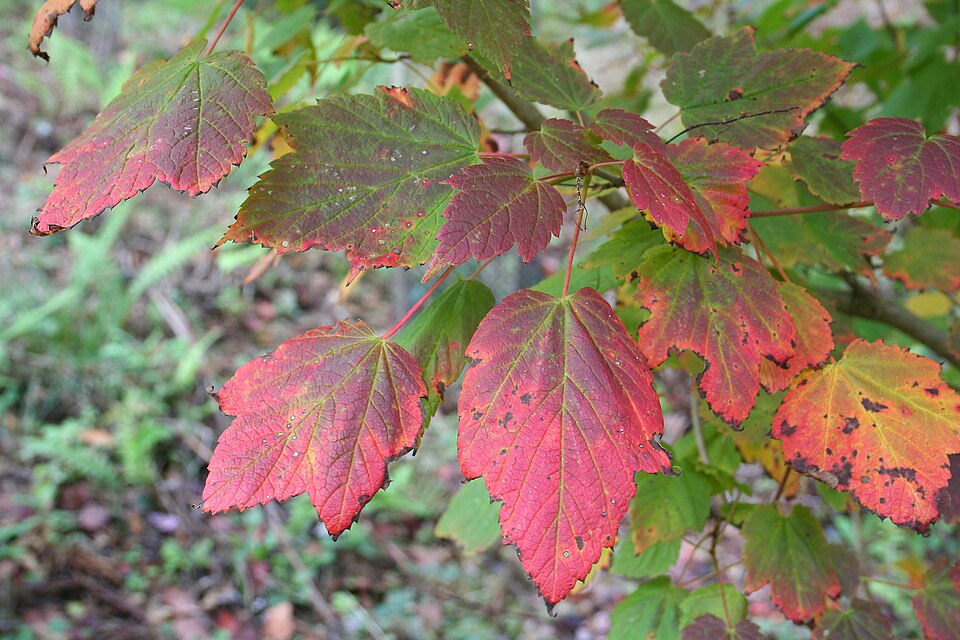
No recorded swaps for this county. Try the garden finder.
At a glance
- Life cycle
- Woody perennial
- Leaves
- Deciduous
- Bloom
- April to June
County records are not available.
Natural habitats
Places it grows wild. Not a planting requirement. Each habitat page lists the plants and wildlife also found there.
Roadsides, fields and disturbed ground
Ground opened by people: roadsides, old fields, pastures, fencerows and lots.
Also found with this plant
Wildlife whose habitat models include habitats this plant grows in, in West Virginia. Shared habitat, not food. 108 animals.
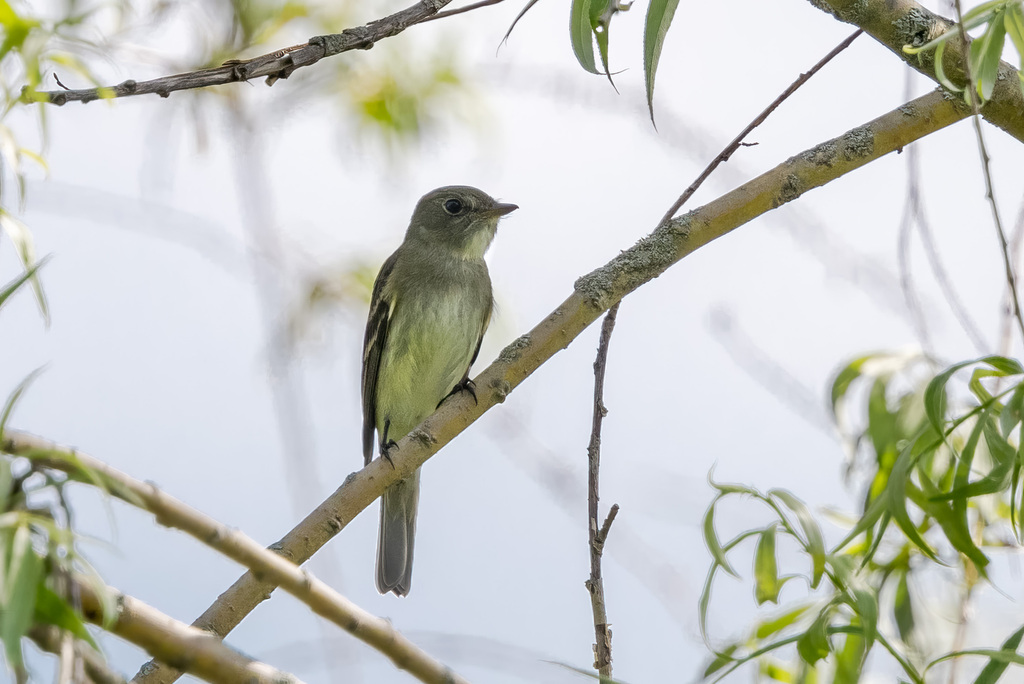
- Alder FlycatcherEmpidonax alnorum
- American GoldfinchCarduelis tristis
- American KestrelFalco sparverius
- American RobinTurdus migratorius
- Bald EagleHaliaeetus leucocephalus
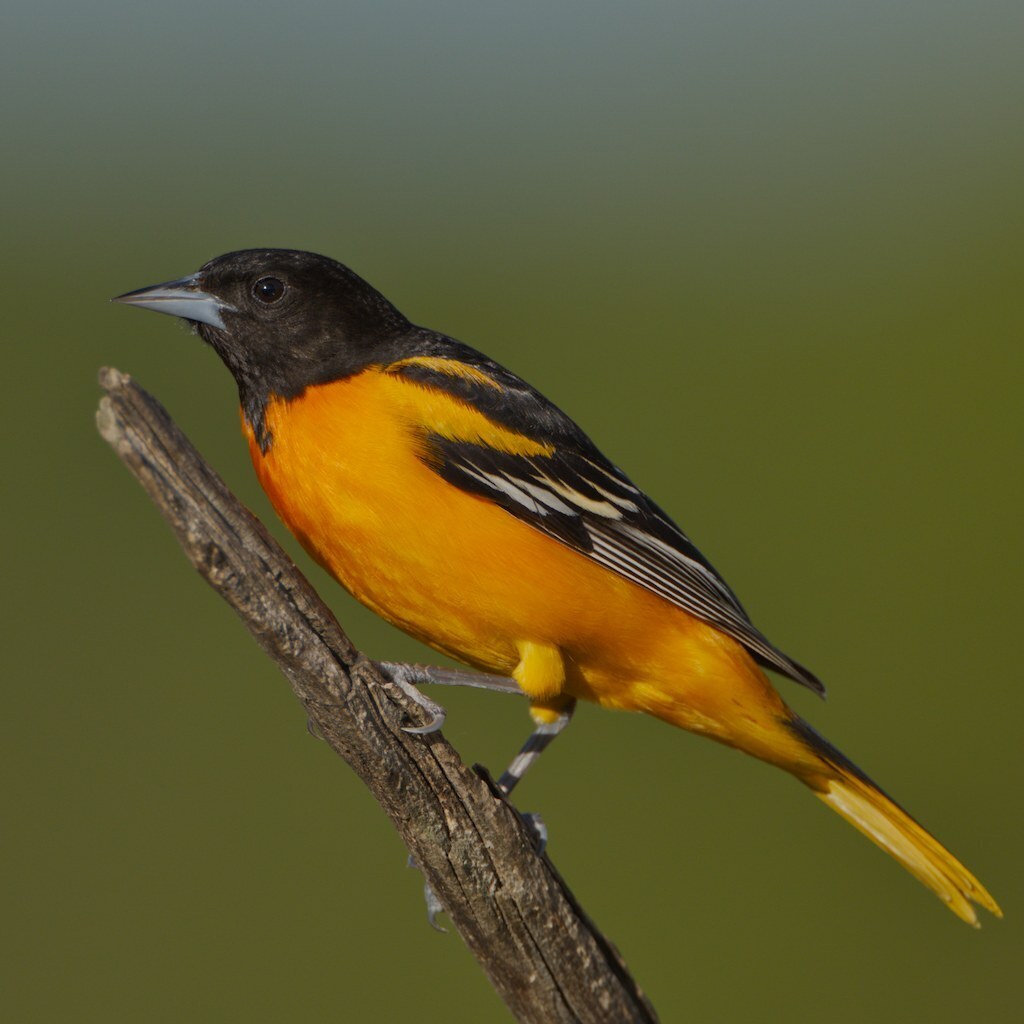
- Baltimore OrioleIcterus galbula
- Barred OwlStrix varia
- Belted KingfisherMegaceryle alcyon
- Black-and-White WarblerMniotilta varia
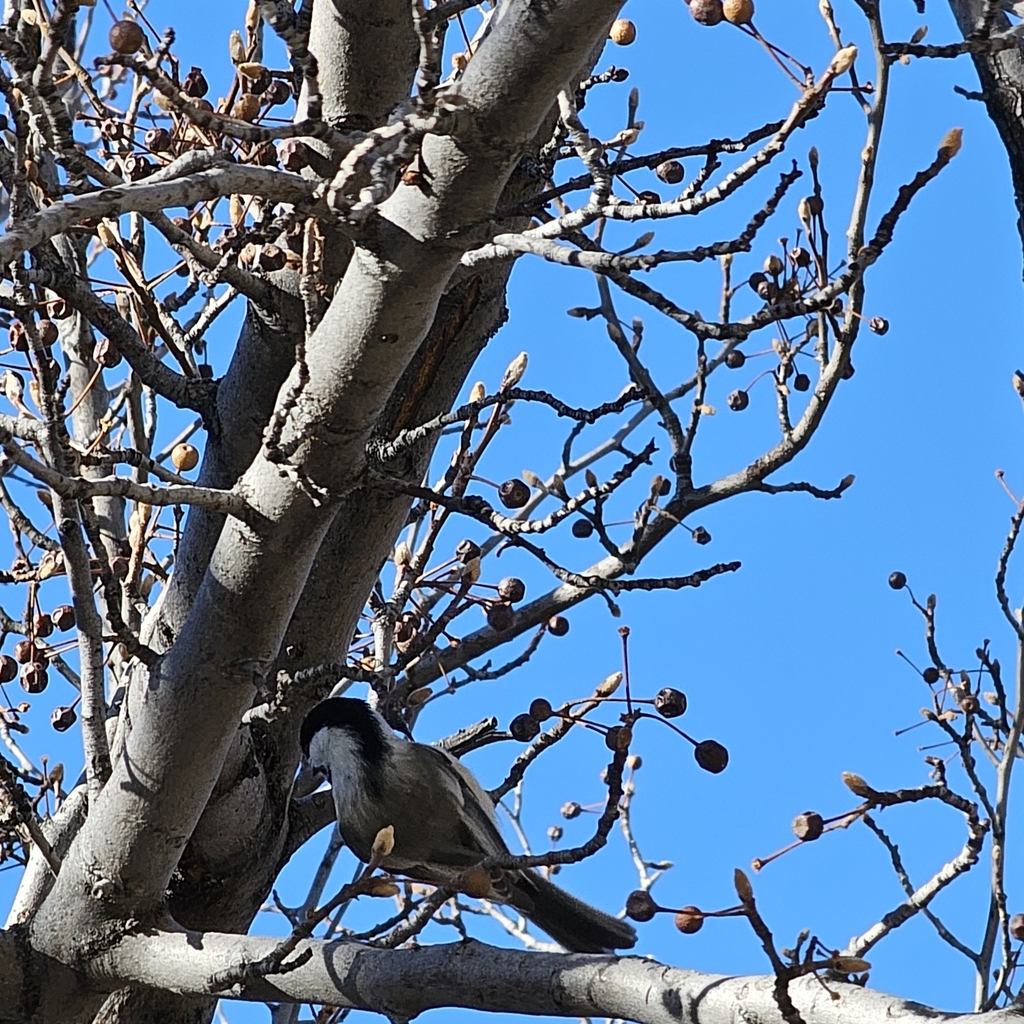
- Black-capped ChickadeePoecile atricapillus
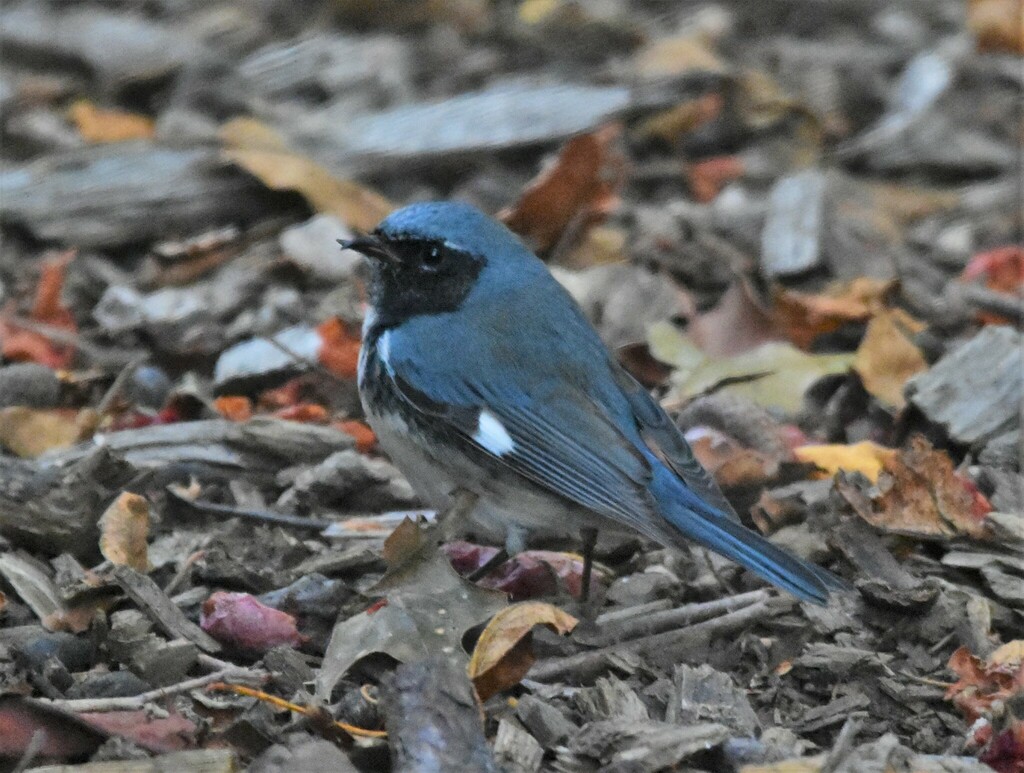
- Black-throated Blue WarblerDendroica caerulescens
- Blue GrosbeakPasserina caerulea
- Blue JayCyanocitta cristata
- Blue-gray GnatcatcherPolioptila caerulea
- Broad-winged HawkButeo platypterus
- Brown CreeperCerthia americana
- Brown ThrasherToxostoma rufum
- Carolina ChickadeePoecile carolinensis
- Cedar WaxwingBombycilla cedrorum
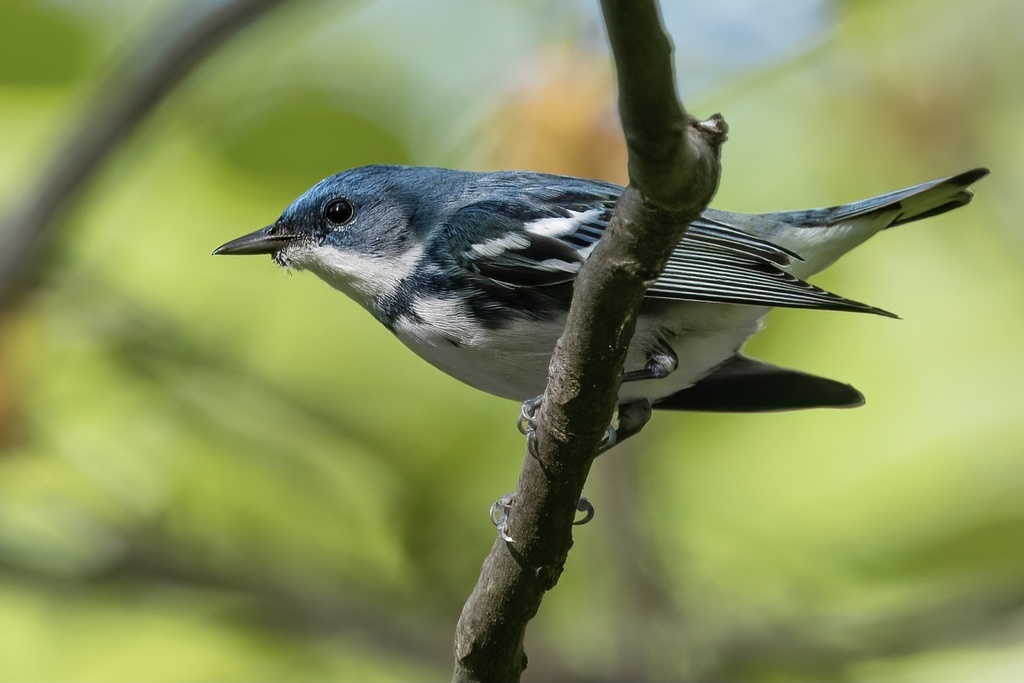
- Cerulean WarblerDendroica cerulea
- Chimney SwiftChaetura pelagica
- Chipping SparrowSpizella passerina
- Common NighthawkChordeiles minor
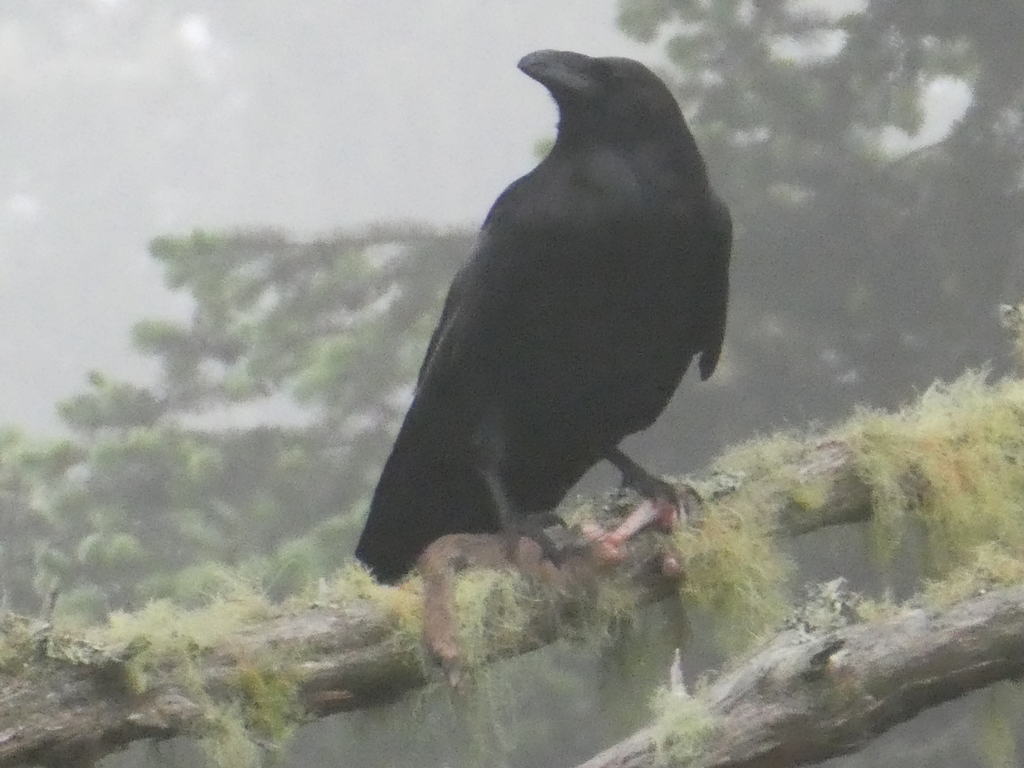
- Common RavenCorvus corax


















Who uses this plant?
 17CaterpillarsGenus host records with ranges including WV
Genus host records with ranges including WV · Rhamnus
- Antheraea polyphemusPolyphemus Moth
- Argyrotaenia quercifolianaYellow-Winged Oak Leafroller Moth, Lined Oak Leafroller
- Celastrina luciaLucia Azure
- Choristoneura rosaceanaOblique-Banded Leafroller Moth, Rosaceous Leaf Roller
- Eupithecia miserulataCommon Eupithacia, Common Pug
- Hyphantria cuneaFall Webworm
- Iridopsis defectariaBrown-Shaded Gray, Willow Looper
- Lacanobia subjunctaSpeckled Arches, Subdues Arches, Harnessed Mamestra, Speckled Cutworm Moth, Grand Arches?(incorrectly)
- Melanolophia canadariaCanadian Melanolphia, Variable Redmarked Looper
- Orgyia leucostigmaWhite-Marked Tussock Moth
Show all 17
- Palthis angulalisDark-Spotted Palthis
- Papilio glaucusEastern Tiger Swallowtail
- Rhopobota naevanaBlackheaded Fireworm, Holly Bud Moth, Holly Tortrix
- Spilosoma virginicaVirginian Tiger Moth, Yellow Woolybear Moth, Yellow Bear
- Syndemis afflictanaFall Dead-Leaf Roller, Gray Leafroller, Black-and-Grey Banded Leafroller
- Thyridopteryx ephemeraeformisEvergreen Bagworm Moth
- Triphosa haesitataTissue Moth, Brown Tissue
 —BeesSoutheastern regional records
 —Specialist beesPollen specialists
 12BirdsRecorded genus food-resource interactions; not a state feeding claim
Recorded genus food-resource interactions; not a state feeding claim · Rhamnus
- Aphelocoma californicaCalifornia Scrub-Jay
- Campylorhynchus brunneicapillusCactus Wren
- Catharus guttatusHermit Thrush
- Catharus ustulatusSwainson's Thrush
- Ixoreus naeviusVaried Thrush
- Meleagris gallopavoWild Turkey
- Patagioenas fasciataBand-tailed Pigeon
- Sphyrapicus ruberRed-breasted Sapsucker
- Toxostoma redivivumCalifornia Thrasher
- Turdus migratoriusAmerican Robin
Show all 12
- Tyrannus tyrannusEastern Kingbird
- Zenaida asiaticaWhite-winged Dove
Direct food only: birds recorded eating this genus across North America. Caterpillars on host plants also feed nesting birds. NC Native Plant Society: butterfly gardening
Plant details
- Family
- Rhamnaceae
- Hardiness
- Zones 3a–7b
- Soil pH
- Neutral to alkaline
- Flower color
- Yellow or green
Safety has not been reviewed for this plant; check toxicity and thorns before planting.
Growing sources and scope
- Bloom · “April to June” · Weakley, Flora of the Southeastern United States (2025), Carolinas & Georgia edition · Carolinas and Georgia
- Flower color · “Yellow or green” · NC Extension Plant Toolbox
- Hardiness · “Zones 3a–7b” · NC Extension Plant Toolbox
- Height · “18–30 feet” · NC Extension Plant Toolbox (ranked first; Fire Effects Information System: Rhamnus cathartica, Minnesota Wildflowers differ)
- Leaves · “Deciduous” · NC Extension Plant Toolbox
- Life cycle · “Woody perennial” · NC Extension Plant Toolbox
- Light · “Full sun (6 or more hours of direct sunlight a day); Partial shade (direct sunlight only part of the day, 2-6 hours)” · NC Extension Plant Toolbox
- Soil · “Moist; Occasionally dry; Occasionally wet” · NC Extension Plant Toolbox
- Soil pH · “Neutral to alkaline” · NC Extension Plant Toolbox
- Spread · “15–20 feet” · NC Extension Plant Toolbox
Also known as
European Buckthorn
Conservation status
| West Virginia rank | SNA |
|---|---|
| Global rank | GNR |
| WV status | Not verified |
| Federal status | Not verified |
Sources
- West Virginia DNR invasive plant list
- USDA PLANTS
- Weakley, Flora of the Southeastern United States (2025)
- NatureServe Explorer
- West Virginia occurrence source
- Shropshire & Tallamy 2025, Lepidoptera of North America north of Mexico, ZooKeys 1261 (ODbL)
- Noori, Seltmann & Orr 2026, A curated and integrated dataset for exploring global bee-plant interactions (GloBI), Zenodo, CC BY 4.0
- Smith, Bachelder, Russell, Morales, Mosher & Seltmann 2024, Bee-Specialization-Modeling v0.6.1 (specialist host table compiled from J. Fowler's pollen specialist bee lists), Zenodo, CC BY 4.0
- Hurlbert, Olsen, Sawyer & Winner 2021, Avian Diet Database, Scientific Data 8: 260 (CC0)
- Narango, Tallamy & Shropshire 2020, Few keystone plant genera support the majority of Lepidoptera species, Nature Communications