

Common Rockcap Fern
Polypodium virginianum
Found in moist rocks. Weakley, Flora of the Southeastern United States (2025), Northern Tier edition What its natural habitat tells you
Native to West Virginia. How scores work Is it native here?
Profile 94%
- Height
- 6 inches–1 foot
- Spread
- 6 inches–1 foot
- Light
- Deep shade
- Soil moisture
- Somewhat dry to moist
Space about 1 ft apart from its recorded spread, about 100 per 100 sq ft. Enter your bed size for a count
Will it fit your yard?No photograph yet. Looking for an old drawing…
At a glance
- Life cycle
- Perennial
- Leaves
- Evergreen
- Bloom
- June to October
Recorded in 26 West Virginia counties.
Also found with this plant
Wildlife whose habitat models include habitats this plant grows in, in West Virginia. Shared habitat, not food. 110 animals.
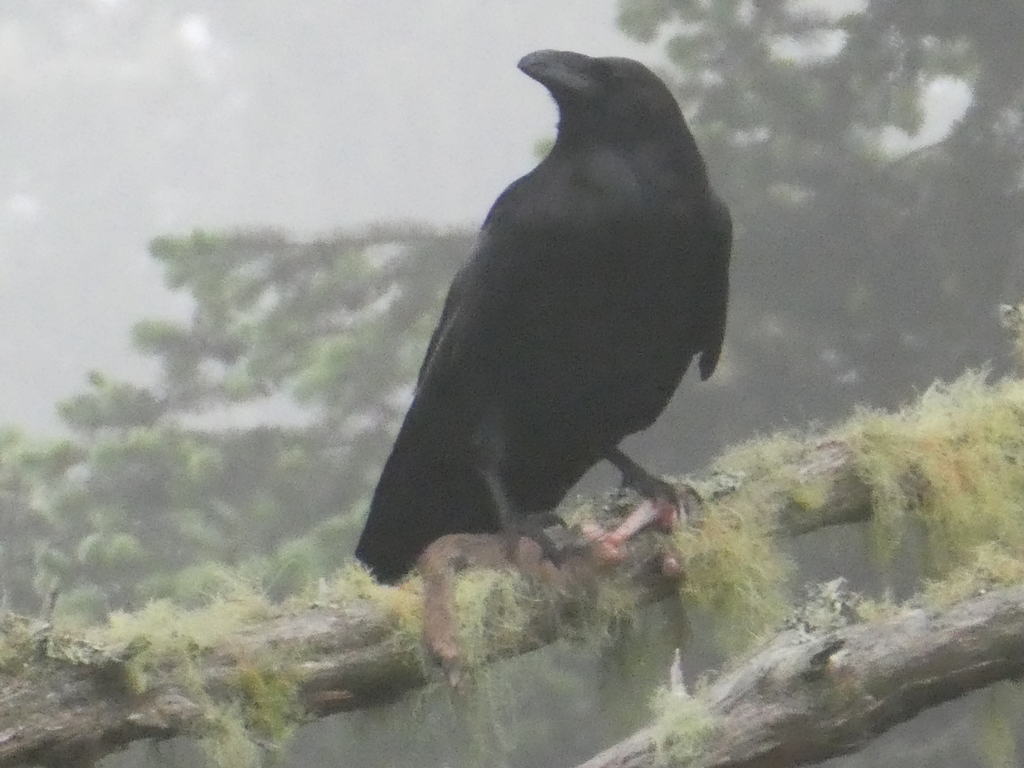
- American CrowCorvus brachyrhynchos
- American KestrelFalco sparverius
- Bald EagleHaliaeetus leucocephalus
- Belted KingfisherMegaceryle alcyon
- Chimney SwiftChaetura pelagica
- Common NighthawkChordeiles minor
- Common RavenCorvus corax
- Dark-eyed JuncoJunco hyemalis
- Eastern BluebirdSialia sialis
- Eastern KingbirdTyrannus tyrannus
- European StarlingSturnus vulgaris
- Great Horned OwlBubo virginianus
- Mourning DoveZenaida macroura
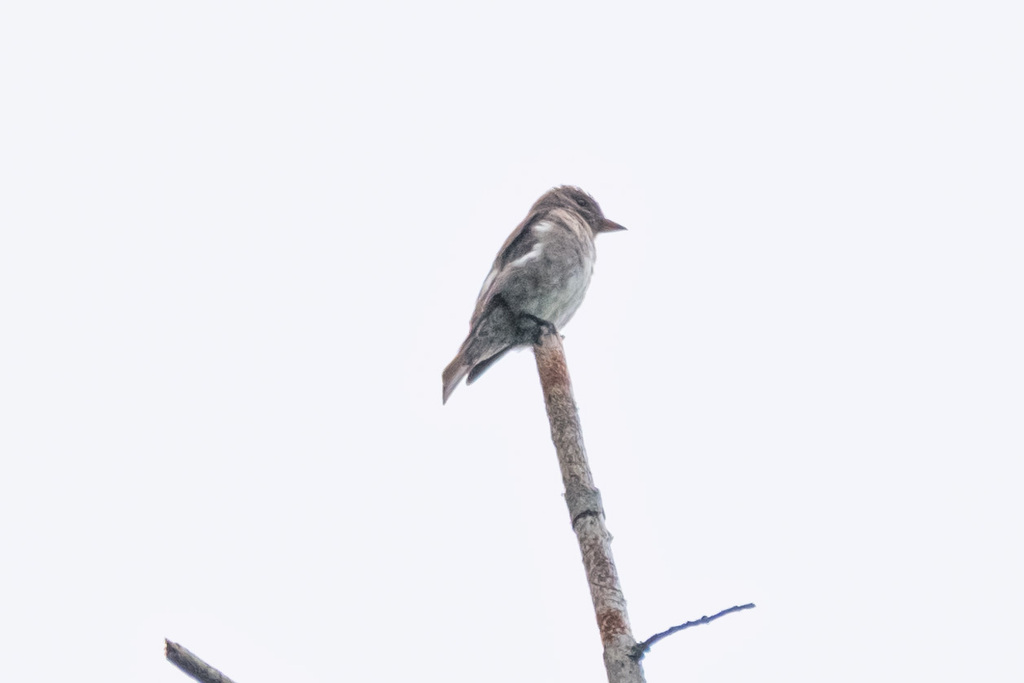
- Olive-sided FlycatcherContopus cooperi
- Red-tailed HawkButeo jamaicensis
- Sharp-shinned HawkAccipiter striatus
- Turkey VultureCathartes aura
- Bank SwallowRiparia riparia
- Cliff SwallowPetrochelidon pyrrhonota
- Eastern PhoebeSayornis phoebe
- Eurasian Collared-doveStreptopelia decaocto
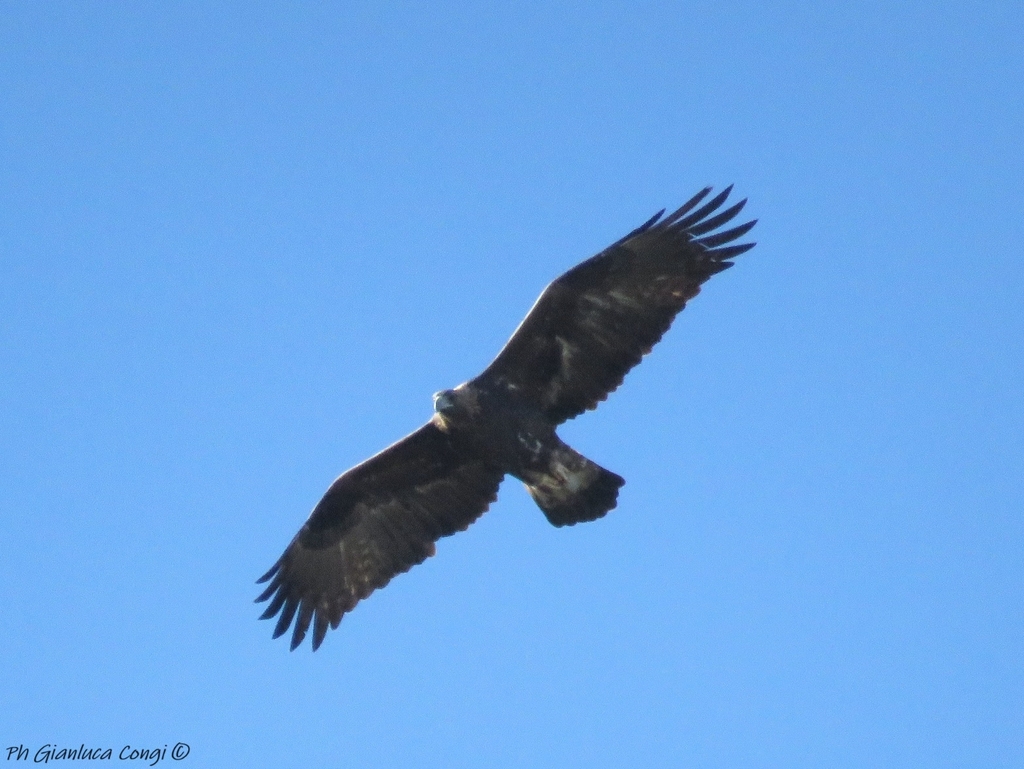
- Golden EagleAquila chrysaetos
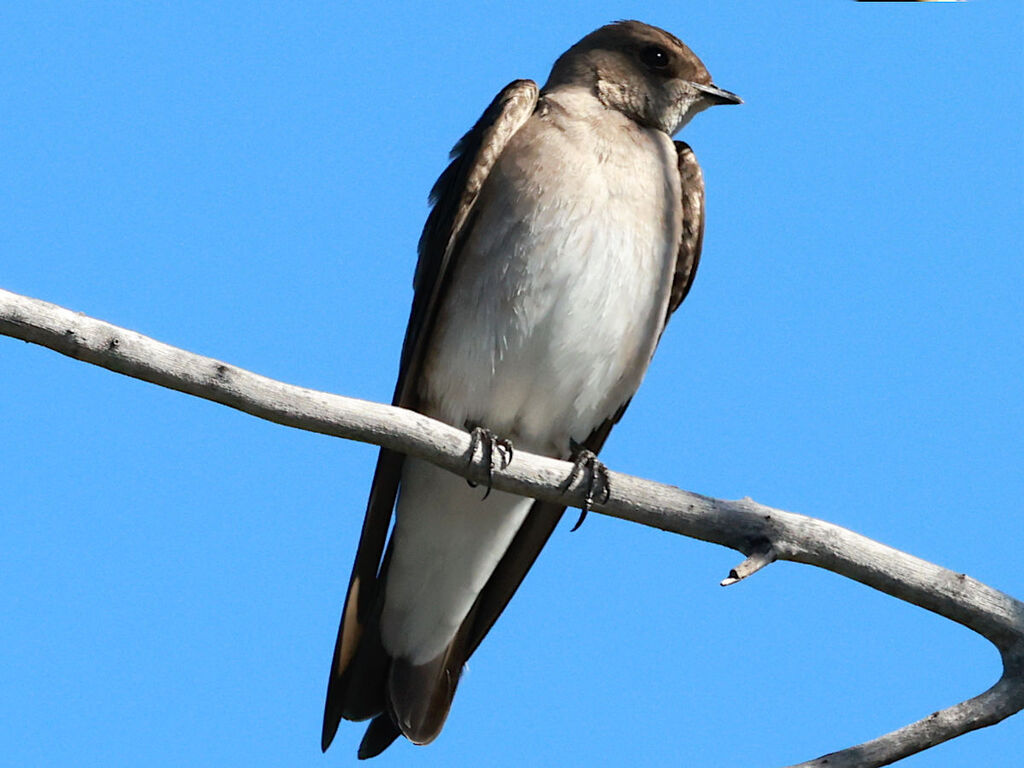
- Northern Rough-winged SwallowStelgidopteryx serripennis
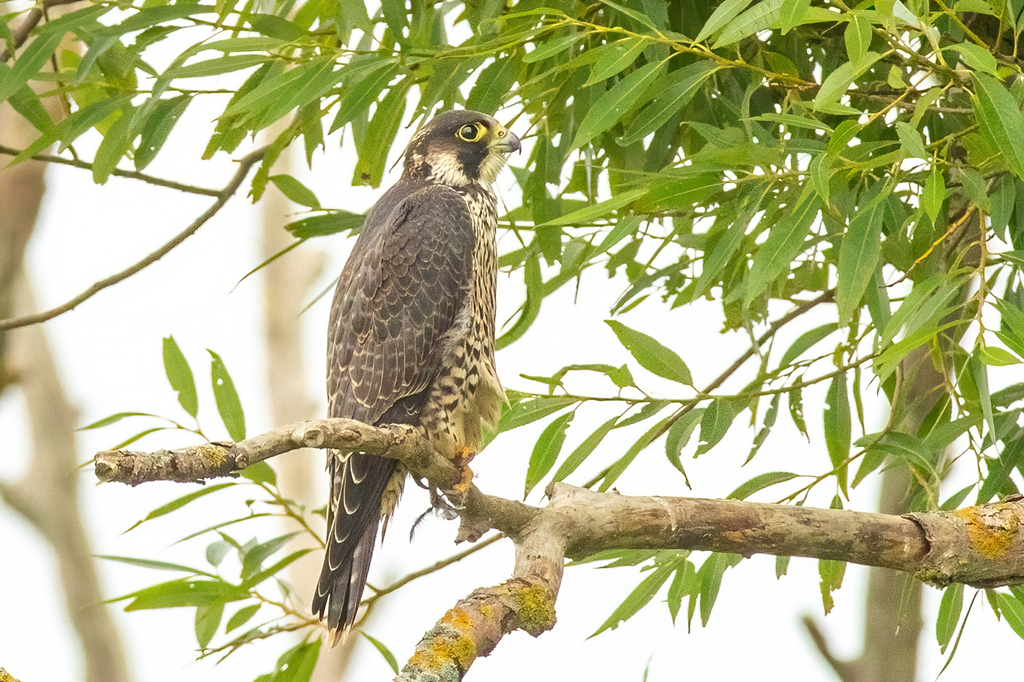
- Peregrine FalconFalco peregrinus



















Who uses this plant?
 1CaterpillarsGenus host records with ranges including WV
Genus host records with ranges including WV · Polypodium
- Melanchra pictaPainted Arches, Zebra Caterpillar Moth
 0BeesSoutheastern regional records
 0Specialist beesPollen specialists
 —BirdsRecorded genus food-resource interactions; not a state feeding claim
No records yet · Ants · Beetles · Flies · Adult butterflies / moths · Other wasps · Other insects
Plant details
- Family
- Polypodiaceae
- Hardiness
- Zones 3a–8b
- Soil pH
- Acidic to neutral
- Flower color
- Not applicable
Safety has not been reviewed for this plant; check toxicity and thorns before planting.
Growing sources and scope
- Bloom · “June to October” · Weakley, Flora of the Southeastern United States (2025), Carolinas & Georgia edition · Carolinas and Georgia
- Flower color · “Not applicable” · Lady Bird Johnson Wildflower Center
- Hardiness · “Zones 3a–8b” · NC Extension Plant Toolbox (ranked first; Missouri Botanical Garden Plant Finder differs)
- Height · “6 inches–1 foot” · NC Extension Plant Toolbox (ranked first; Minnesota Wildflowers differs)
- Leaves · “Evergreen” · Lady Bird Johnson Wildflower Center
- Life cycle · “Perennial” · NC Extension Plant Toolbox
- Light · “Deep shade (less than 2 hours to no direct sunlight)” · NC Extension Plant Toolbox (ranked first; Lady Bird Johnson Wildflower Center, Missouri Botanical Garden Plant Finder differ)
- Soil · “Moist; Occasionally dry” · NC Extension Plant Toolbox (ranked first; Lady Bird Johnson Wildflower Center, Missouri Botanical Garden Plant Finder differ)
- Soil pH · “Acidic to neutral” · NC Extension Plant Toolbox
- Spread · “6 inches–1 foot” · NC Extension Plant Toolbox
Also known as
Rock Cap Fern; Virginia Polypody
Conservation status
| West Virginia rank | S5 |
|---|---|
| Global rank | G5 |
| WV status | Not verified |
| Federal status | Not verified |
Will it fit your yard?
Check this plant against your county, sun and soil moisture. Conditions are checked in your browser.
Sources
- NatureServe Explorer
- USDA PLANTS
- Vascular Plants of North Carolina (NC Natural Heritage Program)
- Weakley, Flora of the Southeastern United States (2025), Carolinas & Georgia edition
- West Virginia occurrence source
- Shropshire & Tallamy 2025, Lepidoptera of North America north of Mexico, ZooKeys 1261 (ODbL)
- Noori, Seltmann & Orr 2026, A curated and integrated dataset for exploring global bee-plant interactions (GloBI), Zenodo, CC BY 4.0
- Smith, Bachelder, Russell, Morales, Mosher & Seltmann 2024, Bee-Specialization-Modeling v0.6.1 (specialist host table compiled from J. Fowler's pollen specialist bee lists), Zenodo, CC BY 4.0
- Hurlbert, Olsen, Sawyer & Winner 2021, Avian Diet Database, Scientific Data 8: 260 (CC0)
- Narango, Tallamy & Shropshire 2020, Few keystone plant genera support the majority of Lepidoptera species, Nature Communications