

Spotted Lady's-thumb
Persicaria maculosa
Found in disturbed areas. Weakley, Flora of the Southeastern United States (2025), Northern Tier edition What its natural habitat tells you
Not native to West Virginia. How scores work Is it native here?
Profile 76%
- Height
- About 3.2 feet
- Light
- Partial shade, Full sun
- Soil moisture
- Dry to wet
No photograph yet. Looking for an old drawing…
Do not plant. Listed invasive in West Virginia.
Plant this instead
Choose your county to list local plants first.
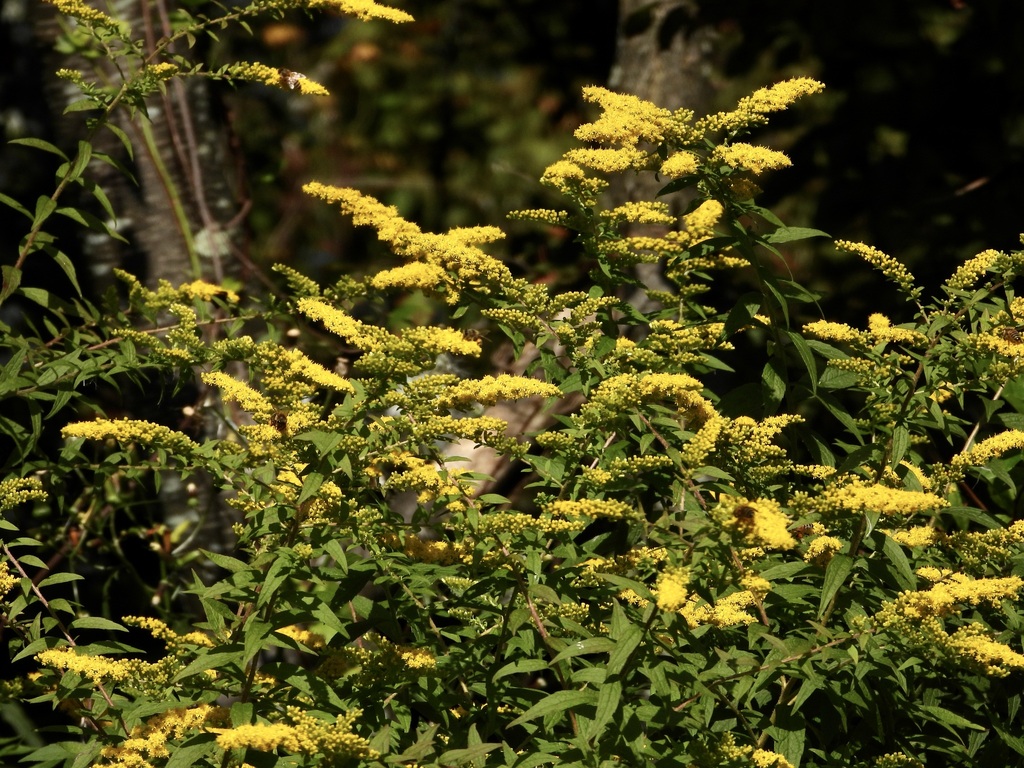
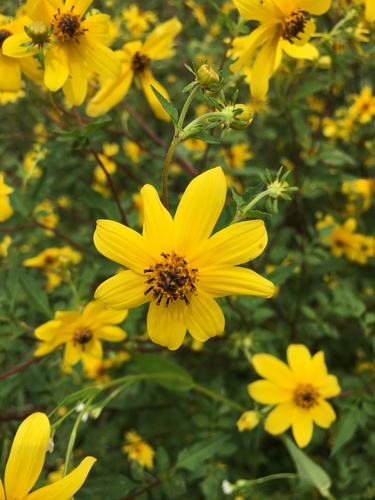
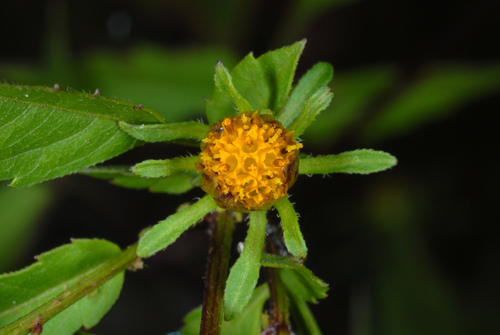
No recorded swaps for this county. Try the garden finder.
At a glance
- Life cycle
- Annual
- Bloom
- May to December
- Fruiting season
- Spring to fall
Not yet recorded · Spread · Leaves
Recorded in 11 West Virginia counties.
Natural habitats
Places it grows wild. Not a planting requirement. Each habitat page lists the plants and wildlife also found there.
Roadsides, fields and disturbed ground
Ground opened by people: roadsides, old fields, pastures, fencerows and lots.
Also found with this plant
Wildlife whose habitat models include habitats this plant grows in, in West Virginia. Shared habitat, not food. 52 animals.
Widespread birds also seen here (35)
Found in many habitats here, so not listed above.
- Alder Flycatcher
- American Goldfinch
- American Redstart
- American Robin
- Belted Kingfisher
- Blue Grosbeak
- Blue Jay
- Blue-gray Gnatcatcher
- Cedar Waxwing
- Chimney Swift
- Common Nighthawk
- Common Raven
- Common Yellowthroat
- Cooper's Hawk
- Eastern Kingbird
- European Starling
- Gray Catbird
- Great Horned Owl
- Mourning Dove
- Northern Cardinal
- Northern Flicker
- Northern Mockingbird
- Orange-crowned Warbler
- Osprey
- Purple Finch
- Red-tailed Hawk
- Red-winged Blackbird
- Ruby-crowned Kinglet
- Sharp-shinned Hawk
- Spotted Sandpiper
- Tufted Titmouse
- Turkey Vulture
- White-throated Sparrow
- Yellow-breasted Chat
- Yellow-rumped Warbler
Who uses this plant?
 48CaterpillarsGenus host records with ranges including WV
Genus host records with ranges including WV · Polygonum
- Achyra rantalisGarden Webworm Moth
- Acronicta insularisHenry's Marsh Moth, Cattail Caterpillar
- Acronicta oblinitaSmeared Dagger
- Anaplectoides prasinaGreen Arches Dart
- Anticlea multiferataMany-Lined Carpet
- Apantesis argeArge Tiger Moth
- Apantesis naisNais Tiger Moth
- Archips semiferanusOak Leafroller Moth
- Calothysanis amaturariaCross-Lined Wave
- Chionodes discoocellellaEyeringed Chionodes
Show all 48
- Clepsis persicanaWhite Triangle Tortrix
- Coleophora cratipennellaStreaked Coleophora
- Costaconvexa centrostrigariaBent-Lined Carpet
- Dypterygia rozmaniAmerican Bird's-Wing
- Elophila icciusalisPondside Pyralid, Pondside Crambid
- Elophila obliteralisWaterlily Leafcutter Moth
- Emmelina monodactylaMorning-Glory Plume Moth
- Epiblema otiosanaBidens Borer Moth
- Eusarca confusariaConfused Eusarca
- Euxoa tessellataTessellate Dart, Striped Cutworm
- Feltia subterraneaSubterranean Dart, Granulate Cutworm
- Haematopis gratariaChickweed Geometer
- Helicoverpa zeaCorn Earworm Moth
- Homophoberia apicosaBlack Wedge-Spot, Smartweed Groundling
- Hyles lineataWhite-Lined Sphinx
- Hypena scabraGreen Cloverworm Bomolocha, Black Snout
- Maliattha synochitisBlack-Dotted Lithacodia, Black-Dotted Glyph, Brass-Dotted Grass Moth
- Melanchra pictaPainted Arches, Zebra Caterpillar Moth
- Melanolophia canadariaCanadian Melanolphia, Variable Redmarked Looper
- Metarranthis duariaRuddy Metarranthis
- Nephelodes miniansBronzed Cutworm
- Nomophila nearcticaLucerne Moth, American Celery Webworm
- Orthonama obstipataThe Gem
- Ostrinia obumbratalisSmartweed Borer
- Ostrinia penitalisAmerican Lotus Borer, Lily Moth
- Parapoynx obscuralisObscure Pondweed Moth
- Prochoerodes lineolaLarge Maple Spanworm Moth
- Pseudeustrotia carneolaPink-Barred Lithacodia, Pink-Barred Pseudeustrotia
- Pyrrhia exprimensPurple-Lined Sallow, Purple-Lined Sun Moth
- Saucrobotys futilalisDogbane Saucrobotys
- Schinia spinosaeSpinose Flower Moth
- Scopula limboundataLarge Lace-Border
- Spilosoma congruaAgreeable Tiger Moth
- Spilosoma virginicaVirginian Tiger Moth, Yellow Woolybear Moth, Yellow Bear
- Strymon melinusGray Hairstreak
- Tharsalea hyllusBronze Copper
- Xanthorhoe ferrugataRed Twin-Spot, Twin-Spot Carpet
- Xanthotype sospetaCrocus Geometer
 —BeesSoutheastern regional records
 —Specialist beesPollen specialists
 16BirdsRecorded eating Persicaria in West Virginia
Diet records by plant genus, from studies across North America. Not a record from this state. Birds whose range includes West Virginia, most records first.
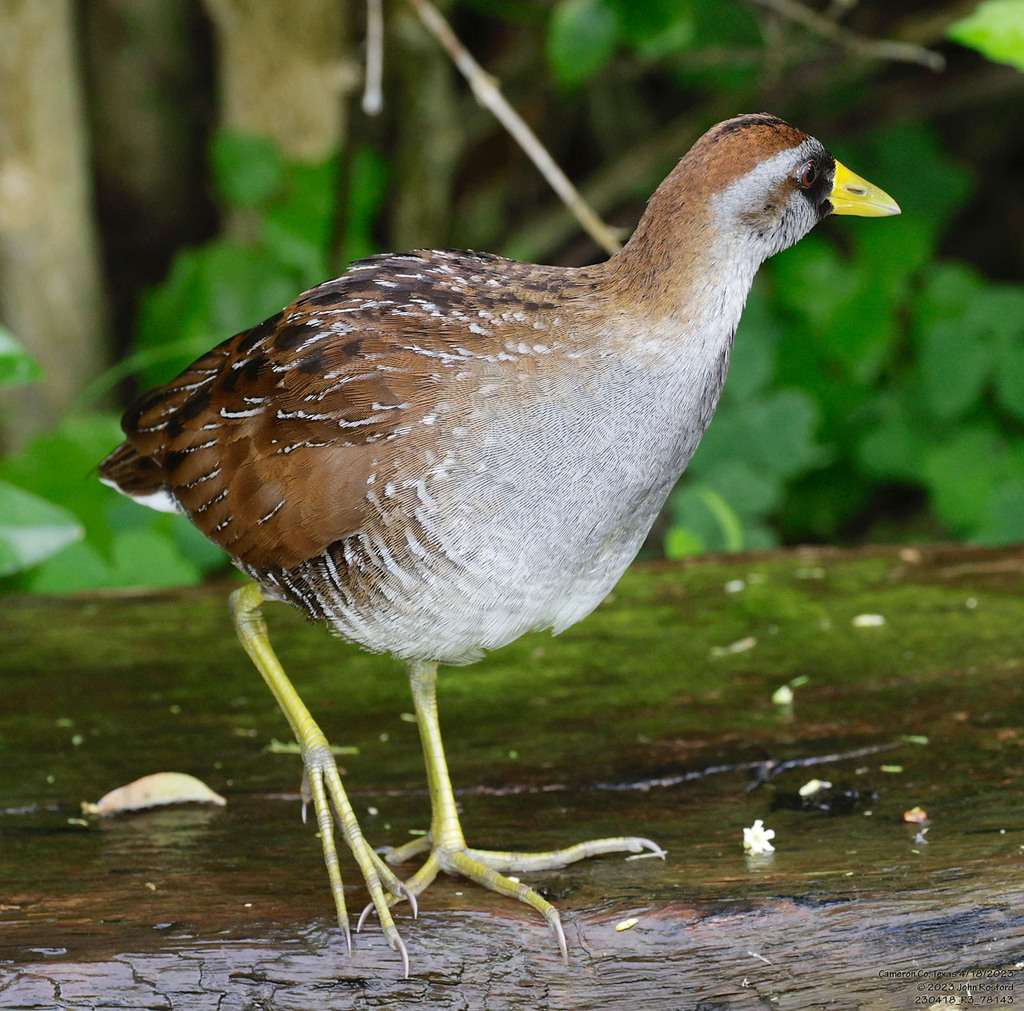
- SoraSeeds. 12 diet records
- Red-winged BlackbirdSeeds. 4 diet records
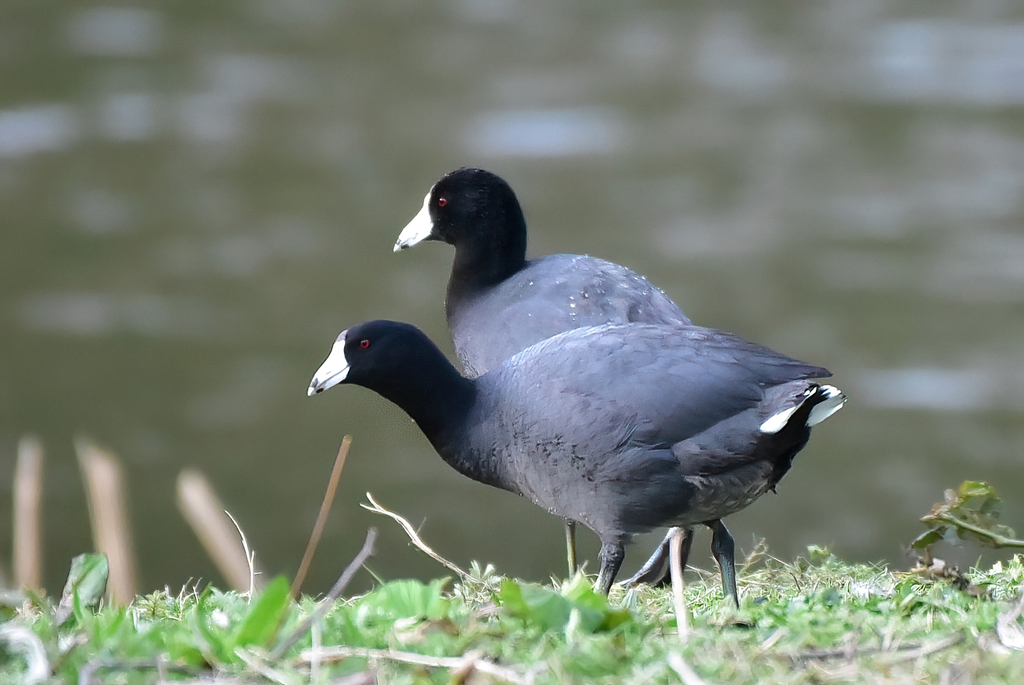
- American CootSeeds. 2 diet records
- Northern CardinalOther parts. 2 diet records
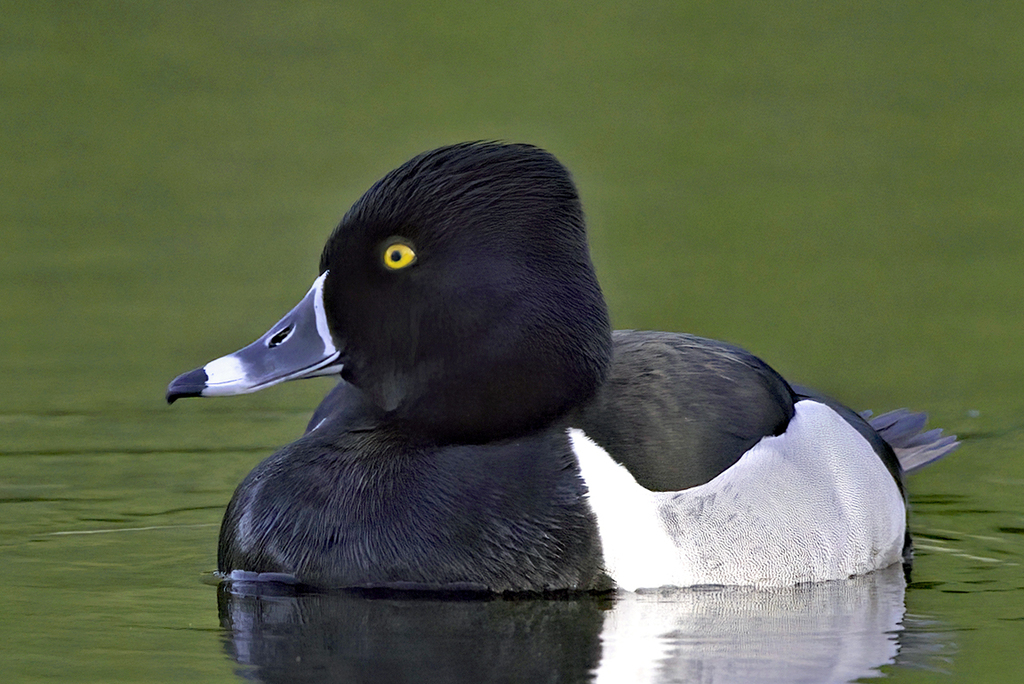
- Ring-necked DuckSeeds. 2 diet records
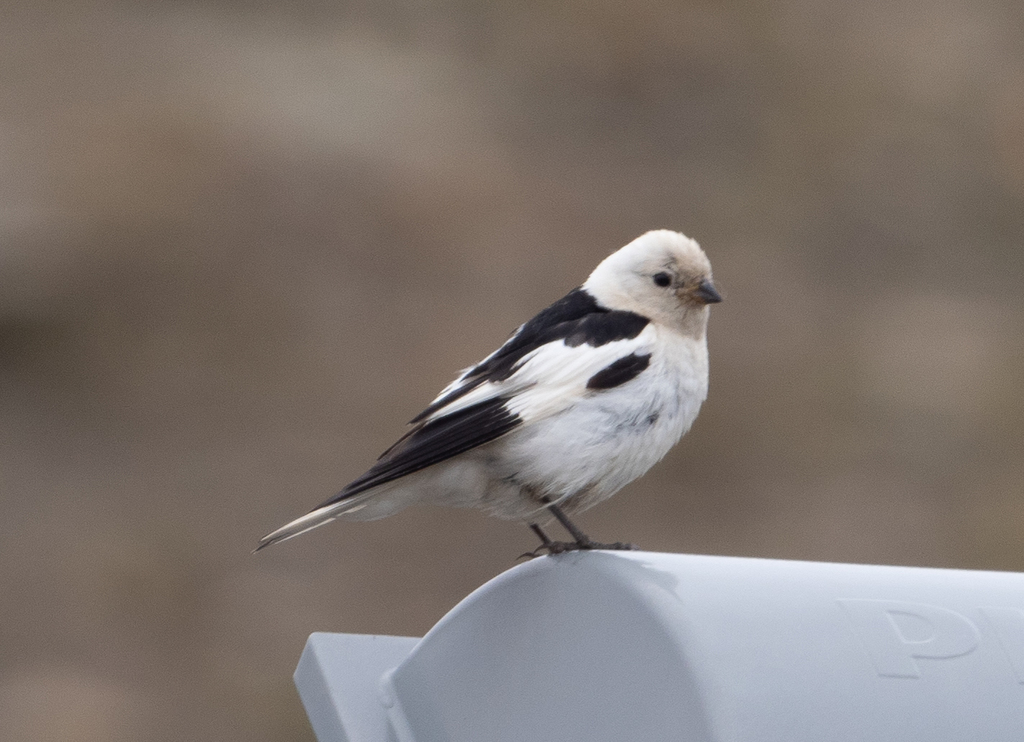
- Snow Bunting2 diet records
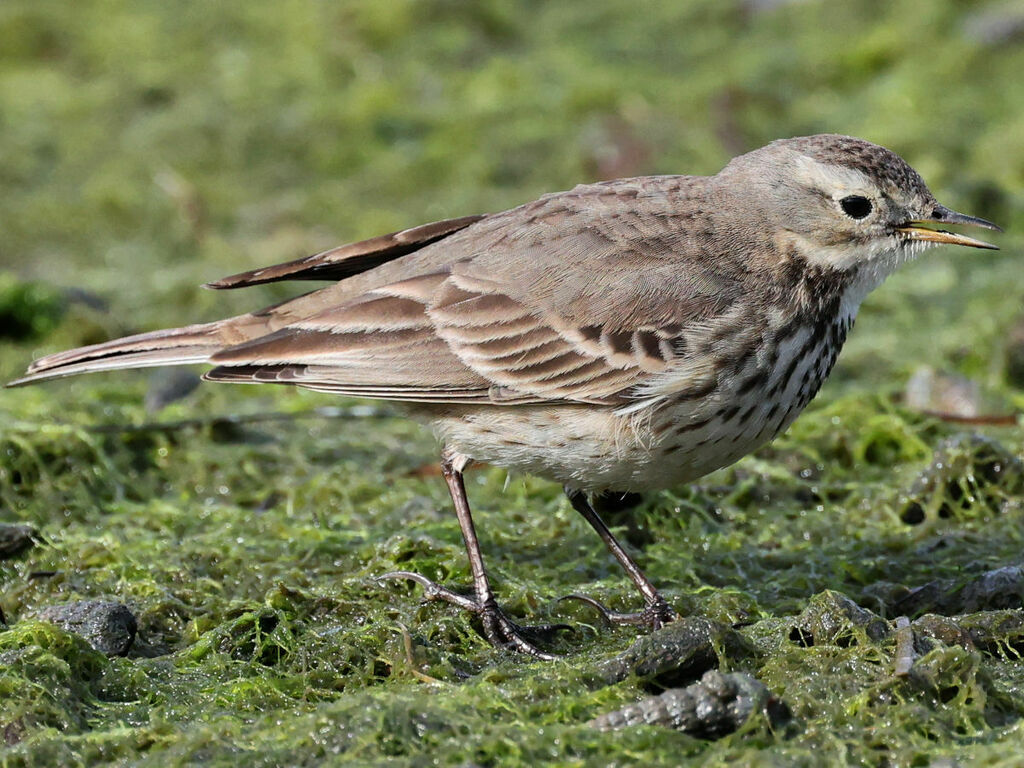
- American Pipit1 diet record
- American RobinFruit. 1 diet record
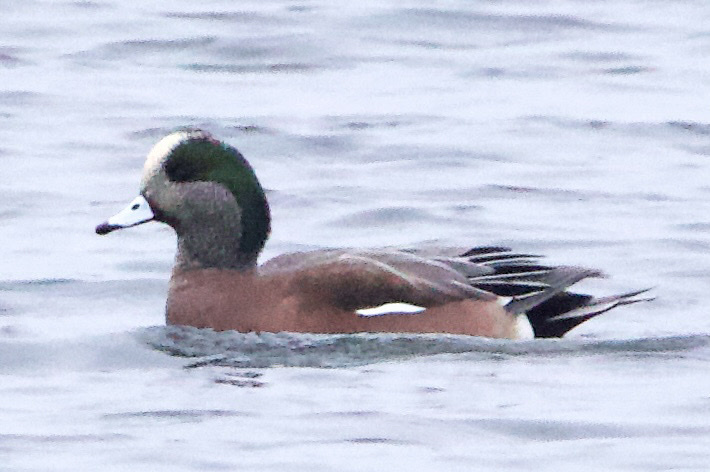
- American Wigeon1 diet record
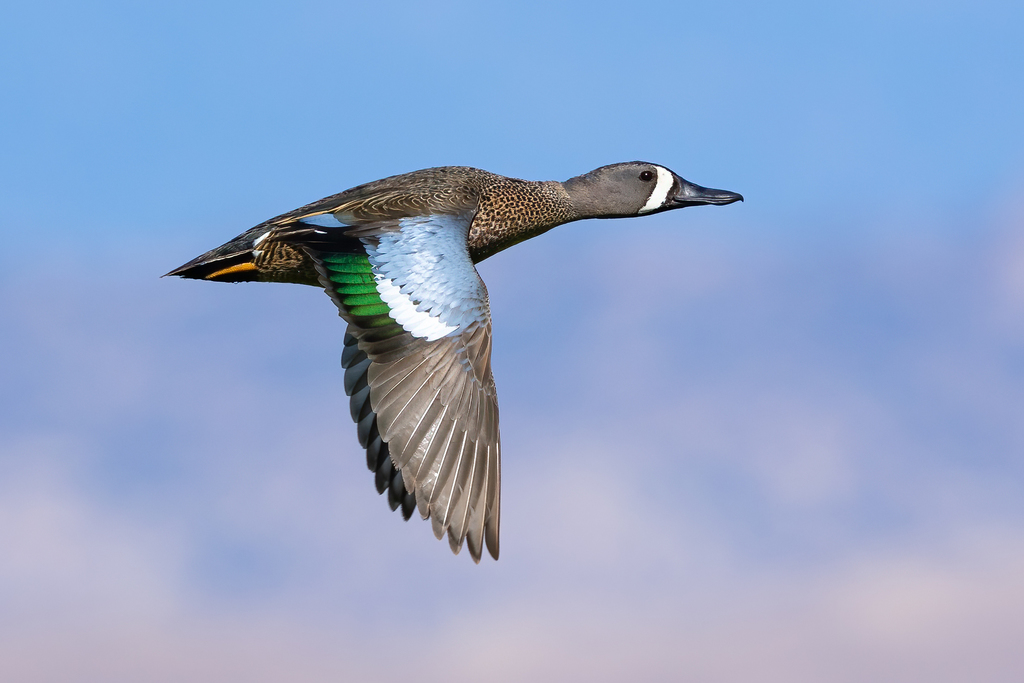
- Blue-winged Teal1 diet record
Show all 16
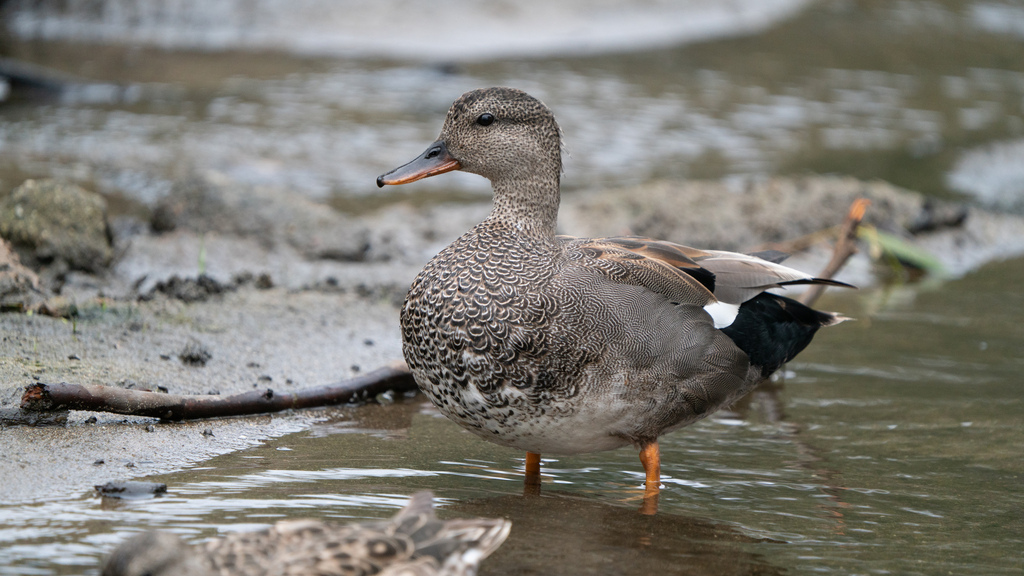
- GadwallSeeds. 1 diet record
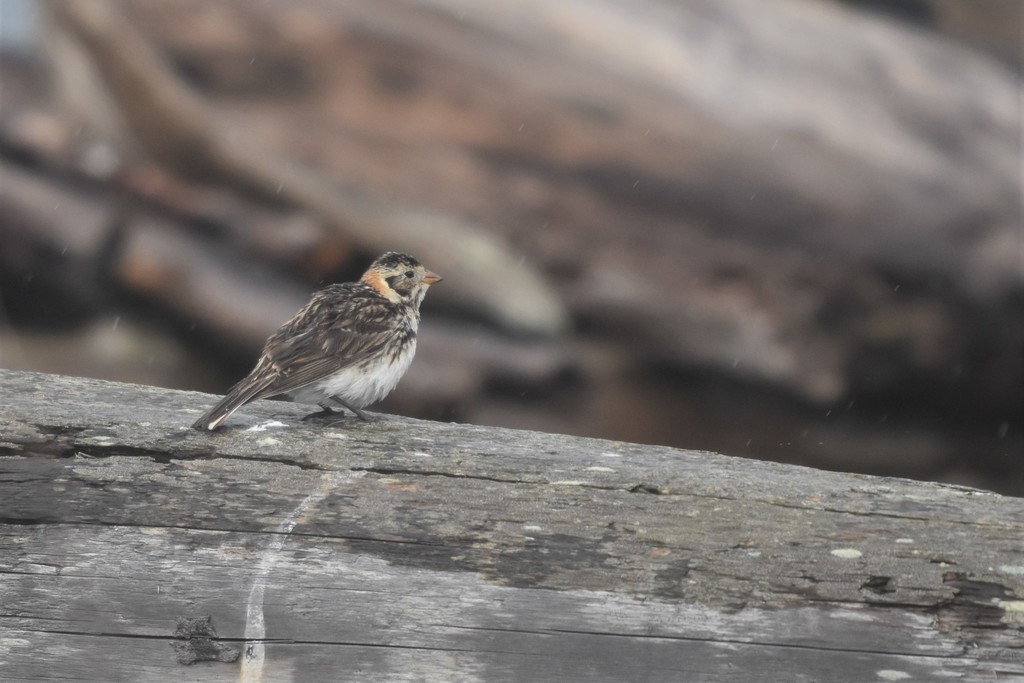
- Lapland Longspur1 diet record
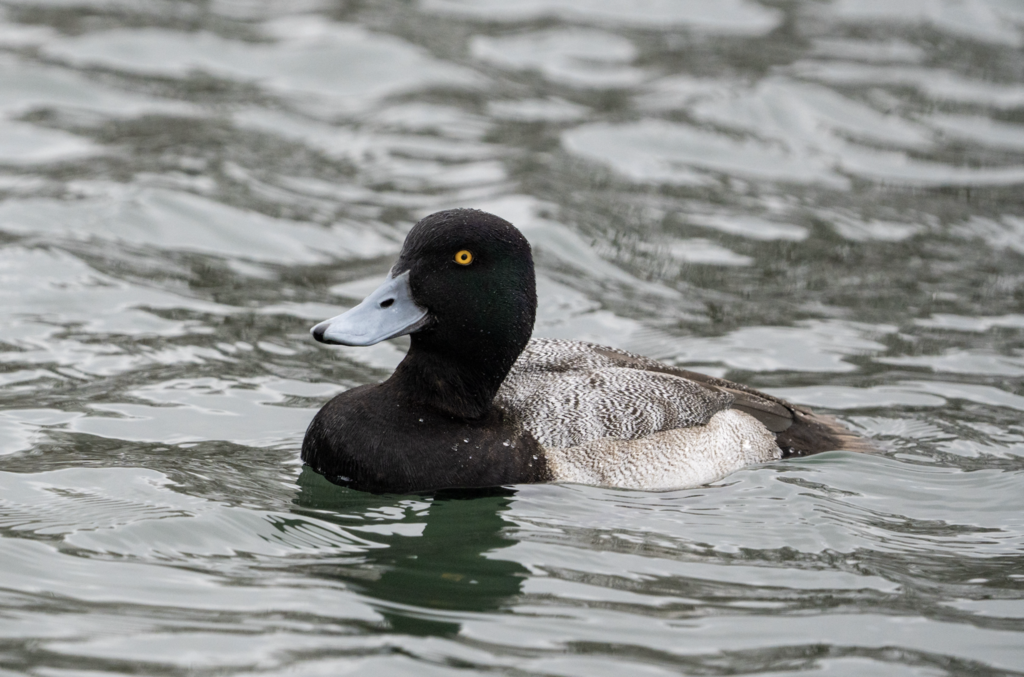
- Lesser ScaupSeeds. 1 diet record
- MallardSeeds. 1 diet record
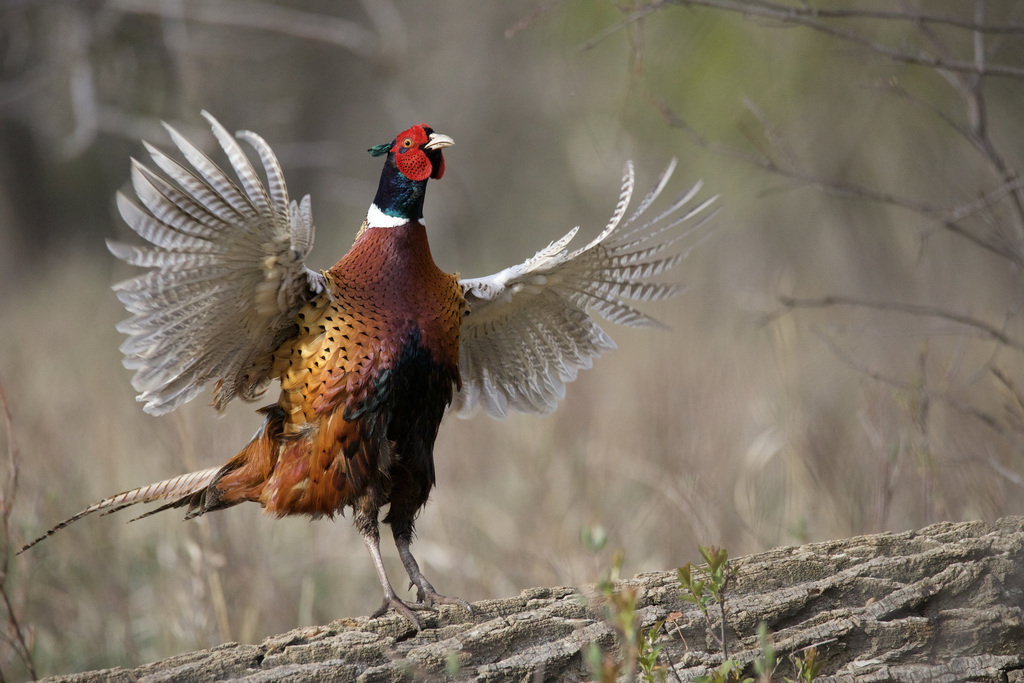
- Ring-necked Pheasant1 diet record
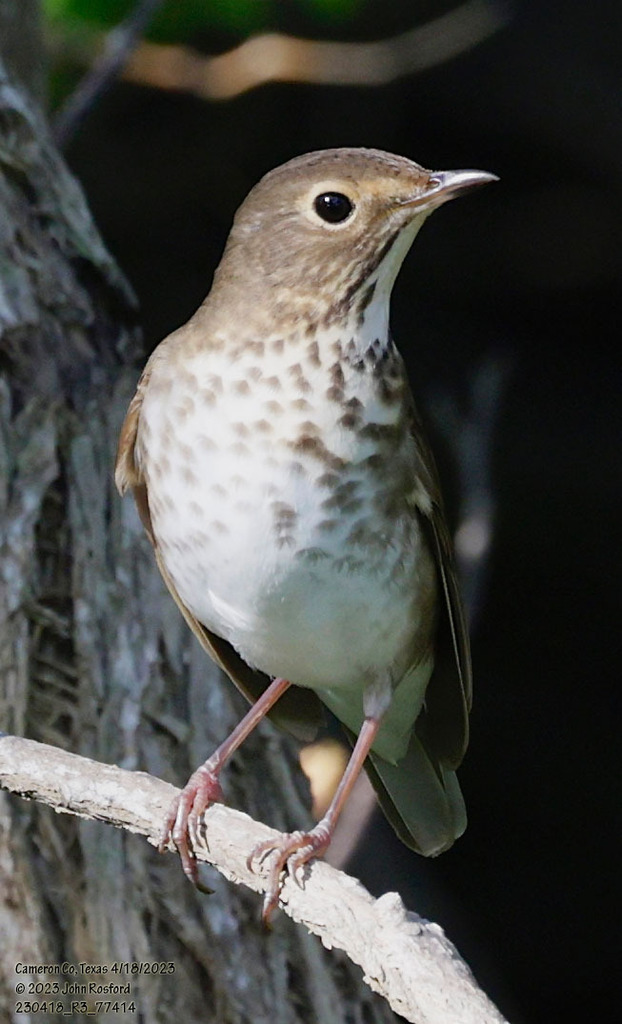
- Swainson's ThrushFruit and seeds. 1 diet record
Direct food only. Caterpillars on host plants also feed nesting birds. NC Native Plant Society: butterfly gardening
Birds that eat Persicaria 16
Diet records by plant genus, from studies across North America. Not a record from this state. Avian Diet Database (Hurlbert Lab), CC0 1.0.
- SoraPorzana carolina
- Red-winged BlackbirdAgelaius phoeniceus
- American CootFulica americana
- Northern CardinalCardinalis cardinalis
- Ring-necked DuckAythya collaris
- Snow BuntingPlectrophenax nivalis
- American PipitAnthus rubescens
- American RobinTurdus migratorius
- American WigeonAnas americana
- Blue-winged TealAnas discors
- GadwallAnas strepera
- Lapland LongspurCalcarius lapponicus
- Lesser ScaupAythya affinis
- MallardAnas platyrhynchos
- Ring-necked PheasantPhasianus colchicus
- Swainson's ThrushCatharus ustulatus




Plant details
- Family
- Polygonaceae
- Flower color
- Red
- Growth rate
- Rapid
- Growth habit
- Single crown
- Foliage color
- Green
- Fruit begins
- Spring
- Fruit ends
- Fall
Safety has not been reviewed for this plant; check toxicity and thorns before planting.
Growing sources and scope
- Bloom · “May to December” · Weakley, Flora of the Southeastern United States (2025), Carolinas & Georgia edition (ranked first; USDA PLANTS differs) · Carolinas and Georgia
- Flower color · “Red” · USDA PLANTS · Nationwide species characteristics; local growing conditions may vary
- Foliage color · “Green” · USDA PLANTS · Nationwide species characteristics; local growing conditions may vary
- Fruit begins · “Spring” · USDA PLANTS · Nationwide species characteristics; local growing conditions may vary
- Fruit ends · “Fall” · USDA PLANTS · Nationwide species characteristics; local growing conditions may vary
- Growth habit · “Single crown” · USDA PLANTS · Nationwide species characteristics; local growing conditions may vary
- Growth rate · “Rapid” · USDA PLANTS · Nationwide species characteristics; local growing conditions may vary
- Height · “About 3.2 feet” · USDA PLANTS (ranked first; Minnesota Wildflowers differs) · Nationwide species characteristics; local growing conditions may vary
- Life cycle · “Annual” · Minnesota Wildflowers
- Light · “Partial shade; Full sun (documented habitat)” · Weakley, Flora of the Southeastern United States (2025), Carolinas & Georgia edition · Carolinas and Georgia
- primary_flower_color · “red” · USDA PLANTS
- Soil · “Dry; Moist; Wet (documented habitat)” · Weakley, Flora of the Southeastern United States (2025), Carolinas & Georgia edition · Carolinas and Georgia
Also known as
Polygonum persicaria; Spotted Ladies Thumb; Spotted Lady's thumb; knotweed
Conservation status
| West Virginia rank | SNA |
|---|---|
| Global rank | G3G5 |
| WV status | Not verified |
| Federal status | Not verified |
Sources
- West Virginia DNR invasive plant list
- USDA PLANTS
- Weakley, Flora of the Southeastern United States (2025), Carolinas & Georgia edition
- NatureServe Explorer
- West Virginia occurrence source
- Shropshire & Tallamy 2025, Lepidoptera of North America north of Mexico, ZooKeys 1261 (ODbL)
- Noori, Seltmann & Orr 2026, A curated and integrated dataset for exploring global bee-plant interactions (GloBI), Zenodo, CC BY 4.0
- Smith, Bachelder, Russell, Morales, Mosher & Seltmann 2024, Bee-Specialization-Modeling v0.6.1 (specialist host table compiled from J. Fowler's pollen specialist bee lists), Zenodo, CC BY 4.0
- Hurlbert, Olsen, Sawyer & Winner 2021, Avian Diet Database, Scientific Data 8: 260 (CC0)
- Narango, Tallamy & Shropshire 2020, Few keystone plant genera support the majority of Lepidoptera species, Nature Communications