

European Larch
Larix decidua
Found in forests. Weakley, Flora of the Southeastern United States (2025), Northern Tier edition What its natural habitat tells you
Not native to West Virginia. How scores work Is it native here?
Profile 76%
- Height
- 60–100 feet
- Spread
- 20–30 feet
- Light
- Full sun, Partial shade
- Soil moisture
- Usually moist
No photograph yet. Looking for an old drawing…
Plant this instead
Choose your county to list local plants first.
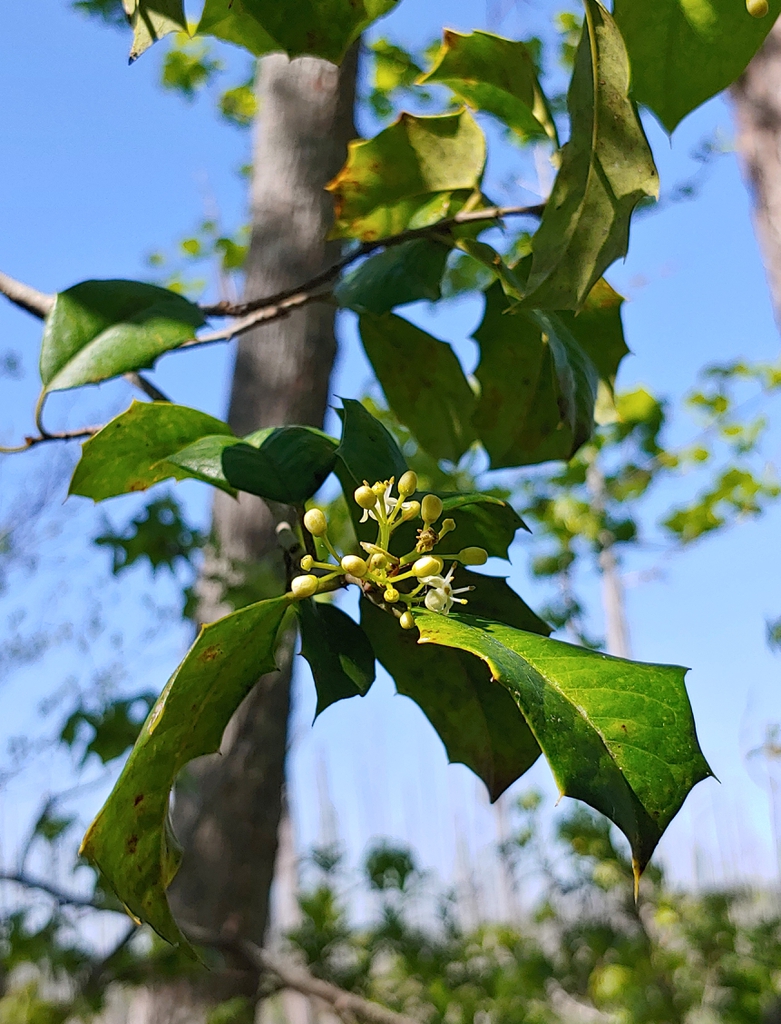
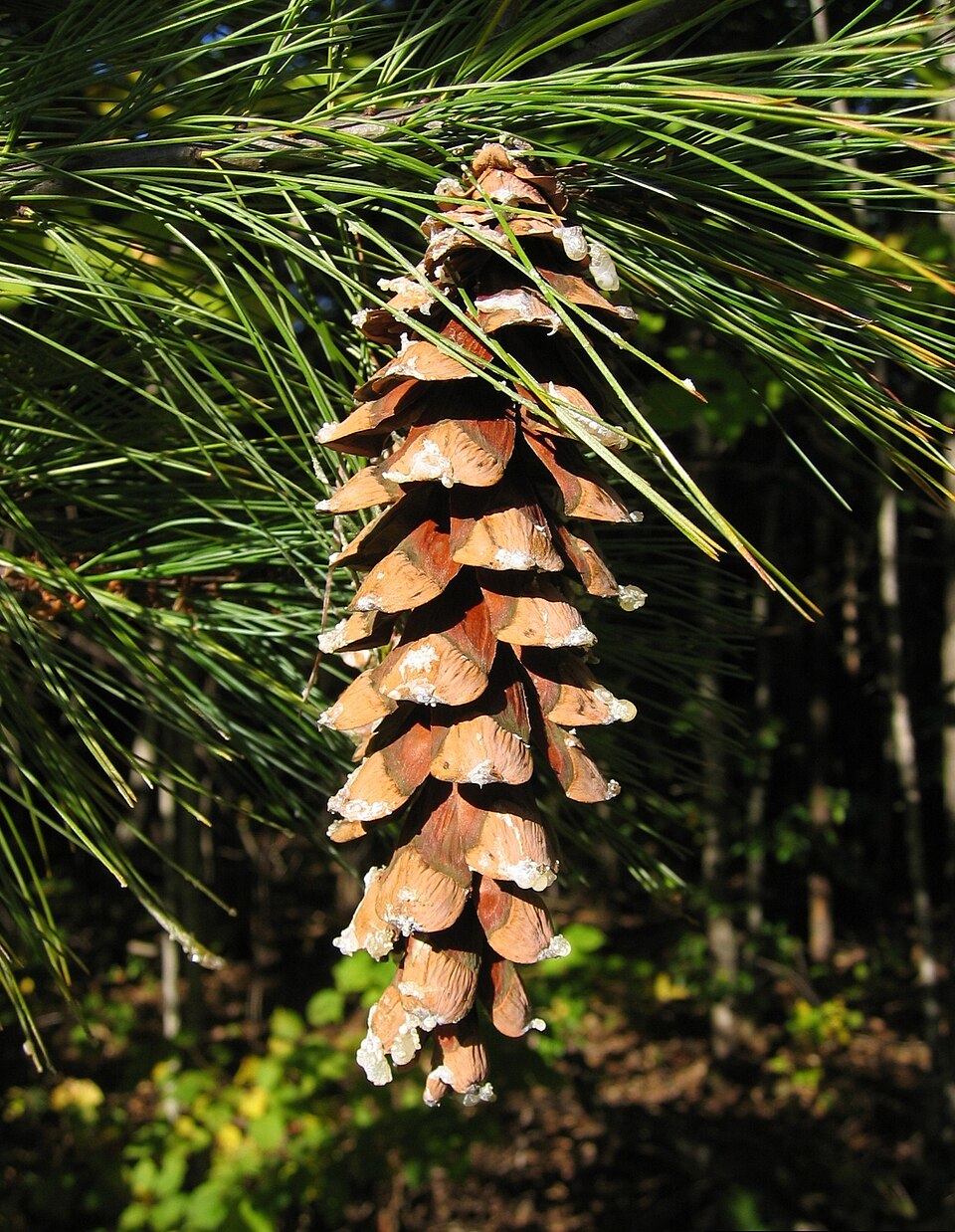
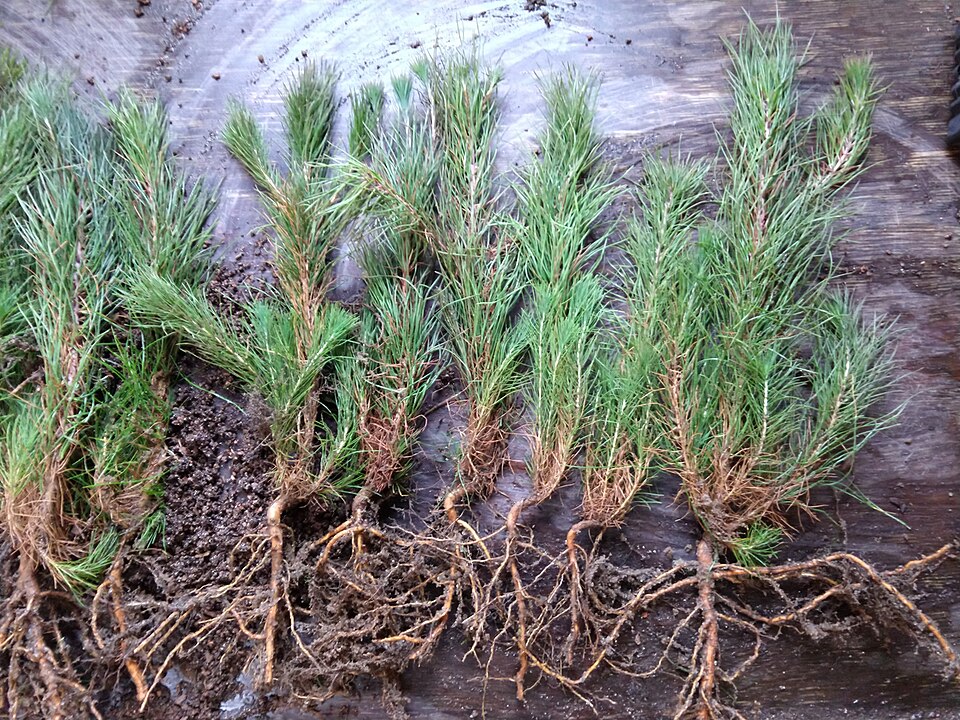
No recorded swaps for this county. Try the garden finder.
At a glance
- Life cycle
- Woody perennial
- Leaves
- Deciduous or evergreen
- Bloom
- Mid spring
- Fruiting season
- Winter
Recorded in 1 West Virginia county.
Natural habitats
Places it grows wild. Not a planting requirement. Each habitat page lists the plants and wildlife also found there.
Forest or woodland where the source does not say how moist or dry.
Also found with this plant
Wildlife whose habitat models include habitats this plant grows in, in West Virginia. Shared habitat, not food. 108 animals.
- Cooper's HawkAccipiter cooperii
- Dark-eyed JuncoJunco hyemalis
- Double-crested CormorantPhalacrocorax auritus
- Downy WoodpeckerPicoides pubescens
- Eastern BluebirdSialia sialis
- Eastern KingbirdTyrannus tyrannus
- Eastern Screech-owlMegascops asio
- European StarlingSturnus vulgaris
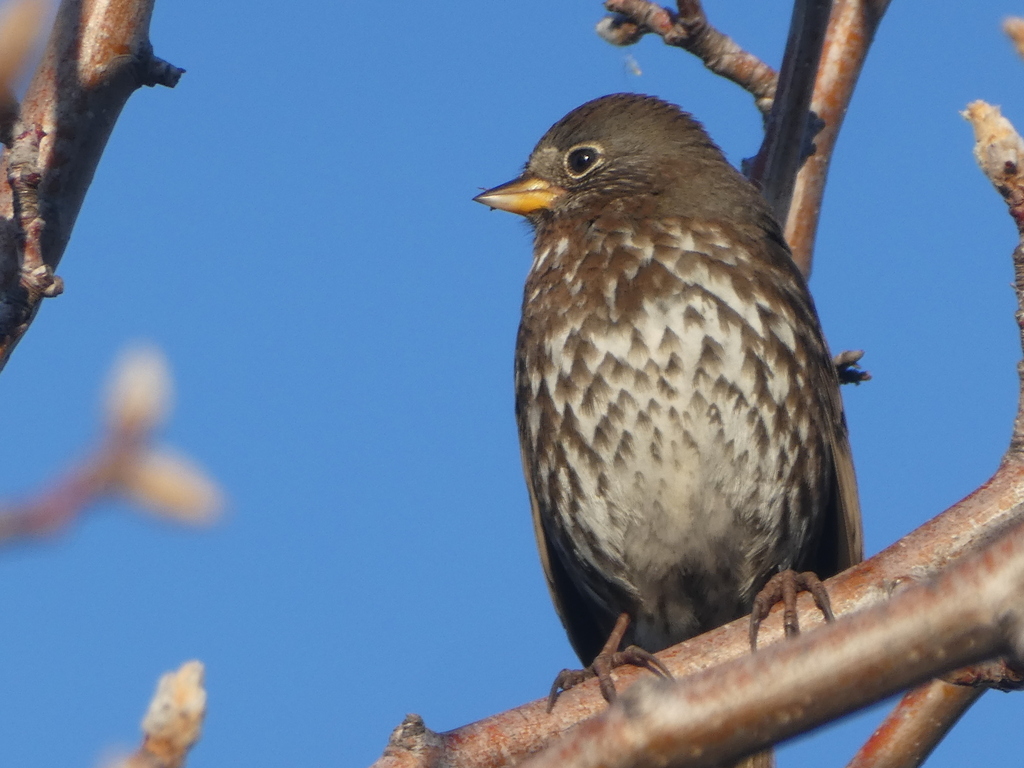
- Fox SparrowPasserella iliaca
- Golden-crowned KingletRegulus satrapa
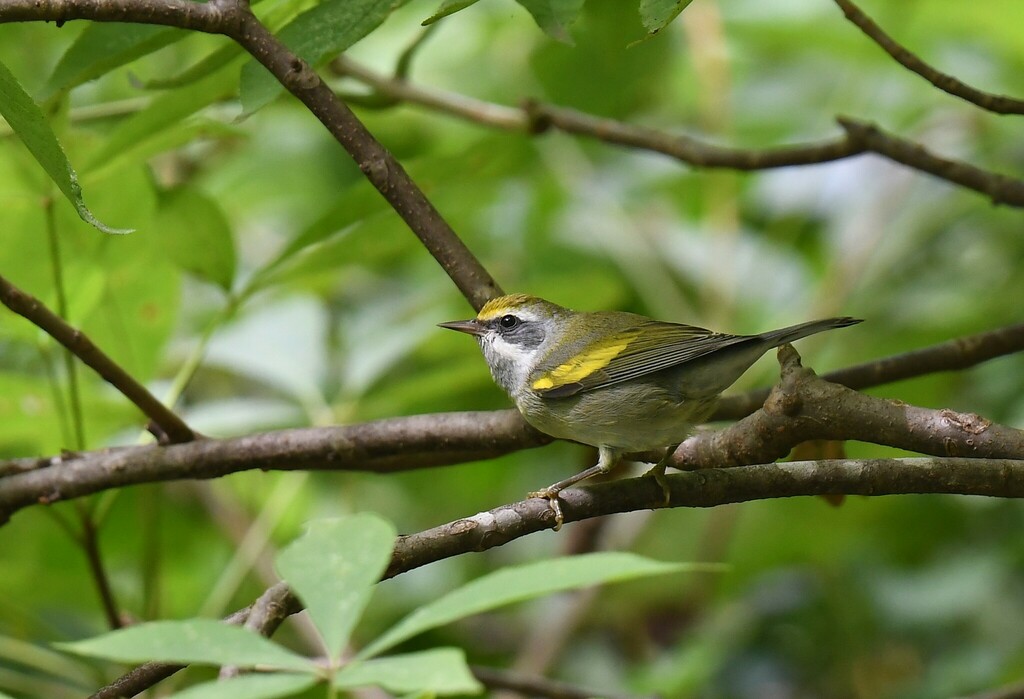
- Golden-winged WarblerVermivora chrysoptera
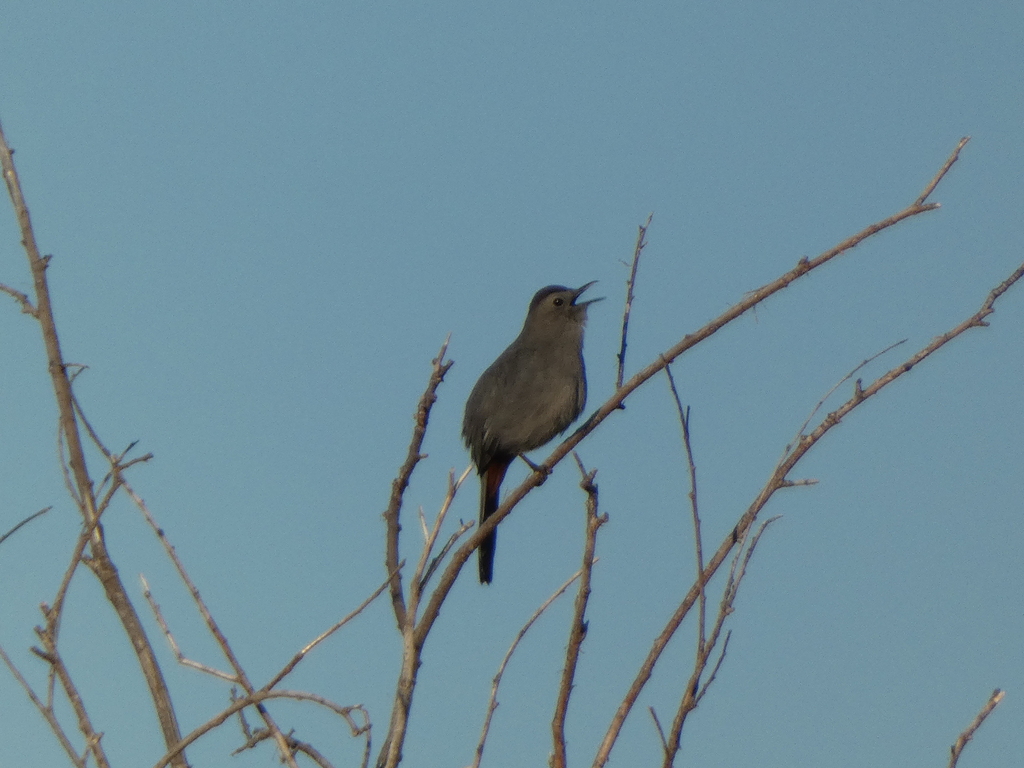
- Gray CatbirdDumetella carolinensis
- Great Horned OwlBubo virginianus
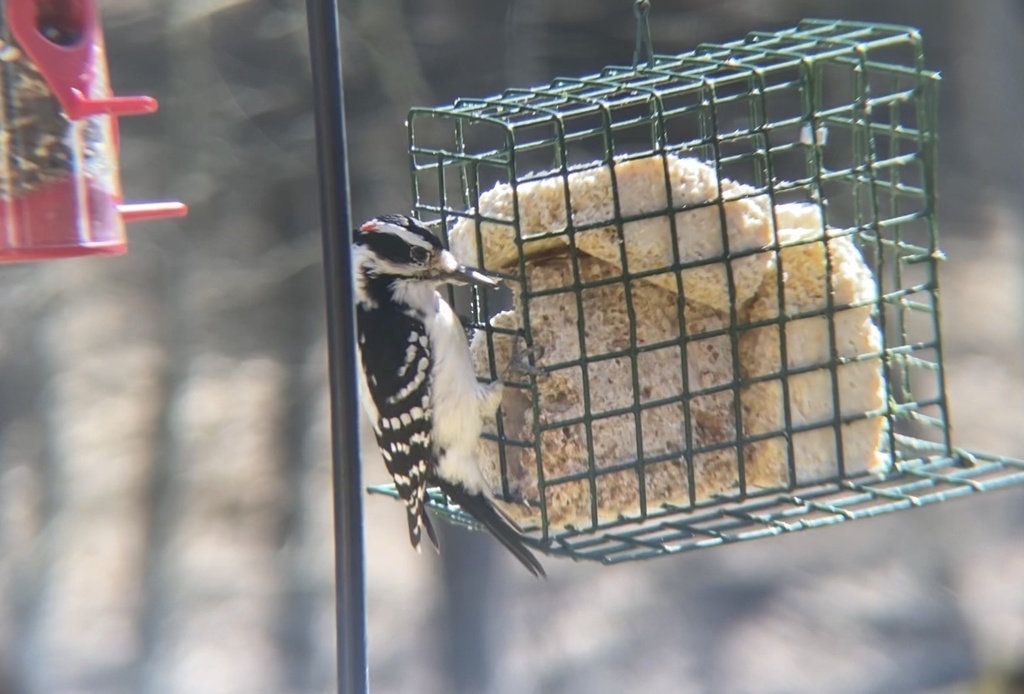
- Hairy WoodpeckerPicoides villosus
- Hermit ThrushCatharus guttatus
- Hooded MerganserLophodytes cucullatus
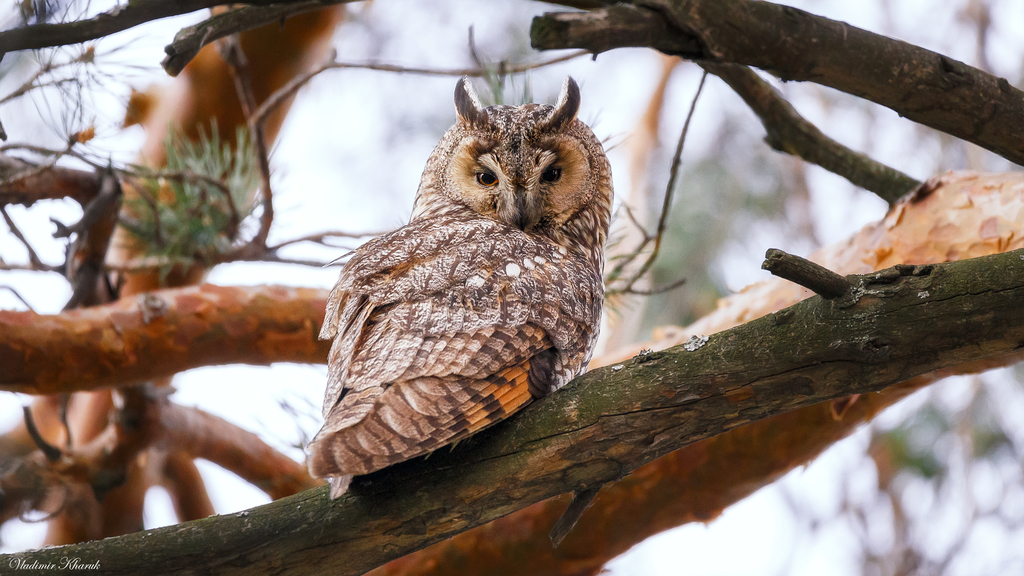
- Long-eared OwlAsio otus
- Mourning DoveZenaida macroura
- Northern FlickerColaptes auratus
- Northern MockingbirdMimus polyglottos
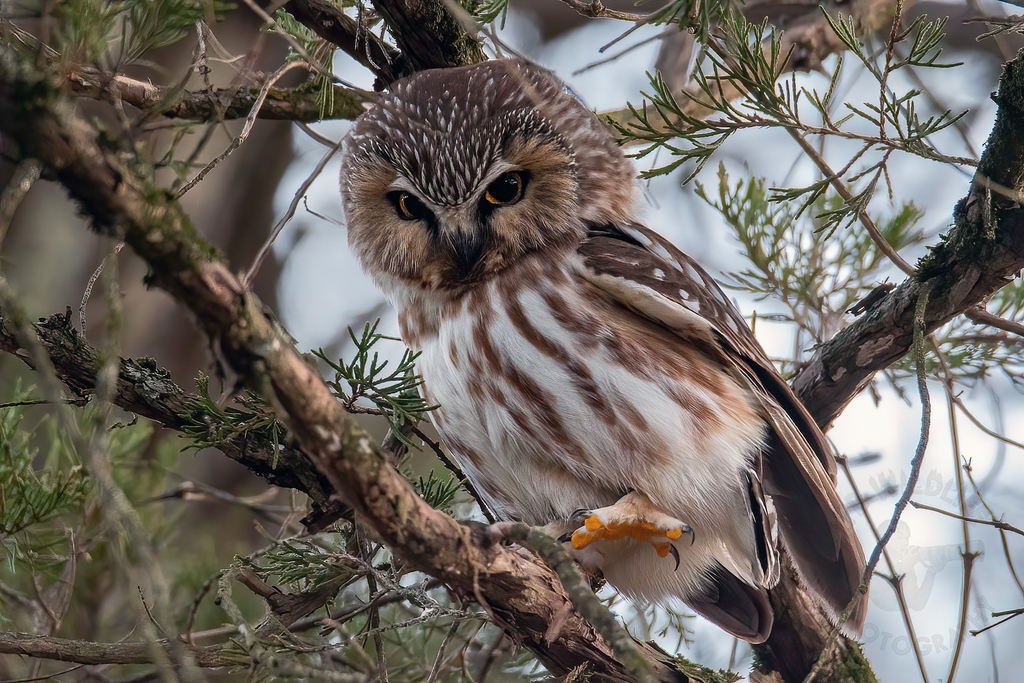
- Northern Saw-whet OwlAegolius acadicus
- OspreyPandion haliaetus
- OvenbirdSeiurus aurocapilla
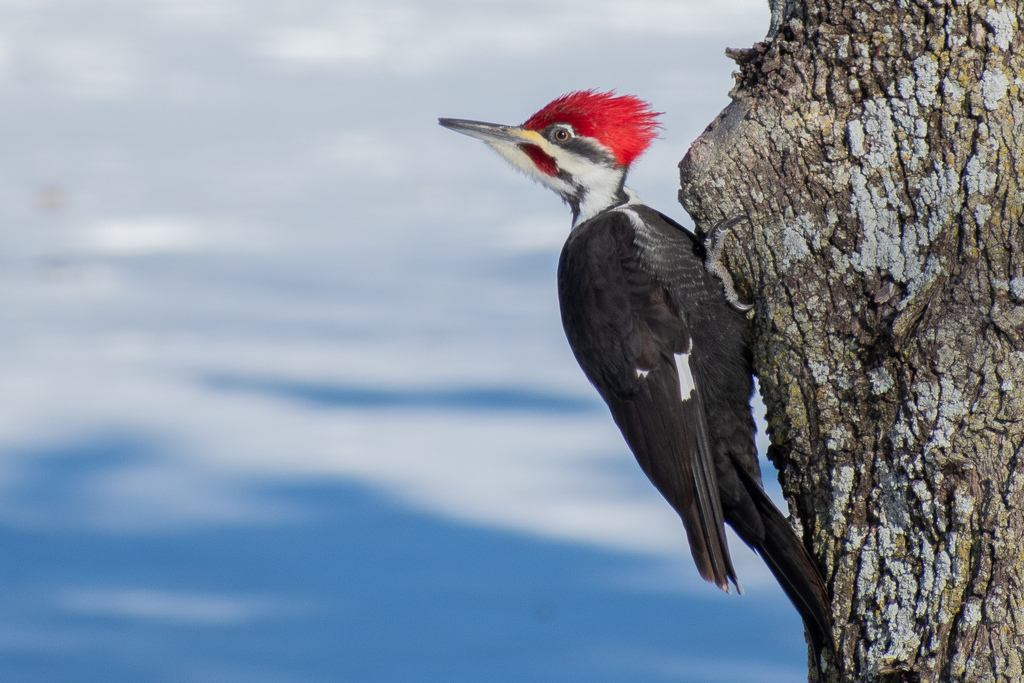
- Pileated WoodpeckerDryocopus pileatus

















Who uses this plant?
 80CaterpillarsGenus host records with ranges including WV
Genus host records with ranges including WV · Larix
- Acronicta impressaImpressive Dagger, Printed Dagger
- Amorbia humerosanaWhite-Lined Leafroller Moth
- Anavitrinella pampinariaCommon Gray, Cranberry Spanworm
- Aplectoides conditaX
- Argyrotaenia occultanaFall Spruce Needle Moth
- Argyrotaenia velutinanaRed-Banded Leafroller Moth, Jack Pine Tube Moth
- Biston betulariaSalt-and-Pepper Geometer, Cleft-Headed Looper
- Callima argenticinctellaOrange-Headed Epicallima
- Campaea perlataPale Beauty, Fringed Looper
- Caripeta angustiorataBrown Pine Looper Moth
Show all 80
- Caripeta divisataGray Spruce Looper Moth
- Celypha nr.Celypha Moth
- Choristoneura fumiferanaSpruce Budworm Moth
- Choristoneura pinusJack Pine Budworm
- Chytolita morbidalisMorbid Owlet
- Cladara limitariaMottled Gray Carpet, Yellow-Lined Conifer Looper, Yellow-Lined Forest Looper, Black-Angled Wave
- Clepsis persicanaWhite Triangle Tortrix
- Coelodasys unicornisUnicorn Caterpillar Moth
- Cyclophora pendulinariaSweetfern Geometer
- Dasychira vagansVariable Tussock Moth
- Dysstroma citrataDark Marbled Carpet
- Dysstroma truncataMarbled Carpet
- Eacles imperialisImperial Moth, Imperial Spiny Caterpillar
- Ectropis crepusculariaThe Small Engrailed, Saddleback Looper
- Elaphria versicolorVariegated Midget
- Epirrita autumnataThe Autumnal Moth, November Moth
- Eufidonia notatariaPowder Moth
- Eupithecia miserulataCommon Eupithacia, Common Pug
- Eupithecia palpataSmall Pine Looper, Palpata Pug
- Eurois occultaGreat Grey Dart, Great Brocade
- Eutrapela clematariaCurved-Tooth Geometer, Purplish Brown Looper
- Feralia jocosaJocose Sallow, The Joker
- Hesperumia sulphurariaSulphur Moth
- Hyalophora cecropiaCecropia Silkmoth, Cecropia Moth
- Hydriomena divisariaBlack-Dashed Hydriomena, Transverse-Banded Looper
- Hyphantria cuneaFall Webworm
- Ipimorpha pleonectusaEven-Lined Sallow, Blackcheeked Tentmaker
- Iridopsis larvariaBent-Line Gray
- Iridopsis vellivolataLarge Purplish Gray
- Lambdina fiscellariaHemlock Looper, Western Oak Looper
- Lapara bombycoidesNorthern Pine Sphinx
- Lithophane innominataNameless Pinion
- Lobophora nivigerataPowdered Bigwing, Two-Lined Aspen Looper
- Lophocampa caryaeHickory Tussock Moth, Hickory Tiger Moth
- Macaria bisignataRed-Headed Inchworm
- Macaria exauspicataSpeckled Granite
- Macaria signariaPale-Marked Angle, Spruce-Fir Looper, Dusky Peacock
- Malacosoma disstriaForest Tent Caterpillar
- Melanchra assimilisBlack Arches
- Melanolophia canadariaCanadian Melanolphia, Variable Redmarked Looper
- Melanolophia signatariaSignate Melanolphia
- Nematocampa resistariaFilament Bearer, Horned Spanworm Moth
- Nemoria mimosariaWhite-Fringed Emerald
- Nepytia canosariaFalse Hemlock Looper Moth, Evergreen Span Worm
- Nepytia semiclusariaPine Conelet Looper
- Orgyia leucostigmaWhite-Marked Tussock Moth
- Orthosia hibisciSpeckled Green Fruitworm Moth, Speckled Green Quaker
- Palthis angulalisDark-Spotted Palthis
- Panthea acronyctoidesBlack Zigzag, Tufted Spruce Caterpillar
- Panthea furcillaEastern Panthea, Tufted Pine Panthea
- Paralobesia palliolanaSpruce Mlcromoth
- Pero honestariaHonest Pero
- Pero morrisonariaMorrison's Pero
- Probole amicariaFriendly Probole
- Prochoerodes lineolaLarge Maple Spanworm Moth
- Protoboarmia porcelariaPorcelain Gray, Dashedlined Looper
- Rhyacionia frustranaNantucket Pine Tip Moth
- Sparganothis sulfureanaSparganothis Fruitworm Moth, Sulfur Leafroller, False Yellow-Head
- Sphinx gordiusApple Sphinx
- Spiramater lutraDarling Mamestra, Splashed Arches, Otter Spiramater, Otter Arches
- Syngrapha aliasSpruce Looper, Hooked Silver Y
- Tacparia detersataPale Alder
- Tetracis cachexiataWhite Slant-Line
- Thyridopteryx ephemeraeformisEvergreen Bagworm Moth
- Xestia badicollisWhite Pine Cutworm, Northern Variable Dart, White Pine Dart, Northern Pine Dart
- Xestia dilucidaDull Reddish Dart, Reddish Heath Dart
- Xestia elimataSouthern Variable Dart, Southern Pine Dart
- Xestia praeviaEarly Conifer Dart, Praevia Dart
- Zale duplicataPine False Looper, Banded Zale
- Zale helataBrown-Spotted Zale
 —BeesSoutheastern regional records
 —Specialist beesPollen specialists
 3BirdsRecorded genus food-resource interactions; not a state feeding claim
Recorded genus food-resource interactions; not a state feeding claim · Larix
- Dendragapus obscurusDusky Grouse
- Falcipennis canadensisSpruce Grouse
- Loxia curvirostraRed Crossbill
Direct food only: birds recorded eating this genus across North America. Caterpillars on host plants also feed nesting birds. NC Native Plant Society: butterfly gardening
Plant details
- Family
- Pinaceae
- Hardiness
- Zones 2a–6b
- Soil pH
- Acidic to neutral
- Flower color
- Red
- Growth rate
- Moderate
- Growth habit
- Single stem
- Foliage color
- Yellow-green
- Fruit begins
- Winter
- Fruit ends
- Winter
Safety has not been reviewed for this plant; check toxicity and thorns before planting.
Growing sources and scope
- Bloom · “Mid spring” · USDA PLANTS · Nationwide species characteristics; local growing conditions may vary
- Flower color · “Red” · USDA PLANTS · Nationwide species characteristics; local growing conditions may vary
- Foliage color · “Yellow-green” · USDA PLANTS · Nationwide species characteristics; local growing conditions may vary
- Fruit begins · “Winter” · USDA PLANTS · Nationwide species characteristics; local growing conditions may vary
- Fruit ends · “Winter” · USDA PLANTS · Nationwide species characteristics; local growing conditions may vary
- Growth habit · “Single stem” · USDA PLANTS · Nationwide species characteristics; local growing conditions may vary
- Growth rate · “Moderate” · USDA PLANTS · Nationwide species characteristics; local growing conditions may vary
- Hardiness · “Zones 2a–6b” · NC Extension Plant Toolbox
- Height · “60–100 feet” · NC Extension Plant Toolbox (ranked first; USDA PLANTS, Minnesota Wildflowers differ)
- Leaves · “Deciduous or evergreen” · NC Extension Plant Toolbox
- Life cycle · “Woody perennial” · NC Extension Plant Toolbox
- Light · “Full sun (6 or more hours of direct sunlight a day); Partial shade (direct sunlight only part of the day, 2-6 hours)” · NC Extension Plant Toolbox
- Soil · “Moist” · NC Extension Plant Toolbox
- Soil pH · “Acidic to neutral” · NC Extension Plant Toolbox
- Spread · “20–30 feet” · NC Extension Plant Toolbox
Conservation status
| West Virginia rank | SNA |
|---|---|
| Global rank | G5 |
| WV status | Not verified |
| Federal status | Not verified |
Sources
- NatureServe Explorer
- USDA PLANTS
- Weakley, Flora of the Southeastern United States (2025)
- West Virginia occurrence source
- Shropshire & Tallamy 2025, Lepidoptera of North America north of Mexico, ZooKeys 1261 (ODbL)
- Noori, Seltmann & Orr 2026, A curated and integrated dataset for exploring global bee-plant interactions (GloBI), Zenodo, CC BY 4.0
- Smith, Bachelder, Russell, Morales, Mosher & Seltmann 2024, Bee-Specialization-Modeling v0.6.1 (specialist host table compiled from J. Fowler's pollen specialist bee lists), Zenodo, CC BY 4.0
- Hurlbert, Olsen, Sawyer & Winner 2021, Avian Diet Database, Scientific Data 8: 260 (CC0)
- Narango, Tallamy & Shropshire 2020, Few keystone plant genera support the majority of Lepidoptera species, Nature Communications