

Canada Wild-rye
Elymus canadensis
Native to West Virginia. How scores work Is it native here?
Profile 100%
- Height
- 2–5 feet
- Spread
- 2–3 feet
- Light
- Full sun, Partial shade
- Soil moisture
- Somewhat dry to moist
Space about 2.5 ft apart from its recorded spread, about 16 per 100 sq ft. Enter your bed size for a count
Will it fit your yard?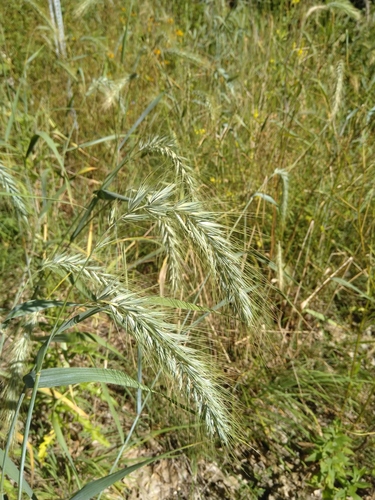
At a glance
- Bloom
- Late spring
- Fruiting season
- Spring
Not yet recorded · Life cycle · Leaves
Recorded in 5 West Virginia counties.
Also found with this plant
Wildlife whose habitat models include habitats this plant grows in, in West Virginia. Shared habitat, not food. 99 animals.
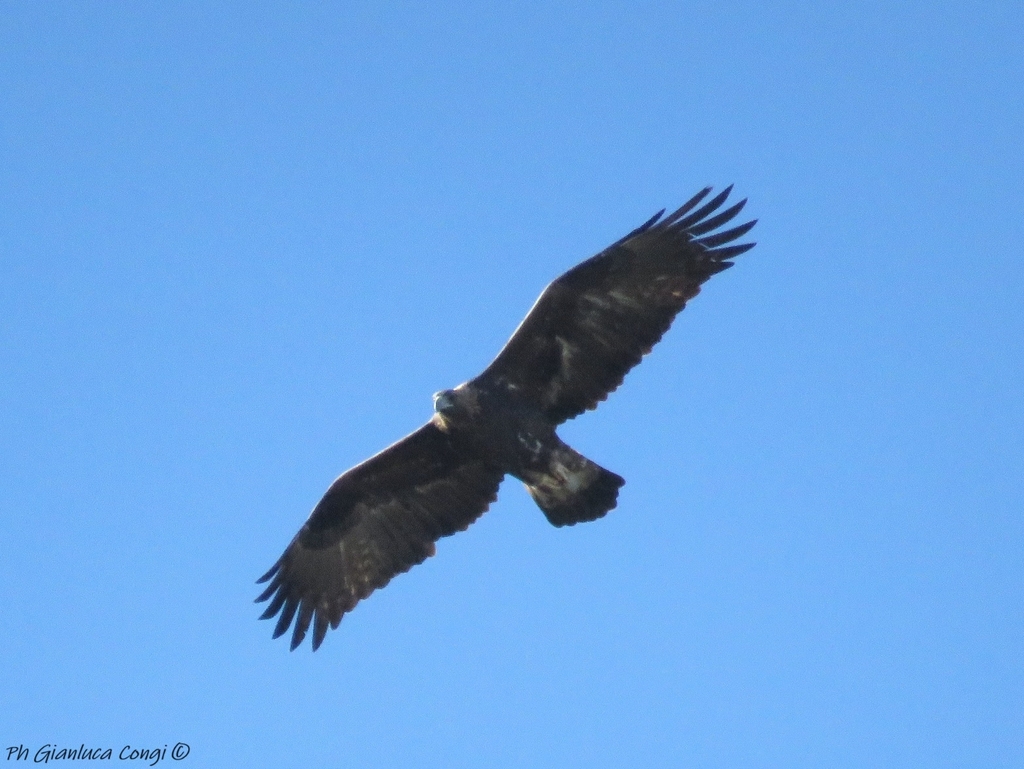
- Golden EagleAquila chrysaetos
- Golden-winged WarblerVermivora chrysoptera
- Hermit ThrushCatharus guttatus
- Hooded WarblerWilsonia citrina
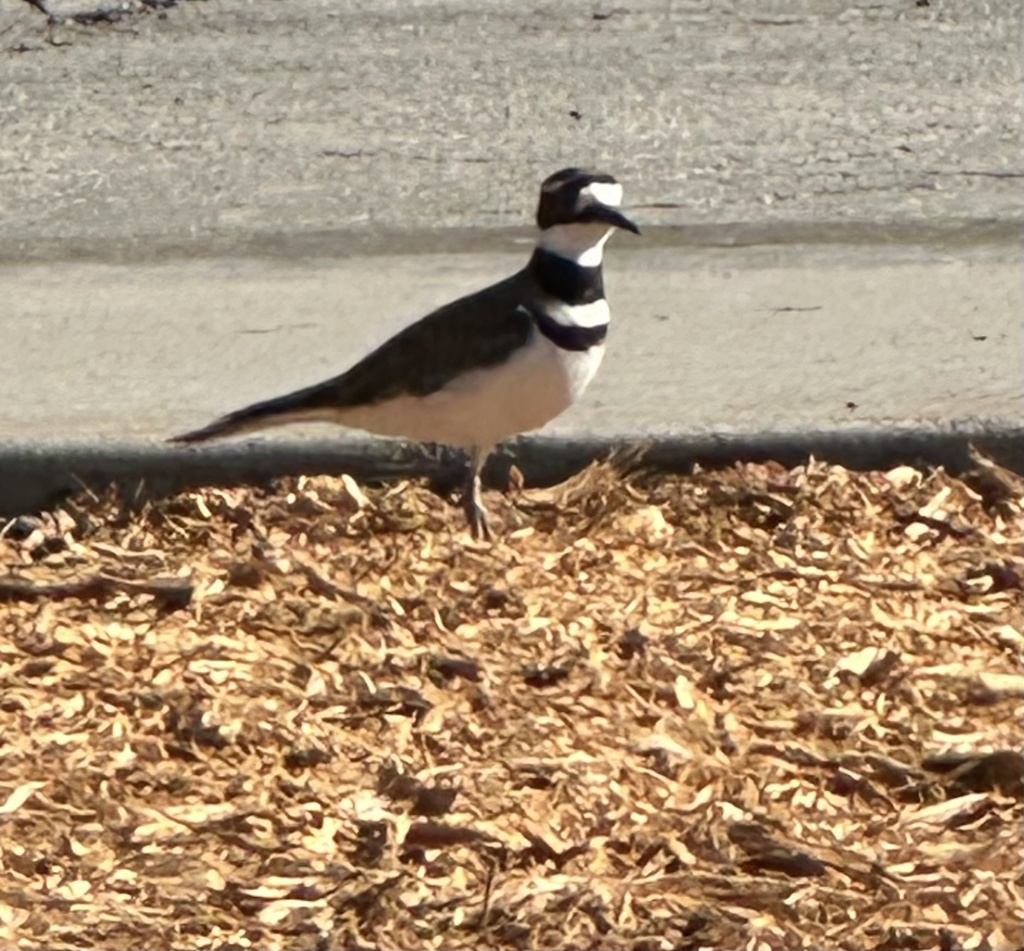
- KilldeerCharadrius vociferus
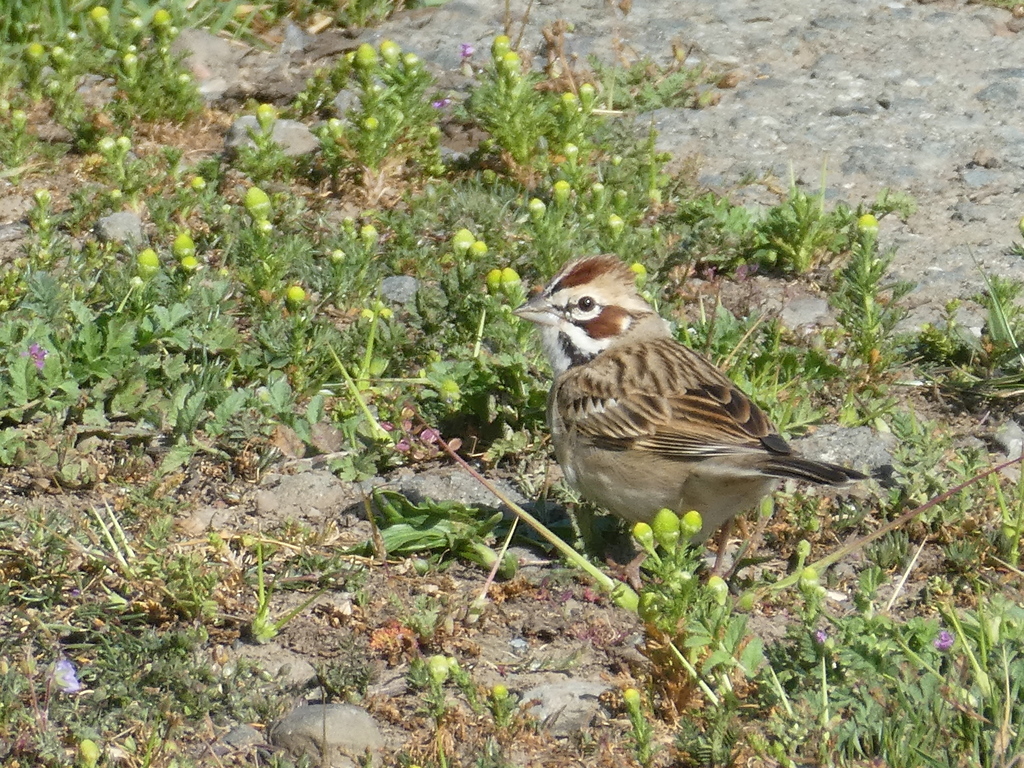
- Lark SparrowChondestes grammacus
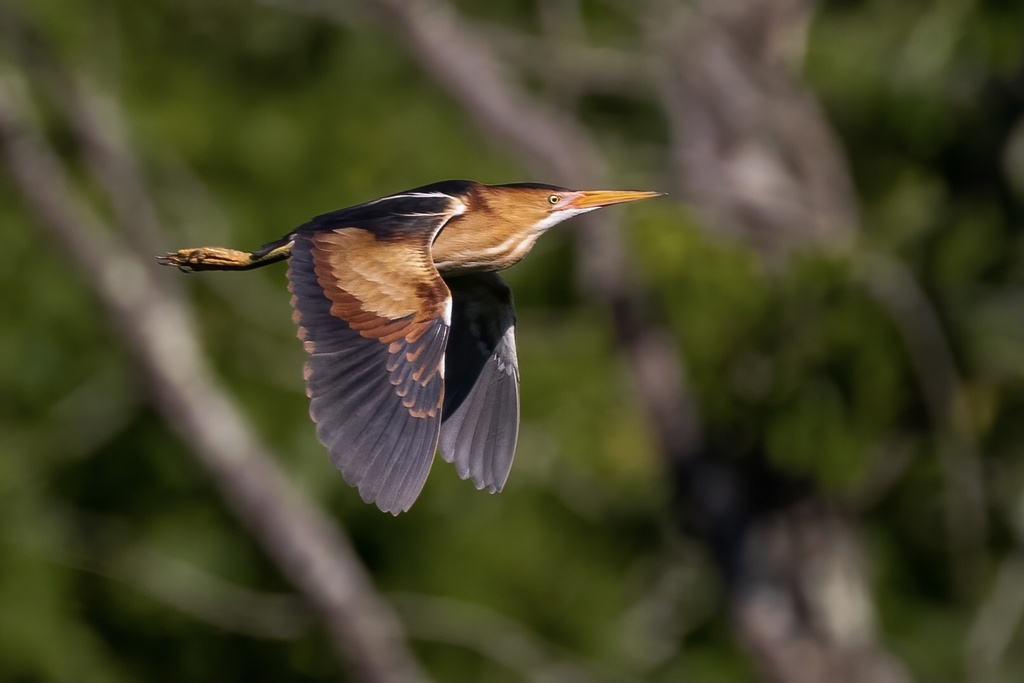
- Least BitternIxobrychus exilis
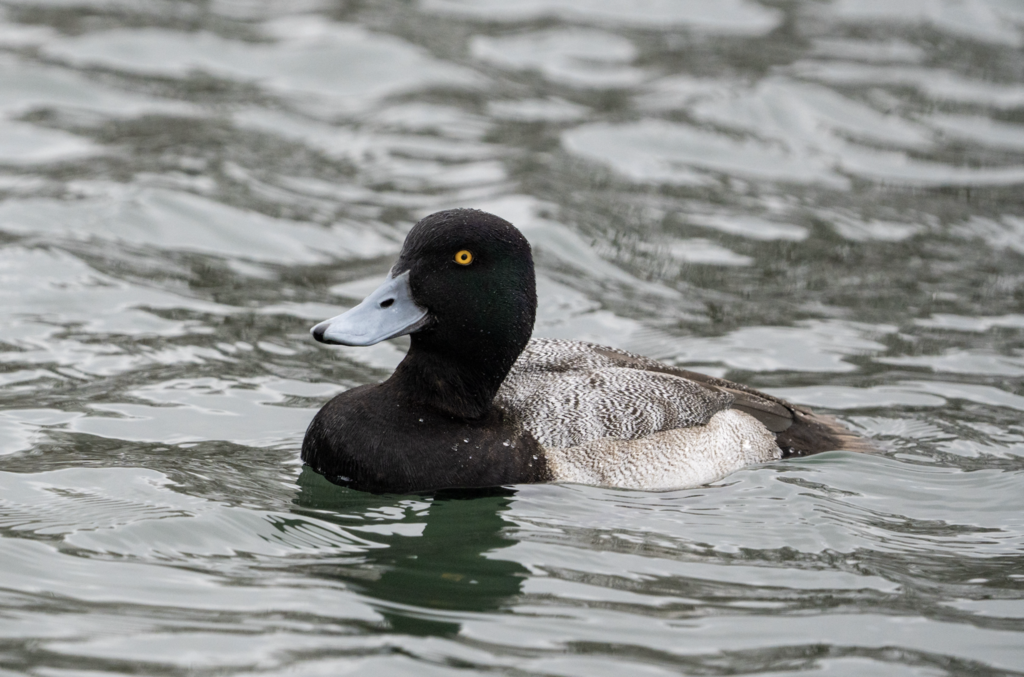
- Lesser ScaupAythya affinis
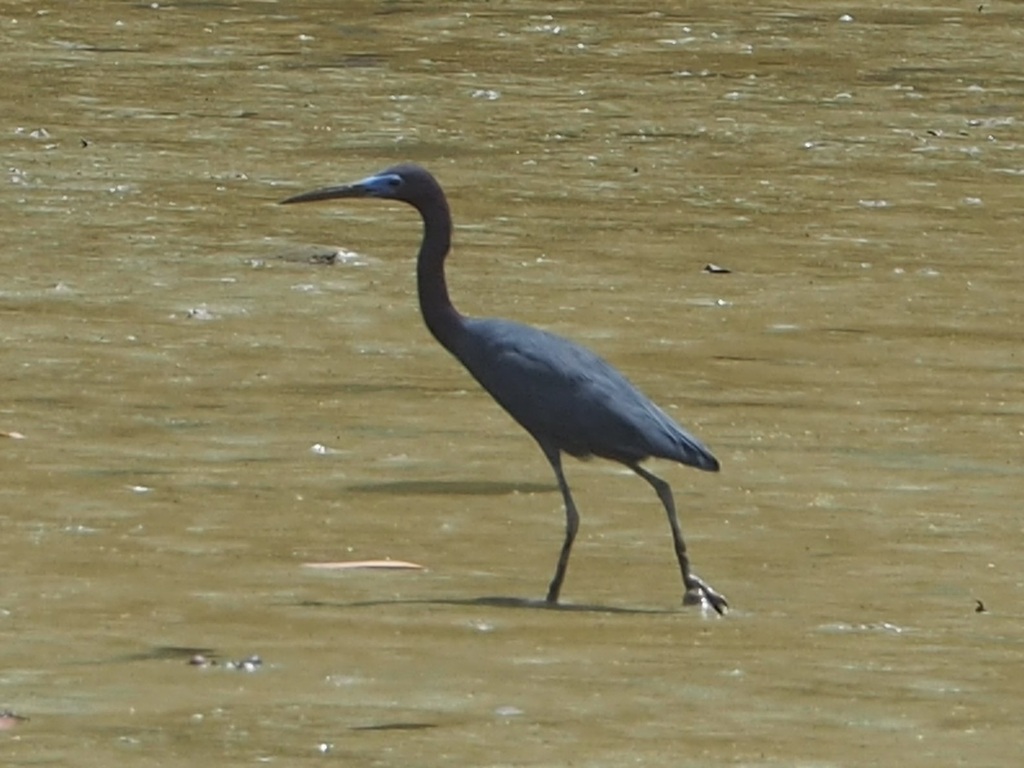
- Little Blue HeronEgretta caerulea
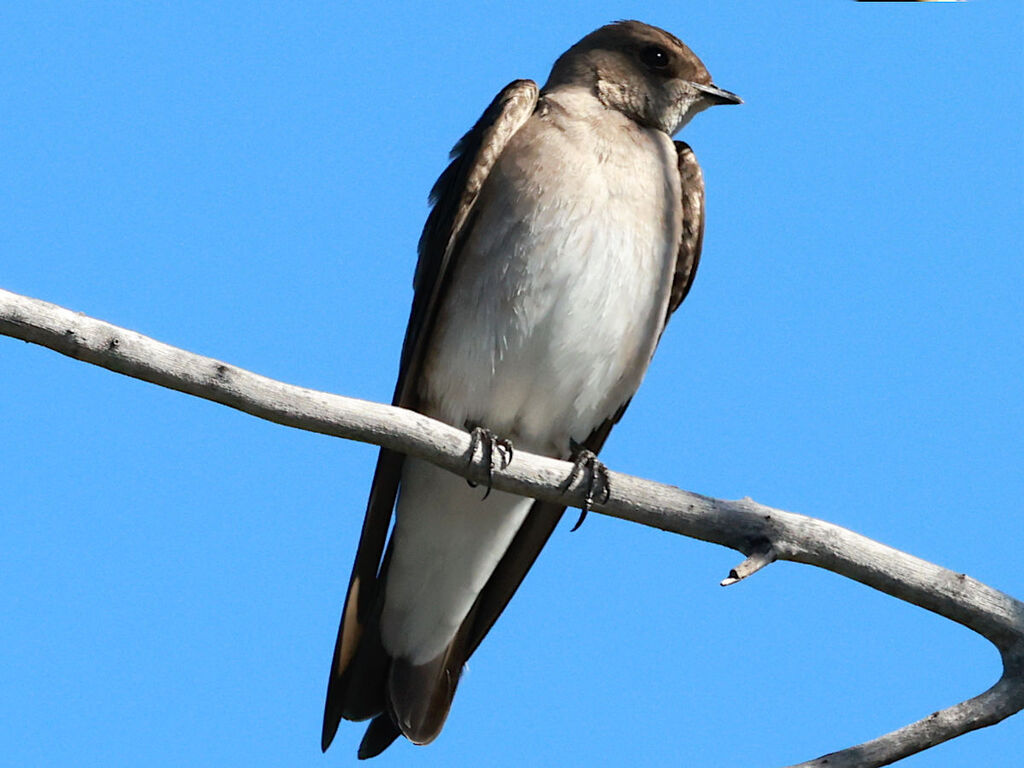
- Northern Rough-winged SwallowStelgidopteryx serripennis
- Olive-sided FlycatcherContopus cooperi
- OvenbirdSeiurus aurocapilla
- Pileated WoodpeckerDryocopus pileatus
- Red-bellied WoodpeckerMelanerpes carolinus
- Red-shouldered HawkButeo lineatus
- Ring-billed GullLarus delawarensis
- Rose-breasted GrosbeakPheucticus ludovicianus
- Ruby-throated HummingbirdArchilochus colubris
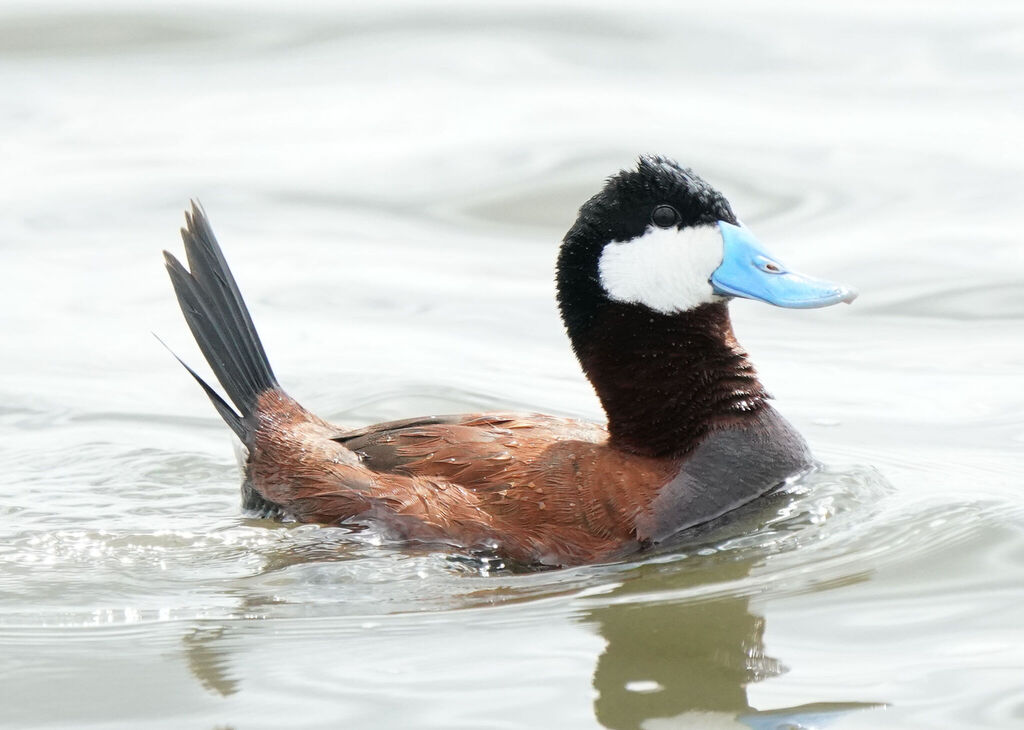
- Ruddy DuckOxyura jamaicensis
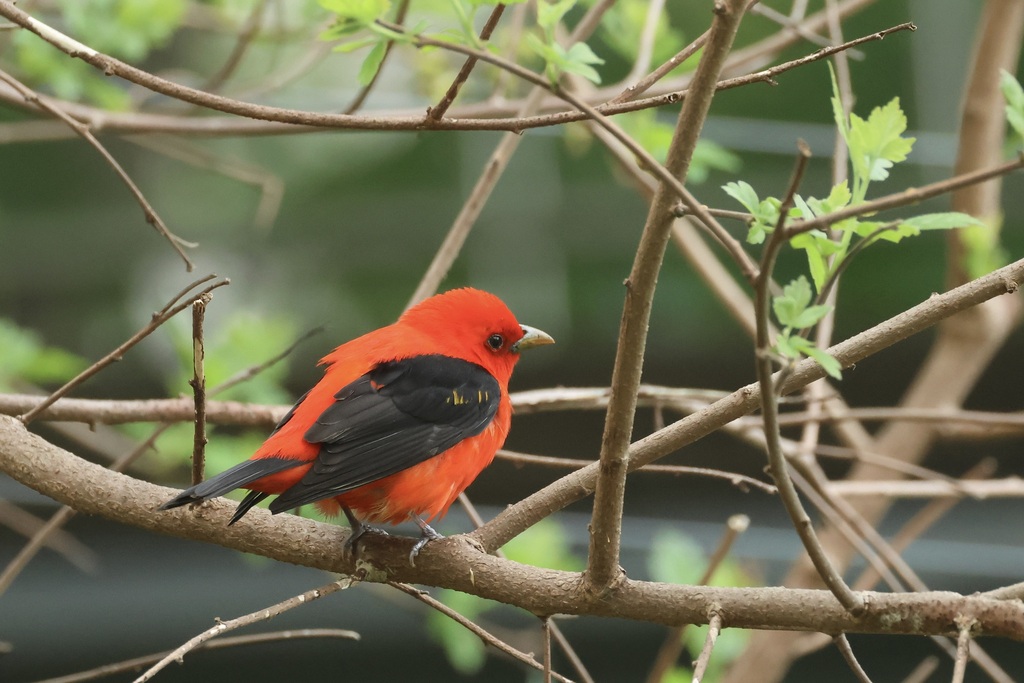
- Scarlet TanagerPiranga olivacea
- Snowy EgretEgretta thula
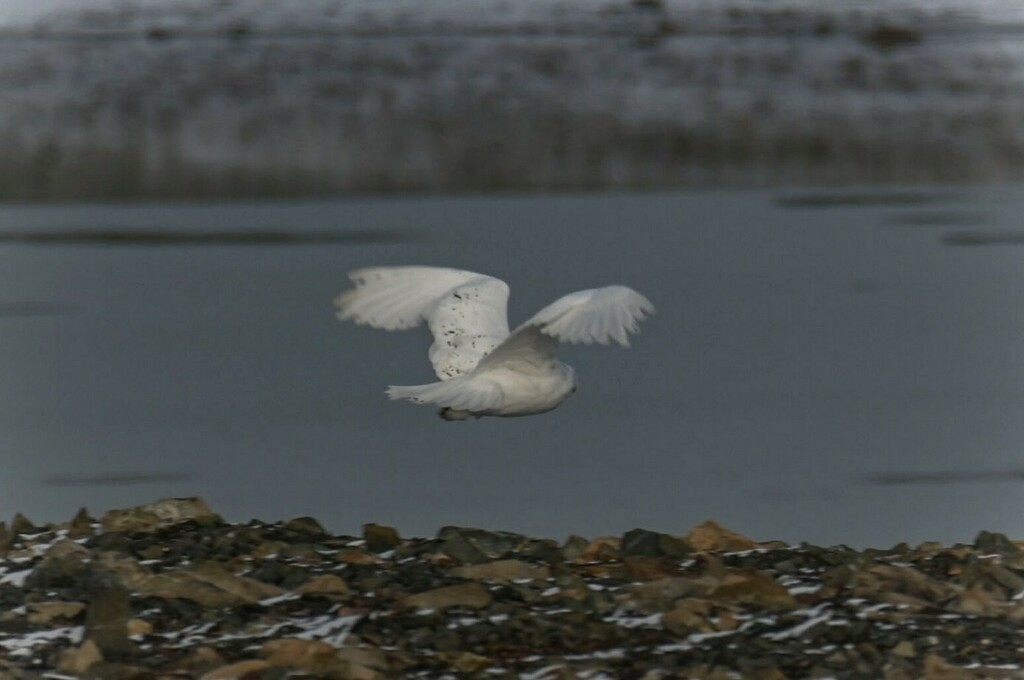
- Snowy OwlBubo scandiacus
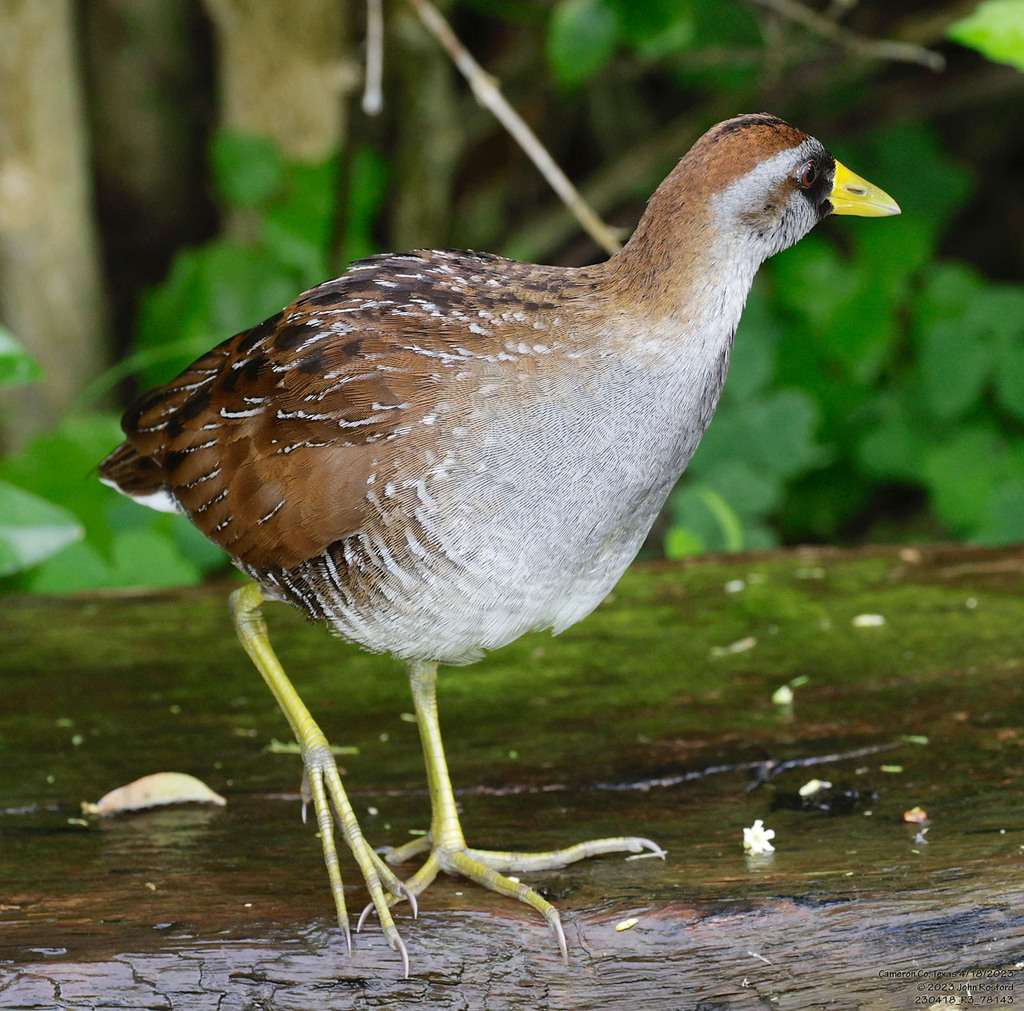
- SoraPorzana carolina
- Swainson's WarblerLimnothlypis swainsonii



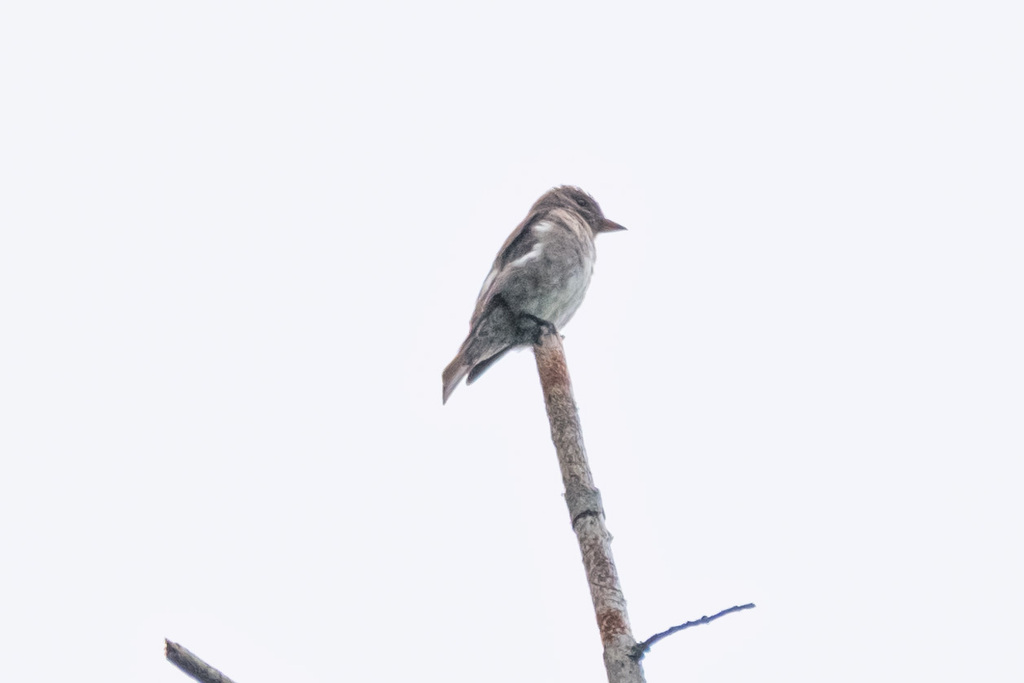

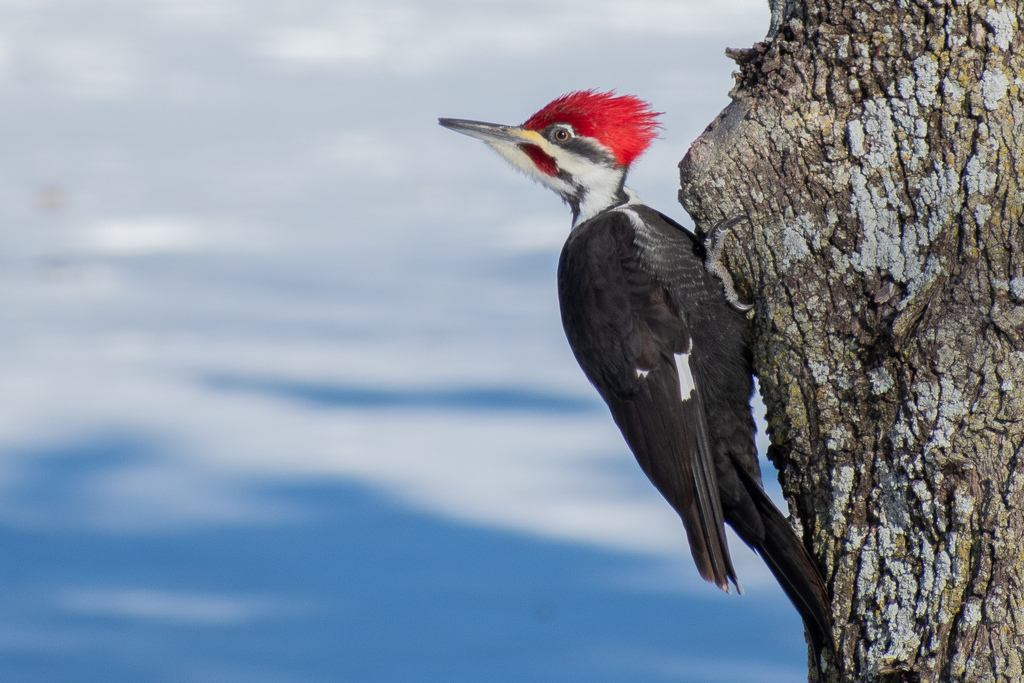


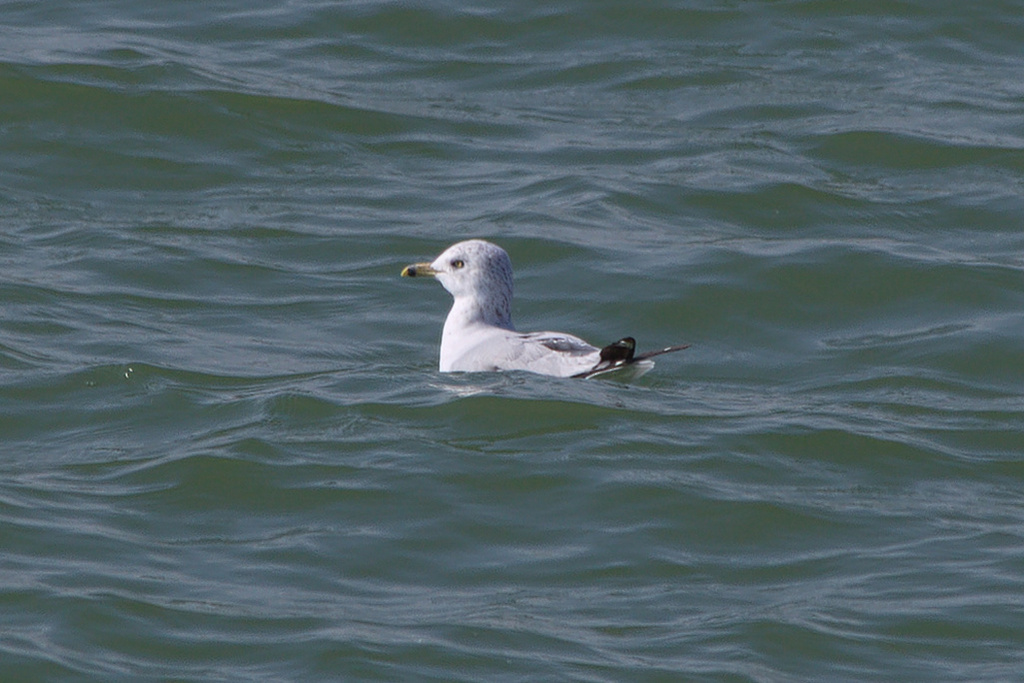
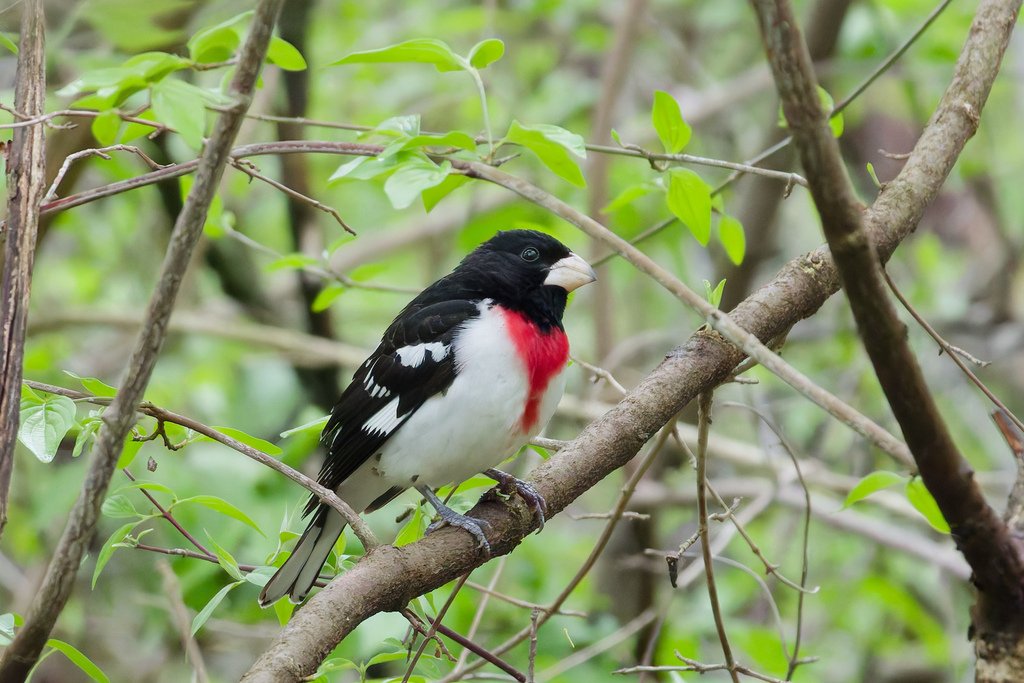



Widespread birds also seen here (37)
Found in many habitats here, so not listed above.
- Alder Flycatcher
- American Crow
- American Goldfinch
- American Kestrel
- American Robin
- Belted Kingfisher
- Blue Grosbeak
- Blue Jay
- Blue-gray Gnatcatcher
- Cedar Waxwing
- Chimney Swift
- Chipping Sparrow
- Common Nighthawk
- Common Raven
- Cooper's Hawk
- Dark-eyed Junco
- Eastern Kingbird
- Eastern Towhee
- European Starling
- Great Crested Flycatcher
- Great Horned Owl
- Least Flycatcher
- Mourning Dove
- Northern Cardinal
- Northern Flicker
- Northern Mockingbird
- Osprey
- Purple Finch
- Red-tailed Hawk
- Ruby-crowned Kinglet
- Sharp-shinned Hawk
- Spotted Sandpiper
- Tufted Titmouse
- Turkey Vulture
- Wild Turkey
- Yellow-breasted Chat
- Yellow-rumped Warbler
Who uses this plant?
 25CaterpillarsGenus host records with ranges including WV
Genus host records with ranges including WV · Elymus
- Amblyscirtes vialisCommon Roadside-Skipper, Black Little Skipper
- Ancyloxypha numitorLeast Skipper
- Apamea devastatorGlassy Borer, Glassy Cutworm Moth
- Apamea lignicoloraWood-Colored Apamea
- Apamea sordensBordered Apamea, Rustic Shoulder-Knot
- Cercyonis pegalaCommon Wood Nymph
- Clepsis persicanaWhite Triangle Tortrix
- Ctenucha virginicaVirginia Ctenucha
- Dargida diffusaWheat Head Armywotm Moth
- Lethe anthedonNorthern Pearly Eye
Show all 25
- Leucania commoidesDusky Wainscot, Comma Wainscot
- Leucania phragmitidicolaNeedle Wainscot, Phragmites Wainscot
- Leucania pseudargyriaFalse Wainscot
- Limochores mysticLong Dash
- Lon zabulonZabulon Skipper
- Loscopia velataVeiled Ear Moth, Veiled Grass Moth
- Mythimna unipunctaArmyworm Moth, White Speck
- Nephelodes miniansBronzed Cutworm
- Papaipema cataphractaBurdock Border, Potato-Stalk Borer
- Papaipema nebrisStalk Borer
- Polites themistoclesTawny-Edged Skipper
- Pyrrharctia isabellaIsabella Tiger Moth, Banded Woolybear
- Spodoptera frugiperdaFall Armyworm Moth
- Apamea lutosa
- Elachista illectella
 0BeesSoutheastern regional records
 0Specialist beesPollen specialists
 1BirdsRecorded eating Elymus in West Virginia
Diet records by plant genus, from studies across North America. Not a record from this state. Birds whose range includes West Virginia, most records first.
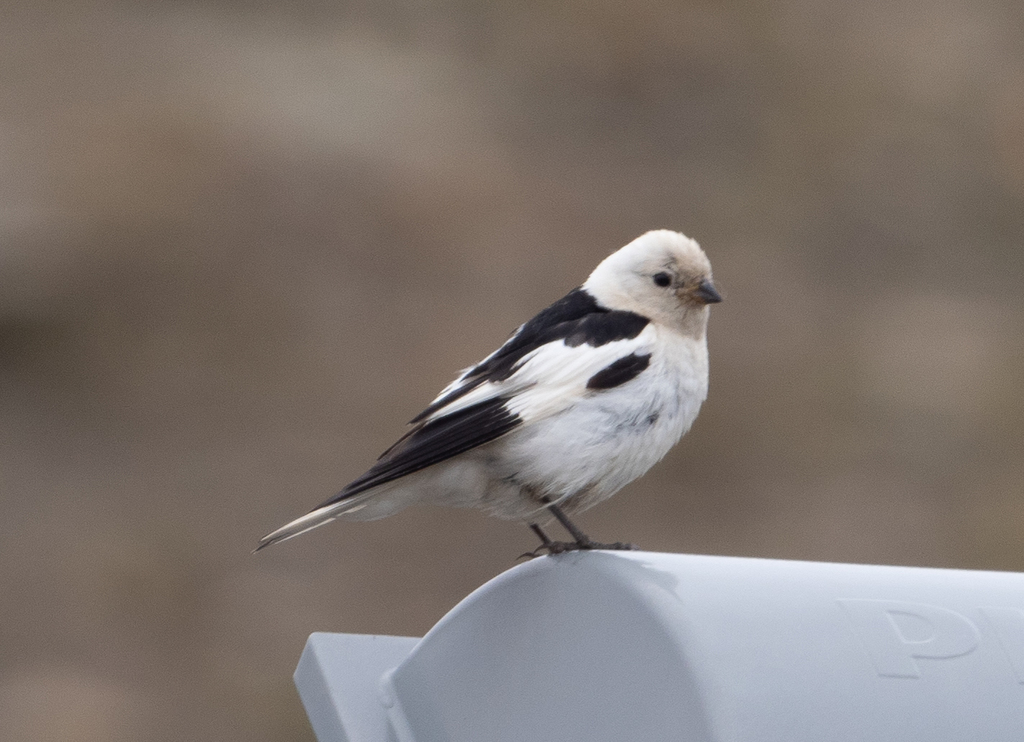
- Snow Bunting2 diet records
Direct food only. Caterpillars on host plants also feed nesting birds. NC Native Plant Society: butterfly gardening
No records yet · Ants · Beetles · Flies · Adult butterflies / moths · Other wasps · Other insects
Birds that eat Elymus 1
Diet records by plant genus, from studies across North America. Not a record from this state. Avian Diet Database (Hurlbert Lab), CC0 1.0.
- Snow BuntingPlectrophenax nivalis
Plant details
- Family
- Poaceae
- Hardiness
- Zones 3a–8b
- Soil pH
- Acidic to neutral
- Flower color
- Green
- Growth rate
- Rapid
- Growth habit
- Grows in clumps
- Foliage color
- Green
- Fruit begins
- Spring
- Fruit ends
- Spring
What its natural habitat tells you
Safety has not been reviewed for this plant; check toxicity and thorns before planting.
Growing sources and scope
- Bloom · “Late spring” · USDA PLANTS (ranked first; Prairie Moon 2026 Cultural Guide differs) · Nationwide species characteristics; local growing conditions may vary
- Flower color · “Green” · NC Extension Plant Toolbox (ranked first; USDA PLANTS differs)
- Foliage color · “Green” · USDA PLANTS · Nationwide species characteristics; local growing conditions may vary
- Fruit begins · “Spring” · USDA PLANTS · Nationwide species characteristics; local growing conditions may vary
- Fruit ends · “Spring” · USDA PLANTS · Nationwide species characteristics; local growing conditions may vary
- Growth habit · “Grows in clumps” · USDA PLANTS · Nationwide species characteristics; local growing conditions may vary
- Growth rate · “Rapid” · USDA PLANTS · Nationwide species characteristics; local growing conditions may vary
- Hardiness · “Zones 3a–8b” · NC Extension Plant Toolbox
- Height · “2–5 feet” · NC Extension Plant Toolbox (ranked first; Tennessee Smart Yards, USDA PLANTS, Prairie Moon 2026 Cultural Guide differ)
- Light · “Full sun (6 or more hours of direct sunlight a day); Partial shade (direct sunlight only part of the day, 2-6 hours)” · NC Extension Plant Toolbox (ranked first; Tennessee Smart Yards, Prairie Moon 2026 Cultural Guide differ)
- Soil · “Moist; Occasionally dry” · NC Extension Plant Toolbox (ranked first; Tennessee Smart Yards, Prairie Moon 2026 Cultural Guide differ)
- Soil pH · “Acidic to neutral” · NC Extension Plant Toolbox
- Spread · “2–3 feet” · NC Extension Plant Toolbox
Also known as
Canada Wild Rye
Conservation status
| West Virginia rank | S5 |
|---|---|
| Global rank | G5 |
| WV status | Not verified |
| Federal status | Not verified |
Will it fit your yard?
Check this plant against your county, sun and soil moisture. Conditions are checked in your browser.
Growing cautions
- Spreads aggressively. Self-seeds in optimum conditions and rapid spread can be a problem. Tennessee Smart Yards
For planning only; these do not change the score or Fit.
Sources
- NatureServe Explorer
- USDA PLANTS
- Vascular Plants of North Carolina (NC Natural Heritage Program)
- West Virginia occurrence source
- Shropshire & Tallamy 2025, Lepidoptera of North America north of Mexico, ZooKeys 1261 (ODbL)
- Noori, Seltmann & Orr 2026, A curated and integrated dataset for exploring global bee-plant interactions (GloBI), Zenodo, CC BY 4.0
- Smith, Bachelder, Russell, Morales, Mosher & Seltmann 2024, Bee-Specialization-Modeling v0.6.1 (specialist host table compiled from J. Fowler's pollen specialist bee lists), Zenodo, CC BY 4.0
- Hurlbert, Olsen, Sawyer & Winner 2021, Avian Diet Database, Scientific Data 8: 260 (CC0)
- Narango, Tallamy & Shropshire 2020, Few keystone plant genera support the majority of Lepidoptera species, Nature Communications