

Low Frostweed
Crocanthemum propinquum
Found in woodlands, rock outcrops, sandy barrens and fields. Weakley, Flora of the Southeastern United States (2025), Northern Tier edition What its natural habitat tells you
Native to West Virginia. How scores work Is it native here?
Profile 76%
- Height
- Up to about 1 foot
- Light
- Partial shade, Full sun
- Soil moisture
- Dry to moist
No photograph yet. Looking for an old drawing…
At a glance
- Life cycle
- Perennial
- Fruiting season
- August to October
Not yet recorded · Spread · Leaves · Bloom
Bloom: NC species account not read yet.
Spread and leaves: no source found yet.
This plant is missing most of its facts, so Quercus is looking them up in old botany books.
County records are not available.
Natural habitats
Places it grows wild. Not a planting requirement. Each habitat page lists the plants and wildlife also found there.
Forest or woodland where the source does not say how moist or dry.
Cliffs, ledges and rocky summits
Cliffs, ledges, rock outcrops, talus and rocky summits where the source does not name the rock. A named rock files the place under its own glade or outcrop type instead.
Roadsides, fields and disturbed ground
Ground opened by people: roadsides, old fields, pastures, fencerows and lots.
Also found with this plant
Wildlife whose habitat models include habitats this plant grows in, in West Virginia. Shared habitat, not food. 61 animals.
- Red-headed WoodpeckerMelanerpes erythrocephalus
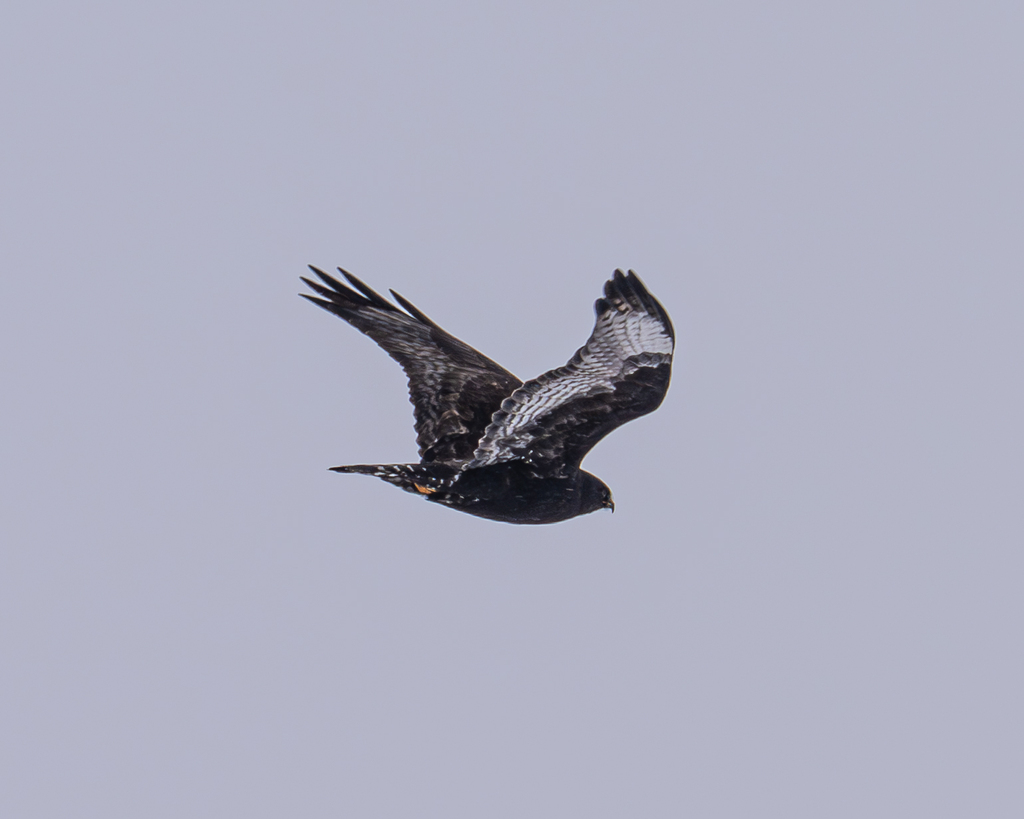
- Rough-legged HawkButeo lagopus
- Ruby-throated HummingbirdArchilochus colubris
- Ruffed GrouseBonasa umbellus
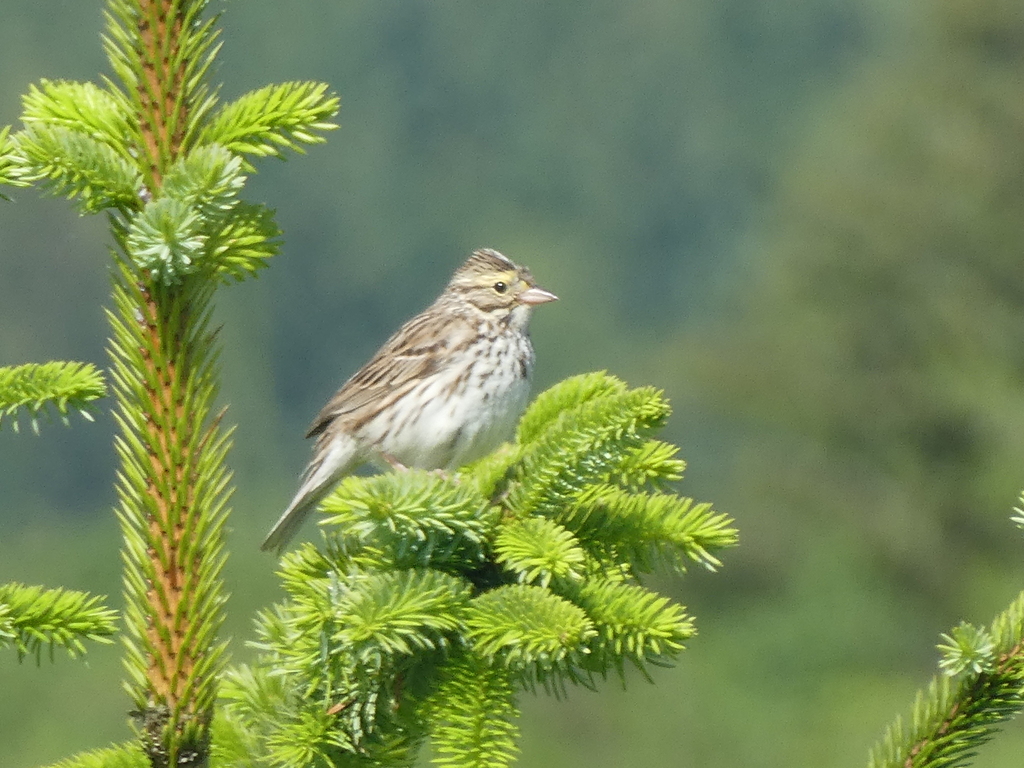
- Savannah SparrowPasserculus sandwichensis
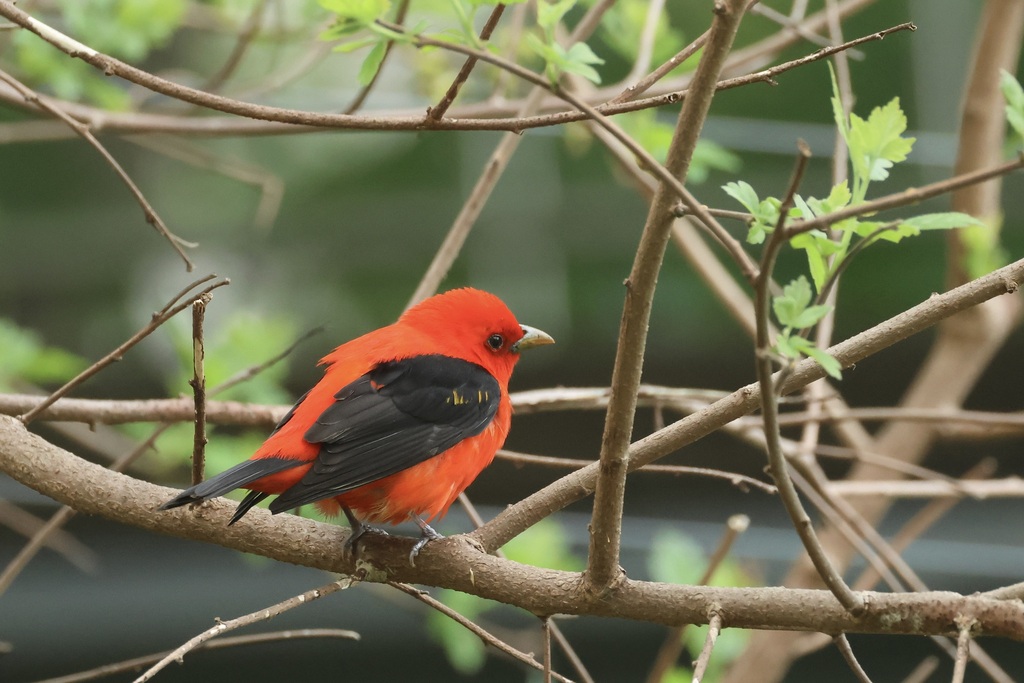
- Scarlet TanagerPiranga olivacea
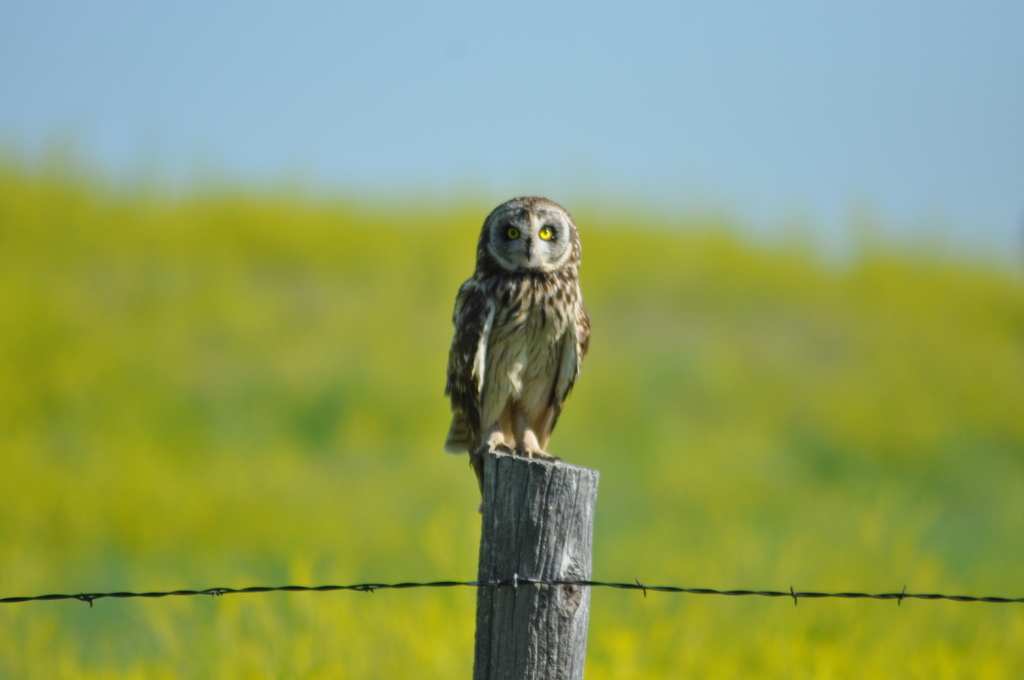
- Short-eared OwlAsio flammeus
- Summer TanagerPiranga rubra
- White-breasted NuthatchSitta carolinensis
- White-crowned SparrowZonotrichia leucophrys
- Worm-eating WarblerHelmitheros vermivorum
- Yellow-bellied SapsuckerSphyrapicus varius
- Yellow-billed CuckooCoccyzus americanus



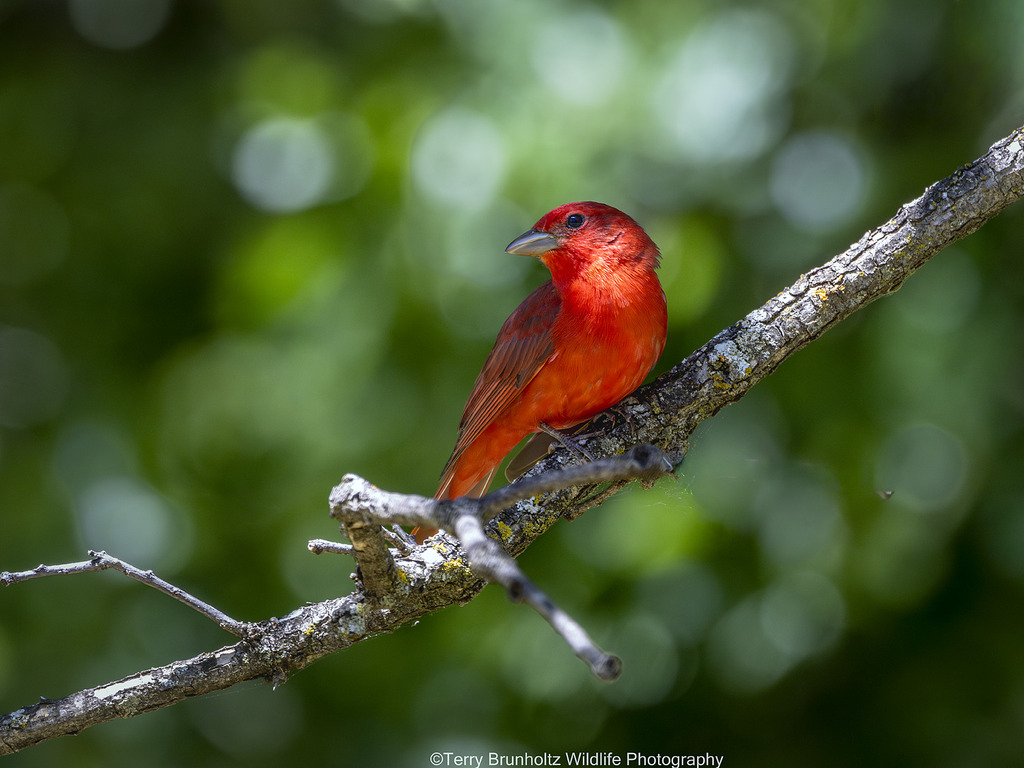

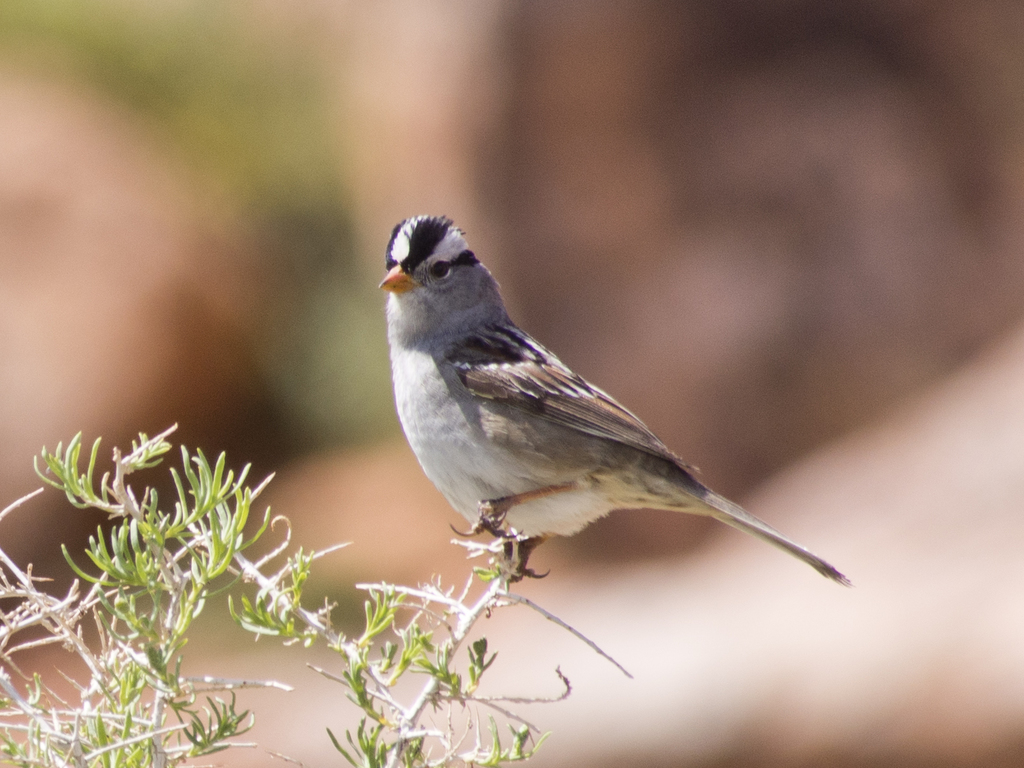
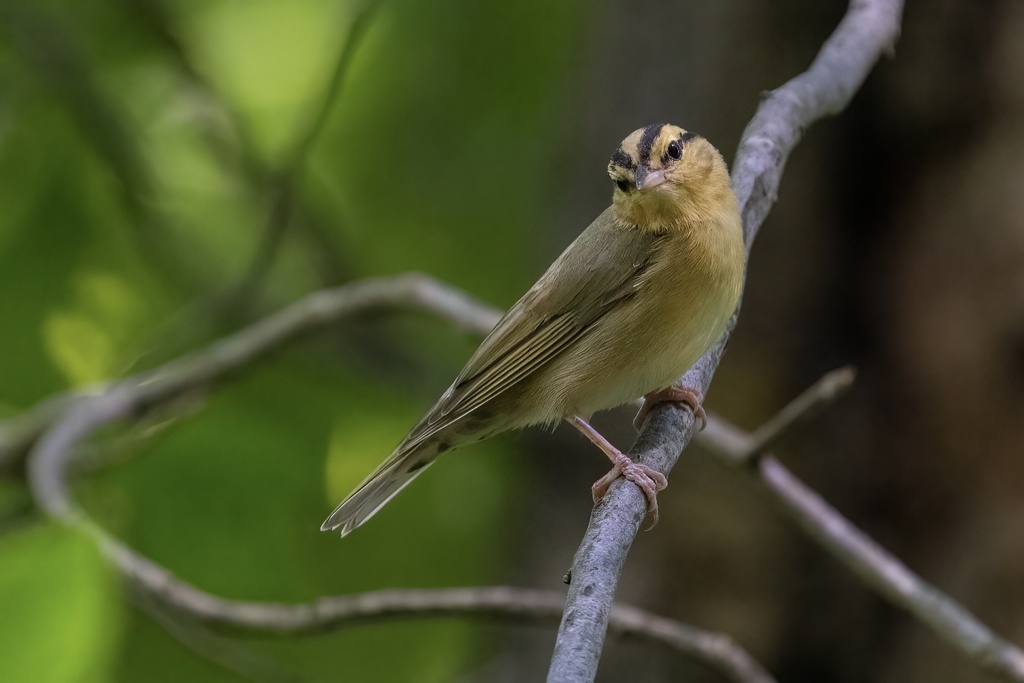


Widespread birds also seen here (45)
Found in many habitats here, so not listed above.
- American Crow
- American Goldfinch
- American Kestrel
- American Redstart
- American Robin
- Black-billed Cuckoo
- Blue Grosbeak
- Blue Jay
- Blue-gray Gnatcatcher
- Cedar Waxwing
- Chestnut-sided Warbler
- Chimney Swift
- Chipping Sparrow
- Common Nighthawk
- Common Raven
- Cooper's Hawk
- Dark-eyed Junco
- Eastern Kingbird
- Eastern Towhee
- European Starling
- Fox Sparrow
- Gray Catbird
- Great Crested Flycatcher
- Great Horned Owl
- Least Flycatcher
- Mourning Dove
- Northern Cardinal
- Northern Flicker
- Northern Mockingbird
- Olive-sided Flycatcher
- Orange-crowned Warbler
- Osprey
- Purple Finch
- Red-tailed Hawk
- Rose-breasted Grosbeak
- Ruby-crowned Kinglet
- Sharp-shinned Hawk
- Spotted Sandpiper
- Tufted Titmouse
- Turkey Vulture
- Veery
- White-throated Sparrow
- Wild Turkey
- Yellow-breasted Chat
- Yellow-rumped Warbler
Who uses this plant?
 2CaterpillarsGenus host records with ranges including WV
Genus host records with ranges including WV · Crocanthemum
- Anavitrinella pampinariaCommon Gray, Cranberry Spanworm
- Platynota flavedanaBlack-Shaded Platynota
 2BeesSoutheastern regional records
Southeastern regional records · Crocanthemum
Individual names are not available yet.
Noori, Seltmann & Orr 2026, A curated and integrated dataset for exploring global bee-plant interactions (GloBI), Zenodo, CC BY 4.0 0Specialist beesPollen specialists
 —BirdsRecorded genus food-resource interactions; not a state feeding claim
No records yet · Ants · Beetles · Flies · Adult butterflies / moths · Other wasps · Other insects
Plant details
- Family
- Cistaceae
- Flower color
- Yellow
- Fruit begins
- August
- Fruit ends
- October
Safety has not been reviewed for this plant; check toxicity and thorns before planting.
Growing sources and scope
- Flower color · “Yellow” · Lady Bird Johnson Wildflower Center
- Fruit begins · “August” · Weakley, Flora of the Southeastern United States (2025), Carolinas & Georgia edition · Carolinas and Georgia
- Fruit ends · “October” · Weakley, Flora of the Southeastern United States (2025), Carolinas & Georgia edition · Carolinas and Georgia
- Height · “Up to about 1 foot” · Lady Bird Johnson Wildflower Center
- Life cycle · “Perennial” · Lady Bird Johnson Wildflower Center
- Light · “Partial shade; Full sun (documented habitat)” · Weakley, Flora of the Southeastern United States (2025), Carolinas & Georgia edition · Carolinas and Georgia
- primary_flower_color · “yellow” · Lady Bird Johnson Wildflower Center
- Soil · “Dry; Moist (documented habitat)” · Weakley, Flora of the Southeastern United States (2025), Carolinas & Georgia edition · Carolinas and Georgia
Also known as
Helianthemum propinquum
Conservation status
| West Virginia rank | SH |
|---|---|
| Global rank | G4 |
| WV status | Not verified |
| Federal status | Not verified |
Will it fit your yard?
Check this plant against your county, sun and soil moisture. Conditions are checked in your browser.
Sources
- NatureServe Explorer
- USDA PLANTS
- Vascular Plants of North Carolina (NC Natural Heritage Program)
- Weakley, Flora of the Southeastern United States (2025), Carolinas & Georgia edition
- West Virginia occurrence source
- Shropshire & Tallamy 2025, Lepidoptera of North America north of Mexico, ZooKeys 1261 (ODbL)
- Noori, Seltmann & Orr 2026, A curated and integrated dataset for exploring global bee-plant interactions (GloBI), Zenodo, CC BY 4.0
- Smith, Bachelder, Russell, Morales, Mosher & Seltmann 2024, Bee-Specialization-Modeling v0.6.1 (specialist host table compiled from J. Fowler's pollen specialist bee lists), Zenodo, CC BY 4.0
- Hurlbert, Olsen, Sawyer & Winner 2021, Avian Diet Database, Scientific Data 8: 260 (CC0)
- Narango, Tallamy & Shropshire 2020, Few keystone plant genera support the majority of Lepidoptera species, Nature Communications