

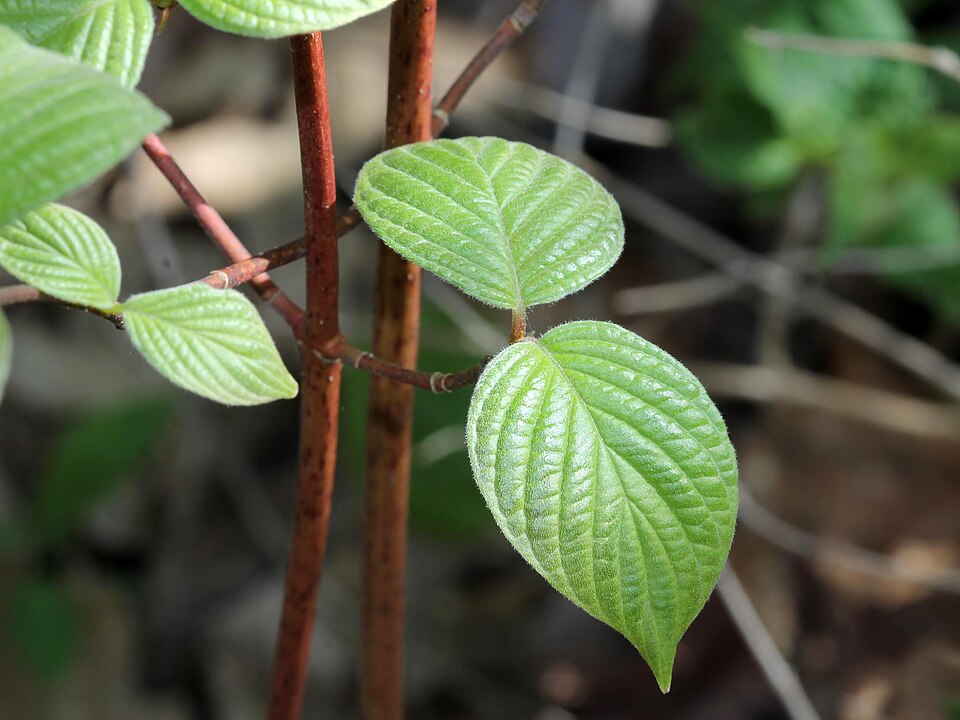
Round Leaf Dogwood
Cornus rugosa
Found at high elevations, usually on talus (greenstone, quartzite, sandstone, limestone) in woodlands. Weakley, Flora of the Southeastern United States (2025), Northern Tier edition What its natural habitat tells you
Native to West Virginia. How scores work Is it native here?
Profile 94%
- Height
- 6–10 feet
- Light
- Part shade, Shade
- Soil moisture
- Somewhat dry to average
At a glance
- Life cycle
- Woody perennial
- Bloom
- June to July
Not yet recorded · Spread · Leaves
Recorded in 2 West Virginia counties.
Natural habitats
Places it grows wild. Not a planting requirement. Each habitat page lists the plants and wildlife also found there.
Glades, barrens and outcrops on limestone
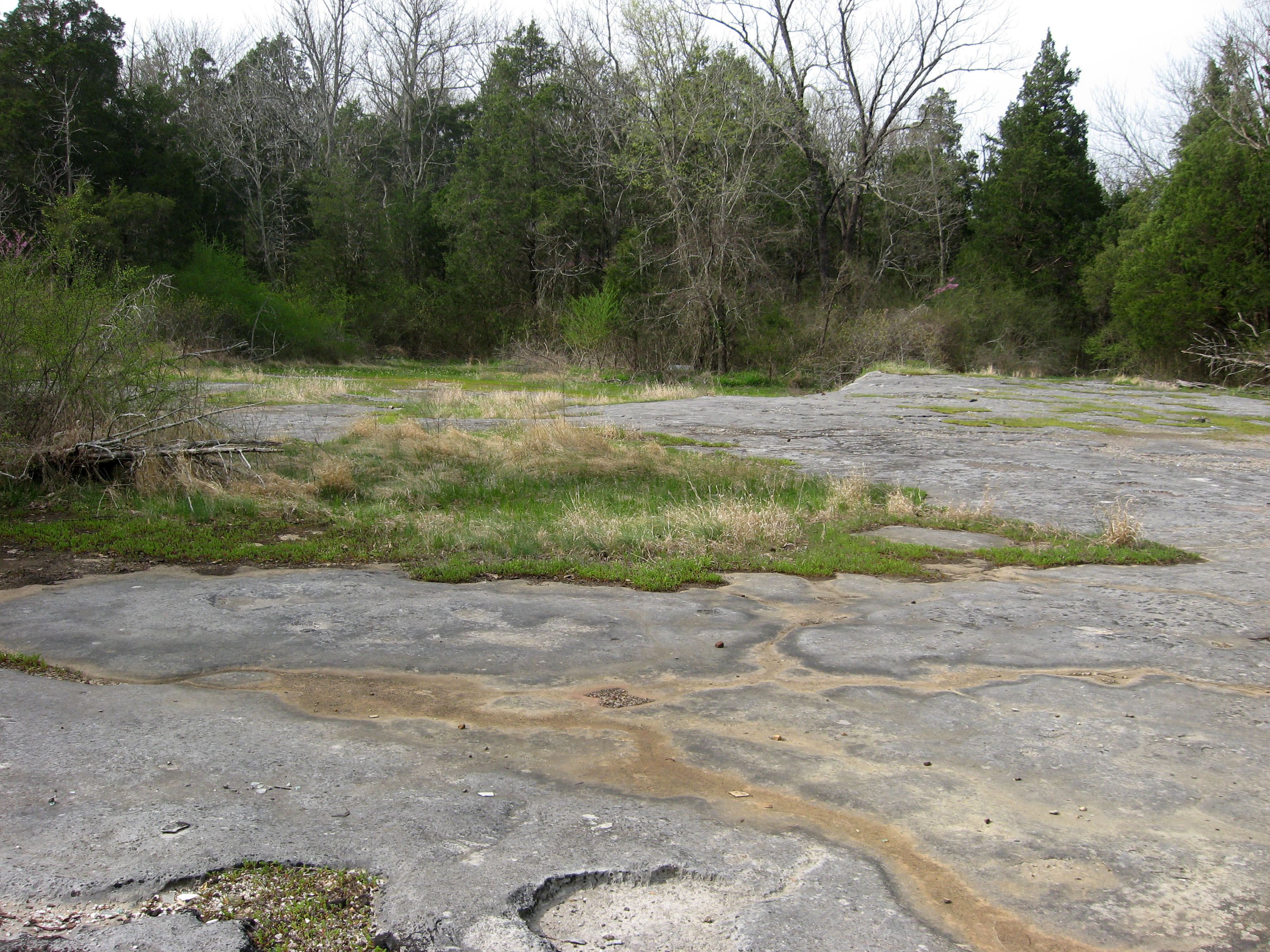
Granite and other acidic rock outcrops
Bare or thin-soil rock on granite, gneiss, sandstone, quartzite and similar acidic rock, including granite flatrocks and domes.
Forest or woodland where the source does not say how moist or dry.
Also found with this plant
Wildlife whose habitat models include habitats this plant grows in, in West Virginia. Shared habitat, not food. 137 animals.
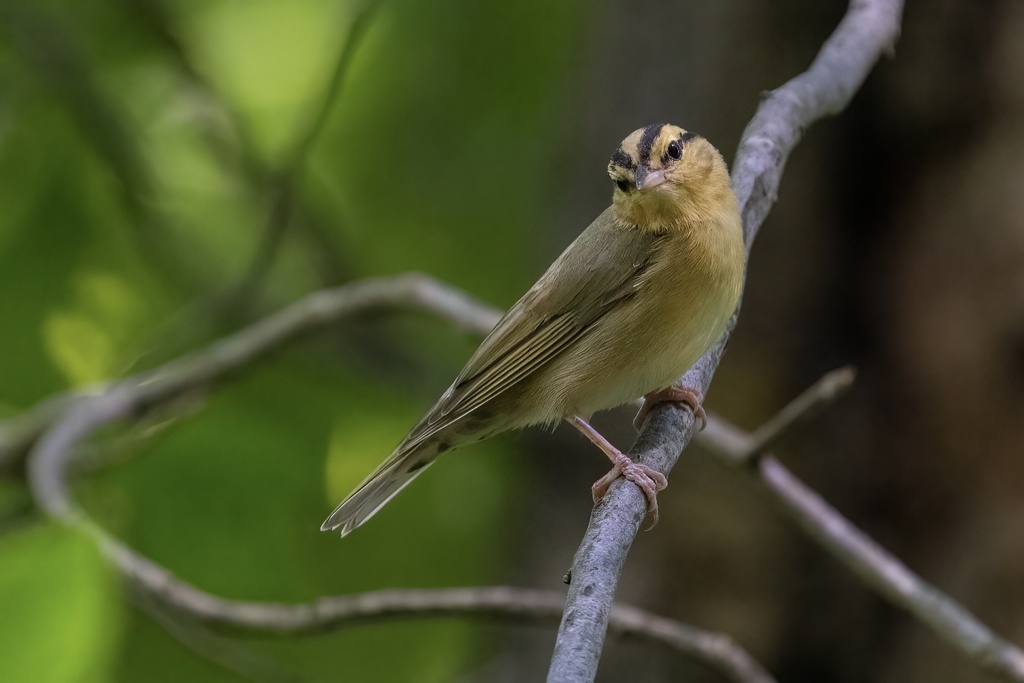
- Worm-eating WarblerHelmitheros vermivorum
- Yellow-bellied SapsuckerSphyrapicus varius
- Yellow-billed CuckooCoccyzus americanus
- Yellow-breasted ChatIcteria virens
- Yellow-rumped WarblerDendroica coronata
- American CrowCorvus brachyrhynchos
- American WoodcockScolopax minor
- Bald EagleHaliaeetus leucocephalus
- Belted KingfisherMegaceryle alcyon
- Black-billed CuckooCoccyzus erythropthalmus
- Black-throated Blue WarblerDendroica caerulescens
- Brown ThrasherToxostoma rufum
- Carolina ChickadeePoecile carolinensis
- Common GrackleQuiscalus quiscula
- Eastern BluebirdSialia sialis
- Eastern Screech-owlMegascops asio
- Eastern TowheePipilo erythrophthalmus
- Eastern Wood-peweeContopus virens
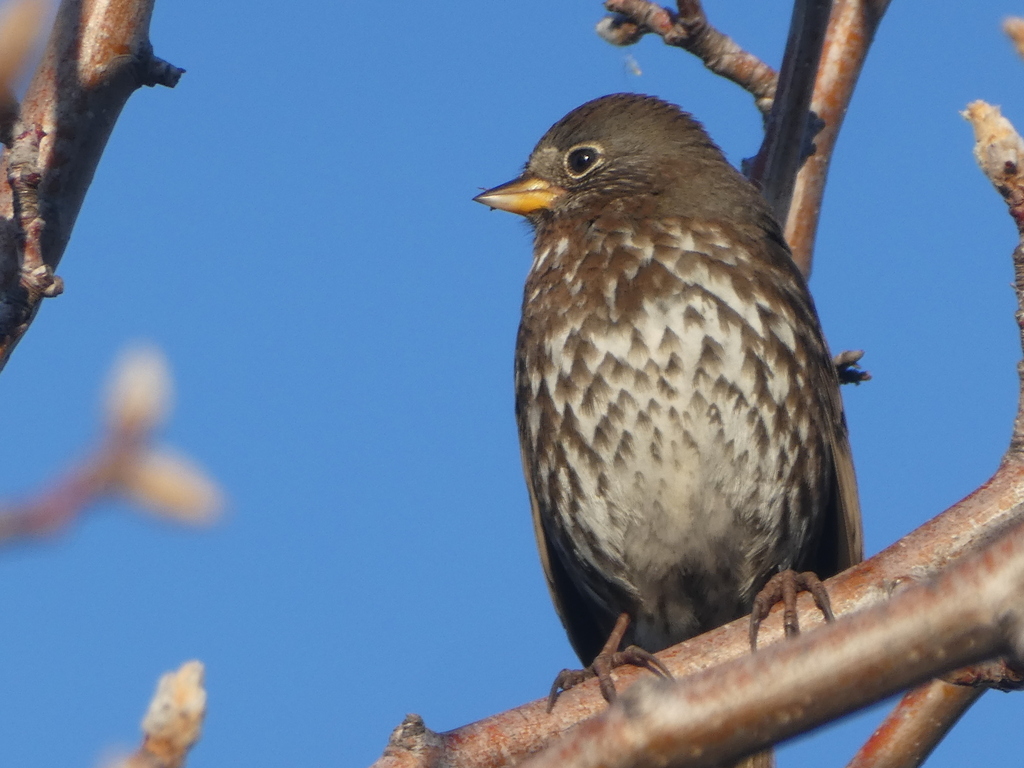
- Fox SparrowPasserella iliaca
- Great Crested FlycatcherMyiarchus crinitus
- Hooded WarblerWilsonia citrina
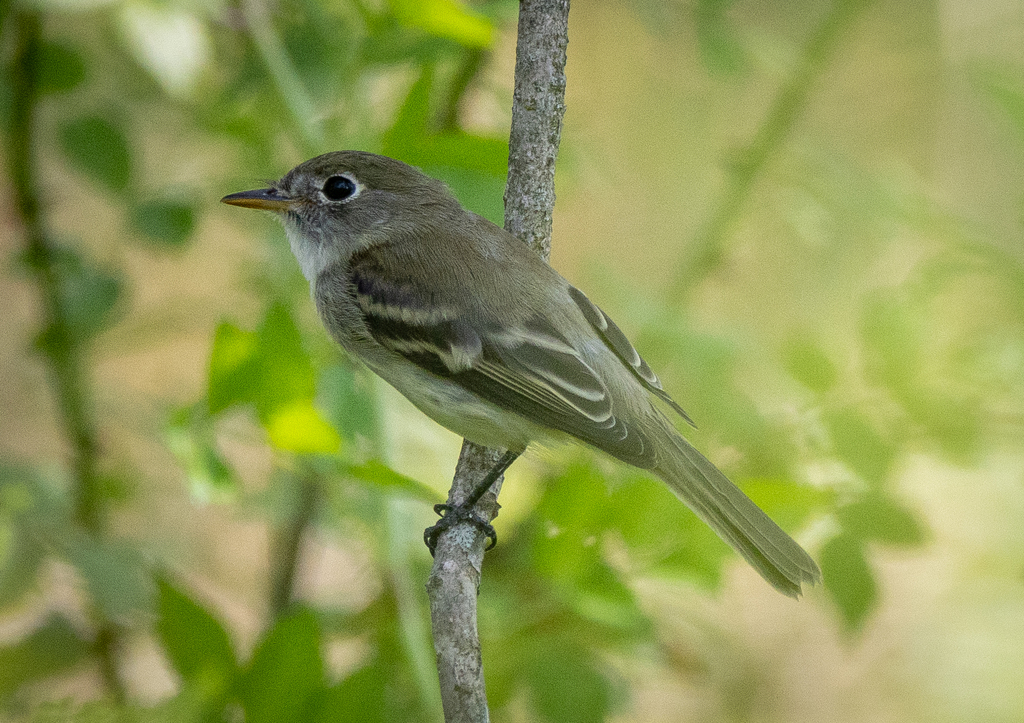
- Least FlycatcherEmpidonax minimus
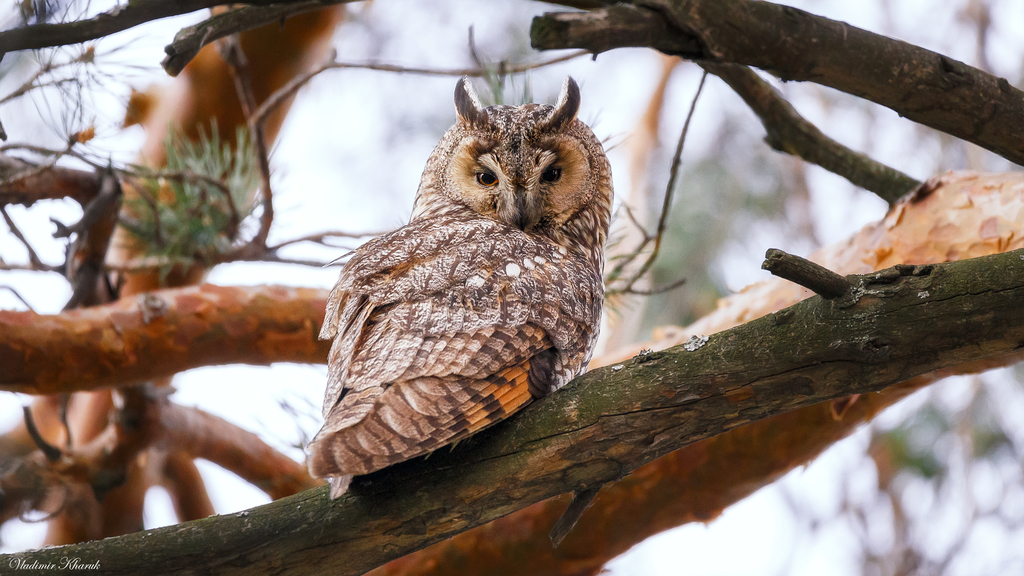
- Long-eared OwlAsio otus
- Northern CardinalCardinalis cardinalis






















Who uses this plant?
 116CaterpillarsGenus host records with ranges including WV
Genus host records with ranges including WV · Cornus
- Celastrina ladonSpring Azure
- Acharia stimuleaSaddleback Caterpillar Moth
- Acronicta americanaAmerican Dagger
- Acronicta funeralisFunerary Dagger, Paddle Caterpillar
- Acronicta griseaGray Dagger
- Acronicta impletaYellow-Haired Dagger
- Acronicta impressaImpressive Dagger, Printed Dagger
- Acronicta longaLong-Winged Dagger, Darkish Dagger
- Amorbia humerosanaWhite-Lined Leafroller Moth
- Amphipyra pyramidoidesMiranda Underwing, Copper Underwing, Copper Amphipyra
Show all 116
- Anavitrinella pampinariaCommon Gray, Cranberry Spanworm
- Ancylis muricanaRed-Headed Ancylis
- Anisota virginiensisPink-striped Oakworm Moth
- Antaeotricha leucillanaWell-Marked Leaf Tier, Pale Gray Bird-Dropping Moth
- Antheraea polyphemusPolyphemus Moth
- Archips argyrospilaFruit-Tree Leafroller Moth
- Archips griseaGray Archips
- Archips purpuranaOmnivorous Leafroller Moth
- Archips rileyanaSouthern Ugly-Nest Caterpillar Moth
- Argyrotaenia velutinanaRed-Banded Leafroller Moth, Jack Pine Tube Moth
- Automeris ioIo Moth
- Biston betulariaSalt-and-Pepper Geometer, Cleft-Headed Looper
- Caloptilia belfragellaDogwood Caloptilia
- Campaea perlataPale Beauty, Fringed Looper
- Cecrita biundataWavy-Lined Heterocampa
- Cecrita guttivittaMaple Prominent, Saddled Prominent
- Celastrina luciaLucia Azure
- Celastrina serotinaCherry Gall Azure
- Cenopis diluticostanaSpring Dead-Leaf Roller Moth, Oak Cenopis
- Choristoneura conflictanaLarge Aspen Tortrix
- Choristoneura fractivittanaBroken-Banded Leafroller, Lined Corn-Borer Moth
- Choristoneura rosaceanaOblique-Banded Leafroller Moth, Rosaceous Leaf Roller
- Citheronia regalisRoyal Walnut Moth, Hickory Horned Devil
- Clepsis persicanaWhite Triangle Tortrix
- Coelodasys unicornisUnicorn Caterpillar Moth
- Dasychira basiflavaYellow-Based Tussock Moth
- Eacles imperialisImperial Moth, Imperial Spiny Caterpillar
- Ectropis crepusculariaThe Small Engrailed, Saddleback Looper
- Ennomos subsignariaElm Spanworm Moth
- Epinotia lindanaDiamondback Epinotia, Dogwood Leafroller
- Erannis tiliariaLinden Looper Moth, Western Winter Moth, Lime Looper
- Euchlaena irrariaLeast-Marked Euchlaena
- Euchlaena johnsonariaJohnson's Euchlaena
- Euchlaena marginariaOchre Euchlaena
- Euchlaena serrataThe Saw-Wing
- Euchlaena tigrinariaMotted Euchlaena
- Eudeilinia herminiataNorthern Eudeilinia [for Eudeilinia herminiata], Dogwood Caterpillar, Southern Eudeilinia [for Eudeilinia luteifera]
- Eugonobapta nivosariaSnowy Geometer
- Eumarozia malachitanaSculptured Moth
- Eupithecia miserulataCommon Eupithacia, Common Pug
- Euplexia benesimilisAmerican Angle Shades
- Euthyatira pudensDogwood Thyatirid
- Eutrapela clematariaCurved-Tooth Geometer, Purplish Brown Looper
- Halysidota tessellarisBanded Tussock Moth, Pale Tiger Moth
- Haploa leconteiLeconte's Haploa
- Herpetogramma pertextalisBold-Feathered Grass Moth
- Hesperumia sulphurariaSulphur Moth
- Hyalophora cecropiaCecropia Silkmoth, Cecropia Moth
- Hydrelia albiferaFragile White Carpet
- Hypagyrtis unipunctataOne-Spotted Variant
- Hypena abalienalisWhite-Lined Bomolocha, White-Lined Snout
- Hypena bijugalisDimorphic Bomolocha, Dimorphic Snout
- Hyphantria cuneaFall Webworm
- Iridopsis larvariaBent-Line Gray
- Lacanobia grandisGrand Arches
- Lithacodes fasciolaYellow-Shouldered Slug
- Lithophane baileyiBailey's Pinion
- Lithophane laticinereaBroad Ashen Pinion, Russet Spotted Pinion, Triple-Spotted Pinion
- Machimia tentoriferellaGold-Striped Leaftier Moth
- Malacosoma americanaEastern Tent Caterpillar
- Malacosoma disstriaForest Tent Caterpillar
- Melanolophia canadariaCanadian Melanolphia, Variable Redmarked Looper
- Melanolophia signatariaSignate Melanolphia
- Morrisonia confusaConfused Woodgrain
- Morrisonia evictaBicolored Woodgrain
- Nematocampa resistariaFilament Bearer, Horned Spanworm Moth
- Oedemasia concinnaRed-Humped Caterpillar, Red-Humped Appleworm
- Olethreutes connectumBunchberry Leaffolder
- Olethreutes inornatanaInornate Olethreutes
- Olethreutes malanaSlender Brown Budworm, Malana Leafroller
- Orgyia definitaDefinite Tussock Moth
- Orgyia leucostigmaWhite-Marked Tussock Moth
- Orthosia garmaniGarman's Quaker
- Orthosia hibisciSpeckled Green Fruitworm Moth, Speckled Green Quaker
- Orthotaenia undulanaDusky Leafroller
- Palthis angulalisDark-Spotted Palthis
- Pandemis limitataThree-Lined Leafroller Moth
- Parasa chlorisSmaller Parasa, Green Slug Moth
- Parasa indeterminaStinging Rose Caterpillar Moth, Rose Slug Caterpillar
- Pero morrisonariaMorrison's Pero
- Phigalia strigatariaSmall Phigalia, Small Oak Looper
- Phigalia titeaThe Half-Wing Geometer, Spiney Looper, Eastern Oak Looper
- Phobetron pitheciumHag Moth, Monkey Slug
- Platynota idaeusalisTufted Apple-Bud Moth
- Platypolia mactataAdorable Brocade, Prairie Quaker
- Probole alienariaDogwood Probole, Alien Probole
- Probole amicariaFriendly Probole
- Probole nepiasariaHeath Probole
- Prochoerodes lineolaLarge Maple Spanworm Moth
- Rifargia subrotataSmall Heterocampa
- Schizura ipomaeaeMorning-Glory Prominent, Checkered-Fringe Prominent
- Sphinx chersisGreat Ash Sphinx
- Spiramater lutraDarling Mamestra, Splashed Arches, Otter Spiramater, Otter Arches
- Synanthedon scitulaDogwood Borer, Pecan Borer
- Syndemis afflictanaFall Dead-Leaf Roller, Gray Leafroller, Black-and-Grey Banded Leafroller
- Tetracis cachexiataWhite Slant-Line
- Thyridopteryx ephemeraeformisEvergreen Bagworm Moth
- Tortricidia pallidaRed-Cross Button Slug
- Xanthotype sospetaCrocus Geometer
- Xanthotype urticariaFalse Crocus Geometer
- Zale aeruginosaGreen-Dusted Zale
- Zale undularisBlack Zale
- Carposina ottawana
- Olethreutes exaeresimum
- Olethreutes subnubilum
- Paralobesia rhoifructana
 15BeesSoutheastern regional records
Southeastern regional records · Cornus
Individual names are not available yet.
Noori, Seltmann & Orr 2026, A curated and integrated dataset for exploring global bee-plant interactions (GloBI), Zenodo, CC BY 4.0 4Specialist beesPollen specialists
Pollen specialists · Cornus
- Andrena fragilis
- Andrena integra
- Andrena persimulata
- Andrena platyparia
 28BirdsRecorded genus food-resource interactions; not a state feeding claim
Recorded genus food-resource interactions; not a state feeding claim · Cornus
- Cardinalis cardinalisNorthern Cardinal
- Hylocichla mustelinaWood Thrush
- Sialia sialisEastern Bluebird
- Turdus migratoriusAmerican Robin
- Bonasa umbellusRuffed Grouse
- Calcarius lapponicusLapland Longspur
- Catharus fuscescensVeery
- Catharus guttatusHermit Thrush
- Catharus minimus/bicknelliGray-cheeked/Bicknell's Thrush
- Catharus ustulatusSwainson's Thrush
Show all 28
- Coccothraustes vespertinusEvening Grosbeak
- Contopus virensEastern Wood-Pewee
- Empidonax alnorum/trailliiAlder/Willow Flycatcher (Traill's Flycatcher)
- Empidonax flaviventrisYellow-bellied Flycatcher
- Falcipennis canadensisSpruce Grouse
- Melanerpes erythrocephalusRed-headed Woodpecker
- Meleagris gallopavoWild Turkey
- Patagioenas fasciataBand-tailed Pigeon
- Pinicola enucleatorPine Grosbeak
- Sayornis nigricansBlack Phoebe
- Tachycineta bicolorTree Swallow
- Tympanuchus phasianellusSharp-tailed Grouse
- Tyrannus tyrannusEastern Kingbird
- Vireo gilvusWarbling Vireo
- Vireo griseusWhite-eyed Vireo
- Vireo olivaceusRed-eyed Vireo
- Vireo philadelphicusPhiladelphia Vireo
- Vireo solitariusBlue-headed Vireo
Direct food only: birds recorded eating this genus across North America. Caterpillars on host plants also feed nesting birds. NC Native Plant Society: butterfly gardening
No records yet · Ants · Beetles · Flies · Adult butterflies / moths · Other wasps · Other insects
Plant details
- Family
- Cornaceae
- Flower color
- White
Safety has not been reviewed for this plant; check toxicity and thorns before planting.
Growing sources and scope
- Bloom · “June to July” · Prairie Moon 2026 Cultural Guide · Nursery cultural guide; height in flower; moisture categories retained as printed
- Flower color · “White” · Prairie Moon 2026 Cultural Guide · Nursery cultural guide; height in flower; moisture categories retained as printed
- Height · “6–10 feet” · Minnesota Wildflowers (ranked first; Prairie Moon 2026 Cultural Guide differs)
- Life cycle · “Woody perennial” · Minnesota Wildflowers
- Light · “Part shade (3–6 hours); Shade (under 3 hours)” · Prairie Moon 2026 Cultural Guide · Nursery cultural guide; height in flower; moisture categories retained as printed
- primary_flower_color · “white” · Prairie Moon 2026 Cultural Guide
- Soil · “Mesic; Dry-mesic” · Prairie Moon 2026 Cultural Guide · Nursery cultural guide; height in flower; moisture categories retained as printed
Also known as
Swida rugosa
Conservation status
| West Virginia rank | SH |
|---|---|
| Global rank | Not available |
| WV status | Not verified |
| Federal status | Not verified |
Will it fit your yard?
Check this plant against your county, sun and soil moisture. Conditions are checked in your browser.
Sources
- NatureServe Explorer
- Weakley, Flora of the Southeastern United States (2025), Northern Tier edition
- West Virginia occurrence source
- Shropshire & Tallamy 2025, Lepidoptera of North America north of Mexico, ZooKeys 1261 (ODbL)
- Noori, Seltmann & Orr 2026, A curated and integrated dataset for exploring global bee-plant interactions (GloBI), Zenodo, CC BY 4.0
- Smith, Bachelder, Russell, Morales, Mosher & Seltmann 2024, Bee-Specialization-Modeling v0.6.1 (specialist host table compiled from J. Fowler's pollen specialist bee lists), Zenodo, CC BY 4.0
- Hurlbert, Olsen, Sawyer & Winner 2021, Avian Diet Database, Scientific Data 8: 260 (CC0)
- Narango, Tallamy & Shropshire 2020, Few keystone plant genera support the majority of Lepidoptera species, Nature Communications