

Virginia Spring-beauty
Claytonia virginica
Native to West Virginia. How scores work Is it native here?
Profile 100%
- Height
- 6–9 inches
- Spread
- 6–9 inches
- Light
- Dappled sunlight, Full sun, Partial shade
- Soil moisture
- Usually moist
Space about 1 ft apart from its recorded spread, about 100 per 100 sq ft. Enter your bed size for a count
Will it fit your yard?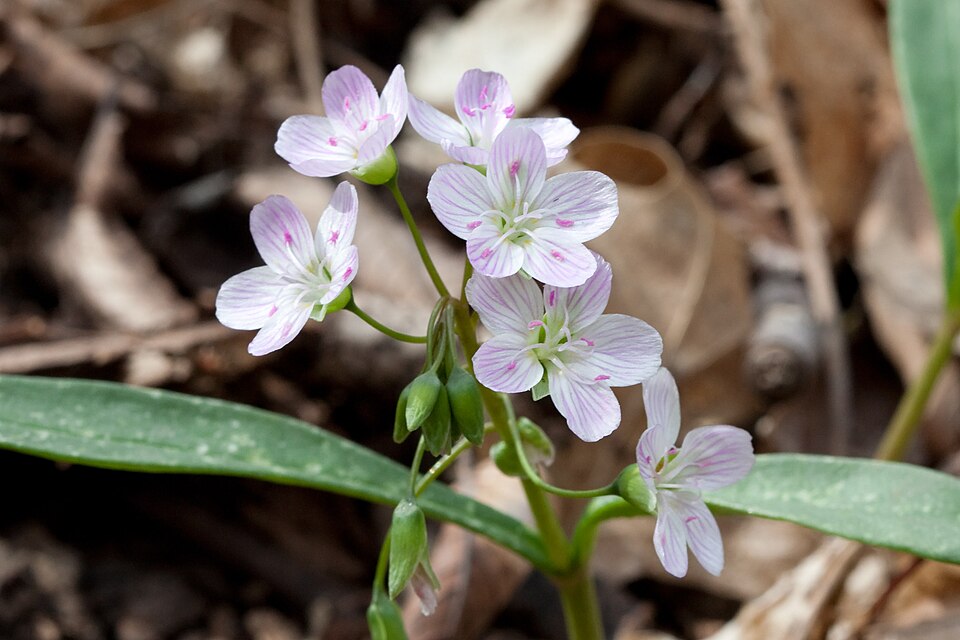
At a glance
- Life cycle
- Perennial
- Bloom
- April to June
Not yet recorded · Leaves
Recorded in 20 West Virginia counties.
Also found with this plant
Wildlife whose habitat models include habitats this plant grows in, in West Virginia. Shared habitat, not food. 114 animals.
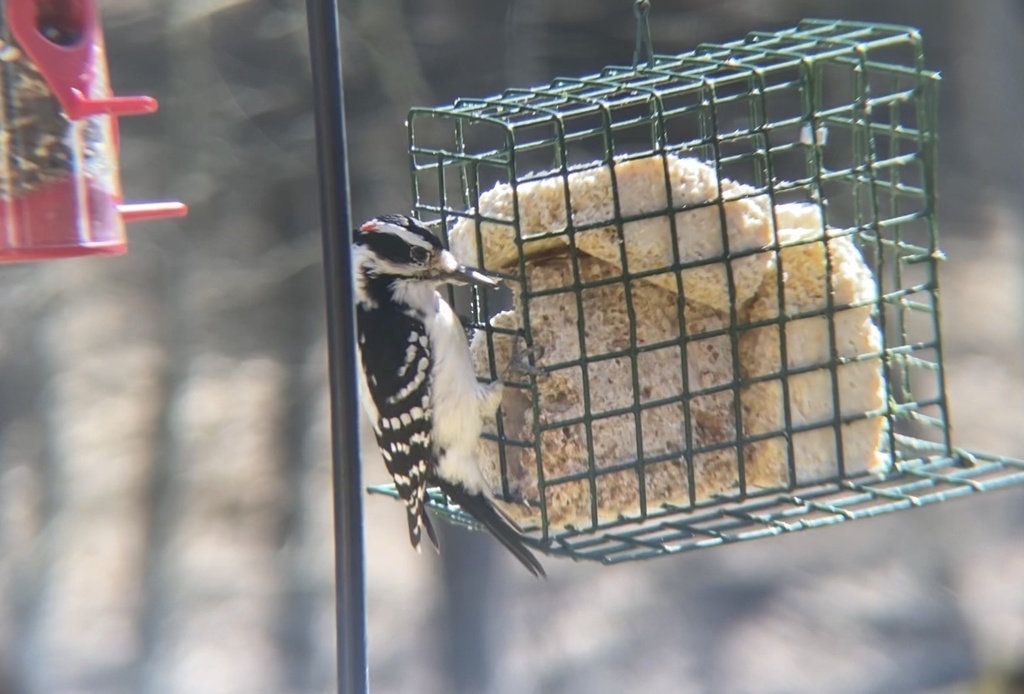
- Hairy WoodpeckerPicoides villosus
- Hermit ThrushCatharus guttatus
- Hooded MerganserLophodytes cucullatus
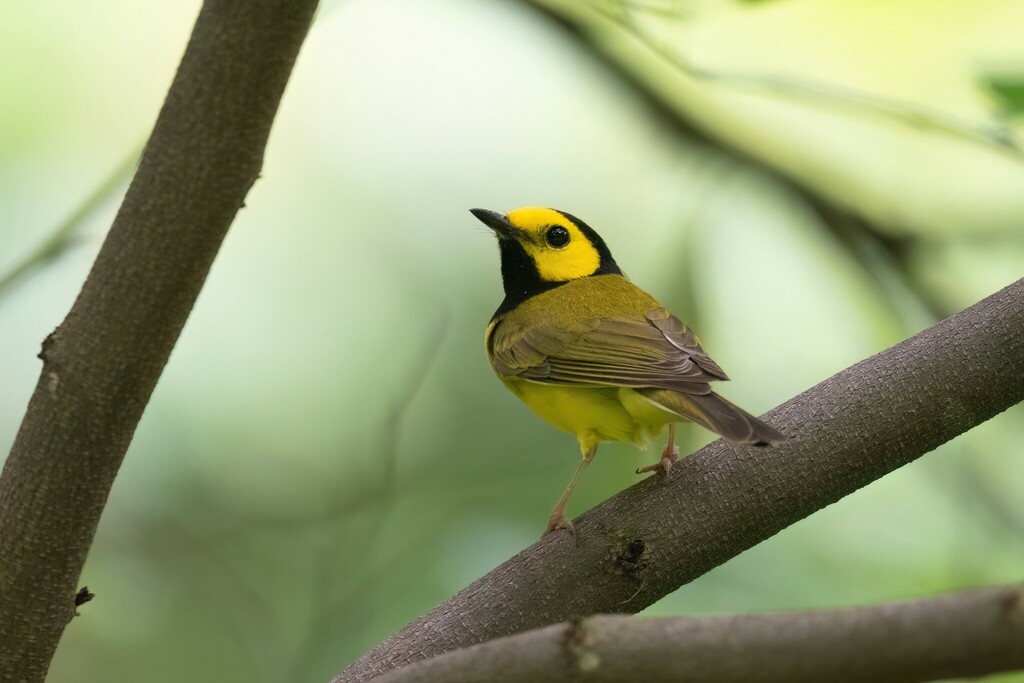
- Hooded WarblerWilsonia citrina
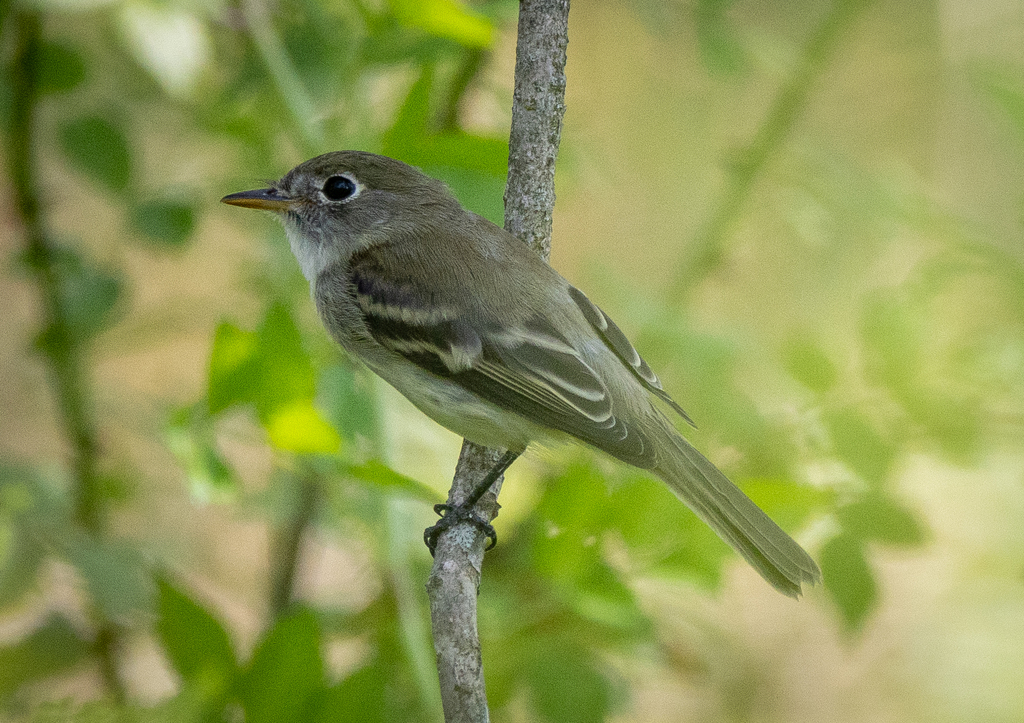
- Least FlycatcherEmpidonax minimus
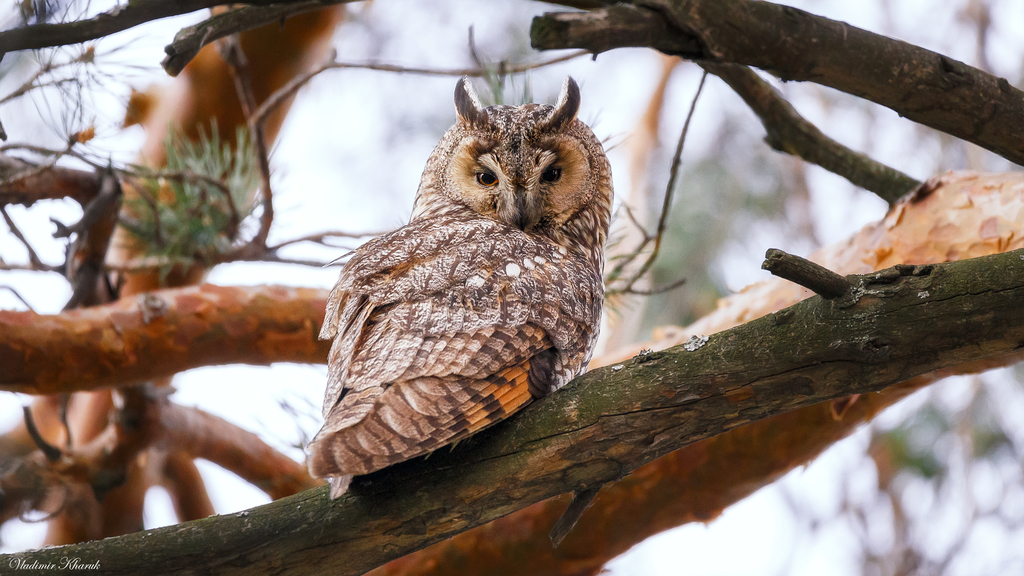
- Long-eared OwlAsio otus
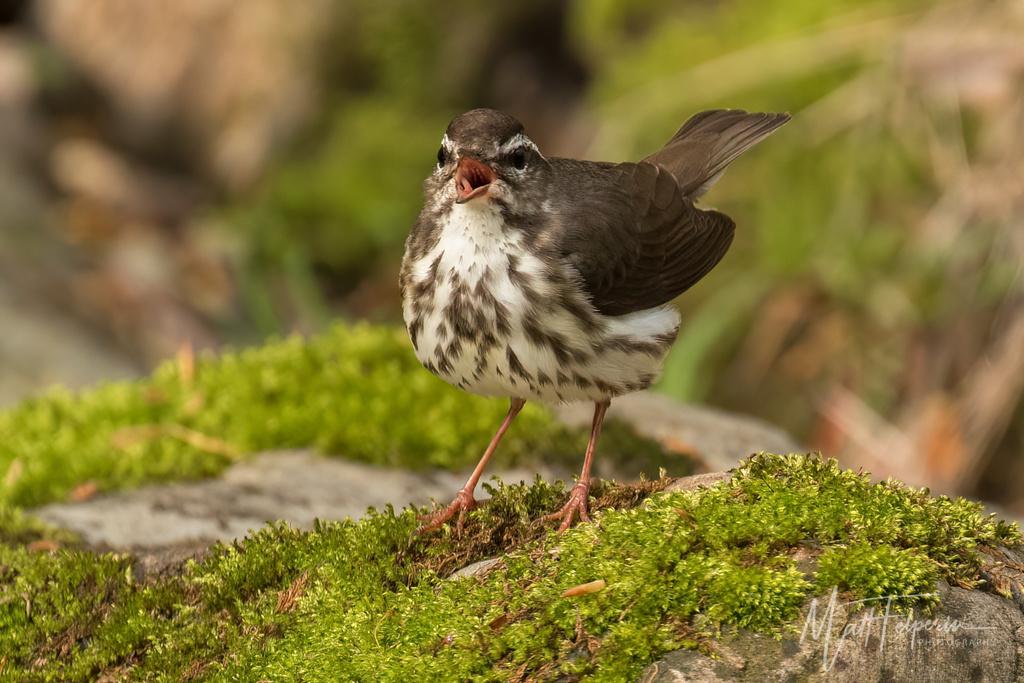
- Louisiana WaterthrushSeiurus motacilla
- Mourning DoveZenaida macroura
- Northern CardinalCardinalis cardinalis
- Northern FlickerColaptes auratus
- Northern MockingbirdMimus polyglottos
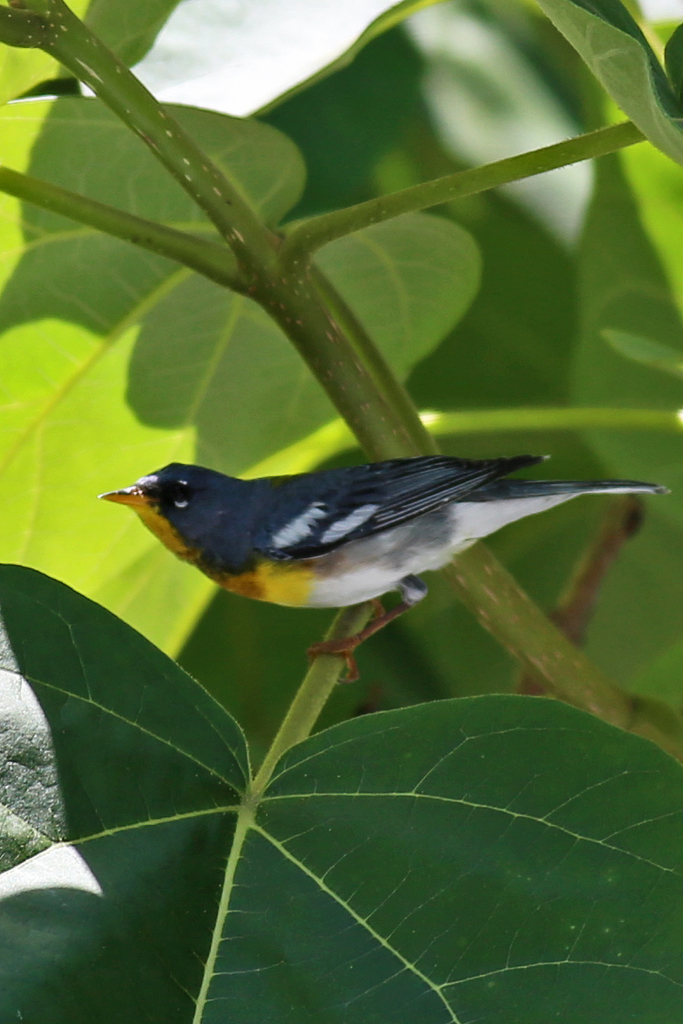
- Northern ParulaParula americana
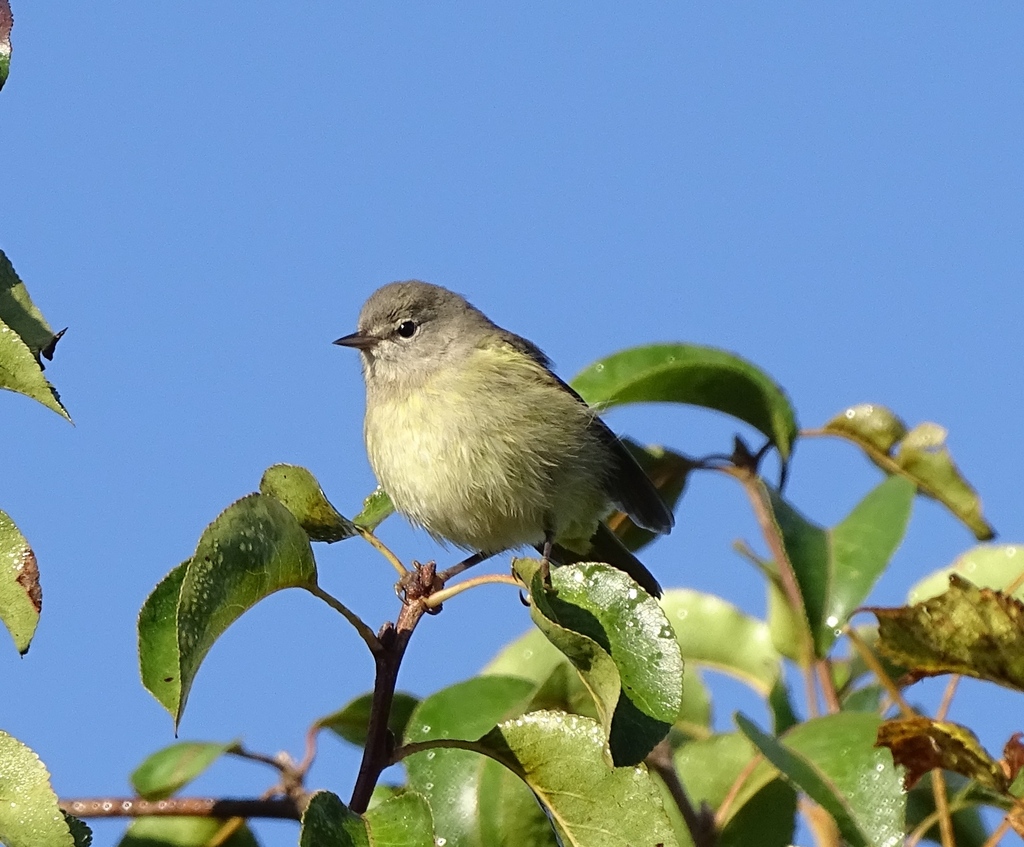
- Orange-crowned WarblerVermivora celata
- OspreyPandion haliaetus
- OvenbirdSeiurus aurocapilla
- Pileated WoodpeckerDryocopus pileatus
- Purple FinchCarpodacus purpureus
- Red-bellied WoodpeckerMelanerpes carolinus
- Red-headed WoodpeckerMelanerpes erythrocephalus
- Red-shouldered HawkButeo lineatus
- Red-tailed HawkButeo jamaicensis
- Ruby-crowned KingletRegulus calendula
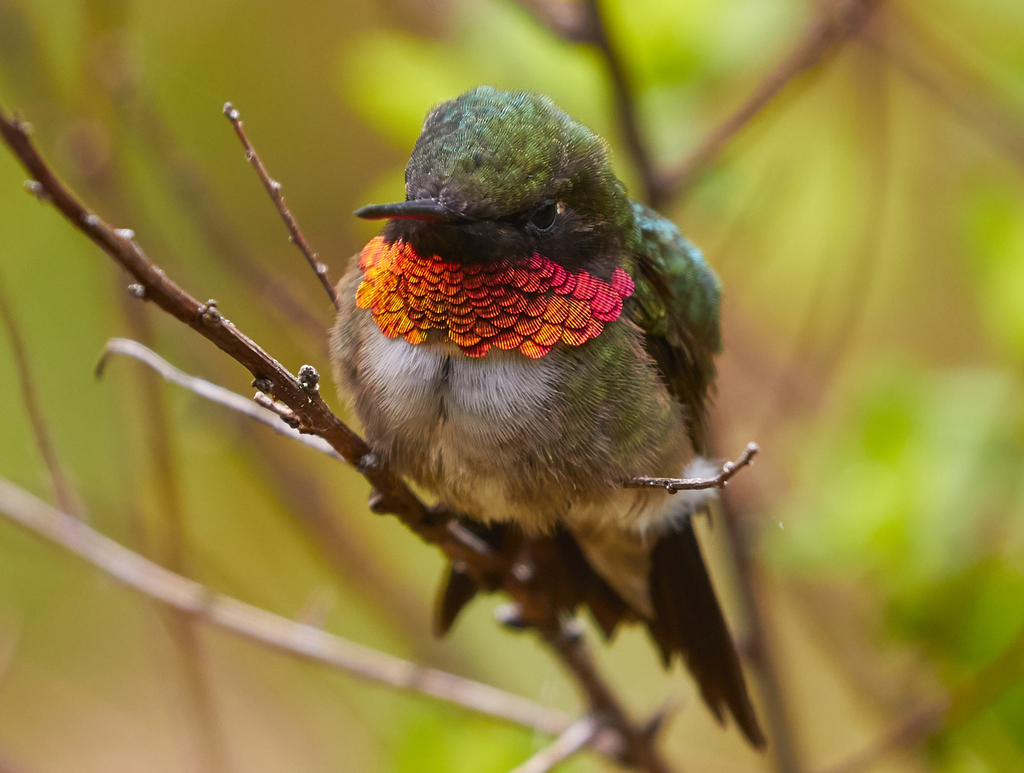
- Ruby-throated HummingbirdArchilochus colubris
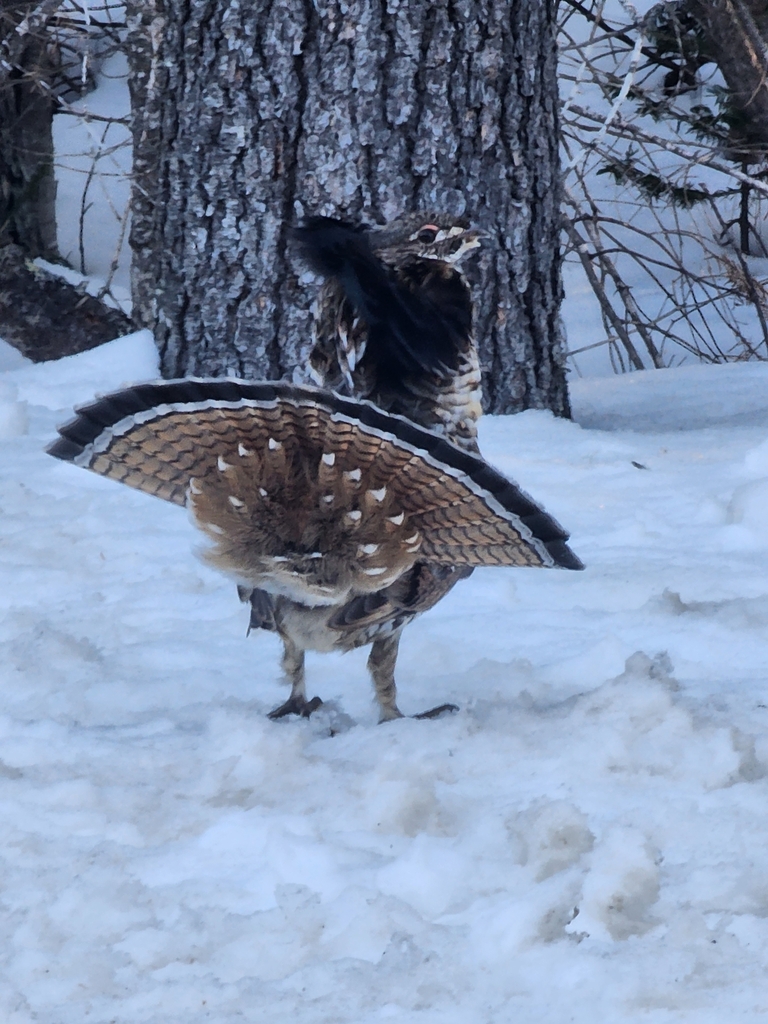
- Ruffed GrouseBonasa umbellus








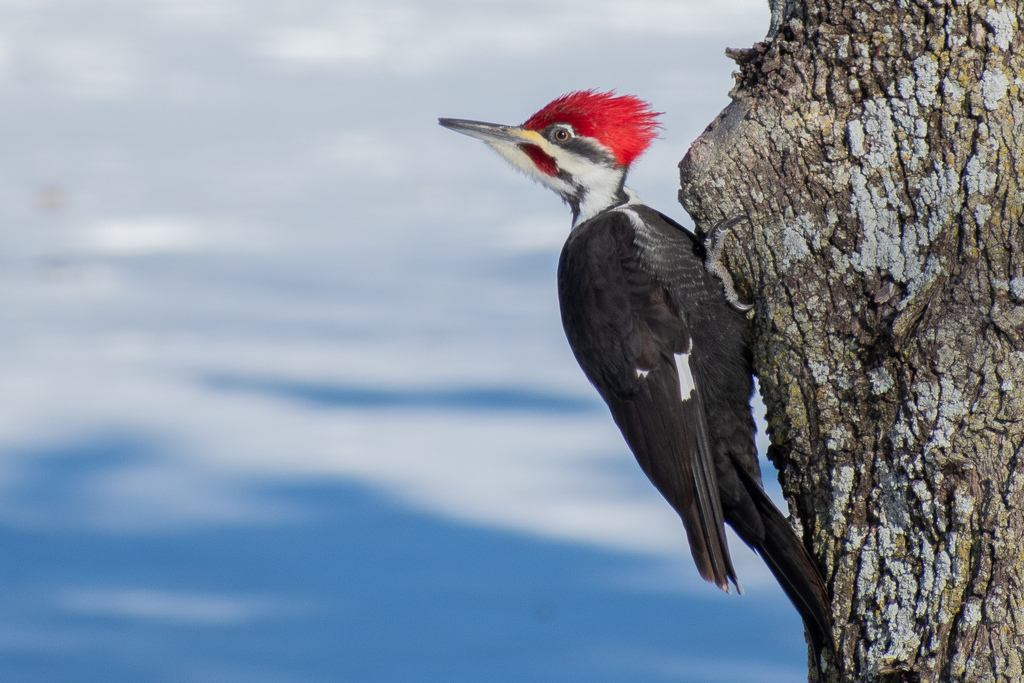

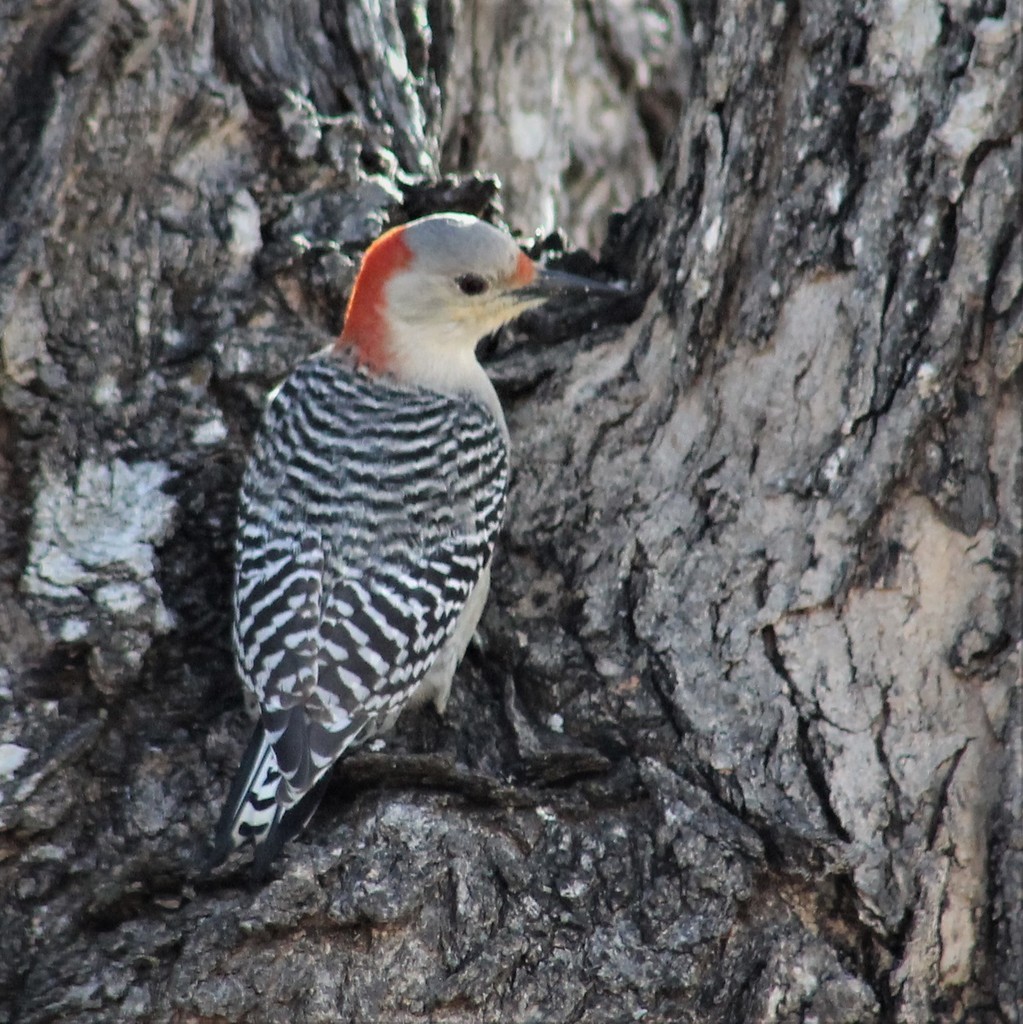
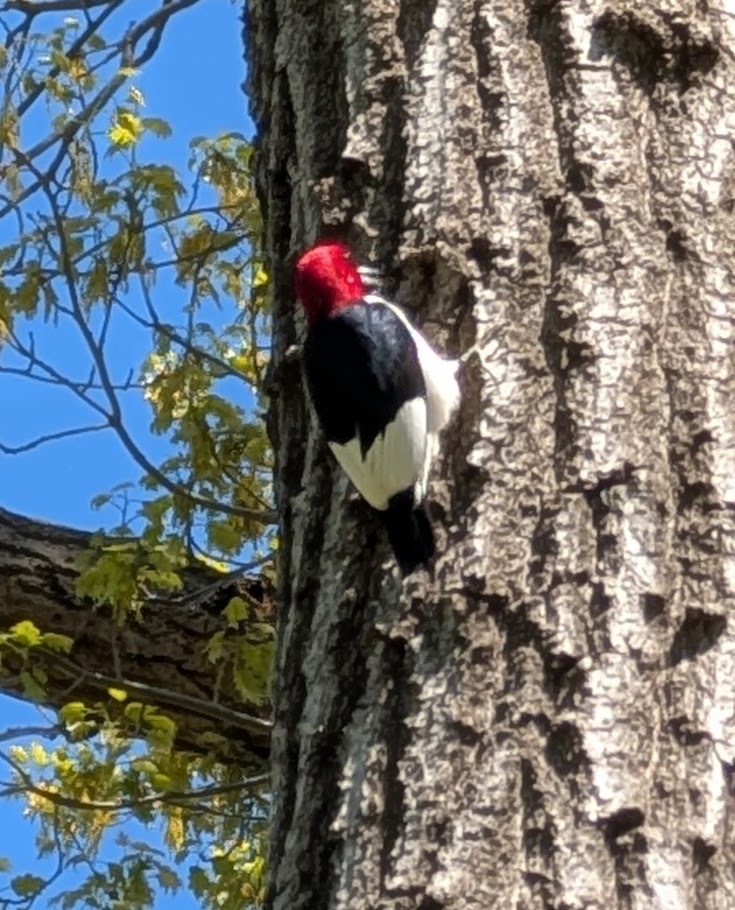
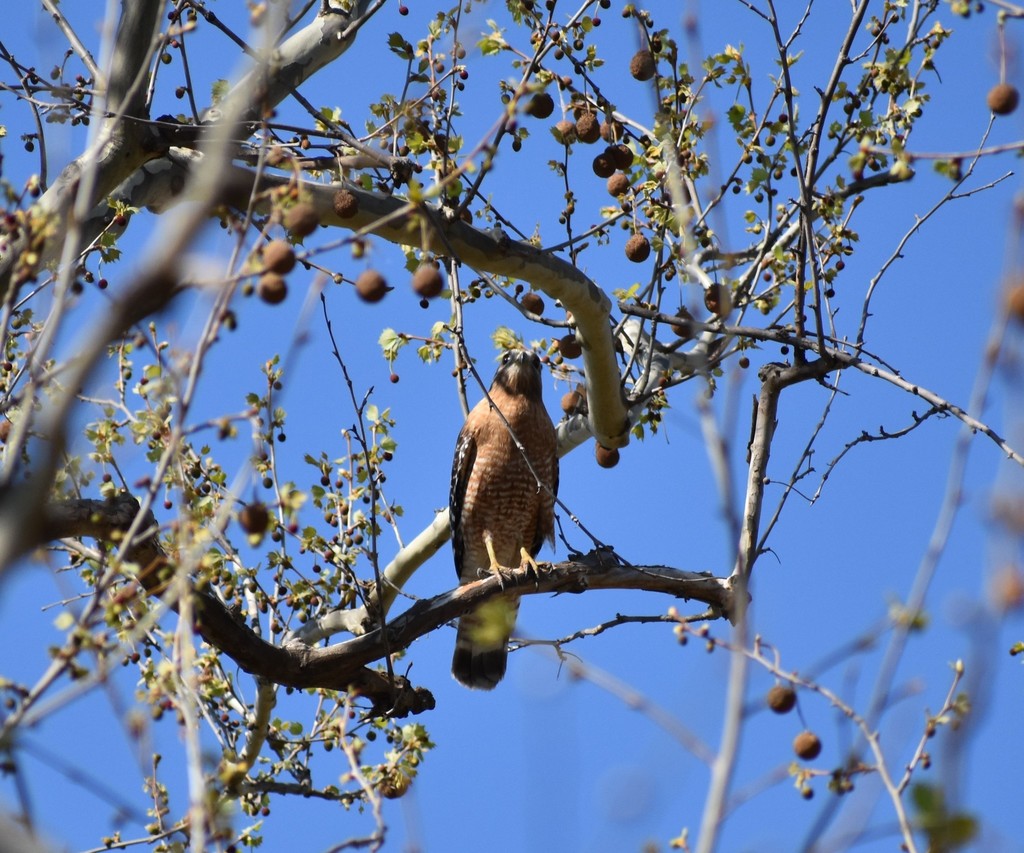



Who uses this plant?
 0CaterpillarsGenus host records with ranges including WV
 28BeesSoutheastern regional records
Southeastern regional records · Claytonia
Individual names are not available yet.
Noori, Seltmann & Orr 2026, A curated and integrated dataset for exploring global bee-plant interactions (GloBI), Zenodo, CC BY 4.0 1Specialist beesPollen specialists
 13BirdsRecorded genus food-resource interactions; not a state feeding claim
Recorded genus food-resource interactions; not a state feeding claim · Claytonia
- Callipepla californicaCalifornia Quail
- Catharus guttatusHermit Thrush
- Haemorhous mexicanusHouse Finch
- Junco hyemalisDark-eyed Junco
- Lagopus leucuraWhite-tailed Ptarmigan
- Leucosticte atrataBlack Rosy-Finch
- Melospiza melodiaSong Sparrow
- Melozone crissalisCalifornia Towhee
- Perdix perdixGray Partridge
- Pipilo maculatusSpotted Towhee
Show all 13
- Spinus psaltriaLesser Goldfinch
- Spizella passerinaChipping Sparrow
- Zonotrichia leucophrysWhite-crowned Sparrow
Direct food only: birds recorded eating this genus across North America. Caterpillars on host plants also feed nesting birds. NC Native Plant Society: butterfly gardening
Flies 16
- Calliphora erythrocephala
- Empis humilis
- Empis otiosa
- Eristalis latifrons
- Helicobia 4-setosa
- Limnophora narona
- Lucilia sylvarum
- Phormia regina
- Rhingia nasica
- Sarcophaga sinuata
Show all 16
- Sepsis violacea
- Sphaerophoria cylindrica
- Syrphus americanus
- Syrphus arcuatus
- Syrphus ribesii
- Syrphus torvus
Flower visits · Carlinville, Illinois, USA
Adult butterflies / moths 4
- Phyciodes tharos
- Pontia protodice
- Thanaos juvenalis
- Vanessa atalanta
Flower visits · Carlinville, Illinois, USA
No records yet · Ants · Beetles · Other wasps · Other insects
Plant details
- Family
- Montiaceae
- Hardiness
- Zones 3a–8b
- Soil pH
- Acidic
- Flower color
- Pink or white
What its natural habitat tells you
Safety has not been reviewed for this plant; check toxicity and thorns before planting.
Growing sources and scope
- Bloom · “April to June” · Prairie Moon 2026 Cultural Guide · Nursery cultural guide; height in flower; moisture categories retained as printed
- Flower color · “Pink or white” · NC Extension Plant Toolbox (ranked first; Prairie Moon 2026 Cultural Guide differs)
- Hardiness · “Zones 3a–8b” · NC Extension Plant Toolbox
- Height · “6–9 inches” · NC Extension Plant Toolbox (ranked first; Tennessee Smart Yards, Minnesota Wildflowers, Prairie Moon 2026 Cultural Guide differ)
- Life cycle · “Perennial” · NC Extension Plant Toolbox
- Light · “Dappled sunlight (shade through upper canopy all day); Full sun (6 or more hours of direct sunlight a day); Partial shade (direct sunlight only part of the day, 2-6 hours)” · NC Extension Plant Toolbox (ranked first; Tennessee Smart Yards, Virginia Cooperative Extension, Prairie Moon 2026 Cultural Guide differ)
- Soil · “Moist” · NC Extension Plant Toolbox (ranked first; Virginia Cooperative Extension, Prairie Moon 2026 Cultural Guide differ)
- Soil pH · “Acidic” · NC Extension Plant Toolbox
- Spread · “6–9 inches” · NC Extension Plant Toolbox
Also known as
Virginia Spring Beauty; Virginia Springbeauty
Conservation status
| West Virginia rank | S5 |
|---|---|
| Global rank | G5 |
| WV status | Not verified |
| Federal status | Not verified |
Will it fit your yard?
Check this plant against your county, sun and soil moisture. Conditions are checked in your browser.
Growing cautions
- Spreads. Spreads easily. NC State Extension Plant Toolbox
For planning only; these do not change the score or Fit.
Sources
- NatureServe Explorer
- USDA PLANTS
- Vascular Plants of North Carolina (NC Natural Heritage Program)
- West Virginia occurrence source
- Shropshire & Tallamy 2025, Lepidoptera of North America north of Mexico, ZooKeys 1261 (ODbL)
- Noori, Seltmann & Orr 2026, A curated and integrated dataset for exploring global bee-plant interactions (GloBI), Zenodo, CC BY 4.0
- Smith, Bachelder, Russell, Morales, Mosher & Seltmann 2024, Bee-Specialization-Modeling v0.6.1 (specialist host table compiled from J. Fowler's pollen specialist bee lists), Zenodo, CC BY 4.0
- Hurlbert, Olsen, Sawyer & Winner 2021, Avian Diet Database, Scientific Data 8: 260 (CC0)
- Narango, Tallamy & Shropshire 2020, Few keystone plant genera support the majority of Lepidoptera species, Nature Communications