

American Chestnut
Castanea dentata
Found in moist and dry forests. Weakley, Flora of the Southeastern United States (2025), Northern Tier edition What its natural habitat tells you
Native to West Virginia. How scores work Is it native here?
Profile 100%
- Height
- 50–75 feet
- Spread
- 50–75 feet
- Light
- Full sun, Partial shade
- Soil moisture
- Somewhat dry to moist
Space about 30 ft apart from its recorded spread. Enter your bed size for a count
Will it fit your yard?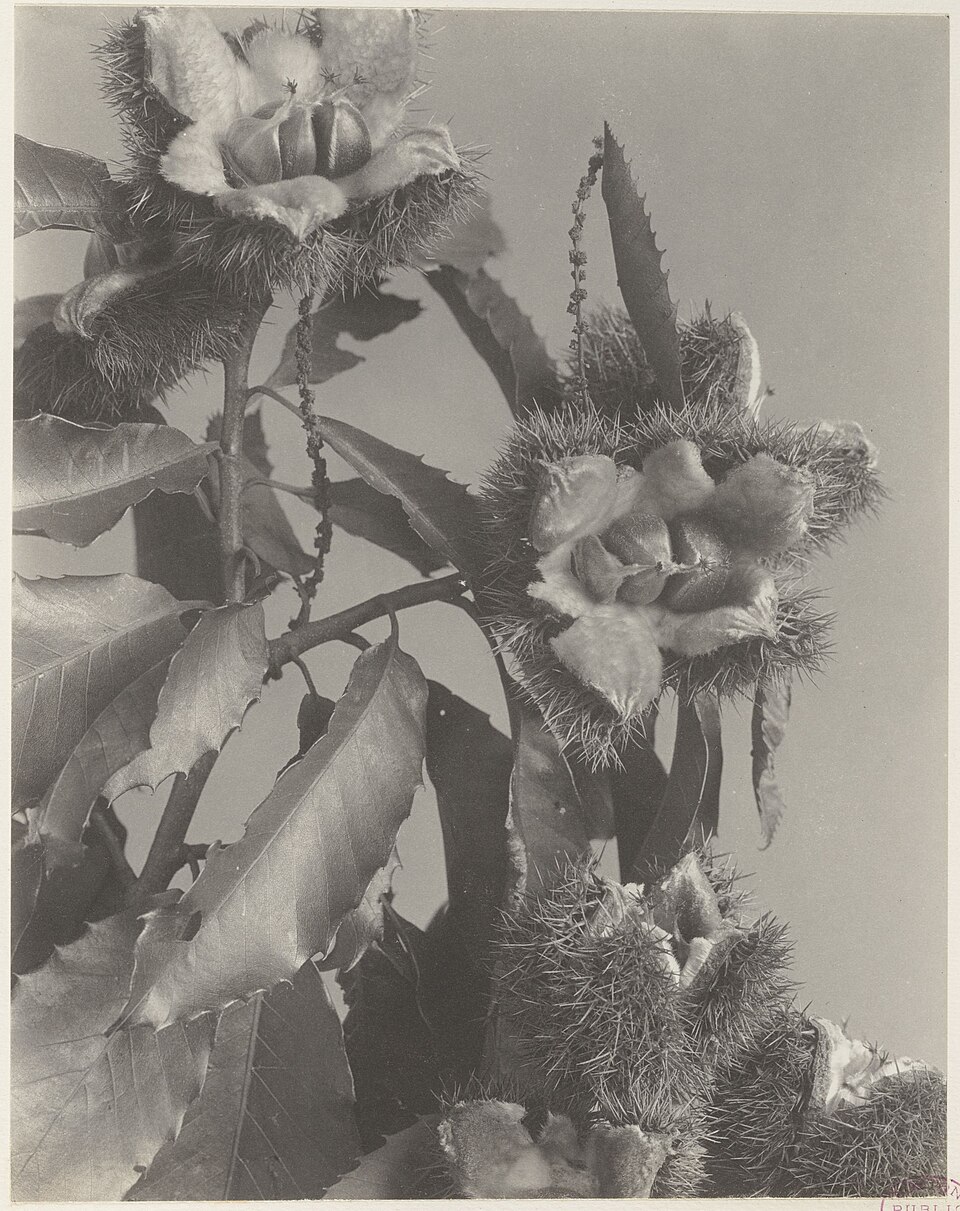
Chestnut blight. Chestnut blight usually kills it back to stump sprouts and small trees at about the size of first fruiting. Plant caution source
At a glance
- Life cycle
- Woody perennial
- Leaves
- Deciduous
- Bloom
- Summer
- Fruiting season
- September to October
Recorded in 19 West Virginia counties.
Natural habitats
Places it grows wild. Not a planting requirement. Each habitat page lists the plants and wildlife also found there.
Forests and open woodlands on dry ridges and slopes, often oak or pine.
Also found with this plant
Wildlife whose habitat models include habitats this plant grows in, in West Virginia. Shared habitat, not food. 128 animals.
- Hairy WoodpeckerPicoides villosus
- Hermit ThrushCatharus guttatus
- Hooded MerganserLophodytes cucullatus
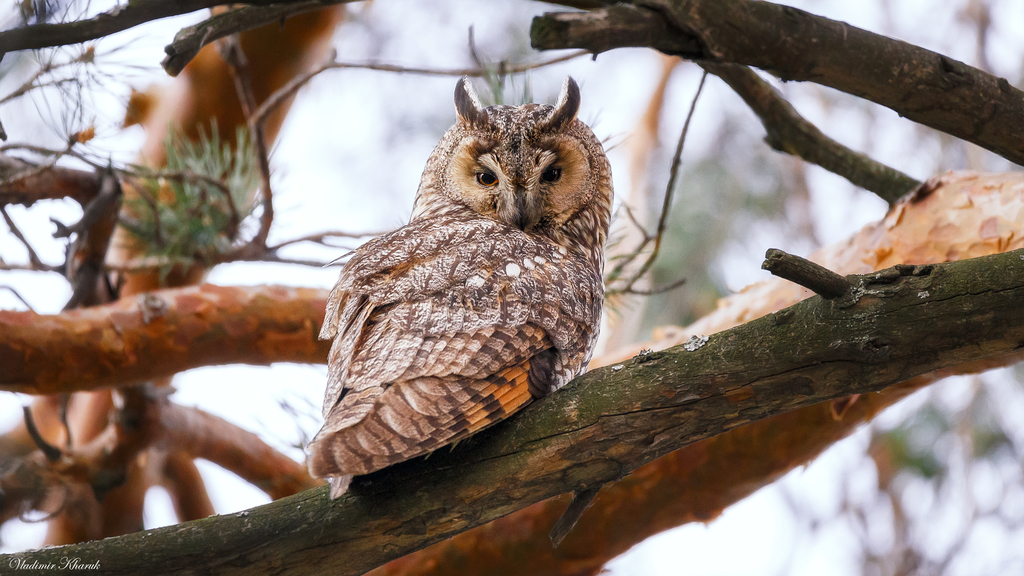
- Long-eared OwlAsio otus
- Mourning DoveZenaida macroura
- Northern FlickerColaptes auratus
- Northern MockingbirdMimus polyglottos
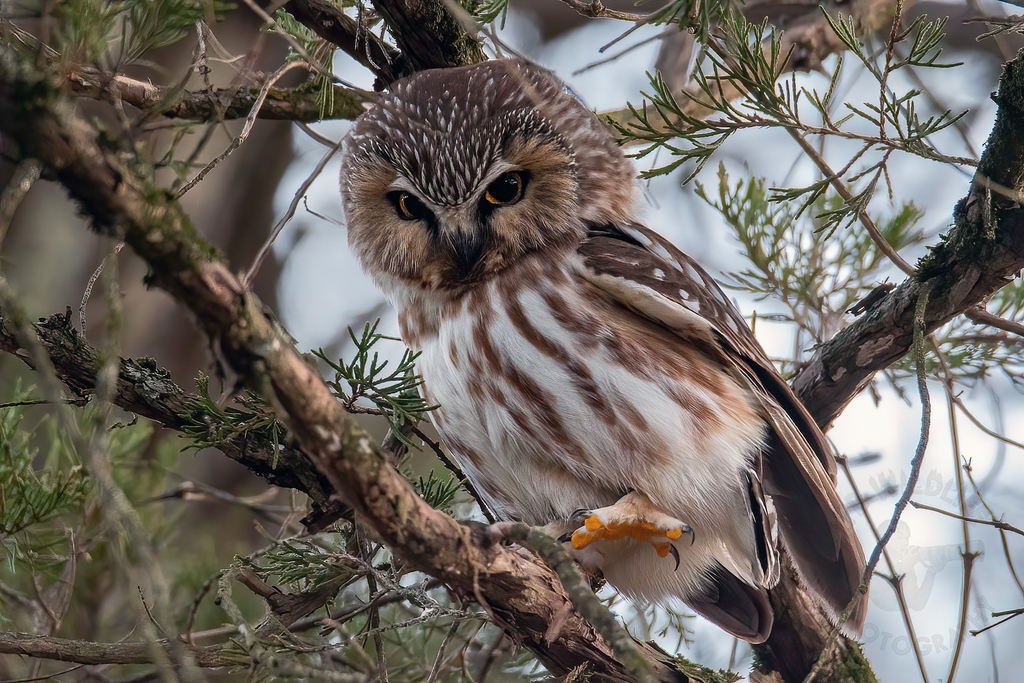
- Northern Saw-whet OwlAegolius acadicus
- OspreyPandion haliaetus
- Pileated WoodpeckerDryocopus pileatus
- Pine SiskinCarduelis pinus
- Purple FinchCarpodacus purpureus
- Red-breasted NuthatchSitta canadensis
- Red-tailed HawkButeo jamaicensis
- Ruby-crowned KingletRegulus calendula
- Ruffed GrouseBonasa umbellus
- Sharp-shinned HawkAccipiter striatus
- Spotted SandpiperActitis macularius
- Tufted TitmouseBaeolophus bicolor
- Turkey VultureCathartes aura
- Yellow-bellied SapsuckerSphyrapicus varius
- Yellow-breasted ChatIcteria virens
- Yellow-rumped WarblerDendroica coronata
- American CrowCorvus brachyrhynchos
























Who uses this plant?
 110CaterpillarsGenus host records with ranges including WV
Genus host records with ranges including WV · Castanea
- Acharia stimuleaSaddleback Caterpillar Moth
- Acronicta americanaAmerican Dagger
- Acronicta incretaSouthern Oak Dagger, Eclipsed Oak Dagger, Small Oak Dagger
- Acronicta lithospilaStreaked Dagger
- Acronicta ovataOvate Dagger, Epauleted Oak Dagger
- Actias lunaLuna Moth
- Adoneta spinuloidesPurple-Crested Slug
- Alsophila pometariaFall Cankerworm Moth
- Amorbia humerosanaWhite-Lined Leafroller Moth
- Amphipyra pyramidoidesMiranda Underwing, Copper Underwing, Copper Amphipyra
Show all 110
- Ancylis divisanaTwo-Toned Ancylis
- Anisota peigleriPeigler's Oakworm Moth
- Anisota senatoriaOrange-Tipped Oakworm Moth, Orangestriped Oakworm
- Anisota stigmaSpiny Oakworm Moth, Stigma Moth
- Anisota virginiensisPink-striped Oakworm Moth
- Antheraea polyphemusPolyphemus Moth
- Apantesis phylliraPhyllira Tiger Moth
- Argyrotaenia marianaGray-Banded Leafroller Moth
- Biston betulariaSalt-and-Pepper Geometer, Cleft-Headed Looper
- Blastobasis glandulellaAcorn Moth
- Catocala palaeogamaOldwife Underwing
- Cecrita guttivittaMaple Prominent, Saddled Prominent
- Celypha nr.Celypha Moth
- Cleora sublunariaDouble-Lined Gray
- Colocasia propinquilineaClosebanded Yellowhorn
- Coptotriche citrinipennellaOakleaf Edgeminer
- Cydia latiferreanaFilbertworm
- Dasychira dorsipennataSharp-Lined Tussock Moth
- Datana contractaContracted Datana
- Datana ministraYellow-Necked Caterpillar Moth
- Dichomeris ligulellaPalmerworm
- Dyseriocrania griseocapitellaChinquapin Leaf-Miner
- Eacles imperialisImperial Moth, Imperial Spiny Caterpillar
- Ennomos magnariaMaple Spanworm Moth, Notchwing Geometer
- Ennomos subsignariaElm Spanworm Moth
- Euchlaena obtusariaObtuse Euchlaena
- Euclea delphiniiSpiny Oak-Slug Moth
- Eutrapela clematariaCurved-Tooth Geometer, Purplish Brown Looper
- Gesta brizoSleepy Duskywing
- Halysidota tessellarisBanded Tussock Moth, Pale Tiger Moth
- Hyalophora cecropiaCecropia Silkmoth, Cecropia Moth
- Hyperstrotia villificansWhite-Lined Graylet
- Hyphantria cuneaFall Webworm
- Ianassa lignicolorWhite-Streaked Prominent
- Isa textulaCrowned Slug
- Lambdina fervidariaCurve-Lined Looper Moth
- Lambdina fiscellariaHemlock Looper, Western Oak Looper
- Lithacodes fasciolaYellow-Shouldered Slug
- Lithophane laticinereaBroad Ashen Pinion, Russet Spotted Pinion, Triple-Spotted Pinion
- Lochmaeus manteoVariable Oakleaf Caterpillar Moth
- Lophocampa caryaeHickory Tussock Moth, Hickory Tiger Moth
- Machimia tentoriferellaGold-Striped Leaftier Moth
- Macrurocampa marthesiaMottled Prominent
- Mompha cephalonthiellaButtonbush Leafminer
- Morrisonia confusaConfused Woodgrain
- Nadata gibbosaWhite-Dotted Prominent
- Natada nasoniNason's Slug Moth
- Nematocampa resistariaFilament Bearer, Horned Spanworm Moth
- Neurobathra strigifinitellaFinite-Channeled Leafminer
- Oedemasia concinnaRed-Humped Caterpillar, Red-Humped Appleworm
- Oedemasia leptinoidesBlack-Blotched Schizura
- Orgyia leucostigmaWhite-Marked Tussock Moth
- Orthosia rubescensRuby Quaker
- Packardia elegansElegant Tailed Slug
- Paleacrita vernataSpring Cankerworm Moth
- Palthis angulalisDark-Spotted Palthis
- Pandemis limitataThree-Lined Leafroller Moth
- Paonias excaecataBlinded Sphinx, Blind Eyed Sphinx
- Paranthrene simulansHornet Clearwing, Golden Oak Borer
- Parasa chlorisSmaller Parasa, Green Slug Moth
- Parasa indeterminaStinging Rose Caterpillar Moth, Rose Slug Caterpillar
- Peridea angulosaAngulose Prominent
- Phigalia strigatariaSmall Phigalia, Small Oak Looper
- Phobetron pitheciumHag Moth, Monkey Slug
- Plagodis alcoolariaHollow-Spotted Plagodis
- Plagodis fervidariaFervid Plagodis
- Pleuroprucha insulsariaCommon Tan Wave
- Prionoxystus macmurtreiLittle Carpenterworm, Lesser Oak Carpenter Worm
- Prionoxystus robiniaeCarpenterworm Moth, Black Locust Borer, Cottonwood Borer
- Probole amicariaFriendly Probole
- Prolimacodes badiaSkiff Moth, Skiff Caterpillar
- Pseudexentera spolianaBare-Patched Leafroller
- Psilocorsis cryptolechiellaBlack-Fringed Leaftier
- Psilocorsis quercicellaOak Leaftier
- Satyrium calanusBanded Hairstreak, Falacer Hairstreak
- Satyrium caryaevorusHickory Hairstreak
- Satyrium liparopsStriped Hairstreak
- Schizura ipomaeaeMorning-Glory Prominent, Checkered-Fringe Prominent
- Scolecocampa liburnaDead-Wood Borer
- Spilosoma virginicaVirginian Tiger Moth, Yellow Woolybear Moth, Yellow Bear
- Symmerista albifronsWhite-Headed Prominent
- Symmerista canicostaRed-Humped Oakworm
- Synanthedon pictipesLesser Peachtree Borer Moth
- Synanthedon scitulaDogwood Borer, Pecan Borer
- Synchlora aerataWavy-Lined Emerald, Camouflaged Looper
- Tetracis crocallataYellow Slant-Line
- Thyridopteryx ephemeraeformisEvergreen Bagworm Moth
- Tischeria quercitellaOak Blotch Miner
- Tortricidia flexuosaAbbreviated Button Slug Moth
- Tortricidia testaceaEarly Button Slug
- Coptotriche castaneaeella
- Coptotriche fuscomarginella
- Coptotriche zelleriella
- Dichomeris ventrellus
- Menesta tortriciformella
- Pseudexentera faracana
- Pseudexentera haracana
- Stigmella macrocarpae
- Stigmella saginella
- Zimmermannia bosquella
 5BeesSoutheastern regional records
Southeastern regional records · Castanea
Individual names are not available yet.
Noori, Seltmann & Orr 2026, A curated and integrated dataset for exploring global bee-plant interactions (GloBI), Zenodo, CC BY 4.0 1Specialist beesPollen specialists
 1BirdsRecorded genus food-resource interactions; not a state feeding claim
Recorded genus food-resource interactions; not a state feeding claim · Castanea
- Catharus guttatusHermit Thrush
Direct food only: birds recorded eating this genus across North America. Caterpillars on host plants also feed nesting birds. NC Native Plant Society: butterfly gardening
No records yet · Ants · Beetles · Flies · Adult butterflies / moths · Other wasps · Other insects
Plant details
- Family
- Fagaceae
- Hardiness
- Zones 5a–8b
- Soil pH
- Acidic
- Flower color
- Yellow or white
- Growth rate
- Rapid
- Growth habit
- Single stem
- Foliage color
- Yellow-green
- Fruit begins
- September
- Fruit ends
- October
Growing sources and scope
- Bloom · “Summer” · NC Extension Plant Toolbox (ranked first; Weakley, Flora of the Southeastern United States (2025), Carolinas & Georgia edition, USDA PLANTS differ)
- Flower color · “Yellow or white” · NC Extension Plant Toolbox (ranked first; USDA PLANTS, Lady Bird Johnson Wildflower Center differ)
- Foliage color · “Yellow-green” · USDA PLANTS · Nationwide species characteristics; local growing conditions may vary
- Fruit begins · “September” · Weakley, Flora of the Southeastern United States (2025), Carolinas & Georgia edition (ranked first; USDA PLANTS differs) · Carolinas and Georgia
- Fruit ends · “October” · Weakley, Flora of the Southeastern United States (2025), Carolinas & Georgia edition (ranked first; USDA PLANTS differs) · Carolinas and Georgia
- Growth habit · “Single stem” · USDA PLANTS · Nationwide species characteristics; local growing conditions may vary
- Growth rate · “Rapid” · USDA PLANTS · Nationwide species characteristics; local growing conditions may vary
- Hardiness · “Zones 5a–8b” · NC Extension Plant Toolbox
- Height · “50–75 feet” · NC Extension Plant Toolbox (ranked first; USDA PLANTS, Lady Bird Johnson Wildflower Center differ)
- Leaves · “Deciduous” · NC Extension Plant Toolbox
- Life cycle · “Woody perennial” · NC Extension Plant Toolbox (ranked first; Lady Bird Johnson Wildflower Center differs)
- Light · “Full sun (6 or more hours of direct sunlight a day); Partial shade (direct sunlight only part of the day, 2-6 hours)” · NC Extension Plant Toolbox (ranked first; Tennessee Smart Yards, Lady Bird Johnson Wildflower Center differ)
- Soil · “Good drainage; Moist; Occasionally dry” · NC Extension Plant Toolbox (ranked first; Tennessee Smart Yards, Lady Bird Johnson Wildflower Center differ)
- Soil pH · “Acidic” · NC Extension Plant Toolbox
- Spread · “50–75 feet” · NC Extension Plant Toolbox
Conservation status
| West Virginia rank | S3 |
|---|---|
| Global rank | G3 |
| WV status | Not verified |
| Federal status | Not verified |
Will it fit your yard?
Check this plant against your county, sun and soil moisture. Conditions are checked in your browser.
Sources
- NatureServe Explorer
- USDA PLANTS
- Vascular Plants of North Carolina (NC Natural Heritage Program)
- Weakley, Flora of the Southeastern United States (2025), Carolinas & Georgia edition
- West Virginia occurrence source
- Shropshire & Tallamy 2025, Lepidoptera of North America north of Mexico, ZooKeys 1261 (ODbL)
- Noori, Seltmann & Orr 2026, A curated and integrated dataset for exploring global bee-plant interactions (GloBI), Zenodo, CC BY 4.0
- Smith, Bachelder, Russell, Morales, Mosher & Seltmann 2024, Bee-Specialization-Modeling v0.6.1 (specialist host table compiled from J. Fowler's pollen specialist bee lists), Zenodo, CC BY 4.0
- Hurlbert, Olsen, Sawyer & Winner 2021, Avian Diet Database, Scientific Data 8: 260 (CC0)
- Narango, Tallamy & Shropshire 2020, Few keystone plant genera support the majority of Lepidoptera species, Nature Communications