

Whitetinge Sedge
Carex albicans
Native to West Virginia. How scores work Is it native here?
Profile 82%
- Height
- Up to about 1.5 feet
- Spread
- 1–1.5 feet
- Light
- Part shade, Shade
- Soil moisture
- Dry
Space about 1 ft apart from its recorded spread, about 100 per 100 sq ft. Enter your bed size for a count
Will it fit your yard?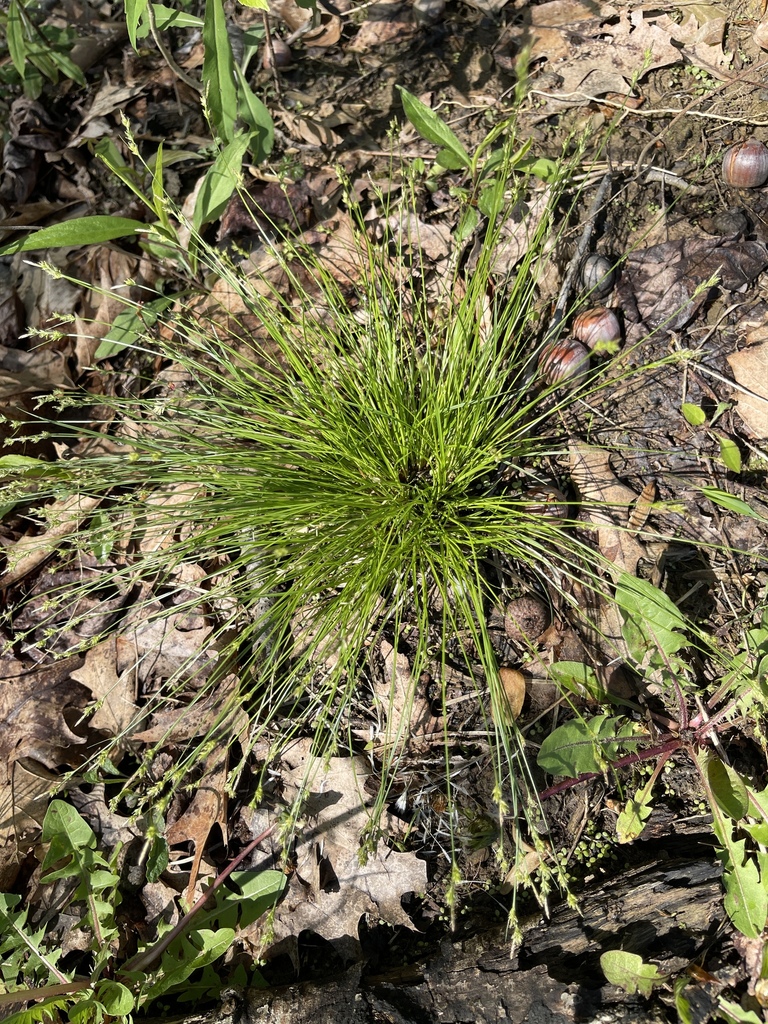
At a glance
- Life cycle
- Perennial
Not yet recorded · Leaves · Bloom
This plant is missing most of its facts, so Quercus is looking them up in old botany books.
Recorded in 7 West Virginia counties.
Also found with this plant
Wildlife whose habitat models include habitats this plant grows in, in West Virginia. Shared habitat, not food. 101 animals.
- Acadian FlycatcherEmpidonax virescens
- Alder FlycatcherEmpidonax alnorum
- American CrowCorvus brachyrhynchos
- American GoldfinchCarduelis tristis
- American KestrelFalco sparverius
- American RedstartSetophaga ruticilla
- American RobinTurdus migratorius
- American WoodcockScolopax minor
- Bald EagleHaliaeetus leucocephalus
- Baltimore OrioleIcterus galbula
- Barred OwlStrix varia
- Belted KingfisherMegaceryle alcyon
- Black VultureCoragyps atratus
- Black-and-White WarblerMniotilta varia
- Black-billed CuckooCoccyzus erythropthalmus
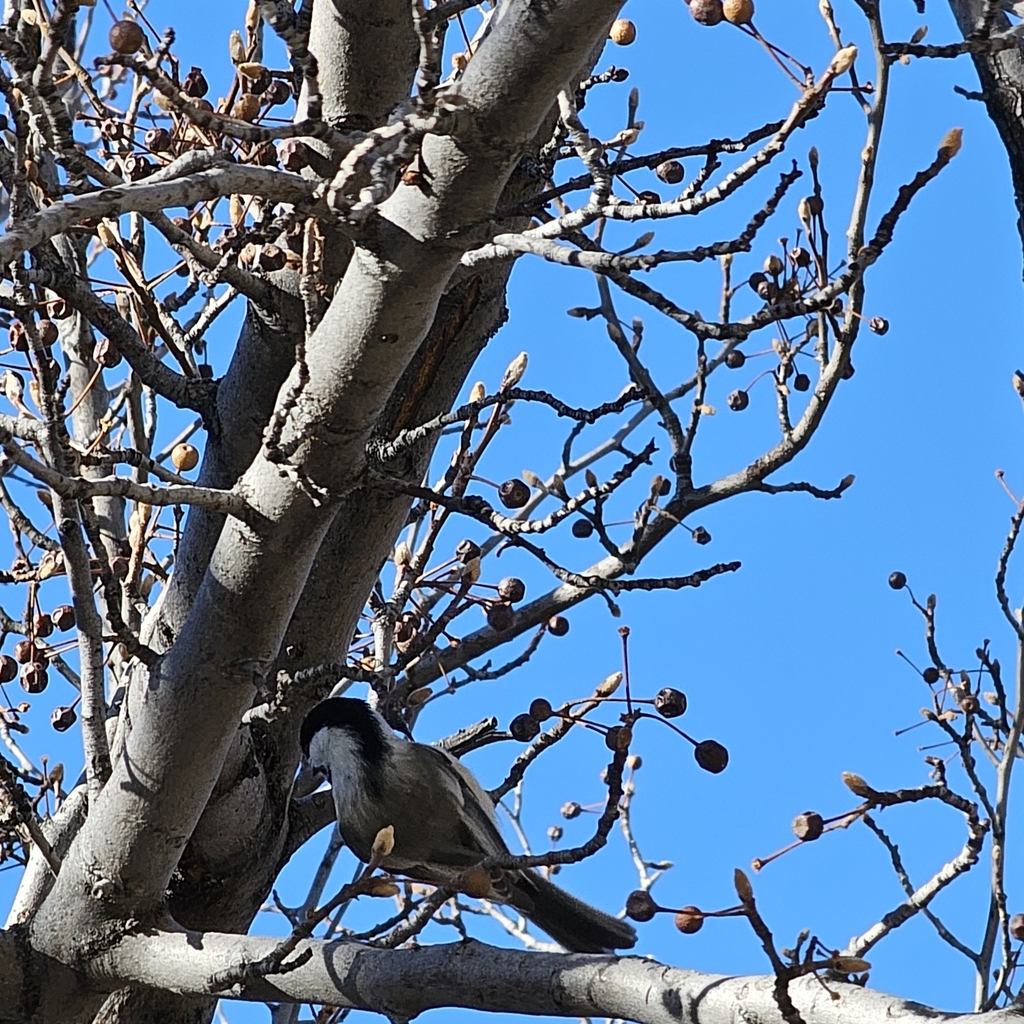
- Black-capped ChickadeePoecile atricapillus
- Black-throated Blue WarblerDendroica caerulescens
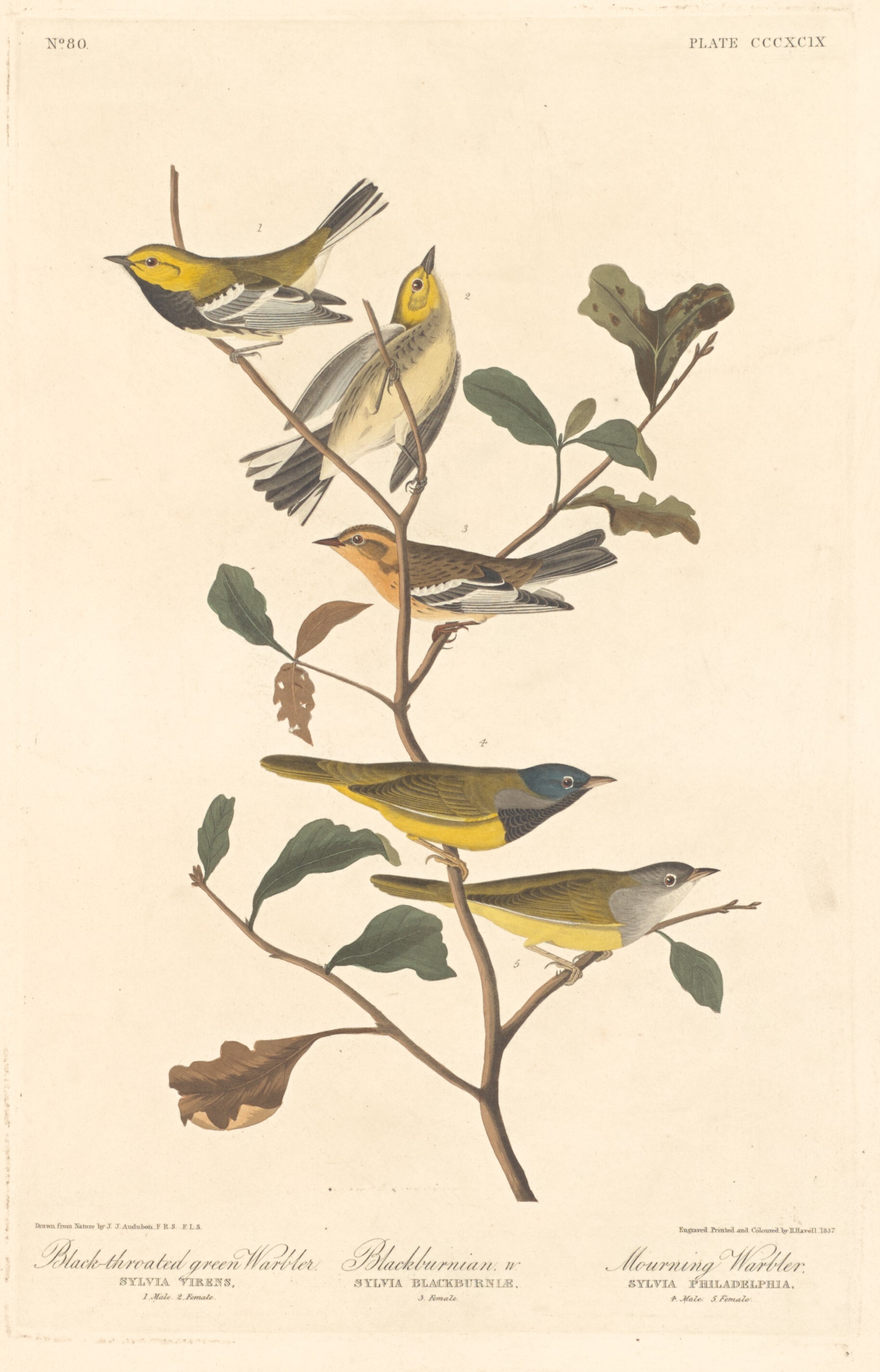
- Black-throated Green WarblerDendroica virens
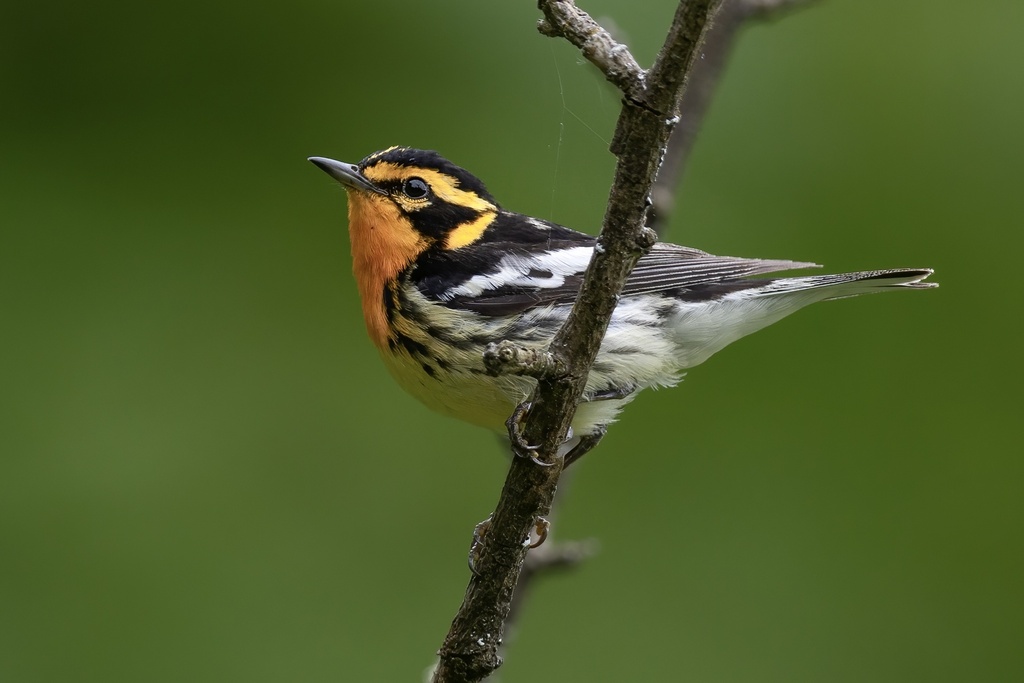
- Blackburnian WarblerDendroica fusca
- Blue GrosbeakPasserina caerulea
- Blue JayCyanocitta cristata
- Blue-gray GnatcatcherPolioptila caerulea
- Blue-headed VireoVireo solitarius
- Broad-winged HawkButeo platypterus





















Who uses this plant?
 23CaterpillarsGenus host records with ranges including WV
Genus host records with ranges including WV · Carex
- Acronicta insularisHenry's Marsh Moth, Cattail Caterpillar
- Amolita roseolaPink Sedge Moth, Rosy Grass Moth
- Amphipoea americanaAmerican Ear Moth, American Borer
- Anatrytone loganDelaware Skipper, Logan Skipper, Black-Vein Skipper
- Apamea sordensBordered Apamea, Rustic Shoulder-Knot
- Cercyonis pegalaCommon Wood Nymph
- Ctenucha virginicaVirginia Ctenucha
- Deltote belliculaBurnished Bog Moth, Bog Deltote, Bog Lithacodia
- Euphyes bimaculaTwo-Spotted Skipper, Two-Spotted Sedge Skipper
- Euphyes vestrisDun Skipper, Dun Sedge Skipper, Sedge Witch)\
Show all 23
- Hesperia leonardusLeonard's Skipper, Blazing Star Skipper, Pawnee Prairie Skipper, Pawnee Montane Skipper
- Lethe appalachiaAppalachian Brown, Appalachian Eyed Brown
- Leucania phragmitidicolaNeedle Wainscot, Phragmites Wainscot
- Limochores mysticLong Dash
- Loscopia velataVeiled Ear Moth, Veiled Grass Moth
- Macrochilo absorptalisSlant-Lined Owlet; Slant-Lined Fan-foot
- Maliattha synochitisBlack-Dotted Lithacodia, Black-Dotted Glyph, Brass-Dotted Grass Moth
- Meropleon diversicolorMulticolored Sedgeminer
- Mythimna oxygalaLesser Wainscot
- Papaipema nebrisStalk Borer
- Pseudeustrotia carneolaPink-Barred Lithacodia, Pink-Barred Pseudeustrotia
- Spodoptera frugiperdaFall Armyworm Moth
- Elachista cucullata
 1BeesSoutheastern regional records
Southeastern regional records · Carex
Individual names are not available yet.
Noori, Seltmann & Orr 2026, A curated and integrated dataset for exploring global bee-plant interactions (GloBI), Zenodo, CC BY 4.0 0Specialist beesPollen specialists
 50BirdsRecorded genus food-resource interactions; not a state feeding claim
Recorded genus food-resource interactions; not a state feeding claim · Carex
- Acanthis flammeaCommon Redpoll
- Agelaius phoeniceusRed-winged Blackbird
- Ammospiza leconteiiLeConte's Sparrow
- Anas acutaNorthern Pintail
- Anas creccaGreen-winged Teal
- Anas platyrhynchosMallard
- Anas rubripesAmerican Black Duck
- Anser albifronsGreater White-fronted Goose
- Anser caerulescensSnow Goose
- Anser rossiiRoss's Goose
Show all 50
- Anthus rubescensAmerican Pipit
- Anthus spragueiiSprague's Pipit
- Bonasa umbellusRuffed Grouse
- Branta canadensisCanada Goose
- Calcarius lapponicusLapland Longspur
- Calcarius ornatusChestnut-collared Longspur
- Calcarius pictusSmith's Longspur
- Callipepla californicaCalifornia Quail
- Cardinalis cardinalisNorthern Cardinal
- Centrocercus urophasianusGreater Sage-Grouse
- Colinus virginianusNorthern Bobwhite
- Cygnus buccinatorTrumpeter Swan
- Cygnus columbianusTundra Swan
- Dendragapus obscurusDusky Grouse
- Falcipennis canadensisSpruce Grouse
- Fulica americanaAmerican Coot
- Haemorhous mexicanusHouse Finch
- Junco hyemalisDark-eyed Junco
- Lagopus lagopusWillow Ptarmigan
- Lagopus leucuraWhite-tailed Ptarmigan
- Lagopus mutaRock Ptarmigan
- Leucosticte atrataBlack Rosy-Finch
- Mareca americanaAmerican Wigeon
- Meleagris gallopavoWild Turkey
- Melospiza melodiaSong Sparrow
- Molothrus aterBrown-headed Cowbird
- Pheucticus ludovicianusRose-breasted Grosbeak
- Pinicola enucleatorPine Grosbeak
- Pipilo maculatusSpotted Towhee
- Plectrophenax nivalisSnow Bunting
- Pooecetes gramineusVesper Sparrow
- Porzana carolinaSora
- Rallus limicolaVirginia Rail
- Rhynchophanes mccowniiMcCown's Longspur
- Spatula discorsBlue-winged Teal
- Spinus psaltriaLesser Goldfinch
- Spizella passerinaChipping Sparrow
- Spizelloides arboreaAmerican Tree Sparrow
- Zonotrichia atricapillaGolden-crowned Sparrow
- Zonotrichia leucophrysWhite-crowned Sparrow
Direct food only: birds recorded eating this genus across North America. Caterpillars on host plants also feed nesting birds. NC Native Plant Society: butterfly gardening
No records yet · Ants · Beetles · Flies · Adult butterflies / moths · Other wasps · Other insects
Plant details
- Family
- Cyperaceae
- Hardiness
- Zones 4–8
- Flower color
- White or green
What its natural habitat tells you
Safety has not been reviewed for this plant; check toxicity and thorns before planting.
Growing sources and scope
- Flower color · “White or green” · Lady Bird Johnson Wildflower Center
- Hardiness · “Zones 4–8” · Missouri Botanical Garden Plant Finder
- Height · “Up to about 1.5 feet” · Lady Bird Johnson Wildflower Center (ranked first; Missouri Botanical Garden Plant Finder differs)
- Life cycle · “Perennial” · Lady Bird Johnson Wildflower Center
- Light · “Part shade; Shade” · Lady Bird Johnson Wildflower Center (ranked first; Missouri Botanical Garden Plant Finder differs)
- Soil · “Dry” · Lady Bird Johnson Wildflower Center (ranked first; Missouri Botanical Garden Plant Finder differs)
- Spread · “1–1.5 feet” · Missouri Botanical Garden Plant Finder
Conservation status
| West Virginia rank | S4 |
|---|---|
| Global rank | G5 |
| WV status | Not verified |
| Federal status | Not verified |
Will it fit your yard?
Check this plant against your county, sun and soil moisture. Conditions are checked in your browser.
Sources
- NatureServe Explorer
- USDA PLANTS
- Vascular Plants of North Carolina (NC Natural Heritage Program)
- West Virginia occurrence source
- Shropshire & Tallamy 2025, Lepidoptera of North America north of Mexico, ZooKeys 1261 (ODbL)
- Noori, Seltmann & Orr 2026, A curated and integrated dataset for exploring global bee-plant interactions (GloBI), Zenodo, CC BY 4.0
- Smith, Bachelder, Russell, Morales, Mosher & Seltmann 2024, Bee-Specialization-Modeling v0.6.1 (specialist host table compiled from J. Fowler's pollen specialist bee lists), Zenodo, CC BY 4.0
- Hurlbert, Olsen, Sawyer & Winner 2021, Avian Diet Database, Scientific Data 8: 260 (CC0)
- Narango, Tallamy & Shropshire 2020, Few keystone plant genera support the majority of Lepidoptera species, Nature Communications