

Japanese Barberry
Berberis thunbergii
Found in rich forests, old fields. Weakley, Flora of the Southeastern United States (2025), Northern Tier edition What its natural habitat tells you
Not native to West Virginia. How scores work Is it native here?
Profile 76%
- Height
- 3–6 feet
- Spread
- 4–7 feet
- Light
- Full sun, Partial shade
- Soil moisture
- Dry to moist
No photograph yet. Looking for an old drawing…
Do not plant. Listed invasive in West Virginia.
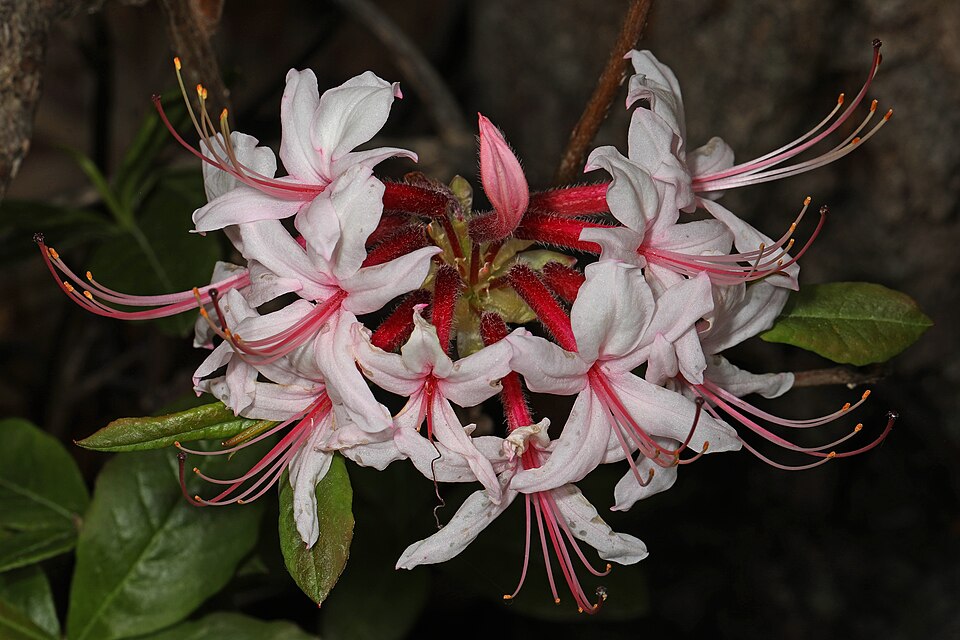
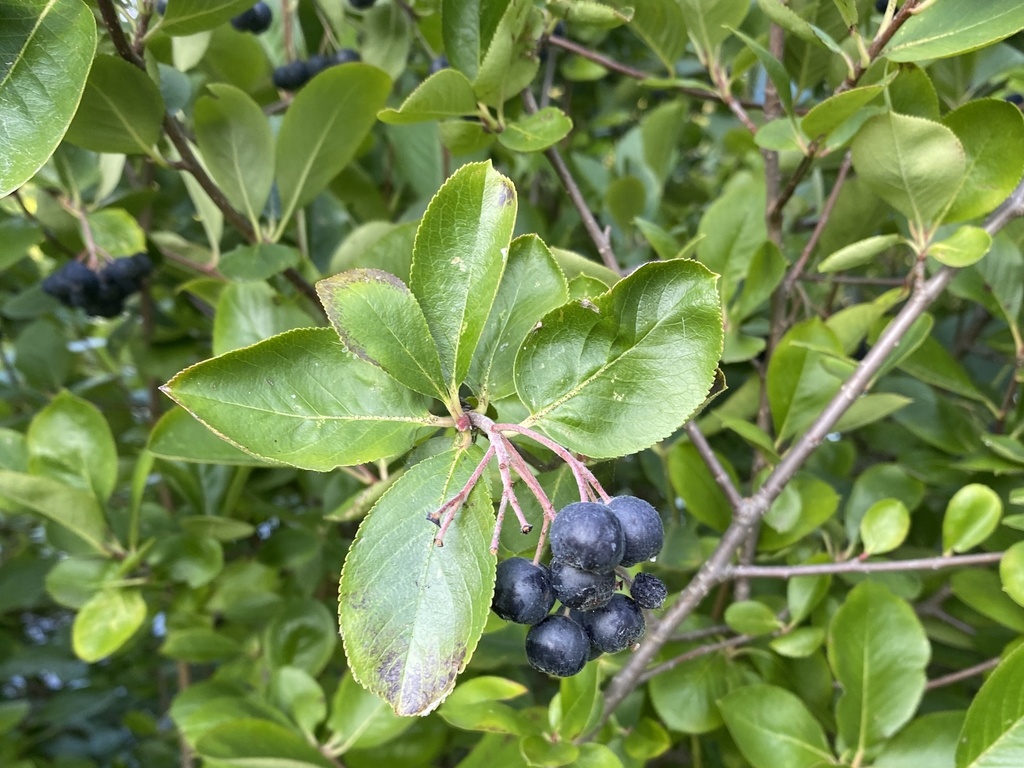
Plant this instead
Choose your county to list local plants first.
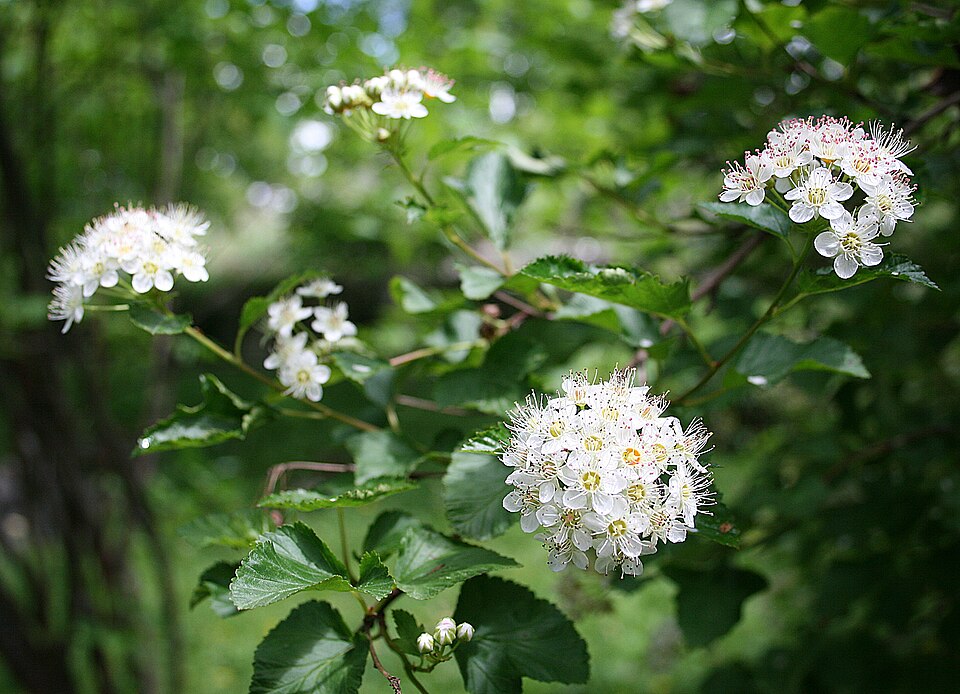
- Common NinebarkPhysocarpus opulifolius
Published recommendation: Tennessee Invasive Plant Council (TN-IPC)
No recorded swaps for this county. Try the garden finder.
At a glance
- Life cycle
- Woody perennial
- Leaves
- Deciduous
- Bloom
- March to April
- Fruiting season
- May to September
Recorded in 7 West Virginia counties.
Natural habitats
Places it grows wild. Not a planting requirement. Each habitat page lists the plants and wildlife also found there.

Roadsides, fields and disturbed ground
Ground opened by people: roadsides, old fields, pastures, fencerows and lots.
Also found with this plant
Wildlife whose habitat models include habitats this plant grows in, in West Virginia. Shared habitat, not food. 75 animals.
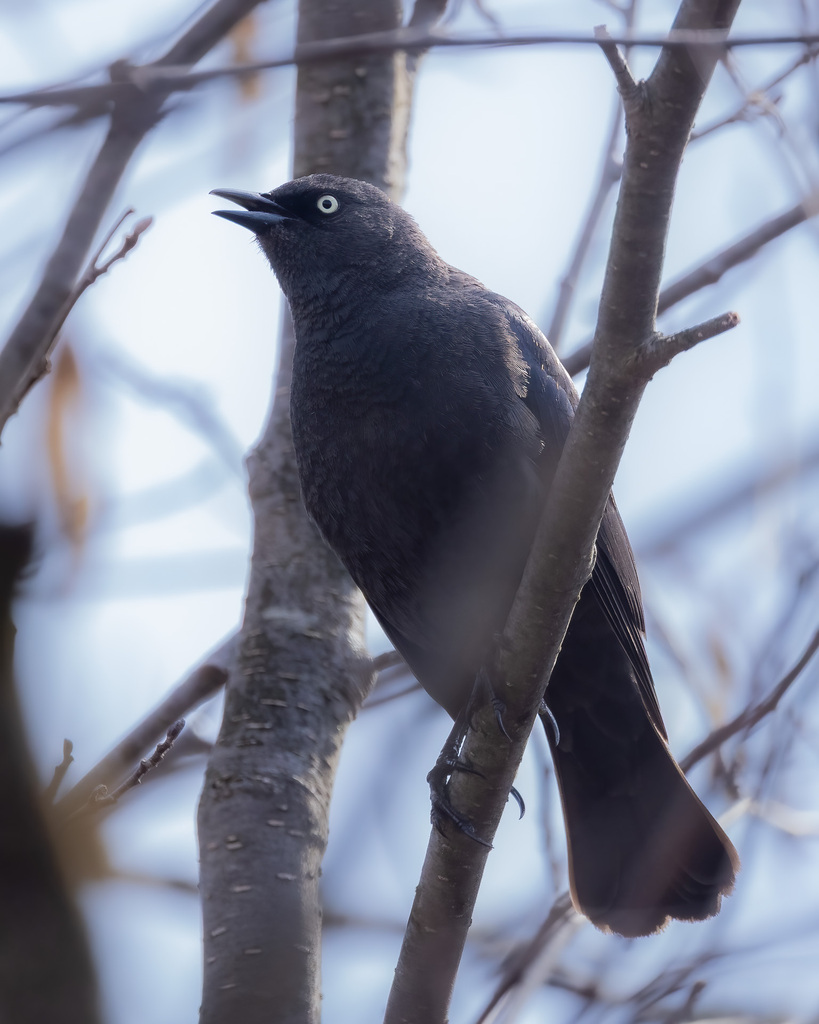
- Rusty BlackbirdEuphagus carolinus
- White-throated SparrowZonotrichia albicollis
- Yellow-throated WarblerDendroica dominica


Widespread birds also seen here (38)
Found in many habitats here, so not listed above.
- Alder Flycatcher
- American Crow
- American Goldfinch
- American Kestrel
- American Robin
- Belted Kingfisher
- Blue Grosbeak
- Blue Jay
- Blue-gray Gnatcatcher
- Cedar Waxwing
- Chimney Swift
- Chipping Sparrow
- Common Nighthawk
- Common Raven
- Cooper's Hawk
- Dark-eyed Junco
- Eastern Kingbird
- Eastern Towhee
- European Starling
- Fox Sparrow
- Great Crested Flycatcher
- Great Horned Owl
- Least Flycatcher
- Mourning Dove
- Northern Cardinal
- Northern Flicker
- Northern Mockingbird
- Osprey
- Purple Finch
- Red-tailed Hawk
- Ruby-crowned Kinglet
- Sharp-shinned Hawk
- Spotted Sandpiper
- Tufted Titmouse
- Turkey Vulture
- Wild Turkey
- Yellow-breasted Chat
- Yellow-rumped Warbler
Who uses this plant?
 11CaterpillarsGenus host records with ranges including WV
Genus host records with ranges including WV · Berberis
- Bleptina caradrinalisBent-Winged Owlet, Variable Snout
- Callosamia prometheaPromethea Silkmoth, Promethea Moth
- Hyalophora cecropiaCecropia Silkmoth, Cecropia Moth
- Hyphantria cuneaFall Webworm
- Malacosoma americanaEastern Tent Caterpillar
- Omphalocera cariosaMoonseed Webworm
- Orgyia leucostigmaWhite-Marked Tussock Moth
- Platynota flavedanaBlack-Shaded Platynota
- Rheumaptera meadiiBarberry Geometer, Barberry Looper
- Thyridopteryx ephemeraeformisEvergreen Bagworm Moth
Show all 11
- Triphosa haesitataTissue Moth, Brown Tissue
 —BeesSoutheastern regional records
 —Specialist beesPollen specialists
 2BirdsRecorded eating Berberis in West Virginia
Diet records by plant genus, from studies across North America. Not a record from this state. Birds whose range includes West Virginia, most records first.
- Ruffed GrouseFruit. 2 diet records
- American RobinFruit. 1 diet record
Direct food only. Caterpillars on host plants also feed nesting birds. NC Native Plant Society: butterfly gardening
Birds that eat Berberis 2
Diet records by plant genus, from studies across North America. Not a record from this state. Avian Diet Database (Hurlbert Lab), CC0 1.0.
- Ruffed GrouseBonasa umbellus
- American RobinTurdus migratorius



Plant details
- Family
- Berberidaceae
- Hardiness
- Zones 4a–8b
- Flower color
- Yellow
- Growth rate
- Moderate
- Growth habit
- Several stems
- Foliage color
- Dark green
- Fruit begins
- May
- Fruit ends
- September
Safety has not been reviewed for this plant; check toxicity and thorns before planting.
Growing sources and scope
- Bloom · “March to April” · Weakley, Flora of the Southeastern United States (2025), Carolinas & Georgia edition (ranked first; USDA PLANTS differs) · Carolinas and Georgia
- Flower color · “Yellow” · NC Extension Plant Toolbox
- Foliage color · “Dark green” · USDA PLANTS · Nationwide species characteristics; local growing conditions may vary
- Fruit begins · “May” · Weakley, Flora of the Southeastern United States (2025), Carolinas & Georgia edition (ranked first; USDA PLANTS differs) · Carolinas and Georgia
- Fruit ends · “September” · Weakley, Flora of the Southeastern United States (2025), Carolinas & Georgia edition (ranked first; USDA PLANTS differs) · Carolinas and Georgia
- Growth habit · “Several stems” · USDA PLANTS · Nationwide species characteristics; local growing conditions may vary
- Growth rate · “Moderate” · USDA PLANTS · Nationwide species characteristics; local growing conditions may vary
- Hardiness · “Zones 4a–8b” · NC Extension Plant Toolbox
- Height · “3–6 feet” · NC Extension Plant Toolbox (ranked first; USDA PLANTS, Minnesota Wildflowers differ)
- Leaves · “Deciduous” · NC Extension Plant Toolbox
- Life cycle · “Woody perennial” · NC Extension Plant Toolbox
- Light · “Full sun (6 or more hours of direct sunlight a day); Partial shade (direct sunlight only part of the day, 2-6 hours)” · NC Extension Plant Toolbox
- primary_flower_color · “yellow” · USDA PLANTS
- Soil · “Moist; Occasionally dry; Very dry” · NC Extension Plant Toolbox
- Spread · “4–7 feet” · NC Extension Plant Toolbox
Conservation status
| West Virginia rank | SNA |
|---|---|
| Global rank | GNR |
| WV status | Not verified |
| Federal status | Not verified |
Sources
- West Virginia DNR invasive plant list
- USDA PLANTS
- Weakley, Flora of the Southeastern United States (2025), Carolinas & Georgia edition
- NatureServe Explorer
- West Virginia occurrence source
- Shropshire & Tallamy 2025, Lepidoptera of North America north of Mexico, ZooKeys 1261 (ODbL)
- Noori, Seltmann & Orr 2026, A curated and integrated dataset for exploring global bee-plant interactions (GloBI), Zenodo, CC BY 4.0
- Smith, Bachelder, Russell, Morales, Mosher & Seltmann 2024, Bee-Specialization-Modeling v0.6.1 (specialist host table compiled from J. Fowler's pollen specialist bee lists), Zenodo, CC BY 4.0
- Hurlbert, Olsen, Sawyer & Winner 2021, Avian Diet Database, Scientific Data 8: 260 (CC0)
- Narango, Tallamy & Shropshire 2020, Few keystone plant genera support the majority of Lepidoptera species, Nature Communications