

Bird
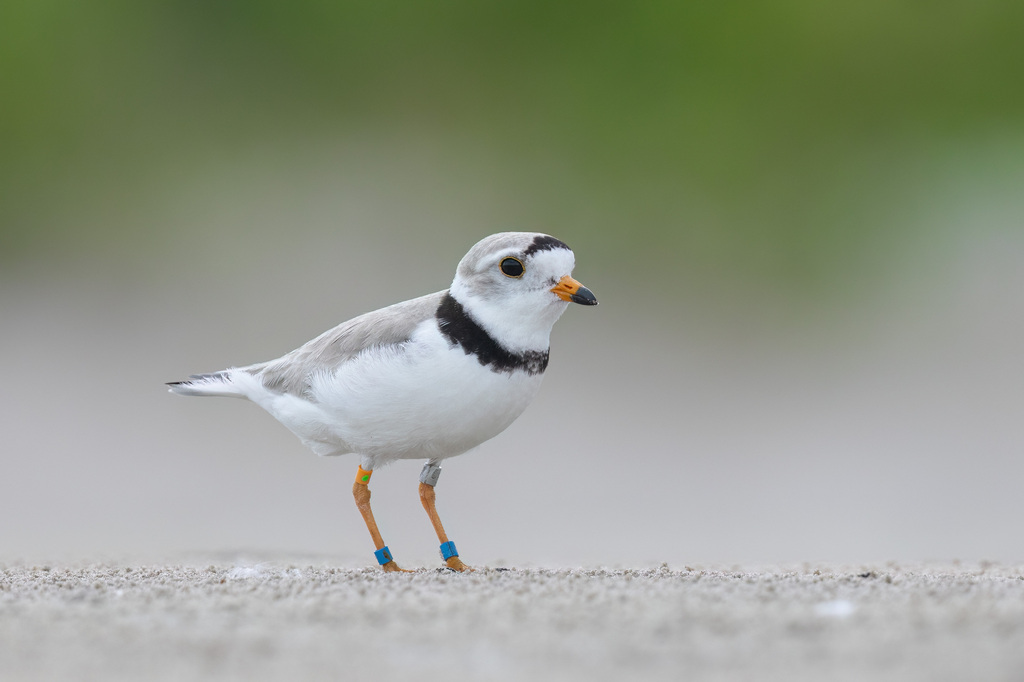
Piping Plover
Charadrius melodus
A summer resident that nests in Virginia. Found in 19 of 133 counties and cities, across 7 habitats.
- Here
- Summer
- Nesting
- Nests here
- Range
- 19 of 133 counties and cities
- Habitats
- 7
At a glance
- Group
- Birds
- Here
- Summer
- Nesting
- Nests here
- Range
- 19 of 133 counties and cities
- Habitats
- 7
- Habitat models
- Summer, Winter
Where it lives
The places its habitat model includes. It is not found everywhere a habitat occurs.
Habitats in Virginia 7
Each habitat page lists the plants and wildlife also found there.
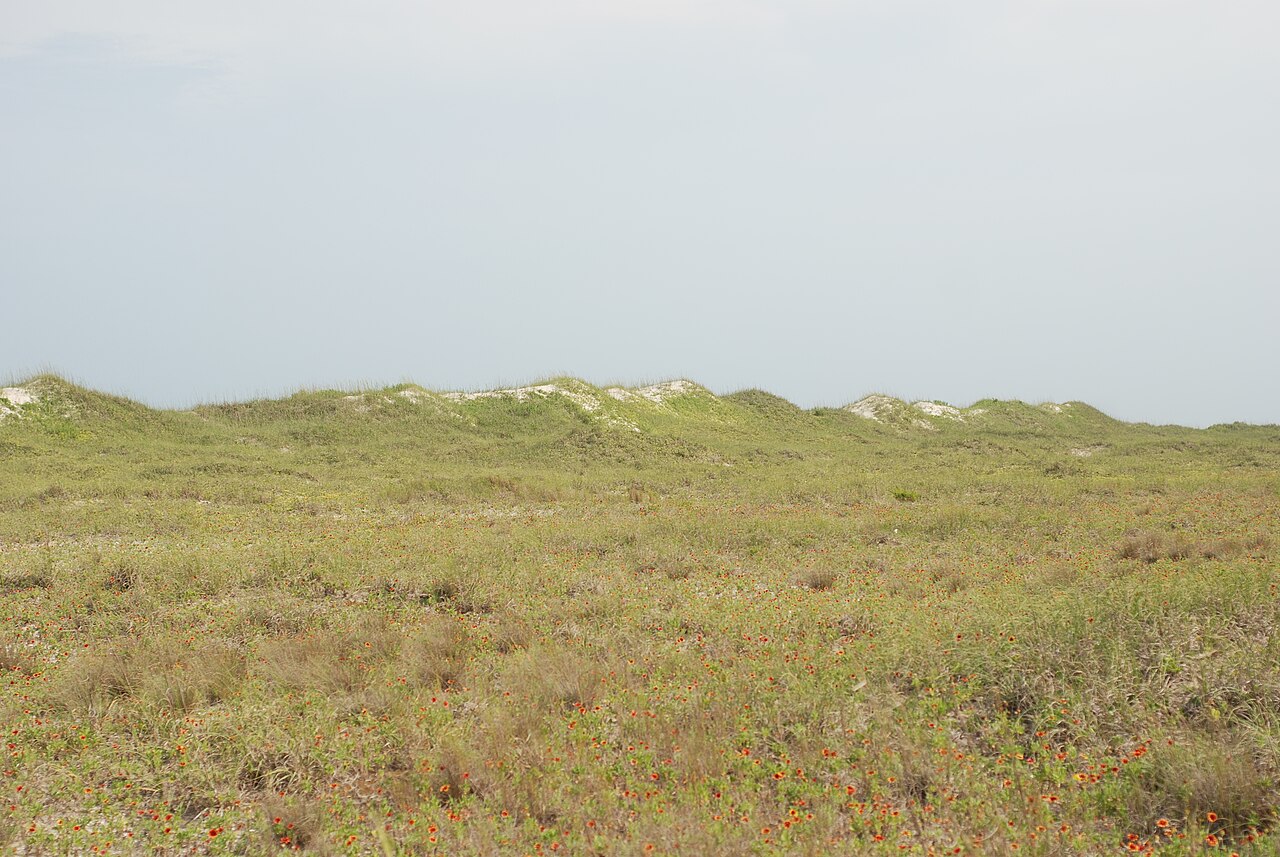
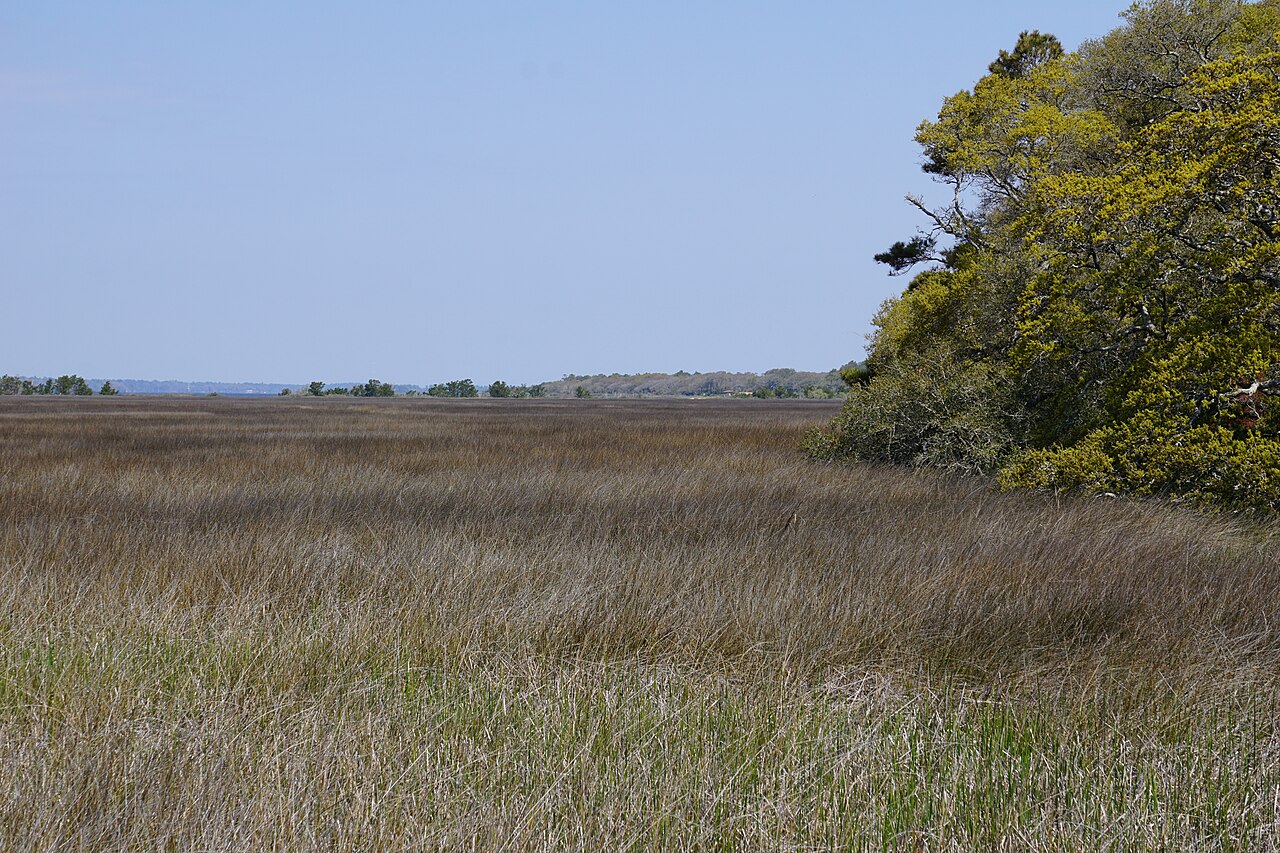
Coastal tidal marshes (salinity not stated)
Tidal marshes of the Atlantic and Gulf coasts where the source does not say whether the water is fresh, brackish or salt. A stated salinity files the marsh under freshwater tidal marshes or salt and brackish marshes instead.
Marshes along tidal rivers where the water is fresh but rises and falls with the tide.
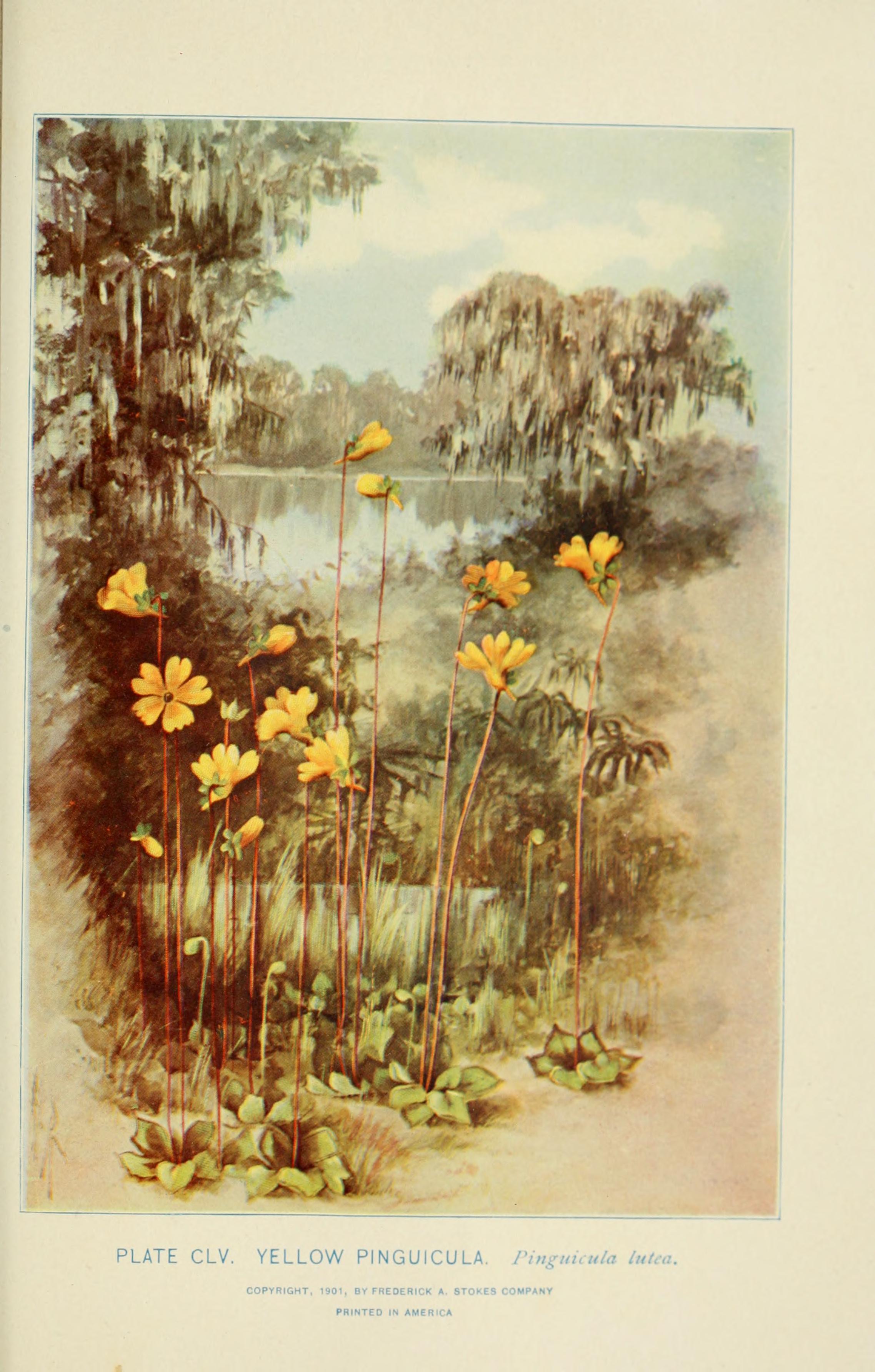
Roadsides, fields and disturbed ground
Ground opened by people: roadsides, old fields, pastures, fencerows and lots.
Salt and brackish open water of sounds, bays and estuaries, with the mud and sand flats and seagrass beds that tides cover and uncover; the vegetated marsh is salt and brackish marshes.
Other habitats in its models (45)
Land cover, or classes with no habitat page in Virginia.
- Barren Land Summer and winter, beside its main habitat.
- Atlantic Coastal Plain Southern Beach Summer and winter.
- Unconsolidated Shore (Lake/River/Pond) Summer and winter.
- Unconsolidated Shore Summer and winter.
- Upper Texas Coast Beach Summer and winter.
- Louisiana Beach Summer and winter.
- Southeast Florida Beach Summer and winter.
- Great Lakes Dune Summer.
- South Florida Shell Hash Beach Summer and winter.
- Atlantic Coastal Plain Sea Island Beach Summer and winter.
- Southwest Florida Beach Summer and winter.
- Texas Coastal Bend Beach Summer and winter.
- North American Warm Desert Playa Summer.
- Inter-Mountain Basins Playa Summer.
- Great Lakes Alvar Summer.
- Central Mixedgrass Prairie Summer and winter, beside its main habitat.
- Inter-Mountain Basins Semi-Desert Grassland Summer, beside its main habitat.
- Northwestern Great Plains Mixedgrass Prairie Summer, beside its main habitat.
- Western Great Plains Sand Prairie Summer, beside its main habitat.
- Western Great Plains Shortgrass Prairie Summer, beside its main habitat.
- Atlantic Coastal Plain Southern Dune and Maritime Grassland Summer and winter, beside its main habitat.
- Southwest Florida Dune and Coastal Grassland Summer and winter, beside its main habitat.
- East Gulf Coastal Plain Dune and Coastal Grassland Summer and winter, beside its main habitat.
- Northern Atlantic Coastal Plain Dune and Swale Summer, beside its main habitat.
- South Texas Dune and Coastal Grassland Summer, beside its main habitat.
- Acadian Salt Marsh and Estuary Systems Summer.
- Atlantic Coastal Plain Central Salt and Brackish Tidal Marsh Summer and winter.
- Atlantic Coastal Plain Indian River Lagoon Tidal Marsh Summer and winter.
- Mississippi Sound Salt and Brackish Tidal Marsh Summer and winter.
- Florida Big Bend Salt-Brackish Tidal Marsh Summer and winter.
- Great Lakes Coastal Marsh Systems Summer.
- Great Lakes Freshwater Estuary and Delta Summer.
- Florida Big Bend Fresh-Oligohaline Tidal Marsh Summer and winter.
- Northern Great Lakes Coastal Marsh Summer.
- Inter-Mountain Basins Interdunal Swale Wetland Summer.
- Great Plains Prairie Pothole Summer.
- Western Great Plains Depressional Wetland Systems Summer and winter.
- Western Great Plains Open Freshwater Depression Wetland Summer.
- Western Great Plains Closed Depression Wetland Summer.
- Western Great Plains Saline Depression Wetland Summer.
- Inter-Mountain Basins Alkaline Closed Depression Summer.
- Western Great Plains Floodplain Systems Summer and winter.
- Eastern Great Plains Floodplain Systems Summer.
- Western Great Plains Floodplain Summer.
- Northwestern Great Plains Floodplain Summer.
Seasons in Virginia
- Summer: nests here, in 19 of 133 counties and cities.
Also found in this habitat
Plants 98
Plants named in NatureServe descriptions of these habitats that grow in Virginia. Shared habitat, not food.
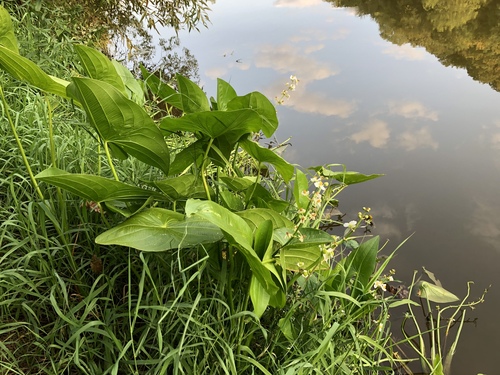
- Broadleaf ArrowheadSagittaria latifolia
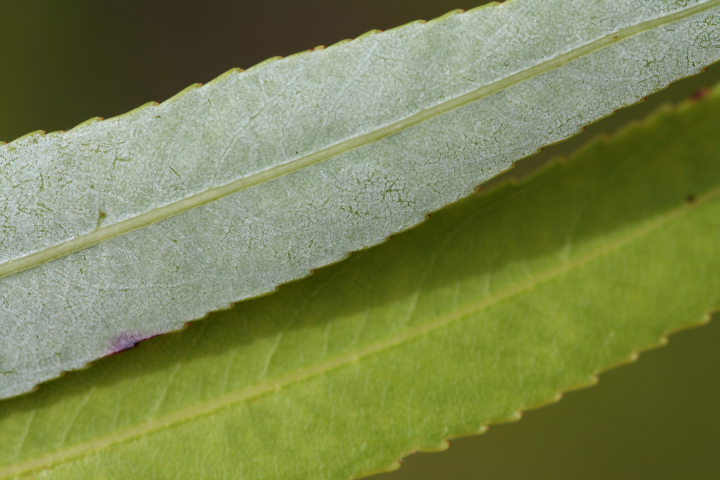
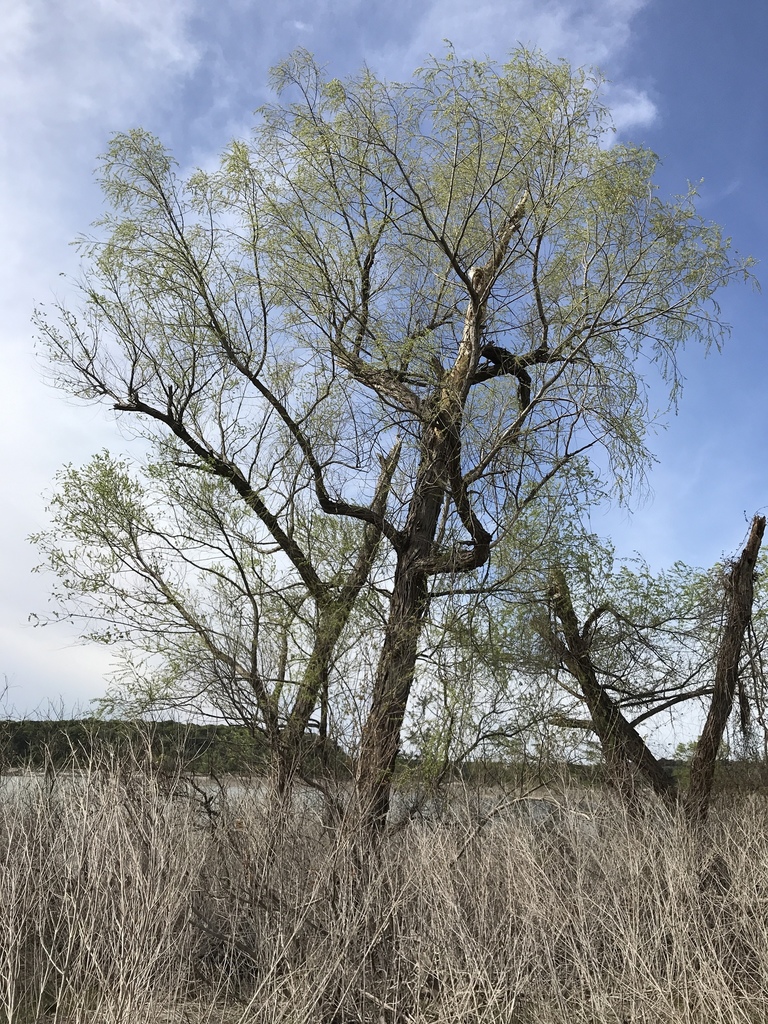
- Coastal Plain WillowSalix caroliniana
- Black WillowSalix nigra
- Olney's ThreesquareSchoenoplectus americanus
- Softstem BulrushSchoenoplectus tabernaemontani
- Giant BristlegrassSetaria magna
- Sago PondweedStuckenia pectinata
- Silky DogwoodSwida amomum
- Eastern Marsh FernThelypteris palustris var. pubescens
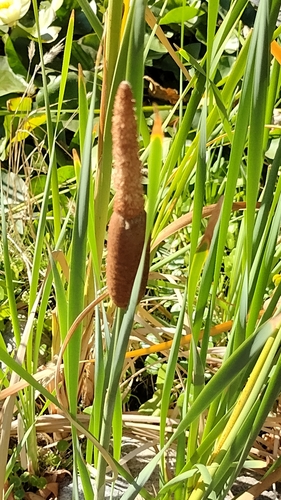
- Southern CattailTypha domingensis
- Broadleaf CattailTypha latifolia
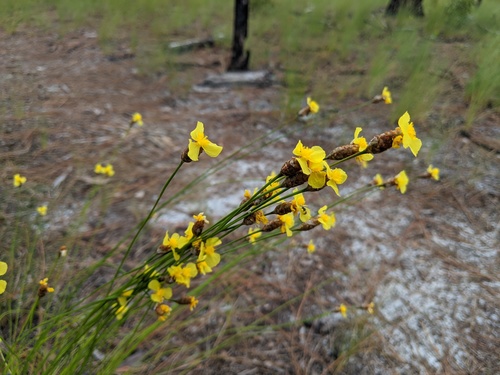
- Carolina Yellow-eyed-grassXyris caroliniana
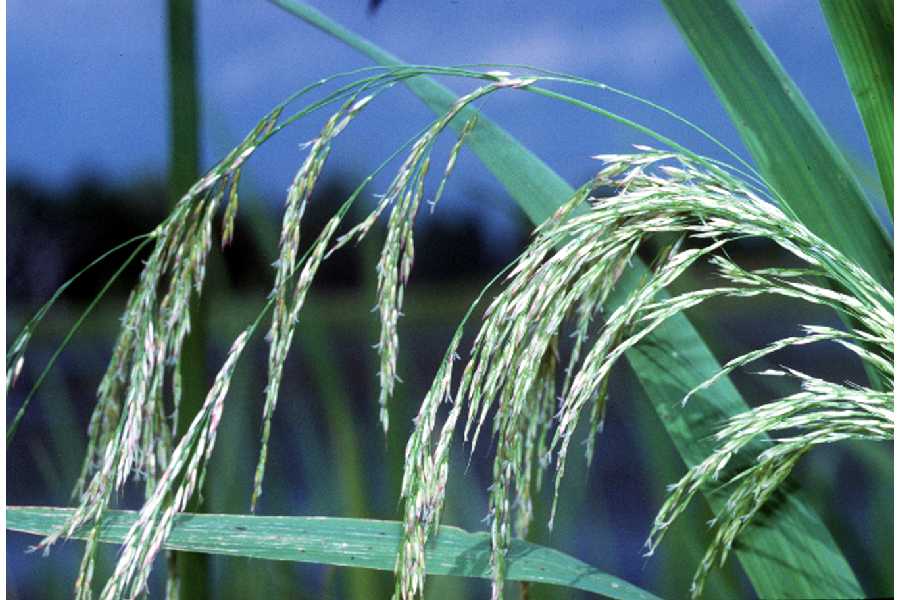
- Southern Wild-riceZizaniopsis miliacea
- Common ReedPhragmites australis
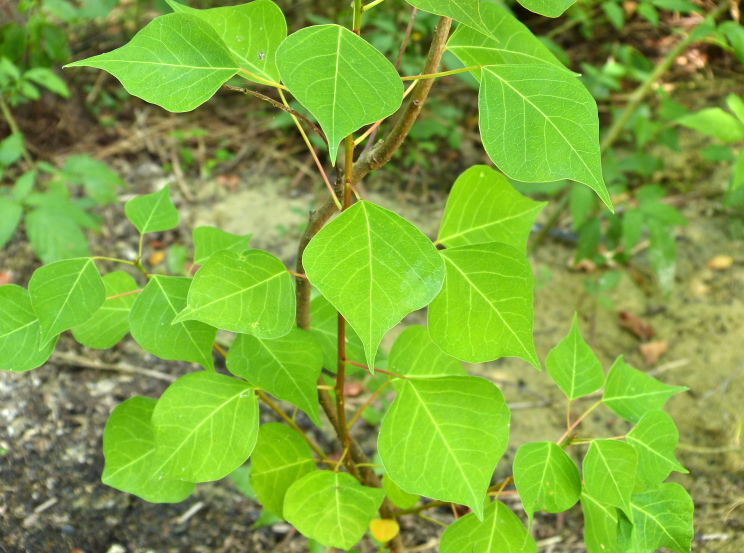
- Chinese Tallow-treeTriadica sebifera
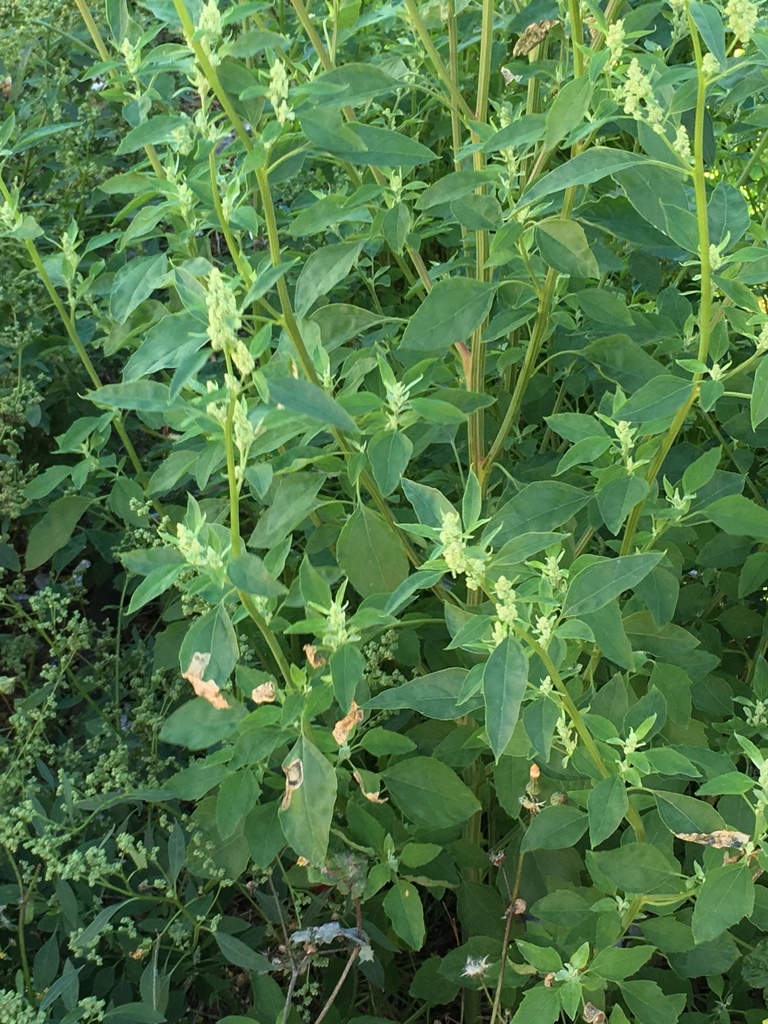
- Spear Orach; Spear Saltbush; Spear Salt BushAtriplex patula
- Lambs QuartersChenopodium album
- Hair FescueFestuca filiformis
- HydrillaHydrilla verticillata
- Marsh DewflowerMurdannia keisak
- Common SaltwortSalsola kali
- Common Sea-blite, White Sea-bliteSuaeda maritima
- European SweetflagAcorus calamus
- Creeping BentgrassAgrostis stolonifera
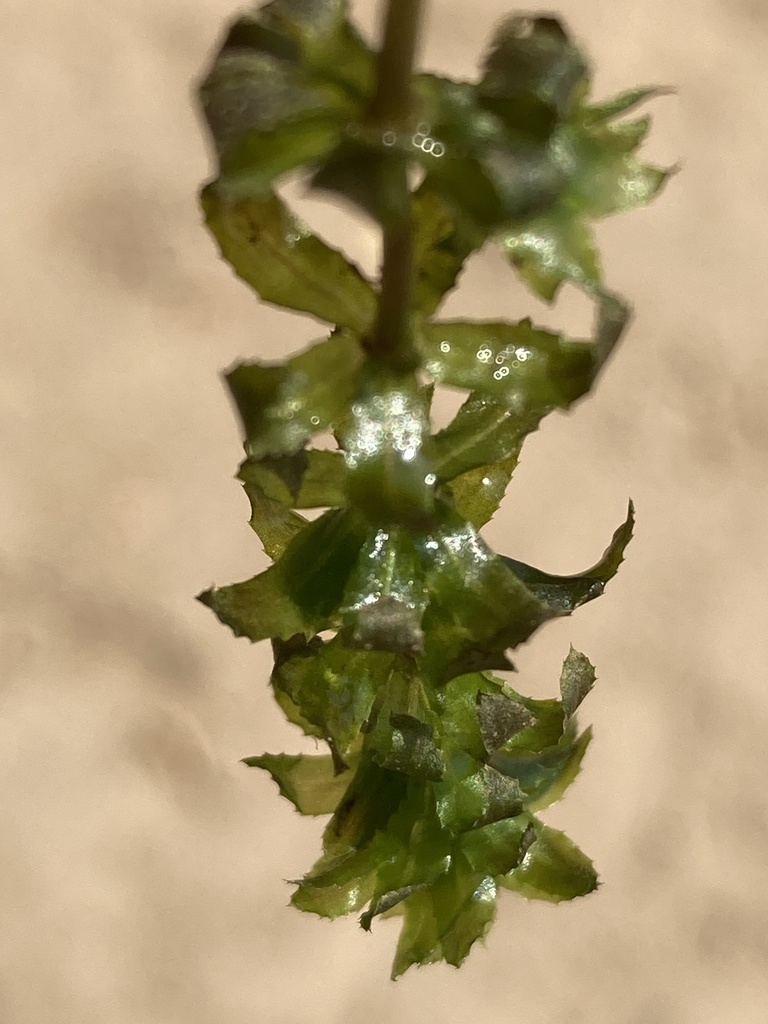
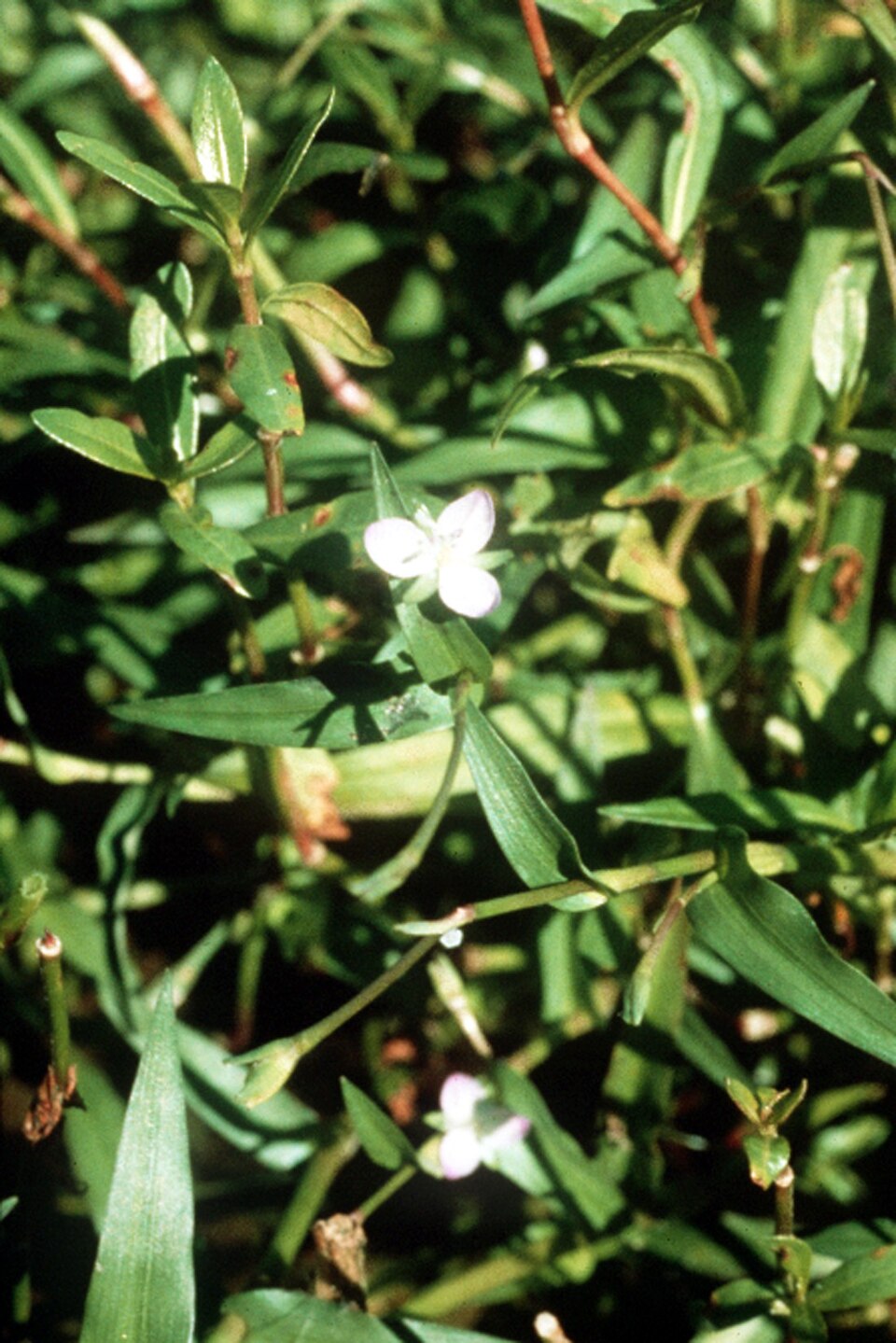
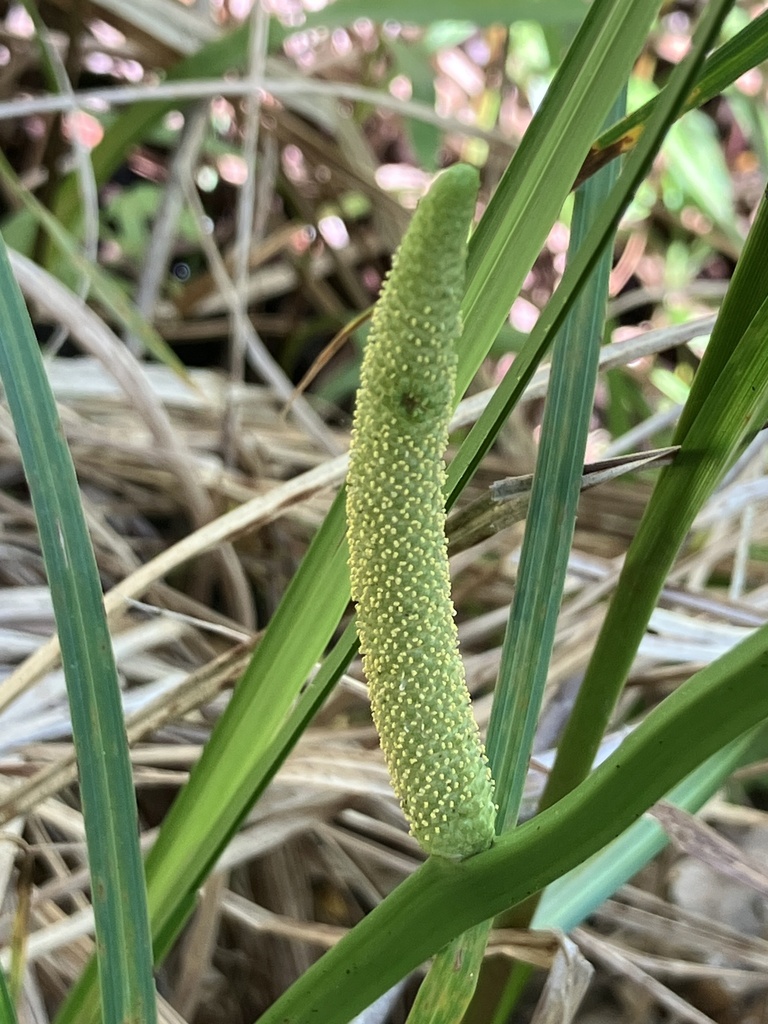
Wildlife 227
Other animals whose habitat models include the same habitats in Virginia. Not sighting records.
- American AvocetRecurvirostra americana
- American BitternBotaurus lentiginosus
- American Black DuckAnas rubripes
- American PipitAnthus rubescens
- Bank SwallowRiparia riparia
- Black-crowned Night-heronNycticorax nycticorax
- Boat-tailed GrackleQuiscalus major
- Canada GooseBranta canadensis
- Common NighthawkChordeiles minor
- Glaucous GullLarus hyperboreus
- Great Blue HeronArdea herodias
- Great Horned OwlBubo virginianus
- Least TernSternula antillarum
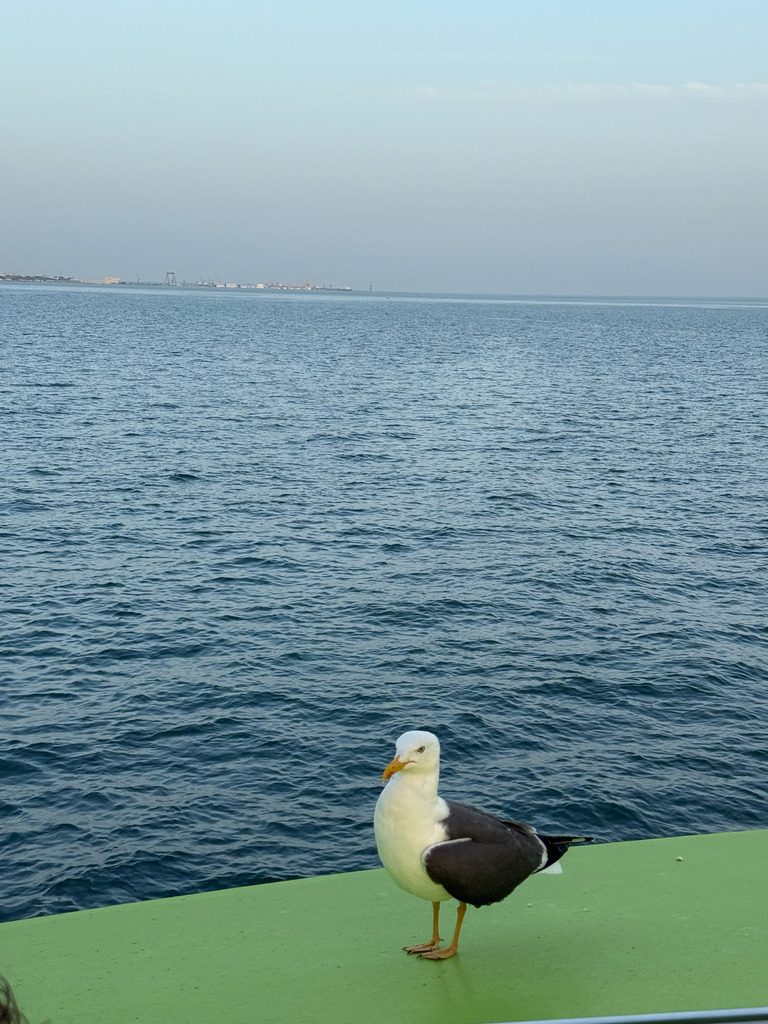
- Lesser Black-backed GullLarus fuscus
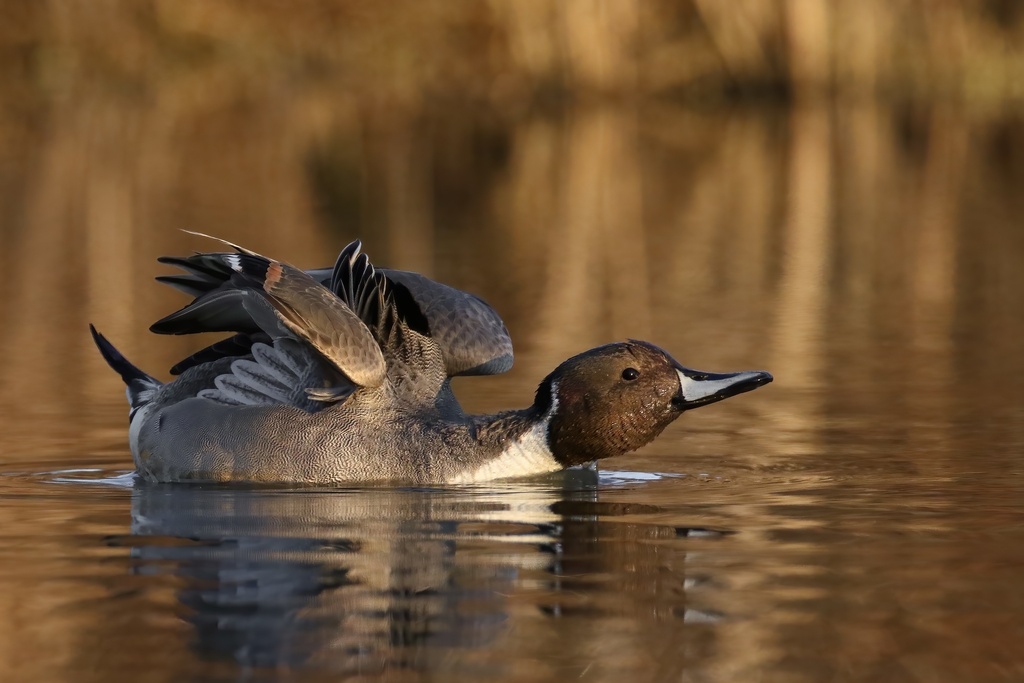
- Northern PintailAnas acuta
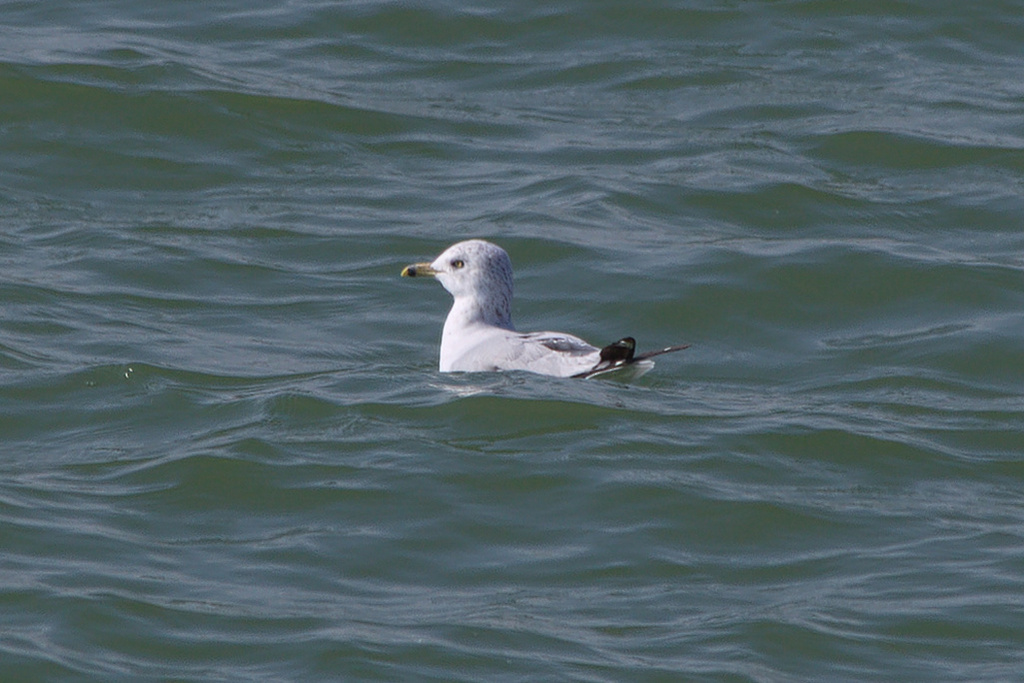
- Ring-billed GullLarus delawarensis
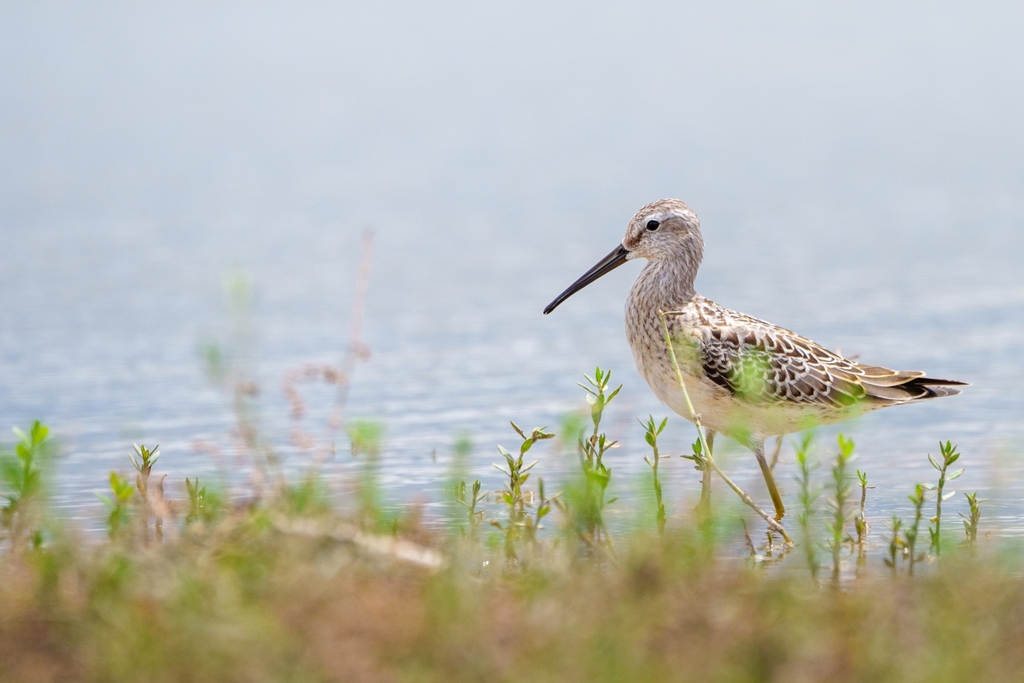
- Stilt SandpiperCalidris himantopus
- Tree SwallowTachycineta bicolor
- Tundra SwanCygnus columbianus
- Yellow-crowned Night-heronNyctanassa violacea
- American CootFulica americana
- American WigeonAnas americana
- Bald EagleHaliaeetus leucocephalus
- Belted KingfisherMegaceryle alcyon
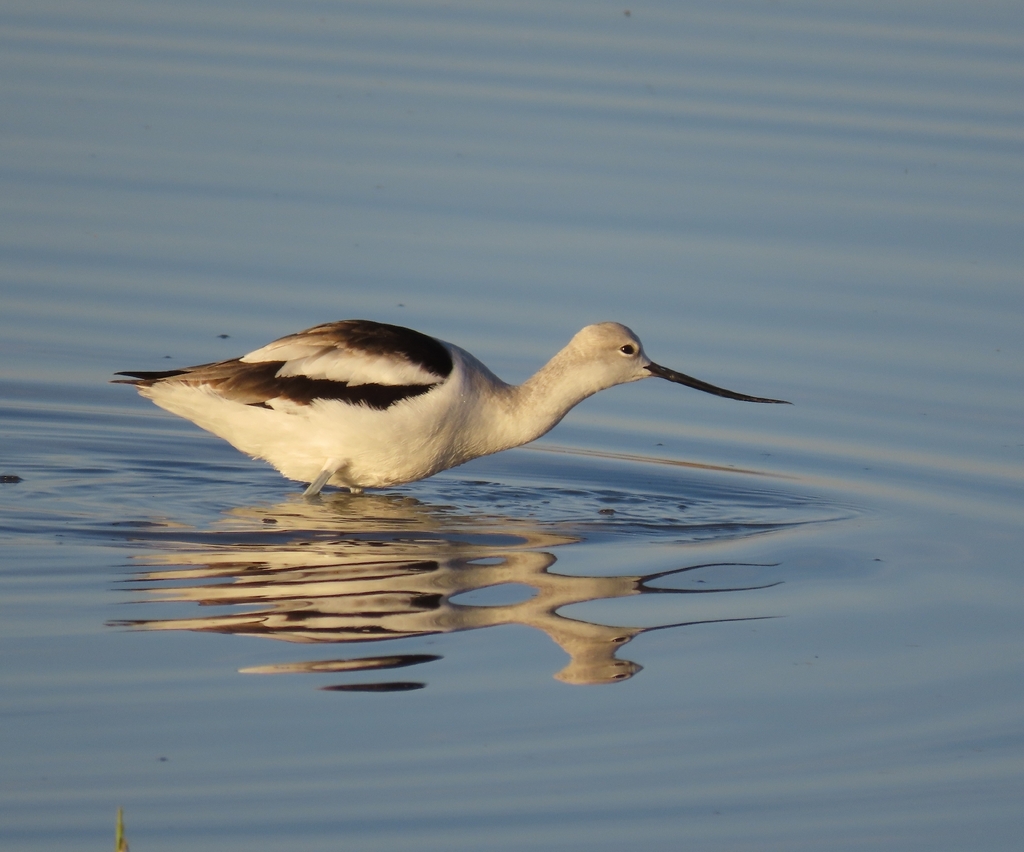
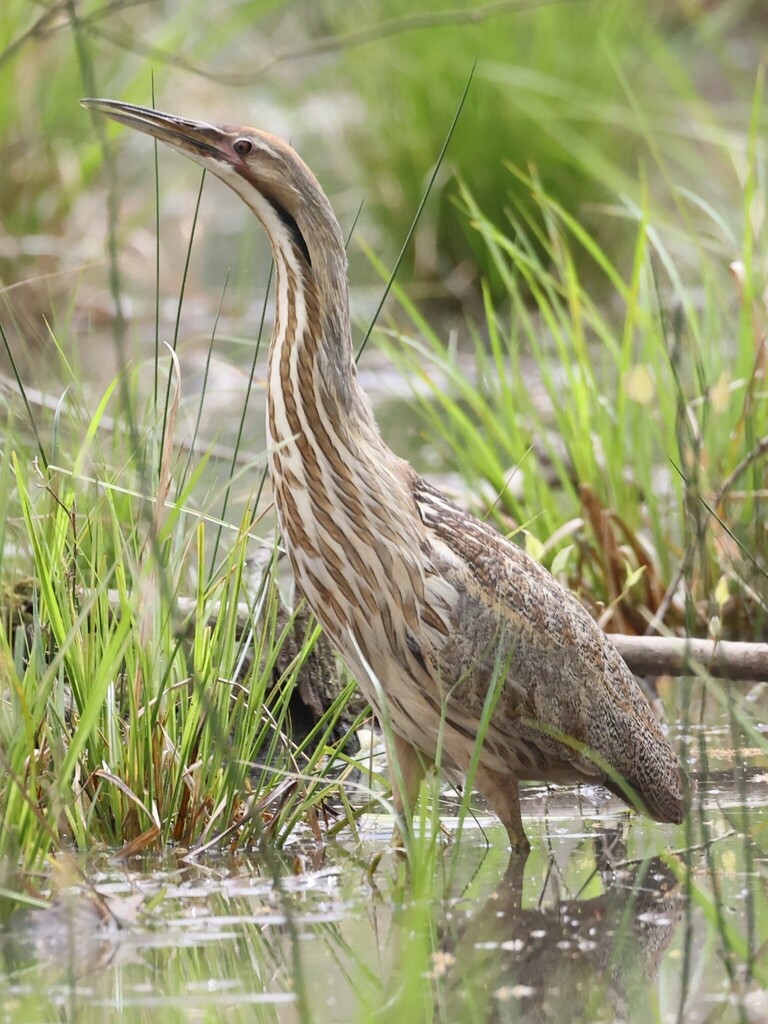




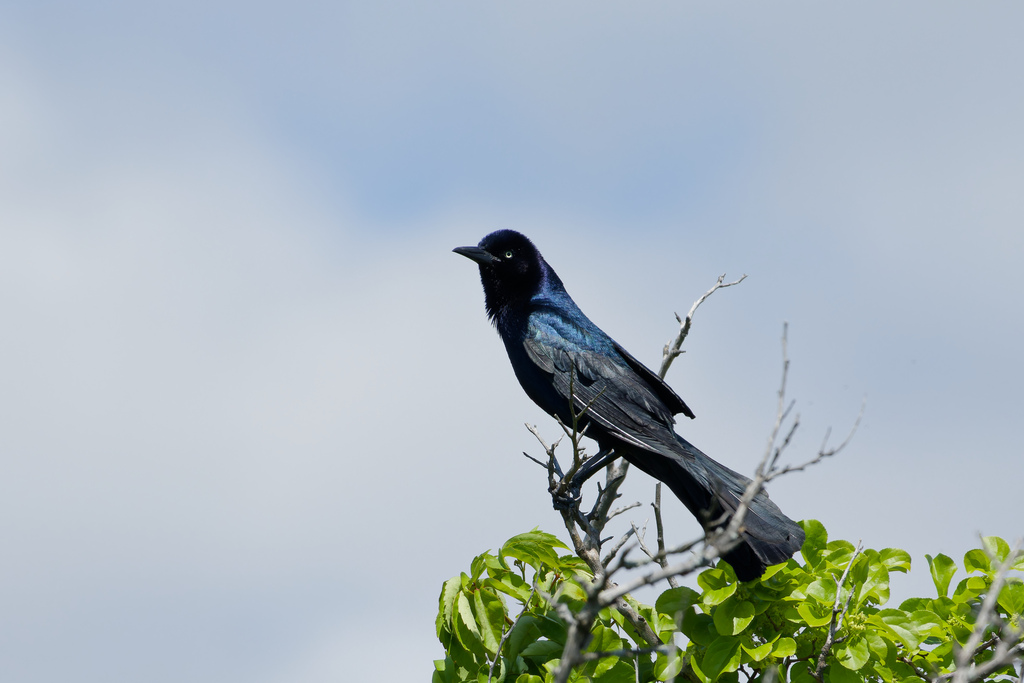


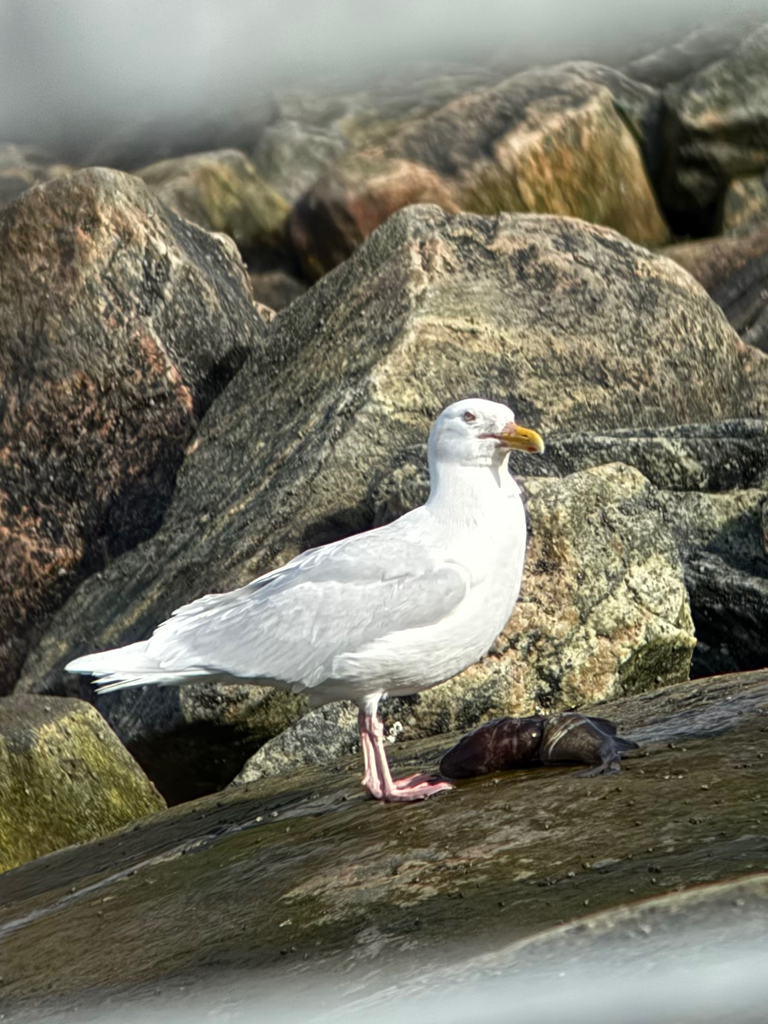


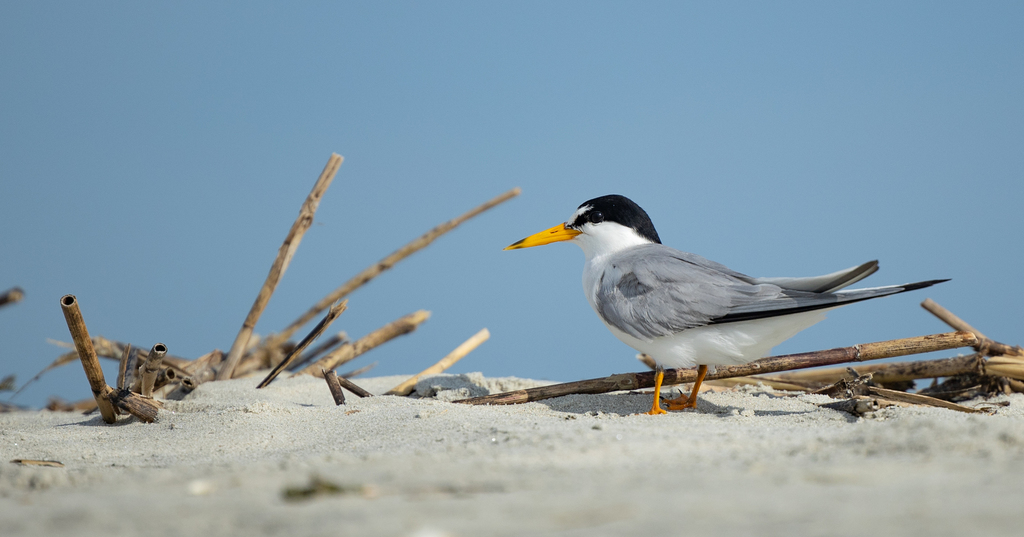
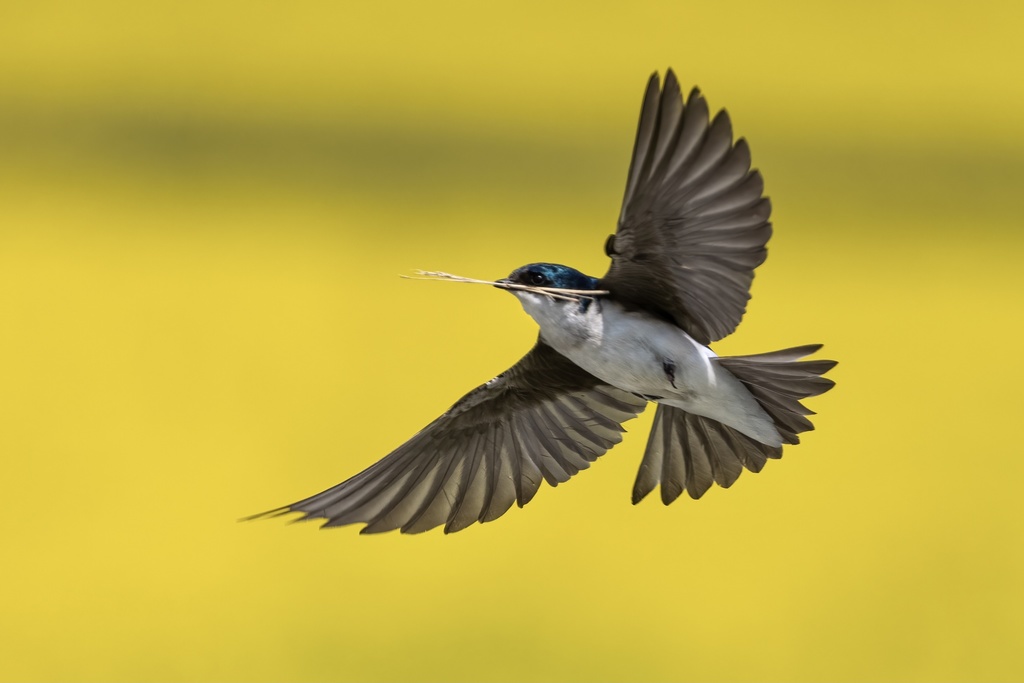
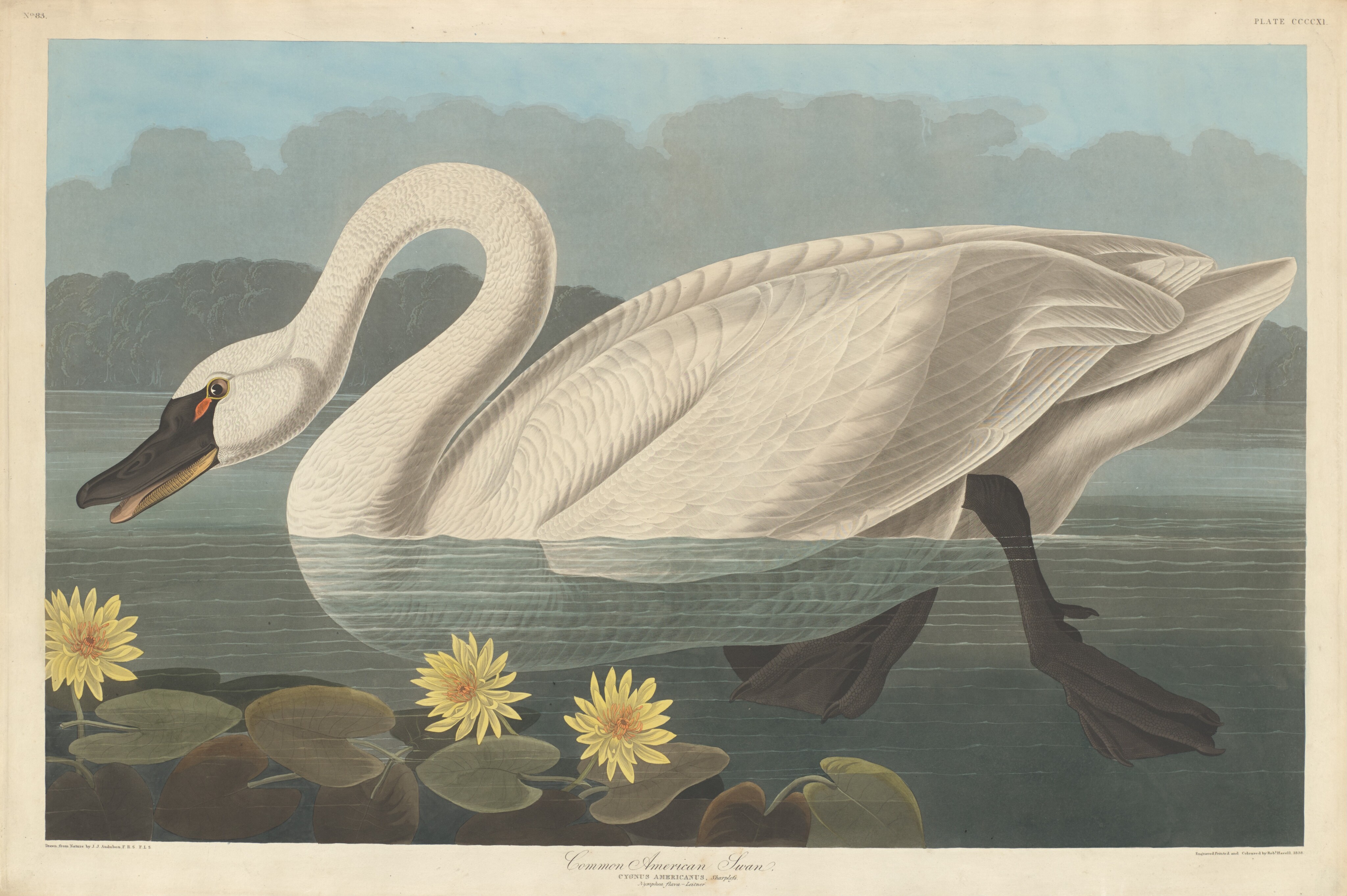
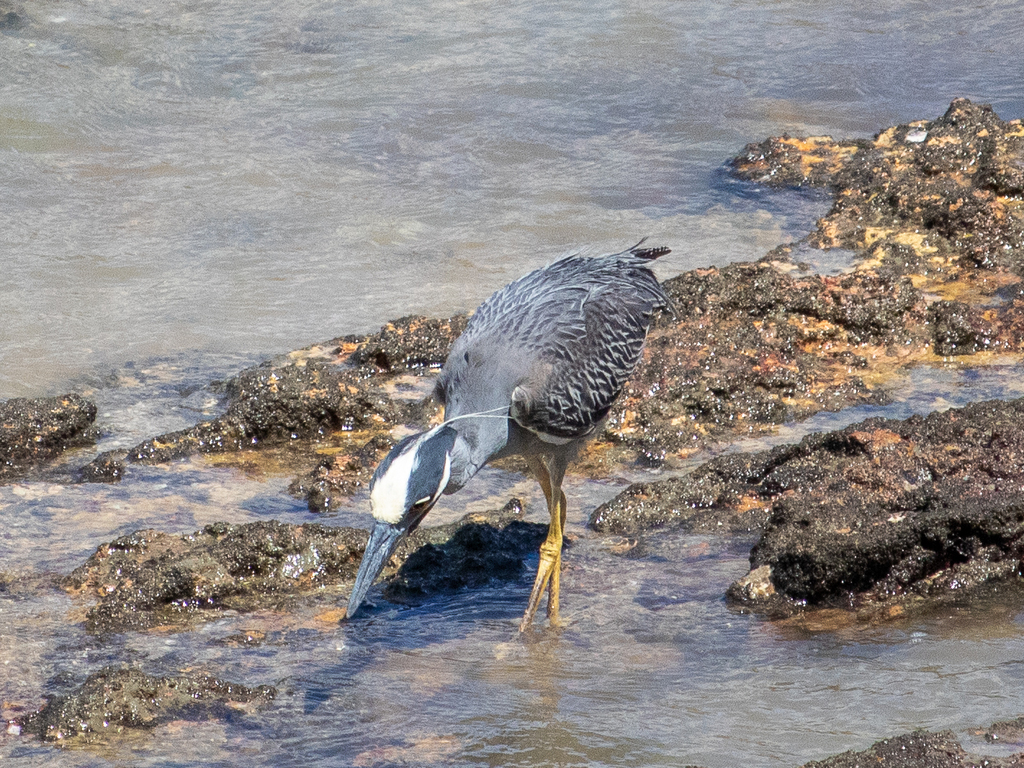

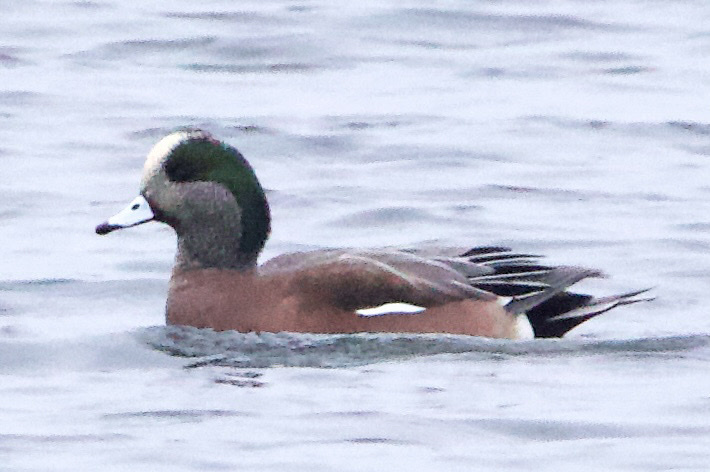




NatureServe Explorer, CC BY 4.0. USGS Gap Analysis Project habitat models.
Sources
- USGS Gap Analysis Project habitat models (2001)
- USGS GAP winter habitat model for Piping Plover
- USGS Gap Analysis Project range maps (2001), modeled by watershed; migratory gives no dates
- NatureServe Explorer (CC BY 4.0), habitat names
- US Census TIGER/Line counties
- Names follow the USGS Gap Analysis Project (2001)