

Giant Bristlegrass
Setaria magna
Found in Coastal tidal marshes (salinity not stated); Coastal dunes and beaches; freshwater marshes. FloraQuest, phone app (app page) What its natural habitat tells you
Native to Virginia. How scores work Is it native here?
Profile 76%
- Height
- Up to about 12 feet
- Light
- Full sun
- Soil moisture
- Wet to standing water
No photograph yet. Looking for an old drawing…
At a glance
- Life cycle
- Annual
Not yet recorded · Spread · Leaves · Bloom
Bloom: NC species account not read yet.
Spread and leaves: no source found yet.
This plant is missing most of its facts, so Quercus is looking them up in old botany books.
Recorded in 17 Virginia counties.
Natural habitats
Places it grows wild. Not a planting requirement. Each habitat page lists the plants and wildlife also found there.
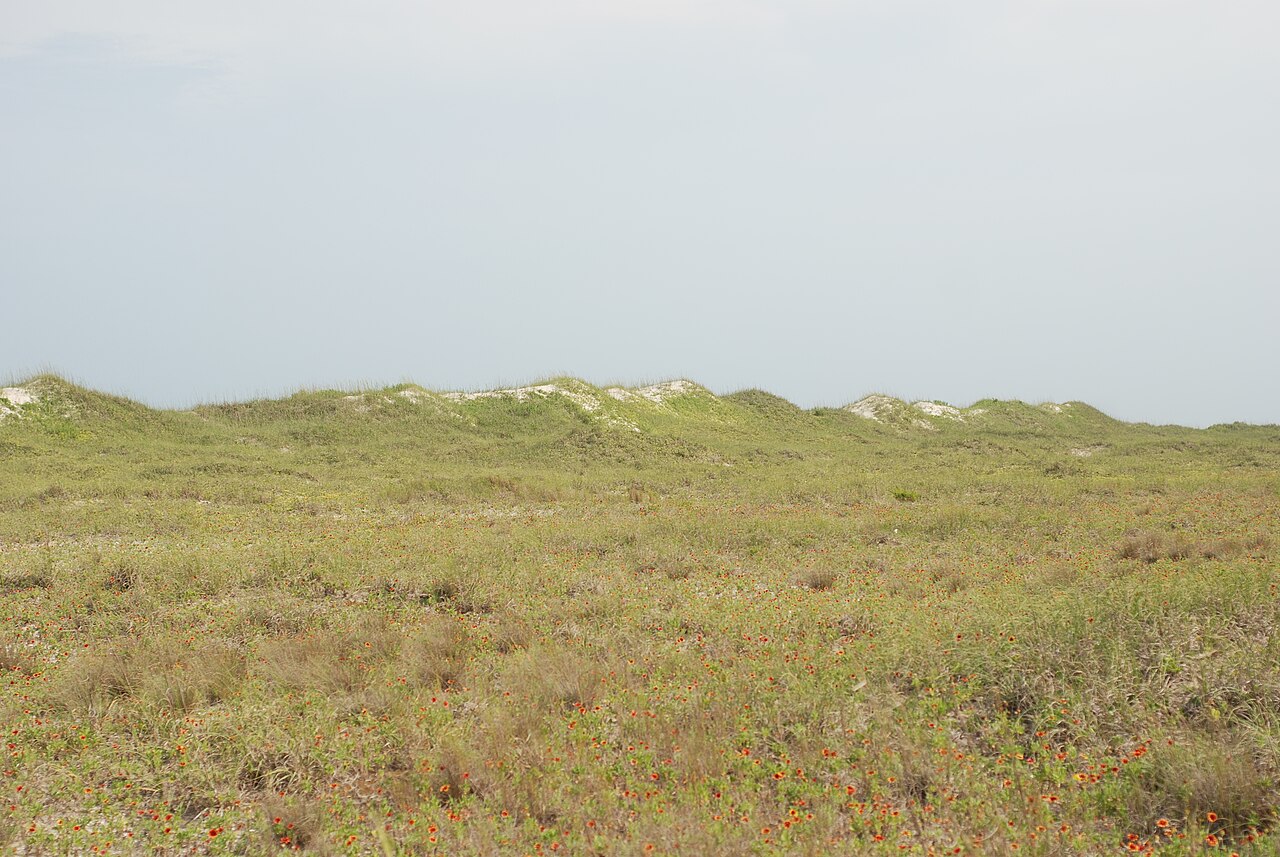
Coastal tidal marshes (salinity not stated)
Tidal marshes of the Atlantic and Gulf coasts where the source does not say whether the water is fresh, brackish or salt. A stated salinity files the marsh under freshwater tidal marshes or salt and brackish marshes instead.
Open, herb-covered wetlands with fresh, non-tidal water.
Also found with this plant
Wildlife whose habitat models include habitats this plant grows in, in Virginia. Shared habitat, not food. 101 animals.
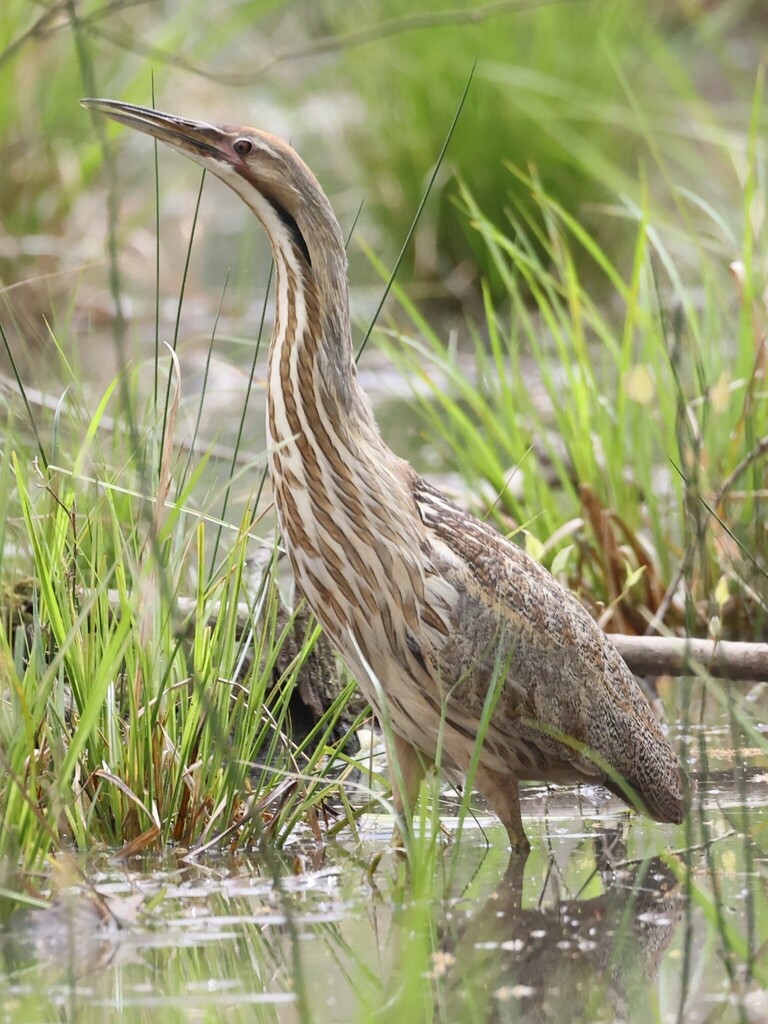
- American BitternBotaurus lentiginosus
- American Black DuckAnas rubripes
- American CootFulica americana
- American CrowCorvus brachyrhynchos
- American PipitAnthus rubescens
- Bald EagleHaliaeetus leucocephalus
- Bank SwallowRiparia riparia
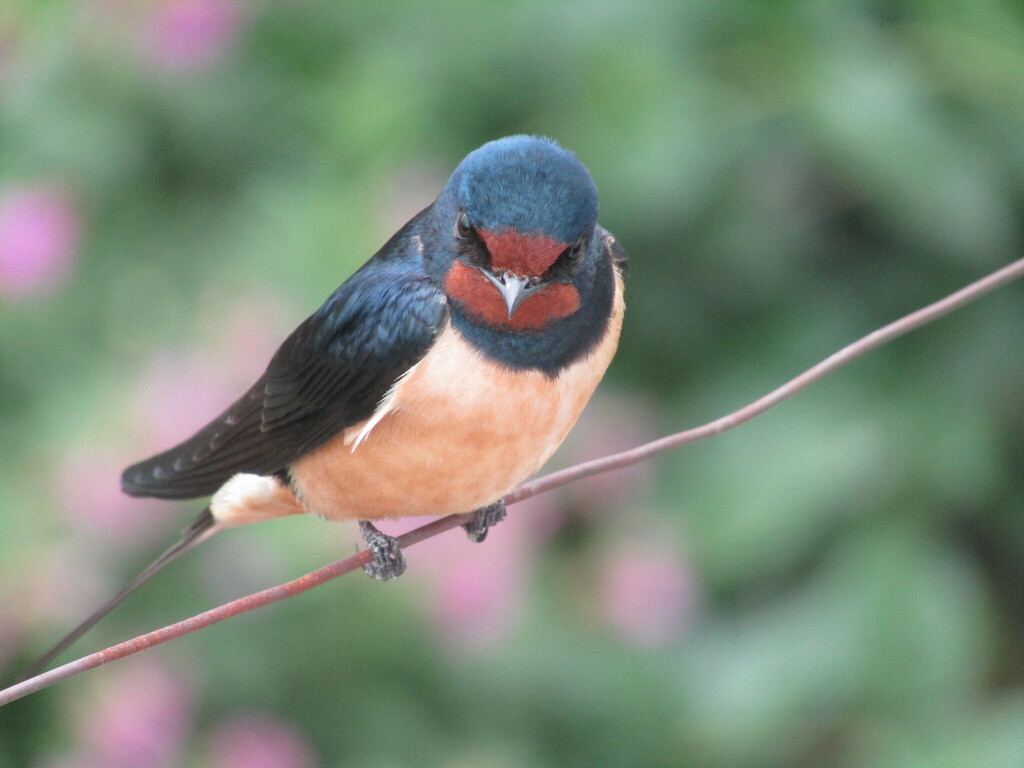
- Barn SwallowHirundo rustica
- Belted KingfisherMegaceryle alcyon
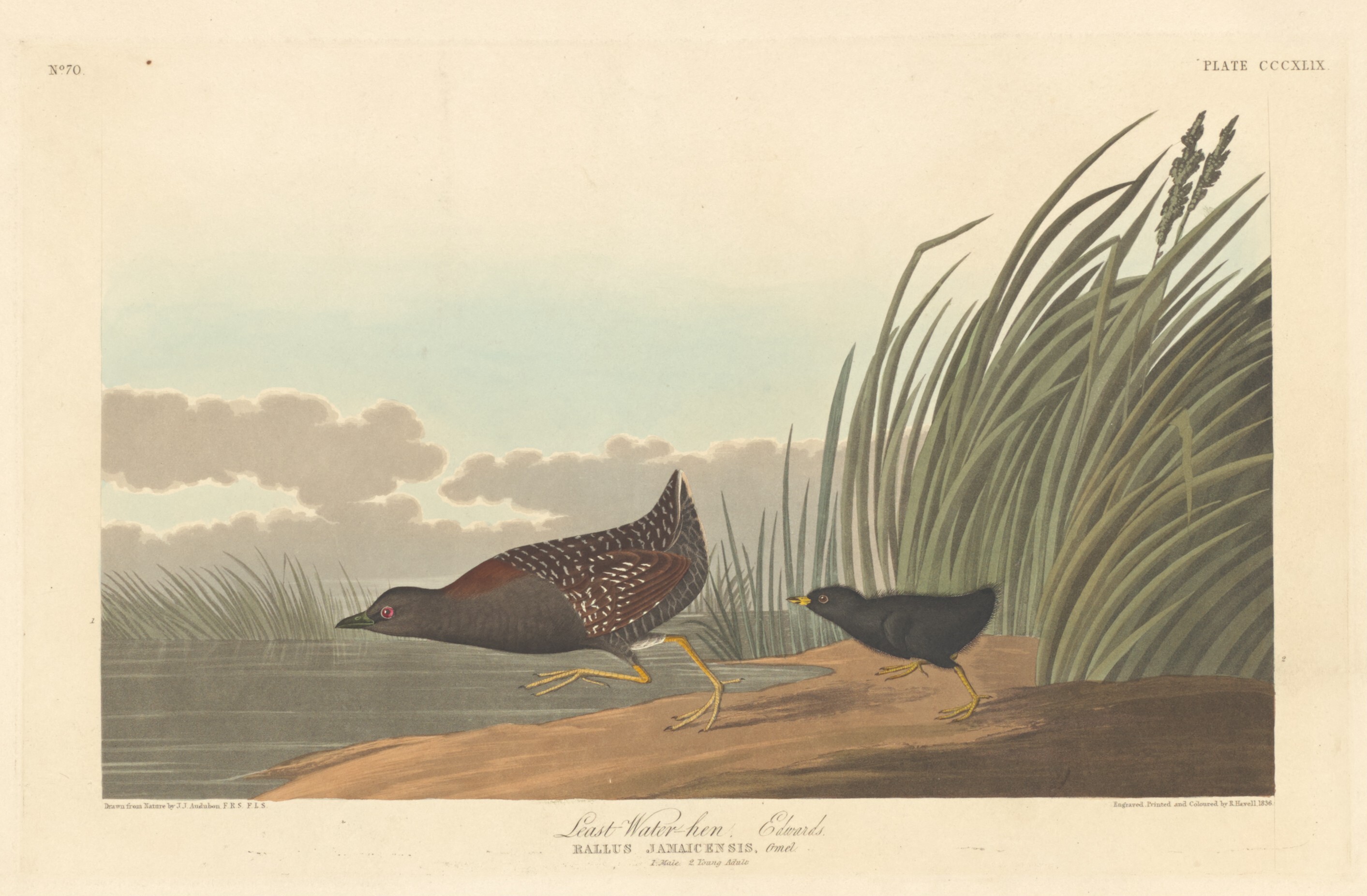
- Black RailLaterallus jamaicensis
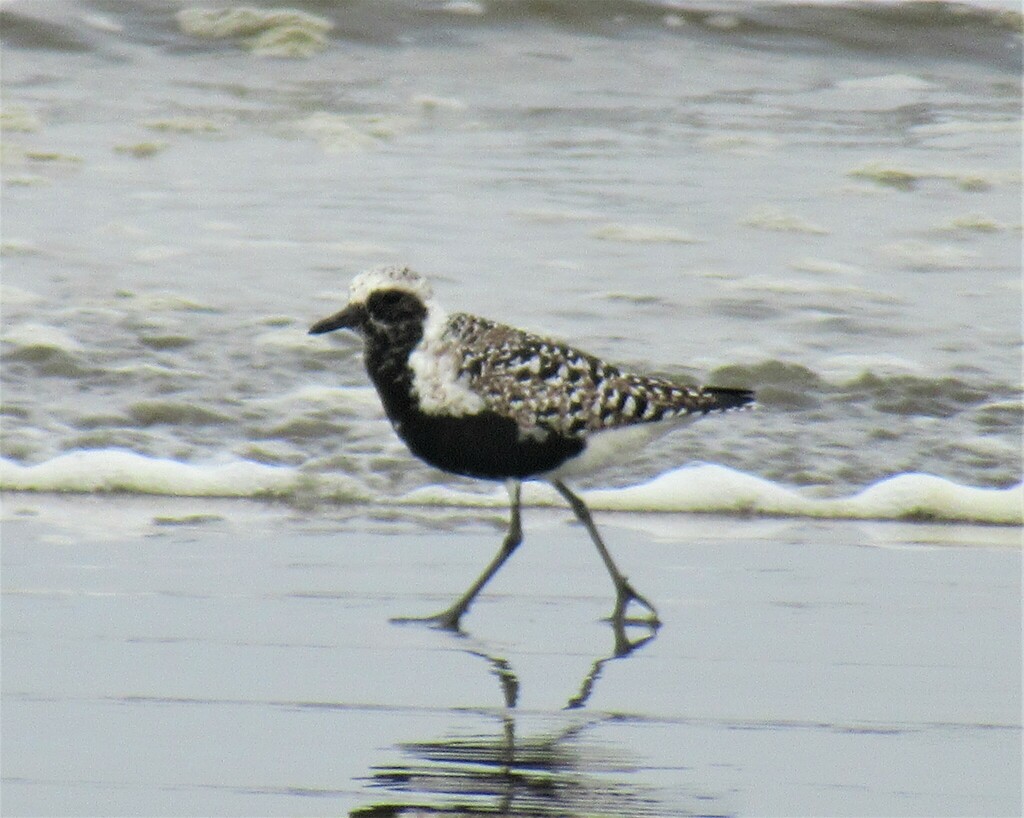
- Black-bellied PloverPluvialis squatarola
- Black-crowned Night-heronNycticorax nycticorax
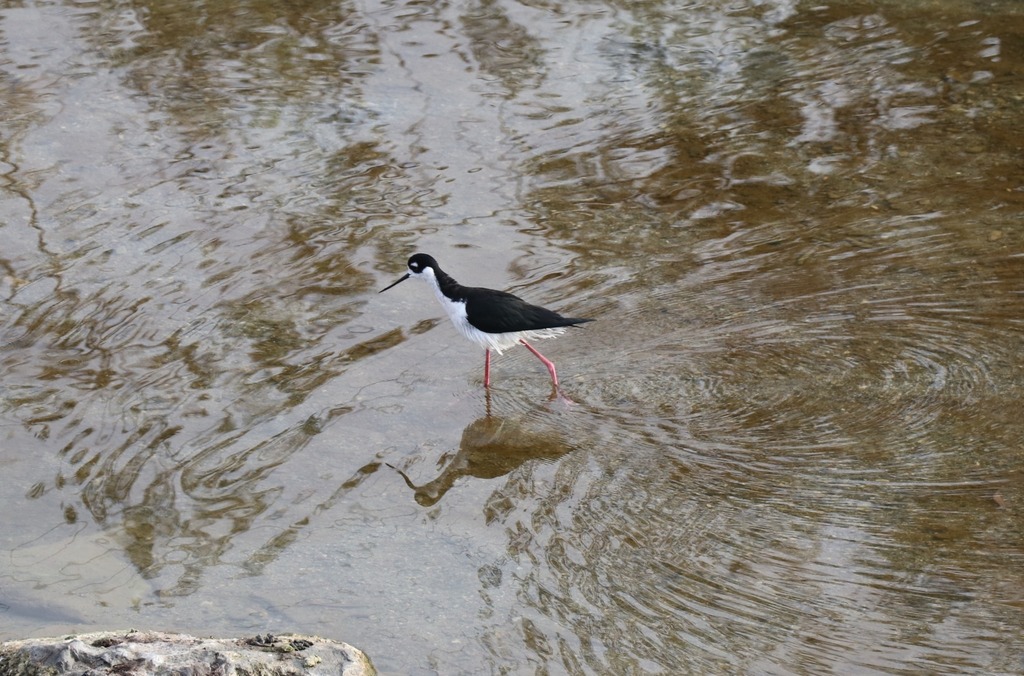
- Black-necked StiltHimantopus mexicanus
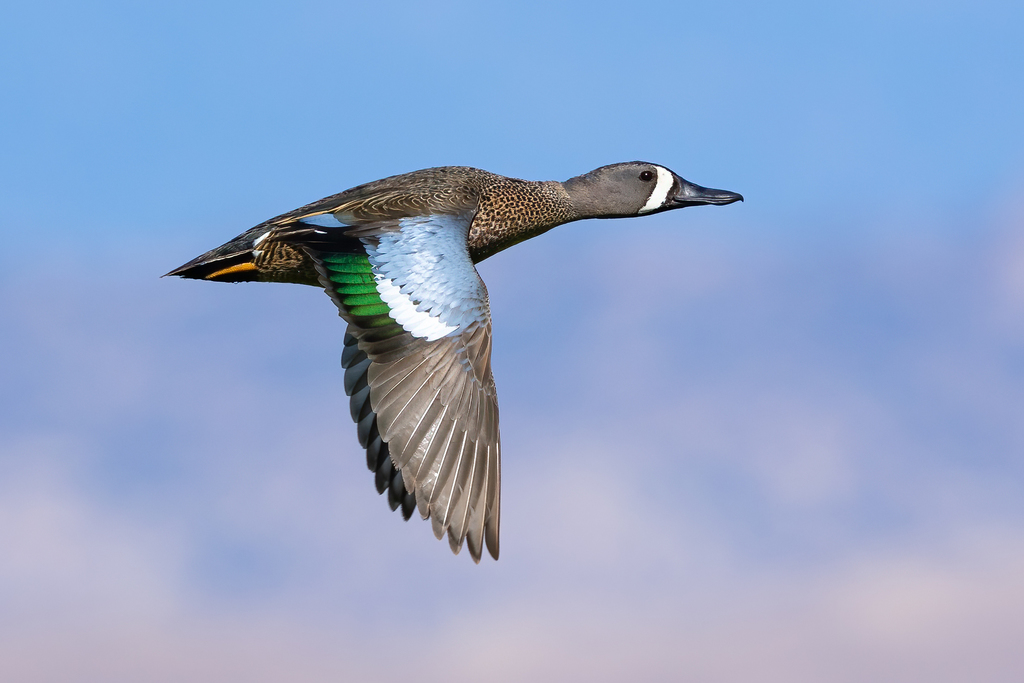
- Blue-winged TealAnas discors
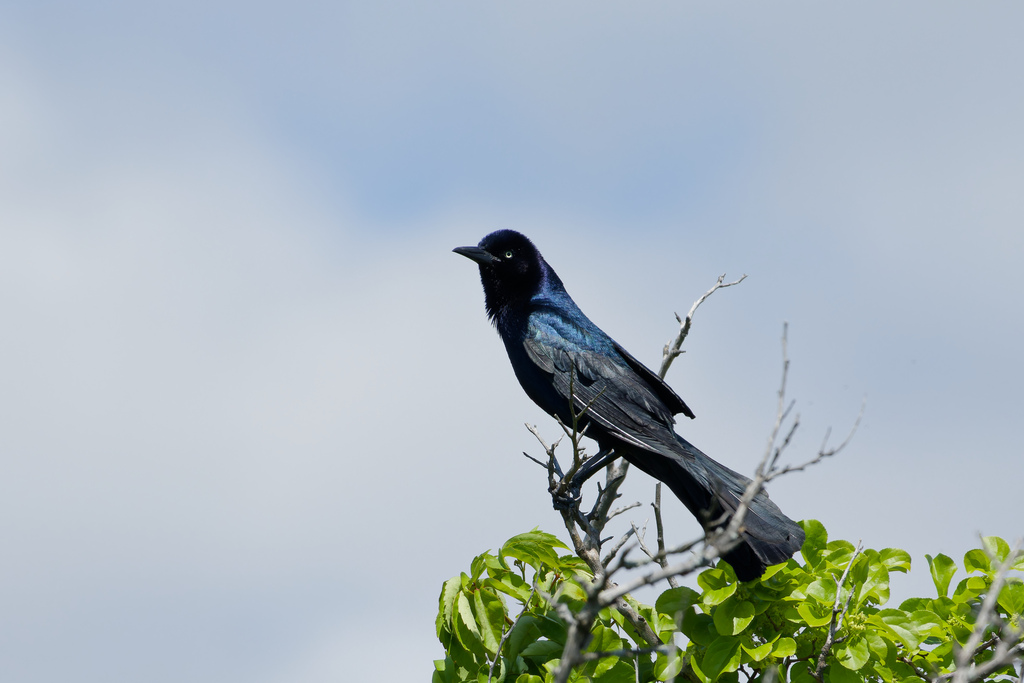
- Boat-tailed GrackleQuiscalus major
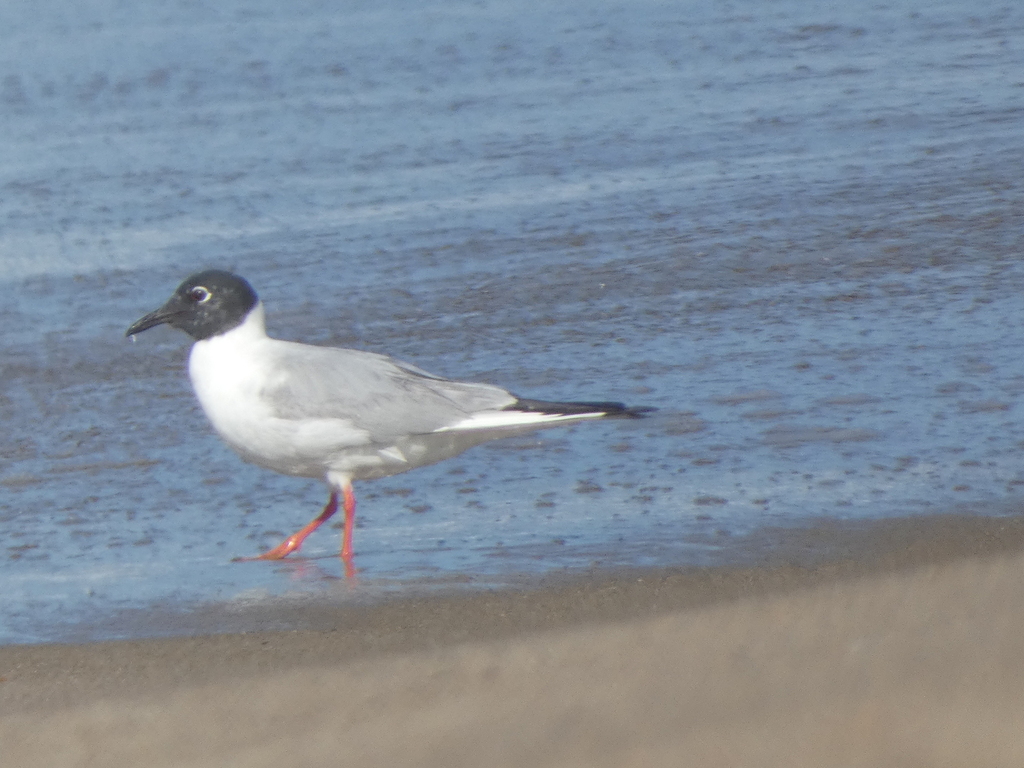
- Bonaparte's GullChroicocephalus philadelphia
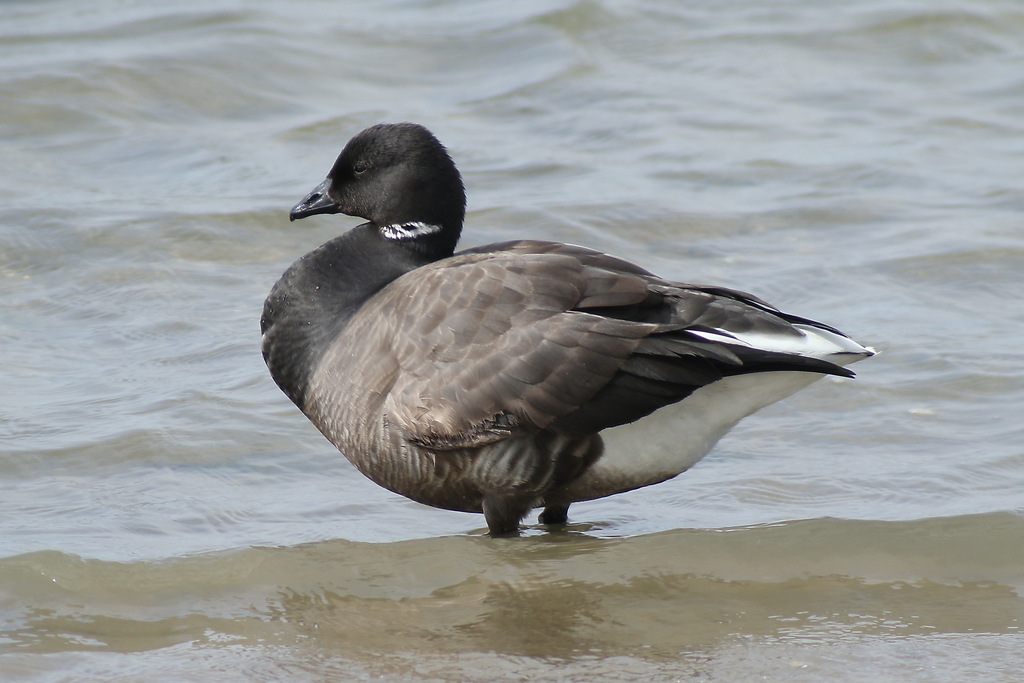
- BrantBranta bernicla
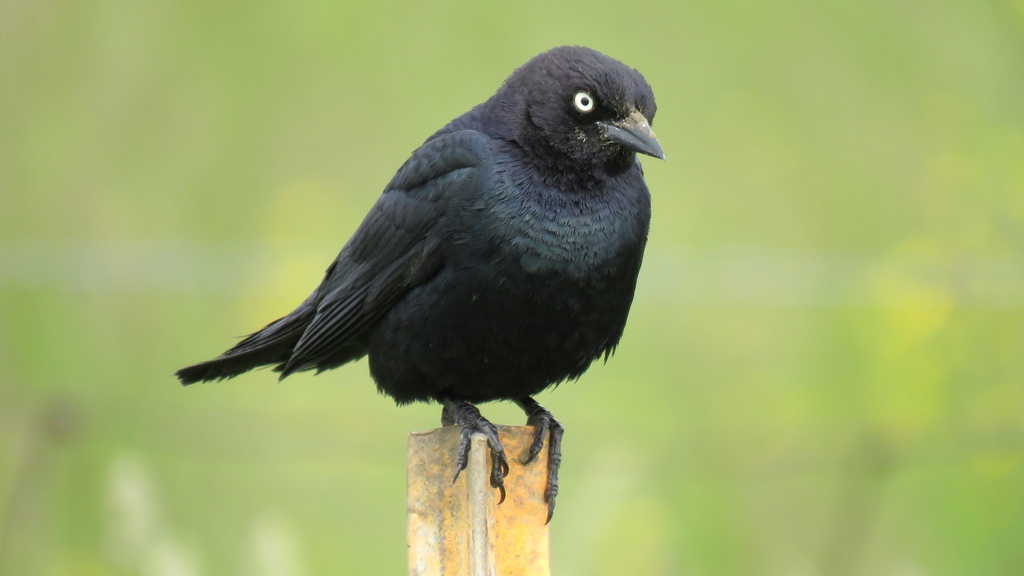
- Brewer's BlackbirdEuphagus cyanocephalus
- Canada GooseBranta canadensis
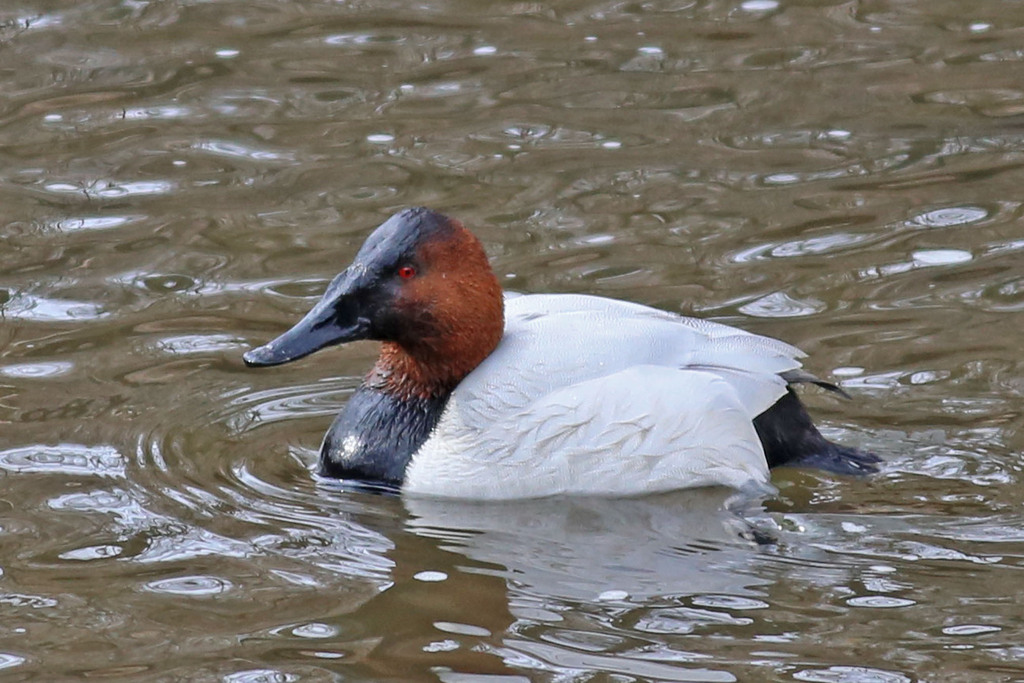
- CanvasbackAythya valisineria
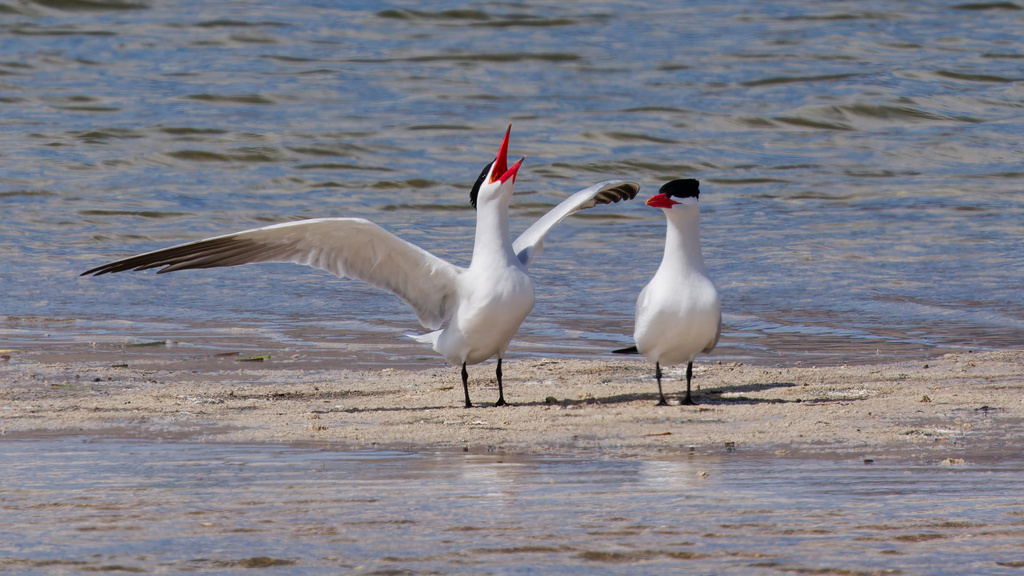
- Caspian TernHydroprogne caspia
- Chimney SwiftChaetura pelagica
- Common GrackleQuiscalus quiscula
- Common NighthawkChordeiles minor













Who uses this plant?
 10CaterpillarsGenus host records with ranges including VA
Genus host records with ranges including VA · Setaria
- Ancyloxypha numitorLeast Skipper
- Dargida diffusaWheat Head Armywotm Moth
- Helicoverpa zeaCorn Earworm Moth
- Hydraecia immanisHop Borer, Hop Vine Borer
- Hypena scabraGreen Cloverworm Bomolocha, Black Snout
- Lerema acciusClouded Skipper, Corn Leaf tier
- Lerodea eufalaEufala Skipper, Gray Skipper, Rice Leafroller
- Mythimna unipunctaArmyworm Moth, White Speck
- Papaipema nebrisStalk Borer
- Spodoptera frugiperdaFall Armyworm Moth
 0BeesSoutheastern regional records
 0Specialist beesPollen specialists
 33BirdsRecorded genus food-resource interactions; not a state feeding claim
Recorded genus food-resource interactions; not a state feeding claim · Setaria
- Acanthis flammeaCommon Redpoll
- Agelaius phoeniceusRed-winged Blackbird
- Ammospiza leconteiiLeConte's Sparrow
- Anser albifronsGreater White-fronted Goose
- Anthus rubescensAmerican Pipit
- Branta canadensisCanada Goose
- Calcarius lapponicusLapland Longspur
- Calcarius ornatusChestnut-collared Longspur
- Calcarius pictusSmith's Longspur
- Callipepla californicaCalifornia Quail
Show all 33
- Colinus virginianusNorthern Bobwhite
- Columbina passerinaCommon Ground Dove
- Cyrtonyx montezumaeMontezuma Quail
- Dolichonyx oryzivorusBobolink
- Eremophila alpestrisHorned Lark
- Melospiza melodiaSong Sparrow
- Molothrus aterBrown-headed Cowbird
- Passer domesticusHouse Sparrow
- Peucaea aestivalisBachman's Sparrow
- Plectrophenax nivalisSnow Bunting
- Pooecetes gramineusVesper Sparrow
- Porzana carolinaSora
- Quiscalus quisculaCommon Grackle
- Rallus limicolaVirginia Rail
- Rhynchophanes mccowniiMcCown's Longspur
- Sialia sialisEastern Bluebird
- Spizella passerinaChipping Sparrow
- Spizella pusillaField Sparrow
- Sturnus vulgarisEuropean Starling
- Turdus migratoriusAmerican Robin
- Tympanuchus phasianellusSharp-tailed Grouse
- Tyrannus tyrannusEastern Kingbird
- Zenaida macrouraMourning Dove
Direct food only: birds recorded eating this genus across North America. Caterpillars on host plants also feed nesting birds. NC Native Plant Society: butterfly gardening
No records yet · Ants · Beetles · Flies · Adult butterflies / moths · Other wasps · Other insects
Plant details
- Family
- Poaceae
- Flower color
- White or green
Safety has not been reviewed for this plant; check toxicity and thorns before planting.
Growing sources and scope
- Flower color · “White or green” · Lady Bird Johnson Wildflower Center
- Height · “Up to about 12 feet” · Lady Bird Johnson Wildflower Center
- Life cycle · “Annual” · Lady Bird Johnson Wildflower Center
- Light · “Full sun (documented habitat)” · FloraQuest: Carolinas, Georgia (Southeastern Flora Team), phone app (app page) · Carolinas and Georgia
- Soil · “Water; Wet (documented habitat)” · FloraQuest: Carolinas, Georgia (Southeastern Flora Team), phone app (app page) · Carolinas and Georgia
Conservation status
| Virginia rank | S4 |
|---|---|
| Global rank | G4G5 |
| VA status | Not verified |
| Federal status | Not verified |
Will it fit your yard?
Check this plant against your county, sun and soil moisture. Conditions are checked in your browser.
Sources
- Digital Atlas of the Virginia Flora
- USDA PLANTS
- Vascular Plants of North Carolina (NC Natural Heritage Program)
- FloraQuest: Carolinas, Georgia (Weakley), phone app (app page)
- FloraQuest: Northern Tier (Weakley), phone app (app page)
- NatureServe Explorer
- Shropshire & Tallamy 2025, Lepidoptera of North America north of Mexico, ZooKeys 1261 (ODbL)
- Noori, Seltmann & Orr 2026, A curated and integrated dataset for exploring global bee-plant interactions (GloBI), Zenodo, CC BY 4.0
- Smith, Bachelder, Russell, Morales, Mosher & Seltmann 2024, Bee-Specialization-Modeling v0.6.1 (specialist host table compiled from J. Fowler's pollen specialist bee lists), Zenodo, CC BY 4.0
- Hurlbert, Olsen, Sawyer & Winner 2021, Avian Diet Database, Scientific Data 8: 260 (CC0)
- Narango, Tallamy & Shropshire 2020, Few keystone plant genera support the majority of Lepidoptera species, Nature Communications