

Bird
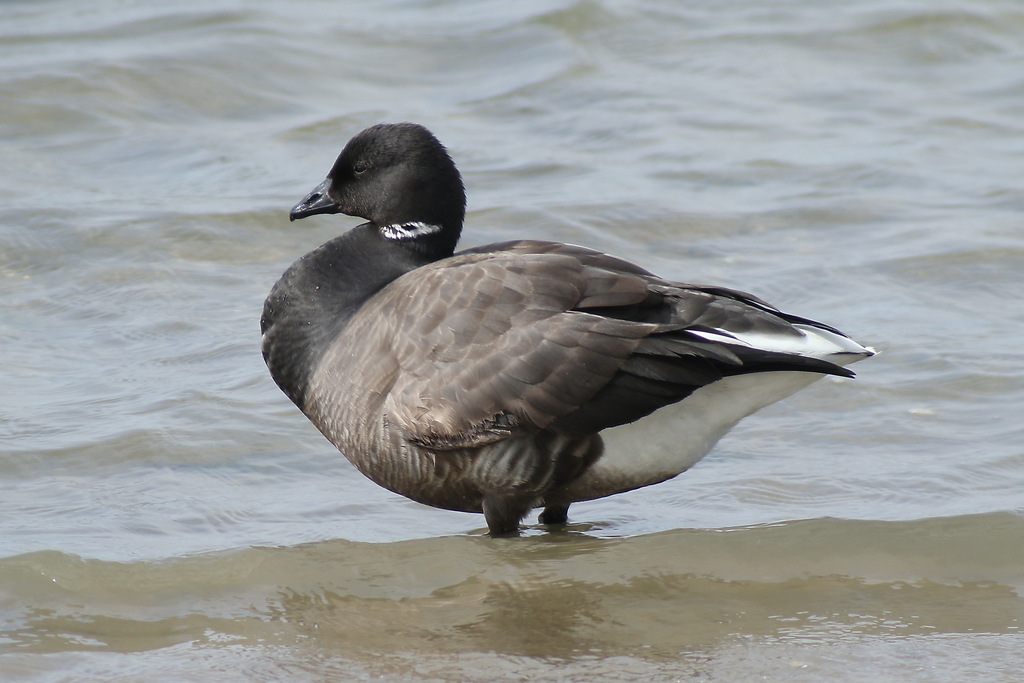
Brant
Branta bernicla
Names as given by USGS GAP.
Winter in Virginia, in the USGS range maps. Its habitat models include 5 habitats found here.
- Seasons here
- Winter
- Breeding
- Nonbreeding
- Range
- 28 of 133 counties
- Habitats
- 5
At a glance
- Group
- Birds
- Seasons in Virginia
- Winter
- Breeding
- Nonbreeding
- Counties in known range
- 28 of 133
- Habitat models
- Winter
Where it lives
Southeast habitat models (USGS, 2001 land cover). The bird is not in every place a habitat occurs. USGS Gap Analysis Project habitat models Winter model
Habitats in Virginia 5
Each habitat page lists the plants and wildlife also found there. Shared habitat, not food.
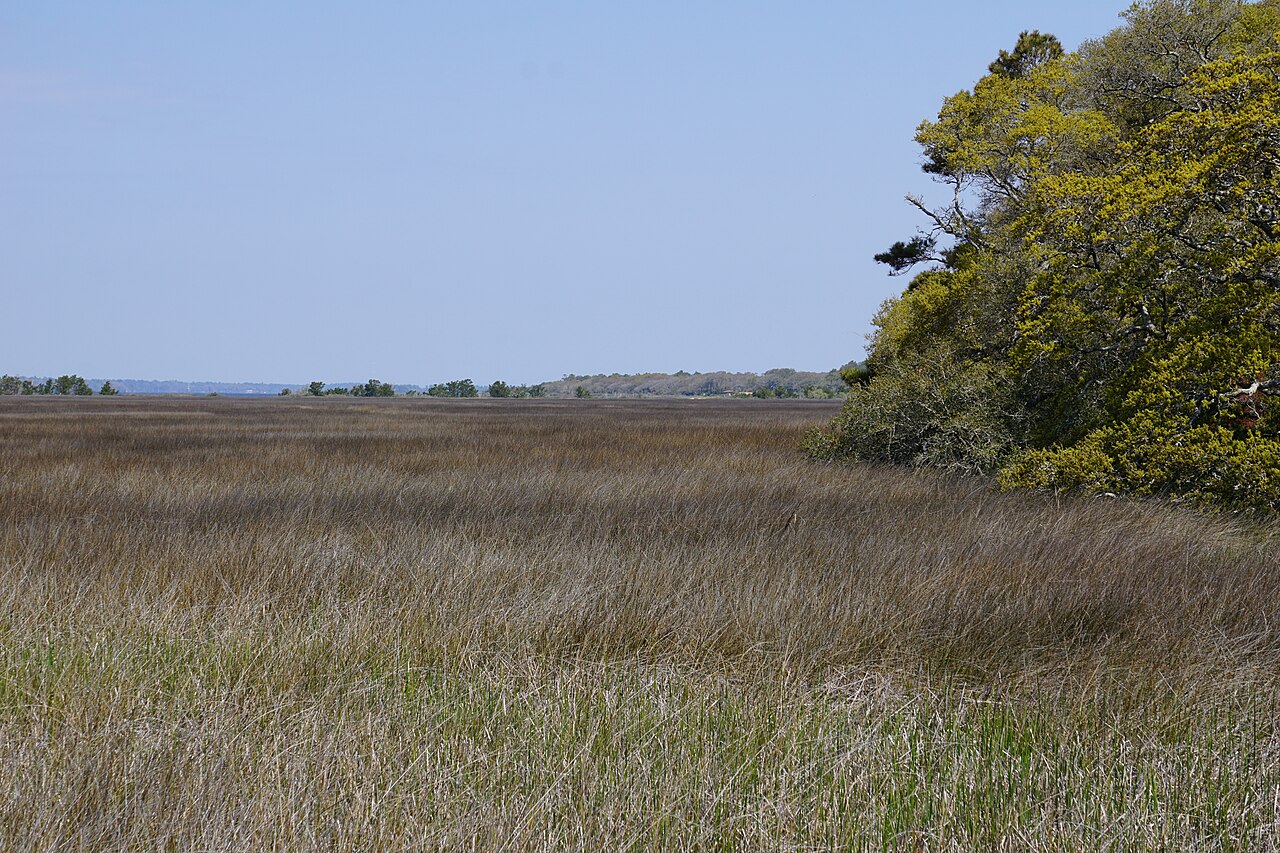
Marshes along tidal rivers where the water is fresh but rises and falls with the tide.
Salt and brackish open water of sounds, bays and estuaries, with the mud and sand flats and seagrass beds that tides cover and uncover; the vegetated marsh is salt and brackish marshes.
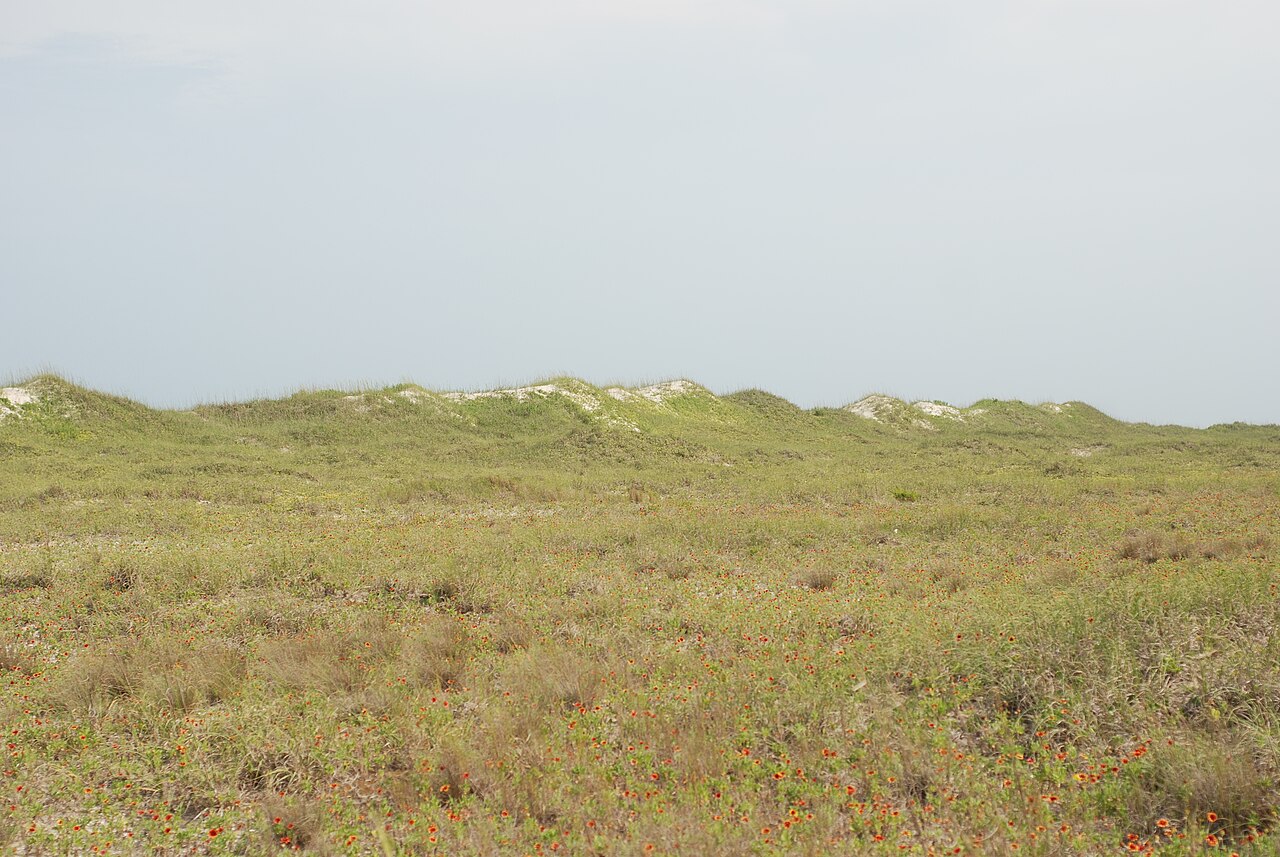
Roadsides, fields and disturbed ground
Ground opened by people: roadsides, old fields, pastures, fencerows and lots.
Other habitats in its models (6)
Land cover, or classes with no habitat page in Virginia.
- Unconsolidated Shore Winter
- Introduced Upland Vegetation - Perennial Grassland and Forbland Winter. Next to its main habitat. Only within 120 m of water
- Atlantic Coastal Plain Central Salt and Brackish Tidal Marsh Winter
- Atlantic Coastal Plain Indian River Lagoon Tidal Marsh Winter
- Atlantic Coastal Plain Clay-Based Carolina Bay Herbaceous Wetland Winter
- Atlantic Coastal Plain Central Fresh-Oligohaline Tidal Marsh Winter
Model settings
Settings in the USGS model, not field measurements.
- Winter model: Brackish or salt water only
Habitat names: NatureServe Explorer, CC BY 4.0.
Seasons in Virginia
Modeled range from USGS maps (2001), by watershed. Not sighting records. Migratory gives no dates. USGS Gap Analysis Project range maps
- Winter. Nonbreeding. Range includes 28 of 133 counties and cities
Also found in this habitat
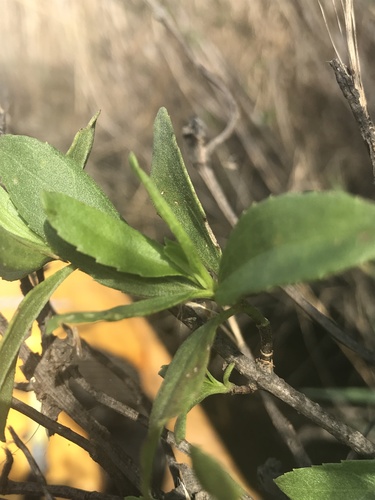
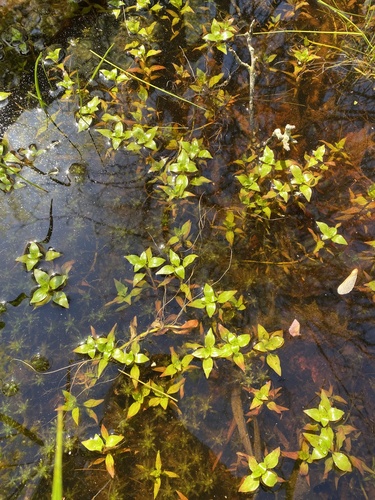
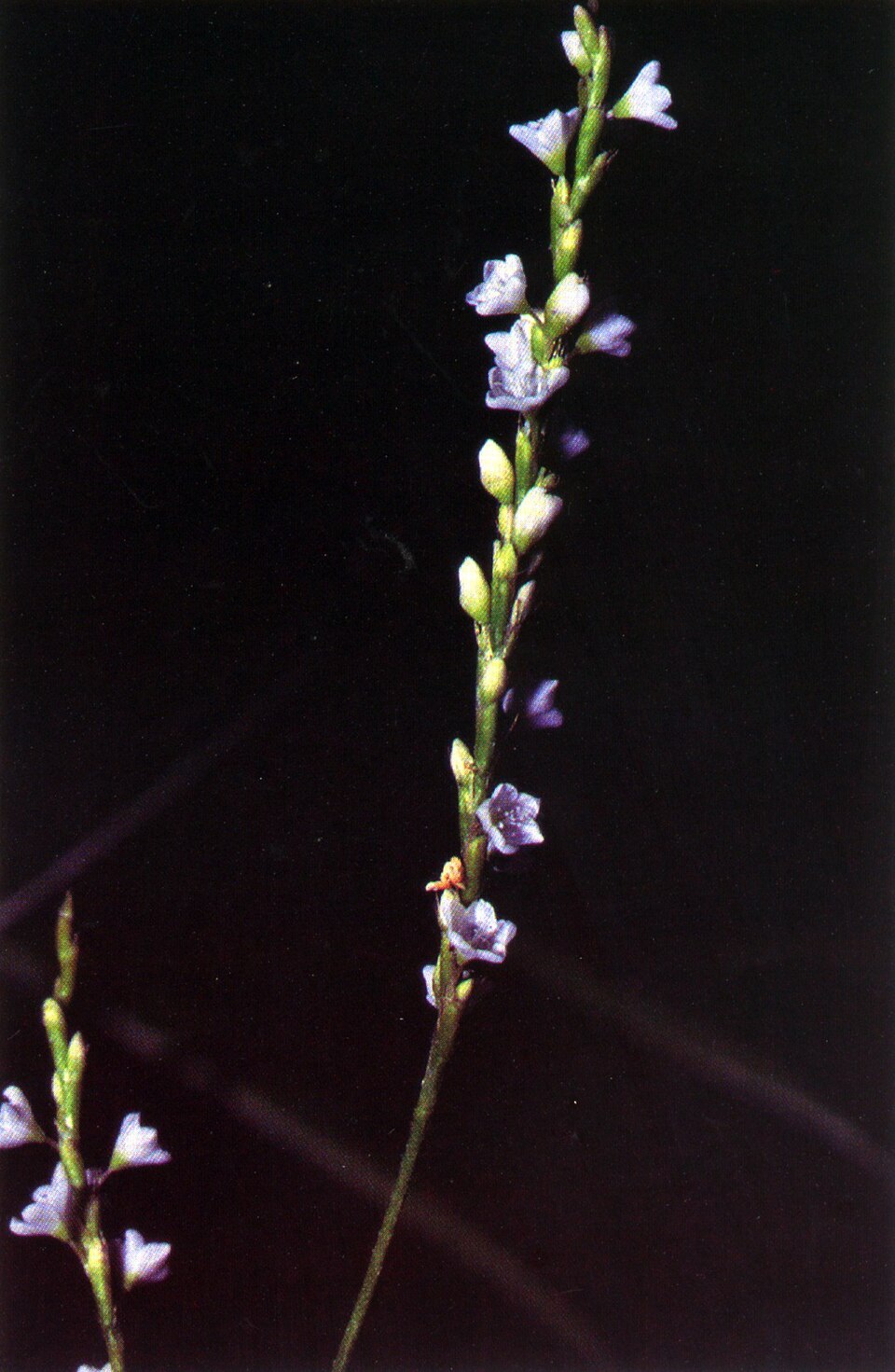
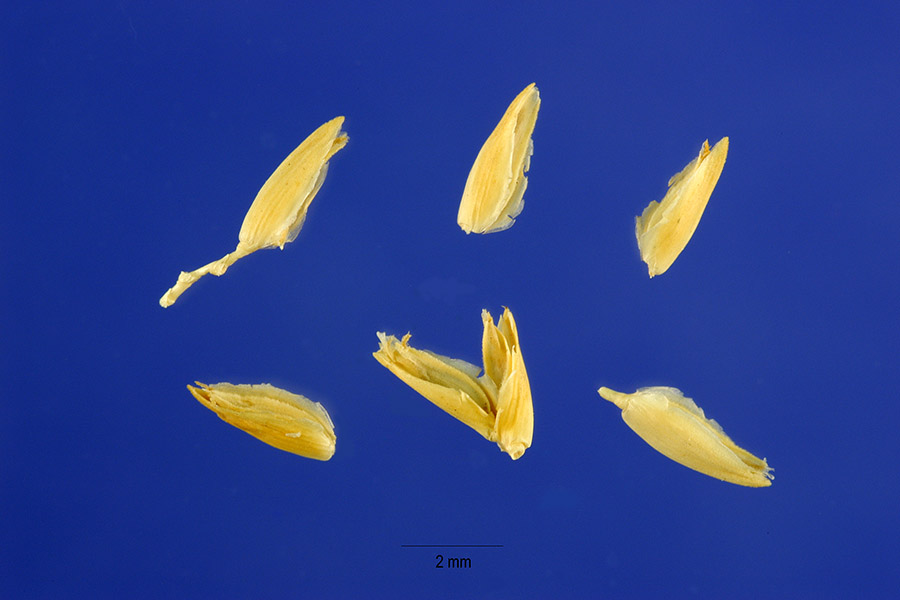
Plants 90
Plants named in NatureServe descriptions of these habitats that grow in Virginia. Shared habitat, not food.
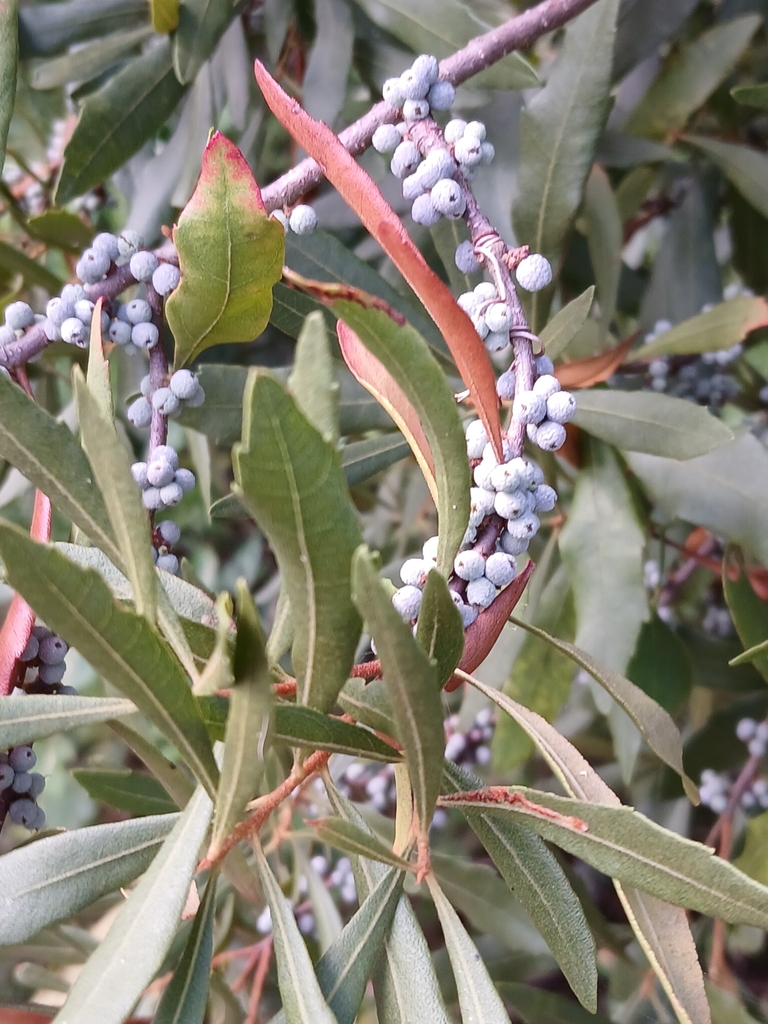
- Common WaxmyrtleMorella cerifera
- SwitchgrassPanicum virgatum
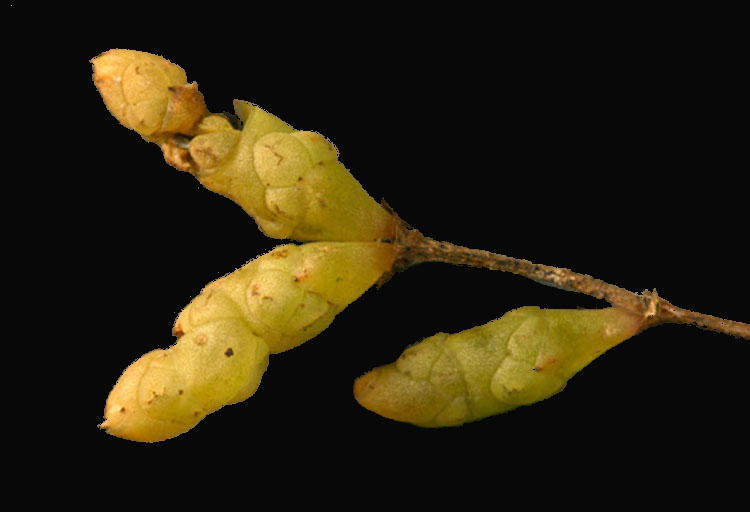
- Groundsel-treeBaccharis halimifolia
- Shoreline SedgeCarex hyalinolepis
- Creeping SpikerushEleocharis fallax
- Estuary PipewortEriocaulon parkeri
- Bigleaf Marsh-elderIva frutescens
- Rice CutgrassLeersia oryzoides
- Welsh MudwortLimosella australis
- Marsh SeedboxLudwigia palustris
- Dotted SmartweedPersicaria punctata
- Saltmarsh CordgrassSpartina alterniflora
- Saltmeadow CordgrassSpartina patens
- Sensitive JointvetchAeschynomene virginica
- Seashore SaltgrassDistichlis spicata
- Dwarf SpikerushEleocharis parvula
- Beaked SpikerushEleocharis rostellata
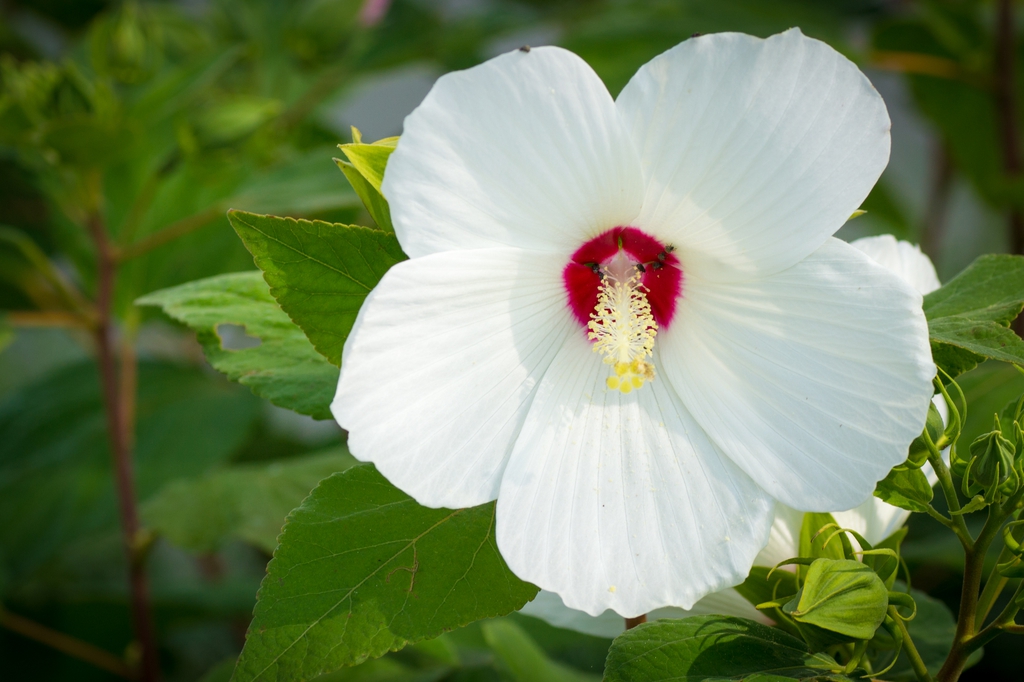
- Swamp RosemallowHibiscus moscheutos
- Shore QuillwortIsoetes riparia
- Black NeedlerushJuncus roemerianus
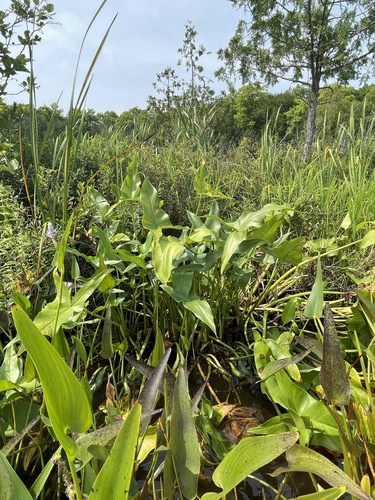
- Green Arrow-arumPeltandra virginica
- Dwarf ArrowheadSagittaria subulata
- Dwarf GlasswortSalicornia bigelovii
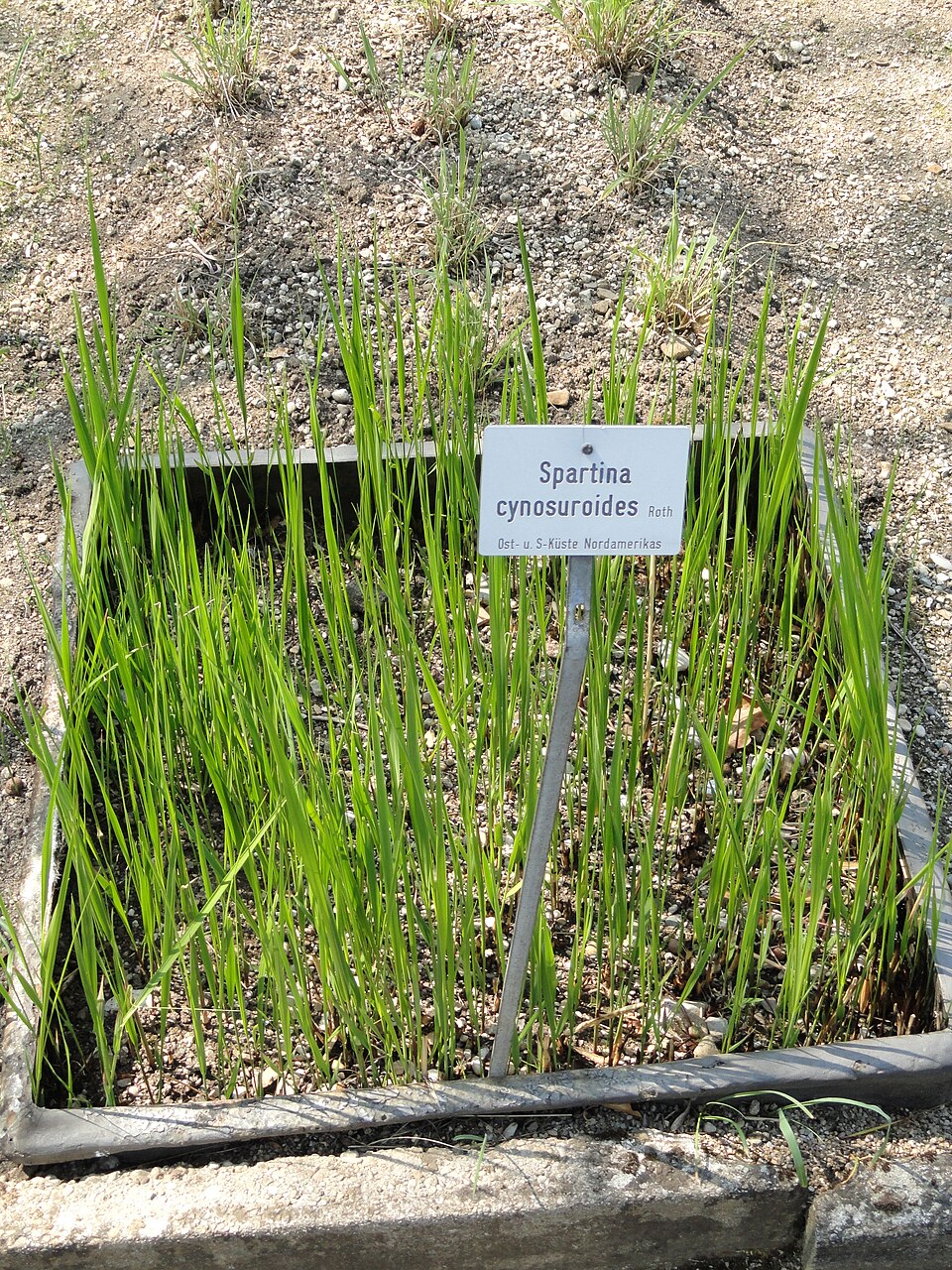
- Big CordgrassSpartina cynosuroides
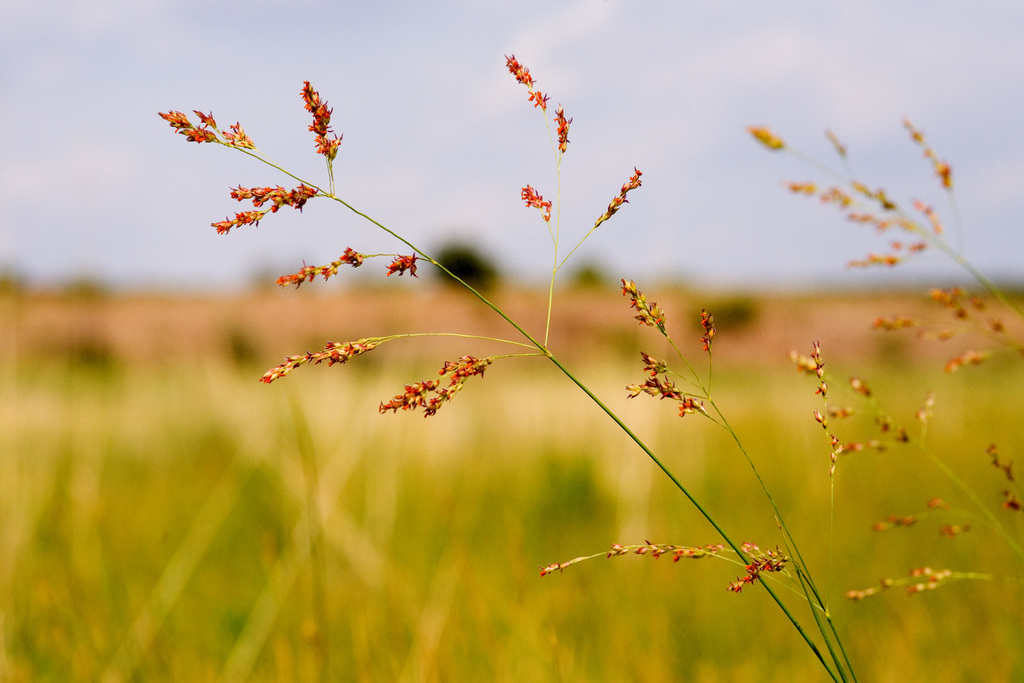
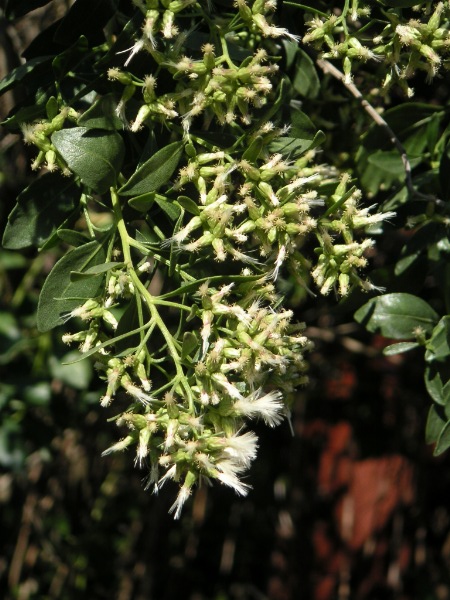
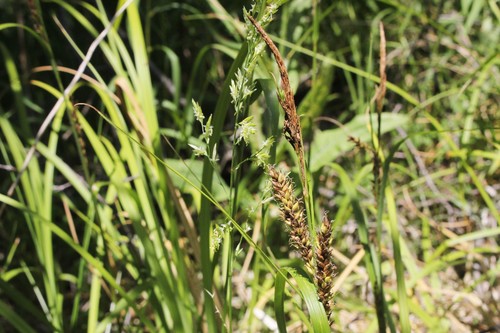
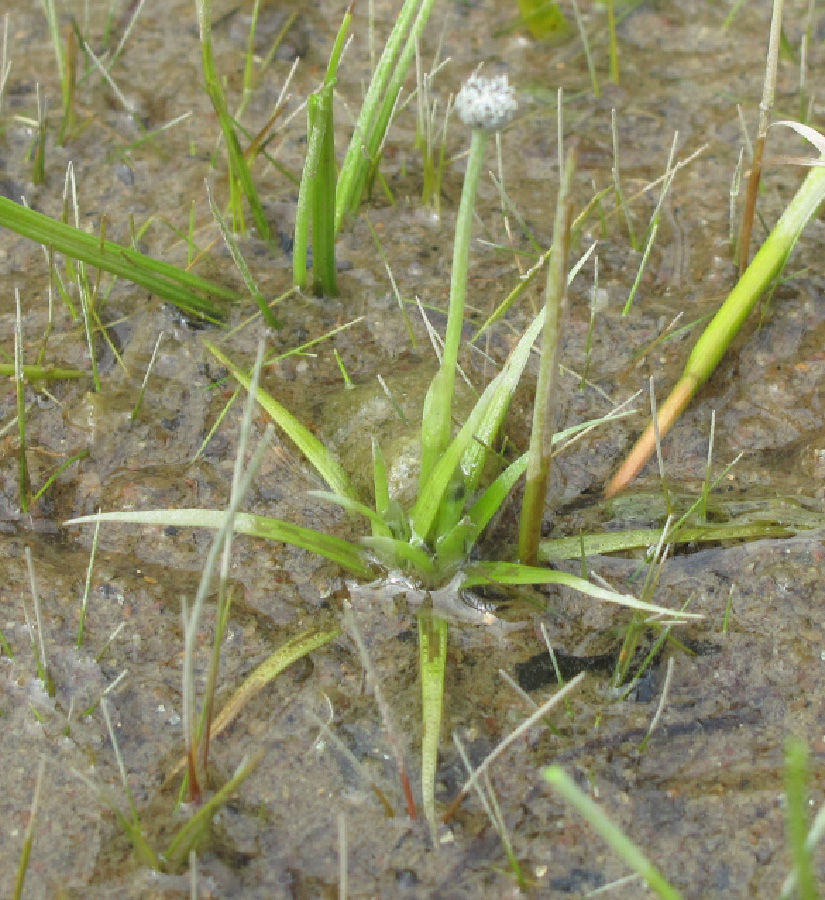
Wildlife 225
Other animals whose habitat models include the same habitats in Virginia. Not sighting records.
- American AvocetRecurvirostra americana
- American BitternBotaurus lentiginosus
- American Black DuckAnas rubripes
- American PipitAnthus rubescens
- Bank SwallowRiparia riparia
- Black-crowned Night-heronNycticorax nycticorax
- Boat-tailed GrackleQuiscalus major
- Canada GooseBranta canadensis
- Common NighthawkChordeiles minor
- Glaucous GullLarus hyperboreus
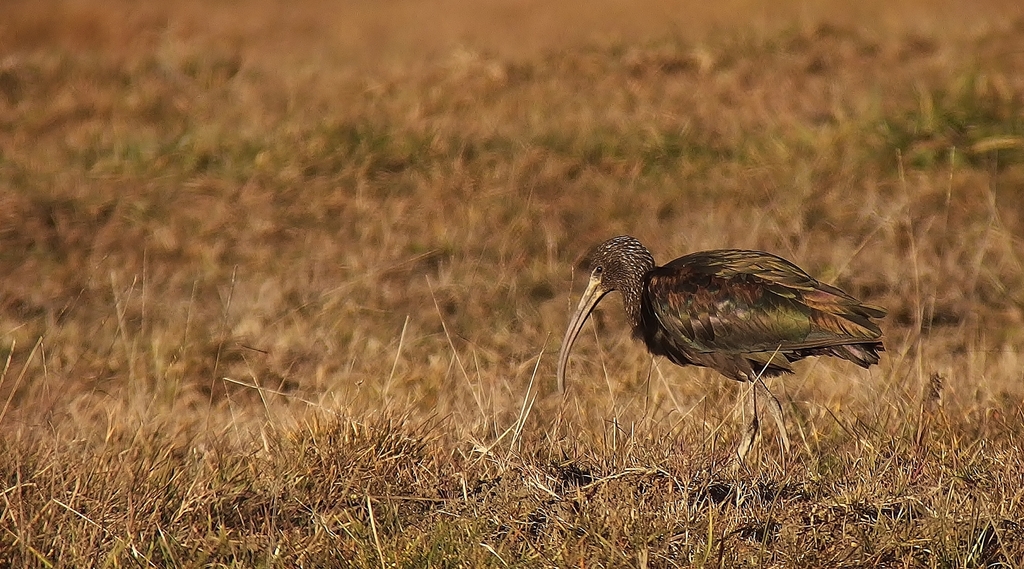
- Glossy IbisPlegadis falcinellus
- Great Blue HeronArdea herodias
- Great Horned OwlBubo virginianus
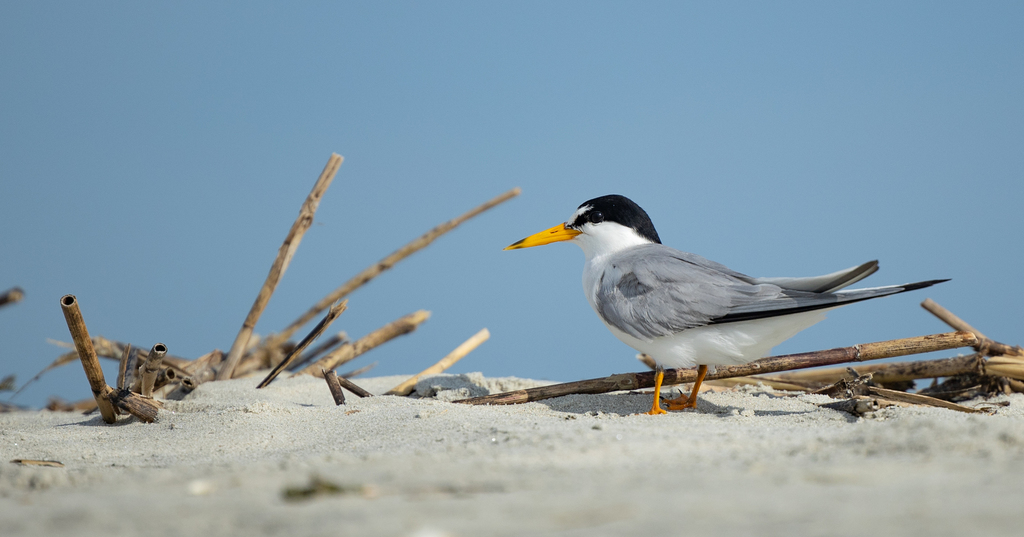
- Least TernSternula antillarum
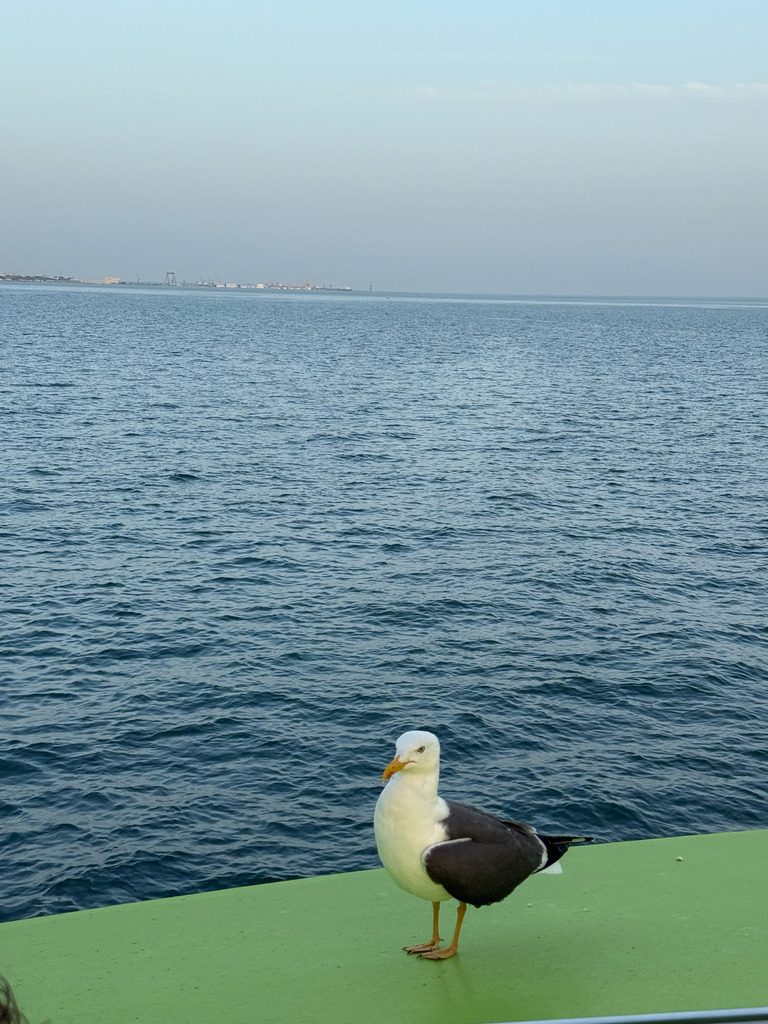
- Lesser Black-backed GullLarus fuscus
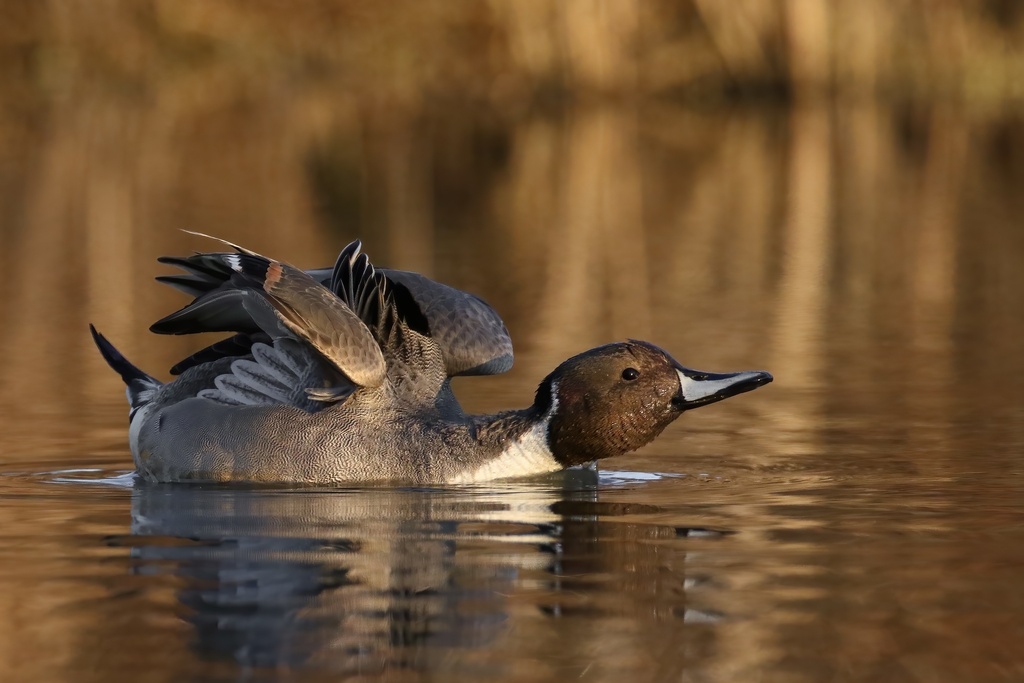
- Northern PintailAnas acuta
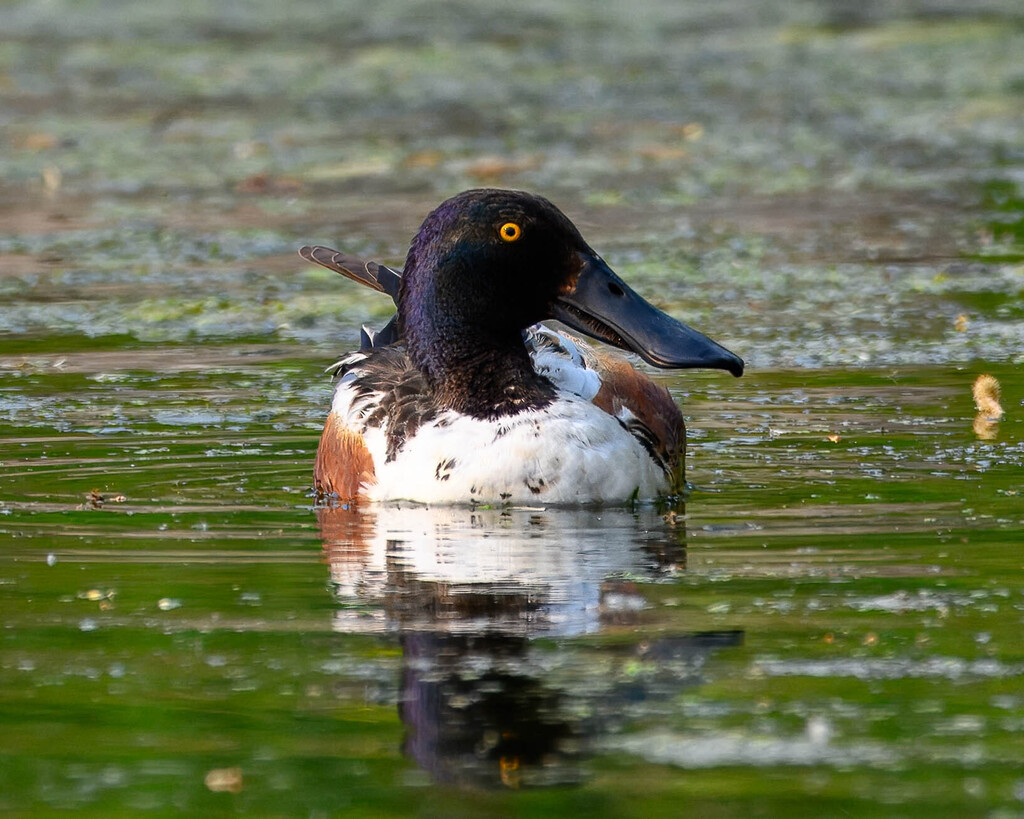
- Northern ShovelerAnas clypeata
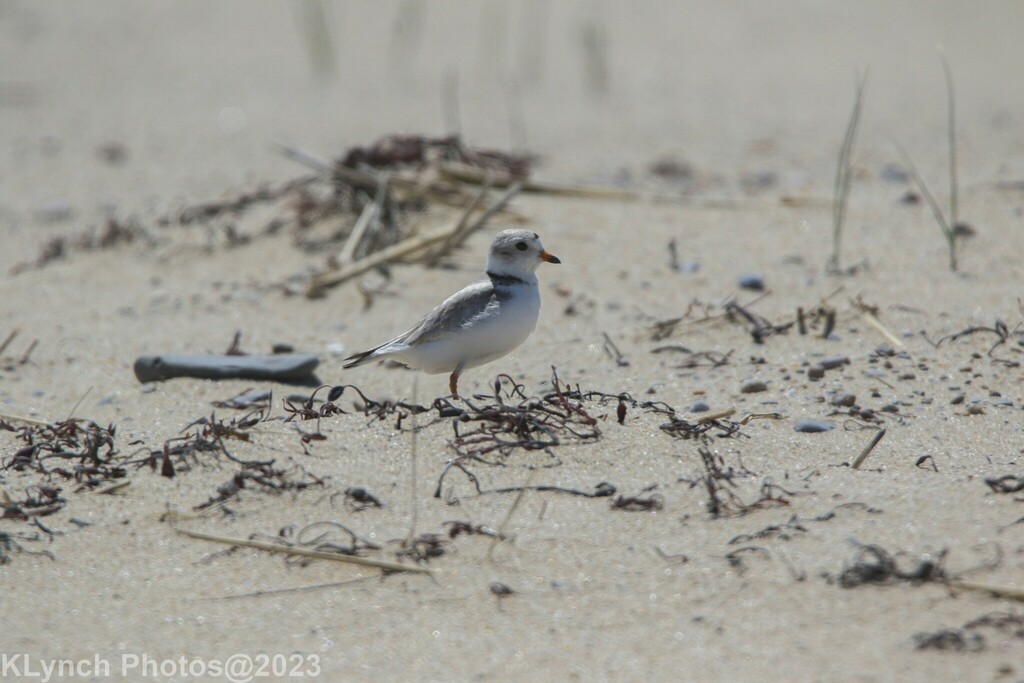
- Piping PloverCharadrius melodus
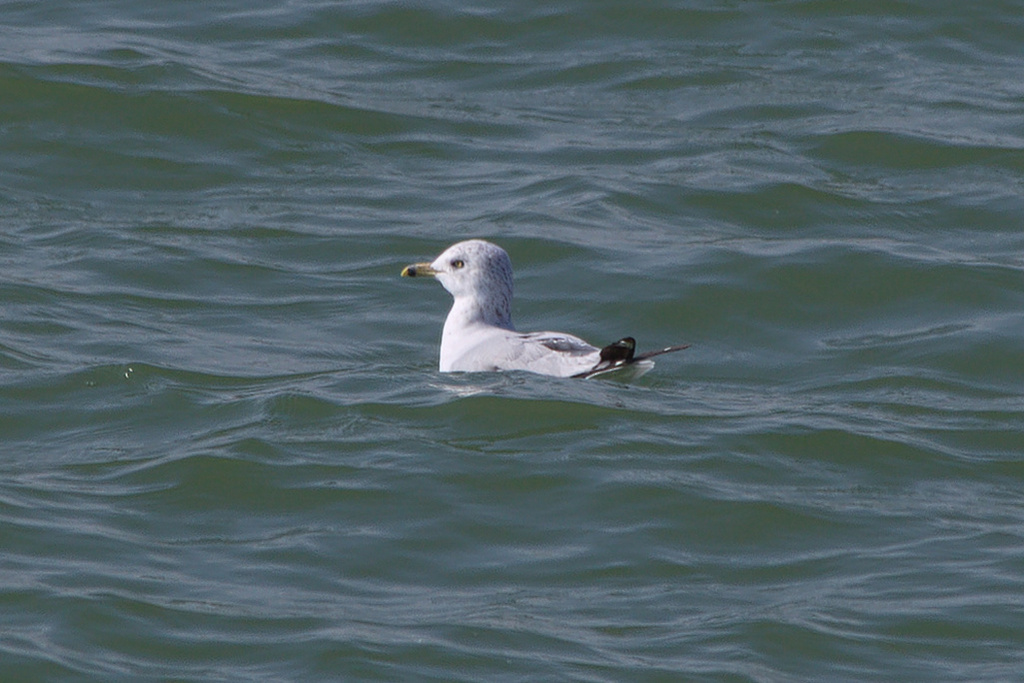
- Ring-billed GullLarus delawarensis
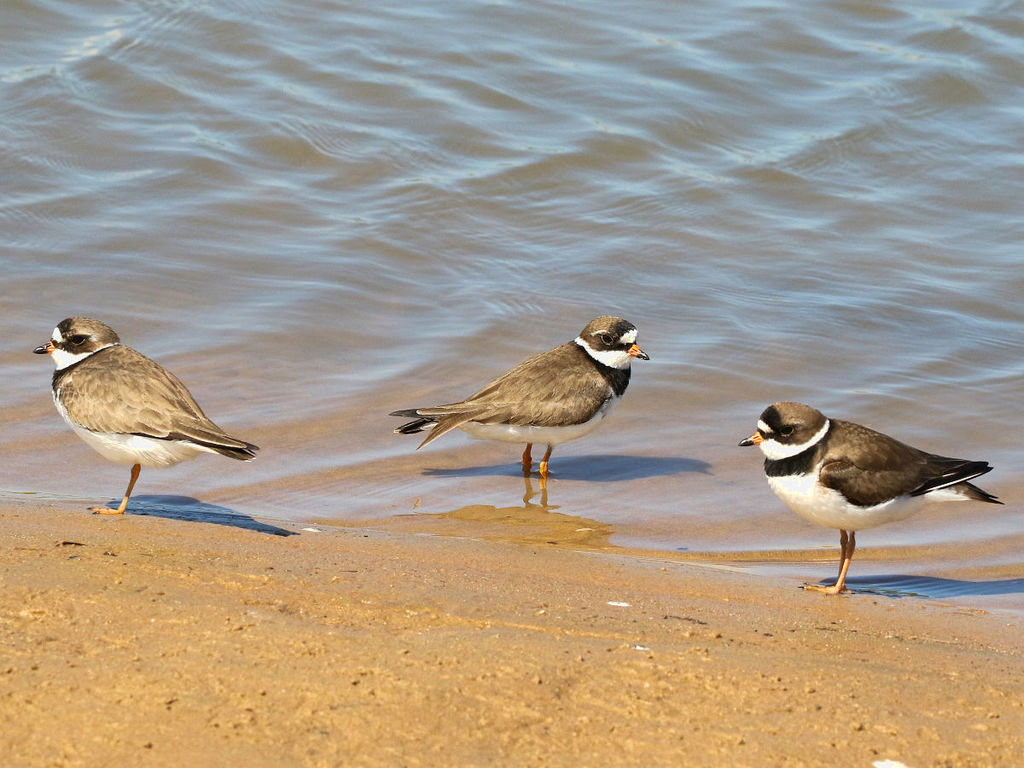
- Semipalmated PloverCharadrius semipalmatus
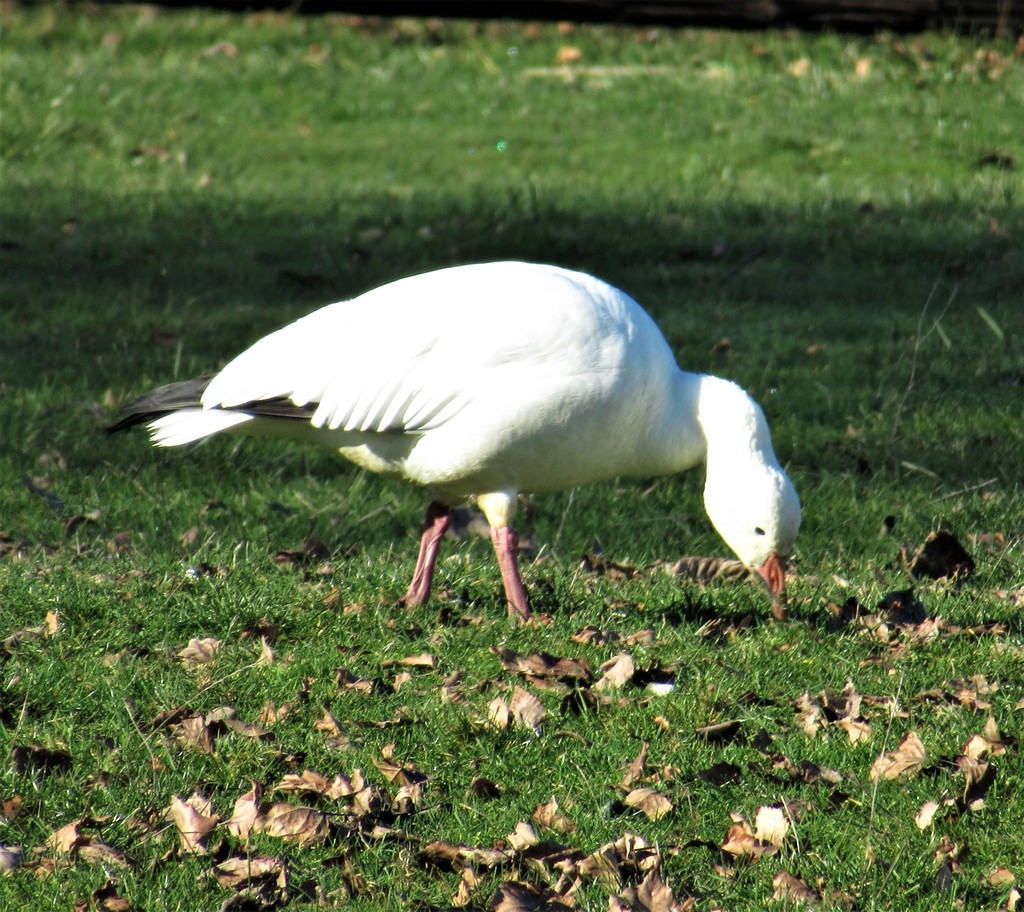
- Snow GooseChen caerulescens
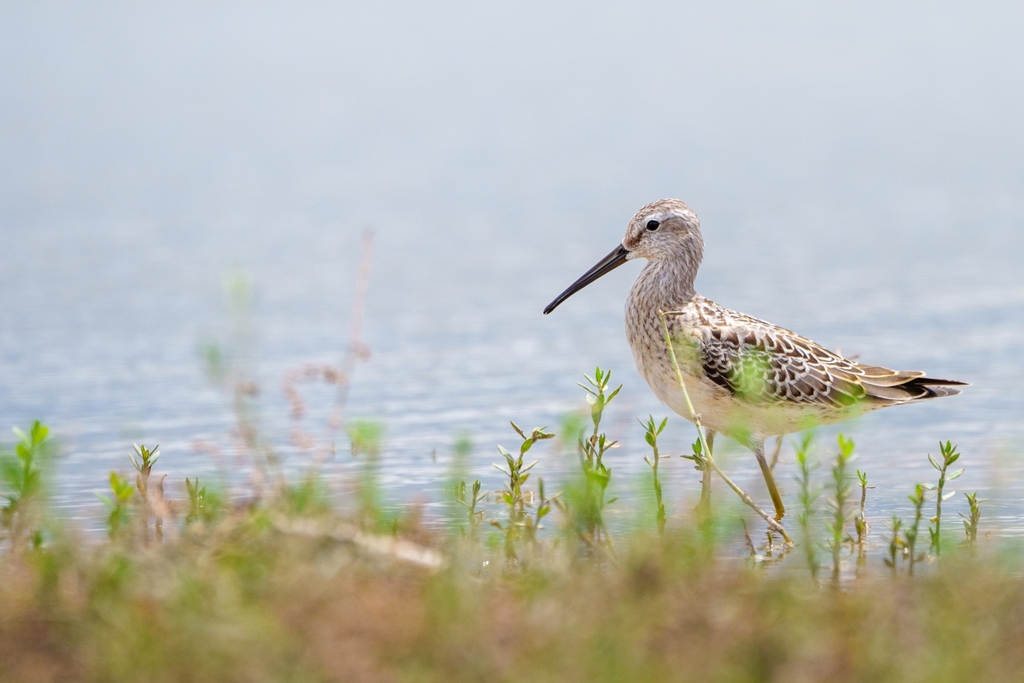
- Stilt SandpiperCalidris himantopus
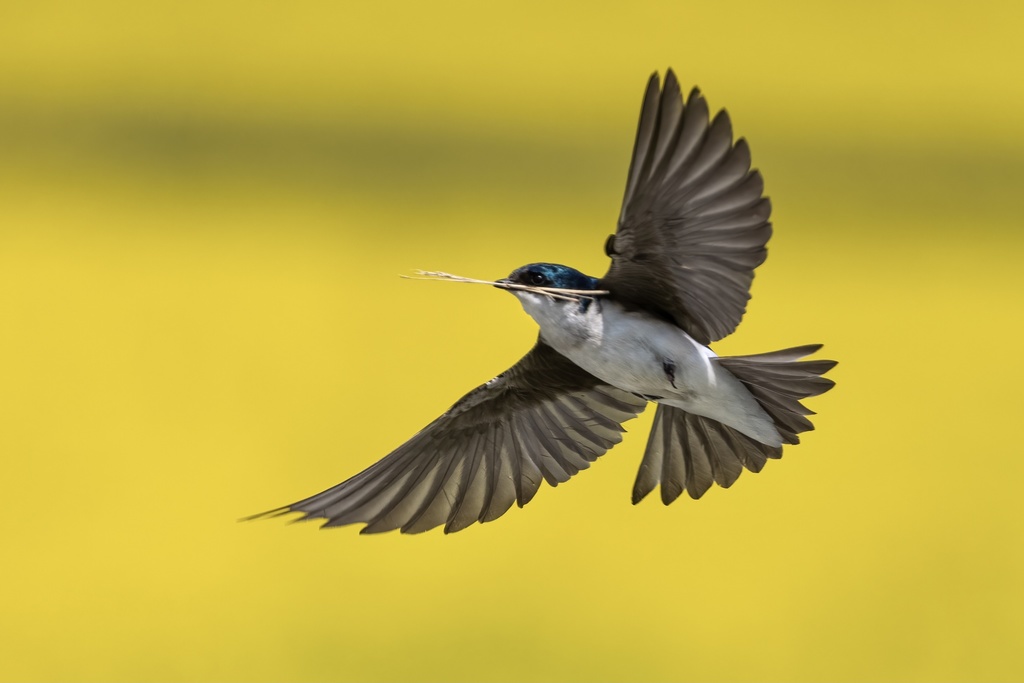
- Tree SwallowTachycineta bicolor
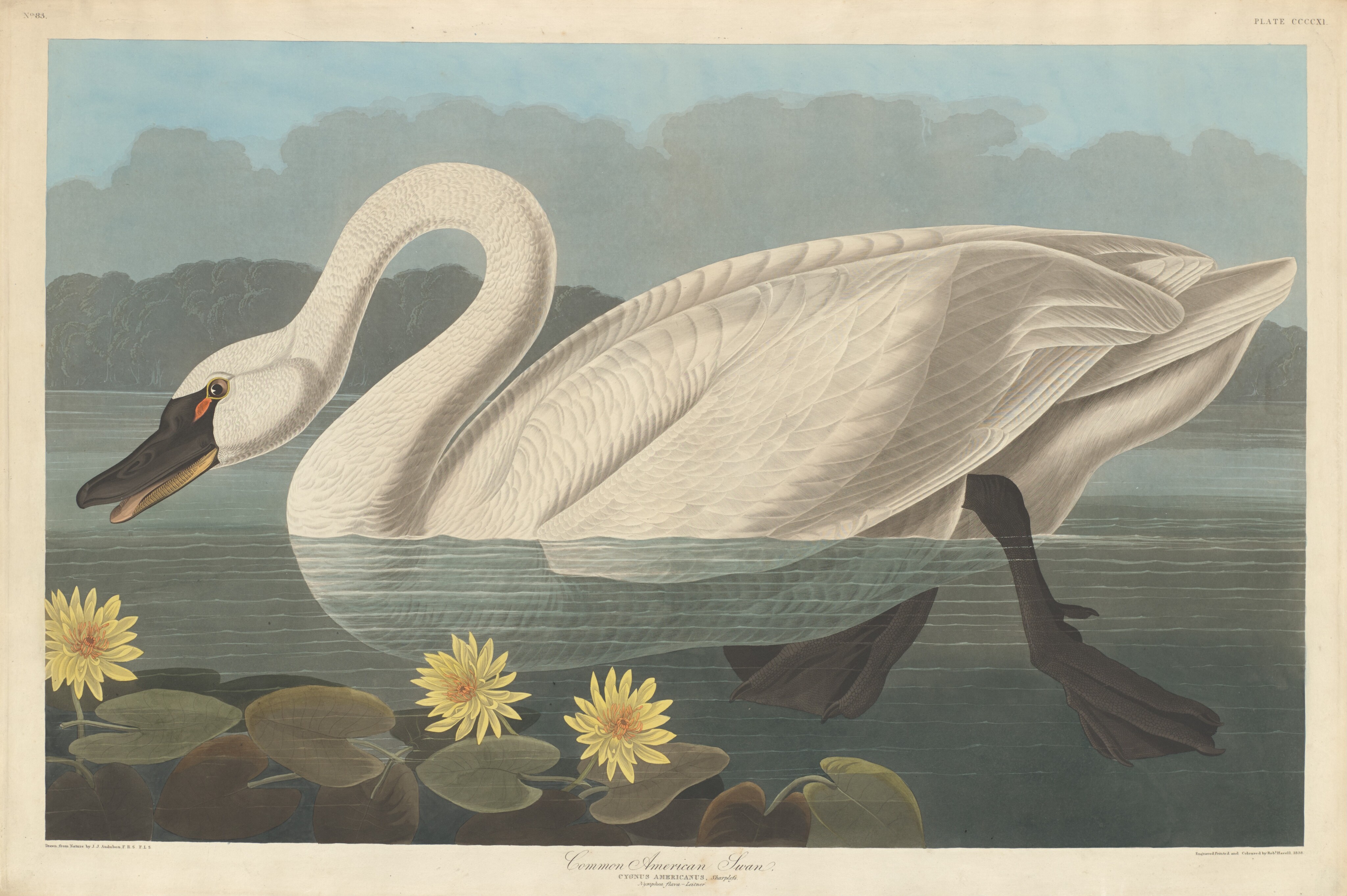
- Tundra SwanCygnus columbianus
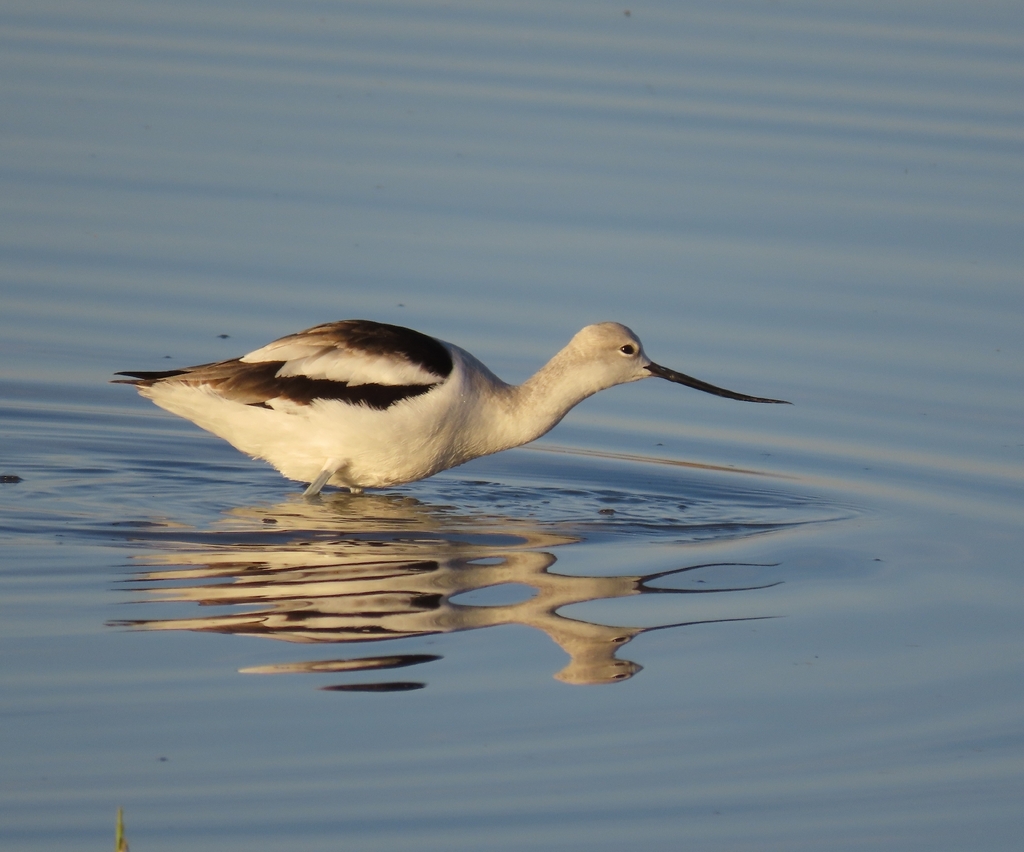
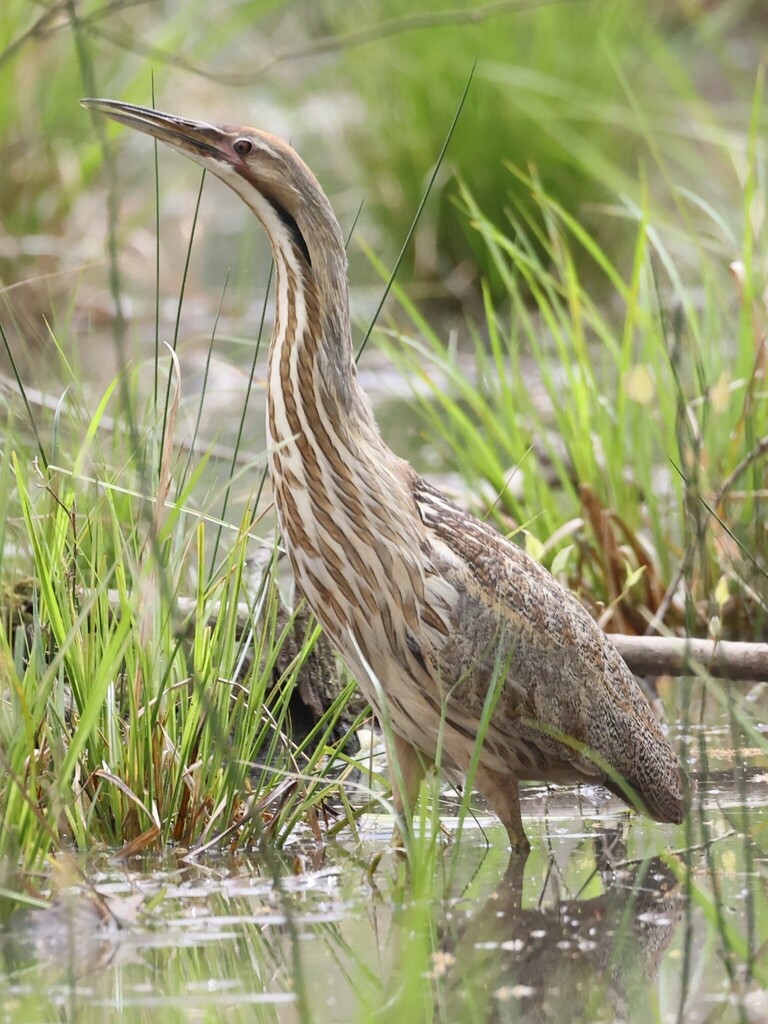




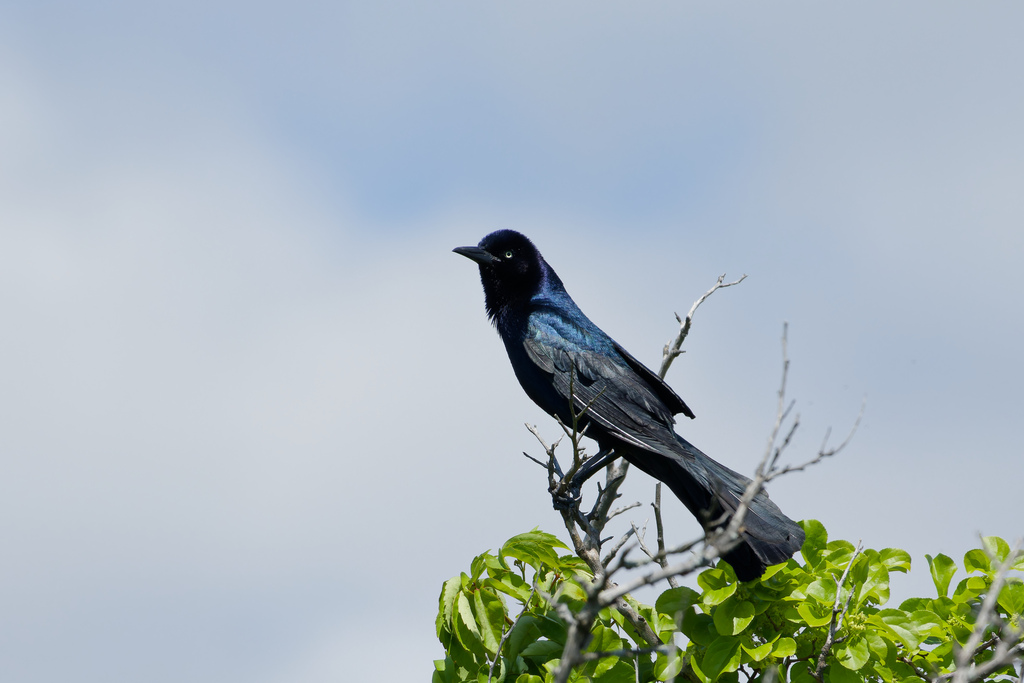


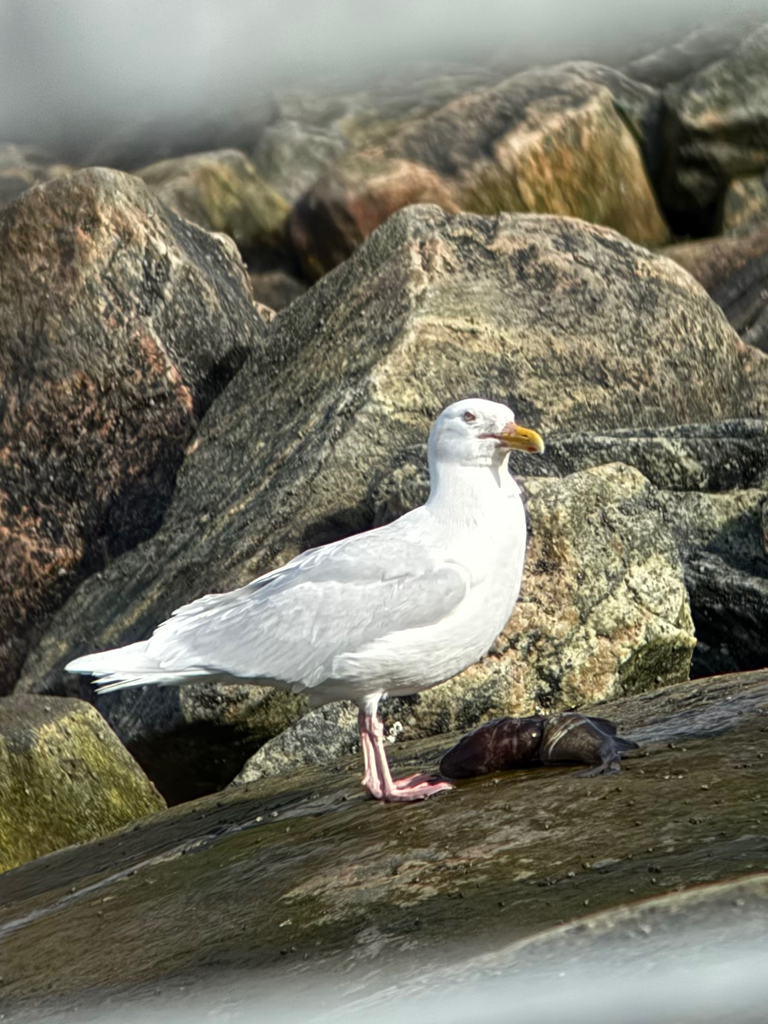




NatureServe Explorer, CC BY 4.0. USGS Gap Analysis Project habitat models.