

Big Cordgrass
Spartina cynosuroides
Found in brackish (mesohaline and oligohaline) and freshwater tidal marshes, especially along margins of tidal creeks. FloraQuest, phone app (app page) What its natural habitat tells you
Native to Virginia. How scores work Is it native here?
Profile 100%
- Height
- About 8 feet
- Light
- 4 or more hours of direct sun
- Soil moisture
- Moist to wet
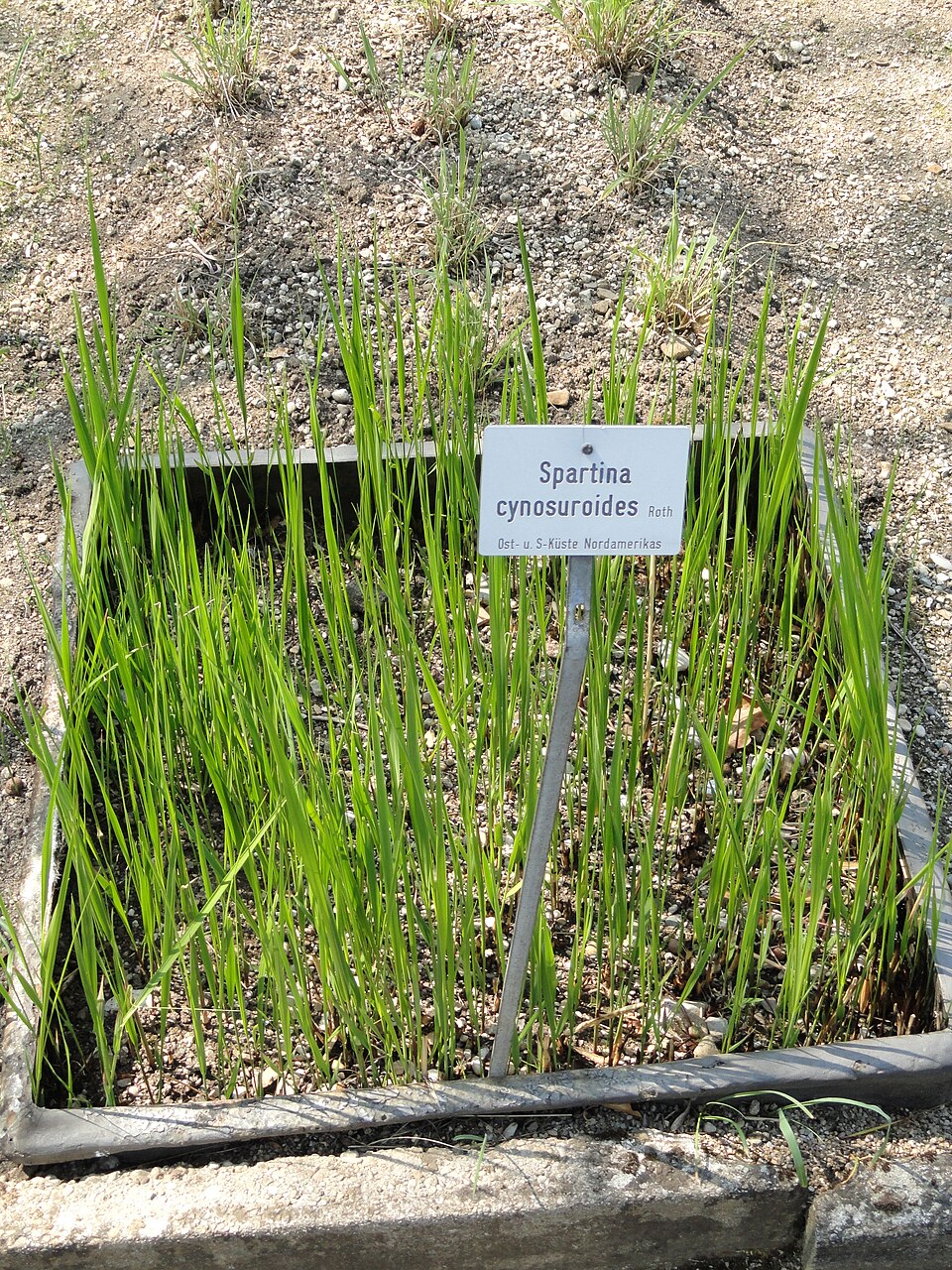
At a glance
- Bloom
- Spring
- Fruiting season
- Summer to fall
Not yet recorded · Spread · Life cycle · Leaves
Recorded in 27 Virginia counties.
Natural habitats
Places it grows wild. Not a planting requirement.
Streams, rivers and their banks
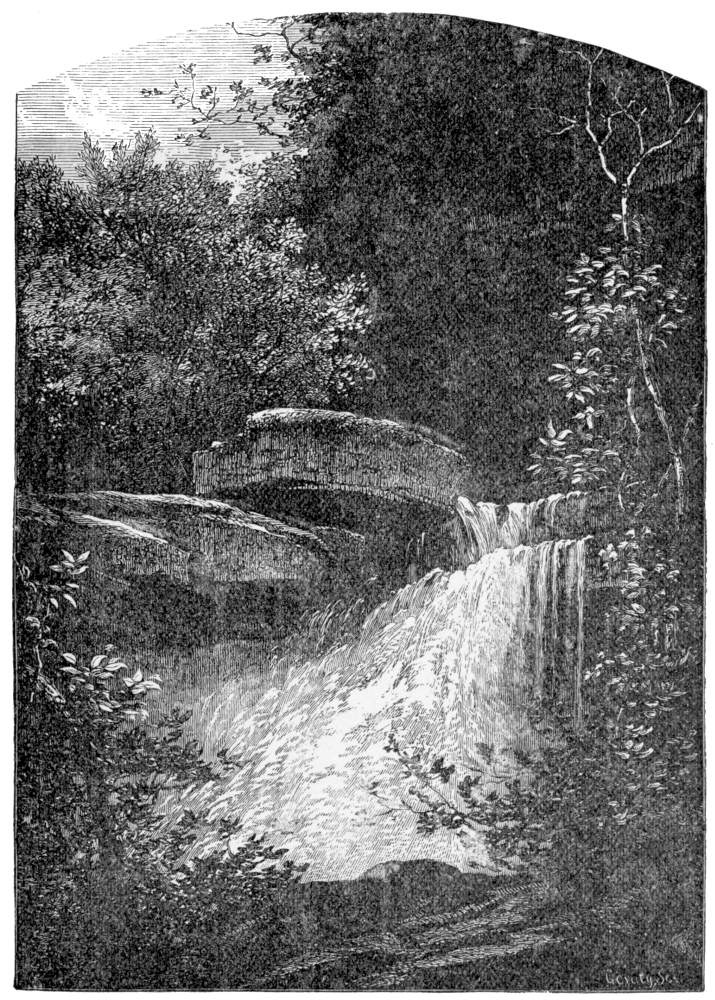
Habitats
Freshwater tidal marshes; streams, rivers and their banks.
Each habitat page lists the plants and wildlife also found there. All habitats
Also found with this plant
Wildlife whose habitat models include habitats this plant grows in, in Virginia. Shared habitat, not food. 107 animals.
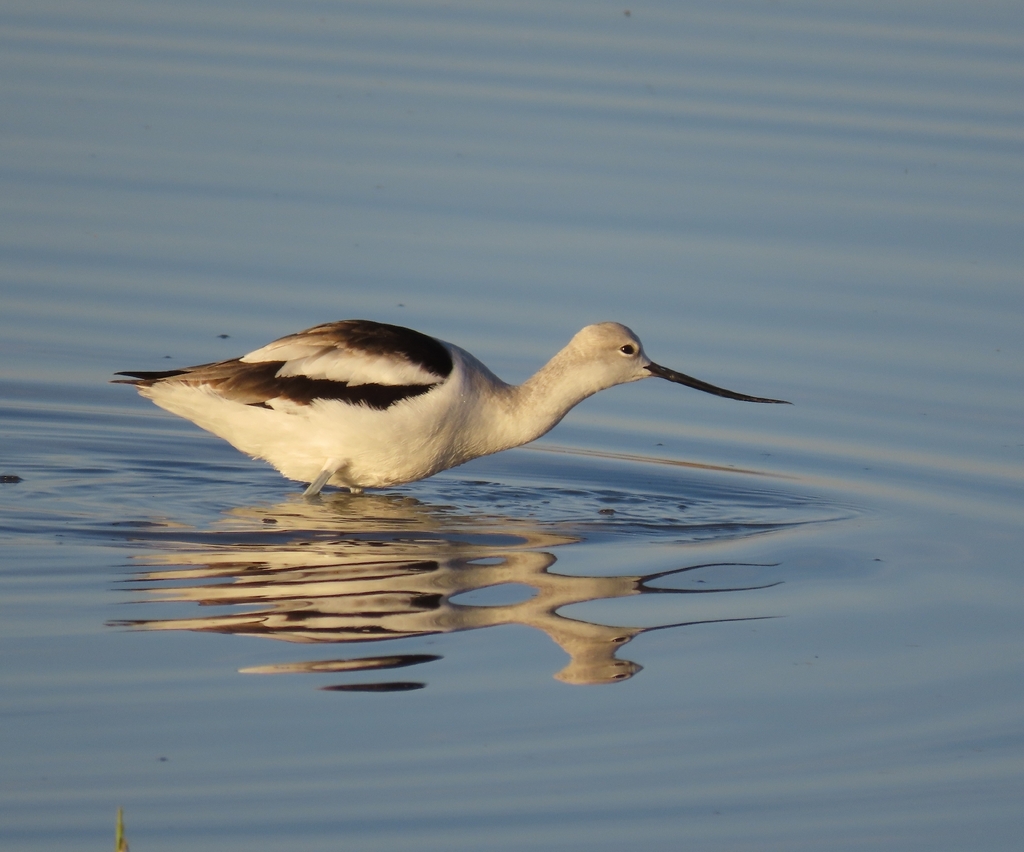
- American AvocetRecurvirostra americana
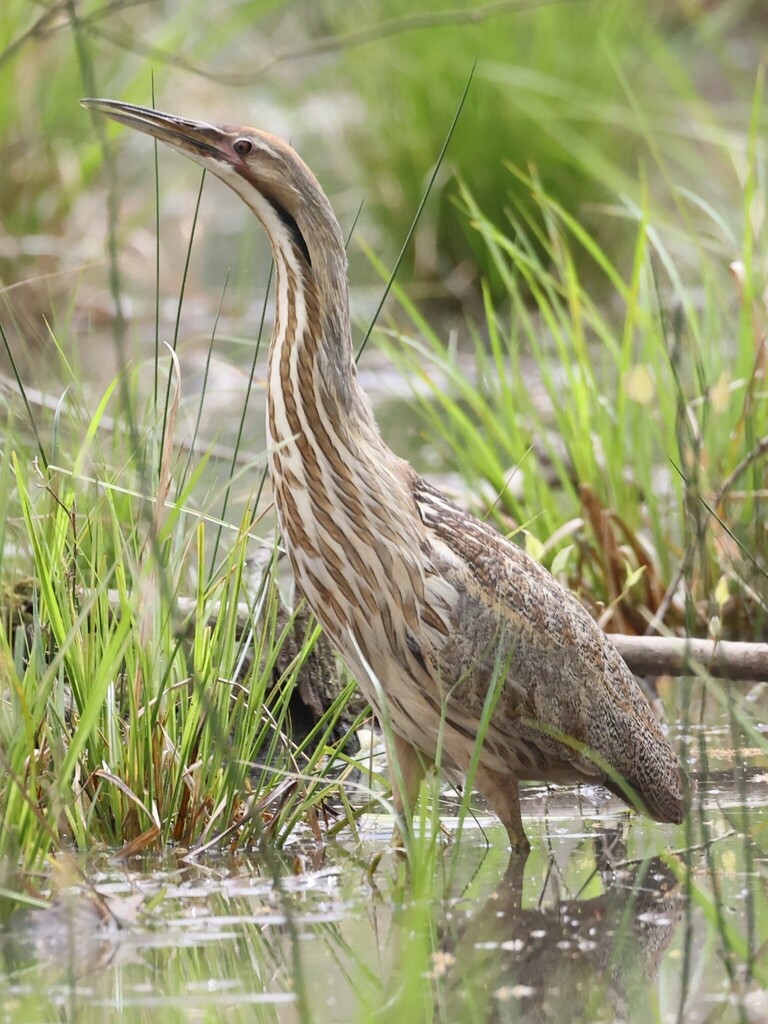
- American BitternBotaurus lentiginosus
- American Black DuckAnas rubripes
- American CrowCorvus brachyrhynchos
- American GoldfinchCarduelis tristis
- American KestrelFalco sparverius
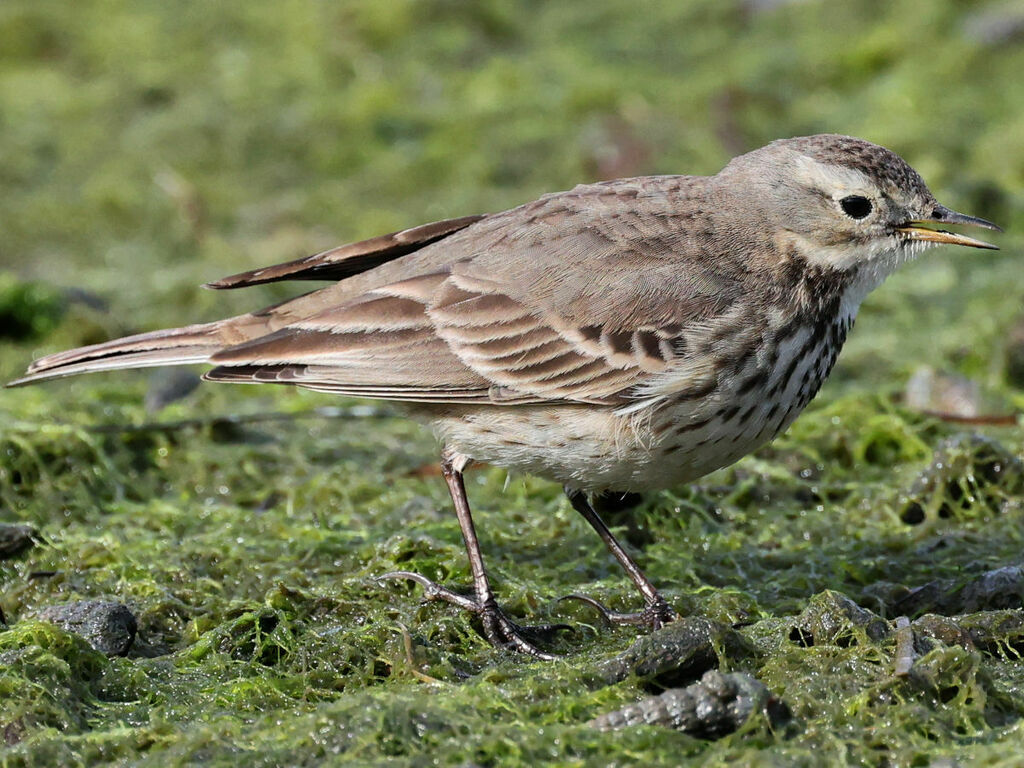
- American PipitAnthus rubescens
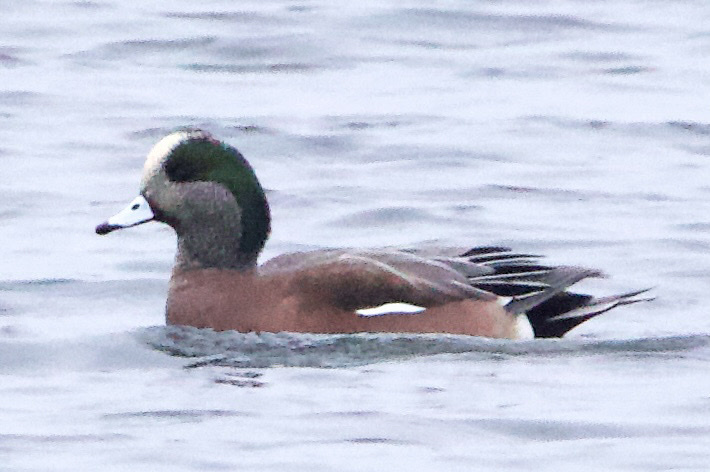
- American WigeonAnas americana
- Bald EagleHaliaeetus leucocephalus
- Bank SwallowRiparia riparia
- Belted KingfisherMegaceryle alcyon
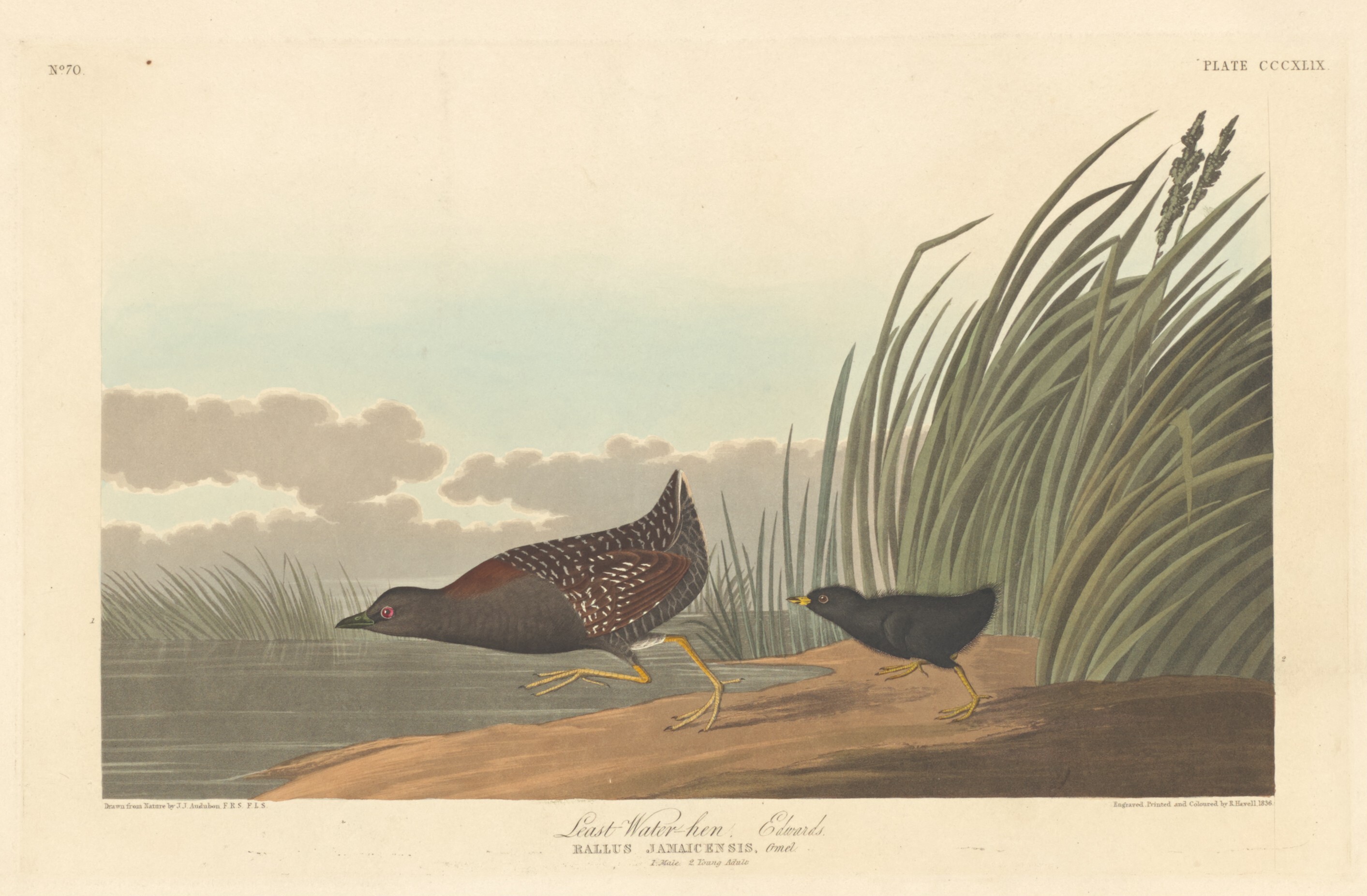
- Black RailLaterallus jamaicensis
- Black-crowned Night-heronNycticorax nycticorax
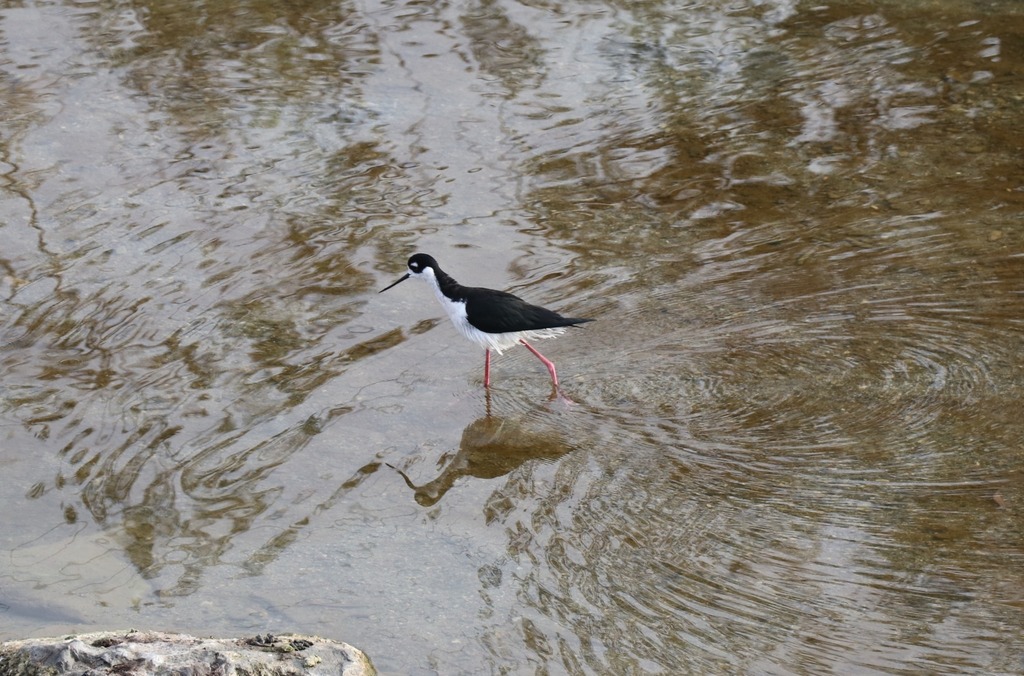
- Black-necked StiltHimantopus mexicanus
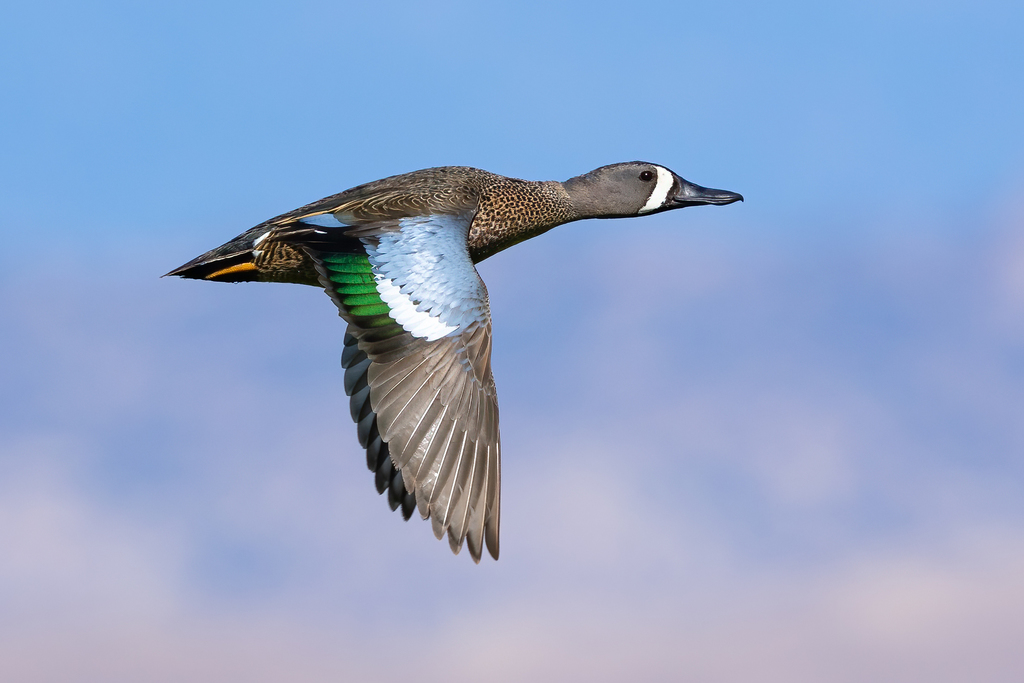
- Blue-winged TealAnas discors
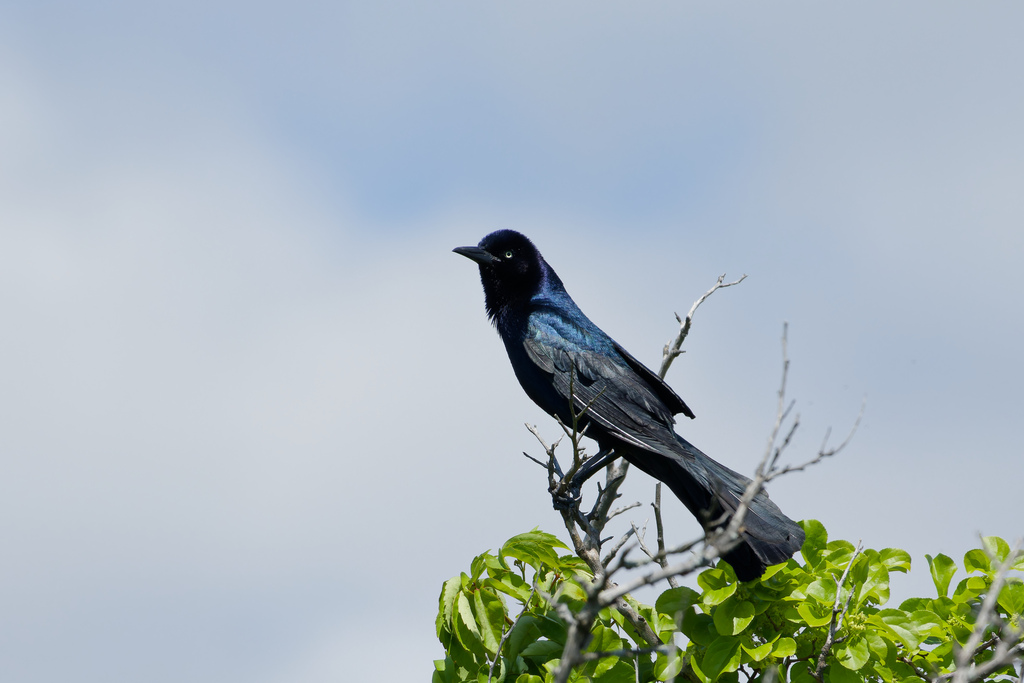
- Boat-tailed GrackleQuiscalus major
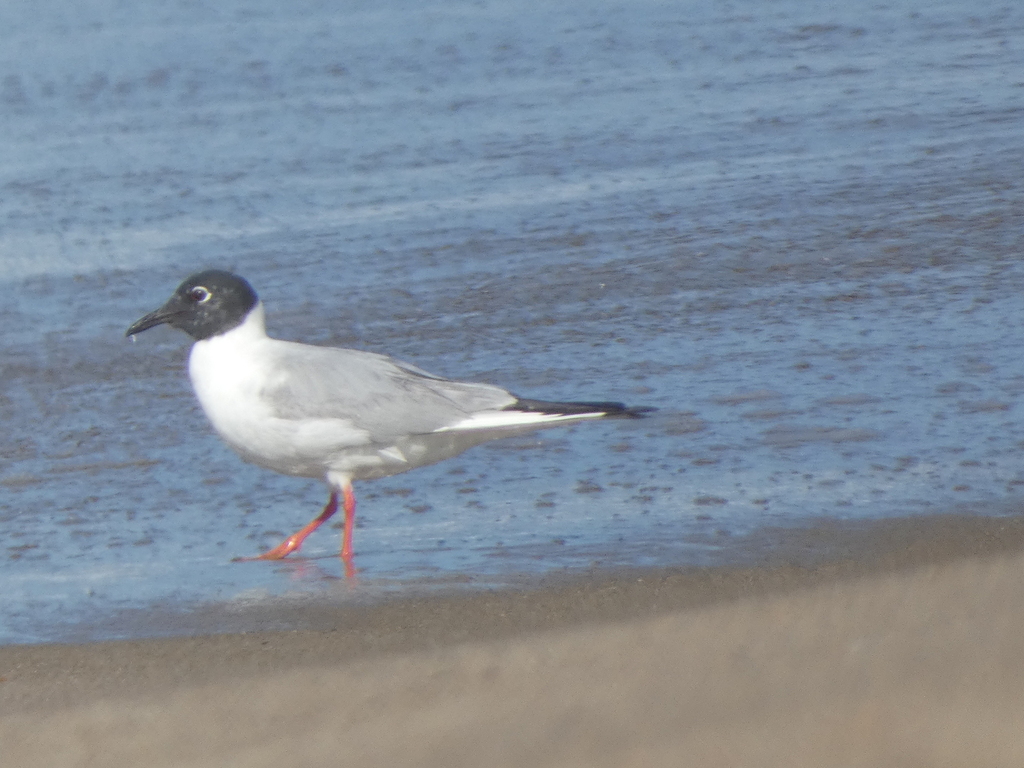
- Bonaparte's GullChroicocephalus philadelphia
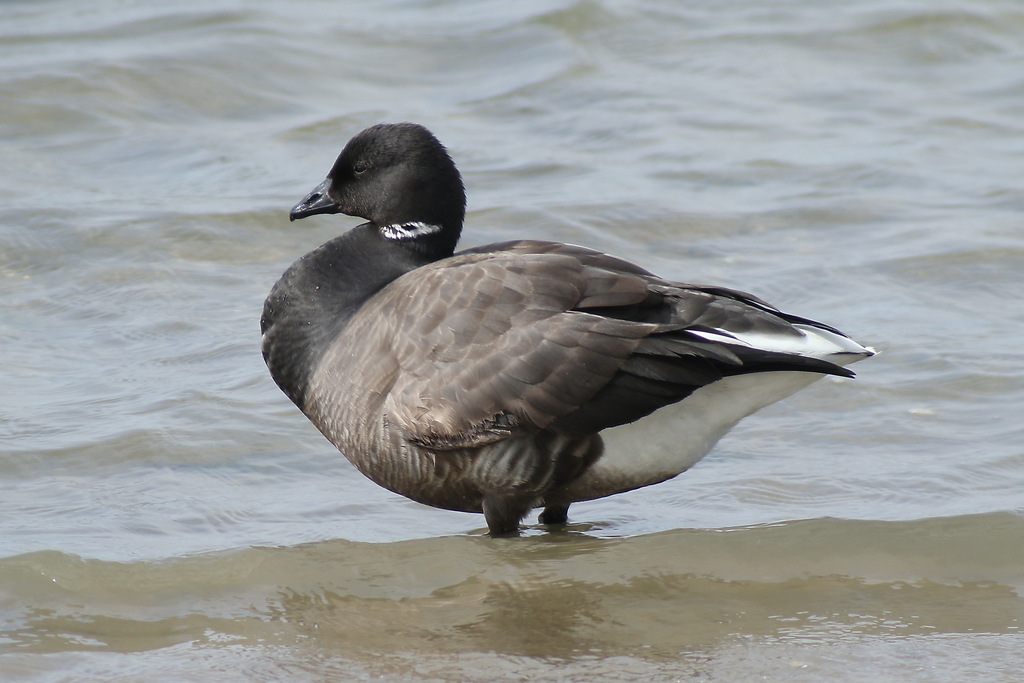
- BrantBranta bernicla
- Canada GooseBranta canadensis
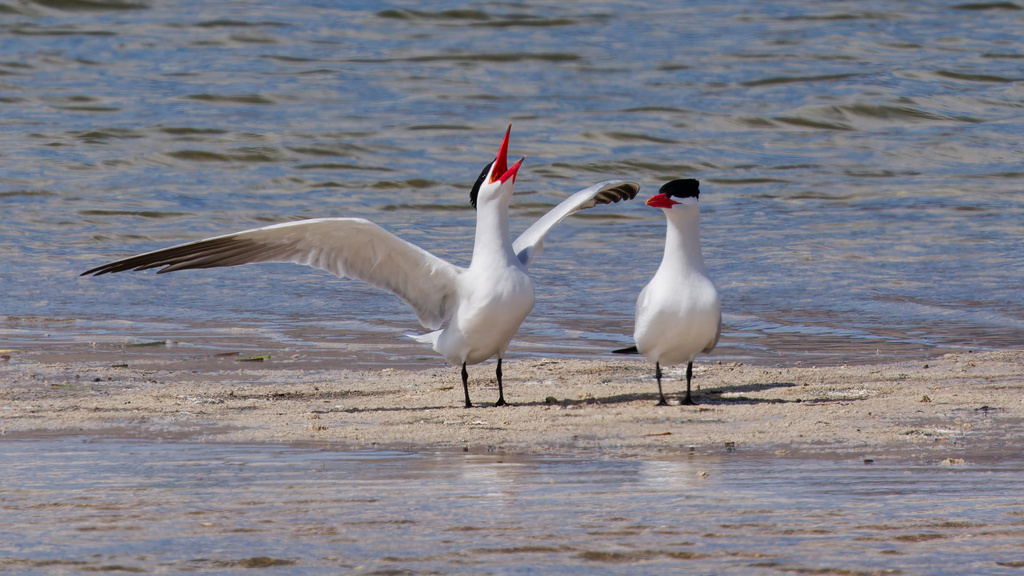
- Caspian TernHydroprogne caspia
- Chimney SwiftChaetura pelagica
- Common GrackleQuiscalus quiscula
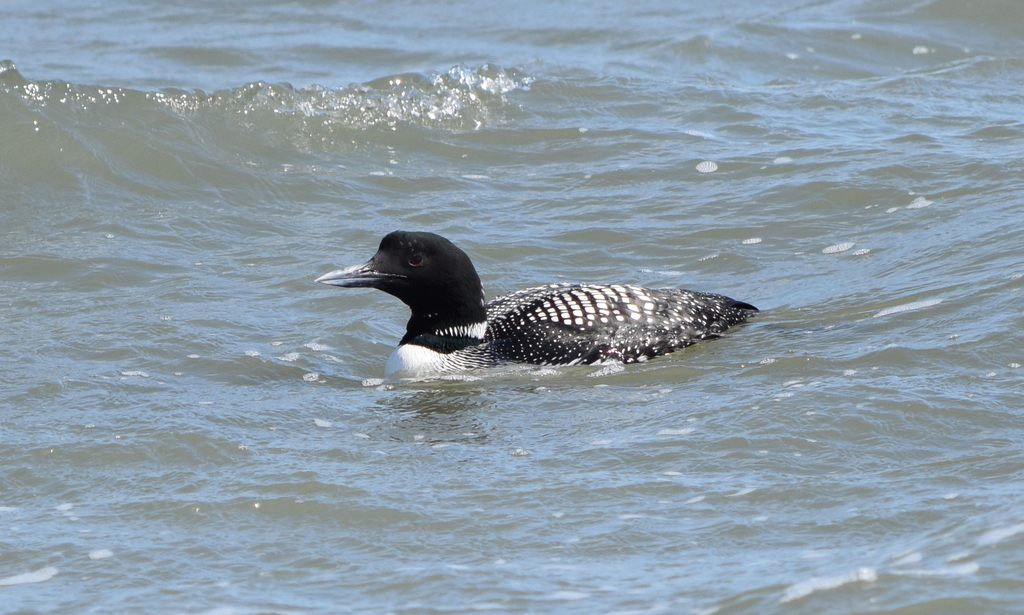
- Common LoonGavia immer
- Common NighthawkChordeiles minor













Who uses this plant?
 15CaterpillarsGenus host records with ranges including VA
Genus host records with ranges including VA · Spartina
- Aethalura intertextaFour-Barred Gray
- Ancyloxypha numitorLeast Skipper
- Apantesis phalerataHarnessed Moth
- Atrytone bulentaRare Skipper
- Ectropis crepusculariaThe Small Engrailed, Saddleback Looper
- Euxoa detersaRubbed Dart, Sandhill Cutworm
- Leucania linitaReed Wainscot, Linen Wainscot
- Mocis texanaTexas Mocis
- Nola cereellaSorghum Cutworm, Sorghum Webworm Moth, Sorgham Webworm Moth
- Panoquina panoquinSalt Marsh Skipper
Show all 15
- Papaipema nebrisStalk Borer
- Poanes aaroniAaron's Skipper
- Chilo plejadellus
- Doryodes spadaria
- Photedes enervata
 0BeesSoutheastern regional records
 0Specialist beesPollen specialists
 1BirdsRecorded genus food-resource interactions; not a state feeding claim
Recorded genus food-resource interactions; not a state feeding claim · Spartina
- Anser caerulescensSnow Goose
Direct food only: birds recorded eating this genus across North America. Caterpillars on host plants also feed nesting birds. NC Native Plant Society: butterfly gardening
No records yet · Ants · Beetles · Flies · Adult butterflies / moths · Other wasps · Other insects
Plant details
- Family
- Poaceae
- Flower color
- Yellow
- Growth rate
- Moderate
- Growth habit
- Spreads by rhizomes
- Foliage color
- Green
- Fruit begins
- Summer
- Fruit ends
- Fall
Safety has not been reviewed for this plant; check toxicity and thorns before planting.
Growing sources and scope
- Bloom · “Spring” · USDA PLANTS · Nationwide species characteristics; local growing conditions may vary
- Flower color · “Yellow” · USDA PLANTS · Nationwide species characteristics; local growing conditions may vary
- Foliage color · “Green” · USDA PLANTS · Nationwide species characteristics; local growing conditions may vary
- Fruit begins · “Summer” · USDA PLANTS · Nationwide species characteristics; local growing conditions may vary
- Fruit ends · “Fall” · USDA PLANTS · Nationwide species characteristics; local growing conditions may vary
- Growth habit · “Spreads by rhizomes” · USDA PLANTS · Nationwide species characteristics; local growing conditions may vary
- Growth rate · “Moderate” · USDA PLANTS · Nationwide species characteristics; local growing conditions may vary
- Height · “About 8 feet” · USDA PLANTS · Nationwide species characteristics; local growing conditions may vary
Also known as
Sporobolus cynosuroides
Conservation status
| Virginia rank | S5 |
|---|---|
| Global rank | G5 |
| VA status | Not verified |
| Federal status | Not verified |
Will it fit your yard?
Check this plant against your county, sun and soil moisture. Conditions are checked in your browser.
Growing cautions
- Spreads by rhizomes. USDA PLANTS lists its growth form as rhizomatous. USDA PLANTS
For planning only; these do not change the score or Fit.
Sources
- Digital Atlas of the Virginia Flora
- USDA PLANTS
- Vascular Plants of North Carolina (NC Natural Heritage Program)
- NatureServe Explorer
- Shropshire & Tallamy 2025, Lepidoptera of North America north of Mexico, ZooKeys 1261 (ODbL)
- Noori, Seltmann & Orr 2026, A curated and integrated dataset for exploring global bee-plant interactions (GloBI), Zenodo, CC BY 4.0
- Smith, Bachelder, Russell, Morales, Mosher & Seltmann 2024, Bee-Specialization-Modeling v0.6.1 (specialist host table compiled from J. Fowler's pollen specialist bee lists), Zenodo, CC BY 4.0
- Hurlbert, Olsen, Sawyer & Winner 2021, Avian Diet Database, Scientific Data 8: 260 (CC0)
- Narango, Tallamy & Shropshire 2020, Few keystone plant genera support the majority of Lepidoptera species, Nature Communications