

Olney's Threesquare
Schoenoplectus americanus
Found in tidal freshwater to brackish marshes. FloraQuest, phone app (app page) What its natural habitat tells you
Native to Virginia. How scores work Is it native here?
Profile 76%
- Height
- It has erect, sharply triangular and deeply concave-sided culms growing up to 5 feet in height [10,21].
- Light
- Partial shade, Full sun
- Soil moisture
- Wet to standing water
No photograph yet. Looking for an old drawing…
At a glance
- Life cycle
- Perennial
- Bloom
- May to June
- Fruiting season
- June to September
Not yet recorded · Spread · Leaves
Recorded in 27 Virginia counties.
Natural habitats
Places it grows wild. Not a planting requirement. Each habitat page lists the plants and wildlife also found there.
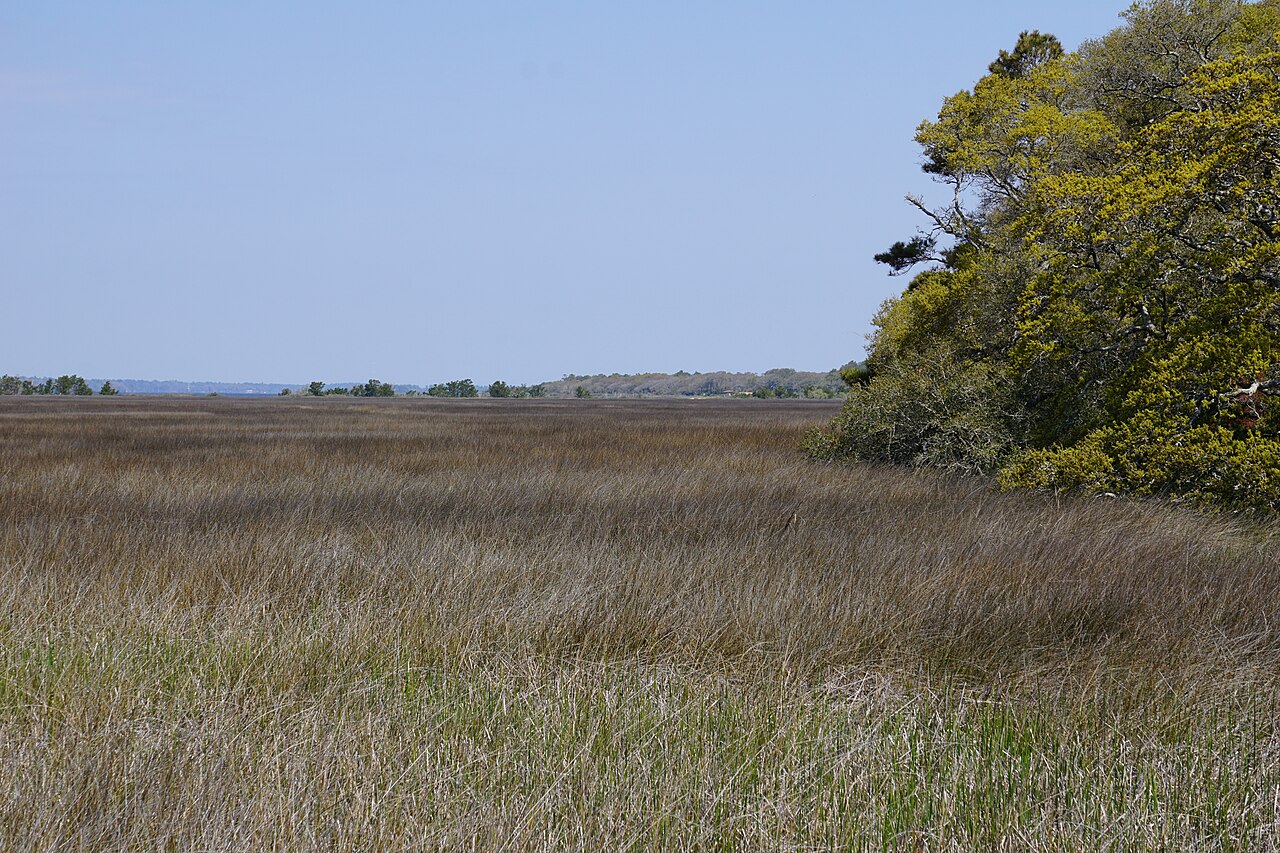
Also found with this plant
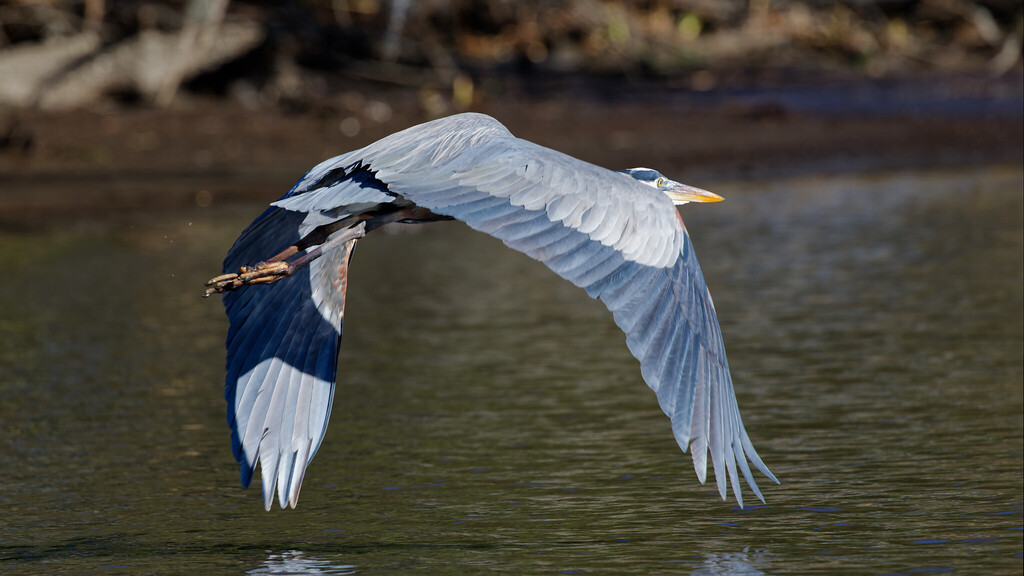
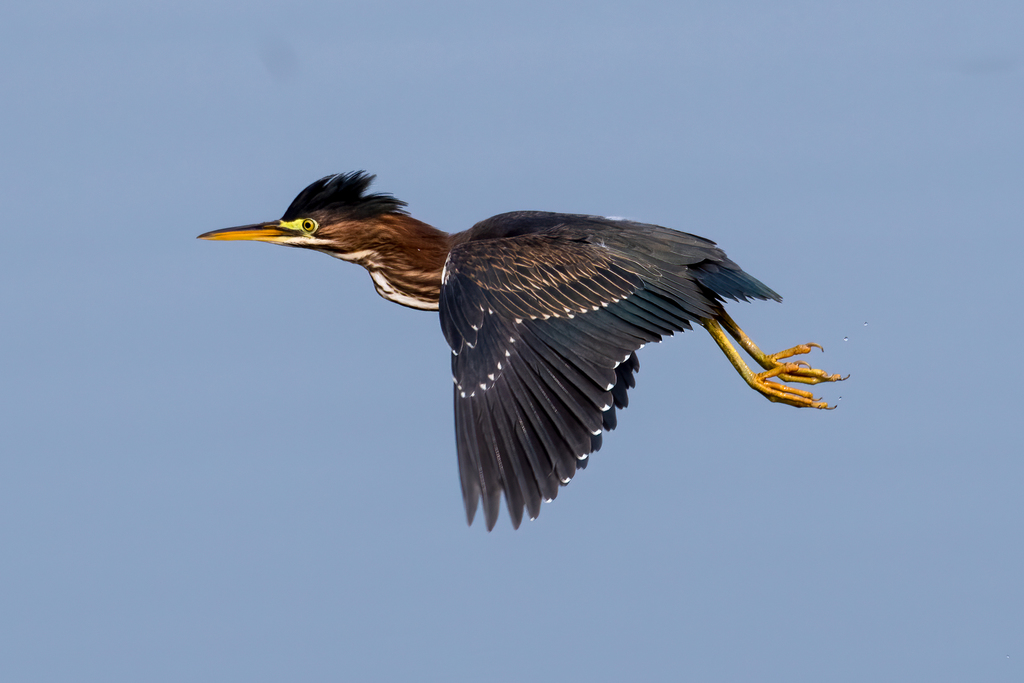
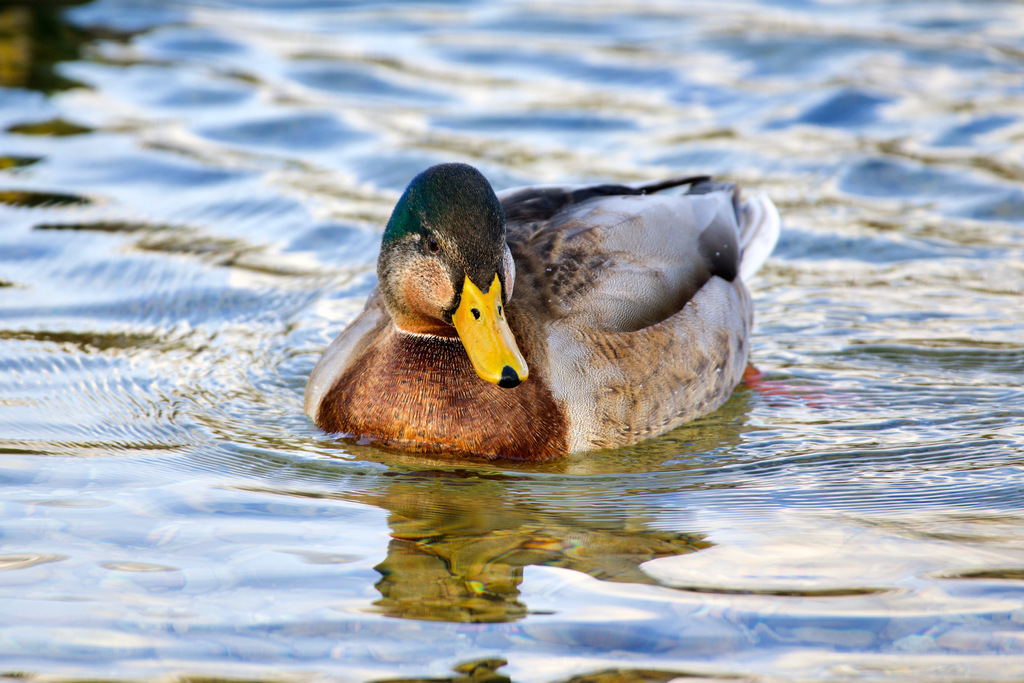
Wildlife whose habitat models include habitats this plant grows in, in Virginia. Shared habitat, not food. 195 animals.
- American Black DuckAnas rubripes
- American CrowCorvus brachyrhynchos
- American GoldfinchCarduelis tristis
- Bank SwallowRiparia riparia
- Belted KingfisherMegaceryle alcyon
- Black-crowned Night-heronNycticorax nycticorax
- Canada GooseBranta canadensis
- Chimney SwiftChaetura pelagica
- Common NighthawkChordeiles minor
- Common YellowthroatGeothlypis trichas
- Cooper's HawkAccipiter cooperii
- Eastern KingbirdTyrannus tyrannus
- Great Blue HeronArdea herodias
- Great EgretArdea alba
- Great Horned OwlBubo virginianus
- Green HeronButorides virescens
- Hooded MerganserLophodytes cucullatus
- MallardAnas platyrhynchos
- OspreyPandion haliaetus
- Red-winged BlackbirdAgelaius phoeniceus
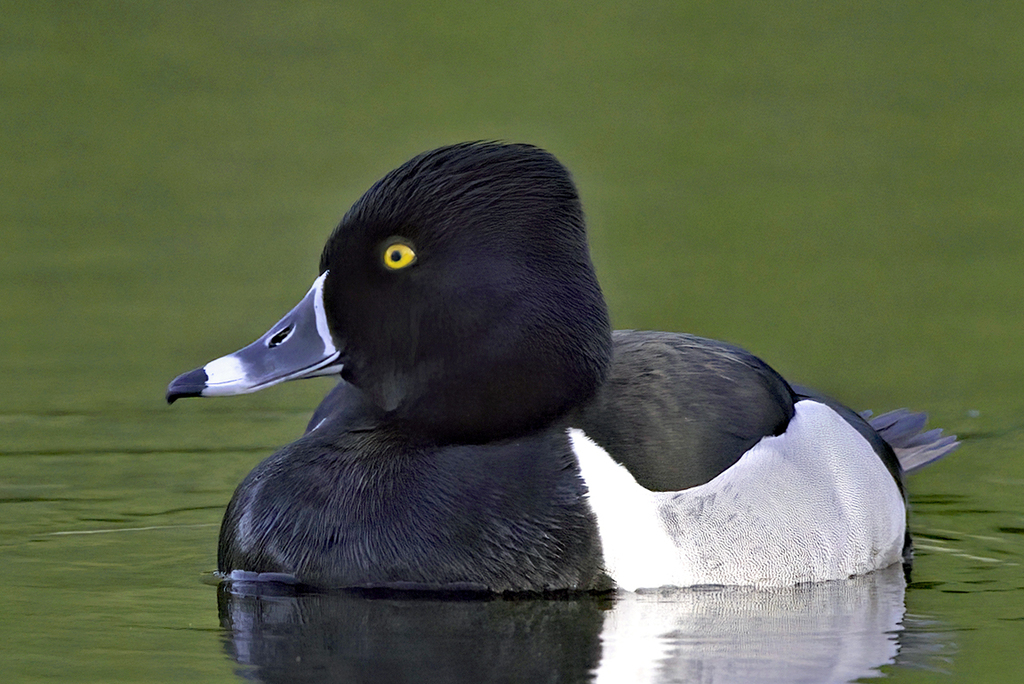
- Ring-necked DuckAythya collaris
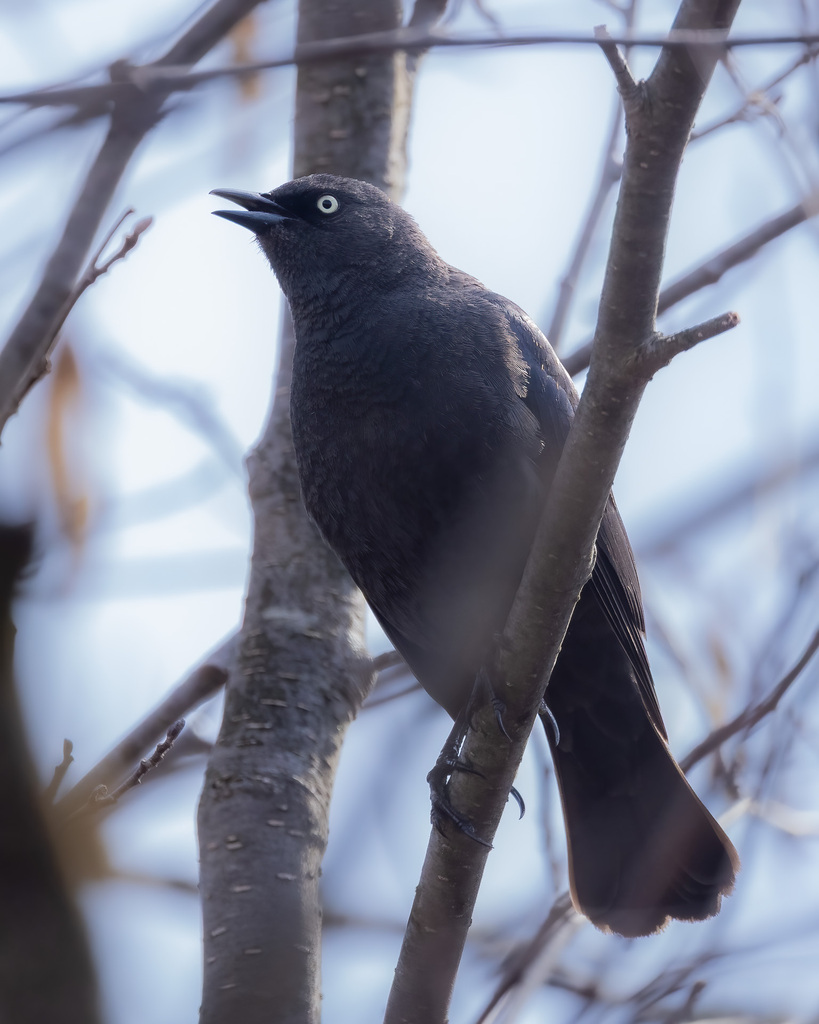
- Rusty BlackbirdEuphagus carolinus
- Sharp-shinned HawkAccipiter striatus
- Song SparrowMelospiza melodia




















Who uses this plant?
 13CaterpillarsGenus host records with ranges including VA
Genus host records with ranges including VA · Scirpus
- Apamea sordensBordered Apamea, Rustic Shoulder-Knot
- Bactra furfuranaRush Bactra
- Bactra verutanaJavelin Moth
- Euphyes dionDion Skipper, Sedge Skipper
- Globia oblongaOblong Sedge Borer Moth, Large Noagria
- Globia subflavaYellow Sedge Borer, Yellowish Nonagria, Subflava Sedge Borer
- Helotropha reniformisAmerican Crescent Borer, Reniform Celaena, Reniform Helotropha
- Ledaea perditalisLost Owlet, 3-Stripe Cephalanthus caterpillar, Buttonbush Owlet
- Meropleon diversicolorMulticolored Sedgeminer
- Neonympha mitchelliiMitchell's Satyr
Show all 13
- Bactra maiorina
- Cosmopterix scirpicola
- Donacaula dispersella
 0BeesSoutheastern regional records
 0Specialist beesPollen specialists
 27BirdsRecorded genus food-resource interactions; not a state feeding claim
Recorded genus food-resource interactions; not a state feeding claim · Scirpus
- Agelaius phoeniceusRed-winged Blackbird
- Anas platyrhynchosMallard
- Anthus rubescensAmerican Pipit
- Aythya affinisLesser Scaup
- Aythya americanaRedhead
- Aythya collarisRing-necked Duck
- Aythya marilaGreater Scaup
- Aythya valisineriaCanvasback
- Bucephala clangulaCommon Goldeneye
- Bucephala islandicaBarrow's Goldeneye
Show all 27
- Calcarius lapponicusLapland Longspur
- Calcarius pictusSmith's Longspur
- Cygnus buccinatorTrumpeter Swan
- Cygnus columbianusTundra Swan
- Fulica americanaAmerican Coot
- Gallinula galeataCommon Gallinule
- Loxia curvirostraRed Crossbill
- Mareca americanaAmerican Wigeon
- Mareca streperaGadwall
- Molothrus aterBrown-headed Cowbird
- Oxyura jamaicensisRuddy Duck
- Plectrophenax nivalisSnow Bunting
- Porzana carolinaSora
- Rallus limicolaVirginia Rail
- Spatula cyanopteraCinnamon Teal
- Spizelloides arboreaAmerican Tree Sparrow
- Sturnus vulgarisEuropean Starling
Direct food only: birds recorded eating this genus across North America. Caterpillars on host plants also feed nesting birds. NC Native Plant Society: butterfly gardening
No records yet · Ants · Beetles · Flies · Adult butterflies / moths · Other wasps · Other insects
Plant details
- Family
- Cyperaceae
- Flower color
- Yellow or brown
- Fruit begins
- June
- Fruit ends
- September
Safety has not been reviewed for this plant; check toxicity and thorns before planting.
Growing sources and scope
- Bloom · “Late May to June” · FloraQuest: Carolinas, Georgia (Southeastern Flora Team), phone app (app page) · Carolinas and Georgia
- Flower color · “Yellow or brown” · Lady Bird Johnson Wildflower Center
- Fruit begins · “June” · FloraQuest: Carolinas, Georgia (Southeastern Flora Team), phone app (app page) · Carolinas and Georgia
- Fruit ends · “September” · FloraQuest: Carolinas, Georgia (Southeastern Flora Team), phone app (app page) · Carolinas and Georgia
- Height · “It has erect, sharply triangular and deeply concave-sided culms growing up to 5 feet in height (1.5 m) [10,21].” · Fire Effects Information System: Schoenoplectus americanus (ranked first; Lady Bird Johnson Wildflower Center differs) · Source botanical description; original units and scope retained
- Life cycle · “Perennial” · Lady Bird Johnson Wildflower Center
- Light · “Partial shade; Full sun (documented habitat)” · FloraQuest: Carolinas, Georgia (Southeastern Flora Team), phone app (app page) · Carolinas and Georgia
- Soil · “Water; Wet (documented habitat)” · FloraQuest: Carolinas, Georgia (Southeastern Flora Team), phone app (app page) · Carolinas and Georgia
Also known as
Scirpus olneyi Gray; bulrush
Conservation status
| Virginia rank | S4 |
|---|---|
| Global rank | G5 |
| VA status | Not verified |
| Federal status | Not verified |
Will it fit your yard?
Check this plant against your county, sun and soil moisture. Conditions are checked in your browser.
Sources
- Digital Atlas of the Virginia Flora
- USDA PLANTS
- Vascular Plants of North Carolina (NC Natural Heritage Program)
- NatureServe Explorer
- Shropshire & Tallamy 2025, Lepidoptera of North America north of Mexico, ZooKeys 1261 (ODbL)
- Noori, Seltmann & Orr 2026, A curated and integrated dataset for exploring global bee-plant interactions (GloBI), Zenodo, CC BY 4.0
- Smith, Bachelder, Russell, Morales, Mosher & Seltmann 2024, Bee-Specialization-Modeling v0.6.1 (specialist host table compiled from J. Fowler's pollen specialist bee lists), Zenodo, CC BY 4.0
- Hurlbert, Olsen, Sawyer & Winner 2021, Avian Diet Database, Scientific Data 8: 260 (CC0)
- Narango, Tallamy & Shropshire 2020, Few keystone plant genera support the majority of Lepidoptera species, Nature Communications