

Carolina Sea-lavender
Limonium carolinianum
Found in tidal marshes, especially in hypersaline flats. Weakley, Flora of the Southeastern United States (2025), Northern Tier edition What its natural habitat tells you
Native to Virginia. How scores work Is it native here?
Profile 100%
- Height
- 1–2 feet
- Spread
- 1–1.5 feet
- Light
- Full sun
- Soil moisture
- Usually moist
Space about 1 ft apart from its recorded spread, about 100 per 100 sq ft. Enter your bed size for a count
Will it fit your yard?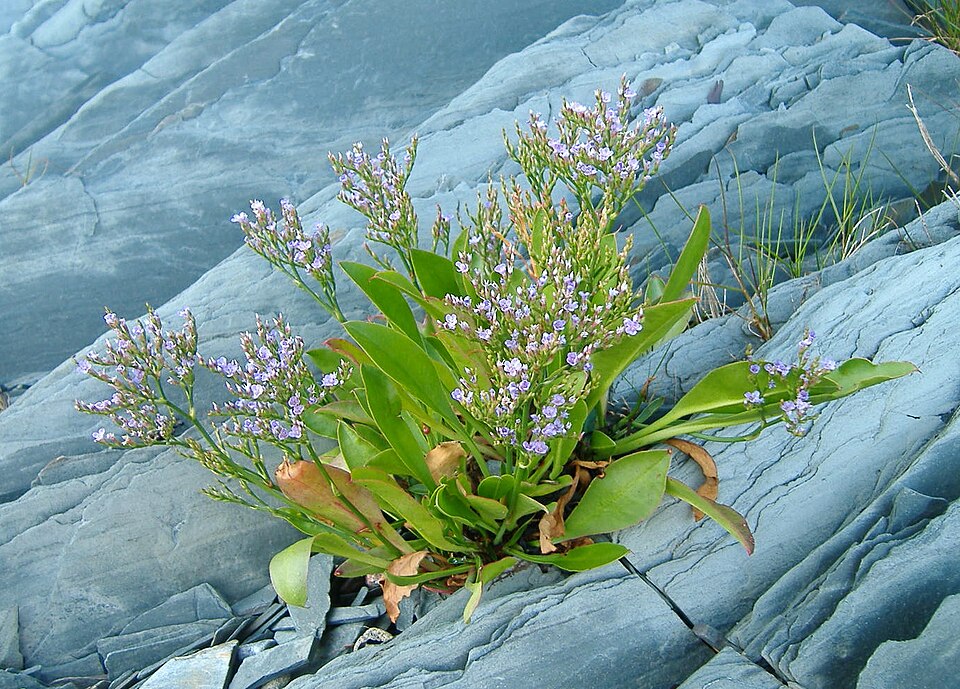
At a glance
- Life cycle
- Perennial
- Bloom
- August to October
- Fruiting season
- Summer to fall
Not yet recorded · Leaves
Recorded in 11 Virginia counties.
Natural habitats
Places it grows wild. Not a planting requirement. Each habitat page lists the plants and wildlife also found there.
Coastal tidal marshes (salinity not stated)
Tidal marshes of the Atlantic and Gulf coasts where the source does not say whether the water is fresh, brackish or salt. A stated salinity files the marsh under freshwater tidal marshes or salt and brackish marshes instead.
Also found with this plant
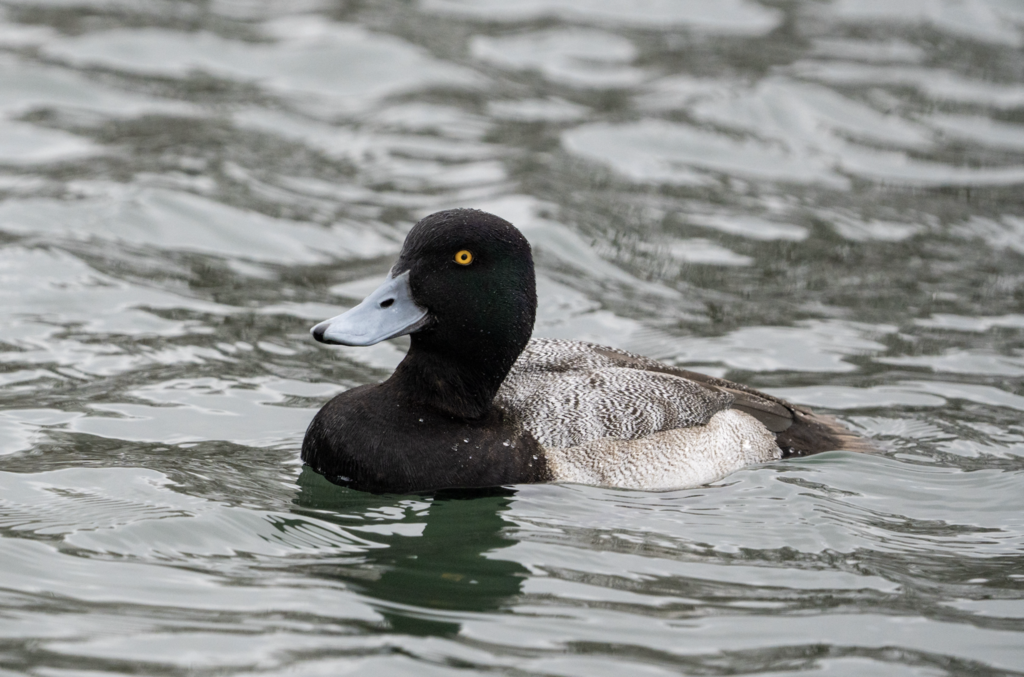
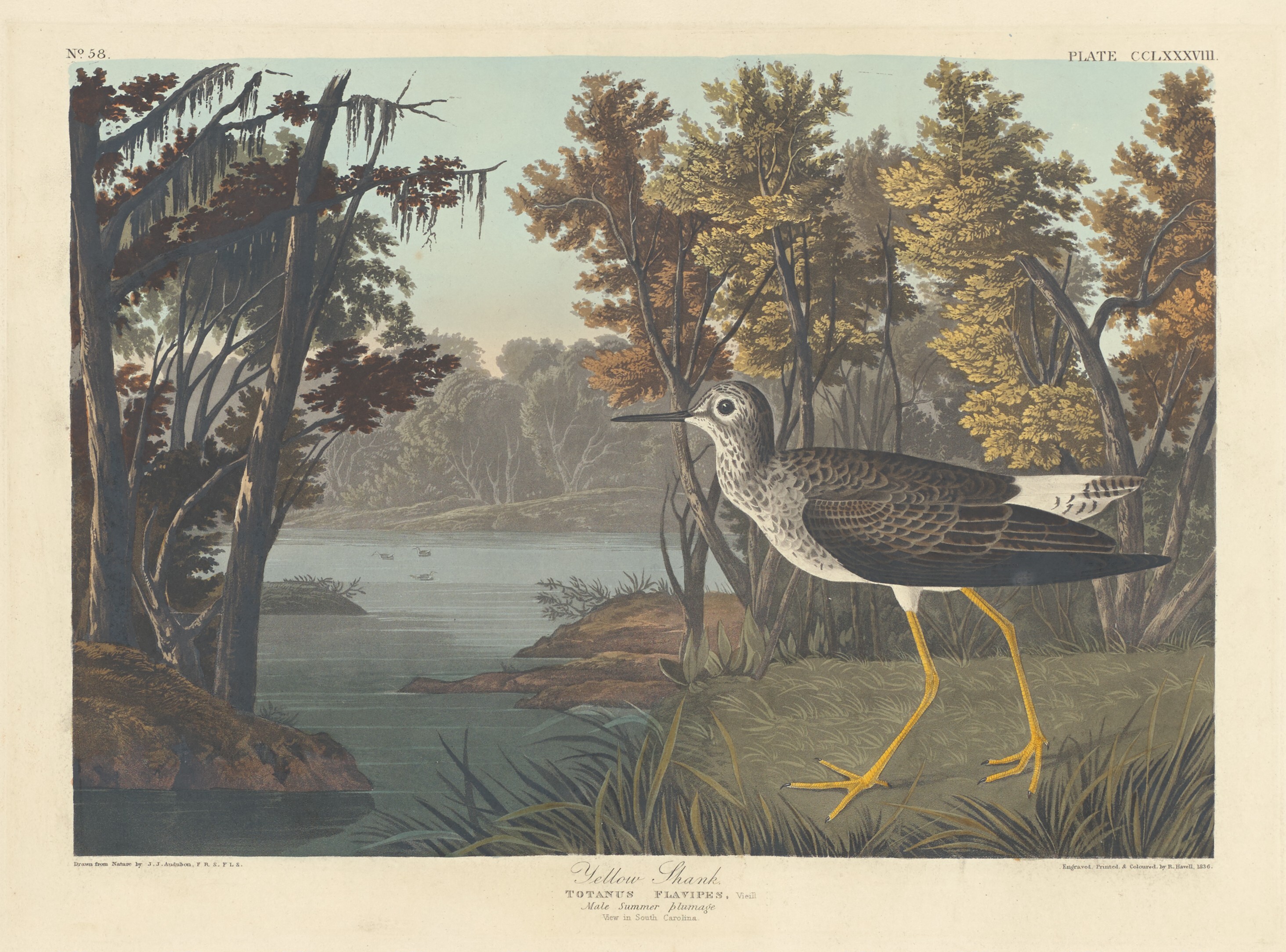
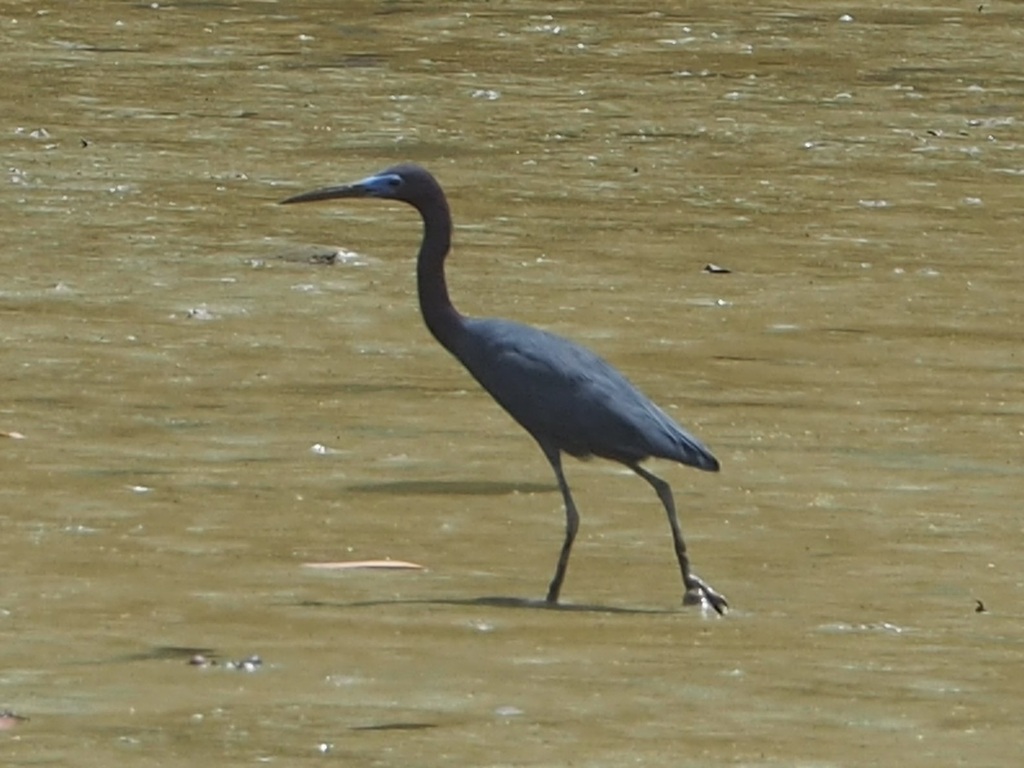
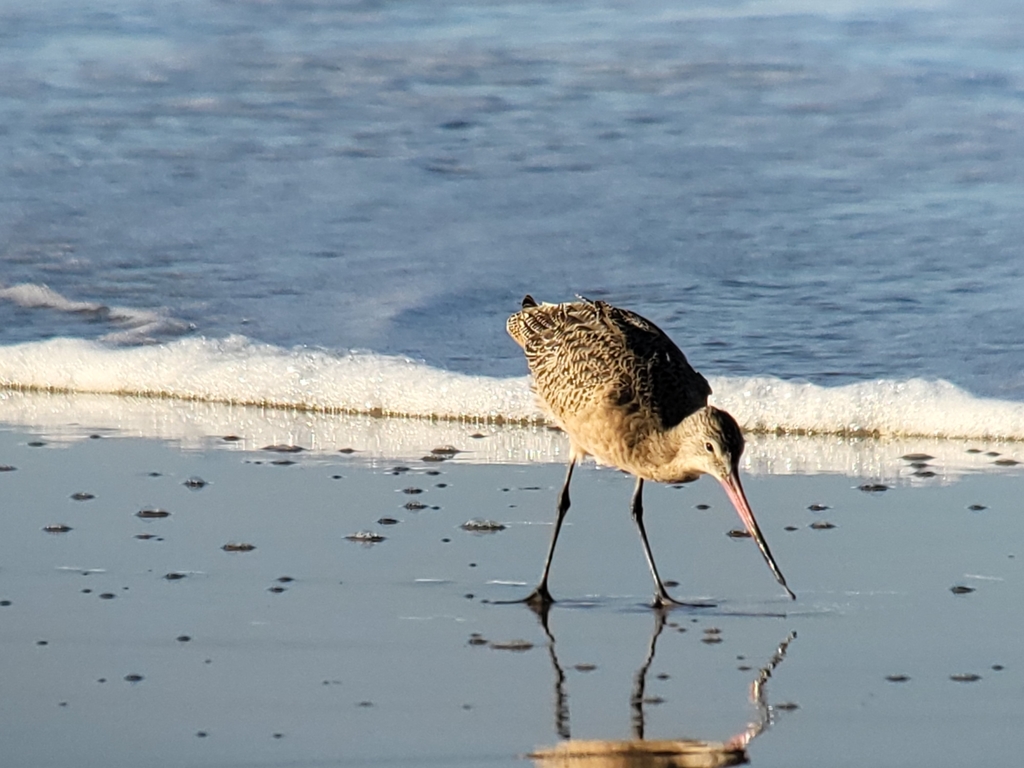
Wildlife whose habitat models include habitats this plant grows in, in Virginia. Shared habitat, not food. 106 animals.
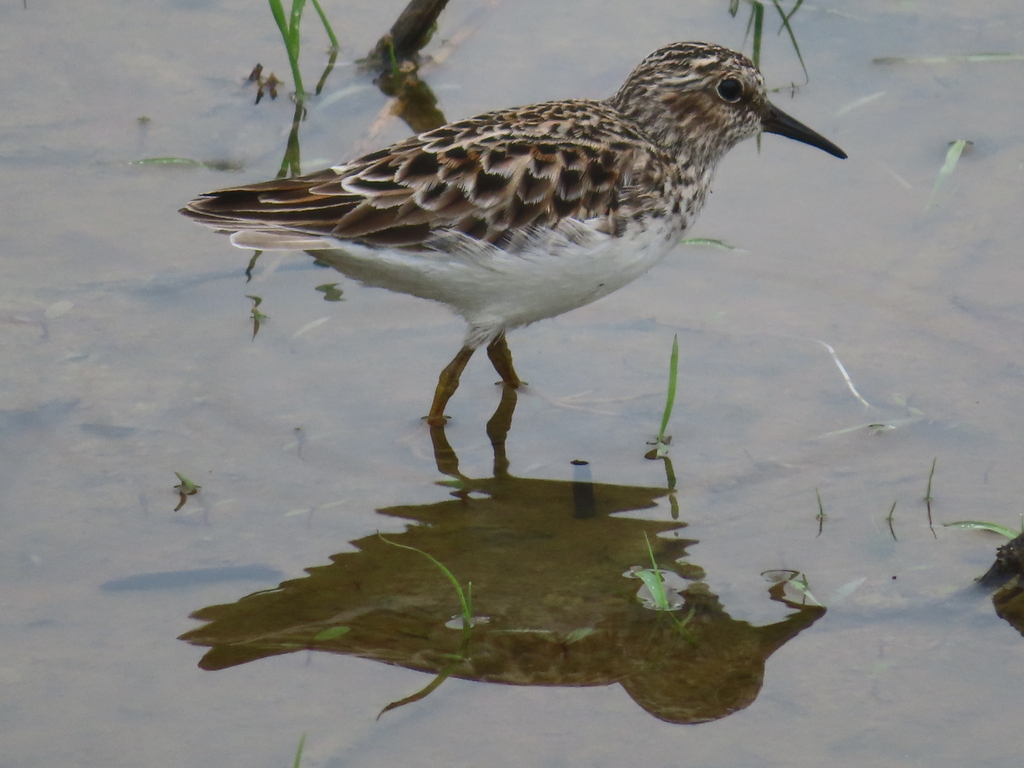
- Least SandpiperCalidris minutilla
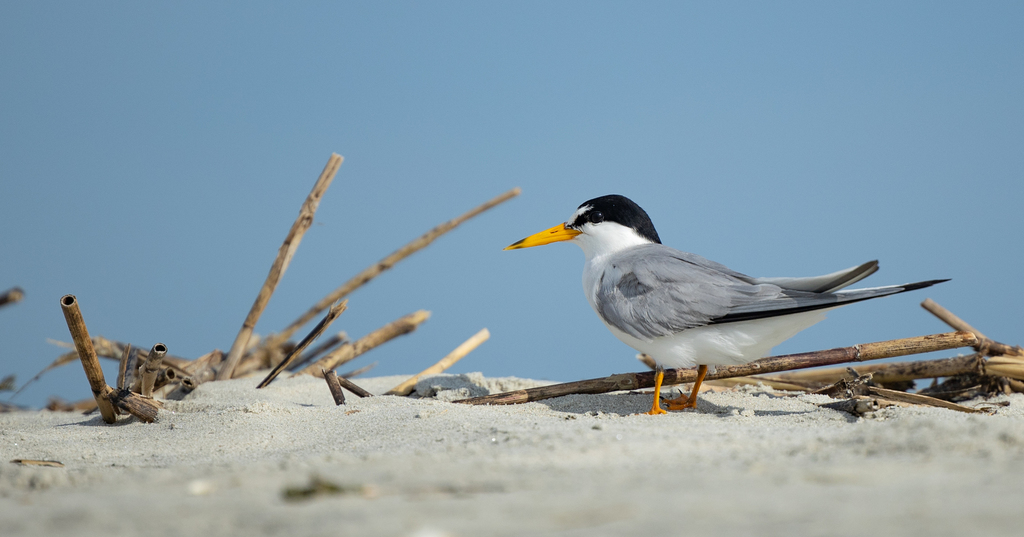
- Least TernSternula antillarum
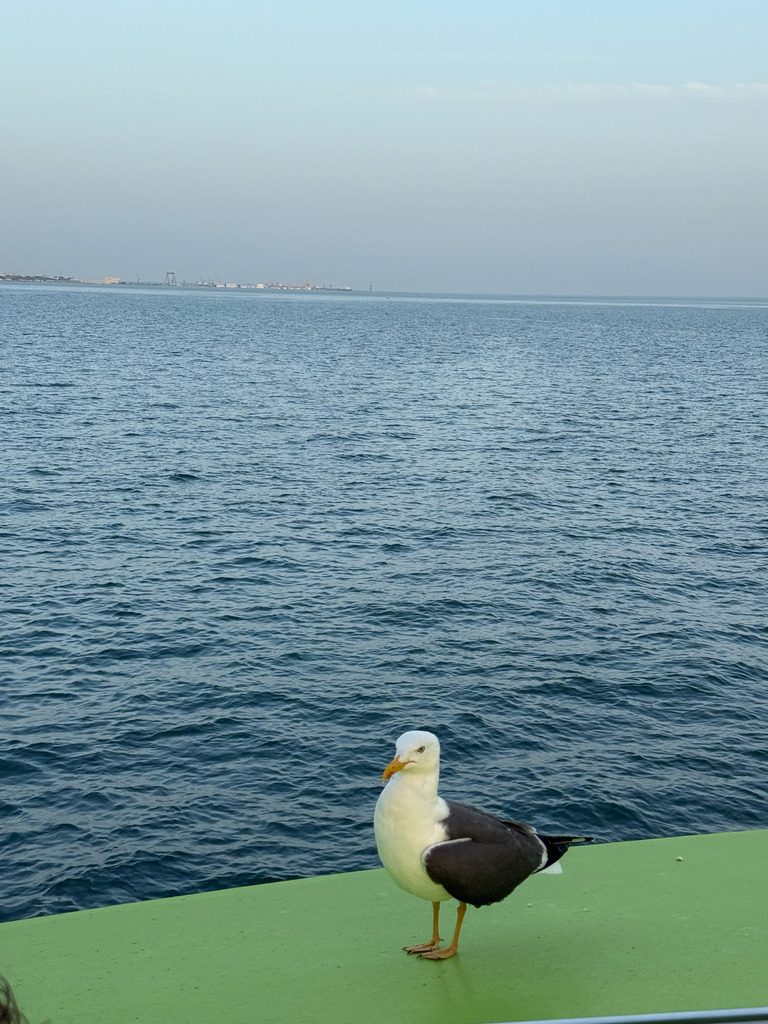
- Lesser Black-backed GullLarus fuscus
- Lesser ScaupAythya affinis
- Lesser YellowlegsTringa flavipes
- Little Blue HeronEgretta caerulea
- Marbled GodwitLimosa fedoa
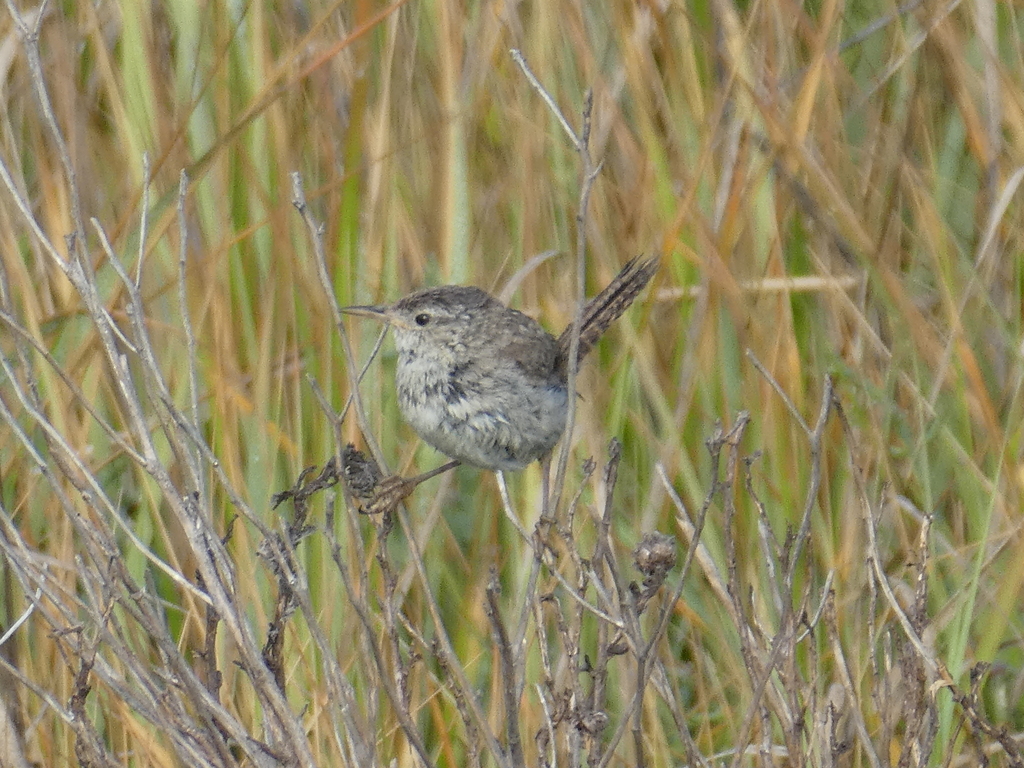
- Marsh WrenCistothorus palustris
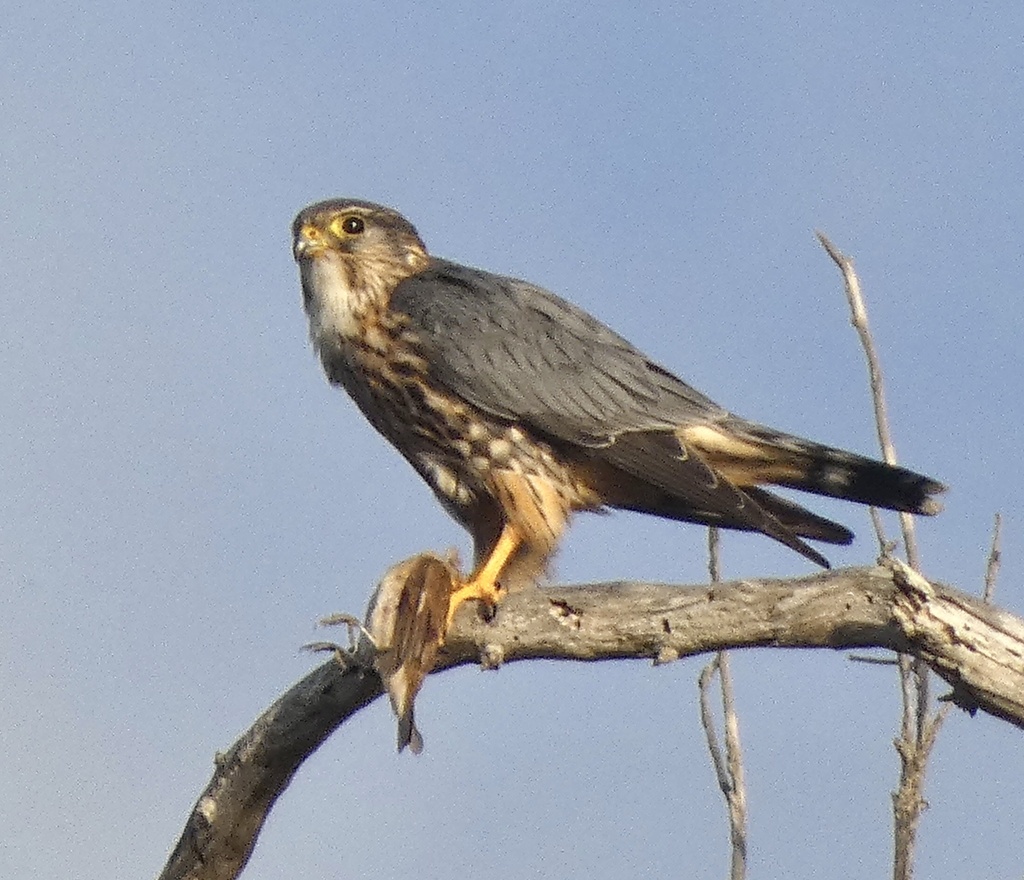
- MerlinFalco columbarius
- Northern CardinalCardinalis cardinalis
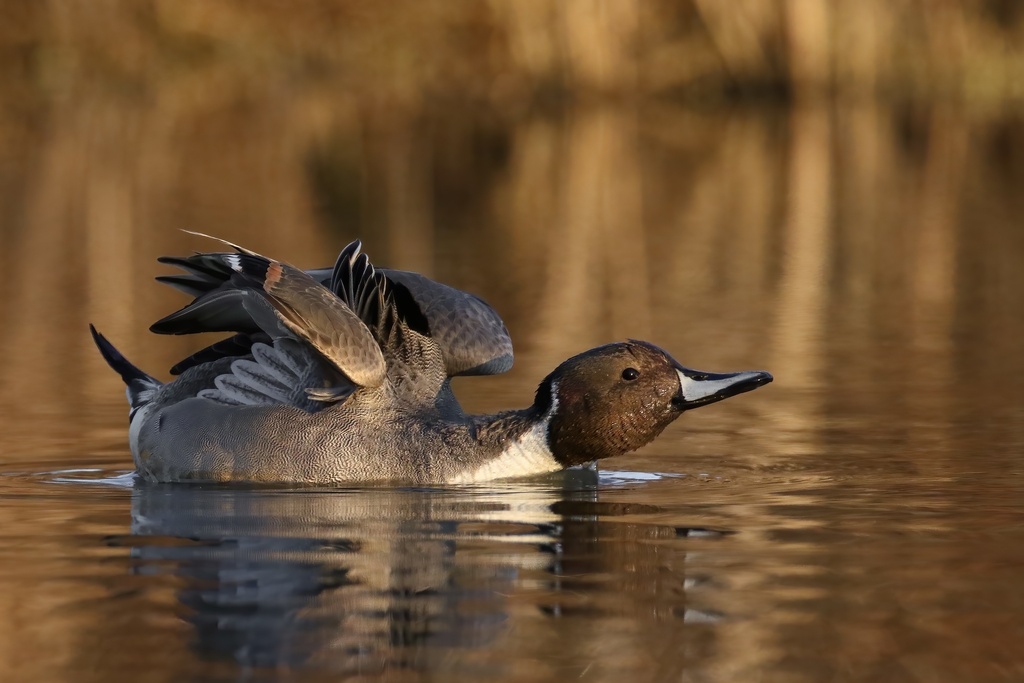
- Northern PintailAnas acuta
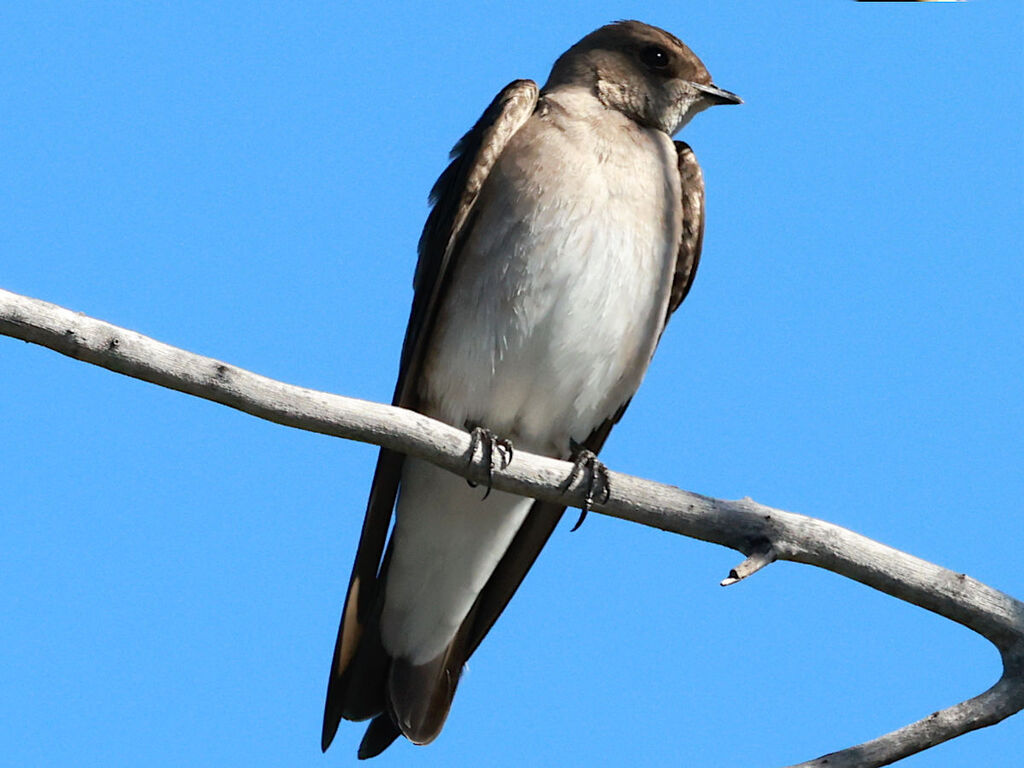
- Northern Rough-winged SwallowStelgidopteryx serripennis
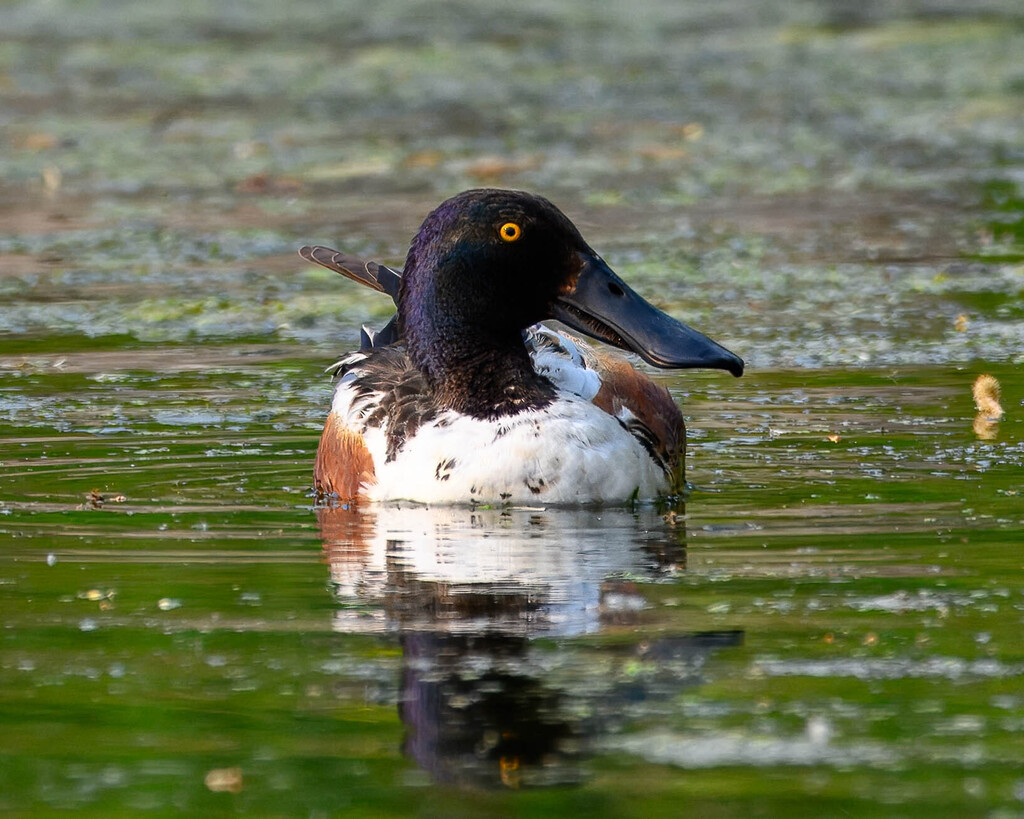
- Northern ShovelerAnas clypeata
- OspreyPandion haliaetus
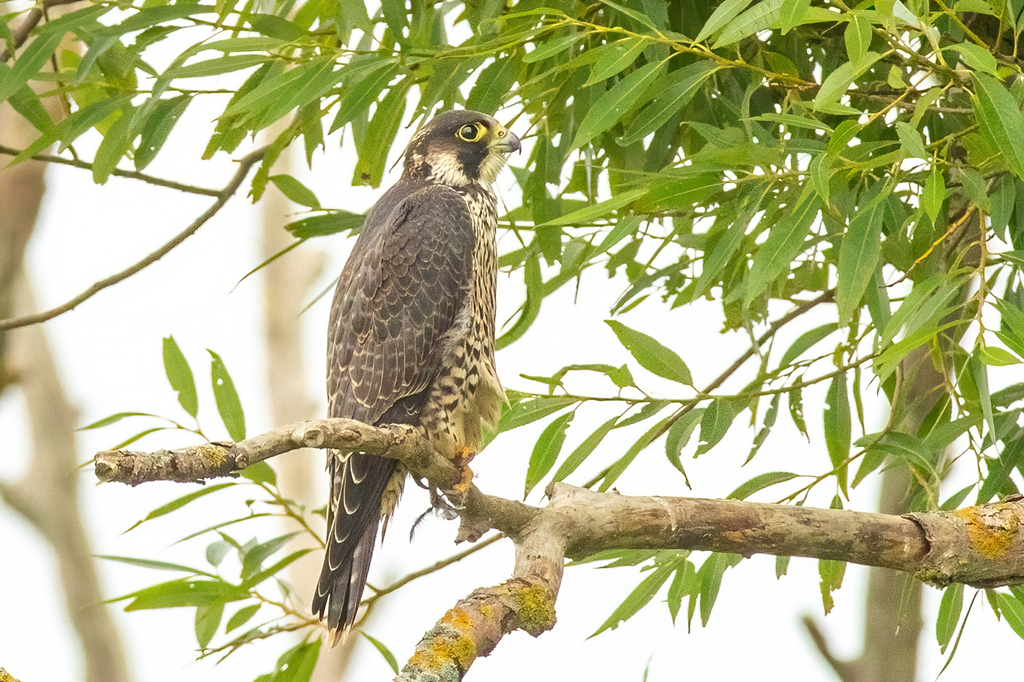
- Peregrine FalconFalco peregrinus
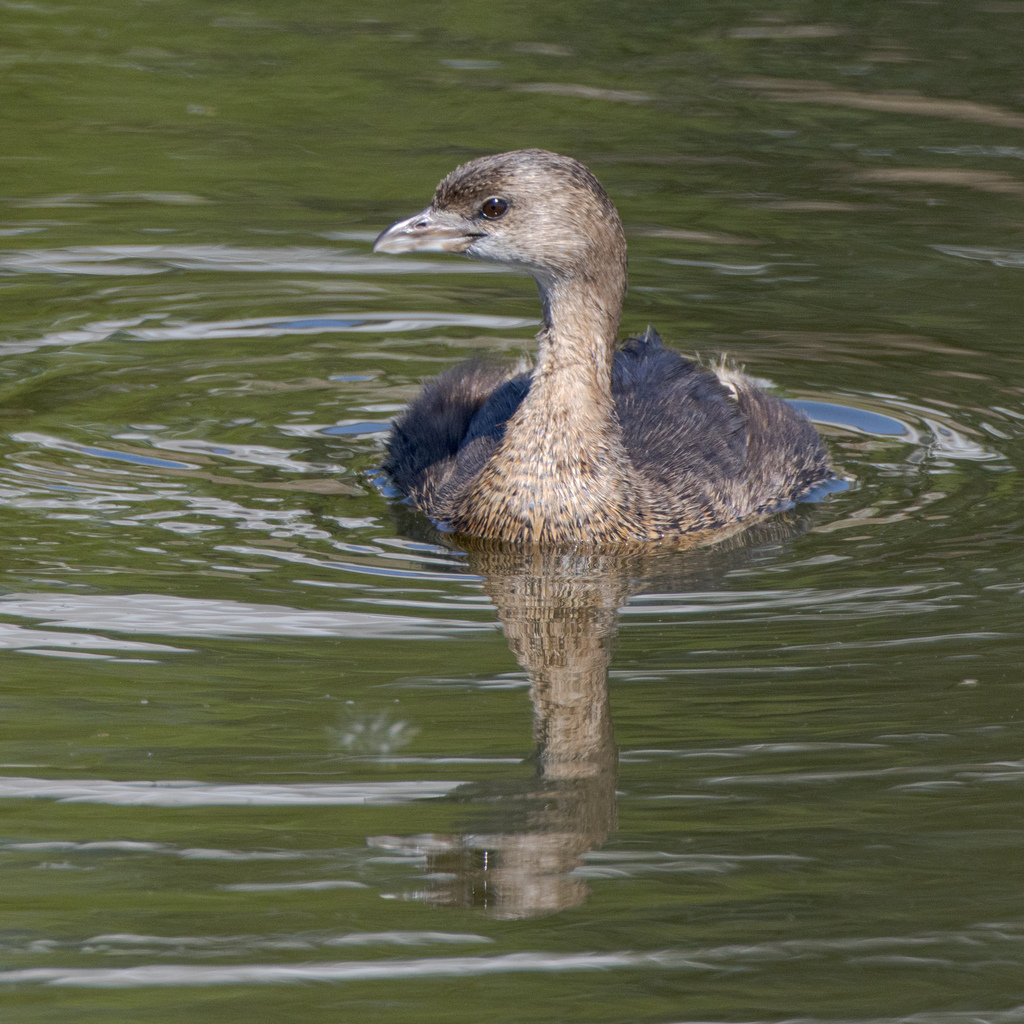
- Pied-billed GrebePodilymbus podiceps
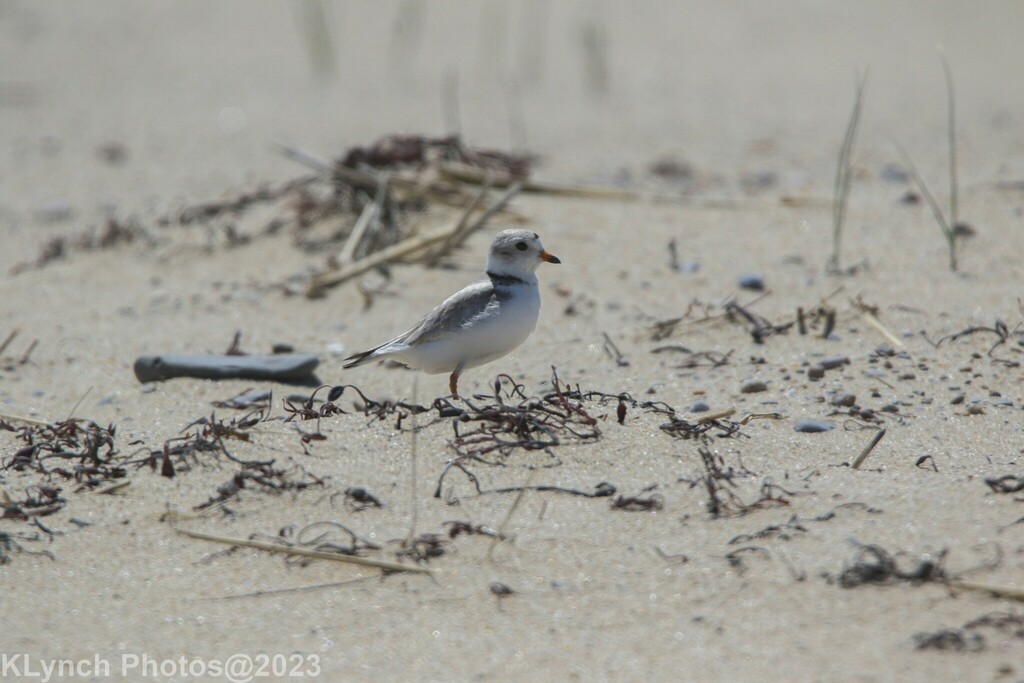
- Piping PloverCharadrius melodus
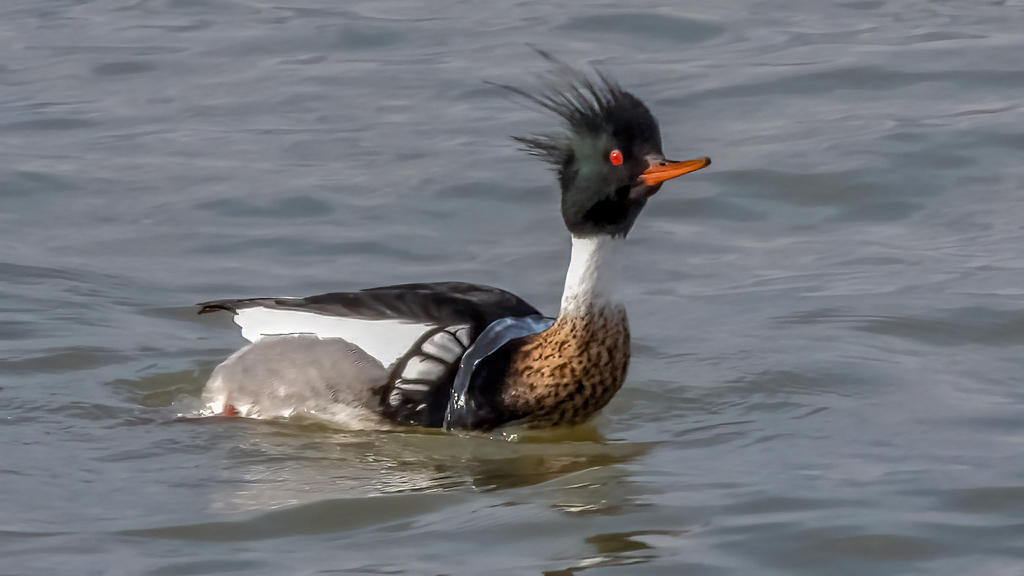
- Red-breasted MerganserMergus serrator
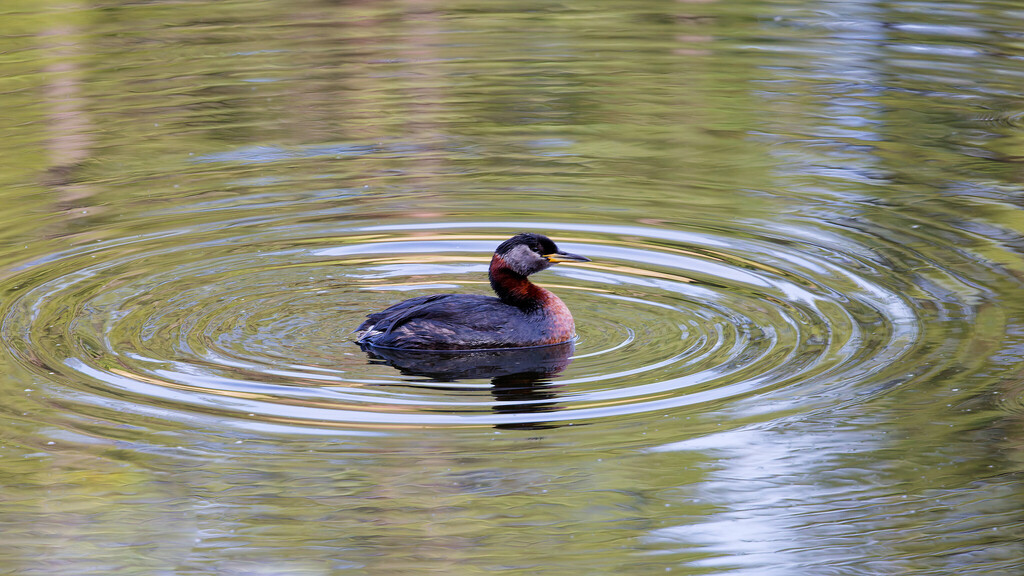
- Red-necked GrebePodiceps grisegena
- Red-tailed HawkButeo jamaicensis
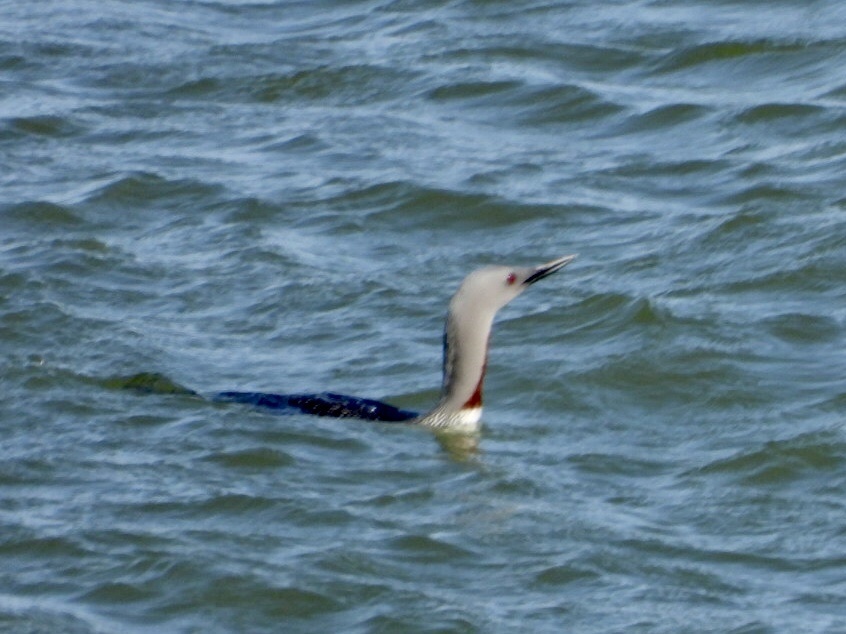
- Red-throated LoonGavia stellata
- Red-winged BlackbirdAgelaius phoeniceus
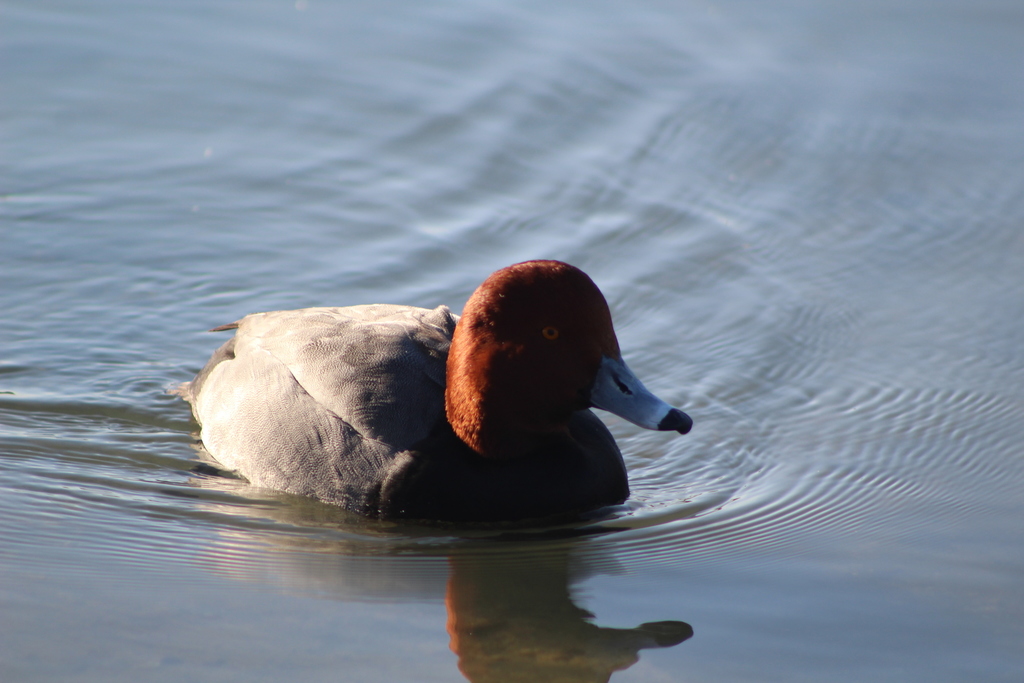
- RedheadAythya americana
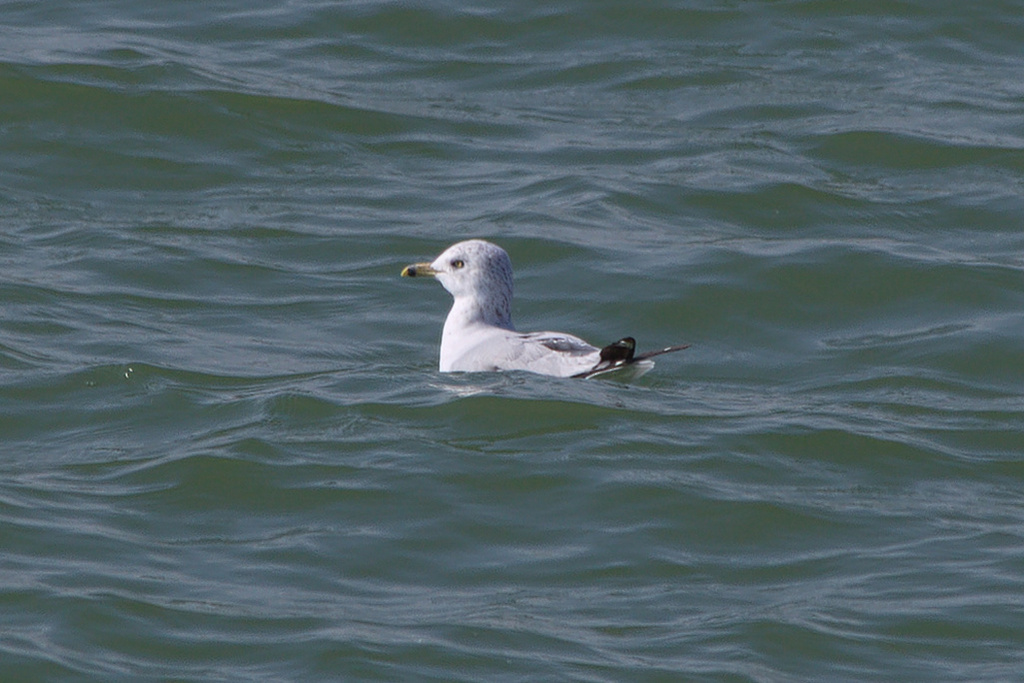
- Ring-billed GullLarus delawarensis





Who uses this plant?
 5CaterpillarsGenus host records with ranges including VA
Genus host records with ranges including VA · Limonium
- Celypha nr.Celypha Moth
- Homoeosoma electellaSunflower Moth
- Schinia arcigeraArcigera Flower Moth
- Udea rubigalisCelery Leaftier
- Palatka nymphaeella
 0BeesSoutheastern regional records
 0Specialist beesPollen specialists
 —BirdsRecorded genus food-resource interactions; not a state feeding claim
No records yet · Ants · Beetles · Flies · Adult butterflies / moths · Other wasps · Other insects
Plant details
- Family
- Plumbaginaceae
- Hardiness
- Zones 5a–11b
- Soil pH
- Neutral to alkaline
- Flower color
- Purple
- Growth rate
- Moderate
- Growth habit
- Single crown
- Foliage color
- Green
- Fruit begins
- Summer
- Fruit ends
- Fall
Safety has not been reviewed for this plant; check toxicity and thorns before planting.
Growing sources and scope
- Bloom · “August to October” · Weakley, Flora of the Southeastern United States (2025), Carolinas & Georgia edition (ranked first; USDA PLANTS differs) · Carolinas and Georgia
- Flower color · “Purple” · NC Extension Plant Toolbox
- Foliage color · “Green” · USDA PLANTS · Nationwide species characteristics; local growing conditions may vary
- Fruit begins · “Summer” · USDA PLANTS · Nationwide species characteristics; local growing conditions may vary
- Fruit ends · “Fall” · USDA PLANTS · Nationwide species characteristics; local growing conditions may vary
- Growth habit · “Single crown” · USDA PLANTS · Nationwide species characteristics; local growing conditions may vary
- Growth rate · “Moderate” · USDA PLANTS · Nationwide species characteristics; local growing conditions may vary
- Hardiness · “Zones 5a–11b” · NC Extension Plant Toolbox
- Height · “1–2 feet” · NC Extension Plant Toolbox (ranked first; USDA PLANTS differs)
- Life cycle · “Perennial” · NC Extension Plant Toolbox
- Light · “Full sun (6 or more hours of direct sunlight a day)” · NC Extension Plant Toolbox
- primary_flower_color · “purple” · USDA PLANTS
- Soil · “Moist; Occasionally wet” · NC Extension Plant Toolbox
- Soil pH · “Neutral to alkaline” · NC Extension Plant Toolbox
- Spread · “1–1.5 feet” · NC Extension Plant Toolbox
Also known as
Carolina Sea lavender
Conservation status
| Virginia rank | S4 |
|---|---|
| Global rank | G5 |
| VA status | Not verified |
| Federal status | Not verified |
Will it fit your yard?
Check this plant against your county, sun and soil moisture. Conditions are checked in your browser.
Sources
- Digital Atlas of the Virginia Flora
- USDA PLANTS
- Vascular Plants of North Carolina (NC Natural Heritage Program)
- Weakley, Flora of the Southeastern United States (2025)
- NatureServe Explorer
- Shropshire & Tallamy 2025, Lepidoptera of North America north of Mexico, ZooKeys 1261 (ODbL)
- Noori, Seltmann & Orr 2026, A curated and integrated dataset for exploring global bee-plant interactions (GloBI), Zenodo, CC BY 4.0
- Smith, Bachelder, Russell, Morales, Mosher & Seltmann 2024, Bee-Specialization-Modeling v0.6.1 (specialist host table compiled from J. Fowler's pollen specialist bee lists), Zenodo, CC BY 4.0
- Hurlbert, Olsen, Sawyer & Winner 2021, Avian Diet Database, Scientific Data 8: 260 (CC0)
- Narango, Tallamy & Shropshire 2020, Few keystone plant genera support the majority of Lepidoptera species, Nature Communications