

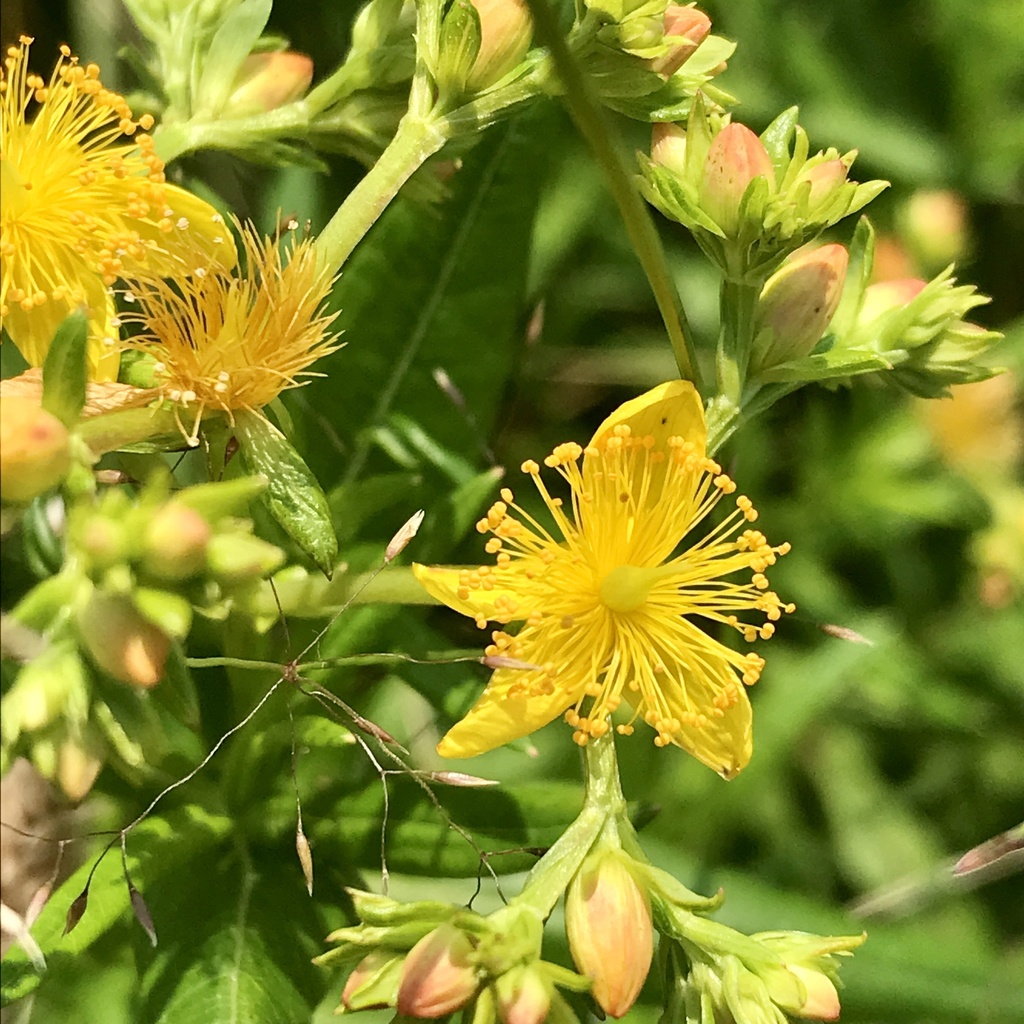
Creeping St. John's-wort
Hypericum adpressum
Found in boggy depressions. Weakley, Flora of the Southeastern United States (2025), Northern Tier edition What its natural habitat tells you
Native to Virginia. How scores work Is it native here?
Profile 94%
- Height
- Up to about 32 inches
- Light
- Partial shade, Full sun
- Soil moisture
- Moist to standing water
Rare or protected plant. Specialist conservation planting; excluded from routine garden suggestions. Plant caution source
Hidden from default planting suggestions. Wildlife value and native status remain unchanged.
At a glance
- Life cycle
- Perennial
- Bloom
- July to August
Not yet recorded · Spread · Leaves
Recorded in 3 Virginia counties.
Also found with this plant
Wildlife whose habitat models include habitats this plant grows in, in Virginia. Shared habitat, not food. 149 animals.
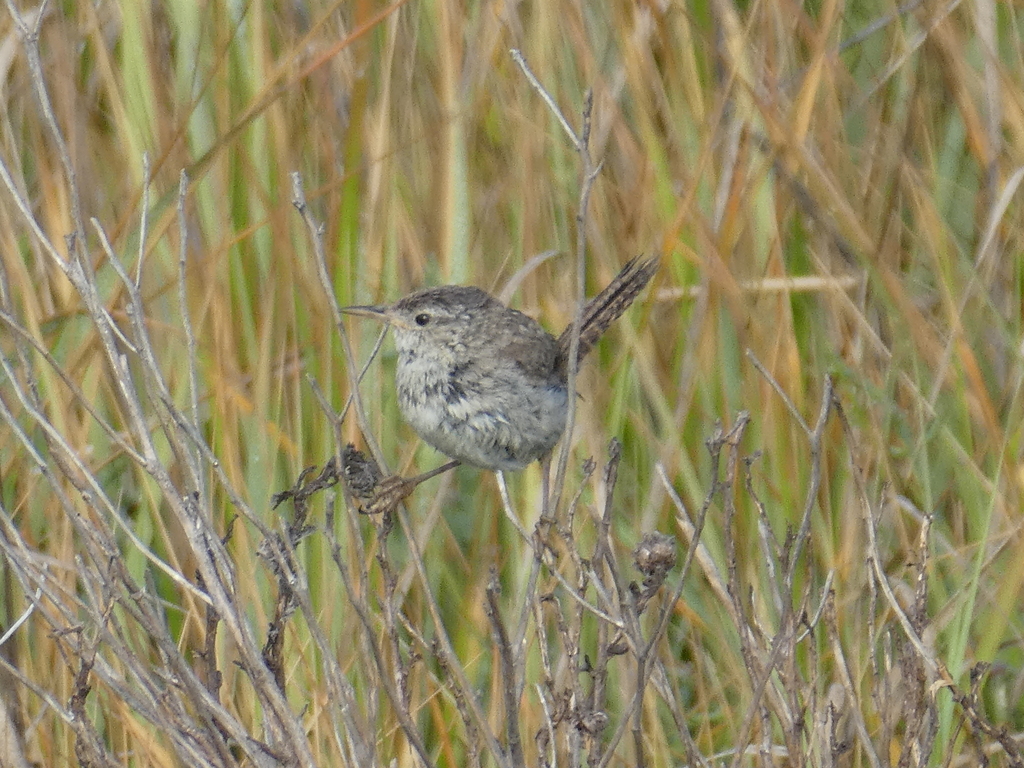
- Marsh WrenCistothorus palustris
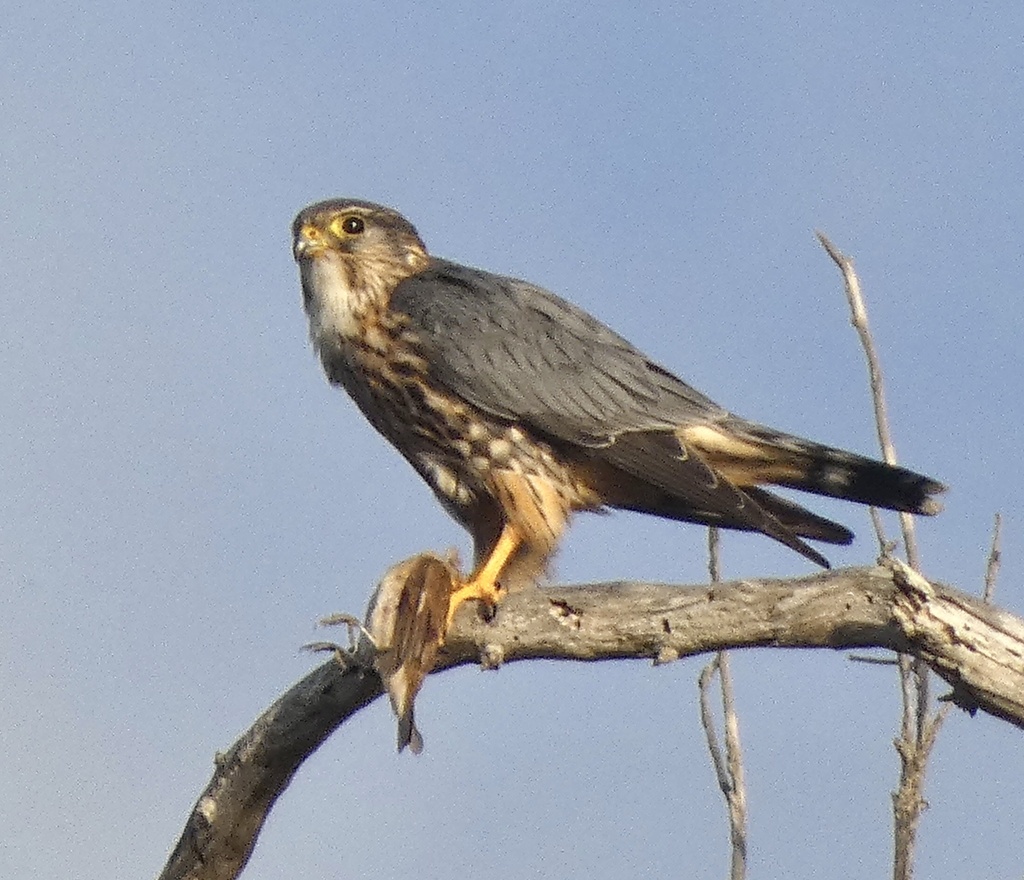
- MerlinFalco columbarius
- Mourning DoveZenaida macroura
- Northern BobwhiteColinus virginianus
- Northern FlickerColaptes auratus
- Northern MockingbirdMimus polyglottos
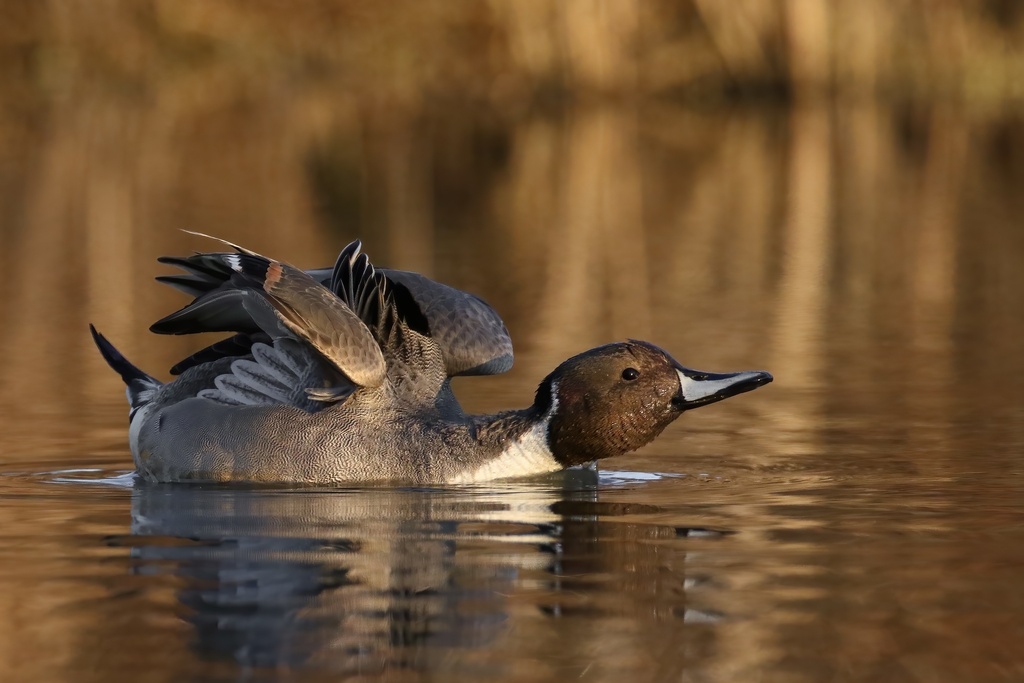
- Northern PintailAnas acuta
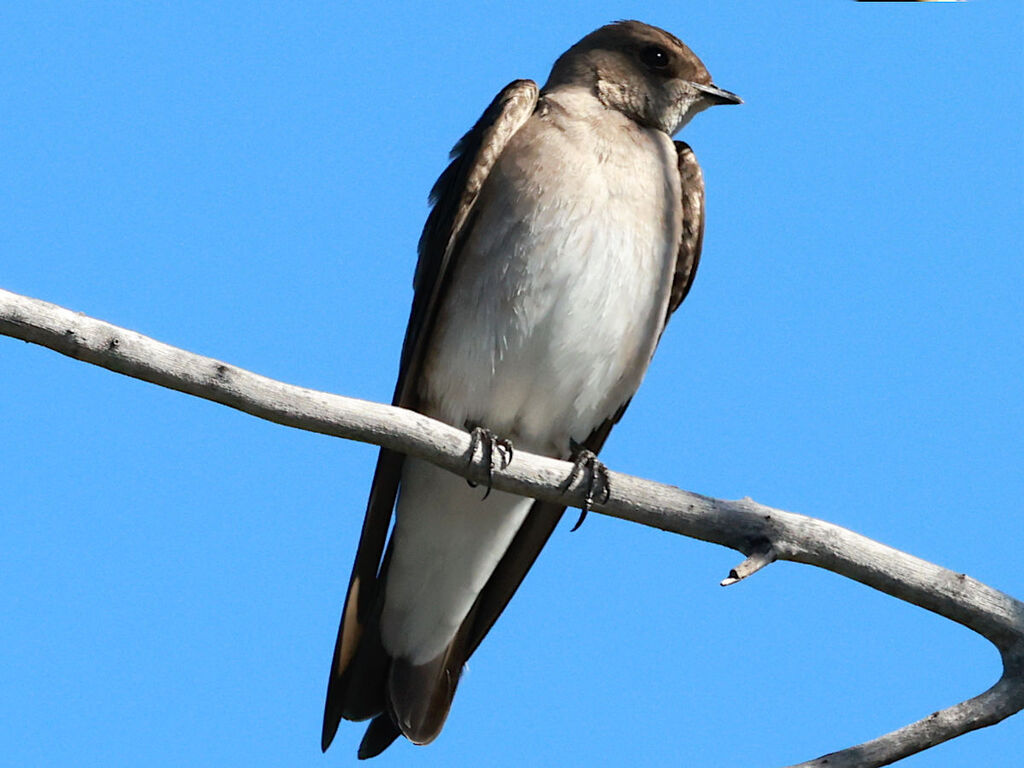
- Northern Rough-winged SwallowStelgidopteryx serripennis
- Orchard OrioleIcterus spurius
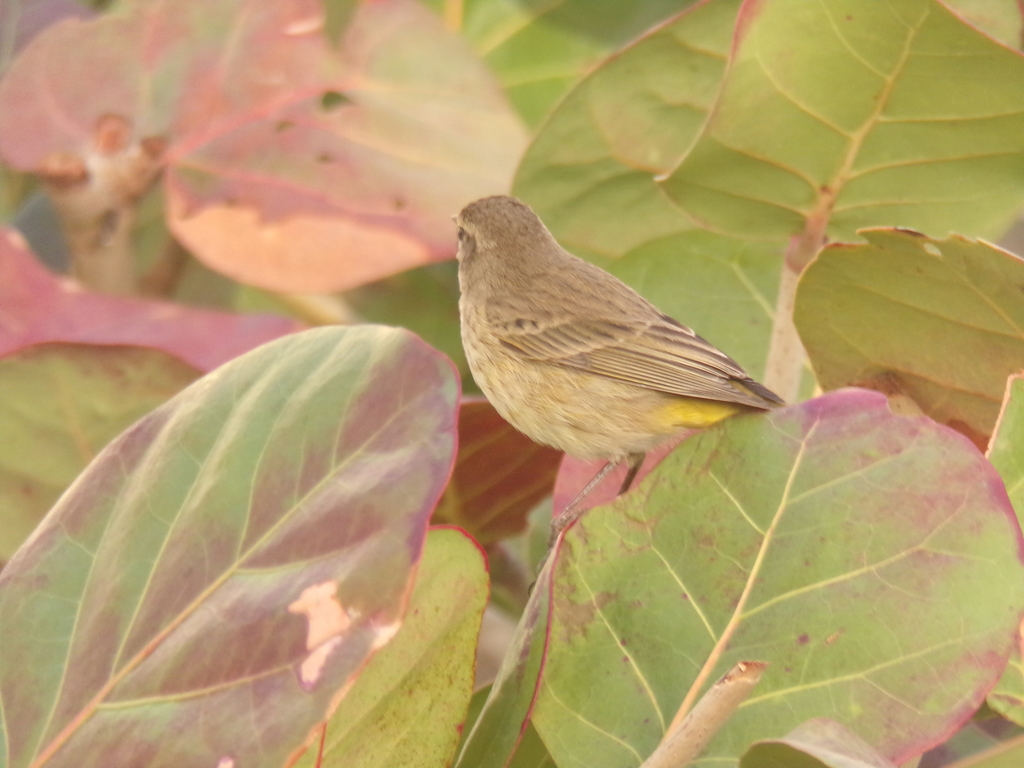
- Palm WarblerDendroica palmarum
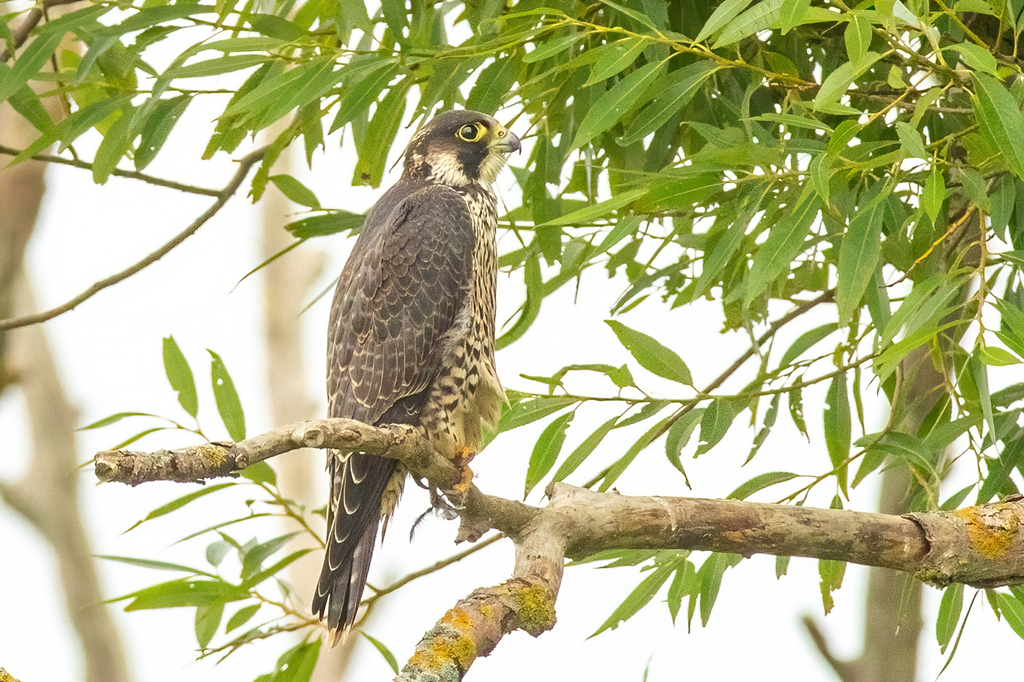
- Peregrine FalconFalco peregrinus
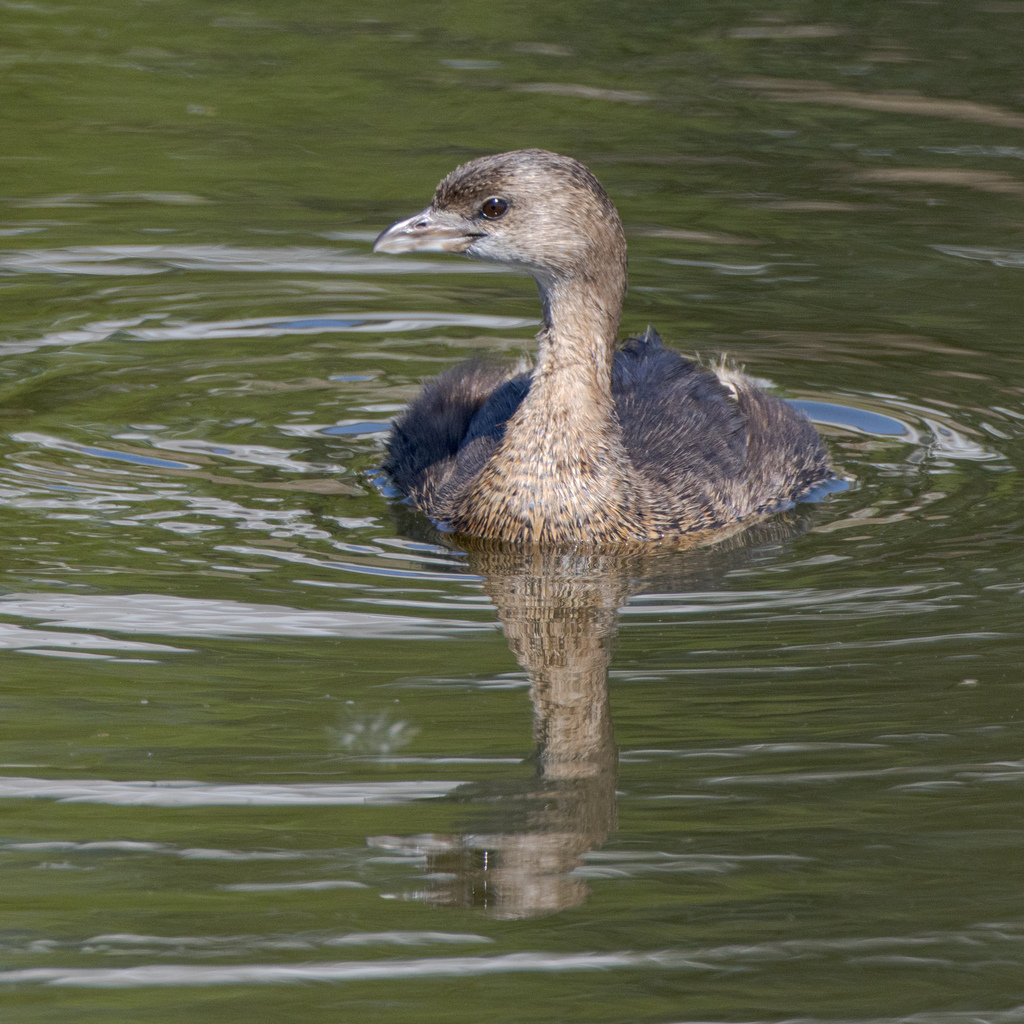
- Pied-billed GrebePodilymbus podiceps
- Pileated WoodpeckerDryocopus pileatus
- Pine SiskinCarduelis pinus
- Prothonotary WarblerProtonotaria citrea
- Purple FinchCarpodacus purpureus
- Purple MartinProgne subis
- Purple SandpiperCalidris maritima
- Red-bellied WoodpeckerMelanerpes carolinus
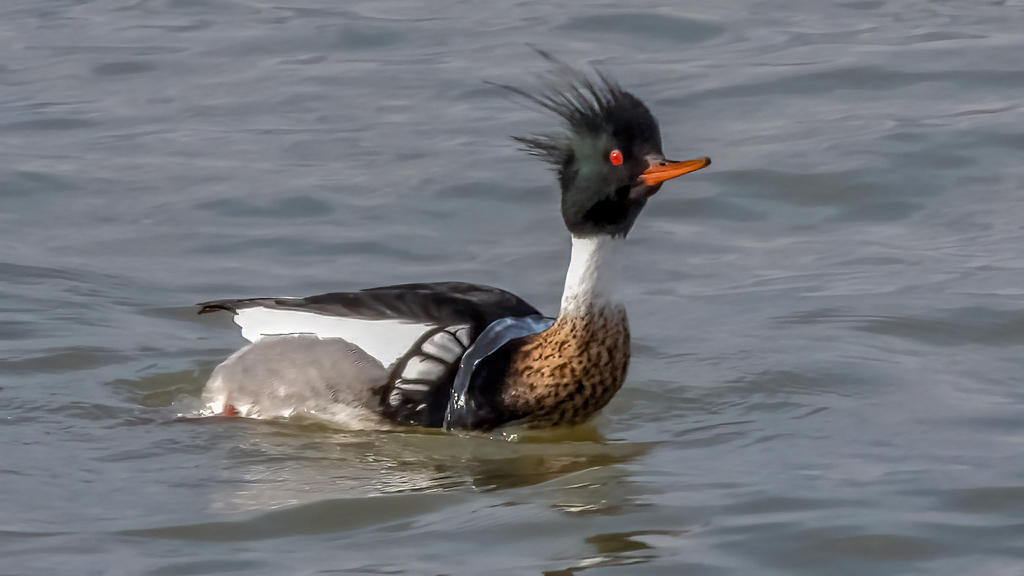
- Red-breasted MerganserMergus serrator
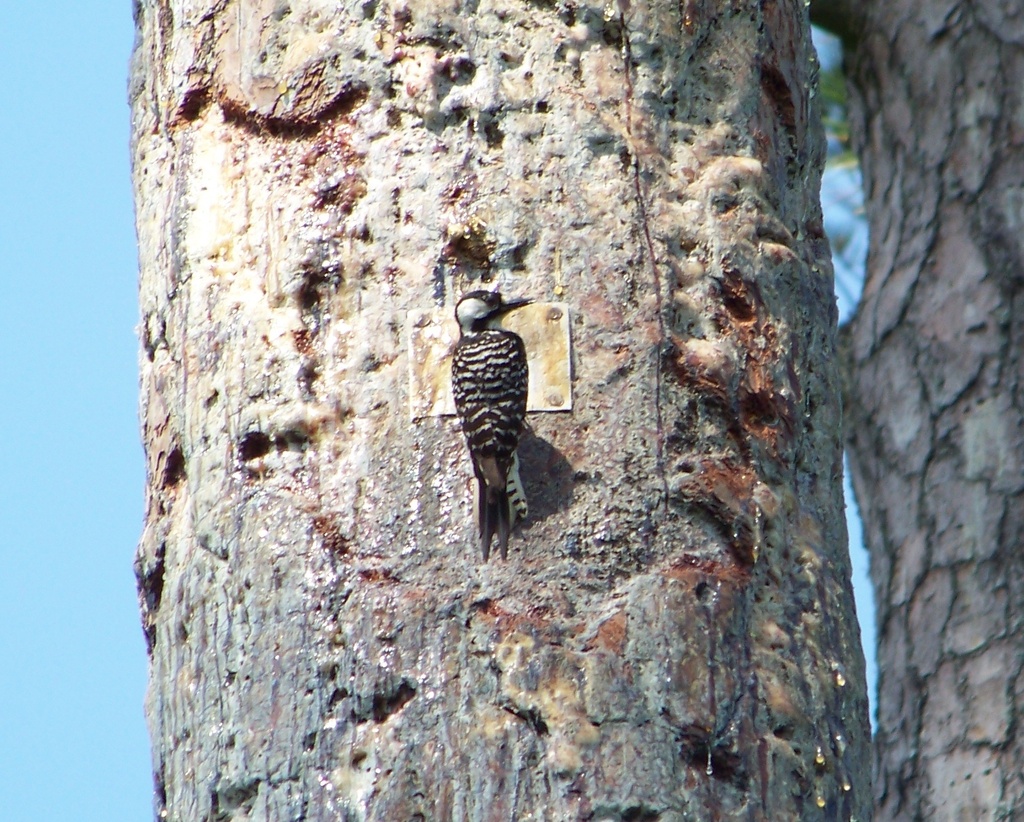
- Red-cockaded WoodpeckerPicoides borealis
- Red-headed WoodpeckerMelanerpes erythrocephalus
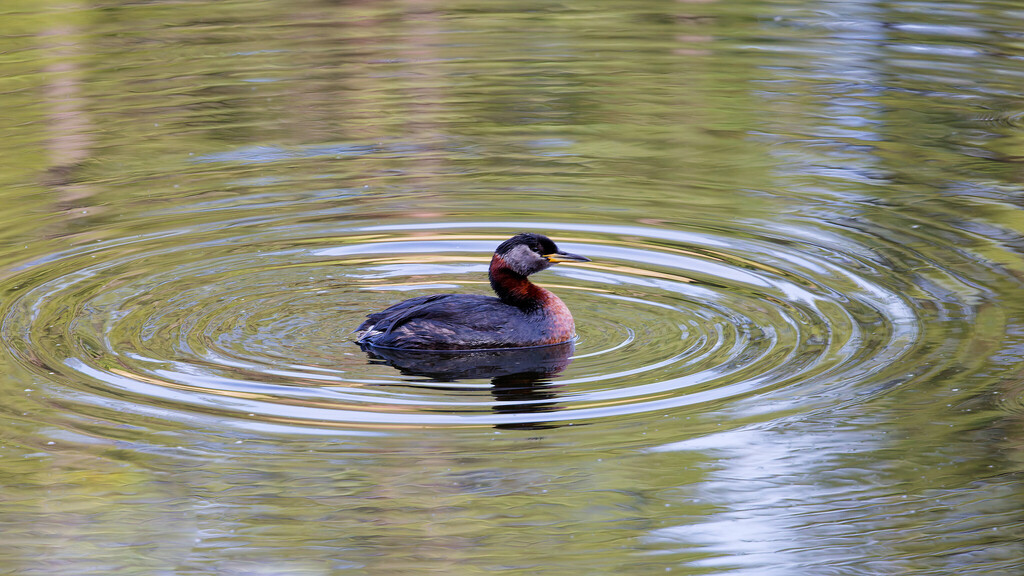
- Red-necked GrebePodiceps grisegena
- Red-shouldered HawkButeo lineatus





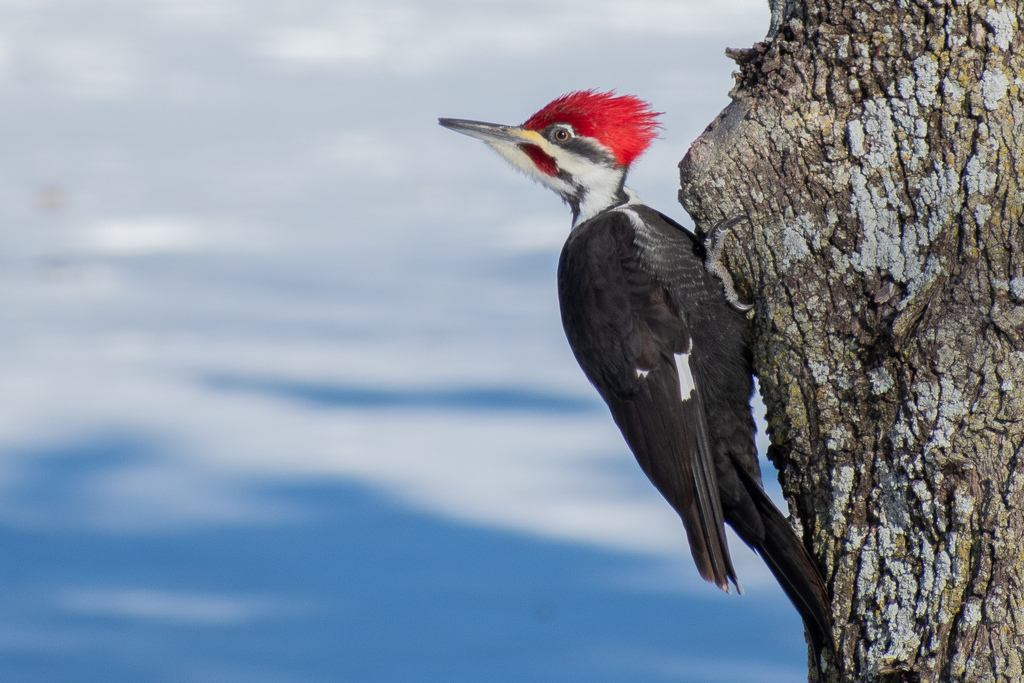

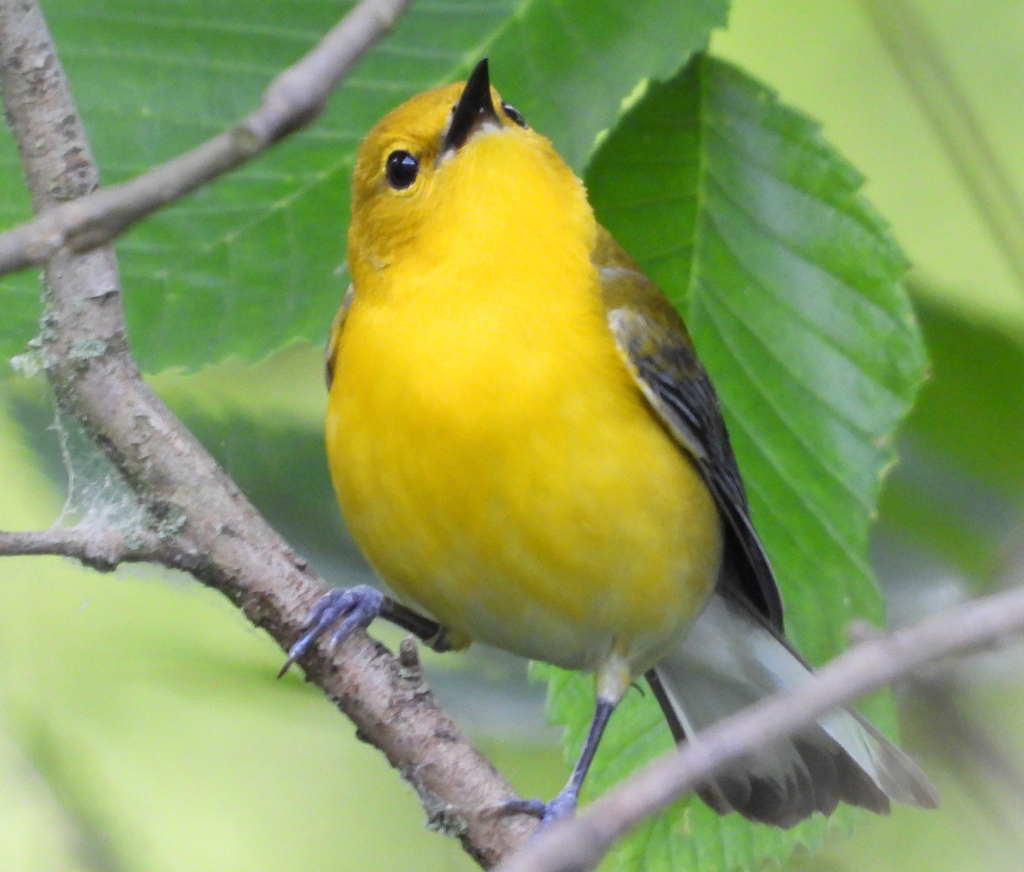

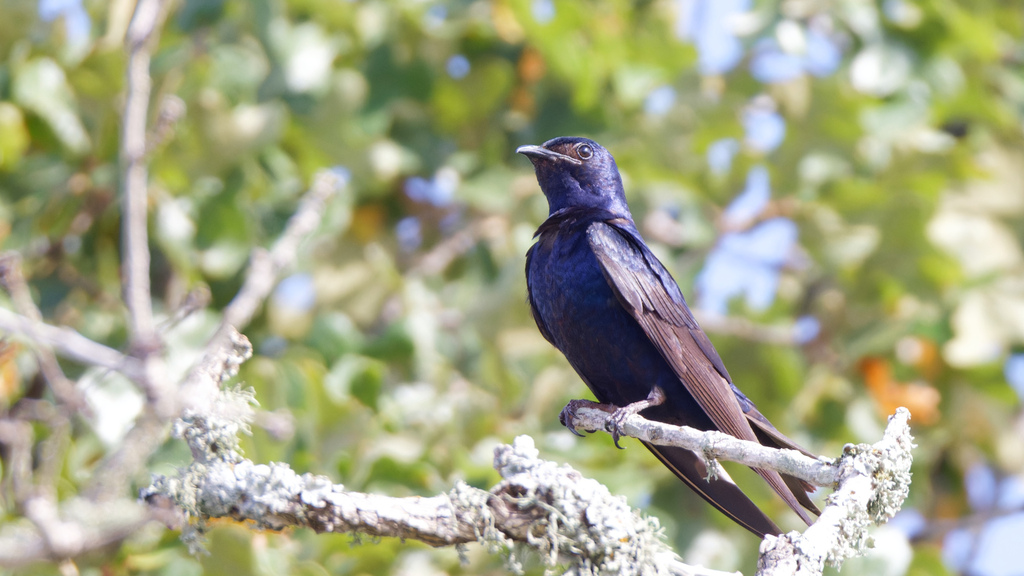
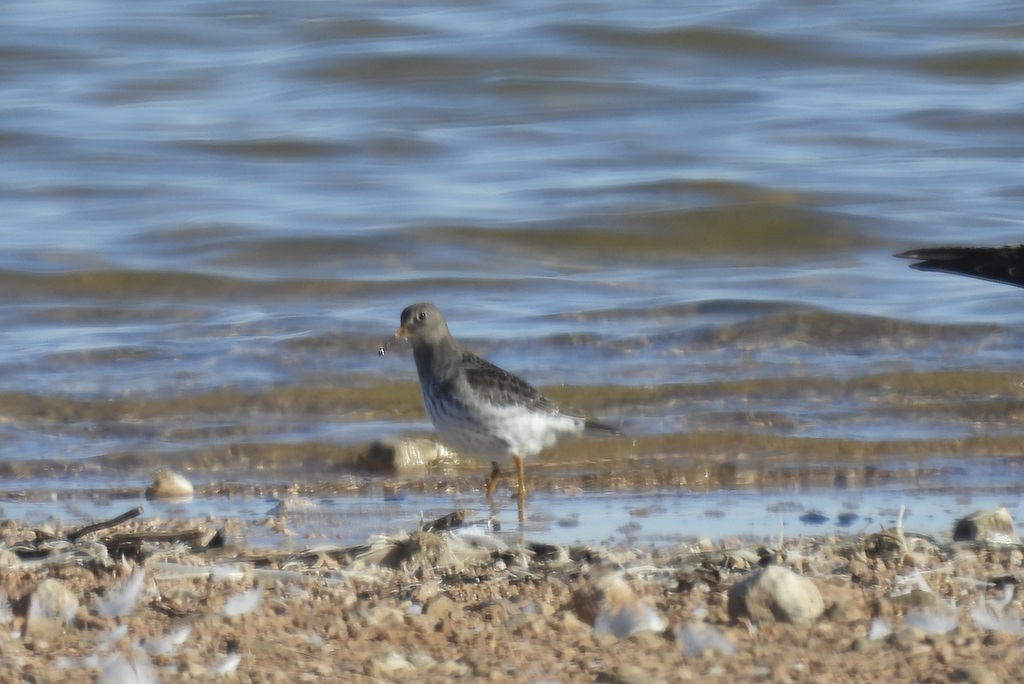



Who uses this plant?
 22CaterpillarsGenus host records with ranges including VA
Genus host records with ranges including VA · Hypericum
- Acleris maculidorsanaStained-Back Leafroller Moth
- Choristoneura rosaceanaOblique-Banded Leafroller Moth, Rosaceous Leaf Roller
- Eupithecia miserulataCommon Eupithacia, Common Pug
- Hyppa xylinoidesCommon Hyppa
- Iodopepla u-albumBurgundy St. Johnswort Moth, White-Eyed Borer
- Iridopsis ephyrariaPale-Winged Gray
- Melanchra assimilisBlack Arches
- Nedra ramosulaGray Half-Spot
- Nemoria bistriariaTwo-Striped Emerald, Red-Fringed Emerald
- Nemoria tuscaroraAppalachian Emerald
Show all 22
- Phlogophora irisOlive Angle Shades
- Platynota flavedanaBlack-Shaded Platynota
- Probole amicariaFriendly Probole
- Sparganothis sulfureanaSparganothis Fruitworm Moth, Sulfur Leafroller, False Yellow-Head
- Synchlora aerataWavy-Lined Emerald, Camouflaged Looper
- Tallula watsoniWatson's Tallula
- Xestia c-nigrumSpotted Cut-Worm, Setaceous Hebrew Character, Lesser Black-letter Dart
- Zale lunataLunate Zale
- Agonopterix hyperella
- Agonopterix lythrella
- Coleotechnites nigritus
- Xenotemna pallorana
 43BeesSoutheastern regional records
Southeastern regional records · Hypericum
Individual names are not available yet.
Noori, Seltmann & Orr 2026, A curated and integrated dataset for exploring global bee-plant interactions (GloBI), Zenodo, CC BY 4.0 0Specialist beesPollen specialists
 1BirdsRecorded genus food-resource interactions; not a state feeding claim
Recorded genus food-resource interactions; not a state feeding claim · Hypericum
- Aythya collarisRing-necked Duck
Direct food only: birds recorded eating this genus across North America. Caterpillars on host plants also feed nesting birds. NC Native Plant Society: butterfly gardening
No records yet · Ants · Beetles · Flies · Adult butterflies / moths · Other wasps · Other insects
Plant details
- Family
- Hypericaceae
- Flower color
- Yellow
Growing sources and scope
- Bloom · “July to August” · Weakley, Flora of the Southeastern United States (2025), Carolinas & Georgia edition · Carolinas and Georgia
- Flower color · “Yellow” · Lady Bird Johnson Wildflower Center
- Height · “Up to about 32 inches” · Lady Bird Johnson Wildflower Center
- Life cycle · “Perennial” · Lady Bird Johnson Wildflower Center
- Light · “Partial shade; Full sun (documented habitat)” · Weakley, Flora of the Southeastern United States (2025), Carolinas & Georgia edition · Carolinas and Georgia
- primary_flower_color · “yellow” · Lady Bird Johnson Wildflower Center
- Soil · “Moist; Water; Wet (documented habitat)” · Weakley, Flora of the Southeastern United States (2025), Carolinas & Georgia edition · Carolinas and Georgia
Also known as
Bog St. Johns Wort; Creeping St. John's wort; Creeping St. Johns Wort
Conservation status
| Virginia rank | S1 |
|---|---|
| Global rank | G3 |
| VA status | Not verified |
| Federal status | Not verified |
Will it fit your yard?
Check this plant against your county, sun and soil moisture. Conditions are checked in your browser.
Sources
- Virginia DCR Natural Heritage rare plant list
- Digital Atlas of the Virginia Flora
- USDA PLANTS
- Vascular Plants of North Carolina (NC Natural Heritage Program)
- Weakley, Flora of the Southeastern United States (2025)
- NatureServe Explorer
- Shropshire & Tallamy 2025, Lepidoptera of North America north of Mexico, ZooKeys 1261 (ODbL)
- Noori, Seltmann & Orr 2026, A curated and integrated dataset for exploring global bee-plant interactions (GloBI), Zenodo, CC BY 4.0
- Smith, Bachelder, Russell, Morales, Mosher & Seltmann 2024, Bee-Specialization-Modeling v0.6.1 (specialist host table compiled from J. Fowler's pollen specialist bee lists), Zenodo, CC BY 4.0
- Hurlbert, Olsen, Sawyer & Winner 2021, Avian Diet Database, Scientific Data 8: 260 (CC0)
- Narango, Tallamy & Shropshire 2020, Few keystone plant genera support the majority of Lepidoptera species, Nature Communications