

Red Fescue
Festuca rubra
Native to Virginia. How scores work Is it native here?
Profile 94%
- Height
- About 2 feet
- Light
- Dappled sunlight, Full sun, Partial shade
- Soil moisture
- Dry to moist
No photograph yet. Looking for an old drawing…
At a glance
- Life cycle
- Perennial
- Bloom
- Mid spring
- Fruiting season
- Spring to summer
Not yet recorded · Spread · Leaves
Recorded in 42 Virginia counties.
Also found with this plant
Wildlife whose habitat models include habitats this plant grows in, in Virginia. Shared habitat, not food. 106 animals.
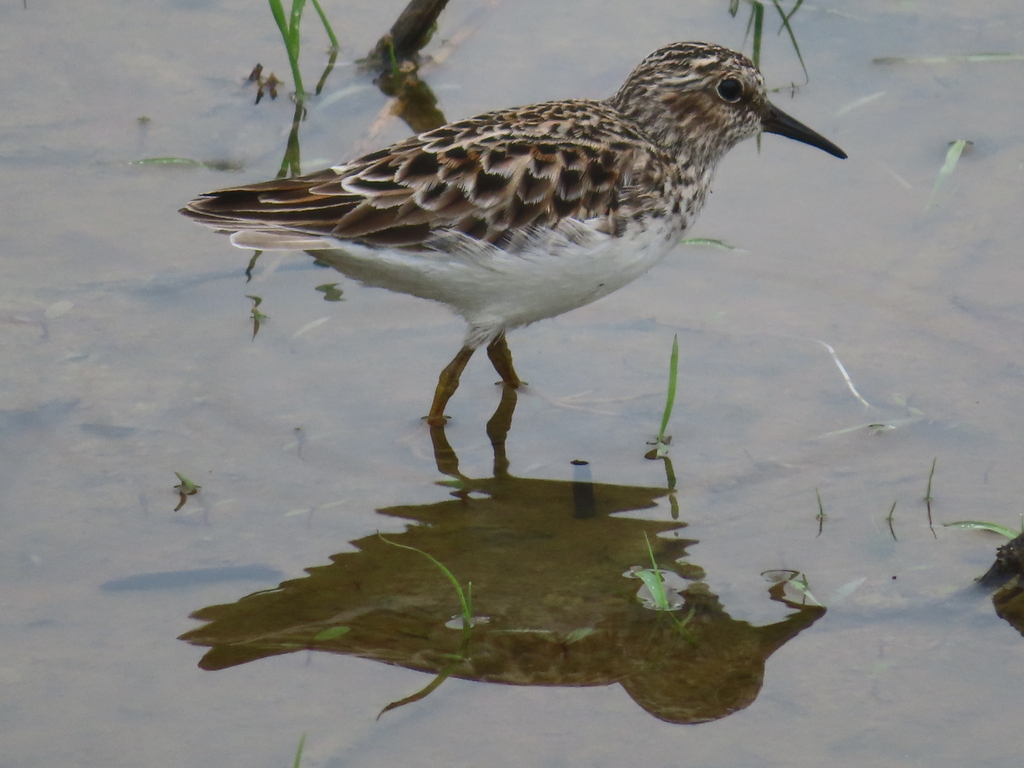
- Least SandpiperCalidris minutilla
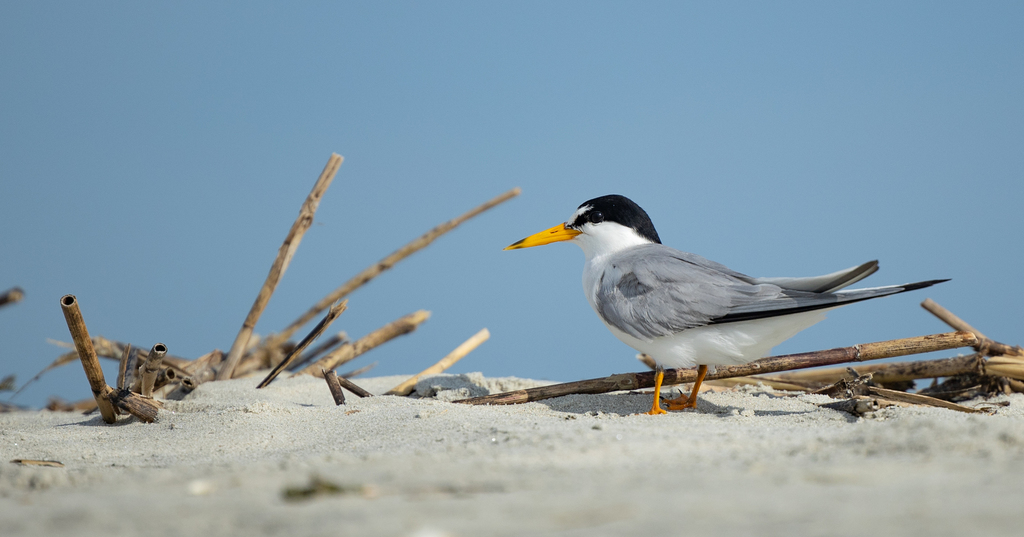
- Least TernSternula antillarum
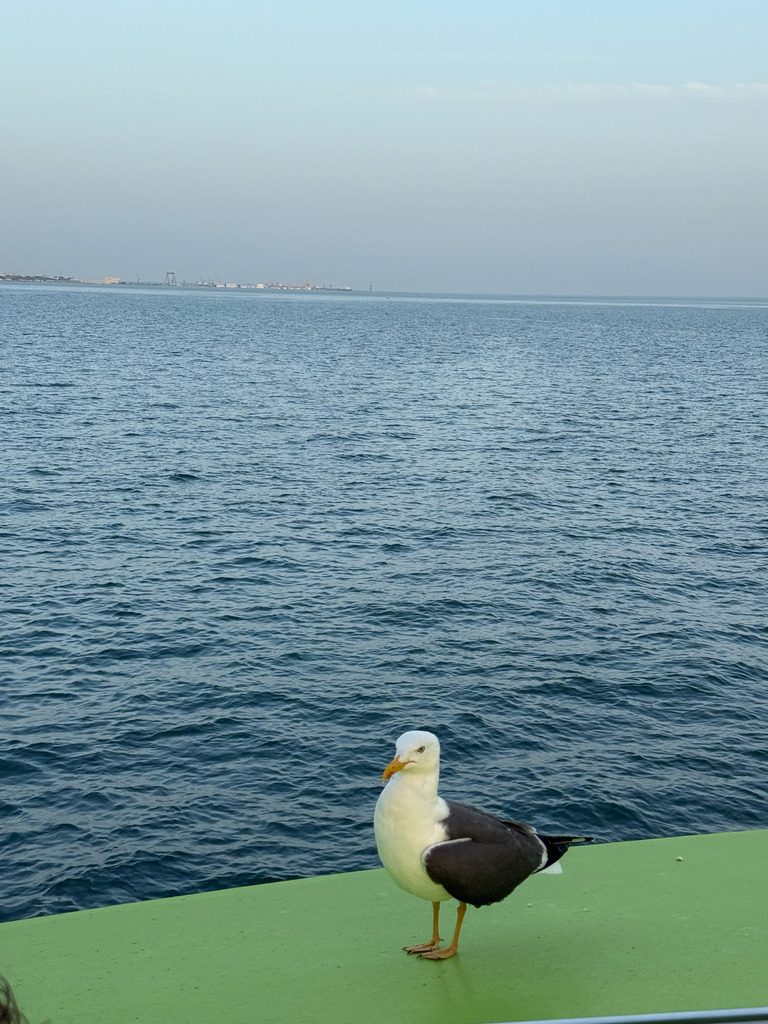
- Lesser Black-backed GullLarus fuscus
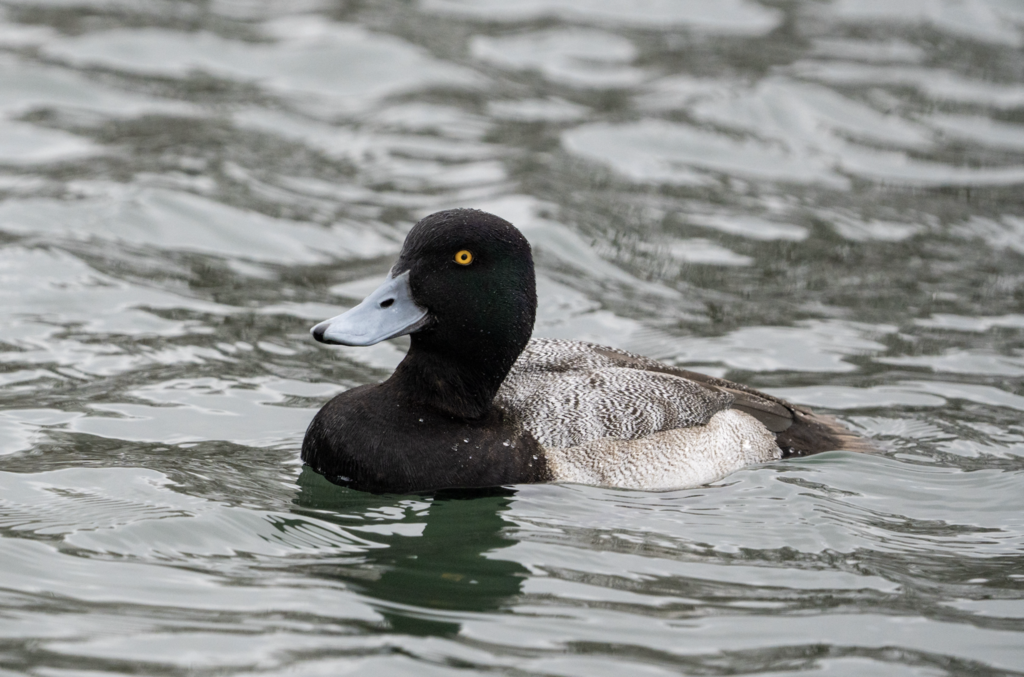
- Lesser ScaupAythya affinis
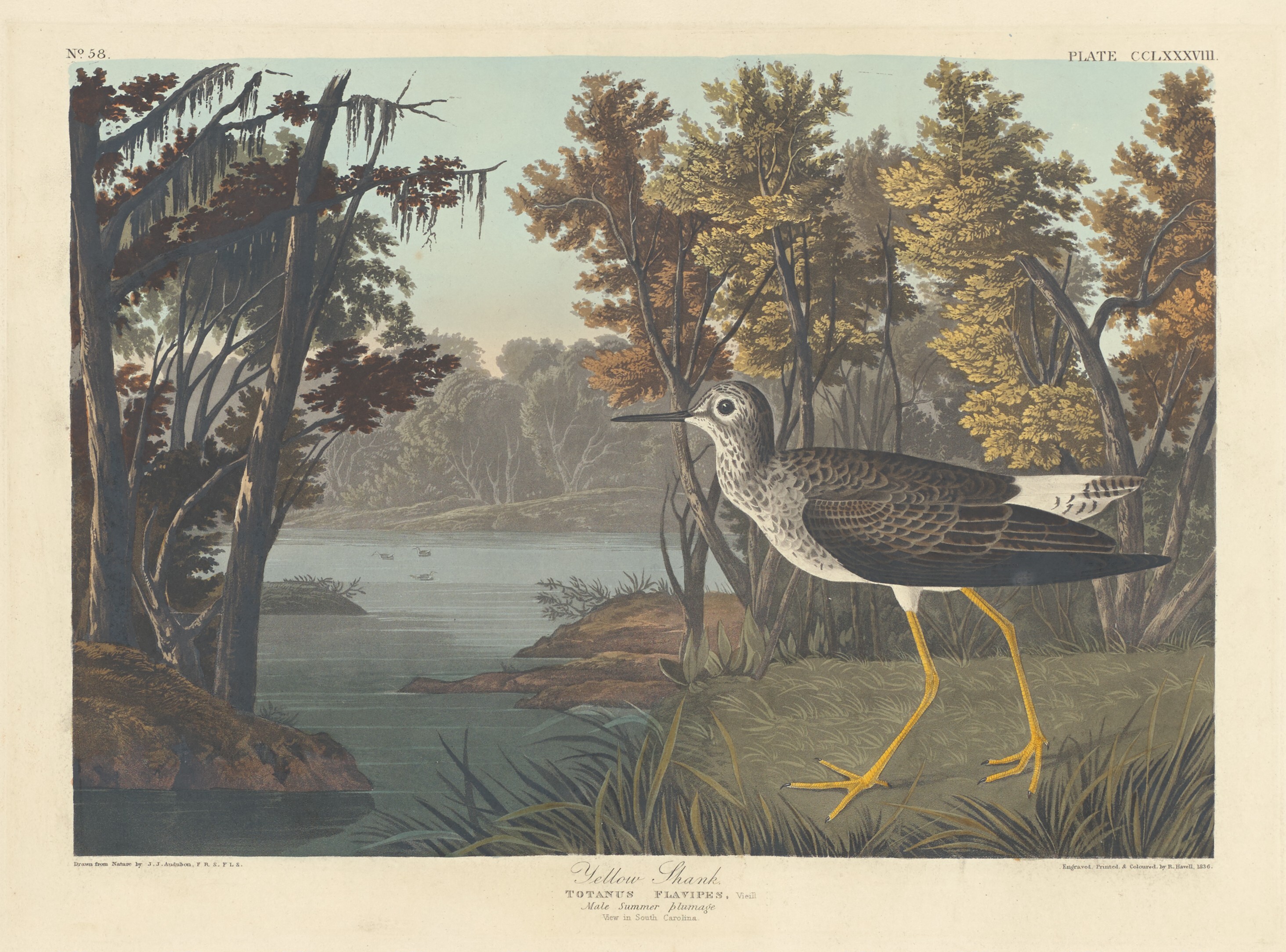
- Lesser YellowlegsTringa flavipes
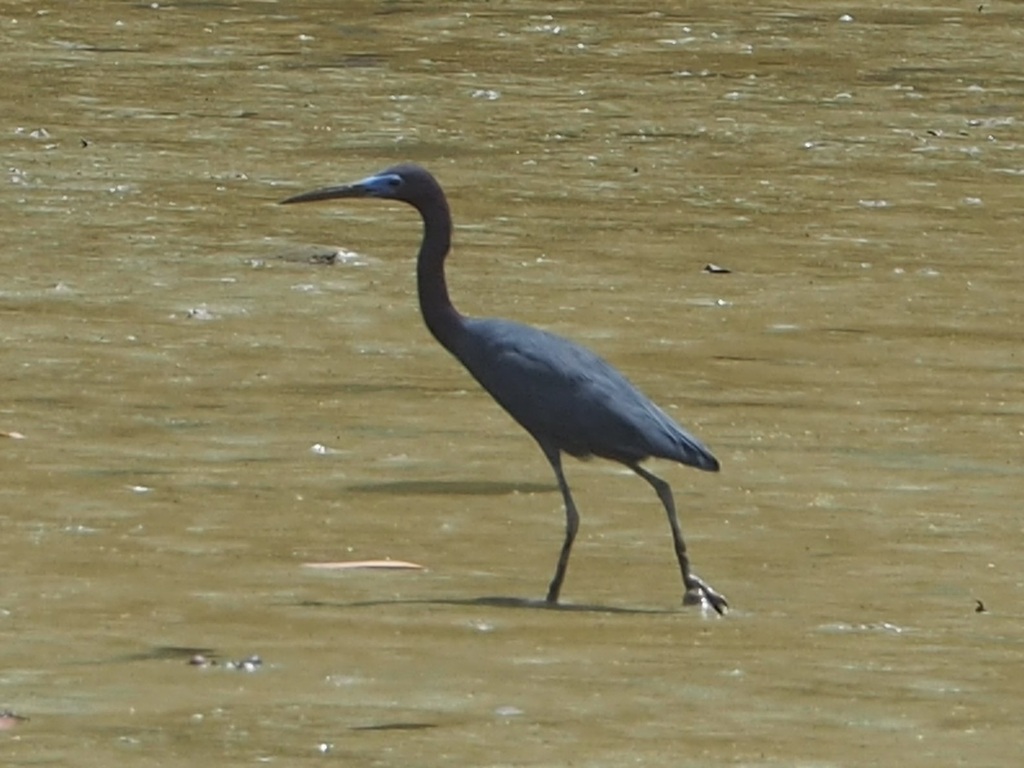
- Little Blue HeronEgretta caerulea
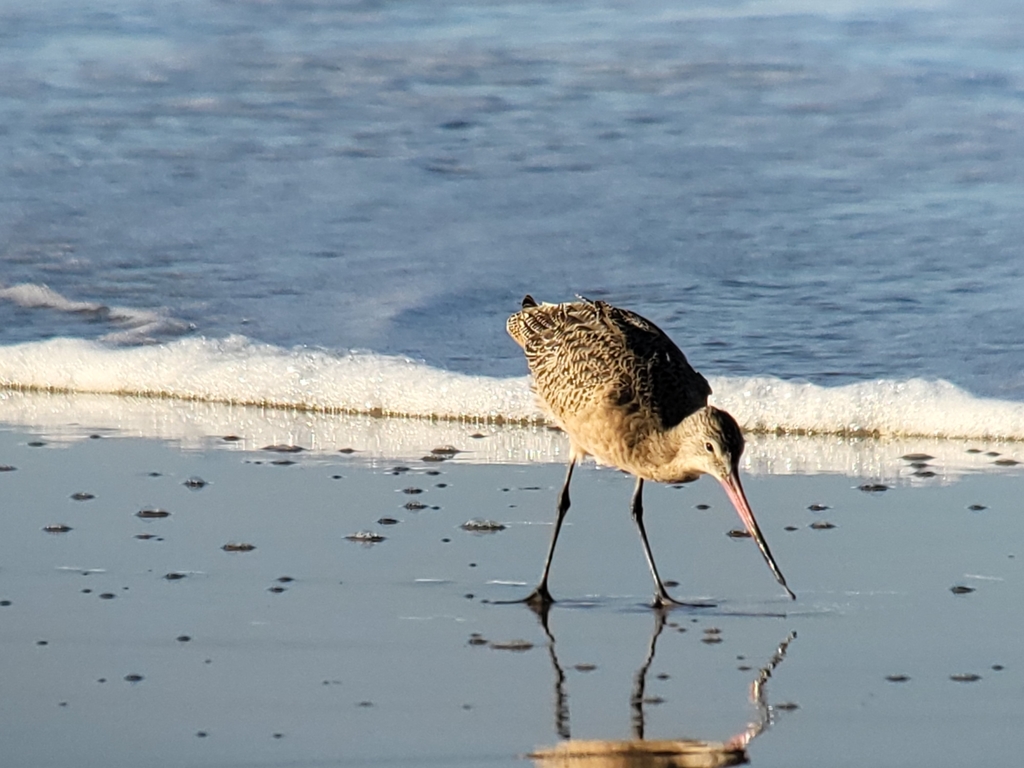
- Marbled GodwitLimosa fedoa
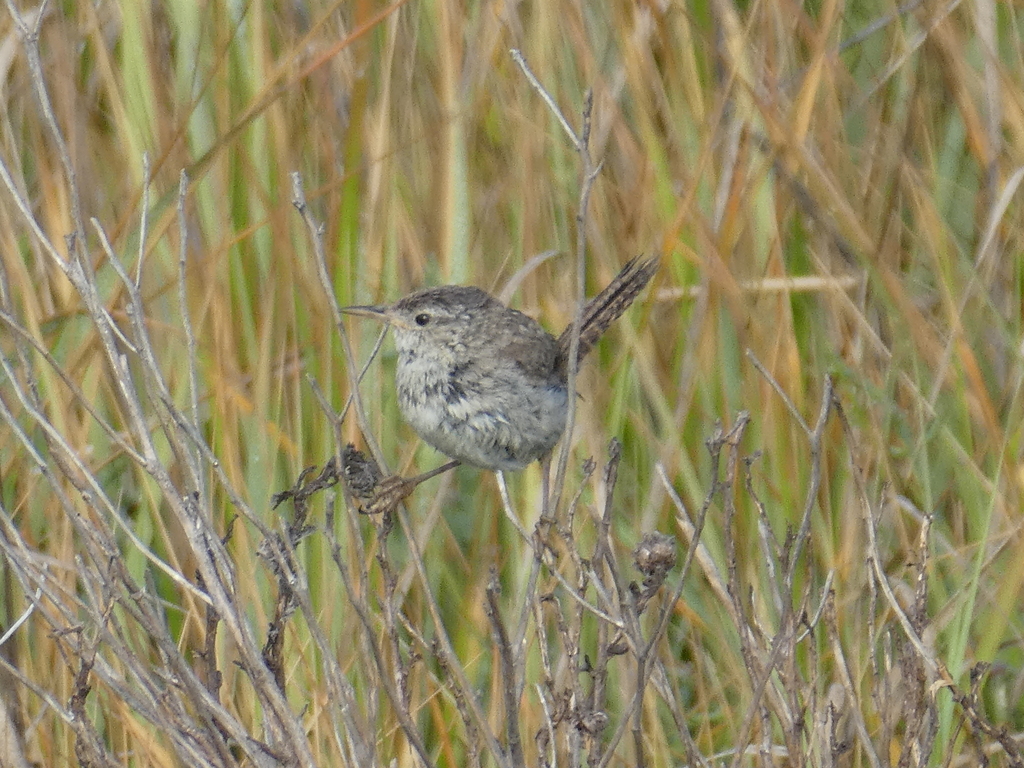
- Marsh WrenCistothorus palustris
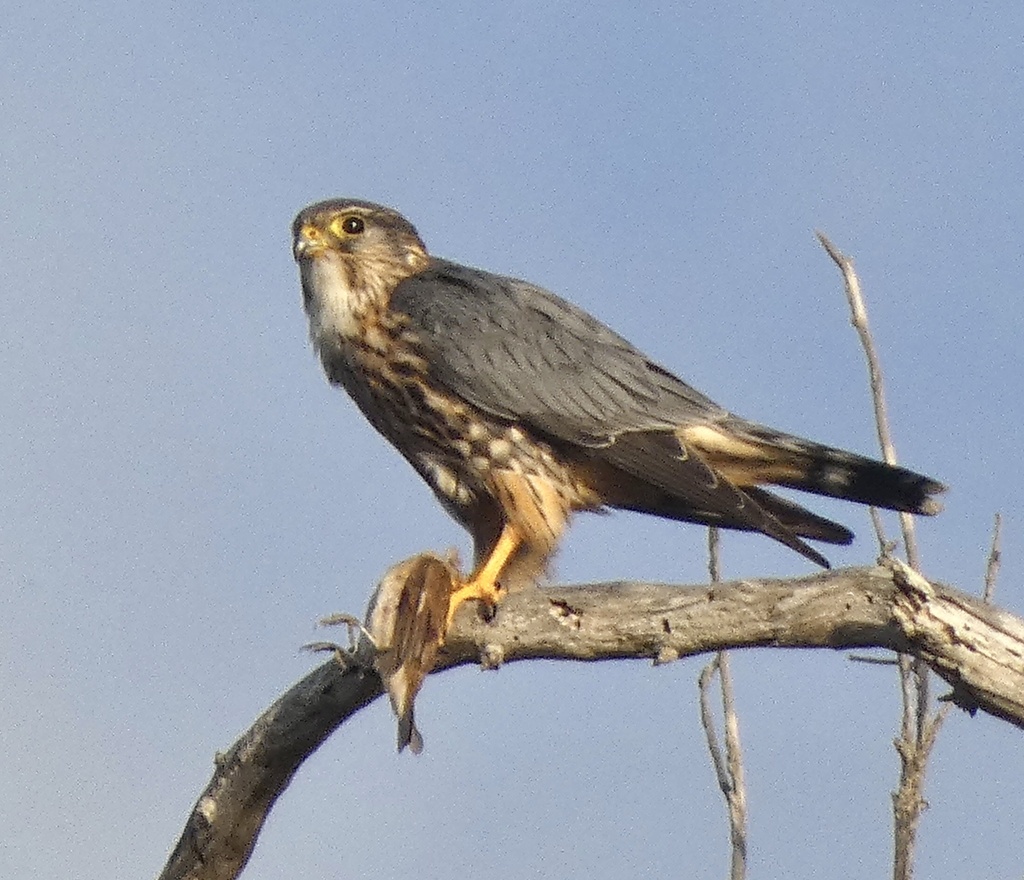
- MerlinFalco columbarius
- Northern CardinalCardinalis cardinalis
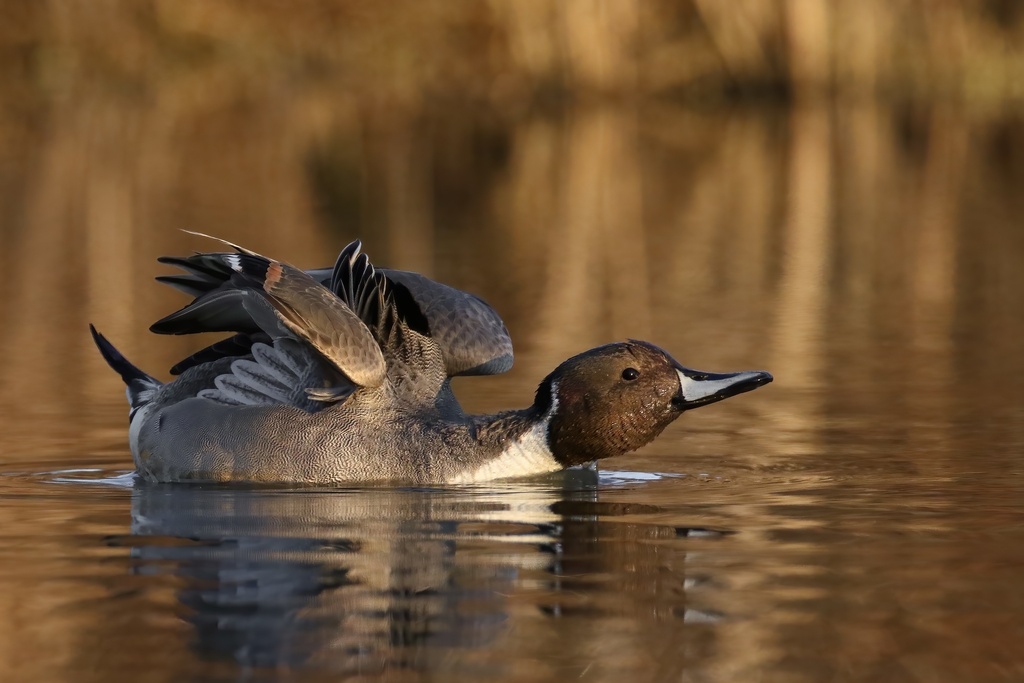
- Northern PintailAnas acuta
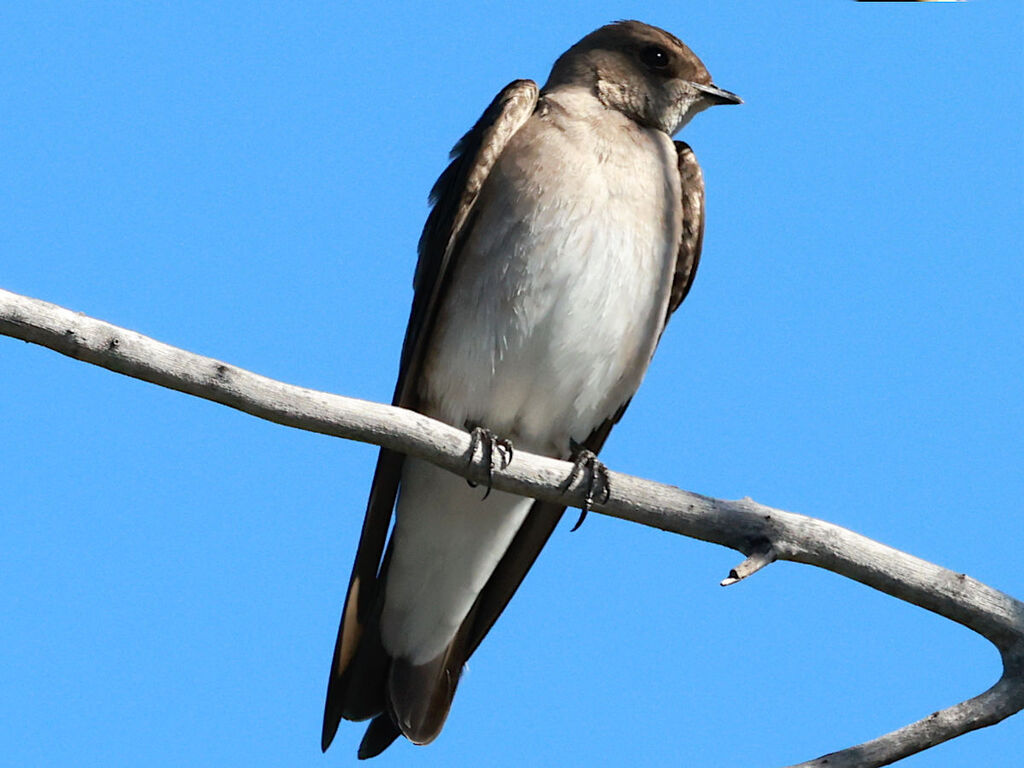
- Northern Rough-winged SwallowStelgidopteryx serripennis
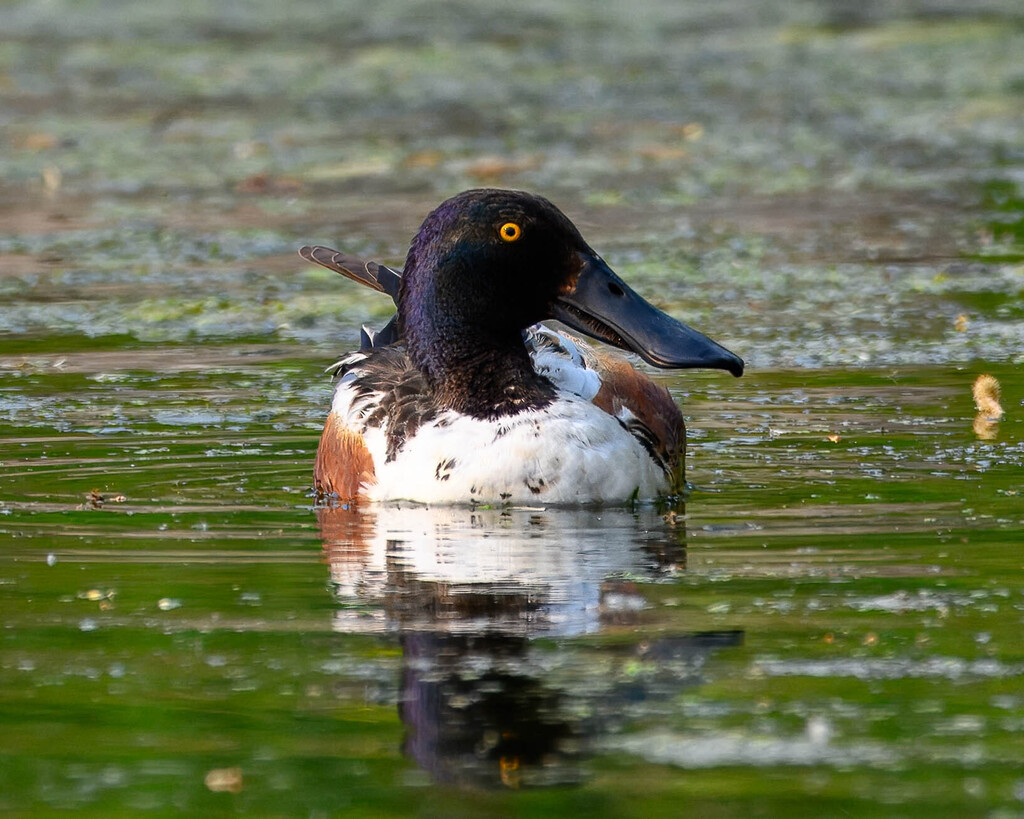
- Northern ShovelerAnas clypeata
- OspreyPandion haliaetus
- Peregrine FalconFalco peregrinus
- Pied-billed GrebePodilymbus podiceps
- Piping PloverCharadrius melodus
- Red-breasted MerganserMergus serrator
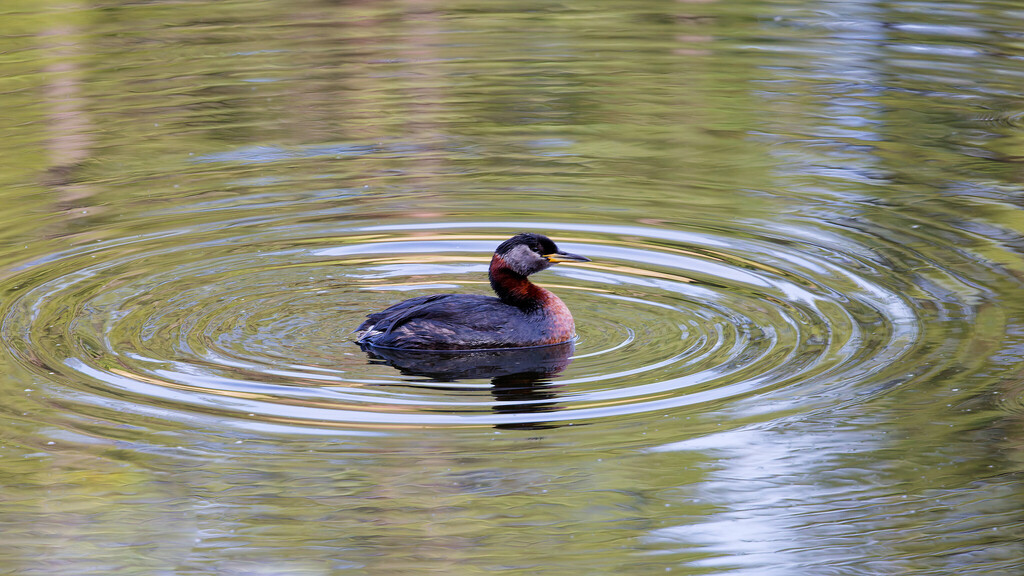
- Red-necked GrebePodiceps grisegena
- Red-tailed HawkButeo jamaicensis
- Red-throated LoonGavia stellata
- Red-winged BlackbirdAgelaius phoeniceus
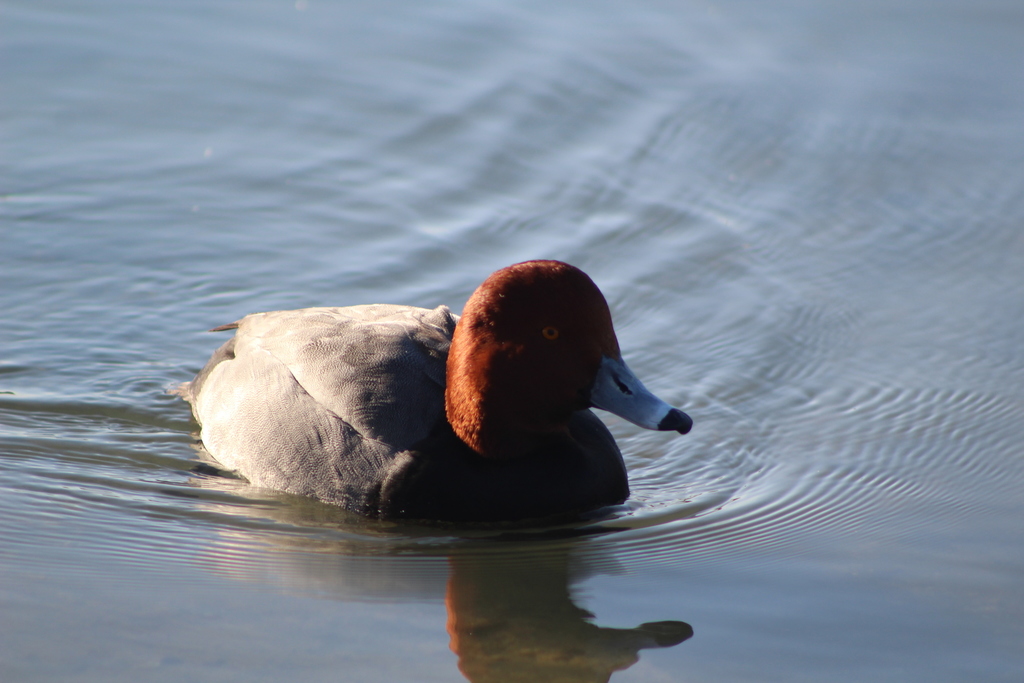
- RedheadAythya americana
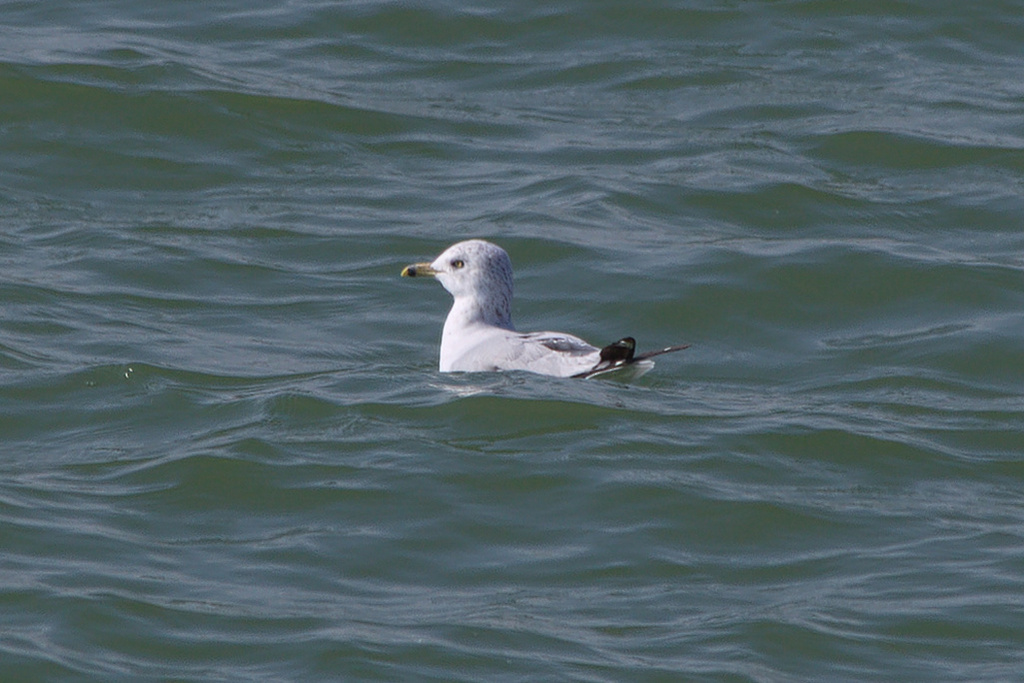
- Ring-billed GullLarus delawarensis


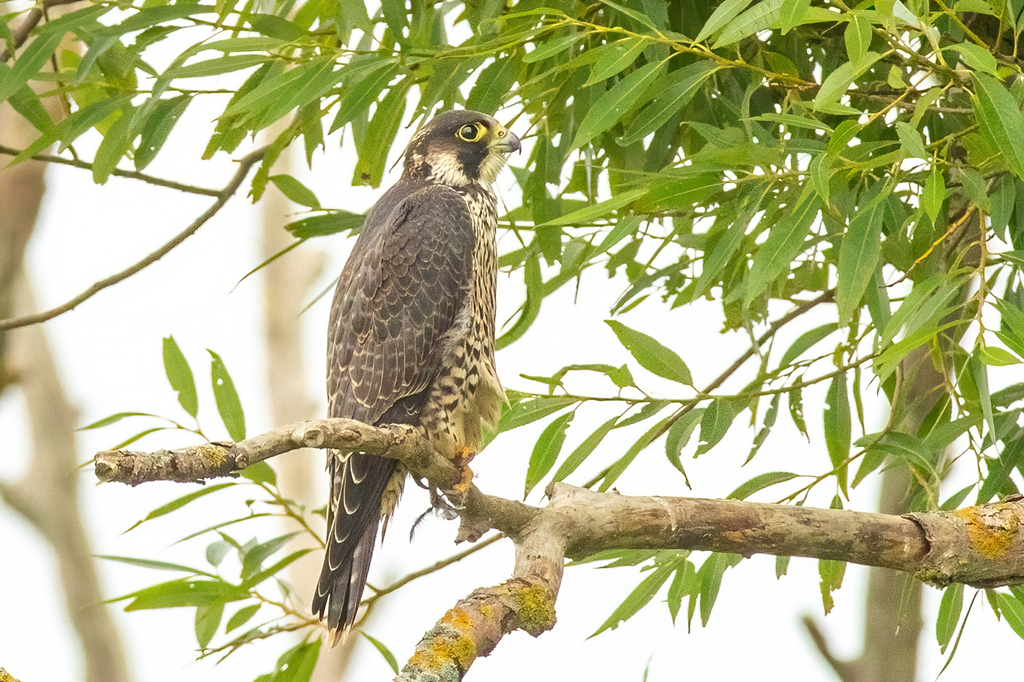
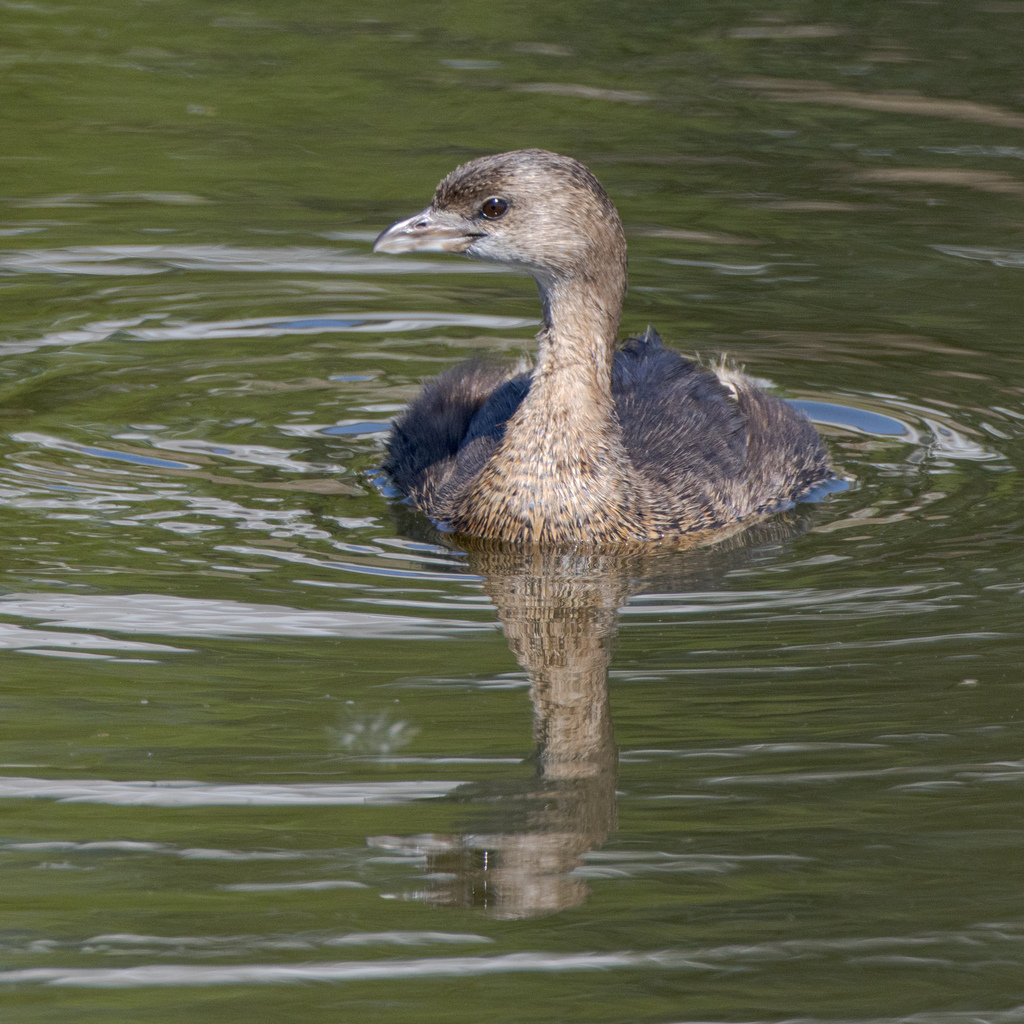
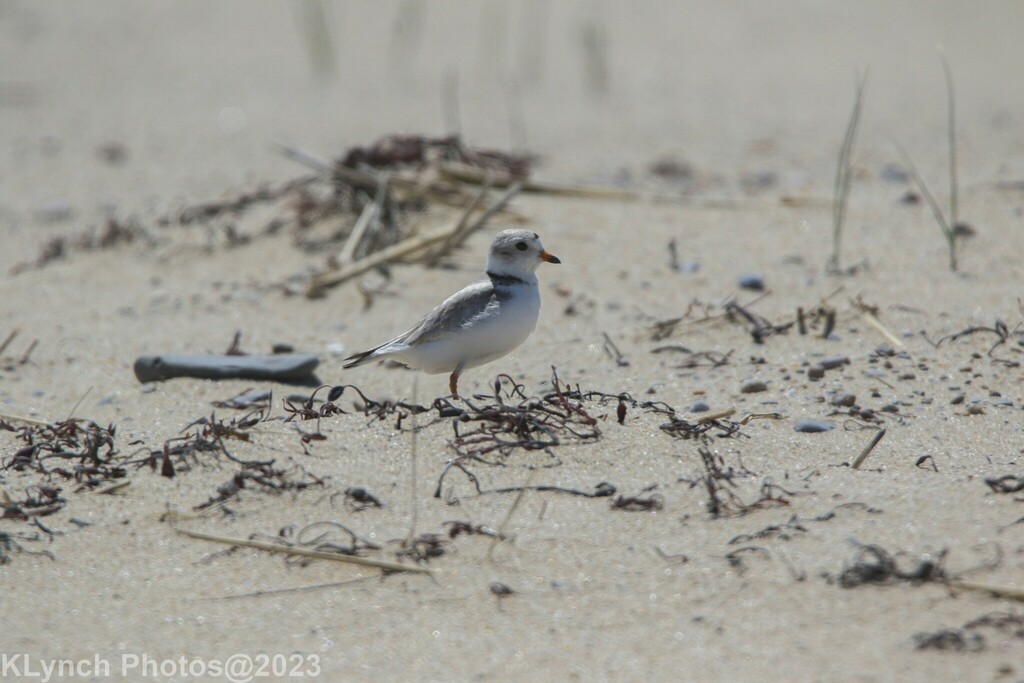
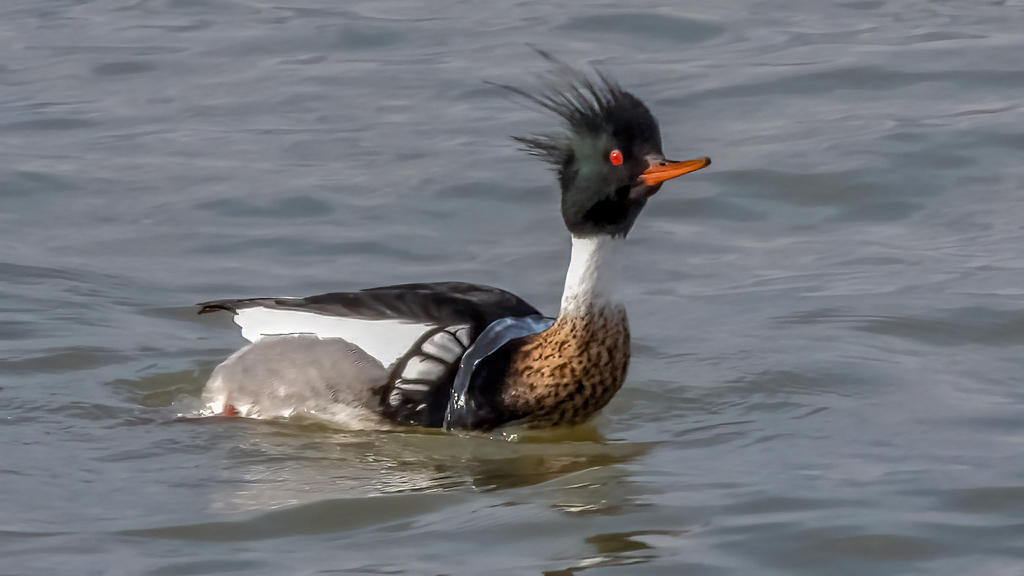


Who uses this plant?
 10CaterpillarsGenus host records with ranges including VA
Genus host records with ranges including VA · Festuca
- Acrolophus popeanellaClemen's Grass Tubeworm
- Agrotis ipsilonIpsilon Dart, Black Cutworm, Greasy Cutworm
- Apamea sordensBordered Apamea, Rustic Shoulder-Knot
- Atalopedes huronSachem
- Chrysoteuchia topiariusCranberry Girder, Subterranean Webworm, Topiary Grass-Veneer
- Cisseps fulvicollisYellow-Collared Scape Moth
- Hesperia sassacusIndian Skipper
- Pediasia trisectaSod Webworm Moth, Larger Sod Webworm
- Spodoptera frugiperdaFall Armyworm Moth
- Spodoptera ornithogalliYellow-Striped Armyworm Moth, Cotton Cutworm
 0BeesSoutheastern regional records
 0Specialist beesPollen specialists
 6BirdsRecorded genus food-resource interactions; not a state feeding claim
Recorded genus food-resource interactions; not a state feeding claim · Festuca
- Alectoris chukarChukar
- Calcarius lapponicusLapland Longspur
- Meleagris gallopavoWild Turkey
- Plectrophenax nivalisSnow Bunting
- Spizella pusillaField Sparrow
- Zenaida macrouraMourning Dove
Direct food only: birds recorded eating this genus across North America. Caterpillars on host plants also feed nesting birds. NC Native Plant Society: butterfly gardening
No records yet · Ants · Beetles · Flies · Adult butterflies / moths · Other wasps · Other insects
Plant details
- Family
- Poaceae
- Hardiness
- Zones 3a–6b
- Soil pH
- Acidic to neutral
- Flower color
- Yellow
- Growth rate
- Moderate
- Growth habit
- Spreads by rhizomes
- Foliage color
- Green
- Fruit begins
- Spring
- Fruit ends
- Summer
What its natural habitat tells you
Safety has not been reviewed for this plant; check toxicity and thorns before planting.
Growing sources and scope
- Bloom · “Mid spring” · USDA PLANTS · Nationwide species characteristics; local growing conditions may vary
- Flower color · “Yellow” · NC Extension Plant Toolbox
- Foliage color · “Green” · USDA PLANTS · Nationwide species characteristics; local growing conditions may vary
- Fruit begins · “Spring” · USDA PLANTS · Nationwide species characteristics; local growing conditions may vary
- Fruit ends · “Summer” · USDA PLANTS · Nationwide species characteristics; local growing conditions may vary
- Growth habit · “Spreads by rhizomes” · USDA PLANTS · Nationwide species characteristics; local growing conditions may vary
- Growth rate · “Moderate” · USDA PLANTS · Nationwide species characteristics; local growing conditions may vary
- Hardiness · “Zones 3a–6b” · NC Extension Plant Toolbox
- Height · “About 2 feet” · USDA PLANTS · Nationwide species characteristics; local growing conditions may vary
- Life cycle · “Perennial” · NC Extension Plant Toolbox
- Light · “Dappled sunlight (shade through upper canopy all day); Full sun (6 or more hours of direct sunlight a day); Partial shade (direct sunlight only part of the day, 2-6 hours)” · NC Extension Plant Toolbox
- Soil · “Moist; Occasionally dry; Very dry” · NC Extension Plant Toolbox
- Soil pH · “Acidic to neutral” · NC Extension Plant Toolbox
Conservation status
| Virginia rank | S5 |
|---|---|
| Global rank | G5 |
| VA status | Not verified |
| Federal status | Not verified |
Will it fit your yard?
Check this plant against your county, sun and soil moisture. Conditions are checked in your browser.
Growing cautions
- Spreads by rhizomes. USDA PLANTS lists its growth form as rhizomatous. USDA PLANTS
For planning only; these do not change the score or Fit.
Sources
- Digital Atlas of the Virginia Flora
- USDA PLANTS
- Vascular Plants of North Carolina (NC Natural Heritage Program)
- Weakley, Flora of the Southeastern United States (2025)
- NatureServe Explorer
- Shropshire & Tallamy 2025, Lepidoptera of North America north of Mexico, ZooKeys 1261 (ODbL)
- Noori, Seltmann & Orr 2026, A curated and integrated dataset for exploring global bee-plant interactions (GloBI), Zenodo, CC BY 4.0
- Smith, Bachelder, Russell, Morales, Mosher & Seltmann 2024, Bee-Specialization-Modeling v0.6.1 (specialist host table compiled from J. Fowler's pollen specialist bee lists), Zenodo, CC BY 4.0
- Hurlbert, Olsen, Sawyer & Winner 2021, Avian Diet Database, Scientific Data 8: 260 (CC0)
- Narango, Tallamy & Shropshire 2020, Few keystone plant genera support the majority of Lepidoptera species, Nature Communications