

Groundsel-tree
Baccharis halimifolia
Found in salt and brackish marshes; freshwater marshes; roadsides, fields and disturbed ground. Weakley, Flora of the Southeastern United States (2025), Northern Tier edition What its natural habitat tells you
Native to Virginia. How scores work Is it native here?
Profile 100%
- Height
- 5–12 feet
- Spread
- 4–7 feet
- Light
- Full sun, Partial shade
- Soil moisture
- Somewhat dry to standing water
Space about 5.5 ft apart from its recorded spread, about 3 per 100 sq ft. Enter your bed size for a count
Will it fit your yard?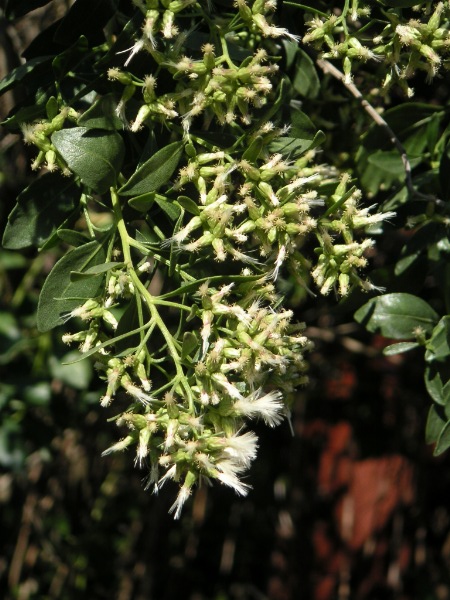
At a glance
- Life cycle
- Woody perennial
- Leaves
- Deciduous or semi-evergreen
- Bloom
- August to October
- Fruiting season
- Fall
Recorded in 52 Virginia counties.
Natural habitats
Places it grows wild. Not a planting requirement. Each habitat page lists the plants and wildlife also found there.
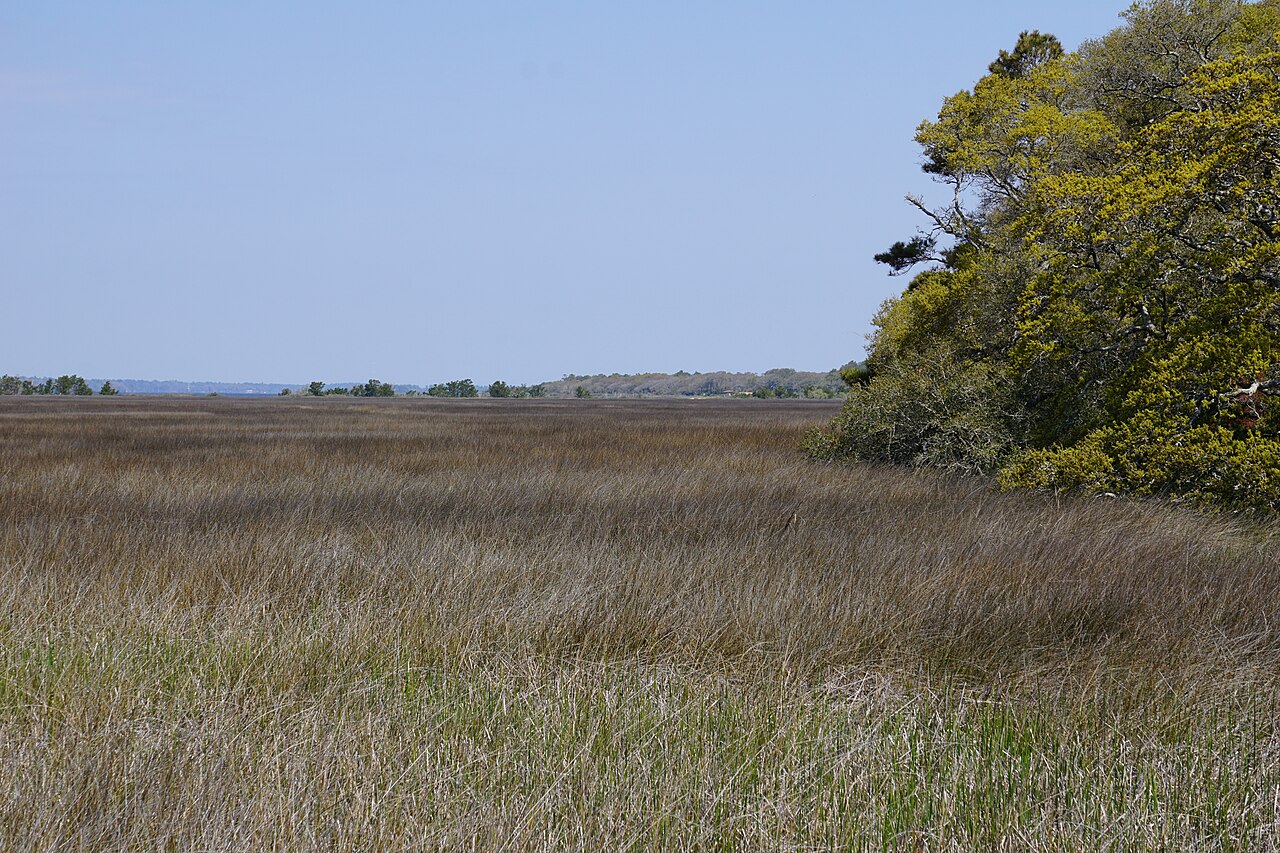
Open, herb-covered wetlands with fresh, non-tidal water.
Roadsides, fields and disturbed ground
Ground opened by people: roadsides, old fields, pastures, fencerows and lots.
Also found with this plant
Wildlife whose habitat models include habitats this plant grows in, in Virginia. Shared habitat, not food. 127 animals.
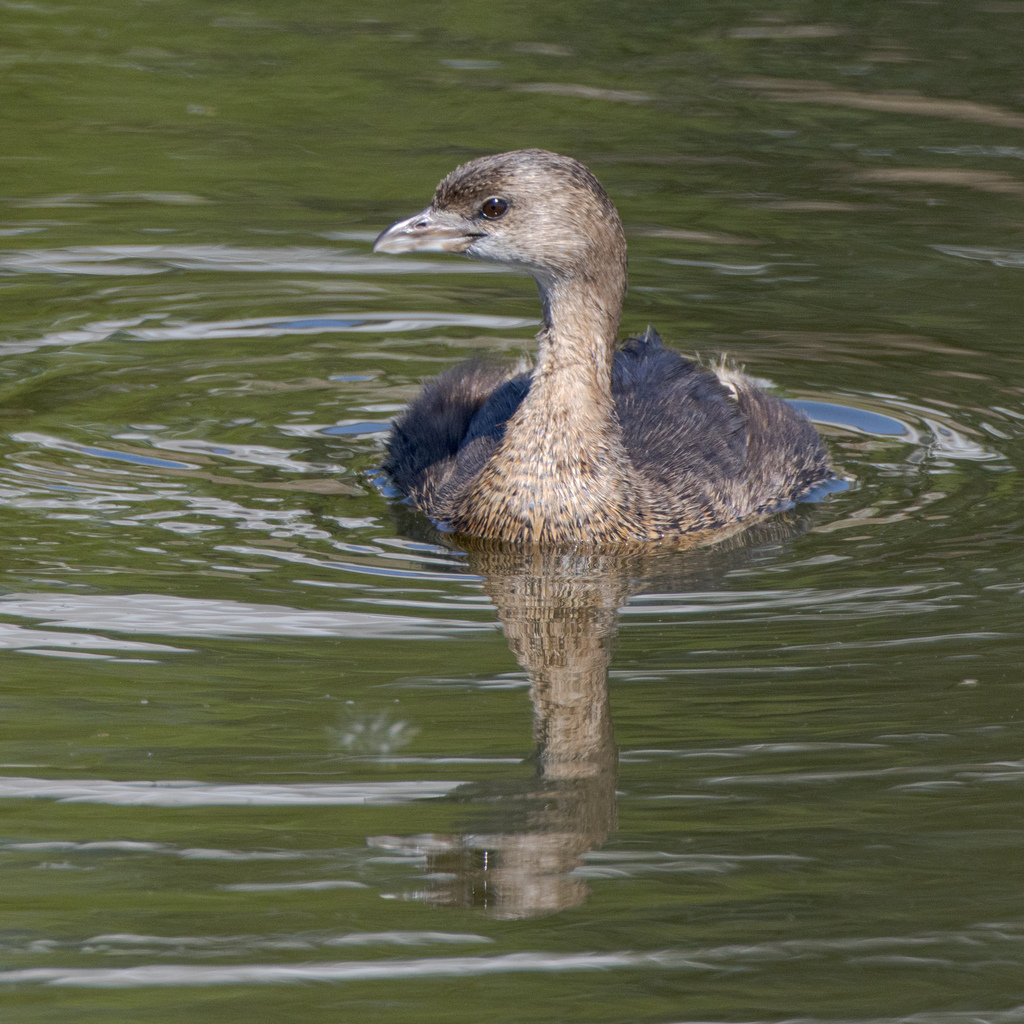
- Pied-billed GrebePodilymbus podiceps
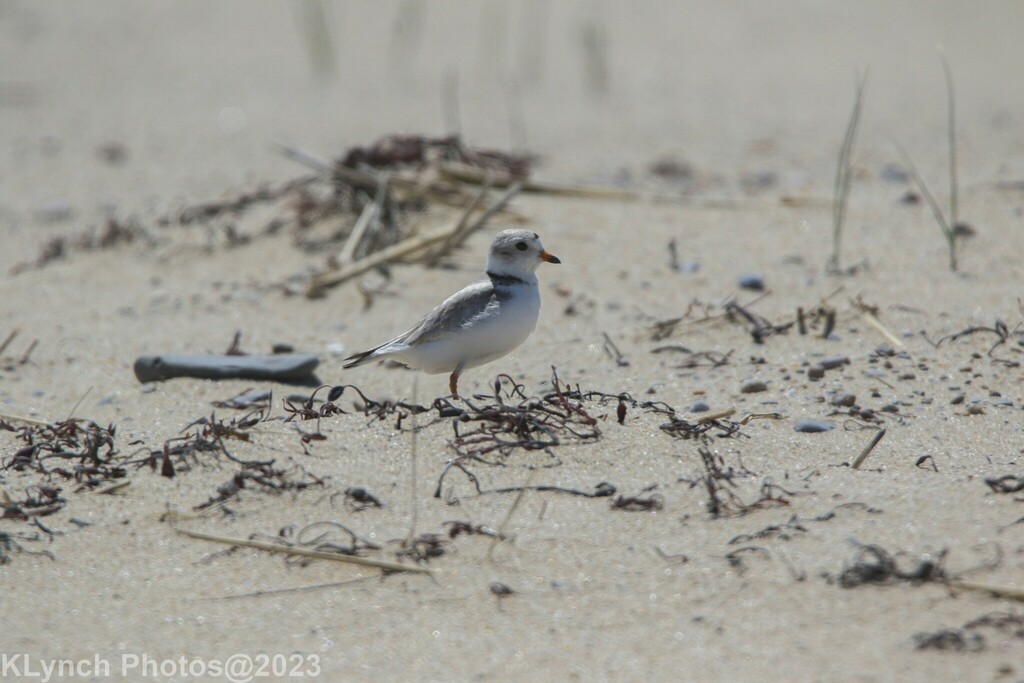
- Piping PloverCharadrius melodus
- Red-breasted MerganserMergus serrator
- Red-necked GrebePodiceps grisegena
- Red-throated LoonGavia stellata
- Red-winged BlackbirdAgelaius phoeniceus
- RedheadAythya americana
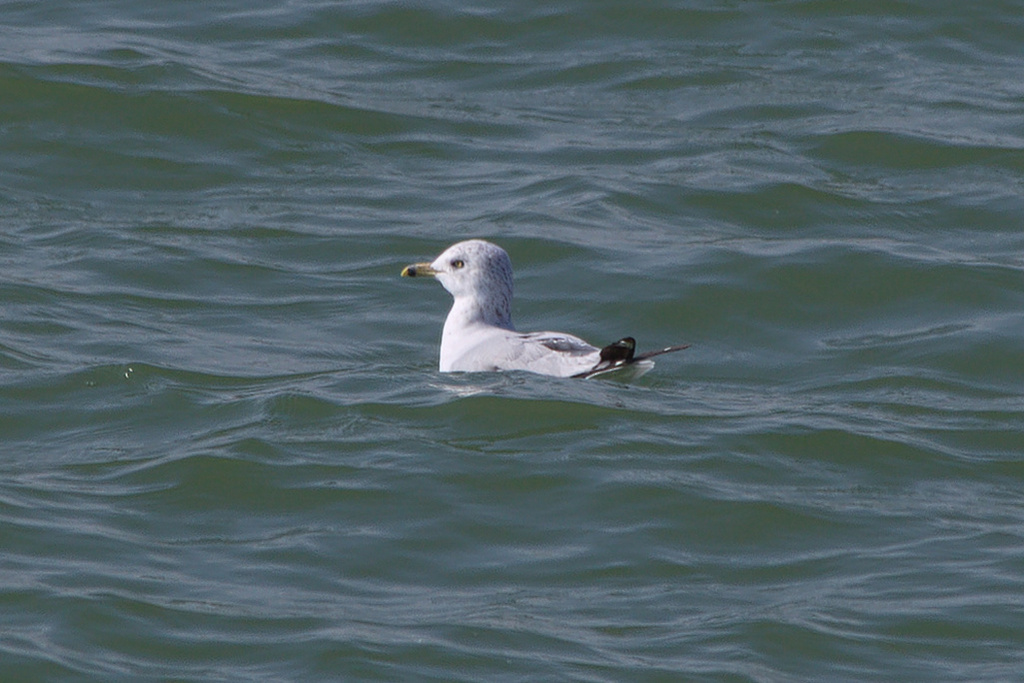
- Ring-billed GullLarus delawarensis
- Ring-necked DuckAythya collaris
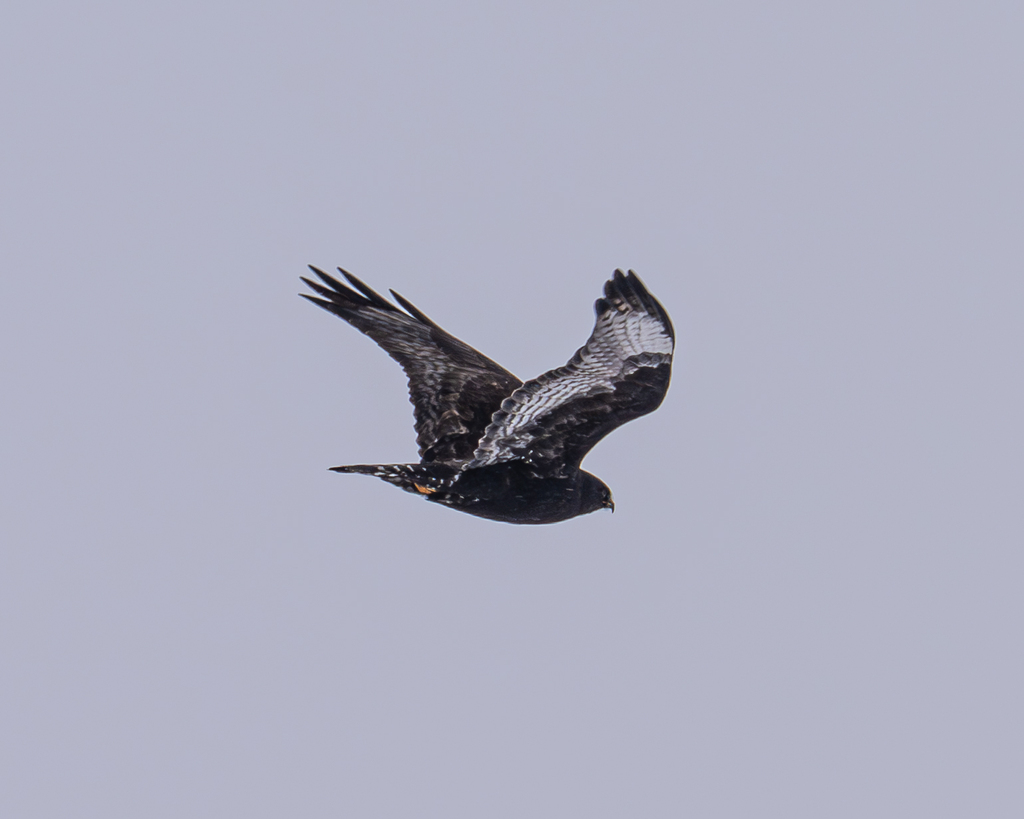
- Rough-legged HawkButeo lagopus
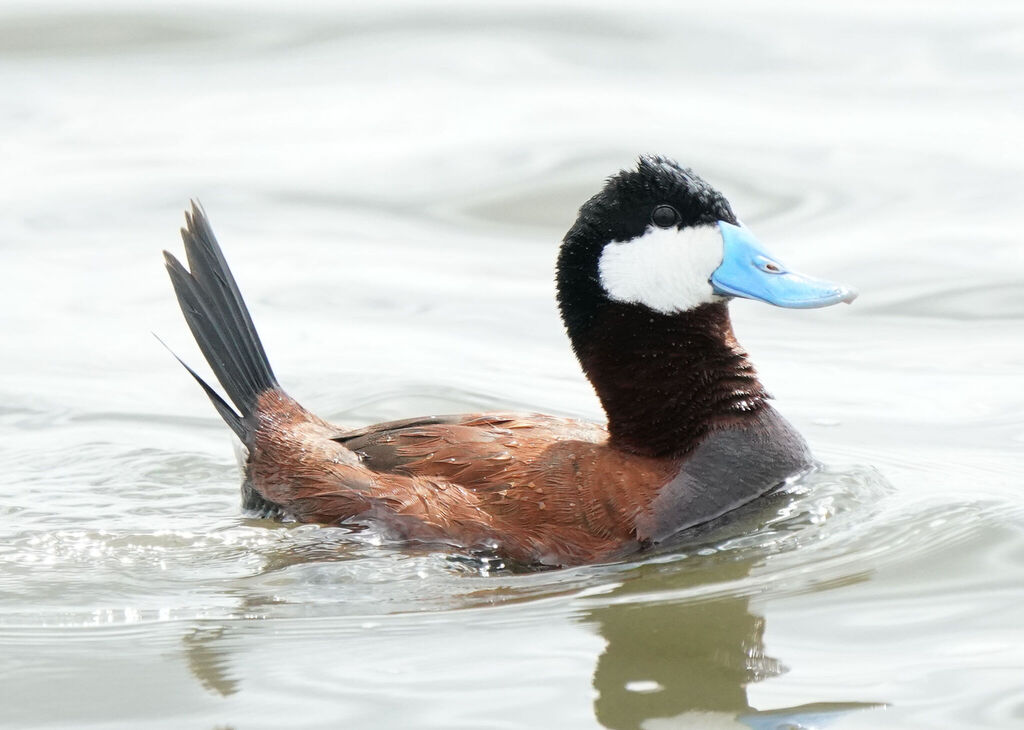
- Ruddy DuckOxyura jamaicensis
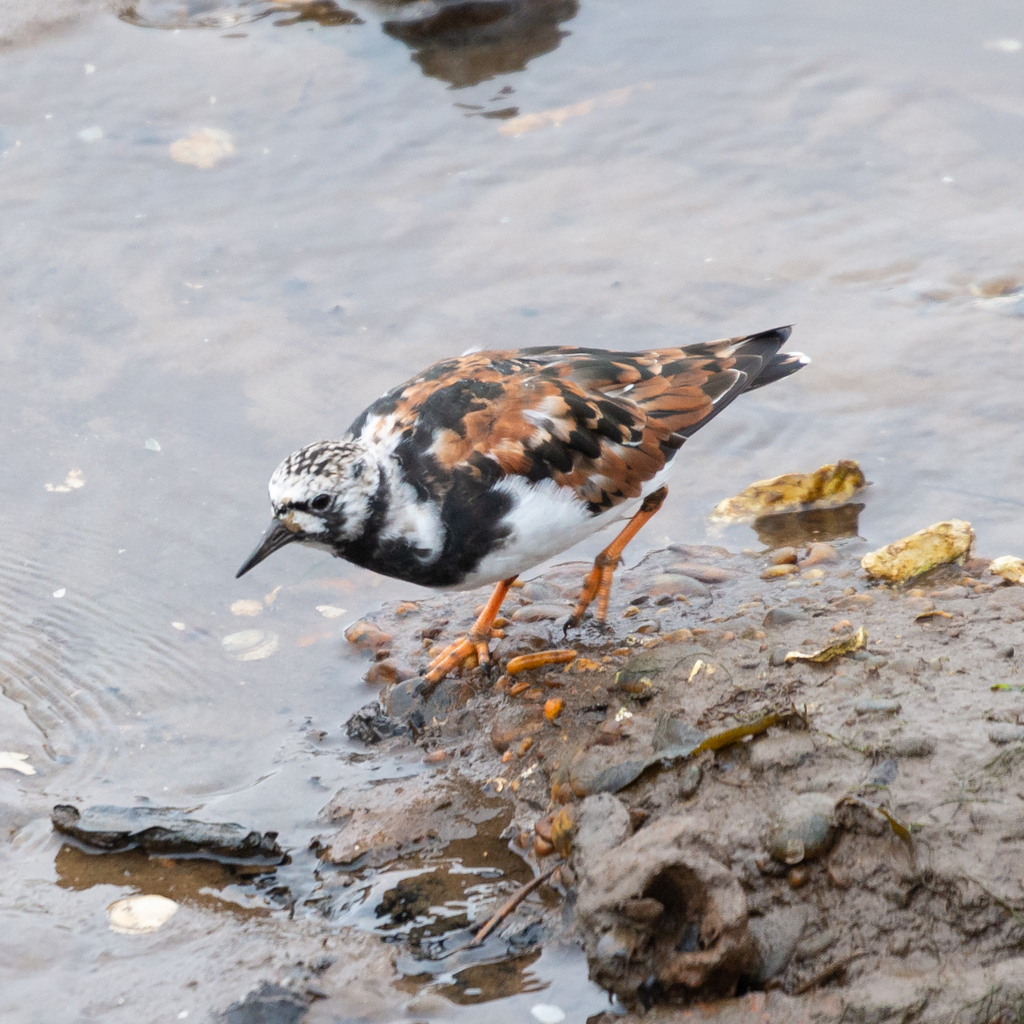
- Ruddy TurnstoneArenaria interpres
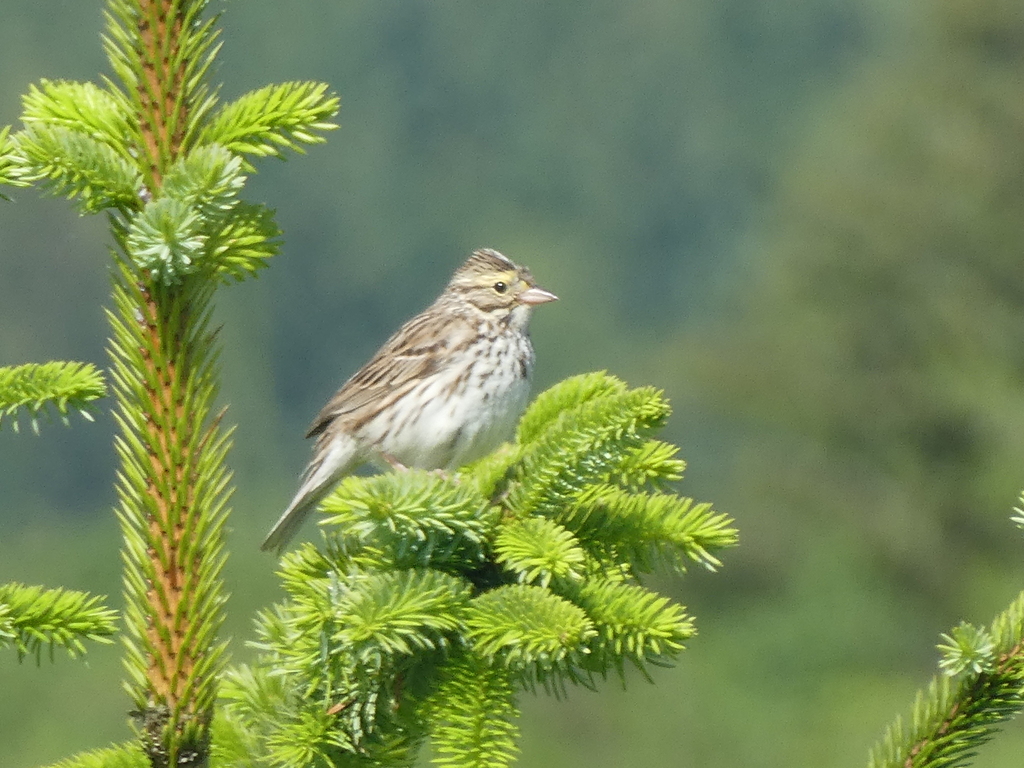
- Savannah SparrowPasserculus sandwichensis
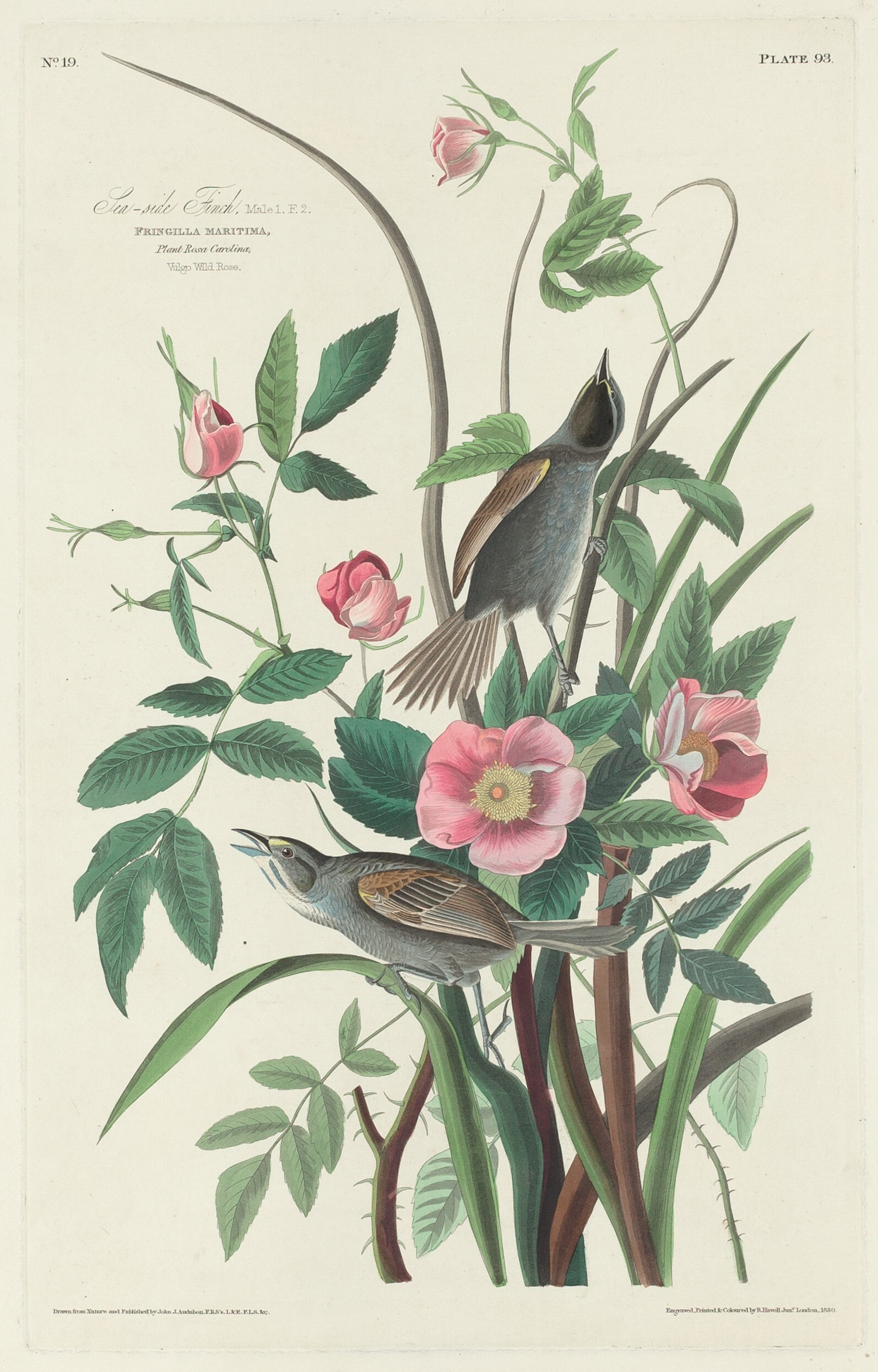
- Seaside SparrowAmmodramus maritimus
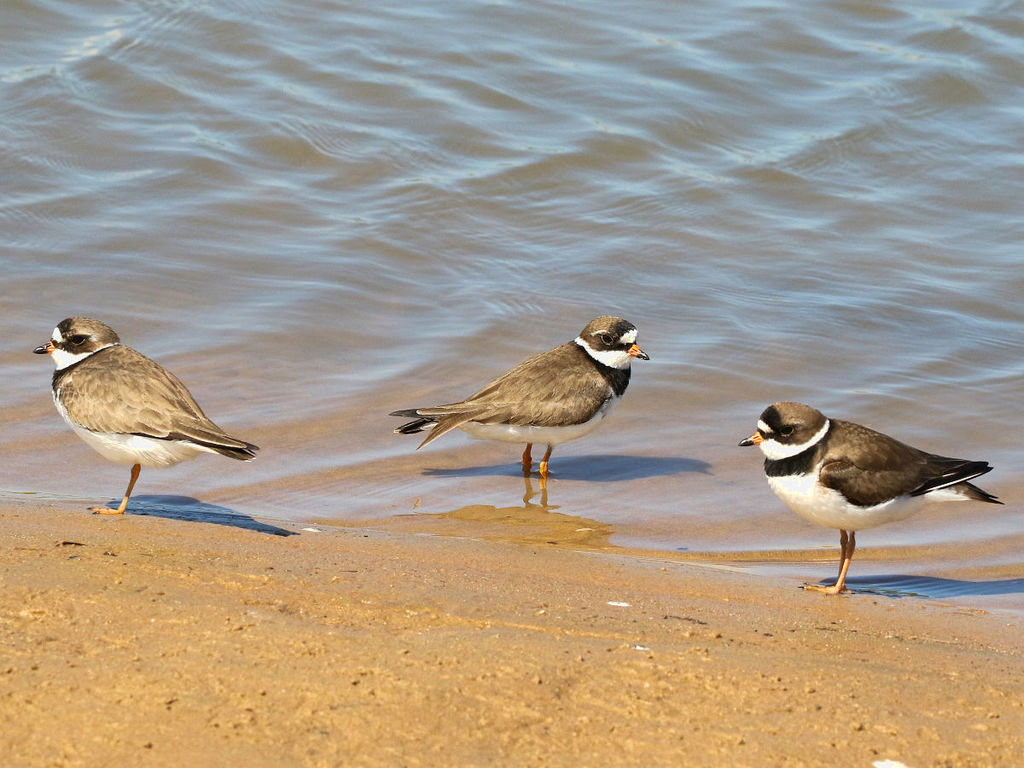
- Semipalmated PloverCharadrius semipalmatus
- Sharp-shinned HawkAccipiter striatus
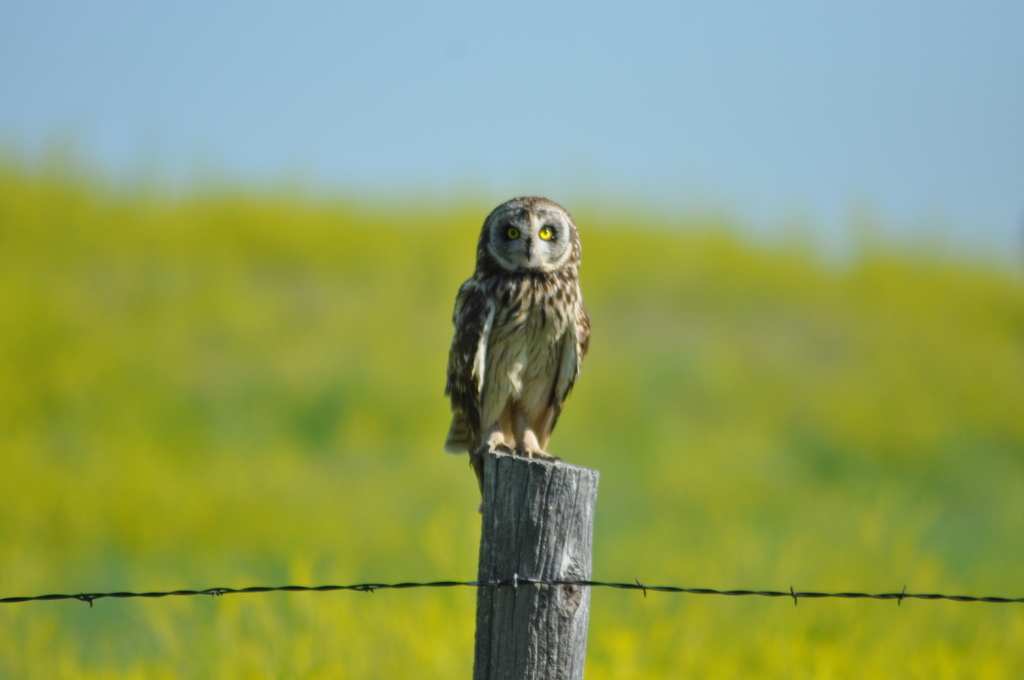
- Short-eared OwlAsio flammeus
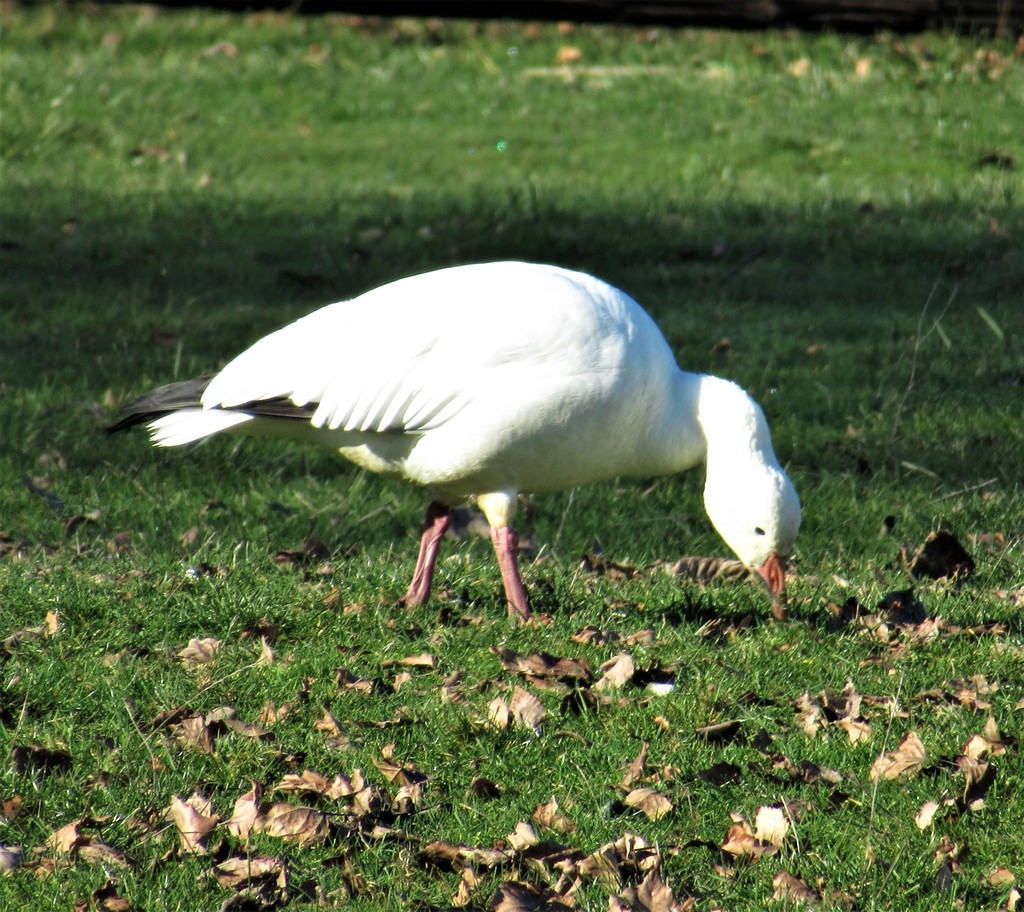
- Snow GooseChen caerulescens
- Snowy EgretEgretta thula
- Song SparrowMelospiza melodia
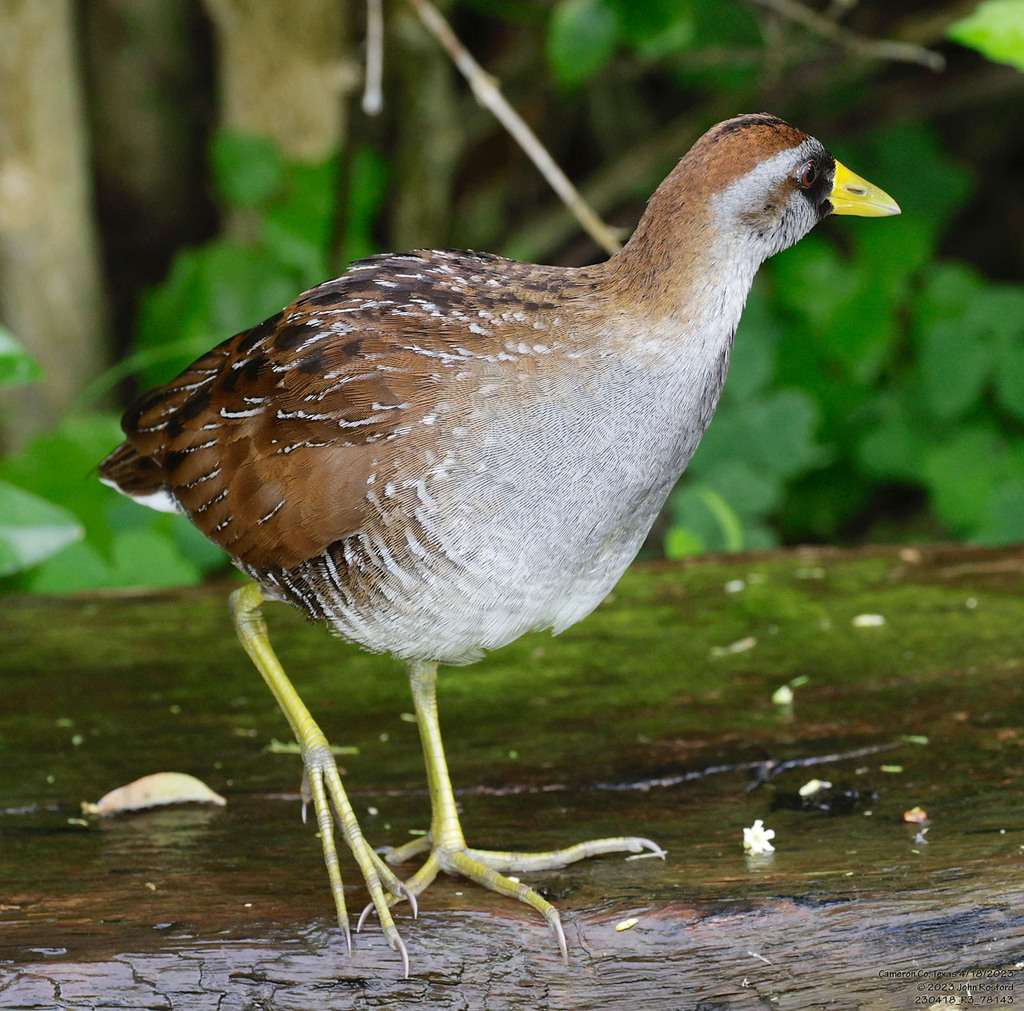
- SoraPorzana carolina
- Spotted SandpiperActitis macularius
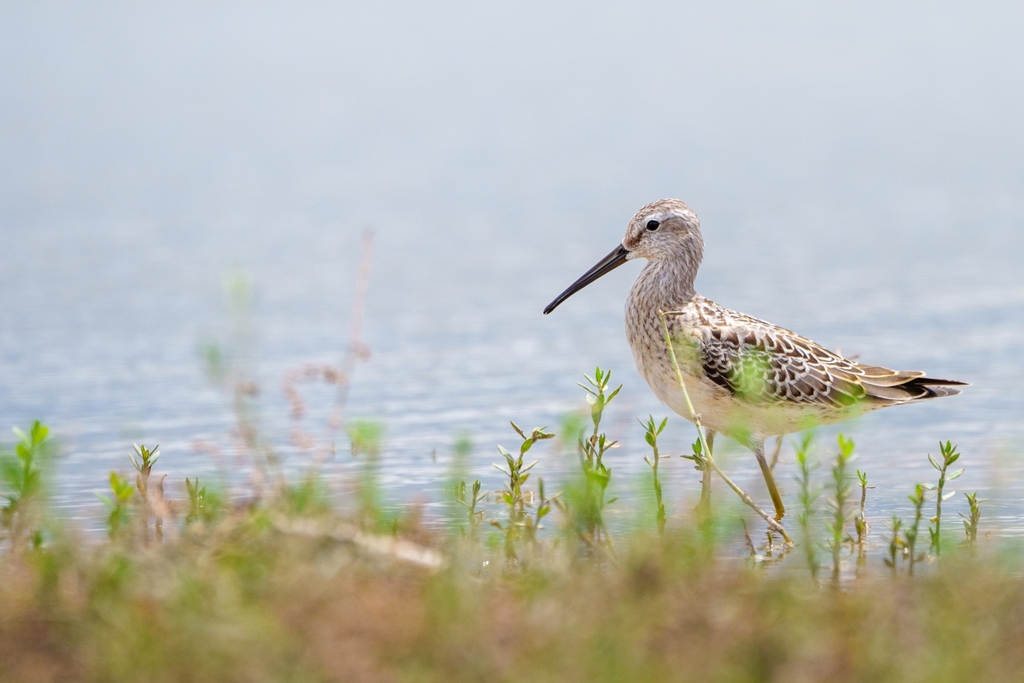
- Stilt SandpiperCalidris himantopus
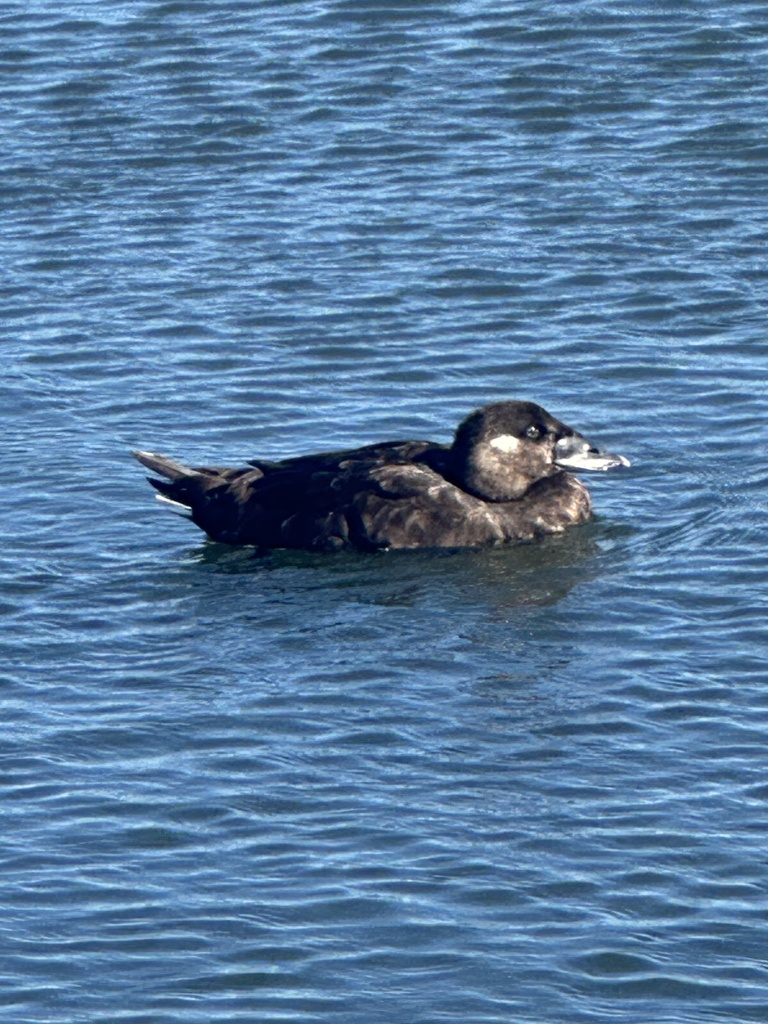
- Surf ScoterMelanitta perspicillata
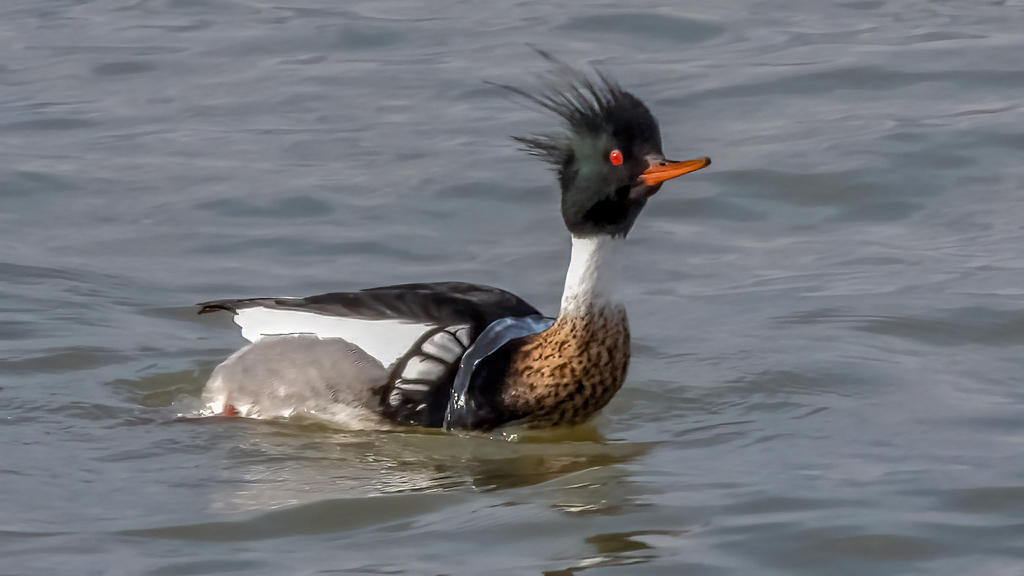
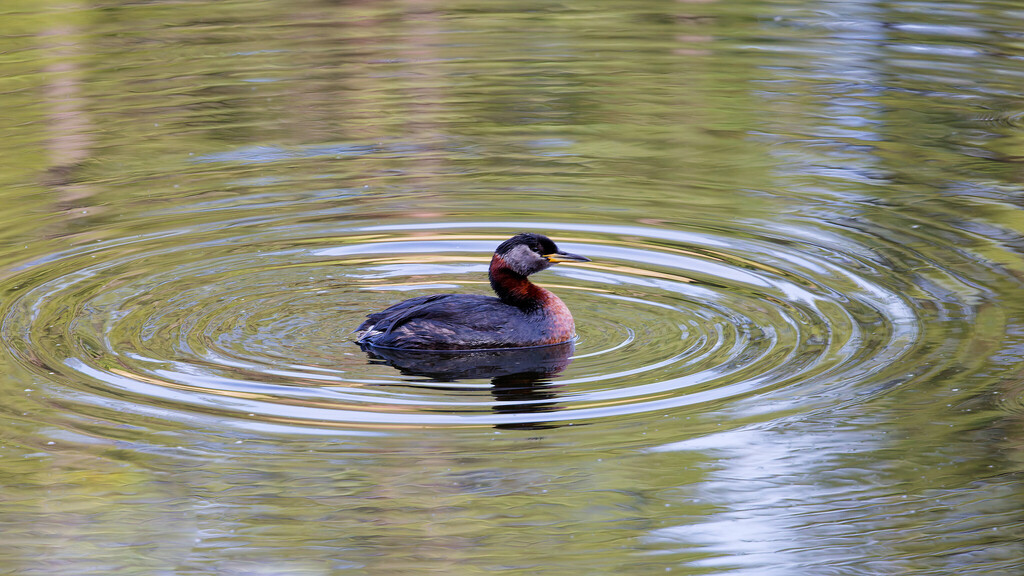

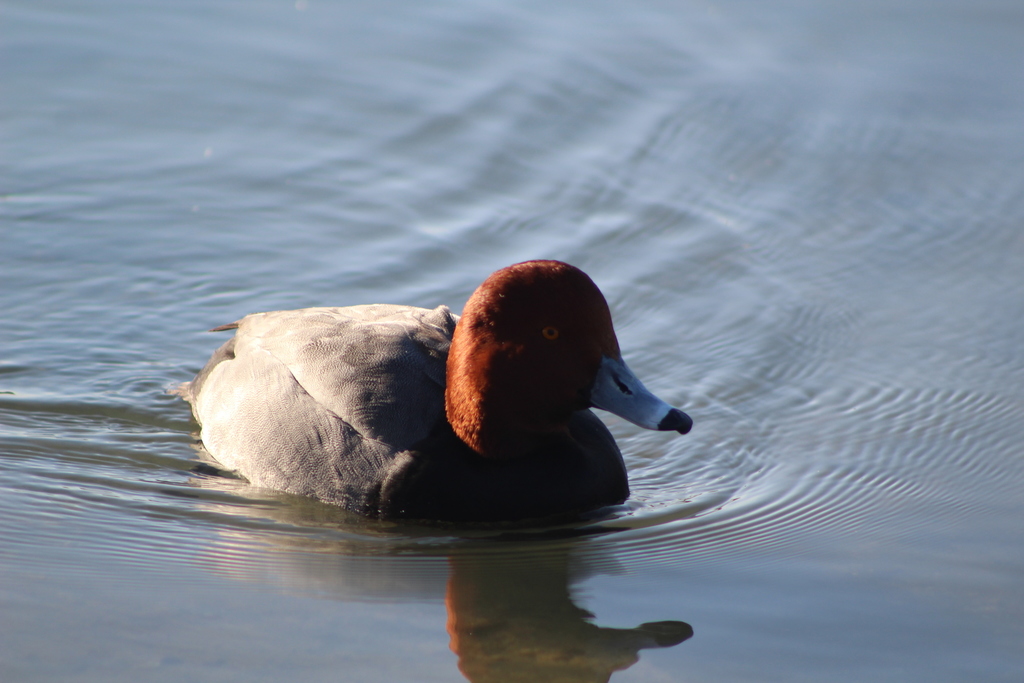







Who uses this plant?
 24CaterpillarsGenus host records with ranges including VA
Genus host records with ranges including VA · Baccharis
- Anavitrinella pampinariaCommon Gray, Cranberry Spanworm
- Condica vidensWhite-Dotted Groundling
- Cremastobombycia solidaginisGoldenrod Leafminer
- Ctenoplusia oxygrammaSharp-Stigma Looper Moth
- Estigmene acreaSalt Marsh Moth, Acrea Moth
- Eupithecia miserulataCommon Eupithacia, Common Pug
- Eupithecia misturataInsignificant Pug
- Eusarca fundariaDark-Edged Eusarca
- Hellinsia balanotesBaccharis Borer Plume Moth, Groundsel Plume Moth
- Hellinsia kellicottiiGoldenrod Borer Plume Moth
Show all 24
- Homoeosoma electellaSunflower Moth
- Iridopsis defectariaBrown-Shaded Gray, Willow Looper
- Lioptilodes albistriolatusMousy Plume Moth
- Platynota stultanaOmnivorous Leafroller
- Pleuroprucha insulsariaCommon Tan Wave
- Prionoxystus robiniaeCarpenterworm Moth, Black Locust Borer, Cottonwood Borer
- Sonia paraplesianaHebrew Sonia
- Sparganothis sulfureanaSparganothis Fruitworm Moth, Sulfur Leafroller, False Yellow-Head
- Spodoptera frugiperdaFall Armyworm Moth
- Spodoptera ornithogalliYellow-Striped Armyworm Moth, Cotton Cutworm
- Tallula watsoniWatson's Tallula
- Thyridopteryx ephemeraeformisEvergreen Bagworm Moth
- Bucculatrix ivella
- Hellinsia lacteodactylus
 21BeesSoutheastern regional records
Southeastern regional records · Baccharis
Individual names are not available yet.
Noori, Seltmann & Orr 2026, A curated and integrated dataset for exploring global bee-plant interactions (GloBI), Zenodo, CC BY 4.0 6Specialist beesPollen specialists
Pollen specialists · Baccharis
- Andrena hirticincta
- Colletes simulans
- Colletes thysanellae
- Dieunomia nevadensis
- Perdita octomaculata
- Protandrena albitarsis
 —BirdsRecorded genus food-resource interactions; not a state feeding claim
No records yet · Ants · Beetles · Flies · Adult butterflies / moths · Other wasps · Other insects
Plant details
- Family
- Asteraceae
- Hardiness
- Zones 5a–9b
- Soil pH
- Acidic to neutral
- Flower color
- Cream, green or white
- Growth rate
- Moderate
- Growth habit
- Several stems
- Foliage color
- Dark green
- Fruit begins
- Fall
- Fruit ends
- Fall
Safety has not been reviewed for this plant; check toxicity and thorns before planting.
Growing sources and scope
- Bloom · “August to October” · Weakley, Flora of the Southeastern United States (2025), Carolinas & Georgia edition (ranked first; USDA PLANTS differs) · Carolinas and Georgia
- Flower color · “Cream, green or white” · NC Extension Plant Toolbox (ranked first; USDA PLANTS, Lady Bird Johnson Wildflower Center differ)
- Foliage color · “Dark green” · USDA PLANTS · Nationwide species characteristics; local growing conditions may vary
- Fruit begins · “Fall” · USDA PLANTS · Nationwide species characteristics; local growing conditions may vary
- Fruit ends · “Fall” · USDA PLANTS · Nationwide species characteristics; local growing conditions may vary
- Growth habit · “Several stems” · USDA PLANTS · Nationwide species characteristics; local growing conditions may vary
- Growth rate · “Moderate” · USDA PLANTS · Nationwide species characteristics; local growing conditions may vary
- Hardiness · “Zones 5a–9b” · NC Extension Plant Toolbox
- Height · “5–12 feet” · NC Extension Plant Toolbox (ranked first; USDA PLANTS differs)
- Leaves · “Deciduous or semi-evergreen” · NC Extension Plant Toolbox (ranked first; Lady Bird Johnson Wildflower Center differs)
- Life cycle · “Woody perennial” · NC Extension Plant Toolbox (ranked first; Lady Bird Johnson Wildflower Center differs)
- Light · “Full sun (6 or more hours of direct sunlight a day); Partial shade (direct sunlight only part of the day, 2-6 hours)” · NC Extension Plant Toolbox (ranked first; Virginia DCR Coastal Plain, Lady Bird Johnson Wildflower Center differ)
- Soil · “Frequent standing water; Moist; Occasionally dry; Occasionally wet” · NC Extension Plant Toolbox (ranked first; Virginia DCR Coastal Plain, Lady Bird Johnson Wildflower Center differ)
- Soil pH · “Acidic to neutral” · NC Extension Plant Toolbox (ranked first; Lady Bird Johnson Wildflower Center differs)
- Spread · “4–7 feet” · NC Extension Plant Toolbox
Also known as
Groundsel Tree; Hightide Bush; Silverling
Conservation status
| Virginia rank | S5 |
|---|---|
| Global rank | G5 |
| VA status | Not verified |
| Federal status | Not verified |
Will it fit your yard?
Check this plant against your county, sun and soil moisture. Conditions are checked in your browser.
Sources
- Digital Atlas of the Virginia Flora
- USDA PLANTS
- Vascular Plants of North Carolina (NC Natural Heritage Program)
- Weakley, Flora of the Southeastern United States (2025)
- NatureServe Explorer
- Shropshire & Tallamy 2025, Lepidoptera of North America north of Mexico, ZooKeys 1261 (ODbL)
- Noori, Seltmann & Orr 2026, A curated and integrated dataset for exploring global bee-plant interactions (GloBI), Zenodo, CC BY 4.0
- Smith, Bachelder, Russell, Morales, Mosher & Seltmann 2024, Bee-Specialization-Modeling v0.6.1 (specialist host table compiled from J. Fowler's pollen specialist bee lists), Zenodo, CC BY 4.0
- Hurlbert, Olsen, Sawyer & Winner 2021, Avian Diet Database, Scientific Data 8: 260 (CC0)
- Narango, Tallamy & Shropshire 2020, Few keystone plant genera support the majority of Lepidoptera species, Nature Communications