

Groundsel-tree
Baccharis halimifolia
Found in salt and brackish marshes; freshwater marshes; roadsides, fields and disturbed ground. FloraQuest, phone app (app page) What its natural habitat tells you
Native to Virginia. How scores work Is it native here?
Profile 100%
- Height
- 5–12 feet
- Spread
- 4–7 feet
- Light
- Full sun, Partial shade
- Soil moisture
- Somewhat dry to standing water
Space about 5.5 ft apart from its recorded spread, about 3 per 100 sq ft. Enter your bed size for a count
Will it fit your yard?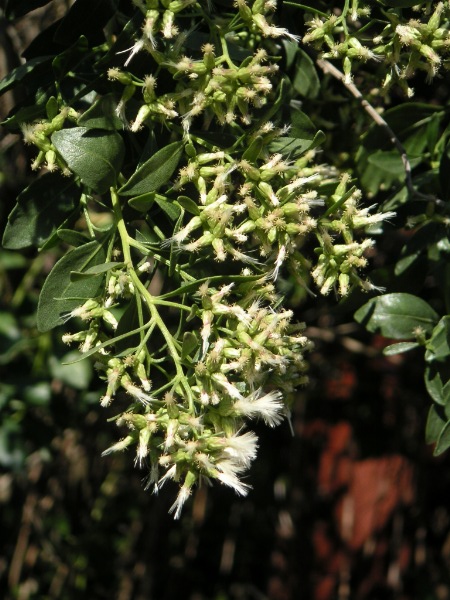
At a glance
- Life cycle
- Woody perennial
- Leaves
- Deciduous or semi-evergreen
- Bloom
- August to October
- Fruiting season
- Fall
Recorded in 52 Virginia counties.
Natural habitats
Places it grows wild. Not a planting requirement. Each habitat page lists the plants and wildlife also found there.
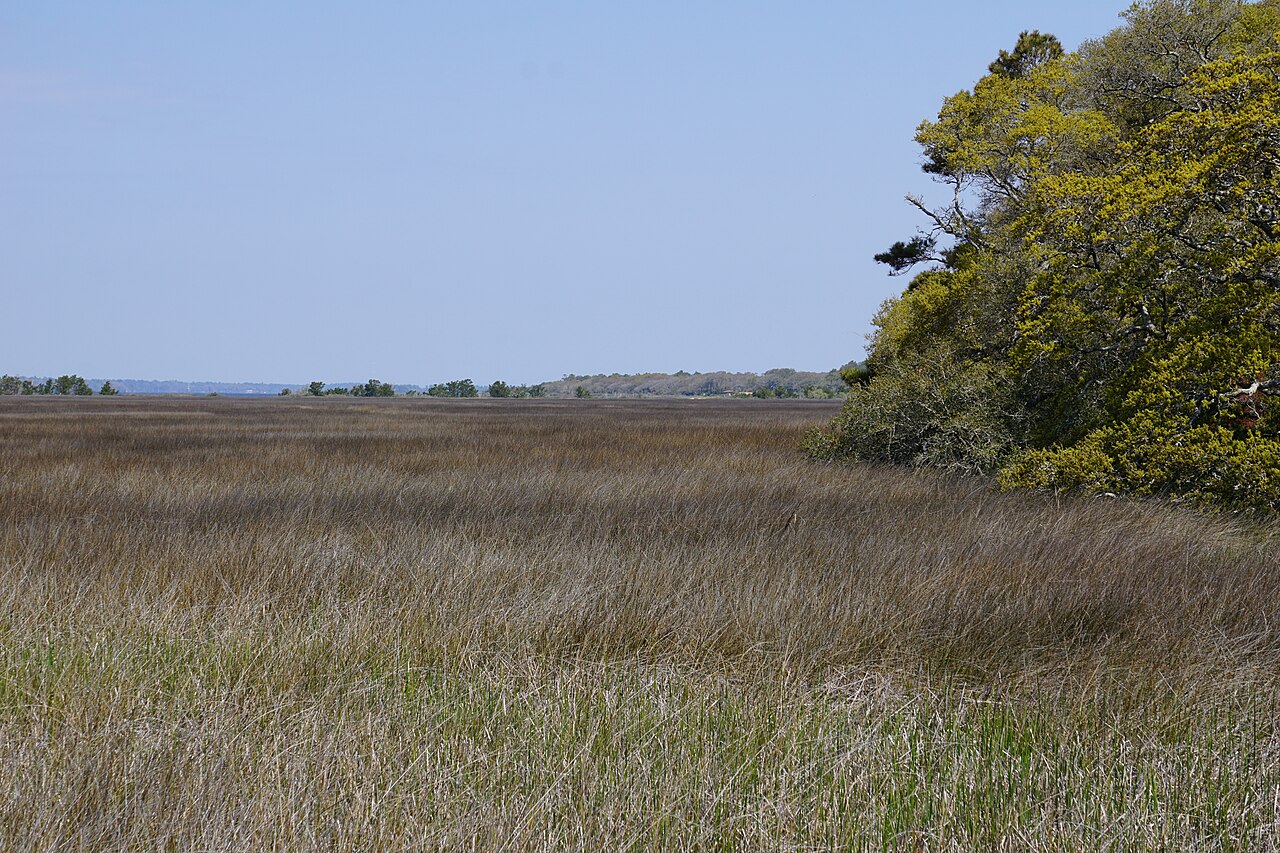
Open, herb-covered wetlands with fresh, non-tidal water.
Roadsides, fields and disturbed ground
Ground opened by people: roadsides, old fields, pastures, fencerows and lots.
Also found with this plant
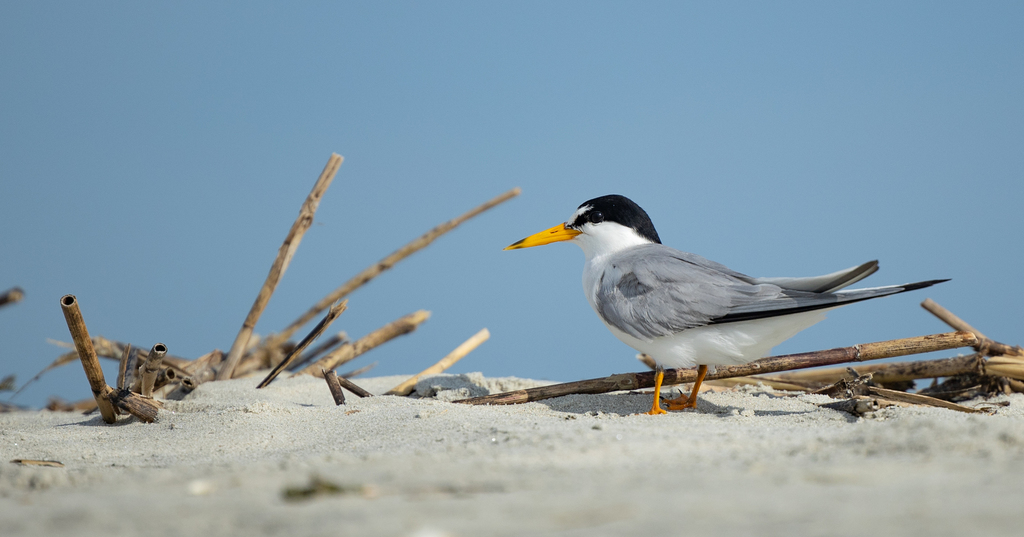
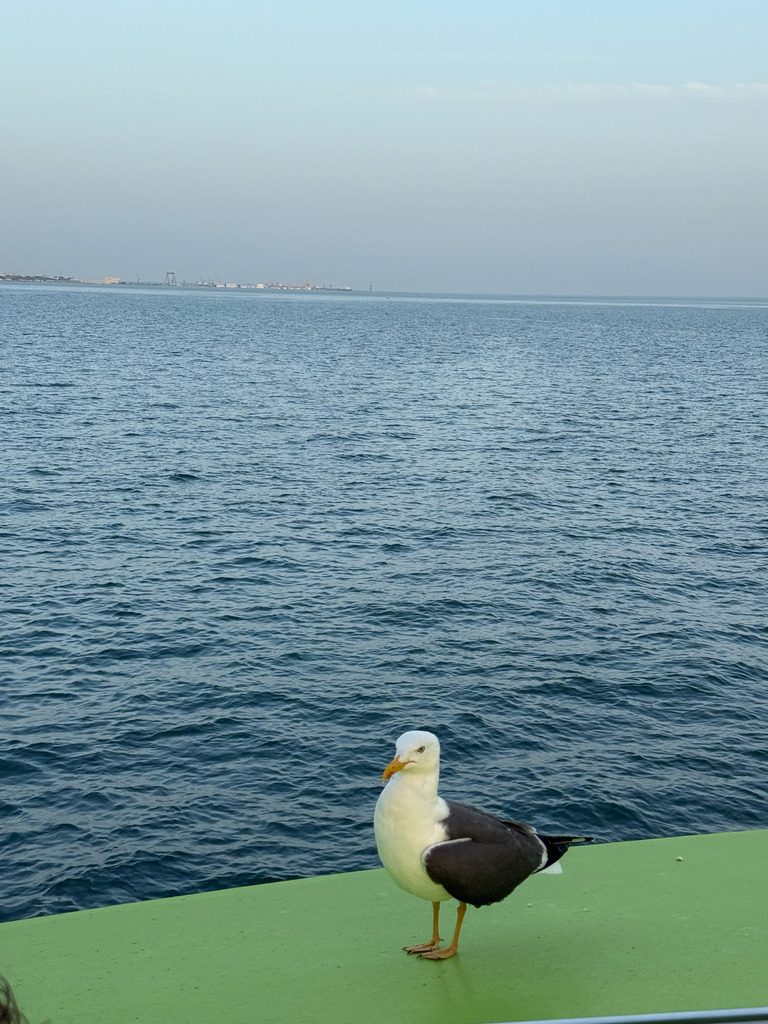
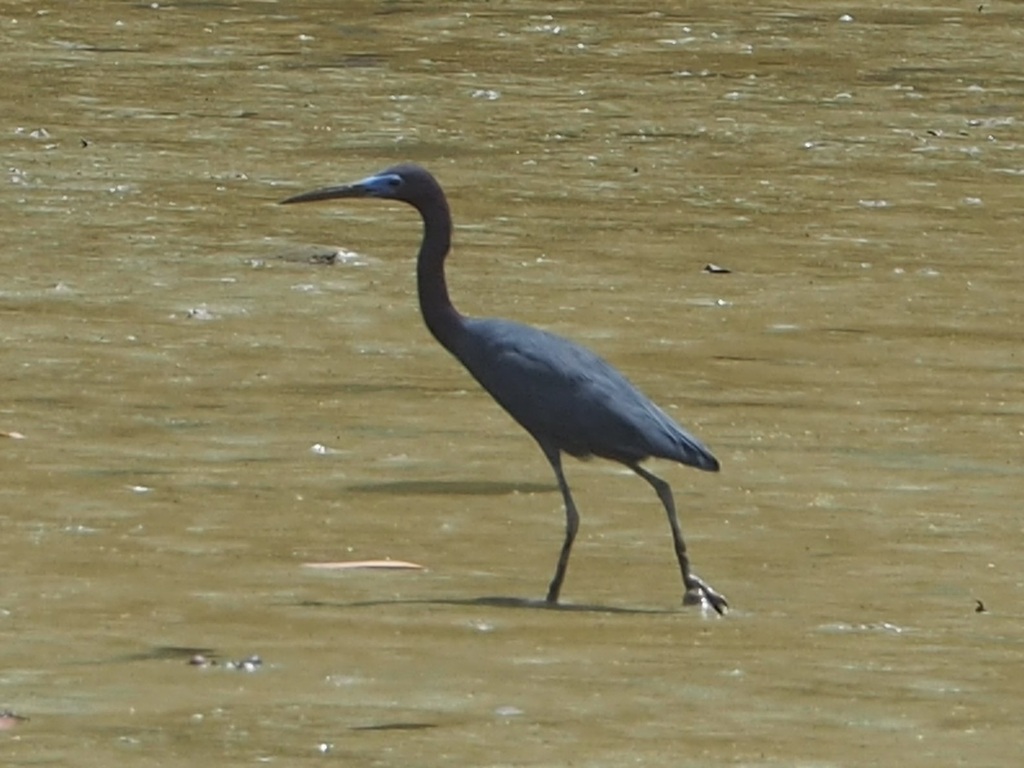
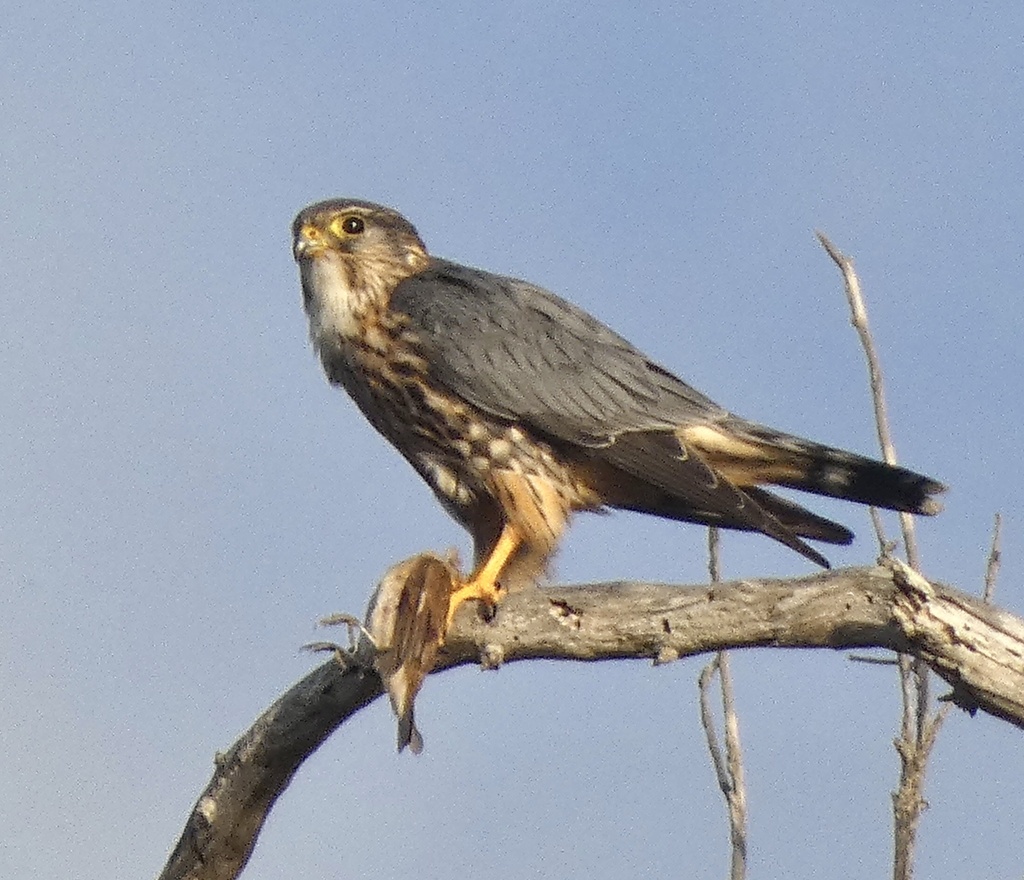
Wildlife whose habitat models include habitats this plant grows in, in Virginia. Shared habitat, not food. 127 animals.
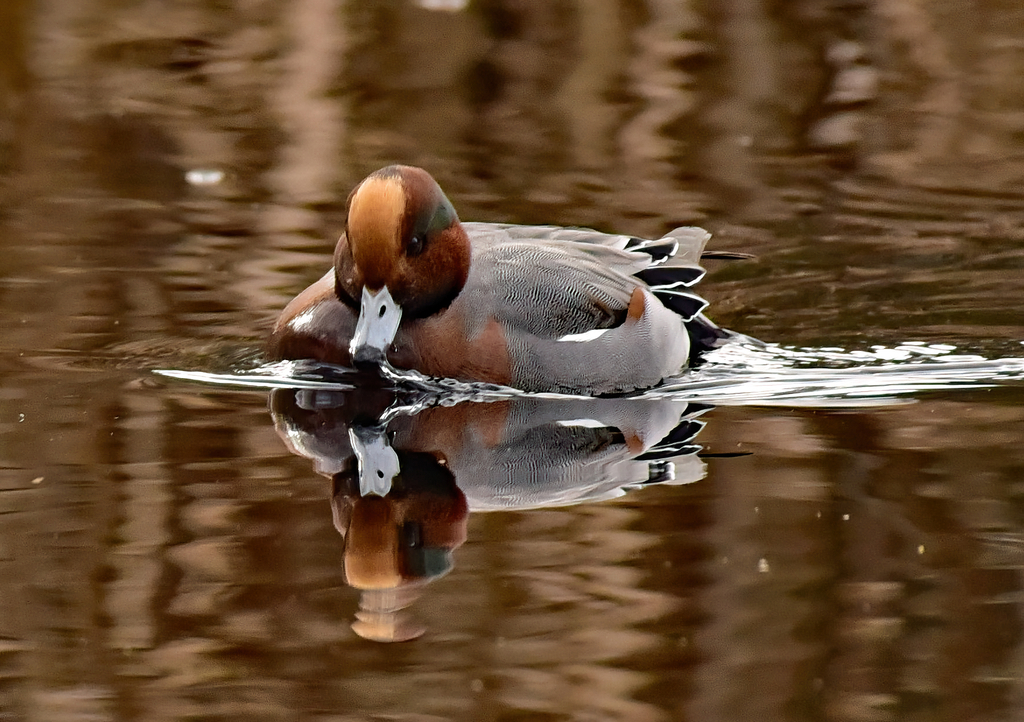
- Eurasian WigeonAnas penelope
- Fish CrowCorvus ossifragus
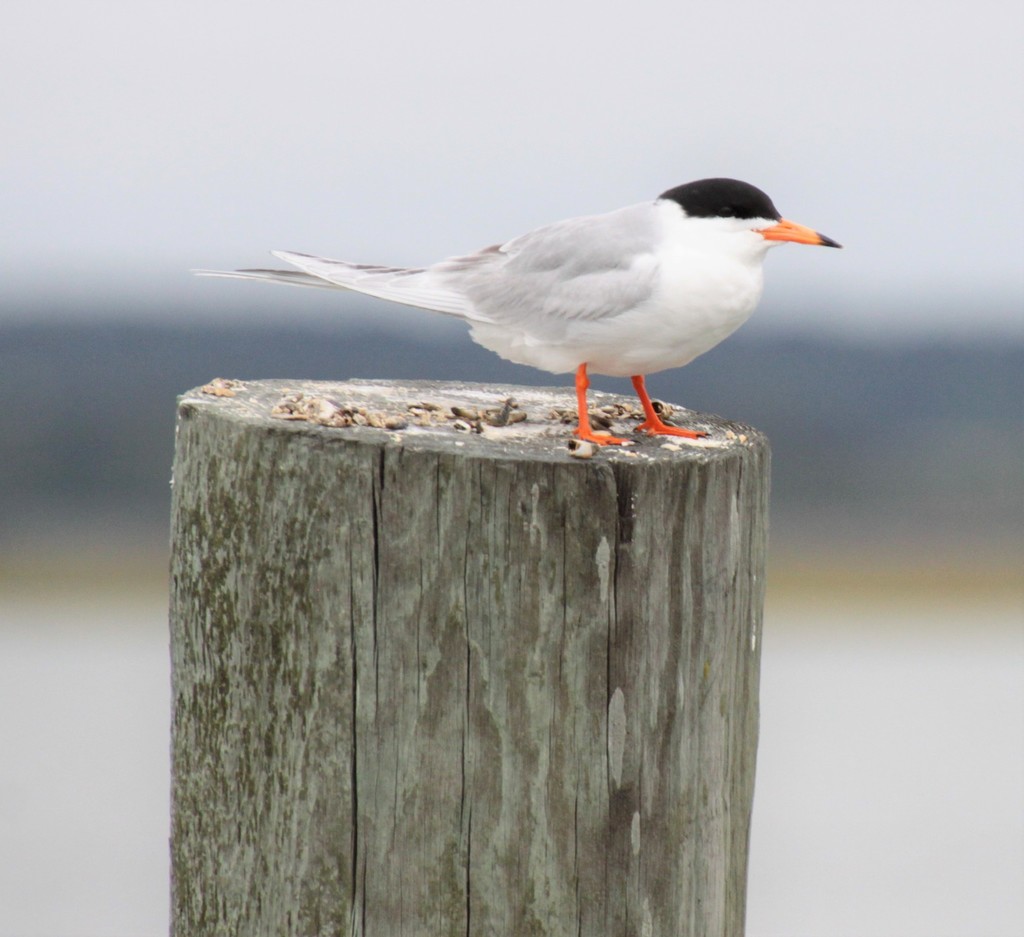
- Forster's TernSterna forsteri
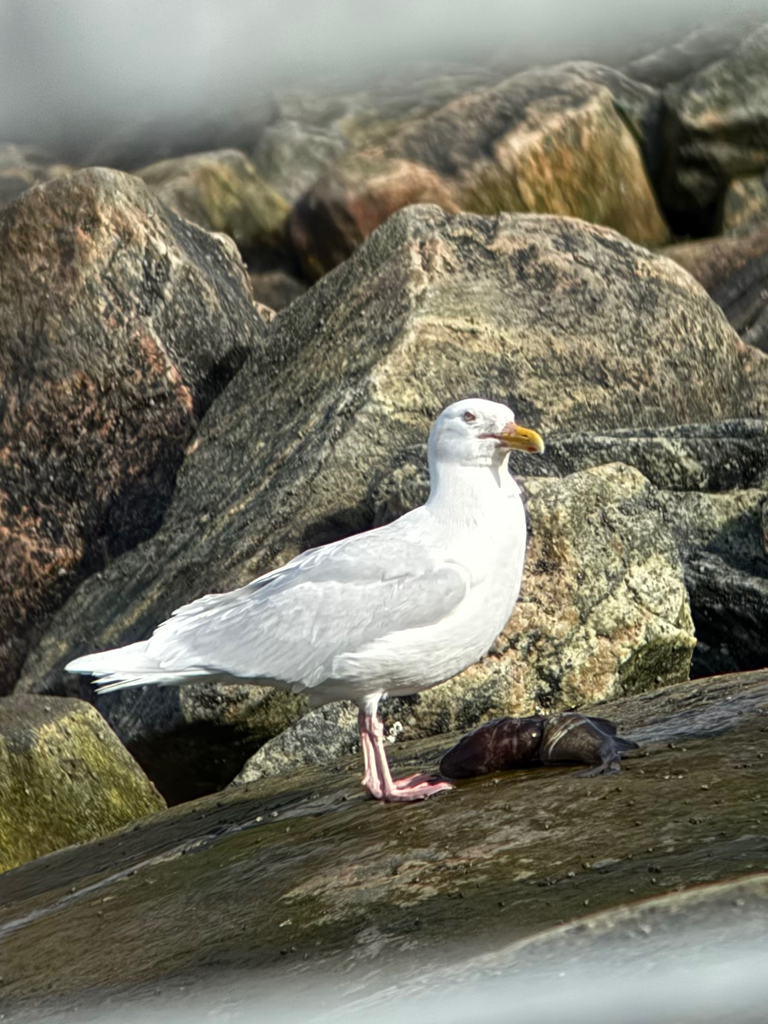
- Glaucous GullLarus hyperboreus
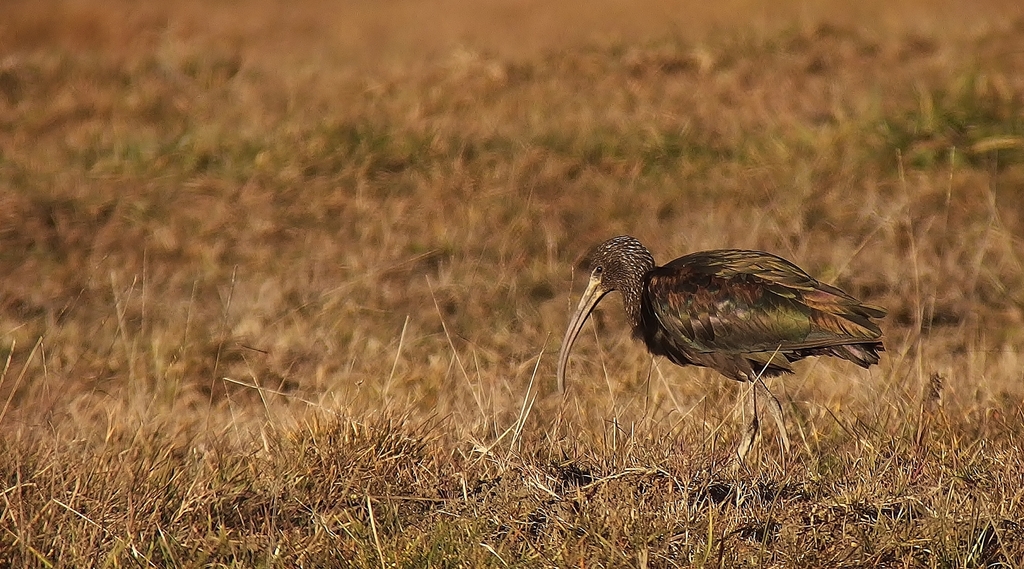
- Glossy IbisPlegadis falcinellus
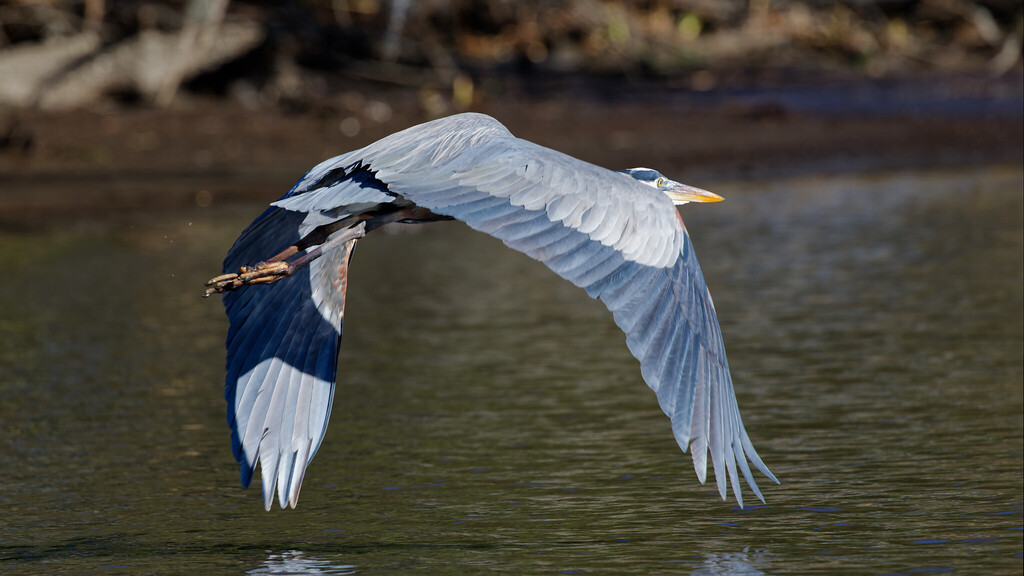
- Great Blue HeronArdea herodias
- Great EgretArdea alba
- Great Horned OwlBubo virginianus
- Green HeronButorides virescens
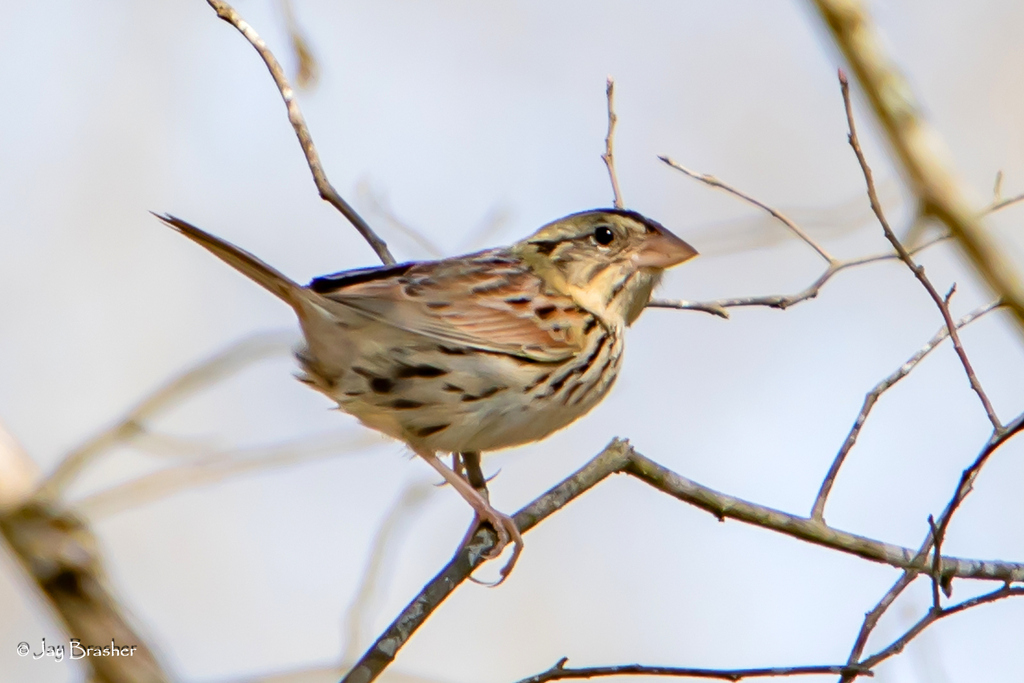
- Henslow's SparrowAmmodramus henslowii
- Hooded MerganserLophodytes cucullatus
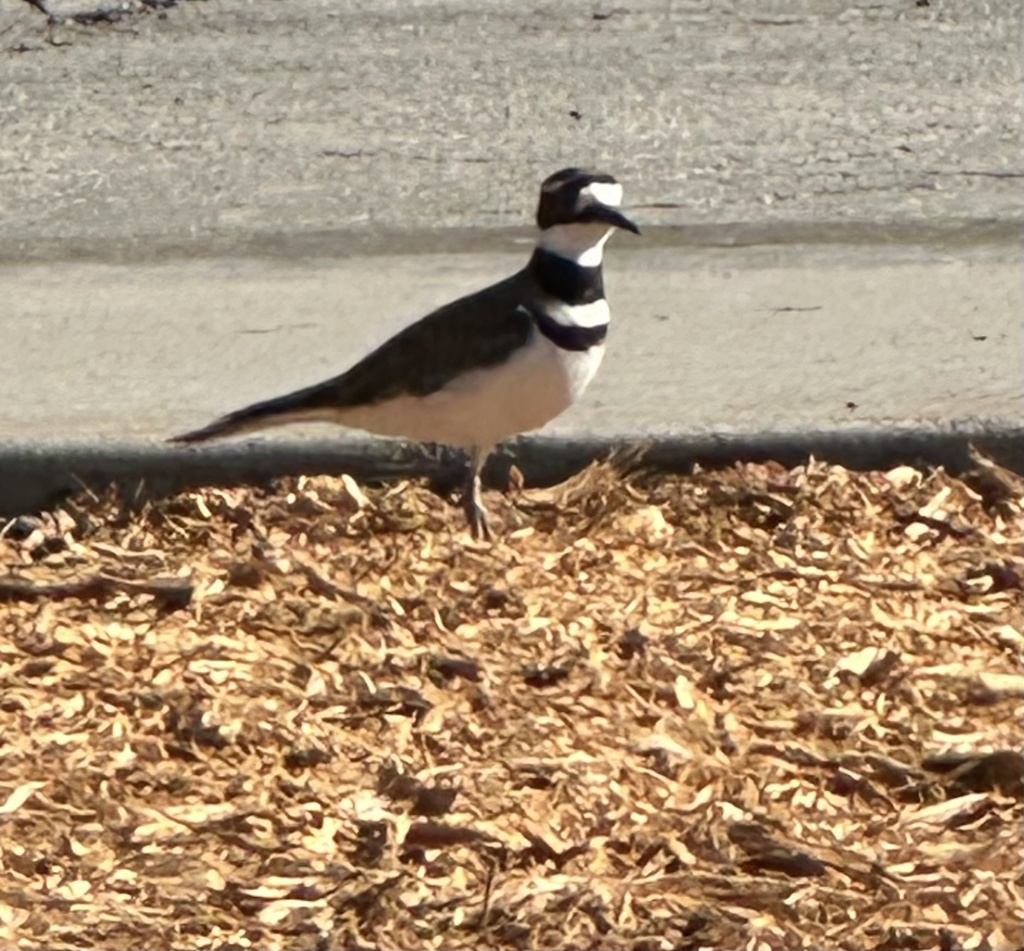
- KilldeerCharadrius vociferus
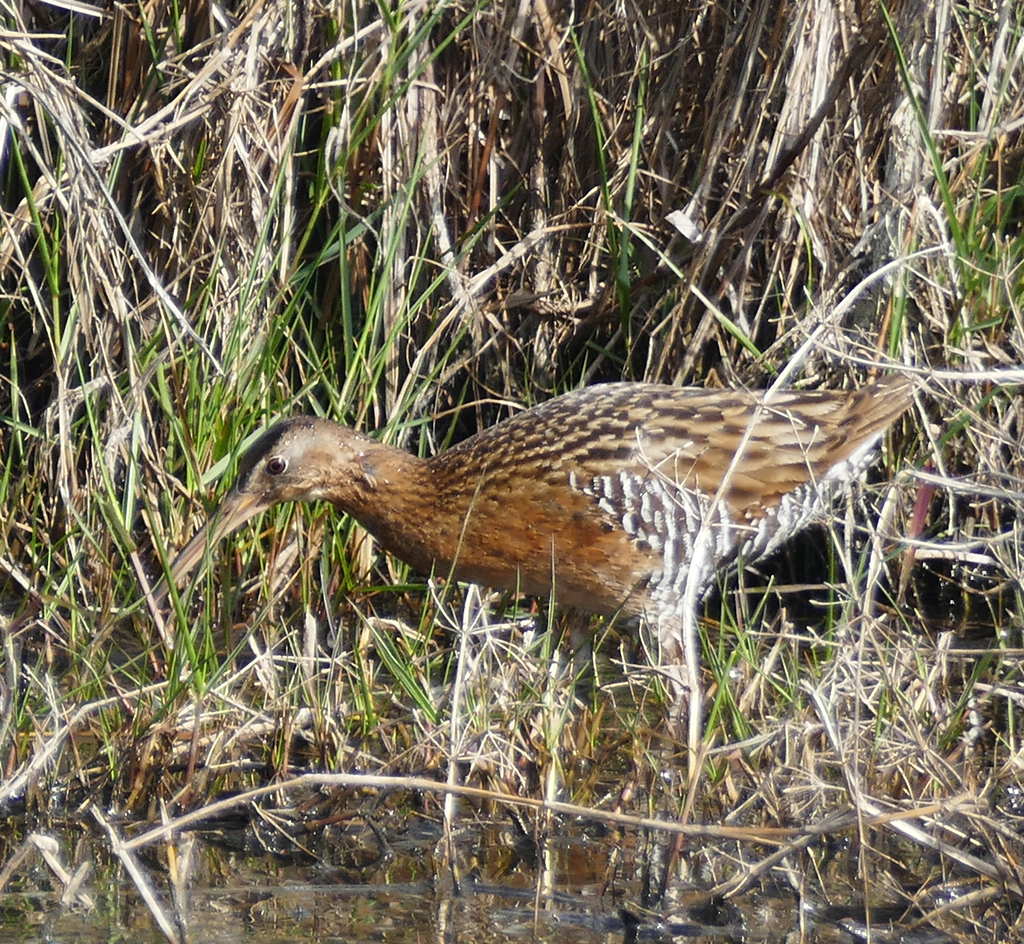
- King RailRallus elegans
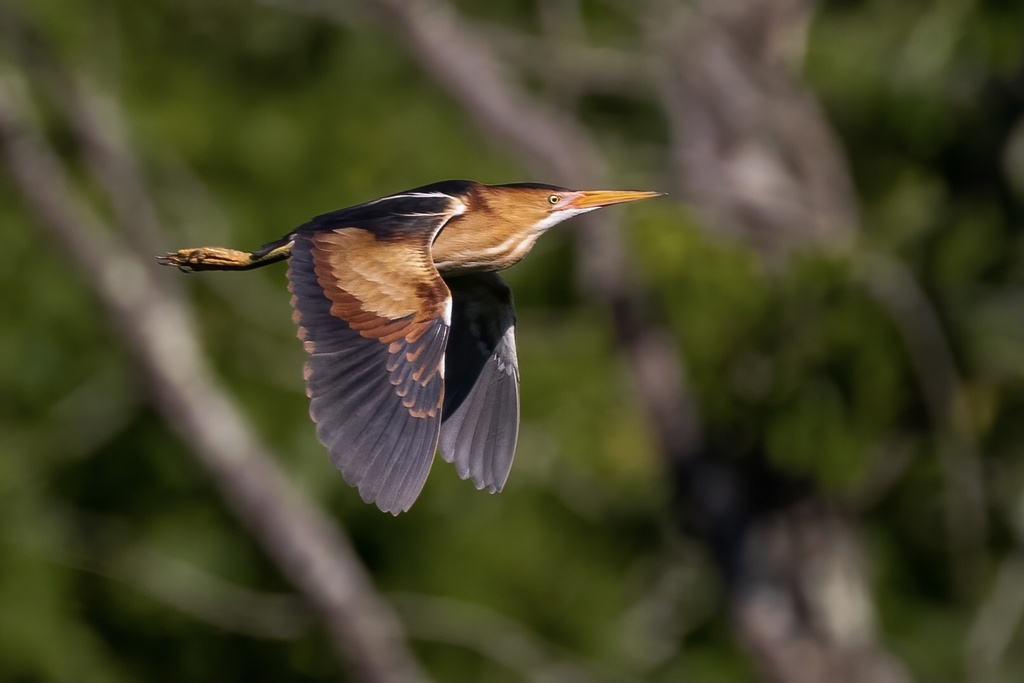
- Least BitternIxobrychus exilis
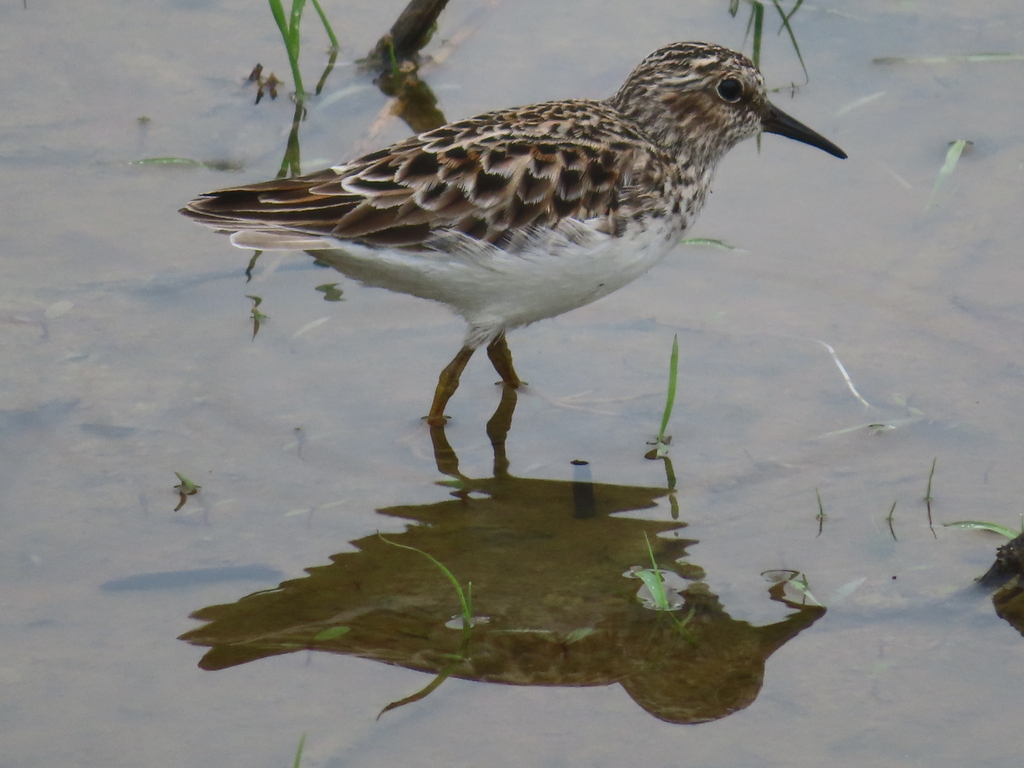
- Least SandpiperCalidris minutilla
- Least TernSternula antillarum
- Lesser Black-backed GullLarus fuscus
- Lesser ScaupAythya affinis
- Little Blue HeronEgretta caerulea
- MerlinFalco columbarius
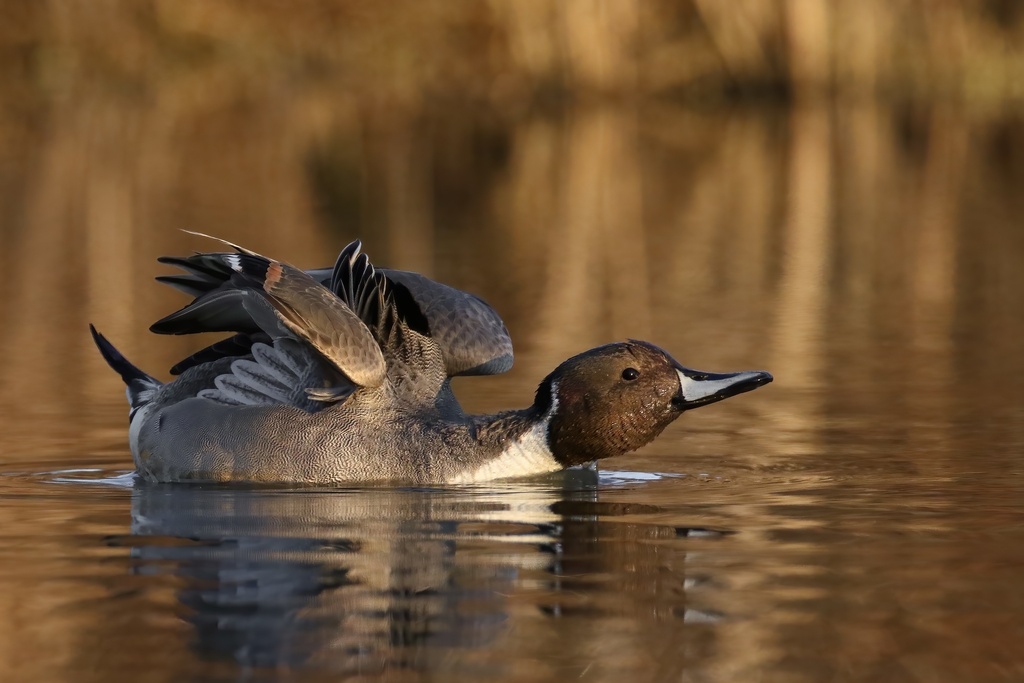
- Northern PintailAnas acuta
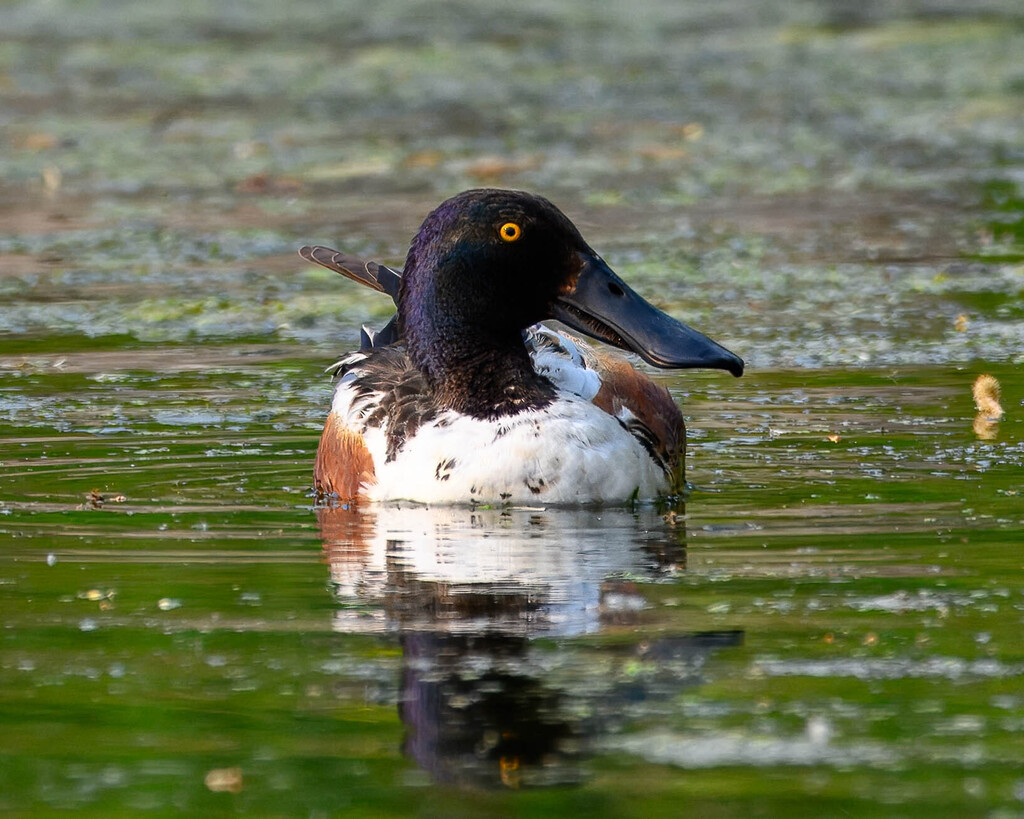
- Northern ShovelerAnas clypeata
- OspreyPandion haliaetus
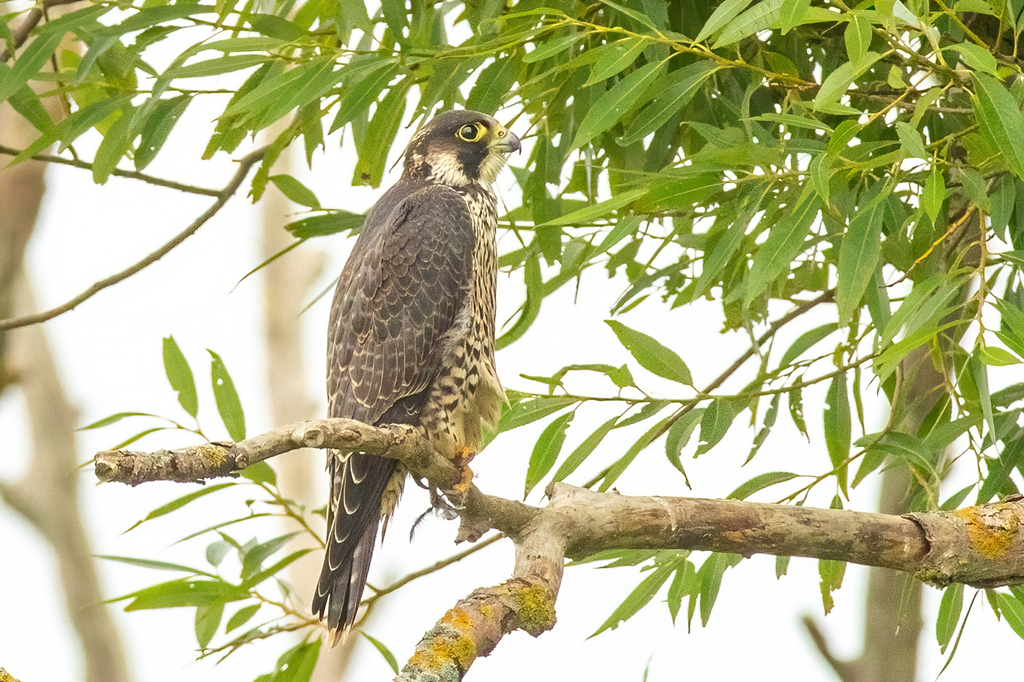
- Peregrine FalconFalco peregrinus









Who uses this plant?
 24CaterpillarsGenus host records with ranges including VA
Genus host records with ranges including VA · Baccharis
- Anavitrinella pampinariaCommon Gray, Cranberry Spanworm
- Condica vidensWhite-Dotted Groundling
- Cremastobombycia solidaginisGoldenrod Leafminer
- Ctenoplusia oxygrammaSharp-Stigma Looper Moth
- Estigmene acreaSalt Marsh Moth, Acrea Moth
- Eupithecia miserulataCommon Eupithacia, Common Pug
- Eupithecia misturataInsignificant Pug
- Eusarca fundariaDark-Edged Eusarca
- Hellinsia balanotesBaccharis Borer Plume Moth, Groundsel Plume Moth
- Hellinsia kellicottiiGoldenrod Borer Plume Moth
Show all 24
- Homoeosoma electellaSunflower Moth
- Iridopsis defectariaBrown-Shaded Gray, Willow Looper
- Lioptilodes albistriolatusMousy Plume Moth
- Platynota stultanaOmnivorous Leafroller
- Pleuroprucha insulsariaCommon Tan Wave
- Prionoxystus robiniaeCarpenterworm Moth, Black Locust Borer, Cottonwood Borer
- Sonia paraplesianaHebrew Sonia
- Sparganothis sulfureanaSparganothis Fruitworm Moth, Sulfur Leafroller, False Yellow-Head
- Spodoptera frugiperdaFall Armyworm Moth
- Spodoptera ornithogalliYellow-Striped Armyworm Moth, Cotton Cutworm
- Tallula watsoniWatson's Tallula
- Thyridopteryx ephemeraeformisEvergreen Bagworm Moth
- Bucculatrix ivella
- Hellinsia lacteodactylus
 21BeesSoutheastern regional records
Southeastern regional records · Baccharis
Individual names are not available yet.
Noori, Seltmann & Orr 2026, A curated and integrated dataset for exploring global bee-plant interactions (GloBI), Zenodo, CC BY 4.0 6Specialist beesPollen specialists
Pollen specialists · Baccharis
- Andrena hirticincta
- Colletes simulans
- Colletes thysanellae
- Dieunomia nevadensis
- Perdita octomaculata
- Protandrena albitarsis
 —BirdsRecorded genus food-resource interactions; not a state feeding claim
No records yet · Ants · Beetles · Flies · Adult butterflies / moths · Other wasps · Other insects
Plant details
- Family
- Asteraceae
- Hardiness
- Zones 5a–9b
- Soil pH
- Acidic to neutral
- Flower color
- Cream, green or white
- Growth rate
- Moderate
- Growth habit
- Several stems
- Foliage color
- Dark green
- Fruit begins
- Fall
- Fruit ends
- Fall
Safety has not been reviewed for this plant; check toxicity and thorns before planting.
Growing sources and scope
- Bloom · “August to October” · FloraQuest: Carolinas, Georgia (Southeastern Flora Team), phone app (app page) (ranked first; USDA PLANTS differs) · Carolinas and Georgia
- Flower color · “Cream, green or white” · NC Extension Plant Toolbox (ranked first; USDA PLANTS, Lady Bird Johnson Wildflower Center differ)
- Foliage color · “Dark green” · USDA PLANTS · Nationwide species characteristics; local growing conditions may vary
- Fruit begins · “Fall” · USDA PLANTS · Nationwide species characteristics; local growing conditions may vary
- Fruit ends · “Fall” · USDA PLANTS · Nationwide species characteristics; local growing conditions may vary
- Growth habit · “Several stems” · USDA PLANTS · Nationwide species characteristics; local growing conditions may vary
- Growth rate · “Moderate” · USDA PLANTS · Nationwide species characteristics; local growing conditions may vary
- Hardiness · “Zones 5a–9b” · NC Extension Plant Toolbox
- Height · “5–12 feet” · NC Extension Plant Toolbox (ranked first; USDA PLANTS differs)
- Leaves · “Deciduous or semi-evergreen” · NC Extension Plant Toolbox (ranked first; Lady Bird Johnson Wildflower Center differs)
- Life cycle · “Woody perennial” · NC Extension Plant Toolbox (ranked first; Lady Bird Johnson Wildflower Center differs)
- Light · “Full sun (6 or more hours of direct sunlight a day); Partial shade (direct sunlight only part of the day, 2-6 hours)” · NC Extension Plant Toolbox (ranked first; Virginia DCR Coastal Plain, Lady Bird Johnson Wildflower Center differ)
- Soil · “Frequent standing water; Moist; Occasionally dry; Occasionally wet” · NC Extension Plant Toolbox (ranked first; Virginia DCR Coastal Plain, Lady Bird Johnson Wildflower Center differ)
- Soil pH · “Acidic to neutral” · NC Extension Plant Toolbox (ranked first; Lady Bird Johnson Wildflower Center differs)
- Spread · “4–7 feet” · NC Extension Plant Toolbox
Also known as
Groundsel Tree; Hightide Bush; Silverling
Conservation status
| Virginia rank | S5 |
|---|---|
| Global rank | G5 |
| VA status | Not verified |
| Federal status | Not verified |
Will it fit your yard?
Check this plant against your county, sun and soil moisture. Conditions are checked in your browser.
Sources
- Digital Atlas of the Virginia Flora
- USDA PLANTS
- Vascular Plants of North Carolina (NC Natural Heritage Program)
- NatureServe Explorer
- Shropshire & Tallamy 2025, Lepidoptera of North America north of Mexico, ZooKeys 1261 (ODbL)
- Noori, Seltmann & Orr 2026, A curated and integrated dataset for exploring global bee-plant interactions (GloBI), Zenodo, CC BY 4.0
- Smith, Bachelder, Russell, Morales, Mosher & Seltmann 2024, Bee-Specialization-Modeling v0.6.1 (specialist host table compiled from J. Fowler's pollen specialist bee lists), Zenodo, CC BY 4.0
- Hurlbert, Olsen, Sawyer & Winner 2021, Avian Diet Database, Scientific Data 8: 260 (CC0)
- Narango, Tallamy & Shropshire 2020, Few keystone plant genera support the majority of Lepidoptera species, Nature Communications