

Bird
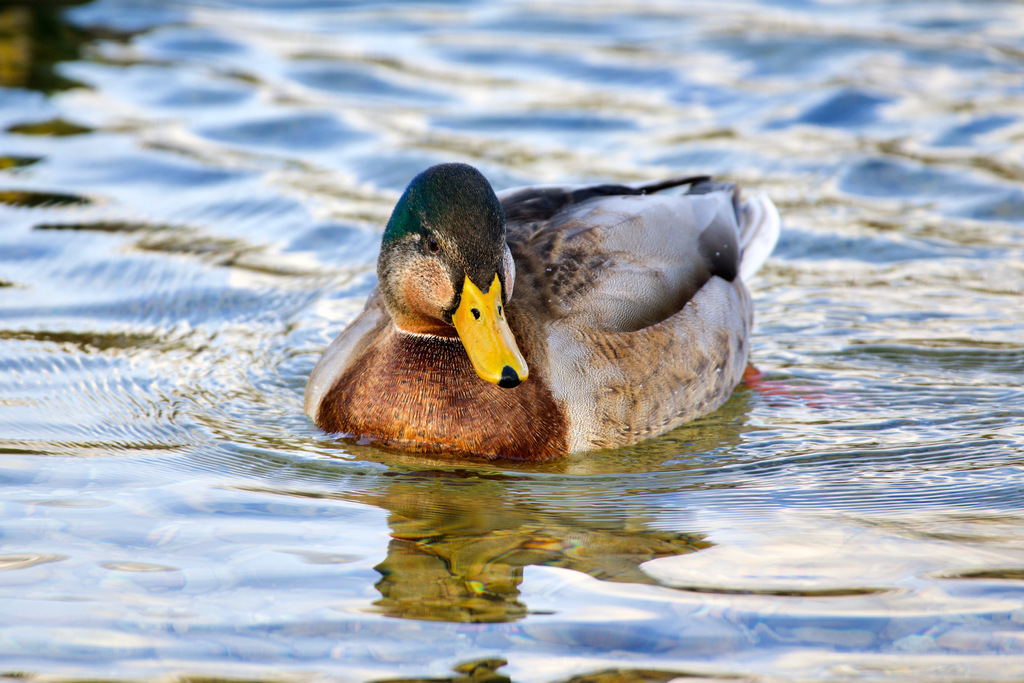
Mallard
Anas platyrhynchos
Lives in Mississippi all year and nests here. Found in all 82 counties, across 10 habitats.
- Here
- All year
- Nesting
- Nests here
- Range
- All 82 counties
- Habitats
- 10
At a glance
- Group
- Birds
- Here
- All year
- Nesting
- Nests here
- Range
- All 82 counties
- Habitats
- 10
- Habitat models
- Summer, Winter
Where it lives
The places its habitat model includes. It is not found everywhere a habitat occurs.
Habitats in Mississippi 10
Each habitat page lists the plants and wildlife also found there.
Open sand of beaches, dunes and the hollows between them.
Open, wet, seepage-fed bogs of the Coastal Plain and Sandhills, often with pitcher plants.
Coastal tidal marshes (salinity not stated)
Tidal marshes of the Atlantic and Gulf coasts where the source does not say whether the water is fresh, brackish or salt. A stated salinity files the marsh under freshwater tidal marshes or salt and brackish marshes instead.
Disturbed and introduced wetlands
Wet ground taken over by weedy or introduced plants after disturbance, such as common reed, Chinese tallow or tamarisk stands; the upland counterpart is roadsides, fields and disturbed ground.
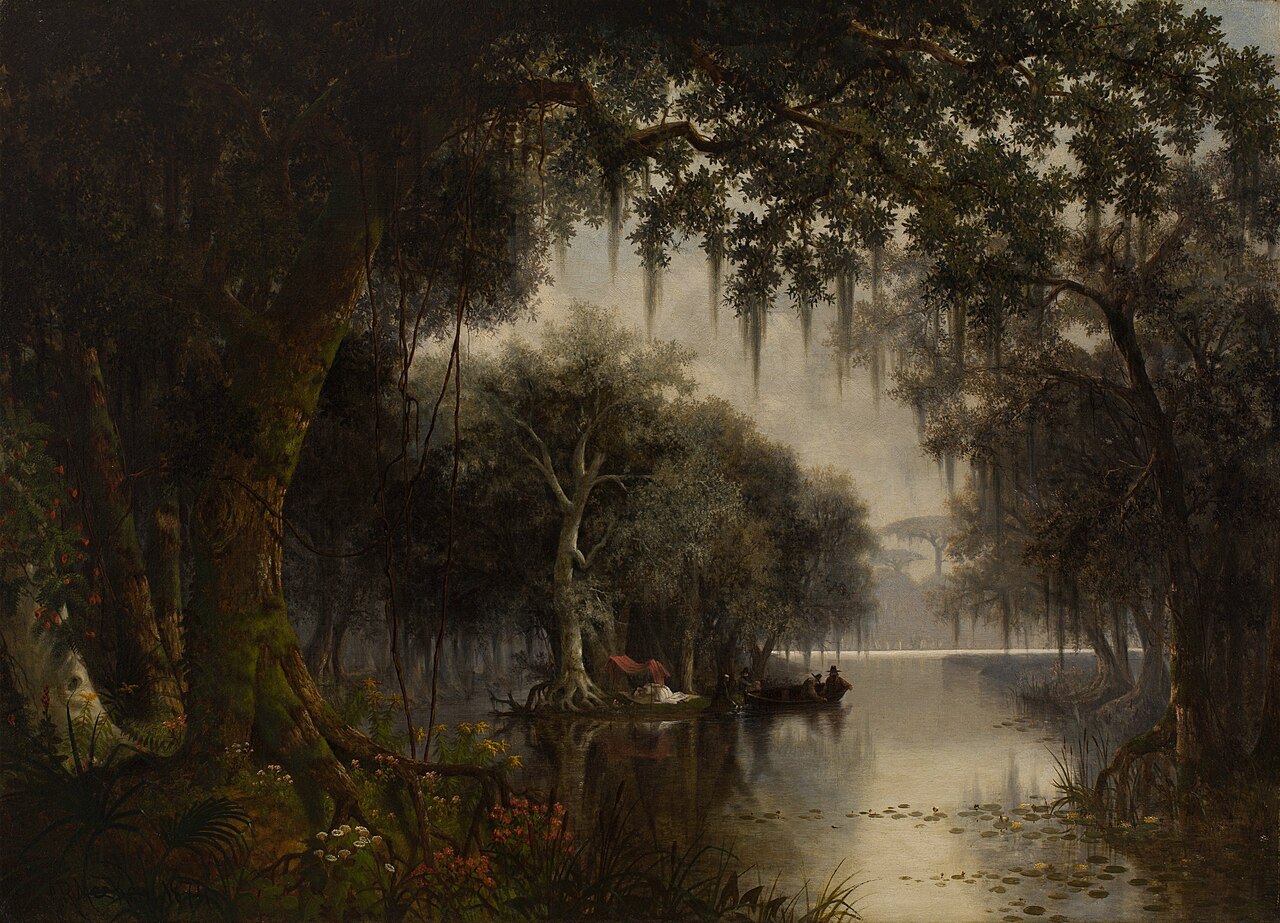
Floodplain and bottomland forests
Forests on low ground beside rivers and streams that flood from time to time.
Open, herb-covered wetlands with fresh, non-tidal water.
Open, fire-kept longleaf pine stands over grasses and wildflowers on wet to moist sandy soil.
Still water and its edges: ponds, lakes, millponds and reservoirs.
Roadsides, fields and disturbed ground
Ground opened by people: roadsides, old fields, pastures, fencerows and lots.
Other habitats in its models (61)
Land cover, or classes with no habitat page in Mississippi. Those recorded in Mississippi first, the rest by region.
Elsewhere in the South (29)
- Atlantic Coastal Plain Brownwater Stream Floodplain Forest Winter.
- Atlantic Coastal Plain Central Fresh-Oligohaline Tidal Marsh Summer and winter.
- Atlantic Coastal Plain Embayed Region Tidal Freshwater Marsh Summer and winter.
- Atlantic Coastal Plain Indian River Lagoon Tidal Marsh Winter.
- Atlantic Coastal Plain Large Natural Lakeshore Summer and winter.
- Atlantic Coastal Plain Small Blackwater River Floodplain Forest Winter.
- Atlantic Coastal Plain Small Brownwater River Floodplain Forest Winter.
- Atlantic Coastal Plain Southern Tidal Wooded Swamp Summer and winter.
- Central Florida Herbaceous Pondshore Winter.
- Central Florida Herbaceous Seep Winter.
- East-Central Texas Plains Riparian Forest Winter.
- Florida Big Bend Fresh-Oligohaline Tidal Marsh Summer and winter.
- Floridian Highlands Freshwater Marsh Summer and winter.
- South Florida Everglades Sawgrass Marsh Winter.
- South Florida Freshwater Slough and Gator Hole Winter.
- South Florida Wet Marl Prairie Winter.
- South-Central Interior / Upper Coastal Plain Wet Flatwoods Summer.
- South-Central Interior Large Floodplain Summer and winter.
- South-Central Interior Small Stream and Riparian Summer and winter.
- Southern and Central Appalachian Bog and Fen Summer.
- Southern Coastal Plain Hydric Hammock Summer.
- Southern Piedmont Small Floodplain and Riparian Forest Summer and winter.
- West Gulf Coastal Plain Large River Floodplain Forest Summer and winter.
- West Gulf Coastal Plain Near-Coast Large River Swamp Summer and winter.
- West Gulf Coastal Plain Nepheline Syenite Glade Winter, only within 250 m of water.
- West Gulf Coastal Plain Northern Calcareous Prairie Winter, only within 250 m of water.
- West Gulf Coastal Plain Seepage Swamp and Baygall Summer and winter.
- West Gulf Coastal Plain Small Stream and River Forest Summer and winter.
- Western Great Plains Floodplain Summer.
Northeast (2)
- Atlantic Coastal Plain Northern Fresh and Oligohaline Tidal Marsh Summer and winter.
- North-Central Interior Wet Flatwoods Summer and winter.
Midwest (2)
- Western Great Plains Open Freshwater Depression Wetland Summer.
- Western Great Plains Saline Depression Wetland Summer.
Land cover and other classes (28)
- Atlantic Coastal Plain Blackwater Stream Floodplain Forest - Forest Modifier Winter.
- Atlantic Coastal Plain Clay-Based Carolina Bay Forested Wetland Summer.
- Atlantic Coastal Plain Clay-Based Carolina Bay Herbaceous Wetland Summer and winter.
- Atlantic Coastal Plain Depression Pondshore Summer and winter.
- Atlantic Coastal Plain Nonriverine Swamp and Wet Hardwood Forest - Oak Dominated Modifier Summer.
- Atlantic Coastal Plain Nonriverine Swamp and Wet Hardwood Forest - Taxodium/Nyssa Modifier Summer.
- Atlantic Coastal Plain Streamhead Seepage Swamp - Pocosin - and Baygall Summer and winter.
- Central Interior and Appalachian Floodplain Systems Summer and winter.
- Central Interior and Appalachian Shrub-Herbaceous Wetland Systems Summer and winter.
- Central Interior and Appalachian Swamp Systems Summer and winter.
- Developed, Low Intensity Winter, beside its main habitat.
- East Gulf Coastal Plain Large River Floodplain Forest - Herbaceous Modifier Summer and winter.
- East Gulf Coastal Plain Southern Depression Pondshore Summer and winter.
- Eastern Great Plains Floodplain Systems Summer and winter.
- Eastern Great Plains Wet Meadow, Prairie, and Marsh Summer and winter.
- Open Water (Aquaculture) Summer and winter.
- South-Central Interior Large Floodplain - Forest Modifier Summer and winter.
- South-Central Interior Large Floodplain - Herbaceous Modifier Summer and winter.
- Southern Coastal Plain Nonriverine Basin Swamp - Okefenokee Clethra Modifier Summer.
- Southern Coastal Plain Nonriverine Basin Swamp - Okefenokee Pine Modifier Summer.
- Southern Piedmont Large Floodplain Forest - Forest Modifier Winter.
- Southern Piedmont/Ridge and Valley Upland Depression Swamp Summer.
- Tamaulipan Riparian Systems Winter.
- Texas-Louisiana Coastal Prairie Slough Winter.
- Unconsolidated Shore Summer and winter.
- Unconsolidated Shore (Lake/River/Pond) Summer and winter.
- Western Great Plains Depressional Wetland Systems Summer and winter.
- Western Great Plains Floodplain Systems Summer and winter.
Seasons in Mississippi
- Year-round: nests here, in 6 of 82 counties.
- Winter: does not nest here, in all 82 counties.
Also found in this habitat
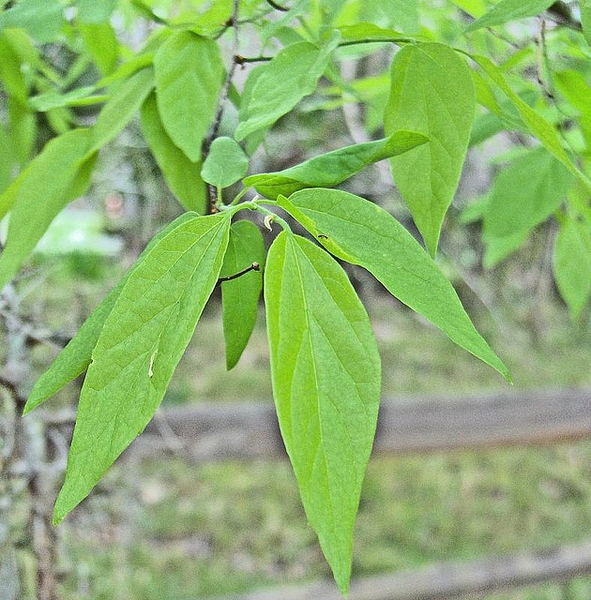
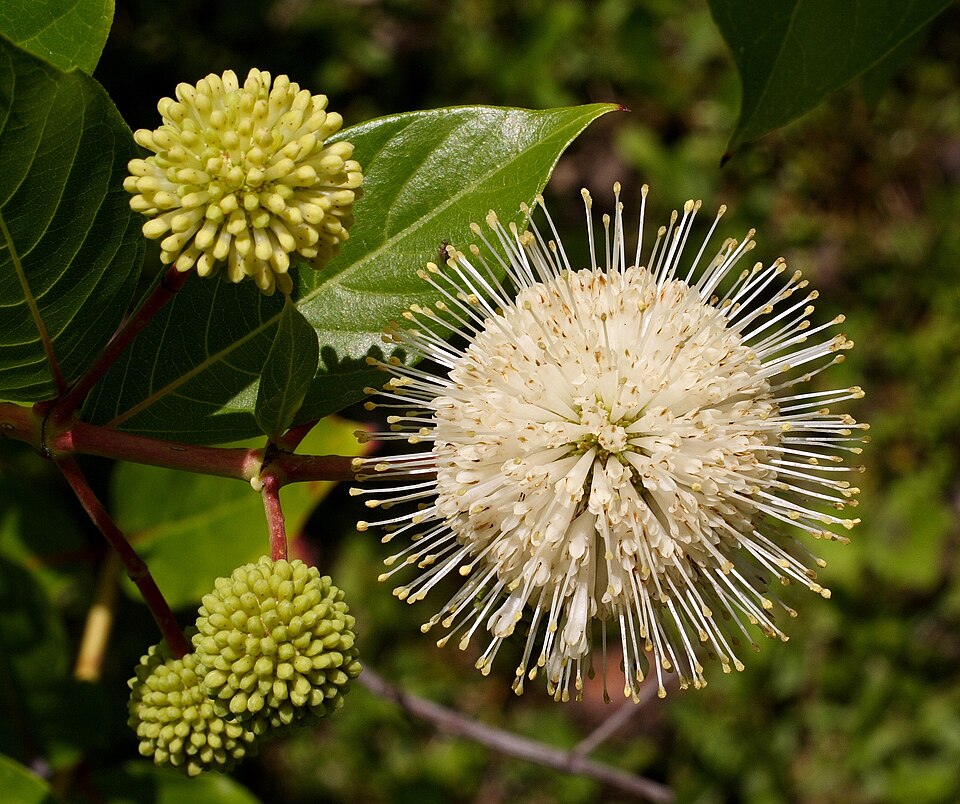
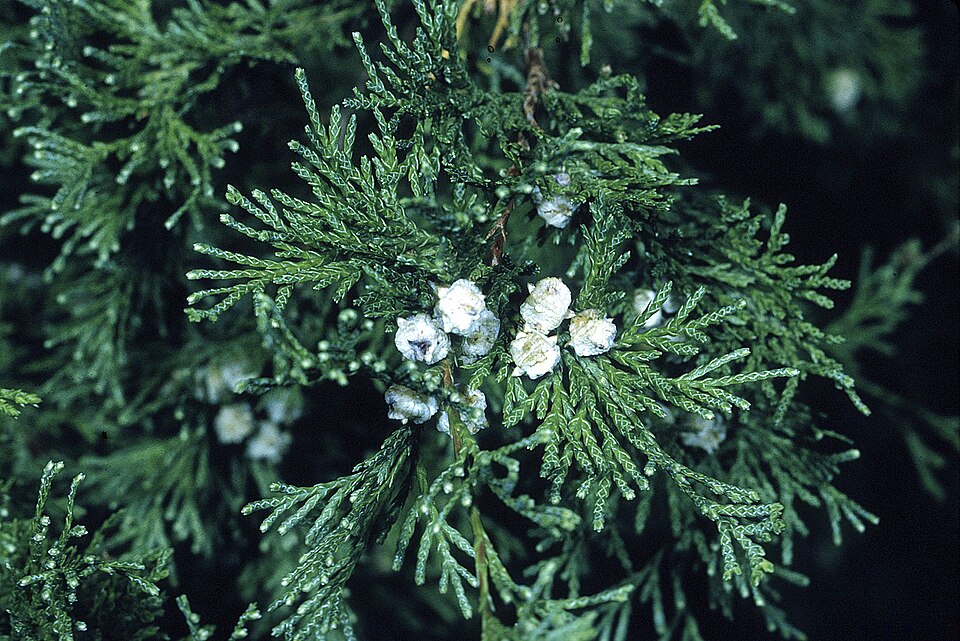
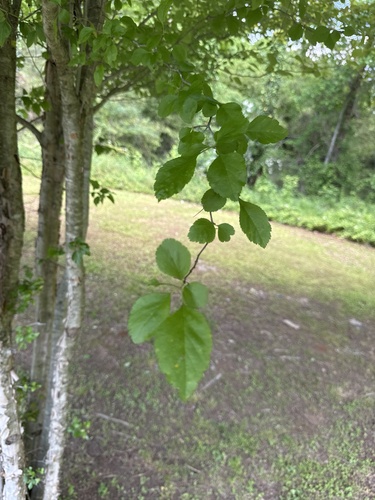
Plants 391
Plants named in NatureServe descriptions of these habitats that grow in Mississippi. Shared habitat, not food.
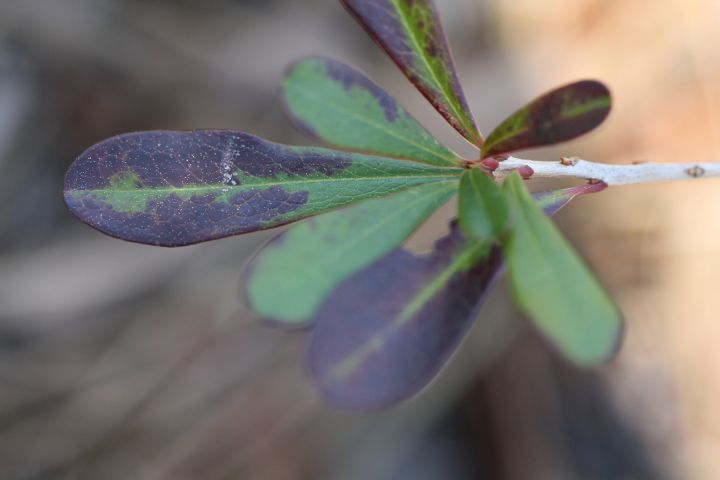
- TitiCyrilla racemiflora
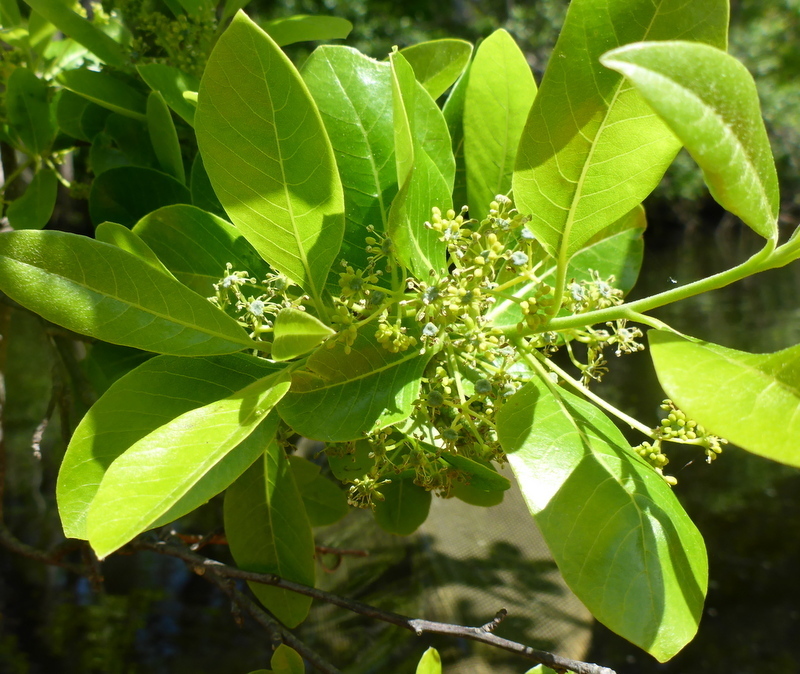
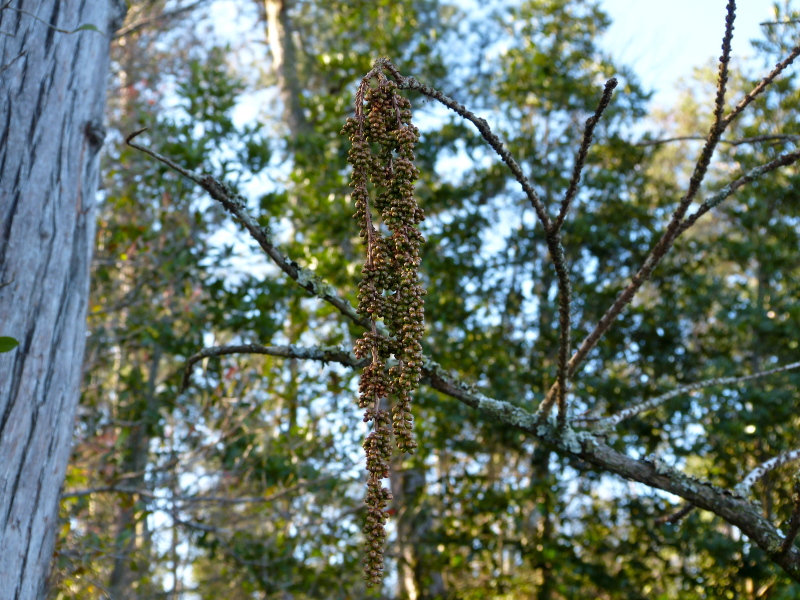
- Swamp TupeloNyssa biflora
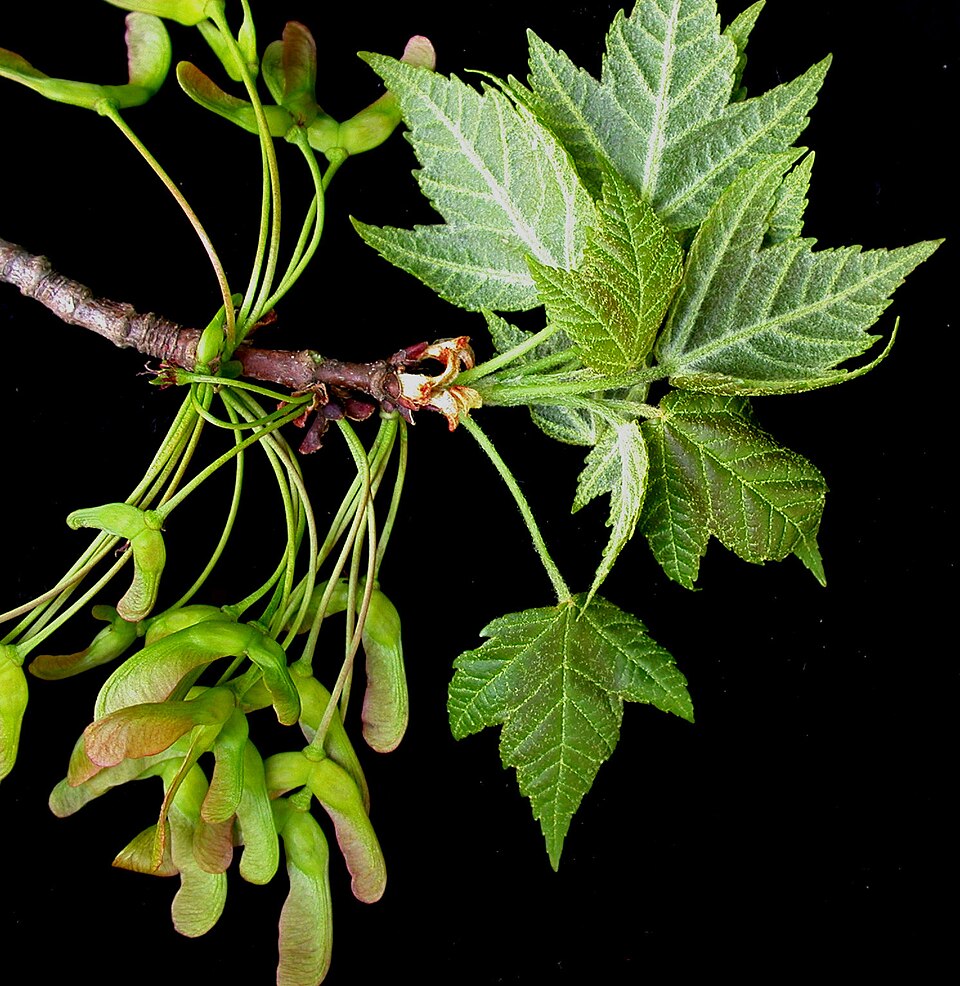
- Red MapleAcer rubrum
- Virginia SweetspireItea virginica
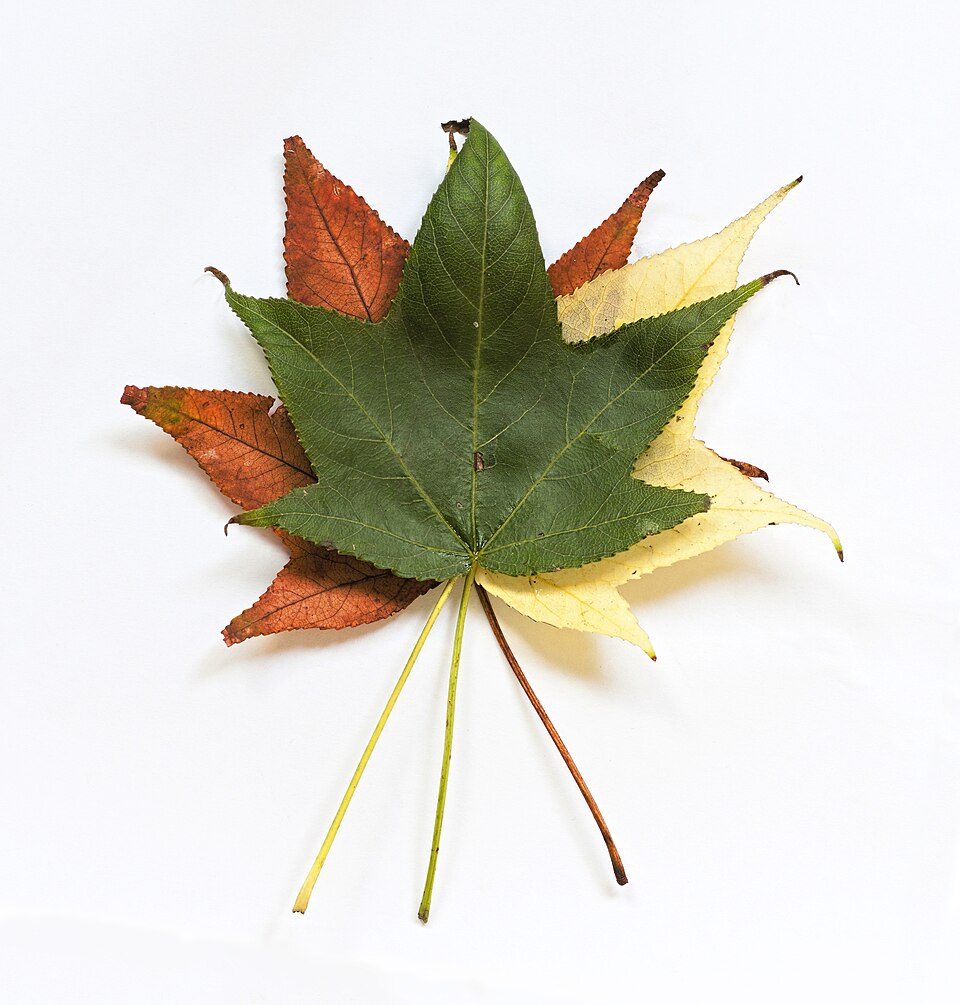
- SweetgumLiquidambar styraciflua
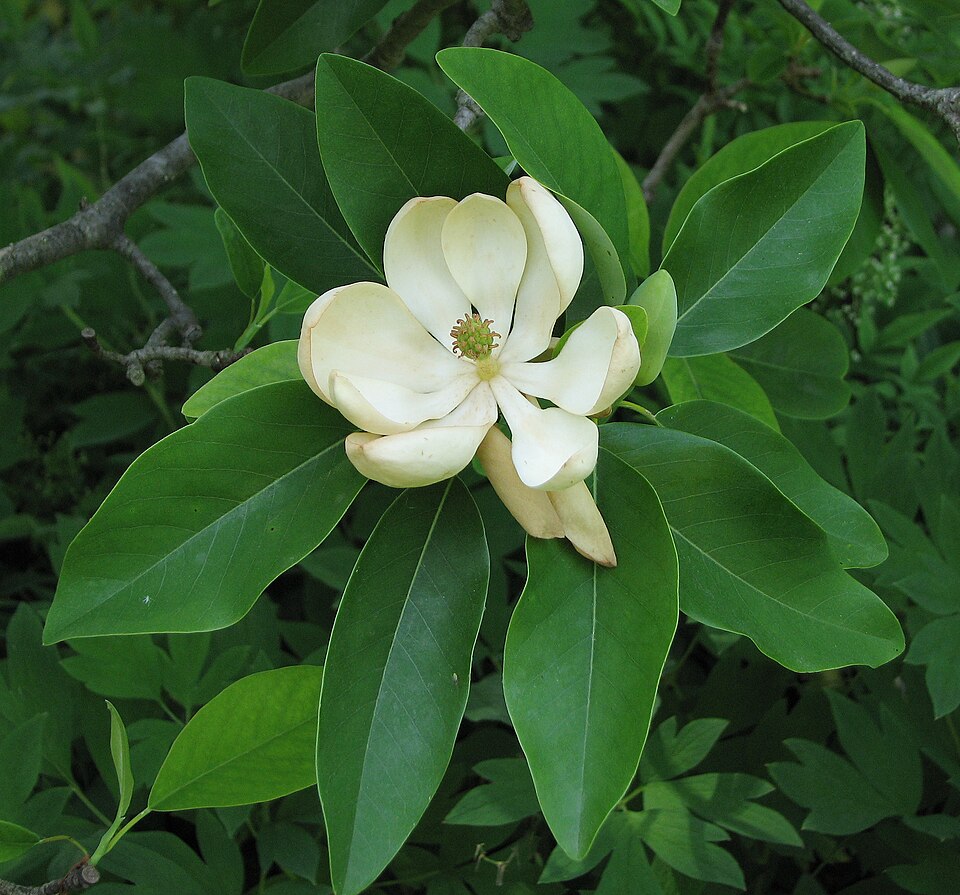
- Sweetbay MagnoliaMagnolia virginiana
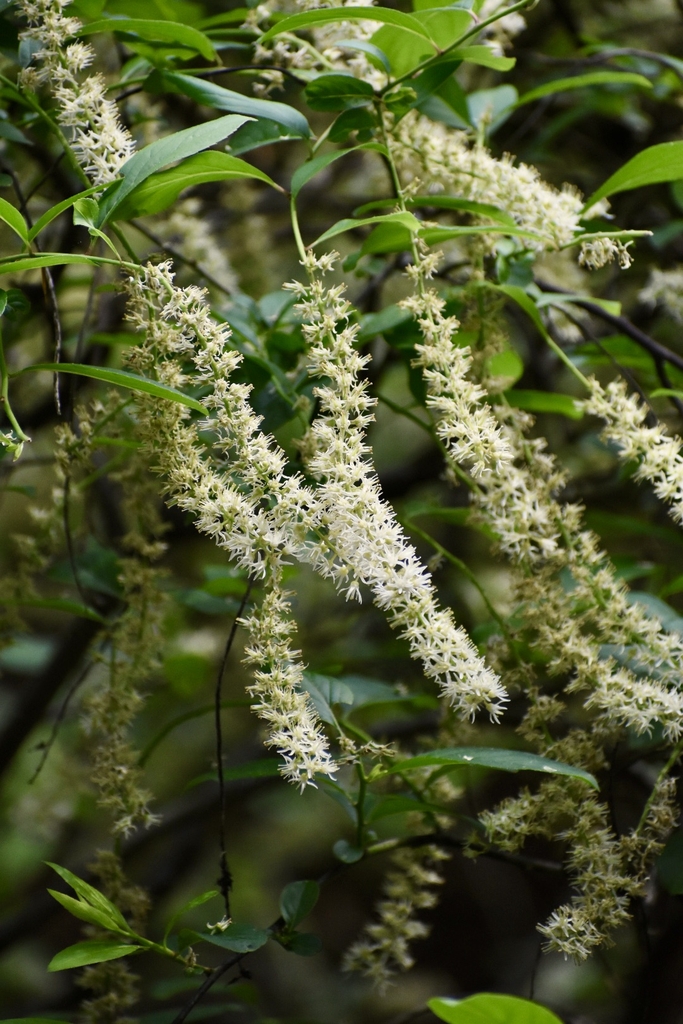
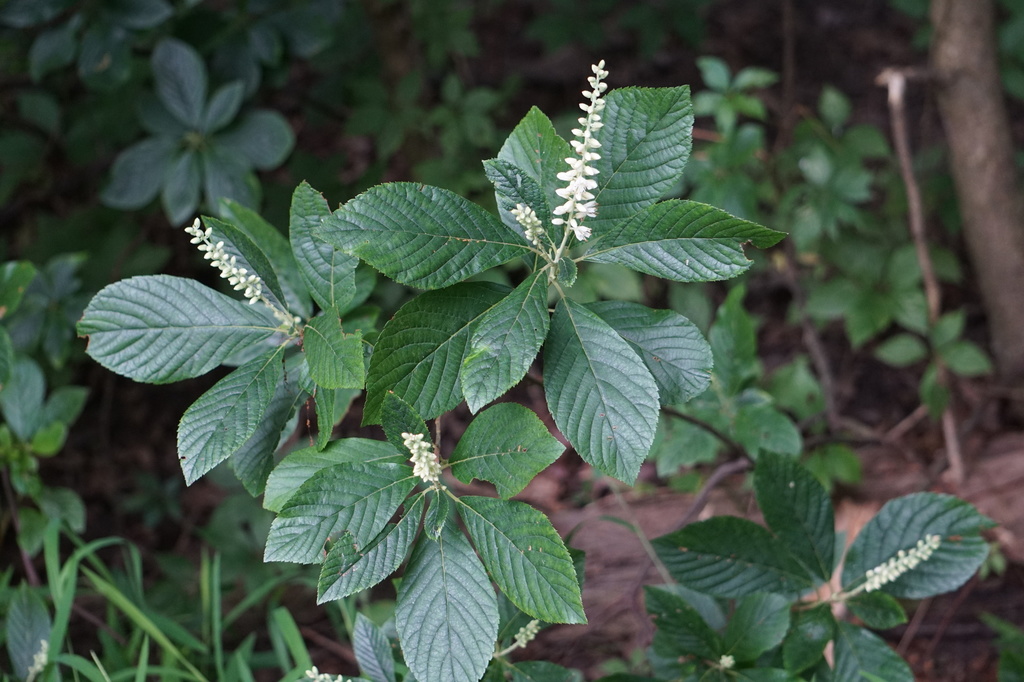
- Coastal Sweet-pepperbushClethra alnifolia
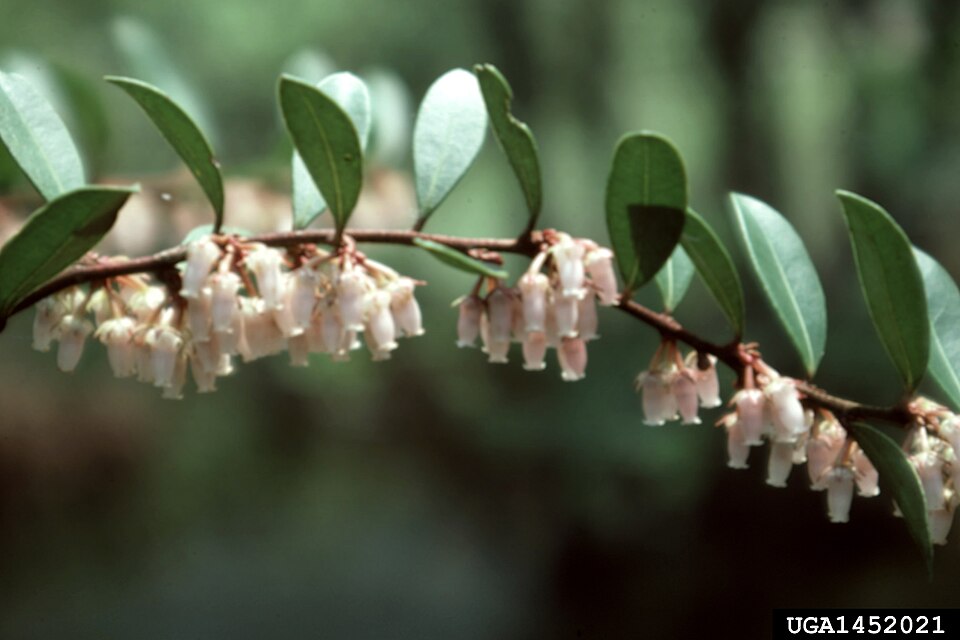
- Shining FetterbushLyonia lucida
- Slash PinePinus elliottii
- Pinus elliottii var. elliottiiPinus elliottii var. elliottii
- Pond CypressTaxodium ascendens
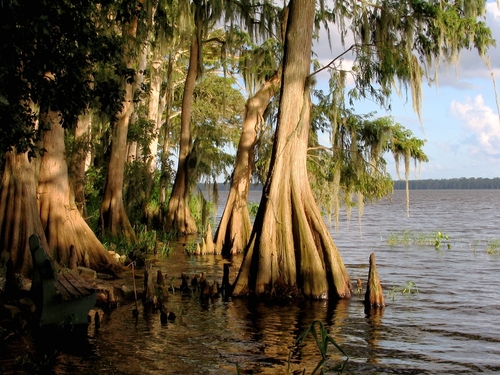
- Bald CypressTaxodium distichum
- False NettleBoehmeria cylindrica
- SugarberryCeltis laevigata
- ButtonbushCephalanthus occidentalis
- Atlantic White CedarChamaecyparis thyoides
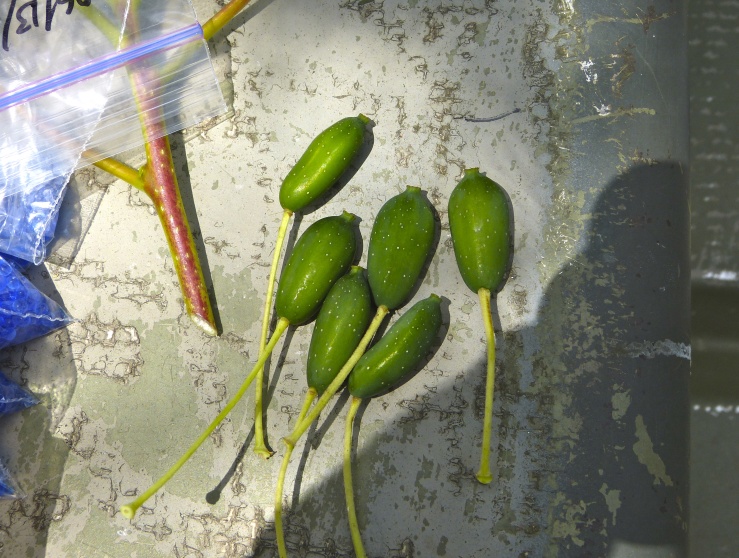
- Cliftonia monophyllaCliftonia monophylla
- Green HawthornCrataegus viridis
- Eastern Swamp PrivetForestiera acuminata
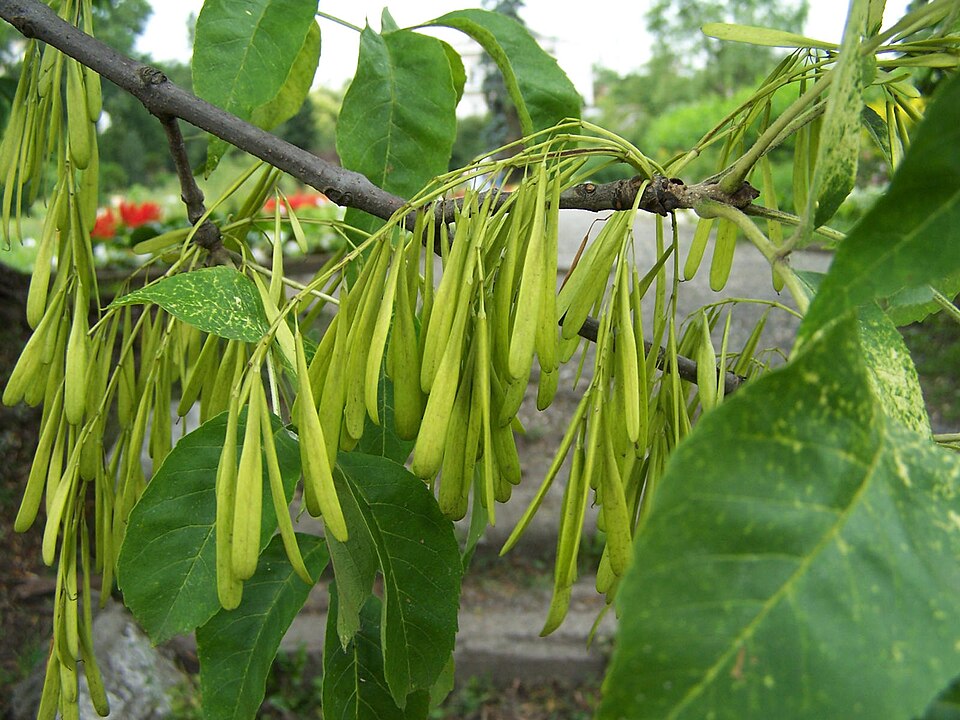
- Green AshFraxinus pennsylvanica
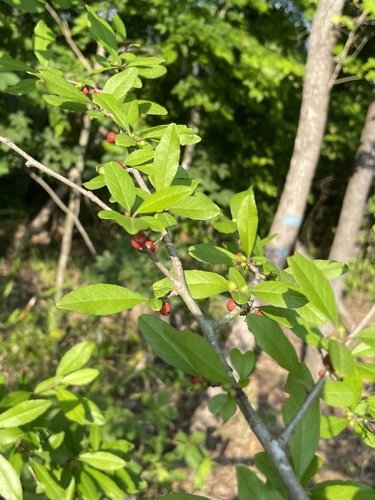
- Possumhaw HollyIlex decidua
- Macranthera flammeaMacranthera flammea
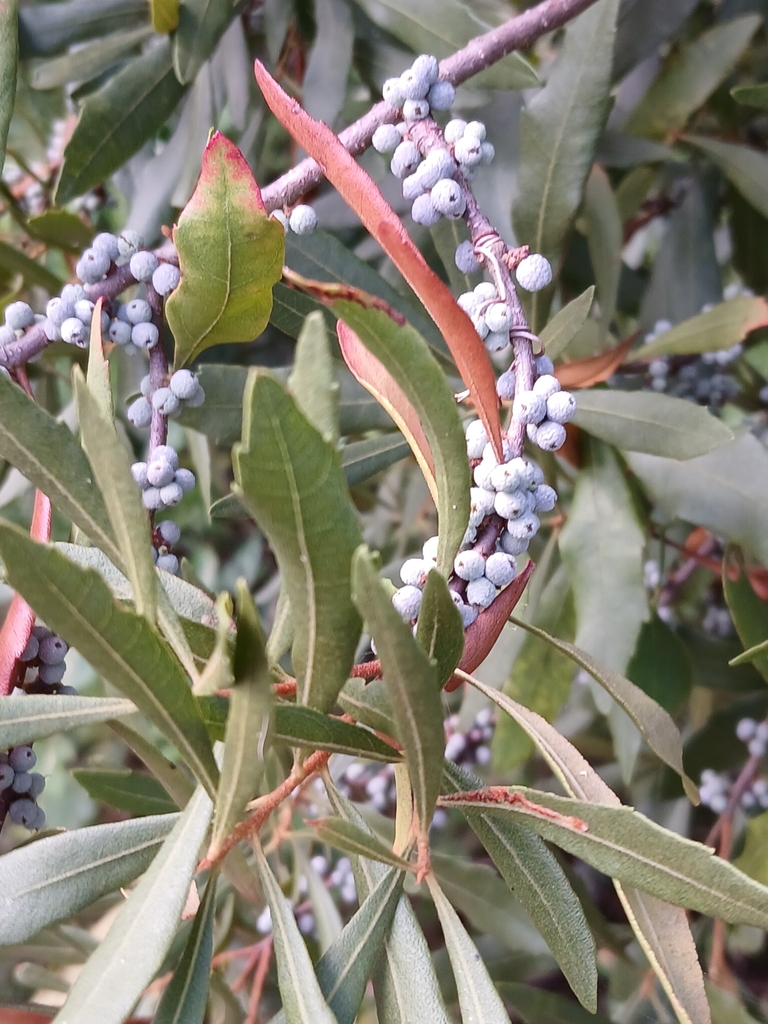
- Common WaxmyrtleMorella cerifera
- Water TupeloNyssa aquatica
Wildlife 264
Other animals whose habitat models include the same habitats in Mississippi. Not sighting records.
- Great Crested FlycatcherMyiarchus crinitus
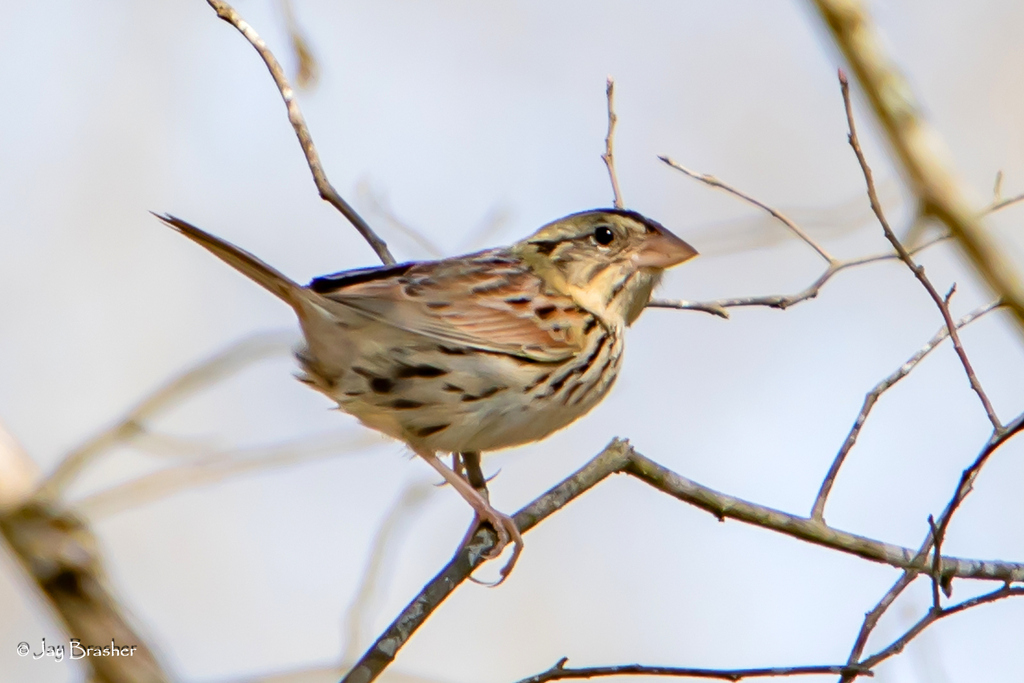
- Henslow's SparrowAmmodramus henslowii
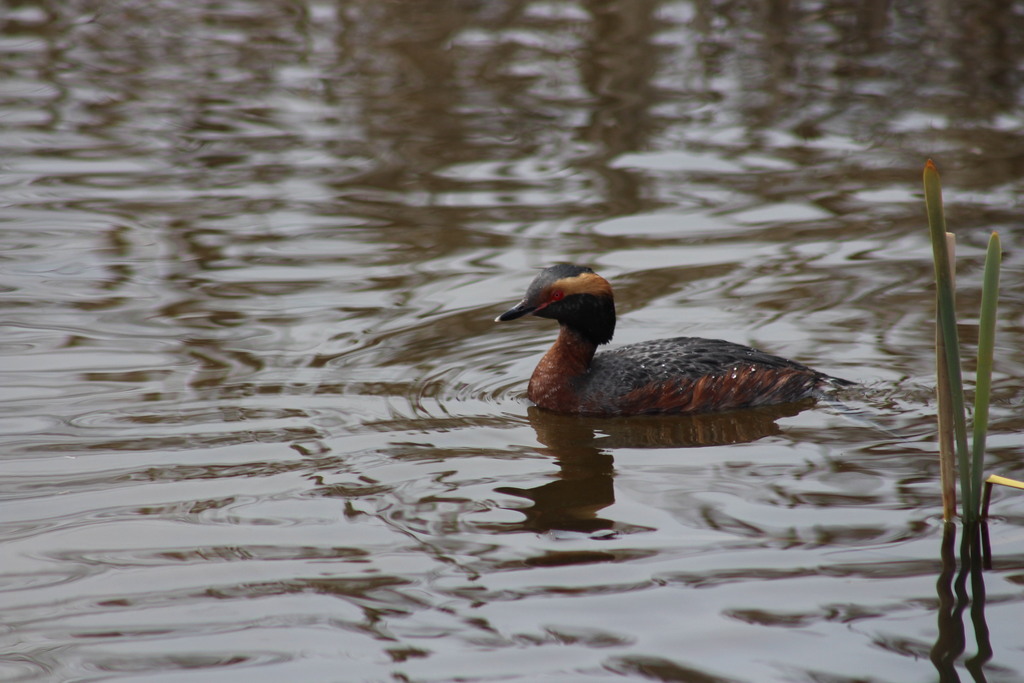
- Horned GrebePodiceps auritus
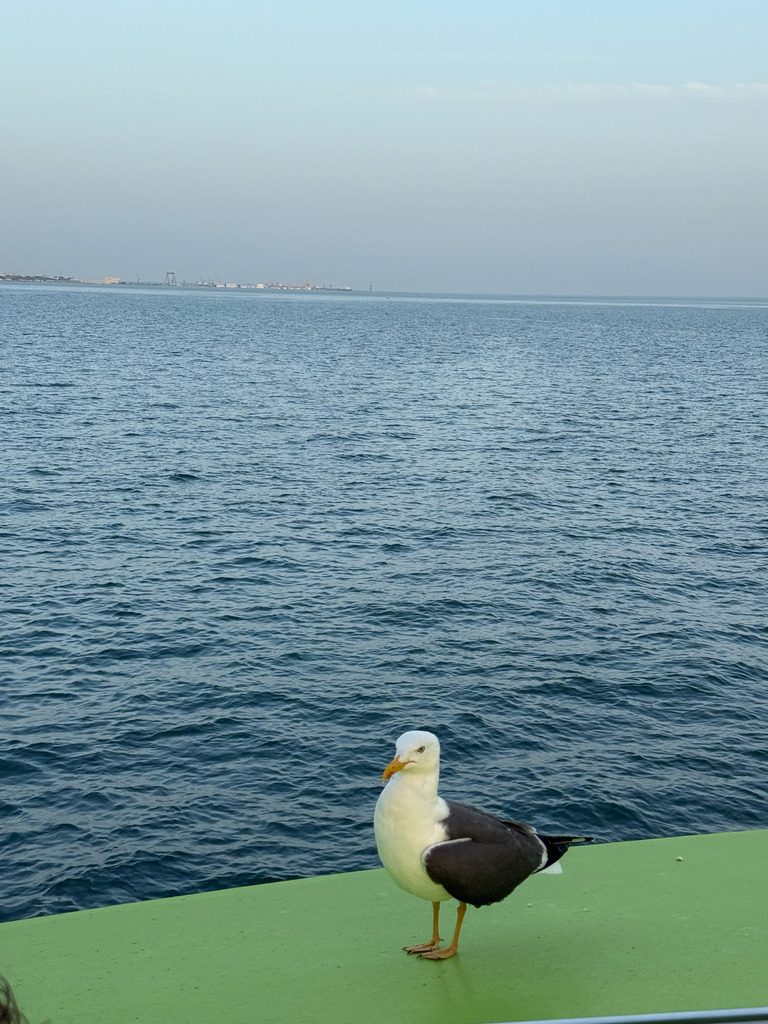
- Lesser Black-backed GullLarus fuscus
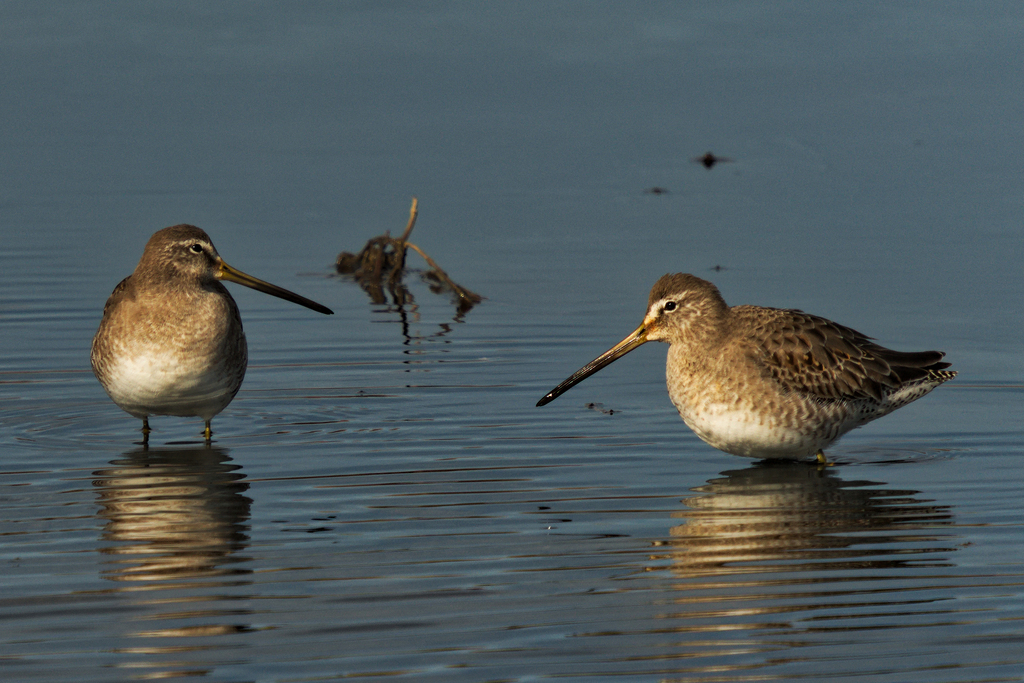
- Long-billed DowitcherLimnodromus scolopaceus
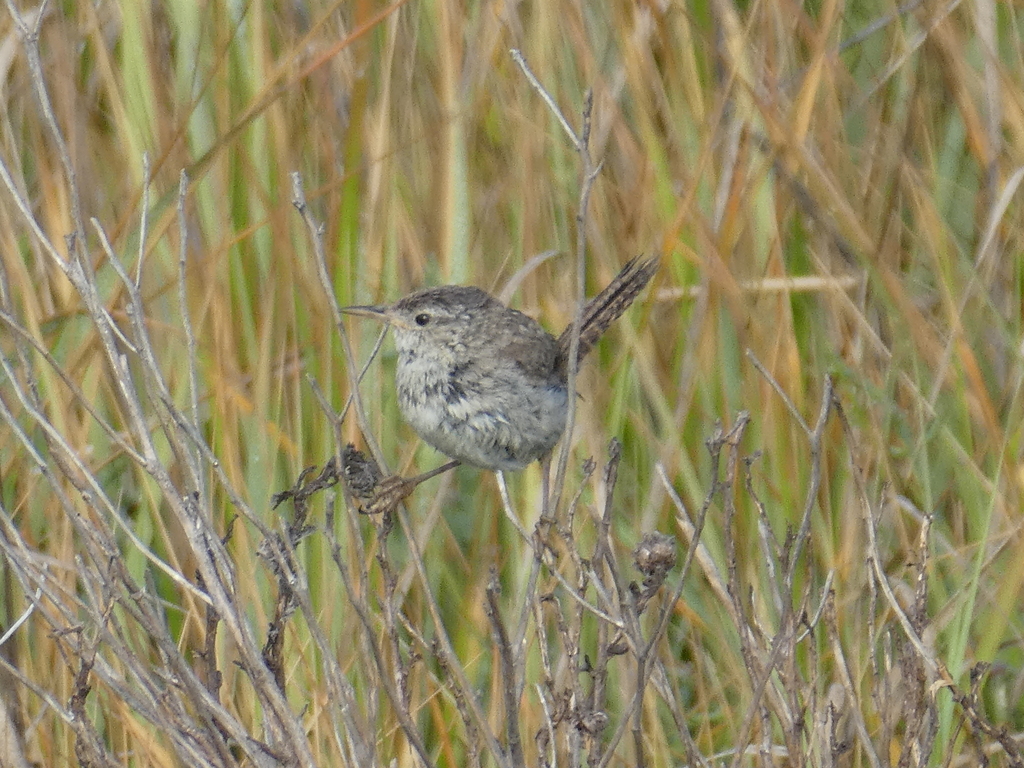
- Marsh WrenCistothorus palustris
- Northern MockingbirdMimus polyglottos
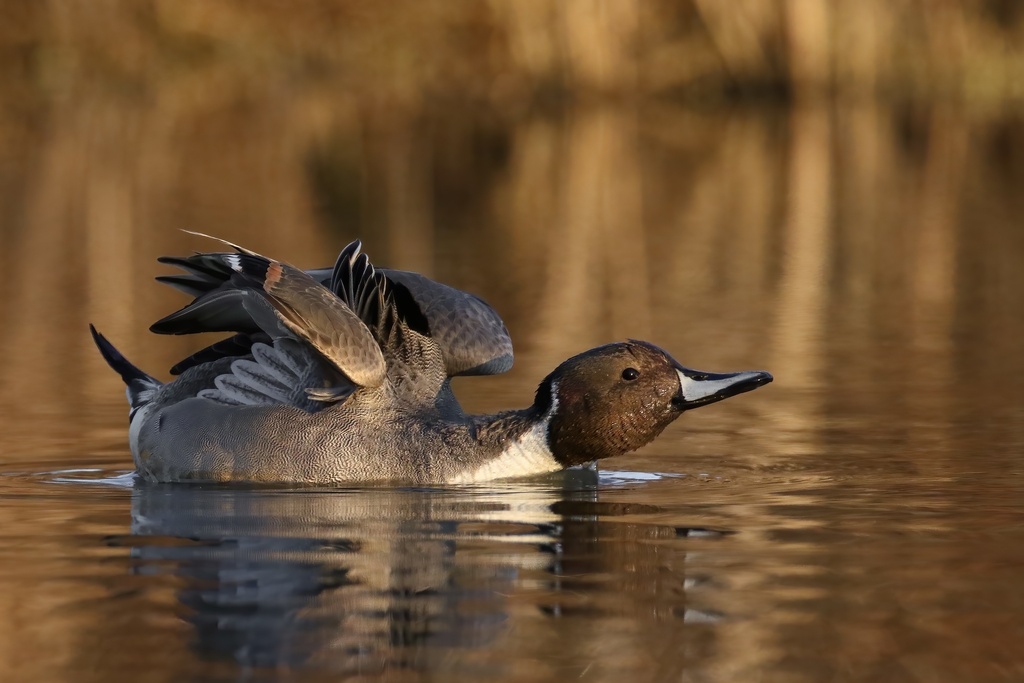
- Northern PintailAnas acuta
- Ring-necked DuckAythya collaris
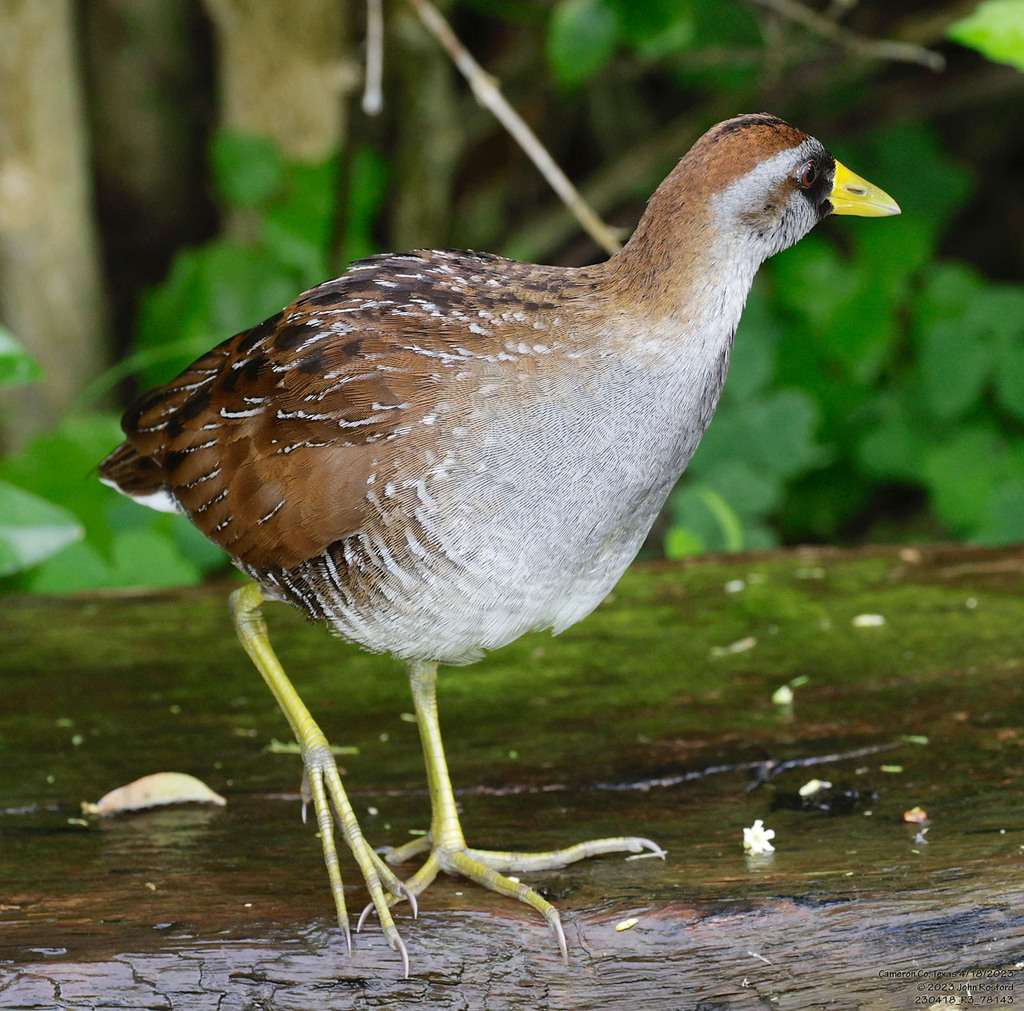
- SoraPorzana carolina
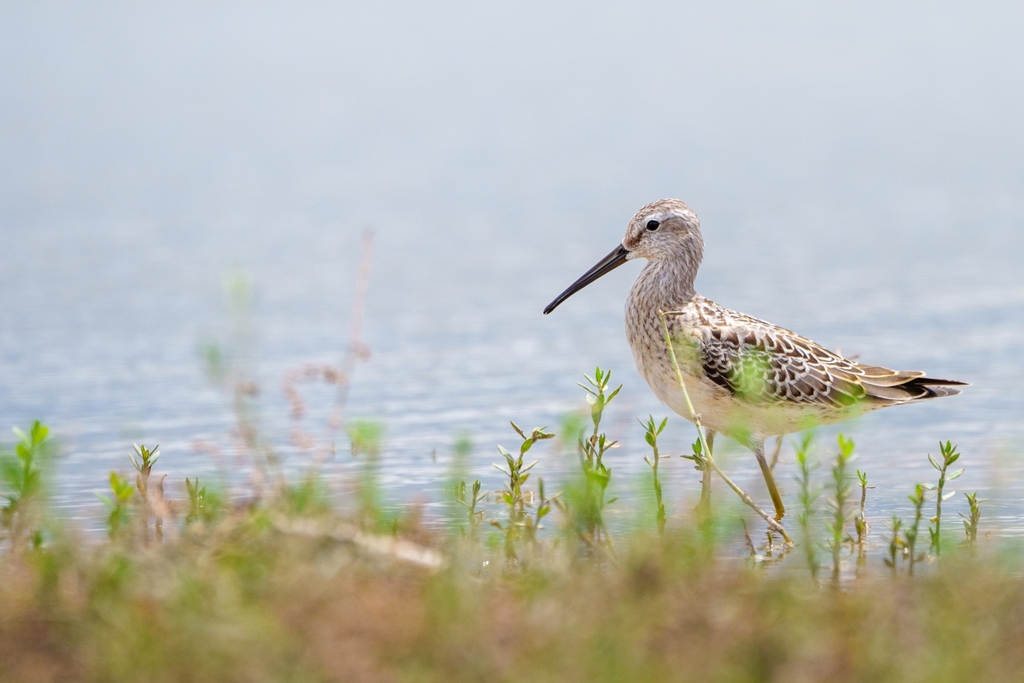
- Stilt SandpiperCalidris himantopus
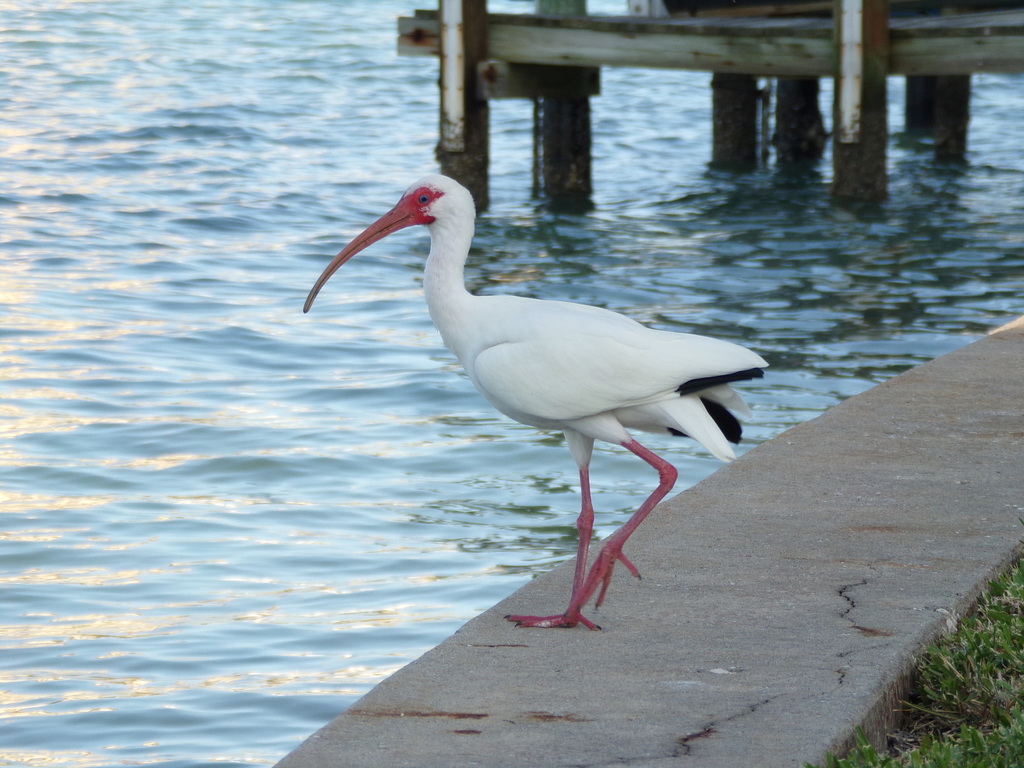
- White IbisEudocimus albus
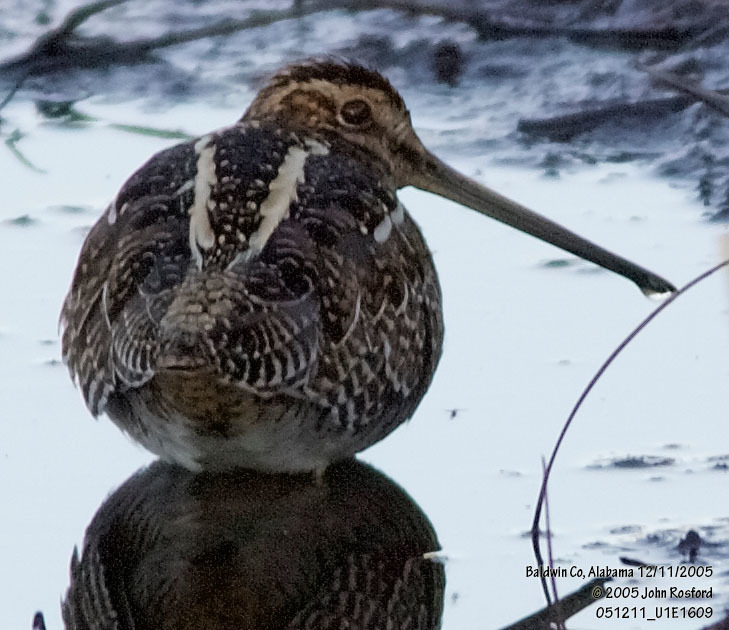
- Wilson's SnipeGallinago delicata
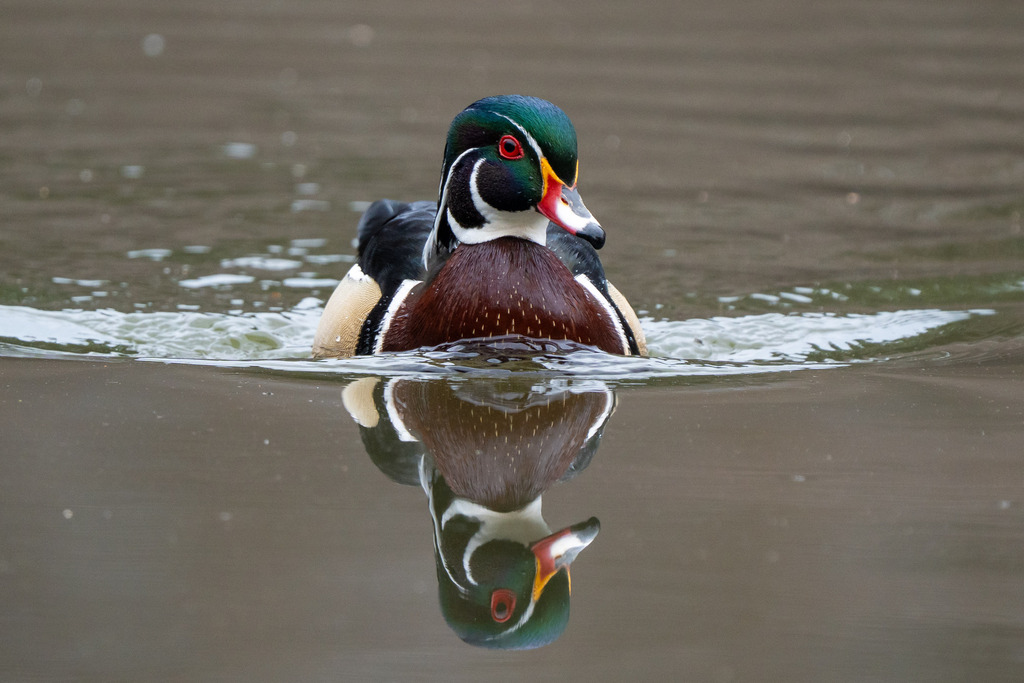
- Wood DuckAix sponsa
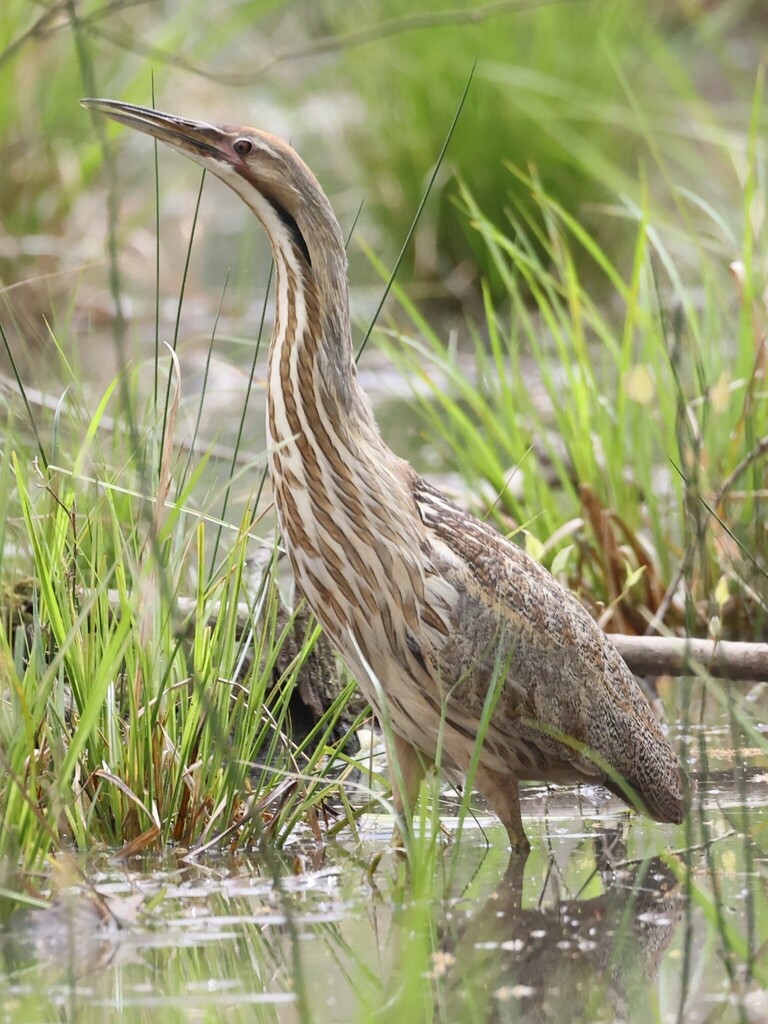
- American BitternBotaurus lentiginosus
- American RobinTurdus migratorius
- AnhingaAnhinga anhinga
- Black-necked StiltHimantopus mexicanus
- Blue-winged TealAnas discors
- Brewer's BlackbirdEuphagus cyanocephalus
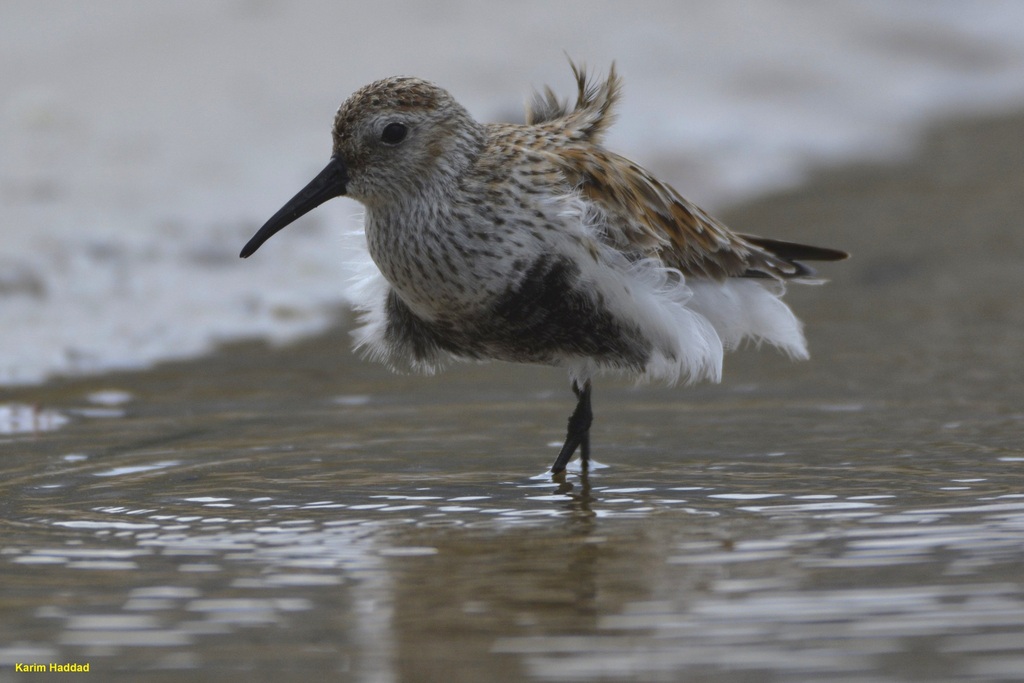
- DunlinCalidris alpina
- Eastern TowheePipilo erythrophthalmus
- Eurasian Collared-doveStreptopelia decaocto
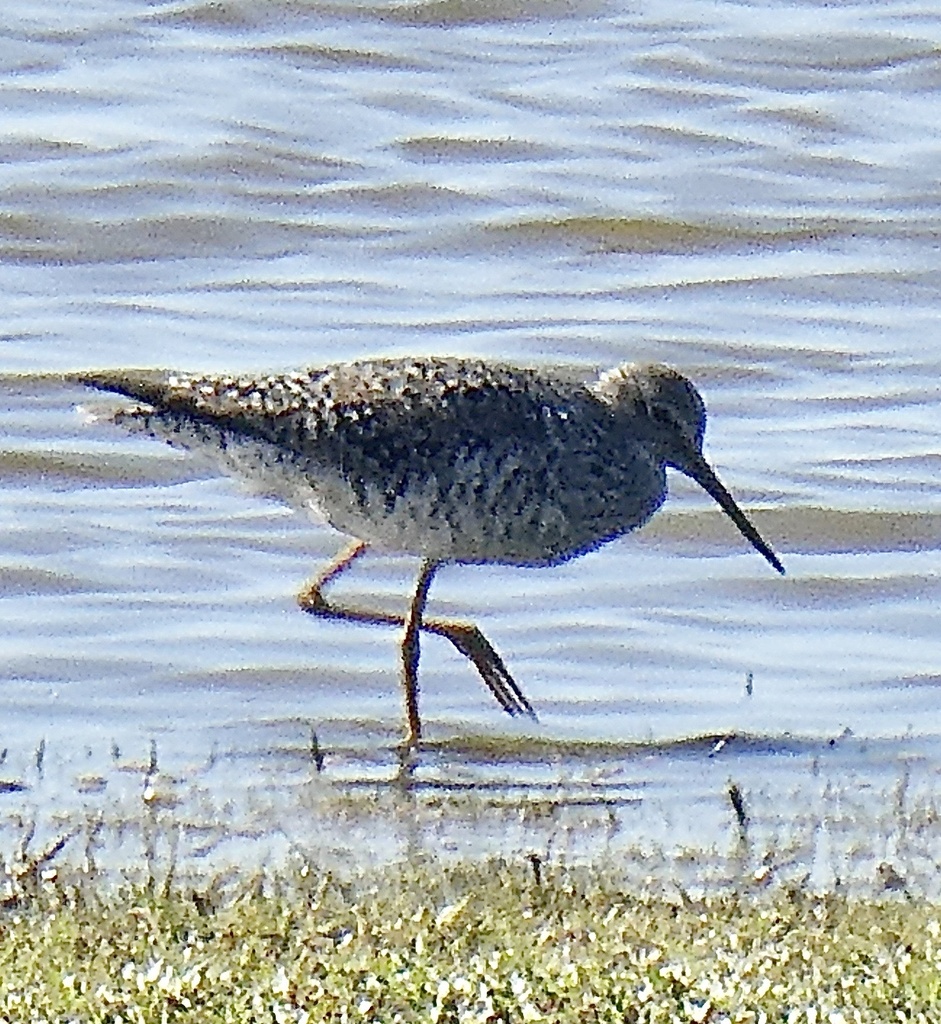
- Greater YellowlegsTringa melanoleuca




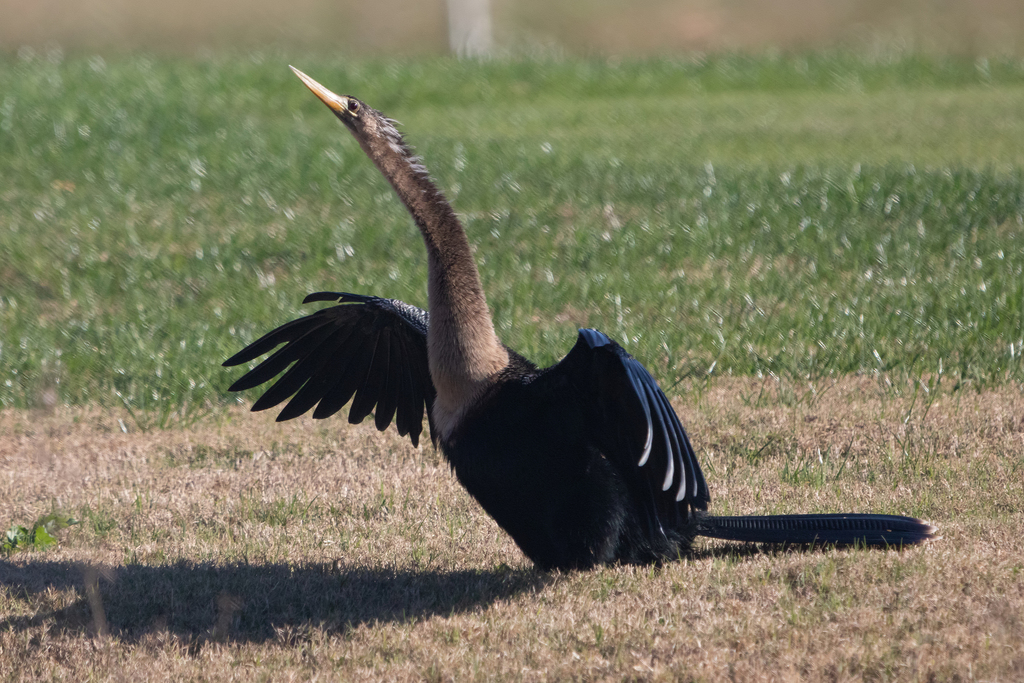
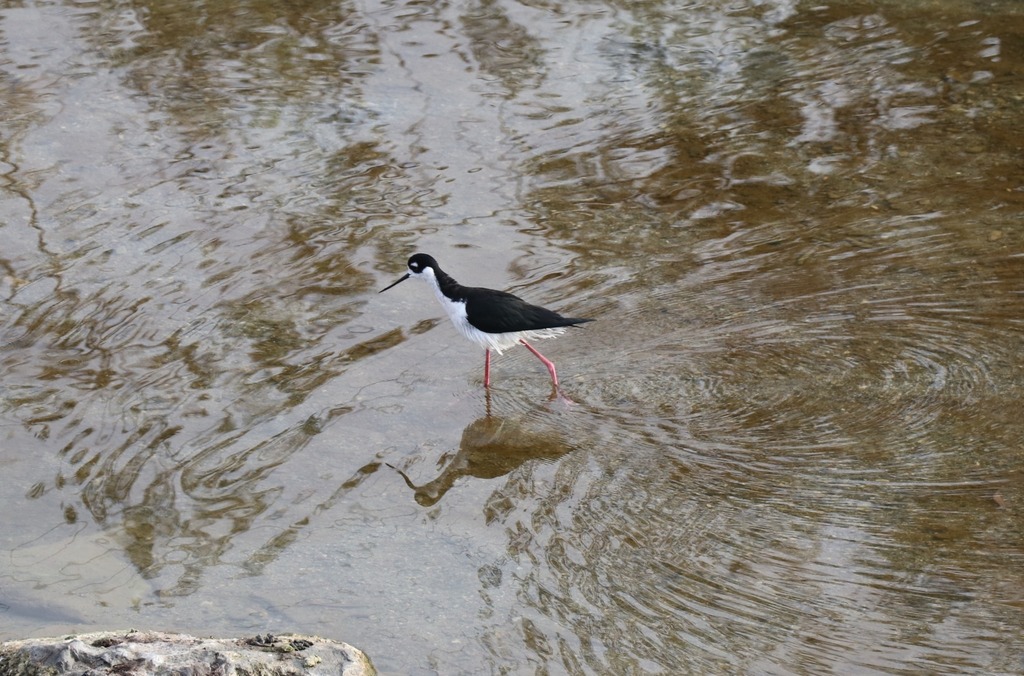
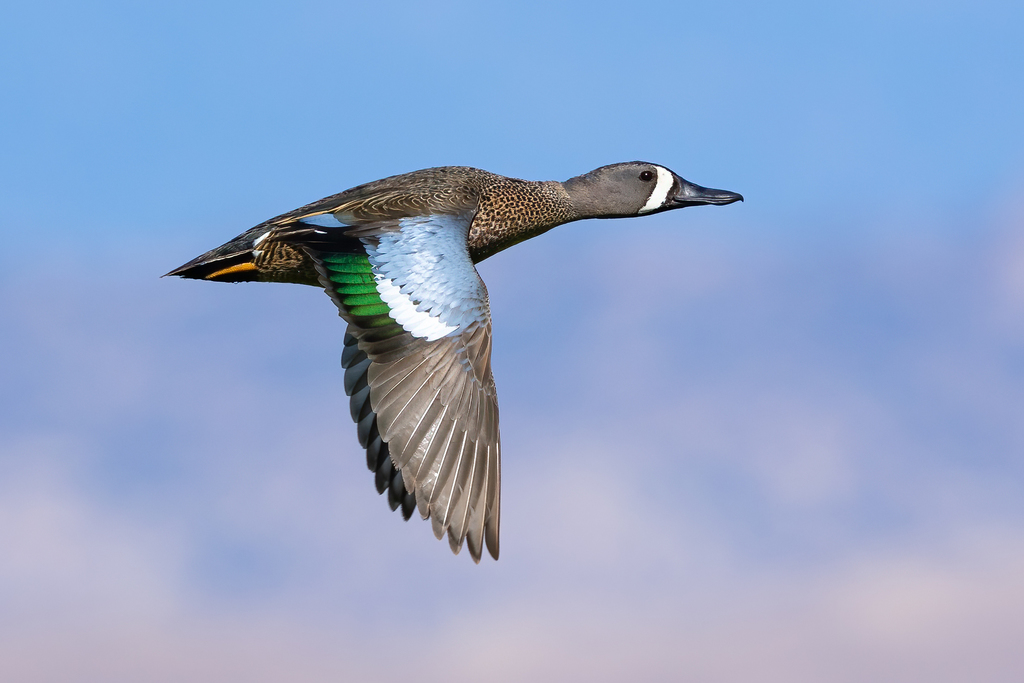
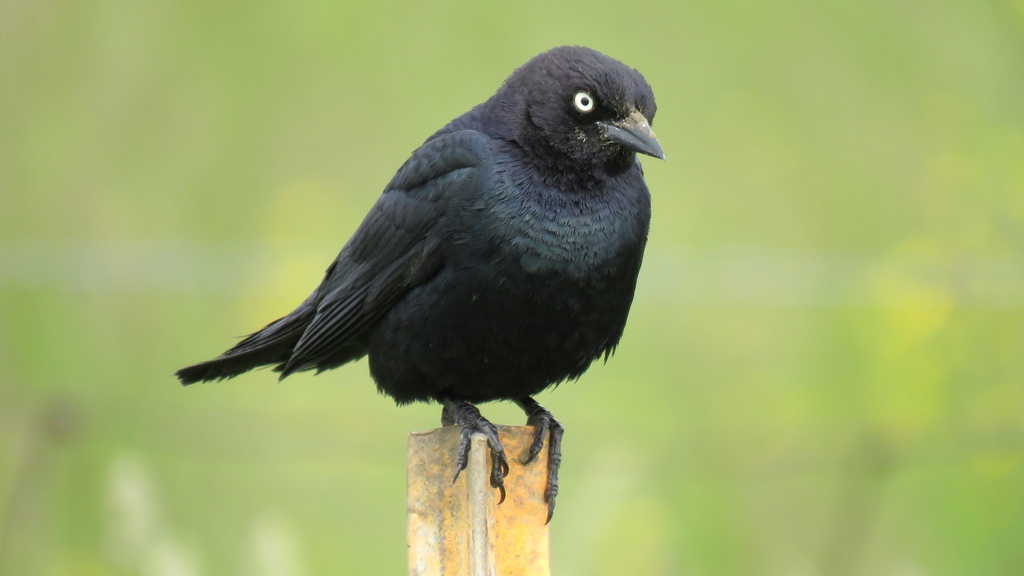



NatureServe Explorer, CC BY 4.0. USGS Gap Analysis Project habitat models.
Sources
- USGS Gap Analysis Project habitat models (2001)
- USGS GAP winter habitat model for Mallard Fresh water only
- USGS Gap Analysis Project range maps (2001), modeled by watershed; migratory gives no dates
- NatureServe Explorer (CC BY 4.0), habitat names
- US Census TIGER/Line counties
- Names follow the USGS Gap Analysis Project (2001)