

Pond Cypress
Taxodium ascendens
Found in depression ponds and limesinks; pine savannas; ponds, lakes and their shores; streams, rivers and their banks; swamps. Weakley, Flora of the Southeastern United States (2025), South Central edition What its natural habitat tells you
Native to Mississippi. How scores work Is it native here?
Profile 100%
- Height
- About 100 feet
- Light
- Partial shade, Full sun
- Soil moisture
- Wet to standing water
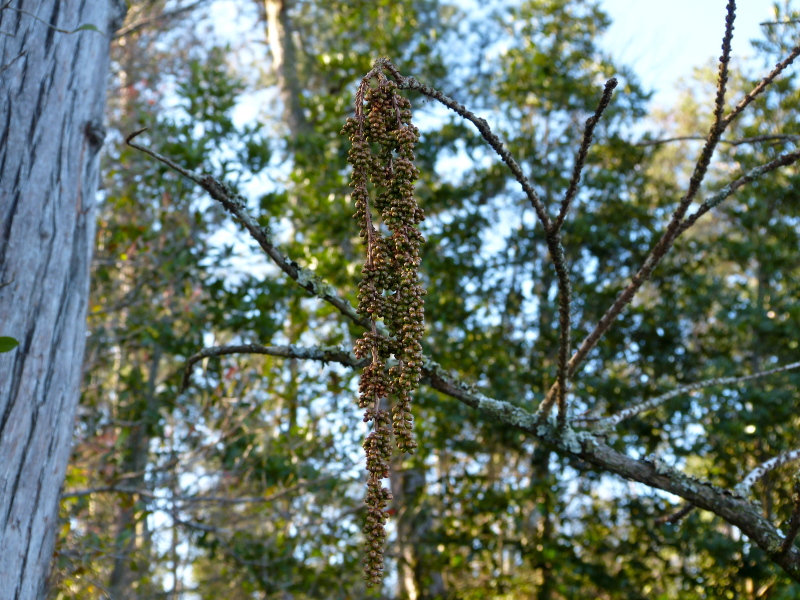
At a glance
- Leaves
- Deciduous
- Bloom
- March to April
- Fruiting season
- October
Not yet recorded · Spread · Life cycle
Recorded in 5 Mississippi counties.
Natural habitats
Places it grows wild. Not a planting requirement. Each habitat page lists the plants and wildlife also found there.
Depression ponds and limesinks
Shallow ponds in Coastal Plain depressions, such as limesinks and the ponds in some Carolina bays, that rise and fall with the seasons.
Open, fire-kept longleaf pine stands over grasses and wildflowers on wet to moist sandy soil.
Still water and its edges: ponds, lakes, millponds and reservoirs.
Streams, rivers and their banks
Flowing water and its banks, bars and rocky shoals.
Forested wetlands with standing water much of the year, such as cypress and gum swamps.
Also found with this plant
Wildlife whose habitat models include habitats this plant grows in, in Mississippi. Shared habitat, not food. 168 animals.
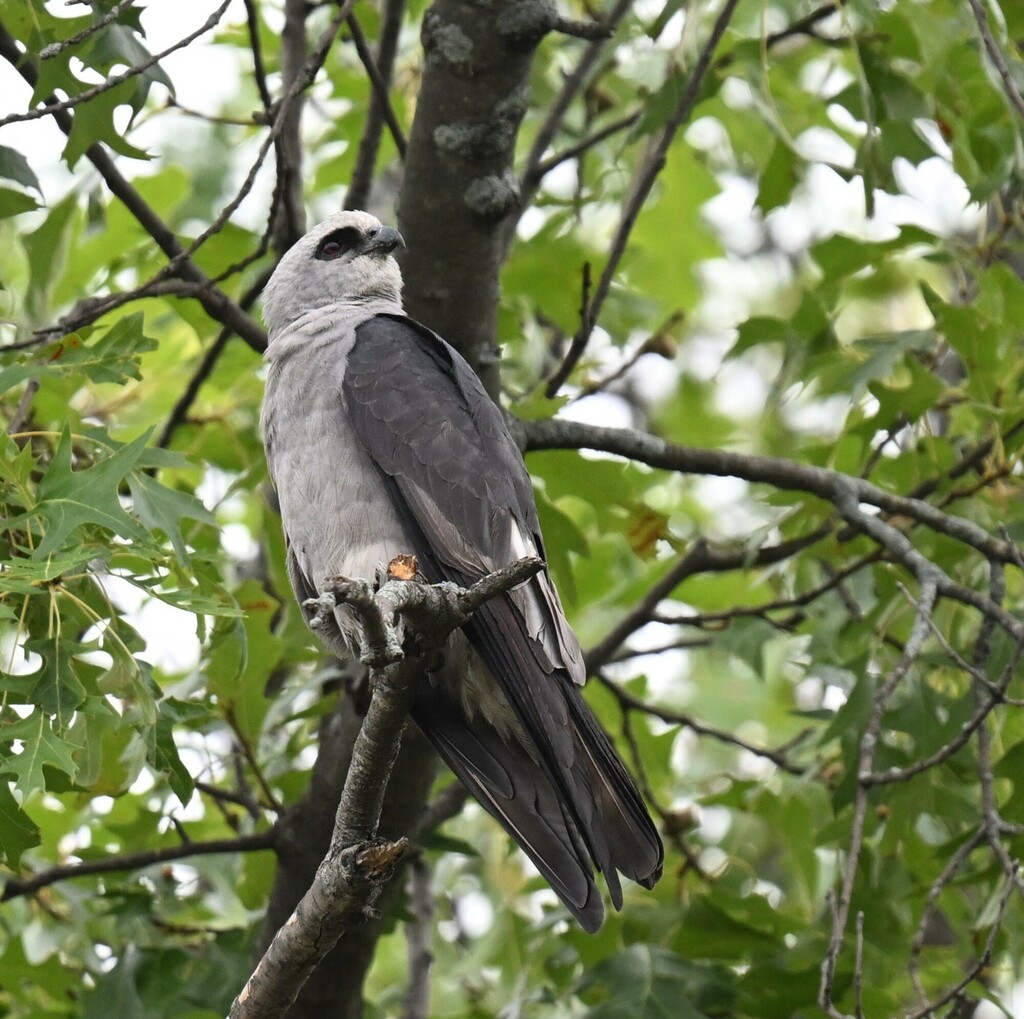
- Mississippi KiteIctinia mississippiensis
- Northern FlickerColaptes auratus
- Northern ParulaParula americana
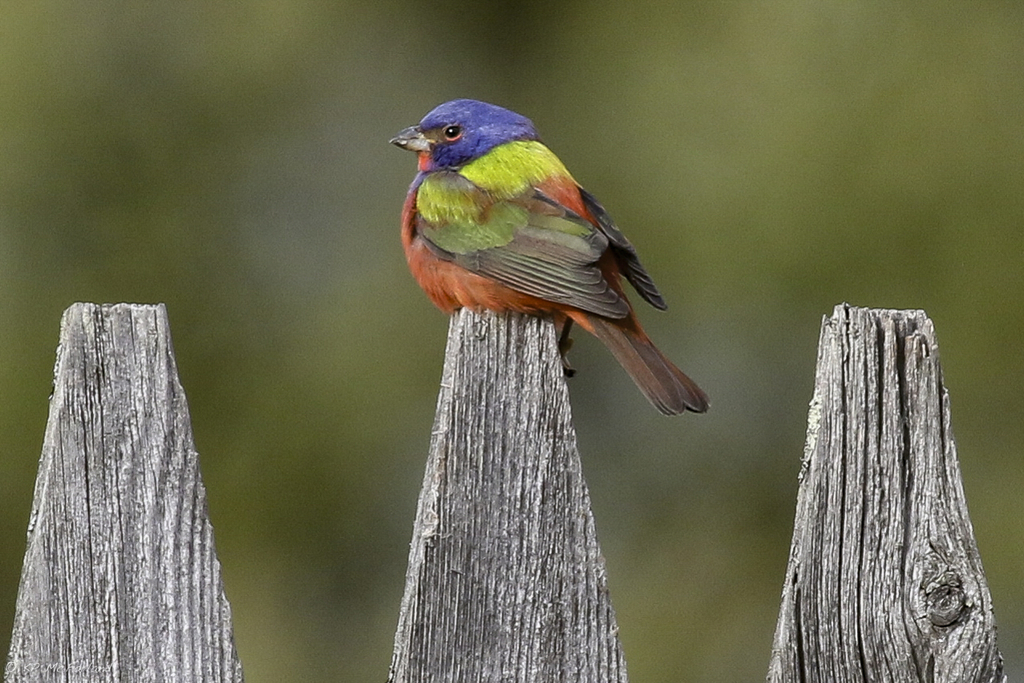
- Painted BuntingPasserina ciris
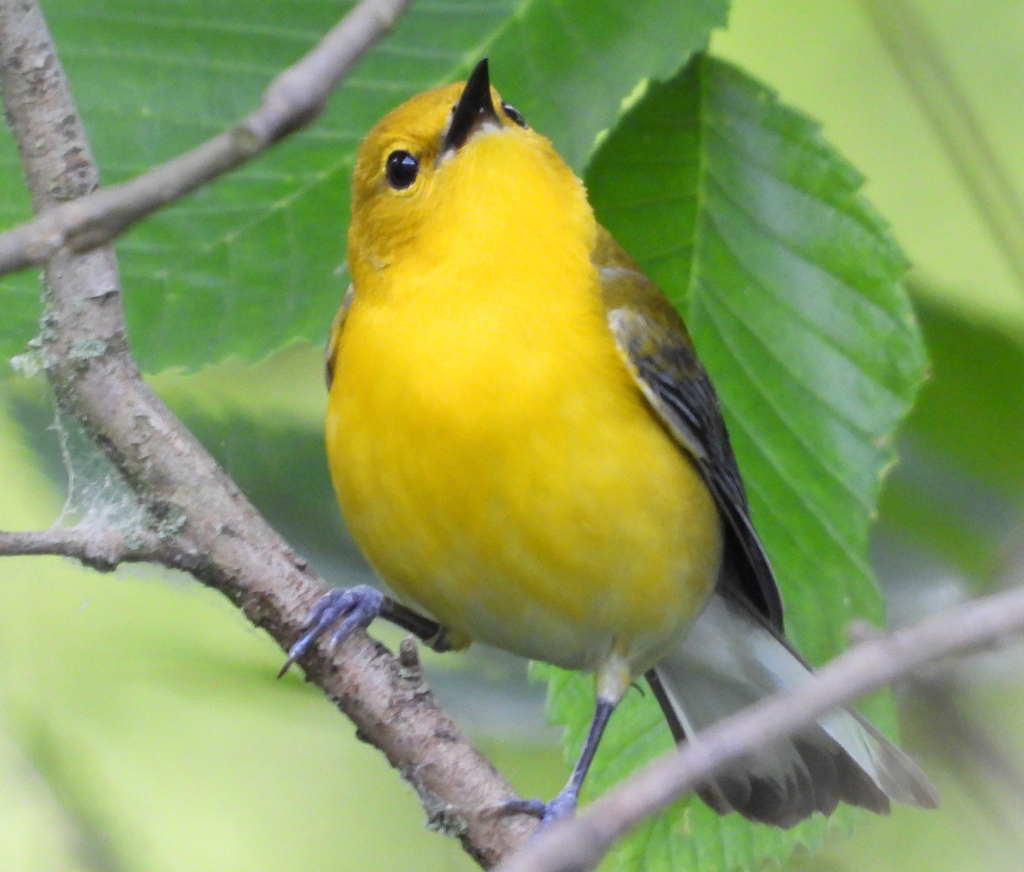
- Prothonotary WarblerProtonotaria citrea
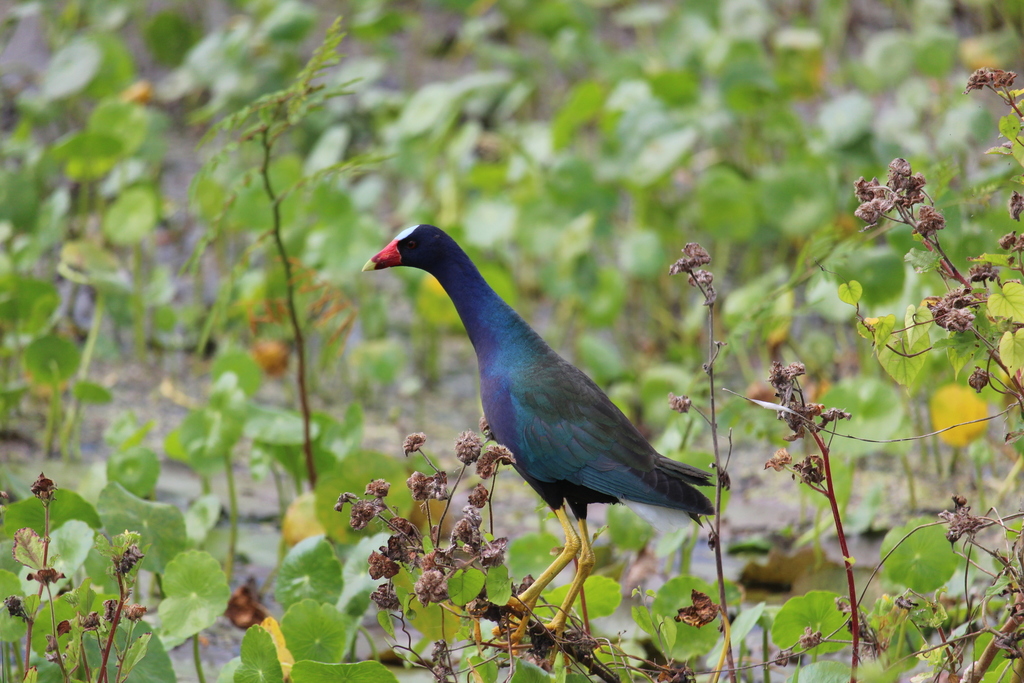
- Purple GallinulePorphyrio martinica
- Ruby-throated HummingbirdArchilochus colubris
- Spotted SandpiperActitis macularius
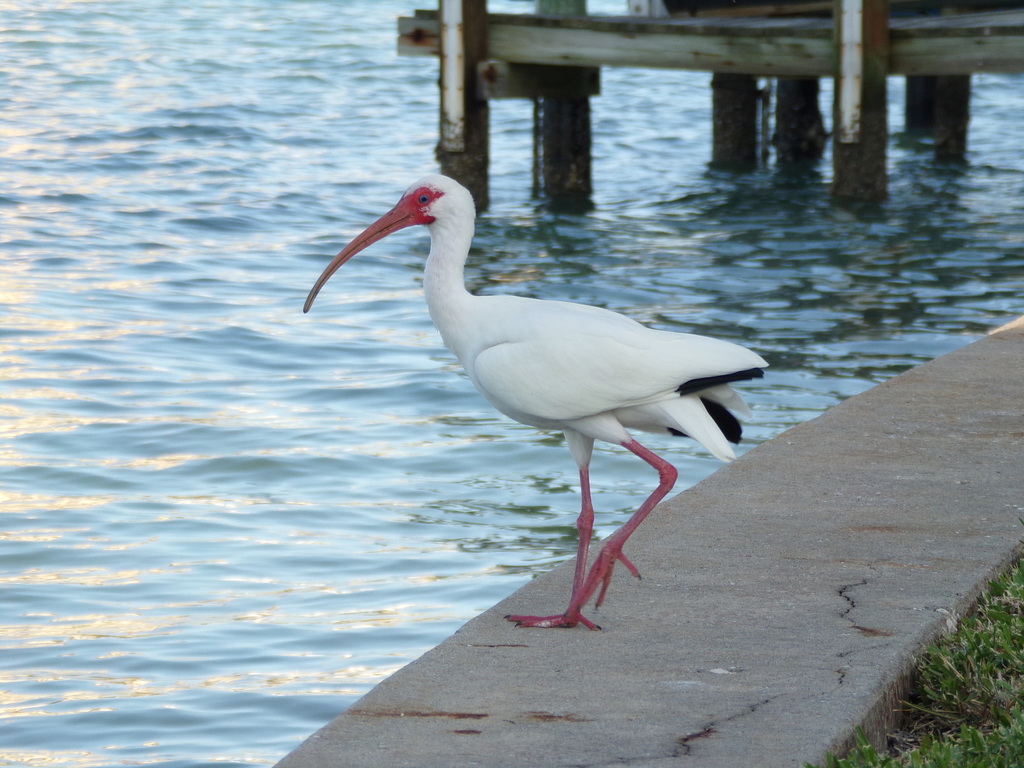
- White IbisEudocimus albus
- Wild TurkeyMeleagris gallopavo
- Wood DuckAix sponsa
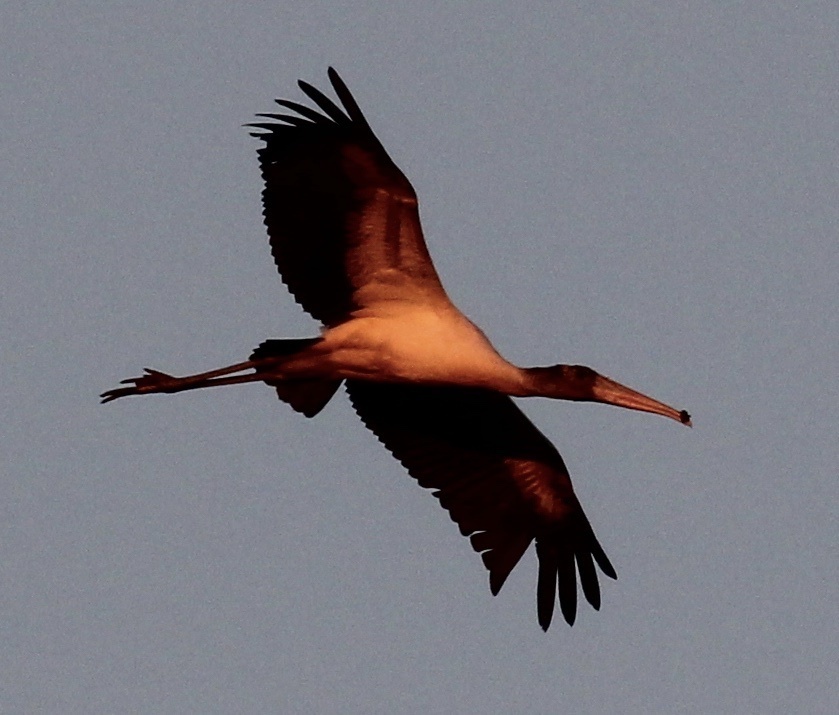
- Wood StorkMycteria americana
- Acadian FlycatcherEmpidonax virescens
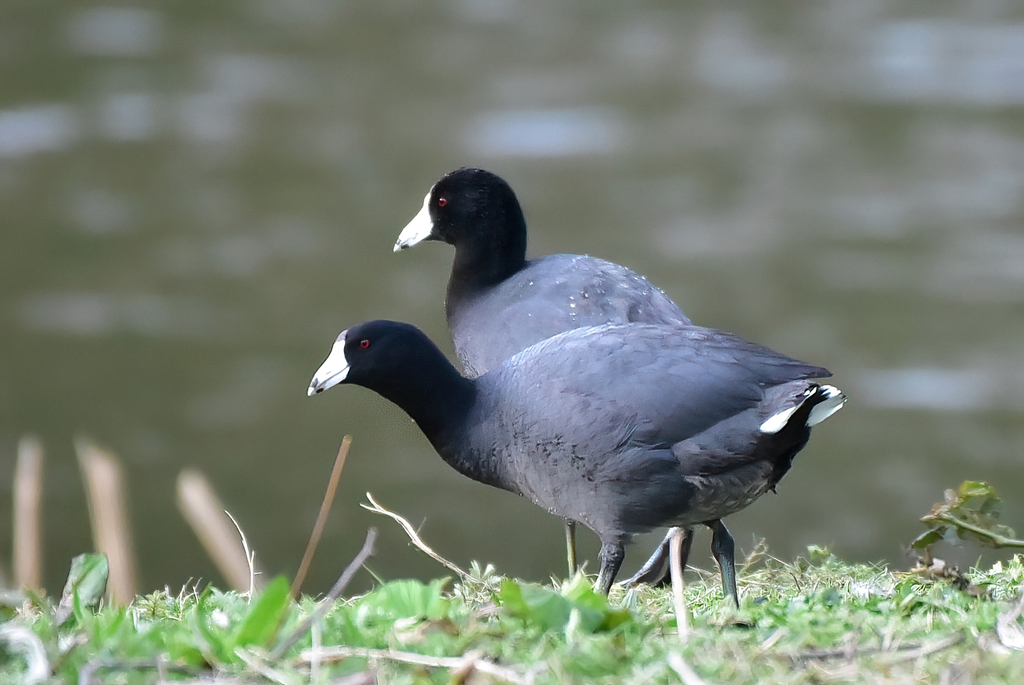
- American CootFulica americana
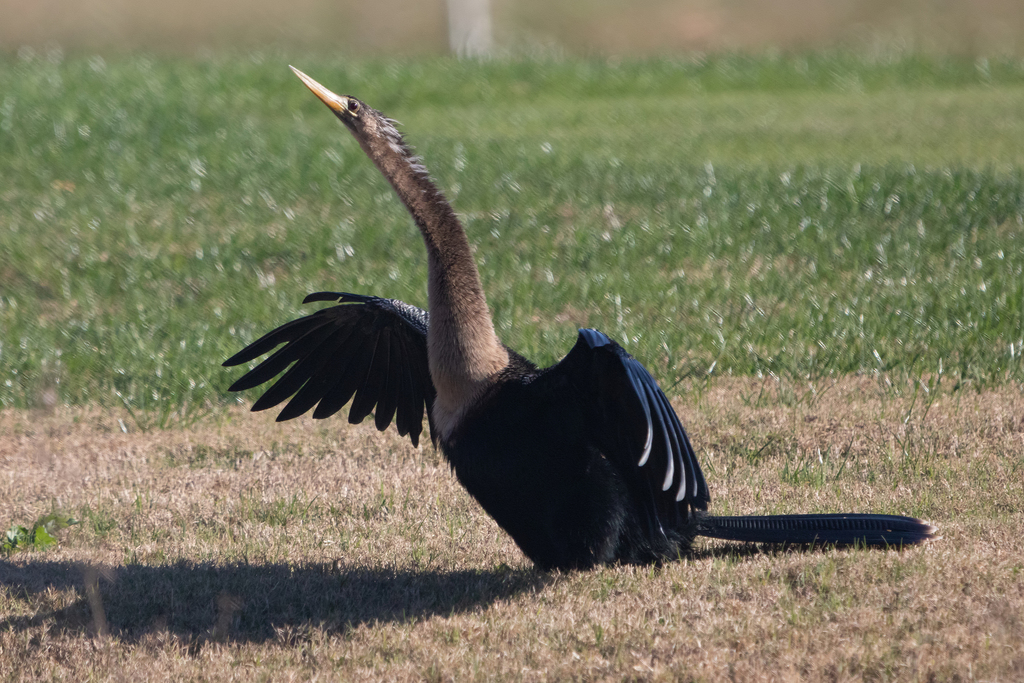
- AnhingaAnhinga anhinga
- Carolina WrenThryothorus ludovicianus
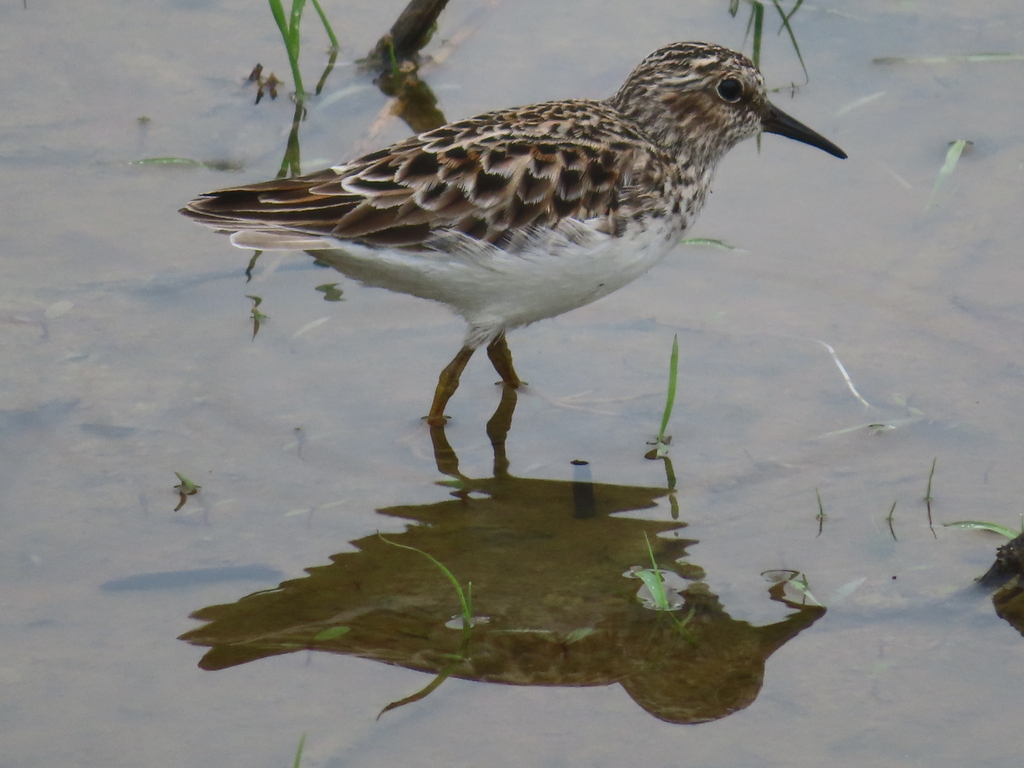
- Least SandpiperCalidris minutilla
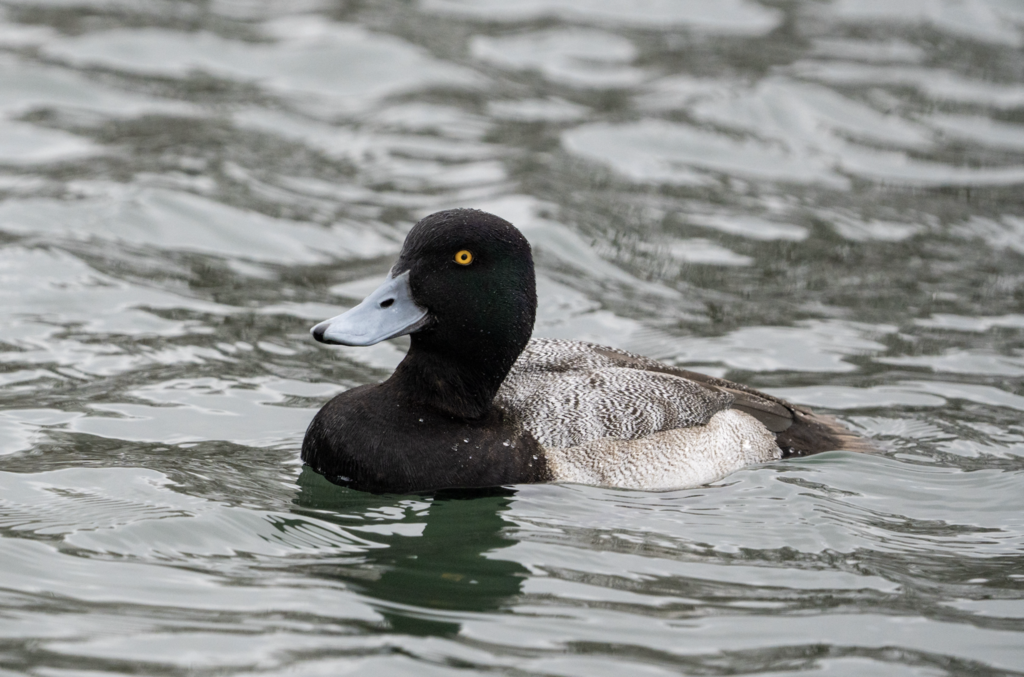
- Lesser ScaupAythya affinis
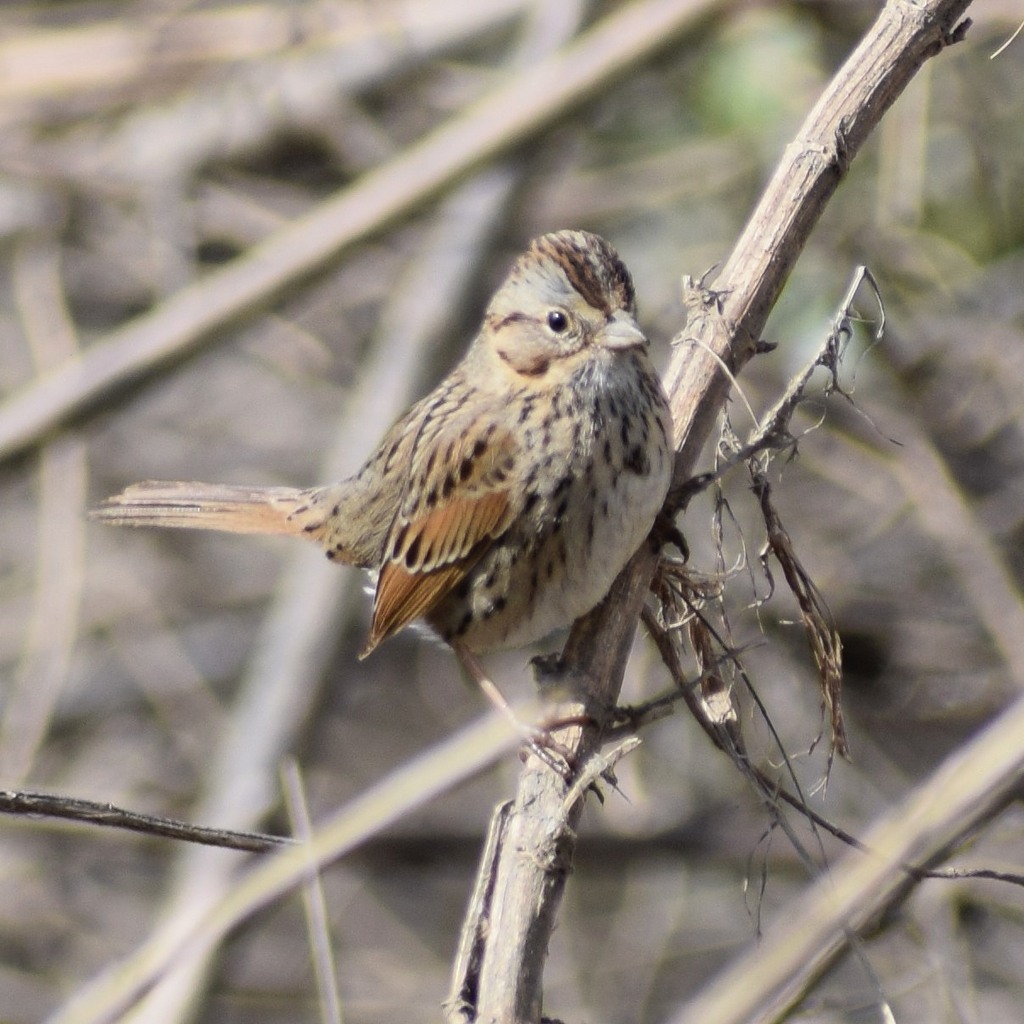
- Lincoln's SparrowMelospiza lincolnii
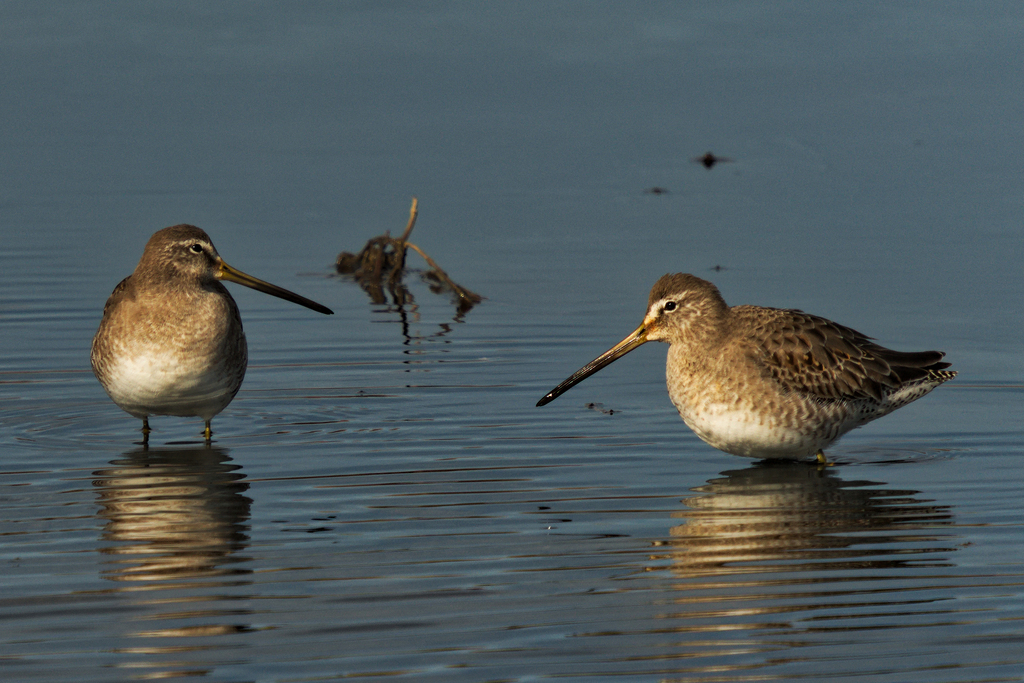
- Long-billed DowitcherLimnodromus scolopaceus
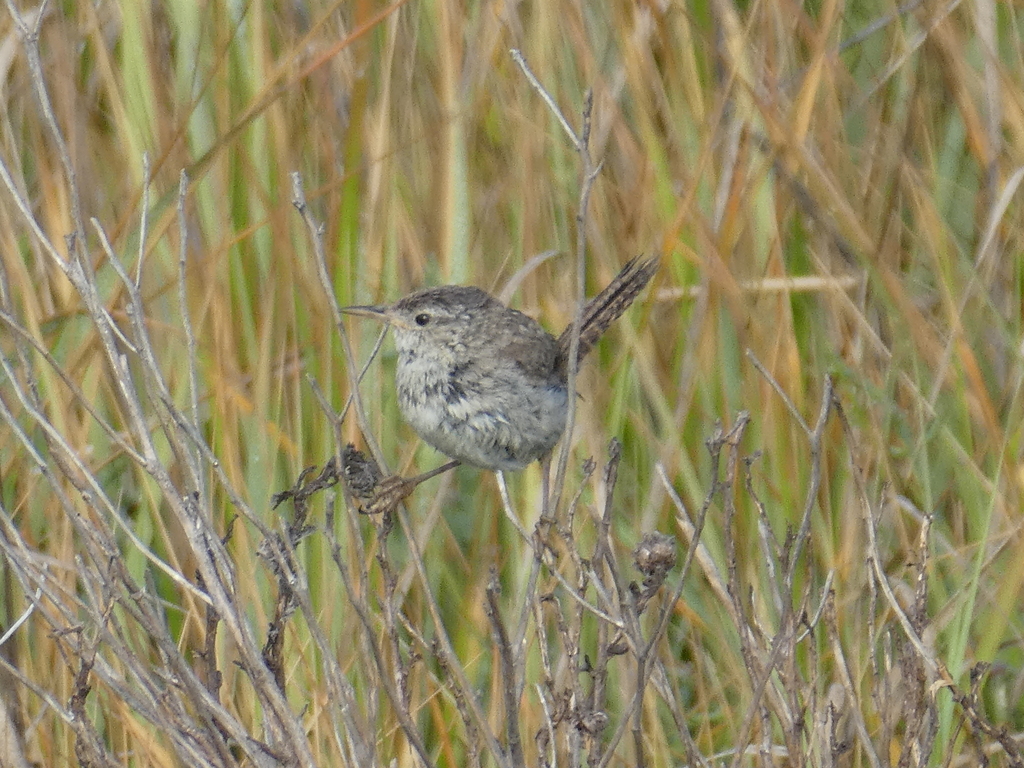
- Marsh WrenCistothorus palustris
- Pileated WoodpeckerDryocopus pileatus
- Red-bellied WoodpeckerMelanerpes carolinus
- Red-headed WoodpeckerMelanerpes erythrocephalus











Who uses this plant?
 18CaterpillarsGenus host records with ranges including MS
Genus host records with ranges including MS · Taxodium
- Archips goyeranaBaldcypress Leafroller
- Chloropteryx tepperariaAngled-Winged Emerald
- Cutina albopunctellaGray Cypress Looper
- Cutina distinctaDistinguisged Cypress Owlet
- Dasychira dominickariaDominick's Tussock Moth
- Datana ministraYellow-Necked Caterpillar Moth
- Dioryctria pygmaeellaBald Cypress Coneworm
- Eacles imperialisImperial Moth, Imperial Spiny Caterpillar
- Hyalophora cecropiaCecropia Silkmoth, Cecropia Moth
- Iridopsis pergracilisCypress Gray, Black-Shouldered Gray
Show all 18
- Isoparce cupressiBald Cypress Sphinx
- Lithophane abitaBald Cypress Pinion
- Macaria aequiferariaWoody Angle
- Orgyia detritaLive Oak Tussock Moth, Fir Tussock Moth
- Palthis angulalisDark-Spotted Palthis
- Perimede erransellaGray Perimede
- Synchlora frondariaSouthern Emerald
- Thyridopteryx ephemeraeformisEvergreen Bagworm Moth
 0BeesSoutheastern regional records
 0Specialist beesPollen specialists
 2BirdsRecorded genus food-resource interactions; not a state feeding claim
Recorded genus food-resource interactions; not a state feeding claim · Taxodium
- Aix sponsaWood Duck
- Meleagris gallopavoWild Turkey
Direct food only: birds recorded eating this genus across North America. Caterpillars on host plants also feed nesting birds. NC Native Plant Society: butterfly gardening
No records yet · Ants · Beetles · Flies · Adult butterflies / moths · Other wasps · Other insects
Plant details
- Family
- Cupressaceae
- Flower color
- Brown
- Growth rate
- Slow
- Growth habit
- Single stem
- Foliage color
- Green
- Fruit begins
- October
- Fruit ends
- October
Safety has not been reviewed for this plant; check toxicity and thorns before planting.
Growing sources and scope
- Bloom · “March to April” · Weakley, Flora of the Southeastern United States (2025), Carolinas & Georgia edition (ranked first; USDA PLANTS differs) · Carolinas and Georgia
- Flower color · “Brown” · USDA PLANTS · Nationwide species characteristics; local growing conditions may vary
- Foliage color · “Green” · USDA PLANTS · Nationwide species characteristics; local growing conditions may vary
- Fruit begins · “October” · Weakley, Flora of the Southeastern United States (2025), Carolinas & Georgia edition (ranked first; USDA PLANTS differs) · Carolinas and Georgia
- Fruit ends · “October” · Weakley, Flora of the Southeastern United States (2025), Carolinas & Georgia edition (ranked first; USDA PLANTS differs) · Carolinas and Georgia
- Growth habit · “Single stem” · USDA PLANTS · Nationwide species characteristics; local growing conditions may vary
- Growth rate · “Slow” · USDA PLANTS · Nationwide species characteristics; local growing conditions may vary
- Height · “About 100 feet” · USDA PLANTS · Nationwide species characteristics; local growing conditions may vary
- Leaf retention · “Deciduous” · USDA PLANTS · Nationwide species characteristics; local growing conditions may vary
- Light · “Partial shade; Full sun (documented habitat)” · Weakley, Flora of the Southeastern United States (2025), Carolinas & Georgia edition · Carolinas and Georgia
- Soil · “Water; Wet (documented habitat)” · Weakley, Flora of the Southeastern United States (2025), Carolinas & Georgia edition · Carolinas and Georgia
Conservation status
| Mississippi rank | S4 |
|---|---|
| Global rank | G5 |
| MS status | Not verified |
| Federal status | Not verified |
Will it fit your yard?
Check this plant against your county, sun and soil moisture. Conditions are checked in your browser.
Sources
- NatureServe Explorer
- USDA PLANTS
- Vascular Plants of North Carolina (NC Natural Heritage Program)
- Weakley, Flora of the Southeastern United States (2025)
- Mississippi occurrence source
- Shropshire & Tallamy 2025, Lepidoptera of North America north of Mexico, ZooKeys 1261 (ODbL)
- Noori, Seltmann & Orr 2026, A curated and integrated dataset for exploring global bee-plant interactions (GloBI), Zenodo, CC BY 4.0
- Smith, Bachelder, Russell, Morales, Mosher & Seltmann 2024, Bee-Specialization-Modeling v0.6.1 (specialist host table compiled from J. Fowler's pollen specialist bee lists), Zenodo, CC BY 4.0
- Hurlbert, Olsen, Sawyer & Winner 2021, Avian Diet Database, Scientific Data 8: 260 (CC0)
- Narango, Tallamy & Shropshire 2020, Few keystone plant genera support the majority of Lepidoptera species, Nature Communications